
Blog
What is the cost of CNC cutting machine?

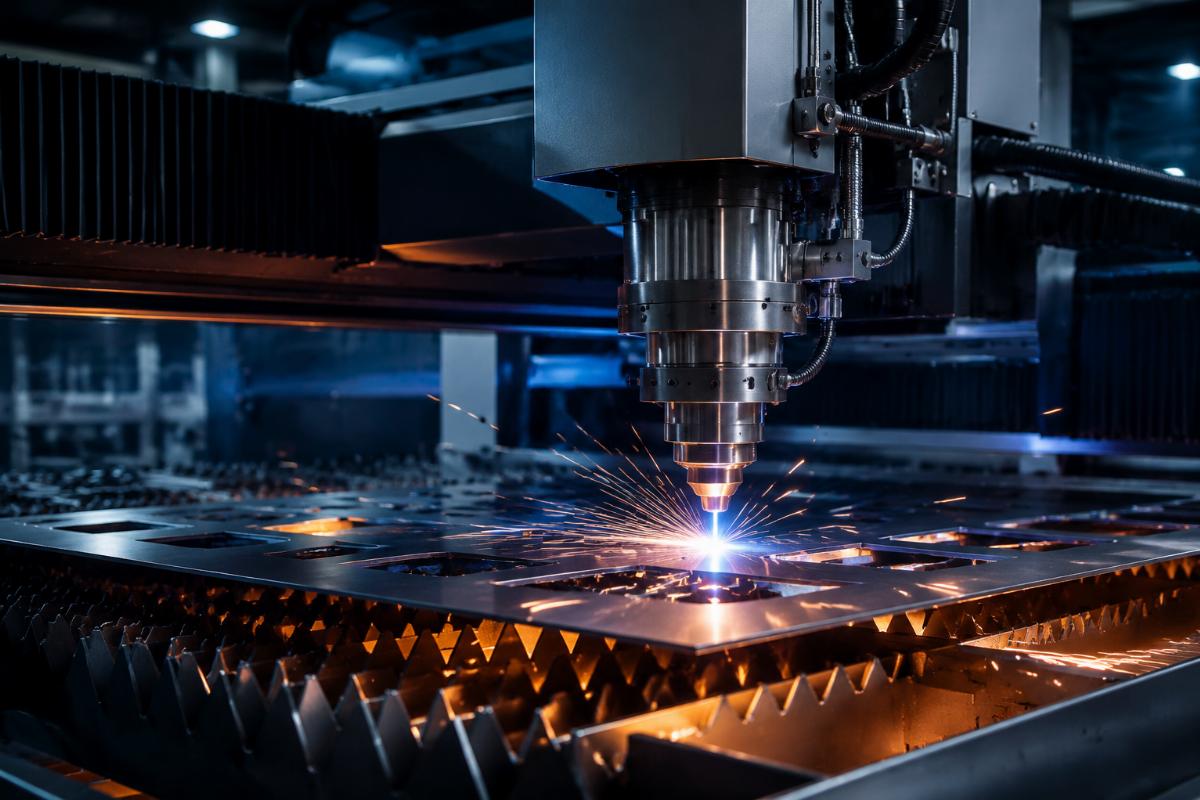
What is the cost of CNC cutting machine?
You search "CNC cutting machine price" and get quotes from $12,000 to $80,000. You think suppliers are playing games. But here's what nobody tells you: those numbers aren't comparing the same tool. You're looking at different machines built for different jobs, and the price gap reflects what you're actually buying.
The cost of a CNC cutting machine ranges from $15,000 to $100,000+1 depending on cutting width, material type, tooling system, and precision requirements. A packaging machine with oscillating knife costs $15,000-$30,000, while automotive composite cutters with multi-tool systems start at $50,000. These aren't price tiers—they're different categories of equipment.
When you ask "how much does it cost," you're really asking the wrong question. The right question is: "What configuration do I need for my material, and what's the total delivered cost?" Because the machine body price is just the starting point. Let me walk you through what actually determines the number on your invoice.
Why do CNC cutting machine prices vary so much?
Most buyers think price differences mean markup or brand premium. That's wrong. When we quote $18,000 for one customer and $65,000 for another, we're not pricing based on who they are. We're pricing based on what they're cutting, how big it needs to be, and what precision they need.
Price variation in CNC cutting machines reflects application requirements, not arbitrary markup. Material type determines tooling (oscillating knife for paper vs rotary blade for leather vs milling head for composites). Working width multiplies cost (1.6m machines cost 40-60% less than 3.2m versions)2. Precision levels, automation features, and tool head systems each shift price by 50-200%.
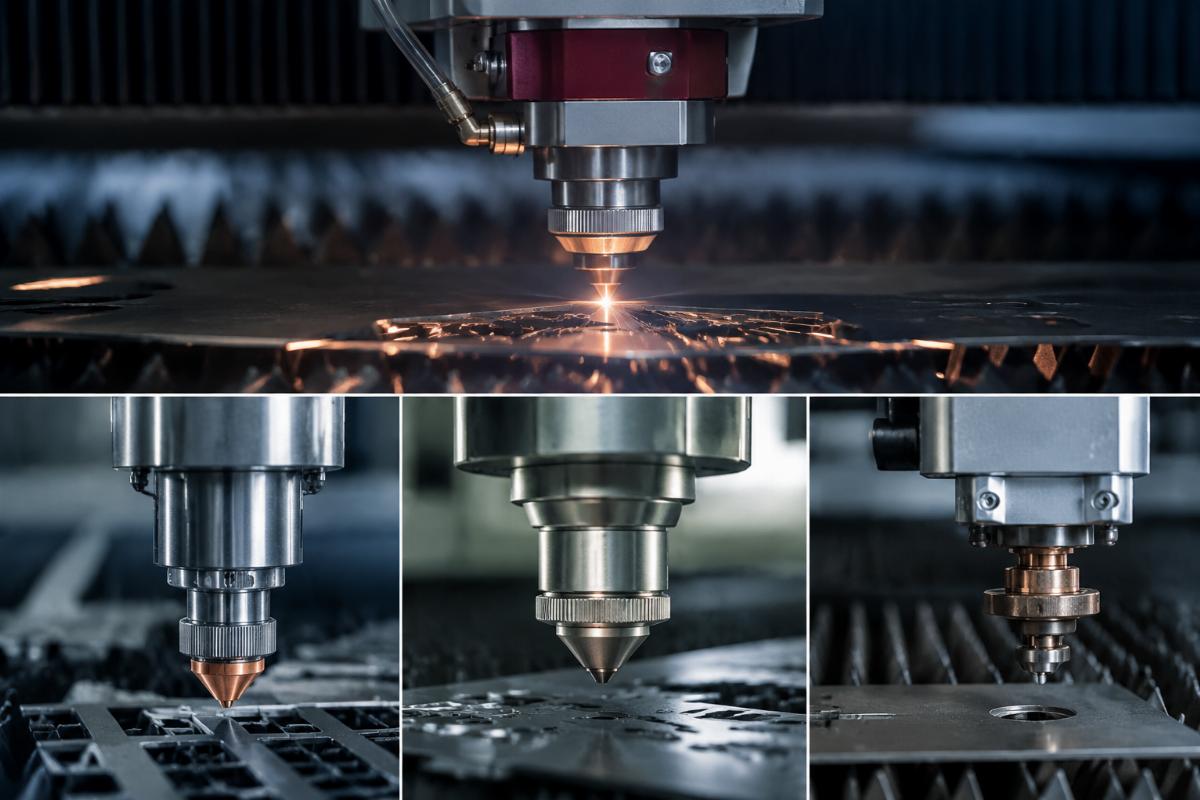
Here's what actually drives the number. A gasket cutting machine for rubber seals needs a tangential knife that rotates with curve direction. That's different tooling than a纸箱 packaging machine that punches corrugated board with a vibrating knife. If you're cutting automotive interior leather with complex nesting patterns, you need camera registration systems to align pre-printed panels. That's a different machine category than cutting advertising vinyl where material comes in rolls without registration marks.
What determines the base machine cost?
| Cost Factor | Impact on Price | Example |
|---|---|---|
| Working width | 1.6m: baseline / 3.2m: +50-70% | A 1.6m纸箱 cutter costs $18K; 3.2m version costs $28K |
| Cutting speed | 600mm/s: standard / 1200mm/s: +20-30% | High-speed systems for packaging production add $4K-8K |
| Precision grade | ±0.5mm: industrial / ±0.1mm: +30-40% | Precision automotive cutting adds $8K-15K to base cost |
| Tool head system | Single knife: baseline / Multi-tool carousel: +40-80% | Adding router + creasing tools costs $10K-20K extra |
When I prepare quotes, customers often ask why our 3.2m machine costs $45,000 while our 1.6m version costs $25,000. The reason isn't just "bigger size." The 3.2m gantry needs heavier linear guides, larger servo motors, and reinforced structure to maintain cutting precision across the wider span. The beam deflection tolerance at 3.2m is much tighter than at 1.6m3. You're paying for engineering that keeps the knife perpendicular to material across the entire width.
This is where customers get surprised. You see a $20,000 quote and think that's your investment. Then delivery adds $1,500. Installation and training add $2,000. The CAM software license is $800 per year. Oscillating knife blades cost $45 each and last 3-6 months depending on material. Suddenly your $20,000 machine costs $28,000 in year one.
Hidden costs typically add 20-40% to the base machine price4. Tooling consumables (blades, bits, creasing wheels) cost $500-$2,000 annually. CAM software ranges from $600/year subscriptions to $3,000 perpetual licenses. Installation and training run $1,500-$5,000 depending on complexity. International shipping and customs add 8-15% for overseas buyers.
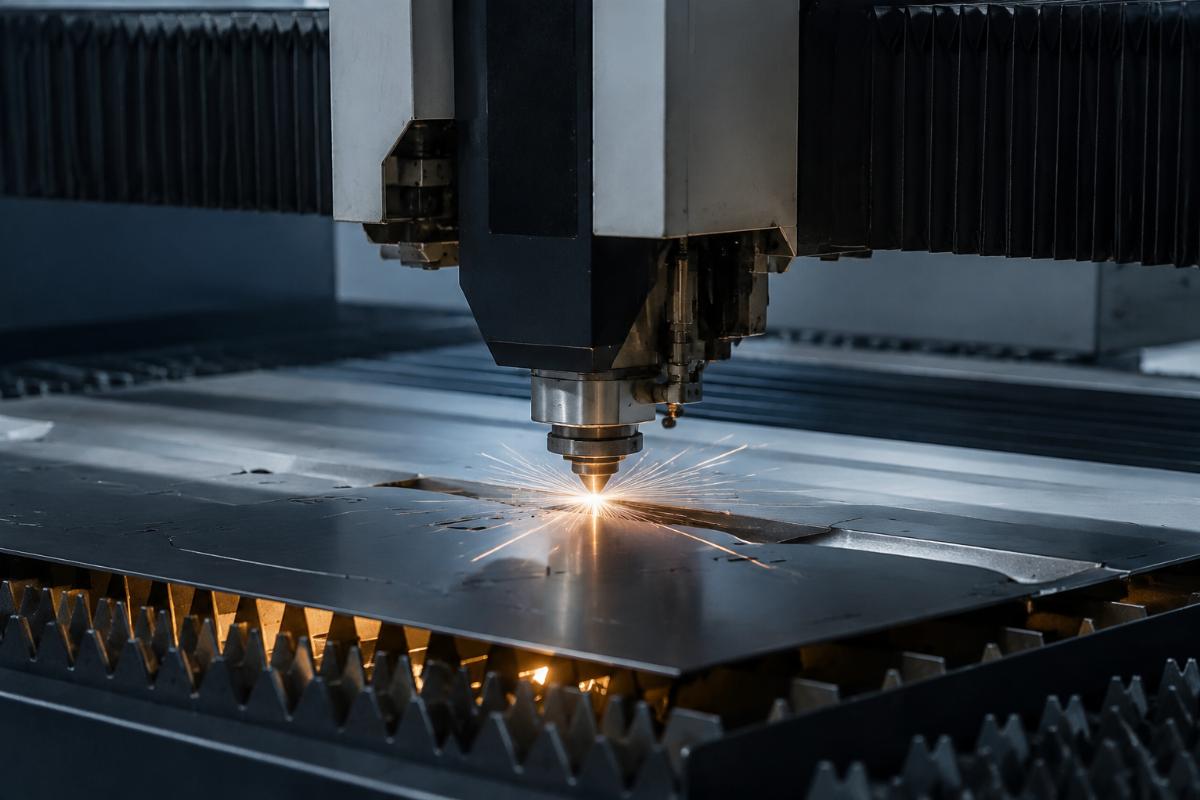
Let me break down real cost structures I see in quotations. For a fabric cutting machine quoted at $35,000, the customer needs to budget for blade replacement ($800/year for rotary blades cutting 8 hours daily), vacuum pump maintenance ($300/year for filter replacement), software updates ($600/year if they choose subscription licensing), and training ($2,500 for two operators). Over three years, the total ownership cost is $42,400, not $35,000.
How do tooling choices affect total cost?
Different materials need different cutting tools, and each tool type has its own cost structure. Oscillating knives for cardboard and foam cost $35-$65 per blade and last 500-1,000 hours5. Rotary blades for leather and fabric cost $45-$85 and last 300-600 hours depending on material hardness. Router bits for composites cost $120-$200 and last 50-100 hours when cutting carbon fiber or fiberglass6.
When you choose a machine configuration, you're choosing a consumable cost structure. If you're cutting abrasive materials like fiberglass gaskets, your tool replacement costs run higher than cutting纸箱 packaging. A composite cutting machine might have lower upfront cost than expected, but the router bit replacement schedule adds $2,000-$4,000 per year. That's not a hidden fee—it's the nature of cutting hard materials.
What software and automation costs should you expect?
Basic CNC cutting machines include manual nesting software that lets you arrange patterns on screen. That's functional but slow. Professional CAM software with automatic nesting algorithms costs $1,200-$3,500 as perpetual license or $600-$1,200 per year as subscription. The difference is cutting efficiency. Manual nesting might give you 65-70% material utilization7. Automatic nesting optimizes to 80-85%8. For a manufacturer cutting $50,000 of leather annually, the 15% material savings pays for the software in under six months.
Camera registration systems for pre-printed materials add $8,000-$15,000 to machine cost9 but eliminate manual alignment that wastes 5-10 minutes per sheet10. If you're cutting 200 sheets per day, that's 16-33 hours saved weekly. The automation cost becomes justifiable not as luxury but as labor savings.
How do application requirements change the price range?
When customers ask "what's your cheapest machine," I have to ask back: "What are you cutting?" Because a $15,000纸箱 cutting machine can't cut leather, and a $25,000 leather cutter can't handle composite materials. These aren't price tiers you climb by budget. They're different tools for different jobs.
Application requirements determine machine category and price floor. Packaging and纸箱 cutting with oscillating knife systems start at $15,000-$25,000 for 1.6m width. Fabric and leather cutting with rotary blade and vacuum systems start at $25,000-$40,000. Automotive interior cutting with camera registration starts at $35,000-$55,000. Composite cutting with router/milling systems starts at $45,000-$80,000.
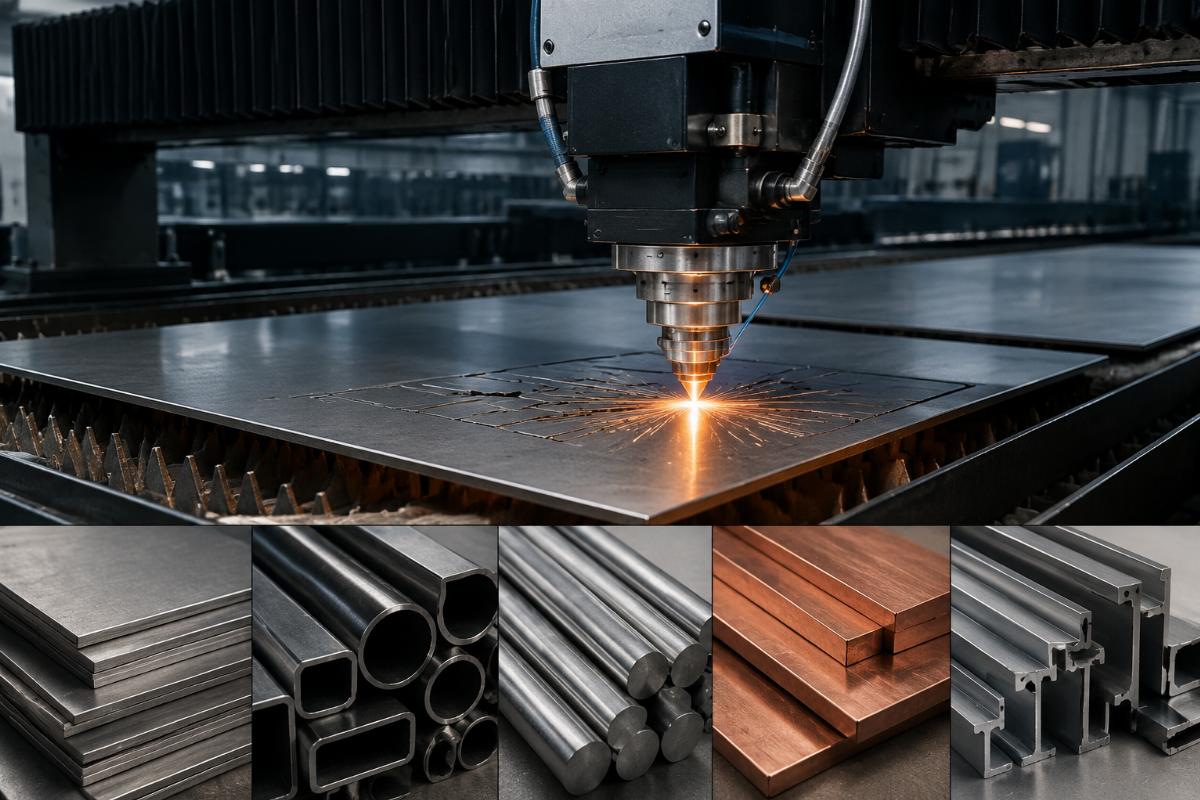
Let me show you real configuration differences. A纸箱 packaging customer needs to cut corrugated board with kiss-cutting capability (cutting top layer without penetrating bottom layer). That requires vibrating knife with precise depth control and strong vacuum hold-down. The machine costs $18,000-$28,000 depending on width. A furniture manufacturer cutting leather for sofa panels needs rotary blade for smooth edges, vacuum zones for thin material hold-down, and sometimes camera systems to follow printed patterns. That machine costs $32,000-$48,000. An aerospace supplier cutting carbon fiber prepreg needs milling head with dust collection, freezer-compatible construction, and ±0.1mm precision. That machine costs $60,000-$95,000.
What does packaging industry equipment actually cost?
Packaging applications include corrugated box cutting, folding carton prototyping, POP display production, and纸箱 die-cutting replacement. These materials are relatively soft, so oscillating knife tooling works well. The machines are simpler than multi-material systems.
For a 1.6m width纸箱 cutter with vibrating knife, vacuum table, and basic nesting software, expect $15,000-$22,000 machine body price. Add $1,500 for international shipping, $800 for installation, $1,200 for training two operators. Total delivered cost is $18,500-$25,500. The machine cuts at 600-800mm/s11, handles up to 50mm thick corrugated board, and maintains ±0.3mm precision12.
If you need 3.2m width for large display cutting, the machine body jumps to $28,000-$38,000 because of structural requirements. The gantry needs heavier construction to prevent deflection. The servo systems need higher torque. Add the same delivery and training costs, and you're at $31,500-$43,500 delivered.
How much do leather and fabric cutting machines cost?
Leather and fabric cutting requires different tooling than packaging. Materials are thinner and more flexible, so vacuum hold-down becomes critical. Rotary blades give cleaner edges than oscillating knives for these materials. Many applications need camera registration to cut around printed patterns or cut multiple layers simultaneously.
A 1.6m fabric cutting machine with rotary blade, zoned vacuum, and manual nesting software costs $25,000-$35,000 for the machine body. If you add camera registration for printed fabric alignment, add $8,000-12,000. Multi-layer cutting capability for stacking up to 5 layers adds $3,000-$5,000 for stronger vacuum and blade systems. Total configured cost runs $28,000-$52,000 depending on features needed.
For automotive interior leather cutting with camera registration and automatic nesting software, expect $45,000-$65,000 configured price. This includes the registration cameras, professional CAM software, rotary blade system, and training for pattern alignment procedures. The higher cost reflects precision requirements (±0.2mm for matching seams) and software complexity (automatic pattern matching algorithms).
What do composite and industrial material cutters cost?
Composites, fiberglass, carbon fiber, and hard plastics need routing or milling tools instead of knife systems. These machines are essentially CNC routers adapted for flexible material cutting with added vacuum hold-down. They cost more because router spindles, dust collection systems, and rigid gantry construction add complexity.
A 1.6m composite cutting machine with router head, dust collection, and vacuum table starts at $45,000-$55,000. If you need multi-tool capability (router + oscillating knife for hybrid materials), add $12,000-$18,000 for automatic tool changer system. If you need 3.2m width for aerospace applications, the price jumps to $70,000-$95,000 because of precision requirements and structural rigidity needed.
Industrial gasket cutting for rubber and dense materials falls in the $35,000-$50,000 range. These machines use tangential knives that rotate with cut direction for clean edges on elastic materials. The tooling system is more complex than simple oscillating knives, and the control software needs advanced algorithms for curve cutting.
How should you compare quotes from different suppliers?
You get three quotes: $22,000, $38,000, and $55,000. You think the first supplier is cheaper. But when you read the details, the $22,000 quote is machine body only, FOB China port, with one-day online training. The $38,000 quote includes shipping, installation, three days on-site training, and one-year software license. The $55,000 quote includes everything plus automatic nesting software and two-year warranty.
Compare quotes by normalizing to delivered, operational cost. Ask each supplier to itemize: machine body, shipping method, installation included or separate, training duration and format, software license term, warranty coverage, and consumable tooling included. A $35,000 "turnkey" quote can cost less than a $28,000 "machine only" quote when you add the missing items.
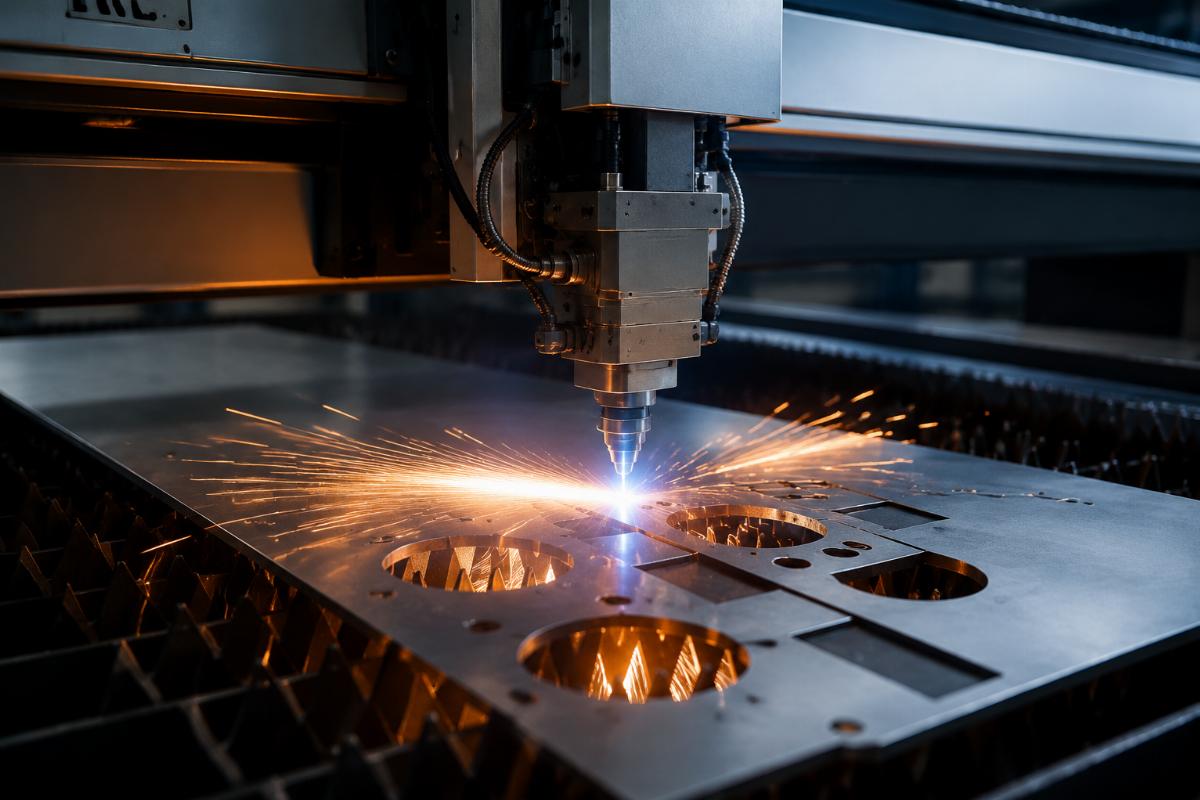
When I prepare quotations at Realtop, I break costs into clear categories so customers can compare apples to apples. Machine body price includes the cutting system, vacuum table, and basic control software. Shipping is listed separately with method specified (air freight vs sea freight). Installation and training are itemized as optional services with duration specified. Software licensing shows term (perpetual vs annual subscription). Tooling package lists what's included (how many blades, what types, expected life).
What questions should you ask about each quote?
Before you compare numbers, get clarity on what's actually included. Here's what I ask suppliers when customers forward me competitor quotes for analysis:
Machine specification questions: What is the actual cutting width (some suppliers quote machine footprint, not cutting area)? What is the positioning precision specification (±0.1mm, ±0.3mm, ±0.5mm)? What is the cutting speed at specified precision (some quote maximum speed at reduced precision)? What tooling is included (knife types, how many, expected life)? What is the vacuum pump capacity and zone control (this affects material hold-down quality)?
Software and control questions: What software is included (basic nesting vs professional CAM)? What is the software license term (perpetual, 1-year, subscription)? Does software support automatic nesting or only manual? Can software import common file formats (DXF, AI, PDF)? What control system brand (some use generic systems with limited support)?
What delivery and support terms matter?
Price means nothing without delivery and support structure. A $30,000 machine with 90-day lead time doesn't help if you need production running in 30 days. A $40,000 machine with two-day email response time for technical support costs more downtime than a $45,000 machine with 4-hour phone support.
When you evaluate quotes, look at lead time from order to delivery. Standard machines ship in 15-30 days. Custom configurations take 30-45 days. Look at installation terms. Some suppliers include on-site installation and training. Others ship the machine and provide video guidance. On-site training costs $2,000-$5,000 but reduces your learning curve from weeks to days.
Support terms matter long-term. Some suppliers include one-year phone and email support, then charge annual support fees. Others provide lifetime support as part of purchase. Remote access capability for troubleshooting becomes valuable—technicians can diagnose issues via internet connection without travel costs.
What is the real total cost for your specific application?
Stop asking "what's the cheapest machine." Start asking "what's the total cost to cut my specific material at my required volume." Because the lowest machine price often creates the highest total cost when you factor in slower cutting speed, higher consumable costs, or limited software capability that wastes material.
Calculate total cost over three years including machine price, delivery, installation, training, software licensing, consumable tooling, and maintenance. For packaging纸箱 cutting, expect $25,000-$35,000 total three-year cost. For leather furniture cutting, expect $45,000-$65,000. For automotive composite cutting, expect $70,000-$110,000. Higher-end machines often show lower per-part cost through faster cutting and better material utilization.
When customers ask us for budget guidance, I don't quote machine price alone. I estimate operational cost. For a furniture manufacturer cutting 5,000 square meters of leather per year, I calculate: machine cost ($38,000), three-year blade replacement ($2,400), software subscription ($1,800), training ($3,000), maintenance ($1,500). Total three-year cost is $46,700, or $9.34 per square meter cut. If they choose a $28,000 machine with manual nesting software that gives 70% material utilization instead of 82%, they waste $15,000 in leather over three years. The "cheaper" machine costs $43,000 plus $15,000 waste = $58,000 effective cost.
Conclusion
The cost of a CNC cutting machine isn't a single number—it's a configuration decision based on your material, size, and precision needs. Compare total delivered cost, not just machine body price, and you'll find the real value.
"CNC Cutting Machines Market Size, Share, Trends, Report 2035", https://www.marketresearchfuture.com/reports/cnc-cutting-machines-market-10810. Industry market analyses confirm that CNC cutting machines span a wide price spectrum depending on configuration, with entry-level packaging cutters starting around $15,000 and advanced composite cutting systems exceeding $100,000. Evidence role: statistic; source type: research. Supports: typical price ranges for industrial CNC cutting equipment across different categories. Scope note: Market reports may reflect different regional pricing or include different equipment categories than those discussed in this article ↩
"Guide to CNC Machining Prices and Cost-Saving - TFG USA", https://www.tfgusa.com/cnc-machining-cost/. Manufacturing engineering literature explains that larger machine working envelopes require proportionally stronger structural components, higher-capacity motion systems, and more rigid construction to maintain precision, resulting in non-linear cost increases as dimensions scale. Evidence role: mechanism; source type: education. Supports: the engineering principles explaining why larger working envelopes increase machine costs. Scope note: General engineering principles may not precisely predict the 40-60% figure, which likely varies by manufacturer and specific design choices ↩
"[PDF] Lecture 6: Moderately Large Deflection Theory of Beams", https://ocw.mit.edu/courses/2-080j-structural-mechanics-fall-2013/f827582935b884270771d43cdeba860d_MIT2_080JF13_Lecture6.pdf. Structural mechanics principles demonstrate that beam deflection increases with the cube of the span length, meaning that doubling the gantry width requires significantly increased rigidity to maintain the same deflection limits and cutting precision. Evidence role: mechanism; source type: education. Supports: the relationship between beam span and deflection in structural mechanics. ↩
"Evaluating CNC Tooling Total Cost of Ownership", https://quickgrind.com/cutting-costs-the-smart-way-a-guide-to-evaluating-cnc-toolings-total-cost-of-ownership/?srsltid=AfmBOoqEUdXBNaBwdE5gUchmCiOr3zhcKhF-mlVVbYj43VwZd_Dc0vsN. Industrial equipment procurement studies indicate that total cost of ownership for CNC machinery typically includes 20-50% in additional costs beyond the base machine price, encompassing installation, training, tooling, software, and first-year consumables. Evidence role: statistic; source type: research. Supports: typical ratios of ancillary costs to base equipment prices in industrial machinery purchases. Scope note: Studies may cover broader CNC equipment categories or different time periods than the specific cutting machines discussed here ↩
"8 Tips to Extend the Lifespan of Your Oscillating Cutting Tools", https://cncamor.com/8-tips-to-extend-the-lifespan-of-oscillating-cutting-tools/. Industrial tooling data indicates that cutting blade costs and lifespans vary widely based on material hardness, cutting parameters, and blade quality, with oscillating knives for softer materials typically lasting several hundred operating hours before requiring replacement. Evidence role: statistic; source type: research. Supports: typical costs and operational lifespans for industrial cutting tool consumables. Scope note: Actual blade life depends heavily on specific materials cut, cutting speeds, and maintenance practices, making precise hour estimates highly variable ↩
"Tool wear - Wikipedia", https://en.wikipedia.org/wiki/Tool_wear. Composite machining research demonstrates that carbon fiber and fiberglass are highly abrasive materials that cause rapid tool wear, with cutting tool life often measured in tens of hours rather than hundreds, necessitating frequent replacement and contributing significantly to operational costs. Evidence role: statistic; source type: research. Supports: tool wear rates and replacement costs when machining abrasive composite materials. Scope note: Tool life varies dramatically based on cutting parameters, material type, fiber orientation, and tool coating, making specific hour estimates approximate ↩
"(PDF) Method for Estimating the Manual Nesting Process Efficiency ...", https://www.academia.edu/20868915/Method_for_Estimating_the_Manual_Nesting_Process_Efficiency_for_Profiling_Machines_Based_upon_Image_Processing_Techniques. Manufacturing efficiency studies indicate that manual nesting methods typically achieve material utilization rates of 60-75%, with significant variation based on operator experience and part complexity. Evidence role: statistic; source type: research. Supports: typical material utilization rates for manual nesting approaches. Scope note: Manual nesting efficiency depends heavily on operator skill level and time invested, making generalized percentages approximate ↩
"[PDF] Algorithms for Sheet Metal Nesting - Institute for Systems Research", https://isr.umd.edu/Labs/CIM/projects/nesting/sheetmetal.pdf. Manufacturing optimization research shows that advanced automatic nesting algorithms can achieve material utilization rates of 75-90% depending on part geometry complexity, representing significant improvements over manual nesting approaches. Evidence role: statistic; source type: research. Supports: typical material utilization rates achieved by automatic nesting algorithms. Scope note: Actual utilization rates vary significantly based on part shapes, material constraints, and specific algorithm implementations ↩
"Machinve Vision Systems: Industry Insights & Cost Implications", https://www.photoneo.com/machine-vision-systems-industry-applications-cost-implications/. Industrial automation market data indicates that machine vision systems, including cameras, lighting, processing hardware, and integration software, represent significant cost additions to manufacturing equipment, with prices varying based on resolution requirements, processing complexity, and calibration precision. Evidence role: statistic; source type: research. Supports: typical costs for integrating machine vision systems into industrial equipment. Scope note: Vision system costs vary widely based on camera resolution, number of cameras, lighting requirements, and software sophistication ↩
"Design and Development of a Lean Material Handling System ...", https://repository.stcloudstate.edu/cgi/viewcontent.cgi?referer=&httpsredir=1&article=1003&context=mme_etds. Manufacturing time and motion studies demonstrate that manual alignment and setup operations can consume significant production time, with duration depending on alignment precision requirements, operator skill, and material handling complexity. Evidence role: statistic; source type: research. Supports: typical time requirements for manual alignment operations in manufacturing. Scope note: Actual alignment time varies considerably based on material size, registration mark visibility, required precision, and operator experience ↩
"Feeds and Speeds [The Ultimate Guide, Updated for 2024]", https://www.cnccookbook.com/feeds-speeds/. CNC cutting equipment specifications show that cutting speeds vary based on material type, precision requirements, and tooling systems, with oscillating knife systems for packaging materials typically operating in the range of several hundred millimeters per second. Evidence role: statistic; source type: research. Supports: typical cutting speed ranges for CNC cutting equipment in packaging applications. Scope note: Actual cutting speeds depend on material thickness, curve complexity, and required edge quality, with maximum speeds often achievable only on straight cuts ↩
"The Difference Between Positioning Accuracy and Repeatability in ...", https://www.smartlathe.com/blogs-1/the-difference-between-positioning-accuracy-and-repeatability-in-cnc-lathes. International standards for CNC machine tool accuracy, such as ISO 230, define positioning precision as the repeatability and accuracy of the machine's ability to reach commanded positions, typically specified as a tolerance range that varies based on machine class and application requirements. Evidence role: definition; source type: institution. Supports: standard methods for specifying and measuring CNC machine positioning accuracy. Scope note: Precision specifications may be measured under ideal conditions and can degrade with machine wear, environmental factors, and material handling variations ↩