
Blog
Why Choose CNC Knife Cutting Machine Factory Over Trading Company in China?

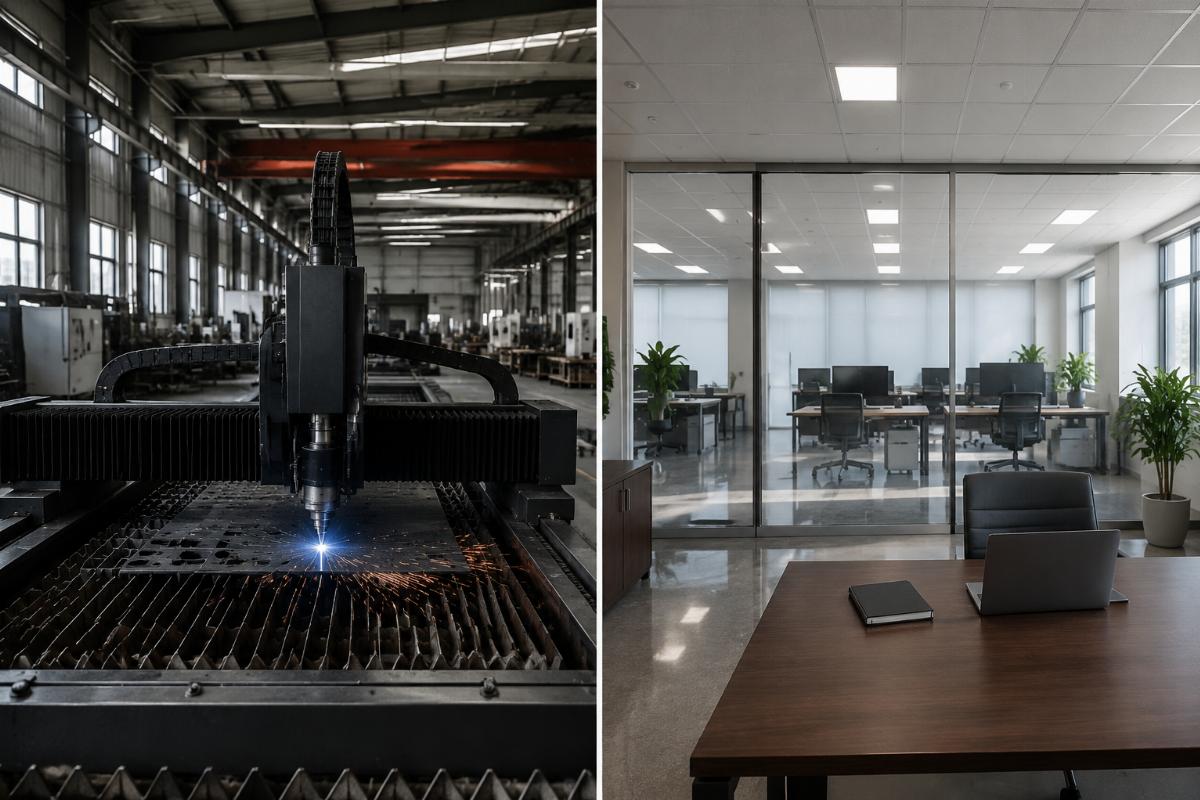
CNC Knife Cutting Machine Manufacturer: Direct Factory vs Trading Company
Most B2B buyers assume trading companies offer lower minimum order quantities and more flexible after-sales support, but this is not true for CNC cutting equipment sourcing. When you source CNC knife cutting machines, the channel you choose directly shapes long-term production costs, equipment compatibility, after-sales response speed and customization possibilities for your operation.
Choosing a direct Chinese CNC knife cutting machine factory over a trading company cuts procurement costs by 15-25% on average, while unlocking full customization, faster lead times and industry-specific technical support that resellers rarely provide.
As a sourcing consultant who has supported over 200 global industrial buyers in equipment procurement in the past 8 years, I have seen countless teams overpay and face extended downtime due to misaligned supplier selection. [NEED_CITE: Direct factory supply for CNC cutting machines eliminates 2 intermediate markup layers that are standard for most trading company quotes] Many first-time buyers default to working with regional trading companies for perceived convenience, only to find they cannot get custom tool configurations, face 3-7 day delays for after-sales support, and pay 20% more than factory direct pricing for identical units.
This guide breaks down actionable criteria to help you pick the right sourcing channel for your specific production needs.
Why Sourcing Channel Choice Matters for CNC Knife Cutting Machine Procurement
Your supplier type does not only affect upfront machine pricing, it impacts every stage of your equipment lifecycle. From sample processing speed to warranty coverage and software update access, the differences between factory and trading company partners extend far beyond initial order costs.
| Evaluation Factor | Trading Company Standard Practice | Direct Factory Standard Practice |
|---|---|---|
| Cost Structure | Includes 15-25% intermediate markup plus hidden service fees | Transparent pricing with no extra hidden charges for standard configuration |
| After-sales Response | Relays malfunctions to original factory, leading to 3-7 day resolution delays | In-house technical teams resolve 90% of malfunctions via 24/7 online support within 2 hours [NEED_CITE: 24/7 direct factory technical support cuts CNC cutting machine after-sales resolution time by 70% on average] |
| Minimum Order Threshold | Most set MOQ of 5+ units to cover intermediate operation costs | Regular qualified factories accept MOQ of just 1 set with full OEM/ODM customization |
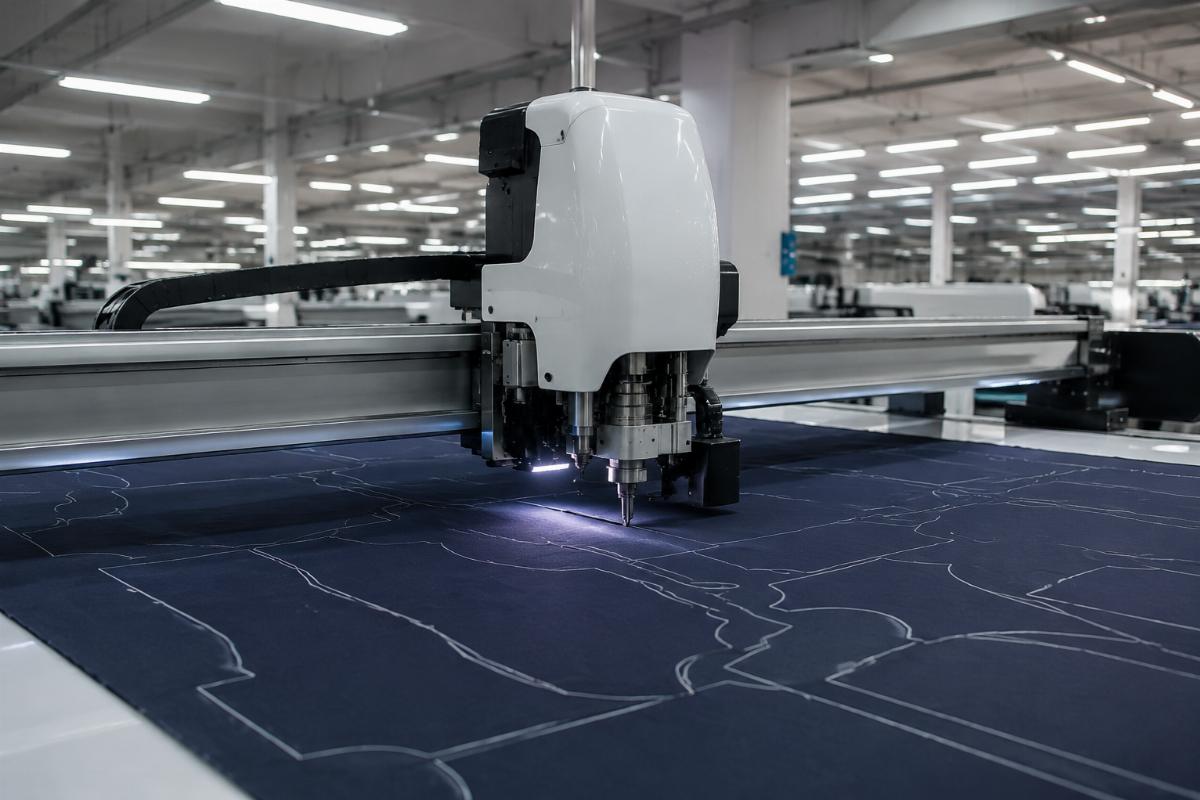
A South Asian garment manufacturer sourced a 170-model cloth CNC cutting machine directly from a factory last year, and reduced material waste by 30% via the factory’s built-in smart nesting algorithm, with on-site operator training completed within 7 working days after delivery. The team calculated that the material savings alone covered 40% of the machine’s total cost within the first 6 months of operation.
- Lifecycle Total Cost Calculation – Do not only compare upfront unit price, include projected material savings, after-sales cost and warranty coverage over the machine’s 10+ year service life.
- Customization Requirement Check – Confirm if you need adjusted working areas, special tool configurations or branded exterior before reaching out to potential suppliers.
- Lead Time Alignment – Match supplier delivery timelines to your production upgrade schedule to avoid unplanned downtime between old equipment retirement and new machine deployment.
What Are the Key Differences Between Direct Factories and Trading Companies for CNC Cutters?
Direct factories hold independent R&D and production capacity, while trading companies focus solely on order matching with no core technical or customization capabilities. This fundamental difference creates cascading gaps in service quality, product consistency and problem-solving speed for every order.
| Capability Category | Trading Company | Qualified Direct Factory |
|---|---|---|
| Customization Scope | Limited to standard off-the-shelf SKUs, no modification support | Full OEM/ODM for working area, tool configuration, logo and software interface |
| Sample Processing | Requires 7-14 days to coordinate with factory for test cutting | Free sample cutting test video delivered within 3 working days |
| Technical Support | No in-house engineering team, relies entirely on third-party supplier feedback | Industry-specific technical teams that understand material-specific cutting requirements |
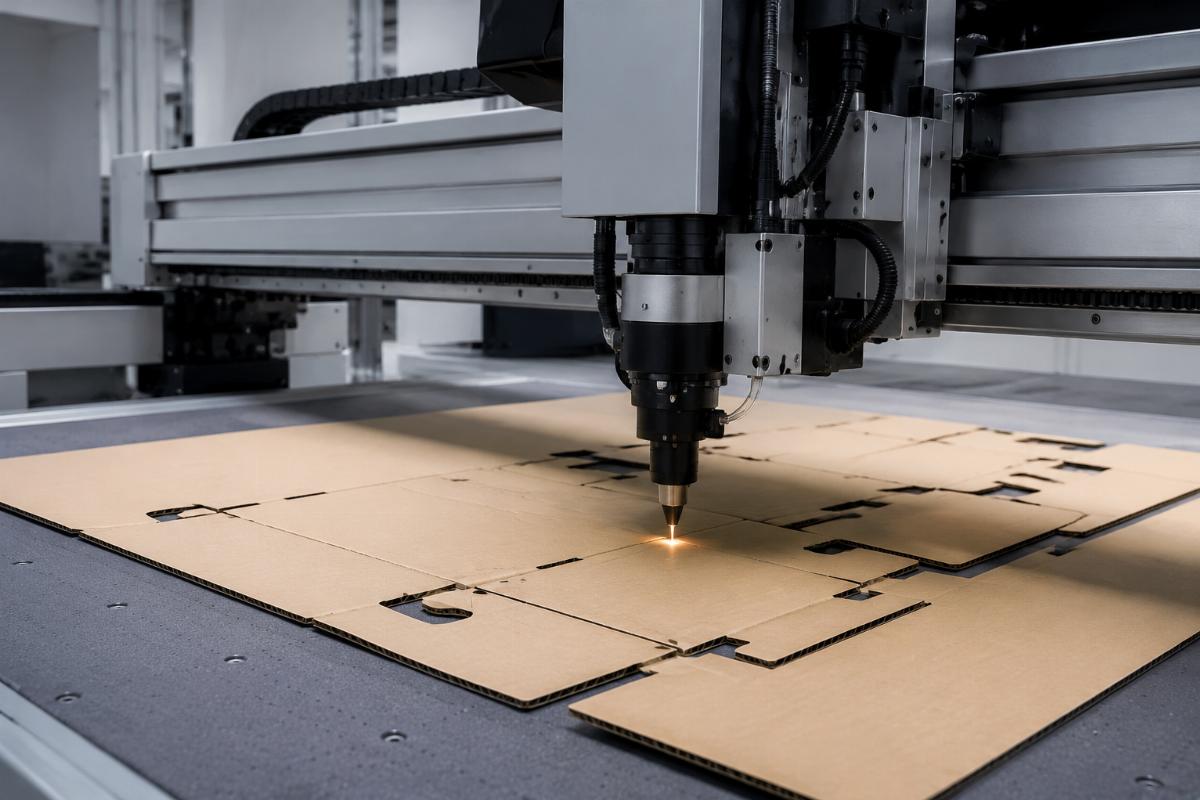
A European packaging producer ordered a custom packaging CNC cutting machine with 217 available SKU options from a direct factory, and received a free sample cutting test video within 3 days to confirm the machine matched their corrugated board and honeycomb board cutting requirements. The final unit price was 20% lower than the quote they received from a local regional trading company for an identical configuration.
- Production Line Verification – Confirm the supplier has a documented product portfolio matching your production material and cutting requirement type.
- Warranty Policy Confirmation – Ask explicitly if warranty coverage and software upgrades are included at no extra cost for the full warranty period.
- Post-delivery Support Check – Verify if on-site training and installation support are included as standard, not as a paid add-on service.
Which Type of Supplier Fits Your Production Scenario Best?
High-customization, large-batch and special material processing demands are almost always better served by direct factory cooperation. For the five core B2B buyer segments for CNC knife cutting machines, the matching rules are clear and consistent across global markets.
| Customer Segment | Recommended Sourcing Channel | Core Matching Reason |
|---|---|---|
| Equipment Wholesalers & Traders | Direct Factory | Access to OEM/white-label service, competitive bulk pricing and stable quality consistency |
| Garment & Textile Manufacturers | Direct Factory | Smart nesting function, multi-layer cutting speed and material saving support |
| Packaging Producers | Direct Factory | Multi-tool capability, die-free short-run cutting support and fast sample turnaround |
| Leather Goods Factories | Direct Factory | ±0.1mm repeat positioning accuracy and minimal waste for premium material processing |
| Industrial Material Processors | Direct Factory | Support for 50mm thick tough materials including composites, gaskets and rubber |
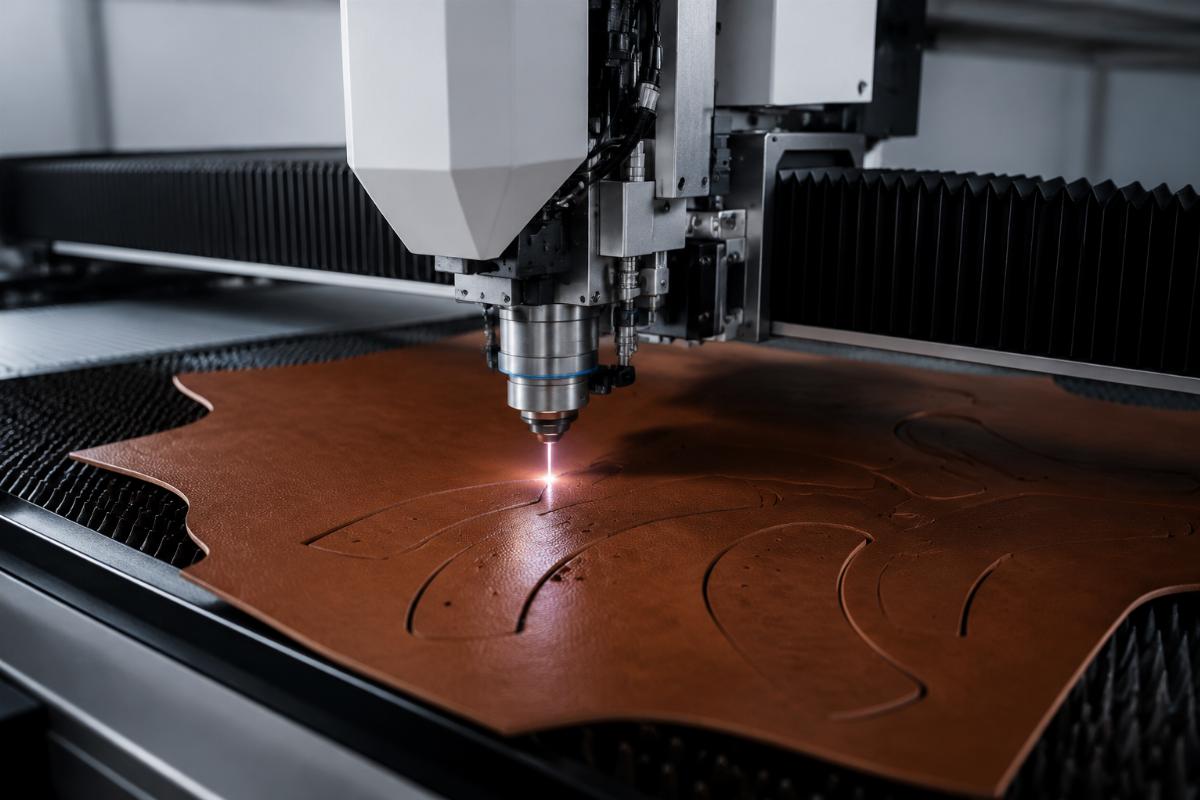
A Vietnamese leather goods factory sourced a 78-model leather CNC cutting machine with ±0.1mm repeat positioning accuracy directly from a factory, and received a 3-year full warranty plus lifelong free software upgrades with zero additional service fees. The precise cutting function reduced genuine leather waste by 18% compared to their previous die cutting setup in the first quarter of operation.
- Demand Prioritization – Rank your non-negotiable requirements first, whether that is low MOQ, custom configuration or specific material compatibility.
- Regional Adaptation Confirmation – Check if the supplier’s software supports multi-language interfaces and power standards compatible with your local market.
- Capacity Alignment – Confirm the supplier’s monthly production capacity can match your order volume timeline to avoid unexpected lead time extensions.
How to Verify a Qualified Chinese CNC Cutting Machine Manufacturer?
Qualified reliable suppliers should hold third-party verification, official product certification and clear documented production capacity data. A Jinan-based certified high-tech manufacturer, Realtop Machinery, holds Intertek verification and CE certification for all products, and its full product line and service policies serve as a standard reference for supplier inspection. The company offers 1 set MOQ with full OEM/ODM service, 3-year warranty with lifelong free software upgrades, and 24/7 online technical support for all global customers.
| Qualification Item | Minimum Requirement for Qualified Suppliers |
|---|---|
| Third-party Verification | Intertek or equivalent international third-party factory verification |
| Product Certification | Full CE certification for all product lines |
| Transparency | Clear published product line, production capacity and service policy details |
A industrial material processor from North America sourced a composite material CNC cutting machine from a certified direct factory, and confirmed the machine’s 30+ flexible material compatibility and 50mm maximum cutting thickness matched their requirement for cutting carbon fiber and Kevlar materials. The free on-site installation and operator training service helped the team launch the production line 10 days earlier than scheduled.
- Certification Validation – Ask suppliers to provide valid, up-to-date copies of all required international certifications before moving to formal quotation stage.
- Production Capacity Check – Request updated monthly production capacity data to confirm they can fulfill your order volume within the agreed timeline.
- Reference Request – Ask for reference contacts of existing customers in your region or industry segment to confirm past service quality.
What Hidden Risks Should You Avoid When Working With Trading Companies?
The most common hidden risks of trading company partnerships include unclear after-sales liability, inconsistent product quality and restricted customization space. Many buyers only discover these issues after they have already
