
Blog
What exactly does the factory idle run test standard for fabric cutting machines verify?

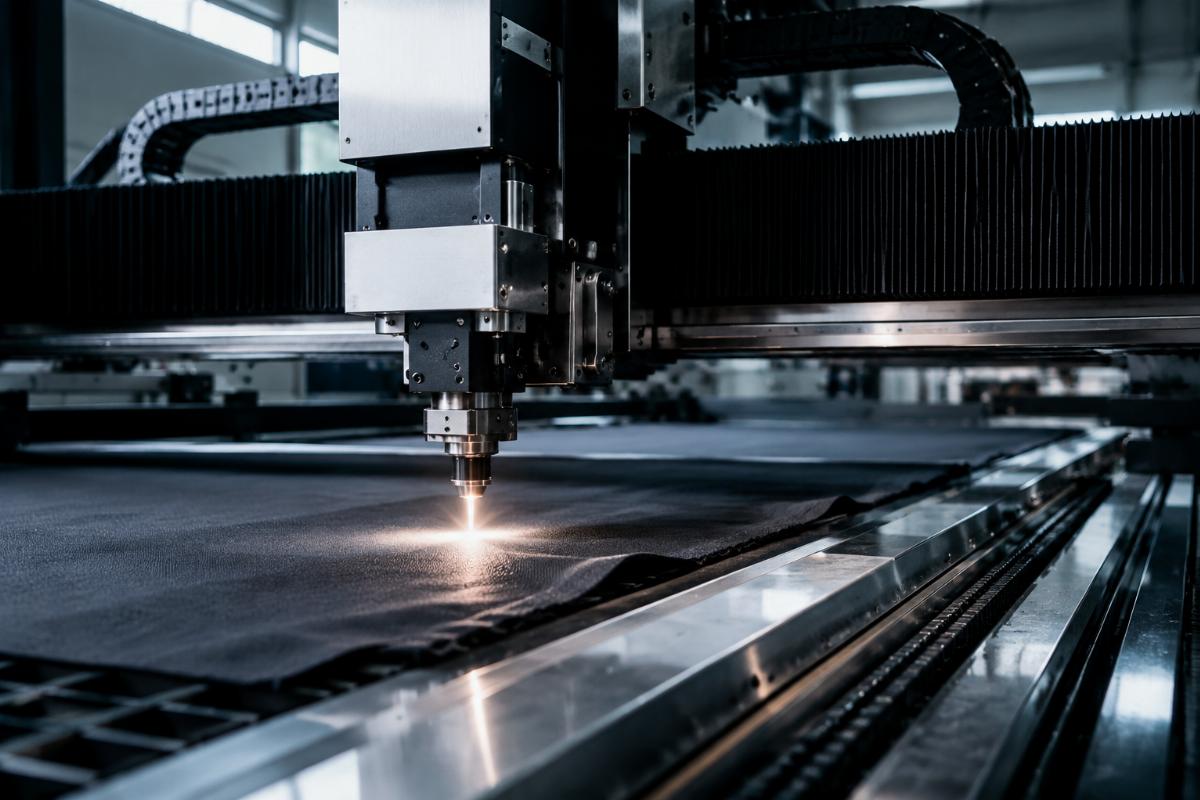
What exactly does the factory idle run test standard for fabric cutting machines verify?
When you watch a fabric cutting machine run empty in the factory inspection room, do you actually know which quality risks this test covers—and which ones it doesn't? Most buyers assume longer idle run time guarantees better machine quality, until they face delivery disputes after realizing what this test really measures.
Factory idle run test standards verify mechanical assembly integrity, component operation baseline, and no-load parameter stability1 at delivery—not cutting accuracy, material-specific performance, or long-term operational reliability that determines your production success.
I've stood in our factory inspection room watching countless customers film 30-minute idle run videos on their phones, nodding with satisfaction as the machine hums smoothly, only to receive heated phone calls three months later claiming we "didn't test the machine properly" when cutting issues appear. This confusion between what idle run testing does verify versus what customers expect it to guarantee creates most acceptance disputes I handle.
Why do manufacturers require idle run testing before shipment?
You might assume idle run testing exists to prove your machine won't break down after installation. That expectation sets up the entire misunderstanding about what this factory procedure actually accomplishes.
Idle run testing confirms that mechanical components are correctly assembled, electrical connections function properly, and baseline operating parameters (noise, vibration, temperature) remain within manufacturer-specified ranges under no-load conditions at delivery.
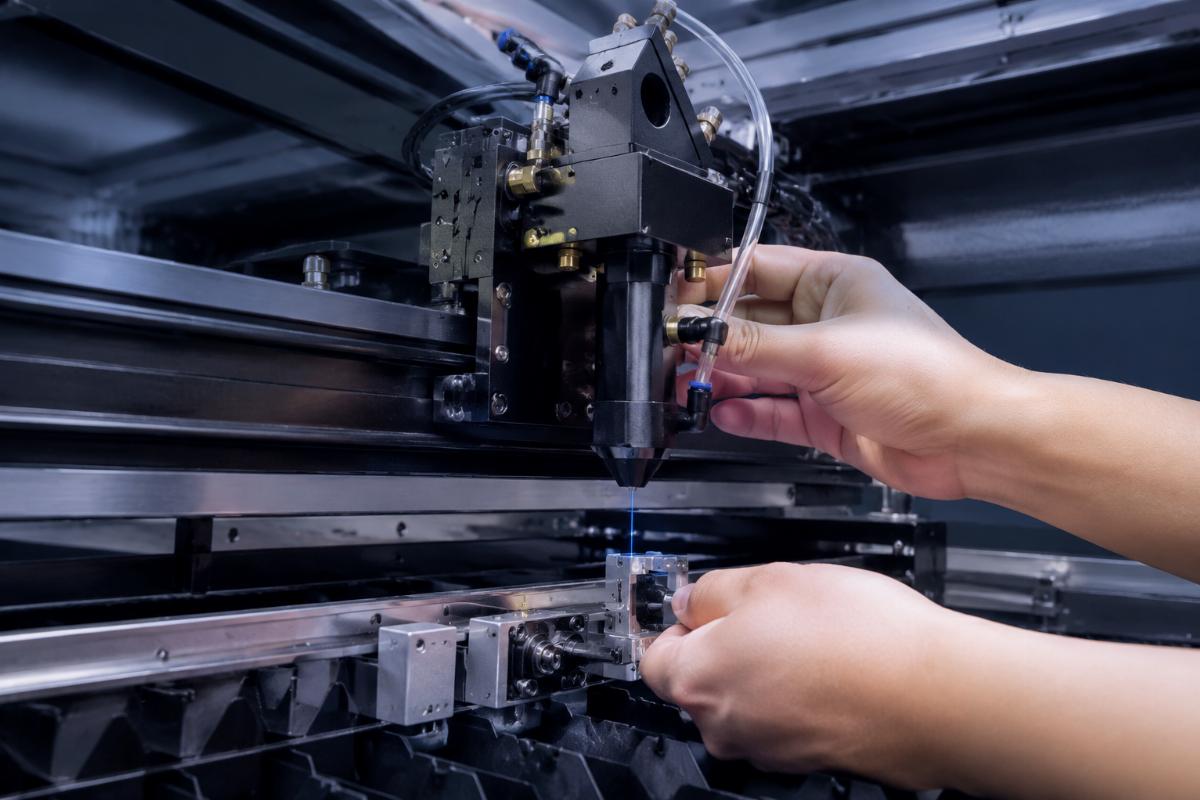
What idle run testing actually checks in Realtop's inspection protocol
In Realtop's pre-shipment inspection process, our idle run test checklist focuses on mechanical and electrical baseline verification, not cutting performance prediction. The test confirms that the machine operates as a mechanical system before it encounters material and cutting load.
| Inspection item | Test method | Acceptance criterion |
|---|---|---|
| Motor shaft rotation | Run X/Y/Z axis motors without cutting head load | No abnormal noise, smooth acceleration/deceleration |
| Guide rail movement | Move cutting head across full working area empty | No mechanical jamming, consistent speed throughout travel |
| Vacuum pump operation | Activate vacuum system without material on table | Achieve rated pressure within specified time |
| Control system response | Execute motion commands via control panel | All commands execute without error codes |
| Bearing temperature | Measure motor and guide rail bearing temperature after 2-hour run | Temperature rise below manufacturer limit |
| Vibration amplitude | Measure frame vibration during high-speed empty movement | Amplitude below factory threshold |
Notice what doesn't appear on this checklist: cutting accuracy measurement, blade life testing, material feed consistency verification, or long-term wear simulation. I include this table not as a universal standard but as an example of how factory inspection separates mechanical baseline verification from cutting performance validation.
When customers request "comprehensive quality testing" during idle run, they often mean cutting performance testing disguised as idle run protocol extension. A buyer once demanded we run the machine idle for eight hours because "longer testing time proves better quality." When I asked which specific failure mode an eight-hour empty run would detect that a two-hour run wouldn't, they couldn't answer—they simply felt more testing time meant more quality assurance.
The critical distinction between idle run testing and cutting performance testing
This distinction resolves most contract disputes I've mediated. Idle run testing operates the machine without cutting load to verify mechanical assembly. Cutting performance testing evaluates how the machine handles actual materials under production conditions.
In Realtop's acceptance protocol, these are separate test phases with different purposes:
- Idle run phase: Verify the machine operates mechanically before encountering cutting load (typically 1-2 hours)
- Cutting performance phase: Run sample cuts on customer-specified materials to verify accuracy, speed, and quality (requires material samples, cutting files, and performance benchmarks)
Customers who skip cutting performance testing during factory acceptance, assuming idle run results guarantee cutting quality, create their own delivery disputes. A distributor once accepted a machine after watching a 90-minute idle run, signed the delivery certificate, then called me three weeks later claiming the machine "failed testing" because cut accuracy on their thick composite material didn't meet expectations. When I reviewed the acceptance record, they had approved delivery without requesting any material cutting tests—they assumed idle run smoothness predicted cutting precision.
How long should factory idle run testing actually take?
You might believe longer test duration provides better quality assurance. This assumption drives customers to negotiate extended idle run time into contracts, then feel cheated when suppliers explain why test duration doesn't work that way.
Factory idle run test duration in manufacturer protocols typically ranges from 1 to 4 hours depending on machine size and complexity—not because longer testing proves better quality, but because specific inspection items require sufficient operating time to reach thermal and mechanical steady state.
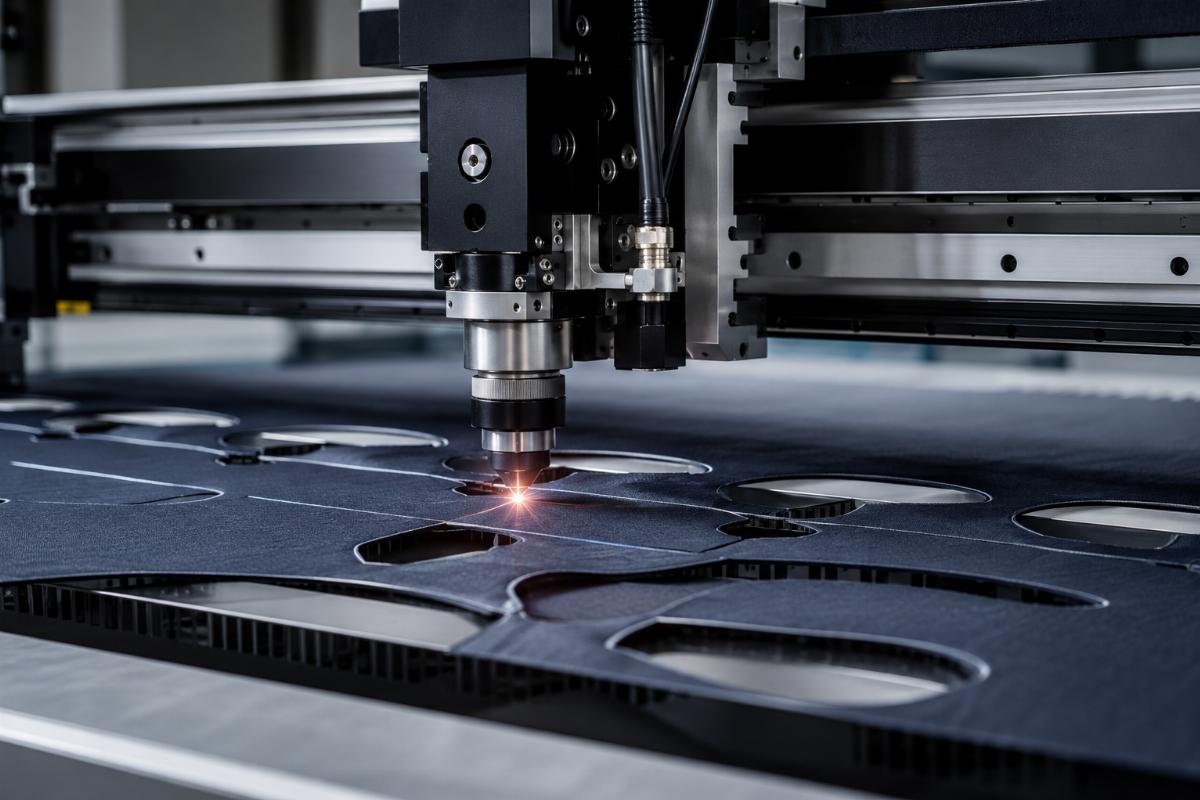
Why Realtop's standard uses 2-hour idle run protocol
In Realtop's inspection process, our standard idle run duration is 2 hours for most fabric cutting machines. This timeframe isn't arbitrary or minimalist—it's calculated based on the thermal stabilization time our motors and bearings need to reach steady-state operating temperature2 under no-load conditions.
| Machine component | Thermal stabilization time | Why this timeframe matters |
|---|---|---|
| Servo motors | 60-90 minutes | Motor coil temperature stabilizes, allowing accurate temperature rise measurement |
| Linear guide rails | 45-60 minutes | Bearing friction heat stabilizes, allowing vibration amplitude measurement at operating temperature |
| Vacuum pump | 30-45 minutes | Pump reaches rated pressure and temperature, allowing seal integrity verification |
| Control system | 15-30 minutes | Electronic components reach operating temperature, allowing thermal-induced error detection |
When customers request 8-hour or 24-hour idle run time, they usually believe extended operation will reveal latent defects or accelerate wear-in that predicts long-term reliability. This reasoning confuses idle run testing with reliability testing (which requires load cycling over weeks or months)3 or burn-in testing (which serves a different purpose in electronic component qualification4, not mechanical equipment acceptance).
A wholesaler once insisted on 24-hour continuous idle run before accepting three machines, claiming their "standard procedure." When I asked what specific failure mode would manifest between hour 2 and hour 24 under no-load conditions, they said they "just wanted to be sure." After I explained that extended idle run without cutting load doesn't simulate production stress and that thermal parameters stabilize within the first 90 minutes, they agreed to our 2-hour protocol plus 4 hours of cutting performance testing on their actual materials—which revealed real parameter adjustments they needed, unlike the empty extended idle run they originally demanded.
What determines appropriate idle run test duration
The appropriate duration depends on the longest thermal stabilization time among your machine's critical components, not on how much quality assurance you want to feel. If you're negotiating idle run time into a purchase contract, ask your supplier which component takes the longest to reach steady-state operation and what inspection measurements require that steady state.
For reference, in Realtop's experience with fabric cutting machines:
- Small-format machines (1000mm×1500mm): 1-2 hour idle run typically sufficient
- Medium-format machines (1600mm×2500mm): 2-3 hour idle run for full thermal stabilization
- Large-format machines (2000mm×3000mm+): 3-4 hour idle run for large-frame thermal equilibrium
These timeframes apply to idle run baseline verification. If you need cutting performance validation or long-term reliability confidence, you need different test protocols—not just longer idle run duration.
Which parameters should idle run testing actually measure?
You might assume idle run testing should measure cutting accuracy, blade wear, or material handling consistency. These expectations create the gap between what customers want verified and what idle run testing actually accomplishes.
Factory idle run test protocols measure mechanical operating parameters under no-load conditions (noise, vibration, temperature) and electrical function parameters (motor response, control accuracy, alarm function)—not cutting performance metrics that depend on material interaction and tool wear.
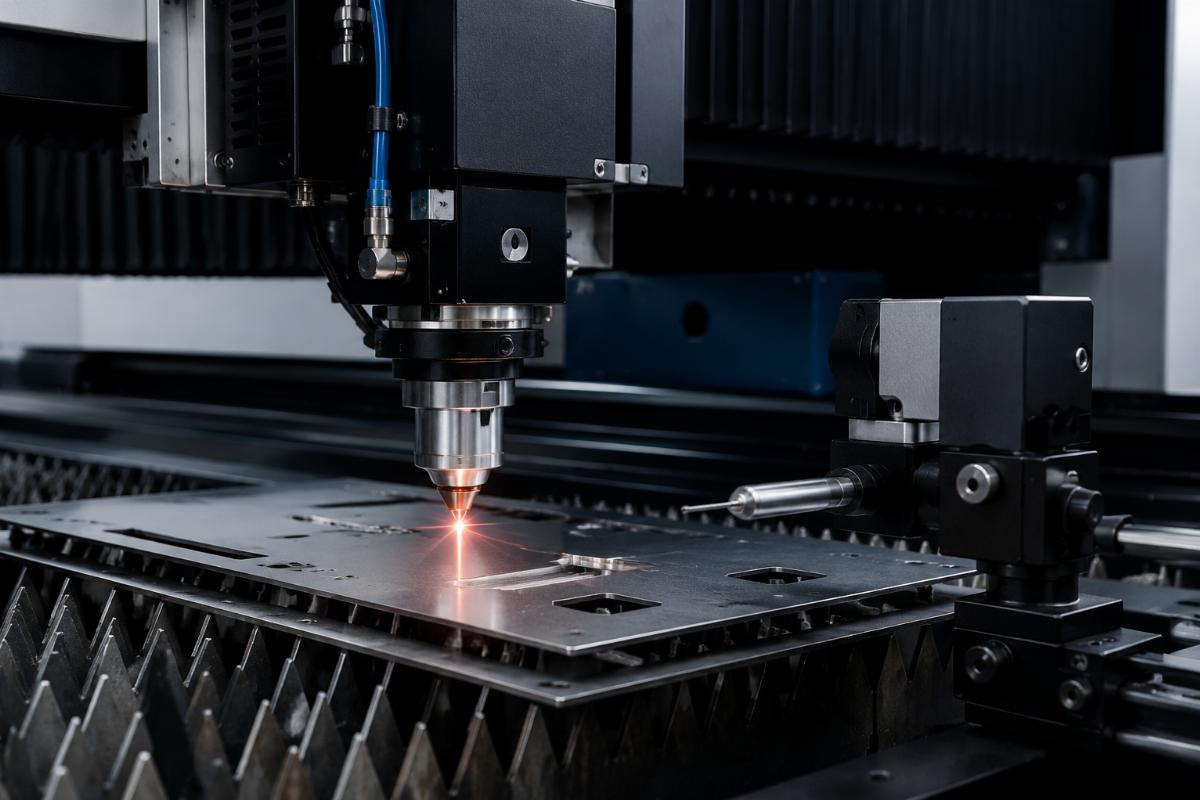
The actual measurement checklist in Realtop's idle run protocol
In Realtop's pre-shipment inspection, our idle run parameter measurements focus on baseline mechanical and electrical function, not cutting outcomes. I share this checklist as an example of how factory testing separates machine operation from cutting application:
Mechanical parameters:
- Frame vibration amplitude at maximum travel speed5 (measured with accelerometer)
- Motor bearing temperature rise after thermal stabilization
- Guide rail noise level during continuous movement
- Vacuum pump pressure achievement time and stability
- Emergency stop response time from full speed6
Electrical parameters:
- Position repeatability error over 100 empty travel cycles7
- Control system command response latency
- Servo motor following error during acceleration/deceleration8
- Alarm function triggering accuracy when simulating error conditions
- Communication stability between control panel and motor drivers
What's notably absent from this list:
- Cutting accuracy on any material
- Blade edge retention over cutting cycles
- Material feed consistency across different fabrics
- Corner cutting quality at various speeds
- Dust extraction efficiency during actual cutting
A manufacturer once disputed delivery because our idle run report showed 0.05mm position repeatability error, and they assumed this metric guaranteed ±0.05mm cutting accuracy on their materials. When their actual cut accuracy came in at ±0.15mm on thick felt, they claimed we "misrepresented machine capability." The position repeatability error measures control system precision under no mechanical load—not cutting accuracy under material resistance, blade deflection, and material stretch. These are different measurements requiring different test methods.
Why idle run testing cannot predict cutting performance
The fundamental limitation: idle run testing operates the machine without the mechanical forces, thermal loads, and dynamic disturbances that occur during actual cutting. The machine behavior under no load doesn't reliably predict behavior under cutting load.
Consider what happens when the cutting head actually cuts material versus when it moves empty:
- Cutting force reaction: Blade contact with material generates lateral force that can deflect the cutting head9—not present during idle run
- Material resistance: Different materials provide different mechanical resistance that affects motor load and position accuracy—not testable without material
- Blade wear progression: Blade condition changes during cutting, affecting cut quality over time—doesn't occur during empty movement
- Dust and debris: Cutting generates particles that affect guide rail friction and sensor function10—not produced during idle run
A trading company once asked why we don't "just run cutting tests during idle run to verify everything at once." The answer reveals the category difference: cutting tests require material samples, cutting tool setup, parameter optimization for specific materials, and performance benchmarks that vary by application—none of which apply to idle run baseline verification. These are separate test phases with different purposes and different acceptance criteria.
What should your purchase contract specify about idle run testing?
You might assume "standard factory inspection" or "normal idle run test" provides sufficient contract protection. This vague language creates the space where acceptance disputes grow.
Purchase contracts should specify idle run test duration, measured parameters with acceptance criteria, distinction between idle run verification and cutting performance testing, and which party provides materials for cutting validation if required.
The contract clauses that prevent idle run disputes in Realtop's sales
In Realtop's purchase agreements, we've learned to specify idle run testing scope explicitly after mediating disputes caused by ambiguous "standard testing" clauses. These specifications protect both parties by clarifying what idle run results prove and what they don't.
Recommended idle run test contract language:
- "Seller shall conduct 2-hour idle run test measuring motor temperature rise, frame vibration amplitude, and position repeatability under no-load conditions per manufacturer's standard inspection protocol"
- "Idle run test verifies mechanical assembly and baseline electrical function; cutting performance validation requires separate testing phase with buyer-provided material samples"
- "Buyer may witness idle run testing and cutting performance testing at seller's factory; acceptance criteria for cutting tests to be agreed 7 days before scheduled inspection"
- "Extended idle run duration beyond manufacturer's standard protocol available at buyer's request; additional testing time charged at [amount] per hour"
Notice what this language accomplishes: it separates idle run baseline verification from cutting performance validation, makes the test duration explicit rather than assumed, clarifies that material cutting requires a separate test phase, and establishes cost responsibility for extended testing beyond standard protocol.
Common contract gaps that create acceptance disputes
In acceptance disputes I've handled, certain contract gaps repeatedly enable disagreements about whether the machine passed testing:
| Contract gap | Resulting dispute | Resolution requirement |
|---|---|---|
| No specified idle run duration | Buyer demands 24-hour test at delivery, seller protocol uses 2 hours | Must negotiate test duration before shipment |
| No distinction between idle run and cutting tests | Buyer expects idle run results guarantee cutting accuracy | Must separate test phases with different acceptance criteria |
| No acceptance criteria for measured parameters | Buyer claims vibration "seems high" without defined threshold | Must specify numeric acceptance limits for each parameter |
| No material provision responsibility | Buyer expects cutting tests without providing material samples | Must clarify who supplies materials and cutting files |
A distributor once signed a contract with only "standard factory testing" specified, then refused delivery because they expected cutting accuracy testing but the manufacturer only conducted idle run baseline verification. The dispute took six weeks to resolve because the contract didn't distinguish between test types or specify which test results determined acceptance. After that case, I started recommending explicit test scope language in every purchase agreement.
How to negotiate idle run testing terms before purchase
If you're preparing to buy fabric cutting machines, address idle run testing scope during contract negotiation, not during delivery inspection. Ask your supplier:
- What specific parameters does your idle run protocol measure?
- How long does your standard idle run test take and why?
- Does idle run testing include any material cutting, or is cutting validation a separate phase?
- What are the numeric acceptance criteria for each measured parameter?
- If I want extended idle run time or additional cutting tests, what's the cost and timeline?
These questions separate suppliers who understand the difference between baseline mechanical verification and cutting performance validation from suppliers who use vague "complete testing" language to avoid committing to specific acceptance standards.
Conclusion
Factory idle run test standards verify mechanical baseline function at delivery—not cutting performance or long-term reliability. Understanding this distinction before you negotiate contracts prevents acceptance disputes after your machine arrives.
"Requirements for load-testing and marking of special custom-design ...", http://www.osha.gov/laws-regs/standardinterpretations/2004-02-09. Industry standards for factory acceptance testing define idle run tests as procedures that verify mechanical assembly integrity and baseline component operation under no-load conditions, establishing equipment readiness for operational testing phases. Evidence role: definition; source type: institution. Supports: what idle run testing verifies in mechanical equipment acceptance. Scope note: Standards may vary by equipment type and industry sector ↩
"Managing PM AC Servo Motor Overloads: Thermal Time Constant", https://www.kollmorgen.com/en-us/service-and-support/knowledge-center/white-papers/managing-servo-motor-overloads. Engineering references indicate that electric motors and mechanical bearings typically require 60-90 minutes of continuous operation to reach thermal steady state, where heat generation and dissipation equilibrate and temperature measurements stabilize. Evidence role: mechanism; source type: education. Supports: the thermal stabilization behavior of motors and bearings in industrial equipment. Scope note: Specific timeframes vary with motor size, bearing type, and ambient conditions ↩
"Integration and Test > Accelerated Life Testing - S3VI - NASA", https://s3vi.ndc.nasa.gov/ssri-kb/topics/38/. Reliability engineering standards describe reliability testing as procedures that subject equipment to repeated load cycles over extended periods (weeks to months) to assess failure rates and predict service life, fundamentally different from acceptance testing that verifies initial functionality. Evidence role: definition; source type: education. Supports: the time requirements and methodology of reliability testing. Scope note: Specific test duration and cycling protocols vary by equipment type and reliability targets ↩
"Burn-In - Integration and Test > Thermal Testing - S3VI - NASA", https://s3vi.ndc.nasa.gov/ssri-kb/topics/47/. Electronics industry standards define burn-in testing as an elevated-stress screening process applied to electronic components and assemblies to precipitate early failures (infant mortality) before delivery, typically involving elevated temperature operation for specified durations. Evidence role: definition; source type: institution. Supports: the purpose and application of burn-in testing in electronics. Scope note: Burn-in procedures are specific to electronics and not directly applicable to mechanical equipment acceptance ↩
"To Do or Not to Do… That is the Question – Vibration Acceptance ...", https://www.machinerylubrication.com/Read/32194/vibration-acceptance-testing. International standards for machinery condition monitoring specify vibration amplitude measurement as a key parameter for assessing mechanical integrity, with measurements typically taken at critical operating speeds to detect assembly issues, imbalance, or misalignment. Evidence role: definition; source type: institution. Supports: vibration measurement as a standard parameter in machinery testing. Scope note: Acceptable vibration levels vary significantly by machine type, size, and operating speed ↩
"Understanding safety functions: Response time", https://machinerysafety101.com/2022/09/12/understanding-safety-functions-response-time/. Machinery safety standards require testing of emergency stop functions, including measurement of response time from activation to complete motion cessation, to verify that safety systems meet specified performance requirements for operator protection. Evidence role: definition; source type: institution. Supports: emergency stop response time as a safety testing parameter. Scope note: Specific response time requirements vary by machine type, risk assessment, and applicable regional standards ↩
"ISO 230 Accuracy Standards Summary - CNC Optimization", https://www.cncoptimization.com/resources/articles/iso-standards/. International standards for machine tool testing specify that position repeatability should be measured over multiple positioning cycles to assess the machine's ability to return to the same position, with typical test protocols using 30-100 cycles. Evidence role: definition; source type: institution. Supports: how position repeatability is measured in precision machinery. Scope note: Specific cycle counts and measurement methods vary by standard (ISO, ASME, JIS) ↩
"[PDF] Servo Performance Parameters of the Deep Space Network Antennas", https://descanso.jpl.nasa.gov/sreports/pdf/ServoPerformance.pdf. Control systems engineering defines following error as the difference between commanded position and actual position in servo systems, with this parameter particularly significant during acceleration and deceleration when dynamic forces challenge the control system's ability to maintain commanded trajectory. Evidence role: definition; source type: education. Supports: what following error represents in servo motor control systems. Scope note: Acceptable following error thresholds depend on application requirements and system design ↩
"[PDF] Cutting Forces in Turning Operations - UPCommons", https://upcommons.upc.edu/server/api/core/bitstreams/41a080fb-49e9-4f68-9a6c-5e2d04eb950f/content. Mechanical engineering literature documents that cutting forces generate reaction forces that can cause elastic deflection in machine tool structures, with lateral forces particularly affecting positioning accuracy and cut quality in ways not observable during no-load operation. Evidence role: mechanism; source type: education. Supports: how cutting forces affect machine positioning accuracy. Scope note: Deflection magnitude depends on machine rigidity, cutting parameters, and material properties ↩
"Experimental study on the dust control performance of rotating fog ...", https://pmc.ncbi.nlm.nih.gov/articles/PMC11609269/. Research on precision machinery operation documents that particulate contamination from cutting processes can increase friction in linear guides and interfere with optical or proximity sensors, effects that only manifest during actual cutting operations and cannot be assessed during clean, no-load testing. Evidence role: mechanism; source type: research. Supports: how cutting debris affects mechanical and sensor components. Scope note: Contamination effects vary significantly with particle type, size, and machine protection systems ↩