

Fast Delivery
Quick, reliable shipping to any location.

Free & easy returns
Return this item by mail or in store within 90 days for a full refund.
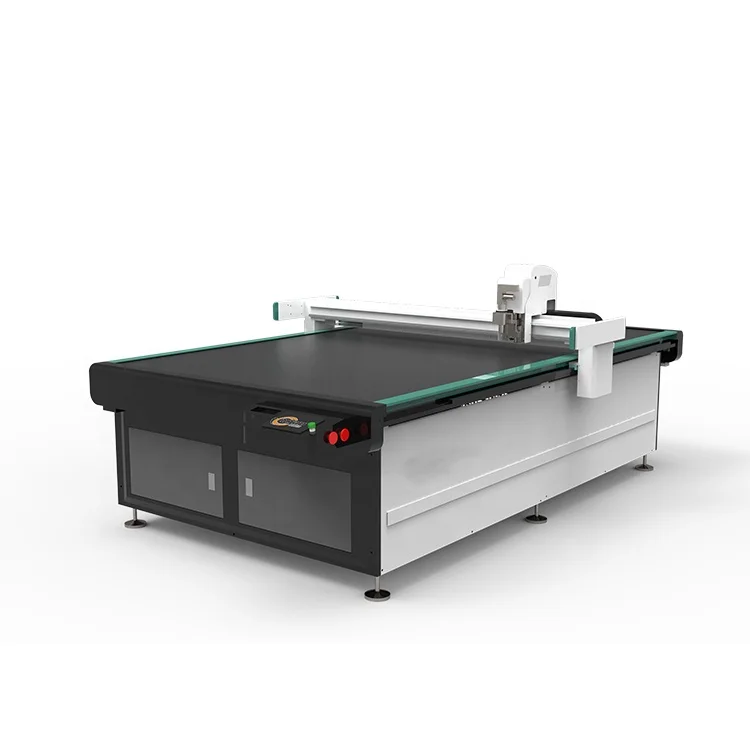
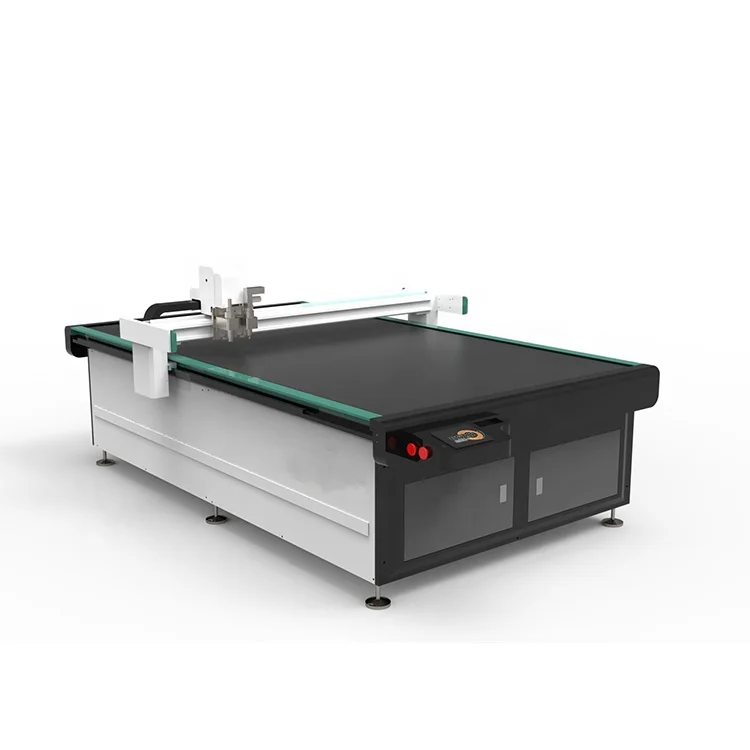
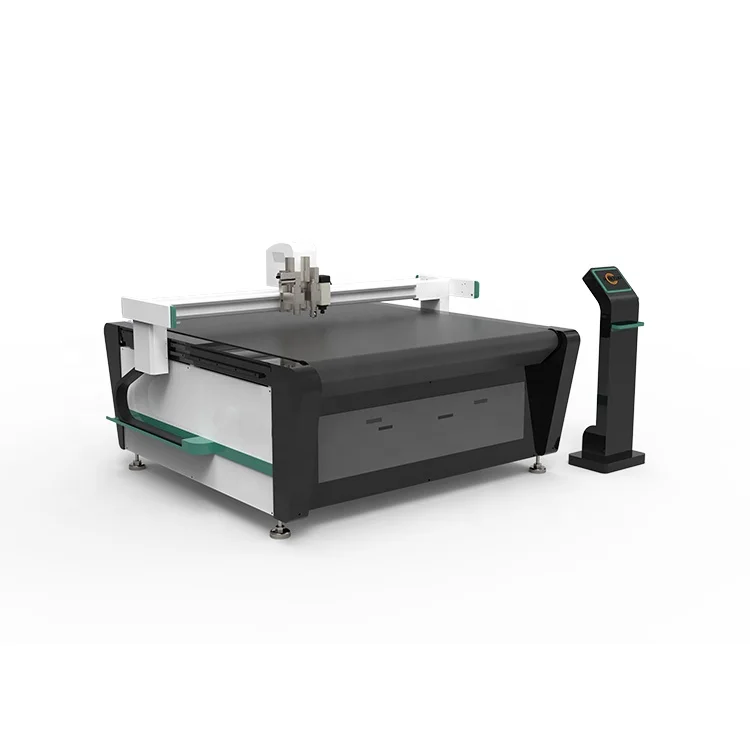
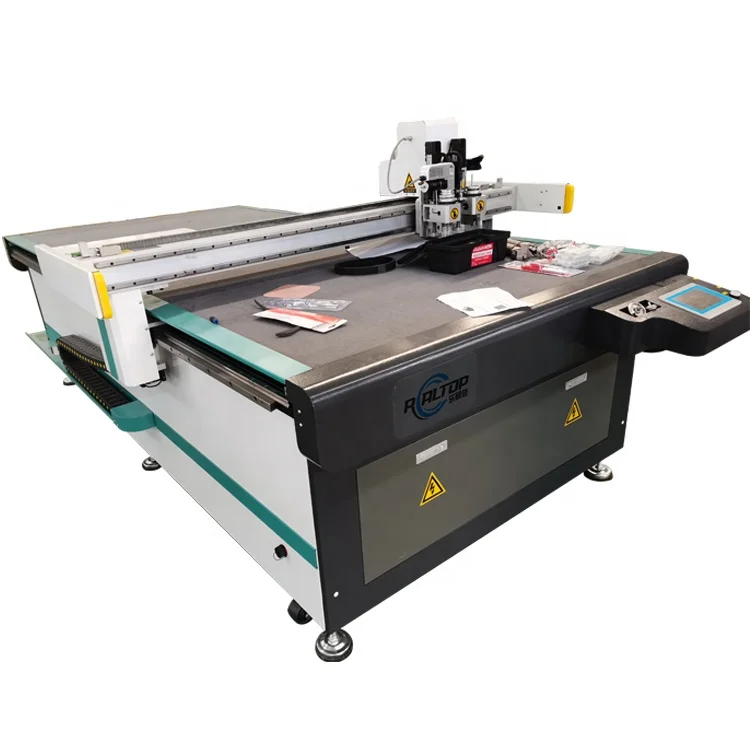
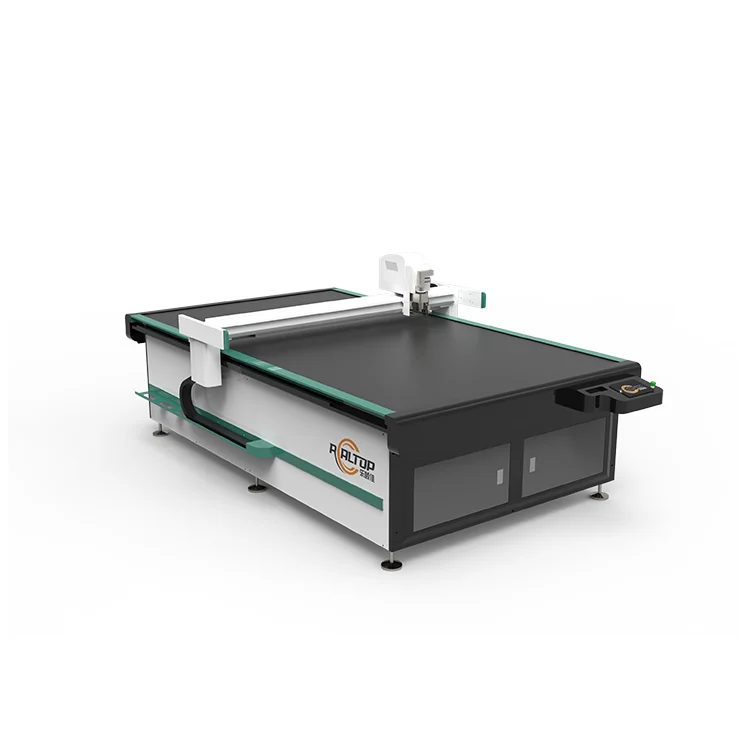
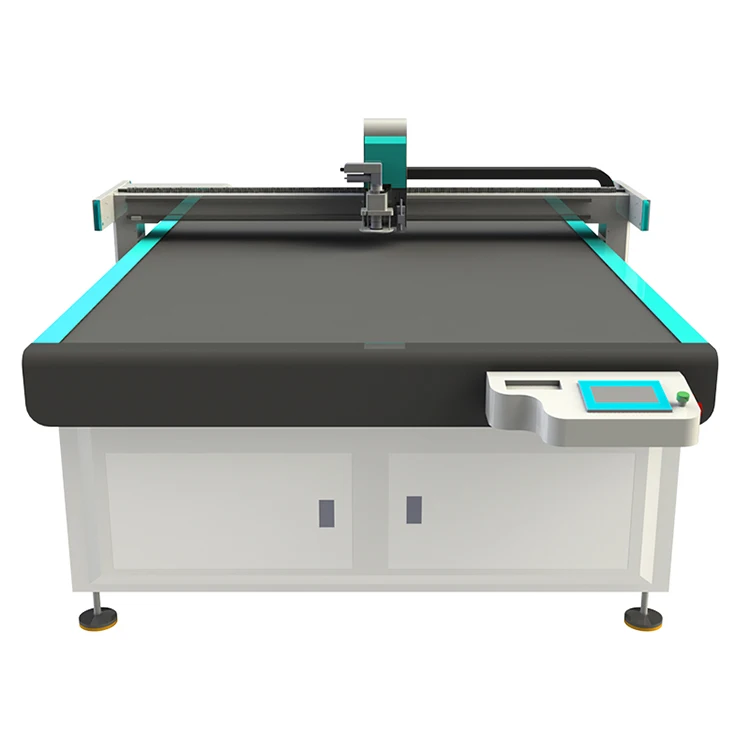
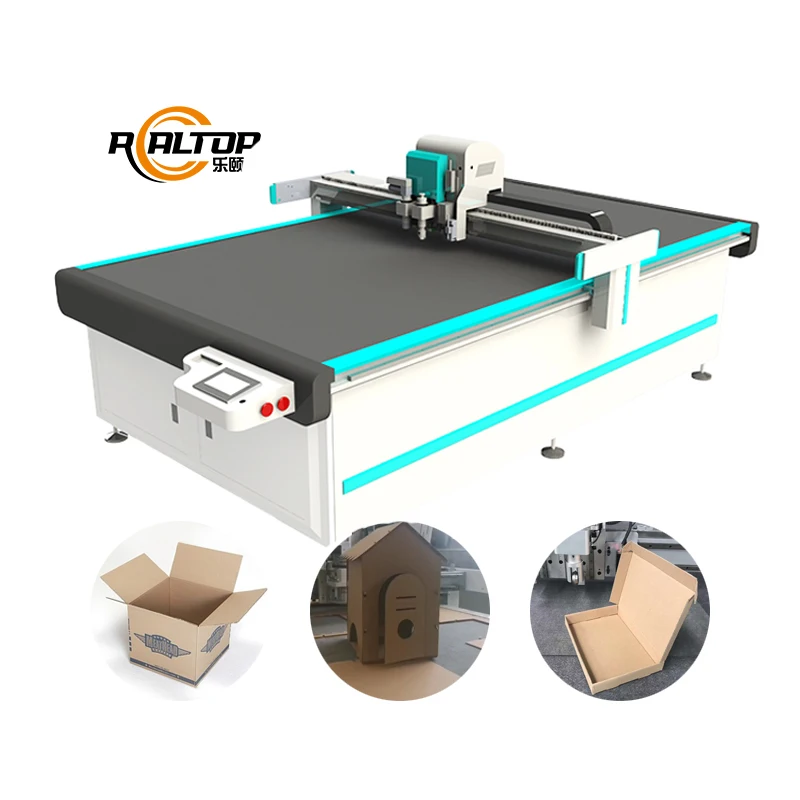
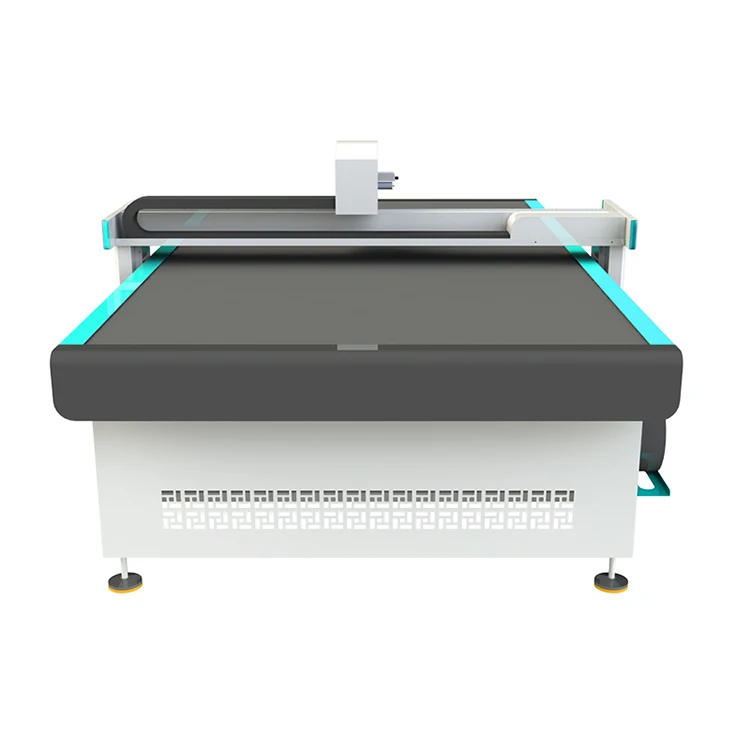
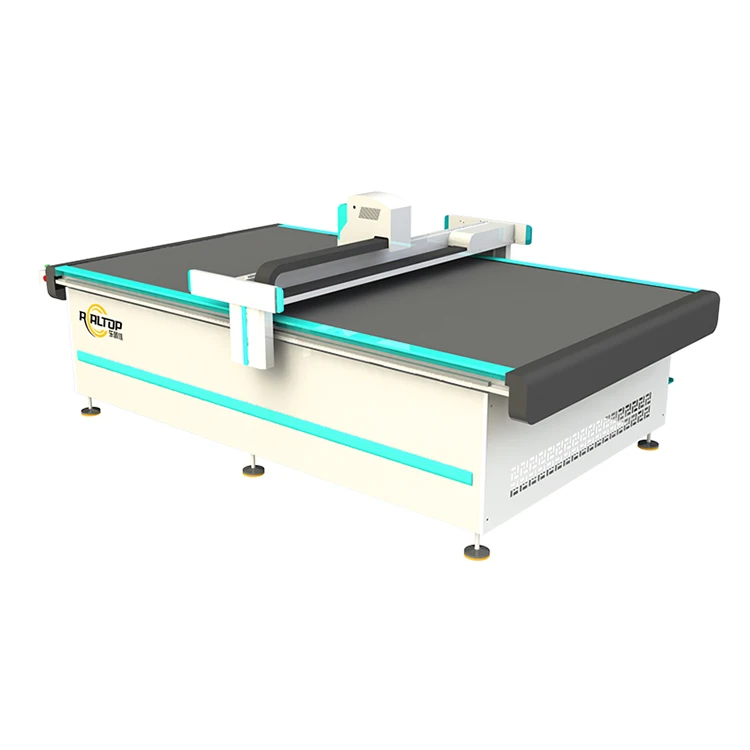
Knife versus Laser Matched by Material — Realtop designs both oscillating knife and laser platforms in-house, so the RT-D2516/RT-S2516 flatbed is configured for the actual substrate rather than forcing one method across every application.
Technical Specifications
| Parameter | Value |
|---|---|
| Model | RT-D2516 / RT-S2516 |
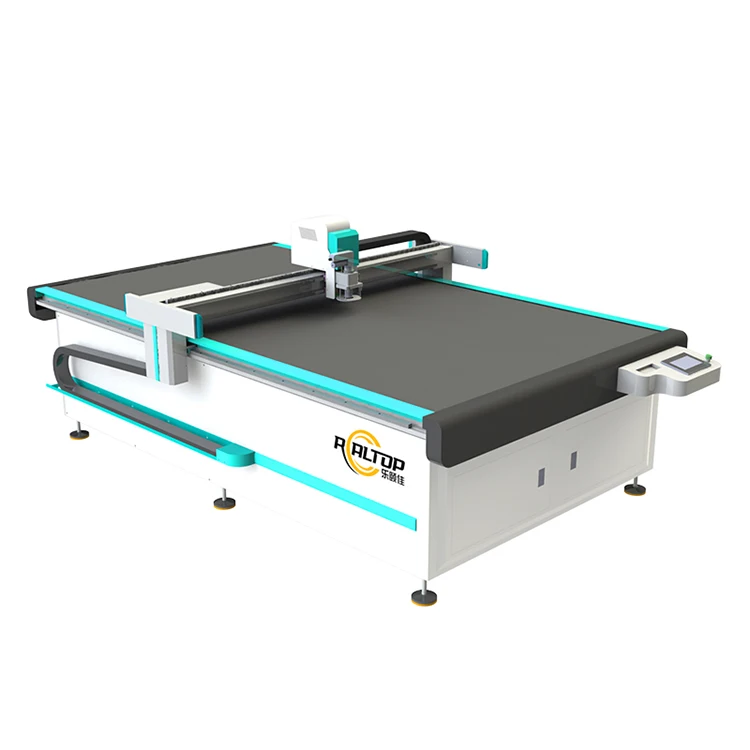
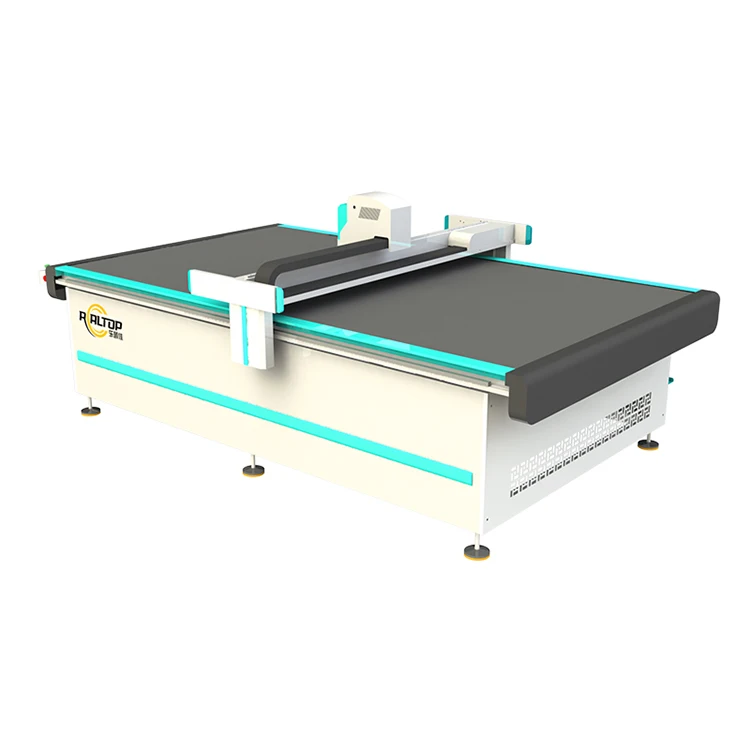
| Product Type | CNC Digital Cutting Machine for Packaging & Flexible Materials |
| Working Area | 1600 × 2500 mm |
| Overall Dimensions | 3450 × 2300 × 1250 mm |
| Rated Power | 9 kW |
| Voltage | 380V ±10% |
| Vacuum Pump | 7.5 kW |
| Translational Velocity | 800–1200 mm/s |
| Cutting Speed | 200–800 mm/s (varies by material) |
| Cutting Thickness | Up to 70 mm with pneumatic tool (basis to be confirmed per material) |
| Repeatability | ≤0.1 mm |
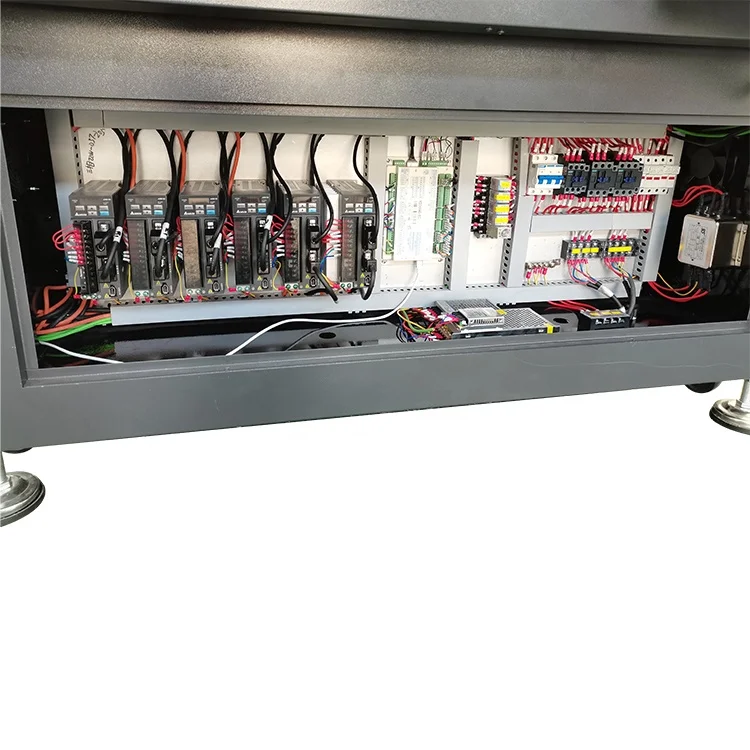
| Transmission System | Japanese Yaskawa digital servo motor, Taiwan Hiwin linear guide, synchronous belt, ball screw |
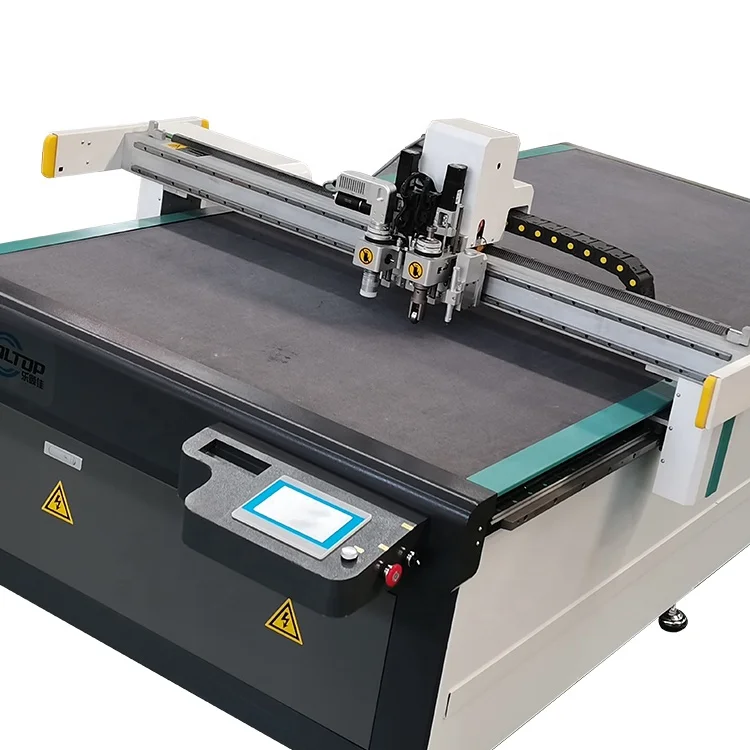
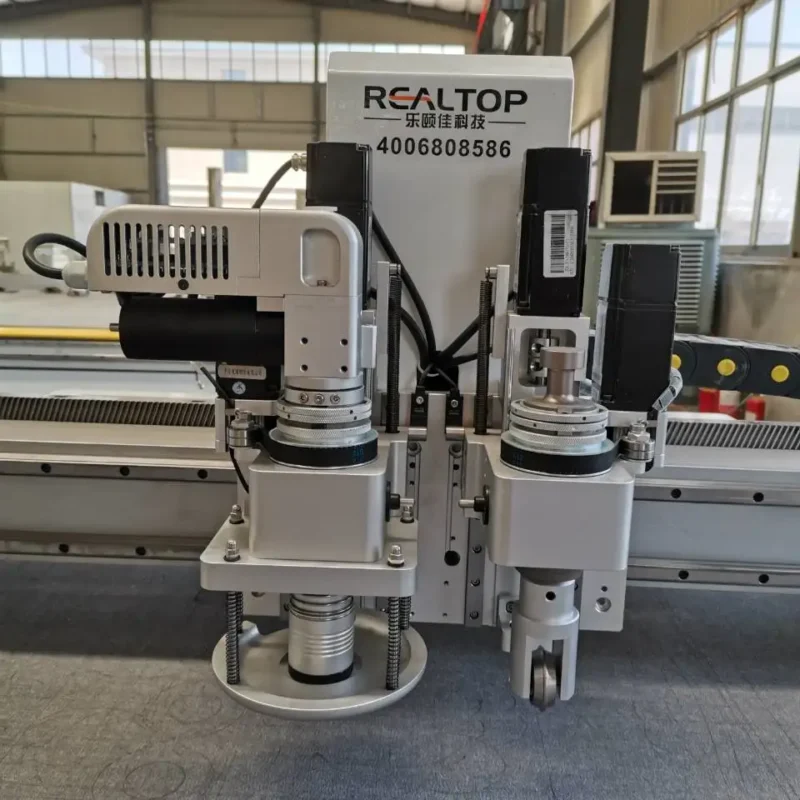
| Multifunctional Head | Swiss imported knife with vibration full cutting, vibration half cutting, cursor location |
| Conveyor | Germany imported conveyor belt with auto feeding |
| Instruction System | HP-GL compatible format |
| Safety Device | Infrared sensors |
| Standards | CE |
| Warranty | 12 months for whole machine, 3 months for consumables |
Application Suitability
| Application | Material or Output |
|---|---|
| Carton and pizza box sample making | Corrugated board, grey board, single and double wall |
| Gift box and packaging prototyping | Cardboard, art board, sticker stock |
| Garment and footwear cutting | Clothing fabrics, leather, sponge composite leather |
| Flexible industrial materials | PVC, soft glass, silicone, rubber sheets |
| Signage and display substrate | Flexible vinyl, foam board, lightweight composites |
Why "Working Area Alone" Is Not Enough for a Flatbed Cutting Table
Confirm cutting depth and edge quality on your exact material before the order is locked in.
A packaging converter once specified a flatbed cutter purely on table size, assuming any 1600×2500 mm machine would handle their double-wall corrugated runs. When the board arrived on the table, the standard oscillating knife left crushed flutes and ragged edges because the tool head was never matched to that flute profile. Production speed had to drop so far that daily output fell well below the line’s requirement [NEED_CITE: material-specific cutting depth validation in packaging converting]. The CNC digital cutting machine manufacturer should always run a sample on the buyer’s actual substrate before confirming the configuration.
Where This Flatbed Sits in the Knife Versus Laser Range
The RT-D2516/RT-S2516 occupies the knife-cutting side of the Realtop catalogue, aimed at packaging converters and flexible material processors who need mechanical blade action rather than thermal cutting. For acrylic, wood veneer and textile edge-sealing jobs, a CO2 laser platform handles those materials differently — sealing edges with heat instead of slicing with a blade. Buyers surveying the full range should start with the material first, then let that choice dictate whether this flatbed cutting table for sale or a laser system is the correct path.
Material Dictates the Tool Head, Not the Other Way Around
Within knife cutting alone, the Swiss imported oscillating head on this machine handles full cut and half cut on corrugated, while a drag knife or creasing wheel would be added for fold-line scoring on carton stock. A gasket producer cutting compressed fibre needs a different tool geometry than a footwear factory cutting leather hides. The Realtop range covers both knife and laser families so that a buyer is never forced to push an unsuitable method onto a material just because the supplier only makes one type of machine [NEED_CITE: tool head selection criteria for oscillating knife versus drag knife].
What the Spec Sheet Numbers Actually Mean on the Shop Floor
The Yaskawa servo and Hiwin linear guide combination holds ≤0.1 mm repeatability, which matters most when a packaging sample requires multiple tool passes — a crease line that misses the cut path by even half a millimetre produces a box that will not fold square. The 7.5 kW vacuum pump paired with the flat table holds corrugated sheets flat without mechanical clamps, though small die-cut shapes may need zoned vacuum to prevent lift at high traverse speeds. Cutting speed ranges from 200 to 800 mm/s depending on the substrate; a dense grey board demands the slower end of that band while single-face corrugated can run closer to the upper limit. The HP-GL compatible instruction system requires confirmation that the buyer’s existing nesting software exports cleanly into that format before the machine ships.
The Hidden Cost of Skipping the Sample Cut
When a buyer commits to a configuration without running their own material through the machine, the first sign of trouble appears after installation. Ragged edges on corrugated mean the pizza boxes fail the customer’s visual inspection. Crushed foam on gasket blanks means the seal will leak under compression. At that point the machine is already crated and shipped, and the only remedy is retrofitting a different tool head or adjusting vacuum zoning — both of which cost more than a sample test before the purchase order [NEED_CITE: cost of post-installation tooling reconfiguration].
Why Source This Flatbed from the Same Factory That Builds the Laser Line
Realtop’s in-house design team covers both knife and laser platforms, meaning the engineering decision is driven by the material, not by the factory’s product limitation. The tool head and table configuration are specified per material and production volume rather than offered as a fixed package. Software compatibility is confirmed against the buyer’s file format before the order is placed. Voltage, plug type and control language are customised to the destination market. And a sample cutting report on the buyer’s own substrate accompanies the quotation, so the decision rests on physical evidence rather than a brochure claim.
Documentation & Verification
- Machine specification sheet listing confirmed tool head and vacuum table configuration
- Electrical schematic with voltage and frequency matched to destination market
- Sample cutting report produced on buyer’s own corrugated or flexible material
- Factory test record documenting repeatability and cutting edge quality before dispatch
- HP-GL file format compatibility note verified against buyer’s nesting software
- Spare parts list covering blades, vacuum seals and conveyor belt segments
Installation, Commissioning & Support
- 3450 × 2300 mm footprint requires level concrete floor with clear access on three sides
- 9 kW rated power plus 7.5 kW vacuum pump need dedicated circuit at confirmed 380V supply
- Machine ships partially assembled; linear guides and servo mounts require on-site alignment
- First-run commissioning includes vacuum zoning calibration for the buyer’s typical sheet size
- Operator training covers tool head changeover between oscillating knife and creasing wheel
- Consumable blade replacement schedule and spare belt tensioning procedure documented in manual
What to Prepare Before Requesting a Quotation
Share the specific board grade, flute profile or flexible material type along with typical sheet dimensions and daily cut volume. Confirm the local voltage and frequency standard, preferred control interface language, and the CAD file format your design team currently uses. If you run a mix of substrates — say corrugated for pizza boxes and grey board for gift boxes — list each one so the tool head package can be configured accordingly.
Frequently Asked Questions
Q: Where does this 1600×2500 flatbed fit within the full Realtop knife and laser equipment range?
A: The RT-D2516/RT-S2516 sits in the knife-cutting family, positioned for packaging converters and flexible material producers who need mechanical cutting rather than laser thermal processing. Buyers comparing methods should start with their material type and daily volume, then evaluate whether this oscillating knife platform or a CO2 laser system matches the application.
Q: How do I confirm cutting thickness and edge quality for corrugated versus fabric on the same table?
A: Request a sample cutting report on your own material before committing. The Swiss oscillating knife head cuts corrugated and fabric differently, and the cutting speed band of 200–800 mm/s must be tuned per substrate. Edge quality, flute compression and fabric fraying are all evaluated during the sample test, not after shipment.
Q: Can voltage, plug type and control language be customised for my market?
A: Yes. The standard specification lists 380V ±10%, but voltage, plug configuration and control interface language are confirmed with each buyer before production begins. This prevents the situation where a machine arrives on site and cannot be powered or operated without additional transformers or translation work.
Q: Which file formats does the control system accept from my existing nesting software?
A: The instruction system is HP-GL compatible. Before the order is placed, your file format and nesting workflow are verified against the machine controller to ensure clean import. If your design team works in DXF or PLT, compatibility must be confirmed during the pre-order software check.
Q: What tool head and table options are available beyond the standard oscillating knife?
A: The multifunctional head supports vibration full cutting, vibration half cutting and cursor location. Additional tool options such as a drag knife, creasing wheel or pen can be configured based on the buyer’s application. Vacuum table zoning and CCD camera contour recognition availability should be confirmed per the production requirement.
Knife versus Laser Matched by Material — Realtop designs both oscillating knife and laser platforms in-house, so the RT-D2516/RT-S2516 flatbed is configured for the actual substrate rather than forcing one method across every application.
Technical Specifications
| Parameter | Value |
|---|---|
| Model | RT-D2516 / RT-S2516 |
| Product Type | CNC Digital Cutting Machine for Packaging & Flexible Materials |
| Working Area | 1600 × 2500 mm |
| Overall Dimensions | 3450 × 2300 × 1250 mm |
| Rated Power | 9 kW |
| Voltage | 380V ±10% |
| Vacuum Pump | 7.5 kW |
| Translational Velocity | 800–1200 mm/s |
| Cutting Speed | 200–800 mm/s (varies by material) |
| Cutting Thickness | Up to 70 mm with pneumatic tool (basis to be confirmed per material) |
| Repeatability | ≤0.1 mm |
| Transmission System | Japanese Yaskawa digital servo motor, Taiwan Hiwin linear guide, synchronous belt, ball screw |
| Multifunctional Head | Swiss imported knife with vibration full cutting, vibration half cutting, cursor location |
| Conveyor | Germany imported conveyor belt with auto feeding |
| Instruction System | HP-GL compatible format |
| Safety Device | Infrared sensors |
| Standards | CE |
| Warranty | 12 months for whole machine, 3 months for consumables |
Application Suitability
| Application | Material or Output |
|---|---|
| Carton and pizza box sample making | Corrugated board, grey board, single and double wall |
| Gift box and packaging prototyping | Cardboard, art board, sticker stock |
| Garment and footwear cutting | Clothing fabrics, leather, sponge composite leather |
| Flexible industrial materials | PVC, soft glass, silicone, rubber sheets |
| Signage and display substrate | Flexible vinyl, foam board, lightweight composites |
Why "Working Area Alone" Is Not Enough for a Flatbed Cutting Table
Confirm cutting depth and edge quality on your exact material before the order is locked in.
A packaging converter once specified a flatbed cutter purely on table size, assuming any 1600×2500 mm machine would handle their double-wall corrugated runs. When the board arrived on the table, the standard oscillating knife left crushed flutes and ragged edges because the tool head was never matched to that flute profile. Production speed had to drop so far that daily output fell well below the line’s requirement [NEED_CITE: material-specific cutting depth validation in packaging converting]. The CNC digital cutting machine manufacturer should always run a sample on the buyer’s actual substrate before confirming the configuration.
Where This Flatbed Sits in the Knife Versus Laser Range
The RT-D2516/RT-S2516 occupies the knife-cutting side of the Realtop catalogue, aimed at packaging converters and flexible material processors who need mechanical blade action rather than thermal cutting. For acrylic, wood veneer and textile edge-sealing jobs, a CO2 laser platform handles those materials differently — sealing edges with heat instead of slicing with a blade. Buyers surveying the full range should start with the material first, then let that choice dictate whether this flatbed cutting table for sale or a laser system is the correct path.
Material Dictates the Tool Head, Not the Other Way Around
Within knife cutting alone, the Swiss imported oscillating head on this machine handles full cut and half cut on corrugated, while a drag knife or creasing wheel would be added for fold-line scoring on carton stock. A gasket producer cutting compressed fibre needs a different tool geometry than a footwear factory cutting leather hides. The Realtop range covers both knife and laser families so that a buyer is never forced to push an unsuitable method onto a material just because the supplier only makes one type of machine [NEED_CITE: tool head selection criteria for oscillating knife versus drag knife].
What the Spec Sheet Numbers Actually Mean on the Shop Floor
The Yaskawa servo and Hiwin linear guide combination holds ≤0.1 mm repeatability, which matters most when a packaging sample requires multiple tool passes — a crease line that misses the cut path by even half a millimetre produces a box that will not fold square. The 7.5 kW vacuum pump paired with the flat table holds corrugated sheets flat without mechanical clamps, though small die-cut shapes may need zoned vacuum to prevent lift at high traverse speeds. Cutting speed ranges from 200 to 800 mm/s depending on the substrate; a dense grey board demands the slower end of that band while single-face corrugated can run closer to the upper limit. The HP-GL compatible instruction system requires confirmation that the buyer’s existing nesting software exports cleanly into that format before the machine ships.
The Hidden Cost of Skipping the Sample Cut
When a buyer commits to a configuration without running their own material through the machine, the first sign of trouble appears after installation. Ragged edges on corrugated mean the pizza boxes fail the customer’s visual inspection. Crushed foam on gasket blanks means the seal will leak under compression. At that point the machine is already crated and shipped, and the only remedy is retrofitting a different tool head or adjusting vacuum zoning — both of which cost more than a sample test before the purchase order [NEED_CITE: cost of post-installation tooling reconfiguration].
Why Source This Flatbed from the Same Factory That Builds the Laser Line
Realtop’s in-house design team covers both knife and laser platforms, meaning the engineering decision is driven by the material, not by the factory’s product limitation. The tool head and table configuration are specified per material and production volume rather than offered as a fixed package. Software compatibility is confirmed against the buyer’s file format before the order is placed. Voltage, plug type and control language are customised to the destination market. And a sample cutting report on the buyer’s own substrate accompanies the quotation, so the decision rests on physical evidence rather than a brochure claim.
Documentation & Verification
- Machine specification sheet listing confirmed tool head and vacuum table configuration
- Electrical schematic with voltage and frequency matched to destination market
- Sample cutting report produced on buyer’s own corrugated or flexible material
- Factory test record documenting repeatability and cutting edge quality before dispatch
- HP-GL file format compatibility note verified against buyer’s nesting software
- Spare parts list covering blades, vacuum seals and conveyor belt segments
Installation, Commissioning & Support
- 3450 × 2300 mm footprint requires level concrete floor with clear access on three sides
- 9 kW rated power plus 7.5 kW vacuum pump need dedicated circuit at confirmed 380V supply
- Machine ships partially assembled; linear guides and servo mounts require on-site alignment
- First-run commissioning includes vacuum zoning calibration for the buyer’s typical sheet size
- Operator training covers tool head changeover between oscillating knife and creasing wheel
- Consumable blade replacement schedule and spare belt tensioning procedure documented in manual
What to Prepare Before Requesting a Quotation
Share the specific board grade, flute profile or flexible material type along with typical sheet dimensions and daily cut volume. Confirm the local voltage and frequency standard, preferred control interface language, and the CAD file format your design team currently uses. If you run a mix of substrates — say corrugated for pizza boxes and grey board for gift boxes — list each one so the tool head package can be configured accordingly.
Frequently Asked Questions
Q: Where does this 1600×2500 flatbed fit within the full Realtop knife and laser equipment range?
A: The RT-D2516/RT-S2516 sits in the knife-cutting family, positioned for packaging converters and flexible material producers who need mechanical cutting rather than laser thermal processing. Buyers comparing methods should start with their material type and daily volume, then evaluate whether this oscillating knife platform or a CO2 laser system matches the application.
Q: How do I confirm cutting thickness and edge quality for corrugated versus fabric on the same table?
A: Request a sample cutting report on your own material before committing. The Swiss oscillating knife head cuts corrugated and fabric differently, and the cutting speed band of 200–800 mm/s must be tuned per substrate. Edge quality, flute compression and fabric fraying are all evaluated during the sample test, not after shipment.
Q: Can voltage, plug type and control language be customised for my market?
A: Yes. The standard specification lists 380V ±10%, but voltage, plug configuration and control interface language are confirmed with each buyer before production begins. This prevents the situation where a machine arrives on site and cannot be powered or operated without additional transformers or translation work.
Q: Which file formats does the control system accept from my existing nesting software?
A: The instruction system is HP-GL compatible. Before the order is placed, your file format and nesting workflow are verified against the machine controller to ensure clean import. If your design team works in DXF or PLT, compatibility must be confirmed during the pre-order software check.
Q: What tool head and table options are available beyond the standard oscillating knife?
A: The multifunctional head supports vibration full cutting, vibration half cutting and cursor location. Additional tool options such as a drag knife, creasing wheel or pen can be configured based on the buyer’s application. Vacuum table zoning and CCD camera contour recognition availability should be confirmed per the production requirement.
商品评价
There are no reviews yet.