

Fast Delivery
Quick, reliable shipping to any location.

Free & easy returns
Return this item by mail or in store within 90 days for a full refund.
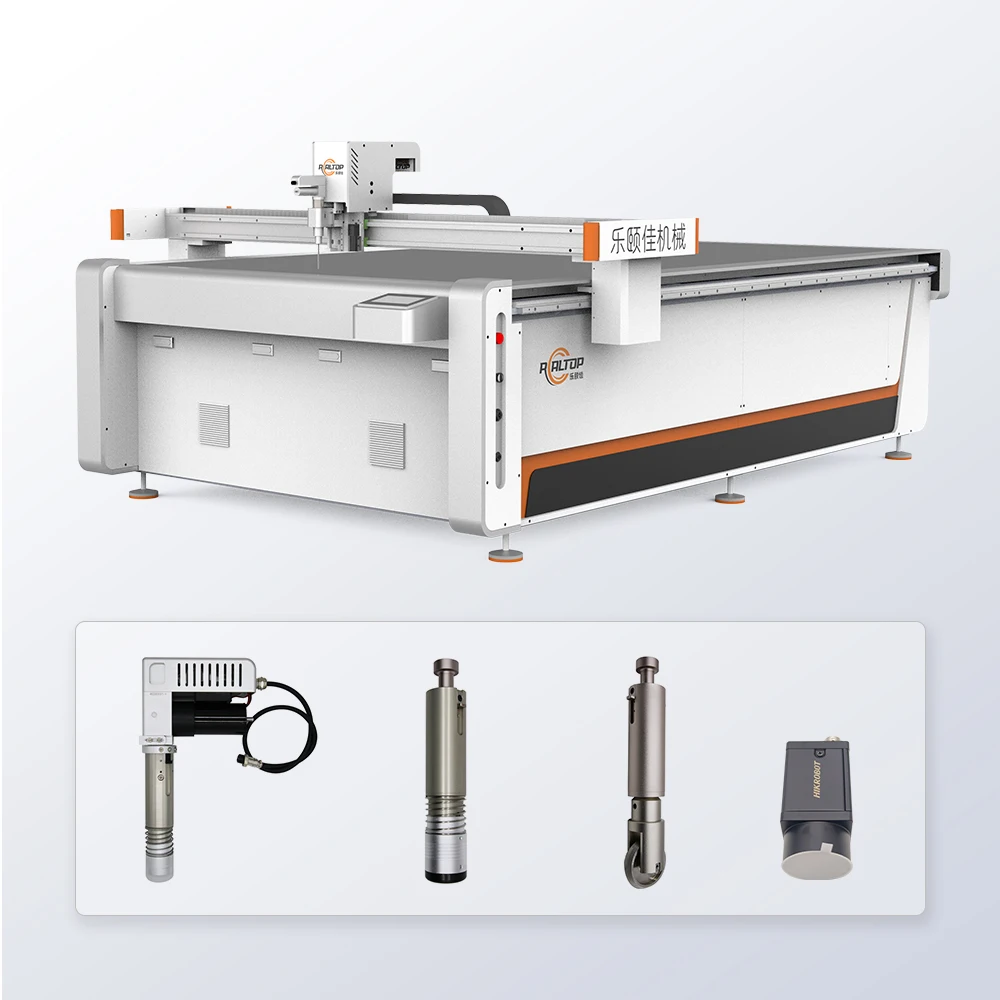
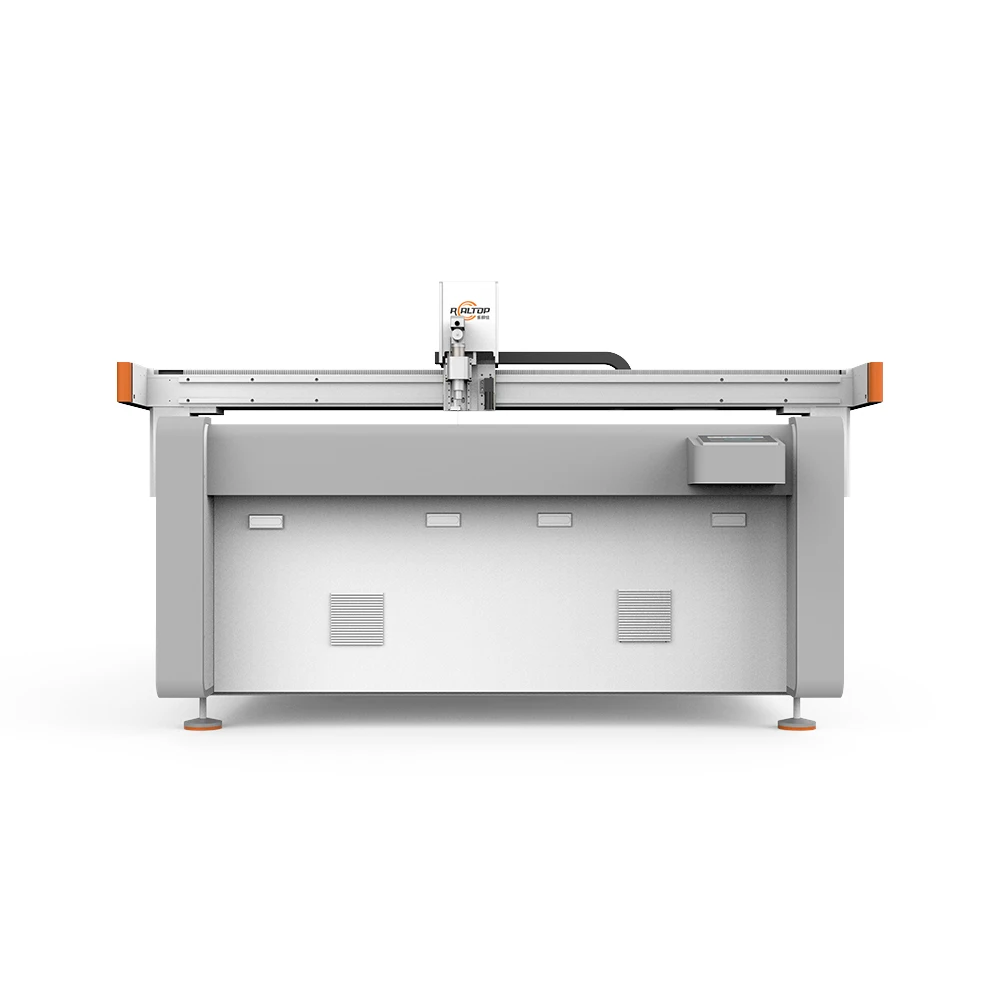
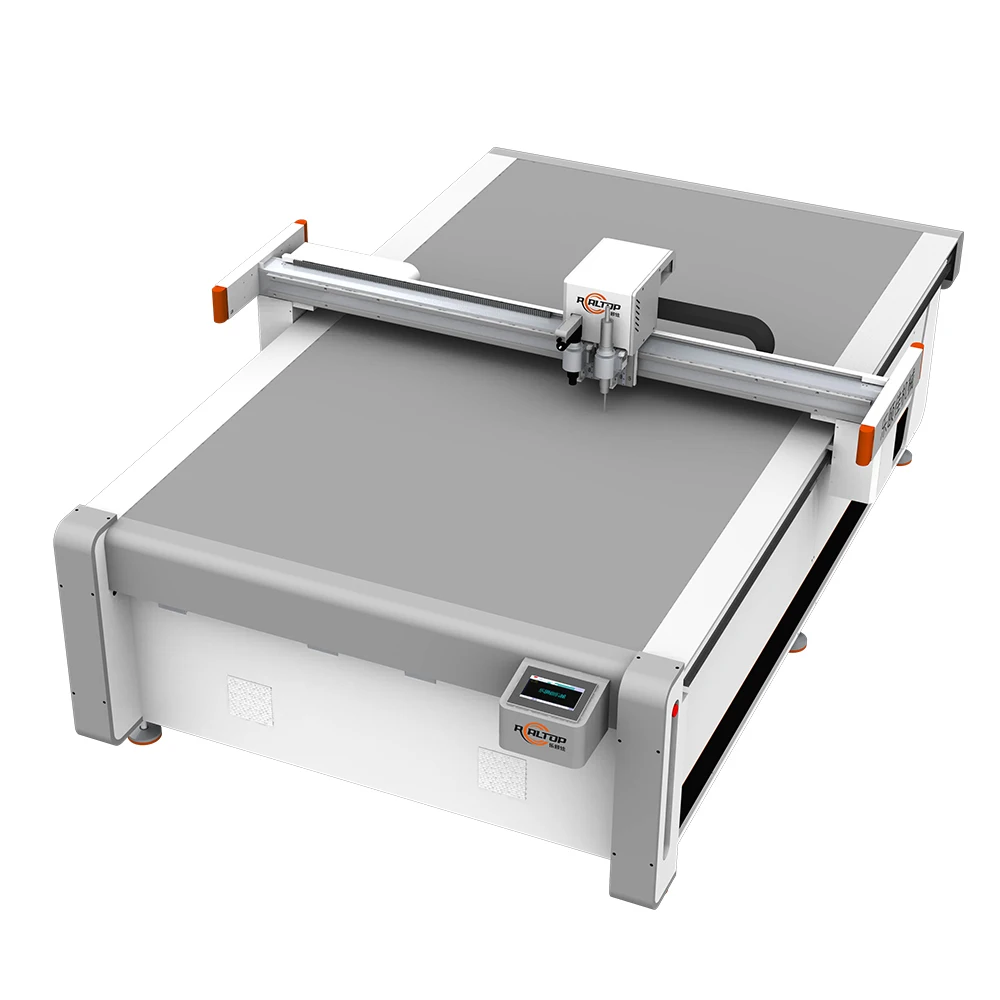
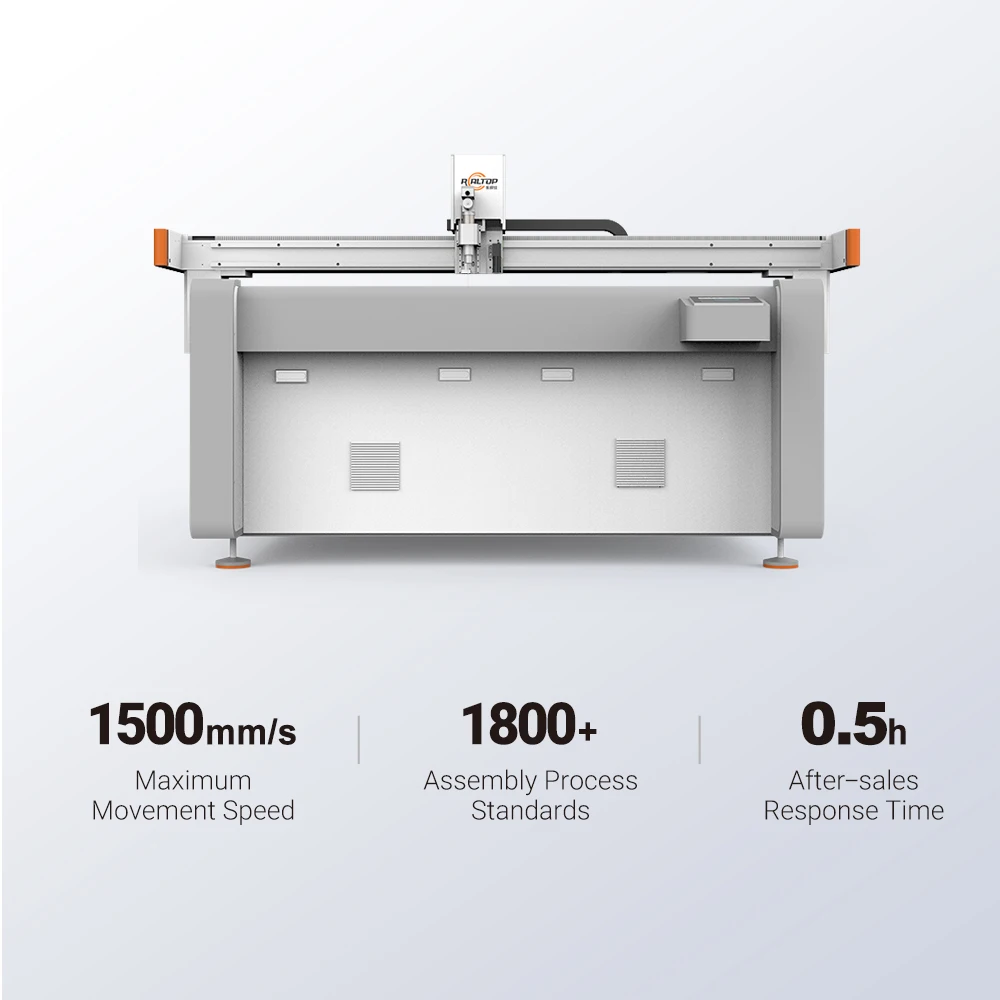
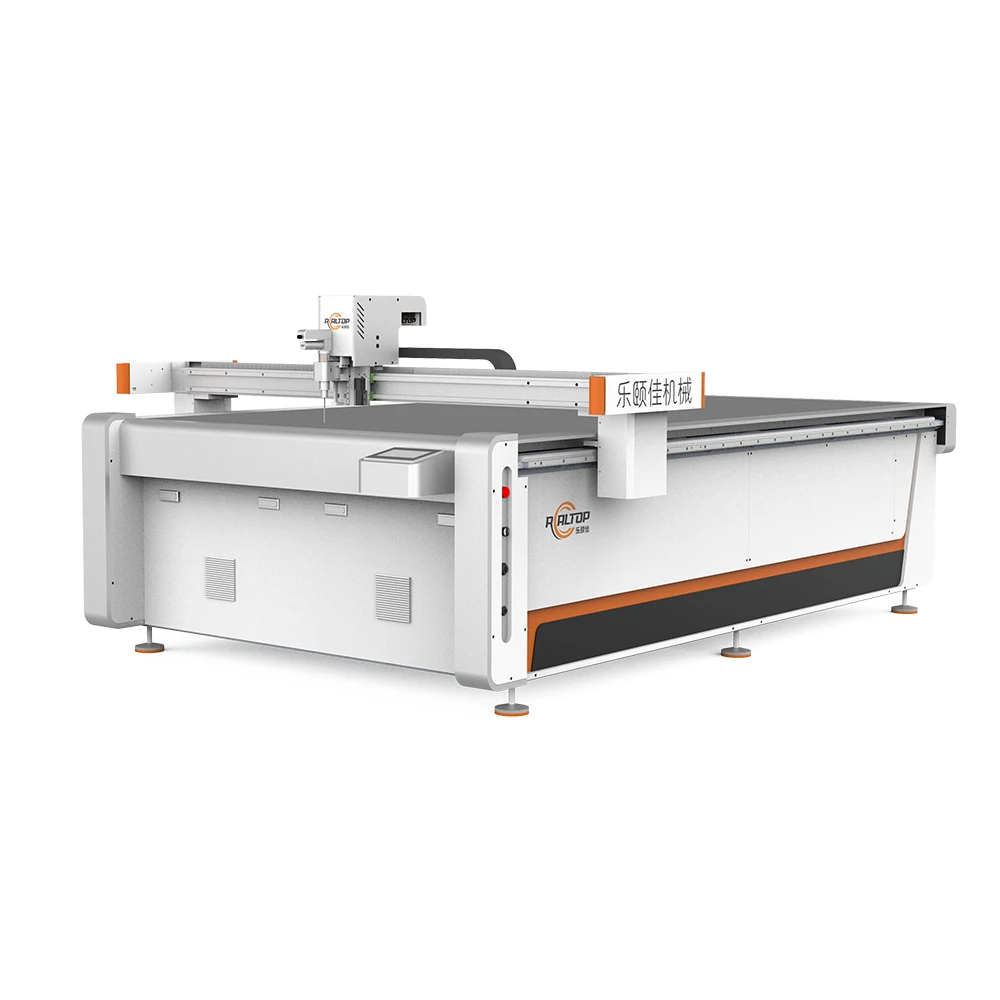
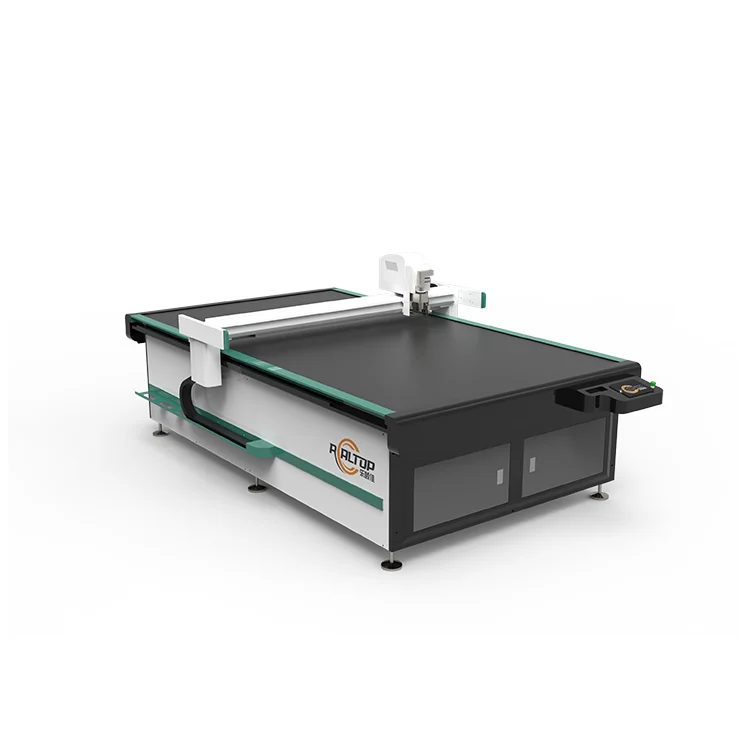
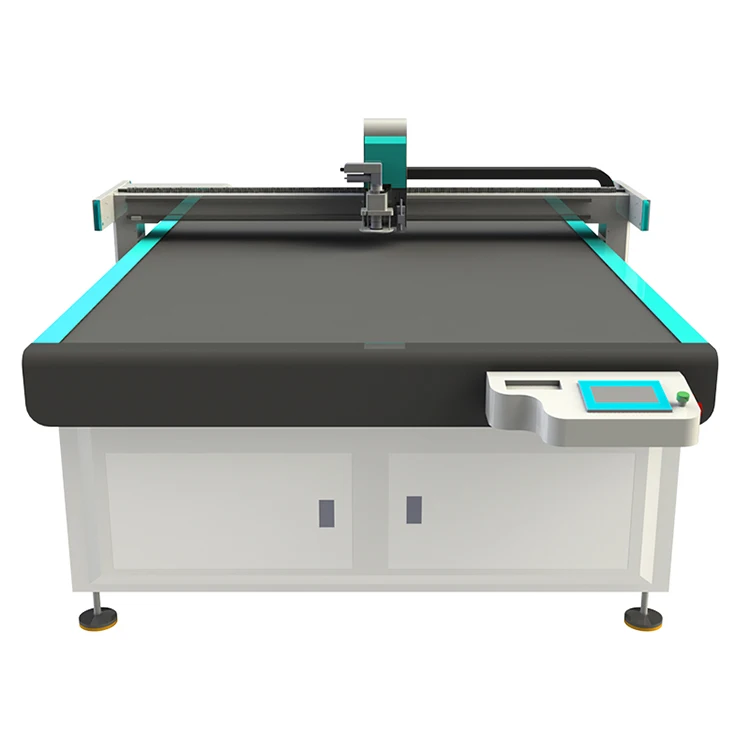
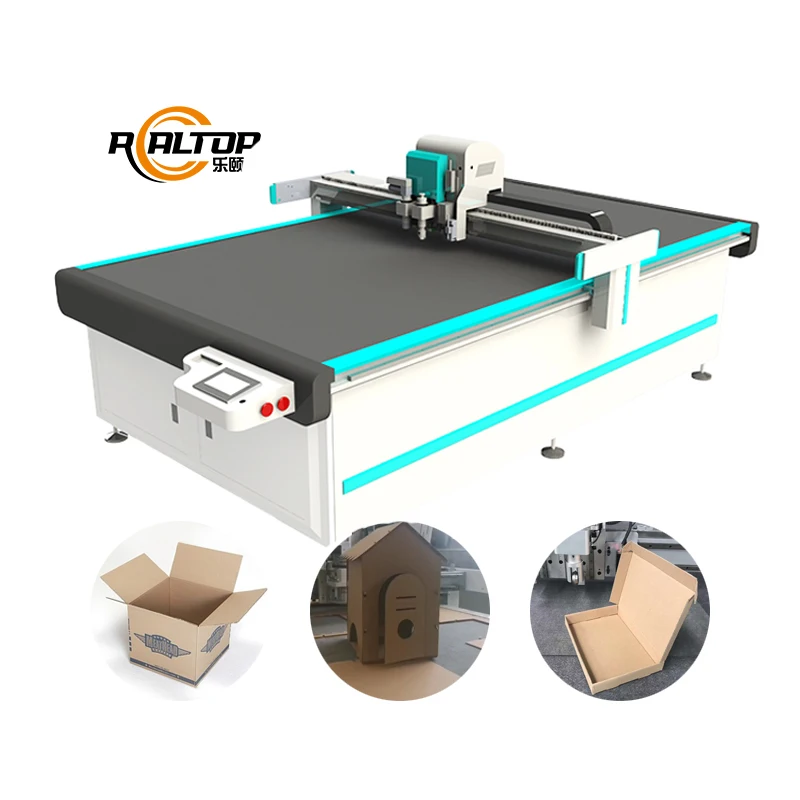
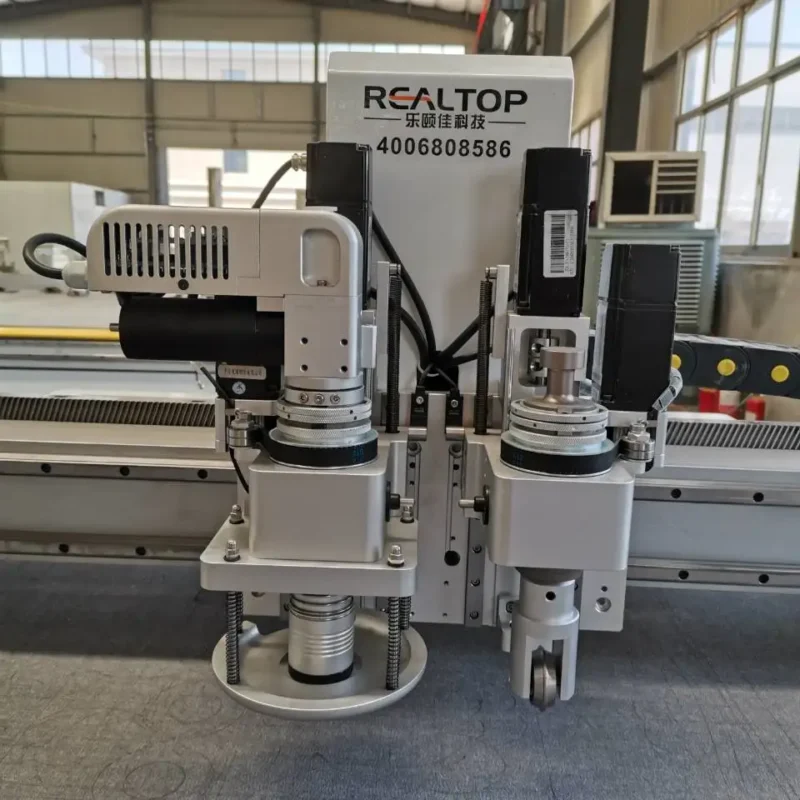
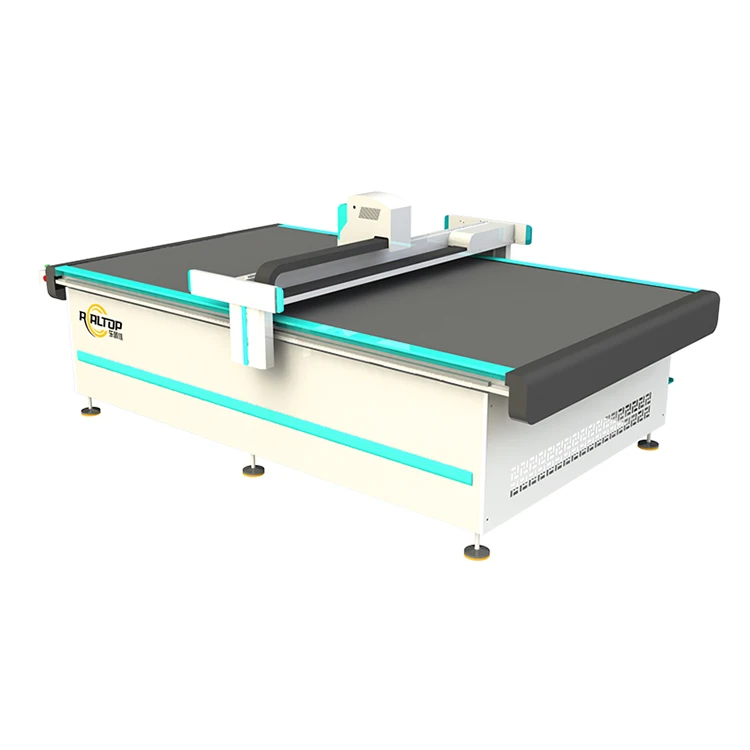
Seven Tool Heads Under One Gantry — packaging producers switch between corrugated flute profiles, greyboard and foam inserts on the 1625 without pulling the machine offline for reconfiguration.
Technical Specifications
| Parameter | Value |
|---|---|
| Model | 1625 |
| Product Type | CNC Oscillating Knife Cutting Machine for Packaging |
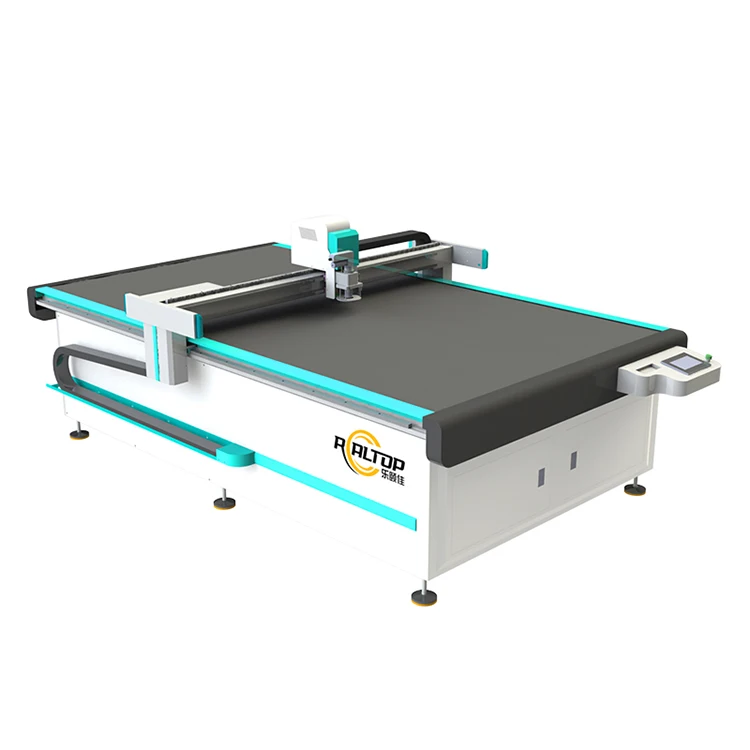
| Working Area | 1600 × 2500 mm |
| Tool Head Options | Oscillating knife, Driven rotary knife, Creasing wheel, Kiss cutting tool, Pneumatic knife, Milling tool, V groove knife |
| Cutting Speed | 0–1500 mm/s |
| Cutting Thickness | ≤40 mm (basis not stated in source — confirm block format / material / thickness) |
| Cutting Accuracy | ±0.1 mm |
| Vacuum Table | Aluminum bellows vacuum table |
| Vacuum Pump | 9 kW |
| Control System | PLC control panel |
| Servo Drive Options | Panasonic, Delta, Dorna (source value — verify against manufacturer catalog) |
| Software | Dedicated packaging box structure design software |
| File Formats | PLT, DXF, AI, PDF |
| Voltage Options | 110V, 220V, 380V |
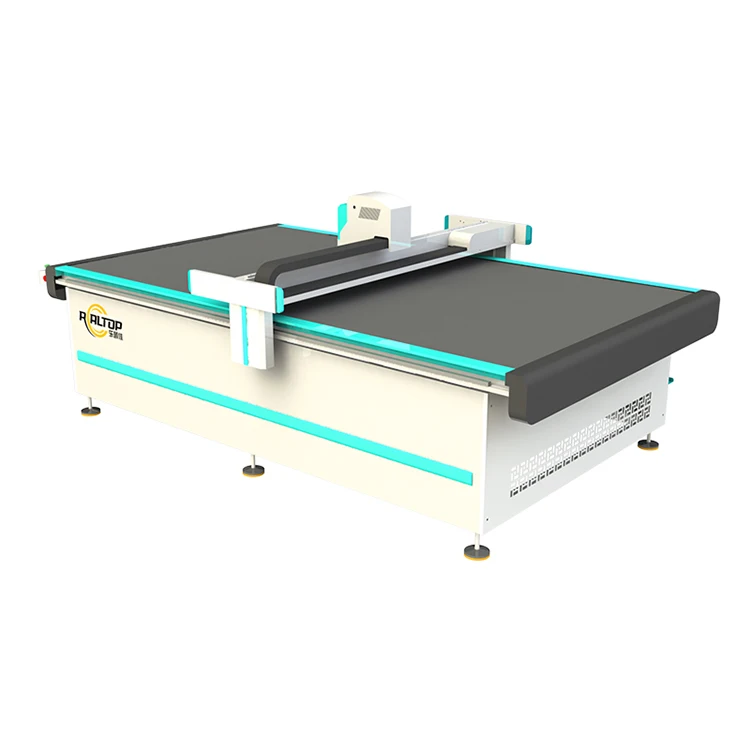
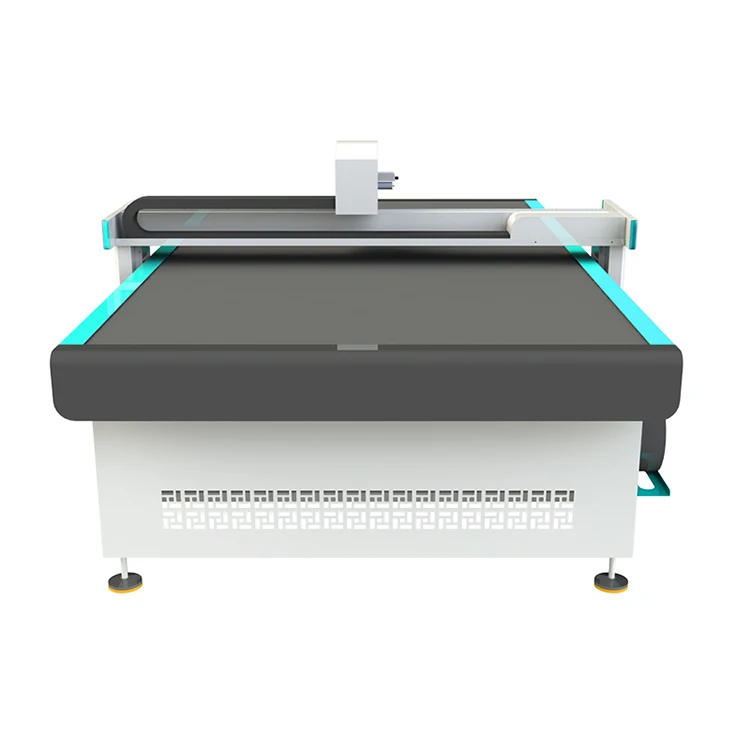
| Machine Size | 3300 × 2100 × 1350 mm |
| Safety Device | Infrared sensor device and emergency stop device |
| Language Options | English, Russian, Italian, Chinese (custom languages available) |
| Frame | Heavy-duty frame with precision-ground surface |
| Standards | CE |
Application Suitability
| Application | Material or Output |
|---|---|
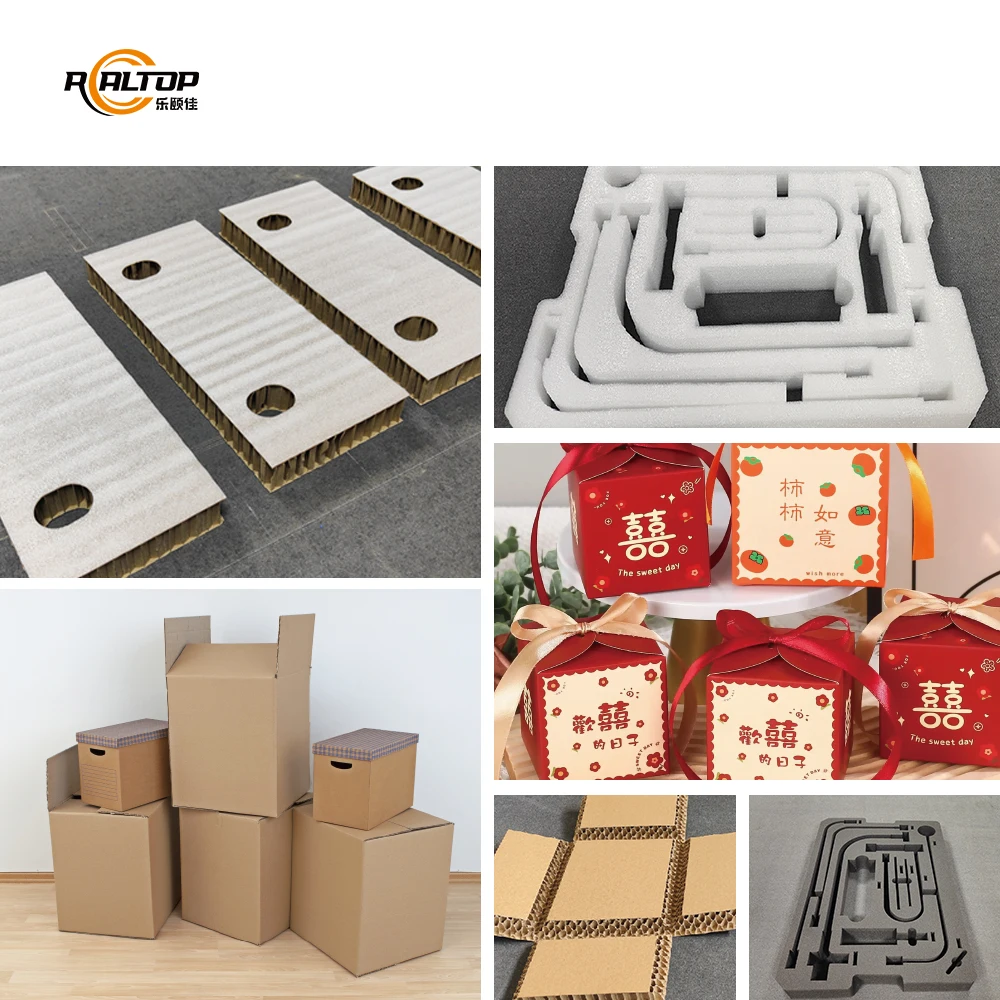
| Carton sample making and short-run packaging | E-flute, B-flute, BC-flute corrugated cardboard |
| Rigid box and display board fabrication | Greyboard, cardstock, art paper, specialty paper |
| Protective insert and cushion cutting | EVA, EPE, PU foam |
| Gasket and seal prototyping | Rubber mats, composite sheets |
| Textile and leather packaging accessories | Velvet, fleece fabric, non-woven fabric, leather, synthetic leather |
| Thin plastic packaging components | PVC, PET sheets, adhesive-backed materials |
Why "Working Area" Alone Fails Packaging Buyers
A flatbed sized for your largest sheet can still choke on your densest board stock.
I once quoted a flatbed digital cutting machine to a buyer in the Middle East based solely on their sheet dimensions. The working area matched, the vacuum zones looked adequate, and the order was nearly closed. Then they sent a sample of the actual high-density greyboard they ran daily. The standard oscillating knife could not hold an edge through it, and the crushed edges ruined the fold lines. That machine would have sat idle on their floor.
A CNC Oscillating Knife Cutting Machine manufacturer who asks only for your sheet size is skipping the most important step in the specification process. Material density, flute profile and lamination layers determine which of the seven available tool heads will actually cut clean, and whether the 9 kW vacuum pump can hold small nested pieces flat at production speed. Without testing your real stock, every number on the spec sheet is theoretical [NEED_CITE: material density variation across corrugated board grades].
Matching the Knife to the Flute
The 1625 carries seven interchangeable tool heads because packaging work rarely stays on one material all day. An oscillating knife handles single-face corrugated cleanly at high speed, while a V groove knife scores rigid greyboard for sharp 90-degree folds without cracking the facing paper. A driven rotary knife takes over when the job shifts to fabric or non-woven inserts for premium box linings. Switching between these heads is a mechanical change at the gantry, not a machine swap on the shop floor.
Vacuum Hold-Down and Small Part Stability
The aluminum bellows vacuum table provides full-surface adsorption across the 1600 × 2500 mm bed. This matters when a packaging sample sheet contains dozens of small die-cut windows, corner lock tabs or ventilation slots. If the vacuum zoning leaves dead spots, those small features lift during the cut and the blade chatters across the edge. A flat, sealed table surface keeps the entire sheet locked down regardless of how many internal cutouts the nesting software places [NEED_CITE: vacuum table flatness tolerances for digital cutting beds].
Reading the Specs Against Your Production Reality
The ±0.1 mm cutting accuracy is meaningful only when the servo system can maintain it at the upper end of the 0–1500 mm/s speed range. At slower speeds, accuracy is easy; at full traverse on a dense BC-flute sheet, the servo drive must respond fast enough to keep the knife path true through direction changes. The dedicated packaging box structure design software imports PLT, DXF, AI and PDF files, which covers most structural design outputs — but if your design team works in a proprietary format, that compatibility gap needs to be identified before the order is placed, not after the machine arrives.
The PLC control panel and available language options — English, Russian, Italian, Chinese with custom languages on request — mean the operator interface can match your floor crew. The 9 kW vacuum pump must be matched against your local electrical supply; voltage is configurable across 110V, 220V and 380V, and the correct selection prevents motor burnout that a simple adapter cannot solve.
The Hidden Cost of Skipping Material Testing
When a buyer accepts a configuration based on catalog descriptions alone, the problems appear on day one of production. Ragged edges on corrugated flutes mean every sample gets rejected by the client. Crushed foam inserts lose their protective function and damage the product they were meant to cushion. A vacuum table that cannot hold small nested parts forces the operator to tape everything down by hand, erasing whatever speed advantage the machine was supposed to deliver [NEED_CITE: common causes of edge quality failure in digital flatbed cutting].
Why Source This Machine Here
In-house design covers both knife and laser cutting under one roof, so a packaging producer evaluating the full REALTOP range on lyjcut.com can compare methods side by side rather than being pushed toward one technology. Tool head and table configuration is specified against the buyer’s actual material samples, not assumed from a generic chart. Sample cutting on your own stock happens before any order commitment, with a written report documenting which head, blade angle and vacuum setting produced the cleanest edge. Software file format compatibility is confirmed during that same sample stage, eliminating post-delivery surprises.
Documentation & Verification
- Machine specification sheet with tool head and table configuration matched to your board grades
- Electrical schematic and voltage confirmation aligned to your facility supply before production starts
- Sample cutting report on your corrugated and greyboard stock with edge quality photographs
- Factory test record showing cutting accuracy verification across the full working area before dispatch
- Software licence and file format compatibility note covering PLT, DXF, AI and PDF workflows
- Operation and maintenance manual in your selected control language
Installation, Commissioning & Support
- Heavy-duty frame requires a level concrete floor capable of supporting the 3300 × 2100 × 1350 mm footprint
- Dedicated electrical circuit matching the confirmed voltage (110V, 220V or 380V) and the 9 kW vacuum pump draw
- Machine ships in a single assembly with the aluminum bellows table pre-mounted to the frame
- First-run commissioning includes vacuum zoning verification and servo calibration on your material samples
- Operator training covers tool head changeover procedures and the dedicated packaging design software interface
- Spare parts list supplied with recommended consumable blades and creasing wheel replacements
What We Need to Quote Correctly
Send the actual board stock you run most often — corrugated flute type, greyboard thickness, foam density and any laminated or adhesive-backed sheets. Confirm your facility voltage and frequency, and let us know which control language your operators need. If you have an existing design software workflow, share a sample file so we can verify format compatibility before the machine is built.
Frequently Asked Questions
Q: How do I choose between oscillating knife and laser for my packaging materials?
A: Knife cutting works across corrugated, greyboard, foam and fabric without burning edges or producing smoke, which matters for food-contact packaging. Laser is better for very thin art paper or intricate perforations. REALTOP produces both, and the choice is confirmed by cutting your actual material samples before commitment.
Q: Which tool head configuration fits my board type and daily volume?
A: Oscillating knife handles standard corrugated at production speed. V groove knife scores greyboard for rigid box folds. Creasing wheel produces fold lines without cutting through. The correct combination depends on your material mix and is confirmed during sample testing on your stock.
Q: Will my existing design files import into the packaging software?
A: The dedicated software accepts PLT, DXF, AI and PDF formats. If your structural designers use a different output, send a sample file before ordering. Format compatibility is verified during the sample cutting stage, not after the machine ships.
Q: How is cutting thickness verified against my specific material?
A: The published ≤40 mm figure is a general range. Your actual maximum thickness depends on material density, flute profile and lamination. We cut your samples at varying depths and document which tool head and blade angle produces a clean edge through your heaviest stock.
Q: Can the machine voltage and control language be matched to my country?
A: Voltage is configurable across 110V, 220V and 380V. Control language options include English, Russian, Italian and Chinese, with custom languages available on request. Both must be confirmed before production begins to avoid rewiring or reprogramming after delivery.
Seven Tool Heads Under One Gantry — packaging producers switch between corrugated flute profiles, greyboard and foam inserts on the 1625 without pulling the machine offline for reconfiguration.
Technical Specifications
| Parameter | Value |
|---|---|
| Model | 1625 |
| Product Type | CNC Oscillating Knife Cutting Machine for Packaging |
| Working Area | 1600 × 2500 mm |
| Tool Head Options | Oscillating knife, Driven rotary knife, Creasing wheel, Kiss cutting tool, Pneumatic knife, Milling tool, V groove knife |
| Cutting Speed | 0–1500 mm/s |
| Cutting Thickness | ≤40 mm (basis not stated in source — confirm block format / material / thickness) |
| Cutting Accuracy | ±0.1 mm |
| Vacuum Table | Aluminum bellows vacuum table |
| Vacuum Pump | 9 kW |
| Control System | PLC control panel |
| Servo Drive Options | Panasonic, Delta, Dorna (source value — verify against manufacturer catalog) |
| Software | Dedicated packaging box structure design software |
| File Formats | PLT, DXF, AI, PDF |
| Voltage Options | 110V, 220V, 380V |
| Machine Size | 3300 × 2100 × 1350 mm |
| Safety Device | Infrared sensor device and emergency stop device |
| Language Options | English, Russian, Italian, Chinese (custom languages available) |
| Frame | Heavy-duty frame with precision-ground surface |
| Standards | CE |
Application Suitability
| Application | Material or Output |
|---|---|
| Carton sample making and short-run packaging | E-flute, B-flute, BC-flute corrugated cardboard |
| Rigid box and display board fabrication | Greyboard, cardstock, art paper, specialty paper |
| Protective insert and cushion cutting | EVA, EPE, PU foam |
| Gasket and seal prototyping | Rubber mats, composite sheets |
| Textile and leather packaging accessories | Velvet, fleece fabric, non-woven fabric, leather, synthetic leather |
| Thin plastic packaging components | PVC, PET sheets, adhesive-backed materials |
Why "Working Area" Alone Fails Packaging Buyers
A flatbed sized for your largest sheet can still choke on your densest board stock.
I once quoted a flatbed digital cutting machine to a buyer in the Middle East based solely on their sheet dimensions. The working area matched, the vacuum zones looked adequate, and the order was nearly closed. Then they sent a sample of the actual high-density greyboard they ran daily. The standard oscillating knife could not hold an edge through it, and the crushed edges ruined the fold lines. That machine would have sat idle on their floor.
A CNC Oscillating Knife Cutting Machine manufacturer who asks only for your sheet size is skipping the most important step in the specification process. Material density, flute profile and lamination layers determine which of the seven available tool heads will actually cut clean, and whether the 9 kW vacuum pump can hold small nested pieces flat at production speed. Without testing your real stock, every number on the spec sheet is theoretical [NEED_CITE: material density variation across corrugated board grades].
Matching the Knife to the Flute
The 1625 carries seven interchangeable tool heads because packaging work rarely stays on one material all day. An oscillating knife handles single-face corrugated cleanly at high speed, while a V groove knife scores rigid greyboard for sharp 90-degree folds without cracking the facing paper. A driven rotary knife takes over when the job shifts to fabric or non-woven inserts for premium box linings. Switching between these heads is a mechanical change at the gantry, not a machine swap on the shop floor.
Vacuum Hold-Down and Small Part Stability
The aluminum bellows vacuum table provides full-surface adsorption across the 1600 × 2500 mm bed. This matters when a packaging sample sheet contains dozens of small die-cut windows, corner lock tabs or ventilation slots. If the vacuum zoning leaves dead spots, those small features lift during the cut and the blade chatters across the edge. A flat, sealed table surface keeps the entire sheet locked down regardless of how many internal cutouts the nesting software places [NEED_CITE: vacuum table flatness tolerances for digital cutting beds].
Reading the Specs Against Your Production Reality
The ±0.1 mm cutting accuracy is meaningful only when the servo system can maintain it at the upper end of the 0–1500 mm/s speed range. At slower speeds, accuracy is easy; at full traverse on a dense BC-flute sheet, the servo drive must respond fast enough to keep the knife path true through direction changes. The dedicated packaging box structure design software imports PLT, DXF, AI and PDF files, which covers most structural design outputs — but if your design team works in a proprietary format, that compatibility gap needs to be identified before the order is placed, not after the machine arrives.
The PLC control panel and available language options — English, Russian, Italian, Chinese with custom languages on request — mean the operator interface can match your floor crew. The 9 kW vacuum pump must be matched against your local electrical supply; voltage is configurable across 110V, 220V and 380V, and the correct selection prevents motor burnout that a simple adapter cannot solve.
The Hidden Cost of Skipping Material Testing
When a buyer accepts a configuration based on catalog descriptions alone, the problems appear on day one of production. Ragged edges on corrugated flutes mean every sample gets rejected by the client. Crushed foam inserts lose their protective function and damage the product they were meant to cushion. A vacuum table that cannot hold small nested parts forces the operator to tape everything down by hand, erasing whatever speed advantage the machine was supposed to deliver [NEED_CITE: common causes of edge quality failure in digital flatbed cutting].
Why Source This Machine Here
In-house design covers both knife and laser cutting under one roof, so a packaging producer evaluating the full REALTOP range on lyjcut.com can compare methods side by side rather than being pushed toward one technology. Tool head and table configuration is specified against the buyer’s actual material samples, not assumed from a generic chart. Sample cutting on your own stock happens before any order commitment, with a written report documenting which head, blade angle and vacuum setting produced the cleanest edge. Software file format compatibility is confirmed during that same sample stage, eliminating post-delivery surprises.
Documentation & Verification
- Machine specification sheet with tool head and table configuration matched to your board grades
- Electrical schematic and voltage confirmation aligned to your facility supply before production starts
- Sample cutting report on your corrugated and greyboard stock with edge quality photographs
- Factory test record showing cutting accuracy verification across the full working area before dispatch
- Software licence and file format compatibility note covering PLT, DXF, AI and PDF workflows
- Operation and maintenance manual in your selected control language
Installation, Commissioning & Support
- Heavy-duty frame requires a level concrete floor capable of supporting the 3300 × 2100 × 1350 mm footprint
- Dedicated electrical circuit matching the confirmed voltage (110V, 220V or 380V) and the 9 kW vacuum pump draw
- Machine ships in a single assembly with the aluminum bellows table pre-mounted to the frame
- First-run commissioning includes vacuum zoning verification and servo calibration on your material samples
- Operator training covers tool head changeover procedures and the dedicated packaging design software interface
- Spare parts list supplied with recommended consumable blades and creasing wheel replacements
What We Need to Quote Correctly
Send the actual board stock you run most often — corrugated flute type, greyboard thickness, foam density and any laminated or adhesive-backed sheets. Confirm your facility voltage and frequency, and let us know which control language your operators need. If you have an existing design software workflow, share a sample file so we can verify format compatibility before the machine is built.
Frequently Asked Questions
Q: How do I choose between oscillating knife and laser for my packaging materials?
A: Knife cutting works across corrugated, greyboard, foam and fabric without burning edges or producing smoke, which matters for food-contact packaging. Laser is better for very thin art paper or intricate perforations. REALTOP produces both, and the choice is confirmed by cutting your actual material samples before commitment.
Q: Which tool head configuration fits my board type and daily volume?
A: Oscillating knife handles standard corrugated at production speed. V groove knife scores greyboard for rigid box folds. Creasing wheel produces fold lines without cutting through. The correct combination depends on your material mix and is confirmed during sample testing on your stock.
Q: Will my existing design files import into the packaging software?
A: The dedicated software accepts PLT, DXF, AI and PDF formats. If your structural designers use a different output, send a sample file before ordering. Format compatibility is verified during the sample cutting stage, not after the machine ships.
Q: How is cutting thickness verified against my specific material?
A: The published ≤40 mm figure is a general range. Your actual maximum thickness depends on material density, flute profile and lamination. We cut your samples at varying depths and document which tool head and blade angle produces a clean edge through your heaviest stock.
Q: Can the machine voltage and control language be matched to my country?
A: Voltage is configurable across 110V, 220V and 380V. Control language options include English, Russian, Italian and Chinese, with custom languages available on request. Both must be confirmed before production begins to avoid rewiring or reprogramming after delivery.
商品评价
There are no reviews yet.