

Fast Delivery
Quick, reliable shipping to any location.

Free & easy returns
Return this item by mail or in store within 90 days for a full refund.
Sample cutting on your material — the RT-D2516/RT-S2516 is configured only after test cuts confirm edge quality and vacuum hold-down on your specific board grade.
Technical Specifications
| Parameter | Value |
|---|---|
| Model | RT-D2516 / RT-S2516 |
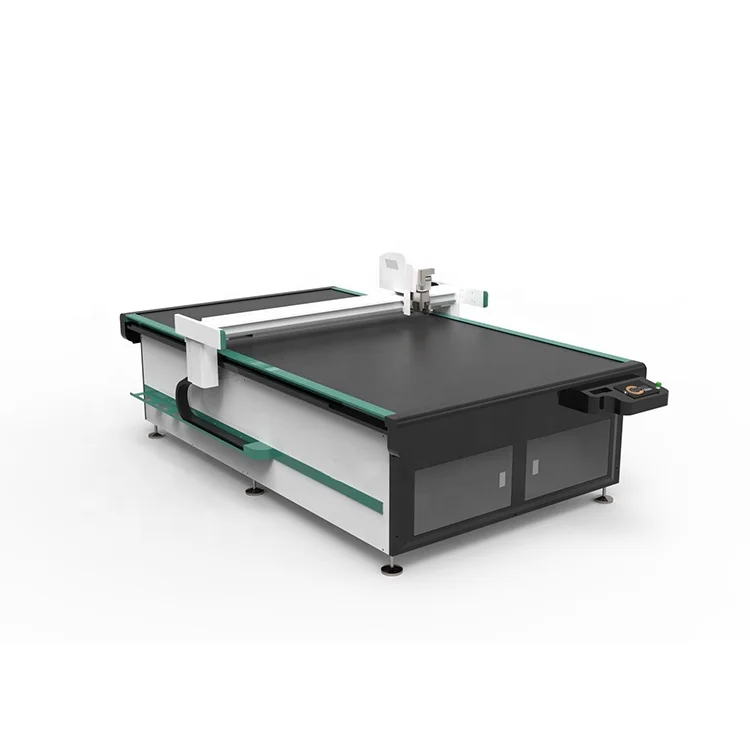
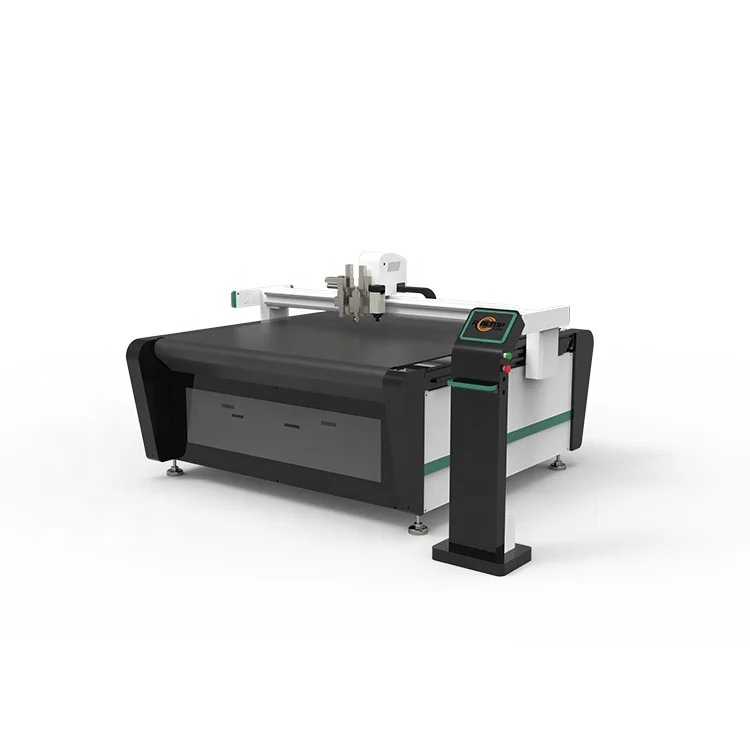
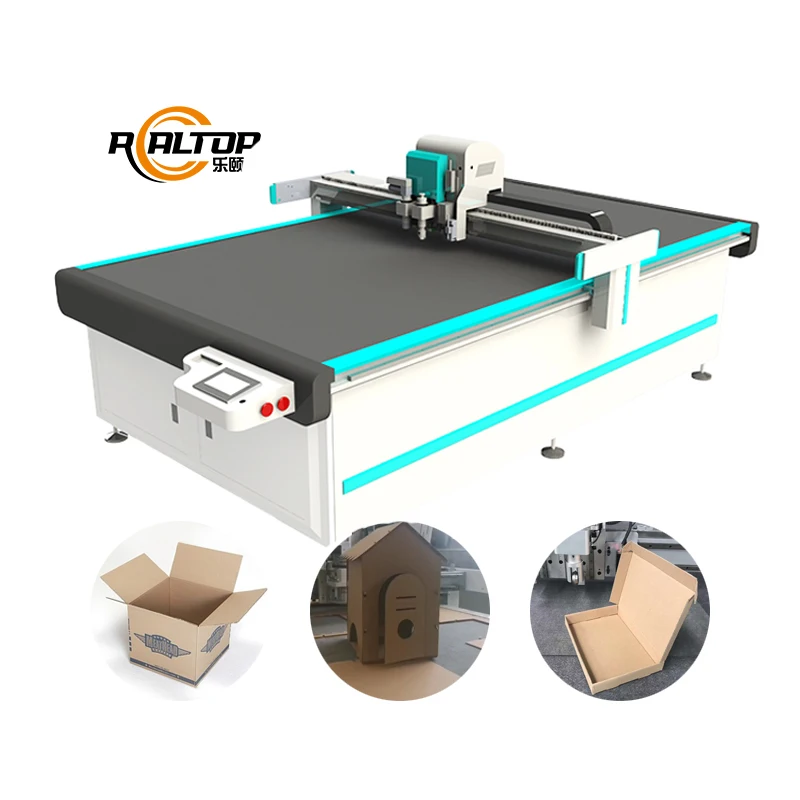
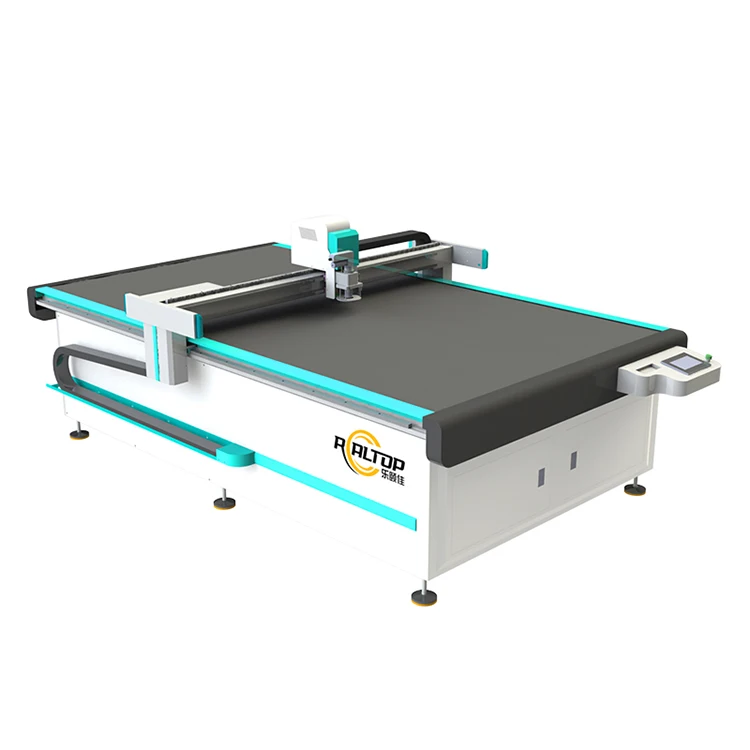
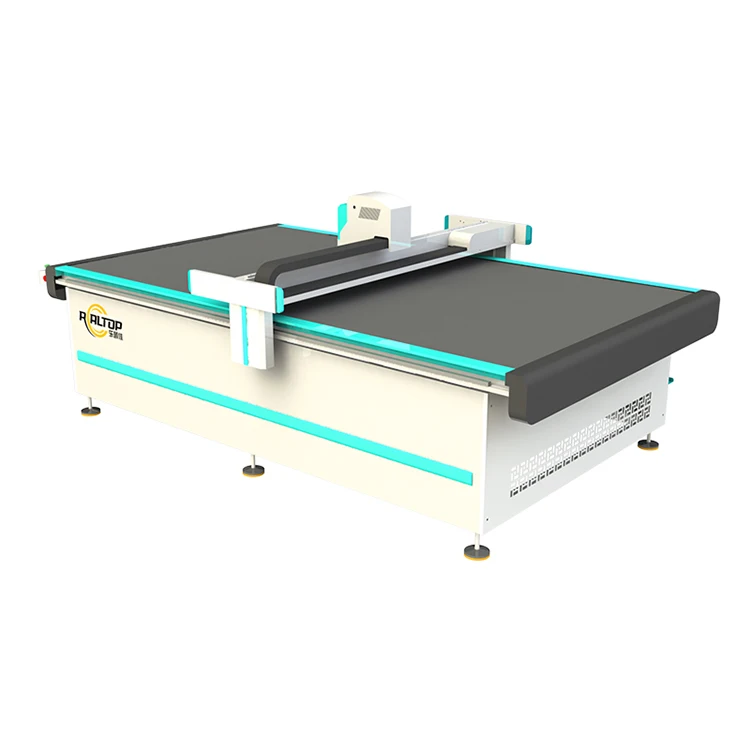
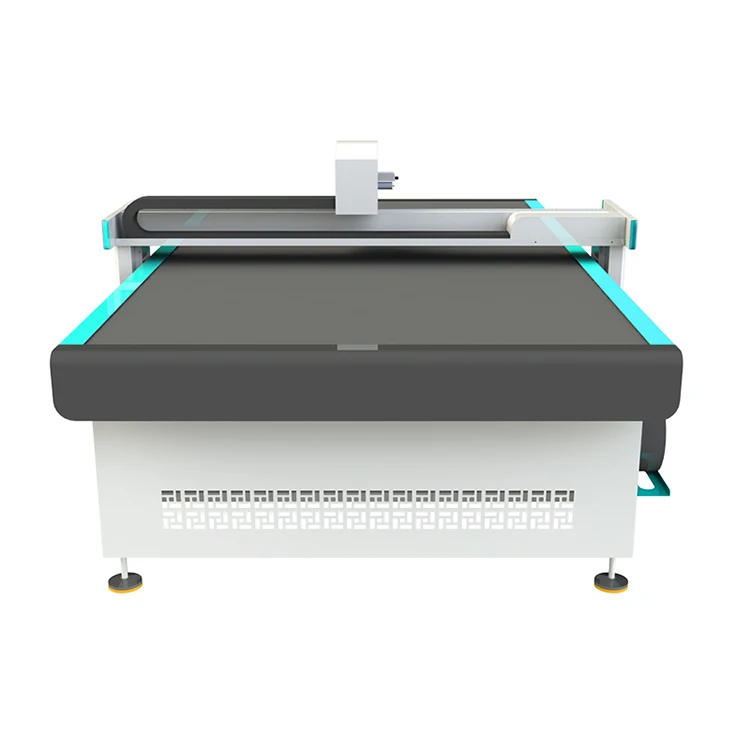
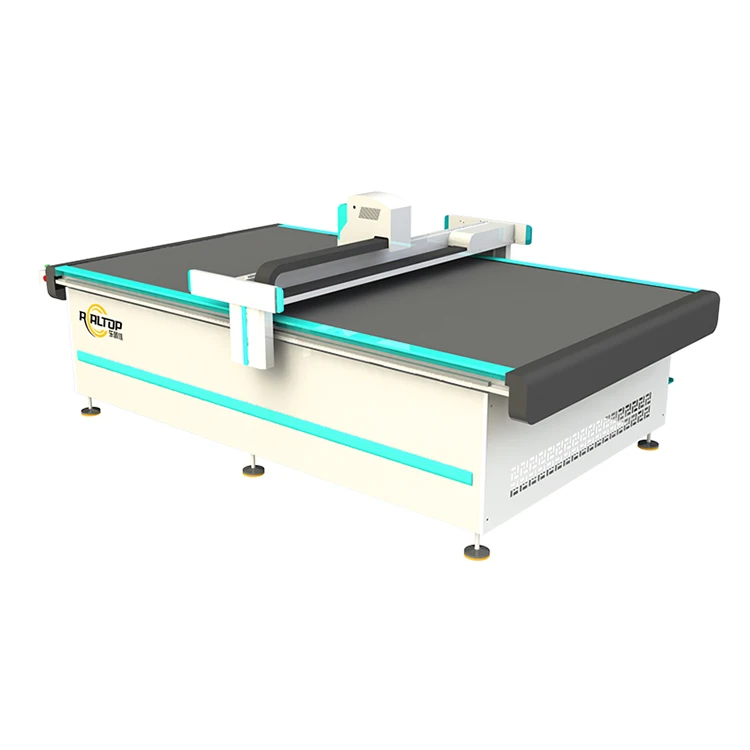
| Product Type | CNC Oscillating Knife Cutting Table |
| Working Area | 1600 × 2500 mm |
| Overall Dimensions (L×W×H) | 3450 × 2300 × 1250 mm |
| Rated Power | 9 kW |
| Vacuum Pump Power | 7.5 kW |
| Working Table Type | Flat vacuum table |
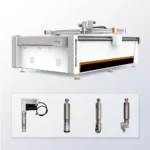
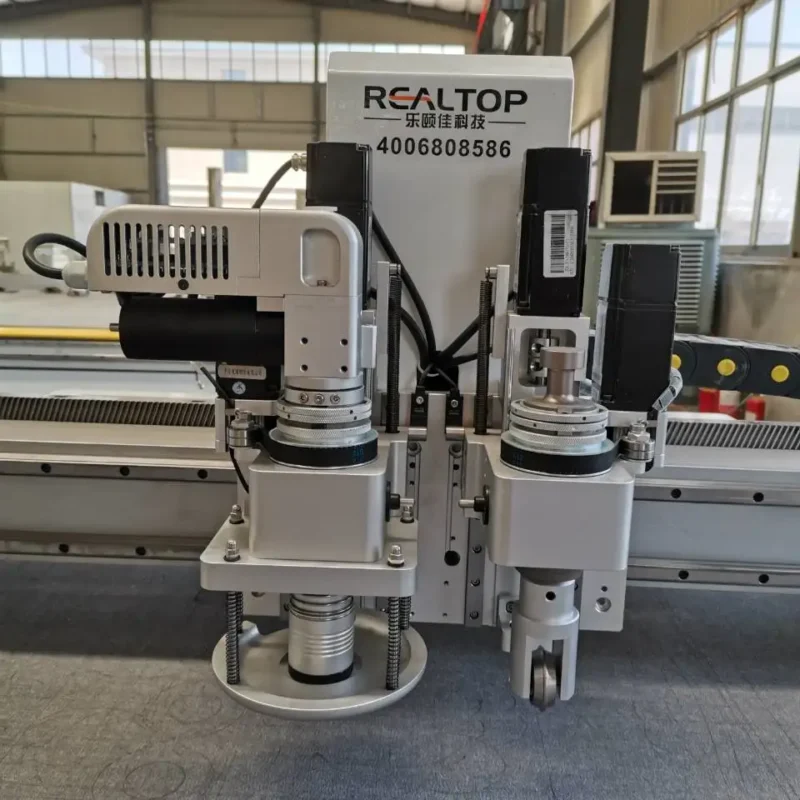
| Tool Head Configuration | Swiss imported oscillating knife (vibration full cutting, vibration half cutting, cursor positioning) |
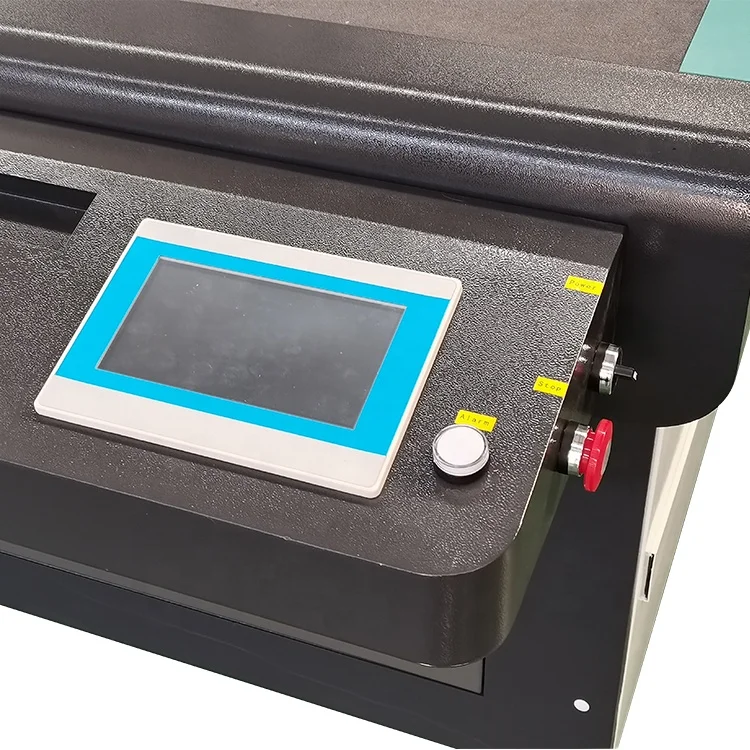
| Safety Device | Infrared sensors |
| Traverse Speed | 800–1200 mm/s |
| Cutting Speed | 200–800 mm/s (basis not stated in source — confirm material / thickness) |
| Repeatability | ≤ 0.1 mm |
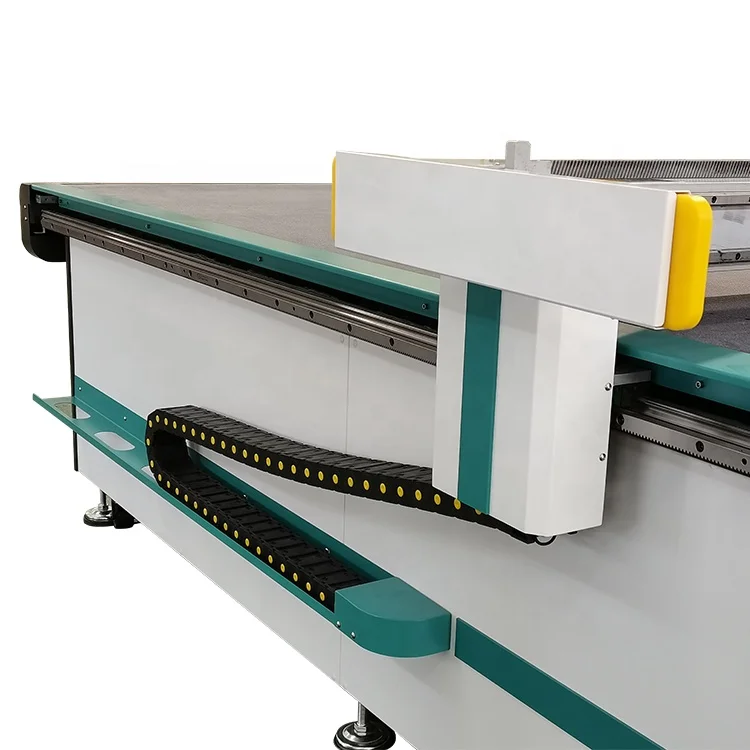
| Transmission System | Digital servo motor, linear guide, synchronous belt, ball screw (imported components) |
| Servo Motor | Japanese Yaskawa |
| Linear Rail | Taiwan Hiwin |
| Conveyor Belt | Germany imported |
| Instruction Format | HP-GL compatible |
| Voltage | 380V ±10% |
| Pneumatic Cutting Tool Capacity | Up to 70 mm thickness (source value — verify against manufacturer catalog) |
| Functions | Cutting, creasing, marking |
| Warranty | 12 months whole machine; 3 months consumables |
Application Suitability
| Application | Material or Output |
|---|---|
| Rigid magnet paper box cutting | High-density grey board with magnetic layer |
| Carton box sample making | Corrugated board, folding carton, white card |
| Gift box prototyping | Coated paperboard, art paper, specialty board |
| Sticker and label cutting | Self-adhesive vinyl, PET film, reflective sheet |
| Fabric and seat cover cutting | Textile layers, automotive upholstery fabric |
| Leather goods production | Natural leather, PU synthetic, composite leather |
| Flexible material processing | PVC, soft glass, silicone rubber, sponge composite |
Why Material Density Matters More Than Board Thickness
A cutting table sized only by working area often fails the first time it meets your actual production material.
I once sent a CNC Oscillating Knife Cutting Table to a gift box producer who specified 2mm grey board. The machine ran fine on samples, but their production board carried a magnetic backing that doubled the density. The knife head couldn’t maintain downward pressure, and every corner came out crushed. Two days of downtime followed before we reconfigured the tool head and vacuum zoning on-site. [NEED_CITE: material density versus cutting force requirements in digital knife systems]
Mapping the Full Cutting Equipment Range
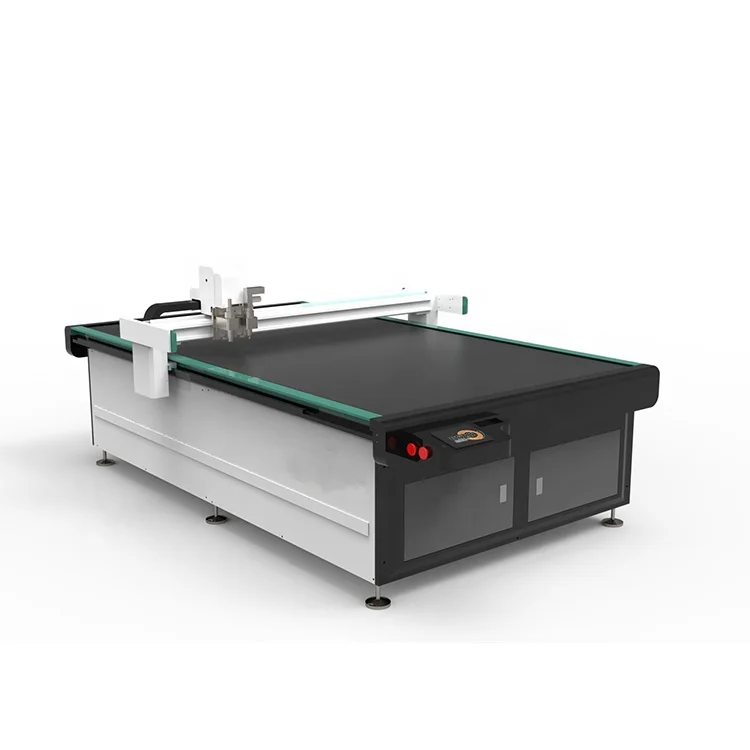
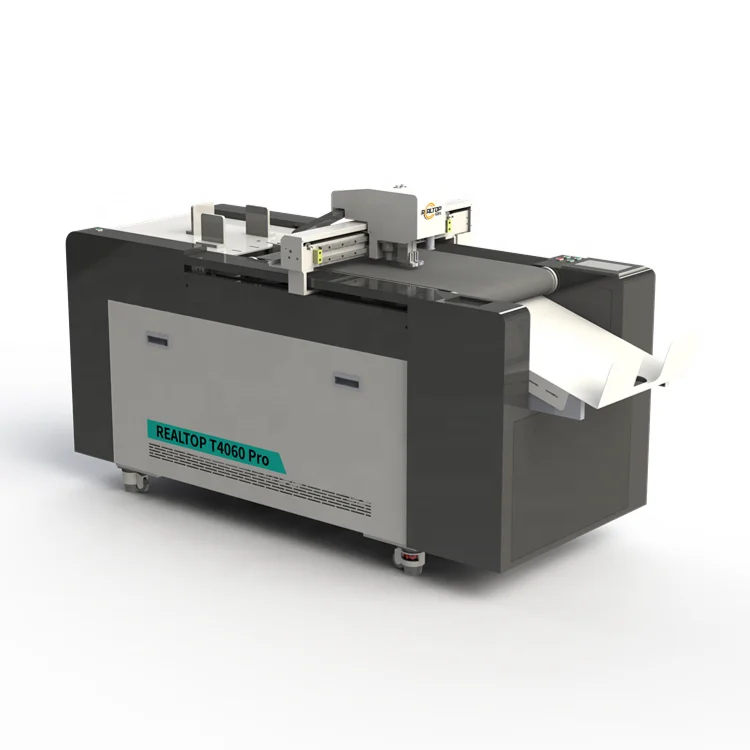
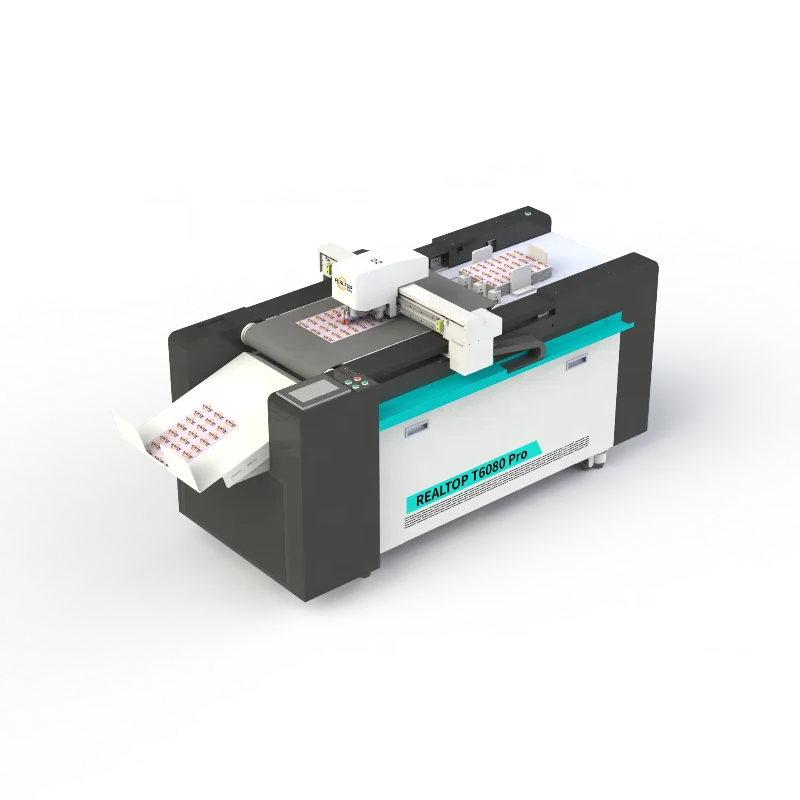
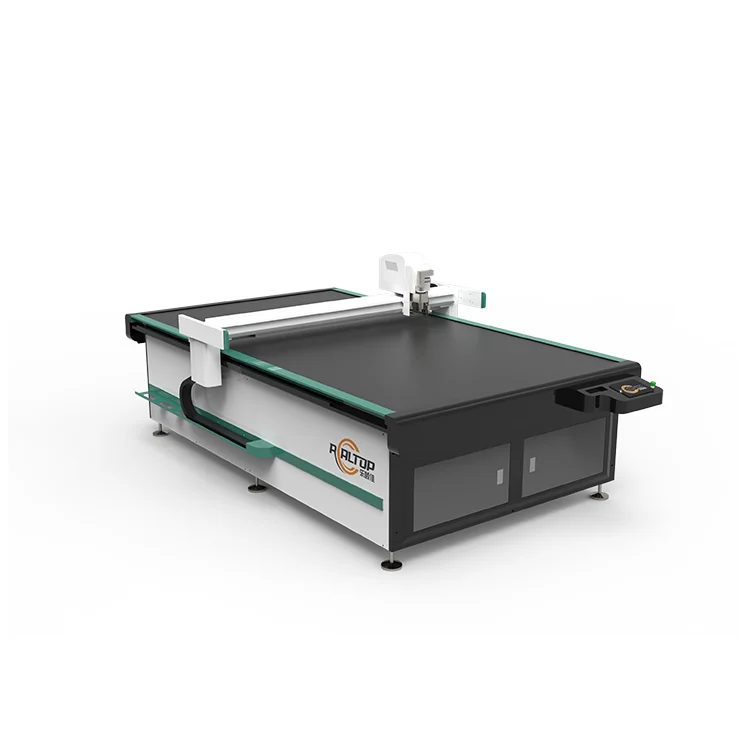
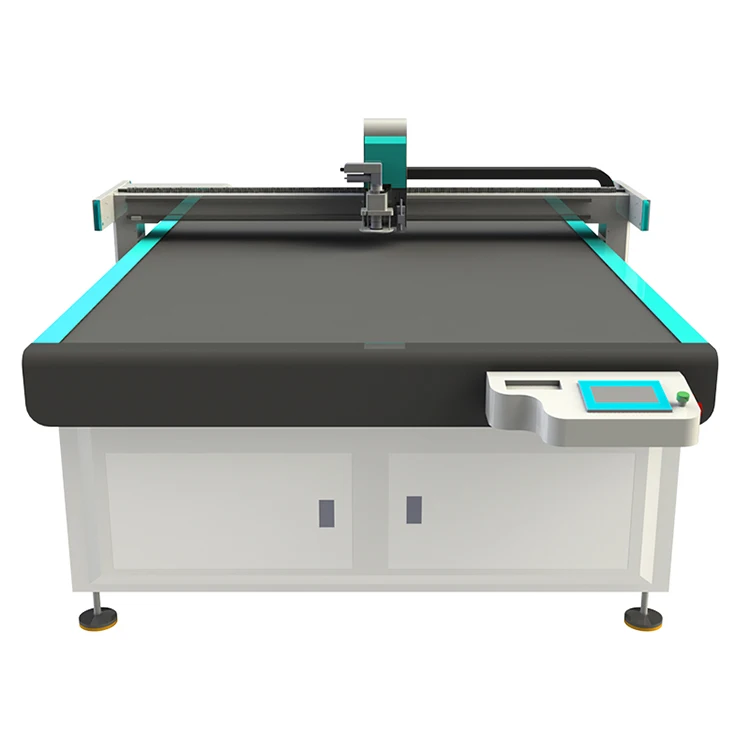
This flatbed model sits in the mid-to-large format segment of the Realtop catalogue. When buyers survey available options before committing to oscillating knife versus drag knife versus laser, working area is only the first filter. The RT-D2516 and RT-S2516 serve operations that handle sheet sizes up to 1600 × 2500 mm, covering most standard packaging board formats without requiring a custom table build. A CNC Oscillating Knife Cutting Table manufacturer should guide you through where this model fits relative to compact tabletop units and extra-wide conveyor systems.
Tool Head Selection Across Materials
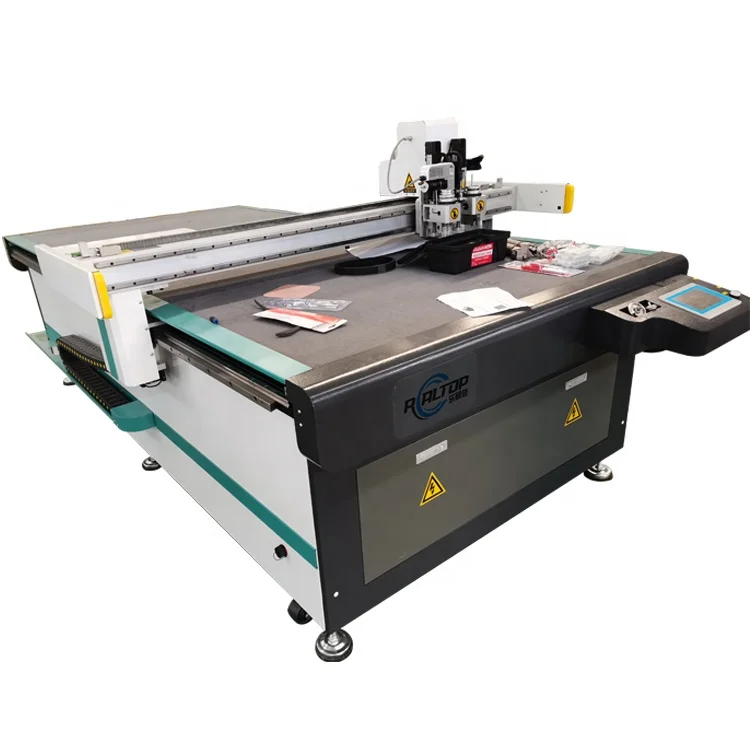
The Swiss imported oscillating knife on this unit handles vibration full cutting, half cutting, and cursor positioning. That configuration covers most packaging and flexible material tasks, but it does not replace a drag knife for thick corrugated or a creasing wheel for scored folds. When a buyer needs to produce creased carton samples alongside flat-cut sticker runs, the tool head must be specified at order stage. We confirm the tool combination against the buyer’s material stack before production begins, not after arrival. [NEED_CITE: oscillating knife versus drag knife selection by material type and thickness]
Reading the Specifications Beyond the Datasheet
The 7.5 kW vacuum pump paired with a flat table addresses the most common failure mode in digital cutting: small parts lifting during the final pass. High-density magnet board demands more suction per square centimetre than standard 300 gsm card stock, and an under-zoned vacuum grid cannot compensate by simply increasing pump power. The Yaskawa digital servo motor and Hiwin linear rails maintain repeatability at ≤ 0.1 mm, which matters when nesting multiple box patterns on a single sheet where a 0.3 mm drift can shift an entire layout off-register. The HP-GL compatible instruction format allows integration with most nesting software already used in packaging sample rooms, avoiding the cost and learning curve of switching CAD environments.
What Happens When Configuration Is Skipped
A machine that cuts perfectly on one material can produce ragged edges on the next. Wrong tool head selection means crushed foam, frayed textile edges, or incomplete cuts through multi-layer composites. Vacuum table zoning insufficient for small parts causes lift during the final contour pass, forcing manual rework. [NEED_CITE: vacuum hold-down failure modes in digital flatbed cutting] These are not warranty claims — they are configuration errors that could have been caught with a material sample test before the machine left the factory.
Why Buyers Specify With Us
In-house design covering both knife and laser means you are not forced into one cutting method when your material suits another. The RT-D2516/RT-S2516 is offered as part of a catalogue where oscillating knife, drag knife, and laser options are each matched to material type and production volume.
Tool head and table configuration specified per material — we confirm the Swiss oscillating knife, vacuum zoning layout, and conveyor belt selection against your actual board density and sheet dimensions before the order is finalised.
CCD camera positioning available across the range for printed contour work, confirmed against your registration mark size and print contrast before shipment.
Software compatibility confirmed before order — file format, nesting workflow, and language options are verified so your existing production pipeline connects without custom scripting.
Sample cutting on your own material before commitment — a cutting report showing edge quality, hold-down stability, and cycle time on your board grade accompanies every quotation.
Documentation & Verification
- Machine specification sheet listing confirmed tool head and vacuum table zoning for your material type
- Electrical schematic with voltage and frequency matched to your facility supply
- Sample cutting report on your actual board stock showing edge quality and dimensional accuracy
- Factory test record documenting full-cycle operation before crating
- Software licence and file format compatibility note confirming your nesting workflow
- Spare parts list covering consumable knife blades, belts, and vacuum seals
Installation, Commissioning & Support
- Floor space allocation for 3450 × 2300 mm footprint plus operator clearance and material staging area
- Dedicated 380V ±10% circuit with sufficient amperage for 9 kW rated power plus 7.5 kW vacuum pump
- Machine arrives fully assembled on skid; forklift or overhead crane required for positioning
- First-day parameter tuning covering vacuum zoning map, knife oscillation frequency, and cutting speed for your material
- Operator training on tool head changeover between oscillating knife, creasing, and marking functions
- Consumable stock plan covering Swiss oscillating knife blades and vacuum table seal strips
Requesting a Configuration Quote
Send your actual board samples — including any magnetic backing, coating, or lamination — along with your target sheet size and daily volume. Specify your local voltage and frequency, control language preference, and whether your current workflow uses HP-GL or another instruction format. If your production involves printed contour cutting, include a printed sample so we can confirm CCD recognition before quotation.
Frequently Asked Questions
Q: How do I choose between oscillating knife and laser for my packaging material?
A: Oscillating knife cuts without heat, so edge colour stays clean on grey board, white card, and coated stock — no burn marks. Laser is faster for thin film and intricate patterns but leaves a sealed edge that may not suit adhesive application. We run your material on both methods and let the sample decide.
Q: Can the 1600 × 2500 mm working area handle my sheet format?
A: This area covers most standard packaging board sizes. If your sheets exceed these dimensions, larger format tables are available in the catalogue. Nesting software determines how many box patterns fit per sheet, which affects throughput more than raw table size.
Q: Which tool heads do I need for cutting and creasing carton samples?
A: The Swiss oscillating knife handles through-cuts on board and flexible materials. For scored fold lines, a creasing wheel tool head is added alongside the knife. We confirm the combination after testing your specific board density and flute profile.
Q: Will my existing nesting software work with this machine?
A: The HP-GL compatible instruction format integrates with most commercial nesting platforms. Before order, we confirm your software version, file export format, and any custom macros so the workflow connects without middleware or manual conversion.
Sample cutting on your material — the RT-D2516/RT-S2516 is configured only after test cuts confirm edge quality and vacuum hold-down on your specific board grade.
Technical Specifications
| Parameter | Value |
|---|---|
| Model | RT-D2516 / RT-S2516 |
| Product Type | CNC Oscillating Knife Cutting Table |
| Working Area | 1600 × 2500 mm |
| Overall Dimensions (L×W×H) | 3450 × 2300 × 1250 mm |
| Rated Power | 9 kW |
| Vacuum Pump Power | 7.5 kW |
| Working Table Type | Flat vacuum table |
| Tool Head Configuration | Swiss imported oscillating knife (vibration full cutting, vibration half cutting, cursor positioning) |
| Safety Device | Infrared sensors |
| Traverse Speed | 800–1200 mm/s |
| Cutting Speed | 200–800 mm/s (basis not stated in source — confirm material / thickness) |
| Repeatability | ≤ 0.1 mm |
| Transmission System | Digital servo motor, linear guide, synchronous belt, ball screw (imported components) |
| Servo Motor | Japanese Yaskawa |
| Linear Rail | Taiwan Hiwin |
| Conveyor Belt | Germany imported |
| Instruction Format | HP-GL compatible |
| Voltage | 380V ±10% |
| Pneumatic Cutting Tool Capacity | Up to 70 mm thickness (source value — verify against manufacturer catalog) |
| Functions | Cutting, creasing, marking |
| Warranty | 12 months whole machine; 3 months consumables |
Application Suitability
| Application | Material or Output |
|---|---|
| Rigid magnet paper box cutting | High-density grey board with magnetic layer |
| Carton box sample making | Corrugated board, folding carton, white card |
| Gift box prototyping | Coated paperboard, art paper, specialty board |
| Sticker and label cutting | Self-adhesive vinyl, PET film, reflective sheet |
| Fabric and seat cover cutting | Textile layers, automotive upholstery fabric |
| Leather goods production | Natural leather, PU synthetic, composite leather |
| Flexible material processing | PVC, soft glass, silicone rubber, sponge composite |
Why Material Density Matters More Than Board Thickness
A cutting table sized only by working area often fails the first time it meets your actual production material.
I once sent a CNC Oscillating Knife Cutting Table to a gift box producer who specified 2mm grey board. The machine ran fine on samples, but their production board carried a magnetic backing that doubled the density. The knife head couldn’t maintain downward pressure, and every corner came out crushed. Two days of downtime followed before we reconfigured the tool head and vacuum zoning on-site. [NEED_CITE: material density versus cutting force requirements in digital knife systems]
Mapping the Full Cutting Equipment Range
This flatbed model sits in the mid-to-large format segment of the Realtop catalogue. When buyers survey available options before committing to oscillating knife versus drag knife versus laser, working area is only the first filter. The RT-D2516 and RT-S2516 serve operations that handle sheet sizes up to 1600 × 2500 mm, covering most standard packaging board formats without requiring a custom table build. A CNC Oscillating Knife Cutting Table manufacturer should guide you through where this model fits relative to compact tabletop units and extra-wide conveyor systems.
Tool Head Selection Across Materials
The Swiss imported oscillating knife on this unit handles vibration full cutting, half cutting, and cursor positioning. That configuration covers most packaging and flexible material tasks, but it does not replace a drag knife for thick corrugated or a creasing wheel for scored folds. When a buyer needs to produce creased carton samples alongside flat-cut sticker runs, the tool head must be specified at order stage. We confirm the tool combination against the buyer’s material stack before production begins, not after arrival. [NEED_CITE: oscillating knife versus drag knife selection by material type and thickness]
Reading the Specifications Beyond the Datasheet
The 7.5 kW vacuum pump paired with a flat table addresses the most common failure mode in digital cutting: small parts lifting during the final pass. High-density magnet board demands more suction per square centimetre than standard 300 gsm card stock, and an under-zoned vacuum grid cannot compensate by simply increasing pump power. The Yaskawa digital servo motor and Hiwin linear rails maintain repeatability at ≤ 0.1 mm, which matters when nesting multiple box patterns on a single sheet where a 0.3 mm drift can shift an entire layout off-register. The HP-GL compatible instruction format allows integration with most nesting software already used in packaging sample rooms, avoiding the cost and learning curve of switching CAD environments.
What Happens When Configuration Is Skipped
A machine that cuts perfectly on one material can produce ragged edges on the next. Wrong tool head selection means crushed foam, frayed textile edges, or incomplete cuts through multi-layer composites. Vacuum table zoning insufficient for small parts causes lift during the final contour pass, forcing manual rework. [NEED_CITE: vacuum hold-down failure modes in digital flatbed cutting] These are not warranty claims — they are configuration errors that could have been caught with a material sample test before the machine left the factory.
Why Buyers Specify With Us
In-house design covering both knife and laser means you are not forced into one cutting method when your material suits another. The RT-D2516/RT-S2516 is offered as part of a catalogue where oscillating knife, drag knife, and laser options are each matched to material type and production volume.
Tool head and table configuration specified per material — we confirm the Swiss oscillating knife, vacuum zoning layout, and conveyor belt selection against your actual board density and sheet dimensions before the order is finalised.
CCD camera positioning available across the range for printed contour work, confirmed against your registration mark size and print contrast before shipment.
Software compatibility confirmed before order — file format, nesting workflow, and language options are verified so your existing production pipeline connects without custom scripting.
Sample cutting on your own material before commitment — a cutting report showing edge quality, hold-down stability, and cycle time on your board grade accompanies every quotation.
Documentation & Verification
- Machine specification sheet listing confirmed tool head and vacuum table zoning for your material type
- Electrical schematic with voltage and frequency matched to your facility supply
- Sample cutting report on your actual board stock showing edge quality and dimensional accuracy
- Factory test record documenting full-cycle operation before crating
- Software licence and file format compatibility note confirming your nesting workflow
- Spare parts list covering consumable knife blades, belts, and vacuum seals
Installation, Commissioning & Support
- Floor space allocation for 3450 × 2300 mm footprint plus operator clearance and material staging area
- Dedicated 380V ±10% circuit with sufficient amperage for 9 kW rated power plus 7.5 kW vacuum pump
- Machine arrives fully assembled on skid; forklift or overhead crane required for positioning
- First-day parameter tuning covering vacuum zoning map, knife oscillation frequency, and cutting speed for your material
- Operator training on tool head changeover between oscillating knife, creasing, and marking functions
- Consumable stock plan covering Swiss oscillating knife blades and vacuum table seal strips
Requesting a Configuration Quote
Send your actual board samples — including any magnetic backing, coating, or lamination — along with your target sheet size and daily volume. Specify your local voltage and frequency, control language preference, and whether your current workflow uses HP-GL or another instruction format. If your production involves printed contour cutting, include a printed sample so we can confirm CCD recognition before quotation.
Frequently Asked Questions
Q: How do I choose between oscillating knife and laser for my packaging material?
A: Oscillating knife cuts without heat, so edge colour stays clean on grey board, white card, and coated stock — no burn marks. Laser is faster for thin film and intricate patterns but leaves a sealed edge that may not suit adhesive application. We run your material on both methods and let the sample decide.
Q: Can the 1600 × 2500 mm working area handle my sheet format?
A: This area covers most standard packaging board sizes. If your sheets exceed these dimensions, larger format tables are available in the catalogue. Nesting software determines how many box patterns fit per sheet, which affects throughput more than raw table size.
Q: Which tool heads do I need for cutting and creasing carton samples?
A: The Swiss oscillating knife handles through-cuts on board and flexible materials. For scored fold lines, a creasing wheel tool head is added alongside the knife. We confirm the combination after testing your specific board density and flute profile.
Q: Will my existing nesting software work with this machine?
A: The HP-GL compatible instruction format integrates with most commercial nesting platforms. Before order, we confirm your software version, file export format, and any custom macros so the workflow connects without middleware or manual conversion.
商品评价
There are no reviews yet.