




Fast Delivery
Quick, reliable shipping to any location.

Free & easy returns
Return this item by mail or in store within 90 days for a full refund.
Versatile Cutting Methods — Match oscillating knife, driven rotary knife, or laser technology to your exact fabric type rather than forcing a single process across every material.
Technical Specifications
| Parameter | Value |
|---|---|
| Model | 1625 |
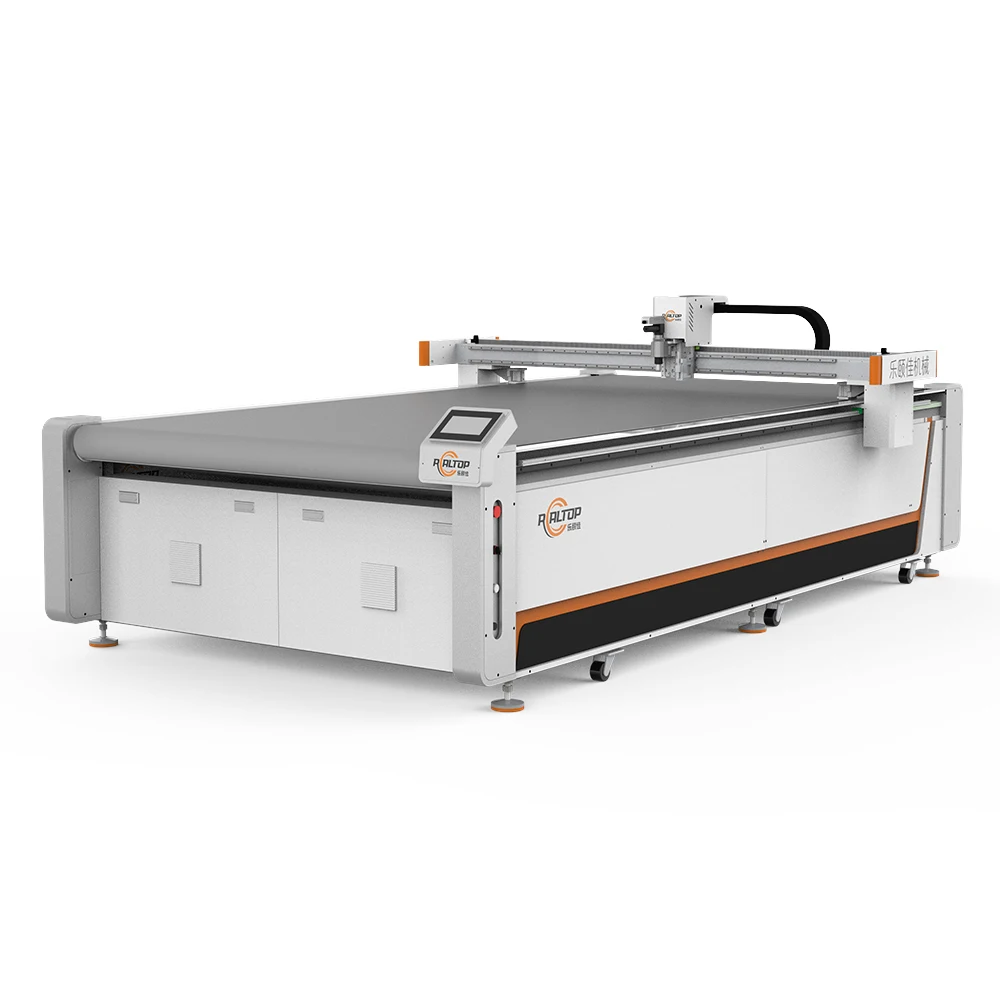
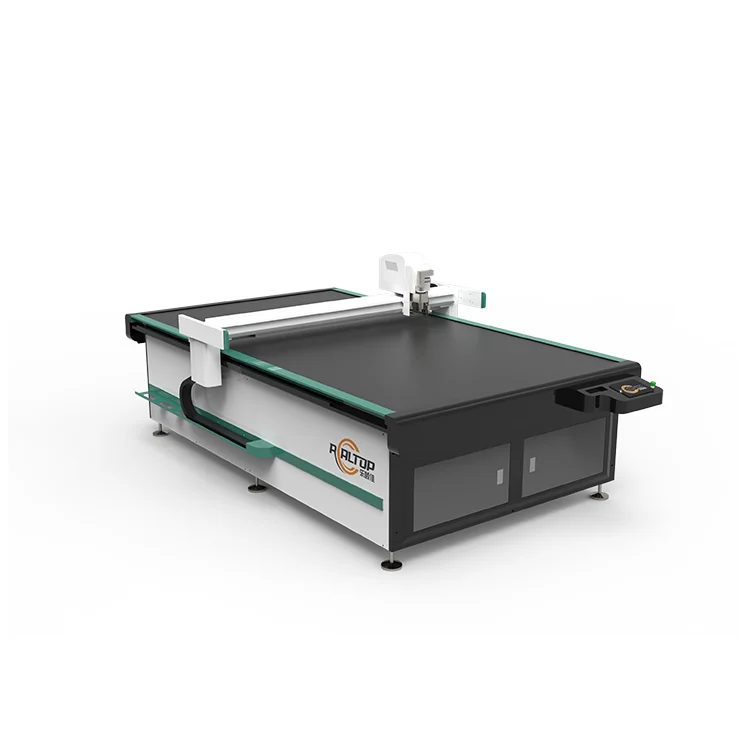
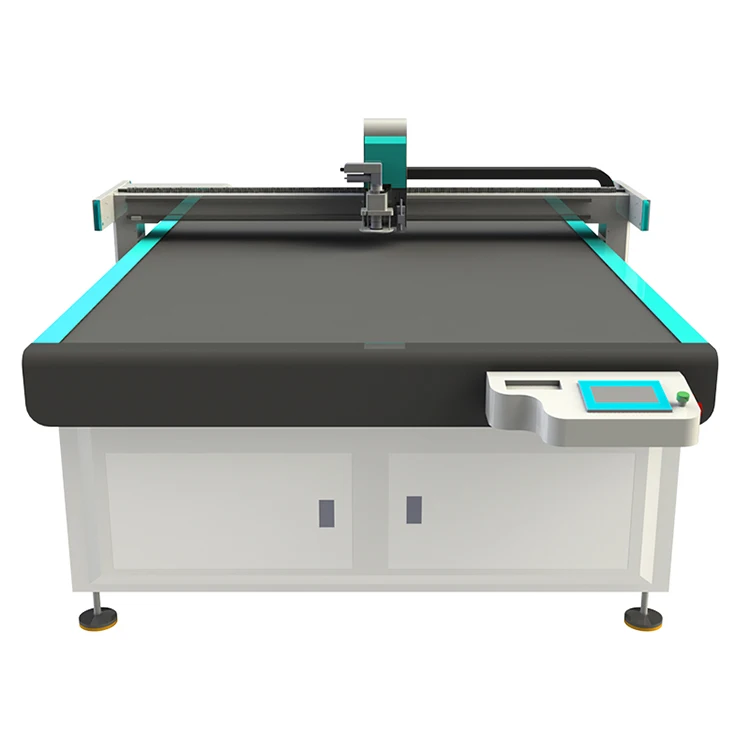
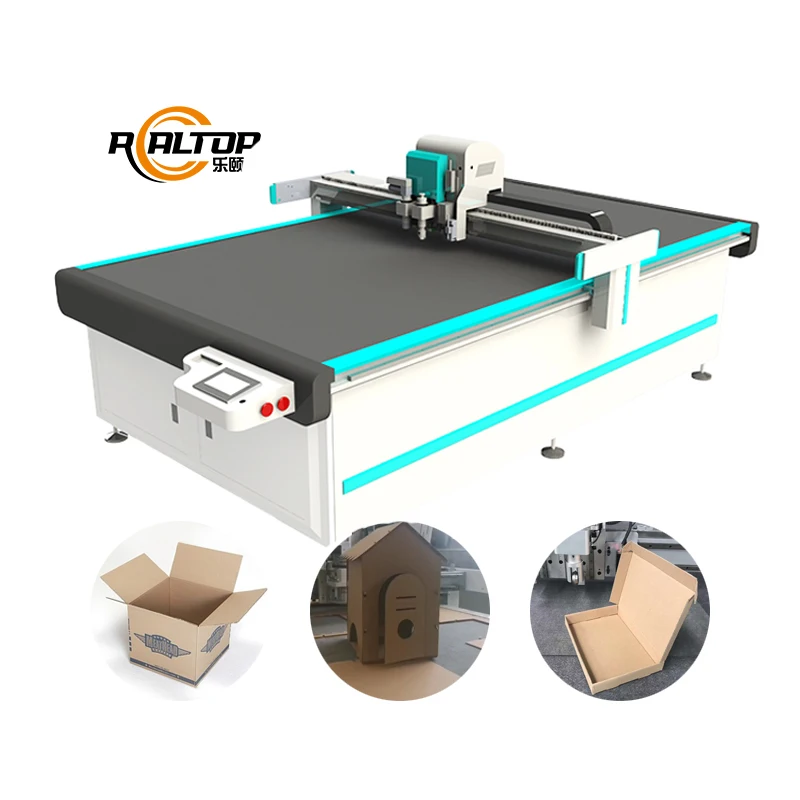
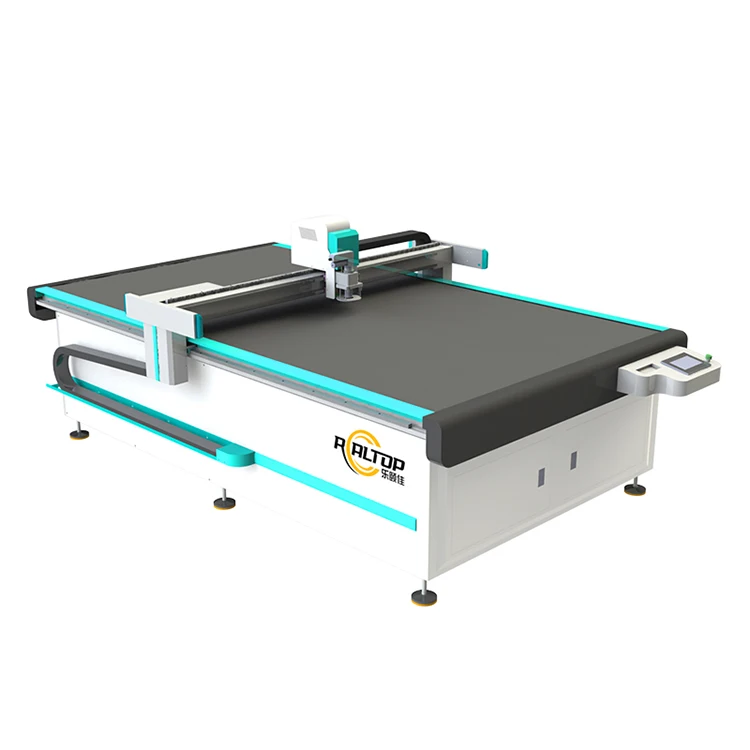
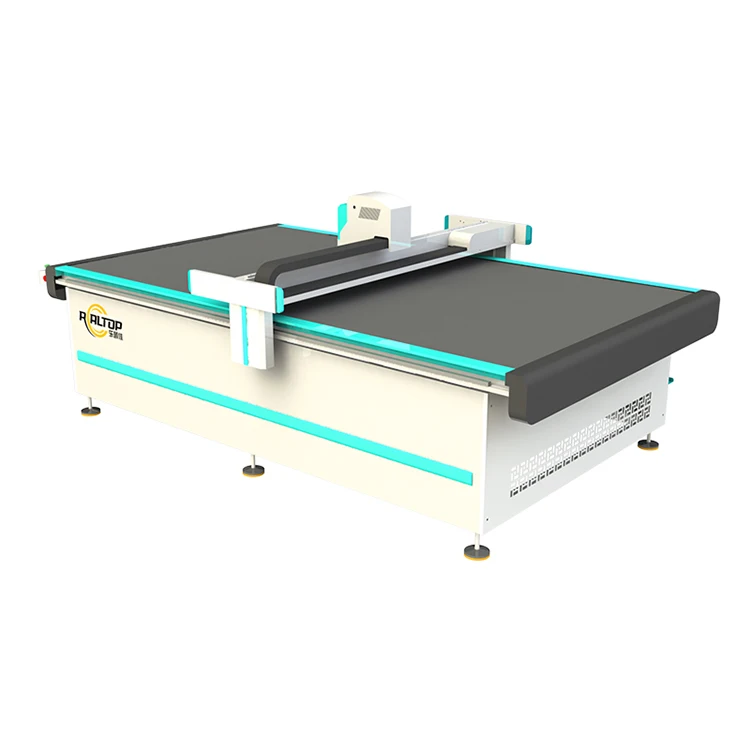
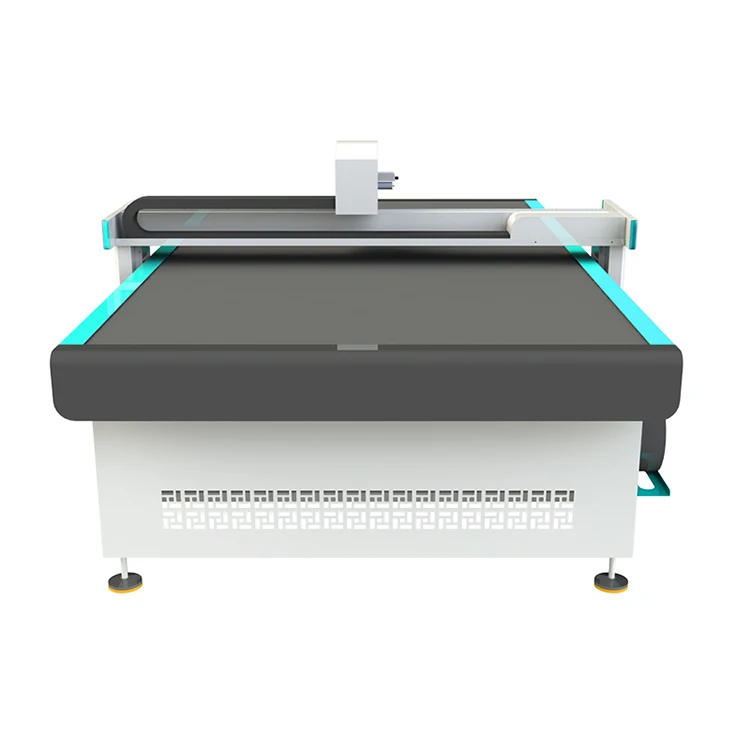
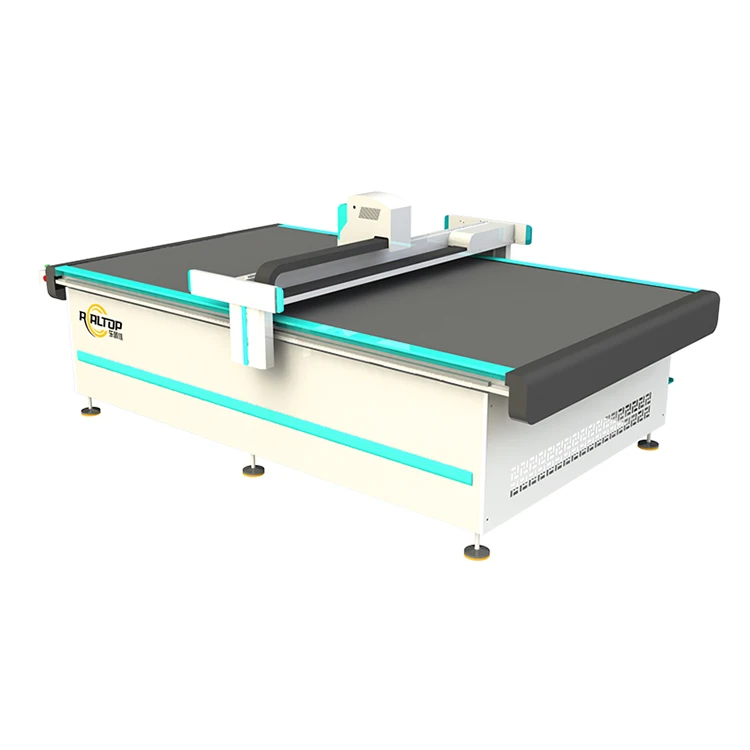
| Product Type | CNC Oscillating Knife Cutting Machine with Auto Feeding |
| Working Area | 1600×2500 mm |
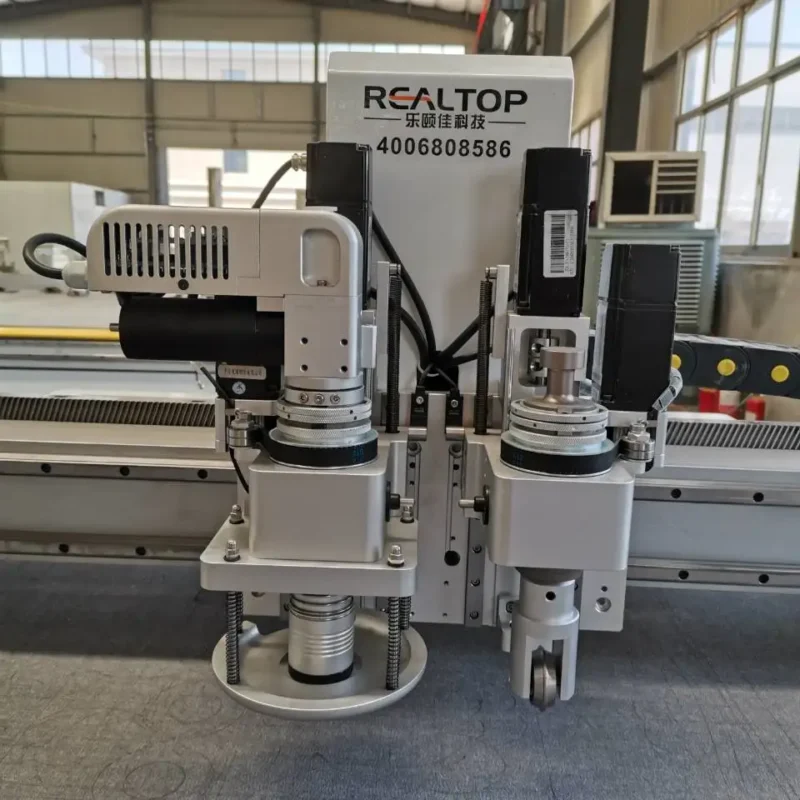
| Tool Head Options | Oscillating knife, Driven rotary knife, Creasing wheel, Kiss cutting tool, Pneumatic knife, Milling tool, V groove knife |
| Cutting Speed | 0–2000 mm/s |
| Cutting Thickness | ≤30 mm (basis not stated in source — confirm material type and layer count) |
| Positioning Accuracy | ±0.1 mm |
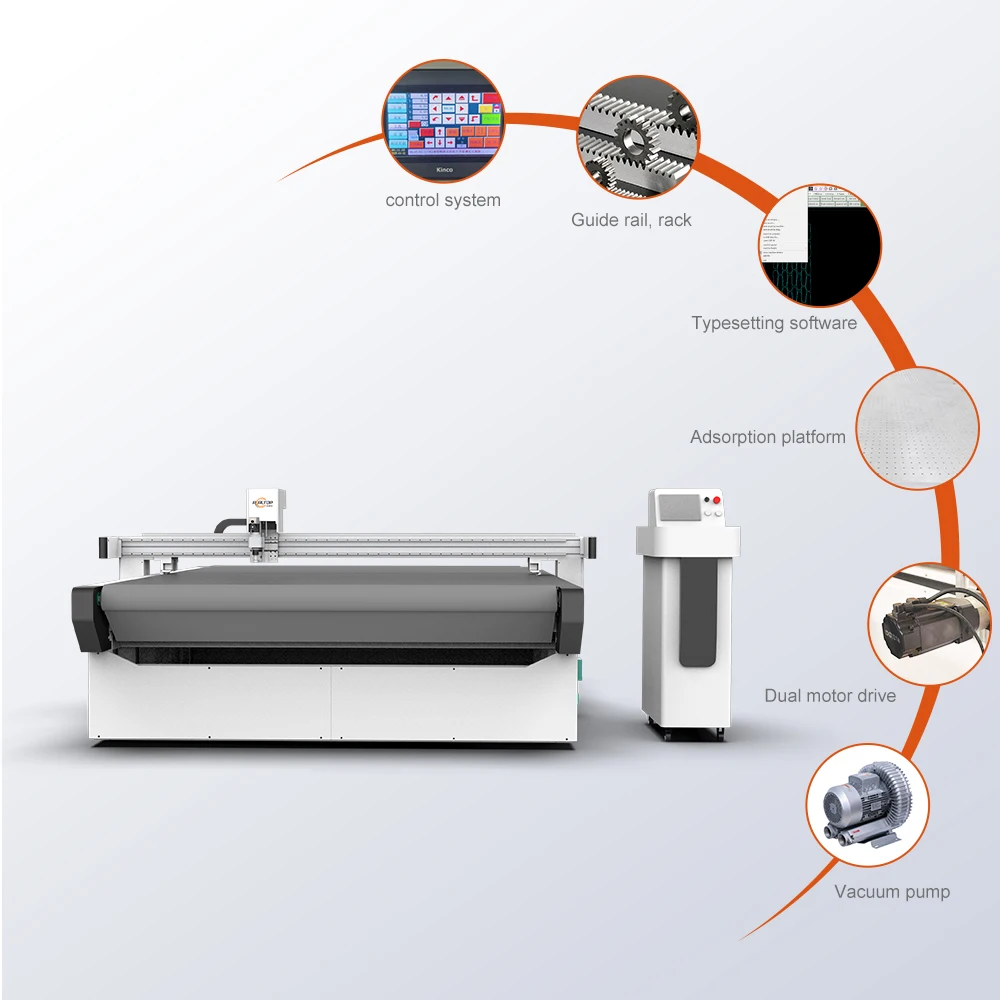
| Vacuum Table | Aluminum bellows vacuum table |
| Vacuum Pump | 9 kW |
| Servo Motor Options | Panasonic, Delta, Dorna |
| Voltage Options | 110V, 220V, 380V |
| Control System | PLC control panel with optional display languages |
| Language Options | English, Russian, Italian, Chinese (custom languages available) |
| File Format Compatibility | PLT, DXF, AI, PDF |
| Safety Devices | Infrared sensor device, Emergency stop device |
| Machine Dimensions (L×W×H) | 3300×2100×1350 mm |
| Certification | CE |
Application Suitability
| Application | Material or Output |
|---|---|
| Apparel manufacturing | Suits, knitwear, lace, and complex patterned fabrics |
| Automotive interiors | Seat fabrics, carpets, and PVC floor mats |
| Home textiles | Sofa upholstery fabrics, heavy curtains, and area rugs |
| Composite material processing | Carbon fiber prepreg, aramid fabrics, and specialty layered materials |
| General fabric conversion | Knits, wovens, plush textiles, and technical leather |
Why Material Composition Matters More Than Table Size
A CNC fabric cutting machine for sale often gets selected by working area alone, yet the fabric composition determines whether the machine actually delivers clean edges at production speed. Specifying a cutting table without confirming tool head compatibility is the most common cause of underperforming fabric cutting lines.
I have seen buyers invest in a large-format unit only to discover their material contains glass fiber reinforcement that a standard round knife cannot penetrate. The machine runs, but the edges fray, the blade dulls within hours, and the actual throughput drops significantly below expectations. This is exactly what happened with an automotive mat customer who assumed any auto-feeding system would handle their composite rolls [NEED_CITE: material composition effects on blade wear in oscillating knife cutting].
Tool Head Versatility Across Fabric Families
The 1625 supports seven interchangeable tool heads, which means a single platform handles everything from delicate lace to dense automotive carpet. An oscillating knife suits most woven and knit textiles, while a driven rotary knife works better for single-ply materials that need continuous edge sealing. For buyers running multiple fabric families in one workshop, this flexibility avoids the cost of maintaining separate machines for each material type.
Vacuum Hold-Down and Material Behavior
The aluminum bellows vacuum table paired with a 9 kW pump provides full-surface hold-down across the 1600×2500 mm work area. This matters because lightweight knits and slippery synthetic fabrics tend to shift during high-speed cutting, producing misaligned pattern pieces. The vacuum zoning on this table keeps even small nested parts flat throughout the cutting cycle, which is essential for apparel manufacturers running complex marker layouts [NEED_CITE: vacuum table zoning requirements for small fabric parts].
Reading the Specification Sheet Beyond the Numbers
Positioning accuracy of ±0.1 mm is meaningful for pattern-matching work like plaids and stripes, where even slight drift across a long cut path accumulates into visible misalignment at the seam. The 0–2000 mm/s cutting speed range gives operators room to slow down for intricate contours in lace or speed up for straight-line cuts in plain woven fabric. Servo motor selection from Panasonic, Delta, or Dorna allows buyers to match local service availability, and the PLC control panel supports multiple display languages including custom options for markets where standard languages do not cover operator needs. File import covers PLT, DXF, AI, and PDF, which accommodates most existing nesting workflows without forcing a software switch.
The Hidden Cost of Wrong Configuration Choices
Choosing a tool head based on price rather than material compatibility leads to ragged edges, excessive blade consumption, and fabric waste that adds up across every shift. A vacuum pump that is undersized for the table area allows small pattern pieces to lift during cutting, producing rejects that must be re-cut manually. Voltage mismatches discovered after shipment mean costly transformer installations or motor rewinds before the machine can even power on [NEED_CITE: voltage mismatch consequences in exported CNC machinery]. These are not theoretical problems — they show up in warranty calls and delayed production starts.
Why Source This Machine Here
Our design team engineers both knife and laser cutting systems in-house, so we recommend the method that fits your material rather than pushing one technology across every application. We run sample cutting tests on your actual fabric rolls before confirming the order, so you see edge quality and throughput on your material, not on a generic demo sample. Every 1625 ships with a factory test record documenting the specific tool head and vacuum configuration validated for your application. Voltage, plug type, and control language are confirmed before production begins, eliminating field modifications. Software compatibility is verified against your existing PLT, DXF, AI, or PDF workflow before the machine enters assembly.
Documentation & Verification
- Machine specification sheet confirming 1600×2500 mm working area, tool head list, and selected voltage
- Sample cutting report produced on your own fabric before order confirmation
- Electrical schematic and voltage confirmation matching your facility supply
- Factory test record showing cutting accuracy and edge quality on your material
- Software licence and file format compatibility note for PLT, DXF, AI, PDF import
- Operation and maintenance manual in your selected control language
Installation, Commissioning & Support
- Floor space planning for 3300×2100×1350 mm machine footprint with auto-feeding clearance
- Dedicated circuit matching confirmed 110V, 220V, or 380V supply before electrical hookup
- Vacuum pump and 9 kW power draw verified against facility capacity
- First-run parameter tuning on your fabric type with technician-guided calibration
- Operator training on PLC panel in your selected language with tool head changeover procedures
- Spare parts list covering oscillating knife blades, vacuum seals, and servo components
Preparing Your Inquiry
To get an accurate configuration recommendation, share your fabric type, whether it contains any reinforcement fibers, the thickness or ply count you typically cut, and your daily output target. Let us know your facility voltage and frequency, preferred control language, and whether your current nesting software exports PLT, DXF, AI, or PDF. If you can send a sample roll of your material, we will run a cutting test and include the results with our quotation.
Frequently Asked Questions
Q: How do I choose between oscillating knife and laser for my fabric?
A: Oscillating knife suits most woven, knit, and layered textiles where a clean mechanical cut is needed without edge melting. Laser works better when the synthetic content benefits from sealed edges that prevent fraying. We test both methods on your sample material to show the actual edge result before you commit to a configuration.
Q: What working area should I select for roll-fed fabric cutting?
A: The 1600×2500 mm table accommodates standard roll widths common in apparel and home textile production. The auto-feeding system advances material continuously, so the effective cutting length extends beyond the table dimension. Confirm your widest roll size and marker length to ensure the feed system matches your nesting pattern.
Q: Which tool head works for reinforced composite fabrics?
A: Standard round knives struggle with glass fiber or aramid reinforcement. The oscillating knife or pneumatic knife tool head handles these denser materials more effectively. We specify the tool head after reviewing your exact material composition, not just the product name on the roll label.
Q: What electrical and language details should I confirm before shipment?
A: Confirm your facility voltage, frequency, and plug standard so the motor and control panel are wired correctly at the factory. Select your preferred display language for the PLC panel — options include English, Russian, Italian, and Chinese, with custom languages available for specific markets.
Versatile Cutting Methods — Match oscillating knife, driven rotary knife, or laser technology to your exact fabric type rather than forcing a single process across every material.
Technical Specifications
| Parameter | Value |
|---|---|
| Model | 1625 |
| Product Type | CNC Oscillating Knife Cutting Machine with Auto Feeding |
| Working Area | 1600×2500 mm |
| Tool Head Options | Oscillating knife, Driven rotary knife, Creasing wheel, Kiss cutting tool, Pneumatic knife, Milling tool, V groove knife |
| Cutting Speed | 0–2000 mm/s |
| Cutting Thickness | ≤30 mm (basis not stated in source — confirm material type and layer count) |
| Positioning Accuracy | ±0.1 mm |
| Vacuum Table | Aluminum bellows vacuum table |
| Vacuum Pump | 9 kW |
| Servo Motor Options | Panasonic, Delta, Dorna |
| Voltage Options | 110V, 220V, 380V |
| Control System | PLC control panel with optional display languages |
| Language Options | English, Russian, Italian, Chinese (custom languages available) |
| File Format Compatibility | PLT, DXF, AI, PDF |
| Safety Devices | Infrared sensor device, Emergency stop device |
| Machine Dimensions (L×W×H) | 3300×2100×1350 mm |
| Certification | CE |
Application Suitability
| Application | Material or Output |
|---|---|
| Apparel manufacturing | Suits, knitwear, lace, and complex patterned fabrics |
| Automotive interiors | Seat fabrics, carpets, and PVC floor mats |
| Home textiles | Sofa upholstery fabrics, heavy curtains, and area rugs |
| Composite material processing | Carbon fiber prepreg, aramid fabrics, and specialty layered materials |
| General fabric conversion | Knits, wovens, plush textiles, and technical leather |
Why Material Composition Matters More Than Table Size
A CNC fabric cutting machine for sale often gets selected by working area alone, yet the fabric composition determines whether the machine actually delivers clean edges at production speed. Specifying a cutting table without confirming tool head compatibility is the most common cause of underperforming fabric cutting lines.
I have seen buyers invest in a large-format unit only to discover their material contains glass fiber reinforcement that a standard round knife cannot penetrate. The machine runs, but the edges fray, the blade dulls within hours, and the actual throughput drops significantly below expectations. This is exactly what happened with an automotive mat customer who assumed any auto-feeding system would handle their composite rolls [NEED_CITE: material composition effects on blade wear in oscillating knife cutting].
Tool Head Versatility Across Fabric Families
The 1625 supports seven interchangeable tool heads, which means a single platform handles everything from delicate lace to dense automotive carpet. An oscillating knife suits most woven and knit textiles, while a driven rotary knife works better for single-ply materials that need continuous edge sealing. For buyers running multiple fabric families in one workshop, this flexibility avoids the cost of maintaining separate machines for each material type.
Vacuum Hold-Down and Material Behavior
The aluminum bellows vacuum table paired with a 9 kW pump provides full-surface hold-down across the 1600×2500 mm work area. This matters because lightweight knits and slippery synthetic fabrics tend to shift during high-speed cutting, producing misaligned pattern pieces. The vacuum zoning on this table keeps even small nested parts flat throughout the cutting cycle, which is essential for apparel manufacturers running complex marker layouts [NEED_CITE: vacuum table zoning requirements for small fabric parts].
Reading the Specification Sheet Beyond the Numbers
Positioning accuracy of ±0.1 mm is meaningful for pattern-matching work like plaids and stripes, where even slight drift across a long cut path accumulates into visible misalignment at the seam. The 0–2000 mm/s cutting speed range gives operators room to slow down for intricate contours in lace or speed up for straight-line cuts in plain woven fabric. Servo motor selection from Panasonic, Delta, or Dorna allows buyers to match local service availability, and the PLC control panel supports multiple display languages including custom options for markets where standard languages do not cover operator needs. File import covers PLT, DXF, AI, and PDF, which accommodates most existing nesting workflows without forcing a software switch.
The Hidden Cost of Wrong Configuration Choices
Choosing a tool head based on price rather than material compatibility leads to ragged edges, excessive blade consumption, and fabric waste that adds up across every shift. A vacuum pump that is undersized for the table area allows small pattern pieces to lift during cutting, producing rejects that must be re-cut manually. Voltage mismatches discovered after shipment mean costly transformer installations or motor rewinds before the machine can even power on [NEED_CITE: voltage mismatch consequences in exported CNC machinery]. These are not theoretical problems — they show up in warranty calls and delayed production starts.
Why Source This Machine Here
Our design team engineers both knife and laser cutting systems in-house, so we recommend the method that fits your material rather than pushing one technology across every application. We run sample cutting tests on your actual fabric rolls before confirming the order, so you see edge quality and throughput on your material, not on a generic demo sample. Every 1625 ships with a factory test record documenting the specific tool head and vacuum configuration validated for your application. Voltage, plug type, and control language are confirmed before production begins, eliminating field modifications. Software compatibility is verified against your existing PLT, DXF, AI, or PDF workflow before the machine enters assembly.
Documentation & Verification
- Machine specification sheet confirming 1600×2500 mm working area, tool head list, and selected voltage
- Sample cutting report produced on your own fabric before order confirmation
- Electrical schematic and voltage confirmation matching your facility supply
- Factory test record showing cutting accuracy and edge quality on your material
- Software licence and file format compatibility note for PLT, DXF, AI, PDF import
- Operation and maintenance manual in your selected control language
Installation, Commissioning & Support
- Floor space planning for 3300×2100×1350 mm machine footprint with auto-feeding clearance
- Dedicated circuit matching confirmed 110V, 220V, or 380V supply before electrical hookup
- Vacuum pump and 9 kW power draw verified against facility capacity
- First-run parameter tuning on your fabric type with technician-guided calibration
- Operator training on PLC panel in your selected language with tool head changeover procedures
- Spare parts list covering oscillating knife blades, vacuum seals, and servo components
Preparing Your Inquiry
To get an accurate configuration recommendation, share your fabric type, whether it contains any reinforcement fibers, the thickness or ply count you typically cut, and your daily output target. Let us know your facility voltage and frequency, preferred control language, and whether your current nesting software exports PLT, DXF, AI, or PDF. If you can send a sample roll of your material, we will run a cutting test and include the results with our quotation.
Frequently Asked Questions
Q: How do I choose between oscillating knife and laser for my fabric?
A: Oscillating knife suits most woven, knit, and layered textiles where a clean mechanical cut is needed without edge melting. Laser works better when the synthetic content benefits from sealed edges that prevent fraying. We test both methods on your sample material to show the actual edge result before you commit to a configuration.
Q: What working area should I select for roll-fed fabric cutting?
A: The 1600×2500 mm table accommodates standard roll widths common in apparel and home textile production. The auto-feeding system advances material continuously, so the effective cutting length extends beyond the table dimension. Confirm your widest roll size and marker length to ensure the feed system matches your nesting pattern.
Q: Which tool head works for reinforced composite fabrics?
A: Standard round knives struggle with glass fiber or aramid reinforcement. The oscillating knife or pneumatic knife tool head handles these denser materials more effectively. We specify the tool head after reviewing your exact material composition, not just the product name on the roll label.
Q: What electrical and language details should I confirm before shipment?
A: Confirm your facility voltage, frequency, and plug standard so the motor and control panel are wired correctly at the factory. Select your preferred display language for the PLC panel — options include English, Russian, Italian, and Chinese, with custom languages available for specific markets.
商品评价
There are no reviews yet.