

Fast Delivery
Quick, reliable shipping to any location.

Free & easy returns
Return this item by mail or in store within 90 days for a full refund.
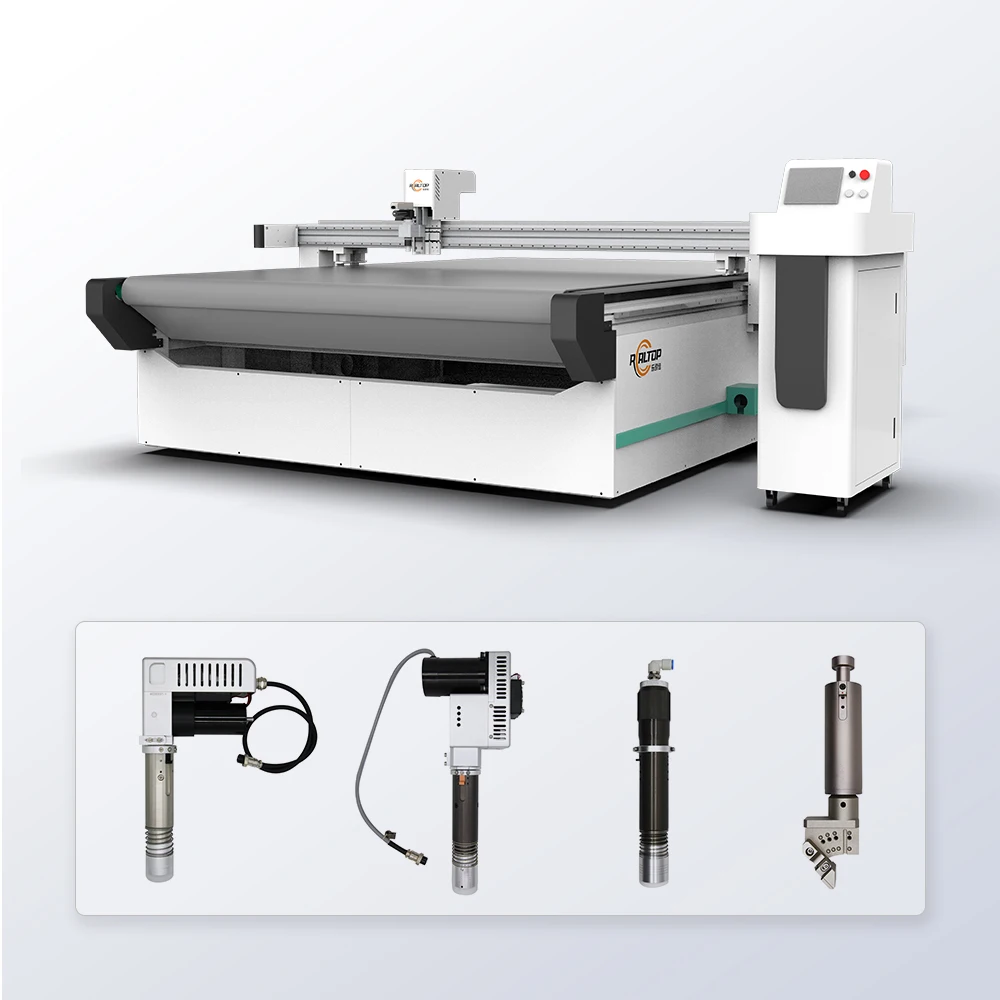
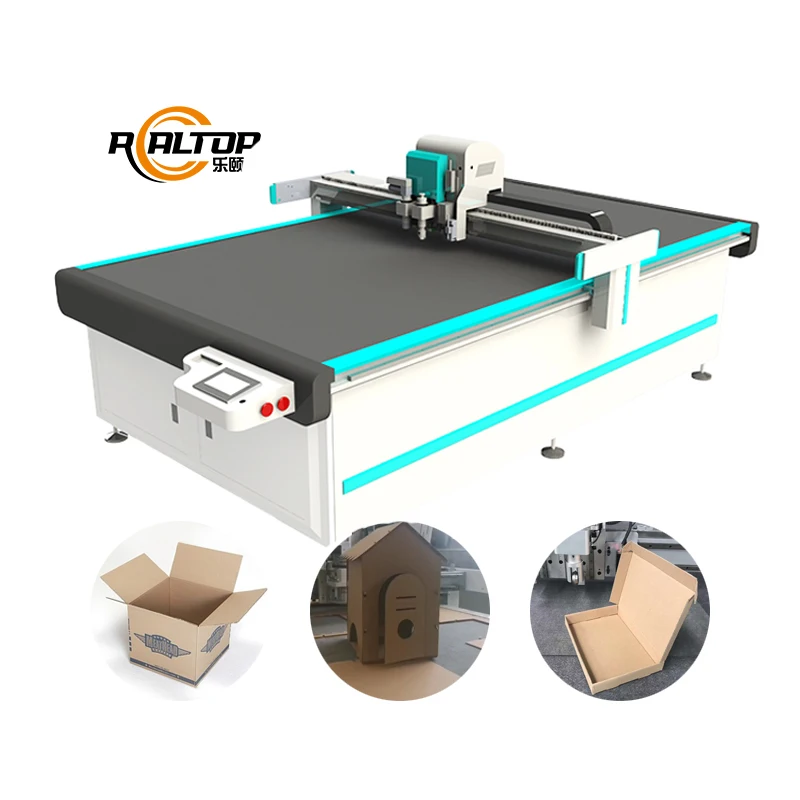
Tool Head and Method Matched to Material — oscillating knife, driven rotary and pneumatic options configured per fabric type and edge requirement, verified on buyer’s own roll before order.
Technical Specifications
| Parameter | Value |
|---|---|
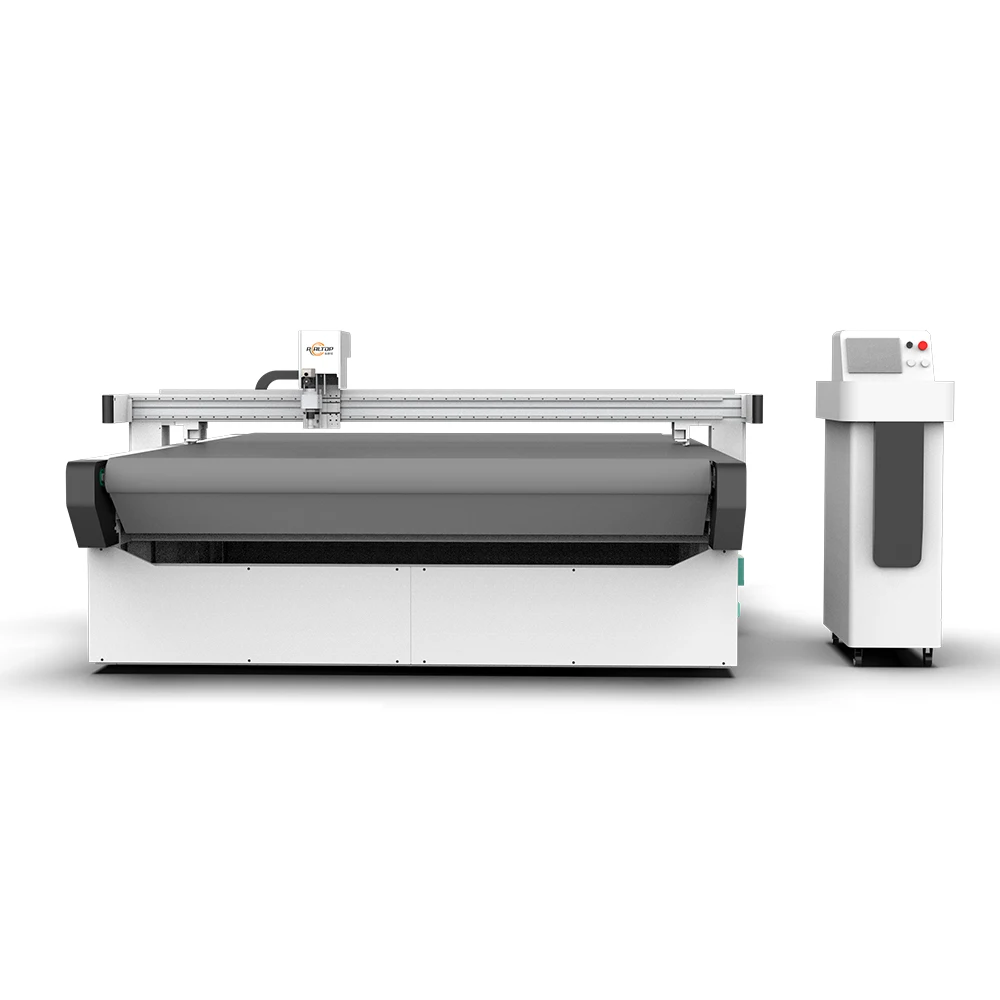
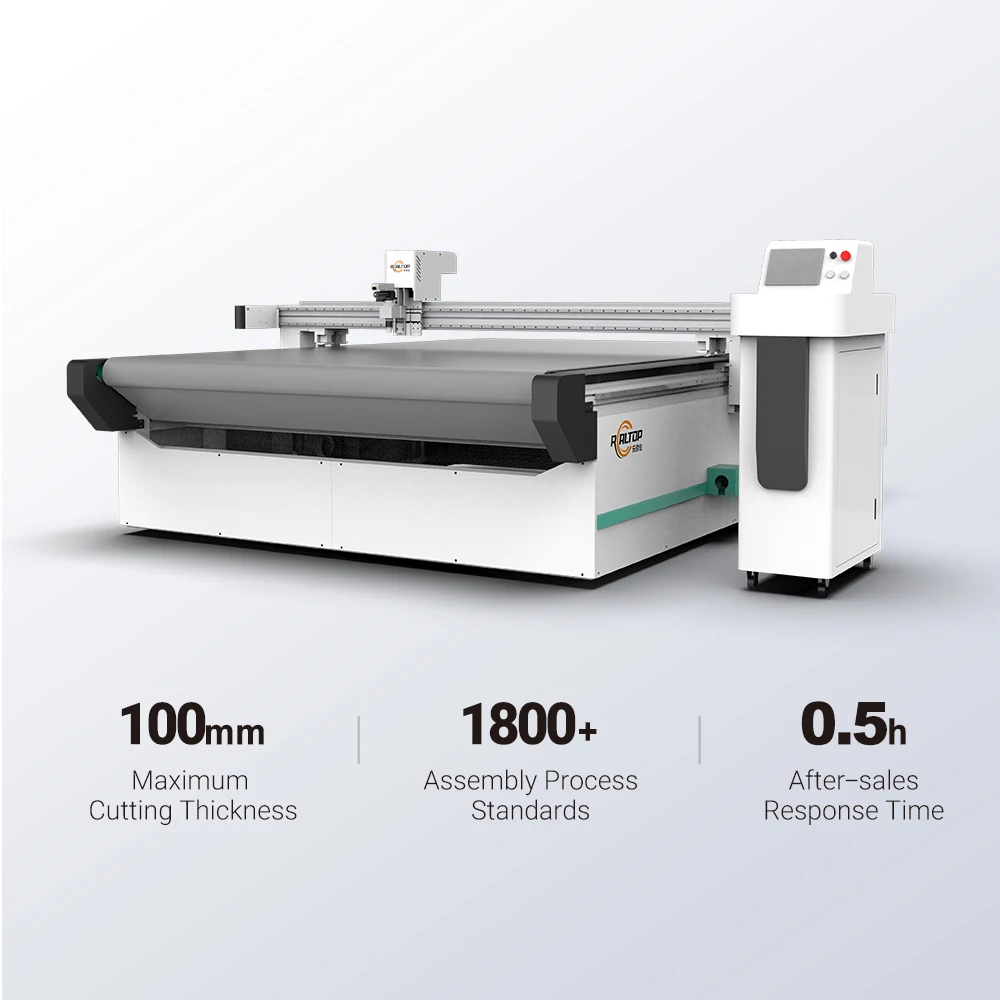
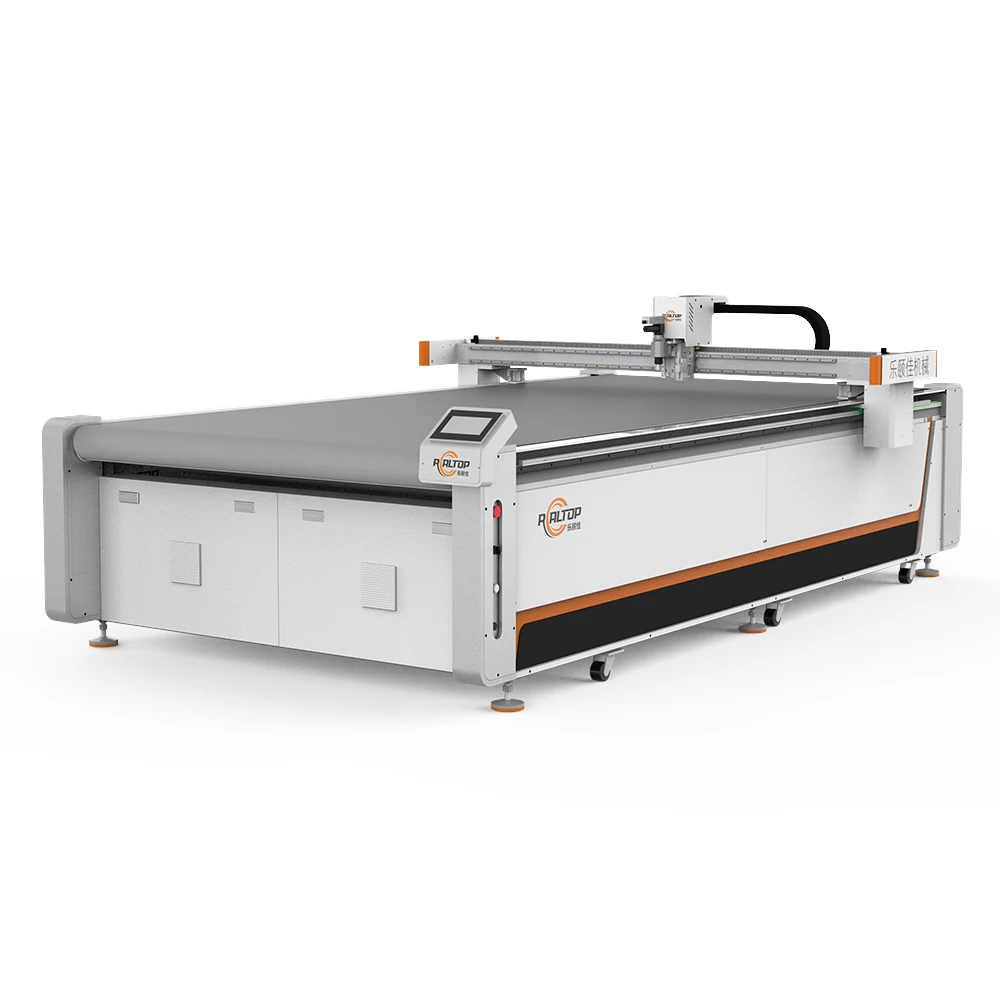
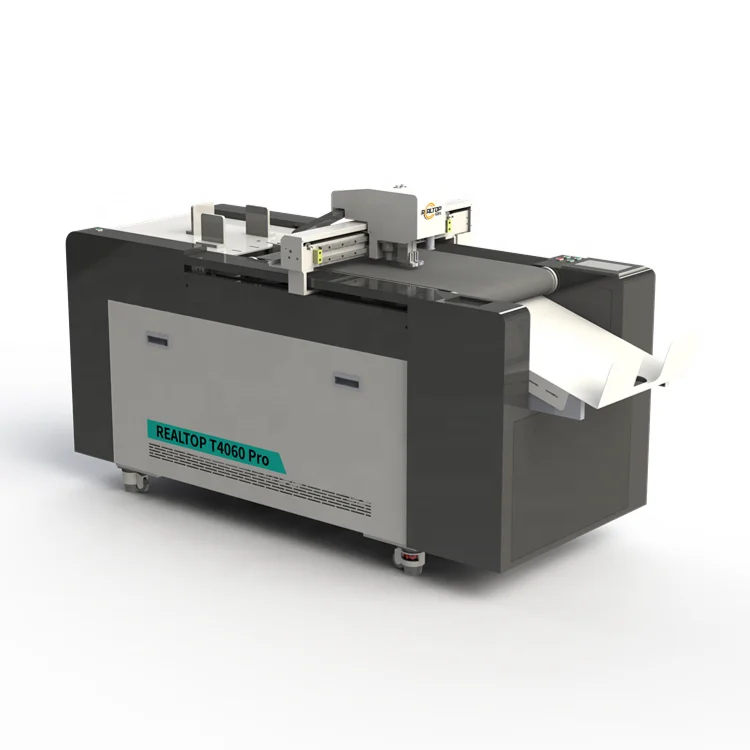
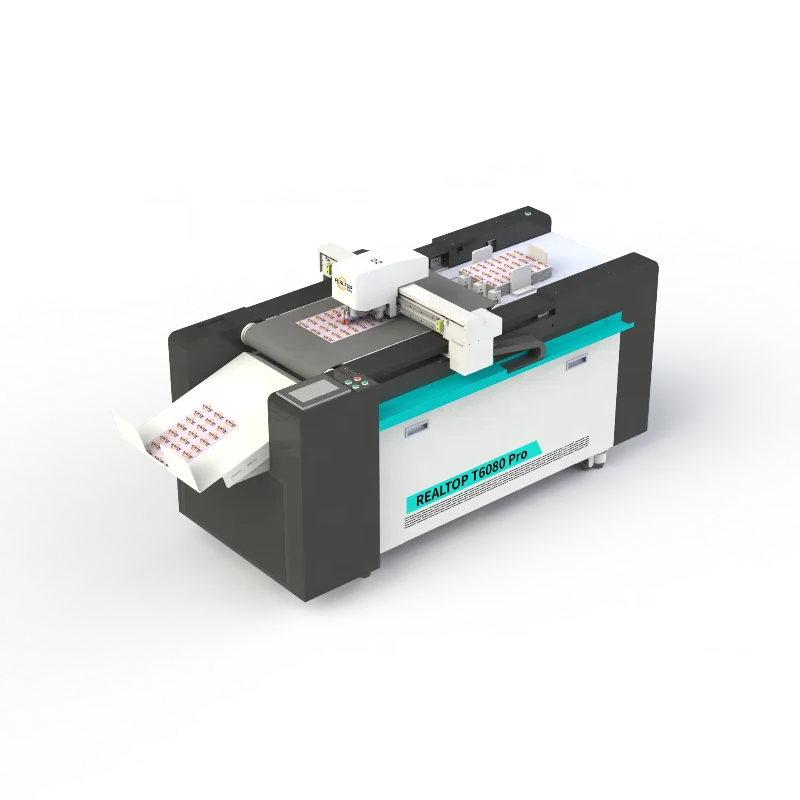
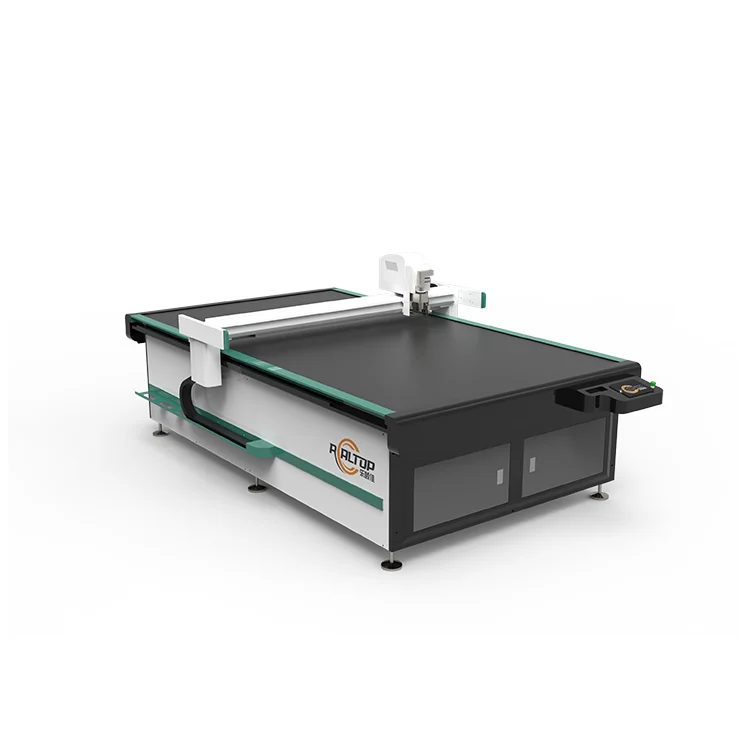
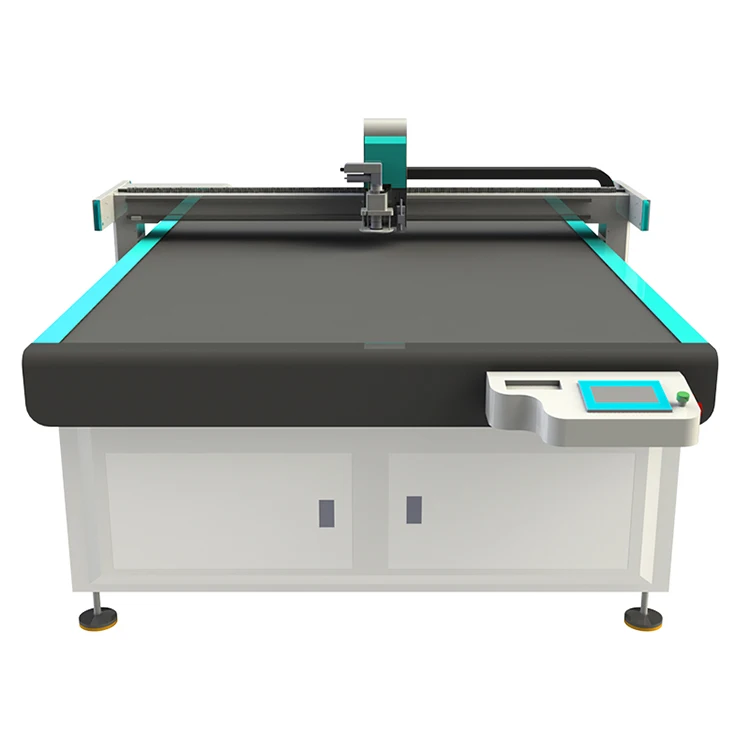
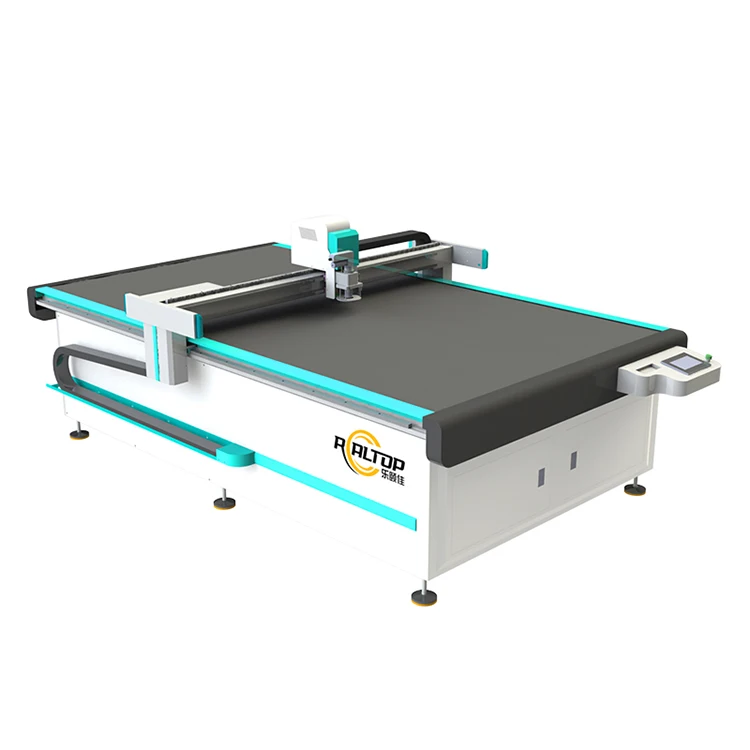
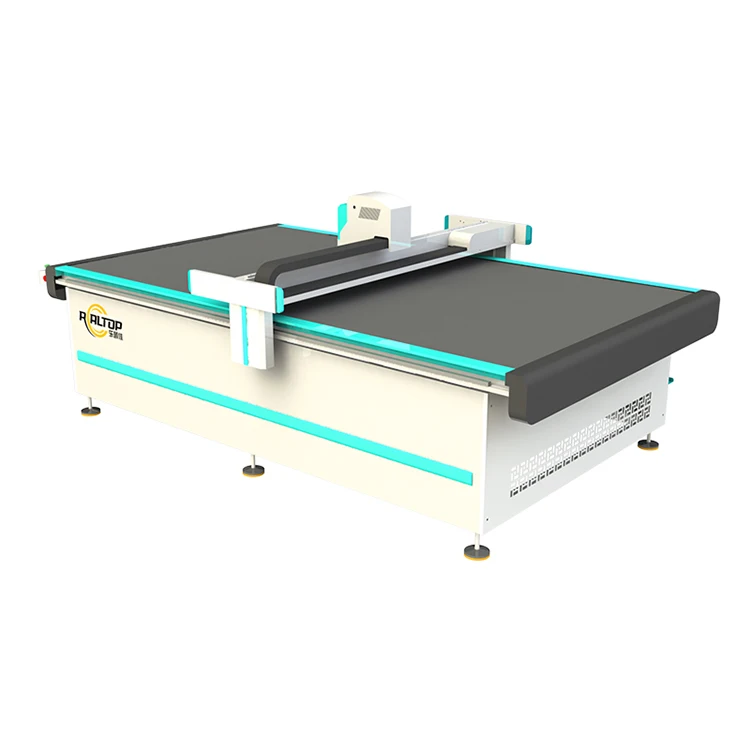
| Product Type | CNC Oscillating Knife Cutting Machine with Auto Feeding |
| Working Area | 1600 × 2500 mm |
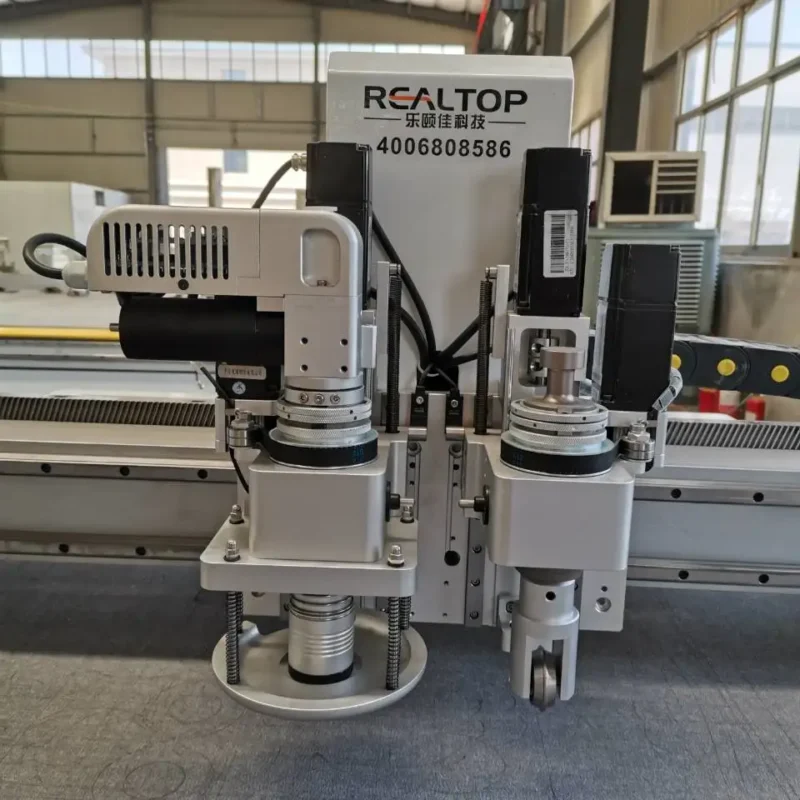
| Tool Head Options | Oscillating knife, Driven rotary knife, Creasing wheel, Kiss cutting tool, Pneumatic knife, Milling tool, V groove knife |
| Cutting Speed | 0–2000 mm/s |
| Cutting Thickness | ≤ 30 mm (basis to be confirmed by material density and layer count) |
| Cutting Accuracy | ±0.1 mm |
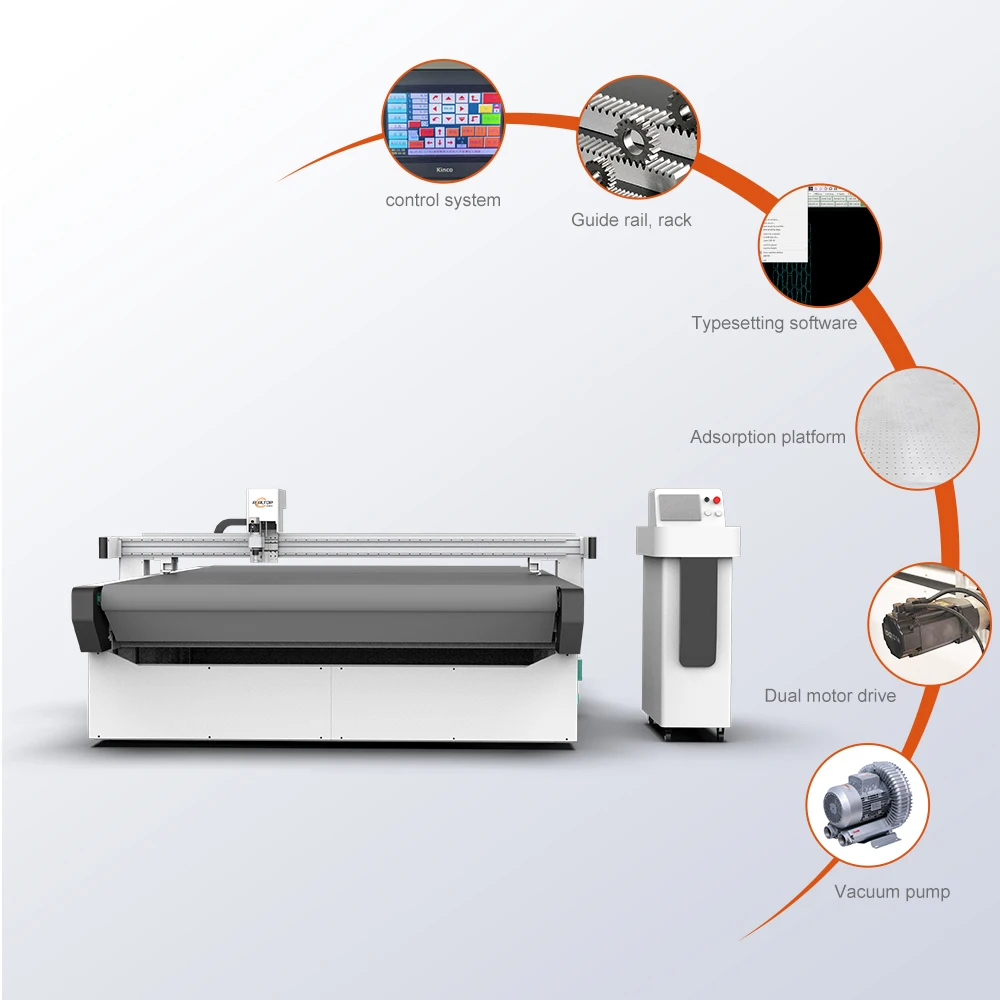
| Vacuum Pump | 9 kW |
| Vacuum Table | Aluminum bellows vacuum table |
| Control System | PLC control panel with optional display languages |
| Servo Motors | Multiple servo drive options (Panasonic, Delta, Dorna) |
| Voltage Options | 110V, 220V, 380V (configurable per site) |
| Profile Format Compatibility | PLT, DXF, AI, PDF |
| Language Options | English, Russian, Italian, Chinese (custom languages available) |
| Safety Devices | Infrared sensor device and emergency stop device |
| Machine Size | 3300 × 2100 × 1350 mm |
Application Suitability
| Application | Material or Output |
|---|---|
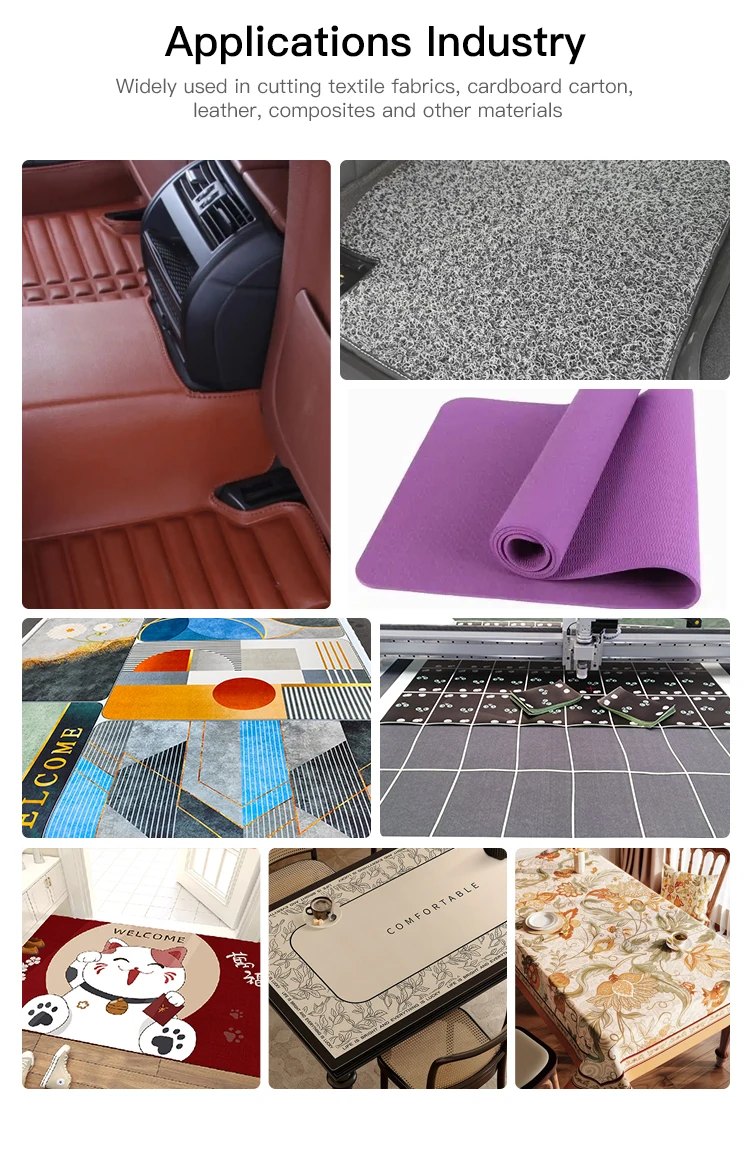
| Apparel manufacturing | Suits, knitwear, lace, complex woven and knitted fabrics with pattern-matching layouts |
| Automotive interiors | Seat fabrics, carpets, PVC floor mats and trunk liners |
| Home textiles | Sofa upholstery fabrics, curtains, area rugs, multi-layer blanket cutting |
| Composite material processing | Carbon fiber prepreg, aramid fabrics, specialty reinforcement textiles |
| Footwear and leather goods | Shoe uppers, linings, synthetic and natural leather panels |
| Signage and packaging | Vinyl banners, flexible signage substrates, carton sample making |
Why the Wrong Tool Head Ruins Perfectly Good Fabric
A Cloth CNC Cutting Machine for sale may list a dozen tool options on paper, yet arrive configured with a generic oscillating blade that drags through coated polyester instead of slicing it. The buyer discovers frayed edges, melted synthetic fibers or crushed pile only after running the first production roll. Specifying the tool head against the actual production material — not just the material category — prevents weeks of remote troubleshooting and wasted yardage. I have watched garment workshops in the Middle East receive machines set up for cotton, then attempt to run heat-sensitive blended fabrics. The knife frequency and downward pressure that produced clean edges on natural fiber melted the synthetic coating. Two weeks of parameter tuning followed. [NEED_CITE: oscillating knife frequency selection by fabric composition and coating type]
Matching Knife Type to Fabric Behavior
The cloth straight knife CNC cutting machine supports interchangeable tool heads, and selecting among them changes the cut quality fundamentally. An oscillating knife handles most woven and knitted textiles at high stroke rates, but a driven rotary knife produces cleaner edges on loosely woven or stretchy materials where blade drag would distort the weave. Pneumatic knife options address dense, multi-layer stacks where consistent downward force matters more than stroke frequency. Each selection is confirmed against a sample of the buyer’s actual roll stock before the machine leaves the factory.
Vacuum Zoning That Holds Small Pattern Pieces
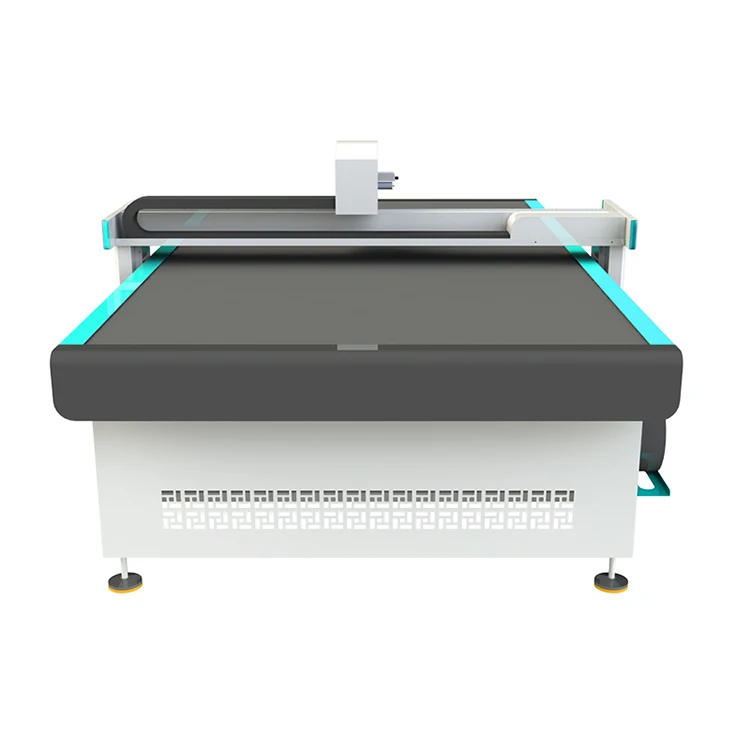
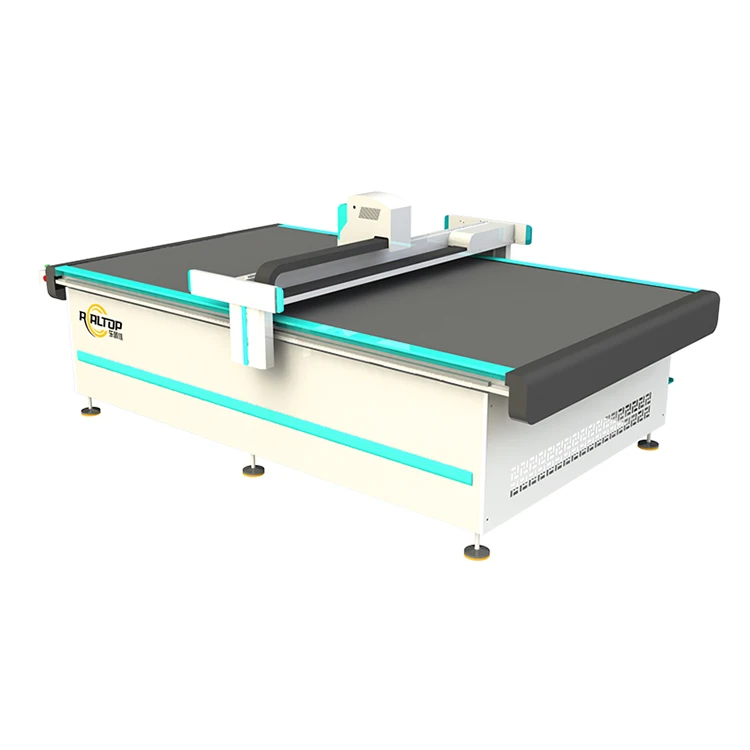
The aluminum bellows vacuum table on this system maintains flatness across the full 1600 × 2500 mm bed. For garment cutting, where pattern pieces range from large jacket backs to small collar stays, vacuum zoning prevents lightweight fabric from lifting during the knife pass. Without adequate hold-down force on small parts, the oscillating blade catches the edge and pulls the piece out of register, ruining nesting accuracy. [NEED_CITE: vacuum table zoning requirements for small garment pattern pieces]
Reading the Specifications Beyond the Headline Numbers
Cutting speed is rated at 0–2000 mm/s, but the usable speed depends on fabric density, layer count and the complexity of the cutting path. Tight curves on collar patterns require deceleration that a straight-line cut on a curtain panel does not. The 9 kW vacuum pump delivers the suction needed for multi-layer stacks up to 30 mm, though actual holding capacity varies with fabric porosity — a tightly woven nylon holds vacuum differently than an open-weave mesh. The PLC control system accepts DXF, PLT, AI and PDF file formats, which means the nesting software already used in most garment and automotive workshops can feed cutting paths directly without file conversion. Multiple servo drive options from Panasonic, Delta and Dorna allow buyers to select components that match their local service and spare parts availability.
What Happens When Voltage and Language Are Assumed Rather Than Confirmed
A machine built for 380V three-phase arrives at a workshop running 220V single-phase, and the servo drives refuse to initialize. Or the control interface boots in a language the operators cannot read, turning a straightforward nesting job into guesswork. These issues surface after shipment, when the cost of correction includes not just parts and labor but production downtime. Confirming voltage, plug type, frequency and control language before the machine enters production eliminates these delays. [NEED_CITE: industrial voltage and frequency standards across Middle Eastern and Southeast Asian markets]
Why Procurement Starts with a Sample Cut Report
In-house design and production covering both knife and laser cutting technologies means the Cloth CNC Cutting Machine for sale can be evaluated alongside a laser alternative when edge sealing on synthetic fabric is required, rather than forcing every material through one process. Tool head and table configuration is specified per material and production volume, not pulled from a default build list. CCD camera positioning is available for printed contour work on dyed and printed textiles where registration marks must be tracked. Software compatibility is confirmed before order, with file format and nesting workflow tested against the buyer’s existing system. Sample cutting on the buyer’s own material roll produces a documented report covering edge quality, cutting speed achieved and layer count tested — the buyer sees real results before committing. [NEED_CITE: sample cutting validation protocols for industrial textile cutting equipment]
Documentation & Verification
- Machine specification sheet confirming tool head selection matched to your fabric type and daily volume
- Electrical schematic with voltage and frequency confirmed against your workshop supply before production begins
- Sample cutting report on your actual fabric roll, documenting edge quality, speed and layer count achieved
- Software licence and file format compatibility note verified against your existing DXF or AI nesting workflow
- Tool head and table configuration list detailing vacuum zoning setup for your pattern piece size range
- Operation and maintenance manual in your selected control language with spare parts cross-reference
Installation, Commissioning & Support
- Power supply assessment for the 9 kW vacuum pump and servo drives on your confirmed 110V, 220V or 380V circuit
- Floor leveling verification for the 3300 × 2100 × 1350 mm machine footprint to maintain aluminum bellows table flatness
- First-run parameter tuning on your production fabric, adjusting knife frequency and vacuum zoning per pattern layout
- Operator training on the PLC control panel in your selected language, covering file import and nesting workflow
- Spare parts kit covering oscillating knife blades, vacuum seals and sensor components for the first production cycle
- Preventive maintenance schedule for vacuum pump servicing and servo drive calibration intervals
Preparing Your Inquiry
To receive a configuration that matches your production floor, share the fabric type and weight per square meter, the maximum layer count you intend to cut, and the daily yardage or piece count target. Confirm the voltage and frequency at your facility and the control language your operators need. If your workshop uses specific nesting software, send a sample DXF or PLT file so compatibility can be verified before quotation.
Frequently Asked Questions
Q: Knife cutting versus laser cutting — which suits my fabric?
A: Oscillating knife cutting handles most woven, knitted and non-woven textiles without heat-affected edges, making it suitable for natural fibers and blends where edge sealing is not required. Laser cutting seals edges on synthetics to prevent fraying but can melt or discolor heat-sensitive coatings. Testing both methods on your actual fabric roll determines the appropriate choice before order.
Q: How is vacuum zoning specified for my pattern pieces?
A: The aluminum bellows vacuum table is configured with zoning matched to the smallest pattern pieces in your nesting layout. Garment workshops cutting collar stays and pocket flaps alongside jacket panels require finer zoning than home textile producers cutting large curtain panels. Your pattern file is reviewed to confirm adequate hold-down across the full cutting area.
Q: What voltage and control language are confirmed before shipment?
A: Voltage options include 110V, 220V and 380V, confirmed against your facility supply along with plug type and frequency. The PLC control panel supports English, Russian, Italian, Chinese and custom languages. All electrical and interface specifications are documented in the machine specification sheet before production begins.
Q: Can I send my fabric for sample cutting before ordering?
A: A sample cutting report is produced on your own fabric roll, documenting edge quality, cutting speed and layer count achieved with the configured tool head. This report accompanies the quotation so you can evaluate actual performance on your production material rather than relying on generic test results.
Q: How does the machine integrate with my existing nesting software?
A: The control system imports PLT, DXF, AI and PDF file formats directly. Your existing nesting workflow and file output are tested during the pre-order compatibility check, ensuring the cutting paths generated by your software transfer without manual conversion or geometry loss.
Tool Head and Method Matched to Material — oscillating knife, driven rotary and pneumatic options configured per fabric type and edge requirement, verified on buyer’s own roll before order.
Technical Specifications
| Parameter | Value |
|---|---|
| Product Type | CNC Oscillating Knife Cutting Machine with Auto Feeding |
| Working Area | 1600 × 2500 mm |
| Tool Head Options | Oscillating knife, Driven rotary knife, Creasing wheel, Kiss cutting tool, Pneumatic knife, Milling tool, V groove knife |
| Cutting Speed | 0–2000 mm/s |
| Cutting Thickness | ≤ 30 mm (basis to be confirmed by material density and layer count) |
| Cutting Accuracy | ±0.1 mm |
| Vacuum Pump | 9 kW |
| Vacuum Table | Aluminum bellows vacuum table |
| Control System | PLC control panel with optional display languages |
| Servo Motors | Multiple servo drive options (Panasonic, Delta, Dorna) |
| Voltage Options | 110V, 220V, 380V (configurable per site) |
| Profile Format Compatibility | PLT, DXF, AI, PDF |
| Language Options | English, Russian, Italian, Chinese (custom languages available) |
| Safety Devices | Infrared sensor device and emergency stop device |
| Machine Size | 3300 × 2100 × 1350 mm |
Application Suitability
| Application | Material or Output |
|---|---|
| Apparel manufacturing | Suits, knitwear, lace, complex woven and knitted fabrics with pattern-matching layouts |
| Automotive interiors | Seat fabrics, carpets, PVC floor mats and trunk liners |
| Home textiles | Sofa upholstery fabrics, curtains, area rugs, multi-layer blanket cutting |
| Composite material processing | Carbon fiber prepreg, aramid fabrics, specialty reinforcement textiles |
| Footwear and leather goods | Shoe uppers, linings, synthetic and natural leather panels |
| Signage and packaging | Vinyl banners, flexible signage substrates, carton sample making |
Why the Wrong Tool Head Ruins Perfectly Good Fabric
A Cloth CNC Cutting Machine for sale may list a dozen tool options on paper, yet arrive configured with a generic oscillating blade that drags through coated polyester instead of slicing it. The buyer discovers frayed edges, melted synthetic fibers or crushed pile only after running the first production roll. Specifying the tool head against the actual production material — not just the material category — prevents weeks of remote troubleshooting and wasted yardage. I have watched garment workshops in the Middle East receive machines set up for cotton, then attempt to run heat-sensitive blended fabrics. The knife frequency and downward pressure that produced clean edges on natural fiber melted the synthetic coating. Two weeks of parameter tuning followed. [NEED_CITE: oscillating knife frequency selection by fabric composition and coating type]
Matching Knife Type to Fabric Behavior
The cloth straight knife CNC cutting machine supports interchangeable tool heads, and selecting among them changes the cut quality fundamentally. An oscillating knife handles most woven and knitted textiles at high stroke rates, but a driven rotary knife produces cleaner edges on loosely woven or stretchy materials where blade drag would distort the weave. Pneumatic knife options address dense, multi-layer stacks where consistent downward force matters more than stroke frequency. Each selection is confirmed against a sample of the buyer’s actual roll stock before the machine leaves the factory.
Vacuum Zoning That Holds Small Pattern Pieces
The aluminum bellows vacuum table on this system maintains flatness across the full 1600 × 2500 mm bed. For garment cutting, where pattern pieces range from large jacket backs to small collar stays, vacuum zoning prevents lightweight fabric from lifting during the knife pass. Without adequate hold-down force on small parts, the oscillating blade catches the edge and pulls the piece out of register, ruining nesting accuracy. [NEED_CITE: vacuum table zoning requirements for small garment pattern pieces]
Reading the Specifications Beyond the Headline Numbers
Cutting speed is rated at 0–2000 mm/s, but the usable speed depends on fabric density, layer count and the complexity of the cutting path. Tight curves on collar patterns require deceleration that a straight-line cut on a curtain panel does not. The 9 kW vacuum pump delivers the suction needed for multi-layer stacks up to 30 mm, though actual holding capacity varies with fabric porosity — a tightly woven nylon holds vacuum differently than an open-weave mesh. The PLC control system accepts DXF, PLT, AI and PDF file formats, which means the nesting software already used in most garment and automotive workshops can feed cutting paths directly without file conversion. Multiple servo drive options from Panasonic, Delta and Dorna allow buyers to select components that match their local service and spare parts availability.
What Happens When Voltage and Language Are Assumed Rather Than Confirmed
A machine built for 380V three-phase arrives at a workshop running 220V single-phase, and the servo drives refuse to initialize. Or the control interface boots in a language the operators cannot read, turning a straightforward nesting job into guesswork. These issues surface after shipment, when the cost of correction includes not just parts and labor but production downtime. Confirming voltage, plug type, frequency and control language before the machine enters production eliminates these delays. [NEED_CITE: industrial voltage and frequency standards across Middle Eastern and Southeast Asian markets]
Why Procurement Starts with a Sample Cut Report
In-house design and production covering both knife and laser cutting technologies means the Cloth CNC Cutting Machine for sale can be evaluated alongside a laser alternative when edge sealing on synthetic fabric is required, rather than forcing every material through one process. Tool head and table configuration is specified per material and production volume, not pulled from a default build list. CCD camera positioning is available for printed contour work on dyed and printed textiles where registration marks must be tracked. Software compatibility is confirmed before order, with file format and nesting workflow tested against the buyer’s existing system. Sample cutting on the buyer’s own material roll produces a documented report covering edge quality, cutting speed achieved and layer count tested — the buyer sees real results before committing. [NEED_CITE: sample cutting validation protocols for industrial textile cutting equipment]
Documentation & Verification
- Machine specification sheet confirming tool head selection matched to your fabric type and daily volume
- Electrical schematic with voltage and frequency confirmed against your workshop supply before production begins
- Sample cutting report on your actual fabric roll, documenting edge quality, speed and layer count achieved
- Software licence and file format compatibility note verified against your existing DXF or AI nesting workflow
- Tool head and table configuration list detailing vacuum zoning setup for your pattern piece size range
- Operation and maintenance manual in your selected control language with spare parts cross-reference
Installation, Commissioning & Support
- Power supply assessment for the 9 kW vacuum pump and servo drives on your confirmed 110V, 220V or 380V circuit
- Floor leveling verification for the 3300 × 2100 × 1350 mm machine footprint to maintain aluminum bellows table flatness
- First-run parameter tuning on your production fabric, adjusting knife frequency and vacuum zoning per pattern layout
- Operator training on the PLC control panel in your selected language, covering file import and nesting workflow
- Spare parts kit covering oscillating knife blades, vacuum seals and sensor components for the first production cycle
- Preventive maintenance schedule for vacuum pump servicing and servo drive calibration intervals
Preparing Your Inquiry
To receive a configuration that matches your production floor, share the fabric type and weight per square meter, the maximum layer count you intend to cut, and the daily yardage or piece count target. Confirm the voltage and frequency at your facility and the control language your operators need. If your workshop uses specific nesting software, send a sample DXF or PLT file so compatibility can be verified before quotation.
Frequently Asked Questions
Q: Knife cutting versus laser cutting — which suits my fabric?
A: Oscillating knife cutting handles most woven, knitted and non-woven textiles without heat-affected edges, making it suitable for natural fibers and blends where edge sealing is not required. Laser cutting seals edges on synthetics to prevent fraying but can melt or discolor heat-sensitive coatings. Testing both methods on your actual fabric roll determines the appropriate choice before order.
Q: How is vacuum zoning specified for my pattern pieces?
A: The aluminum bellows vacuum table is configured with zoning matched to the smallest pattern pieces in your nesting layout. Garment workshops cutting collar stays and pocket flaps alongside jacket panels require finer zoning than home textile producers cutting large curtain panels. Your pattern file is reviewed to confirm adequate hold-down across the full cutting area.
Q: What voltage and control language are confirmed before shipment?
A: Voltage options include 110V, 220V and 380V, confirmed against your facility supply along with plug type and frequency. The PLC control panel supports English, Russian, Italian, Chinese and custom languages. All electrical and interface specifications are documented in the machine specification sheet before production begins.
Q: Can I send my fabric for sample cutting before ordering?
A: A sample cutting report is produced on your own fabric roll, documenting edge quality, cutting speed and layer count achieved with the configured tool head. This report accompanies the quotation so you can evaluate actual performance on your production material rather than relying on generic test results.
Q: How does the machine integrate with my existing nesting software?
A: The control system imports PLT, DXF, AI and PDF file formats directly. Your existing nesting workflow and file output are tested during the pre-order compatibility check, ensuring the cutting paths generated by your software transfer without manual conversion or geometry loss.
商品评价
There are no reviews yet.