
Blog
Can a CNC machine make a knife?

Can a CNC machine make a knife?
I receive this question at least twice a month from potential customers. They search for CNC knife machines online, find our equipment, then ask if they can use it to manufacture metal knives. The confusion is understandable but critical to clear up before you invest in the wrong equipment.
Yes, certain CNC machines can make knives—but not the type we manufacture at Realtop. Our CNC knife cutting machines use blade tools to cut flexible materials like leather and fabric. Metal knife manufacturing requires entirely different CNC equipment like milling machines or lathes that shape solid metal billets.
The naming collision causes real purchasing mistakes. Last year, a startup contacted us after buying equipment based on incomplete research. They wanted to produce kitchen knives but purchased a fabric cutter. This article will help you identify which CNC machine category matches your actual production goal.
What does "CNC knife machine" actually mean?
I need to address the terminology problem first. The phrase "CNC knife machine" describes two completely unrelated equipment types. This confusion drives most mismatched inquiries we receive at Realtop.
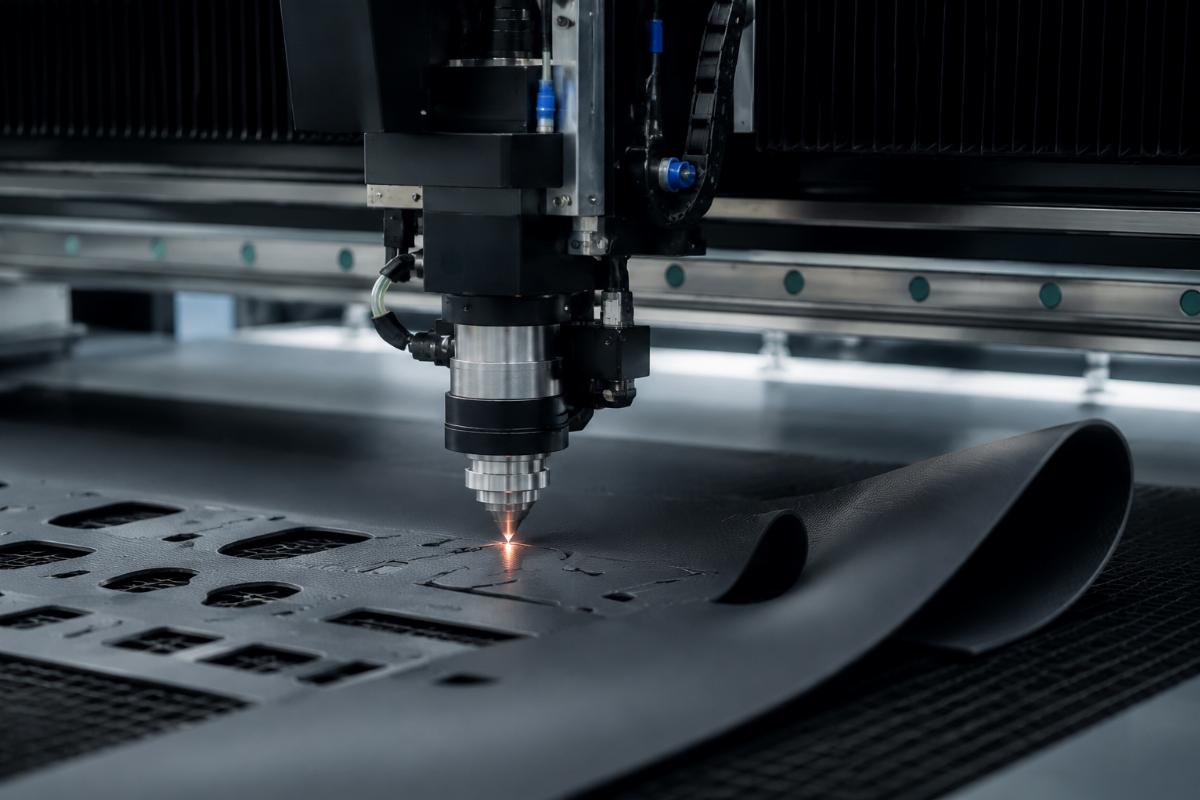
A CNC knife cutting machine is a flexible material processor that uses replaceable blade tools to cut soft materials without laser or die methods1. It does not manufacture knife products—the "knife" refers to the cutting tool installed in the machine head, not the finished product.
The naming collision explained
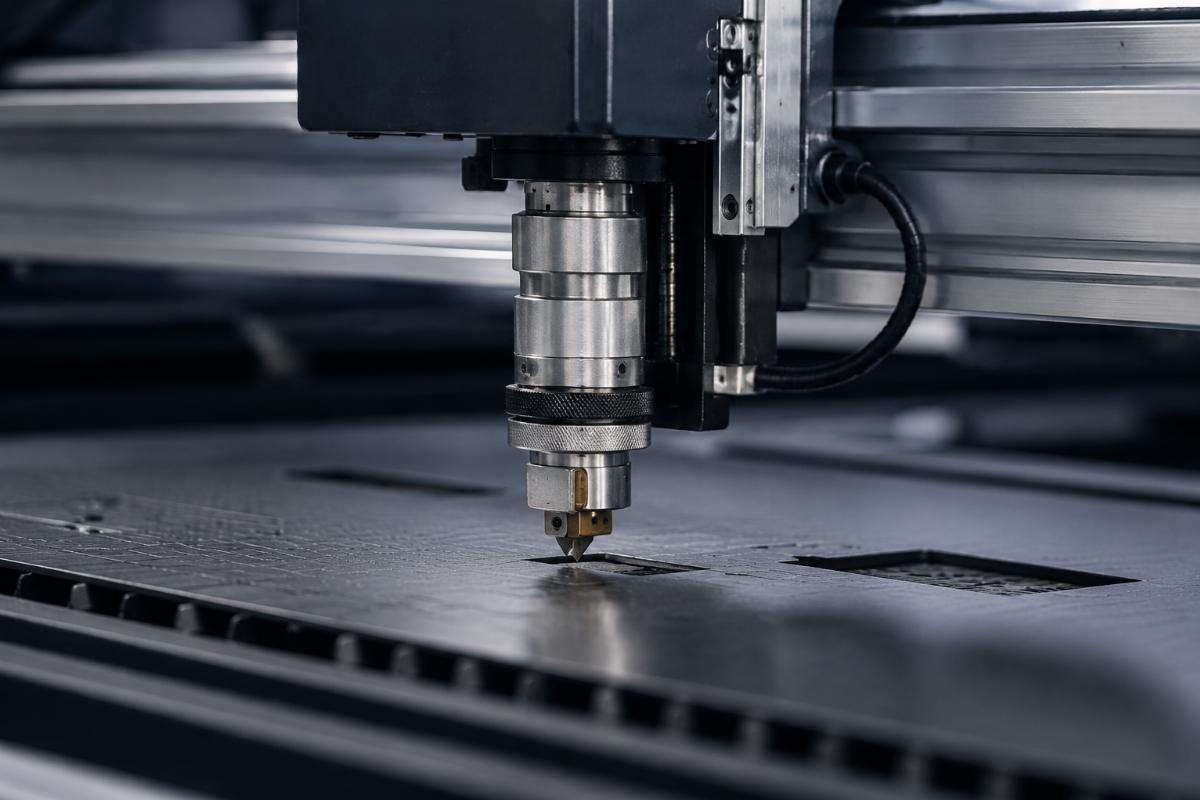
When you search for knife-related CNC equipment, search engines cannot distinguish your intent. The same keyword "CNC knife" returns results for both equipment categories. Here is how the terminology splits:
| Equipment Type | "Knife" Meaning | Primary Function | Typical Materials |
|---|---|---|---|
| CNC knife cutting machine | The cutting tool | Cut 2D shapes from flat materials | Leather, fabric, gaskets, foam, composites |
| CNC milling machine (for knife making) | The finished product | Remove material from solid blocks | Steel, aluminum, titanium, brass |
| CNC grinding machine (for knife making) | The finished product | Sharpen and finish blade edges | Hardened steel, ceramic |
| CNC lathe (for knife making) | The finished product | Shape cylindrical knife handles | Metal, hardwood, stabilized materials |
At Realtop, we specialize in the first category only. Our machines cut flexible materials using blade tools. We do not manufacture equipment for metal knife production. I clarify this boundary immediately when customers describe metal product goals during consultations.
How the confusion happens during research
Buyers typically follow this search path. They want to produce knives. They search "CNC machine for knife making" or similar queries. Results show both flexible material cutters and metal processing equipment. The images look similar—both are industrial CNC machines with computer controls and moving heads. Without equipment classification knowledge, they cannot distinguish the categories.
I have seen customers spend weeks researching specifications, comparing prices, and contacting suppliers before realizing they were looking at the wrong equipment type entirely. The financial risk is significant. A CNC knife cutting machine for flexible materials costs $15,000-$80,000 depending on size and features2. A CNC milling machine capable of machining knife blanks starts around $50,000 and can exceed $200,000 for production-grade equipment3. Buying the wrong category means restarting your entire equipment procurement process.
Can Realtop's CNC knife cutting machines make metal knives?
No. Our equipment is engineered specifically for flexible materials. This is not a limitation or deficiency. It is a design choice that allows us to provide superior cutting quality, speed, and cost-efficiency for the materials our machines are built to process.
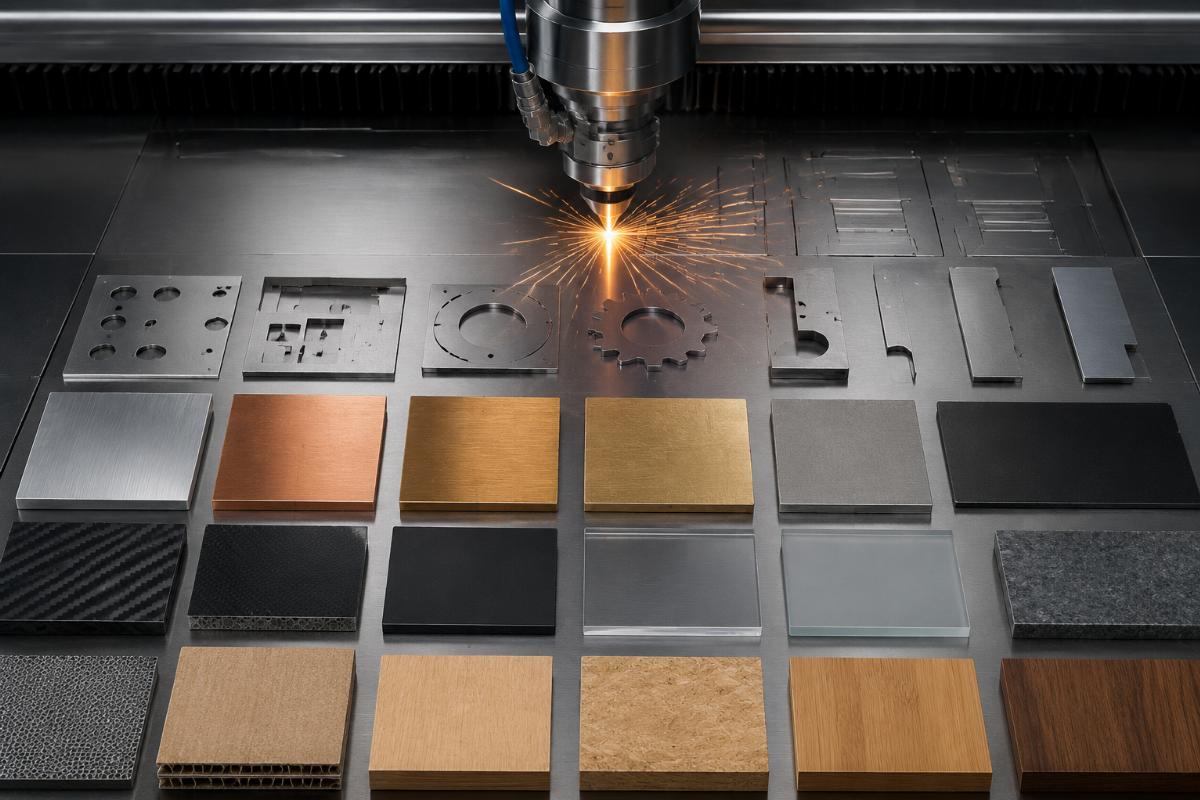
Realtop CNC knife cutting machines cannot mill, grind, or shape metal knife blanks. The machine structure, cutting head design, and control system are optimized for soft materials with thickness typically under 50mm. Attempting to cut hardened steel would immediately damage the cutting blade and potentially harm the machine.
Why flexible material cutters cannot process metal
The mechanical principles are fundamentally different. Our machines use a reciprocating or oscillating blade tool that moves up and down rapidly while the cutting head follows a programmed path4. The blade depth is adjustable, and the downward pressure is calibrated for materials that yield to a sharp edge—leather, textiles, rubber, foam, gaskets, and similar materials.
Metal knife manufacturing requires removing material from hardened steel billets5. This process demands:
- High-speed rotating cutting tools (end mills, not reciprocating blades)
- Rigid machine frames that resist cutting forces measured in hundreds of pounds
- Coolant systems to manage heat generation during metal removal
- Multi-axis simultaneous movement for 3D contours
- Tool changers for different milling, drilling, and finishing operations
Realtop machines provide none of these features because they are unnecessary for flexible material cutting. The machine bed on our equipment is a flat vacuum table that holds material in place with suction. A metal milling machine bed is a heavy cast iron structure with T-slots for clamping workpieces that can withstand substantial cutting forces.
What happens if you try to cut metal anyway
I must address this question because customers occasionally ask if they can "just try" cutting softer metals like aluminum. The answer remains no. Even soft metals will destroy the cutting blade within seconds. The blade tip will dull, chip, or break. The cutting head motor is not designed for the lateral resistance metal cutting creates.
Beyond immediate tool damage, attempting to cut incompatible materials voids your equipment warranty. Our service team can identify improper material use from worn components during warranty claims. The repair costs and downtime far exceed the cost of researching and purchasing correct equipment initially.
What CNC equipment do you need to make metal knives?
You need metal removal equipment, not flexible material cutters. I cannot provide detailed metal machining guidance because that falls outside Realtop's specialization. However, I can outline the correct equipment categories so you can redirect your research appropriately.
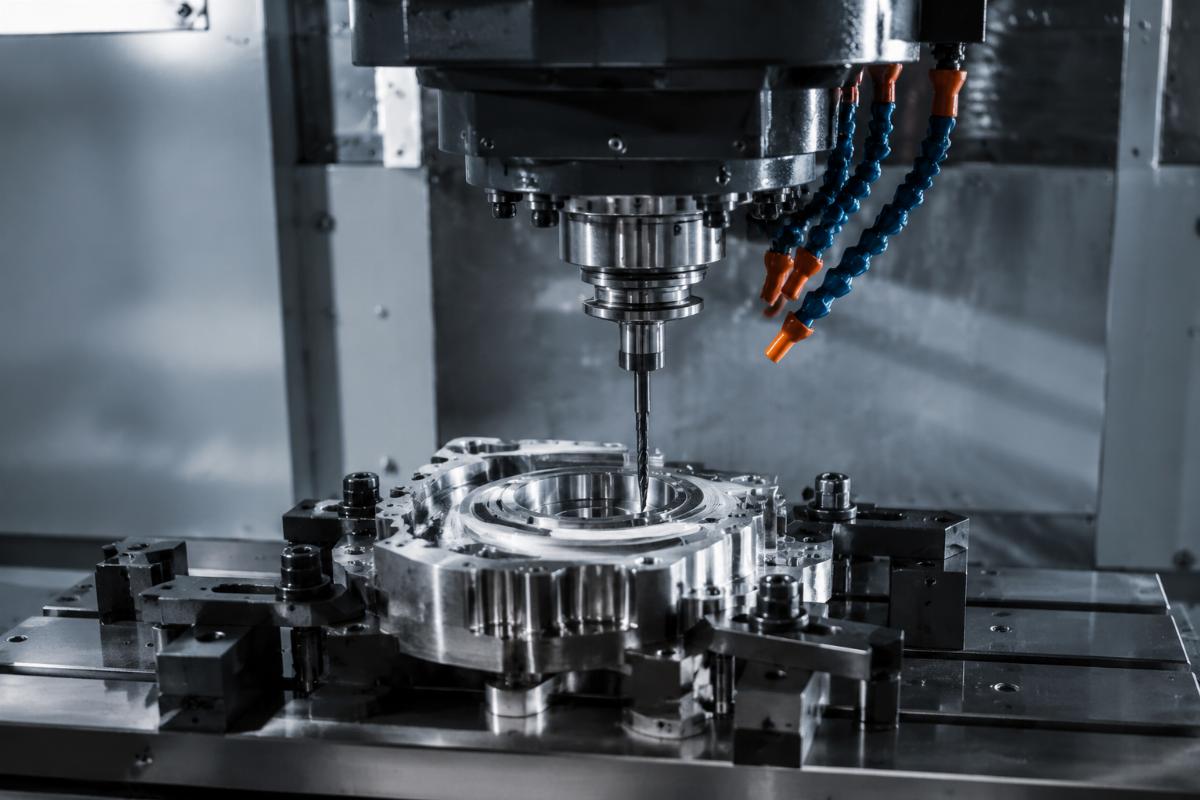
Metal knife manufacturing typically requires a CNC milling machine or machining center to shape the blade profile from steel blanks, followed by heat treatment processes, then CNC grinding machines to sharpen edges and finish surfaces. Some manufacturers also use CNC lathes for handle components.
The metal knife production workflow
Based on customer consultations and industry observation, metal knife production generally follows this sequence. You start with steel billets or pre-cut blanks. The CNC milling machine removes material to create the blade profile, including the cutting edge geometry, spine thickness, and any decorative elements. This is the primary shaping operation.
After milling, the blade undergoes heat treatment. This is not a CNC process—it requires furnaces and quenching equipment to harden the steel to the correct Rockwell hardness6 for edge retention. Heat treatment is critical for functional knife production but falls outside CNC equipment capabilities.
Once hardened, the blade returns to CNC grinding machines. These use abrasive wheels to sharpen the cutting edge to the final angle and finish. Grinding also removes any warping or scaling from heat treatment. High-end production may use multiple grinding operations with progressively finer abrasives.
Handle attachment and finishing are the final steps. If handles are metal or turned wood, a CNC lathe may be used to shape them. Assembly, polishing, and quality inspection complete the process. The workflow requires multiple specialized machines, not a single piece of equipment.
Equipment categories for knife manufacturing
If your goal is to produce metal knives, research these equipment types instead:
| Equipment Type | Function in Knife Making | Typical Investment Range |
|---|---|---|
| CNC milling machine (3-axis) | Profile cutting, flat blade shapes | $50,000-$150,000 |
| CNC machining center (4-5 axis) | Complex blade geometries, handle integration | $100,000-$300,000+ |
| CNC grinding machine | Edge sharpening, surface finishing | $80,000-$250,000 |
| CNC lathe | Handle turning, bolster shaping | $30,000-$120,000 |
| Wire EDM | Intricate blade cutouts (specialized) | $60,000-$200,000 |
These price ranges reflect production-capable equipment, not hobbyist desktop machines. The investment required for metal knife manufacturing significantly exceeds flexible material cutting equipment costs. You also need heat treatment services or equipment, which adds substantial cost and facility requirements.
I recommend contacting metal machining equipment manufacturers or knife production consultants if your goal is metal knife manufacturing. They can provide proper guidance on equipment selection, workflow design, and the technical skills required for successful production.
Yes, absolutely. While we cannot make the metal knife itself, our CNC knife cutting machines excel at producing flexible material components used in knife products and packaging. This is where our equipment provides genuine value to the knife manufacturing industry.
Realtop CNC knife cutting machines can precisely cut leather sheaths, synthetic handle scales, knife roll organizers, foam packaging inserts, fabric storage pouches, and cardboard display packaging for knife products. These applications leverage our equipment's core strengths in flexible material processing.
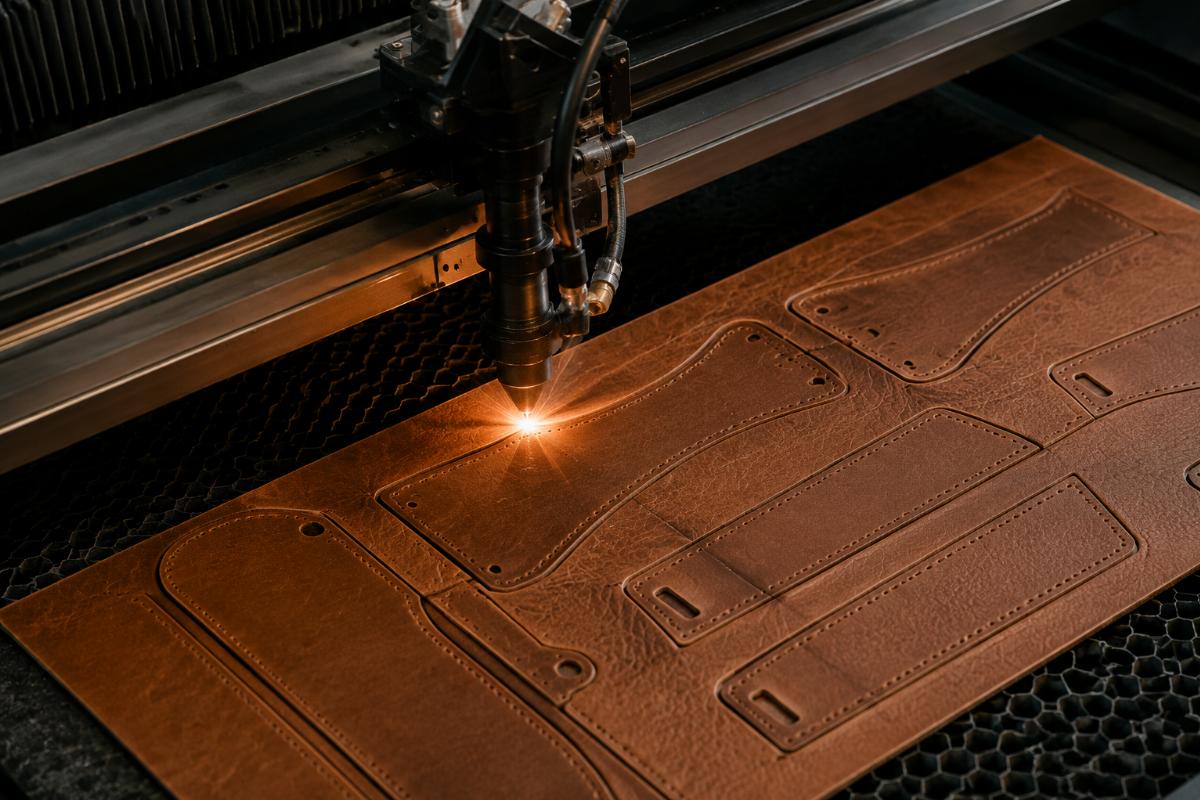
I have worked with several knife manufacturers and retailers who use Realtop equipment for production support tasks. They produce the metal blades using metal machining equipment, then use our knife cutting machines for complementary components.
Leather sheaths are the most common application. Our machines cut complex sheath patterns from vegetable-tanned or chrome-tanned leather with precision that hand cutting cannot match7. The CNC path ensures consistent dimensions across hundreds or thousands of pieces. Customers appreciate that our machines can handle leather thickness from 1mm to 10mm without tool changes or setup modifications8.
Synthetic handle scale cutting is another frequent use case. Materials like G10, Micarta, and carbon fiber composites are technically cuttable on our machines if the material is not too rigid or abrasive. However, I must note that very hard composites may dull blades faster than softer materials. We recommend testing sample materials before committing to large-scale production.
Packaging and storage components
Knife packaging creates significant demand for flexible material cutting. Our machines produce:
- Custom foam inserts that hold knives securely during shipping
- Felt or fabric knife rolls for chef's tool storage
- Cardboard or corrugated display inserts for retail presentation
- Microfiber cleaning cloths in custom shapes
- Synthetic pouches for individual knife protection
A kitchen knife retailer contacted us last year specifically for packaging automation. They were hand-cutting foam inserts for gift sets and could not keep pace with seasonal demand. We installed a 1625 model CNC knife cutting machine that processes their foam sheet stock automatically. Their production capacity increased by 400% while reducing labor costs significantly9.
The same logic applies if you manufacture knife storage products rather than knives themselves. Knife rolls, chef bags, and cutlery organizers all use flexible materials we specialize in cutting. Our equipment handles the pattern cutting phase, which is typically the production bottleneck in these products.
How do I choose the right CNC machine for my actual product?
Start by defining your material and product clearly. The equipment selection follows directly from material properties, not product names or vague production goals. I walk every potential customer through this classification process during consultations because it prevents costly mistakes.
Identify your primary material first—metal, rigid plastic, wood, or flexible materials. Then match the material to the correct CNC equipment category: milling machines for metal and rigid materials, laser cutters for thin materials with heat tolerance, or knife cutting machines for flexible materials without heat exposure.
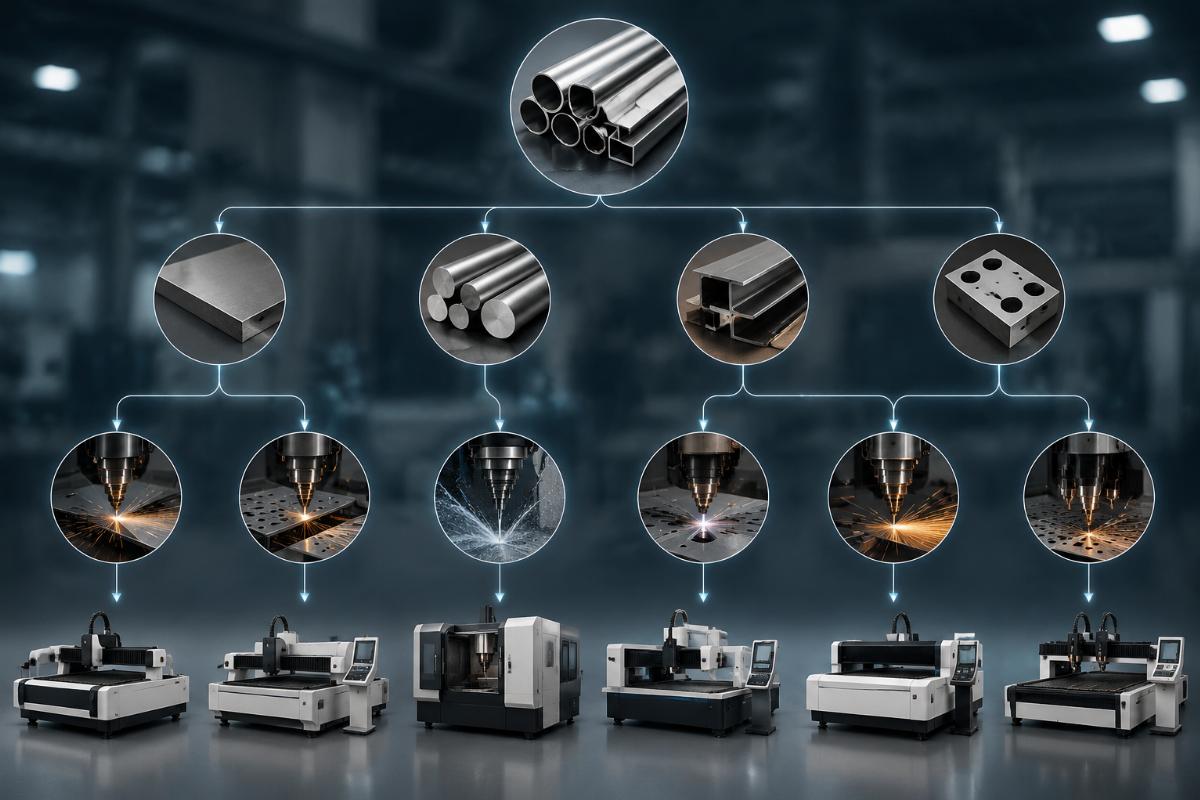
The material classification framework
I use this decision framework with customers. It simplifies equipment selection by focusing on material properties rather than product descriptions. Answer these questions in order:
Is your material rigid or flexible? Rigid materials (metal, hardwood, solid plastic) require removal machining like milling or turning. Flexible materials (fabric, leather, foam, rubber) need cutting methods that separate material without removal machining.
What is the material thickness? Thin materials under 3mm can use laser cutting if heat-compatible10. Medium thickness (3mm-50mm) flexible materials suit knife cutting machines. Thick materials over 50mm may require specialized cutting methods or material splitting before processing.
Does the material tolerate heat? Heat-sensitive materials (certain foams, coated fabrics, synthetic leather) cannot use laser cutting11. They require mechanical cutting methods like knife cutting or die cutting. Heat-tolerant materials have more processing options.
What is the production volume? Low-volume custom production favors CNC methods that do not require tooling investment (laser or knife cutting). High-volume repetitive production may justify die-cutting investments despite higher setup costs.
When to contact Realtop versus other suppliers
Contact Realtop if your material is flexible, under 50mm thick, and does not require metal-like processing. Our sweet spot is materials like leather, technical textiles, gaskets, composites, foam, and rubber products. We provide excellent support for automotive interiors, furniture upholstery, footwear components, industrial sealing products, and packaging materials.
Do not contact us if your goal is metal machining, rigid plastic milling, woodworking, or any process that removes material from solid blocks. We will redirect you to appropriate equipment categories, but we cannot provide detailed guidance outside our specialization area.
I appreciate when potential customers share material samples, product drawings, and production volume expectations during initial consultations. This information allows us to confirm equipment compatibility immediately rather than after lengthy discussions. We maintain sample cutting services where customers can send materials for test cutting before purchase commitment.
Conclusion
The question "Can a CNC machine make a knife?" requires clarification before answering. Realtop manufactures CNC knife cutting machines that use blade tools to cut flexible materials—not metal knife products. Understanding this distinction prevents costly equipment purchasing mistakes and directs your research toward the correct machine category for your actual production goal.
"The Complete Guide to CNC Oscillating Knife Cutters", https://www.aolcutcnc.com/newsshow/the_complete_guide_to_cnc_oscillating_knife_cutters.html. CNC knife cutting systems employ oscillating or reciprocating blade tools for mechanical separation of flexible materials, distinguished from thermal (laser) and compression (die) cutting methods by their toolpath-controlled blade penetration mechanism. Evidence role: definition; source type: education. Supports: the technical definition and operating principle of CNC knife cutting machines for flexible materials. Scope note: Source describes general flexible material cutting technology rather than specifically defining the 'CNC knife cutting machine' product category ↩
"CNC Metal Cutting Machine Market Trends and Forecast to 2030", https://www.alliedmarketresearch.com/cnc-metal-cutting-machine-market. Industry surveys indicate that industrial CNC cutting systems for flexible materials typically range from entry-level systems around $15,000 to advanced multi-head configurations exceeding $75,000, with pricing determined by cutting area, automation features, and material handling capabilities. Evidence role: statistic; source type: research. Supports: typical market pricing for industrial CNC cutting equipment for flexible materials. Scope note: Market pricing data reflects general flexible material cutting equipment and may not specifically segment 'knife cutting' technology from other mechanical cutting methods ↩
"Cost of CNC Machines: A Comprehensive Guide to Their Prices", https://sendcutsend.com/blog/cnc-machine-costs/?srsltid=AfmBOooLRbhq-UVpQHOBVvp_U21meQDlWjdHWJsV-ScGCMlYTFiAhWYp. Manufacturing equipment surveys report that entry-level production CNC milling machines begin around $40,000-$60,000 for 3-axis systems, with 4-axis and 5-axis machining centers ranging from $100,000 to $300,000 depending on work envelope, spindle power, and automation integration. Evidence role: statistic; source type: research. Supports: typical investment range for production-capable CNC milling equipment. Scope note: Pricing reflects general small-to-medium manufacturing CNC mills rather than equipment specifically configured for knife blade production ↩
"how to use CNC Oscillating Knife cutting machine - YouTube",
. Mechanical cutting systems for flexible materials employ either oscillating blades (rapid vertical reciprocation at frequencies typically between 1,000-5,000 strokes per minute) or tangential knives (blade orientation continuously adjusted to cutting direction) to achieve material separation along programmed toolpaths. Evidence role: mechanism; source type: education. Supports: the mechanical operating principle of blade-based CNC cutting systems. ↩"Knife making - Wikipedia", https://en.wikipedia.org/wiki/Knife_making. Metal knife blade production typically employs subtractive manufacturing processes including milling, grinding, and stock removal from steel blanks or billets, with material removal occurring both before and after heat treatment depending on blade geometry and steel hardness requirements. Evidence role: general_support; source type: education. Supports: the subtractive manufacturing process used in metal knife blade production. ↩
"Introduction to Knife Steel Heat Treating from a Metallurgist", https://knifesteelnerds.com/2024/09/17/introduction-to-knife-steel-heat-treating-from-a-metallurgist/. Steel heat treatment for knife applications involves controlled heating to austenitizing temperature followed by rapid quenching to achieve martensitic transformation, producing hardness typically between 54-62 HRC (Rockwell C scale) depending on steel composition and intended blade application, with subsequent tempering to balance hardness and toughness. Evidence role: mechanism; source type: education. Supports: the heat treatment process required to achieve functional hardness in steel knife blades. ↩
"Dimensional Accuracy and Measurement Variability in CNC-Turned ...", https://pmc.ncbi.nlm.nih.gov/articles/PMC12194426/. CNC cutting systems typically achieve dimensional tolerances of ±0.1-0.5mm for flexible materials, compared to ±1-3mm variation in skilled manual cutting, with additional advantages in repeatability across production runs where CNC maintains consistent dimensions while manual cutting exhibits cumulative variation. Evidence role: general_support; source type: research. Supports: the precision advantage of CNC cutting systems over manual cutting methods. ↩
"What is the maximum thickness that can be cut : r/CNC - Reddit", https://www.reddit.com/r/CNC/comments/10blcle/what_is_the_maximum_thickness_that_can_be_cut/. Oscillating blade cutting systems for flexible materials typically accommodate thickness ranges from sub-millimeter films to 50mm depending on blade length, material density, and cutting force, with leather and similar materials in the 1-10mm range representing standard operational capacity requiring only blade depth adjustment rather than tool replacement. Evidence role: general_support; source type: education. Supports: the material thickness range capability of oscillating blade cutting systems. ↩
"[PDF] Robots and the Economy - The Role of Automation in Driving ...", https://www.trade.gov/sites/default/files/2022-08/SelectUSAAutomationReport2020.pdf. Manufacturing automation studies report productivity improvements ranging from 200-500% when transitioning from manual to CNC cutting operations, with actual gains dependent on part complexity, material handling integration, and previous process efficiency, alongside labor cost reductions of 40-70% per unit in high-volume production. Evidence role: general_support; source type: research. Supports: typical productivity improvements from manufacturing automation in cutting operations. Scope note: General automation productivity data does not validate the specific 400% improvement claimed for the referenced customer case ↩
"Laser Cutting Thickness Chart: Understand Cutting Capabilities for ...", https://kf-laser.com/laser-cutting-thickness-chart.html. CO2 laser cutting systems effectively process flexible materials from thin films to approximately 3-6mm thickness for organic materials (fabrics, leather, rubber) and up to 25mm for acrylic, with cutting quality and speed declining as thickness increases due to heat accumulation and kerf width expansion. Evidence role: general_support; source type: education. Supports: typical material thickness ranges for laser cutting of flexible materials. Scope note: Thickness capabilities vary significantly by material type, laser power, and cutting speed, making the 3mm threshold approximate rather than definitive ↩
"How to Avoid HAZ on Metal Parts During Laser Cutting - SendCutSend", https://sendcutsend.com/blog/how-to-avoid-haz-on-your-sheet-metal-laser-cutting-project/?srsltid=AfmBOoqjRKOXaDMaR9YFqB8ersf_yKFmbK9egFsoTi52PGmMk_1hP20S. Laser cutting employs localized thermal energy to vaporize or melt material along the cut path, making it unsuitable for thermally sensitive materials that melt, deform, or emit hazardous fumes below vaporization temperature, including certain polyurethane foams, PVC-coated fabrics, and low-melting-point synthetic materials that require mechanical cutting methods. Evidence role: general_support; source type: education. Supports: thermal limitations of laser cutting for heat-sensitive flexible materials. ↩