

Fast Delivery
Quick, reliable shipping to any location.

Free & easy returns
Return this item by mail or in store within 90 days for a full refund.
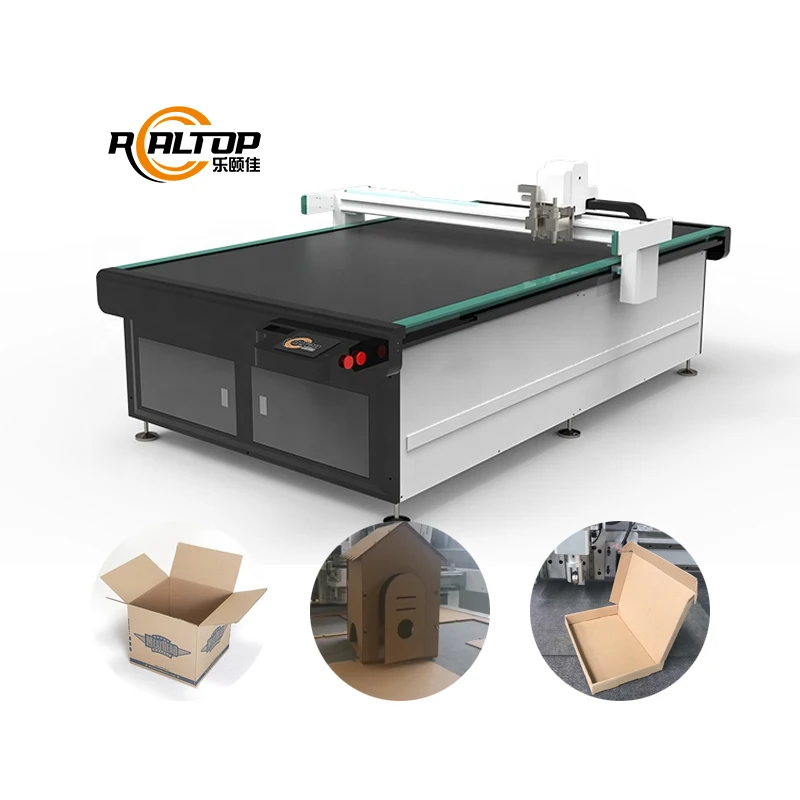
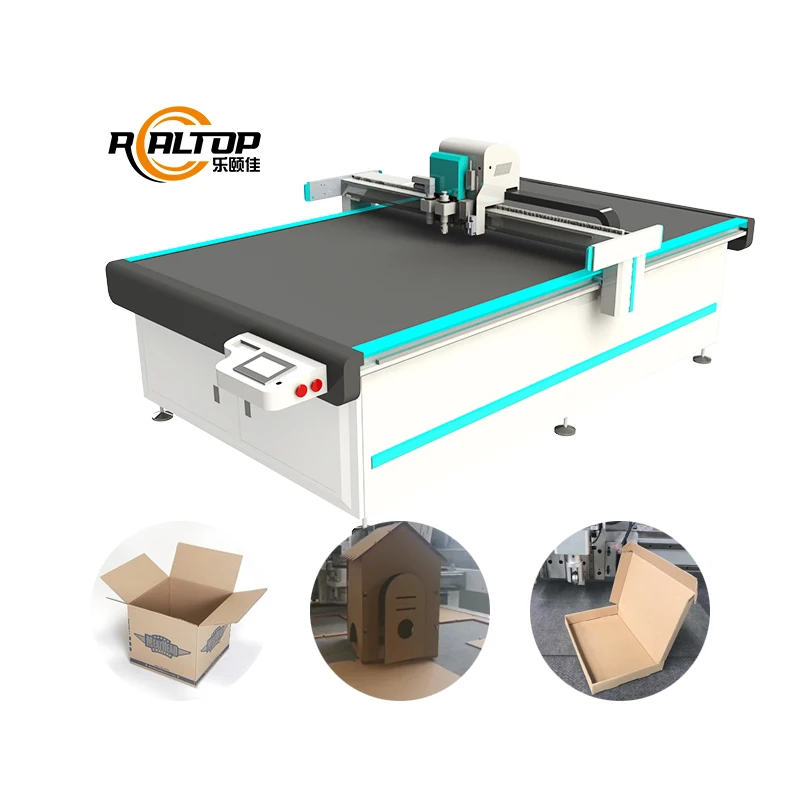
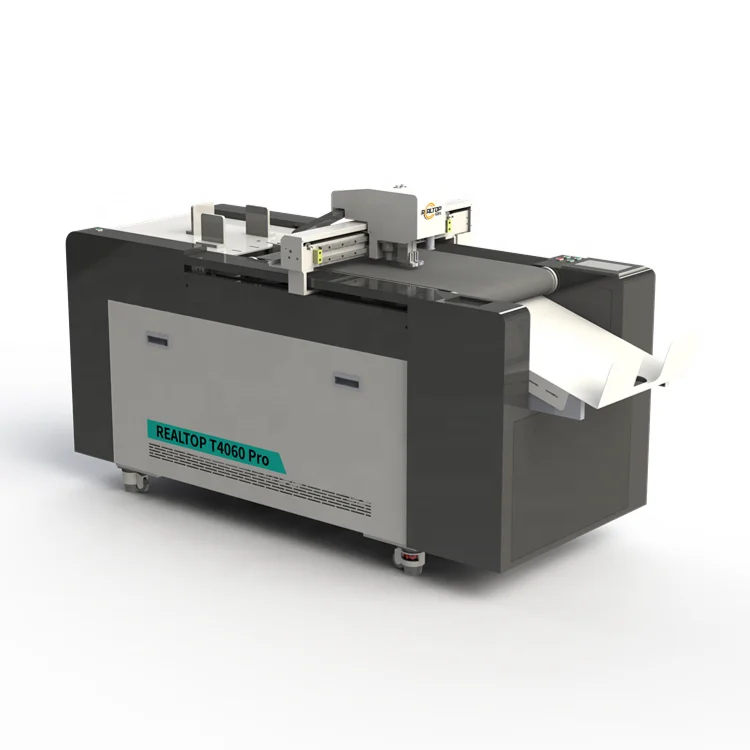
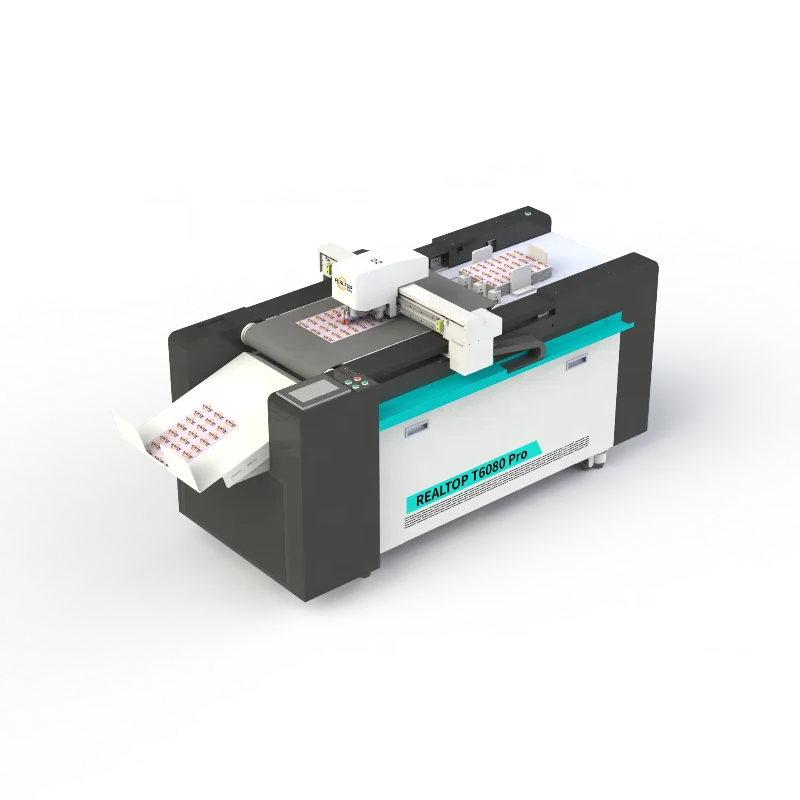
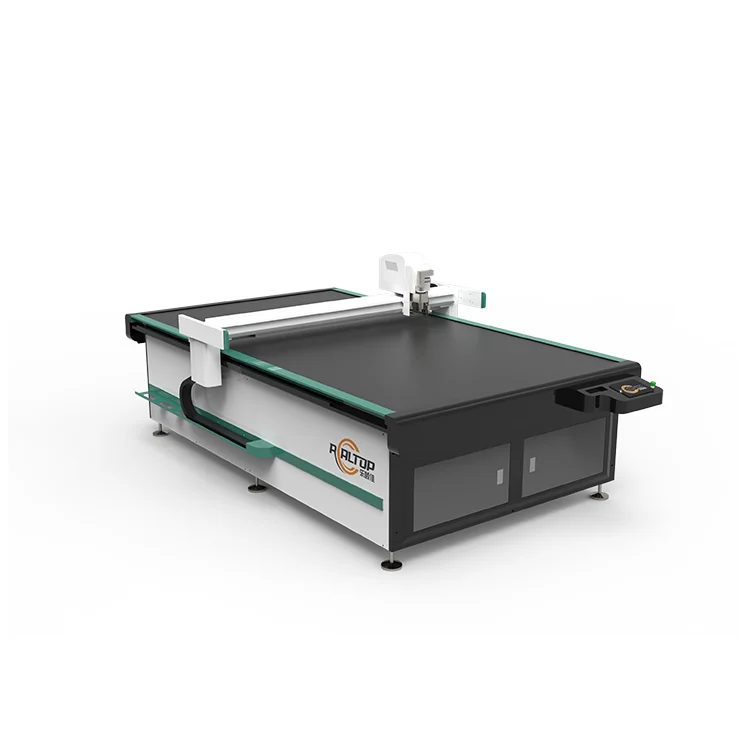
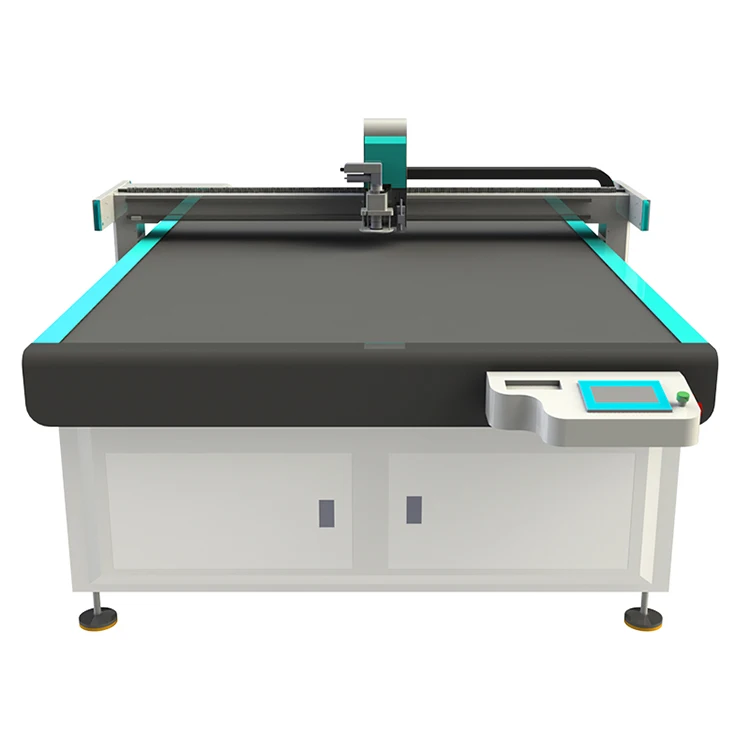
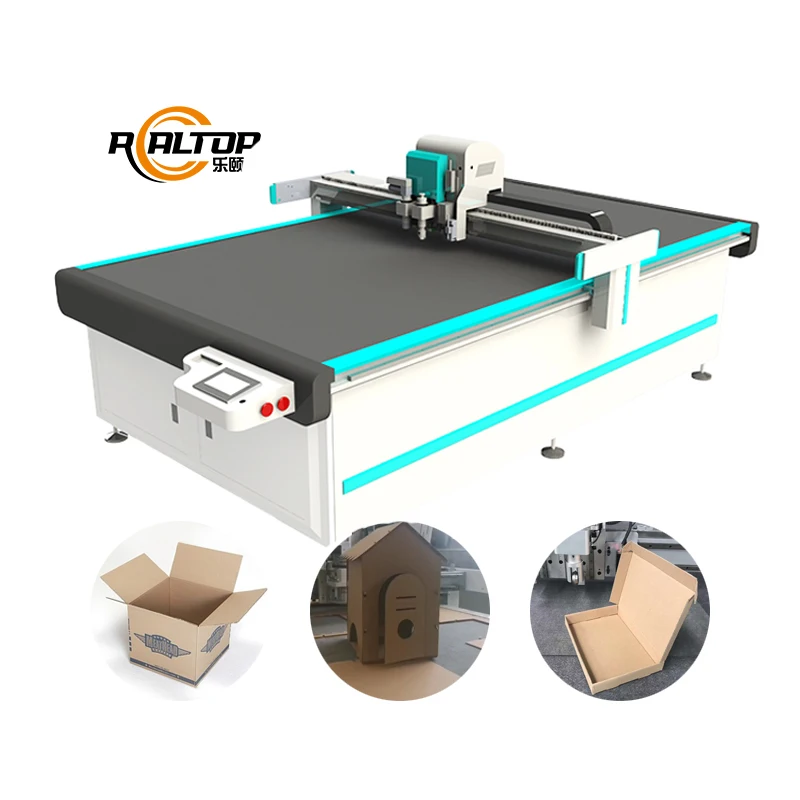
Material-Matched Cutting Platforms — oscillating knife and laser options built under one roof, letting packaging producers select the exact cutting method for their board grade rather than forcing a single technology across every job.
Technical Specifications
| Parameter | Value |
|---|---|
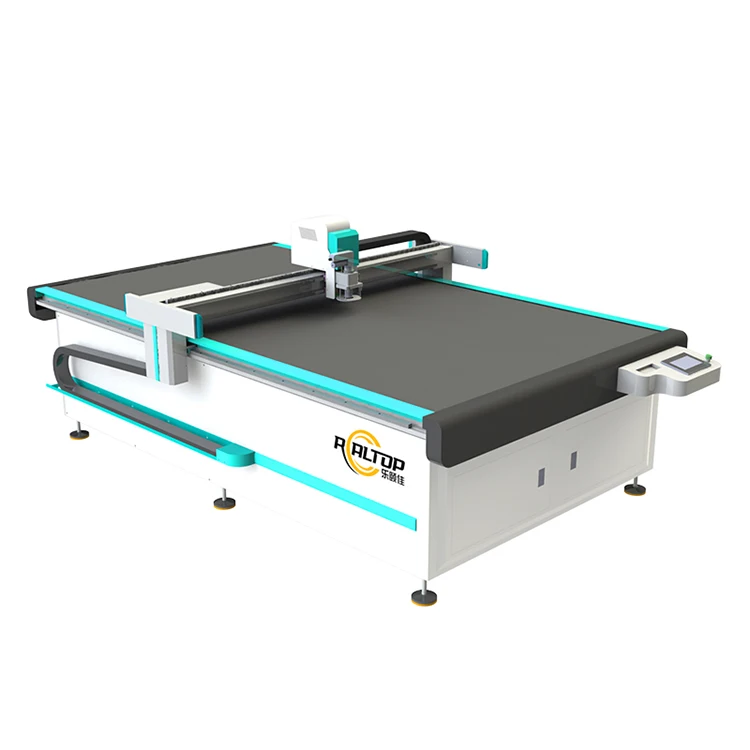
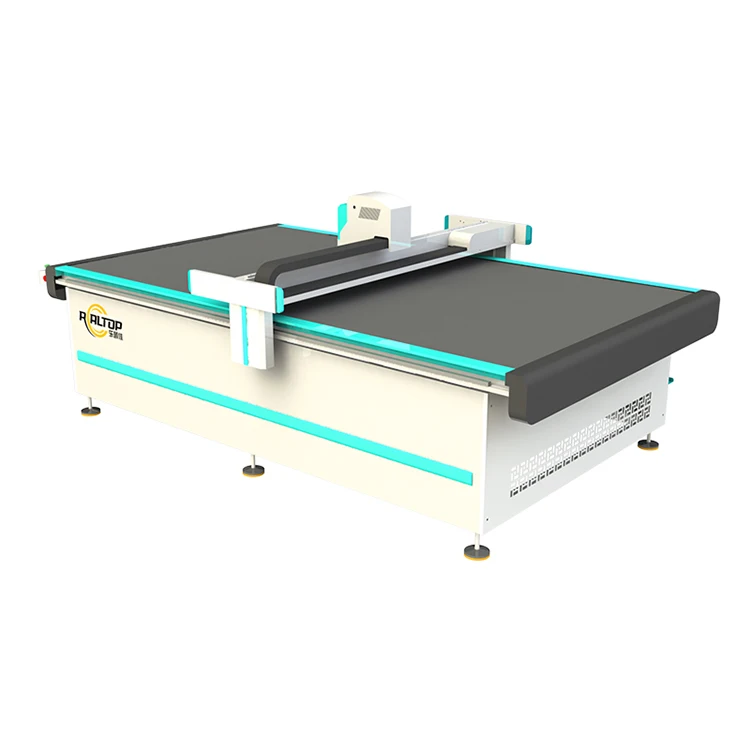
| Product Type | CNC Digital Flatbed Cutting Machine |
| Working Area | 2500×1300 mm / 1600×2500 mm |
| Machine Size | 3550×1910×1400 mm / 3450×2300×1250 mm |
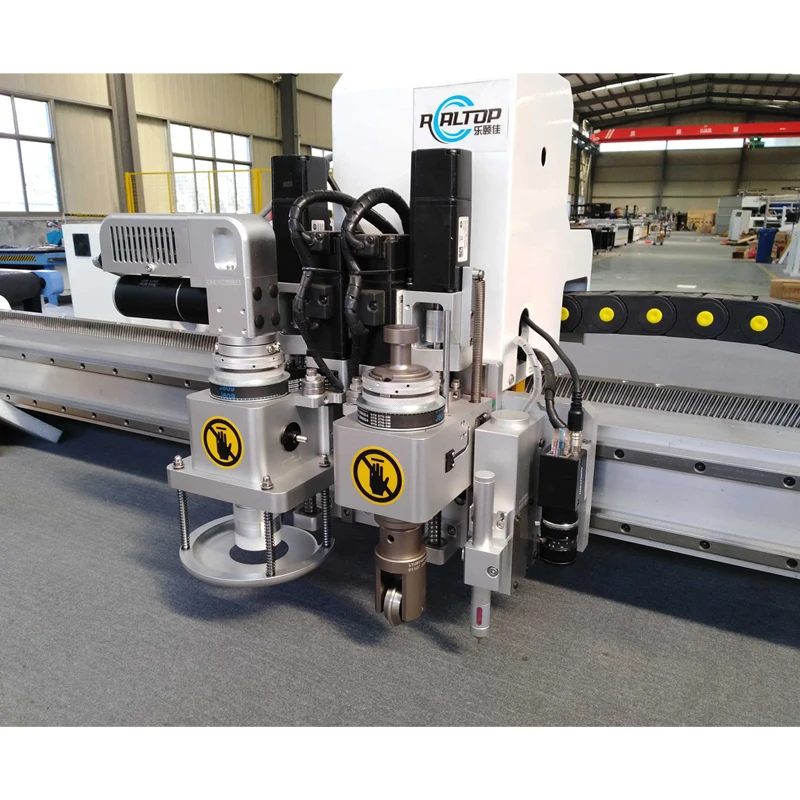
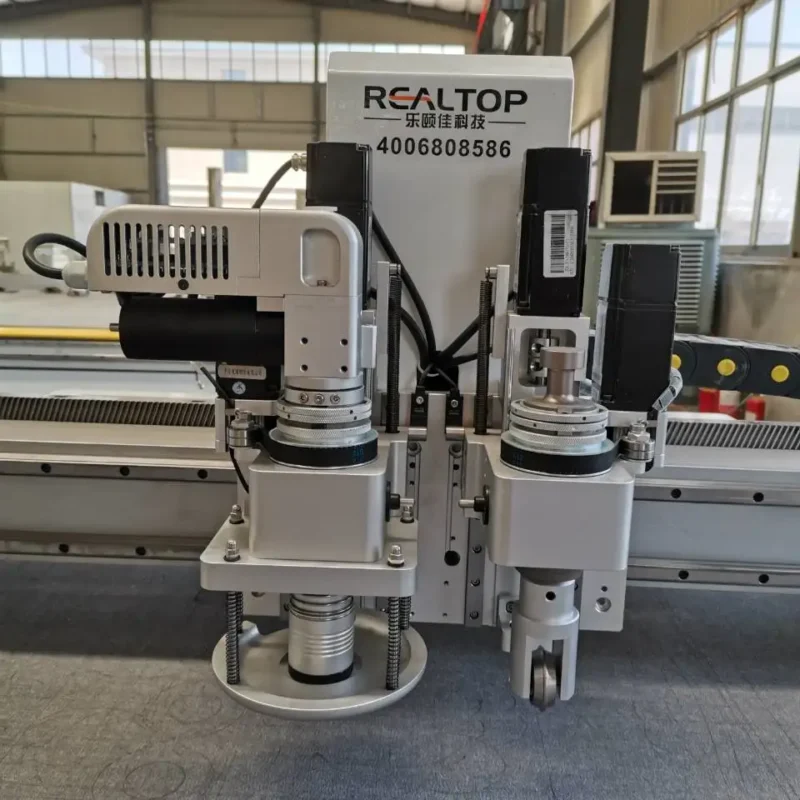
| Cutting Tools | Oscillating knife, creasing tool, kiss-cut knife, round punch |
| Cutting Thickness | Up to 18 mm (basis to be confirmed) |
| Rated Power | 9 kW |
| Voltage | 380 V (50 Hz / 60 Hz to be confirmed) |
| Vacuum Pump | 7.5 kW |
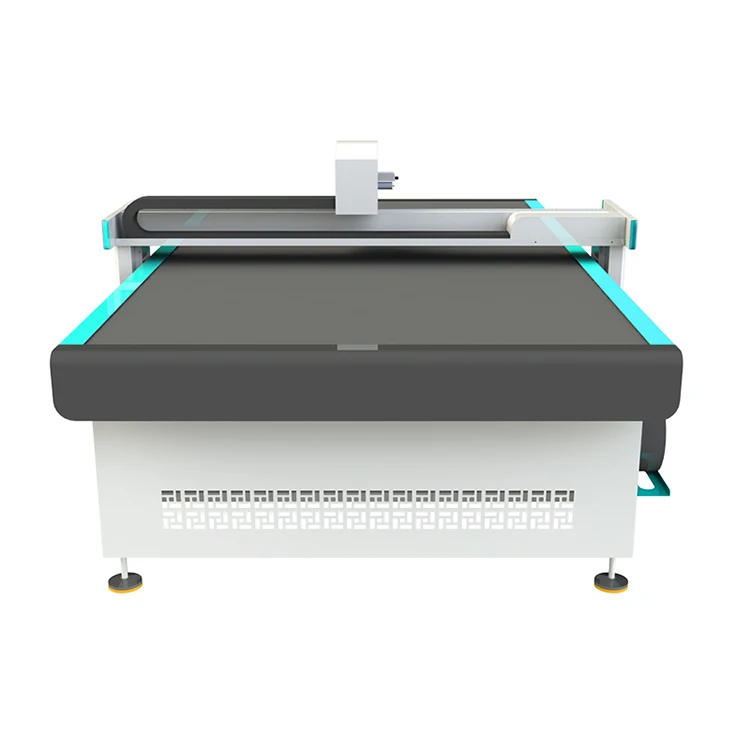
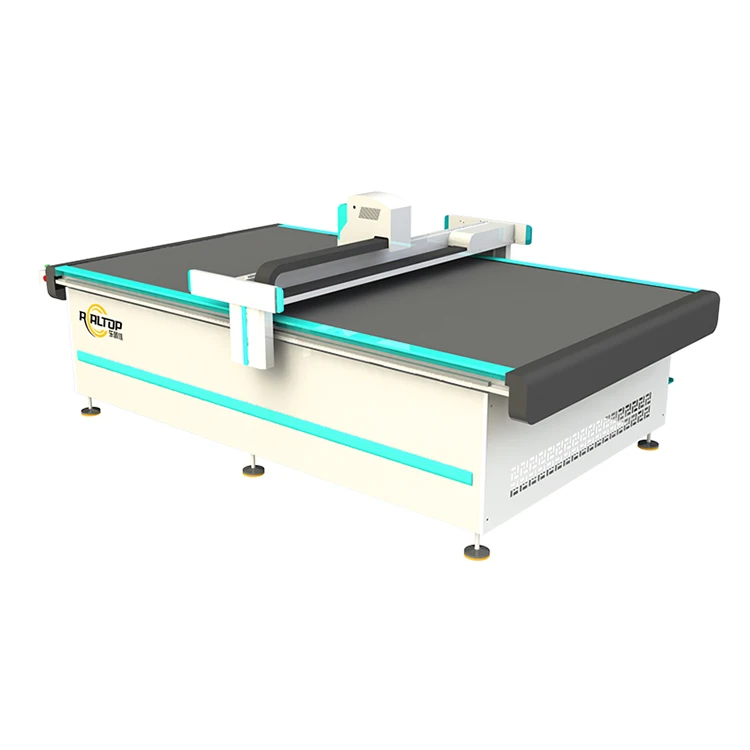
| Vacuum Table | Aluminum alloy honeycomb structure |
| Guide Rail | Taiwan Hiwin linear rail |
| Servo Motor | Dongling servo (alternative configuration available) |
| Repeated Accuracy | < 0.05 mm |
| Profile Formats | DXF, OLT, PDF, AI |
| Safety Device | Infrared sensors |
| Conveyor Belt | Germany imported belt |
| Blade Included | 10 pieces of oscillating blades |
| Software Language | English, Russian, Italian, Chinese; other languages customizable |
| Warranty | 1 year (excluding consumables: felt, knife blades) |
| Delivery Time | < 30 working days |
Application Suitability
| Application | Material or Output |
|---|---|
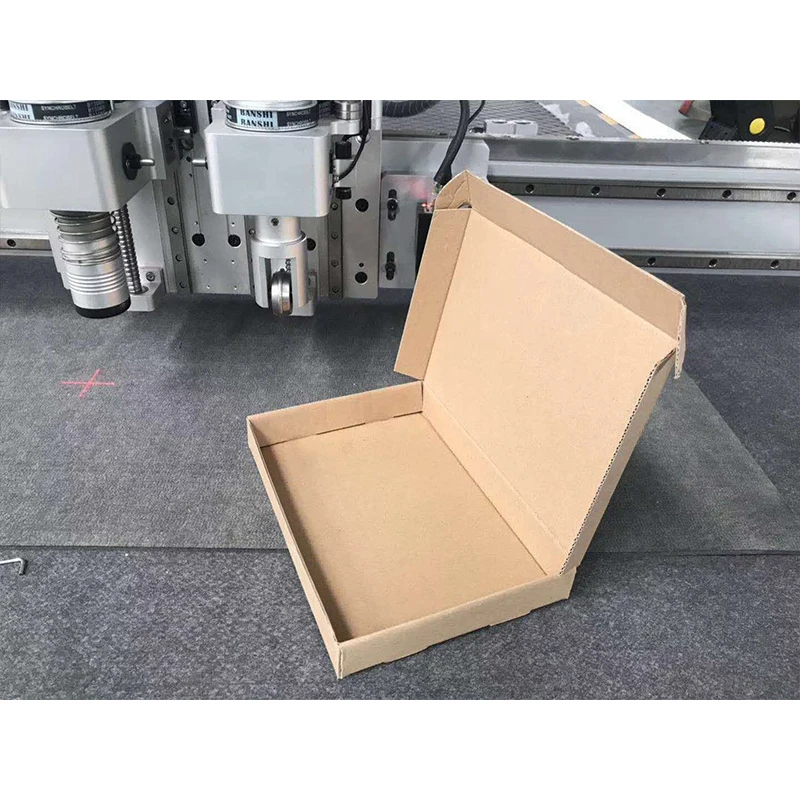
| Carton and packaging sample making | Corrugated board, grey board, folding carton stock |
| Gift box and premium packaging | Art board, laminated board, foam inserts |
| Express paper box packaging | Single and multi-layer corrugated sheet |
| Sticker and label contour cutting | Self-adhesive vinyl, PP paper, coated label stock |
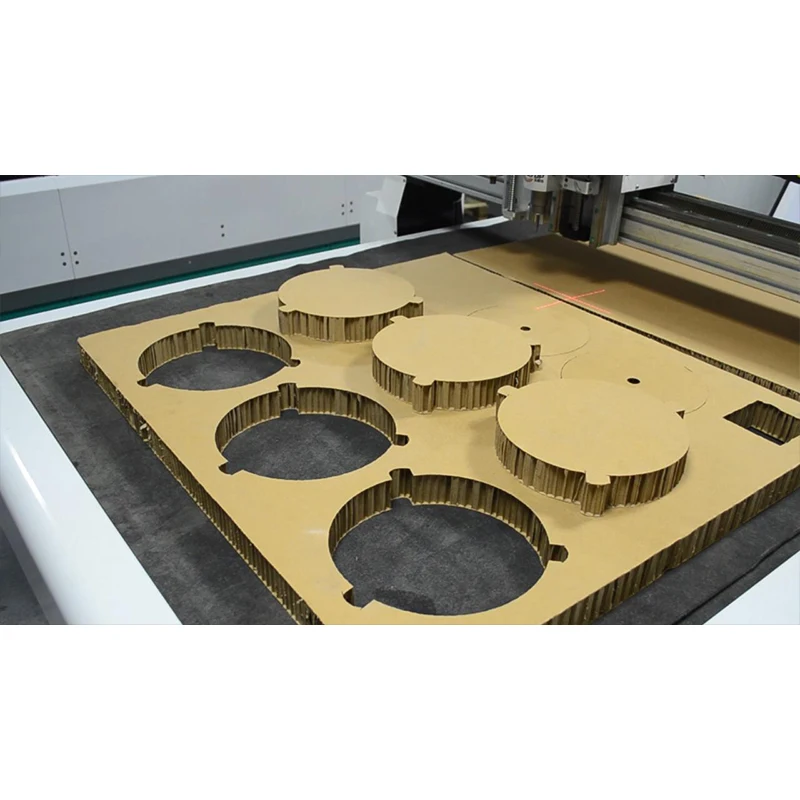
| Advertising display and signage | Foam board, honeycomb paper board, PVC sheet |
Why Material Thickness Changes Everything About the Cut
Specifying a CNC oscillating knife cutting machine manufacturer on working area alone and discovering the machine stalls on your actual board grade is a common procurement failure. Lock the tool head and pressure curve to your densest material before discussing bed size.
A packaging sample shop once ran standard grey board trials with no issues, then switched to dense five-layer corrugated stock for real production. The knife pressure and oscillation frequency needed a complete rework, and scrap rates climbed sharply through the first weeks. That mismatch happens when the cutter is selected around footprint rather than material profile [NEED_CITE: common cutting failures on multi-layer corrugated board]. The oscillating knife must deliver enough downward force and stroke frequency to shear through the flute structure cleanly without crushing the corrugation, and that requirement shifts substantially between single-face board and heavy double-wall grades.
Matching the Tool Head to the Board Profile
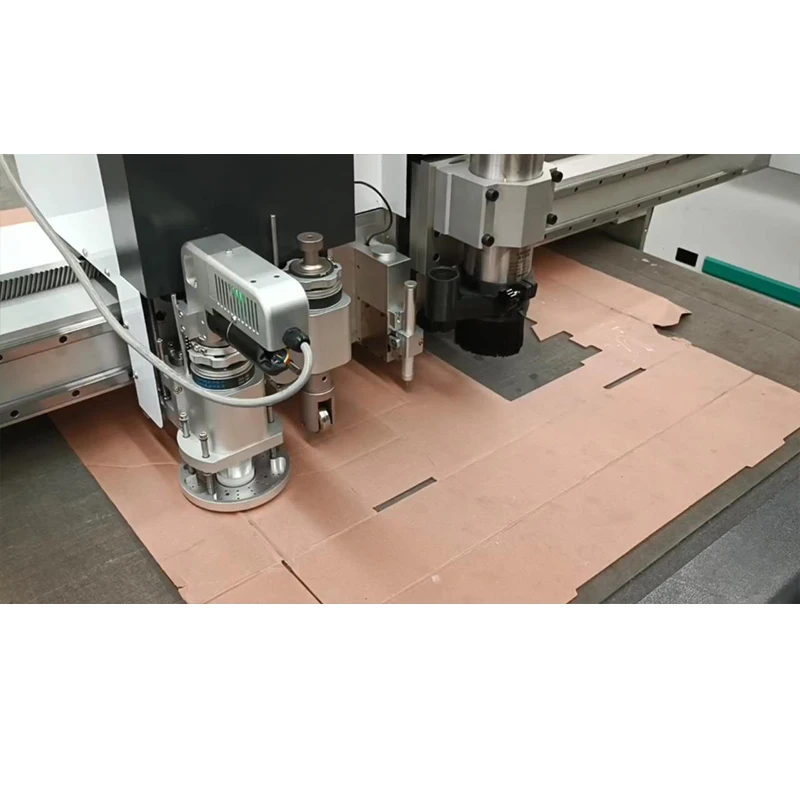
The oscillating knife handles the through-cut on corrugated and grey board, while the creasing wheel scores fold lines without breaking the liner. Kiss-cut tools sit on the same head for sticker and label contour work. Switching between these tools on a single CNC oscillating knife cutting machine manufacturer platform means a packaging shop can run a corrugated sample and a self-adhesive label set on the same table in one shift.
Vacuum Zoning and Small Part Hold-Down
The aluminum honeycomb vacuum table is divided into adsorption zones that track the cutting area. This zoned approach keeps smaller carton blanks and label shapes flat against the bed during the final cuts, preventing the material from lifting into the knife path. Consistent hold-down is essential when cutting nested layouts of irregular packaging shapes from a single sheet [NEED_CITE: vacuum table zoning principles for flatbed digital cutters].
Reading the Spec Sheet Against Your Production Reality
The 7.5 kW vacuum pump provides the suction needed for porous corrugated board, which leaks air through the flute openings far more than solid substrates. The repeated accuracy of less than 0.05 mm ensures that crease lines land in the correct position relative to cut edges, which matters when a folding carton must close cleanly without gaps. The Hiwin linear rail supports that positional stability across the full 2500 mm travel. Software accepts DXF, OLT, PDF, and AI files, so packaging designers can send artwork directly from their existing CAD or Illustrator workflow without format conversion.
The Cost of Wrong Configuration Choices
When a vacuum table lacks adequate zoning, small carton parts lift during the final cut and the knife drags the piece across the bed, ruining both the part and the cutting felt. Creasing wheels set at incorrect depth crack the liner instead of producing a clean fold, forcing the operator to run the sheet a second time. These failures rarely show up in a showroom demonstration running standard test materials [NEED_CITE: packaging sample cutting defects from tool misconfiguration].
Why This Build Approach Fits Packaging Workflows
In-house design covers both knife and laser cutting, so a packaging buyer is not pushed toward one method when the material calls for the other. Tool head and table configuration are specified per material and daily volume rather than offered as a fixed package. Sample cutting runs on the buyer’s own stock before order confirmation, locking parameters to real production board. Software compatibility is verified against the buyer’s file format before the machine enters production. Voltage, plug, and control language are confirmed in writing before dispatch.
Documentation & Verification
- Machine specification sheet listing the exact tool head combination and vacuum zone layout for your selected configuration
- Sample cutting report on your own corrugated or art board stock at production thickness before order confirmation
- Electrical schematic with voltage and frequency matched to your local supply standard
- Software licence and file format compatibility note covering DXF, OLT, PDF, and AI import
- Operation and maintenance manual with blade change and felt replacement procedures
- Spare parts list identifying consumable blades, felt, and vacuum seal components
Installation, Commissioning & Support
- Floor space must accommodate the 3550×1910 mm footprint with clearance for sheet loading on the long side
- Dedicated 380 V circuit rated for the 9 kW machine plus 7.5 kW vacuum pump running simultaneously
- Machine arrives in modular sections; table frame, gantry, and vacuum pump connect on site
- First-run calibration covers knife depth, oscillation frequency, and creasing wheel pressure against your board grade
- Operator training covers tool change between oscillating knife, creasing wheel, and kiss-cut blade
- Consumable stock plan includes the 10 supplied oscillating blades and replacement cutting felt
What to Share Before the Quote
Send the exact board types, flute profiles, and maximum thickness your shop runs on a typical week. Confirm your local voltage and frequency standard, the control language your operators need, and the file format your current design team produces. If your daily volume involves short-run sample work versus long-run production sheets, note that so the table and tool head configuration can match the workflow.
Frequently Asked Questions
Q: How do I choose between knife cutting and laser cutting for my packaging materials?
A: Knife cutting suits corrugated board, grey board, and adhesive vinyl where a mechanical cut produces a clean edge without heat discolouration. Laser cutting fits acrylic and wood-based packaging inserts. A single manufacturer covering both methods lets you match the technology to each material rather than forcing one process across every substrate.
Q: What working area and tool head configuration fits my board thickness and daily volume?
A: The 2500×1300 mm bed handles standard carton sample sheets, while the 1600×2500 mm format covers larger display packaging. Tool head selection depends on whether you need through-cutting, creasing, kiss-cutting, or a combination, which is confirmed during sample cutting on your actual material.
Q: Is the cutting thickness measured on corrugated cardboard specifically or across all materials?
A: The stated thickness limit varies by material density. Corrugated board cuts at a different effective depth than solid grey board or foam inserts. A sample cutting report on your specific stock confirms the achievable thickness before the order is placed.
Q: What file formats and nesting workflows does the software support?
A: The control software imports DXF, OLT, PDF, and AI files directly. File format compatibility with your existing nesting workflow is verified before order confirmation so there are no surprises when your production files arrive at the machine.
Q: Can voltage, frequency, plug type, and control language be customised before shipment?
A: Yes. The electrical specification and control panel language are confirmed in writing during the ordering process. This covers the 380 V supply, plug type for your market, and the software language your operators will use daily.
Material-Matched Cutting Platforms — oscillating knife and laser options built under one roof, letting packaging producers select the exact cutting method for their board grade rather than forcing a single technology across every job.
Technical Specifications
| Parameter | Value |
|---|---|
| Product Type | CNC Digital Flatbed Cutting Machine |
| Working Area | 2500×1300 mm / 1600×2500 mm |
| Machine Size | 3550×1910×1400 mm / 3450×2300×1250 mm |
| Cutting Tools | Oscillating knife, creasing tool, kiss-cut knife, round punch |
| Cutting Thickness | Up to 18 mm (basis to be confirmed) |
| Rated Power | 9 kW |
| Voltage | 380 V (50 Hz / 60 Hz to be confirmed) |
| Vacuum Pump | 7.5 kW |
| Vacuum Table | Aluminum alloy honeycomb structure |
| Guide Rail | Taiwan Hiwin linear rail |
| Servo Motor | Dongling servo (alternative configuration available) |
| Repeated Accuracy | < 0.05 mm |
| Profile Formats | DXF, OLT, PDF, AI |
| Safety Device | Infrared sensors |
| Conveyor Belt | Germany imported belt |
| Blade Included | 10 pieces of oscillating blades |
| Software Language | English, Russian, Italian, Chinese; other languages customizable |
| Warranty | 1 year (excluding consumables: felt, knife blades) |
| Delivery Time | < 30 working days |
Application Suitability
| Application | Material or Output |
|---|---|
| Carton and packaging sample making | Corrugated board, grey board, folding carton stock |
| Gift box and premium packaging | Art board, laminated board, foam inserts |
| Express paper box packaging | Single and multi-layer corrugated sheet |
| Sticker and label contour cutting | Self-adhesive vinyl, PP paper, coated label stock |
| Advertising display and signage | Foam board, honeycomb paper board, PVC sheet |
Why Material Thickness Changes Everything About the Cut
Specifying a CNC oscillating knife cutting machine manufacturer on working area alone and discovering the machine stalls on your actual board grade is a common procurement failure. Lock the tool head and pressure curve to your densest material before discussing bed size.
A packaging sample shop once ran standard grey board trials with no issues, then switched to dense five-layer corrugated stock for real production. The knife pressure and oscillation frequency needed a complete rework, and scrap rates climbed sharply through the first weeks. That mismatch happens when the cutter is selected around footprint rather than material profile [NEED_CITE: common cutting failures on multi-layer corrugated board]. The oscillating knife must deliver enough downward force and stroke frequency to shear through the flute structure cleanly without crushing the corrugation, and that requirement shifts substantially between single-face board and heavy double-wall grades.
Matching the Tool Head to the Board Profile
The oscillating knife handles the through-cut on corrugated and grey board, while the creasing wheel scores fold lines without breaking the liner. Kiss-cut tools sit on the same head for sticker and label contour work. Switching between these tools on a single CNC oscillating knife cutting machine manufacturer platform means a packaging shop can run a corrugated sample and a self-adhesive label set on the same table in one shift.
Vacuum Zoning and Small Part Hold-Down
The aluminum honeycomb vacuum table is divided into adsorption zones that track the cutting area. This zoned approach keeps smaller carton blanks and label shapes flat against the bed during the final cuts, preventing the material from lifting into the knife path. Consistent hold-down is essential when cutting nested layouts of irregular packaging shapes from a single sheet [NEED_CITE: vacuum table zoning principles for flatbed digital cutters].
Reading the Spec Sheet Against Your Production Reality
The 7.5 kW vacuum pump provides the suction needed for porous corrugated board, which leaks air through the flute openings far more than solid substrates. The repeated accuracy of less than 0.05 mm ensures that crease lines land in the correct position relative to cut edges, which matters when a folding carton must close cleanly without gaps. The Hiwin linear rail supports that positional stability across the full 2500 mm travel. Software accepts DXF, OLT, PDF, and AI files, so packaging designers can send artwork directly from their existing CAD or Illustrator workflow without format conversion.
The Cost of Wrong Configuration Choices
When a vacuum table lacks adequate zoning, small carton parts lift during the final cut and the knife drags the piece across the bed, ruining both the part and the cutting felt. Creasing wheels set at incorrect depth crack the liner instead of producing a clean fold, forcing the operator to run the sheet a second time. These failures rarely show up in a showroom demonstration running standard test materials [NEED_CITE: packaging sample cutting defects from tool misconfiguration].
Why This Build Approach Fits Packaging Workflows
In-house design covers both knife and laser cutting, so a packaging buyer is not pushed toward one method when the material calls for the other. Tool head and table configuration are specified per material and daily volume rather than offered as a fixed package. Sample cutting runs on the buyer’s own stock before order confirmation, locking parameters to real production board. Software compatibility is verified against the buyer’s file format before the machine enters production. Voltage, plug, and control language are confirmed in writing before dispatch.
Documentation & Verification
- Machine specification sheet listing the exact tool head combination and vacuum zone layout for your selected configuration
- Sample cutting report on your own corrugated or art board stock at production thickness before order confirmation
- Electrical schematic with voltage and frequency matched to your local supply standard
- Software licence and file format compatibility note covering DXF, OLT, PDF, and AI import
- Operation and maintenance manual with blade change and felt replacement procedures
- Spare parts list identifying consumable blades, felt, and vacuum seal components
Installation, Commissioning & Support
- Floor space must accommodate the 3550×1910 mm footprint with clearance for sheet loading on the long side
- Dedicated 380 V circuit rated for the 9 kW machine plus 7.5 kW vacuum pump running simultaneously
- Machine arrives in modular sections; table frame, gantry, and vacuum pump connect on site
- First-run calibration covers knife depth, oscillation frequency, and creasing wheel pressure against your board grade
- Operator training covers tool change between oscillating knife, creasing wheel, and kiss-cut blade
- Consumable stock plan includes the 10 supplied oscillating blades and replacement cutting felt
What to Share Before the Quote
Send the exact board types, flute profiles, and maximum thickness your shop runs on a typical week. Confirm your local voltage and frequency standard, the control language your operators need, and the file format your current design team produces. If your daily volume involves short-run sample work versus long-run production sheets, note that so the table and tool head configuration can match the workflow.
Frequently Asked Questions
Q: How do I choose between knife cutting and laser cutting for my packaging materials?
A: Knife cutting suits corrugated board, grey board, and adhesive vinyl where a mechanical cut produces a clean edge without heat discolouration. Laser cutting fits acrylic and wood-based packaging inserts. A single manufacturer covering both methods lets you match the technology to each material rather than forcing one process across every substrate.
Q: What working area and tool head configuration fits my board thickness and daily volume?
A: The 2500×1300 mm bed handles standard carton sample sheets, while the 1600×2500 mm format covers larger display packaging. Tool head selection depends on whether you need through-cutting, creasing, kiss-cutting, or a combination, which is confirmed during sample cutting on your actual material.
Q: Is the cutting thickness measured on corrugated cardboard specifically or across all materials?
A: The stated thickness limit varies by material density. Corrugated board cuts at a different effective depth than solid grey board or foam inserts. A sample cutting report on your specific stock confirms the achievable thickness before the order is placed.
Q: What file formats and nesting workflows does the software support?
A: The control software imports DXF, OLT, PDF, and AI files directly. File format compatibility with your existing nesting workflow is verified before order confirmation so there are no surprises when your production files arrive at the machine.
Q: Can voltage, frequency, plug type, and control language be customised before shipment?
A: Yes. The electrical specification and control panel language are confirmed in writing during the ordering process. This covers the 380 V supply, plug type for your market, and the software language your operators will use daily.
商品评价
There are no reviews yet.