




Fast Delivery
Quick, reliable shipping to any location.

Free & easy returns
Return this item by mail or in store within 90 days for a full refund.
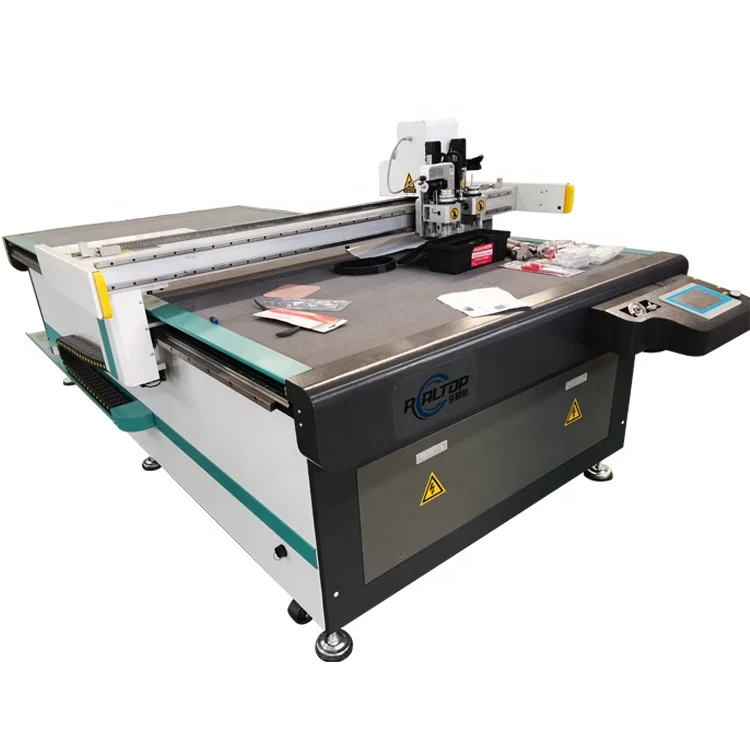
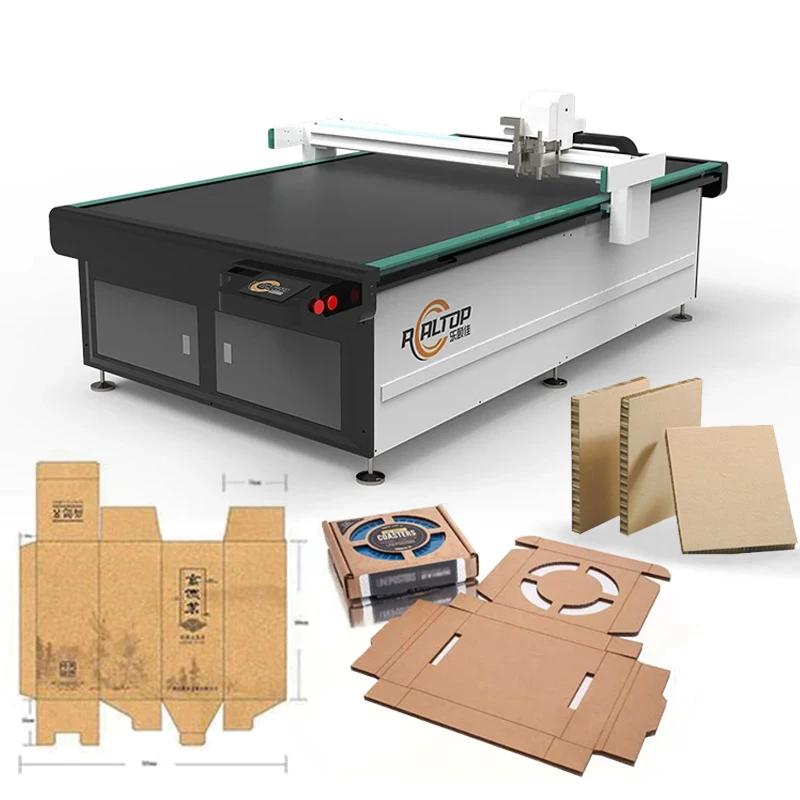
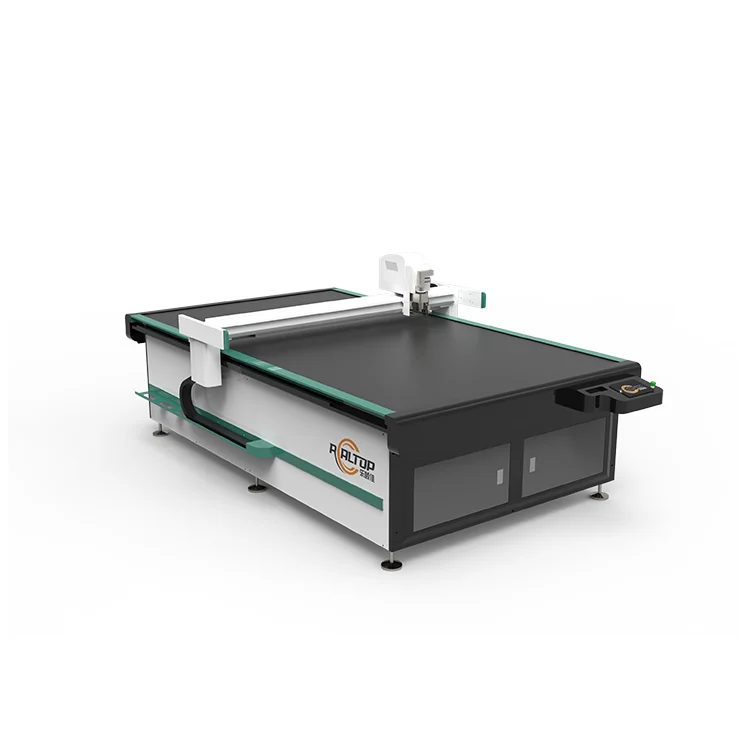
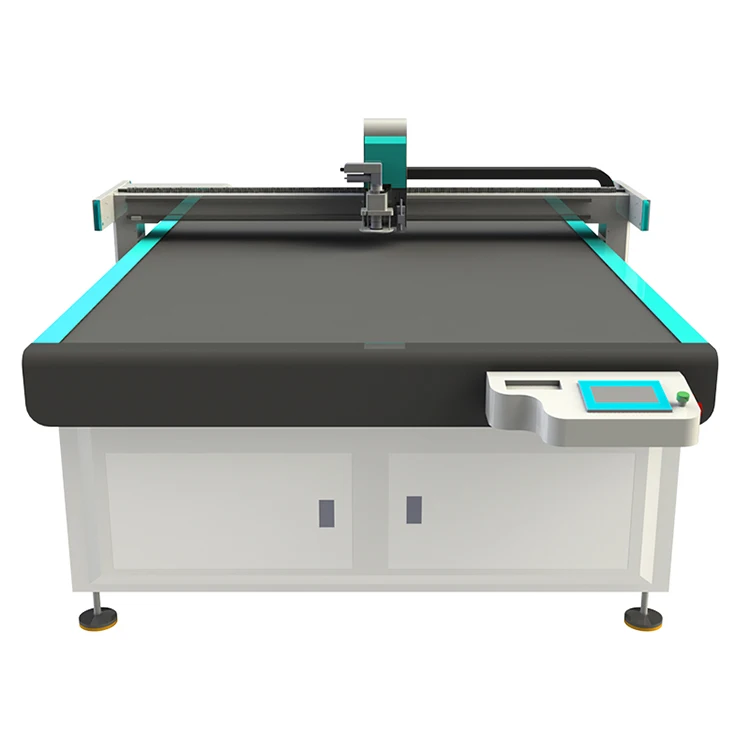
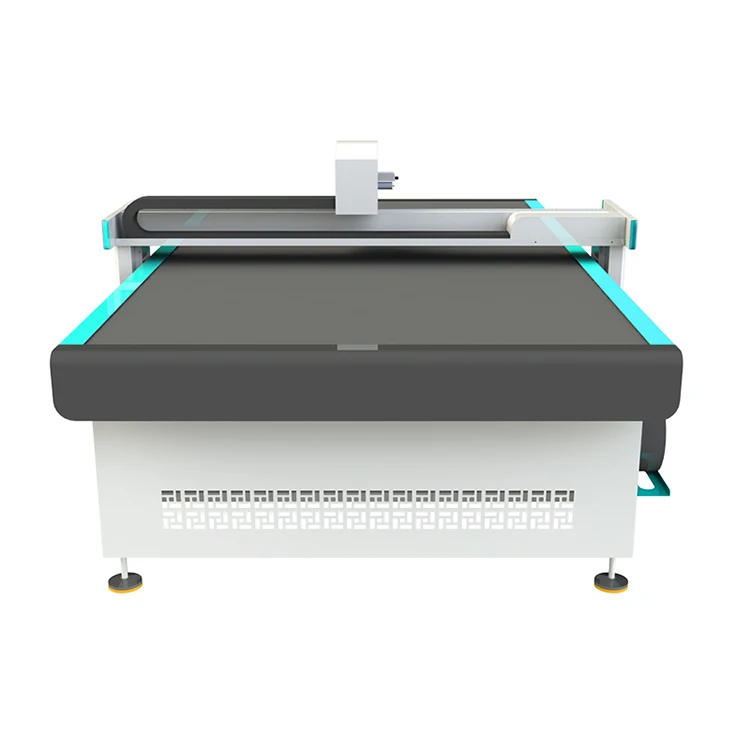
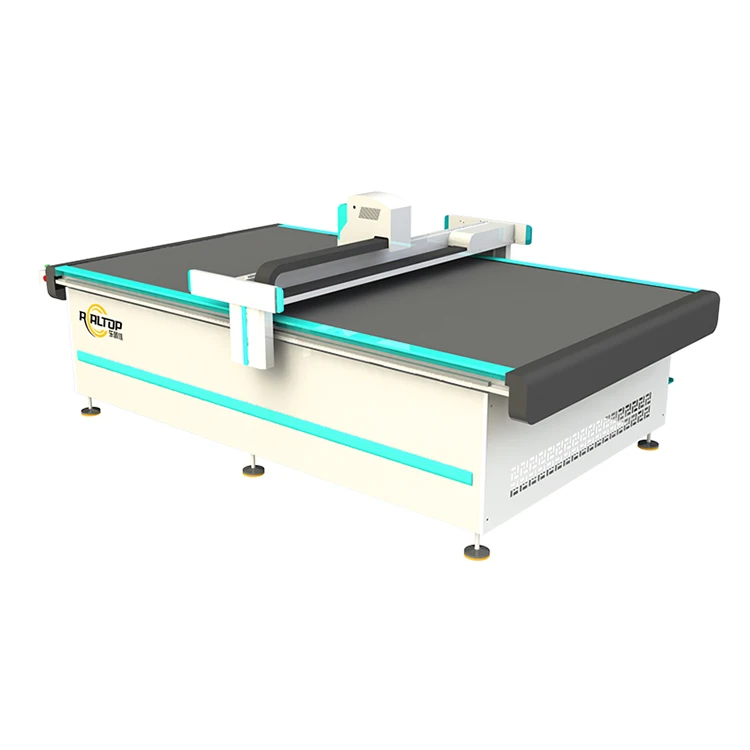
Honeycomb Vacuum Zoning — auto-follow adsorption across the 1600×2500 mm table ensures small carton samples stay flat without drawing unnecessary pump load from unused zones.
Technical Specifications
| Parameter | Value |
|---|---|
| Model | RT-D2516 / RT-S2516 |
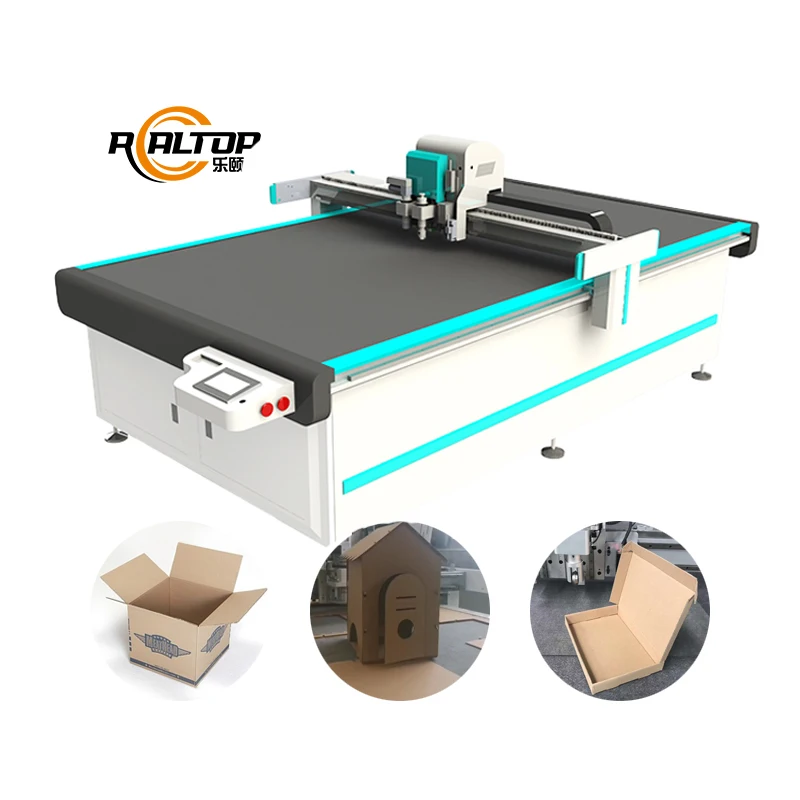
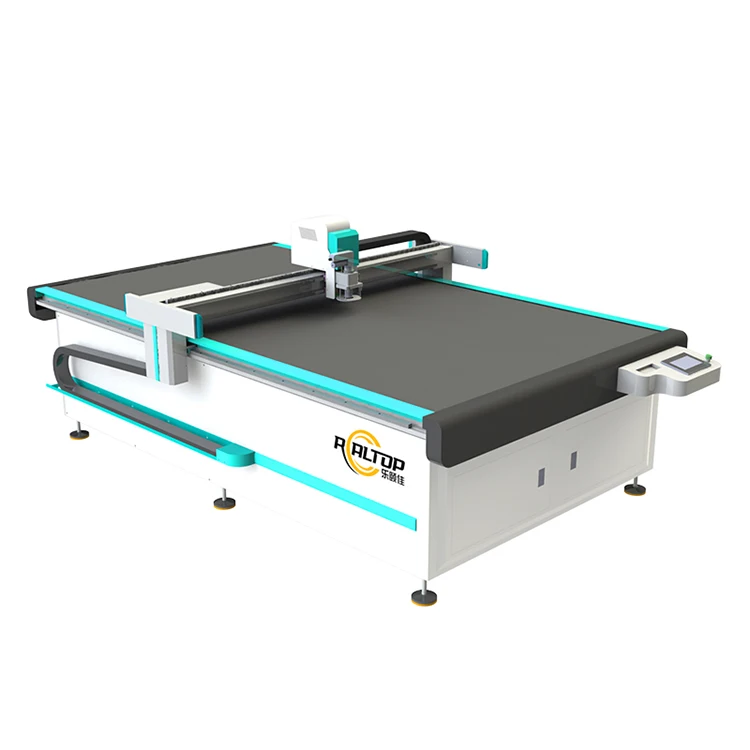
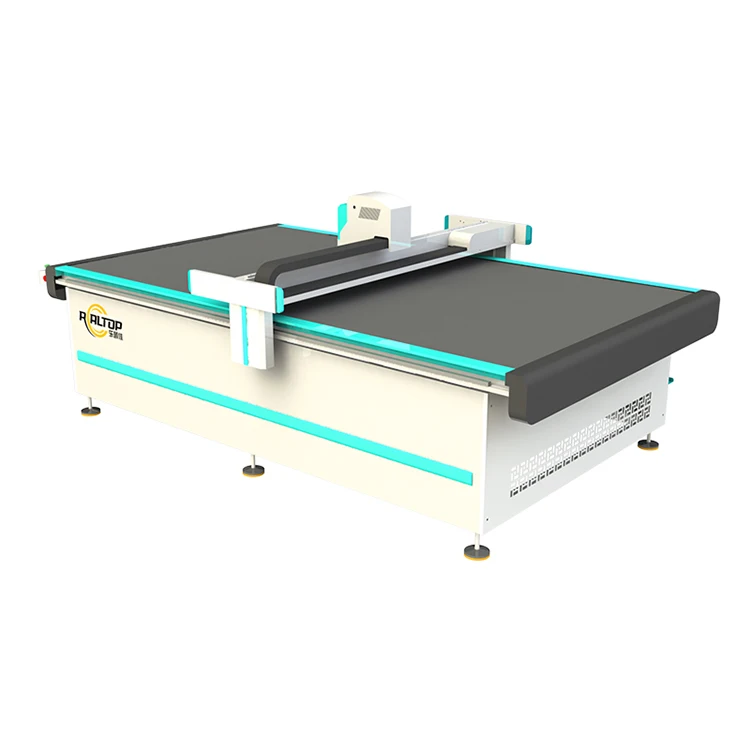
| Product Type | CNC Digital Flatbed Cutting Machine for Packaging and Carton |
| Working Area | 1600 × 2500 mm |
| Machine Size | 3450 × 2300 × 1250 mm |
| Rated Power | 9 kW |
| Translational Velocity | 800–1200 mm/s |
| Cutting Speed | 200–800 mm/s (basis not stated in source — confirm block format / material / thickness) |
| Cutting Thickness | ≤100 mm (varies with material; basis not stated in source) |
| Repeatability | ≤0.1 mm |
| Table Surface | Aluminum alloy honeycomb vacuum adsorption platform, auto-follow cutting area |
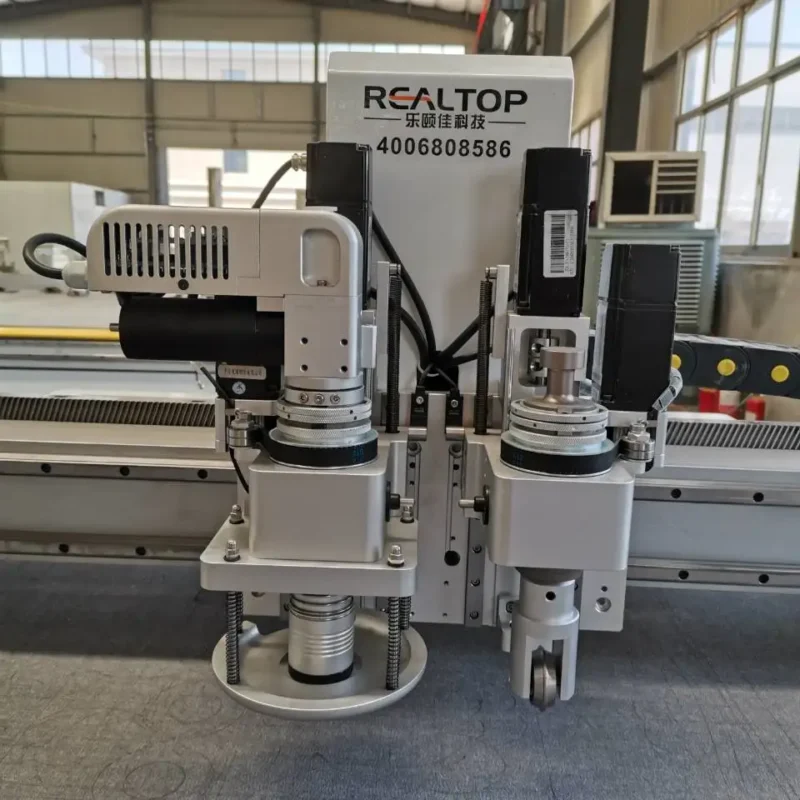
| Tool Head | Swiss imported oscillating knife with full cut, half cut, and cursor location |
| Servo Motor | Taiwan Delta servo motors and drivers |
| Guide Rail | Taiwan Hiwin linear guide |
| Transmission | Digital servo motor, synchronous belt, ball screw |
| Vacuum Pump | 7.5 kW |
| Frame | Welded thick square seamless steel, high-temperature treated |
| Conveyor Belt | Germany-imported wear-resistant felt, composite fiber (tensile strength increased by 35%, source value — verify) |
| Instruction System | HP-GL compatible format |
| Voltage | 380V ±10% |
| Safety | Infrared sensors and emergency stop devices |
| Software | Professional carton nesting, multi-format import, custom language |
| Assembly State | Fully assembled with auto feeding system |
Application Suitability
| Application | Material or Output |
|---|---|
| Large electrical carton packaging sample making | Corrugated board, kraft liner, flute profiles |
| Express paper box cutting and creasing | Single and double-wall corrugated, grey board |
| Snack food and high-end gift box prototyping | Folding carton stock, coated paperboard |
| Sticker and label contour cutting | Vinyl, self-adhesive paper, synthetic label stock |
| Advertising board and signage production | Foam board, PVC sheet, honeycomb panel |
| Flexible non-metal processing | Leather, sponge composite, silicon, rubber, carpet |
Why Material Thickness Claims Fail Without a Trial Cut
A CNC digital flatbed cutting machine manufacturer quoting a maximum cutting depth on paper does not guarantee clean edges on your specific corrugated flute. Edge quality depends on the interaction between blade oscillation frequency, downward pressure, and the moisture content of your board stock.
I worked with a carton plant owner who saw sample cuts run perfectly in our Jinan workshop, then ordered on the spot. When his own corrugated sheets arrived at the machine on-site, the higher moisture content caused severe edge fuzzing. Every pressure and frequency parameter had to be retuned, costing nearly two weeks of production time. Since then, I insist on trial cuts using the buyer’s actual material before any configuration is locked in [NEED_CITE: material moisture variation and cutting edge quality in corrugated board]. Sending your board samples is not optional — it is the only way to confirm whether the oscillating knife frequency and vacuum holding force are matched to your daily stock.
Matching Knife and Method to Your Packaging Stock
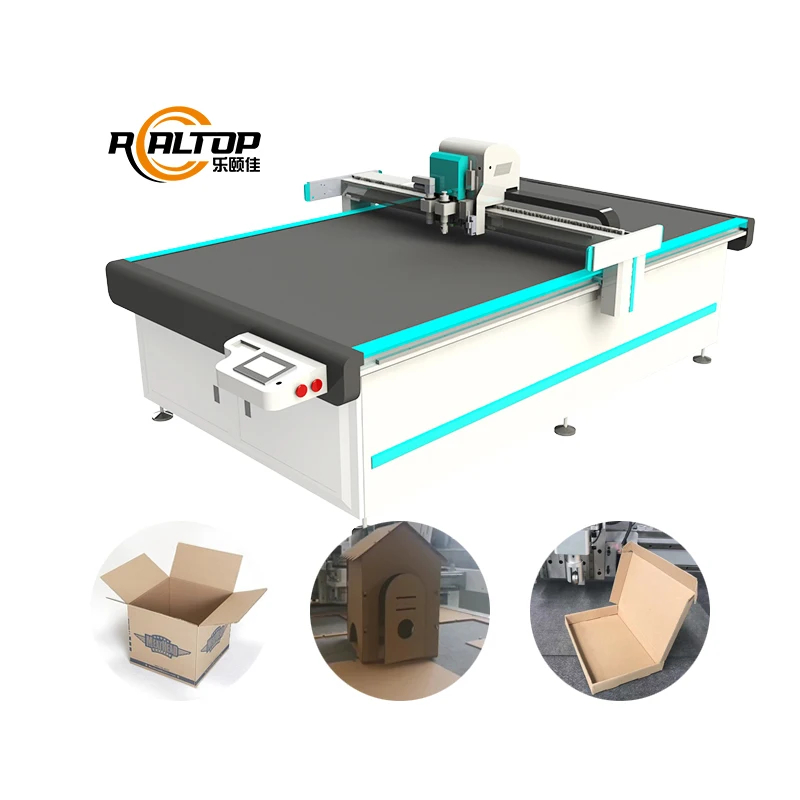
The RT-D2516 and RT-S2516 sit within a broader catalogue where oscillating knife, drag knife, and laser systems each cover different material profiles. For corrugated carton and folding carton stock, the Swiss-imported oscillating knife delivers full cuts and half cuts with a high-frequency vibrating blade that shears through fluted structures without crushing the internal channels. Creasing wheels and drag knives handle scoring and kiss-cutting respectively, so a single CNC digital flatbed cutting table can produce a finished carton sample — cut, creased, and marked — without moving the sheet between stations.
Full Catalogue Positioning by Volume and Material
Buyers surveying the complete equipment range will find that flatbed knife systems cover short-run sample making and medium-volume packaging production, while multi-layer digital cutting systems address high-throughput fabric and composite nesting. Laser systems occupy a separate lane for acrylic, wood, textile, and sheet metal processors. The RT-D2516/RT-S2516 targets packaging sample makers and carton short-run producers who need flexible tool head changes across corrugated, sticker, foam board, and flexible material jobs [NEED_CITE: CNC flatbed digital cutting machine configurations for packaging and signage industries].
Reading the Specs That Actually Matter on the Shop Floor
The 1600 × 2500 mm working area accommodates most standard carton sheet sizes, but usable cutting area depends on vacuum zone layout. The aluminum alloy honeycomb platform with auto-follow adsorption activates only the zones under the cutting head, reducing vacuum pump load and preventing small sticker parts from lifting mid-cut. Taiwan Delta servo motors paired with Hiwin linear guide rails deliver repeatability within 0.1 mm, which keeps crease lines aligned with cut paths across long production runs. The 7.5 kW vacuum pump provides sufficient suction for porous corrugated board, though dense materials like thick PVC may require additional hold-down methods. Software compatibility with HP-GL format and multi-file import means your existing carton design files — whether DXF, AI, or PLT — can feed directly into the nesting workflow without manual redraw.
The Hidden Cost of Choosing the Wrong Tool Head
Selecting a drag knife for thick corrugated board produces ragged, torn edges that reject at the folding stage. Choosing an oscillating knife with insufficient stroke length on double-wall flute leaves incomplete cuts at the bottom ply. I have seen buyers specify a machine based purely on table size, only to discover their material thickness exceeds the knife’s effective cutting depth [NEED_CITE: tool head selection and material thickness matching in flatbed cutting]. When the vacuum zoning is too coarse, small carton insert pieces lift off the table during cutting, ruining the entire sheet. These issues surface only during production, not during the quotation phase.
Why Source This Range From One Manufacturer
In-house design covers both knife and laser cutting technologies, so a buyer comparing methods for mixed-material packaging jobs gets a genuine recommendation rather than a forced fit. Tool head and table configuration is specified against your material and daily volume, not chosen from a fixed menu. CCD camera positioning is available on applicable models for printed contour work, and software compatibility with your existing file formats is confirmed before order placement. Voltage, control language, and plug type are locked in during specification, not discovered at unpacking. Sample cutting on your actual corrugated or sticker material happens before commitment, not after delivery.
Documentation & Verification
- Machine specification sheet confirming RT-D2516/RT-S2516 working area, tool head list, and voltage rating before order
- Sample cutting report on your corrugated board or sticker stock showing edge quality and crease alignment
- Electrical schematic with confirmed voltage and frequency for your local power supply
- Tool head and vacuum table configuration list matched to your material profile and part sizes
- Professional carton nesting software license with confirmed file format compatibility
- Factory test record and packing photographs captured before crate closure
Installation, Commissioning & Support
- Machine dimensions of 3450 × 2300 × 1250 mm require a flat concrete floor with clearance for auto-feeding conveyor access
- Dedicated 380V ±10% three-phase circuit required; confirm local frequency and plug type before dispatch
- Unit ships fully assembled with auto feeding system — position, level, connect power and vacuum pump
- First-run parameter tuning on your corrugated and sticker stock to set oscillation frequency and vacuum zoning
- Operator training covers tool head changes, software nesting workflow, and HP-GL file import procedures
- Spare oscillating knife blades, felt belt sections, and vacuum seal strips included in initial parts kit
Before You Request a Quote
Provide your primary material types with thickness range and typical sheet dimensions so the working area and tool head configuration can be matched precisely. Include your daily sample volume and whether you run single-face or double-wall corrugated, as this determines knife stroke and vacuum zoning requirements. Confirm your workshop voltage, frequency, and preferred control language so electrical and software settings are configured at the factory before shipment.
Frequently Asked Questions
Q: How do I choose between oscillating knife, drag knife, and laser for packaging materials?
A: Oscillating knives handle corrugated and thick board by vibrating through flutes without crushing. Drag knives suit thin sticker and vinyl kiss-cutting. Laser systems cover acrylic and wood signage. The correct choice depends on your material type, thickness, and whether you need creasing alongside cutting. Sample cuts on your stock confirm which tool head delivers acceptable edge quality.
Q: Where do flatbed knife machines fit within the full cutting equipment catalogue?
A: Flatbed oscillating knife systems like the RT-D2516/RT-S2516 target packaging sample making and short-run carton production. Multi-layer cutting systems handle high-volume fabric nesting. Laser machines serve non-metal signage and sheet metal fabrication. Each family is matched to material and volume, so buyers survey the range before narrowing to the right method.
Q: What voltage and language options are available before shipment?
A: The standard configuration runs on 380V ±10% three-phase power. Software language options include English, Russian, Italian, and Chinese, with additional languages available by custom request. Voltage, plug type, and control interface language are confirmed during the specification stage so no adjustments are needed at installation.
Q: Will my existing carton design files work with the nesting software?
A: The professional carton nesting software supports HP-GL compatible format and imports multiple file types. Before order, your existing DXF, AI, or PLT files are tested for import and nesting compatibility. This verification prevents workflow interruptions after delivery and ensures your current design process integrates without manual redraw.
Q: How does CCD contour recognition perform on printed carton marks at production speed?
A: CCD camera positioning is available on applicable models within the range for printed contour tracking. Performance depends on mark contrast, print registration quality, and cutting speed. If your application requires contour-cut sticker or printed packaging, a live tracking test on your printed material at target speed confirms capability before commitment.
Honeycomb Vacuum Zoning — auto-follow adsorption across the 1600×2500 mm table ensures small carton samples stay flat without drawing unnecessary pump load from unused zones.
Technical Specifications
| Parameter | Value |
|---|---|
| Model | RT-D2516 / RT-S2516 |
| Product Type | CNC Digital Flatbed Cutting Machine for Packaging and Carton |
| Working Area | 1600 × 2500 mm |
| Machine Size | 3450 × 2300 × 1250 mm |
| Rated Power | 9 kW |
| Translational Velocity | 800–1200 mm/s |
| Cutting Speed | 200–800 mm/s (basis not stated in source — confirm block format / material / thickness) |
| Cutting Thickness | ≤100 mm (varies with material; basis not stated in source) |
| Repeatability | ≤0.1 mm |
| Table Surface | Aluminum alloy honeycomb vacuum adsorption platform, auto-follow cutting area |
| Tool Head | Swiss imported oscillating knife with full cut, half cut, and cursor location |
| Servo Motor | Taiwan Delta servo motors and drivers |
| Guide Rail | Taiwan Hiwin linear guide |
| Transmission | Digital servo motor, synchronous belt, ball screw |
| Vacuum Pump | 7.5 kW |
| Frame | Welded thick square seamless steel, high-temperature treated |
| Conveyor Belt | Germany-imported wear-resistant felt, composite fiber (tensile strength increased by 35%, source value — verify) |
| Instruction System | HP-GL compatible format |
| Voltage | 380V ±10% |
| Safety | Infrared sensors and emergency stop devices |
| Software | Professional carton nesting, multi-format import, custom language |
| Assembly State | Fully assembled with auto feeding system |
Application Suitability
| Application | Material or Output |
|---|---|
| Large electrical carton packaging sample making | Corrugated board, kraft liner, flute profiles |
| Express paper box cutting and creasing | Single and double-wall corrugated, grey board |
| Snack food and high-end gift box prototyping | Folding carton stock, coated paperboard |
| Sticker and label contour cutting | Vinyl, self-adhesive paper, synthetic label stock |
| Advertising board and signage production | Foam board, PVC sheet, honeycomb panel |
| Flexible non-metal processing | Leather, sponge composite, silicon, rubber, carpet |
Why Material Thickness Claims Fail Without a Trial Cut
A CNC digital flatbed cutting machine manufacturer quoting a maximum cutting depth on paper does not guarantee clean edges on your specific corrugated flute. Edge quality depends on the interaction between blade oscillation frequency, downward pressure, and the moisture content of your board stock.
I worked with a carton plant owner who saw sample cuts run perfectly in our Jinan workshop, then ordered on the spot. When his own corrugated sheets arrived at the machine on-site, the higher moisture content caused severe edge fuzzing. Every pressure and frequency parameter had to be retuned, costing nearly two weeks of production time. Since then, I insist on trial cuts using the buyer’s actual material before any configuration is locked in [NEED_CITE: material moisture variation and cutting edge quality in corrugated board]. Sending your board samples is not optional — it is the only way to confirm whether the oscillating knife frequency and vacuum holding force are matched to your daily stock.
Matching Knife and Method to Your Packaging Stock
The RT-D2516 and RT-S2516 sit within a broader catalogue where oscillating knife, drag knife, and laser systems each cover different material profiles. For corrugated carton and folding carton stock, the Swiss-imported oscillating knife delivers full cuts and half cuts with a high-frequency vibrating blade that shears through fluted structures without crushing the internal channels. Creasing wheels and drag knives handle scoring and kiss-cutting respectively, so a single CNC digital flatbed cutting table can produce a finished carton sample — cut, creased, and marked — without moving the sheet between stations.
Full Catalogue Positioning by Volume and Material
Buyers surveying the complete equipment range will find that flatbed knife systems cover short-run sample making and medium-volume packaging production, while multi-layer digital cutting systems address high-throughput fabric and composite nesting. Laser systems occupy a separate lane for acrylic, wood, textile, and sheet metal processors. The RT-D2516/RT-S2516 targets packaging sample makers and carton short-run producers who need flexible tool head changes across corrugated, sticker, foam board, and flexible material jobs [NEED_CITE: CNC flatbed digital cutting machine configurations for packaging and signage industries].
Reading the Specs That Actually Matter on the Shop Floor
The 1600 × 2500 mm working area accommodates most standard carton sheet sizes, but usable cutting area depends on vacuum zone layout. The aluminum alloy honeycomb platform with auto-follow adsorption activates only the zones under the cutting head, reducing vacuum pump load and preventing small sticker parts from lifting mid-cut. Taiwan Delta servo motors paired with Hiwin linear guide rails deliver repeatability within 0.1 mm, which keeps crease lines aligned with cut paths across long production runs. The 7.5 kW vacuum pump provides sufficient suction for porous corrugated board, though dense materials like thick PVC may require additional hold-down methods. Software compatibility with HP-GL format and multi-file import means your existing carton design files — whether DXF, AI, or PLT — can feed directly into the nesting workflow without manual redraw.
The Hidden Cost of Choosing the Wrong Tool Head
Selecting a drag knife for thick corrugated board produces ragged, torn edges that reject at the folding stage. Choosing an oscillating knife with insufficient stroke length on double-wall flute leaves incomplete cuts at the bottom ply. I have seen buyers specify a machine based purely on table size, only to discover their material thickness exceeds the knife’s effective cutting depth [NEED_CITE: tool head selection and material thickness matching in flatbed cutting]. When the vacuum zoning is too coarse, small carton insert pieces lift off the table during cutting, ruining the entire sheet. These issues surface only during production, not during the quotation phase.
Why Source This Range From One Manufacturer
In-house design covers both knife and laser cutting technologies, so a buyer comparing methods for mixed-material packaging jobs gets a genuine recommendation rather than a forced fit. Tool head and table configuration is specified against your material and daily volume, not chosen from a fixed menu. CCD camera positioning is available on applicable models for printed contour work, and software compatibility with your existing file formats is confirmed before order placement. Voltage, control language, and plug type are locked in during specification, not discovered at unpacking. Sample cutting on your actual corrugated or sticker material happens before commitment, not after delivery.
Documentation & Verification
- Machine specification sheet confirming RT-D2516/RT-S2516 working area, tool head list, and voltage rating before order
- Sample cutting report on your corrugated board or sticker stock showing edge quality and crease alignment
- Electrical schematic with confirmed voltage and frequency for your local power supply
- Tool head and vacuum table configuration list matched to your material profile and part sizes
- Professional carton nesting software license with confirmed file format compatibility
- Factory test record and packing photographs captured before crate closure
Installation, Commissioning & Support
- Machine dimensions of 3450 × 2300 × 1250 mm require a flat concrete floor with clearance for auto-feeding conveyor access
- Dedicated 380V ±10% three-phase circuit required; confirm local frequency and plug type before dispatch
- Unit ships fully assembled with auto feeding system — position, level, connect power and vacuum pump
- First-run parameter tuning on your corrugated and sticker stock to set oscillation frequency and vacuum zoning
- Operator training covers tool head changes, software nesting workflow, and HP-GL file import procedures
- Spare oscillating knife blades, felt belt sections, and vacuum seal strips included in initial parts kit
Before You Request a Quote
Provide your primary material types with thickness range and typical sheet dimensions so the working area and tool head configuration can be matched precisely. Include your daily sample volume and whether you run single-face or double-wall corrugated, as this determines knife stroke and vacuum zoning requirements. Confirm your workshop voltage, frequency, and preferred control language so electrical and software settings are configured at the factory before shipment.
Frequently Asked Questions
Q: How do I choose between oscillating knife, drag knife, and laser for packaging materials?
A: Oscillating knives handle corrugated and thick board by vibrating through flutes without crushing. Drag knives suit thin sticker and vinyl kiss-cutting. Laser systems cover acrylic and wood signage. The correct choice depends on your material type, thickness, and whether you need creasing alongside cutting. Sample cuts on your stock confirm which tool head delivers acceptable edge quality.
Q: Where do flatbed knife machines fit within the full cutting equipment catalogue?
A: Flatbed oscillating knife systems like the RT-D2516/RT-S2516 target packaging sample making and short-run carton production. Multi-layer cutting systems handle high-volume fabric nesting. Laser machines serve non-metal signage and sheet metal fabrication. Each family is matched to material and volume, so buyers survey the range before narrowing to the right method.
Q: What voltage and language options are available before shipment?
A: The standard configuration runs on 380V ±10% three-phase power. Software language options include English, Russian, Italian, and Chinese, with additional languages available by custom request. Voltage, plug type, and control interface language are confirmed during the specification stage so no adjustments are needed at installation.
Q: Will my existing carton design files work with the nesting software?
A: The professional carton nesting software supports HP-GL compatible format and imports multiple file types. Before order, your existing DXF, AI, or PLT files are tested for import and nesting compatibility. This verification prevents workflow interruptions after delivery and ensures your current design process integrates without manual redraw.
Q: How does CCD contour recognition perform on printed carton marks at production speed?
A: CCD camera positioning is available on applicable models within the range for printed contour tracking. Performance depends on mark contrast, print registration quality, and cutting speed. If your application requires contour-cut sticker or printed packaging, a live tracking test on your printed material at target speed confirms capability before commitment.
商品评价
There are no reviews yet.