

Fast Delivery
Quick, reliable shipping to any location.

Free & easy returns
Return this item by mail or in store within 90 days for a full refund.
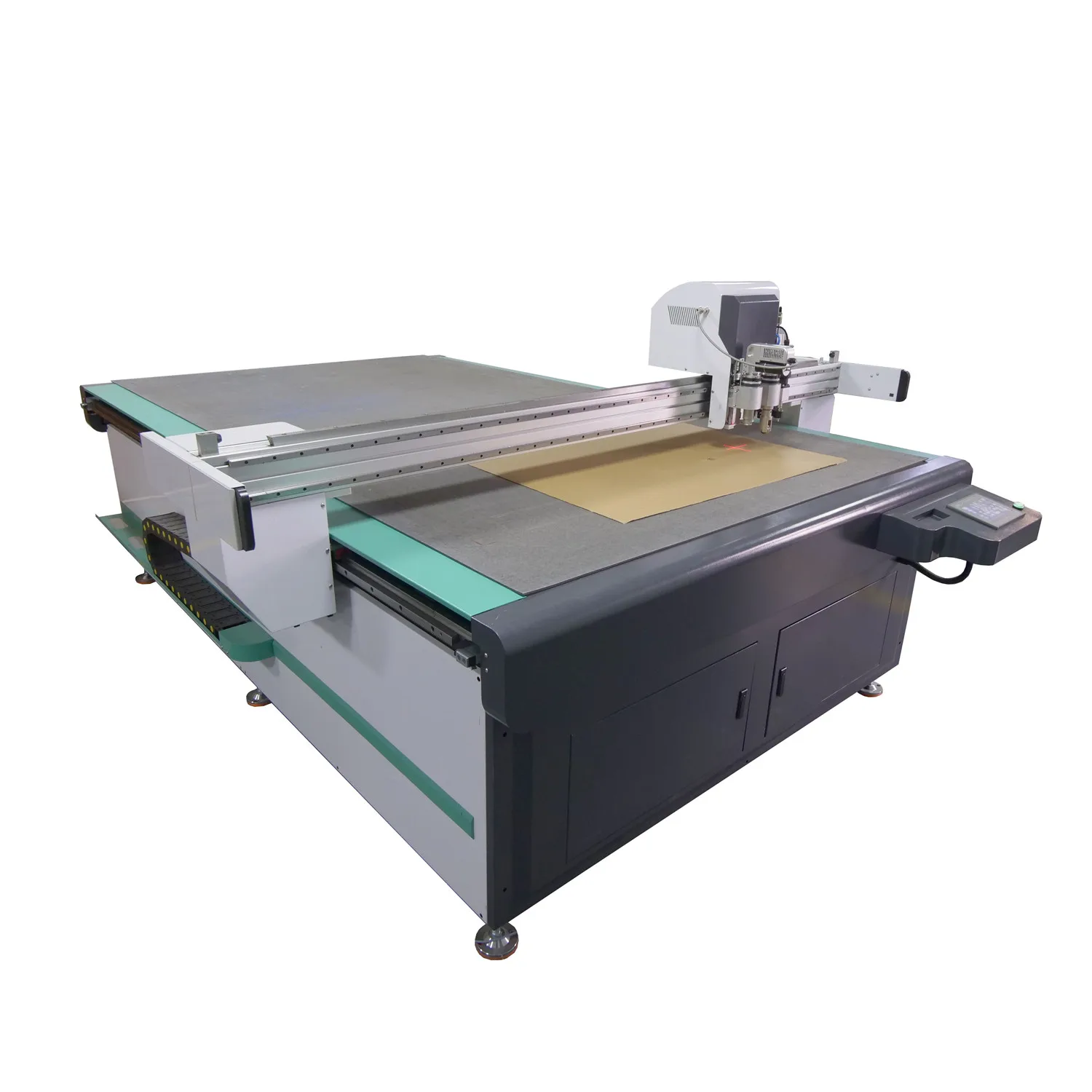
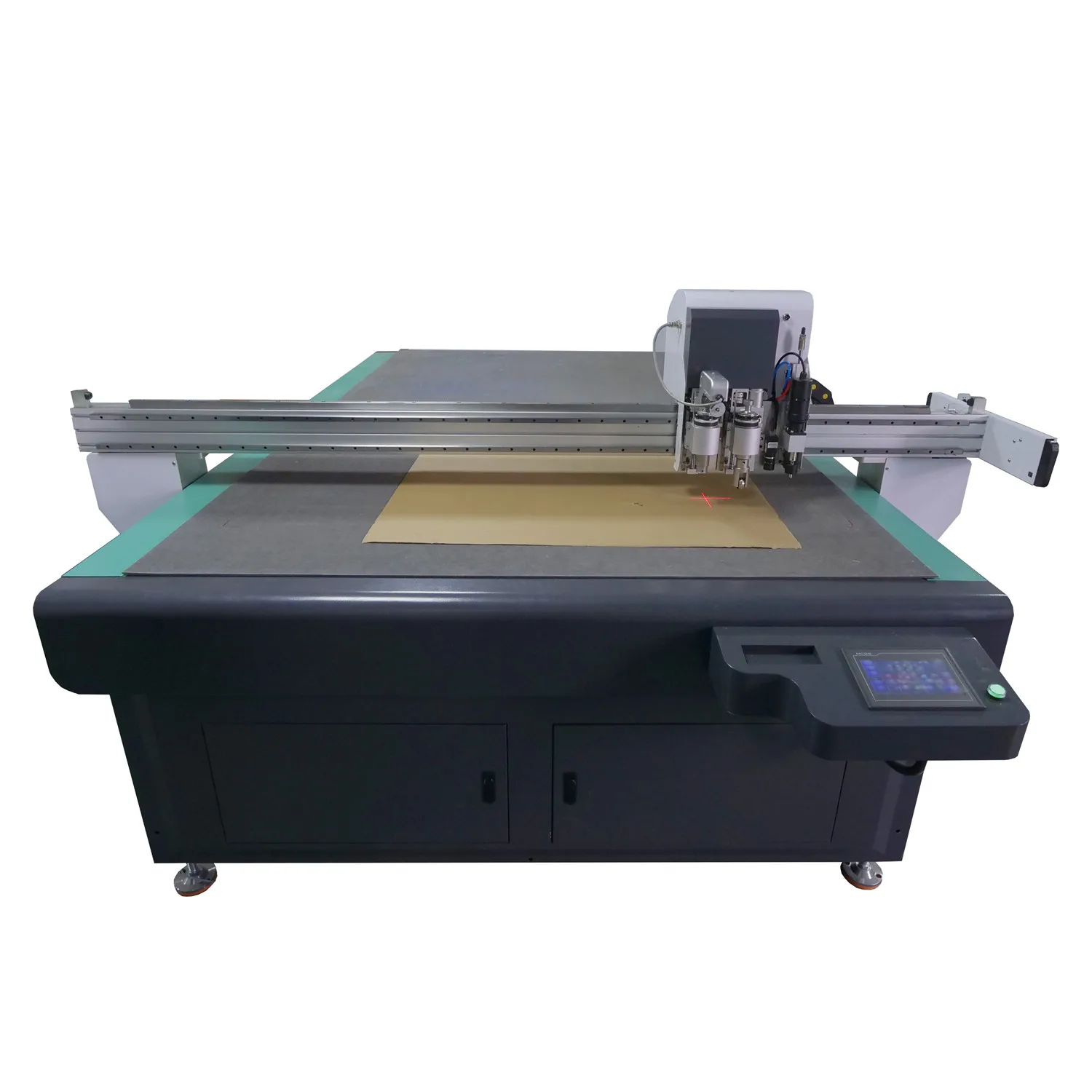
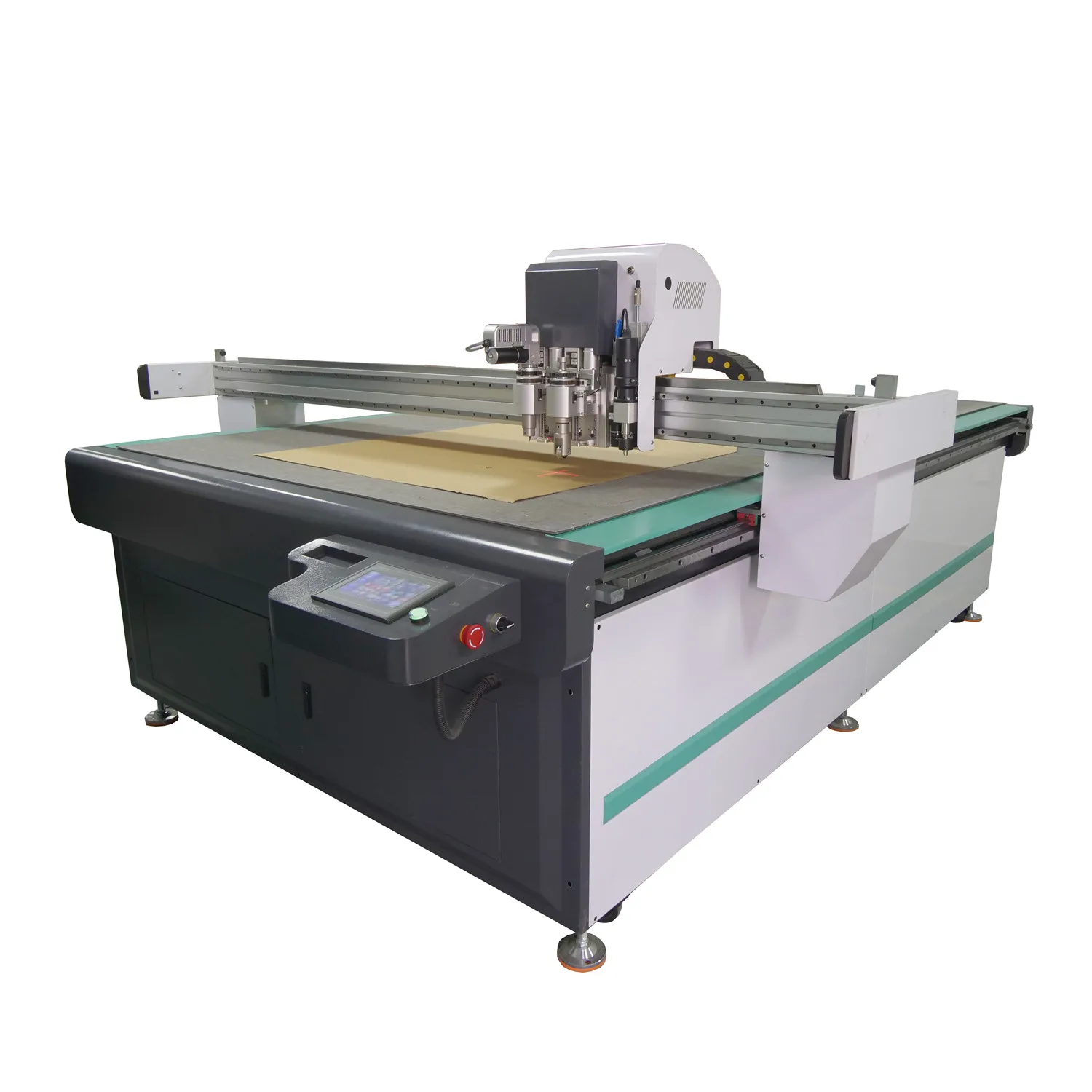
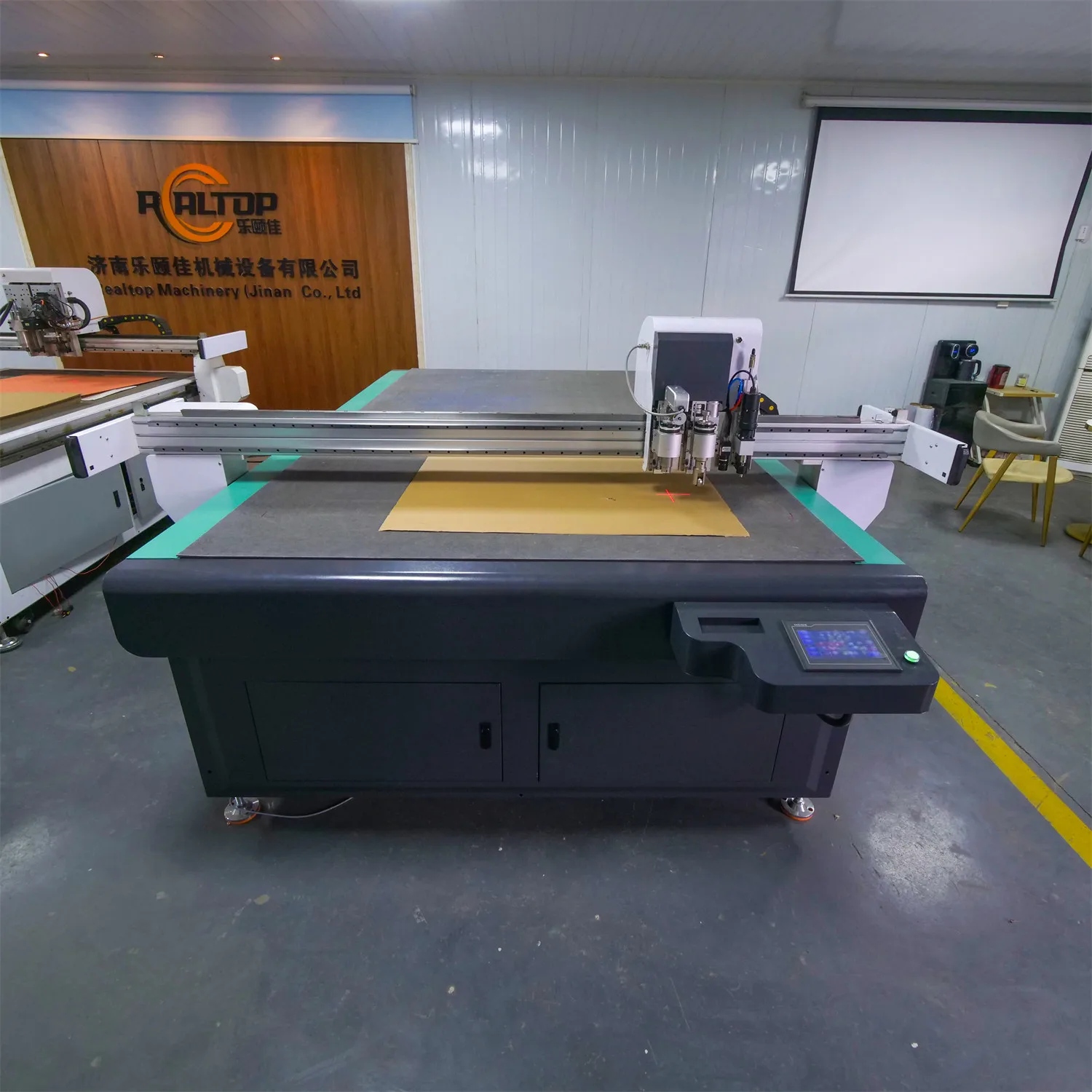
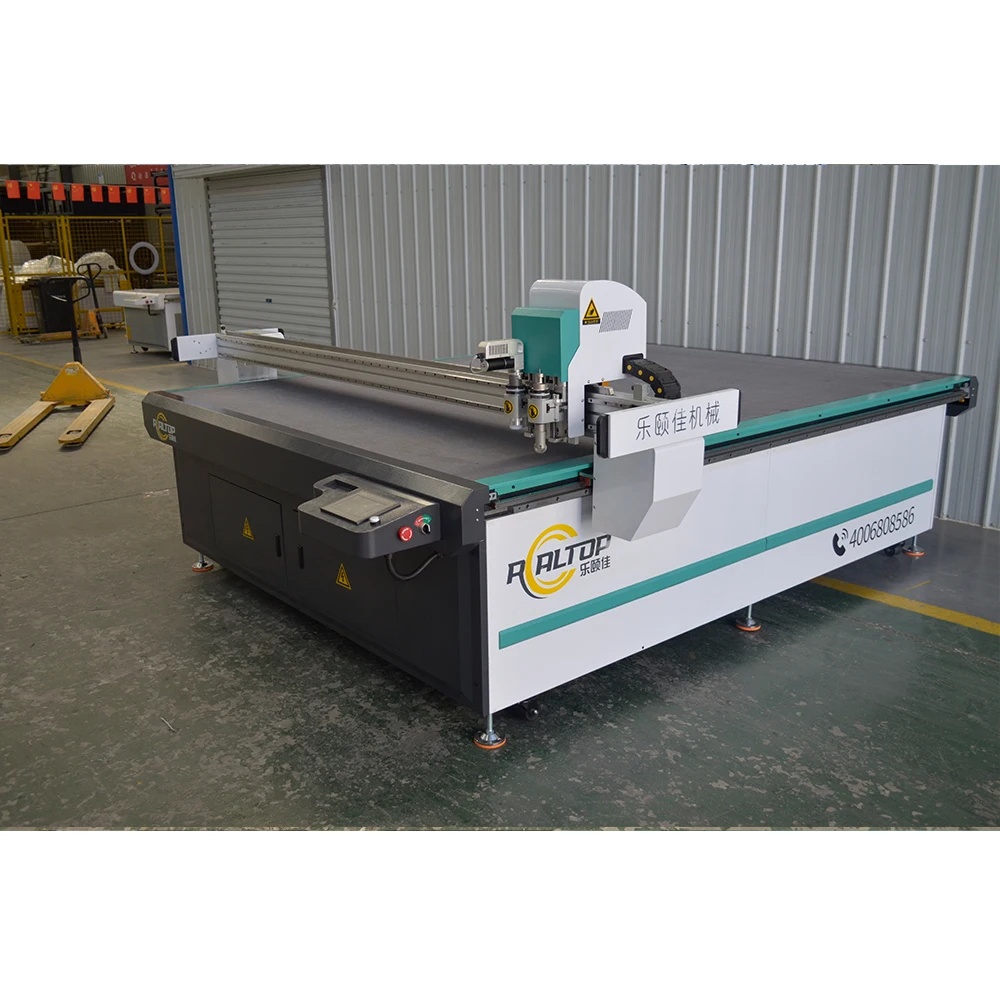
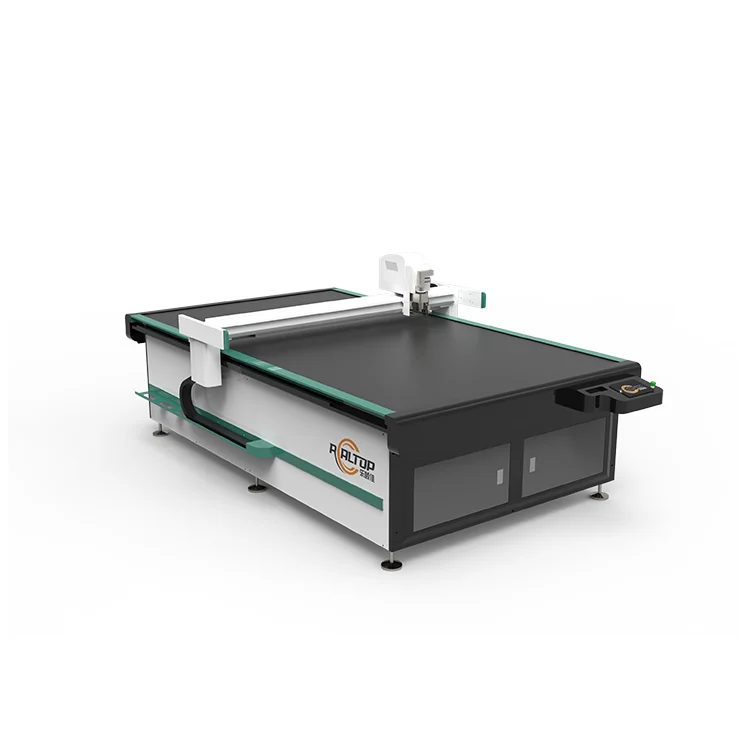
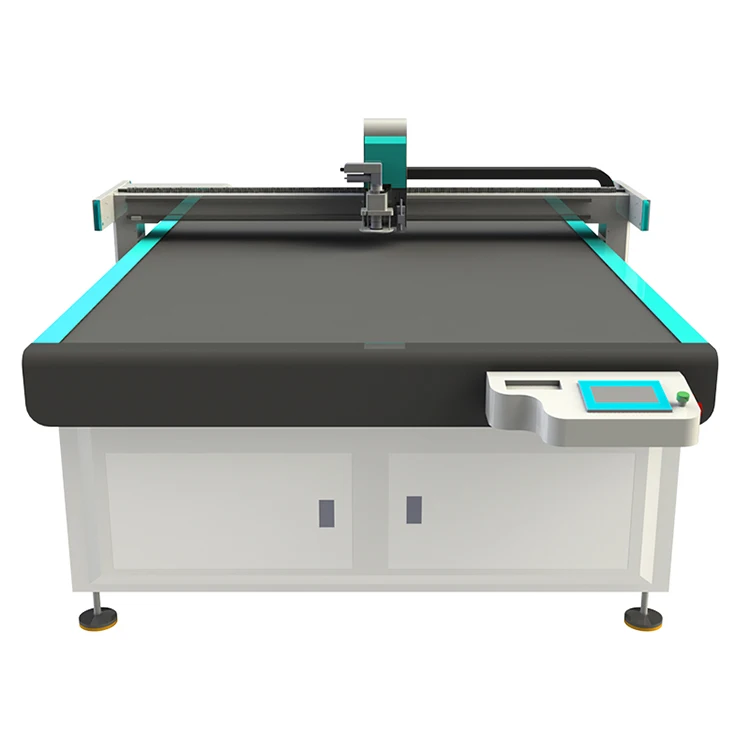
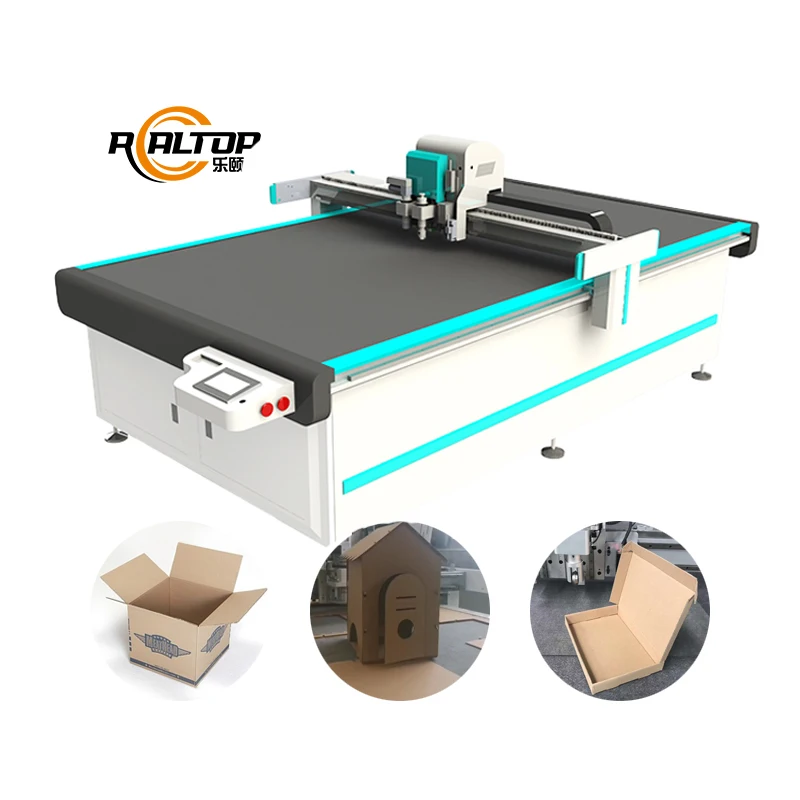
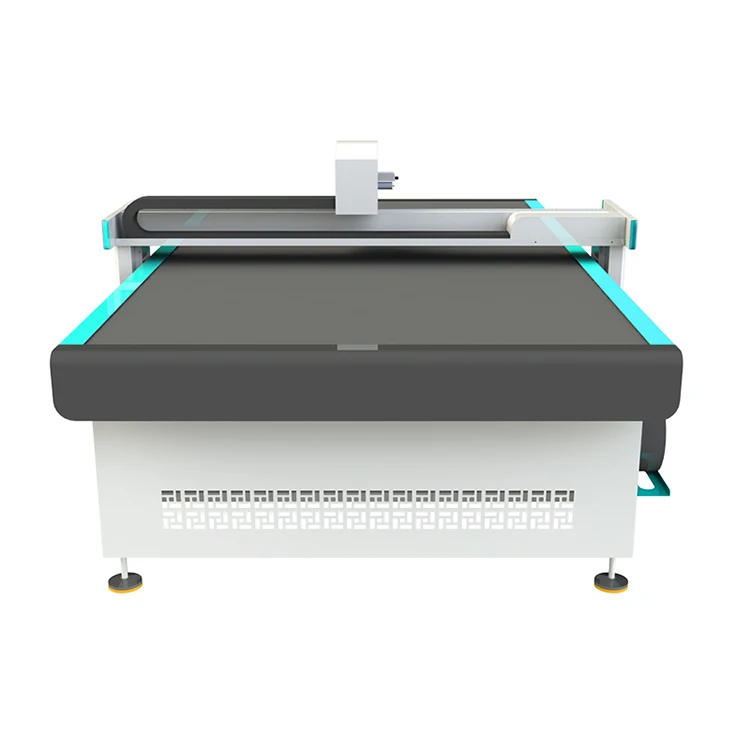
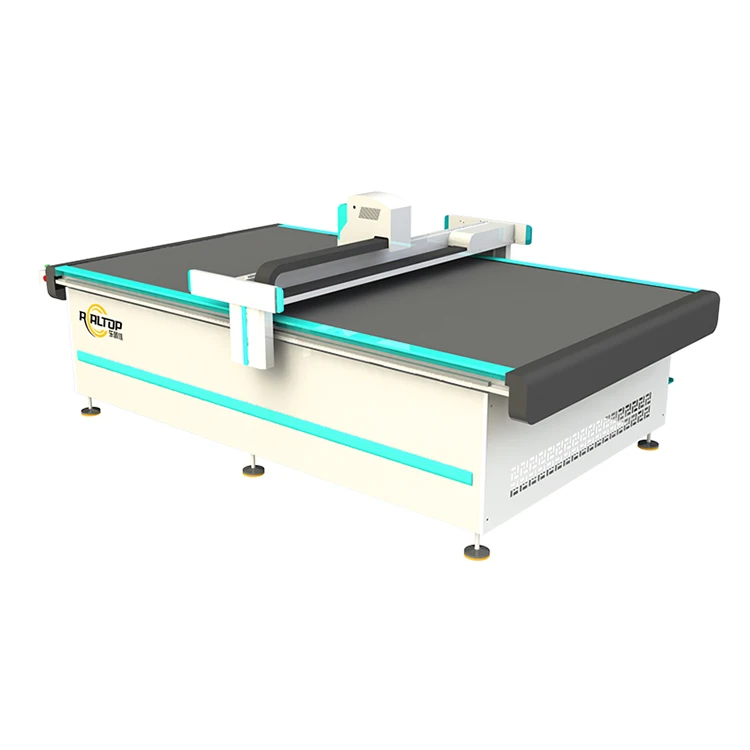
Tool Head Matched to Material — this CNC oscillating knife flatbed cutting machine arrives with a configuration sheet specifying knife type, vacuum zoning and software format against the buyer’s own sample before the order is finalized.
Technical Specifications
| Parameter | Value |
|---|---|
| Model | RT-D2516/RT-S2516 |
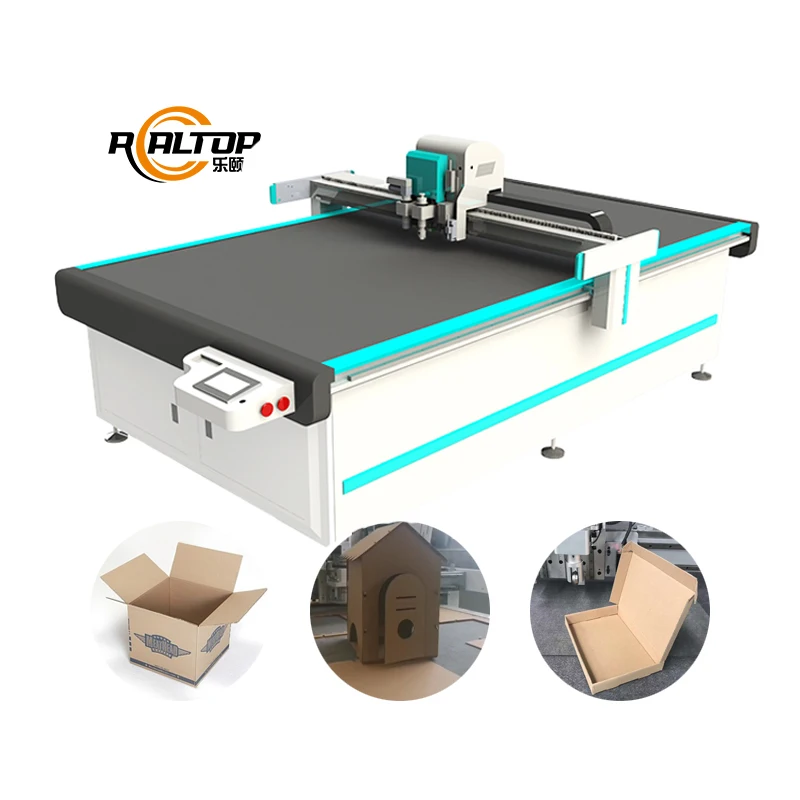
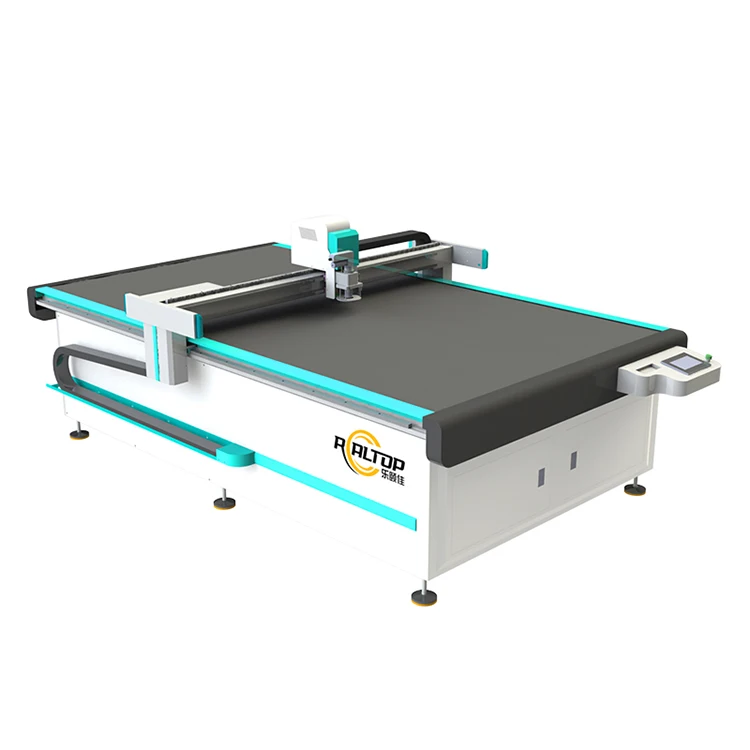
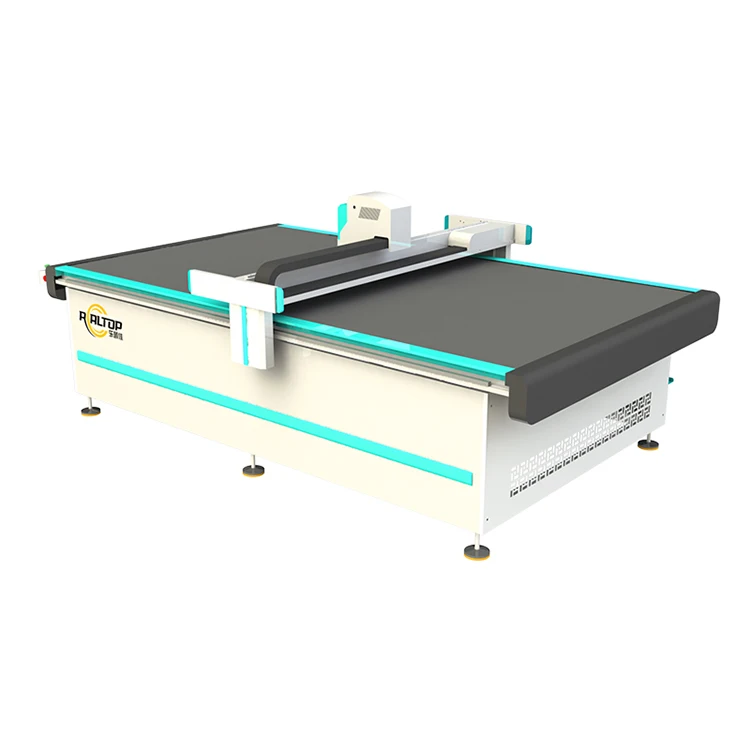
| Product Type | CNC Oscillating Knife Flatbed Cutting Machine |
| Working Area | 1600 × 2500 mm |
| Machine Size | 3450 × 2300 × 1250 mm |
| Rated Power | 9 kW |
| Vacuum Pump | 7.5 kW |
| Max Cutting Thickness | Up to 100 mm (varies with material density) |
| Cutting Speed | 200–800 mm/s (dependent on material) |
| Translational Velocity | 800–2000 mm/s |
| Repeated Accuracy | ≤ 0.1 mm |
| Transmission System | Digital servo motor, linear guide, synchronous belt, imported ball screw |
| Servo Motor | Delta |
| Guide Rail | Taiwan Hiwin |
| Table Type | Flat working table with aluminum alloy honeycomb surface |
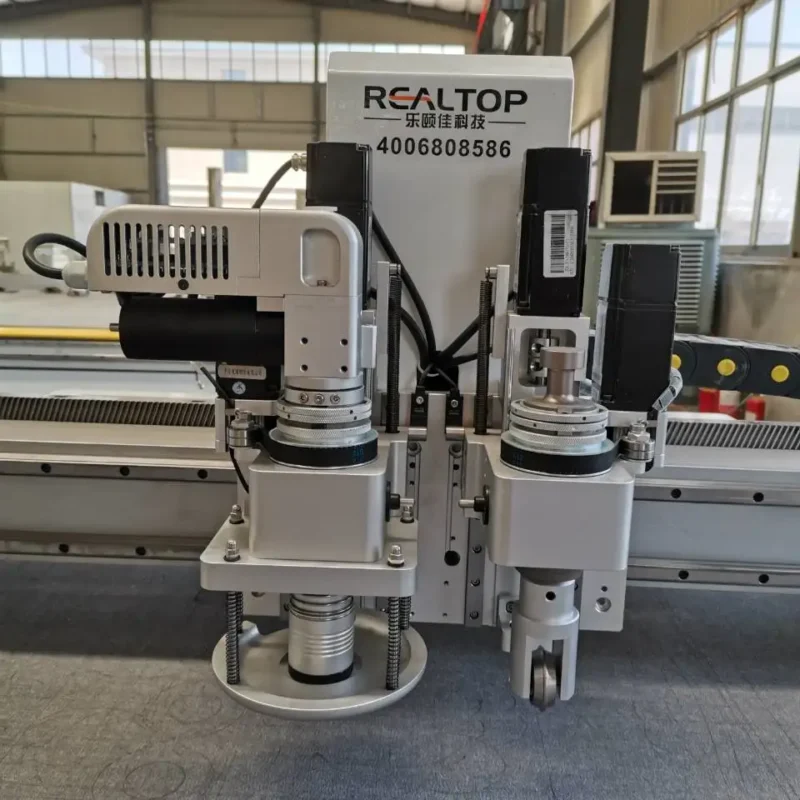
| Multifunctional Head | Swiss imported knife, vibration full cut, vibration half cut, cursor location |
| Safety Device | Infrared sensors |
| Instruction System | HP-GL compatible format |
| Voltage | 380 V ± 10 % |
| Auto Feeding | Yes, with Germany-imported conveyor belt |
| Control Language | Customizable (English, Russian, Italian, Chinese) |
| Standards | CE |
Application Suitability
| Application | Material or Output |
|---|---|
| Packaging carton sample making | Corrugated board, greyboard, honeycomb cardboard |
| Large electrical carton packaging | Heavy-duty triple-wall corrugated, fiberboard |
| Express paper box packaging | Single and double-wall corrugated, kraft stock |
| Snack food and gift box packaging | Folding carton board, coated art paper, laminated stock |
| Billboard and signage cutting | PVC foam board, KT board, corrugated plastic |
| Sticker and label prototyping | Self-adhesive vinyl, release liner stock |
| Business card and name tag cutting | Plastic card stock, thin PVC, magnetic sheet |
Why a 1600 × 2500 Working Area Is Not the Whole Story
Cutting thickness and tool head selection determine whether a flatbed cutter actually finishes the job, not the table dimensions alone.
I have watched packaging lines stall because the cutter specified was right for sheet size but wrong for material density. A buyer in Riyadh ordered a flatbed for standard corrugated, then switched to high-density PVC composite board for premium gift boxes. The knife could not hold an edge, and the vacuum zoning could not grip the smaller offcuts [NEED_CITE: material density effects on vacuum hold-down in flatbed cutting]. That line sat idle while a new tool head and vacuum configuration were worked out. A CNC oscillating knife cutting machine for sale at this working area must be cross-checked against actual board weight, flute profile and daily sheet count before it earns its place on the floor.
Matching the Cutting Method to the Board Stock
This model sits within a broader catalogue that covers oscillating knife, drag knife, creasing wheel, CO2 laser and fiber laser systems. For packaging work, oscillating knife handles corrugated up to the machine’s rated thickness without crushing the flute structure, while a drag knife suits thinner carton board where a clean scored fold is needed. The decision is not about which technology is superior in the abstract but about which one your specific board profile demands across a typical production week.
Vacuum Zoning and Small-Part Hold-Down
The 7.5 kW vacuum pump paired with the aluminum honeycomb table provides suction across the full 1600 × 2500 mm surface. For large carton blanks this is straightforward. For nested sticker sheets or business card layouts with narrow offcuts, insufficient zoning lets material lift mid-cut and produces ragged edges. The CNC oscillating knife cutting machine for sale here allows zone configuration to be specified against your nesting pattern before build, so small parts stay flat through the final pass [NEED_CITE: vacuum zoning configuration for nested small-part cutting].
What the Specification Sheet Actually Tells You
The Delta servo motors and Hiwin linear guides set the motion accuracy at ≤ 0.1 mm repeatability, which matters when a packaging sample must fold to the same crease line every time. The HP-GL compatible instruction system means files from common packaging CAD software can be imported directly, provided the format is confirmed before order. The 9 kW rated power covers the oscillating head and drive system together, while the separate 7.5 kW vacuum circuit keeps suction independent of cutting load. Translational velocity of 800–2000 mm/s governs non-cutting moves between paths, and the 200–800 mm/s cutting speed range shifts depending on whether you are running single-face corrugated or dense PVC composite.
The Cost of a Misconfigured Tool Head
A vibration full-cut knife that works on standard B-flute will compress and tear E-flute stock if the oscillation frequency is not adjusted. A half-cut kiss-cut setting meant for vinyl stickers will leave corrugated partially severed, forcing operators to finish edges by hand. These mismatches do not show up on a brochure — they surface on the first production day when the edge quality does not match the sample the buyer approved [NEED_CITE: tool head oscillation frequency and material interaction]. The CNC oscillating knife cutting machine for sale here ships with a tool head configuration list tied to the buyer’s material samples, not a generic default.
Why Buyers Source This Range Here
The design team covers both knife and laser cutting systems under one roof, so a packaging producer running corrugated on this flatbed and acrylic signage on a CO2 laser can keep both machines in the same technical conversation. Tool head and table layouts are specified per material sample, not picked from a standard menu. Software file formats and nesting workflows are confirmed against the buyer’s existing CAD environment before the order is placed. Voltage, plug type and control language are documented and locked before production starts. Every unit goes through a factory test on the buyer’s actual material, with a cutting report shipped alongside the machine.
Documentation & Verification
- Machine specification sheet listing configured tool heads and vacuum zone layout for your board types
- Electrical schematic confirming 380 V ± 10 % wiring and servo circuit separation before dispatch
- Sample cutting report produced on your corrugated or KT board stock with edge and crease photographs
- HP-GL software licence note and confirmed compatible file format list for your CAD environment
- Operation and maintenance manual in selected control language with spare parts breakdown
Installation, Commissioning & Support
- Floor space planning for 3450 × 2300 mm footprint plus conveyor infeed and offfeed clearance
- Dedicated 380 V circuit with isolation for the 9 kW machine load and separate 7.5 kW vacuum pump
- Assembled flatbed arrives with Hiwin rails pre-aligned; leveling and vacuum seal check on site
- First-run parameter setting on your board stock with oscillation frequency and vacuum zone tuning
- Operator training covering tool head changeover, HP-GL file import and nesting workflow in chosen language
- Spare knife blades, conveyor belt sections and vacuum seals listed for first-year maintenance stock
What to Send with Your Inquiry
Share the board types you run most often — flute profile, thickness range and whether any stock is laminated or coated. Include your typical sheet size and how many blanks you need per shift so the working area and feeding configuration can be sized properly. Confirm your local voltage, frequency and the control language your operators will use, and note any existing CAD or nesting software the machine must accept.
Frequently Asked Questions
Q: How do I decide between oscillating knife, drag knife and laser for my packaging and signage work?
A: Oscillating knife cuts corrugated and foam board without crushing flute structure, making it the standard choice for carton and KT board. Drag knife suits thinner carton stock where scored crease lines are needed. CO2 laser handles acrylic signage and detailed engraving. The right method depends on the material mix your shop runs across a typical week, not on a single job.
Q: How should I match the 1600 × 2500 mm working area to my sheet size and daily volume?
A: The working area must accommodate your largest sheet with margin for nesting efficiency. Daily volume determines whether auto-feeding with the conveyor belt is necessary or if manual loading is sufficient. Oversizing the table for occasional large sheets wastes vacuum energy on routine smaller jobs.
Q: What voltage and language options are confirmed before shipment?
A: The standard voltage is 380 V ± 10 %, configurable to match your facility supply. Control language is selectable from English, Russian, Italian and Chinese, with other languages available on request. Both are documented on the electrical schematic and confirmed before production begins.
Q: How is the tool head selected for my specific material and cutting depth?
A: The multifunctional head supports vibration full cut, vibration half cut and cursor location. Selection depends on material density, thickness and required edge finish. A sample cutting test on your actual stock determines the knife type and oscillation setting before the configuration is locked for build.
Q: Is CCD camera contour recognition available, and which models carry it?
A: CCD camera positioning for printed contour cutting is available across the catalogue on selected models. It is specified during the configuration stage based on whether your work involves pre-printed sheets that require optical mark tracking. Confirm this requirement during inquiry so the correct model variant is quoted.
Tool Head Matched to Material — this CNC oscillating knife flatbed cutting machine arrives with a configuration sheet specifying knife type, vacuum zoning and software format against the buyer’s own sample before the order is finalized.
Technical Specifications
| Parameter | Value |
|---|---|
| Model | RT-D2516/RT-S2516 |
| Product Type | CNC Oscillating Knife Flatbed Cutting Machine |
| Working Area | 1600 × 2500 mm |
| Machine Size | 3450 × 2300 × 1250 mm |
| Rated Power | 9 kW |
| Vacuum Pump | 7.5 kW |
| Max Cutting Thickness | Up to 100 mm (varies with material density) |
| Cutting Speed | 200–800 mm/s (dependent on material) |
| Translational Velocity | 800–2000 mm/s |
| Repeated Accuracy | ≤ 0.1 mm |
| Transmission System | Digital servo motor, linear guide, synchronous belt, imported ball screw |
| Servo Motor | Delta |
| Guide Rail | Taiwan Hiwin |
| Table Type | Flat working table with aluminum alloy honeycomb surface |
| Multifunctional Head | Swiss imported knife, vibration full cut, vibration half cut, cursor location |
| Safety Device | Infrared sensors |
| Instruction System | HP-GL compatible format |
| Voltage | 380 V ± 10 % |
| Auto Feeding | Yes, with Germany-imported conveyor belt |
| Control Language | Customizable (English, Russian, Italian, Chinese) |
| Standards | CE |
Application Suitability
| Application | Material or Output |
|---|---|
| Packaging carton sample making | Corrugated board, greyboard, honeycomb cardboard |
| Large electrical carton packaging | Heavy-duty triple-wall corrugated, fiberboard |
| Express paper box packaging | Single and double-wall corrugated, kraft stock |
| Snack food and gift box packaging | Folding carton board, coated art paper, laminated stock |
| Billboard and signage cutting | PVC foam board, KT board, corrugated plastic |
| Sticker and label prototyping | Self-adhesive vinyl, release liner stock |
| Business card and name tag cutting | Plastic card stock, thin PVC, magnetic sheet |
Why a 1600 × 2500 Working Area Is Not the Whole Story
Cutting thickness and tool head selection determine whether a flatbed cutter actually finishes the job, not the table dimensions alone.
I have watched packaging lines stall because the cutter specified was right for sheet size but wrong for material density. A buyer in Riyadh ordered a flatbed for standard corrugated, then switched to high-density PVC composite board for premium gift boxes. The knife could not hold an edge, and the vacuum zoning could not grip the smaller offcuts [NEED_CITE: material density effects on vacuum hold-down in flatbed cutting]. That line sat idle while a new tool head and vacuum configuration were worked out. A CNC oscillating knife cutting machine for sale at this working area must be cross-checked against actual board weight, flute profile and daily sheet count before it earns its place on the floor.
Matching the Cutting Method to the Board Stock
This model sits within a broader catalogue that covers oscillating knife, drag knife, creasing wheel, CO2 laser and fiber laser systems. For packaging work, oscillating knife handles corrugated up to the machine’s rated thickness without crushing the flute structure, while a drag knife suits thinner carton board where a clean scored fold is needed. The decision is not about which technology is superior in the abstract but about which one your specific board profile demands across a typical production week.
Vacuum Zoning and Small-Part Hold-Down
The 7.5 kW vacuum pump paired with the aluminum honeycomb table provides suction across the full 1600 × 2500 mm surface. For large carton blanks this is straightforward. For nested sticker sheets or business card layouts with narrow offcuts, insufficient zoning lets material lift mid-cut and produces ragged edges. The CNC oscillating knife cutting machine for sale here allows zone configuration to be specified against your nesting pattern before build, so small parts stay flat through the final pass [NEED_CITE: vacuum zoning configuration for nested small-part cutting].
What the Specification Sheet Actually Tells You
The Delta servo motors and Hiwin linear guides set the motion accuracy at ≤ 0.1 mm repeatability, which matters when a packaging sample must fold to the same crease line every time. The HP-GL compatible instruction system means files from common packaging CAD software can be imported directly, provided the format is confirmed before order. The 9 kW rated power covers the oscillating head and drive system together, while the separate 7.5 kW vacuum circuit keeps suction independent of cutting load. Translational velocity of 800–2000 mm/s governs non-cutting moves between paths, and the 200–800 mm/s cutting speed range shifts depending on whether you are running single-face corrugated or dense PVC composite.
The Cost of a Misconfigured Tool Head
A vibration full-cut knife that works on standard B-flute will compress and tear E-flute stock if the oscillation frequency is not adjusted. A half-cut kiss-cut setting meant for vinyl stickers will leave corrugated partially severed, forcing operators to finish edges by hand. These mismatches do not show up on a brochure — they surface on the first production day when the edge quality does not match the sample the buyer approved [NEED_CITE: tool head oscillation frequency and material interaction]. The CNC oscillating knife cutting machine for sale here ships with a tool head configuration list tied to the buyer’s material samples, not a generic default.
Why Buyers Source This Range Here
The design team covers both knife and laser cutting systems under one roof, so a packaging producer running corrugated on this flatbed and acrylic signage on a CO2 laser can keep both machines in the same technical conversation. Tool head and table layouts are specified per material sample, not picked from a standard menu. Software file formats and nesting workflows are confirmed against the buyer’s existing CAD environment before the order is placed. Voltage, plug type and control language are documented and locked before production starts. Every unit goes through a factory test on the buyer’s actual material, with a cutting report shipped alongside the machine.
Documentation & Verification
- Machine specification sheet listing configured tool heads and vacuum zone layout for your board types
- Electrical schematic confirming 380 V ± 10 % wiring and servo circuit separation before dispatch
- Sample cutting report produced on your corrugated or KT board stock with edge and crease photographs
- HP-GL software licence note and confirmed compatible file format list for your CAD environment
- Operation and maintenance manual in selected control language with spare parts breakdown
Installation, Commissioning & Support
- Floor space planning for 3450 × 2300 mm footprint plus conveyor infeed and offfeed clearance
- Dedicated 380 V circuit with isolation for the 9 kW machine load and separate 7.5 kW vacuum pump
- Assembled flatbed arrives with Hiwin rails pre-aligned; leveling and vacuum seal check on site
- First-run parameter setting on your board stock with oscillation frequency and vacuum zone tuning
- Operator training covering tool head changeover, HP-GL file import and nesting workflow in chosen language
- Spare knife blades, conveyor belt sections and vacuum seals listed for first-year maintenance stock
What to Send with Your Inquiry
Share the board types you run most often — flute profile, thickness range and whether any stock is laminated or coated. Include your typical sheet size and how many blanks you need per shift so the working area and feeding configuration can be sized properly. Confirm your local voltage, frequency and the control language your operators will use, and note any existing CAD or nesting software the machine must accept.
Frequently Asked Questions
Q: How do I decide between oscillating knife, drag knife and laser for my packaging and signage work?
A: Oscillating knife cuts corrugated and foam board without crushing flute structure, making it the standard choice for carton and KT board. Drag knife suits thinner carton stock where scored crease lines are needed. CO2 laser handles acrylic signage and detailed engraving. The right method depends on the material mix your shop runs across a typical week, not on a single job.
Q: How should I match the 1600 × 2500 mm working area to my sheet size and daily volume?
A: The working area must accommodate your largest sheet with margin for nesting efficiency. Daily volume determines whether auto-feeding with the conveyor belt is necessary or if manual loading is sufficient. Oversizing the table for occasional large sheets wastes vacuum energy on routine smaller jobs.
Q: What voltage and language options are confirmed before shipment?
A: The standard voltage is 380 V ± 10 %, configurable to match your facility supply. Control language is selectable from English, Russian, Italian and Chinese, with other languages available on request. Both are documented on the electrical schematic and confirmed before production begins.
Q: How is the tool head selected for my specific material and cutting depth?
A: The multifunctional head supports vibration full cut, vibration half cut and cursor location. Selection depends on material density, thickness and required edge finish. A sample cutting test on your actual stock determines the knife type and oscillation setting before the configuration is locked for build.
Q: Is CCD camera contour recognition available, and which models carry it?
A: CCD camera positioning for printed contour cutting is available across the catalogue on selected models. It is specified during the configuration stage based on whether your work involves pre-printed sheets that require optical mark tracking. Confirm this requirement during inquiry so the correct model variant is quoted.
商品评价
There are no reviews yet.