

Fast Delivery
Quick, reliable shipping to any location.

Free & easy returns
Return this item by mail or in store within 90 days for a full refund.
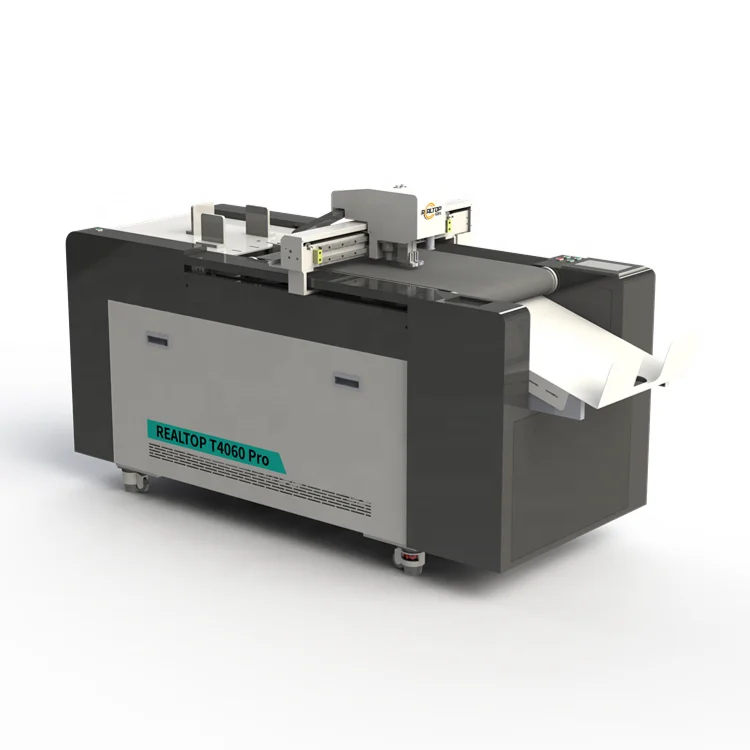
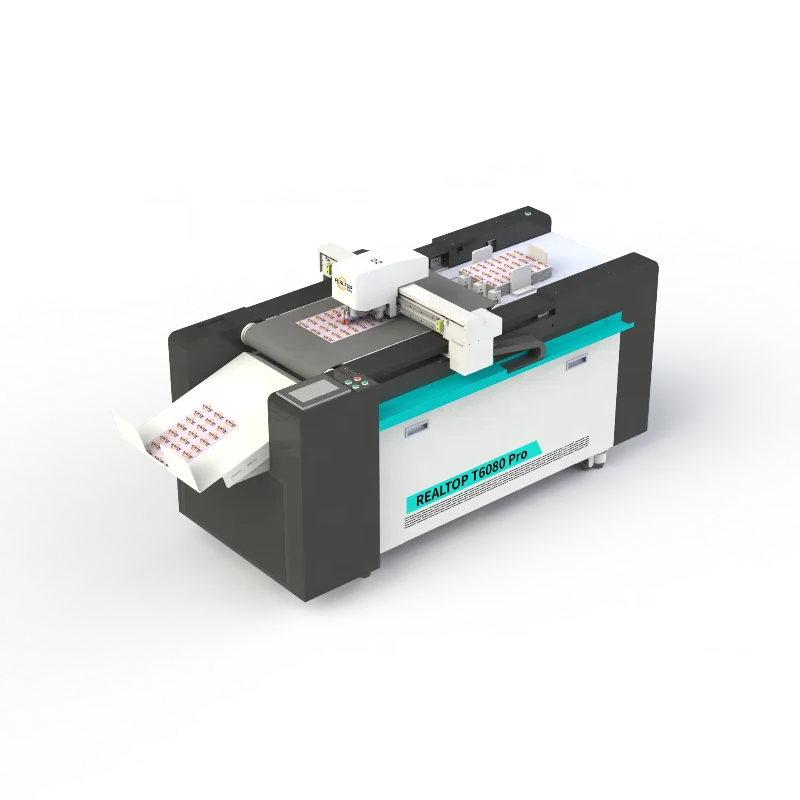
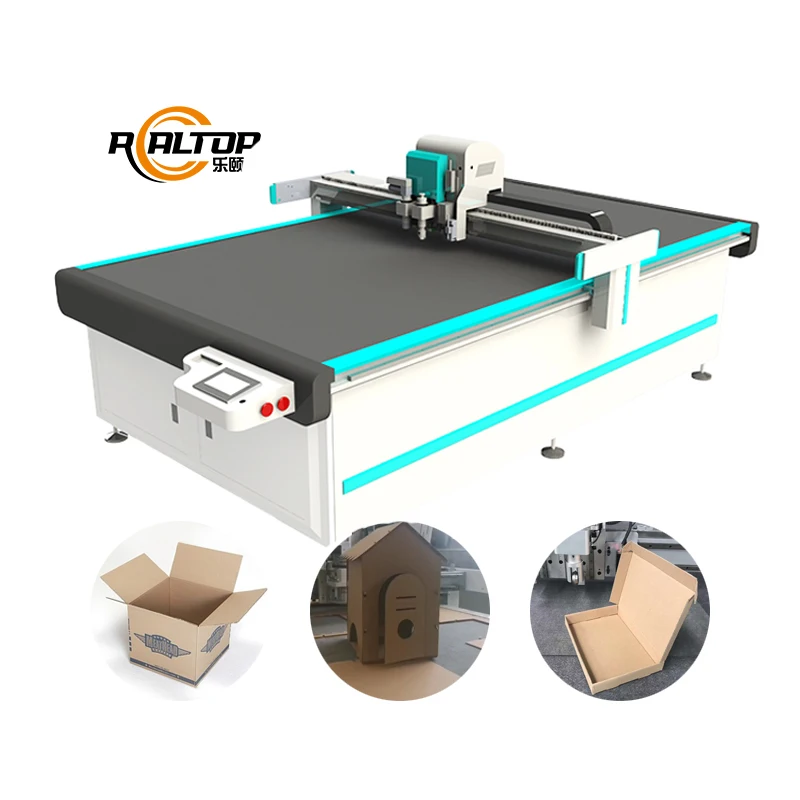
Complete Range Coverage — Tool head and table configurations span oscillating knife, rotary knife and multi-tool setups so buyers can match the cutting method to fabric type and production volume rather than forcing one method across every job.
Technical Specifications
| Parameter | Value |
|---|---|
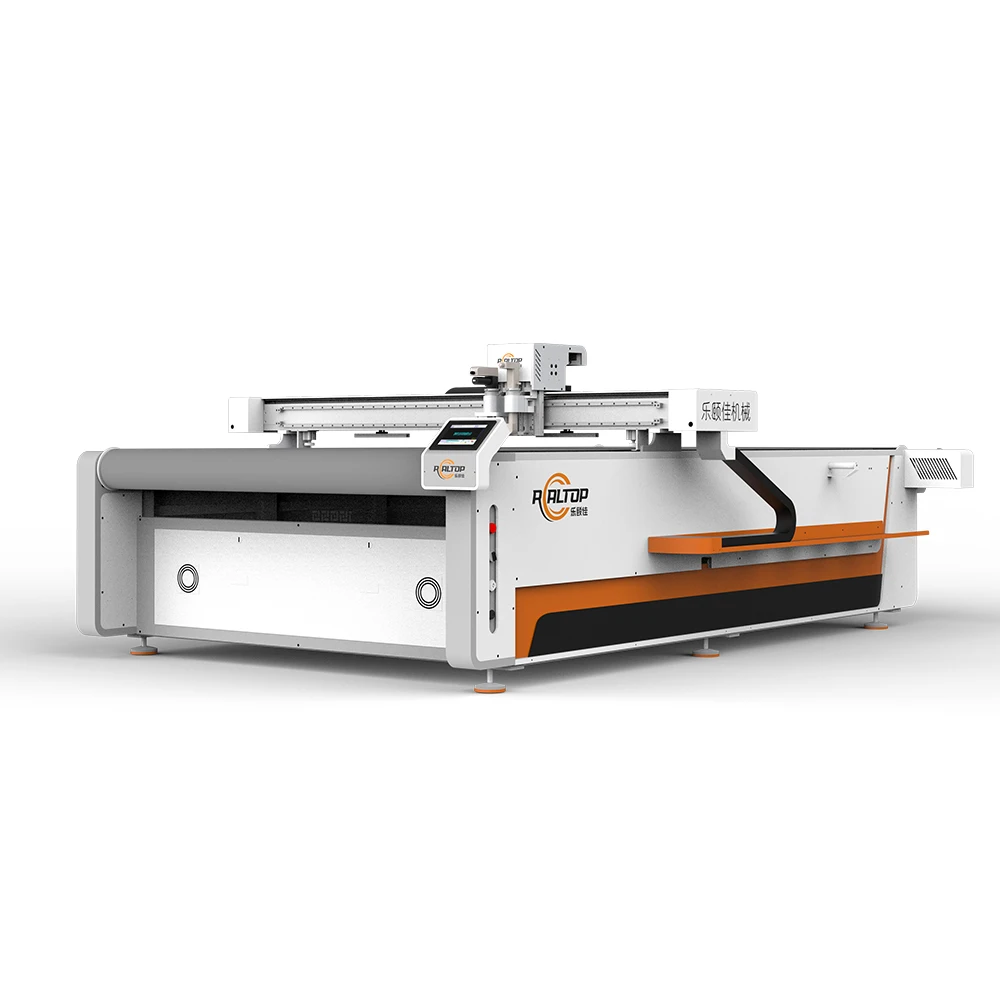
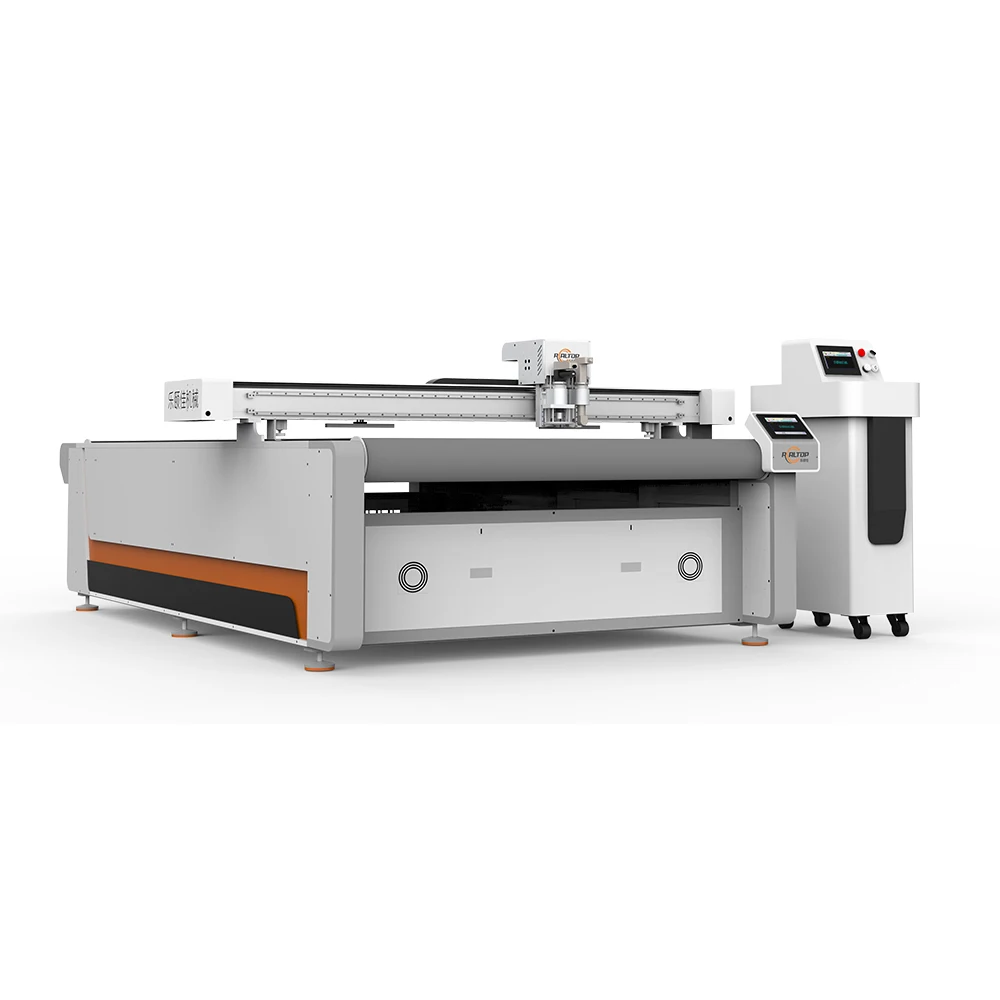
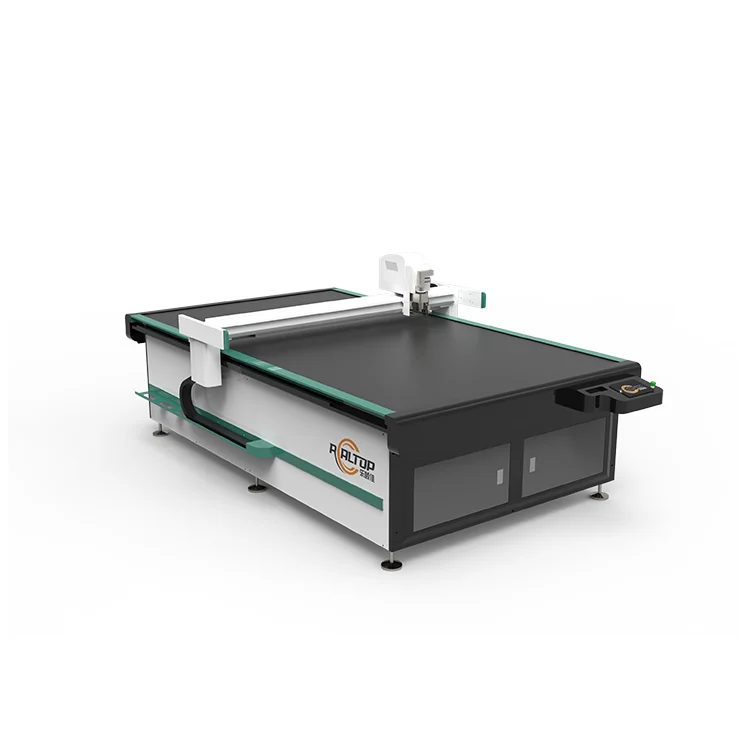
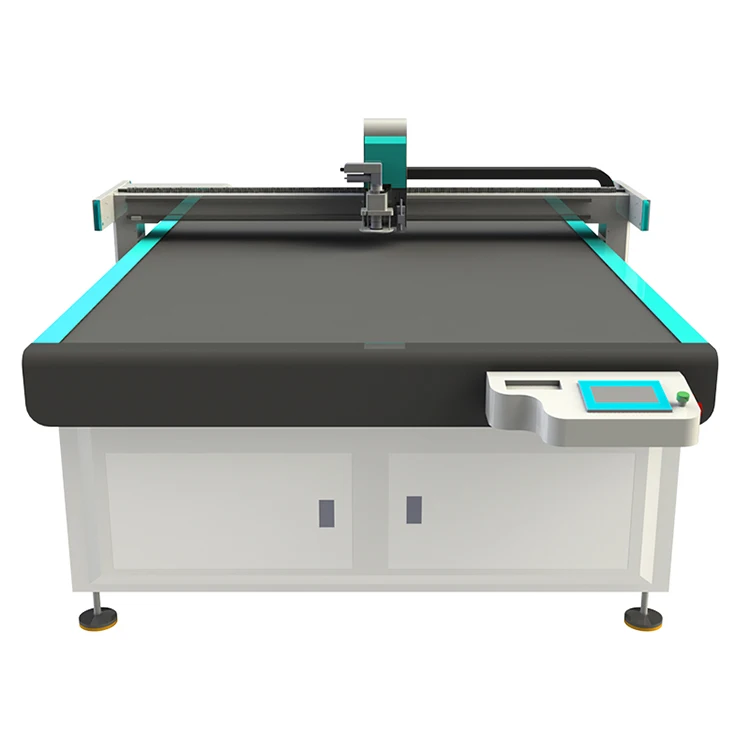
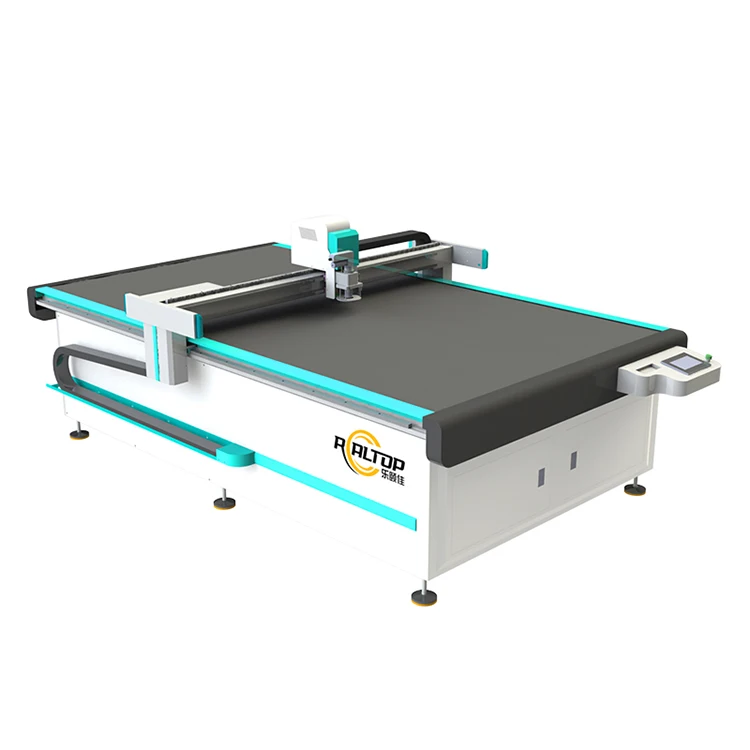
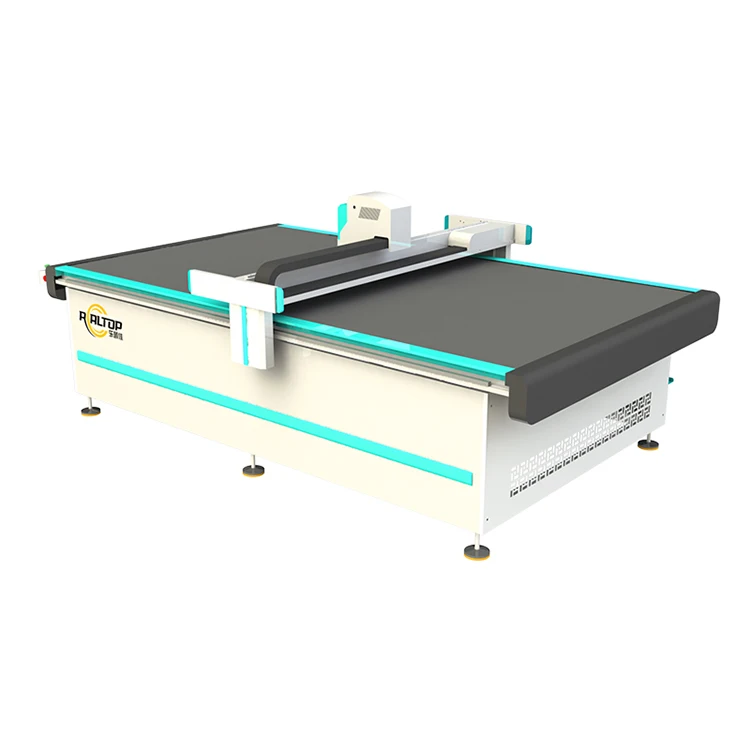
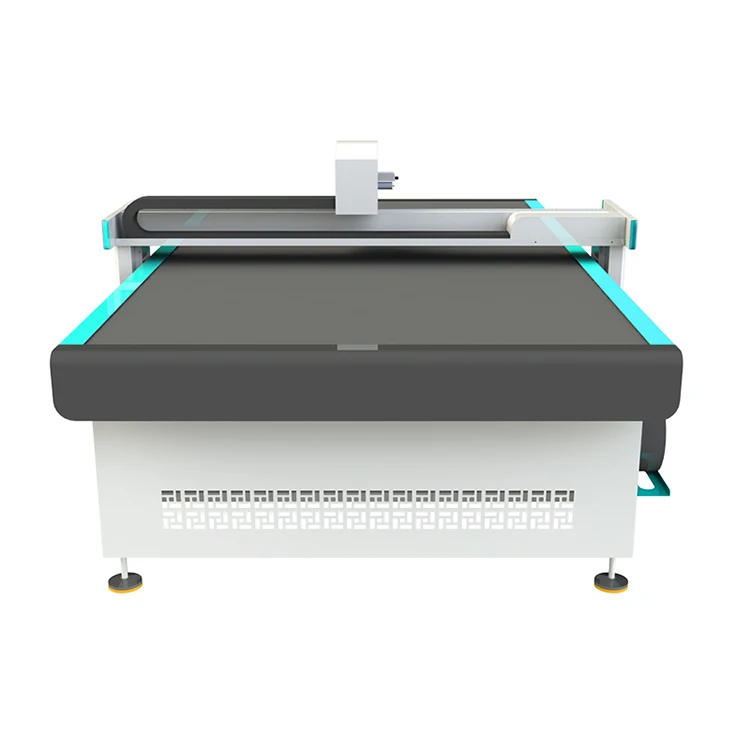
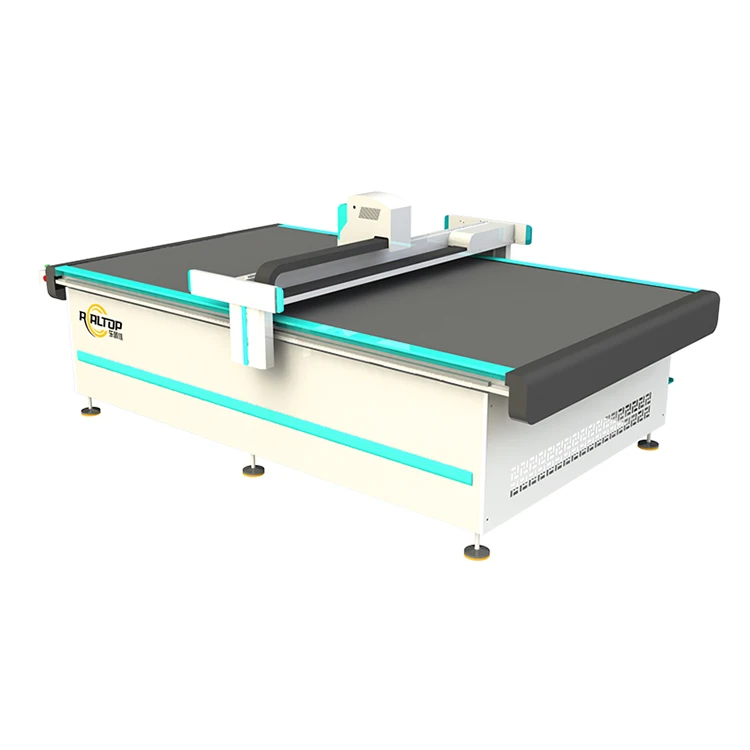
| Product Type | CNC Oscillating Knife Cutting Machine |
| Model | 1625 |
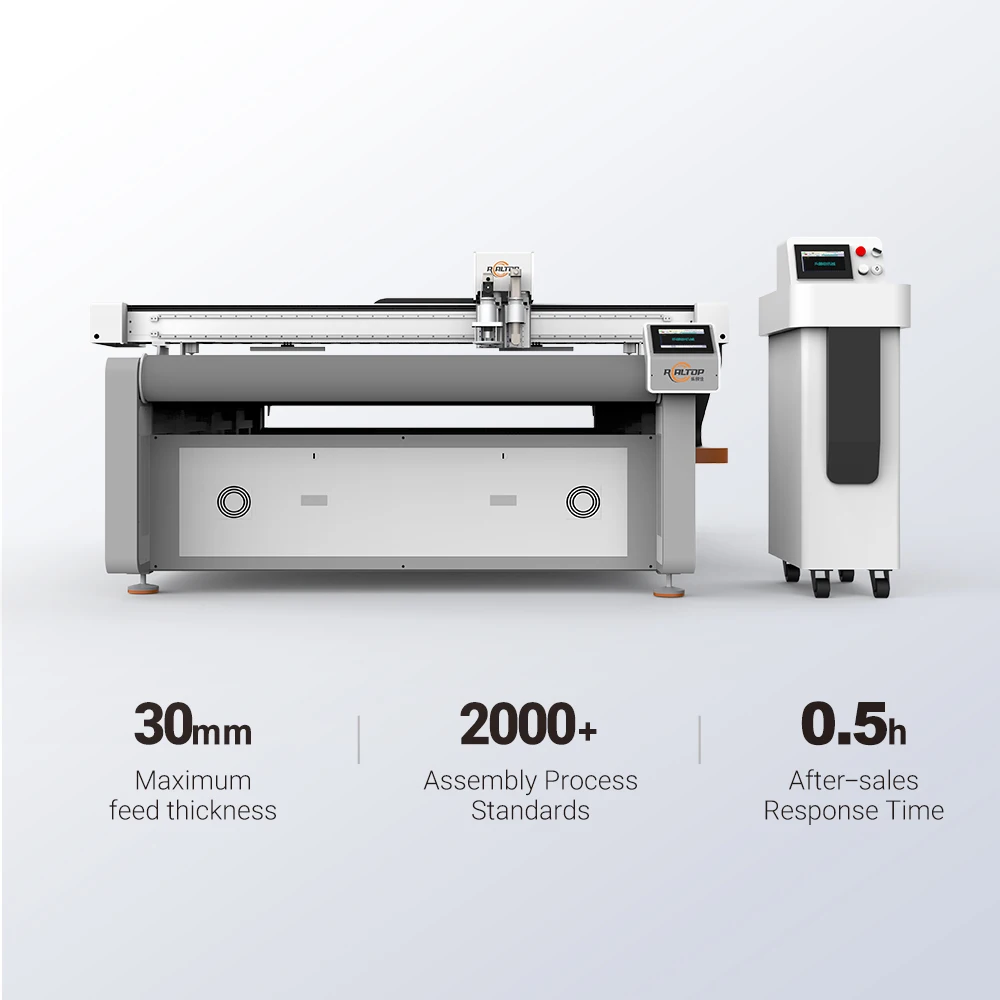
| Working Area | 1600×2500 mm |
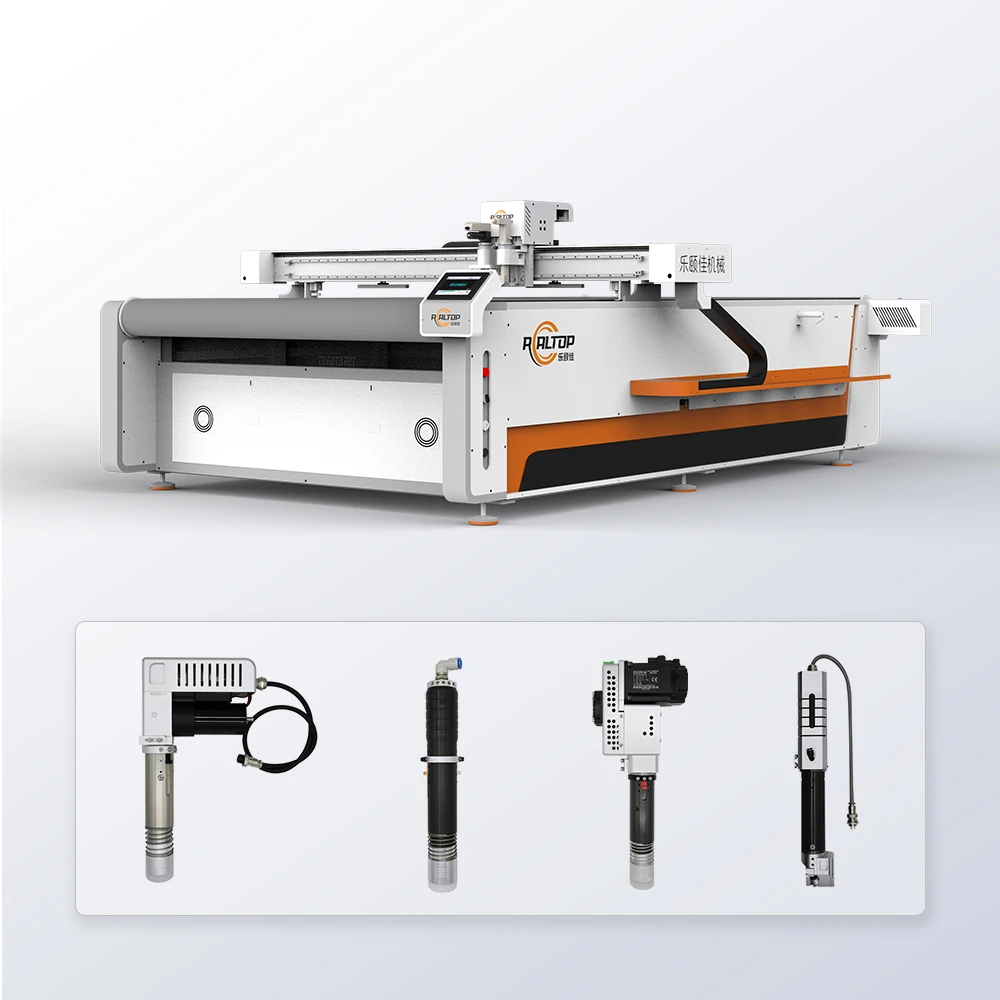
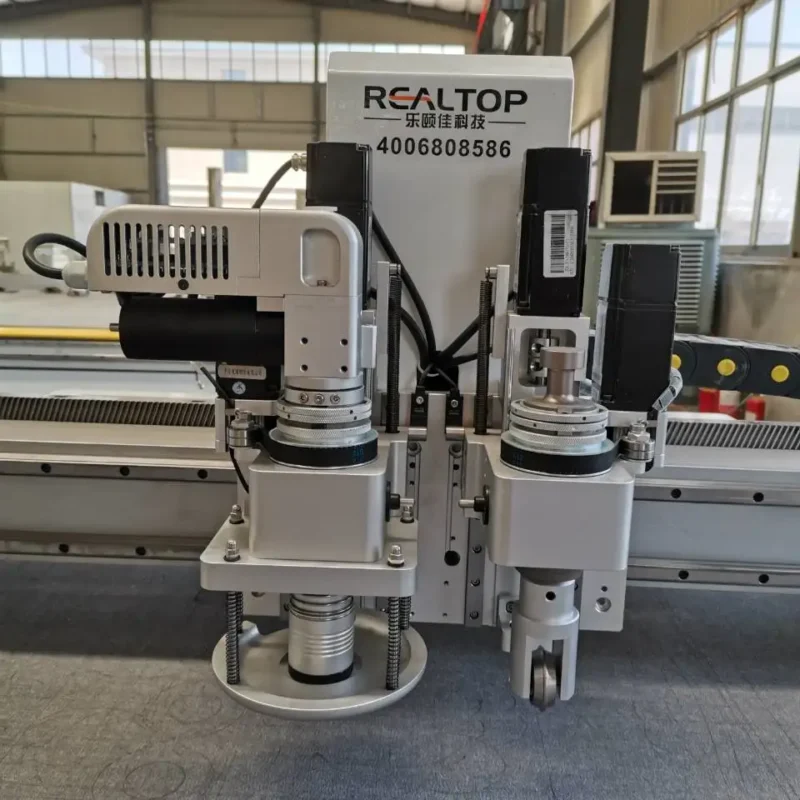
| Tool Head Options | Oscillating knife, Driven rotary knife, Creasing wheel, Kiss cutting tool, Pneumatic knife, Milling tool, V-groove knife |
| Cutting Speed | 0–2000 mm/s |
| Cutting Thickness | ≤ 30 mm (basis not stated in source — confirm material type and density) |
| Cutting Accuracy | ±0.1 mm |
| Vacuum Pump | 9 kW |
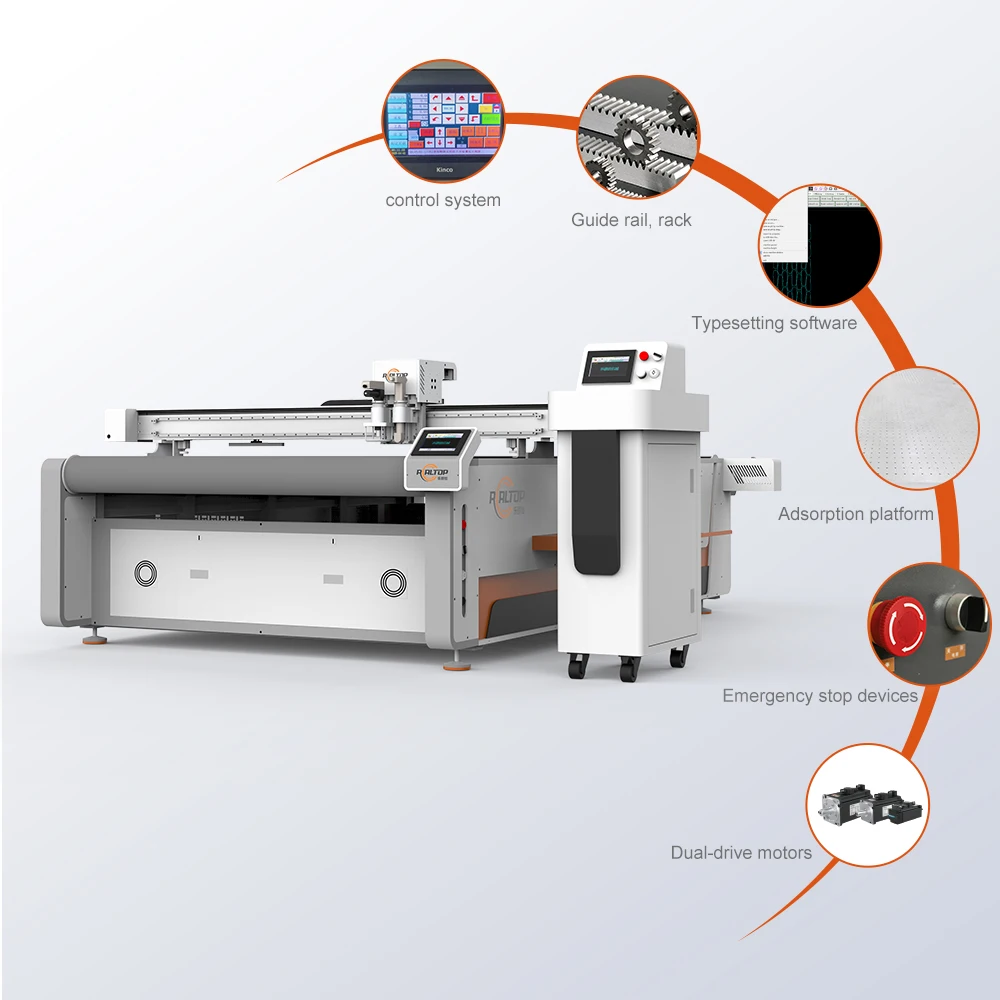
| Vacuum Table | Aluminum bellows vacuum table |
| Control System | PLC control panel |
| Servo Motor Options | Panasonic, Delta, Dorna |
| Profile Format | PLT, DXF, AI, PDF |
| Voltage Options | 110V, 220V, 380V |
| Language Options | English, Russian, Italian, Chinese, special languages customizable |
| Safety Device | Infrared sensor device and emergency stop device |
| Machine Size | 3300×2100×1350 mm |
| Standards | CE (declaration where applicable) |
Application Suitability
| Application | Material or Output |
|---|---|
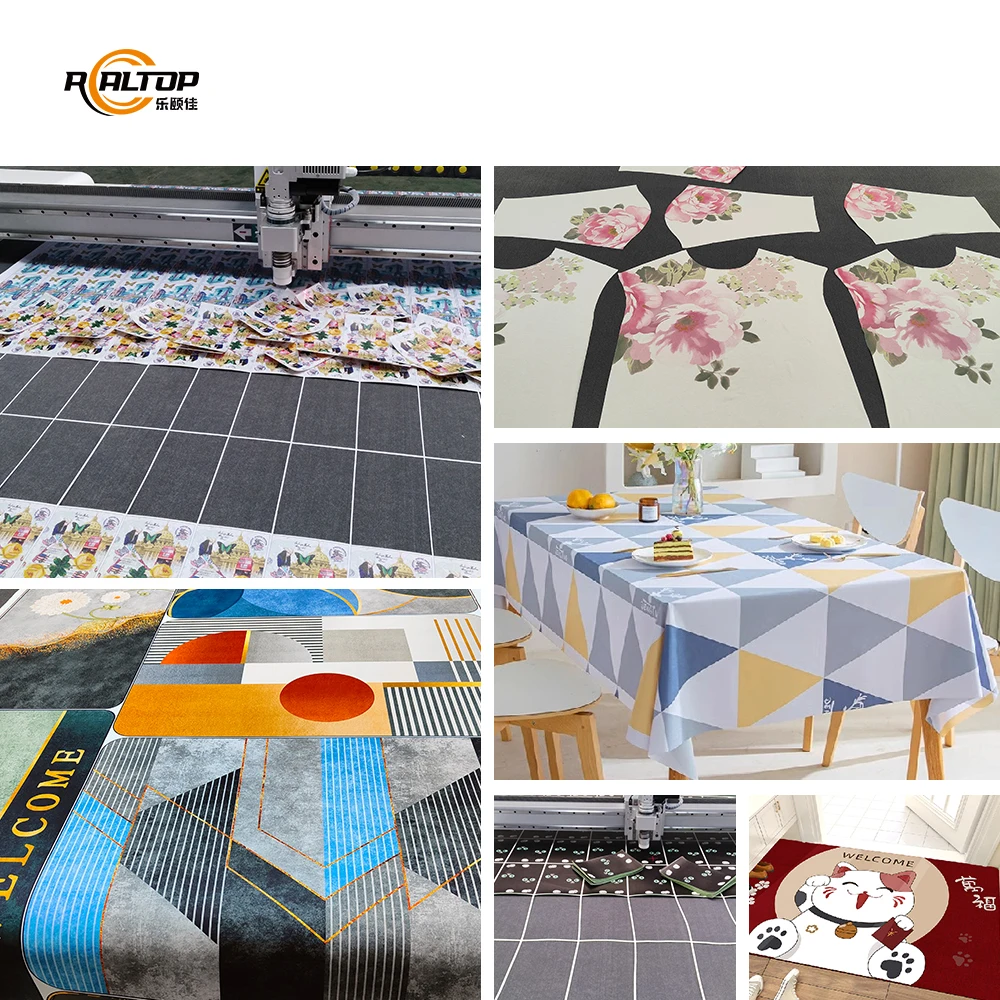
| Apparel manufacturing | Suits, knitwear, lace, complex woven and knitted fabrics |
| Automotive interiors | Seat fabrics, carpets, PVC mats, headliner textiles |
| Home textiles | Sofa fabrics, curtains, rugs, upholstery materials |
| Composite material processing | Carbon fiber prepreg, aramid, specialty technical textiles |
| Signage and soft signage | Vinyl, banner material, flexible display substrates |
Why a Working-Area-Only Spec Leaves Buyers Exposed
A 1600×2500 mm table tells you nothing about whether the machine can handle your actual fabric at production speed. Tool head selection, vacuum zoning and cutting method must be matched to the material before the order is placed.
I have seen garment workshops take delivery of a cloth CNC cutting machine specified purely on bed size, only to discover the oscillating knife struggles with their multi-layer spandex blends because the vacuum hold-down was not configured for small, stretchy pattern pieces. The cutting speed dropped, edges frayed, and the nesting software could not import their existing DXF workflow. These are problems that surface only after the machine arrives. A CNC oscillating knife cutting machine manufacturer should flag these variables during the inquiry stage, not after installation. [NEED_CITE: material hold-down requirements for elastic textiles in digital cutting]
Matching Tool Heads to Fabric Behaviour
Different textiles respond to cutting force in different ways. Woven suit fabrics hold their shape under an oscillating knife, while knits and elastane blends can shift if the blade frequency and vacuum pressure are not balanced. The 1625 supports interchangeable heads — oscillating knife, driven rotary knife, pneumatic knife and kiss cutting tool — allowing the operator to switch methods as the job changes. A rotary knife follows the contour of a pattern piece with less downward force, which matters when cutting slippery linings or thin technical membranes that crease under a rigid blade.
Vacuum Zoning and Small-Piece Stability
The aluminum bellows vacuum table provides adsorption across the full working area, but small pattern pieces like collar stays or pocket flaps need concentrated suction in isolated zones. When a single large vacuum zone is applied to a full sheet, the edges of small cut pieces can lift during the final pass, producing a ragged finish or a dimensional error that only shows up at the sewing station. Configuring the table with targeted zoning keeps each piece seated flat through the last cut. [NEED_CITE: vacuum table zoning strategies for nested garment pattern pieces]
Reading the Specs That Actually Matter on the Floor
The ±0.1 mm cutting accuracy figure applies when the material is held flat and the correct tool head is engaged; stretchy or compressible fabrics can introduce variance if the hold-down is insufficient. The 9 kW vacuum pump provides the suction needed for multi-layer fabric stacks, but its effectiveness depends on table zoning and the porosity of the material being cut. Servo motor selection — available in Panasonic, Delta or Dorna — influences acceleration smoothness, which in turn affects edge quality on delicate knits where a jerky start can pull a thread. The PLC control panel accepts PLT, DXF, AI and PDF files, covering most pattern-making software outputs, though confirming file compatibility before shipment prevents workflow interruptions.
The Cost of Skipping the Material Test
When a buyer commits to a configuration without running their actual production fabric, the consequences compound. A driven rotary knife may work well on woven cotton but tear through loosely knitted jersey. Incorrect vacuum pressure can leave adhesive residue from backing paper on the table, requiring downtime for cleaning between jobs. Voltage mismatches discovered after arrival mean transformer purchases, delayed commissioning and sometimes motor rewinding. These are not theoretical risks — they appear regularly when specifications are confirmed by brochure rather than by sample. [NEED_CITE: common post-delivery issues with incorrectly specified cutting equipment]
What Sets This Equipment Range Apart
In-house design covers both knife and laser technologies, so the cutting method is chosen to suit the fabric rather than forced into a single process. Tool head and table configuration are specified per material type and daily volume, not selected from a fixed menu. CCD camera positioning is available for printed contour work where registration marks must be tracked at speed. Software compatibility is confirmed before the order is finalized, with file format tests run on the buyer’s actual pattern files. Voltage, control language and safety configuration are matched to the destination market before production begins, avoiding field modifications. Sample cutting on the buyer’s own material is offered before commitment, producing a physical report rather than a generic specification promise.
Documentation & Verification
- Machine specification sheet listing tool head and table configuration per material type
- Sample cutting report run on your fabric before order confirmation
- Electrical schematic and voltage confirmation matching destination market standards
- Software licence and file format compatibility note for your nesting workflow
- Factory test record documenting performance across your specified thickness range
- Packing photographs showing machine condition and crate security before dispatch
Installation, Commissioning & Support
- Foundation must support the 3300×2100×1350 mm footprint with level tolerance for vacuum seal integrity
- Dedicated electrical circuit matching confirmed voltage option (110V, 220V or 380V) with correct frequency
- Machine ships partially assembled; table and gantry require on-site alignment and belt tensioning
- First-run commissioning includes vacuum calibration across all table zones at your specified material thickness
- Operator training covers tool head changeover, PLC language settings and profile import from DXF or PLT files
- Spare parts list identifies oscillating knife blades, vacuum seals and servo motor brushes as routine consumables
Before You Request a Quote
Send a sample of your production fabric along with the maximum ply count you plan to cut and your typical daily piece volume. Specify your local voltage and frequency, preferred control language and the nesting software you currently use so we can confirm file format compatibility. If you work with both woven and knitted materials, note which is the primary job so the tool head configuration can be weighted accordingly.
Frequently Asked Questions
Q: How do I choose between oscillating knife and rotary knife for my fabric range?
A: Oscillating knives suit thicker woven fabrics and multi-layer stacks where a straight, aggressive cut is needed. Driven rotary knives handle knits, thin membranes and contour-heavy patterns with less downward force. If your production mixes both, the 1625 supports tool head changeover so you can switch methods without buying a second machine.
Q: What voltage and language options are confirmed before shipment?
A: The machine is configurable for 110V, 220V or 380V supply, and the PLC control panel supports English, Russian, Italian, Chinese and custom languages. Voltage and language are locked in during the specification confirmation stage before production begins, preventing field modifications after delivery.
Q: Can I see cutting results on my own material before committing?
A: Sample cutting is run on your actual fabric before order confirmation. A sample cutting report documents edge quality, dimensional accuracy and cutting speed achieved with the recommended tool head, giving you physical evidence rather than a generic brochure specification.
Q: How is the equipment range organized for different materials and volumes?
A: The catalogue covers oscillating knife, rotary knife and multi-tool configurations across compact to large-format working areas. Each model is matched to material type — fabric, leather, foam or composite — and configured for the buyer’s daily production volume, so the selection is driven by the job rather than by bed size alone.
Complete Range Coverage — Tool head and table configurations span oscillating knife, rotary knife and multi-tool setups so buyers can match the cutting method to fabric type and production volume rather than forcing one method across every job.
Technical Specifications
| Parameter | Value |
|---|---|
| Product Type | CNC Oscillating Knife Cutting Machine |
| Model | 1625 |
| Working Area | 1600×2500 mm |
| Tool Head Options | Oscillating knife, Driven rotary knife, Creasing wheel, Kiss cutting tool, Pneumatic knife, Milling tool, V-groove knife |
| Cutting Speed | 0–2000 mm/s |
| Cutting Thickness | ≤ 30 mm (basis not stated in source — confirm material type and density) |
| Cutting Accuracy | ±0.1 mm |
| Vacuum Pump | 9 kW |
| Vacuum Table | Aluminum bellows vacuum table |
| Control System | PLC control panel |
| Servo Motor Options | Panasonic, Delta, Dorna |
| Profile Format | PLT, DXF, AI, PDF |
| Voltage Options | 110V, 220V, 380V |
| Language Options | English, Russian, Italian, Chinese, special languages customizable |
| Safety Device | Infrared sensor device and emergency stop device |
| Machine Size | 3300×2100×1350 mm |
| Standards | CE (declaration where applicable) |
Application Suitability
| Application | Material or Output |
|---|---|
| Apparel manufacturing | Suits, knitwear, lace, complex woven and knitted fabrics |
| Automotive interiors | Seat fabrics, carpets, PVC mats, headliner textiles |
| Home textiles | Sofa fabrics, curtains, rugs, upholstery materials |
| Composite material processing | Carbon fiber prepreg, aramid, specialty technical textiles |
| Signage and soft signage | Vinyl, banner material, flexible display substrates |
Why a Working-Area-Only Spec Leaves Buyers Exposed
A 1600×2500 mm table tells you nothing about whether the machine can handle your actual fabric at production speed. Tool head selection, vacuum zoning and cutting method must be matched to the material before the order is placed.
I have seen garment workshops take delivery of a cloth CNC cutting machine specified purely on bed size, only to discover the oscillating knife struggles with their multi-layer spandex blends because the vacuum hold-down was not configured for small, stretchy pattern pieces. The cutting speed dropped, edges frayed, and the nesting software could not import their existing DXF workflow. These are problems that surface only after the machine arrives. A CNC oscillating knife cutting machine manufacturer should flag these variables during the inquiry stage, not after installation. [NEED_CITE: material hold-down requirements for elastic textiles in digital cutting]
Matching Tool Heads to Fabric Behaviour
Different textiles respond to cutting force in different ways. Woven suit fabrics hold their shape under an oscillating knife, while knits and elastane blends can shift if the blade frequency and vacuum pressure are not balanced. The 1625 supports interchangeable heads — oscillating knife, driven rotary knife, pneumatic knife and kiss cutting tool — allowing the operator to switch methods as the job changes. A rotary knife follows the contour of a pattern piece with less downward force, which matters when cutting slippery linings or thin technical membranes that crease under a rigid blade.
Vacuum Zoning and Small-Piece Stability
The aluminum bellows vacuum table provides adsorption across the full working area, but small pattern pieces like collar stays or pocket flaps need concentrated suction in isolated zones. When a single large vacuum zone is applied to a full sheet, the edges of small cut pieces can lift during the final pass, producing a ragged finish or a dimensional error that only shows up at the sewing station. Configuring the table with targeted zoning keeps each piece seated flat through the last cut. [NEED_CITE: vacuum table zoning strategies for nested garment pattern pieces]
Reading the Specs That Actually Matter on the Floor
The ±0.1 mm cutting accuracy figure applies when the material is held flat and the correct tool head is engaged; stretchy or compressible fabrics can introduce variance if the hold-down is insufficient. The 9 kW vacuum pump provides the suction needed for multi-layer fabric stacks, but its effectiveness depends on table zoning and the porosity of the material being cut. Servo motor selection — available in Panasonic, Delta or Dorna — influences acceleration smoothness, which in turn affects edge quality on delicate knits where a jerky start can pull a thread. The PLC control panel accepts PLT, DXF, AI and PDF files, covering most pattern-making software outputs, though confirming file compatibility before shipment prevents workflow interruptions.
The Cost of Skipping the Material Test
When a buyer commits to a configuration without running their actual production fabric, the consequences compound. A driven rotary knife may work well on woven cotton but tear through loosely knitted jersey. Incorrect vacuum pressure can leave adhesive residue from backing paper on the table, requiring downtime for cleaning between jobs. Voltage mismatches discovered after arrival mean transformer purchases, delayed commissioning and sometimes motor rewinding. These are not theoretical risks — they appear regularly when specifications are confirmed by brochure rather than by sample. [NEED_CITE: common post-delivery issues with incorrectly specified cutting equipment]
What Sets This Equipment Range Apart
In-house design covers both knife and laser technologies, so the cutting method is chosen to suit the fabric rather than forced into a single process. Tool head and table configuration are specified per material type and daily volume, not selected from a fixed menu. CCD camera positioning is available for printed contour work where registration marks must be tracked at speed. Software compatibility is confirmed before the order is finalized, with file format tests run on the buyer’s actual pattern files. Voltage, control language and safety configuration are matched to the destination market before production begins, avoiding field modifications. Sample cutting on the buyer’s own material is offered before commitment, producing a physical report rather than a generic specification promise.
Documentation & Verification
- Machine specification sheet listing tool head and table configuration per material type
- Sample cutting report run on your fabric before order confirmation
- Electrical schematic and voltage confirmation matching destination market standards
- Software licence and file format compatibility note for your nesting workflow
- Factory test record documenting performance across your specified thickness range
- Packing photographs showing machine condition and crate security before dispatch
Installation, Commissioning & Support
- Foundation must support the 3300×2100×1350 mm footprint with level tolerance for vacuum seal integrity
- Dedicated electrical circuit matching confirmed voltage option (110V, 220V or 380V) with correct frequency
- Machine ships partially assembled; table and gantry require on-site alignment and belt tensioning
- First-run commissioning includes vacuum calibration across all table zones at your specified material thickness
- Operator training covers tool head changeover, PLC language settings and profile import from DXF or PLT files
- Spare parts list identifies oscillating knife blades, vacuum seals and servo motor brushes as routine consumables
Before You Request a Quote
Send a sample of your production fabric along with the maximum ply count you plan to cut and your typical daily piece volume. Specify your local voltage and frequency, preferred control language and the nesting software you currently use so we can confirm file format compatibility. If you work with both woven and knitted materials, note which is the primary job so the tool head configuration can be weighted accordingly.
Frequently Asked Questions
Q: How do I choose between oscillating knife and rotary knife for my fabric range?
A: Oscillating knives suit thicker woven fabrics and multi-layer stacks where a straight, aggressive cut is needed. Driven rotary knives handle knits, thin membranes and contour-heavy patterns with less downward force. If your production mixes both, the 1625 supports tool head changeover so you can switch methods without buying a second machine.
Q: What voltage and language options are confirmed before shipment?
A: The machine is configurable for 110V, 220V or 380V supply, and the PLC control panel supports English, Russian, Italian, Chinese and custom languages. Voltage and language are locked in during the specification confirmation stage before production begins, preventing field modifications after delivery.
Q: Can I see cutting results on my own material before committing?
A: Sample cutting is run on your actual fabric before order confirmation. A sample cutting report documents edge quality, dimensional accuracy and cutting speed achieved with the recommended tool head, giving you physical evidence rather than a generic brochure specification.
Q: How is the equipment range organized for different materials and volumes?
A: The catalogue covers oscillating knife, rotary knife and multi-tool configurations across compact to large-format working areas. Each model is matched to material type — fabric, leather, foam or composite — and configured for the buyer’s daily production volume, so the selection is driven by the job rather than by bed size alone.
商品评价
There are no reviews yet.