

Fast Delivery
Quick, reliable shipping to any location.

Free & easy returns
Return this item by mail or in store within 90 days for a full refund.
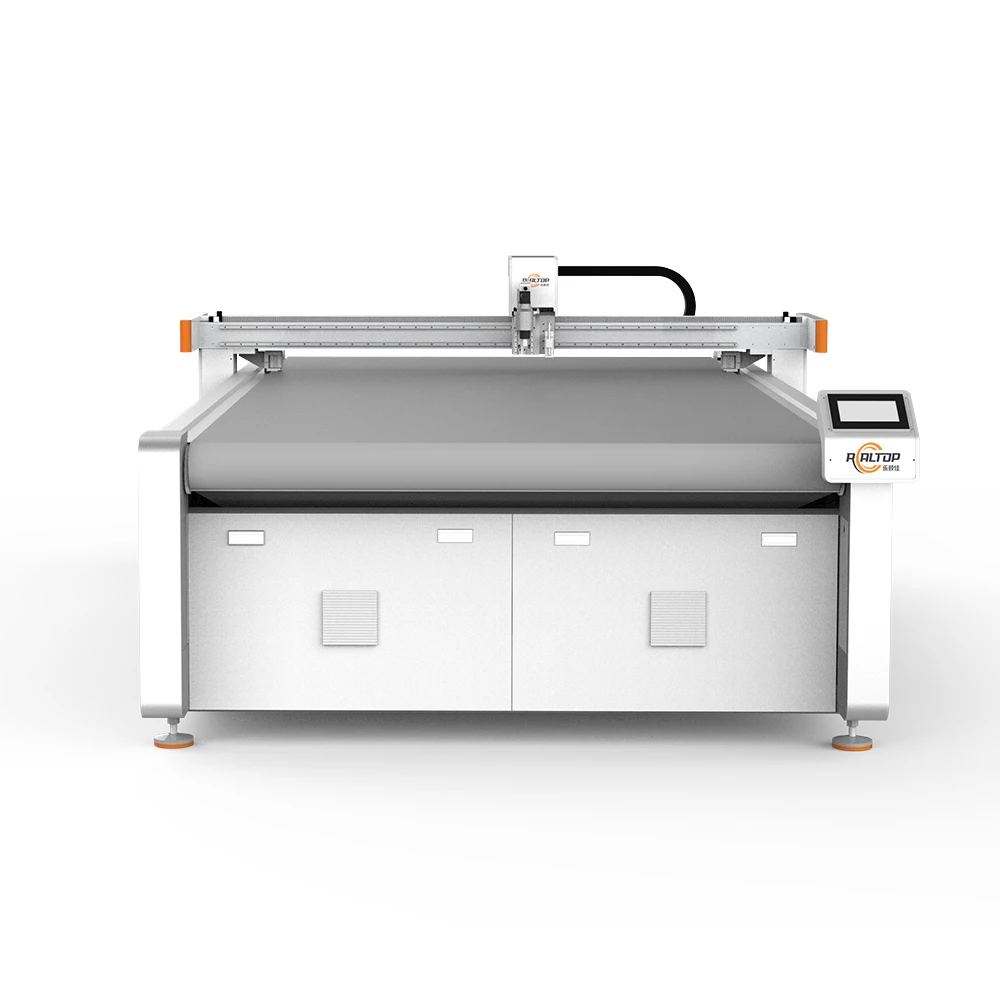
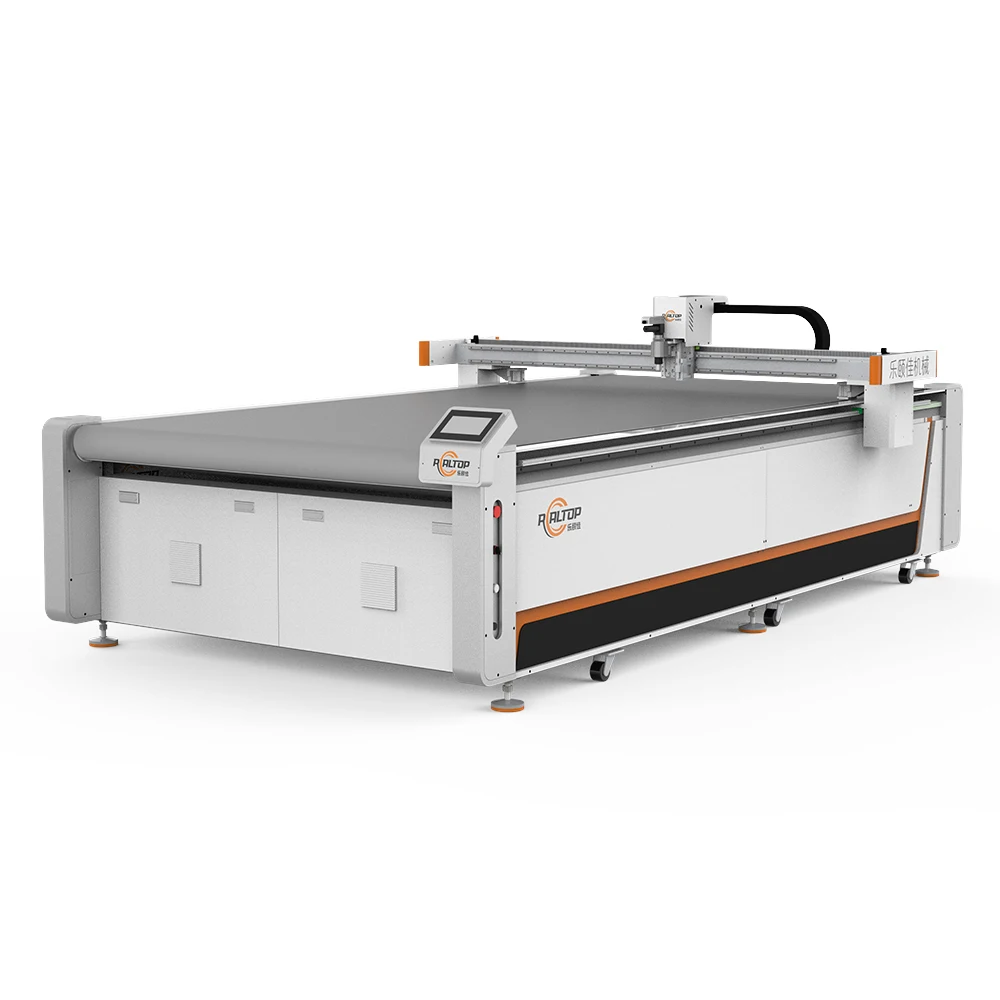
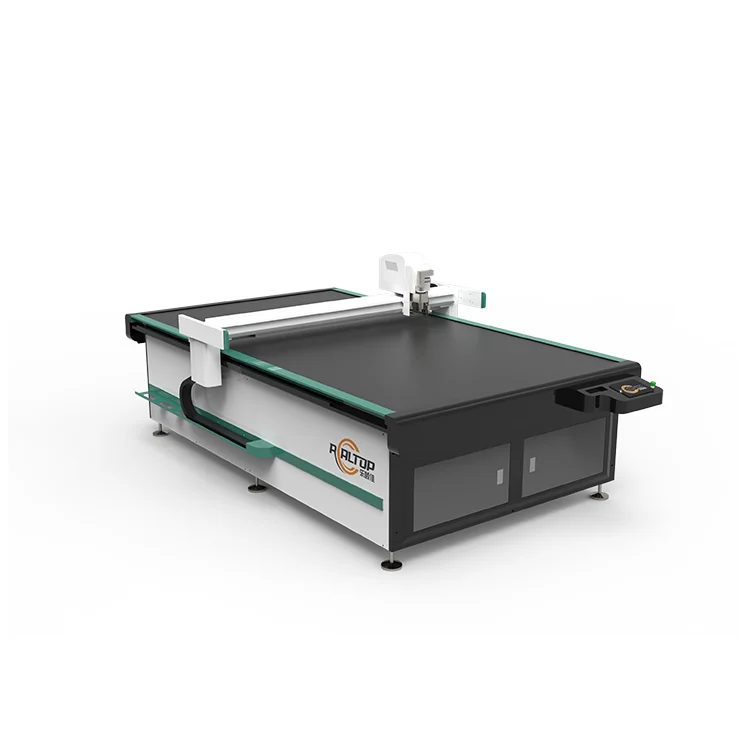
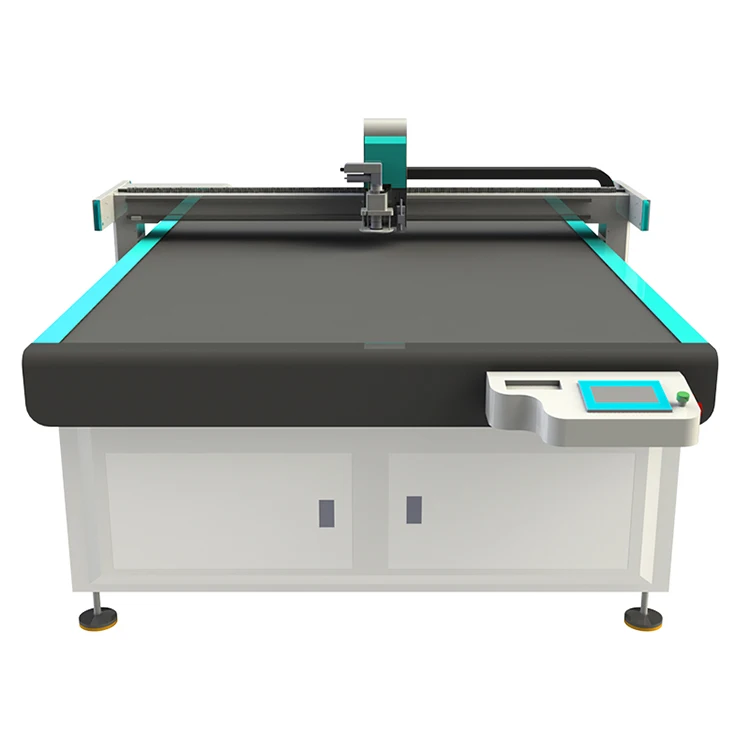
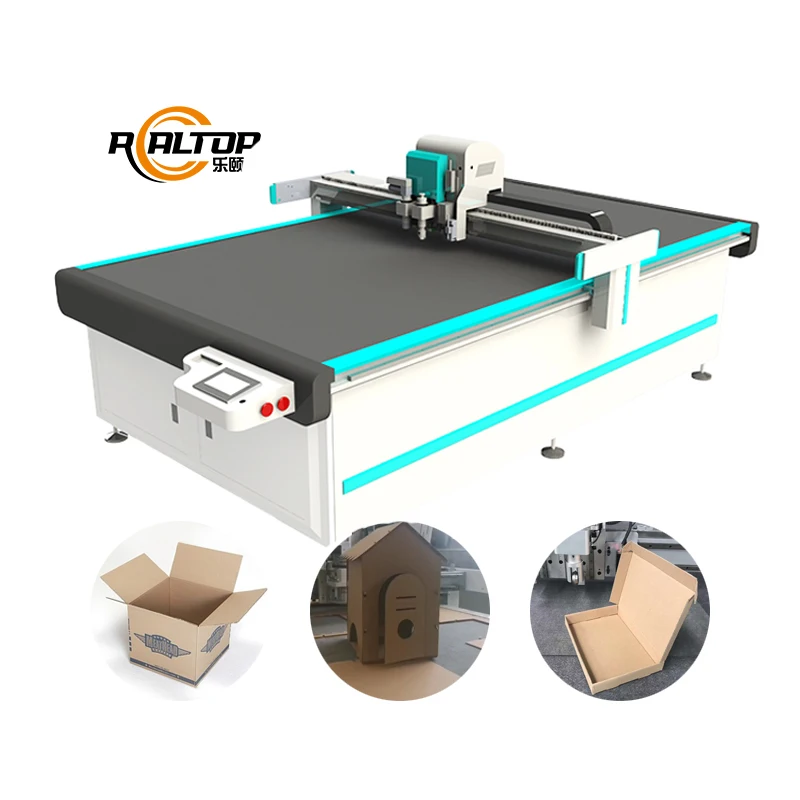
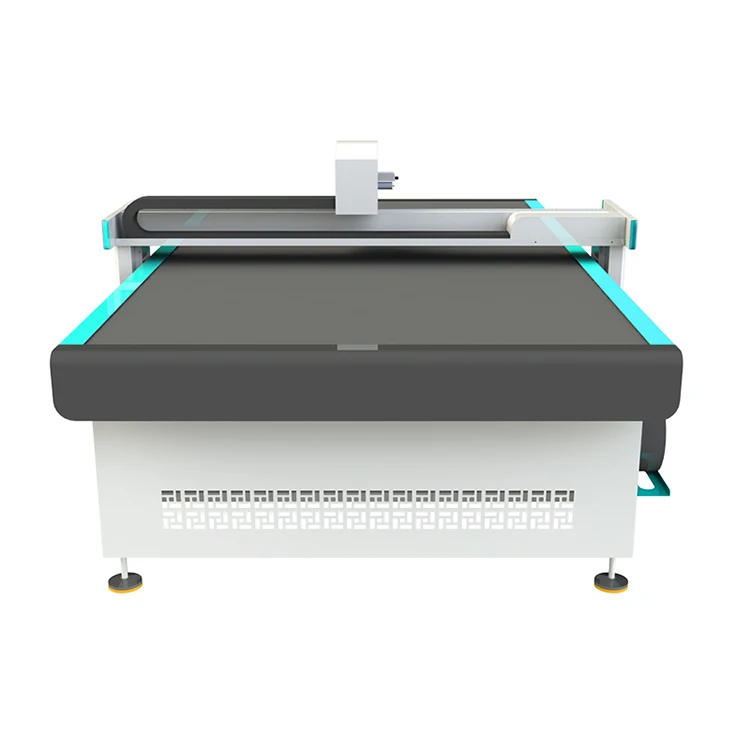
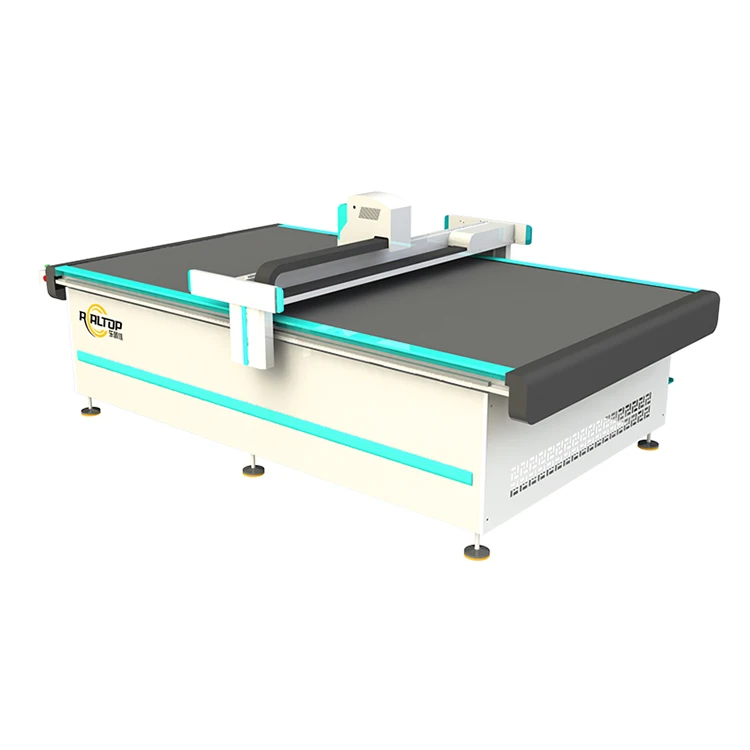
Material-Matched Tooling — Every knife, table and vacuum zone is specified against your actual leather, fabric or composite sample before a CNC oscillating knife cutting machine for sale leaves our Jinan workshop.
Technical Specifications
| Parameter | Value |
|---|---|
| Product Type | CNC Oscillating Knife Cutting Machine |
| Working Area | 1600 × 2500 mm |
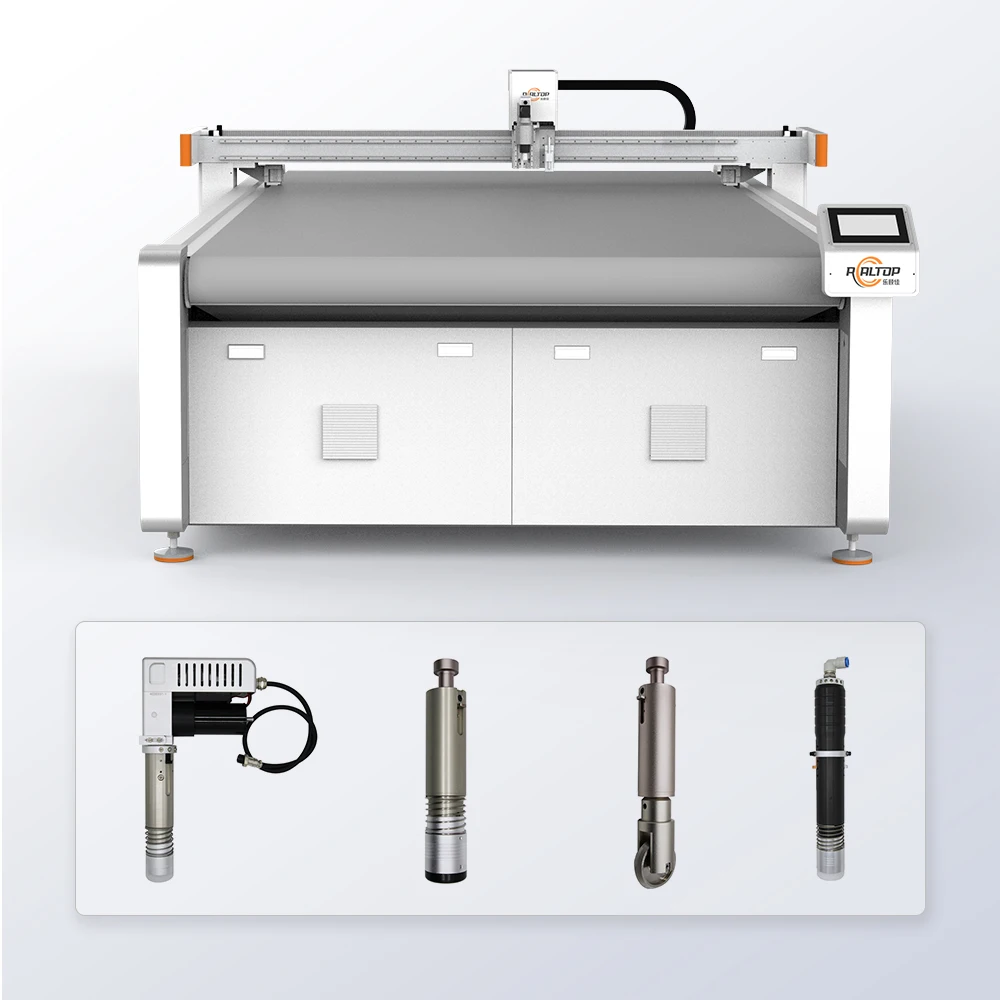
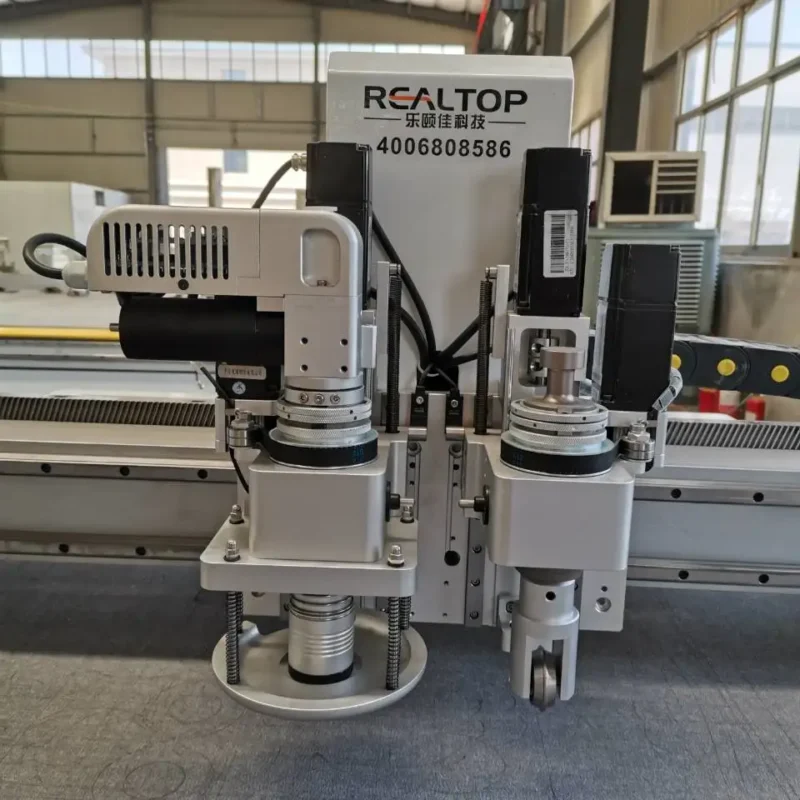
| Tool Head Options | Oscillating knife, Driven rotary knife, Creasing wheel, Kiss cutting tool, Pneumatic knife, Milling tool, V-groove knife |
| Cutting Thickness | ≤ 30 mm |
| Cutting Speed | 0 – 2000 mm/s (basis to be confirmed by material and tool head) |
| Cutting Accuracy | ±0.1 mm |
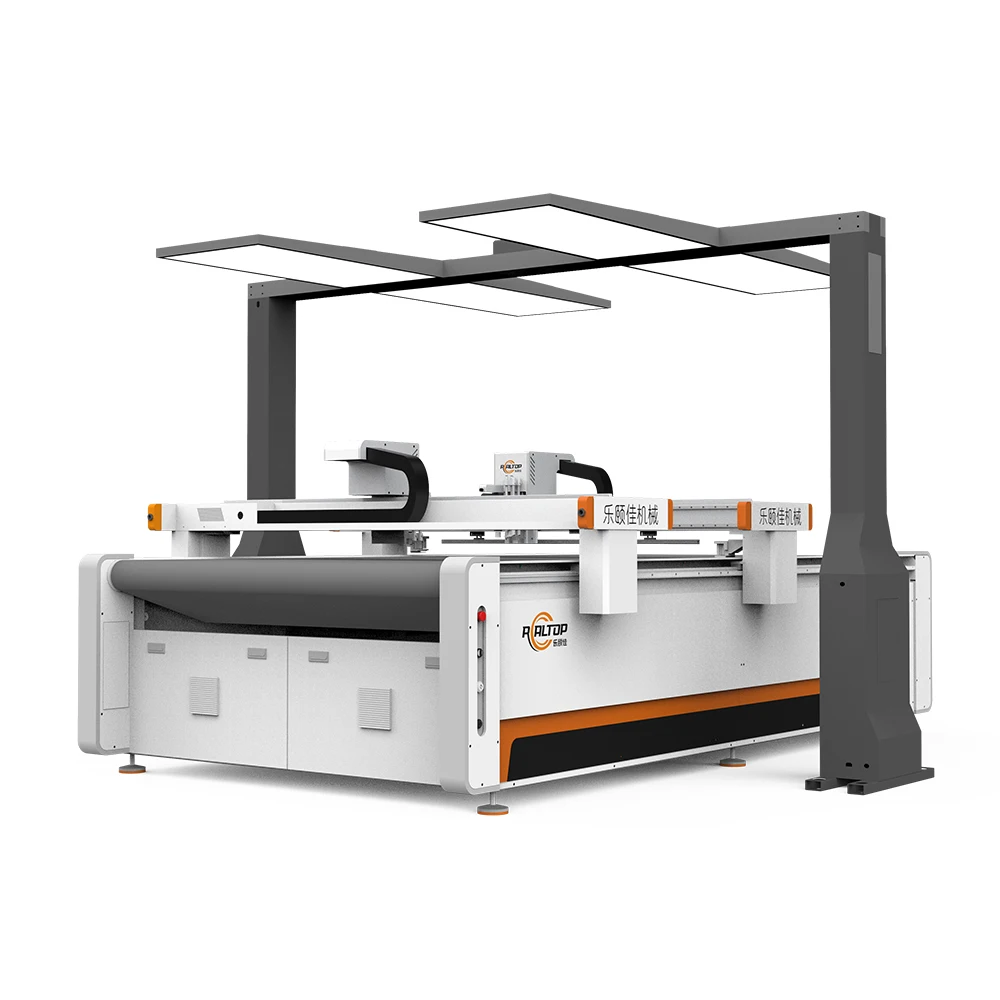
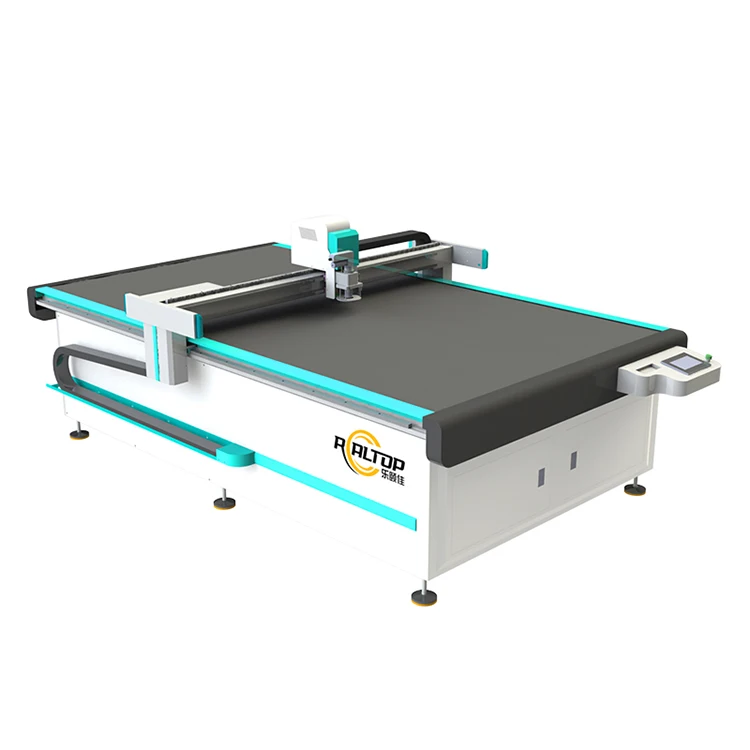
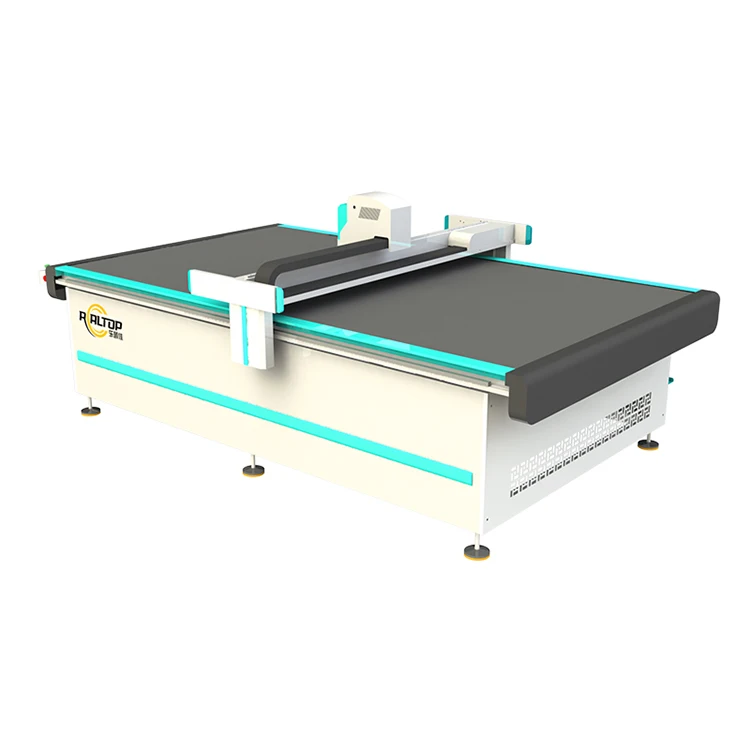
| Vacuum Table | Aluminum bellows vacuum table with multi-zone adsorption |
| Vacuum Pump | 9 kW |
| Control System | PLC control panel |
| Servo Motors | Panasonic, Delta or Dorna (selectable) |
| Voltage Options | 110V / 220V / 380V (confirmed before production) |
| File Format Compatibility | PLT, DXF, AI, PDF |
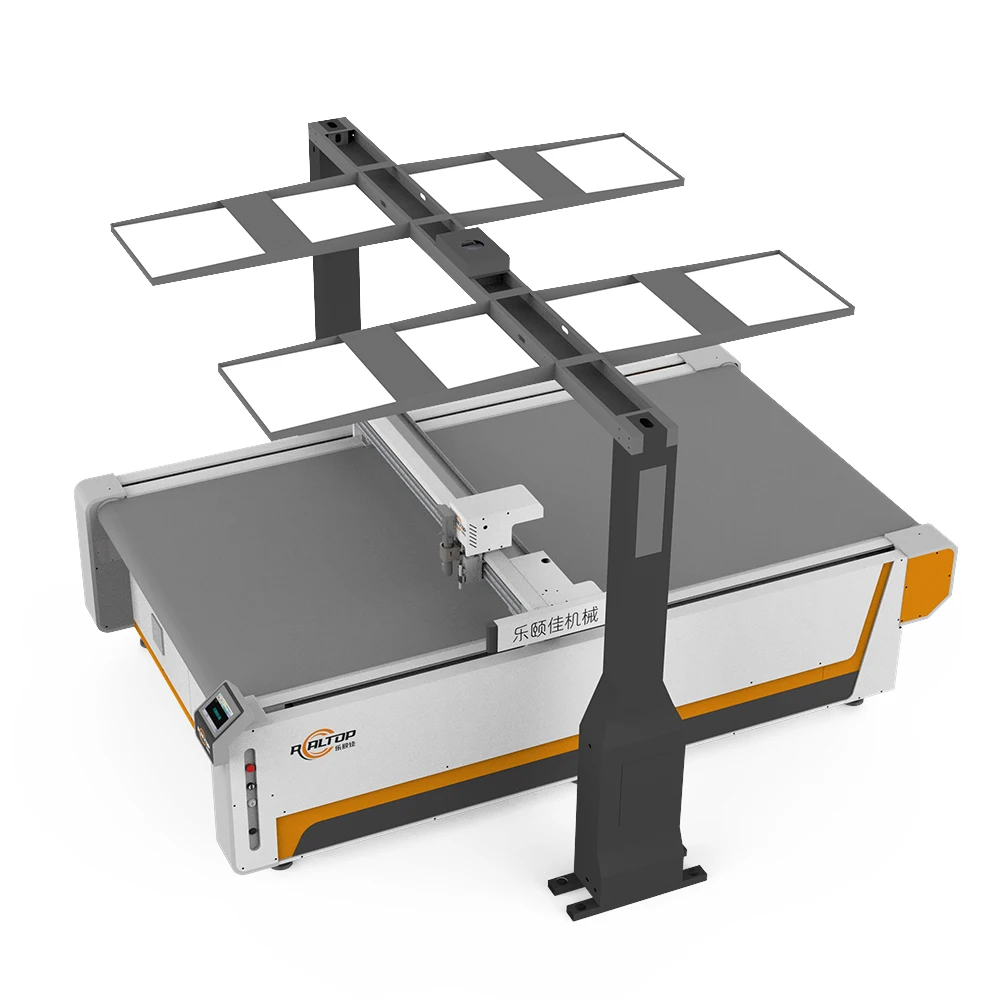
| CCD Camera | Available for contour recognition and positioning |
| Safety Devices | Infrared sensor device and emergency stop |
| Machine Dimensions | 3300 × 2100 × 1350 mm |
| Control Language | English, Russian, Italian, Chinese (customizable) |
Application Suitability
| Application | Material or Output |
|---|---|
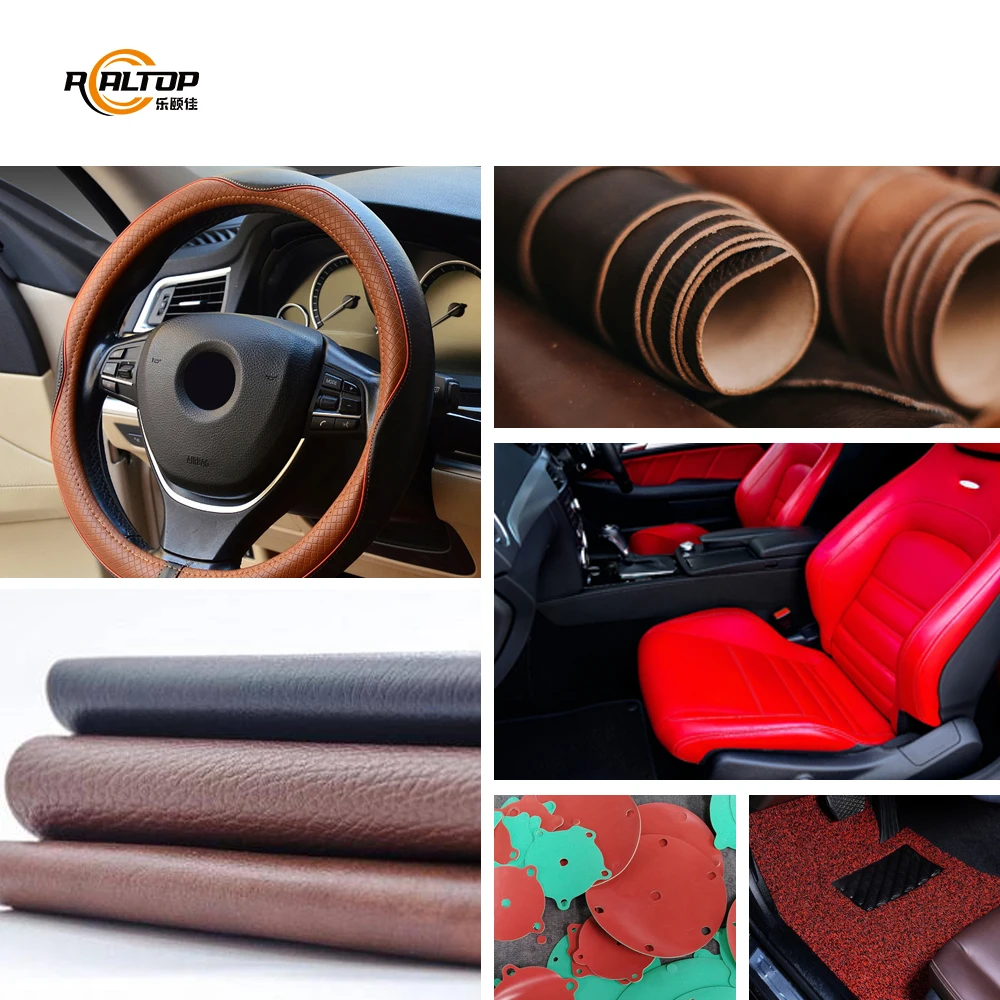
| Footwear uppers and leather goods | Genuine leather, synthetic PU/PVC leather, microfiber |
| Automotive interior components | Car seat covers, floor mats, headliners, composite foam |
| Garment and apparel production | Woven fabric, knitted textile, patterned rolls |
| Sofa and soft furnishing upholstery | Heavy upholstery fabric, bonded leather, foam layers |
| Advertising and signage | PVC sheets, foam boards, adhesive vinyl, vehicle wrap film |
| Packaging sample making | Cardboard, corrugated carton, folding carton stock |
| Gasket and sealing fabrication | Rubber, PTFE, insulating materials, compressed fiber |
| Composite and foam processing | EVA, EPE foam, multi-layer laminates |
Why a Working Area Quote Is Not Enough
A machine specified purely on bed size often arrives to find it cannot hold small leather pieces flat or cut through the actual composite thickness in daily production. The right CNC oscillating knife cutting machine for sale is defined by material behavior, not just table dimensions. I have walked into workshops where the vacuum table was powerful in the center but weak at the edges, causing thin leather to lift during high-speed passes and producing ragged cuts that had to be reworked by hand [NEED_CITE: vacuum zoning requirements for flexible material cutting]. A 1600 × 2500 mm bed is only useful if the adsorption zones match the nesting layout your production actually runs.
Knife Head Selection Across Leather Grades
Full-grain leather behaves differently under a blade than split leather or PU synthetic. An oscillating knife handles most mid-weight leather cleanly, but dense or fibrous genuine leather may require a driven rotary knife to prevent edge fraying. For layered materials like leather bonded to foam backing, a pneumatic knife with adjustable downward stroke avoids crushing the softer substrate underneath. Choosing the wrong tool head is the single most common reason buyers see edge quality problems after commissioning.
CCD Camera Positioning for Printed Patterns
When cutting printed fabric, patterned leather or pre-printed advertising vinyl, the material often stretches or skews during loading. The CCD camera option on this CNC oscillating knife cutting machine for sale captures registration marks and adjusts the cutting path in real time, compensating for distortion [NEED_CITE: CCD contour recognition accuracy on flexible substrates]. Without this feature, operators waste material manually aligning each sheet, and reject rates climb on jobs that demand pattern-matched pieces like shoe uppers or automotive seat panels.
Vacuum Table Flatness and Zoning
The aluminum bellows vacuum table delivers high surface flatness, which is critical when cutting thin leather or film where even a slight ripple causes the knife to skip or dig in. Multi-zone control lets the operator activate suction only in the area being cut, maintaining hold-down force on small nested parts while larger surrounding zones stay off to save pump energy. A 9 kW vacuum pump provides sufficient negative pressure for most leather and textile densities, though very porous materials may require reduced zone activation to maintain effective adsorption.
Control System and Software Workflow
The PLC control panel paired with servo motors from Panasonic, Delta or Dorna gives precise motion control across the full 1600 × 2500 mm travel. File formats including PLT, DXF, AI and PDF are accepted, but the nesting workflow and any proprietary design software the buyer already uses must be verified before order. Voltage confirmation — whether the destination workshop runs on 110V, 220V or 380V — is locked in before production starts, along with the control language preference, so the operator interface matches the team on the floor.
The Cost of Skipping the Sample Cut
A buyer once ordered a full-range knife cutter for automotive floor mats, specifying only the bed size and assuming the standard oscillating knife would handle the material. The mats had a dense rubber base with a stitched carpet top layer, and the standard blade could not penetrate cleanly at production speed [NEED_CITE: cutting force requirements for multi-layer automotive mats]. Every piece needed a second pass, effectively halving the output and wearing blades at twice the expected rate. A sample cut on the buyer’s actual material — sent before the order was confirmed — would have flagged the need for a pneumatic knife with a deeper stroke and a stronger vacuum zone setting.
Why Source This Equipment from Our Workshop
In-house design covers both knife and laser cutting methods, so the buyer is not forced into one technology when the material suits the other. Tool head and table configurations are specified per material sample, not selected from a fixed catalogue page. CCD camera positioning is integrated and tested with the buyer’s own printed marks before dispatch. Software file compatibility is confirmed during the quotation stage, not discovered at commissioning. Voltage, plug type, control language and safety labeling are all customized to the destination market before the machine enters final assembly.
Documentation & Verification
- Machine specification sheet listing every configured tool head and vacuum zone assignment
- Electrical schematic with confirmed voltage, frequency and plug type for your market
- Sample cutting report produced on your own leather or fabric before order confirmation
- Software licence and file format compatibility note matching your existing design workflow
- Factory test record documenting accuracy and edge quality on your specified materials
- Operation and maintenance manual in your chosen control language with spare parts list
Installation, Commissioning & Support
- Floor space requirement based on 3300 × 2100 mm machine footprint plus operator clearance on all sides
- Dedicated power circuit matching confirmed voltage (110V/220V/380V) and 9 kW vacuum pump load
- Machine arrives fully assembled on flatbed; aluminum bellows table requires level floor for sealing integrity
- First-run commissioning includes tool head calibration and vacuum zone mapping for your primary material
- Operator training covers nesting software import, CCD camera mark registration and knife depth setting
- Spare blade and tool head wear parts list provided with recommended replacement intervals
Planning Your Inquiry
Before requesting a quotation, gather the specific material types, thicknesses and sheet dimensions your workshop processes daily. Note the local voltage and frequency standard, the control language your operators need, and the file formats your design team currently exports. If your production involves printed or patterned material, send a sample sheet with typical registration marks so the CCD camera configuration can be verified before commitment.
Frequently Asked Questions
Q: How do I choose between oscillating knife, driven rotary and pneumatic knife for my leather?
A: Oscillating knives suit most mid-weight synthetic and genuine leather up to moderate thickness. Driven rotary knives handle dense or fibrous leather where edge fraying is a risk. Pneumatic knives are specified for layered composites where the blade must penetrate a tough top layer without crushing a softer backing. Your material sample determines the correct tool head.
Q: What working area do I need for my sheet sizes and nesting layout?
A: The 1600 × 2500 mm bed accommodates most standard leather hides and fabric rolls, but the critical factor is how your nesting software arranges parts. Small parts with tight spacing require full vacuum zone coverage, while large single pieces need fewer active zones. Send your typical nesting file so we confirm the bed size matches your layout.
Q: Can the CCD camera track my specific printed registration marks?
A: The CCD system recognizes contrast-based marks on printed fabric, leather and vinyl, but mark size, color contrast and spacing must meet minimum thresholds. Send a sample of your printed material with the actual marks you use in production so we test tracking accuracy at your required cutting speed before confirming the configuration.
Q: Will my existing design files work with this machine’s software?
A: The system accepts PLT, DXF, AI and PDF formats, but nested layouts and proprietary nesting software output must be tested. Provide a sample file from your current workflow during the quotation stage so compatibility is confirmed and any conversion requirements are addressed before the machine ships.
Q: How are voltage and control language handled for my country?
A: Voltage is confirmed at the order stage — options include 110V, 220V and 380V — and the electrical schematic is produced to match your local standard. The PLC control panel language is set to your preference from available options including English, Russian, Italian and Chinese, with other languages configurable on request.
Material-Matched Tooling — Every knife, table and vacuum zone is specified against your actual leather, fabric or composite sample before a CNC oscillating knife cutting machine for sale leaves our Jinan workshop.
Technical Specifications
| Parameter | Value |
|---|---|
| Product Type | CNC Oscillating Knife Cutting Machine |
| Working Area | 1600 × 2500 mm |
| Tool Head Options | Oscillating knife, Driven rotary knife, Creasing wheel, Kiss cutting tool, Pneumatic knife, Milling tool, V-groove knife |
| Cutting Thickness | ≤ 30 mm |
| Cutting Speed | 0 – 2000 mm/s (basis to be confirmed by material and tool head) |
| Cutting Accuracy | ±0.1 mm |
| Vacuum Table | Aluminum bellows vacuum table with multi-zone adsorption |
| Vacuum Pump | 9 kW |
| Control System | PLC control panel |
| Servo Motors | Panasonic, Delta or Dorna (selectable) |
| Voltage Options | 110V / 220V / 380V (confirmed before production) |
| File Format Compatibility | PLT, DXF, AI, PDF |
| CCD Camera | Available for contour recognition and positioning |
| Safety Devices | Infrared sensor device and emergency stop |
| Machine Dimensions | 3300 × 2100 × 1350 mm |
| Control Language | English, Russian, Italian, Chinese (customizable) |
Application Suitability
| Application | Material or Output |
|---|---|
| Footwear uppers and leather goods | Genuine leather, synthetic PU/PVC leather, microfiber |
| Automotive interior components | Car seat covers, floor mats, headliners, composite foam |
| Garment and apparel production | Woven fabric, knitted textile, patterned rolls |
| Sofa and soft furnishing upholstery | Heavy upholstery fabric, bonded leather, foam layers |
| Advertising and signage | PVC sheets, foam boards, adhesive vinyl, vehicle wrap film |
| Packaging sample making | Cardboard, corrugated carton, folding carton stock |
| Gasket and sealing fabrication | Rubber, PTFE, insulating materials, compressed fiber |
| Composite and foam processing | EVA, EPE foam, multi-layer laminates |
Why a Working Area Quote Is Not Enough
A machine specified purely on bed size often arrives to find it cannot hold small leather pieces flat or cut through the actual composite thickness in daily production. The right CNC oscillating knife cutting machine for sale is defined by material behavior, not just table dimensions. I have walked into workshops where the vacuum table was powerful in the center but weak at the edges, causing thin leather to lift during high-speed passes and producing ragged cuts that had to be reworked by hand [NEED_CITE: vacuum zoning requirements for flexible material cutting]. A 1600 × 2500 mm bed is only useful if the adsorption zones match the nesting layout your production actually runs.
Knife Head Selection Across Leather Grades
Full-grain leather behaves differently under a blade than split leather or PU synthetic. An oscillating knife handles most mid-weight leather cleanly, but dense or fibrous genuine leather may require a driven rotary knife to prevent edge fraying. For layered materials like leather bonded to foam backing, a pneumatic knife with adjustable downward stroke avoids crushing the softer substrate underneath. Choosing the wrong tool head is the single most common reason buyers see edge quality problems after commissioning.
CCD Camera Positioning for Printed Patterns
When cutting printed fabric, patterned leather or pre-printed advertising vinyl, the material often stretches or skews during loading. The CCD camera option on this CNC oscillating knife cutting machine for sale captures registration marks and adjusts the cutting path in real time, compensating for distortion [NEED_CITE: CCD contour recognition accuracy on flexible substrates]. Without this feature, operators waste material manually aligning each sheet, and reject rates climb on jobs that demand pattern-matched pieces like shoe uppers or automotive seat panels.
Vacuum Table Flatness and Zoning
The aluminum bellows vacuum table delivers high surface flatness, which is critical when cutting thin leather or film where even a slight ripple causes the knife to skip or dig in. Multi-zone control lets the operator activate suction only in the area being cut, maintaining hold-down force on small nested parts while larger surrounding zones stay off to save pump energy. A 9 kW vacuum pump provides sufficient negative pressure for most leather and textile densities, though very porous materials may require reduced zone activation to maintain effective adsorption.
Control System and Software Workflow
The PLC control panel paired with servo motors from Panasonic, Delta or Dorna gives precise motion control across the full 1600 × 2500 mm travel. File formats including PLT, DXF, AI and PDF are accepted, but the nesting workflow and any proprietary design software the buyer already uses must be verified before order. Voltage confirmation — whether the destination workshop runs on 110V, 220V or 380V — is locked in before production starts, along with the control language preference, so the operator interface matches the team on the floor.
The Cost of Skipping the Sample Cut
A buyer once ordered a full-range knife cutter for automotive floor mats, specifying only the bed size and assuming the standard oscillating knife would handle the material. The mats had a dense rubber base with a stitched carpet top layer, and the standard blade could not penetrate cleanly at production speed [NEED_CITE: cutting force requirements for multi-layer automotive mats]. Every piece needed a second pass, effectively halving the output and wearing blades at twice the expected rate. A sample cut on the buyer’s actual material — sent before the order was confirmed — would have flagged the need for a pneumatic knife with a deeper stroke and a stronger vacuum zone setting.
Why Source This Equipment from Our Workshop
In-house design covers both knife and laser cutting methods, so the buyer is not forced into one technology when the material suits the other. Tool head and table configurations are specified per material sample, not selected from a fixed catalogue page. CCD camera positioning is integrated and tested with the buyer’s own printed marks before dispatch. Software file compatibility is confirmed during the quotation stage, not discovered at commissioning. Voltage, plug type, control language and safety labeling are all customized to the destination market before the machine enters final assembly.
Documentation & Verification
- Machine specification sheet listing every configured tool head and vacuum zone assignment
- Electrical schematic with confirmed voltage, frequency and plug type for your market
- Sample cutting report produced on your own leather or fabric before order confirmation
- Software licence and file format compatibility note matching your existing design workflow
- Factory test record documenting accuracy and edge quality on your specified materials
- Operation and maintenance manual in your chosen control language with spare parts list
Installation, Commissioning & Support
- Floor space requirement based on 3300 × 2100 mm machine footprint plus operator clearance on all sides
- Dedicated power circuit matching confirmed voltage (110V/220V/380V) and 9 kW vacuum pump load
- Machine arrives fully assembled on flatbed; aluminum bellows table requires level floor for sealing integrity
- First-run commissioning includes tool head calibration and vacuum zone mapping for your primary material
- Operator training covers nesting software import, CCD camera mark registration and knife depth setting
- Spare blade and tool head wear parts list provided with recommended replacement intervals
Planning Your Inquiry
Before requesting a quotation, gather the specific material types, thicknesses and sheet dimensions your workshop processes daily. Note the local voltage and frequency standard, the control language your operators need, and the file formats your design team currently exports. If your production involves printed or patterned material, send a sample sheet with typical registration marks so the CCD camera configuration can be verified before commitment.
Frequently Asked Questions
Q: How do I choose between oscillating knife, driven rotary and pneumatic knife for my leather?
A: Oscillating knives suit most mid-weight synthetic and genuine leather up to moderate thickness. Driven rotary knives handle dense or fibrous leather where edge fraying is a risk. Pneumatic knives are specified for layered composites where the blade must penetrate a tough top layer without crushing a softer backing. Your material sample determines the correct tool head.
Q: What working area do I need for my sheet sizes and nesting layout?
A: The 1600 × 2500 mm bed accommodates most standard leather hides and fabric rolls, but the critical factor is how your nesting software arranges parts. Small parts with tight spacing require full vacuum zone coverage, while large single pieces need fewer active zones. Send your typical nesting file so we confirm the bed size matches your layout.
Q: Can the CCD camera track my specific printed registration marks?
A: The CCD system recognizes contrast-based marks on printed fabric, leather and vinyl, but mark size, color contrast and spacing must meet minimum thresholds. Send a sample of your printed material with the actual marks you use in production so we test tracking accuracy at your required cutting speed before confirming the configuration.
Q: Will my existing design files work with this machine’s software?
A: The system accepts PLT, DXF, AI and PDF formats, but nested layouts and proprietary nesting software output must be tested. Provide a sample file from your current workflow during the quotation stage so compatibility is confirmed and any conversion requirements are addressed before the machine ships.
Q: How are voltage and control language handled for my country?
A: Voltage is confirmed at the order stage — options include 110V, 220V and 380V — and the electrical schematic is produced to match your local standard. The PLC control panel language is set to your preference from available options including English, Russian, Italian and Chinese, with other languages configurable on request.
商品评价
There are no reviews yet.