

Fast Delivery
Quick, reliable shipping to any location.

Free & easy returns
Return this item by mail or in store within 90 days for a full refund.
Voltage and language confirmed before shipment — RT-D2516/RT-S2516 leather cutting systems ship with electrical schematics matching your local grid and control interfaces in your operators’ language.
Technical Specifications
| Parameter | Value |
|---|---|
| Model | RT-D2516/RT-S2516 |
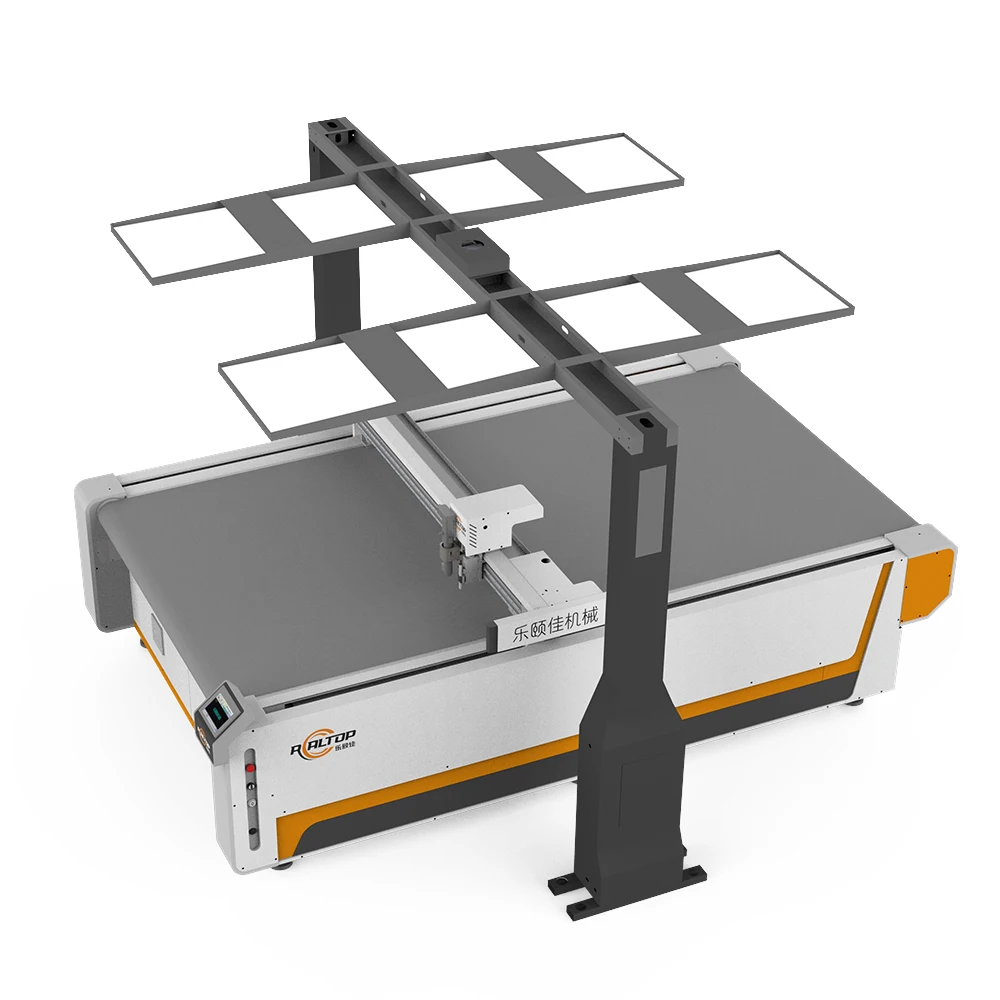
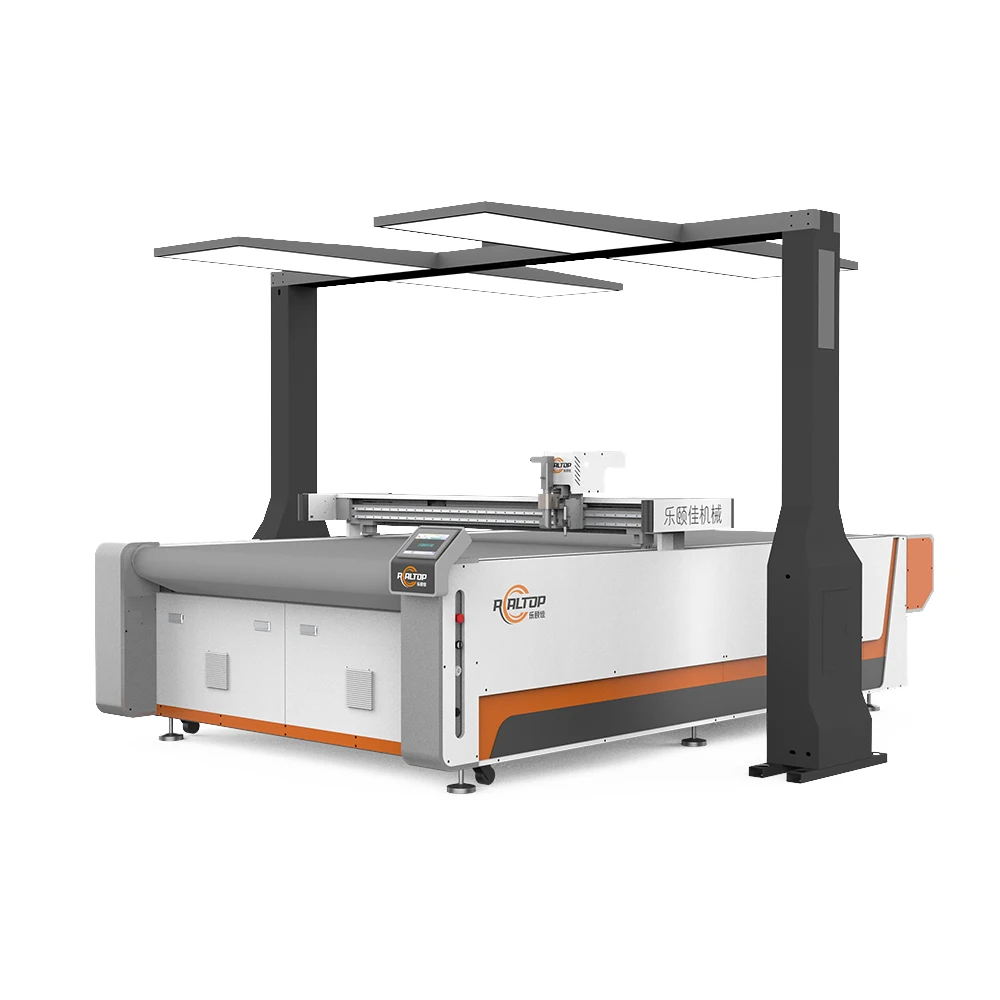
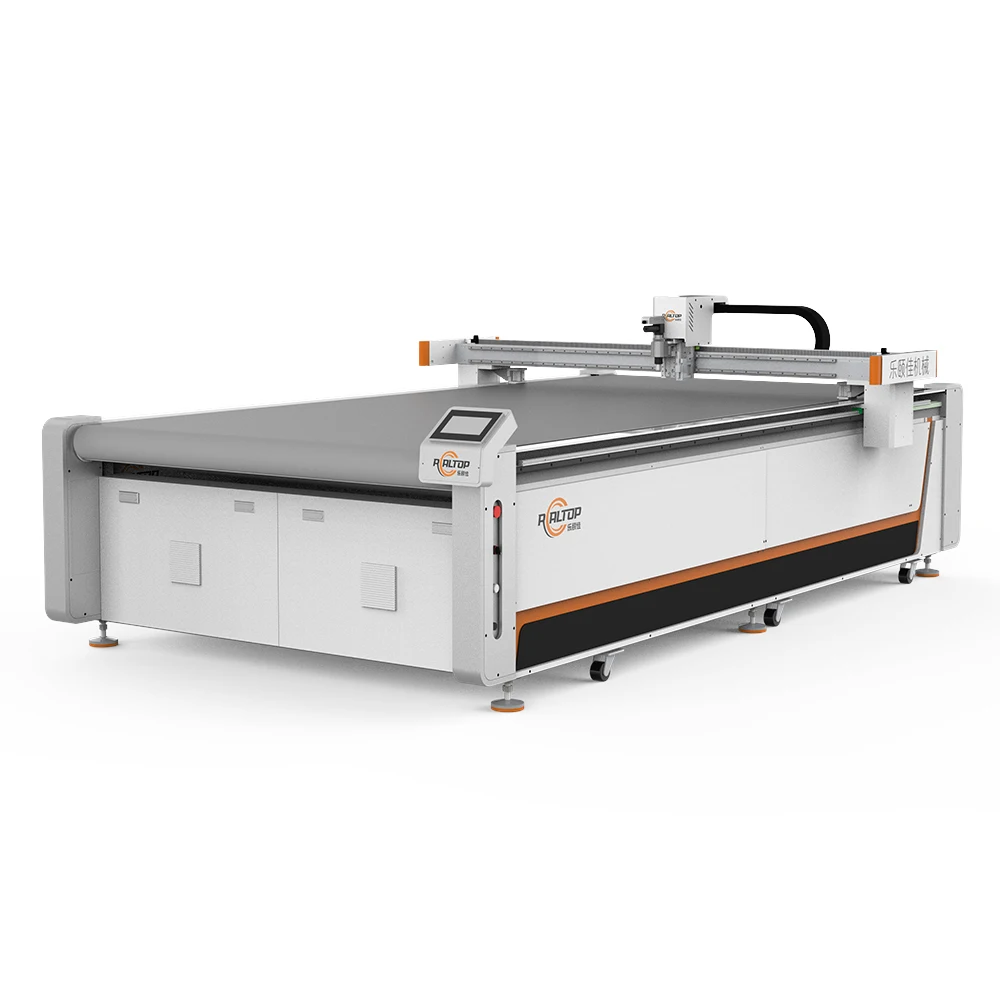
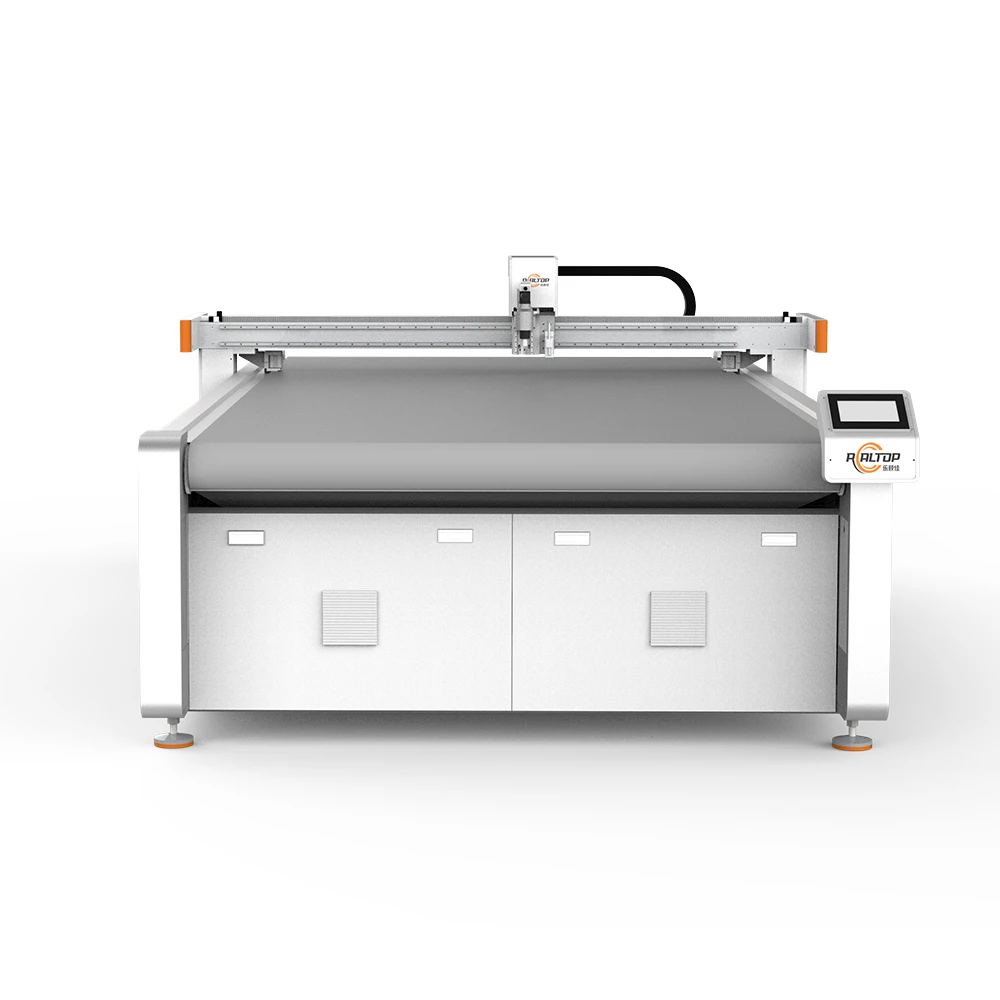
| Product Type | CNC Oscillating Knife Leather Cutting Machine |
| Working Area | 1600×2500 mm |
| Machine Size (Overall) | 3450×2300×1250 mm |
| Rated Power | 9 kW |
| Voltage | 380V ±10% |
| Working Table | Flat magnesium-aluminum alloy vacuum adsorption table with PVDF powder spraying and hard oxidation |
| Multifunctional Tool Head | Swiss imported knife (vibration full/half cutting, cursor location); options: oscillating, pneumatic, high-power vibrating, circular, V-cutting, drag knife, creasing wheel, dotted line, punching, brush |
| Vacuum Pump | 7.5 kW, integrated aviation aluminum shell with built-in silencer |
| Translational Velocity | 800–1200 mm/s |
| Cutting Thickness | 20–80 mm (basis not stated in source — confirm material type and layering format) |
| Repeated Accuracy | ≤0.1 mm |
| Transmission System | Digital servo motor (Delta, optional Panasonic, IP67 waterproof), linear guide, synchronous belt, ball screw |
| Rail | Taiwan Hiwin |
| Auto Feeding | Equipped |
| Visual Positioning | Small CCD mark point, panoramic camera recognition, projection positioning |
| Instruction System | HP-GL compatible format |
| Language Options | English, Russian, Italian, Chinese; custom languages available |
| Safety Devices | Infrared sensors, anti-collision, emergency stop |
| Standards | CE (where applicable) |
Application Suitability
| Application | Material or Output |
|---|---|
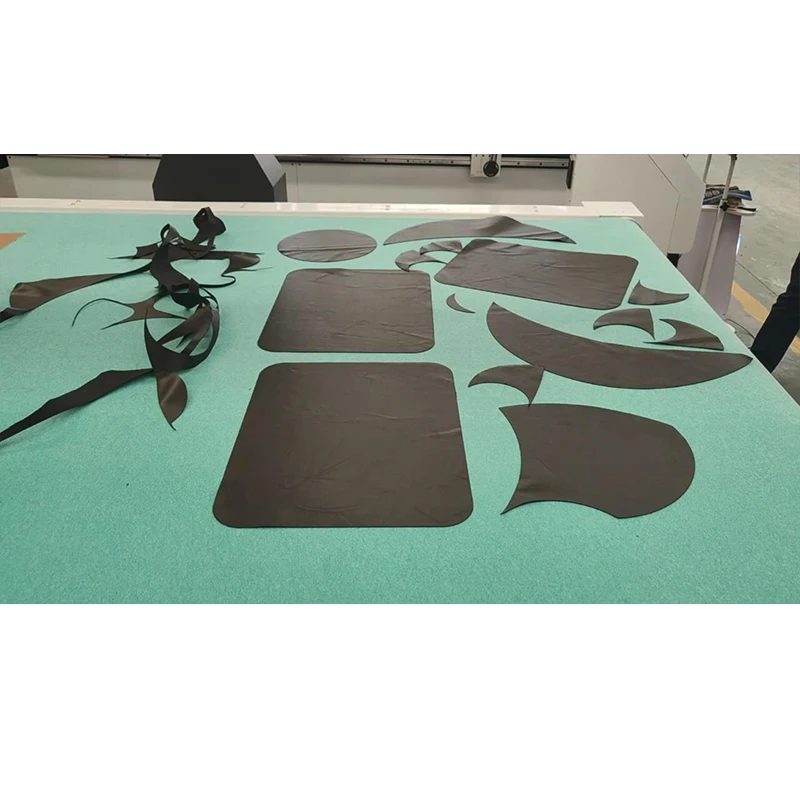
| Footwear and leather goods | Natural and synthetic leather, irregular outlines with flaw avoidance |
| Garment and flexible material cutting | Clothing fabrics, sponge composite leather, PVC, soft glass, silicon, rubber |
| Automotive interior trimming | Leather and composite upholstery panels |
| Advertising and signage | Vinyl, flexible board, PVC sheet |
| Packaging and carton sampling | Corrugated board, folding carton stock |
What Cutting Thickness Ratings Leave Out When Material Layers Vary
Real cutting depth depends on the actual layered material you feed, not a single number on a brochure.
I once watched a shipment of leather cutting equipment fail at a European workshop because the factory test used uniform PVC sheets while the buyer’s daily work involved multi-layer composite genuine leather with uneven density. The bottom layers were not fully severed, and three weeks of rework followed before the tooling and pressure were corrected. That gap between quoted thickness and actual material behaviour is where most disputes start. The RT-D2516/RT-S2516 lists a 20–80 mm cutting thickness range, but this figure shifts with material density, layer bonding, and blade wear [NEED_CITE: material density effect on oscillating knife penetration]. This is why we require the buyer’s actual sample material for a pre-shipment cutting test before the crate is sealed.
Matching the Full Cutting Equipment Range to Your Material
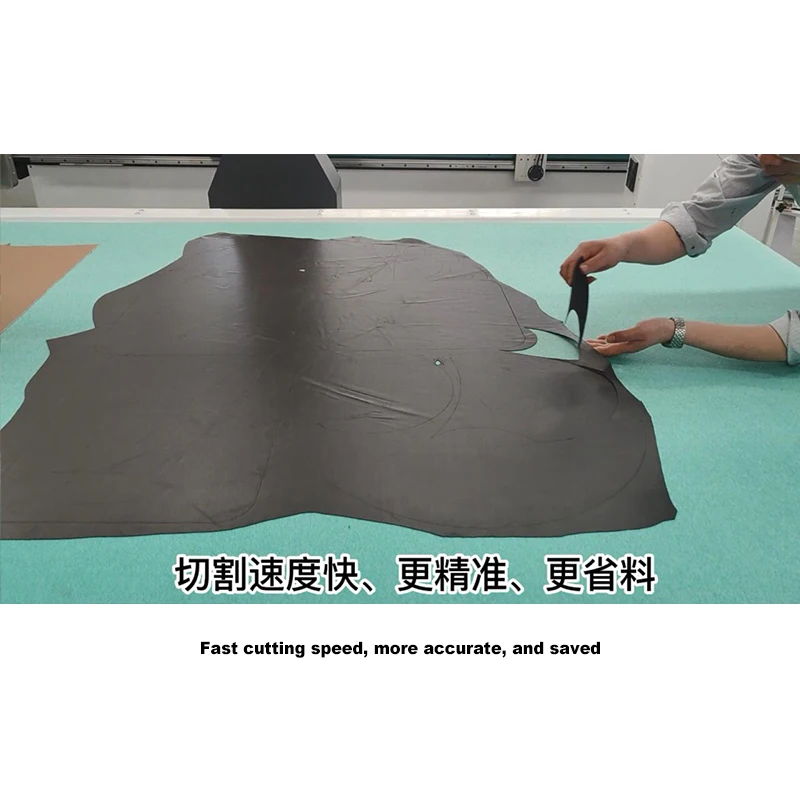
Buyers often arrive with a single method in mind — knife or laser — before the material actually demands the other. The REALTOP catalogue spans both technologies, so the choice is driven by what sits on your table rather than which machine family was browsed first. For leather with printed contours and irregular grain flaws, an oscillating knife avoids the thermal edge sealing that a CO2 beam would leave on synthetics. The RT-D2516/RT-S2516 sits in the knife cutting line with a working area suited to full-hide leather and large garment panels.
Tool Head Selection Decides Edge Quality Before the Machine Starts
The multifunctional head accepts Swiss imported knives for vibration full cutting and half cutting, plus pneumatic, circular, V-cutting, drag, and creasing options. Each tool engages differently: an oscillating knife slices through dense sponge composite leather without crushing the foam core, while a drag knife scores thinner vinyl for signage peel work. Selecting the wrong head produces ragged edges or compressed layers that reject at the sewing station. A CNC oscillating knife cutting machine manufacturer must confirm tool head and material pairing before the order is locked, not after the machine lands on the shop floor [NEED_CITE: tool head selection for flexible composite materials].
Reading the Specs That Actually Affect Leather Cutting Output
The 7.5 kW vacuum pump with integrated aviation aluminum shell and silencer sponge matters more than motor wattage when cutting small leather components. Weak suction lets thin pieces lift mid-cut, shifting the contour and wasting the hide. The magnesium-aluminum alloy table with fluorocarbon PVDF powder spraying and hard oxidation resists the scoring that raw leather edges and adhesive residues leave over months of use. Delta or Panasonic IP67 waterproof servo motors suppress vibration during direction changes, keeping repeated accuracy within ≤0.1 mm across a 1600×2500 mm field — critical when nesting dozens of shoe uppers from a single hide. CCD and panoramic camera options locate printed marks on pre-printed leather, but recognition must be verified at production speed, not at a slow demo pace.
The Hidden Cost of Skipping the Sample Cutting Step
When a buyer approves a configuration from a spec sheet alone, the machine arrives tuned for the factory’s standard test material — not the buyer’s actual stock. Vacuum zoning that works for large panels may leave small belt-loop pieces floating. A CCD system promised for contour tracking may lose printed marks on dark or textured leather at full translational speed. These mismatches surface only during the first production week, when downtime and scrap compound [NEED_CITE: buyer sample testing before equipment commissioning]. The RT-D2516/RT-S2516 configuration should be validated on the buyer’s own hide or composite roll before the wooden crate is nailed shut.
Why Sourcing This Leather Cutter Here Reduces Specification Risk
In-house design and production cover both knife and laser cutting technologies, so the cutting method is matched to the material rather than forced into one machine family. Tool head and table configuration are specified per material type and daily volume, not left to a default build. CCD camera positioning is tested against the buyer’s actual printed marks before dispatch. Software file format and nesting workflow compatibility are confirmed during the order stage, eliminating the surprise of an incompatible post-processor at installation. Voltage, plug type, and control language — English, Russian, Italian, Chinese, or custom — are written into the production order so the operator sees familiar text on day one.
Documentation & Verification
- Machine specification sheet listing confirmed tool head and vacuum table zoning per material
- Electrical schematic with voltage and plug type matching the destination country grid
- Sample cutting report on buyer-supplied leather or composite material before crating
- Factory test record documenting repeated accuracy and CCD tracking at production speed
- Software licence and file format compatibility note for the buyer’s existing nesting workflow
- Spare parts list matched to the selected tool head configuration
Installation, Commissioning & Support
- Floor space of approximately 3450×2300 mm with clearance for the auto-feeding conveyor roll
- Dedicated 380V ±10% circuit rated for 9 kW plus the 7.5 kW vacuum pump on a separate breaker
- Flat working table arrives assembled; vacuum pump and conveyor belt fitted on-site during commissioning
- First-run parameter setting includes vacuum zoning calibration for the buyer’s smallest leather part size
- Operator training covers tool head changeover, CCD mark teaching, and nesting import from the buyer’s software
- Spare oscillating and drag knife blades, CCD lens covers, and vacuum table seal strips included in the initial parts kit
What We Need From You Before Quoting
Send the actual leather or composite material you cut daily — type, typical thickness range, and whether it arrives in hides or rolls. Confirm your local voltage and frequency, the control language your operators read, and the software format your nesting files currently use. If your production includes printed contour work, share a sample with the registration marks so the CCD or panoramic camera can be tuned before shipment.
Frequently Asked Questions
Q: How do I choose between oscillating, drag, and pneumatic knife for leather cutting?
A: Oscillating knives slice dense, multi-layer leather without crushing the core; drag knives score thinner vinyl and synthetic overlays; pneumatic knives handle thicker sponge composite materials where downward force must be adjustable. The correct choice depends on the specific material density, thickness, and edge finish your downstream sewing or assembly process requires.
Q: Which working area size fits my daily leather cutting volume?
A: The 1600×2500 mm table on the RT-D2516/RT-S2516 accommodates full hides and large garment panels in a single lay. Daily volume depends on hide size, nesting density, and cutting complexity rather than table area alone. We assess your typical hide dimensions and daily piece count to confirm whether a single-head or multi-head layout suits your throughput.
Q: Can the CCD camera track printed marks on dark or textured leather?
A: Small CCD mark point positioning and panoramic camera recognition are both available, but performance varies with mark contrast, surface texture, and production speed. We test the camera against your actual printed sample before shipment to confirm reliable tracking, rather than relying on a generic demo under controlled lighting conditions.
Q: Will small leather parts stay flat during cutting with the vacuum table?
A: The magnesium-aluminum alloy table uses zoned vacuum adsorption, but small components like belt loops or strap tabs can lift if the active zone is larger than the part footprint. During commissioning we map your smallest part dimensions and adjust zone activation so suction concentrates directly beneath the cutting path, preventing lift and contour drift.
Q: How does knife cutting compare to laser cutting for leather?
A: Knife cutting leaves a clean, unsealed edge suitable for stitching and edge painting, while CO2 laser cutting produces a thermally sealed edge that can stiffen natural leather. For garment and footwear applications requiring soft hand feel, knife cutting is typically preferred. Laser is chosen when synthetic leather requires sealed edges to prevent fraying during washing or wear.










商品评价
There are no reviews yet.