

Fast Delivery
Quick, reliable shipping to any location.

Free & easy returns
Return this item by mail or in store within 90 days for a full refund.
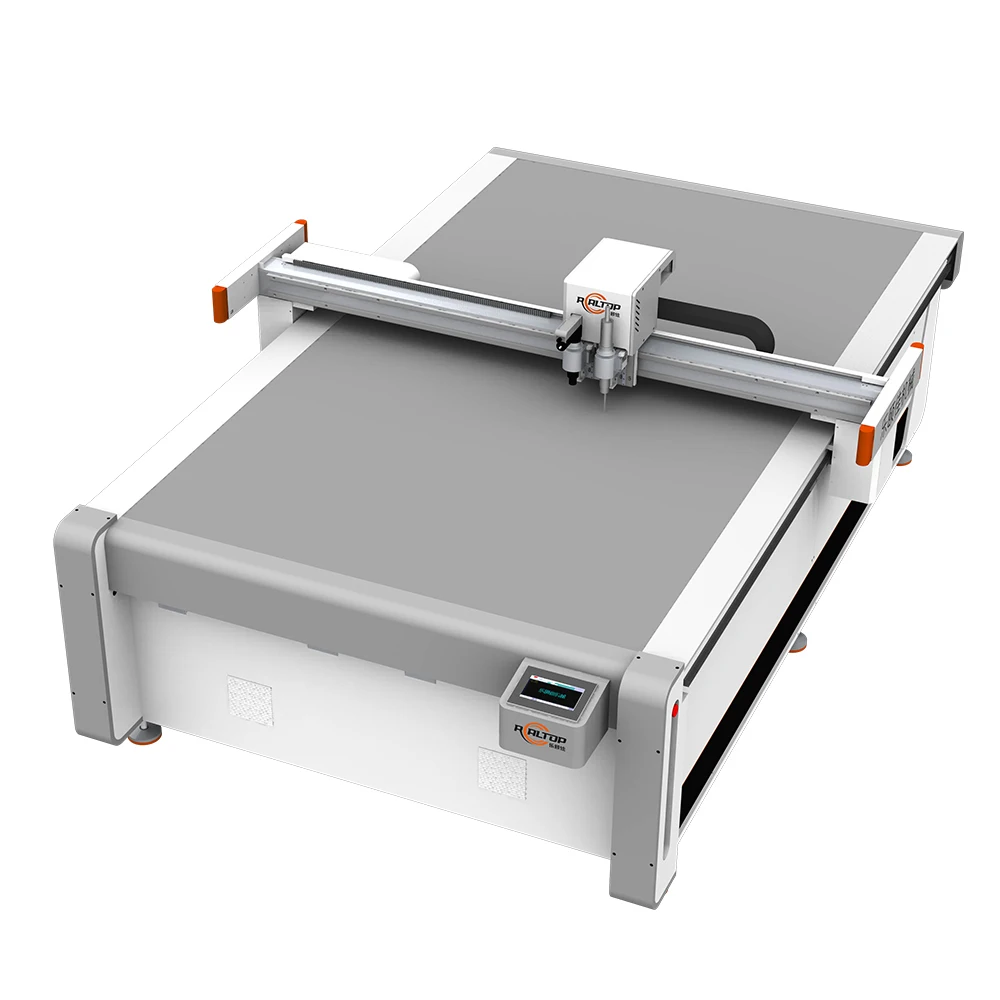
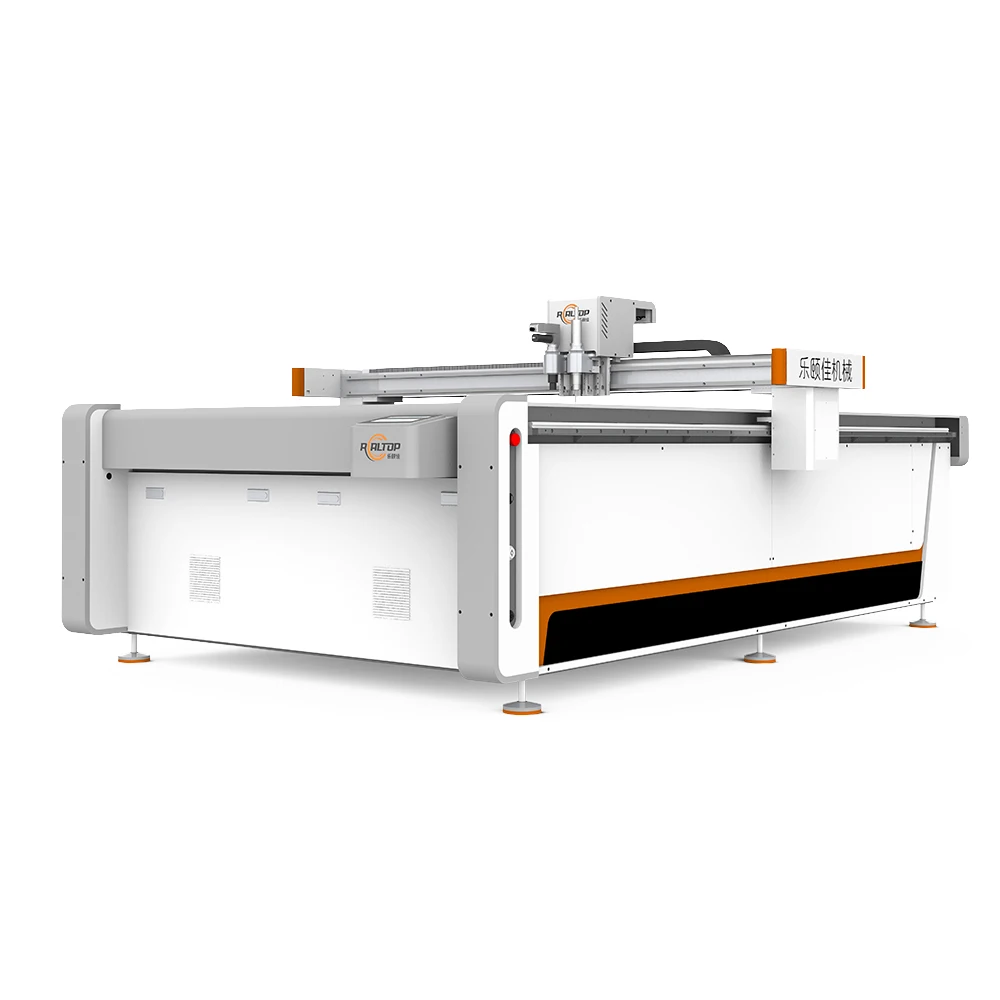
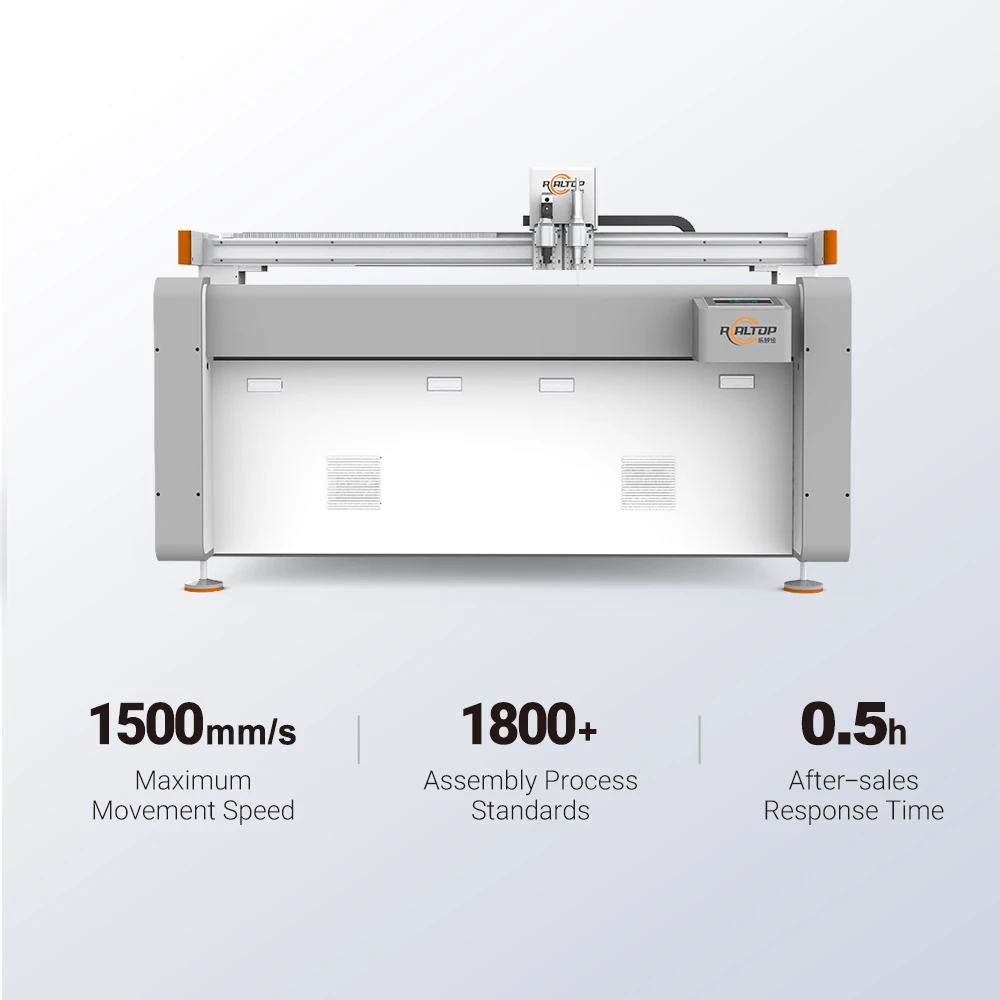
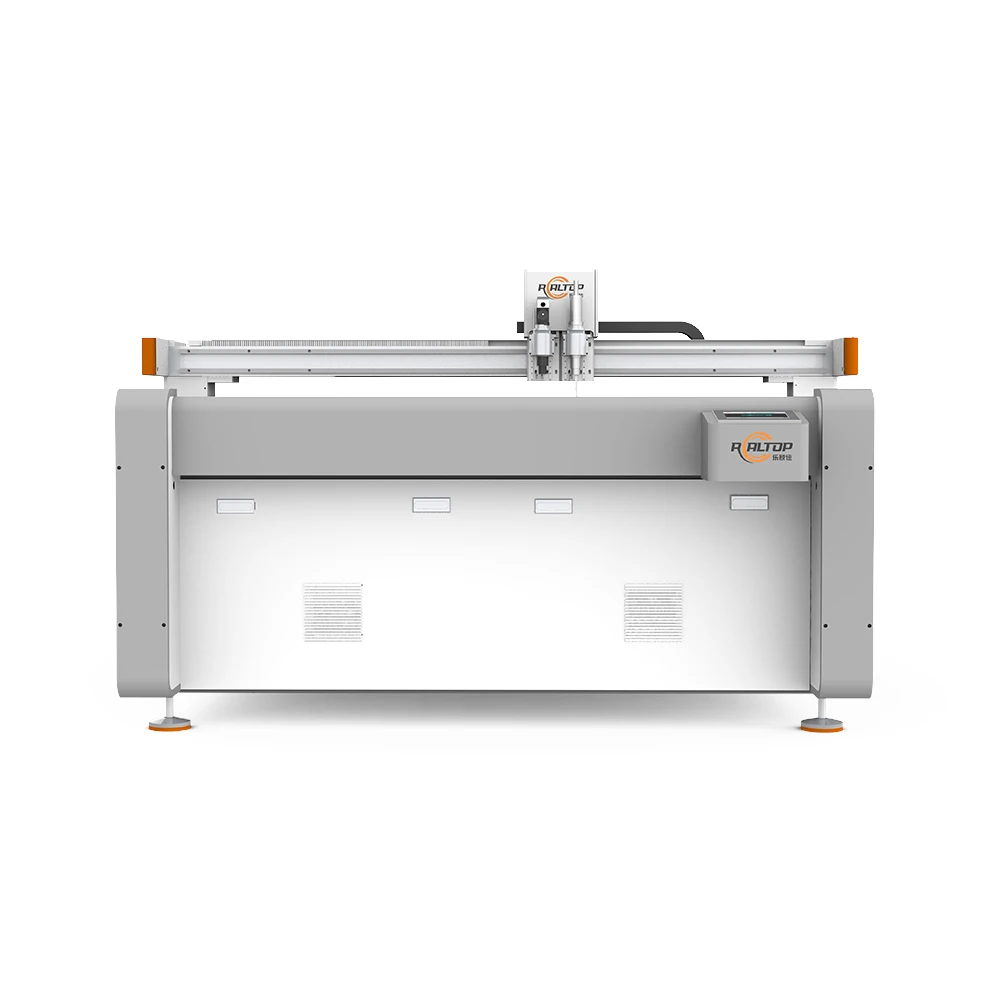
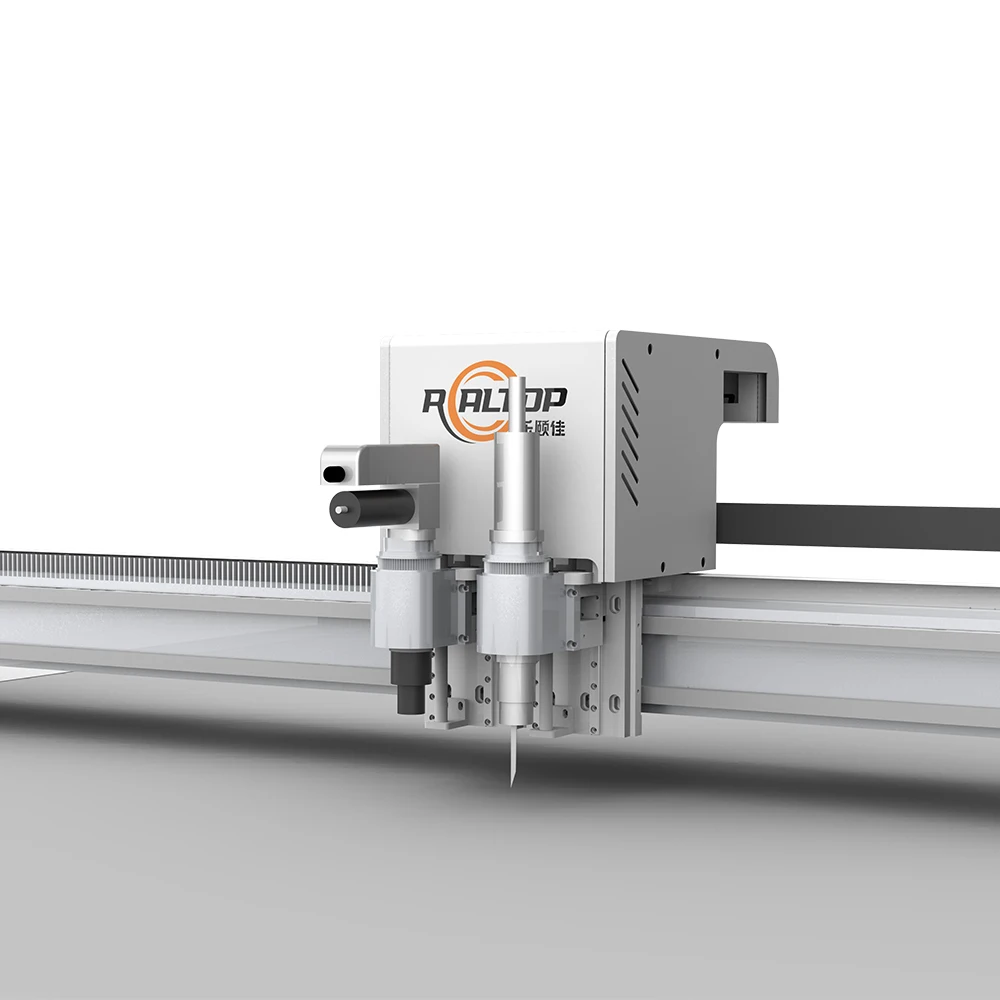
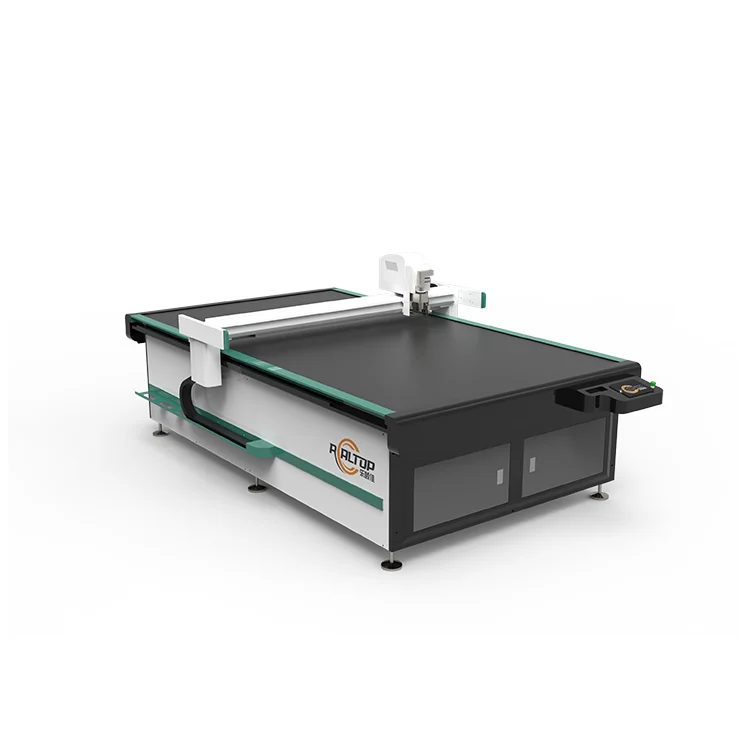
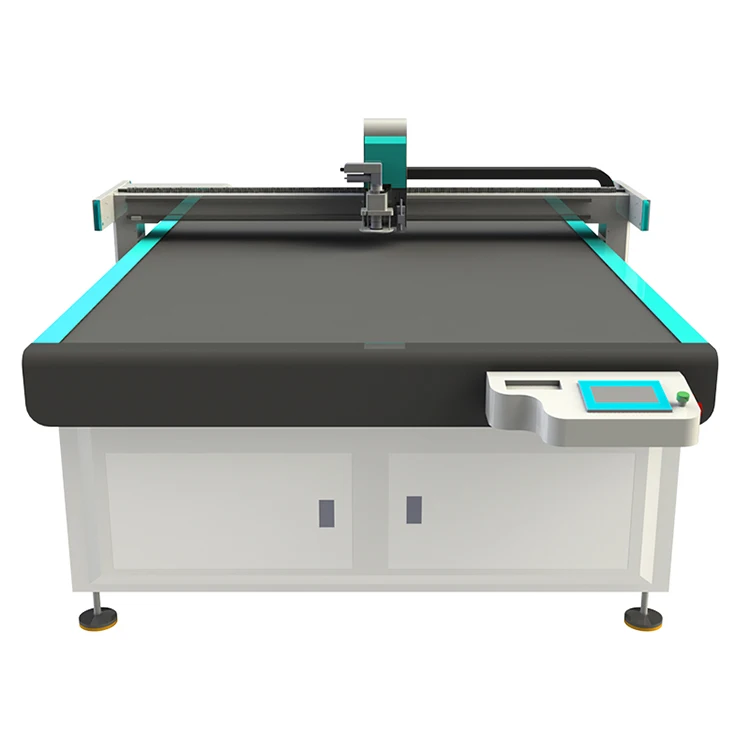
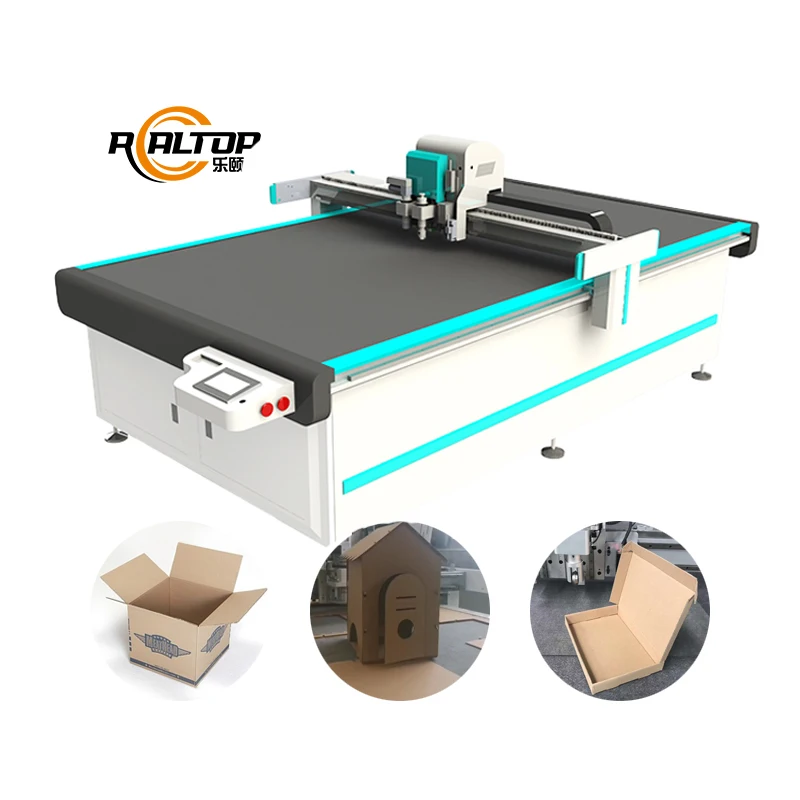
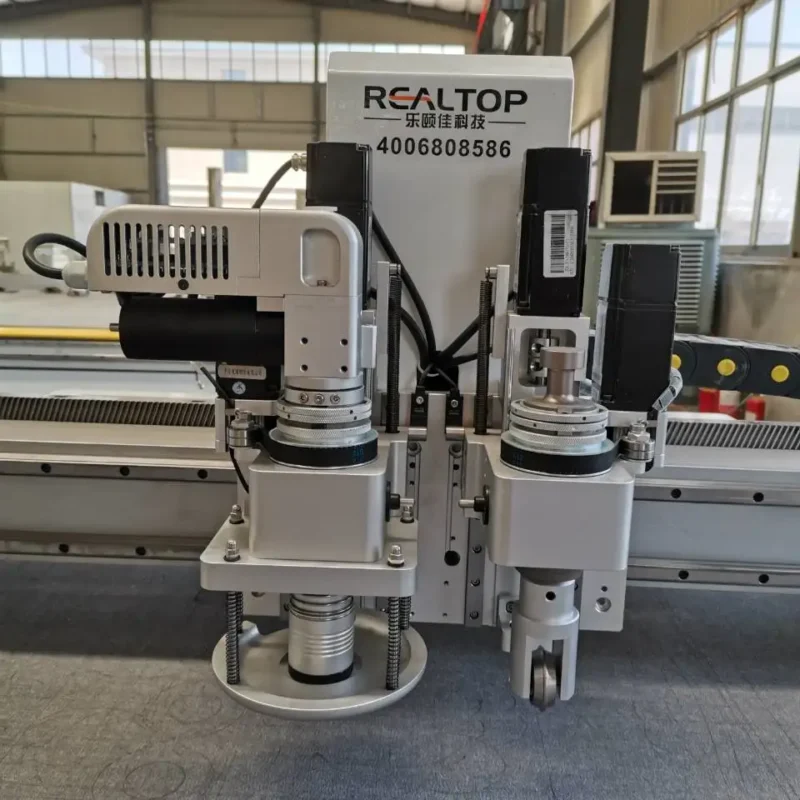
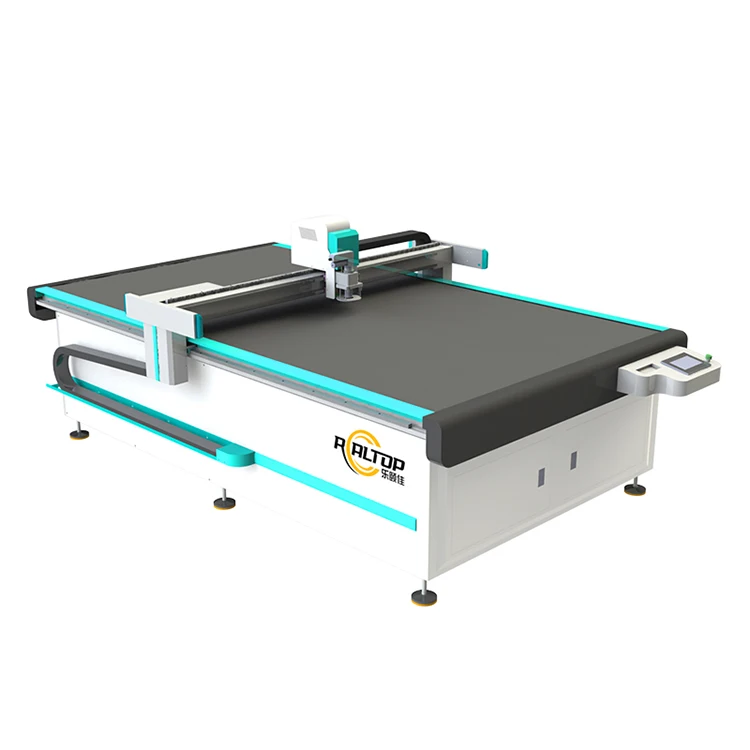
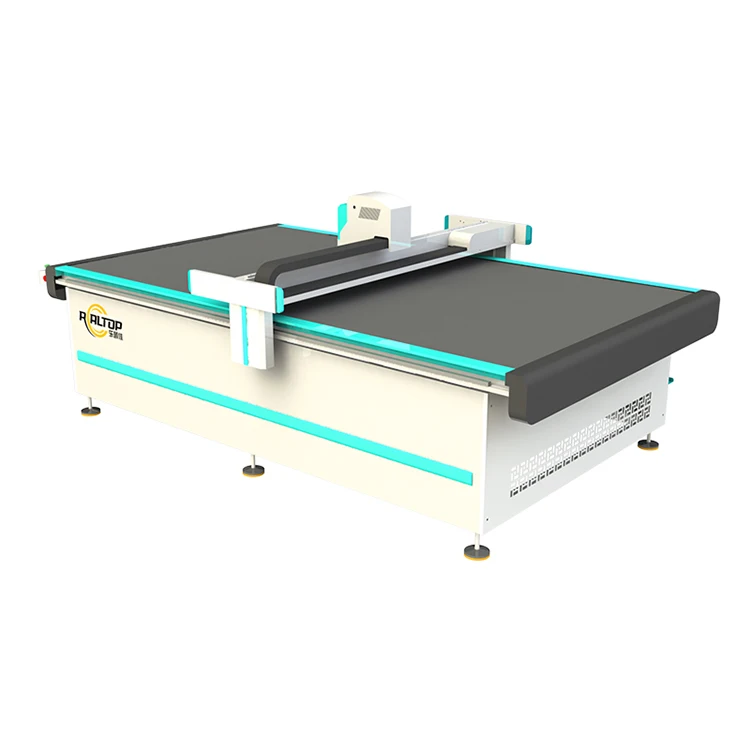
Tool-Head Versatility — the 1625 platform accepts oscillating, rotary, creasing, pneumatic and V-groove heads so packaging converters match the cutter to the flute profile instead of forcing one blade through everything.
Technical Specifications
| Parameter | Value |
|---|---|
| Product Type | CNC Oscillating Knife Cutting Machine for Packaging |
| Working Area | 1600 × 2500 mm |
| Cutting Speed | 0 – 1500 mm/s |
| Cutting Thickness Capacity | Up to 40 mm |
| Cutting Accuracy | ±0.1 mm |
| Tool Heads Available | Oscillating knife, Driven rotary knife, Creasing wheel, Kiss cutting tool, Pneumatic knife, Milling tool, V-groove knife |
| Vacuum Table | Aluminum bellows vacuum table |
| Vacuum Pump | 9 kW |
| Control System | PLC control panel |
| Servo Motor Options | Panasonic, Delta, Dorna (selection confirmed at order) |
| Voltage Options | 110 V / 220 V / 380 V (configurable) |
| Supported File Formats | PLT, DXF, AI, PDF |
| Safety Devices | Infrared sensor and emergency stop |
| Machine Dimensions | 3300 × 2100 × 1350 mm |
| Interface Languages | English, Russian, Italian, Chinese; custom languages on request |
| Compliance | CE |
Application Suitability
| Application | Material or Output |
|---|---|
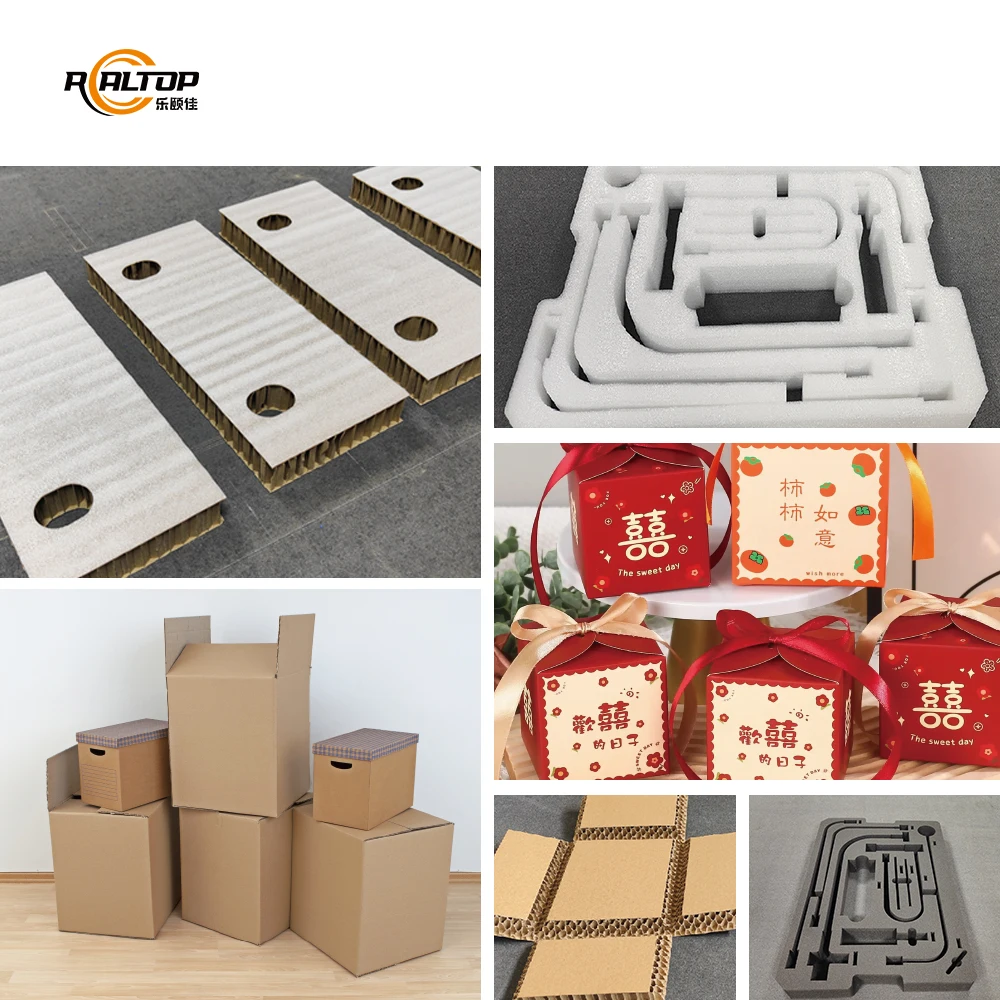
| Corrugated board sample making | E-flute, B-flute, BC-flute corrugated cardboard |
| Carton prototyping and short runs | Greyboard, cardstock, art paper, specialty paper |
| Foam insert cutting | EVA, EPE, PU foam sheets |
| Gasket and seal production | Rubber mats, PTFE, non-woven fabric |
| Thin plastic converting | PVC and PET sheets |
| Leather goods preparation | Natural and synthetic leather hides |
| Composite layup trimming | Adhesive-backed and multi-layer laminates |
| Packaging sample department workflows | Mixed-material mock-ups and one-off carton designs |
Why Corrugated Flute Type Changes the Tool Head You Need
A B-flute sheet and a BC-flute sheet look similar on a spec sheet, but the wrong knife choice crushes the flute or leaves ragged edges.
Many packaging converters select a CNC oscillating knife cutting machine manufacturer based on working area and price, then discover the oscillating blade tears through double-wall board or leaves burrs on coated stock. Flute geometry, liner weight and coating all affect how a blade enters the material. A driven rotary knife slices single-face cleanly, while a high-frequency oscillating head handles thicker BC-flute without delaminating the liners. Specifying the tool head after a sample cut on the actual board grade avoids costly rework [NEED_CITE: corrugated flute profiles and knife selection guidelines].
Mapping Every Tool Head to Its Packaging Role
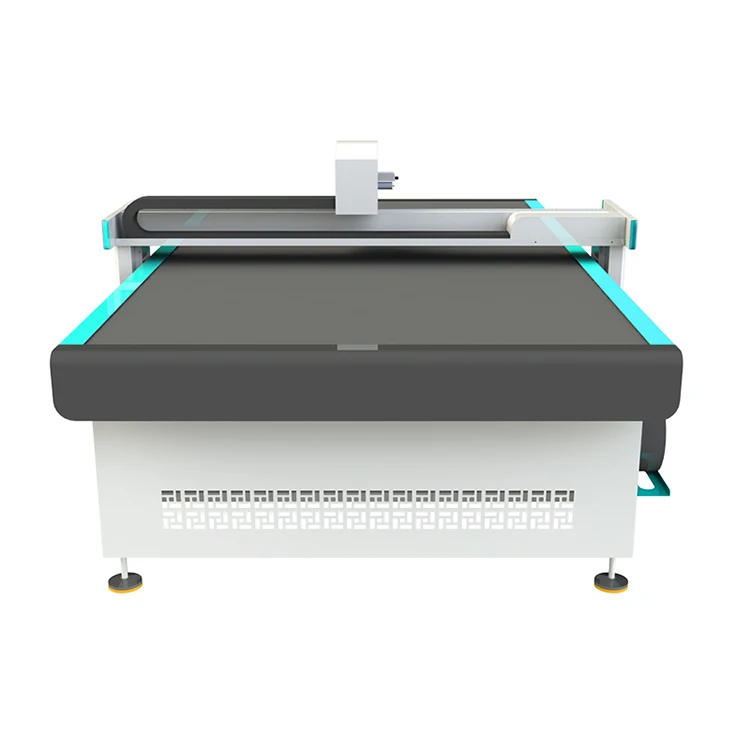
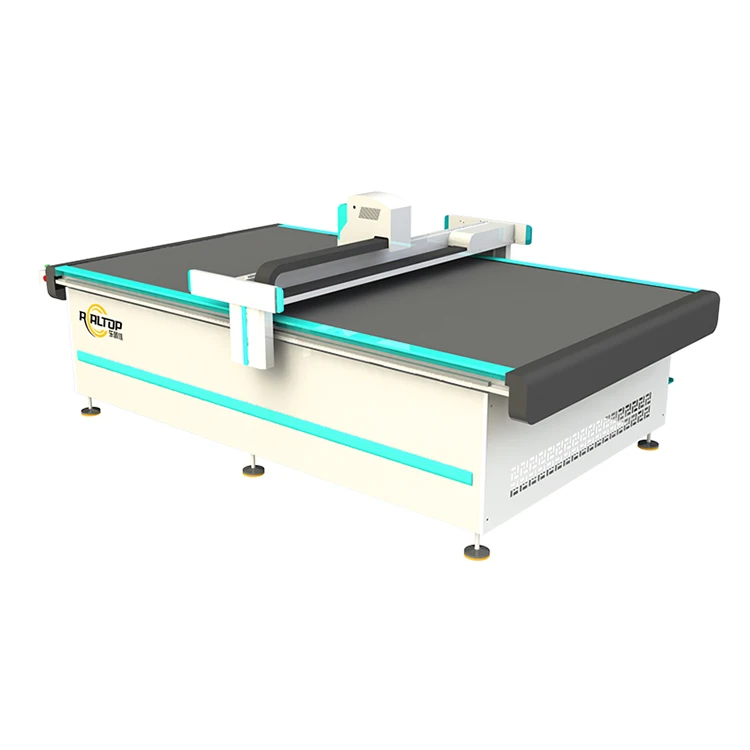
The interchangeable head carriage on this packaging CNC cutting machine for sale lets a single platform cover tasks that would otherwise require two or three dedicated units. An oscillating knife handles standard single-wall corrugated up to the 40 mm thickness limit, slicing through the medium without crushing adjacent flutes. A creasing wheel follows the same tool path to score fold lines, so the blank leaves the table ready for folding. For kiss-cutting adhesive layers on foam inserts, the pneumatic knife adjusts downward force to cut the face stock while leaving the liner intact.
Vacuum Zoning and Small-Part Hold-Down
Aluminum bellows construction gives the vacuum table a flat sealing surface that maintains suction across the full 1600 × 2500 mm area. When cutting nested carton blanks, smaller off-cuts tend to lift once the surrounding material is removed. Zoned vacuum channels let the operator isolate suction to the region still being processed, keeping narrow flaps and die-cut windows flat. The 9 kW pump provides enough negative pressure to hold lightweight art paper as well as dense greyboard without shifting during high-speed passes [NEED_CITE: vacuum hold-down principles for flatbed digital cutters].
Reading the Spec Sheet Like a Production Manager
Cutting accuracy of ±0.1 mm across the entire working area means registration marks on printed carton faces stay within tolerance for downstream gluing and window-patching operations. The PLC control panel stores job parameters per material, so an operator switching from 3 mm E-flute to 12 mm EVA foam recalls the correct blade frequency, vacuum zone map and feed rate without manual trial runs. Servo motors from Panasonic, Delta or Dorna are selected during order confirmation to match the buyer’s preference for spare-part sourcing in their local market. File compatibility with PLT, DXF, AI and PDF removes the need for intermediate conversions that can distort bezier curves on complex carton lock-bottom designs.
The Cost of Skipping a Material Sample Cut
A buyer once specified a standard oscillating head for what turned out to be seven-layer heavy-duty board, and the blade stalled mid-sheet leaving frayed edges across every crease line. The on-site fix required swapping to a high-power oscillating unit and re-tuning the vacuum zones, a delay that pushed back their entire sample approval cycle. Without a documented sample cut report on the exact board grade and thickness, the machine configuration remains a guess [NEED_CITE: sample cutting validation before equipment acceptance].
Why Source This Machine From Realtop
Realtop designs and produces both knife and laser platforms in-house, so a packaging buyer comparing cutting methods gets an honest recommendation based on material rather than a push toward whichever line has open capacity. Tool head and table configurations are specified against the buyer’s actual board grade, foam density or laminate stack, not a generic default. CCD camera positioning is available for printed contour work, and software compatibility with the buyer’s existing nesting workflow is confirmed before the order enters production. Voltage, plug type and control language are locked in during the specification review, not left to a packing-list assumption. Sample cutting on the buyer’s own corrugated board or foam is standard procedure, producing a written report that travels with the machine.
Documentation & Verification
- Machine specification sheet listing the confirmed tool head and vacuum zone layout for your board grade
- Sample cutting report on your corrugated or foam material showing edge quality and dimensional accuracy
- Electrical schematic and voltage confirmation matching your facility supply before dispatch
- Software licence and file format compatibility note covering PLT, DXF, AI and PDF workflows
- Factory test record documenting cutting accuracy across the full 1600 × 2500 mm travel
- Operation and maintenance manual with tool change intervals translated into your chosen language
Installation, Commissioning & Support
- Foundation must support 3300 × 2100 mm footprint plus operator clearance on three sides
- Dedicated circuit matching confirmed voltage, either 110 V, 220 V or 380 V at order
- 9 kW vacuum pump requires separate breaker and ducted exhaust routing
- PLC parameters pre-loaded with material profiles validated during factory sample cut
- On-site training covers tool head swaps, vacuum zone mapping and file import workflow
- Spare blade and creasing wheel kit shipped with the machine to cover initial production weeks
Before You Request a Quotation
Provide the specific flute type and board weight you run most often, along with maximum sheet size and whether printed contour cutting is part of your workflow. Confirm your facility voltage and preferred control language so the electrical package and interface are built correctly from the start. If you work with mixed materials — corrugated, foam inserts and adhesive laminates — list each one so the tool head package covers your full range rather than a single application.
Frequently Asked Questions
Q: Oscillating knife or laser — which is better for corrugated cardboard?
A: Knife cutting is standard for corrugated board because it produces no burnt edges and handles the air gap inside the flute cleanly. Laser is better suited to sealing synthetic fabrics or engraving acrylic. For packaging producers running board, foam and paper, an oscillating knife platform covers the wider material range without combustion risk.
Q: How do I choose the right working area for my sheet sizes?
A: Match the table to your largest standard sheet plus enough margin for vacuum sealing at the edges. The 1600 × 2500 mm area accommodates most carton blank sizes and allows nested layouts for smaller boxes. If you run oversized display packaging, a larger format model is available in the same machine family.
Q: Which tool head handles BC-flute versus E-flute board?
A: E-flute and B-flute single-wall boards cut cleanly with a standard oscillating knife. BC-flute and heavier double-wall grades benefit from a high-power oscillating head that maintains blade frequency through the thicker medium. A creasing wheel is added to the same carriage for fold-line scoring in the same pass.
Q: Can the voltage and control language be customized before shipment?
A: Yes. Voltage is configurable at 110 V, 220 V or 380 V, and the plug type is matched to the destination market. The PLC interface is available in English, Russian, Italian and Chinese, with other languages arranged during the specification review before production begins.
Q: How do I arrange a sample cut on my own material?
A: Send a representative sheet of your corrugated board or foam to the factory. A sample cutting report is prepared documenting edge quality, cutting depth and dimensional accuracy. Review and approve the report before the machine configuration is finalized for production.
Tool-Head Versatility — the 1625 platform accepts oscillating, rotary, creasing, pneumatic and V-groove heads so packaging converters match the cutter to the flute profile instead of forcing one blade through everything.
Technical Specifications
| Parameter | Value |
|---|---|
| Product Type | CNC Oscillating Knife Cutting Machine for Packaging |
| Working Area | 1600 × 2500 mm |
| Cutting Speed | 0 – 1500 mm/s |
| Cutting Thickness Capacity | Up to 40 mm |
| Cutting Accuracy | ±0.1 mm |
| Tool Heads Available | Oscillating knife, Driven rotary knife, Creasing wheel, Kiss cutting tool, Pneumatic knife, Milling tool, V-groove knife |
| Vacuum Table | Aluminum bellows vacuum table |
| Vacuum Pump | 9 kW |
| Control System | PLC control panel |
| Servo Motor Options | Panasonic, Delta, Dorna (selection confirmed at order) |
| Voltage Options | 110 V / 220 V / 380 V (configurable) |
| Supported File Formats | PLT, DXF, AI, PDF |
| Safety Devices | Infrared sensor and emergency stop |
| Machine Dimensions | 3300 × 2100 × 1350 mm |
| Interface Languages | English, Russian, Italian, Chinese; custom languages on request |
| Compliance | CE |
Application Suitability
| Application | Material or Output |
|---|---|
| Corrugated board sample making | E-flute, B-flute, BC-flute corrugated cardboard |
| Carton prototyping and short runs | Greyboard, cardstock, art paper, specialty paper |
| Foam insert cutting | EVA, EPE, PU foam sheets |
| Gasket and seal production | Rubber mats, PTFE, non-woven fabric |
| Thin plastic converting | PVC and PET sheets |
| Leather goods preparation | Natural and synthetic leather hides |
| Composite layup trimming | Adhesive-backed and multi-layer laminates |
| Packaging sample department workflows | Mixed-material mock-ups and one-off carton designs |
Why Corrugated Flute Type Changes the Tool Head You Need
A B-flute sheet and a BC-flute sheet look similar on a spec sheet, but the wrong knife choice crushes the flute or leaves ragged edges.
Many packaging converters select a CNC oscillating knife cutting machine manufacturer based on working area and price, then discover the oscillating blade tears through double-wall board or leaves burrs on coated stock. Flute geometry, liner weight and coating all affect how a blade enters the material. A driven rotary knife slices single-face cleanly, while a high-frequency oscillating head handles thicker BC-flute without delaminating the liners. Specifying the tool head after a sample cut on the actual board grade avoids costly rework [NEED_CITE: corrugated flute profiles and knife selection guidelines].
Mapping Every Tool Head to Its Packaging Role
The interchangeable head carriage on this packaging CNC cutting machine for sale lets a single platform cover tasks that would otherwise require two or three dedicated units. An oscillating knife handles standard single-wall corrugated up to the 40 mm thickness limit, slicing through the medium without crushing adjacent flutes. A creasing wheel follows the same tool path to score fold lines, so the blank leaves the table ready for folding. For kiss-cutting adhesive layers on foam inserts, the pneumatic knife adjusts downward force to cut the face stock while leaving the liner intact.
Vacuum Zoning and Small-Part Hold-Down
Aluminum bellows construction gives the vacuum table a flat sealing surface that maintains suction across the full 1600 × 2500 mm area. When cutting nested carton blanks, smaller off-cuts tend to lift once the surrounding material is removed. Zoned vacuum channels let the operator isolate suction to the region still being processed, keeping narrow flaps and die-cut windows flat. The 9 kW pump provides enough negative pressure to hold lightweight art paper as well as dense greyboard without shifting during high-speed passes [NEED_CITE: vacuum hold-down principles for flatbed digital cutters].
Reading the Spec Sheet Like a Production Manager
Cutting accuracy of ±0.1 mm across the entire working area means registration marks on printed carton faces stay within tolerance for downstream gluing and window-patching operations. The PLC control panel stores job parameters per material, so an operator switching from 3 mm E-flute to 12 mm EVA foam recalls the correct blade frequency, vacuum zone map and feed rate without manual trial runs. Servo motors from Panasonic, Delta or Dorna are selected during order confirmation to match the buyer’s preference for spare-part sourcing in their local market. File compatibility with PLT, DXF, AI and PDF removes the need for intermediate conversions that can distort bezier curves on complex carton lock-bottom designs.
The Cost of Skipping a Material Sample Cut
A buyer once specified a standard oscillating head for what turned out to be seven-layer heavy-duty board, and the blade stalled mid-sheet leaving frayed edges across every crease line. The on-site fix required swapping to a high-power oscillating unit and re-tuning the vacuum zones, a delay that pushed back their entire sample approval cycle. Without a documented sample cut report on the exact board grade and thickness, the machine configuration remains a guess [NEED_CITE: sample cutting validation before equipment acceptance].
Why Source This Machine From Realtop
Realtop designs and produces both knife and laser platforms in-house, so a packaging buyer comparing cutting methods gets an honest recommendation based on material rather than a push toward whichever line has open capacity. Tool head and table configurations are specified against the buyer’s actual board grade, foam density or laminate stack, not a generic default. CCD camera positioning is available for printed contour work, and software compatibility with the buyer’s existing nesting workflow is confirmed before the order enters production. Voltage, plug type and control language are locked in during the specification review, not left to a packing-list assumption. Sample cutting on the buyer’s own corrugated board or foam is standard procedure, producing a written report that travels with the machine.
Documentation & Verification
- Machine specification sheet listing the confirmed tool head and vacuum zone layout for your board grade
- Sample cutting report on your corrugated or foam material showing edge quality and dimensional accuracy
- Electrical schematic and voltage confirmation matching your facility supply before dispatch
- Software licence and file format compatibility note covering PLT, DXF, AI and PDF workflows
- Factory test record documenting cutting accuracy across the full 1600 × 2500 mm travel
- Operation and maintenance manual with tool change intervals translated into your chosen language
Installation, Commissioning & Support
- Foundation must support 3300 × 2100 mm footprint plus operator clearance on three sides
- Dedicated circuit matching confirmed voltage, either 110 V, 220 V or 380 V at order
- 9 kW vacuum pump requires separate breaker and ducted exhaust routing
- PLC parameters pre-loaded with material profiles validated during factory sample cut
- On-site training covers tool head swaps, vacuum zone mapping and file import workflow
- Spare blade and creasing wheel kit shipped with the machine to cover initial production weeks
Before You Request a Quotation
Provide the specific flute type and board weight you run most often, along with maximum sheet size and whether printed contour cutting is part of your workflow. Confirm your facility voltage and preferred control language so the electrical package and interface are built correctly from the start. If you work with mixed materials — corrugated, foam inserts and adhesive laminates — list each one so the tool head package covers your full range rather than a single application.
Frequently Asked Questions
Q: Oscillating knife or laser — which is better for corrugated cardboard?
A: Knife cutting is standard for corrugated board because it produces no burnt edges and handles the air gap inside the flute cleanly. Laser is better suited to sealing synthetic fabrics or engraving acrylic. For packaging producers running board, foam and paper, an oscillating knife platform covers the wider material range without combustion risk.
Q: How do I choose the right working area for my sheet sizes?
A: Match the table to your largest standard sheet plus enough margin for vacuum sealing at the edges. The 1600 × 2500 mm area accommodates most carton blank sizes and allows nested layouts for smaller boxes. If you run oversized display packaging, a larger format model is available in the same machine family.
Q: Which tool head handles BC-flute versus E-flute board?
A: E-flute and B-flute single-wall boards cut cleanly with a standard oscillating knife. BC-flute and heavier double-wall grades benefit from a high-power oscillating head that maintains blade frequency through the thicker medium. A creasing wheel is added to the same carriage for fold-line scoring in the same pass.
Q: Can the voltage and control language be customized before shipment?
A: Yes. Voltage is configurable at 110 V, 220 V or 380 V, and the plug type is matched to the destination market. The PLC interface is available in English, Russian, Italian and Chinese, with other languages arranged during the specification review before production begins.
Q: How do I arrange a sample cut on my own material?
A: Send a representative sheet of your corrugated board or foam to the factory. A sample cutting report is prepared documenting edge quality, cutting depth and dimensional accuracy. Review and approve the report before the machine configuration is finalized for production.
商品评价
There are no reviews yet.