

Fast Delivery
Quick, reliable shipping to any location.

Free & easy returns
Return this item by mail or in store within 90 days for a full refund.
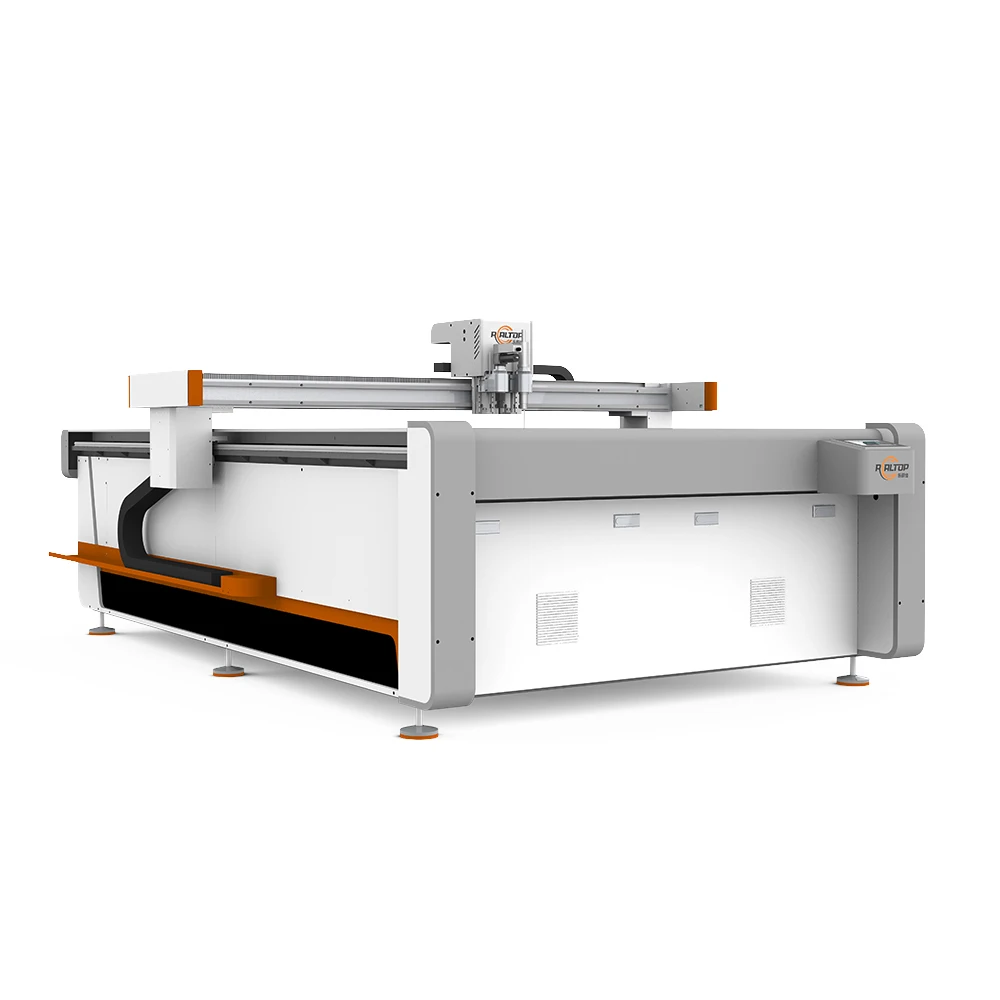
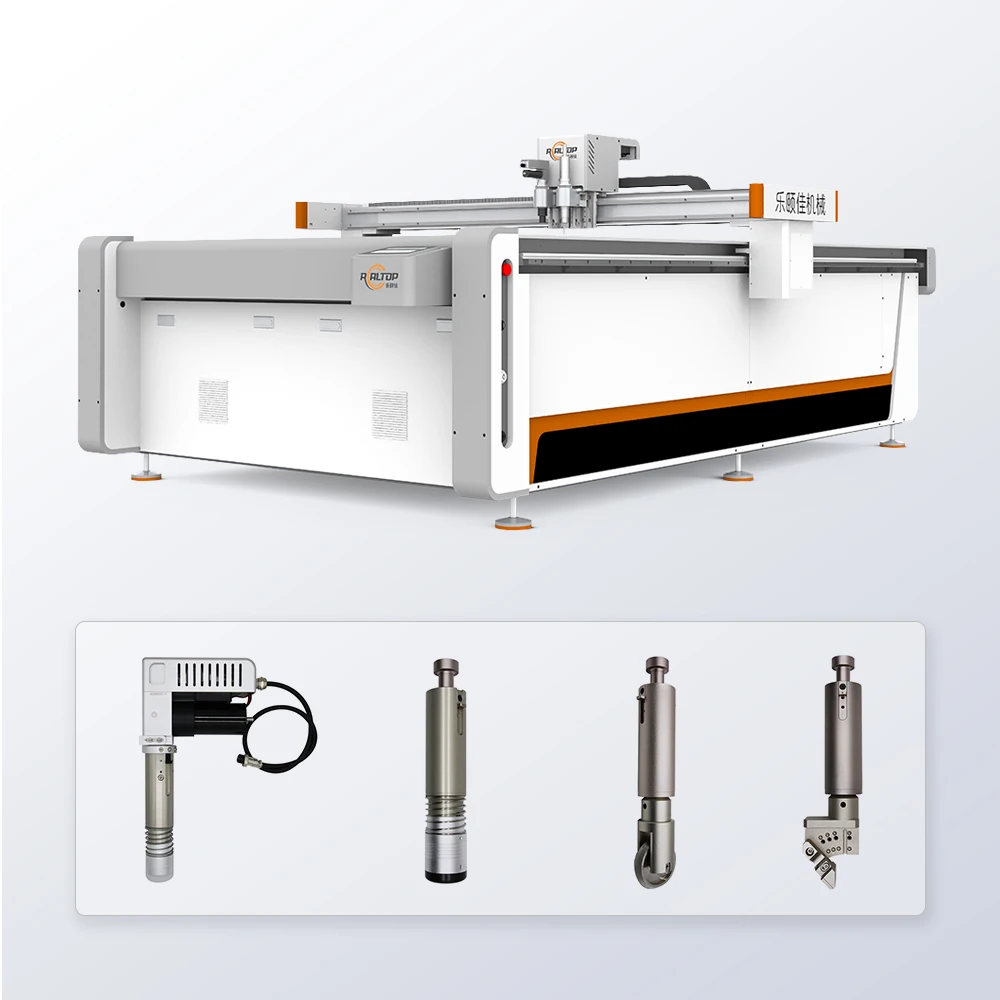
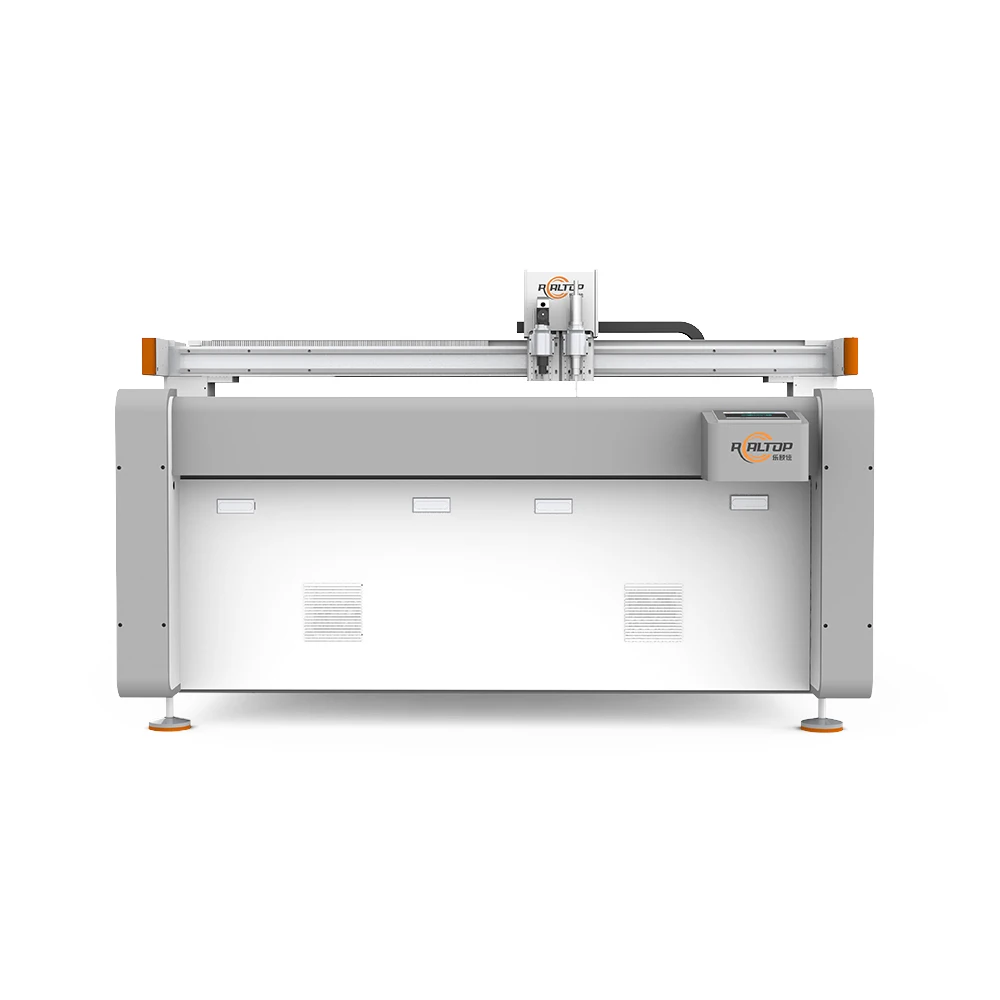
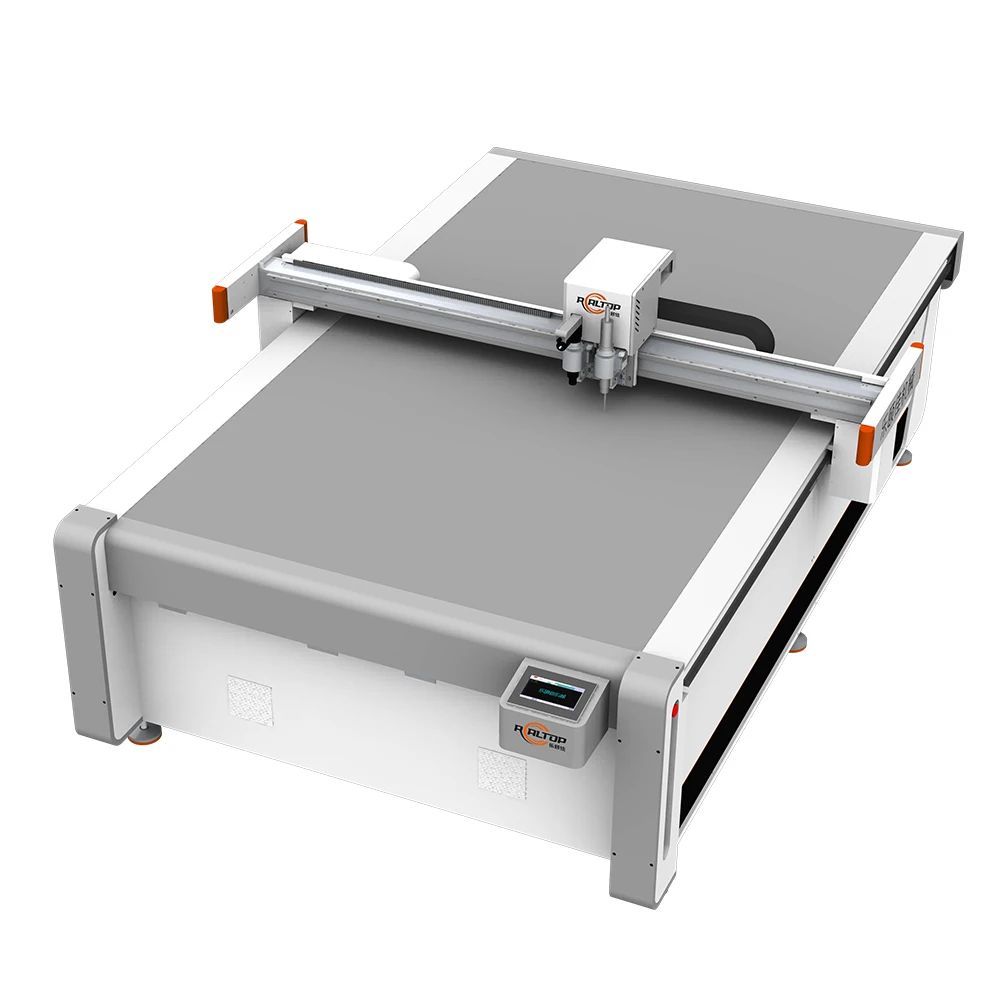
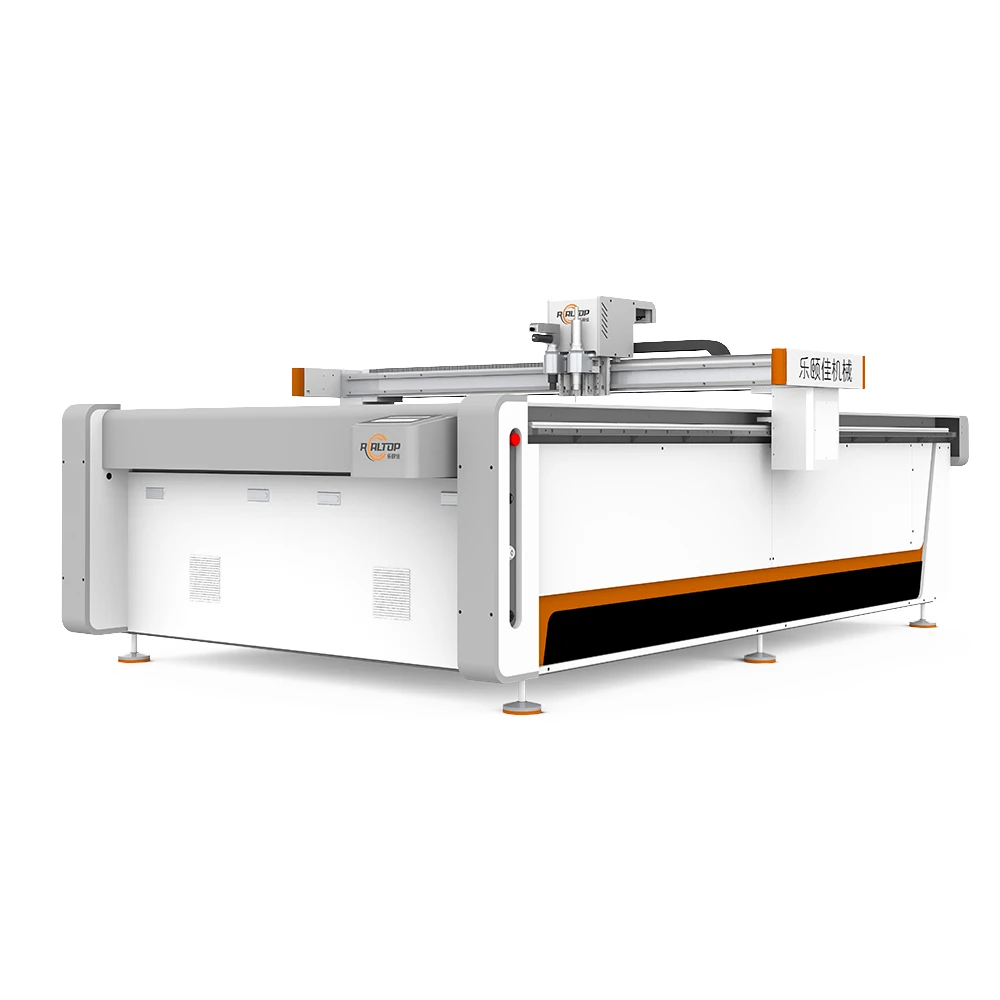
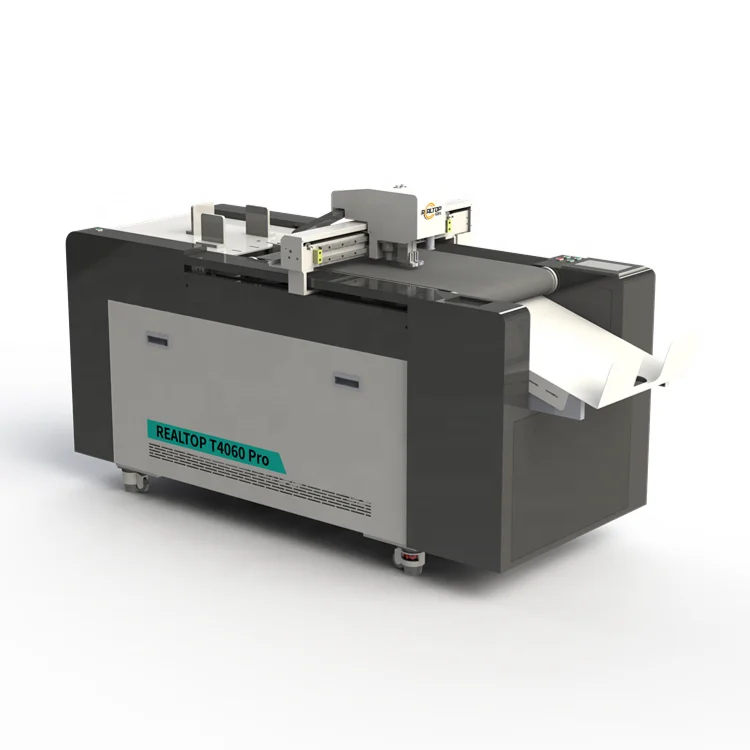
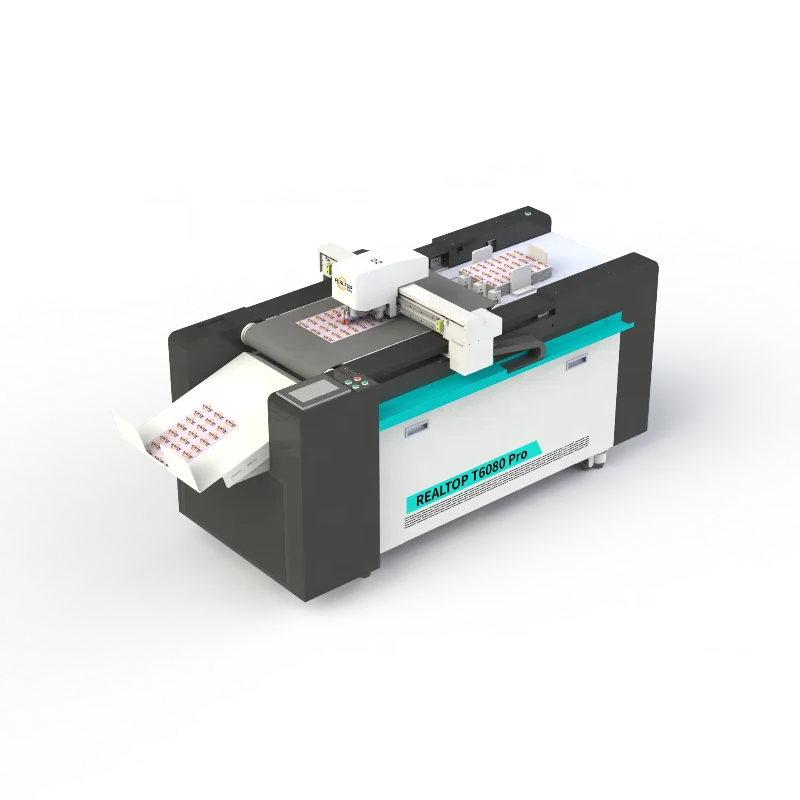
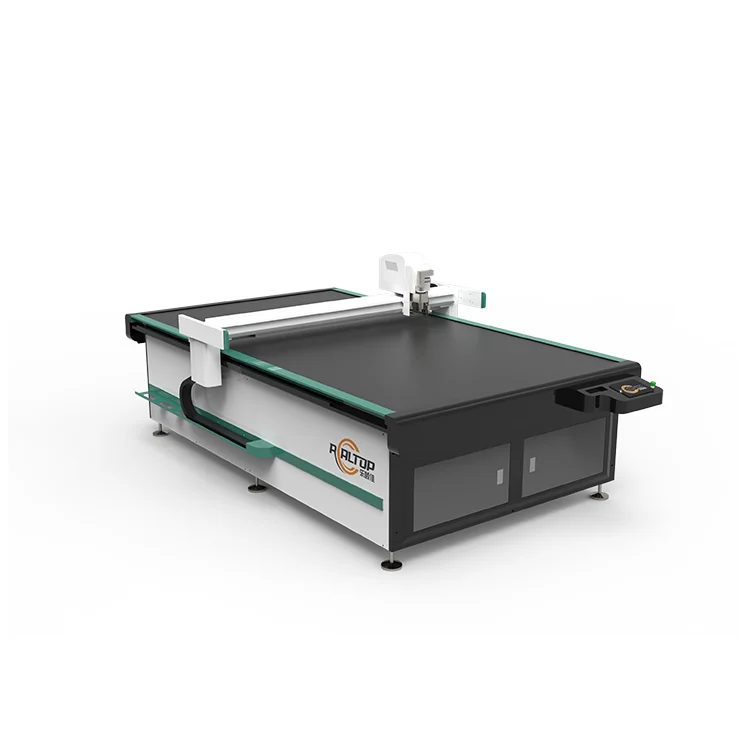
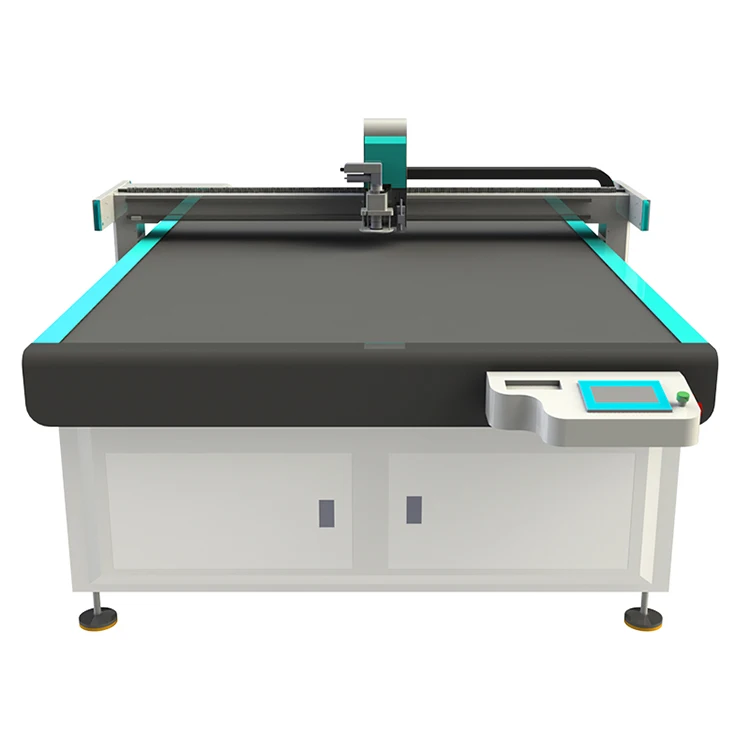
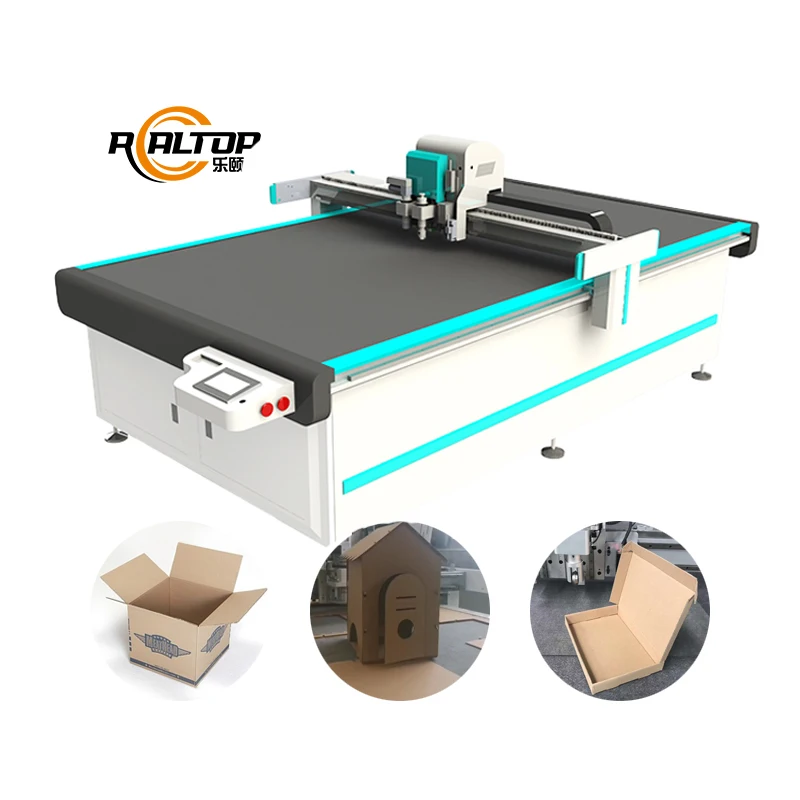
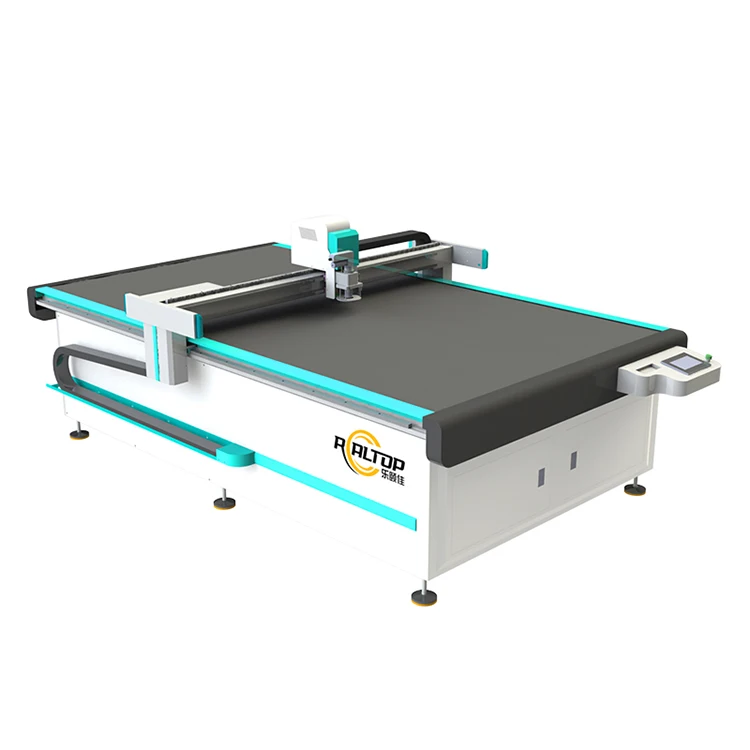
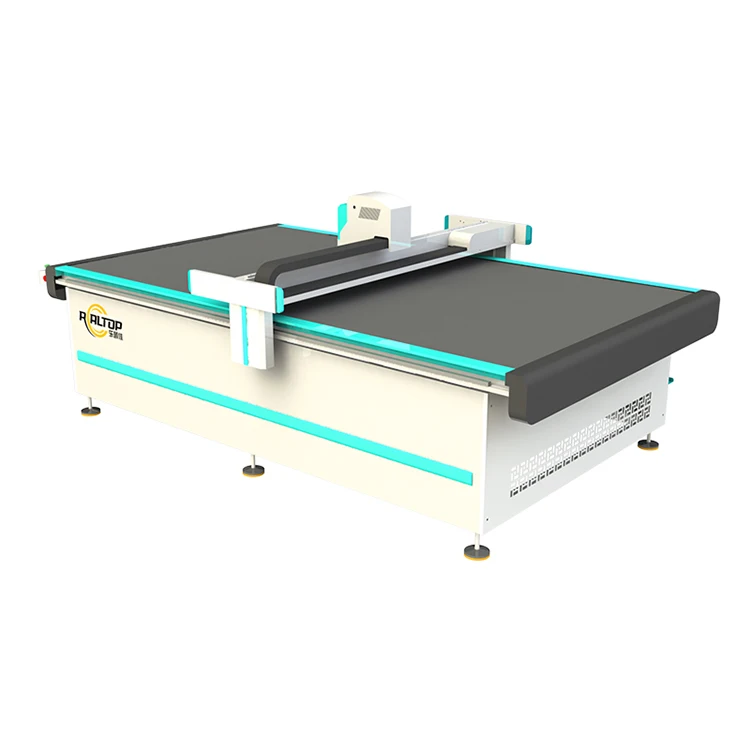
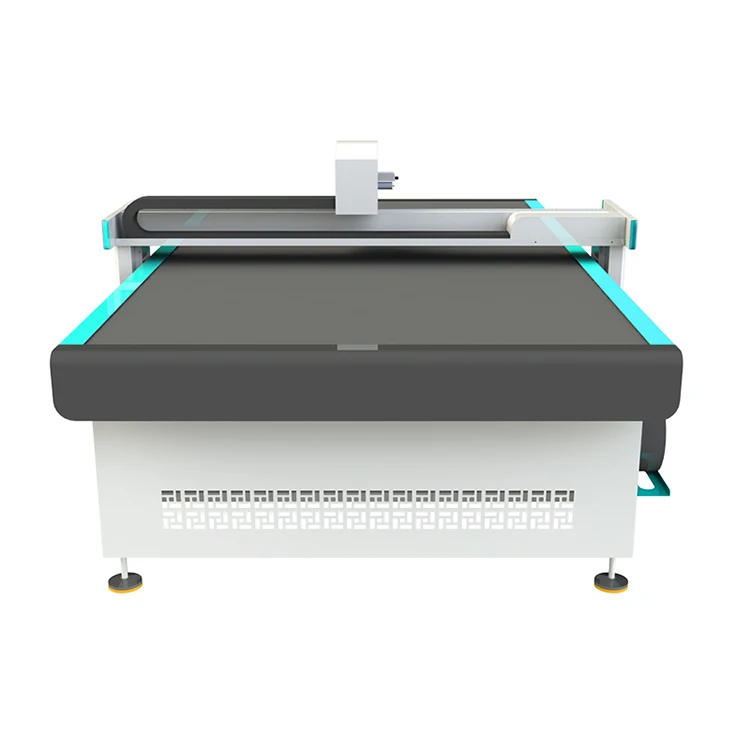
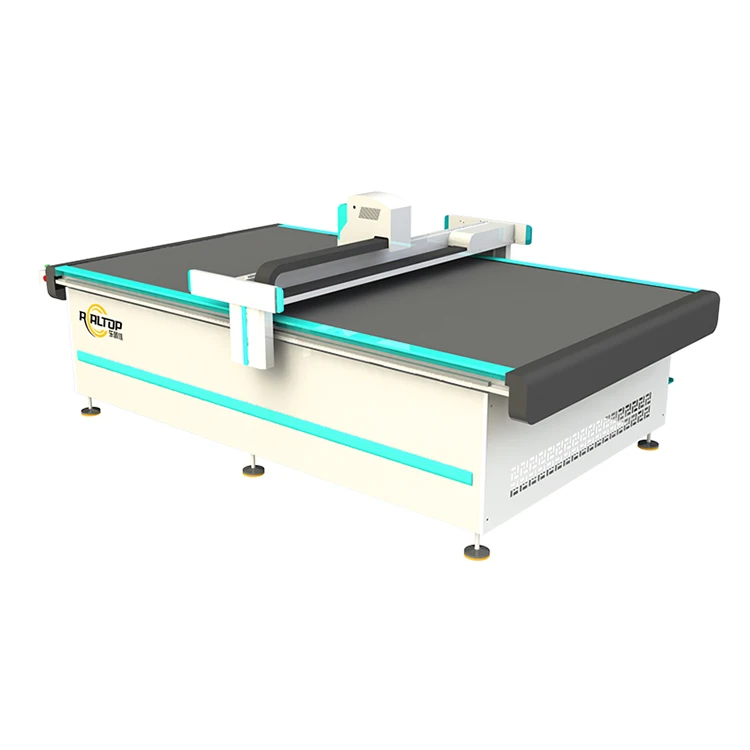
Tool-Head Configuration Matched to Material — Every REALTOP cutting table ships with tool heads and vacuum zoning selected against your actual corrugated flute profile and foam density, not a generic default setup.
Technical Specifications
| Parameter | Value |
|---|---|
| Product Type | CNC Oscillating Knife Cutting Machine |
| Working Area | 1600 × 2500 mm |
| Cutting Speed | 0 – 1500 mm/s (basis to be confirmed) |
| Cutting Thickness | ≤ 40 mm (basis not stated in source) |
| Cutting Accuracy | ±0.1 mm |
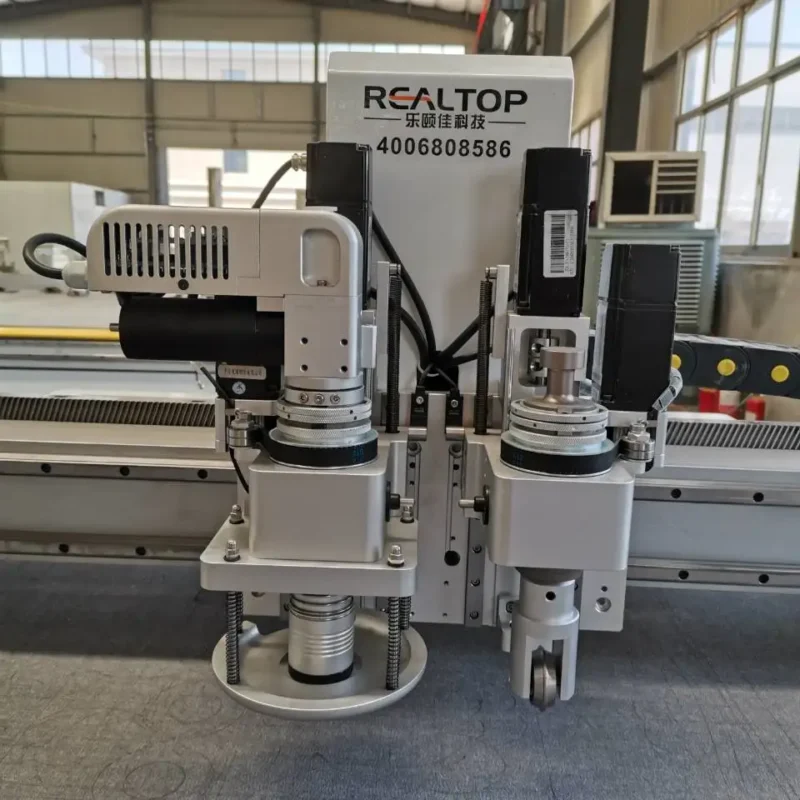
| Tool Heads Available | Oscillating knife, Driven rotary knife, Creasing wheel, Kiss cutting tool, Pneumatic knife, Milling tool, V-groove knife |
| Vacuum Table | Aluminum bellows vacuum table |
| Vacuum Pump | 9 kW |
| Control System | PLC control panel |
| Servo Motors | Panasonic, Delta, Dorna options (verify against manufacturer catalog) |
| Voltage Options | 110V, 220V, 380V (verify against manufacturer catalog) |
| Profile Format Compatibility | PLT, DXF, AI, PDF |
| Safety Devices | Infrared sensor device and emergency stop device |
| Overall Dimensions | 3300 × 2100 × 1350 mm |
| Language Options | English, Russian, Italian, Chinese, customized languages |
| Standards | CE |
Application Suitability
| Application | Material or Output |
|---|---|
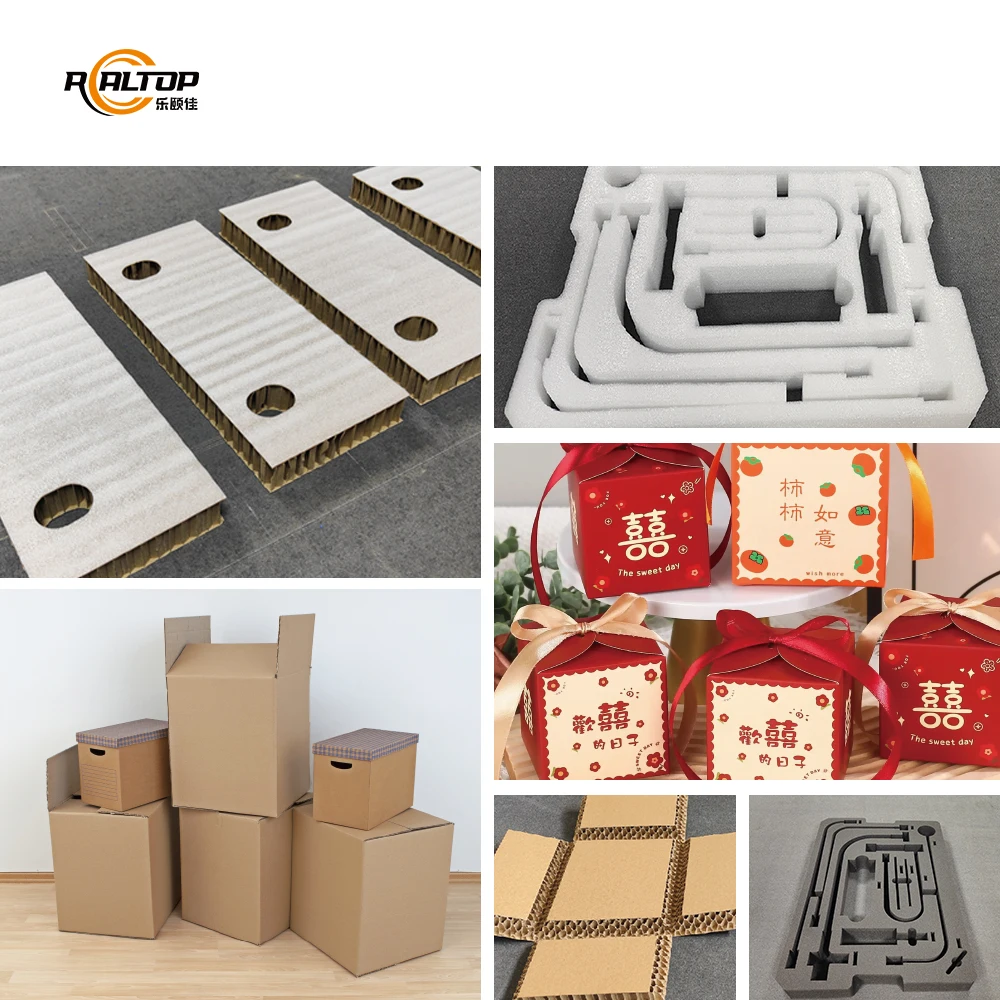
| Packaging sample making | Short-batch corrugated box prototypes without die-cut molds |
| Corrugated board converting | E-flute, B-flute, BC-flute for prototyping and small runs |
| Foam insert fabrication | EVA, EPE, PU foam for protective packaging |
| Greyboard and cardstock processing | Rigid box structures and folding carton blanks |
| Non-metal gasket and seal cutting | Rubber mats and composite sheet materials |
Why the Thickness Rating Alone Will Mislead Your Purchase Decision
The stated cutting thickness only holds when the correct oscillating knife amplitude, blade angle, and vacuum hold-down are configured for your exact board construction.
A CNC oscillating knife cutting machine for sale might list a maximum thickness on the spec sheet, but that figure assumes a specific flute type and ply count. I once traveled to a customer’s plant because their five-layer corrugated board was crushing under the blade instead of slicing clean. The machine was rated for the thickness, but the tool head pressure and oscillation frequency had been set for single-wall E-flute [NEED_CITE: corrugated flute classification standards]. When a buyer specifies working area without confirming material density and flute profile, the production floor discovers the mismatch after the machine is bolted down. The real specification is whether the tool head delivers enough downward force and stroke frequency to sever fibers at the speed you intend to run.
Matching Tool Heads to Corrugated Ply and Flute Profile
The interchangeable tool system on this CNC oscillating knife cutting machine for sale pairs the oscillating knife for through-cutting with the creasing wheel for fold lines, allowing a packaging sample to be completed in a single setup without tool changes mid-job. The V-groove knife handles chamfered edges on thicker greyboard, while the kiss cutting tool scores adhesive-backed liners without penetrating the release backing. Selecting the wrong blade geometry for a BC-flute board produces ragged edges that compromise box compression strength, so each order specifies the exact blade angle against the buyer’s material sample.
Vacuum Zoning and Small-Part Hold-Down Behavior
The 9 kW vacuum pump feeds an aluminum bellows vacuum table divided into independent zones. When cutting small packaging inserts or gasket pieces, active zones concentrate suction under the part footprint rather than pulling air across the full 1600 × 2500 mm area. Without zone control, small corrugated pieces lift during high-speed passes and shift position, ruining dimensional accuracy and wasting material. Zone configuration is documented in the specification sheet before shipment so the buyer can verify coverage matches their typical nesting layout [NEED_CITE: vacuum hold-down principles for flatbed cutting tables].
Reading the Parameter Sheet Against Real Production Conditions
The ±0.1 mm cutting accuracy depends on the servo motor brand selected and the rigidity of the gantry under load. Servo options include Panasonic, Delta, and Dorna, each delivering different torque response characteristics that affect cornering on tight box geometries. The 0 – 1500 mm/s speed range applies to straight-line travel; actual contour speed on a complex packaging outline is lower because the controller decelerates through direction changes. Profile format compatibility with PLT, DXF, AI, and PDF means most box-structure design files import without conversion, but the nesting workflow must be verified against the buyer’s existing software before the order is finalized. The PLC control panel supports multiple languages including English, Russian, Italian, and Chinese, confirmed before shipment to match the operator’s working language.
The Cost of Skipping Material Trials Before Shipment
When a buyer approves a machine on working area and speed figures alone, the first week on the production floor becomes a troubleshooting session. Wrong vacuum zoning leaves small foam inserts drifting during cuts. An underspecified oscillation frequency tears through multi-layer corrugated instead of shearing it, producing dust that clogs the vacuum table. Software that cannot parse the buyer’s AI-format box templates forces a manual redraw of every design, adding hours to each sample run. These failures are not machine defects — they are specification gaps that a sample cutting report on the buyer’s own material would have exposed before the machine left the factory [NEED_CITE: material testing protocols for CNC cutting equipment procurement].
Why Sourcing This Cutting Table from REALTOP Differs from Generic Quotations
In-house design covers both knife and laser cutting technologies, so the buyer matches the cutting method to the material rather than forcing one method onto every substrate. Tool head and table configuration is specified per packaging material and production volume, documented in the configuration list attached to the purchase order. CCD camera positioning is available for printed contour work when the packaging design requires alignment to pre-printed graphics. Software compatibility and file format import are confirmed before the order enters production. Voltage, plug type, and control language are locked in the specification sheet so the machine arrives ready to connect to the buyer’s facility power. Sample cutting on the buyer’s own corrugated or foam material is performed and documented before commitment, providing edge quality and cycle time data rather than catalog claims [NEED_CITE: OEM equipment validation testing standards].
Documentation & Verification
- Machine specification sheet listing every tool head and vacuum zone layout for your board type
- Electrical schematic confirming voltage and plug configuration matched to your facility supply
- Sample cutting report on your corrugated flute and foam density with edge photographs
- Software licence and file format compatibility note for PLT, DXF, AI, and PDF workflows
- Factory test record demonstrating cutting accuracy on your specified material thickness
- CE declaration covering machinery directive requirements for the configured machine
Installation, Commissioning & Support
- Foundation must support 3300 × 2100 × 1350 mm overall dimensions with level tolerance for the aluminum bellows vacuum table
- Dedicated electrical circuit sized for the 9 kW vacuum pump plus servo and PLC load at confirmed voltage
- Machine ships in sections for site assembly; gantry alignment verified against the ±0.1 mm accuracy specification
- First-run parameter setting covers oscillation frequency, vacuum zone mapping, and blade depth for your material
- Operator training covers PLC panel navigation in the confirmed language and tool head changeover procedure
- Spare parts list identifies wear items including oscillating knife blades and vacuum table seals
Requesting a Configuration That Actually Fits Your Line
To move past generic quotations, share your corrugated flute type and ply count, typical sheet dimensions, and the foam densities you process for inserts. Confirm your facility voltage and frequency, the control panel language your operators need, and whether your box designs come from software exporting PLT, DXF, AI, or PDF. If you want a sample cut before commitment, send a batch of your actual board and foam so the cutting report reflects your production reality.
Frequently Asked Questions
Q: How do I verify cutting thickness capability for my specific flute type and board ply count?
A: Send a sample of your actual corrugated board to the factory for a trial cut. The resulting report documents edge quality, cycle time, and whether the selected tool head handles your flute profile without crushing. This test replaces catalog thickness claims with data from your material.
Q: Which tool head combination handles both cutting and creasing in a single setup?
A: The oscillating knife performs through-cuts while the creasing wheel scores fold lines on the same table without manual tool changes. Your configuration list specifies both tools along with any additional heads like the V-groove knife, matched to your box structure requirements.
Q: What voltage, plug, and control language options are confirmed before shipment?
A: Voltage options include 110V, 220V, and 380V configurations, with plug type and control panel language confirmed on the specification sheet before production. This ensures the machine connects directly to your facility supply and operators can navigate the PLC in their working language.
Q: How does vacuum table zoning affect small-part hold-down during high-speed cutting?
A: The aluminum bellows vacuum table divides into independent zones that concentrate suction under small parts. Without correct zone activation, lightweight corrugated pieces and foam inserts lift during high-speed passes, shifting position and ruining dimensional accuracy on the finished sample.
Q: Can the software import my existing box structure files and nesting workflow?
A: The system accepts PLT, DXF, AI, and PDF formats. Before the order enters production, your existing box design files are tested for import compatibility and nesting behavior, and a written confirmation documents that your current workflow transfers without manual redraws.
Tool-Head Configuration Matched to Material — Every REALTOP cutting table ships with tool heads and vacuum zoning selected against your actual corrugated flute profile and foam density, not a generic default setup.
Technical Specifications
| Parameter | Value |
|---|---|
| Product Type | CNC Oscillating Knife Cutting Machine |
| Working Area | 1600 × 2500 mm |
| Cutting Speed | 0 – 1500 mm/s (basis to be confirmed) |
| Cutting Thickness | ≤ 40 mm (basis not stated in source) |
| Cutting Accuracy | ±0.1 mm |
| Tool Heads Available | Oscillating knife, Driven rotary knife, Creasing wheel, Kiss cutting tool, Pneumatic knife, Milling tool, V-groove knife |
| Vacuum Table | Aluminum bellows vacuum table |
| Vacuum Pump | 9 kW |
| Control System | PLC control panel |
| Servo Motors | Panasonic, Delta, Dorna options (verify against manufacturer catalog) |
| Voltage Options | 110V, 220V, 380V (verify against manufacturer catalog) |
| Profile Format Compatibility | PLT, DXF, AI, PDF |
| Safety Devices | Infrared sensor device and emergency stop device |
| Overall Dimensions | 3300 × 2100 × 1350 mm |
| Language Options | English, Russian, Italian, Chinese, customized languages |
| Standards | CE |
Application Suitability
| Application | Material or Output |
|---|---|
| Packaging sample making | Short-batch corrugated box prototypes without die-cut molds |
| Corrugated board converting | E-flute, B-flute, BC-flute for prototyping and small runs |
| Foam insert fabrication | EVA, EPE, PU foam for protective packaging |
| Greyboard and cardstock processing | Rigid box structures and folding carton blanks |
| Non-metal gasket and seal cutting | Rubber mats and composite sheet materials |
Why the Thickness Rating Alone Will Mislead Your Purchase Decision
The stated cutting thickness only holds when the correct oscillating knife amplitude, blade angle, and vacuum hold-down are configured for your exact board construction.
A CNC oscillating knife cutting machine for sale might list a maximum thickness on the spec sheet, but that figure assumes a specific flute type and ply count. I once traveled to a customer’s plant because their five-layer corrugated board was crushing under the blade instead of slicing clean. The machine was rated for the thickness, but the tool head pressure and oscillation frequency had been set for single-wall E-flute [NEED_CITE: corrugated flute classification standards]. When a buyer specifies working area without confirming material density and flute profile, the production floor discovers the mismatch after the machine is bolted down. The real specification is whether the tool head delivers enough downward force and stroke frequency to sever fibers at the speed you intend to run.
Matching Tool Heads to Corrugated Ply and Flute Profile
The interchangeable tool system on this CNC oscillating knife cutting machine for sale pairs the oscillating knife for through-cutting with the creasing wheel for fold lines, allowing a packaging sample to be completed in a single setup without tool changes mid-job. The V-groove knife handles chamfered edges on thicker greyboard, while the kiss cutting tool scores adhesive-backed liners without penetrating the release backing. Selecting the wrong blade geometry for a BC-flute board produces ragged edges that compromise box compression strength, so each order specifies the exact blade angle against the buyer’s material sample.
Vacuum Zoning and Small-Part Hold-Down Behavior
The 9 kW vacuum pump feeds an aluminum bellows vacuum table divided into independent zones. When cutting small packaging inserts or gasket pieces, active zones concentrate suction under the part footprint rather than pulling air across the full 1600 × 2500 mm area. Without zone control, small corrugated pieces lift during high-speed passes and shift position, ruining dimensional accuracy and wasting material. Zone configuration is documented in the specification sheet before shipment so the buyer can verify coverage matches their typical nesting layout [NEED_CITE: vacuum hold-down principles for flatbed cutting tables].
Reading the Parameter Sheet Against Real Production Conditions
The ±0.1 mm cutting accuracy depends on the servo motor brand selected and the rigidity of the gantry under load. Servo options include Panasonic, Delta, and Dorna, each delivering different torque response characteristics that affect cornering on tight box geometries. The 0 – 1500 mm/s speed range applies to straight-line travel; actual contour speed on a complex packaging outline is lower because the controller decelerates through direction changes. Profile format compatibility with PLT, DXF, AI, and PDF means most box-structure design files import without conversion, but the nesting workflow must be verified against the buyer’s existing software before the order is finalized. The PLC control panel supports multiple languages including English, Russian, Italian, and Chinese, confirmed before shipment to match the operator’s working language.
The Cost of Skipping Material Trials Before Shipment
When a buyer approves a machine on working area and speed figures alone, the first week on the production floor becomes a troubleshooting session. Wrong vacuum zoning leaves small foam inserts drifting during cuts. An underspecified oscillation frequency tears through multi-layer corrugated instead of shearing it, producing dust that clogs the vacuum table. Software that cannot parse the buyer’s AI-format box templates forces a manual redraw of every design, adding hours to each sample run. These failures are not machine defects — they are specification gaps that a sample cutting report on the buyer’s own material would have exposed before the machine left the factory [NEED_CITE: material testing protocols for CNC cutting equipment procurement].
Why Sourcing This Cutting Table from REALTOP Differs from Generic Quotations
In-house design covers both knife and laser cutting technologies, so the buyer matches the cutting method to the material rather than forcing one method onto every substrate. Tool head and table configuration is specified per packaging material and production volume, documented in the configuration list attached to the purchase order. CCD camera positioning is available for printed contour work when the packaging design requires alignment to pre-printed graphics. Software compatibility and file format import are confirmed before the order enters production. Voltage, plug type, and control language are locked in the specification sheet so the machine arrives ready to connect to the buyer’s facility power. Sample cutting on the buyer’s own corrugated or foam material is performed and documented before commitment, providing edge quality and cycle time data rather than catalog claims [NEED_CITE: OEM equipment validation testing standards].
Documentation & Verification
- Machine specification sheet listing every tool head and vacuum zone layout for your board type
- Electrical schematic confirming voltage and plug configuration matched to your facility supply
- Sample cutting report on your corrugated flute and foam density with edge photographs
- Software licence and file format compatibility note for PLT, DXF, AI, and PDF workflows
- Factory test record demonstrating cutting accuracy on your specified material thickness
- CE declaration covering machinery directive requirements for the configured machine
Installation, Commissioning & Support
- Foundation must support 3300 × 2100 × 1350 mm overall dimensions with level tolerance for the aluminum bellows vacuum table
- Dedicated electrical circuit sized for the 9 kW vacuum pump plus servo and PLC load at confirmed voltage
- Machine ships in sections for site assembly; gantry alignment verified against the ±0.1 mm accuracy specification
- First-run parameter setting covers oscillation frequency, vacuum zone mapping, and blade depth for your material
- Operator training covers PLC panel navigation in the confirmed language and tool head changeover procedure
- Spare parts list identifies wear items including oscillating knife blades and vacuum table seals
Requesting a Configuration That Actually Fits Your Line
To move past generic quotations, share your corrugated flute type and ply count, typical sheet dimensions, and the foam densities you process for inserts. Confirm your facility voltage and frequency, the control panel language your operators need, and whether your box designs come from software exporting PLT, DXF, AI, or PDF. If you want a sample cut before commitment, send a batch of your actual board and foam so the cutting report reflects your production reality.
Frequently Asked Questions
Q: How do I verify cutting thickness capability for my specific flute type and board ply count?
A: Send a sample of your actual corrugated board to the factory for a trial cut. The resulting report documents edge quality, cycle time, and whether the selected tool head handles your flute profile without crushing. This test replaces catalog thickness claims with data from your material.
Q: Which tool head combination handles both cutting and creasing in a single setup?
A: The oscillating knife performs through-cuts while the creasing wheel scores fold lines on the same table without manual tool changes. Your configuration list specifies both tools along with any additional heads like the V-groove knife, matched to your box structure requirements.
Q: What voltage, plug, and control language options are confirmed before shipment?
A: Voltage options include 110V, 220V, and 380V configurations, with plug type and control panel language confirmed on the specification sheet before production. This ensures the machine connects directly to your facility supply and operators can navigate the PLC in their working language.
Q: How does vacuum table zoning affect small-part hold-down during high-speed cutting?
A: The aluminum bellows vacuum table divides into independent zones that concentrate suction under small parts. Without correct zone activation, lightweight corrugated pieces and foam inserts lift during high-speed passes, shifting position and ruining dimensional accuracy on the finished sample.
Q: Can the software import my existing box structure files and nesting workflow?
A: The system accepts PLT, DXF, AI, and PDF formats. Before the order enters production, your existing box design files are tested for import compatibility and nesting behavior, and a written confirmation documents that your current workflow transfers without manual redraws.
商品评价
There are no reviews yet.