

Fast Delivery
Quick, reliable shipping to any location.

Free & easy returns
Return this item by mail or in store within 90 days for a full refund.
Integrated Knife and Laser Engineering — Our design team builds both oscillating knife and CO2 laser systems in-house, letting you match the cutting method to your nonwoven fabric density rather than forcing one technology across every material run.
Technical Specifications
| Parameter | Value |
|---|---|
| Model | RT-D2516/RT-S2516 |
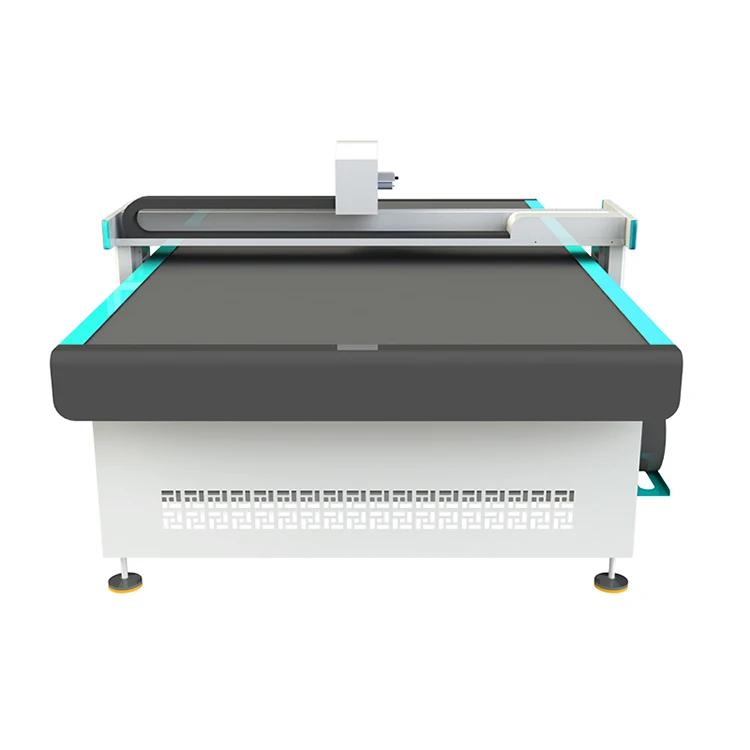
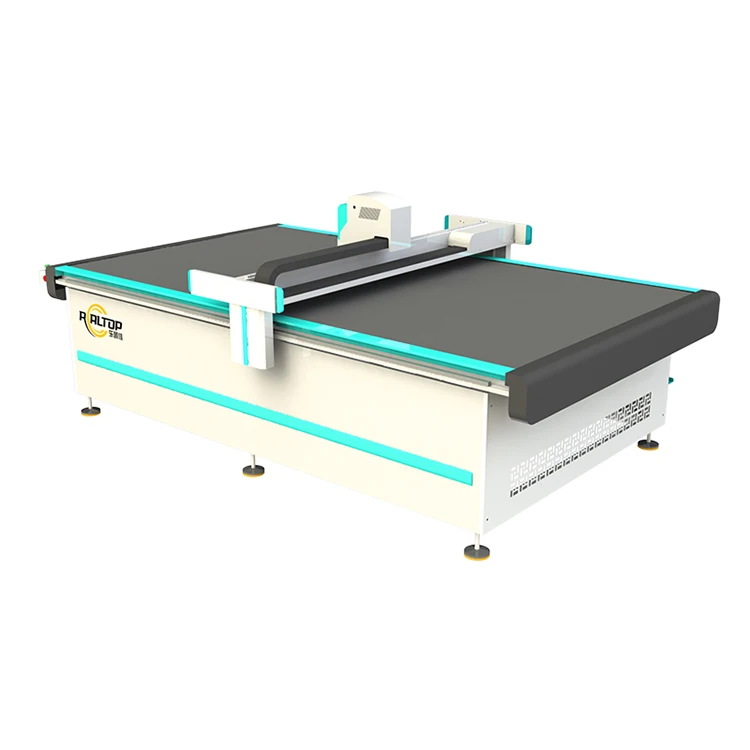
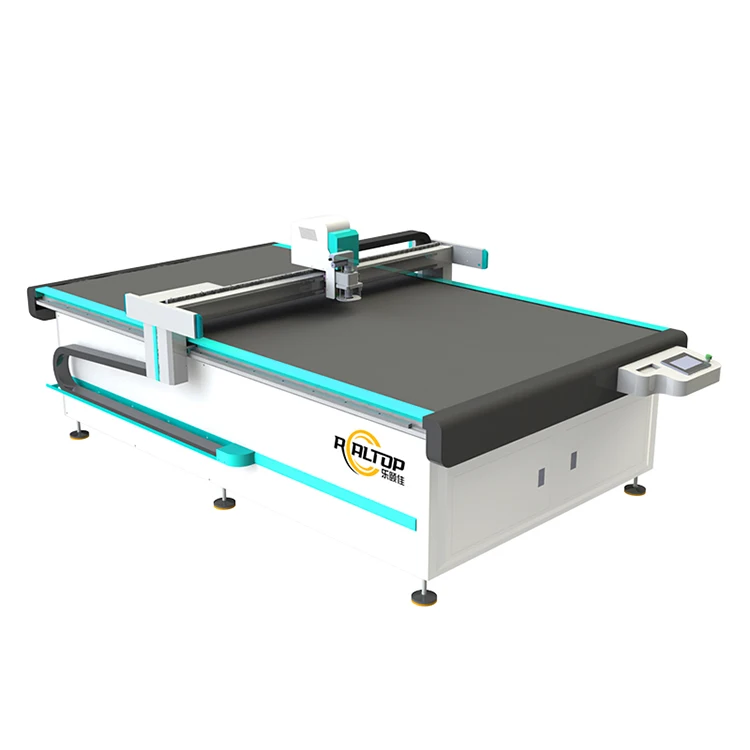
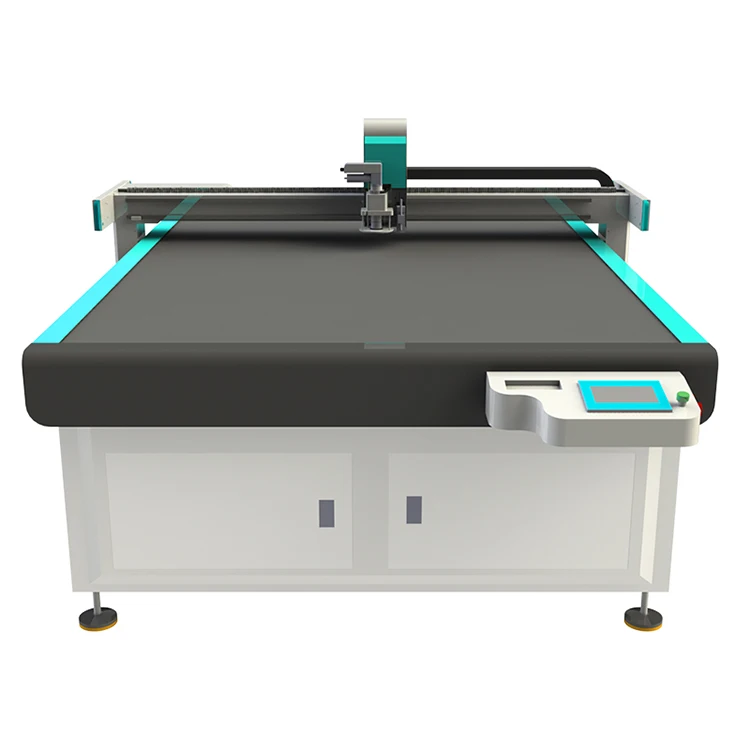
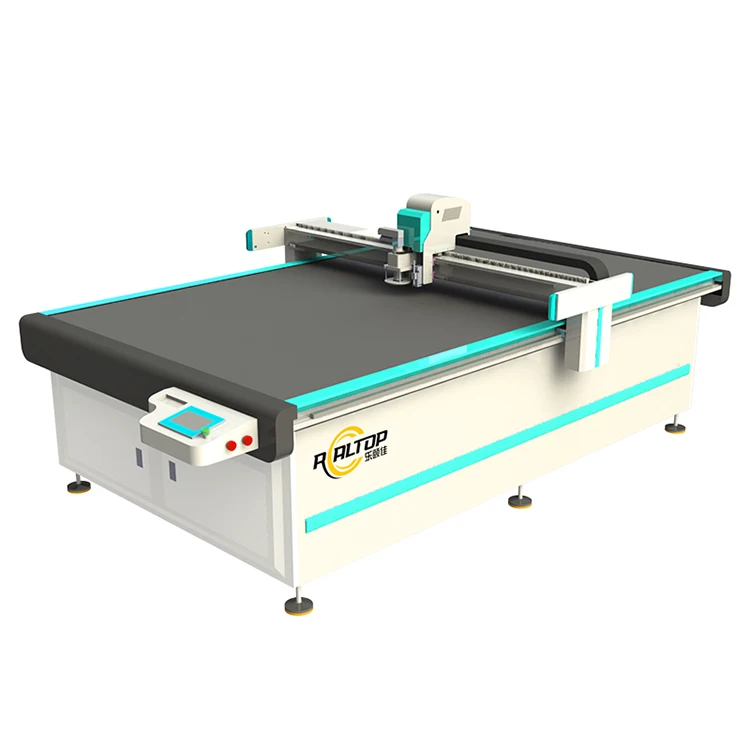
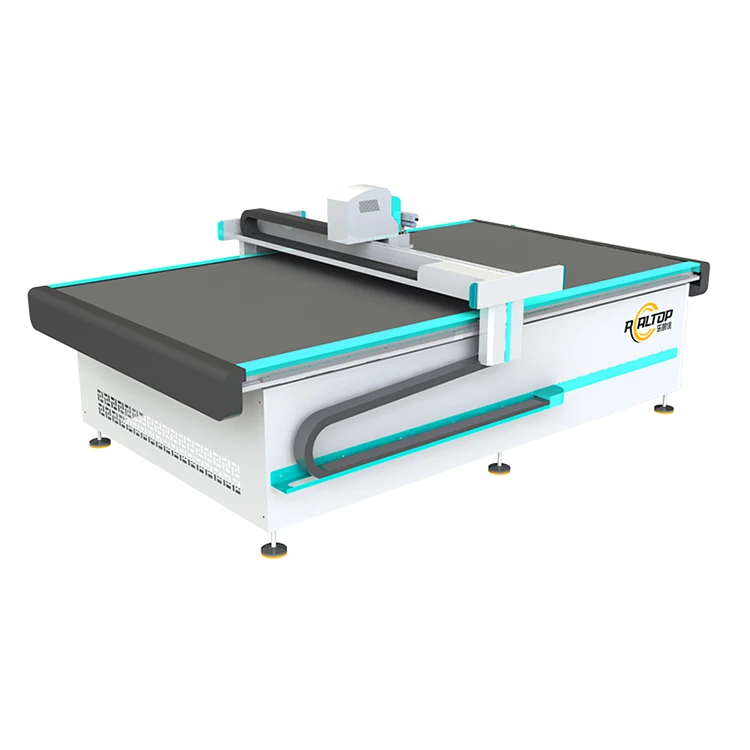
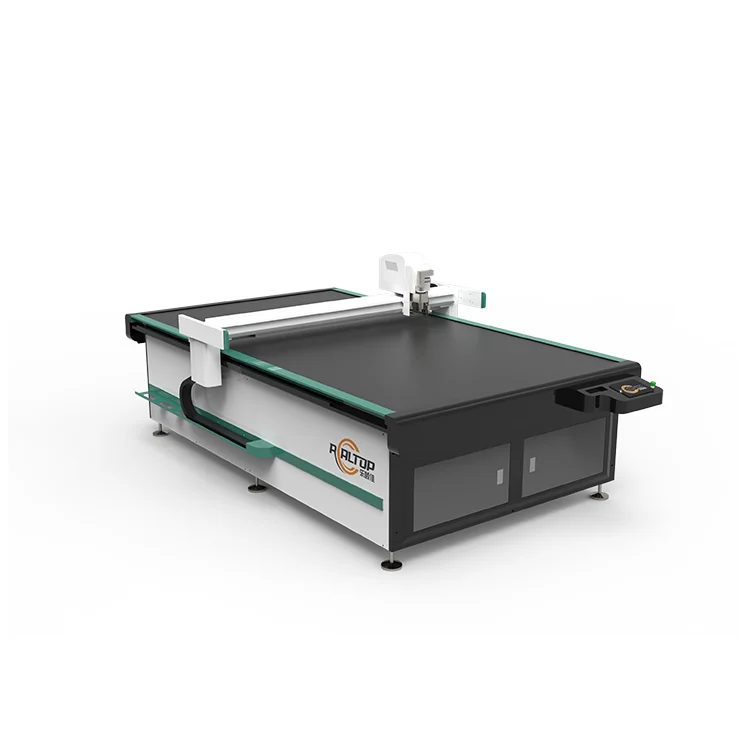
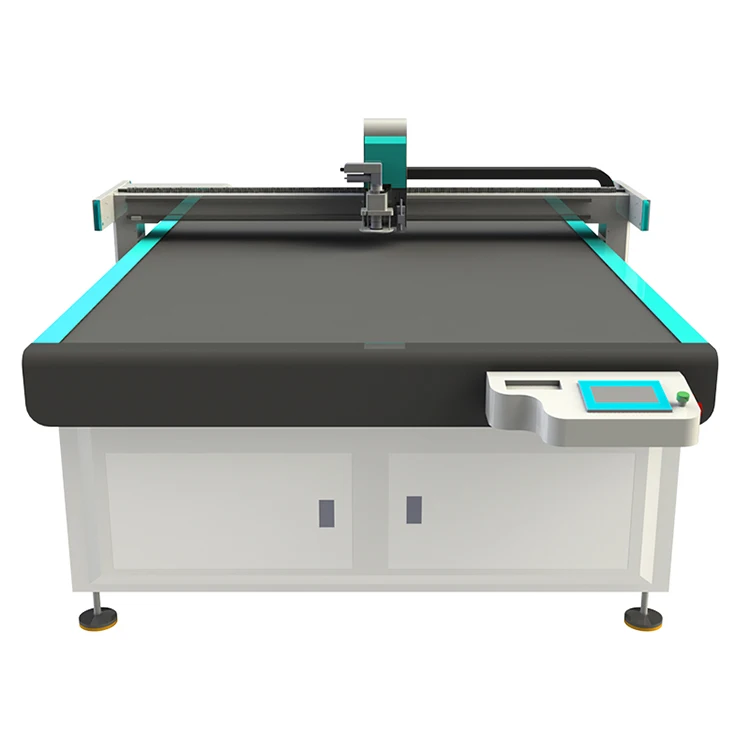
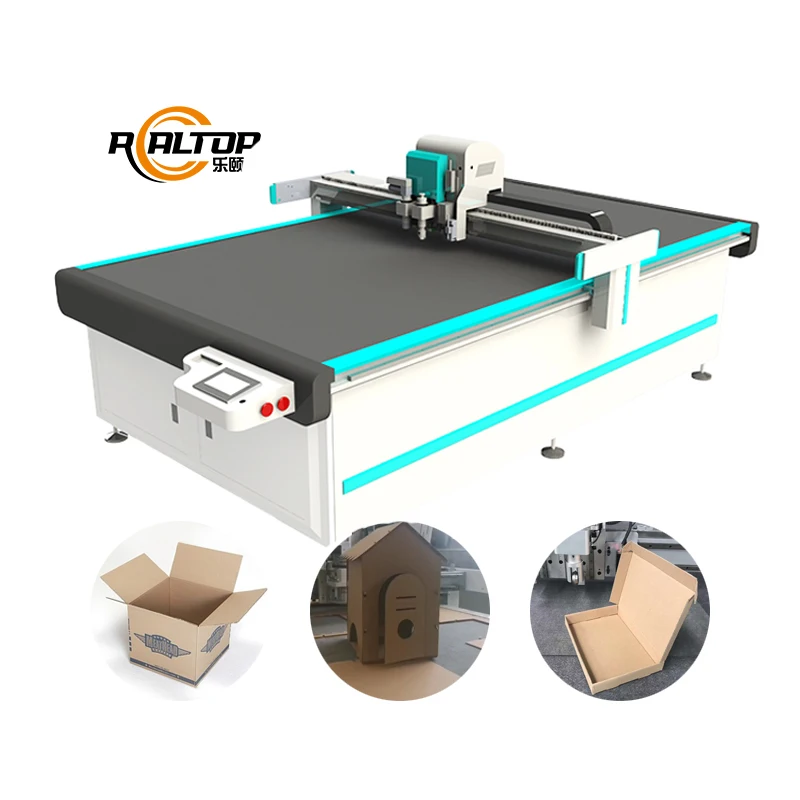
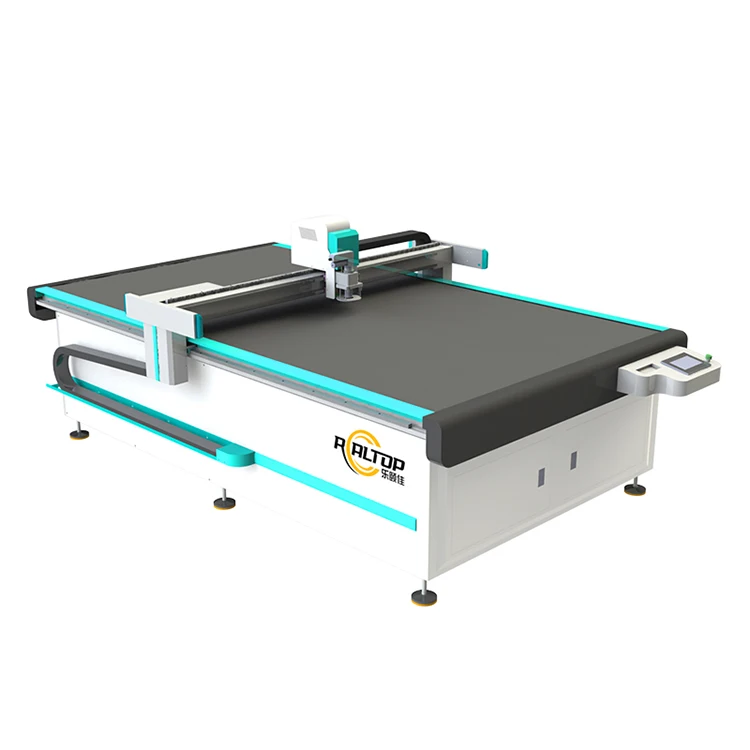
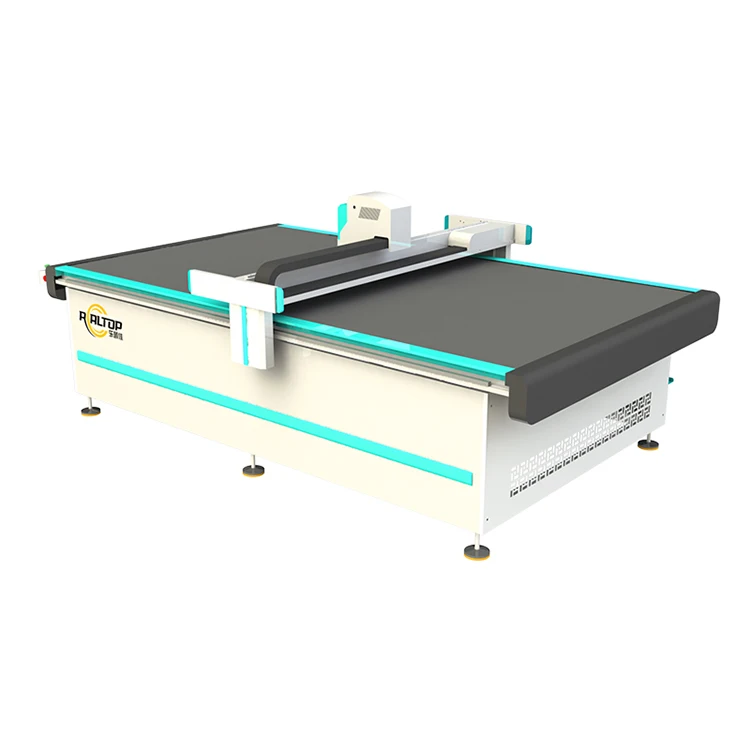
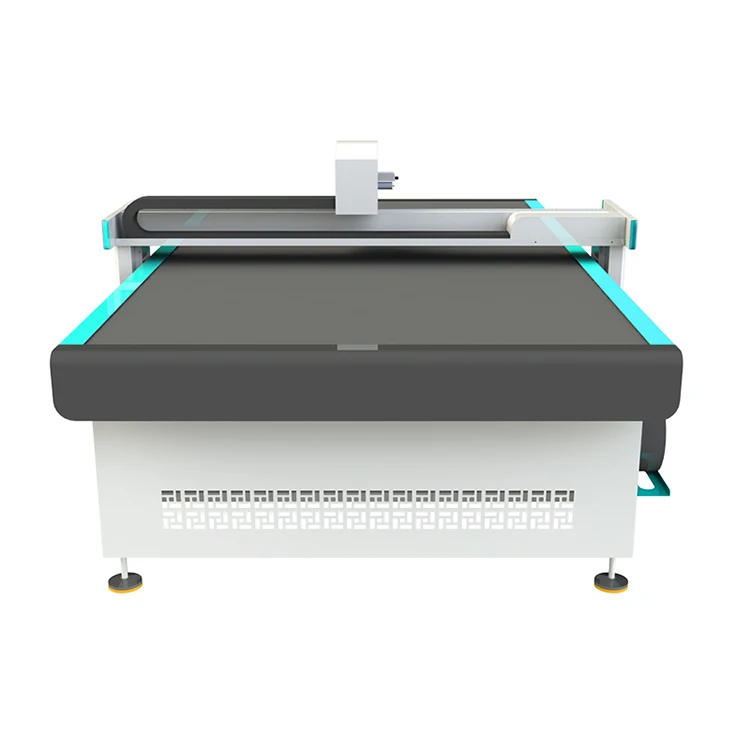
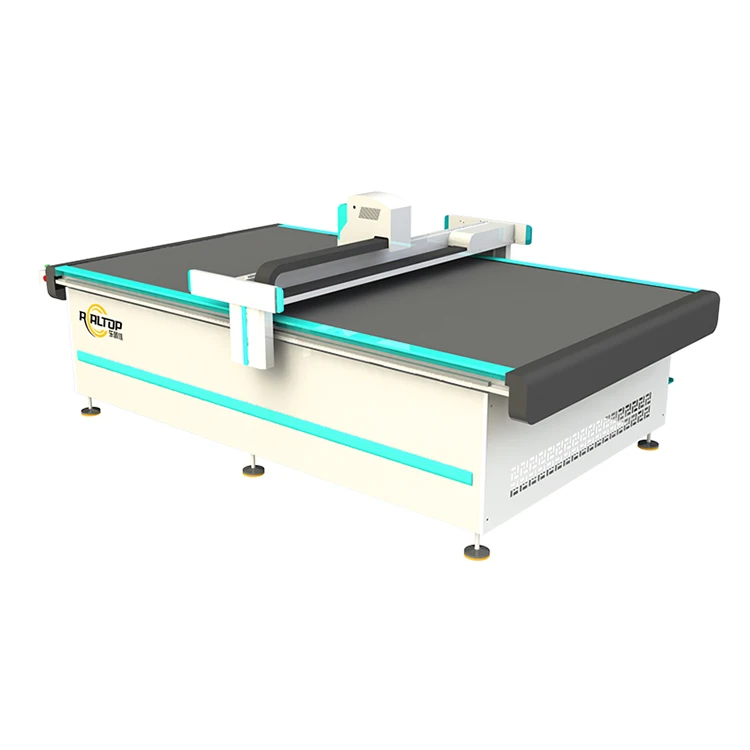
| Product Type | CNC Oscillating Knife Cutting Machine |
| Working Area | 1600 × 2500 mm |
| Machine Dimensions | 3450 × 2300 × 1250 mm |
| Rated Power | 9 kW |
| Table Type | Flatbed vacuum working table |
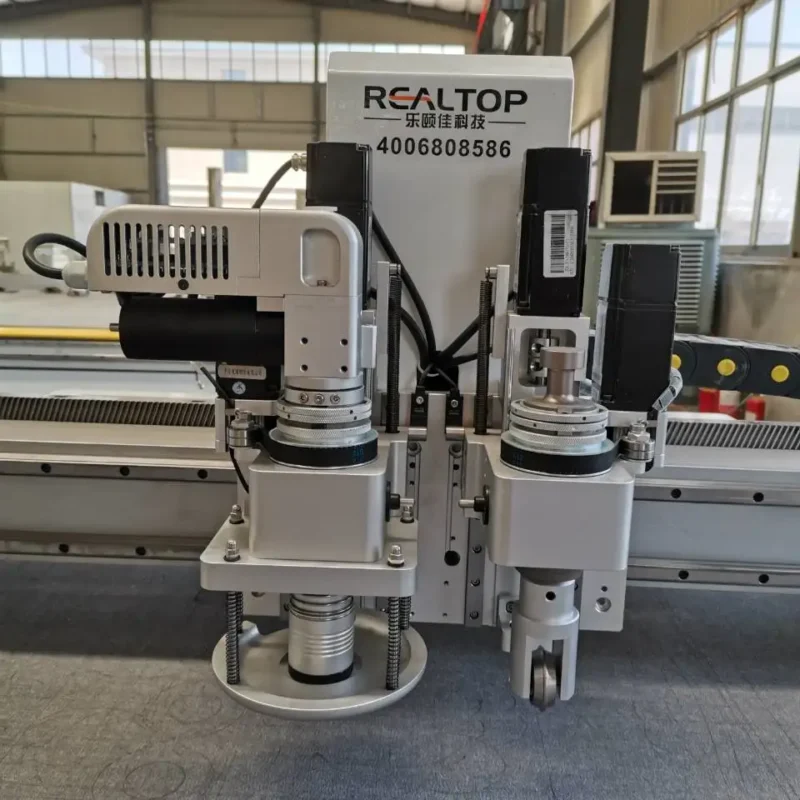
| Tool Head | Swiss imported oscillating knife with full-cut and half-cut vibration modes, cursor location |
| Safety Device | Infrared sensors |
| Translational Velocity | 800–1200 mm/s |
| Cutting Speed | 200–800 mm/s (varies by material type and thickness) |
| Repeated Positioning Accuracy | ≤ 0.1 mm |
| Transmission System | Digital servo motor, linear guide, synchronous belt, imported ball screw |
| Servo Motor | Japanese Yaskawa servo motor |
| Guide Rail | Taiwan Hiwin rail |
| Conveyor Belt | Germany imported conveyor belt |
| Vacuum Pump | 7.5 kW |
| Instruction System | HP-GL compatible format |
| Voltage | 380V ± 10% |
| Standards | CE |
Application Suitability
| Application | Material or Output |
|---|---|
| Nonwoven fabric production | Roll-fed nonwoven sheets for hygiene, medical and filtration products |
| Garment manufacturing | Flexible woven and knit textiles, denim, kids jeans and pants panels |
| Leather goods fabrication | Natural and synthetic leather hides for bags, shoes and upholstery |
| Composite material cutting | Sponge composite leather, laminated foam and fabric stacks |
| Gasket and seal production | PVC, soft glass, silicone and rubber sheet for industrial gaskets |
Why "Working Area" Alone Leaves Out Half the Story
The table size tells you how large a sheet fits, but the tool head, vacuum zoning and cutting speed together determine whether your material actually cuts clean at production pace.
I have watched buyers specify a flatbed cutter purely on its 1600 × 2500 mm bed, then discover the oscillating knife struggles through their denser nonwoven roll because the vacuum hold-down was zoned for larger panels, not the small nested parts they actually run. The CNC Oscillating Knife Cutting Machine manufacturer you choose should ask about your material thickness, density and nest layout before quoting a configuration [NEED_CITE: vacuum zoning strategies for nested small-part cutting]. Without that conversation, you are buying a table, not a cutting solution.
Matching the Tool Head to Nonwoven Density
Nonwoven fabrics range from light spunbond to dense needle-punch, and each responds differently to blade vibration frequency and stroke. The Swiss imported oscillating knife on the RT-D2516/RT-S2516 runs both full-cut and half-cut vibration modes, which matters when you switch between piercing a thick composite and kiss-cutting a laminate layer. A CNC Oscillating Knife Cutting Machine configured for one density will produce frayed edges on another if the tool head is not matched and tested on your actual roll stock.
Vacuum Hold-Down and Small Part Stability
The 7.5 kW vacuum pump paired with a flatbed table provides the suction needed to keep flexible nonwoven sheets flat during high-speed traversal. When nested parts are small — gaskets, collar stays, pocket flaps — insufficient zoning lets edges lift mid-cut, producing dimensional drift beyond the ≤ 0.1 mm repeated accuracy specification. Buyers cutting mixed part sizes should confirm vacuum zone layout against their typical nest pattern before the machine ships [NEED_CITE: flatbed vacuum table zoning and small-part lift prevention].
Reading the Drive and Motion Specs
The Japanese Yaskawa servo motor and Taiwan Hiwin linear guide combination controls how the gantry accelerates and decelerates through direction changes, which directly affects corner quality on contoured garment panels. Translational velocity reaches 800–1200 mm/s, but actual cutting speed drops to 200–800 mm/s depending on material resistance — a distinction that matters when you calculate daily output. The imported ball screw and synchronous belt transmission keeps backlash minimal, so the ≤ 0.1 mm repeated accuracy holds across the full 1600 × 2500 mm stroke rather than only at the center of the bed.
The Cost of Skipping the Material Trial
A customer in the nonwoven hygiene sector once ordered a full cutting line based on sample fabric we tested together. When their production rolls arrived, the density was noticeably higher than the sample swatch, and the machine ran at roughly half the expected throughput with ragged edges. We spent a night swapping blade angles and tuning vibration parameters to recover the delivery schedule. That experience cemented a rule I follow now: every buyer sends a roll of actual production material, and we run a documented sample cut before any configuration is locked [NEED_CITE: material density variation and cutting parameter calibration].
What the HP-GL Workflow Means for Your Nesting Software
The HP-GL compatible instruction system lets the RT-D2516/RT-S2516 accept files from common nesting and CAD platforms without a proprietary middleware layer. If your current workflow exports DXF or PLT, the translation is straightforward. What matters more is confirming that your nesting software’s output matches the machine’s acceleration profile — a nest optimized for a slower router may leave uncut bridges when run at 800 mm/s on a knife table. Software compatibility should be verified with your own files during the sample cutting stage, not assumed from a format list.
Why Source This CNC Oscillating Knife Cutting Machine Here
The design and production of both knife and laser cutting systems sit under one roof, so when a nonwoven producer also needs to cut acrylic templates or composite panels, the conversation starts with which technology fits each job rather than which machine happens to be in the catalogue.
Tool head and table configuration is specified per material and production volume, not pulled from a default bill of materials — the oscillating knife stroke, blade type and vacuum zone map are all confirmed against your roll stock before build.
Voltage and control language customization is handled before shipment, so a 380V ± 10% machine destined for a market running different frequency standards gets the correct transformer and HMI language pack on the factory floor.
CE declaration and a full factory test record accompany each unit, with the test run using the buyer’s own material parameters rather than a generic demo sheet.
The in-house core factory means component sourcing — Yaskawa servos, Hiwin rails, German conveyor belts — is tracked through a single quality gate rather than assembled from third-party skids.
Documentation & Verification
- Machine specification sheet listing confirmed tool head and vacuum table configuration for your material
- Electrical schematic with 380V ± 10% wiring diagram and circuit breaker schedule
- Sample cutting report on your nonwoven roll stock showing edge quality and dimensional accuracy
- Software licence and HP-GL file format compatibility note matched to your nesting platform
- Factory test record documenting cutting speed and repeated accuracy on your specified material
- Packing photographs of the RT-D2516/RT-S2516 before crate closure
Installation, Commissioning & Support
- 3450 × 2300 × 1250 mm footprint requires a level concrete floor with clearance for roll feed on the long axis
- 9 kW rated power plus 7.5 kW vacuum pump demand a dedicated 380V three-phase circuit with confirmed frequency
- Gantry and tool head ship partially disassembled; reassembly and rail alignment are performed on site
- First-run parameter tuning covers oscillation frequency, cutting depth and vacuum zone balance for your material
- Operator training includes blade change procedure, HP-GL file loading and infrared sensor safety checks
- Spare parts list covers oscillating blades, conveyor belt sections and vacuum pump filters for the first service interval
What to Share Before We Quote
Send a sample roll or swatch of your actual production material with thickness and density data, your typical nest layout showing the smallest and largest part dimensions, and your daily volume target. We also need your workshop voltage and frequency, the language preference for the control interface, and whether your existing nesting software exports HP-GL, DXF or PLT. If your line includes upstream unwinding or downstream stacking, share those equipment details so the conveyor and table height align.
Frequently Asked Questions
Q: How do I decide between oscillating knife and laser for my nonwoven fabric?
A: Oscillating knife cutting suits thicker, denser nonwoven and composite stacks where a laser would melt or discolor the edge. Laser is preferable when you need sealed edges on synthetic fabrics to prevent fraying. Send your material sample and we run both methods so you can compare edge quality and cycle time on your own stock.
Q: Does the 1600 × 2500 mm working area guarantee my material thickness will cut cleanly?
A: Working area only defines the maximum sheet size the bed accepts. Clean cutting through your material depends on tool head selection, blade stroke, vacuum hold-down and feed speed. We confirm cutting depth capability against your specific material thickness during the sample cutting stage, not from the table dimensions alone.
Q: Which tool head should I run for leather versus thin garment fabric?
A: Leather and composite materials typically need the full-cut vibration mode with a stiffer blade to penetrate without crushing the grain surface. Thin woven and knit fabrics respond better to half-cut mode with a finer blade to avoid pulling fibers. Both modes are available on the Swiss oscillating knife head and are selected per job.
Q: Will my existing nesting software files run on this machine without conversion?
A: The instruction system accepts HP-GL compatible format, which covers many nesting platforms natively. If your software exports DXF or PLT, we verify translation accuracy and cutting path behavior during the sample cutting phase. File format compatibility is documented before the order is confirmed so there are no surprises on day one.
Integrated Knife and Laser Engineering — Our design team builds both oscillating knife and CO2 laser systems in-house, letting you match the cutting method to your nonwoven fabric density rather than forcing one technology across every material run.
Technical Specifications
| Parameter | Value |
|---|---|
| Model | RT-D2516/RT-S2516 |
| Product Type | CNC Oscillating Knife Cutting Machine |
| Working Area | 1600 × 2500 mm |
| Machine Dimensions | 3450 × 2300 × 1250 mm |
| Rated Power | 9 kW |
| Table Type | Flatbed vacuum working table |
| Tool Head | Swiss imported oscillating knife with full-cut and half-cut vibration modes, cursor location |
| Safety Device | Infrared sensors |
| Translational Velocity | 800–1200 mm/s |
| Cutting Speed | 200–800 mm/s (varies by material type and thickness) |
| Repeated Positioning Accuracy | ≤ 0.1 mm |
| Transmission System | Digital servo motor, linear guide, synchronous belt, imported ball screw |
| Servo Motor | Japanese Yaskawa servo motor |
| Guide Rail | Taiwan Hiwin rail |
| Conveyor Belt | Germany imported conveyor belt |
| Vacuum Pump | 7.5 kW |
| Instruction System | HP-GL compatible format |
| Voltage | 380V ± 10% |
| Standards | CE |
Application Suitability
| Application | Material or Output |
|---|---|
| Nonwoven fabric production | Roll-fed nonwoven sheets for hygiene, medical and filtration products |
| Garment manufacturing | Flexible woven and knit textiles, denim, kids jeans and pants panels |
| Leather goods fabrication | Natural and synthetic leather hides for bags, shoes and upholstery |
| Composite material cutting | Sponge composite leather, laminated foam and fabric stacks |
| Gasket and seal production | PVC, soft glass, silicone and rubber sheet for industrial gaskets |
Why "Working Area" Alone Leaves Out Half the Story
The table size tells you how large a sheet fits, but the tool head, vacuum zoning and cutting speed together determine whether your material actually cuts clean at production pace.
I have watched buyers specify a flatbed cutter purely on its 1600 × 2500 mm bed, then discover the oscillating knife struggles through their denser nonwoven roll because the vacuum hold-down was zoned for larger panels, not the small nested parts they actually run. The CNC Oscillating Knife Cutting Machine manufacturer you choose should ask about your material thickness, density and nest layout before quoting a configuration [NEED_CITE: vacuum zoning strategies for nested small-part cutting]. Without that conversation, you are buying a table, not a cutting solution.
Matching the Tool Head to Nonwoven Density
Nonwoven fabrics range from light spunbond to dense needle-punch, and each responds differently to blade vibration frequency and stroke. The Swiss imported oscillating knife on the RT-D2516/RT-S2516 runs both full-cut and half-cut vibration modes, which matters when you switch between piercing a thick composite and kiss-cutting a laminate layer. A CNC Oscillating Knife Cutting Machine configured for one density will produce frayed edges on another if the tool head is not matched and tested on your actual roll stock.
Vacuum Hold-Down and Small Part Stability
The 7.5 kW vacuum pump paired with a flatbed table provides the suction needed to keep flexible nonwoven sheets flat during high-speed traversal. When nested parts are small — gaskets, collar stays, pocket flaps — insufficient zoning lets edges lift mid-cut, producing dimensional drift beyond the ≤ 0.1 mm repeated accuracy specification. Buyers cutting mixed part sizes should confirm vacuum zone layout against their typical nest pattern before the machine ships [NEED_CITE: flatbed vacuum table zoning and small-part lift prevention].
Reading the Drive and Motion Specs
The Japanese Yaskawa servo motor and Taiwan Hiwin linear guide combination controls how the gantry accelerates and decelerates through direction changes, which directly affects corner quality on contoured garment panels. Translational velocity reaches 800–1200 mm/s, but actual cutting speed drops to 200–800 mm/s depending on material resistance — a distinction that matters when you calculate daily output. The imported ball screw and synchronous belt transmission keeps backlash minimal, so the ≤ 0.1 mm repeated accuracy holds across the full 1600 × 2500 mm stroke rather than only at the center of the bed.
The Cost of Skipping the Material Trial
A customer in the nonwoven hygiene sector once ordered a full cutting line based on sample fabric we tested together. When their production rolls arrived, the density was noticeably higher than the sample swatch, and the machine ran at roughly half the expected throughput with ragged edges. We spent a night swapping blade angles and tuning vibration parameters to recover the delivery schedule. That experience cemented a rule I follow now: every buyer sends a roll of actual production material, and we run a documented sample cut before any configuration is locked [NEED_CITE: material density variation and cutting parameter calibration].
What the HP-GL Workflow Means for Your Nesting Software
The HP-GL compatible instruction system lets the RT-D2516/RT-S2516 accept files from common nesting and CAD platforms without a proprietary middleware layer. If your current workflow exports DXF or PLT, the translation is straightforward. What matters more is confirming that your nesting software’s output matches the machine’s acceleration profile — a nest optimized for a slower router may leave uncut bridges when run at 800 mm/s on a knife table. Software compatibility should be verified with your own files during the sample cutting stage, not assumed from a format list.
Why Source This CNC Oscillating Knife Cutting Machine Here
The design and production of both knife and laser cutting systems sit under one roof, so when a nonwoven producer also needs to cut acrylic templates or composite panels, the conversation starts with which technology fits each job rather than which machine happens to be in the catalogue.
Tool head and table configuration is specified per material and production volume, not pulled from a default bill of materials — the oscillating knife stroke, blade type and vacuum zone map are all confirmed against your roll stock before build.
Voltage and control language customization is handled before shipment, so a 380V ± 10% machine destined for a market running different frequency standards gets the correct transformer and HMI language pack on the factory floor.
CE declaration and a full factory test record accompany each unit, with the test run using the buyer’s own material parameters rather than a generic demo sheet.
The in-house core factory means component sourcing — Yaskawa servos, Hiwin rails, German conveyor belts — is tracked through a single quality gate rather than assembled from third-party skids.
Documentation & Verification
- Machine specification sheet listing confirmed tool head and vacuum table configuration for your material
- Electrical schematic with 380V ± 10% wiring diagram and circuit breaker schedule
- Sample cutting report on your nonwoven roll stock showing edge quality and dimensional accuracy
- Software licence and HP-GL file format compatibility note matched to your nesting platform
- Factory test record documenting cutting speed and repeated accuracy on your specified material
- Packing photographs of the RT-D2516/RT-S2516 before crate closure
Installation, Commissioning & Support
- 3450 × 2300 × 1250 mm footprint requires a level concrete floor with clearance for roll feed on the long axis
- 9 kW rated power plus 7.5 kW vacuum pump demand a dedicated 380V three-phase circuit with confirmed frequency
- Gantry and tool head ship partially disassembled; reassembly and rail alignment are performed on site
- First-run parameter tuning covers oscillation frequency, cutting depth and vacuum zone balance for your material
- Operator training includes blade change procedure, HP-GL file loading and infrared sensor safety checks
- Spare parts list covers oscillating blades, conveyor belt sections and vacuum pump filters for the first service interval
What to Share Before We Quote
Send a sample roll or swatch of your actual production material with thickness and density data, your typical nest layout showing the smallest and largest part dimensions, and your daily volume target. We also need your workshop voltage and frequency, the language preference for the control interface, and whether your existing nesting software exports HP-GL, DXF or PLT. If your line includes upstream unwinding or downstream stacking, share those equipment details so the conveyor and table height align.
Frequently Asked Questions
Q: How do I decide between oscillating knife and laser for my nonwoven fabric?
A: Oscillating knife cutting suits thicker, denser nonwoven and composite stacks where a laser would melt or discolor the edge. Laser is preferable when you need sealed edges on synthetic fabrics to prevent fraying. Send your material sample and we run both methods so you can compare edge quality and cycle time on your own stock.
Q: Does the 1600 × 2500 mm working area guarantee my material thickness will cut cleanly?
A: Working area only defines the maximum sheet size the bed accepts. Clean cutting through your material depends on tool head selection, blade stroke, vacuum hold-down and feed speed. We confirm cutting depth capability against your specific material thickness during the sample cutting stage, not from the table dimensions alone.
Q: Which tool head should I run for leather versus thin garment fabric?
A: Leather and composite materials typically need the full-cut vibration mode with a stiffer blade to penetrate without crushing the grain surface. Thin woven and knit fabrics respond better to half-cut mode with a finer blade to avoid pulling fibers. Both modes are available on the Swiss oscillating knife head and are selected per job.
Q: Will my existing nesting software files run on this machine without conversion?
A: The instruction system accepts HP-GL compatible format, which covers many nesting platforms natively. If your software exports DXF or PLT, we verify translation accuracy and cutting path behavior during the sample cutting phase. File format compatibility is documented before the order is confirmed so there are no surprises on day one.
商品评价
There are no reviews yet.