

Fast Delivery
Quick, reliable shipping to any location.

Free & easy returns
Return this item by mail or in store within 90 days for a full refund.
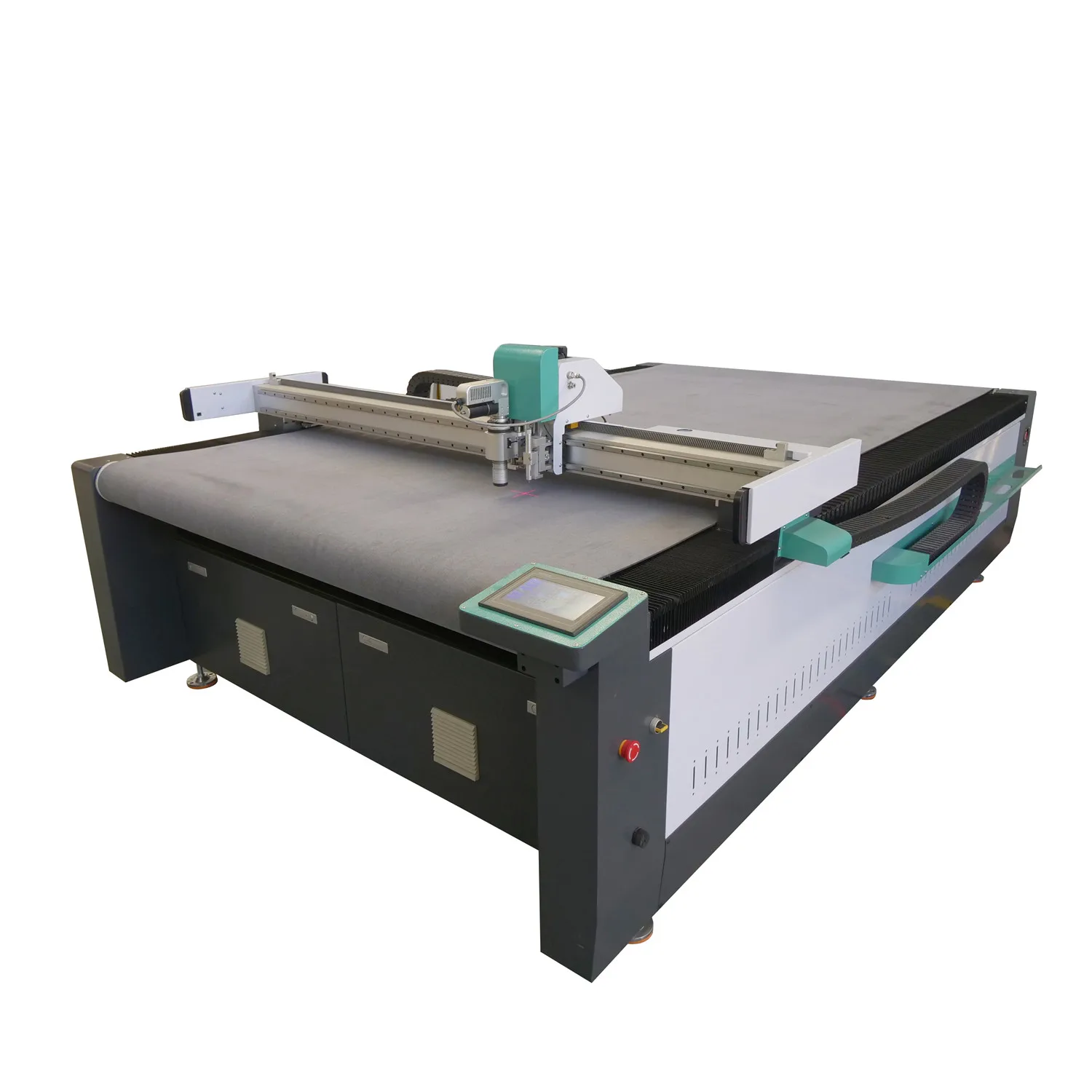
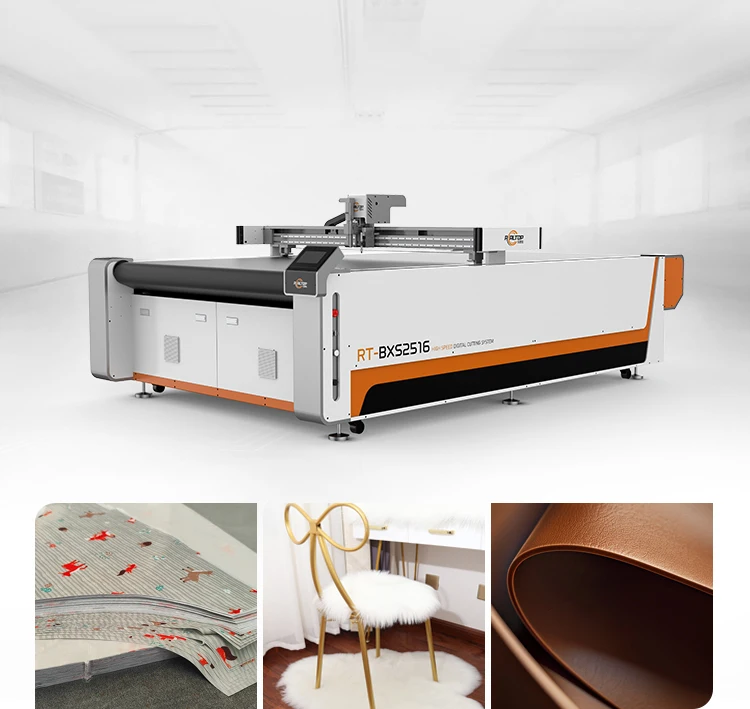
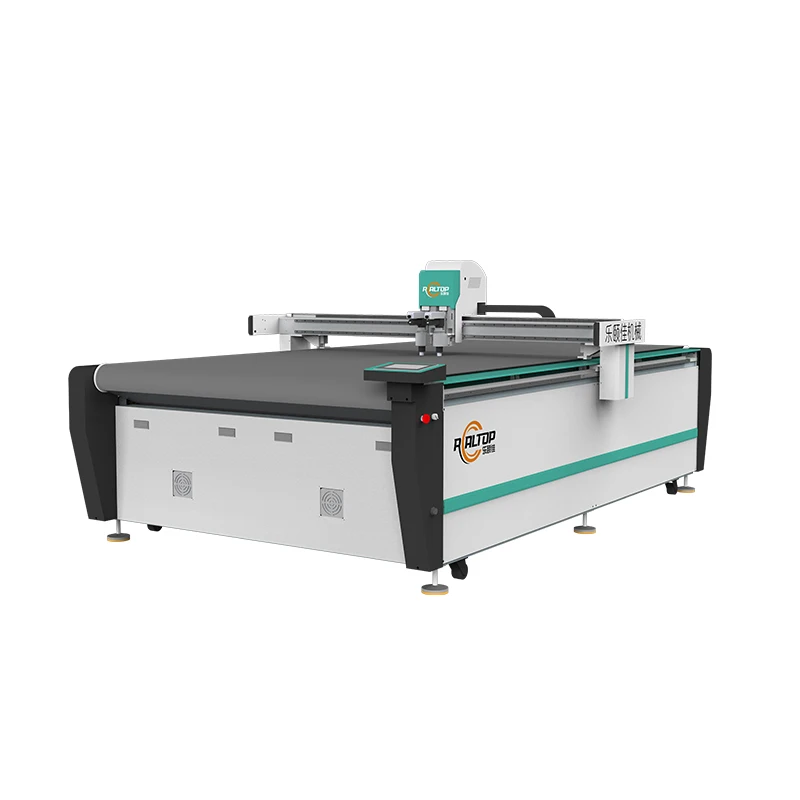
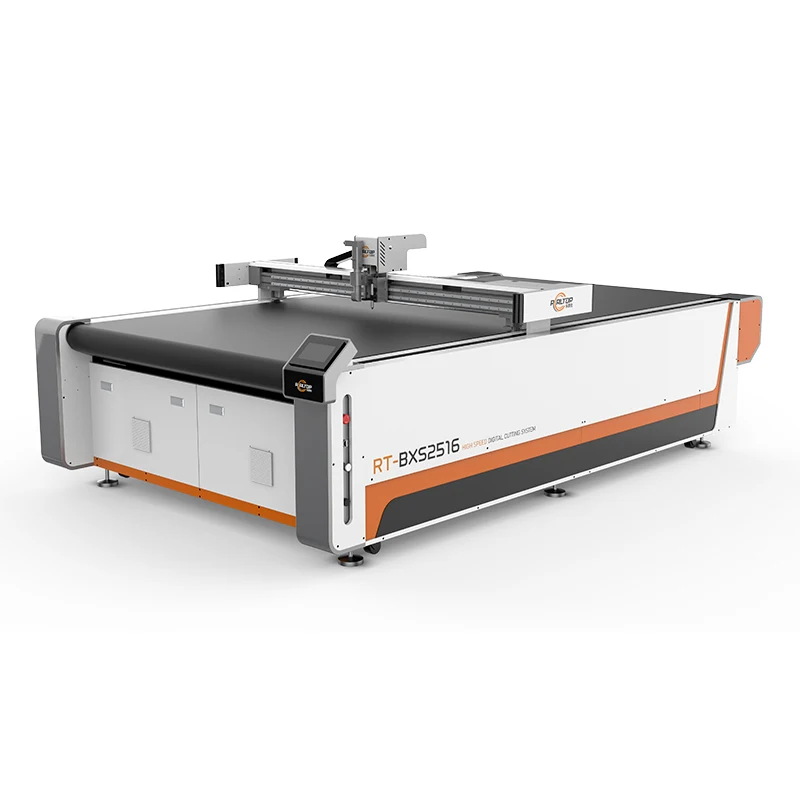
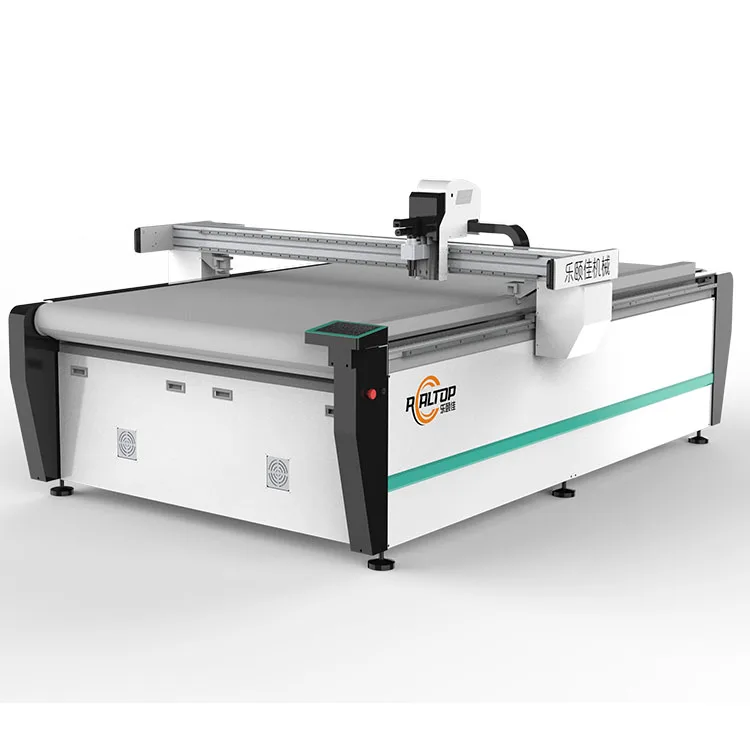
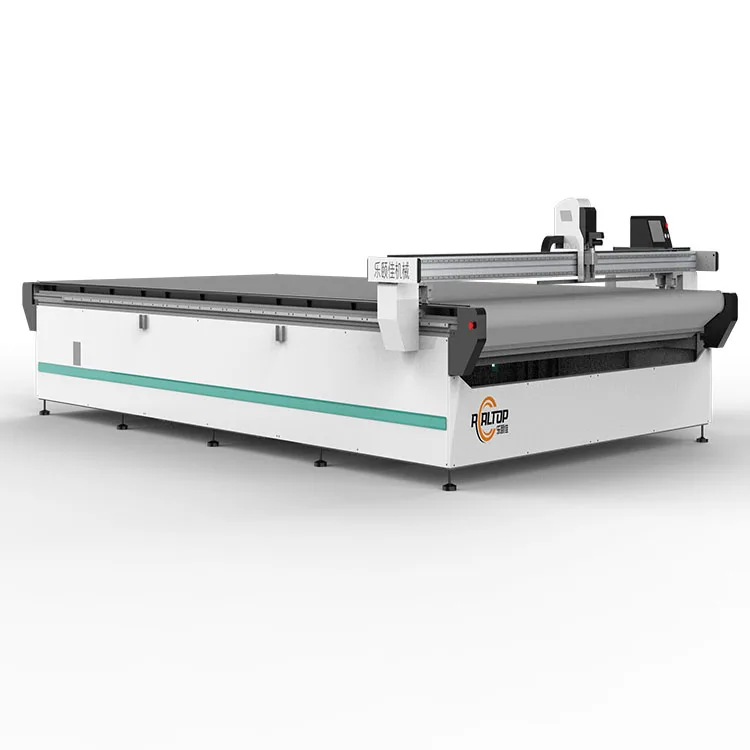
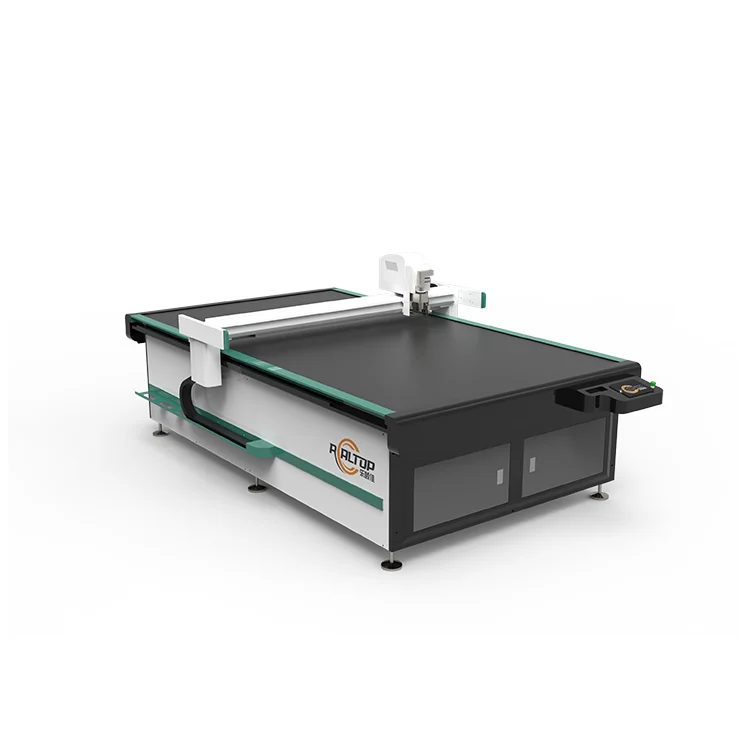
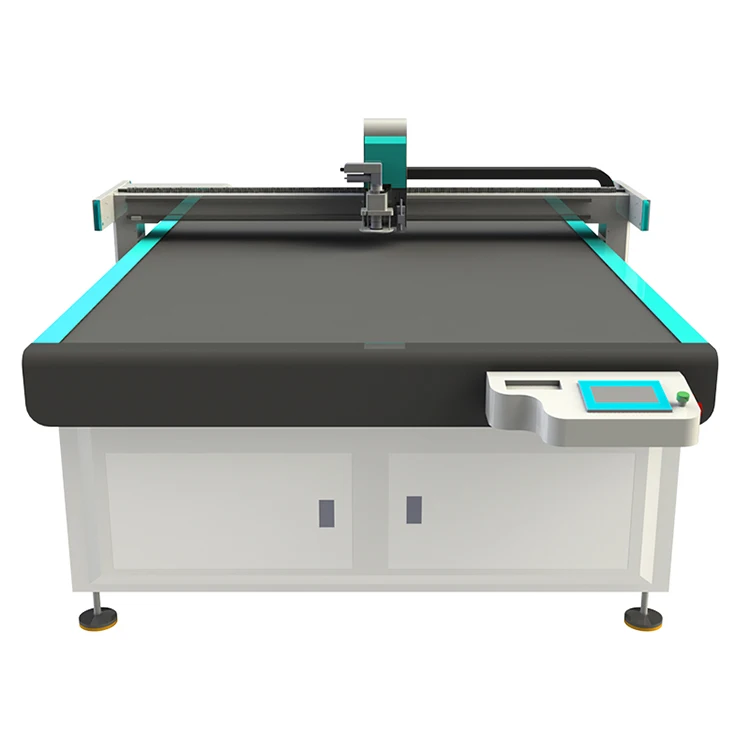
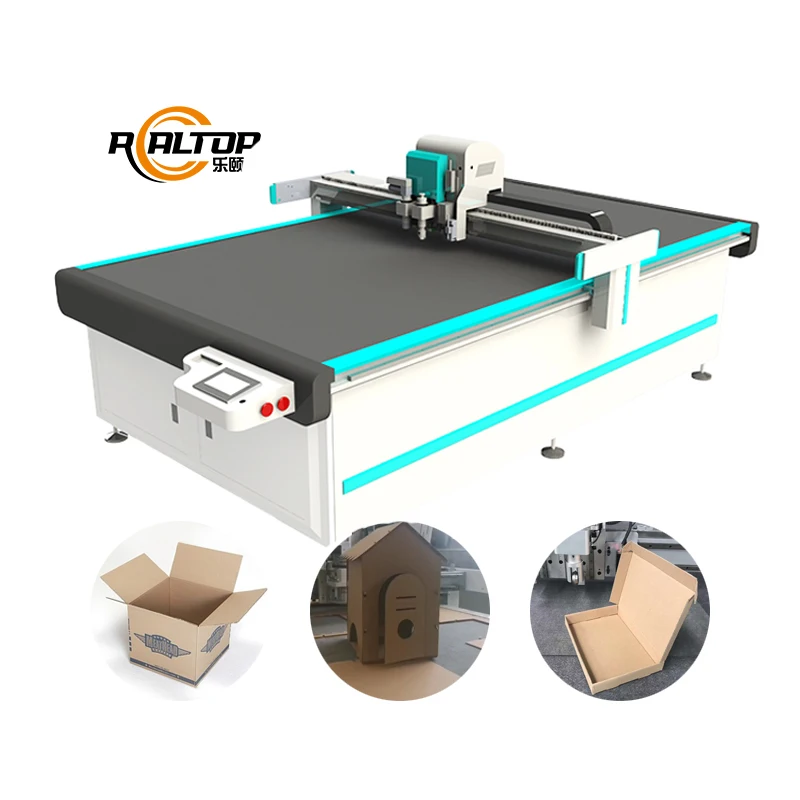
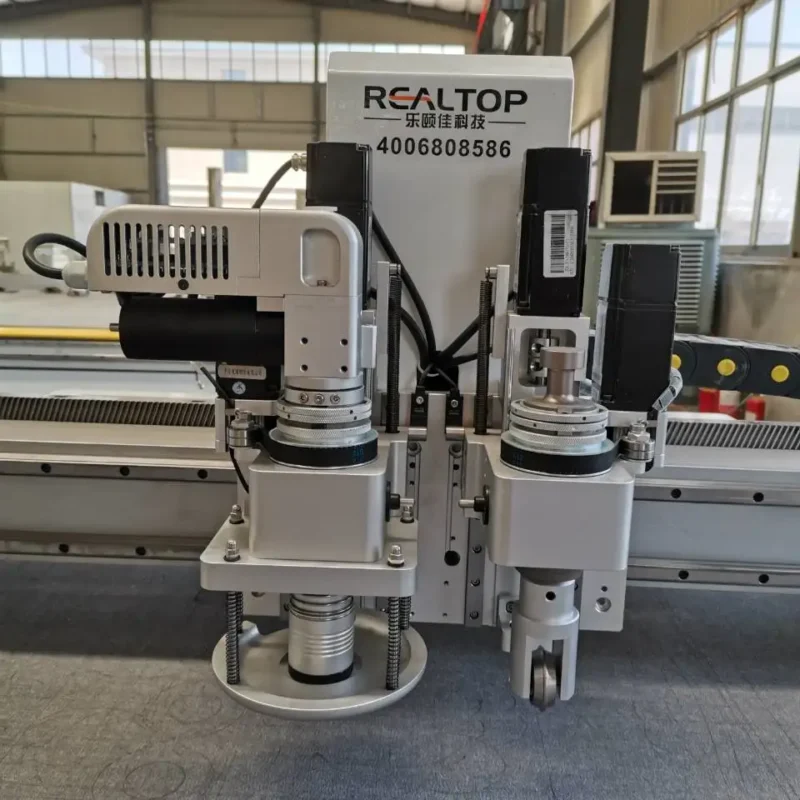
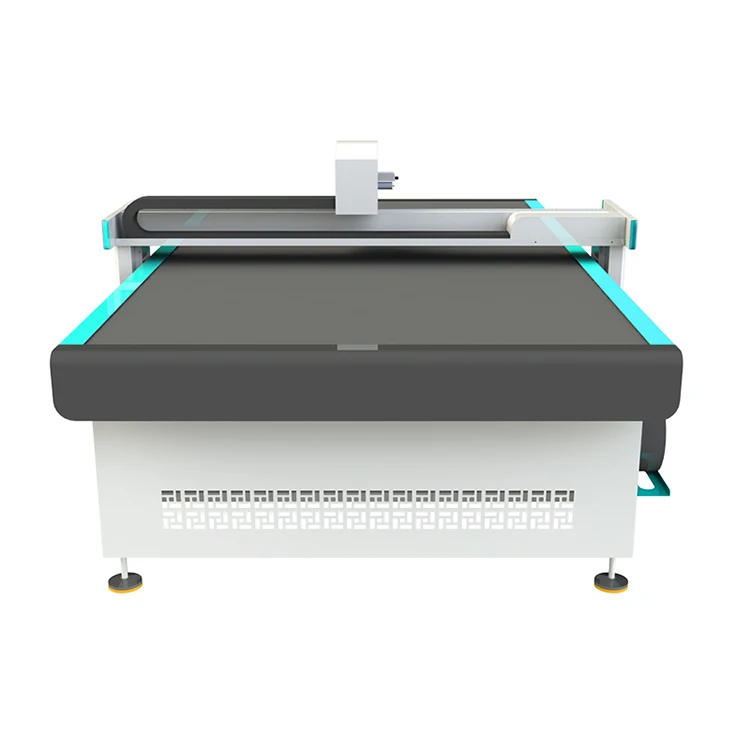
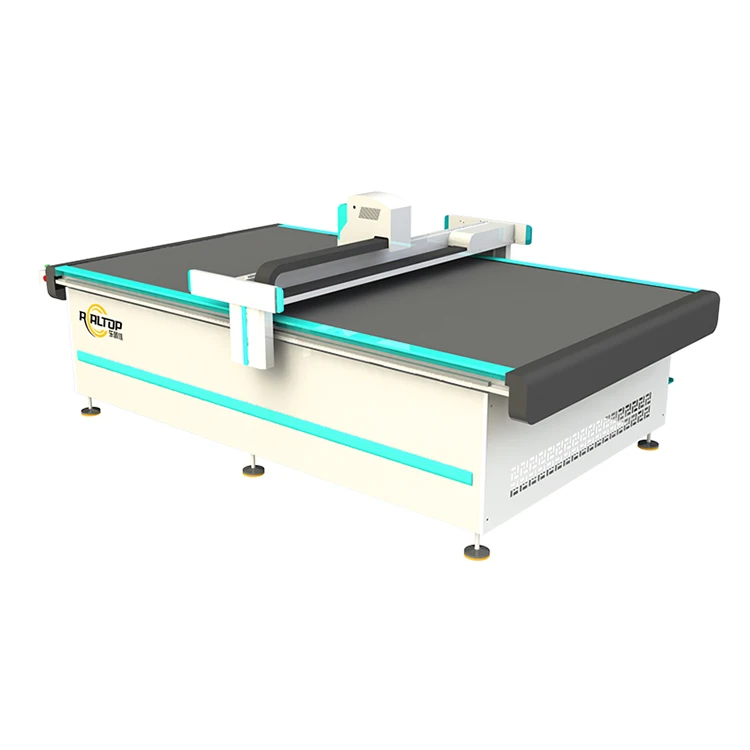
Flexible Cutting Methods — RT-D2516/RT-S2516 supports oscillating knife, drag knife, creasing wheel and CCD heads on one platform, letting buyers match the tool to the material rather than force one approach.
Technical Specifications
| Parameter | Value |
|---|---|
| Model | RT-D2516/RT-S2516 |
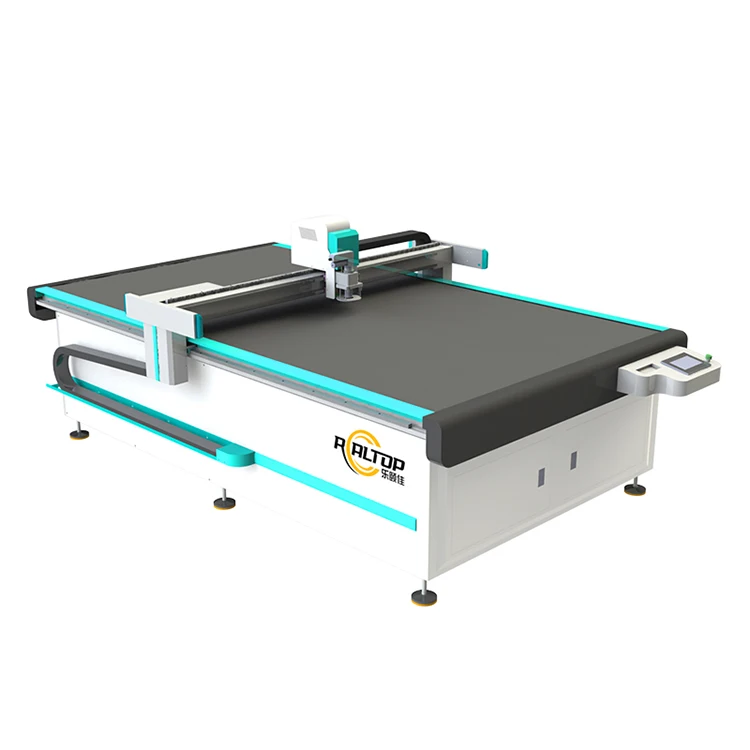
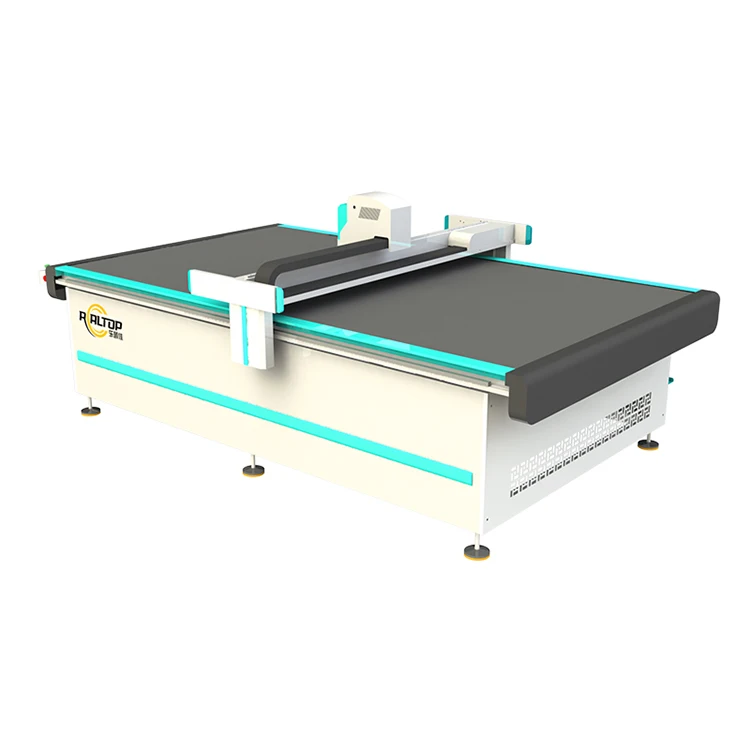
| Product Type | CNC Oscillating Knife Cutting Machine |
| Working Area | 1600×2500 mm |
| Machine Size | 3450×2300×1250 mm |
| Rated Power | 9 kW |
| Voltage | 380V ±10% |
| Translational Velocity | 800–2000 mm/s |
| Cutting Speed | 200–800 mm/s (varies according to different cutting materials) |
| Cutting Thickness | ≤100 mm (basis not stated in source — confirm block format / material / thickness) |
| Repeated Accuracy | ≤0.1 mm |
| Fixed Model | Flat working table / Auto feeding table |
| Vacuum Table | Magnesium-aluminum alloy with fluorocarbon PVDF powder spraying; 7.5 kW vacuum pump |
| Transmission System | Digital servo motor (Delta or Panasonic optional), linear guide, synchronous belt, ball screw; Taiwan Hiwin rail |
| Instruction System | HP-GL compatible format |
| Visual Positioning | Small CCD camera mark point positioning, panoramic camera recognition positioning, projection positioning (optional) |
| Software | Auto typesetting; supports PLT, DXF, AI and other file formats |
| Control Panel | Touch screen, multi-language supported (English, Russian, Italian, Chinese; special languages customizable) |
Application Suitability
| Application | Material or Output |
|---|---|
| Garment and footwear manufacturing | Single-layer and multi-layer fabric, leather, shoe materials on auto-feeding table |
| Sofa and soft furnishing production | Textile patterns and composite upholstery materials on large-format flatbed |
| Automotive interiors | Gasket material, PU, EVA, XPE and composite panels |
| Advertising and signage | Vinyl, sticker film and corrugated board with CCD contour recognition |
| Packaging and carton sample making | Cardboard, corrugated cardboard with creasing wheel and drag knife |
| Carpet and floor mat production | Non-woven fabric, carpet, sponge on flat working table |
Why Working Area Alone Is Not Enough for CNC Knife Cutting
Specifying a CNC oscillating knife cutting machine manufacturer by bed size and ignoring tool head selection is the most common mistake buyers make when sourcing fabric cutting equipment.
The cutting method must be matched to the material and daily volume, not just the sheet dimensions.
Last year, a customer running sofa upholstery sent me a sample of standard polyester for the trial cut. When the machine arrived, they were actually cutting multi-layer composite flocked fabric at production speed. The knife could not bite through the layers cleanly, and the edges came out frayed — an entire batch of material was ruined. That is why I now ask every buyer to send their actual production material before we confirm the tool head configuration [NEED_CITE: material thickness and tool head selection for oscillating knife cutting].
Mapping Tool Heads to Fabric and Composite Materials
A CNC oscillating knife cutting machine manufacturer offers multiple tool head options on the RT-D2516/RT-S2516 — oscillating knife, pneumatic knife, high-power vibrating knife, circular knife, V-cutting knife, drag knife, creasing wheel, dotted line knife, punching tool and brush. Each one serves a different purpose: the oscillating knife handles thick foam and multi-layer fabric, the drag knife follows curves on thin vinyl, and the creasing wheel scores cardboard without cutting through. Choosing the wrong head means ragged edges, crushed foam cores or incomplete cuts.
Vacuum Zoning and Small Part Hold-Down
When cutting small garment pieces or intricate gasket shapes, the vacuum table must hold each part flat without lifting at the edges. The RT-D2516/RT-S2516 uses a magnesium-aluminum alloy table with zoned suction and a 7.5 kW vacuum pump, which allows operators to isolate suction to the active cutting area [NEED_CITE: vacuum table zoning for CNC flatbed cutting]. If the zones are too large for the part being cut, suction pressure drops and the material shifts mid-cut — producing scrap instead of finished pieces.
How Core Specs Affect Your Cutting Line
The 1600×2500 mm working area covers most roll-fed fabric and sheet composite workflows, but the choice between a flat working table and an auto-feeding conveyor determines whether you cut one sheet at a time or run continuous roll stock. Cutting speed ranges from 200 to 800 mm/s depending on material density and thickness — a dense rubber gasket requires the lower end while thin textile layers allow higher speeds. The repeated accuracy of ≤0.1 mm ensures that nested patterns on expensive leather or technical fabric maintain registration across long production runs. Visual positioning options — CCD mark point, panoramic camera or projection — let the machine locate printed registration marks and adjust the cut path in real time, which is critical for signage producers cutting pre-printed vinyl graphics. The Swiss imported knife with vibration full-cutting and half-cutting functions handles both through-cuts and kiss-cuts on adhesive-backed materials without damaging the liner.
What Happens When You Guess the Configuration
Buyers who skip sample testing often discover problems only after the machine is installed. A flat table specified for roll-fed fabric forces operators to manually lay and cut each sheet, cutting daily throughput dramatically. A vacuum table without adequate zoning lets small parts drift, producing mismatched pieces that fail downstream assembly [NEED_CITE: CNC cutting accuracy requirements for garment production]. A CCD system promised for contour work but not tuned for the buyer’s specific print contrast fails to track marks at production speed, forcing manual alignment on every sheet.
Why Buyers Source This Machine Range Here
The RT-D2516/RT-S2516 sits within a full CNC knife cutting machine family where buyers can compare flatbed, auto-feeding and multi-head configurations side by side before committing. The in-house design team covers both knife and laser technologies, so a buyer processing both fabric and acrylic can match the cutting method to each material rather than forcing one machine to do both. Tool head and table configurations are specified per material and production volume, not pulled from a default list. Every order includes sample cutting on the buyer’s own material before shipment, with a cutting report documenting edge quality and speed [NEED_CITE: factory sample cutting verification for CNC equipment]. Voltage, plug type and control panel language are confirmed in writing before production begins.
Documentation & Verification
- Machine specification sheet listing RT-D2516/RT-S2516 configuration and optional heads
- Tool head and table configuration list matched to your fabric type and thickness
- Sample cutting report on your actual production material before order commitment
- Electrical schematic and voltage confirmation for your destination market
- Software licence and file format compatibility note for PLT, DXF and AI workflows
- Factory test record documenting repeated accuracy and cutting speed on your material
Installation, Commissioning & Support
- 9 kW rated power requires a dedicated 380V ±10% circuit with proper grounding
- Machine size 3450×2300×1250 mm needs clearance for material loading on all sides
- Delta or Panasonic servo motor selection confirmed before dispatch to match maintenance preference
- Touch screen control panel language set to your operator team before shipping
- 7.5 kW vacuum pump exhaust routed according to your workshop layout
- Spare parts list covering Swiss knife blades, belts and vacuum seals provided at delivery
Before You Request a Quote
Tell us your material type, single-sheet or roll-fed format, thickness range and daily cutting volume. We also need your local voltage and frequency, preferred control language, and whether your existing design files are in PLT, DXF or AI format. If you are cutting printed graphics, send a sample of your printed material so we can test CCD tracking at your target speed before confirming the visual positioning option.
Frequently Asked Questions
Q: Where does this machine sit compared to laser cutting for my fabric?
A: Laser cutting seals synthetic fabric edges but produces burn marks on natural fibers and cannot handle multi-layer foam or thick composite upholstery. The RT-D2516/RT-S2516 uses a CNC oscillating knife cutting machine manufacturer approach with mechanical blades, producing clean edges without heat damage on natural textiles, leather and foam while handling thicker materials than most CO2 laser systems.
Q: Which tool head should I pick for multi-layer sofa fabric?
A: Multi-layer composite fabric typically requires an oscillating knife or high-power vibrating knife to maintain clean edges through the full stack. The correct head depends on your total lay height and material density, which is why we cut a sample on your actual production material before confirming the configuration.
Q: How do I know CCD contour recognition will work on my printed vinyl?
A: CCD performance depends on your print contrast, mark size and production speed. We test the panoramic camera and mark point positioning options on your actual printed material during the sample cutting stage, documenting tracking accuracy before the machine is built.
Q: Should I choose a flat table or auto-feeding conveyor?
A: Flat tables suit single-sheet cutting of leather, foam boards and rigid composites. Auto-feeding conveyors with the Germany imported belt suit roll-fed fabric workflows where continuous throughput is needed — garment and carpet producers typically choose auto-feeding for higher daily volume.
Q: What software and voltage checks happen before the machine ships?
A: We confirm your file format compatibility with PLT, DXF and AI inputs, verify auto typesetting with your nesting workflow, and lock in voltage, plug type and control language before production starts. All confirmations are documented in the specification sheet you receive with the machine.
Flexible Cutting Methods — RT-D2516/RT-S2516 supports oscillating knife, drag knife, creasing wheel and CCD heads on one platform, letting buyers match the tool to the material rather than force one approach.
Technical Specifications
| Parameter | Value |
|---|---|
| Model | RT-D2516/RT-S2516 |
| Product Type | CNC Oscillating Knife Cutting Machine |
| Working Area | 1600×2500 mm |
| Machine Size | 3450×2300×1250 mm |
| Rated Power | 9 kW |
| Voltage | 380V ±10% |
| Translational Velocity | 800–2000 mm/s |
| Cutting Speed | 200–800 mm/s (varies according to different cutting materials) |
| Cutting Thickness | ≤100 mm (basis not stated in source — confirm block format / material / thickness) |
| Repeated Accuracy | ≤0.1 mm |
| Fixed Model | Flat working table / Auto feeding table |
| Vacuum Table | Magnesium-aluminum alloy with fluorocarbon PVDF powder spraying; 7.5 kW vacuum pump |
| Transmission System | Digital servo motor (Delta or Panasonic optional), linear guide, synchronous belt, ball screw; Taiwan Hiwin rail |
| Instruction System | HP-GL compatible format |
| Visual Positioning | Small CCD camera mark point positioning, panoramic camera recognition positioning, projection positioning (optional) |
| Software | Auto typesetting; supports PLT, DXF, AI and other file formats |
| Control Panel | Touch screen, multi-language supported (English, Russian, Italian, Chinese; special languages customizable) |
Application Suitability
| Application | Material or Output |
|---|---|
| Garment and footwear manufacturing | Single-layer and multi-layer fabric, leather, shoe materials on auto-feeding table |
| Sofa and soft furnishing production | Textile patterns and composite upholstery materials on large-format flatbed |
| Automotive interiors | Gasket material, PU, EVA, XPE and composite panels |
| Advertising and signage | Vinyl, sticker film and corrugated board with CCD contour recognition |
| Packaging and carton sample making | Cardboard, corrugated cardboard with creasing wheel and drag knife |
| Carpet and floor mat production | Non-woven fabric, carpet, sponge on flat working table |
Why Working Area Alone Is Not Enough for CNC Knife Cutting
Specifying a CNC oscillating knife cutting machine manufacturer by bed size and ignoring tool head selection is the most common mistake buyers make when sourcing fabric cutting equipment.
The cutting method must be matched to the material and daily volume, not just the sheet dimensions.
Last year, a customer running sofa upholstery sent me a sample of standard polyester for the trial cut. When the machine arrived, they were actually cutting multi-layer composite flocked fabric at production speed. The knife could not bite through the layers cleanly, and the edges came out frayed — an entire batch of material was ruined. That is why I now ask every buyer to send their actual production material before we confirm the tool head configuration [NEED_CITE: material thickness and tool head selection for oscillating knife cutting].
Mapping Tool Heads to Fabric and Composite Materials
A CNC oscillating knife cutting machine manufacturer offers multiple tool head options on the RT-D2516/RT-S2516 — oscillating knife, pneumatic knife, high-power vibrating knife, circular knife, V-cutting knife, drag knife, creasing wheel, dotted line knife, punching tool and brush. Each one serves a different purpose: the oscillating knife handles thick foam and multi-layer fabric, the drag knife follows curves on thin vinyl, and the creasing wheel scores cardboard without cutting through. Choosing the wrong head means ragged edges, crushed foam cores or incomplete cuts.
Vacuum Zoning and Small Part Hold-Down
When cutting small garment pieces or intricate gasket shapes, the vacuum table must hold each part flat without lifting at the edges. The RT-D2516/RT-S2516 uses a magnesium-aluminum alloy table with zoned suction and a 7.5 kW vacuum pump, which allows operators to isolate suction to the active cutting area [NEED_CITE: vacuum table zoning for CNC flatbed cutting]. If the zones are too large for the part being cut, suction pressure drops and the material shifts mid-cut — producing scrap instead of finished pieces.
How Core Specs Affect Your Cutting Line
The 1600×2500 mm working area covers most roll-fed fabric and sheet composite workflows, but the choice between a flat working table and an auto-feeding conveyor determines whether you cut one sheet at a time or run continuous roll stock. Cutting speed ranges from 200 to 800 mm/s depending on material density and thickness — a dense rubber gasket requires the lower end while thin textile layers allow higher speeds. The repeated accuracy of ≤0.1 mm ensures that nested patterns on expensive leather or technical fabric maintain registration across long production runs. Visual positioning options — CCD mark point, panoramic camera or projection — let the machine locate printed registration marks and adjust the cut path in real time, which is critical for signage producers cutting pre-printed vinyl graphics. The Swiss imported knife with vibration full-cutting and half-cutting functions handles both through-cuts and kiss-cuts on adhesive-backed materials without damaging the liner.
What Happens When You Guess the Configuration
Buyers who skip sample testing often discover problems only after the machine is installed. A flat table specified for roll-fed fabric forces operators to manually lay and cut each sheet, cutting daily throughput dramatically. A vacuum table without adequate zoning lets small parts drift, producing mismatched pieces that fail downstream assembly [NEED_CITE: CNC cutting accuracy requirements for garment production]. A CCD system promised for contour work but not tuned for the buyer’s specific print contrast fails to track marks at production speed, forcing manual alignment on every sheet.
Why Buyers Source This Machine Range Here
The RT-D2516/RT-S2516 sits within a full CNC knife cutting machine family where buyers can compare flatbed, auto-feeding and multi-head configurations side by side before committing. The in-house design team covers both knife and laser technologies, so a buyer processing both fabric and acrylic can match the cutting method to each material rather than forcing one machine to do both. Tool head and table configurations are specified per material and production volume, not pulled from a default list. Every order includes sample cutting on the buyer’s own material before shipment, with a cutting report documenting edge quality and speed [NEED_CITE: factory sample cutting verification for CNC equipment]. Voltage, plug type and control panel language are confirmed in writing before production begins.
Documentation & Verification
- Machine specification sheet listing RT-D2516/RT-S2516 configuration and optional heads
- Tool head and table configuration list matched to your fabric type and thickness
- Sample cutting report on your actual production material before order commitment
- Electrical schematic and voltage confirmation for your destination market
- Software licence and file format compatibility note for PLT, DXF and AI workflows
- Factory test record documenting repeated accuracy and cutting speed on your material
Installation, Commissioning & Support
- 9 kW rated power requires a dedicated 380V ±10% circuit with proper grounding
- Machine size 3450×2300×1250 mm needs clearance for material loading on all sides
- Delta or Panasonic servo motor selection confirmed before dispatch to match maintenance preference
- Touch screen control panel language set to your operator team before shipping
- 7.5 kW vacuum pump exhaust routed according to your workshop layout
- Spare parts list covering Swiss knife blades, belts and vacuum seals provided at delivery
Before You Request a Quote
Tell us your material type, single-sheet or roll-fed format, thickness range and daily cutting volume. We also need your local voltage and frequency, preferred control language, and whether your existing design files are in PLT, DXF or AI format. If you are cutting printed graphics, send a sample of your printed material so we can test CCD tracking at your target speed before confirming the visual positioning option.
Frequently Asked Questions
Q: Where does this machine sit compared to laser cutting for my fabric?
A: Laser cutting seals synthetic fabric edges but produces burn marks on natural fibers and cannot handle multi-layer foam or thick composite upholstery. The RT-D2516/RT-S2516 uses a CNC oscillating knife cutting machine manufacturer approach with mechanical blades, producing clean edges without heat damage on natural textiles, leather and foam while handling thicker materials than most CO2 laser systems.
Q: Which tool head should I pick for multi-layer sofa fabric?
A: Multi-layer composite fabric typically requires an oscillating knife or high-power vibrating knife to maintain clean edges through the full stack. The correct head depends on your total lay height and material density, which is why we cut a sample on your actual production material before confirming the configuration.
Q: How do I know CCD contour recognition will work on my printed vinyl?
A: CCD performance depends on your print contrast, mark size and production speed. We test the panoramic camera and mark point positioning options on your actual printed material during the sample cutting stage, documenting tracking accuracy before the machine is built.
Q: Should I choose a flat table or auto-feeding conveyor?
A: Flat tables suit single-sheet cutting of leather, foam boards and rigid composites. Auto-feeding conveyors with the Germany imported belt suit roll-fed fabric workflows where continuous throughput is needed — garment and carpet producers typically choose auto-feeding for higher daily volume.
Q: What software and voltage checks happen before the machine ships?
A: We confirm your file format compatibility with PLT, DXF and AI inputs, verify auto typesetting with your nesting workflow, and lock in voltage, plug type and control language before production starts. All confirmations are documented in the specification sheet you receive with the machine.
商品评价
There are no reviews yet.