

Fast Delivery
Quick, reliable shipping to any location.

Free & easy returns
Return this item by mail or in store within 90 days for a full refund.
Complete Catalogue Range — In-house design covering both oscillating knife and laser cutting technologies allows composite processors to match the correct cutting method to their material rather than forcing a single process.
Technical Specifications
| Parameter | Value |
|---|---|
| Model | 1625 |
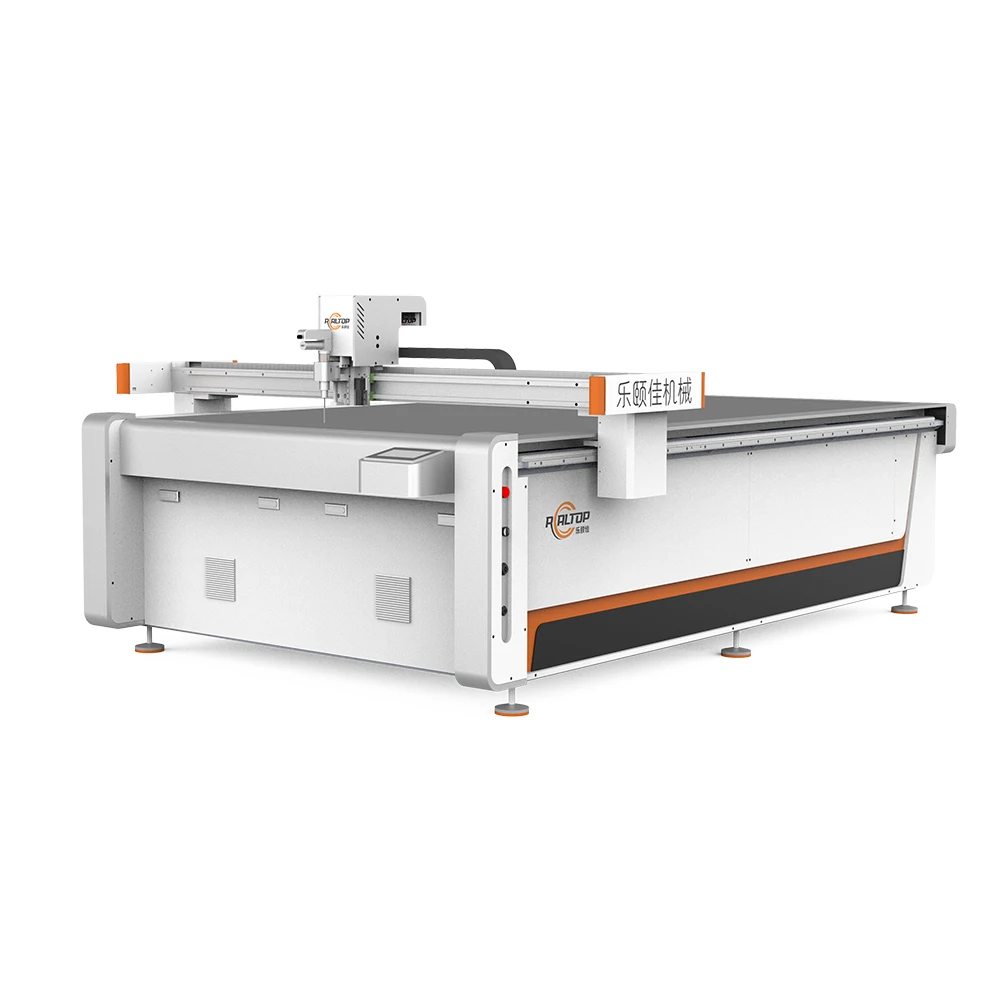
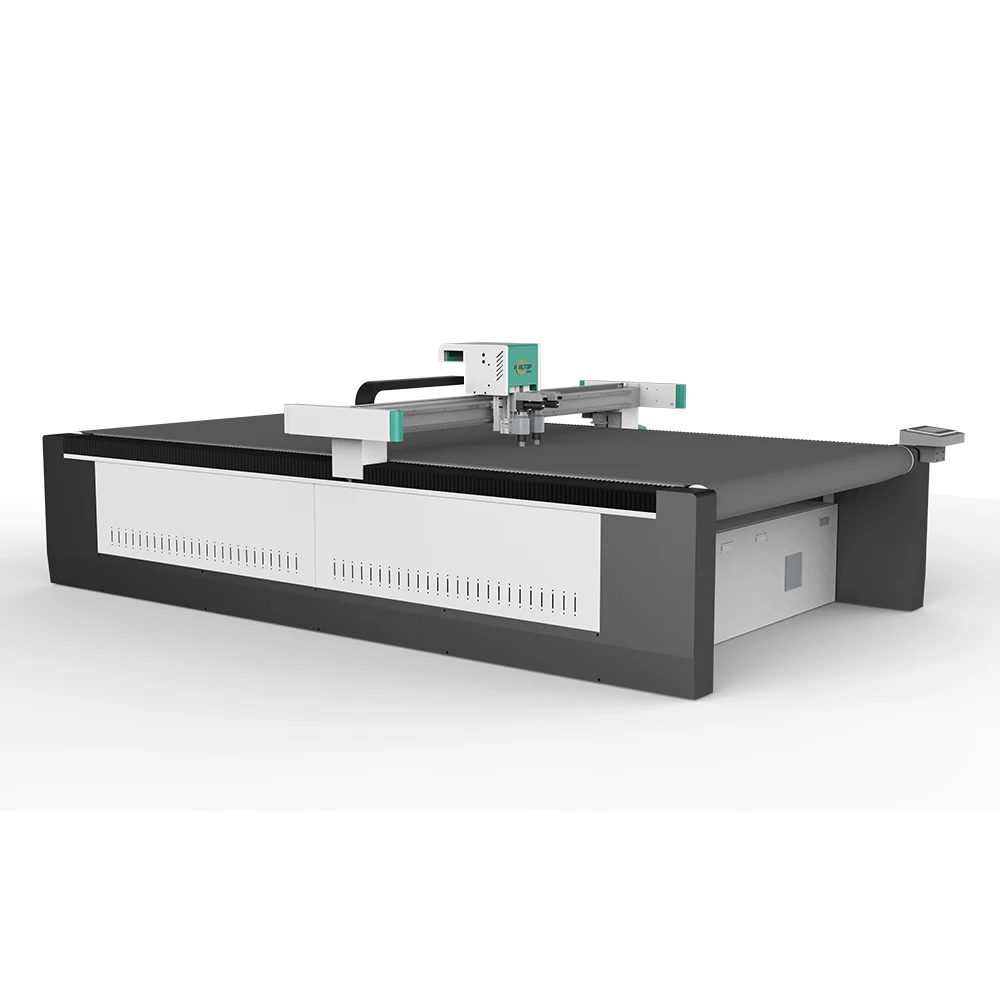
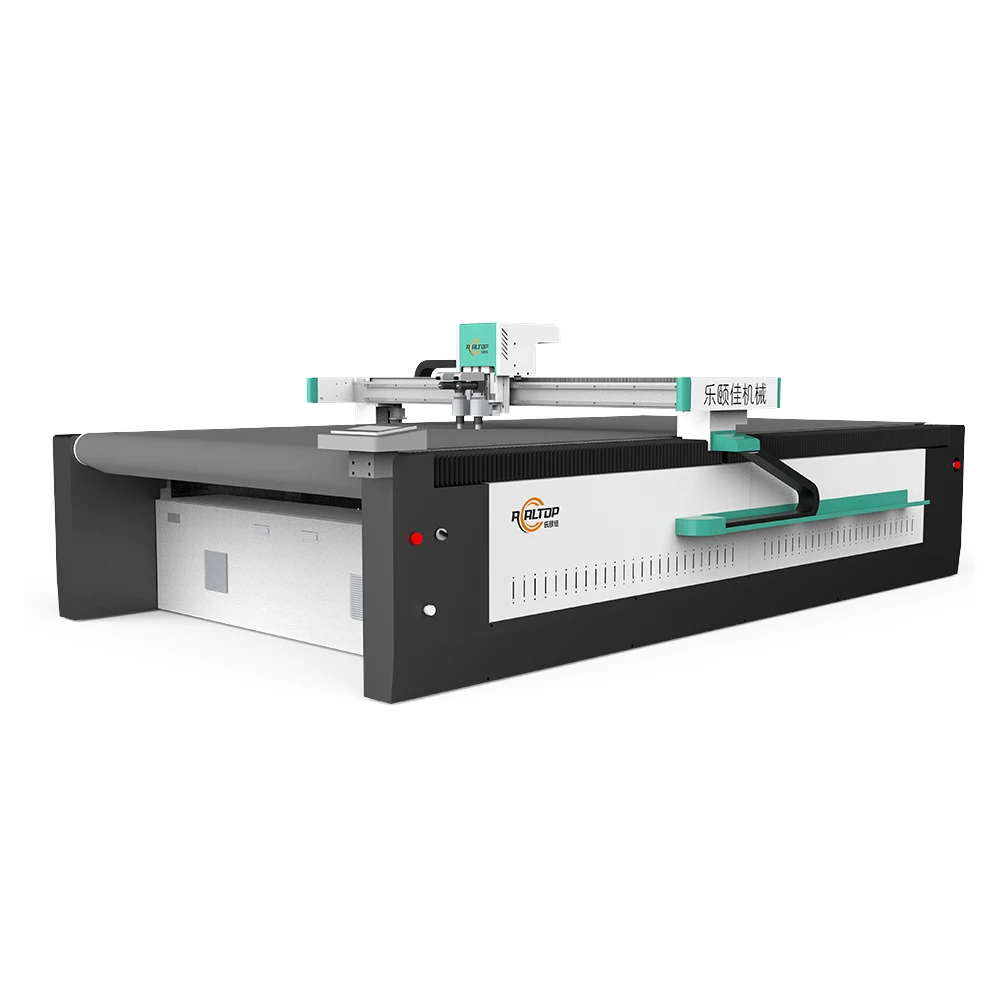
| Product Type | CNC Oscillating Knife Cutting Machine |
| Working Area | 1600 × 2500 mm |
| Cutting Speed | 0 – 2000 mm/s |
| Cutting Thickness | ≤ 30 mm |
| Cutting Accuracy | ±0.1 mm |
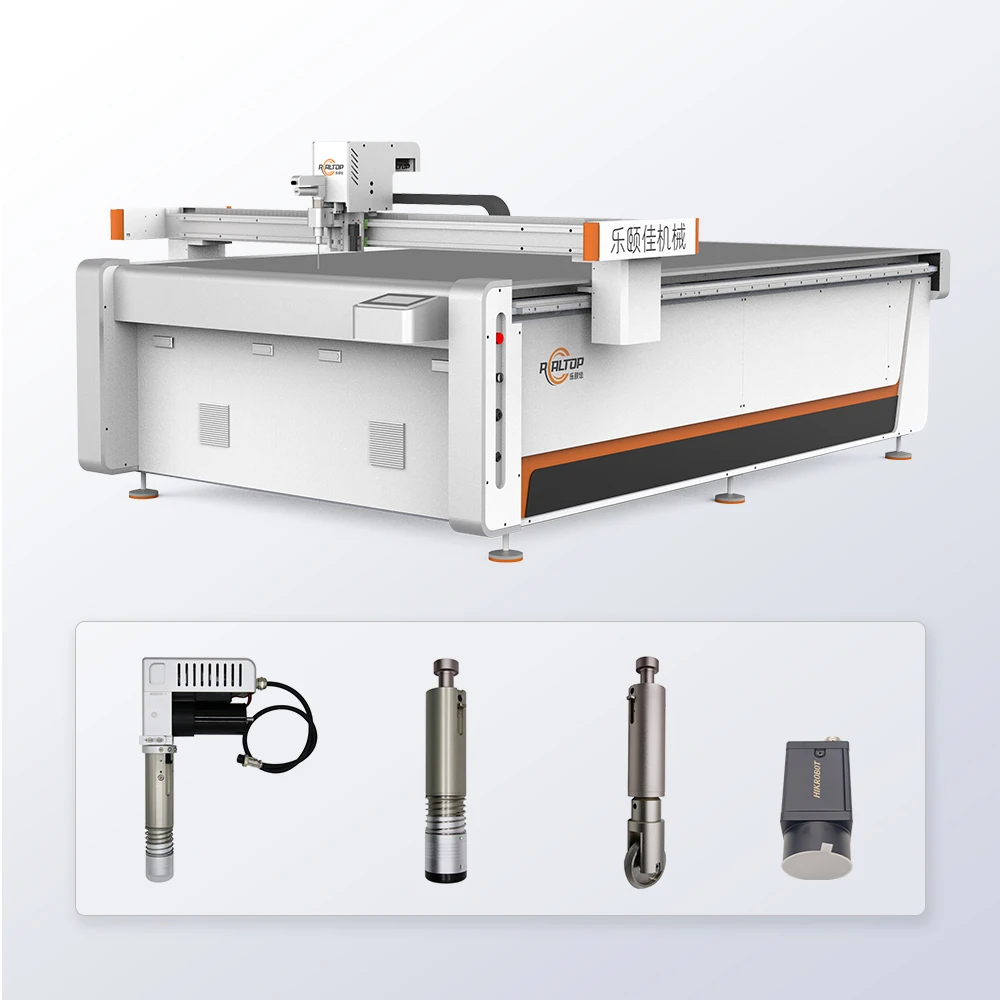
| Tools Available | Oscillating knife, Driven rotary knife, Creasing wheel, Kiss cutting tool, Pneumatic knife, Milling tool, V groove knife |
| Vacuum Table | Aluminum bellows vacuum table |
| Vacuum Pump Power | 9 kW |
| Drive System | Servo motors (Panasonic, Delta, Dorna options) |
| Control System | PLC control panel with intuitive interface |
| Software Languages | English, Russian, Italian, Chinese, custom languages available |
| Voltage Options | 110V, 220V, 380V |
| Profile Formats Supported | PLT, DXF, AI, PDF |
| Safety Device | Infrared sensor device and emergency stop device |
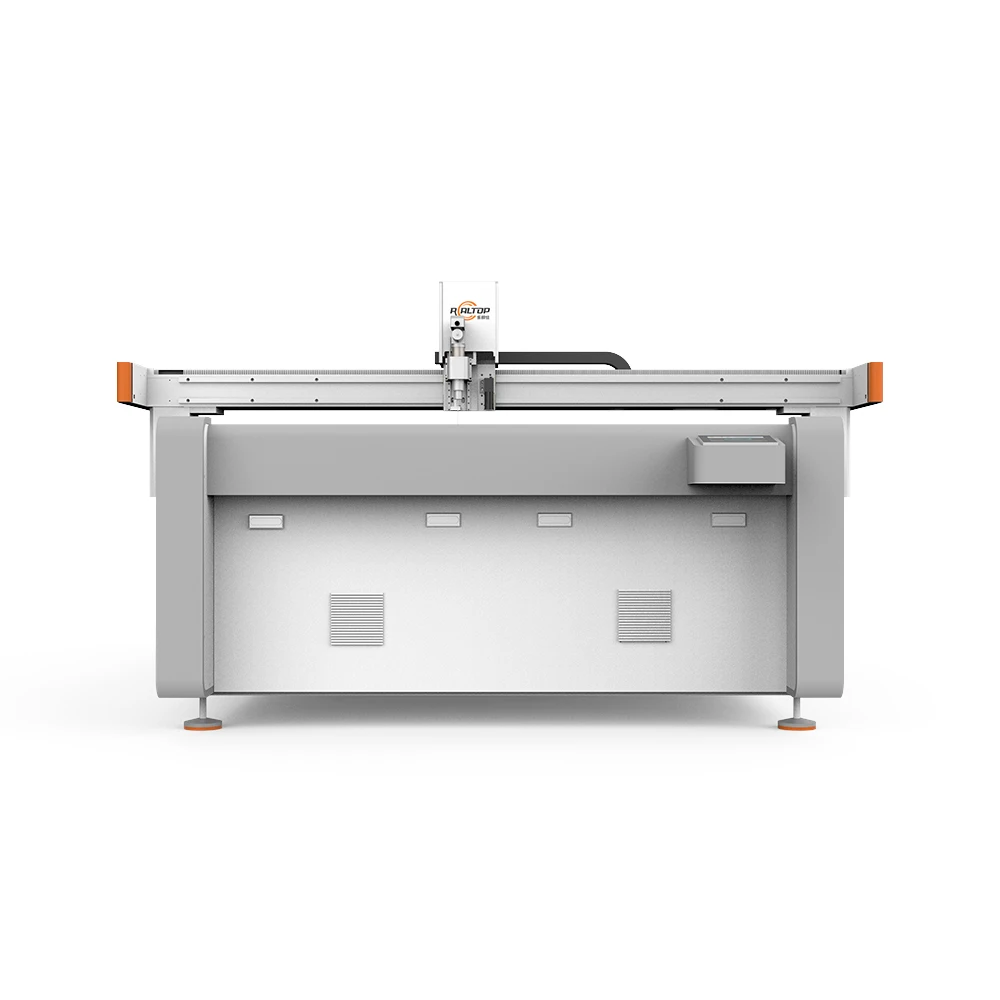
| Machine Dimensions (L×W×H) | 3300 × 2100 × 1350 mm |
| Standards | CE |
Application Suitability
| Application | Material or Output |
|---|---|
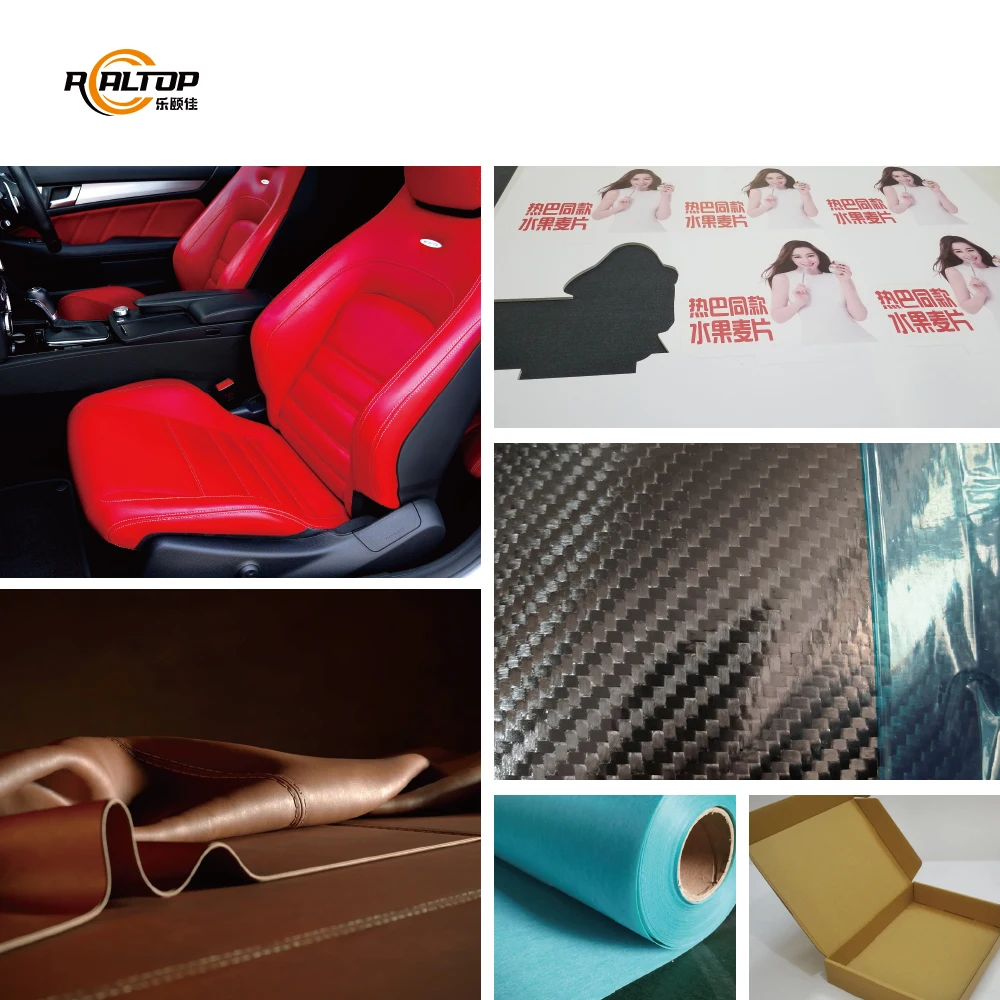
| Aerospace component fabrication | Carbon fiber prepreg, aramid honeycomb (Nomex), fiberglass cloth, ceramic fiber blankets, thermal and acoustic insulation foam |
| Automotive and rail interior panels | Carbon fiber covers, FRP composites, acoustic felt, damping pads, carpets, sealing strips, headliners, battery insulation pads |
| Wind turbine blade manufacturing | Fiberglass cloth, carbon fiber cloth, vacuum infusion mesh, PET and PVC foam core materials |
| Sporting goods production | Carbon fiber sheets and fabric, fiberglass, Kevlar, high-performance foam for bicycle frame prepreg, helmet liners, surfboards, kayak components, skis |
Why Material Thickness Claims Fail on Composite Layups
A CNC oscillating knife cutting machine for composites manufacturer must confirm cutting depth on the buyer’s actual layup before the order is signed, not after the crate arrives on the factory floor.
Cutting thickness is a function of material density, resin state, and tool head selection — not a single number printed in a brochure.
I once watched a client specify a vibrating knife cutter based on prepreg data sheets, only to find their daily production ran dry carbon fiber mat, far denser than the test sample. Blades lost their edge within the first shift, and every cut came out frayed. Two weeks of downtime followed before we matched the right oscillating knife head and vacuum zoning to that specific layup [NEED_CITE: composite material density variation across prepreg and dry fiber formats]. A stated 30 mm capacity means nothing if the resin matrix is harder than the blade can handle at production speed.
Knife Versus Laser: Matching the Process to the Composite
The decision between oscillating knife and laser cutting depends on the composite’s resin state and thermal sensitivity. Prepreg carbon fiber and uncured aramid honeycomb require cold cutting to preserve resin integrity — an oscillating knife severs fibers mechanically without introducing heat that could prematurely activate the curing cycle. The 1625 platform supports interchangeable tool heads including oscillating knife, driven rotary, and pneumatic knife, so a single machine can handle soft infusion mesh on one job and semi-rigid fiberglass on the next.
Vacuum Table Zoning for Small Aerospace Gaskets
Large-format composite cutting often involves nesting small gasket parts alongside full-panel skins on the same sheet. The aluminum bellows vacuum table on this CNC oscillating knife cutting machine for composites manufacturer provides full-surface adsorption, but zoning capability determines whether a 50 mm aramid honeycomb insert stays flat or lifts at the edge during the final pass. Without adequate localized hold-down, small aerospace parts shift and the ±0.1 mm accuracy specification becomes meaningless on the parts that matter most [NEED_CITE: vacuum zoning requirements for small composite aerospace components].
Reading the Specs That Actually Govern Composite Edge Quality
The oscillating knife head is the default for most dry and prepreg composites because its high-frequency vertical stroke slices through fiber layers without crushing them. The driven rotary knife suits continuous fiberglass cloth cuts where the material feeds at speed. Cutting speed ranges from 0 to 2000 mm/s, but the practical upper limit depends on layup thickness and fiber orientation — unidirectional carbon at 2000 mm/s will delaminate if the blade geometry is wrong. The 9 kW vacuum pump must maintain consistent negative pressure across the 1600 × 2500 mm bed, especially when cutting vacuum infusion mesh that has low mass and high porosity. The PLC control panel allows operators to store tool head profiles and recall them per material, reducing setup errors between shifts.
The Cost of Specifying Working Area Alone
Buyers frequently select a CNC flatbed based on bed size and discover later that the machine cannot hold their specific material flat or cut through their layup cleanly. A wrong tool head on carbon fiber produces frayed edges that require secondary trimming, adding labor to every part. Insufficient vacuum zoning causes small Nomex honeycomb cores to lift and jam the knife, leading to unscheduled blade changes and scrapped material. These failures rarely appear during the factory acceptance test because the demo material is never the buyer’s actual production stock [NEED_CITE: composite cutting rejection rates from incorrect tool head selection].
Why Source This Range Here
The design team covers both knife and laser cutting in-house, so a buyer processing carbon fiber prepreg and acrylic signage on the same production floor can select each method without compromise. Tool head and table configurations are specified per composite material and daily volume rather than sold as a universal package. CCD camera positioning is available for printed contour recognition on composite sheets with fiducial marks. Software compatibility with PLT, DXF, AI, and PDF formats is confirmed against the buyer’s existing nesting workflow before order placement. Voltage, plug type, and control panel language are locked in during the specification phase, not discovered at commissioning. Sample cutting on the buyer’s own composite material is performed before any commitment is made.
Documentation & Verification
- Machine specification sheet with tool head and vacuum table configuration matched to your composite layup
- Electrical schematic and voltage confirmation for your facility supply before production begins
- Sample cutting report on your carbon fiber or aramid material showing edge quality and dimensional accuracy
- Factory test record documenting run parameters on your specified composite thickness before dispatch
- Software licence and file format compatibility note for your PLT, DXF, AI, or PDF nesting workflow
- CE declaration and packing photographs verifying crate condition prior to container loading
Installation, Commissioning & Support
- Floor space allocation based on 3300 × 2100 × 1350 mm machine dimensions plus material staging clearance
- Dedicated electrical circuit matching confirmed voltage option (110V, 220V, or 380V) and local frequency
- Assembly and leveling of aluminum bellows vacuum table sections on-site after crate removal
- First-run commissioning with oscillating knife and pneumatic knife heads calibrated to your composite stock
- Operator training on PLC control panel covering tool head changeover and profile storage
- Spare parts list covering oscillating blades, knife holders, and vacuum seals with reorder part numbers
What to Include in Your Enquiry
Provide your composite material type, resin state (prepreg, dry, or cured), layup thickness, and typical sheet dimensions so the correct tool head and vacuum zoning can be specified. Confirm your facility voltage and frequency, preferred control panel language, and the file formats your nesting software exports. If you require sample cutting, ship a representative panel of your production material for testing before quotation.
Frequently Asked Questions
Q: How do I choose between oscillating knife and laser for different composite types?
A: Oscillating knife suits prepreg, dry fiber, and aramid honeycomb where cold cutting preserves resin integrity and prevents thermal delamination. Laser is appropriate for cured composite panels where edge sealing matters and thermal input is acceptable. The choice depends on your material’s resin state, thickness, and whether the cut edge is a finished surface or will be bonded in a secondary operation.
Q: Which tool head handles carbon fiber prepreg versus rigid G10 epoxy board?
A: Carbon fiber prepreg typically runs on the oscillating knife head with a blade geometry that slices without crushing the uncured resin matrix. Rigid G10 epoxy board, being fully cured and dense, may require the milling tool or a high-frequency oscillating knife with a reinforced blade. The selection is confirmed during sample cutting on your actual material before the machine is built.
Q: How does vacuum table zoning handle small aerospace gasket parts without lift?
A: The aluminum bellows vacuum table provides full-surface adsorption across the 1600 × 2500 mm bed. For small parts such as Nomex honeycomb inserts, zoning isolates vacuum to the active cutting area so that hold-down force concentrates where the knife is working. This prevents edge lift on parts as small as 50 mm without requiring additional mechanical fixturing.
Q: What file formats and nesting software integrate with the control system?
A: The PLC control system accepts PLT, DXF, AI, and PDF profile formats. Compatibility with your existing nesting software is verified during the specification phase by exchanging sample files and confirming toolpath recognition, layer parsing, and kerf compensation settings before the order is finalized.
Q: How can I verify cutting thickness capability on my specific composite layup?
A: Request sample cutting on your own material before committing to the order. The sample cutting report documents edge quality, dimensional accuracy against the ±0.1 mm specification, and tool head wear after a defined run length. This test uses your exact layup density, resin state, and sheet thickness rather than generic demonstration stock.
Complete Catalogue Range — In-house design covering both oscillating knife and laser cutting technologies allows composite processors to match the correct cutting method to their material rather than forcing a single process.
Technical Specifications
| Parameter | Value |
|---|---|
| Model | 1625 |
| Product Type | CNC Oscillating Knife Cutting Machine |
| Working Area | 1600 × 2500 mm |
| Cutting Speed | 0 – 2000 mm/s |
| Cutting Thickness | ≤ 30 mm |
| Cutting Accuracy | ±0.1 mm |
| Tools Available | Oscillating knife, Driven rotary knife, Creasing wheel, Kiss cutting tool, Pneumatic knife, Milling tool, V groove knife |
| Vacuum Table | Aluminum bellows vacuum table |
| Vacuum Pump Power | 9 kW |
| Drive System | Servo motors (Panasonic, Delta, Dorna options) |
| Control System | PLC control panel with intuitive interface |
| Software Languages | English, Russian, Italian, Chinese, custom languages available |
| Voltage Options | 110V, 220V, 380V |
| Profile Formats Supported | PLT, DXF, AI, PDF |
| Safety Device | Infrared sensor device and emergency stop device |
| Machine Dimensions (L×W×H) | 3300 × 2100 × 1350 mm |
| Standards | CE |
Application Suitability
| Application | Material or Output |
|---|---|
| Aerospace component fabrication | Carbon fiber prepreg, aramid honeycomb (Nomex), fiberglass cloth, ceramic fiber blankets, thermal and acoustic insulation foam |
| Automotive and rail interior panels | Carbon fiber covers, FRP composites, acoustic felt, damping pads, carpets, sealing strips, headliners, battery insulation pads |
| Wind turbine blade manufacturing | Fiberglass cloth, carbon fiber cloth, vacuum infusion mesh, PET and PVC foam core materials |
| Sporting goods production | Carbon fiber sheets and fabric, fiberglass, Kevlar, high-performance foam for bicycle frame prepreg, helmet liners, surfboards, kayak components, skis |
Why Material Thickness Claims Fail on Composite Layups
A CNC oscillating knife cutting machine for composites manufacturer must confirm cutting depth on the buyer’s actual layup before the order is signed, not after the crate arrives on the factory floor.
Cutting thickness is a function of material density, resin state, and tool head selection — not a single number printed in a brochure.
I once watched a client specify a vibrating knife cutter based on prepreg data sheets, only to find their daily production ran dry carbon fiber mat, far denser than the test sample. Blades lost their edge within the first shift, and every cut came out frayed. Two weeks of downtime followed before we matched the right oscillating knife head and vacuum zoning to that specific layup [NEED_CITE: composite material density variation across prepreg and dry fiber formats]. A stated 30 mm capacity means nothing if the resin matrix is harder than the blade can handle at production speed.
Knife Versus Laser: Matching the Process to the Composite
The decision between oscillating knife and laser cutting depends on the composite’s resin state and thermal sensitivity. Prepreg carbon fiber and uncured aramid honeycomb require cold cutting to preserve resin integrity — an oscillating knife severs fibers mechanically without introducing heat that could prematurely activate the curing cycle. The 1625 platform supports interchangeable tool heads including oscillating knife, driven rotary, and pneumatic knife, so a single machine can handle soft infusion mesh on one job and semi-rigid fiberglass on the next.
Vacuum Table Zoning for Small Aerospace Gaskets
Large-format composite cutting often involves nesting small gasket parts alongside full-panel skins on the same sheet. The aluminum bellows vacuum table on this CNC oscillating knife cutting machine for composites manufacturer provides full-surface adsorption, but zoning capability determines whether a 50 mm aramid honeycomb insert stays flat or lifts at the edge during the final pass. Without adequate localized hold-down, small aerospace parts shift and the ±0.1 mm accuracy specification becomes meaningless on the parts that matter most [NEED_CITE: vacuum zoning requirements for small composite aerospace components].
Reading the Specs That Actually Govern Composite Edge Quality
The oscillating knife head is the default for most dry and prepreg composites because its high-frequency vertical stroke slices through fiber layers without crushing them. The driven rotary knife suits continuous fiberglass cloth cuts where the material feeds at speed. Cutting speed ranges from 0 to 2000 mm/s, but the practical upper limit depends on layup thickness and fiber orientation — unidirectional carbon at 2000 mm/s will delaminate if the blade geometry is wrong. The 9 kW vacuum pump must maintain consistent negative pressure across the 1600 × 2500 mm bed, especially when cutting vacuum infusion mesh that has low mass and high porosity. The PLC control panel allows operators to store tool head profiles and recall them per material, reducing setup errors between shifts.
The Cost of Specifying Working Area Alone
Buyers frequently select a CNC flatbed based on bed size and discover later that the machine cannot hold their specific material flat or cut through their layup cleanly. A wrong tool head on carbon fiber produces frayed edges that require secondary trimming, adding labor to every part. Insufficient vacuum zoning causes small Nomex honeycomb cores to lift and jam the knife, leading to unscheduled blade changes and scrapped material. These failures rarely appear during the factory acceptance test because the demo material is never the buyer’s actual production stock [NEED_CITE: composite cutting rejection rates from incorrect tool head selection].
Why Source This Range Here
The design team covers both knife and laser cutting in-house, so a buyer processing carbon fiber prepreg and acrylic signage on the same production floor can select each method without compromise. Tool head and table configurations are specified per composite material and daily volume rather than sold as a universal package. CCD camera positioning is available for printed contour recognition on composite sheets with fiducial marks. Software compatibility with PLT, DXF, AI, and PDF formats is confirmed against the buyer’s existing nesting workflow before order placement. Voltage, plug type, and control panel language are locked in during the specification phase, not discovered at commissioning. Sample cutting on the buyer’s own composite material is performed before any commitment is made.
Documentation & Verification
- Machine specification sheet with tool head and vacuum table configuration matched to your composite layup
- Electrical schematic and voltage confirmation for your facility supply before production begins
- Sample cutting report on your carbon fiber or aramid material showing edge quality and dimensional accuracy
- Factory test record documenting run parameters on your specified composite thickness before dispatch
- Software licence and file format compatibility note for your PLT, DXF, AI, or PDF nesting workflow
- CE declaration and packing photographs verifying crate condition prior to container loading
Installation, Commissioning & Support
- Floor space allocation based on 3300 × 2100 × 1350 mm machine dimensions plus material staging clearance
- Dedicated electrical circuit matching confirmed voltage option (110V, 220V, or 380V) and local frequency
- Assembly and leveling of aluminum bellows vacuum table sections on-site after crate removal
- First-run commissioning with oscillating knife and pneumatic knife heads calibrated to your composite stock
- Operator training on PLC control panel covering tool head changeover and profile storage
- Spare parts list covering oscillating blades, knife holders, and vacuum seals with reorder part numbers
What to Include in Your Enquiry
Provide your composite material type, resin state (prepreg, dry, or cured), layup thickness, and typical sheet dimensions so the correct tool head and vacuum zoning can be specified. Confirm your facility voltage and frequency, preferred control panel language, and the file formats your nesting software exports. If you require sample cutting, ship a representative panel of your production material for testing before quotation.
Frequently Asked Questions
Q: How do I choose between oscillating knife and laser for different composite types?
A: Oscillating knife suits prepreg, dry fiber, and aramid honeycomb where cold cutting preserves resin integrity and prevents thermal delamination. Laser is appropriate for cured composite panels where edge sealing matters and thermal input is acceptable. The choice depends on your material’s resin state, thickness, and whether the cut edge is a finished surface or will be bonded in a secondary operation.
Q: Which tool head handles carbon fiber prepreg versus rigid G10 epoxy board?
A: Carbon fiber prepreg typically runs on the oscillating knife head with a blade geometry that slices without crushing the uncured resin matrix. Rigid G10 epoxy board, being fully cured and dense, may require the milling tool or a high-frequency oscillating knife with a reinforced blade. The selection is confirmed during sample cutting on your actual material before the machine is built.
Q: How does vacuum table zoning handle small aerospace gasket parts without lift?
A: The aluminum bellows vacuum table provides full-surface adsorption across the 1600 × 2500 mm bed. For small parts such as Nomex honeycomb inserts, zoning isolates vacuum to the active cutting area so that hold-down force concentrates where the knife is working. This prevents edge lift on parts as small as 50 mm without requiring additional mechanical fixturing.
Q: What file formats and nesting software integrate with the control system?
A: The PLC control system accepts PLT, DXF, AI, and PDF profile formats. Compatibility with your existing nesting software is verified during the specification phase by exchanging sample files and confirming toolpath recognition, layer parsing, and kerf compensation settings before the order is finalized.
Q: How can I verify cutting thickness capability on my specific composite layup?
A: Request sample cutting on your own material before committing to the order. The sample cutting report documents edge quality, dimensional accuracy against the ±0.1 mm specification, and tool head wear after a defined run length. This test uses your exact layup density, resin state, and sheet thickness rather than generic demonstration stock.










商品评价
There are no reviews yet.