

Fast Delivery
Quick, reliable shipping to any location.

Free & easy returns
Return this item by mail or in store within 90 days for a full refund.
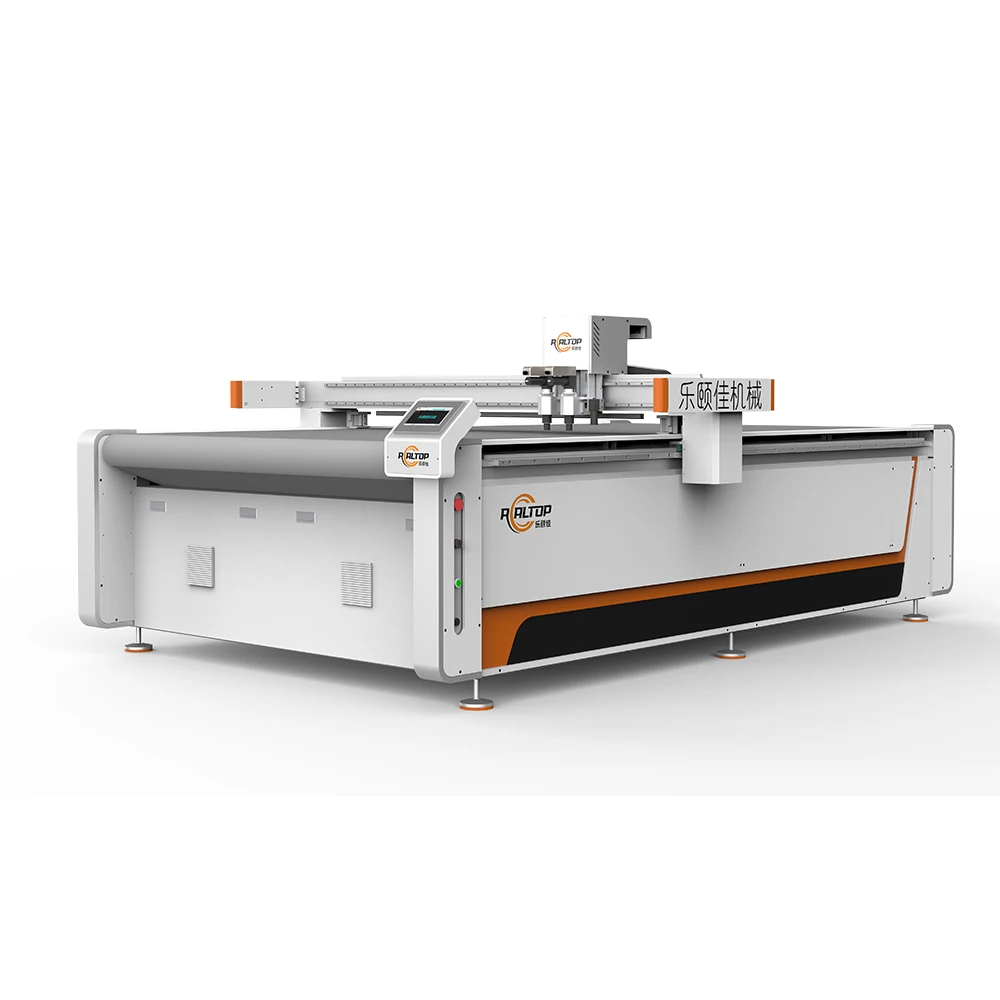
Voltage-first configuration — every spec sheet we issue for this CNC oscillating knife cutting machine includes a confirmed voltage, frequency and plug type matched to the buyer’s facility before production begins.
Technical Specifications
| Parameter | Value |
|---|---|
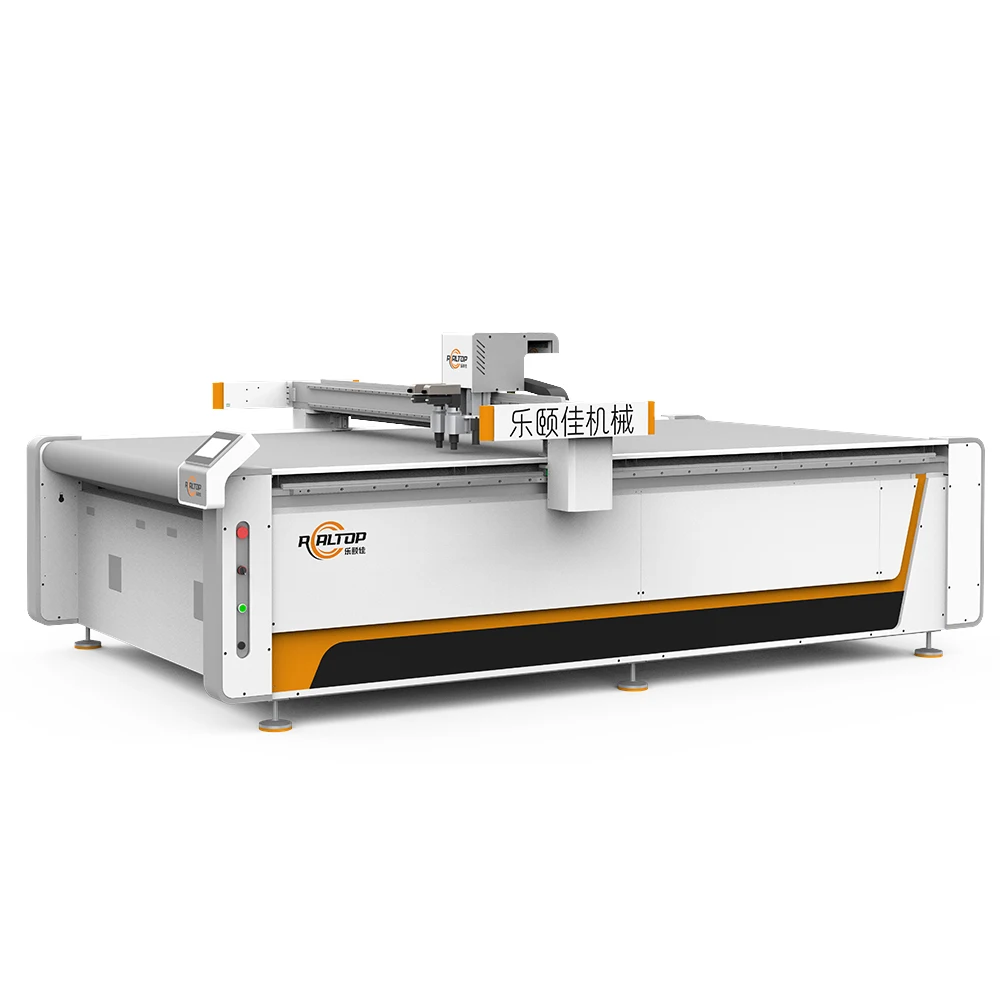
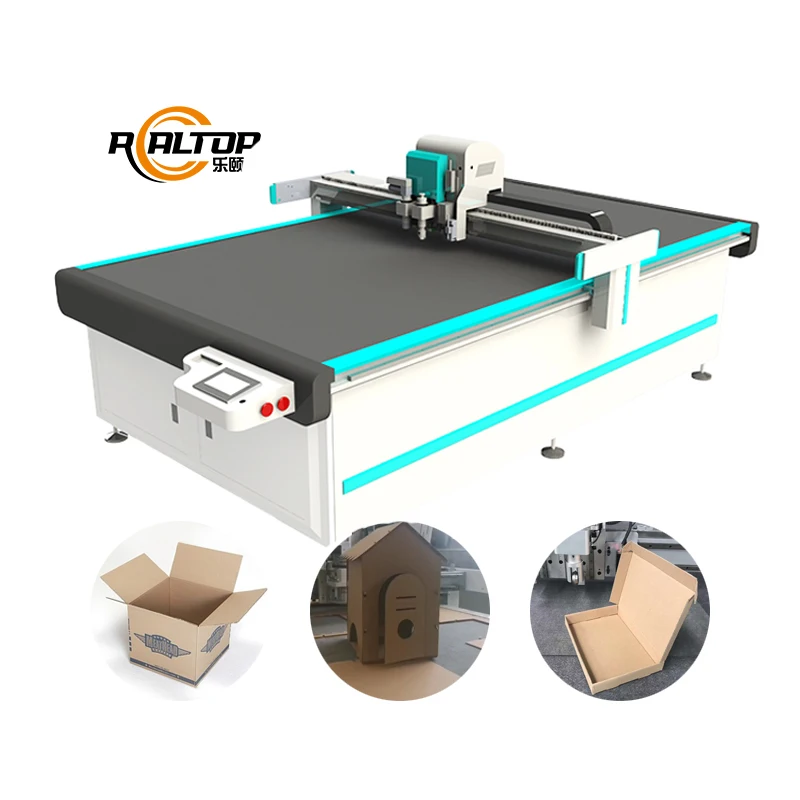
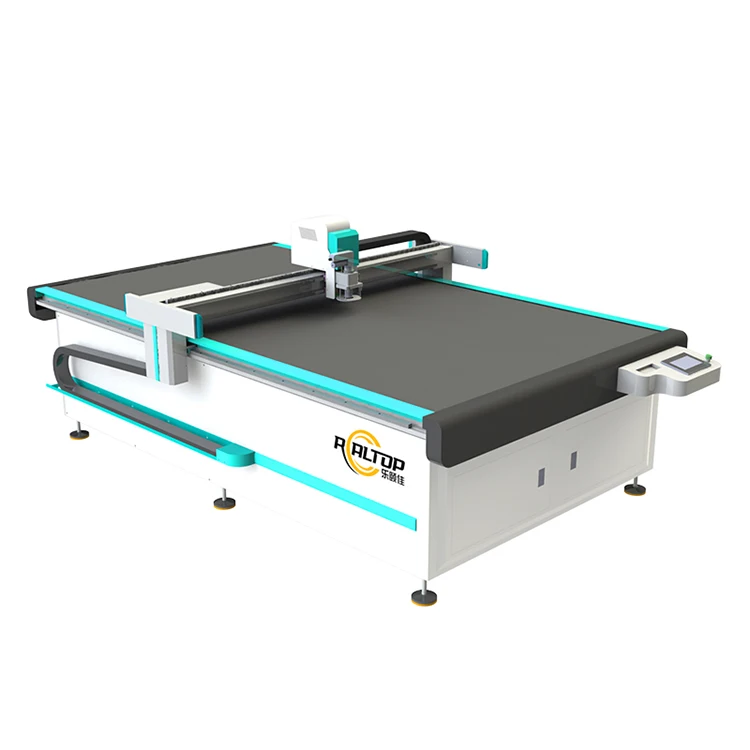
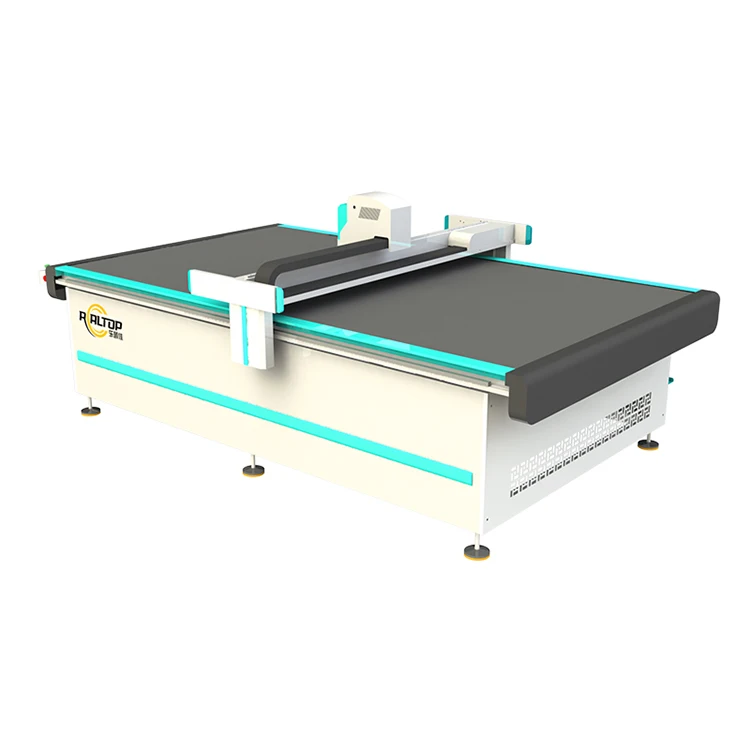
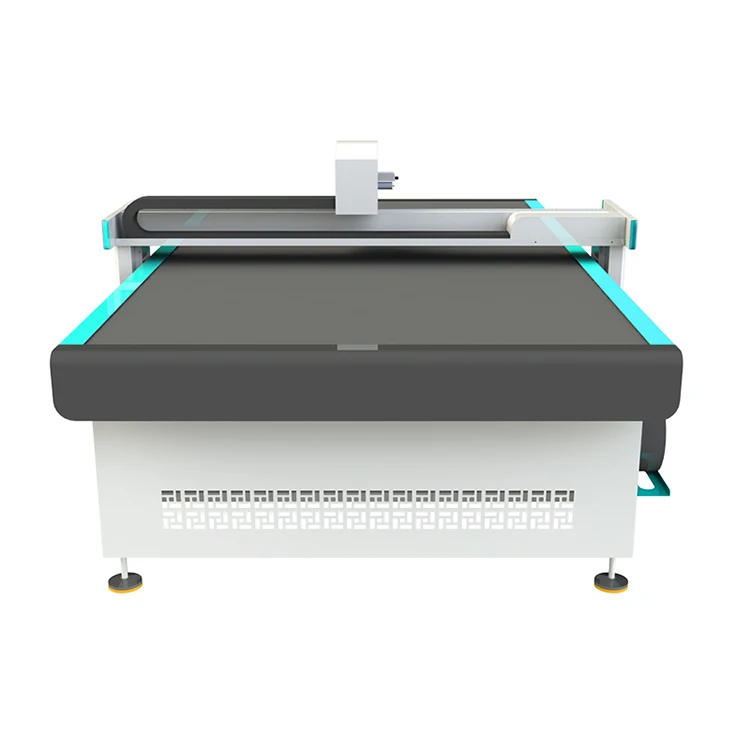
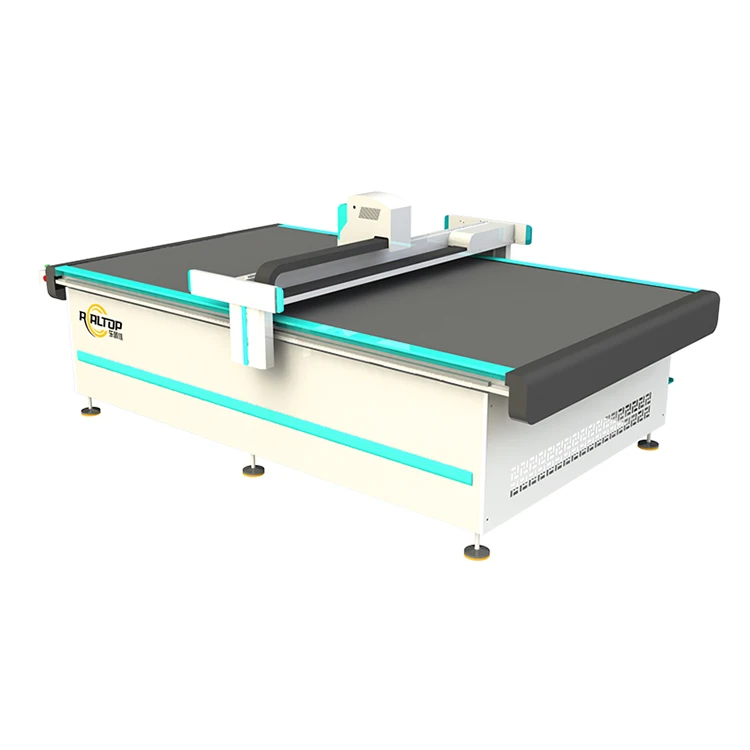
| Product Type | CNC Oscillating Knife Cutting Machine |
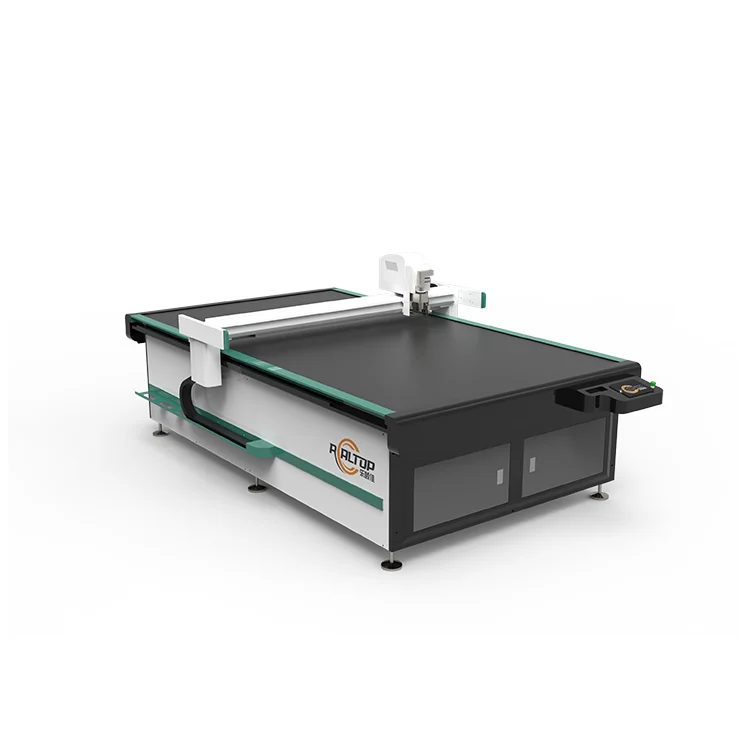
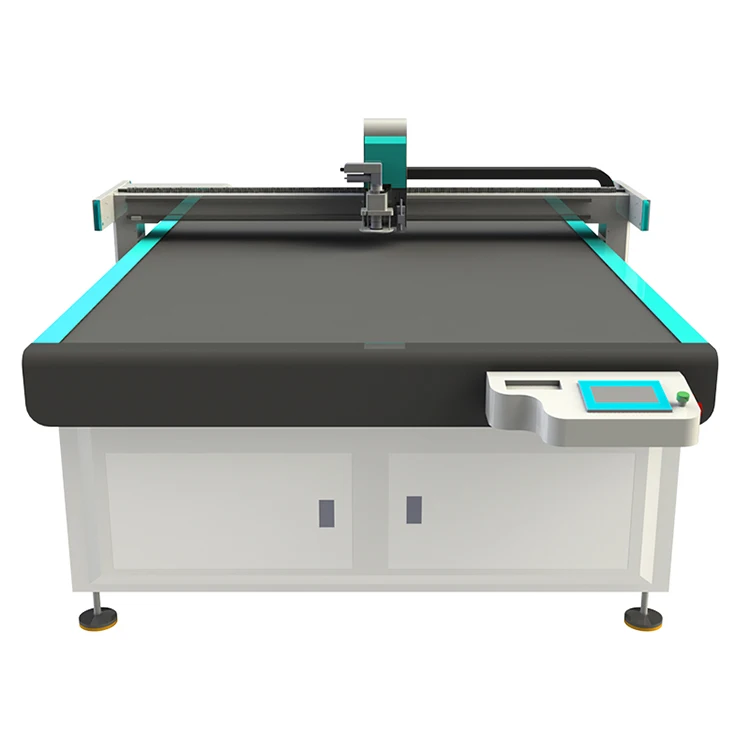
| Working Area | 1600 × 2500 mm |
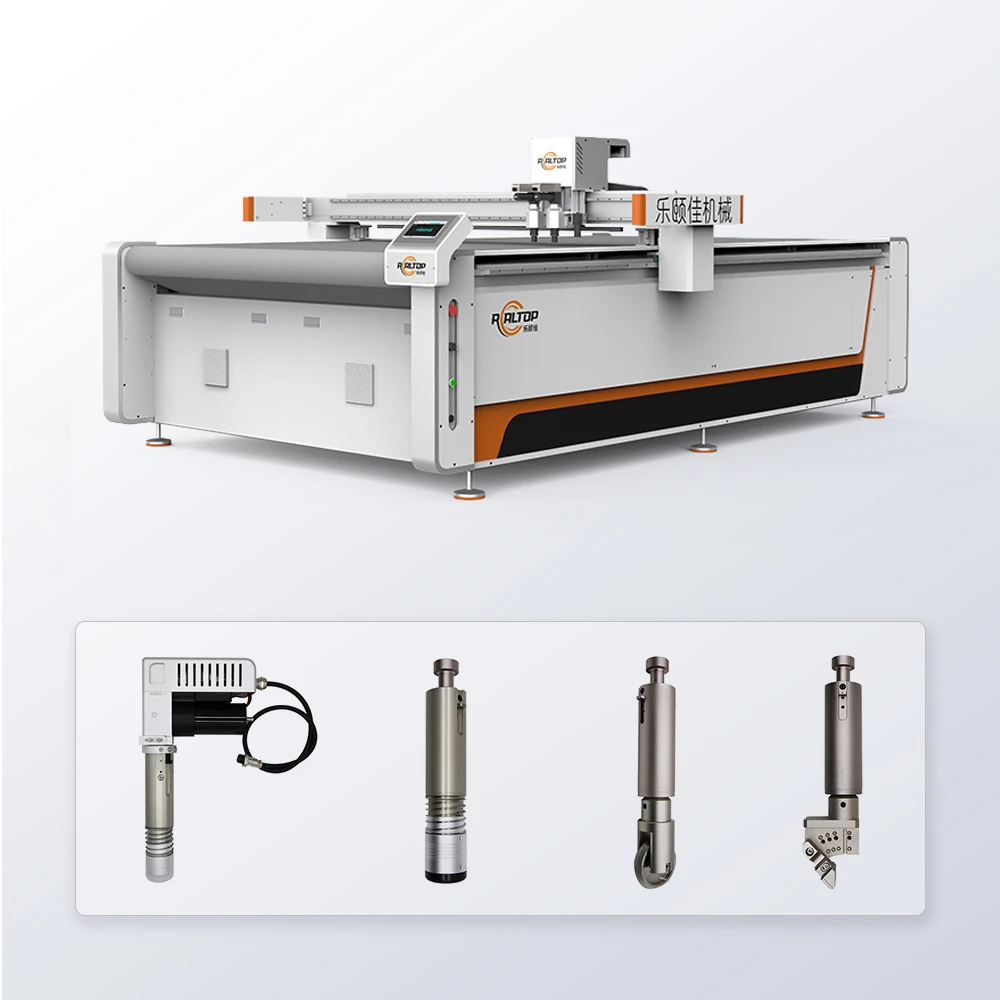
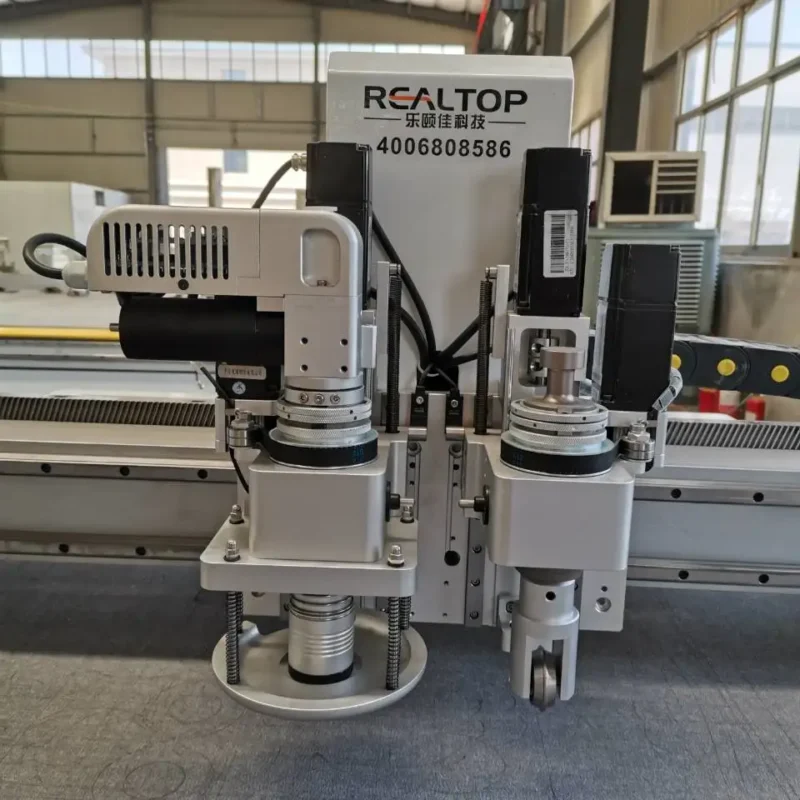
| Tool Head Options | Oscillating knife, driven rotary knife, creasing wheel, kiss cutting tool, pneumatic knife, milling tool, V-groove knife |
| Positioning System | CCD camera available for printed contour recognition |
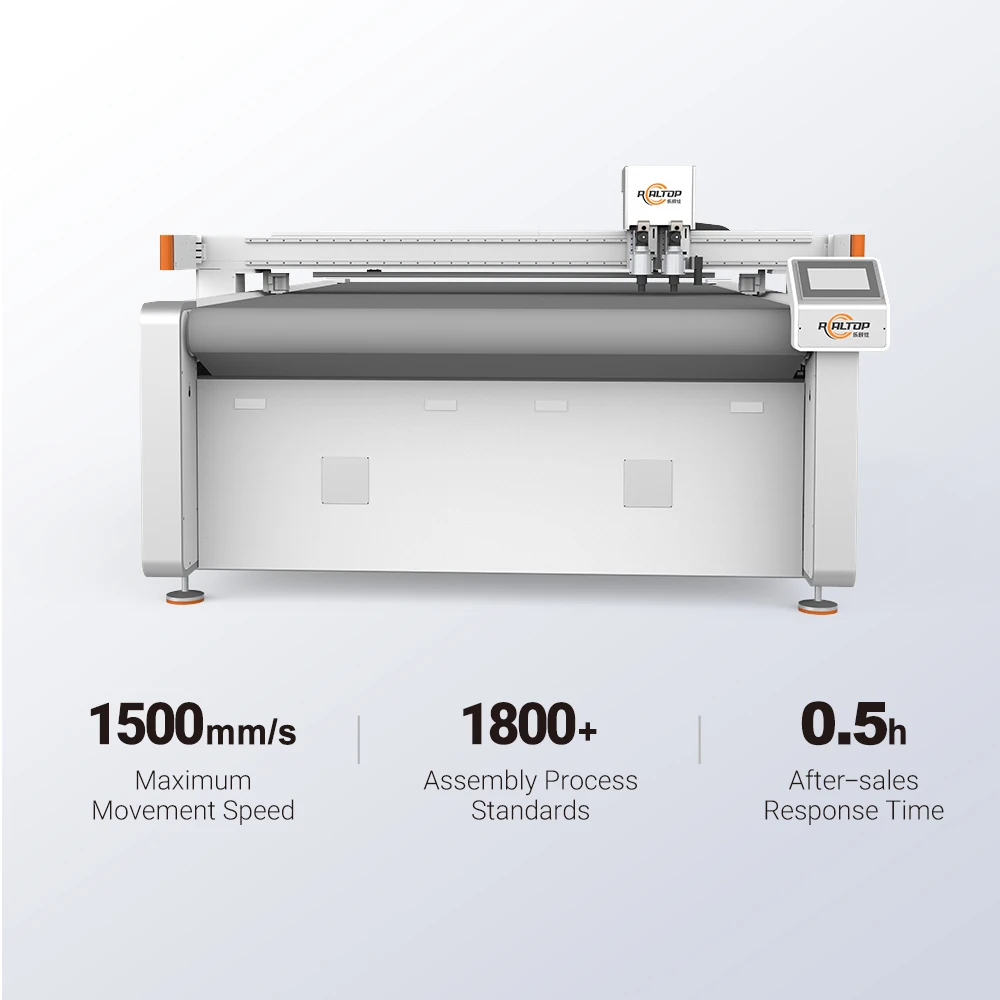
| Cutting Speed | 0–1500 mm/s |
| Cutting Thickness | Up to 40 mm (basis not stated in source — confirm material type and density) |
| Cutting Accuracy | ±0.1 mm |
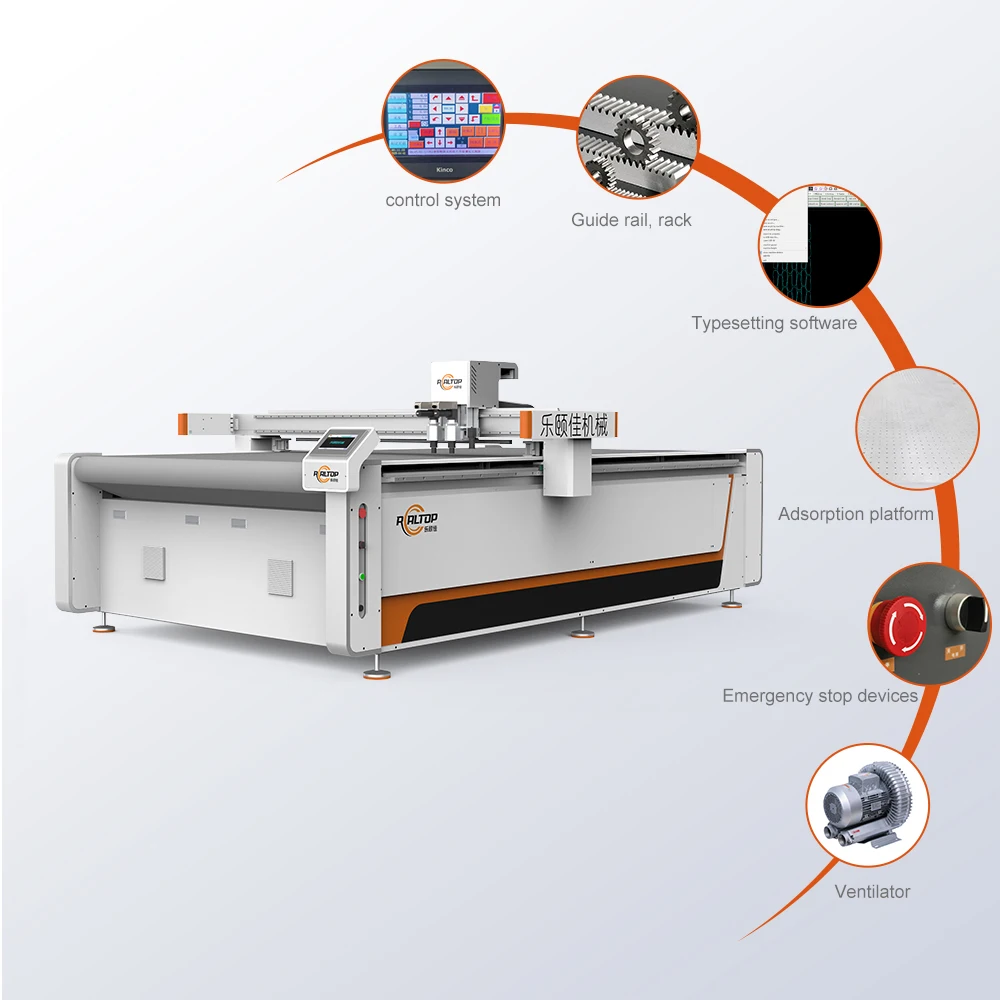
| Vacuum Table | Aluminum bellows type, 9 kW pump |
| Voltage Options | 110 V, 220 V, 380 V (configurable to local supply) |
| File Formats Supported | PLT, DXF, AI, PDF |
| Servo Motor Options | Panasonic, Delta, Dorna |
| Control Panel | PLC with selectable display languages |
| Safety Devices | Infrared sensor, emergency stop |
| Machine Dimensions | 3300 × 2100 × 1350 mm |
Application Suitability
| Application | Material or Output |
|---|---|
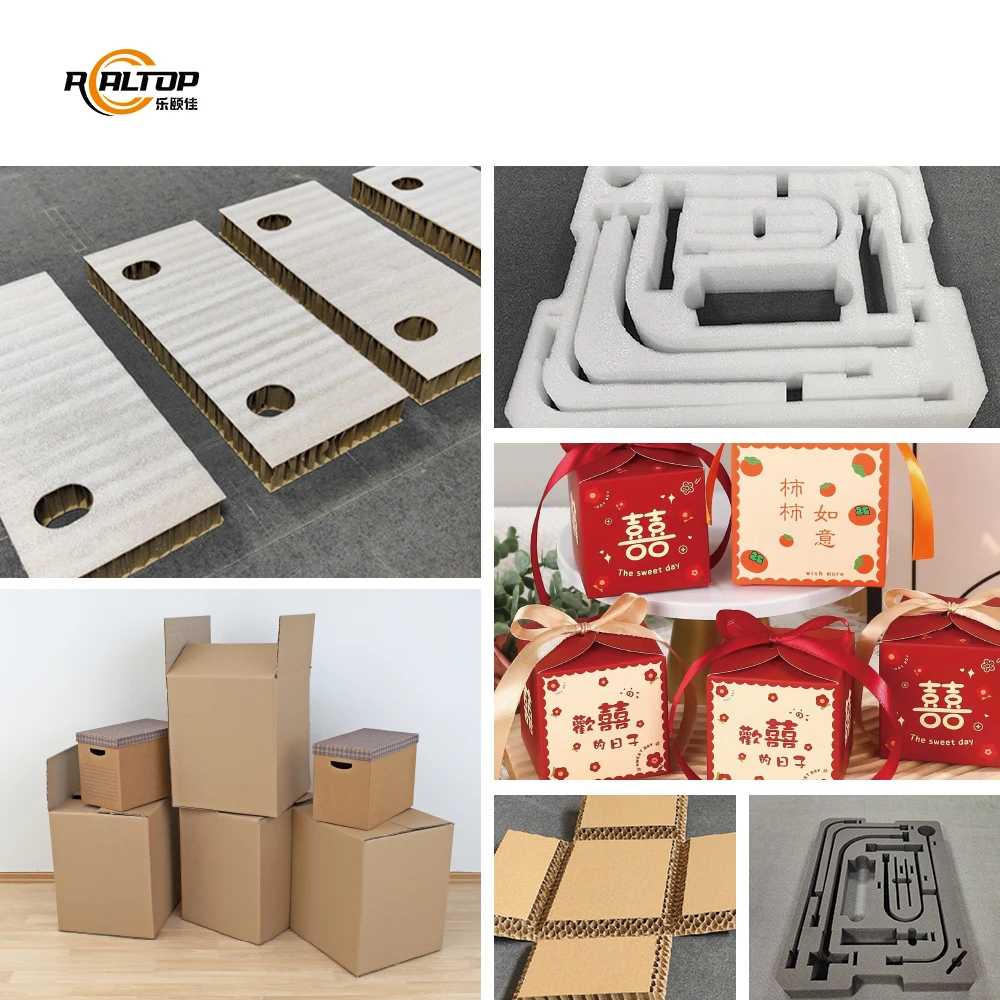
| Packaging sample making | Corrugated board, greyboard, cardstock up to working thickness limit |
| Carton and folding carton prototyping | Single and multi-ply carton stock with crease and cut in one cycle |
| Foam and gasket conversion | EVA, EPE, PU foam sheets for protective packaging inserts |
| Rubber and synthetic mat cutting | Dense rubber and non-woven mat materials |
| Thin plastic and textile processing | PVC, PET sheets, woven and non-woven fabrics for mixed-material packaging lines |
Why the Voltage Question Should Come Before the Price
A CNC oscillating knife cutting machine manufacturer must confirm electrical supply before quoting lead time, not after the deposit clears.
I walked into a packaging shop in Riyadh where a flatbed cutter sat unpowered for three weeks because the machine arrived configured for 380 V / 50 Hz while the workshop panel was wired for 440 V. The transformer retrofit cost the buyer more than the freight. That rewire of my own process is why every inquiry now starts with a supply survey. [NEED_CITE: voltage and frequency standards by export market]
Matching Tool Heads to Board Weight
Packaging sample makers run everything from 200 gsm cardstock to double-wall corrugated. The oscillating knife handles dense board without crushing the flute, while the creasing wheel scores fold lines without breaking the outer liner. Configuring both on a single gantry means a sample goes from nest to finished blank in one clamping cycle. This is where a CNC oscillating knife cutting machine manufacturer earns its specification — by matching tool to ply weight rather than defaulting to a single blade.
CCD Registration at Production Speed
Printed carton samples and short-run packaging demand contour cuts that track registration marks laid down by a digital press. The CCD camera on this system reads those marks and offsets the cut path accordingly. Without it, operators waste sheets chasing drift. [NEED_CITE: CE machinery directive requirements for industrial equipment]
Reading the Spec Sheet Against the Material
The 1600 × 2500 mm bed fits full-size carton sheets and leaves room for operator access on three sides. The 9 kW vacuum pump paired with the aluminum bellows table pulls smaller blanks flat — critical when cutting gasket-grade EVA where a lifted corner ruins the nest. Cutting accuracy of ±0.1 mm keeps crease-to-cut registration tight enough for hand-assembled luxury packaging. Servo motor selection across Panasonic, Delta, and Dorna gives buyers a maintenance path that matches what their local service technicians already stock.
The Cost of a Mismatched Tool Head
Choosing a drag knife for double-wall corrugated leaves crushed flutes and ragged edges that fail drop tests. A pneumatic knife forced through thin cardstock tears the face sheet. These failures surface during client approval, not on the factory floor, which is why sample cutting on the buyer’s actual stock is non-negotiable. [NEED_CITE: material-specific tooling selection for flatbed digital cutters]
What Distinguishes This Build
In-house design covers both knife and laser platforms, so the cutting method follows the material rather than the other way around. Tool head and table zones are specified per material density and sheet format. CCD positioning is validated on the buyer’s printed stock before the machine leaves the assembly bay. Voltage, language, and plug configuration are locked in the electrical schematic before production starts. Sample cutting reports travel with the shipment documentation.
Documentation & Verification
- Machine specification sheet listing each configured tool head and table zone
- Electrical schematic confirming voltage, frequency and plug type for your facility
- Sample cutting report produced on your carton stock with measured tolerances
- Software licence note with confirmed PLT, DXF, AI and PDF file format support
- Spare parts list matched to your servo motor selection and tool head configuration
Installation, Commissioning & Support
- 3300 × 2100 mm footprint requires a level concrete floor with clearance on three sides for sheet loading
- Dedicated circuit matching confirmed 110 V, 220 V or 380 V supply with correct breaker rating
- Machine ships partially assembled; gantry and vacuum table are joined on site
- PLC control language and packaging design software configured during first-day commissioning
- Oscillating knife blade and creasing wheel wear schedule included in operator training
- 9 kW vacuum pump filter and belt inspection intervals defined in the maintenance manual
Before You Request a Quote
Tell us the board grades and flute profiles you run most often, your typical sheet size, and the daily sample volume your studio targets. Confirm the local supply voltage and the control language your operators need. If you have existing CAD workflows, share a sample file so we can verify format compatibility before the order.
Frequently Asked Questions
Q: How do I choose between oscillating knife, drag knife and laser for packaging materials?
A: Oscillating knife suits corrugated and dense board where flute integrity matters. Drag knife works on thin cardstock and vinyl overlays. Laser is reserved for engraving or non-contact scoring on synthetics. The correct choice depends on your specific material stack and edge quality requirement, which we confirm through sample cutting before you commit.
Q: Which tool heads are available and how do I verify the right combination?
A: The platform supports oscillating knife, driven rotary, creasing wheel, kiss cutting, pneumatic knife, milling and V-groove tools. We recommend the combination based on your material list and send a sample cutting report so you can inspect edge quality and crease definition on your own stock before finalising the order.
Q: How is voltage and control language confirmed before shipment?
A: We issue an electrical schematic showing the agreed voltage, frequency and plug type for your review and signature. The PLC display language is set during production and verified in the factory test record that ships with the machine.
Q: Can I send my material for sample cutting before ordering?
A: Yes. Send a representative sheet of each material you plan to run. We cut your file on the configured tool heads, measure tolerances, and return the sample pieces with a cutting report so you can compare methods and edge quality side by side.
Voltage-first configuration — every spec sheet we issue for this CNC oscillating knife cutting machine includes a confirmed voltage, frequency and plug type matched to the buyer’s facility before production begins.
Technical Specifications
| Parameter | Value |
|---|---|
| Product Type | CNC Oscillating Knife Cutting Machine |
| Working Area | 1600 × 2500 mm |
| Tool Head Options | Oscillating knife, driven rotary knife, creasing wheel, kiss cutting tool, pneumatic knife, milling tool, V-groove knife |
| Positioning System | CCD camera available for printed contour recognition |
| Cutting Speed | 0–1500 mm/s |
| Cutting Thickness | Up to 40 mm (basis not stated in source — confirm material type and density) |
| Cutting Accuracy | ±0.1 mm |
| Vacuum Table | Aluminum bellows type, 9 kW pump |
| Voltage Options | 110 V, 220 V, 380 V (configurable to local supply) |
| File Formats Supported | PLT, DXF, AI, PDF |
| Servo Motor Options | Panasonic, Delta, Dorna |
| Control Panel | PLC with selectable display languages |
| Safety Devices | Infrared sensor, emergency stop |
| Machine Dimensions | 3300 × 2100 × 1350 mm |
Application Suitability
| Application | Material or Output |
|---|---|
| Packaging sample making | Corrugated board, greyboard, cardstock up to working thickness limit |
| Carton and folding carton prototyping | Single and multi-ply carton stock with crease and cut in one cycle |
| Foam and gasket conversion | EVA, EPE, PU foam sheets for protective packaging inserts |
| Rubber and synthetic mat cutting | Dense rubber and non-woven mat materials |
| Thin plastic and textile processing | PVC, PET sheets, woven and non-woven fabrics for mixed-material packaging lines |
Why the Voltage Question Should Come Before the Price
A CNC oscillating knife cutting machine manufacturer must confirm electrical supply before quoting lead time, not after the deposit clears.
I walked into a packaging shop in Riyadh where a flatbed cutter sat unpowered for three weeks because the machine arrived configured for 380 V / 50 Hz while the workshop panel was wired for 440 V. The transformer retrofit cost the buyer more than the freight. That rewire of my own process is why every inquiry now starts with a supply survey. [NEED_CITE: voltage and frequency standards by export market]
Matching Tool Heads to Board Weight
Packaging sample makers run everything from 200 gsm cardstock to double-wall corrugated. The oscillating knife handles dense board without crushing the flute, while the creasing wheel scores fold lines without breaking the outer liner. Configuring both on a single gantry means a sample goes from nest to finished blank in one clamping cycle. This is where a CNC oscillating knife cutting machine manufacturer earns its specification — by matching tool to ply weight rather than defaulting to a single blade.
CCD Registration at Production Speed
Printed carton samples and short-run packaging demand contour cuts that track registration marks laid down by a digital press. The CCD camera on this system reads those marks and offsets the cut path accordingly. Without it, operators waste sheets chasing drift. [NEED_CITE: CE machinery directive requirements for industrial equipment]
Reading the Spec Sheet Against the Material
The 1600 × 2500 mm bed fits full-size carton sheets and leaves room for operator access on three sides. The 9 kW vacuum pump paired with the aluminum bellows table pulls smaller blanks flat — critical when cutting gasket-grade EVA where a lifted corner ruins the nest. Cutting accuracy of ±0.1 mm keeps crease-to-cut registration tight enough for hand-assembled luxury packaging. Servo motor selection across Panasonic, Delta, and Dorna gives buyers a maintenance path that matches what their local service technicians already stock.
The Cost of a Mismatched Tool Head
Choosing a drag knife for double-wall corrugated leaves crushed flutes and ragged edges that fail drop tests. A pneumatic knife forced through thin cardstock tears the face sheet. These failures surface during client approval, not on the factory floor, which is why sample cutting on the buyer’s actual stock is non-negotiable. [NEED_CITE: material-specific tooling selection for flatbed digital cutters]
What Distinguishes This Build
In-house design covers both knife and laser platforms, so the cutting method follows the material rather than the other way around. Tool head and table zones are specified per material density and sheet format. CCD positioning is validated on the buyer’s printed stock before the machine leaves the assembly bay. Voltage, language, and plug configuration are locked in the electrical schematic before production starts. Sample cutting reports travel with the shipment documentation.
Documentation & Verification
- Machine specification sheet listing each configured tool head and table zone
- Electrical schematic confirming voltage, frequency and plug type for your facility
- Sample cutting report produced on your carton stock with measured tolerances
- Software licence note with confirmed PLT, DXF, AI and PDF file format support
- Spare parts list matched to your servo motor selection and tool head configuration
Installation, Commissioning & Support
- 3300 × 2100 mm footprint requires a level concrete floor with clearance on three sides for sheet loading
- Dedicated circuit matching confirmed 110 V, 220 V or 380 V supply with correct breaker rating
- Machine ships partially assembled; gantry and vacuum table are joined on site
- PLC control language and packaging design software configured during first-day commissioning
- Oscillating knife blade and creasing wheel wear schedule included in operator training
- 9 kW vacuum pump filter and belt inspection intervals defined in the maintenance manual
Before You Request a Quote
Tell us the board grades and flute profiles you run most often, your typical sheet size, and the daily sample volume your studio targets. Confirm the local supply voltage and the control language your operators need. If you have existing CAD workflows, share a sample file so we can verify format compatibility before the order.
Frequently Asked Questions
Q: How do I choose between oscillating knife, drag knife and laser for packaging materials?
A: Oscillating knife suits corrugated and dense board where flute integrity matters. Drag knife works on thin cardstock and vinyl overlays. Laser is reserved for engraving or non-contact scoring on synthetics. The correct choice depends on your specific material stack and edge quality requirement, which we confirm through sample cutting before you commit.
Q: Which tool heads are available and how do I verify the right combination?
A: The platform supports oscillating knife, driven rotary, creasing wheel, kiss cutting, pneumatic knife, milling and V-groove tools. We recommend the combination based on your material list and send a sample cutting report so you can inspect edge quality and crease definition on your own stock before finalising the order.
Q: How is voltage and control language confirmed before shipment?
A: We issue an electrical schematic showing the agreed voltage, frequency and plug type for your review and signature. The PLC display language is set during production and verified in the factory test record that ships with the machine.
Q: Can I send my material for sample cutting before ordering?
A: Yes. Send a representative sheet of each material you plan to run. We cut your file on the configured tool heads, measure tolerances, and return the sample pieces with a cutting report so you can compare methods and edge quality side by side.
商品评价
There are no reviews yet.