

Fast Delivery
Quick, reliable shipping to any location.

Free & easy returns
Return this item by mail or in store within 90 days for a full refund.
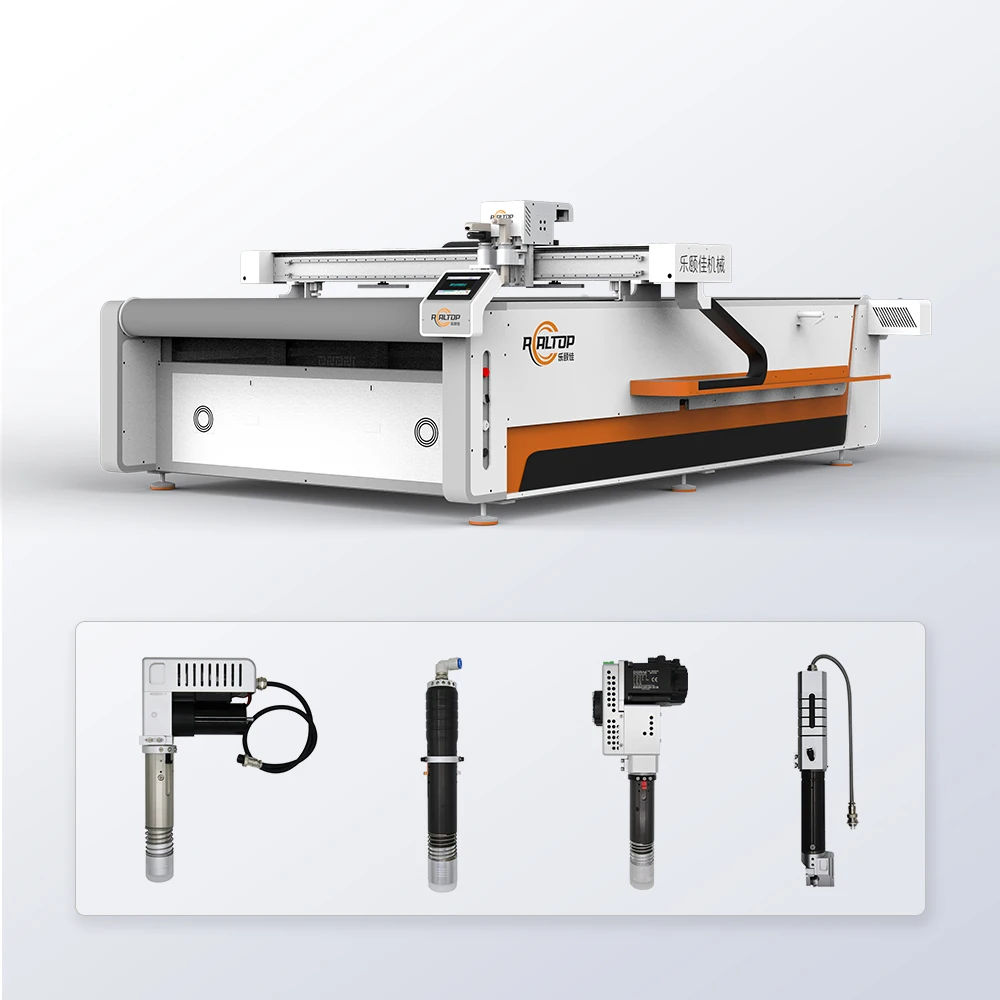
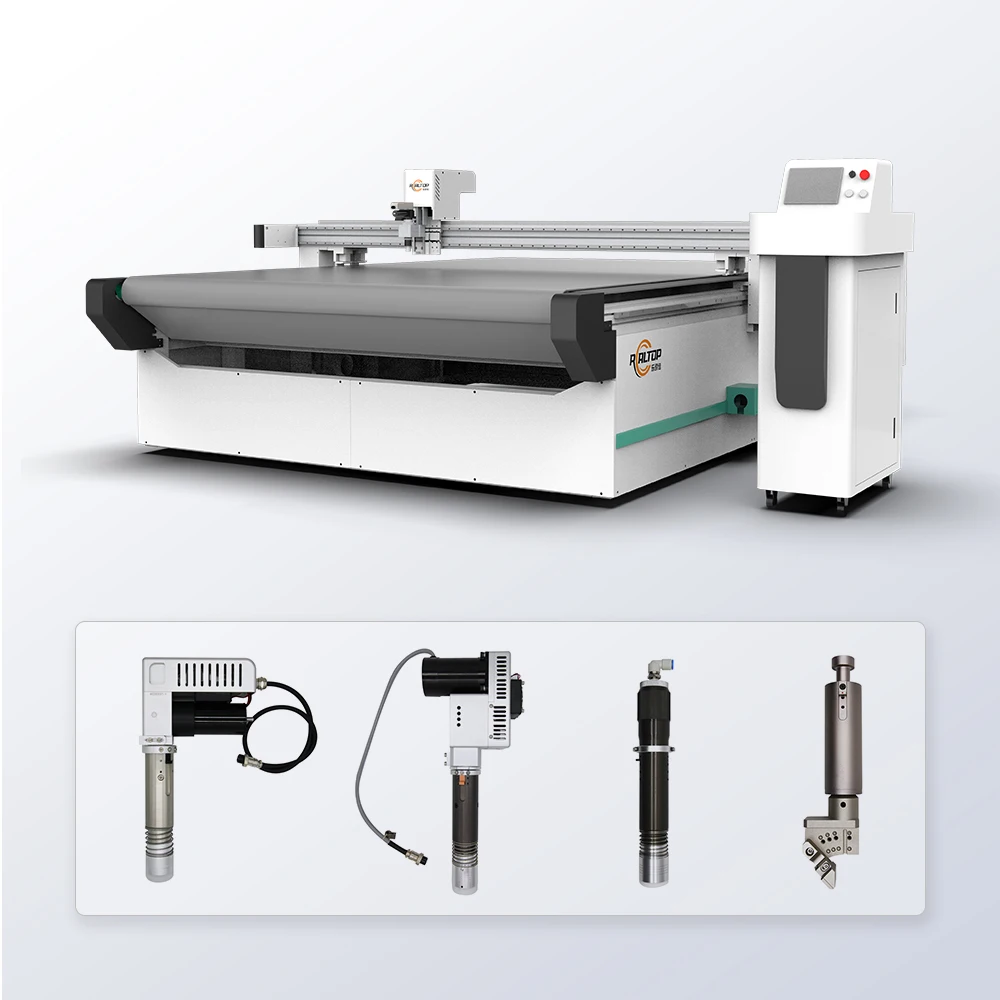
Tool head and table configuration specified per material — matching knife type, vacuum zoning and cutting depth to the buyer’s actual fabric, leather or composite before the order is confirmed.
Technical Specifications
| Parameter | Value |
|---|---|
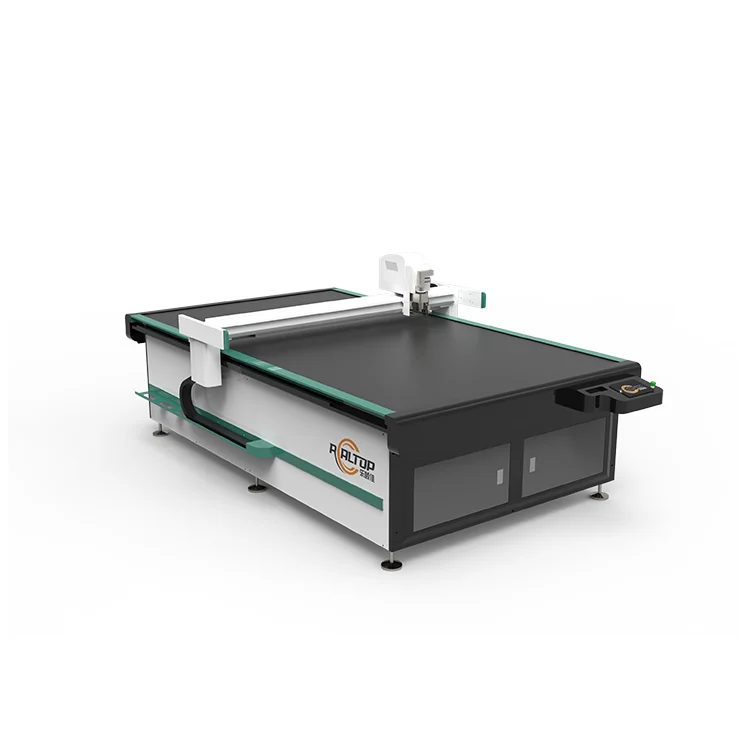
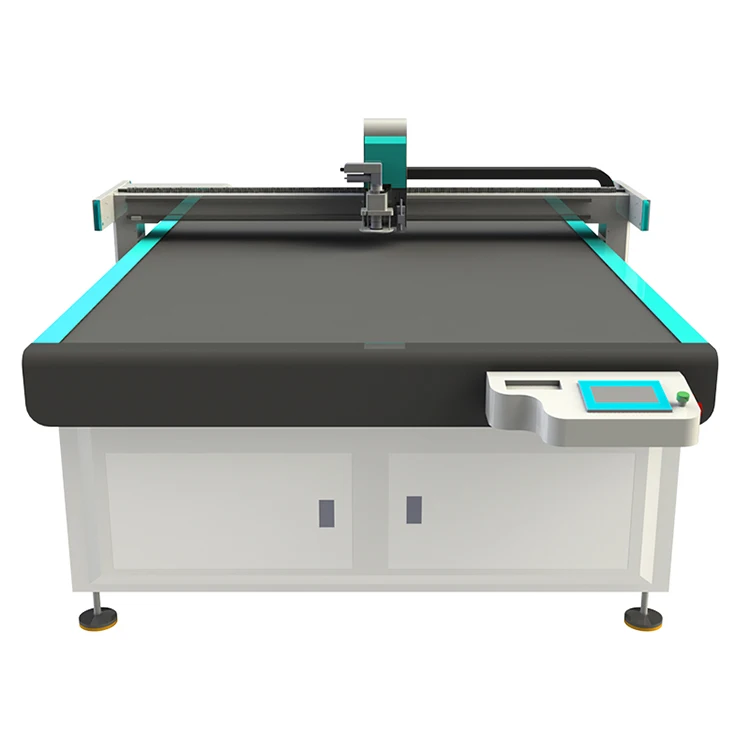
| Model | RT-D2516/RT-S2516 |
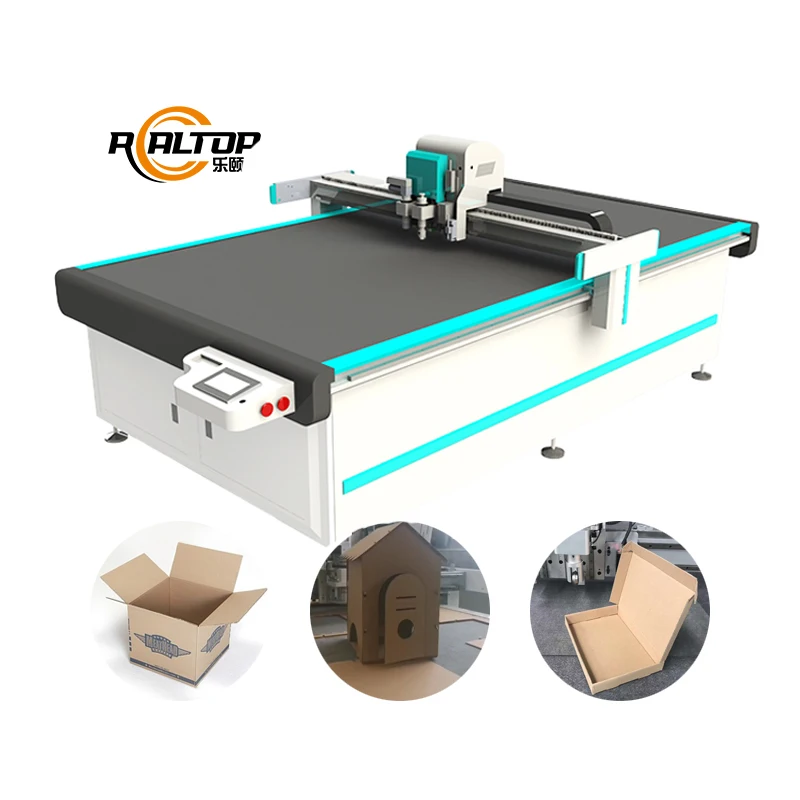
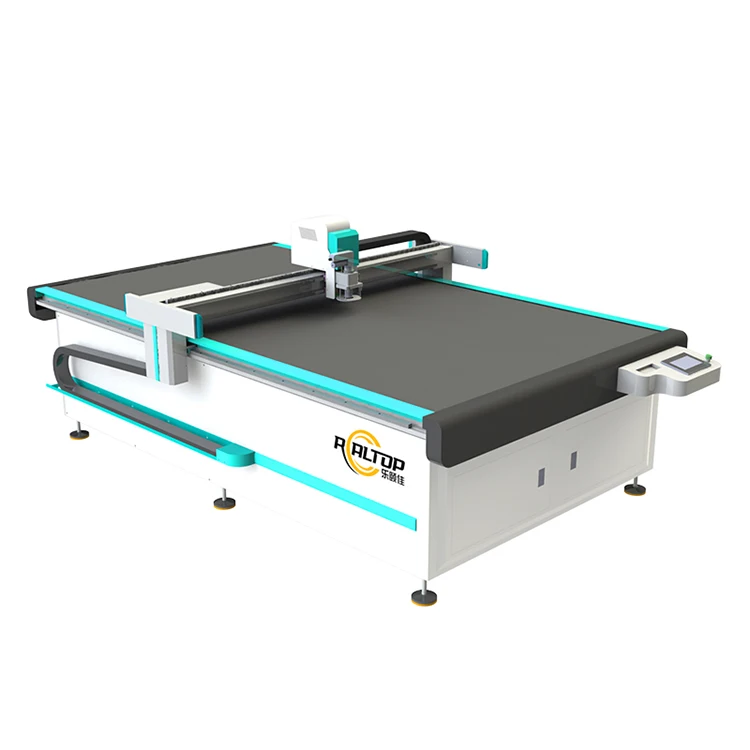
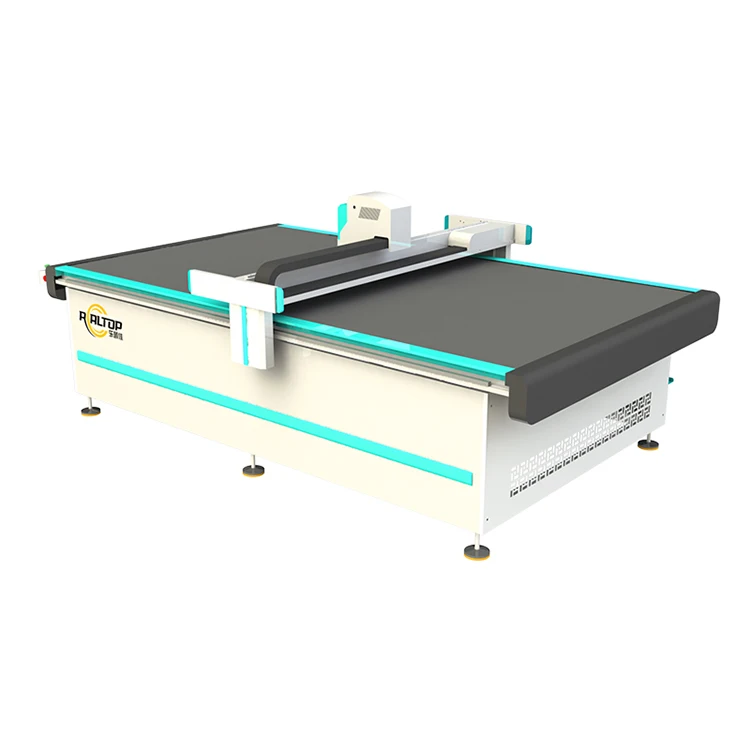
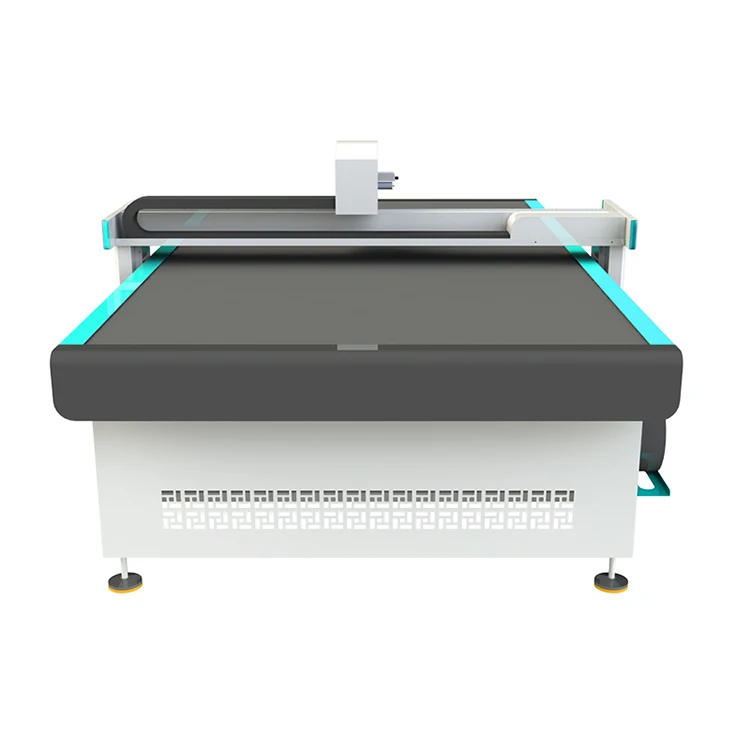
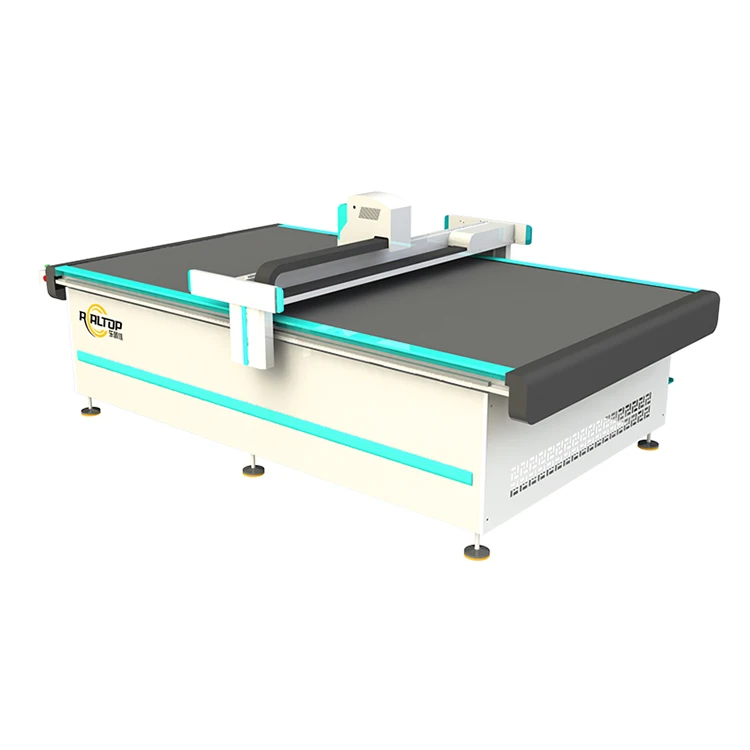
| Product Type | CNC Oscillating Knife Cutting Machine |
| Working Area | 1600 × 2500 mm |
| Overall Dimensions (L × W × H) | 3450 × 2300 × 1250 mm |
| Rated Power | 9 kW |
| Voltage & Frequency | 380V ±10% (50/60 Hz to confirm) |
| Translational Velocity | 800–2000 mm/s |
| Cutting Speed | 200–800 mm/s (basis to be confirmed) |
| Cutting Thickness | Up to 100 mm (varies by material) |
| Repeated Accuracy | ≤0.1 mm |
| Servo Motor | Delta (Panasonic optional), IP67 rated |
| Linear Guide | Taiwan Hiwin rail |
| Vacuum Pump | 7.5 kW, integrated aviation aluminum shell |
| Vacuum Table Material | Magnesium-aluminum alloy with PVDF fluorocarbon coating |
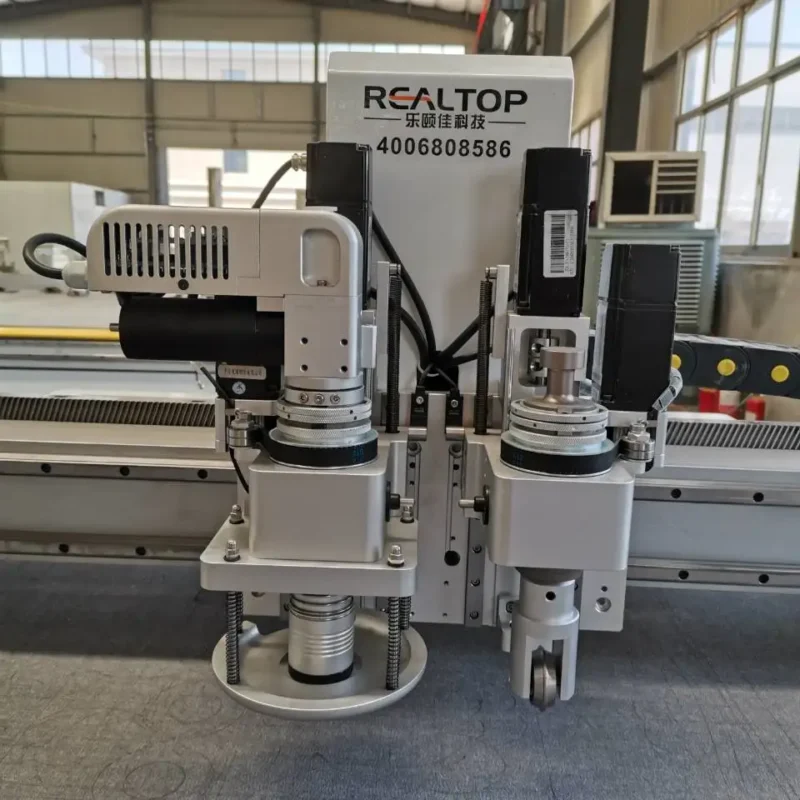
| Tool Head Options | Oscillating knife, pneumatic knife, drag knife, circular knife, V-cutting knife, creasing wheel, punching, brush |
| Visual Positioning | Small CCD mark point, panoramic camera, projection positioning |
| Control System | CNC touch screen, multi-language supported |
| Software Formats | PLT, DXF, AI, HP-GL compatible |
Application Suitability
| Application | Material or Output |
|---|---|
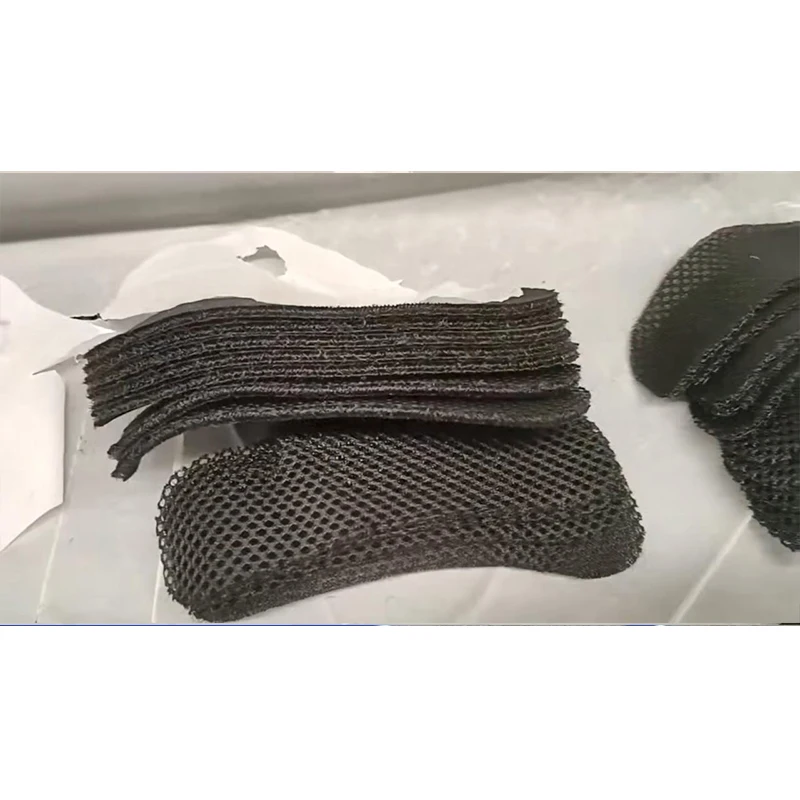
| Garment and footwear production | Single and multi-layer woven fabric, non-woven textile, shoe upper material |
| Automotive interior trim | Sponge composite leather, PU, EVA foam sheets |
| Luggage and bag manufacturing | Heavy-duty nylon, canvas, synthetic leather panels |
| Carpet and floor mat cutting | Tufted carpet, rubber-backed mat stock |
| Soft home furnishings | Upholstery fabric, curtain textile, cushion foam |
| Gasket and sealing fabrication | Rubber sheet, PTFE, composite gasket material |
Why Working Area Alone Never Tells the Full Story
A CNC oscillating knife cutting machine for sale listed only by bed size can still fail on the shop floor if the tool head and vacuum zoning do not match the material being processed.
Buyers often specify a 1600 × 2500 mm table and assume any fabric or foam within that footprint will cut cleanly. In practice, a composite leather used for automotive door panels can be substantially stiffer than the sample swatch tested during evaluation, dulling an oscillating knife within days and producing ragged edges that require secondary trimming. A vacuum pump rated at 7.5 kW holds large sheets firmly, but small nested parts near the table edges can lift if the zoning does not isolate those sectors. [NEED_CITE: vacuum hold-down requirements for small nested parts on flatbed cutting tables]
Matching the Knife to the Cloth
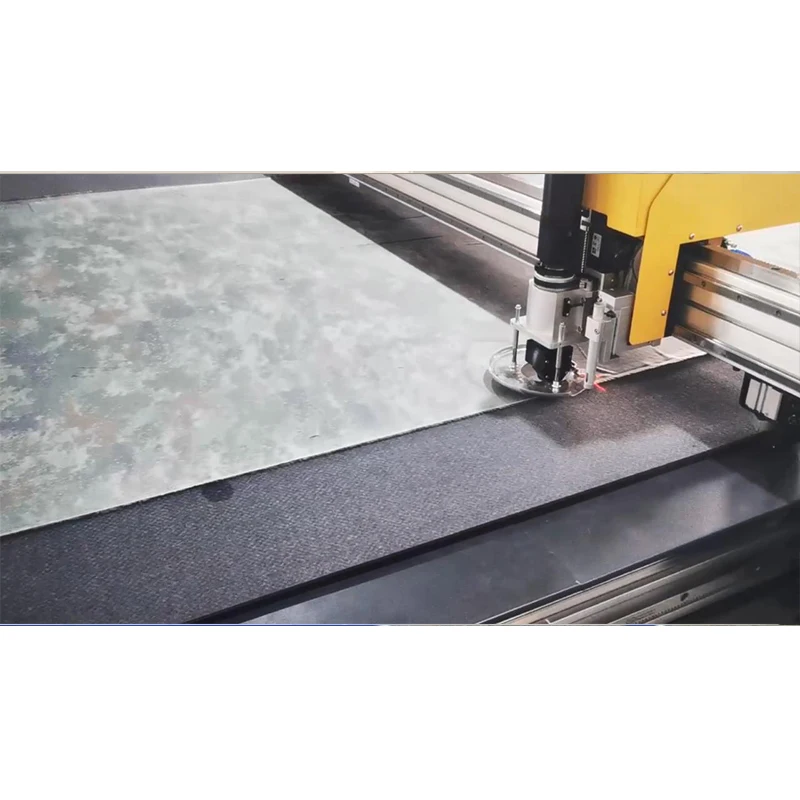
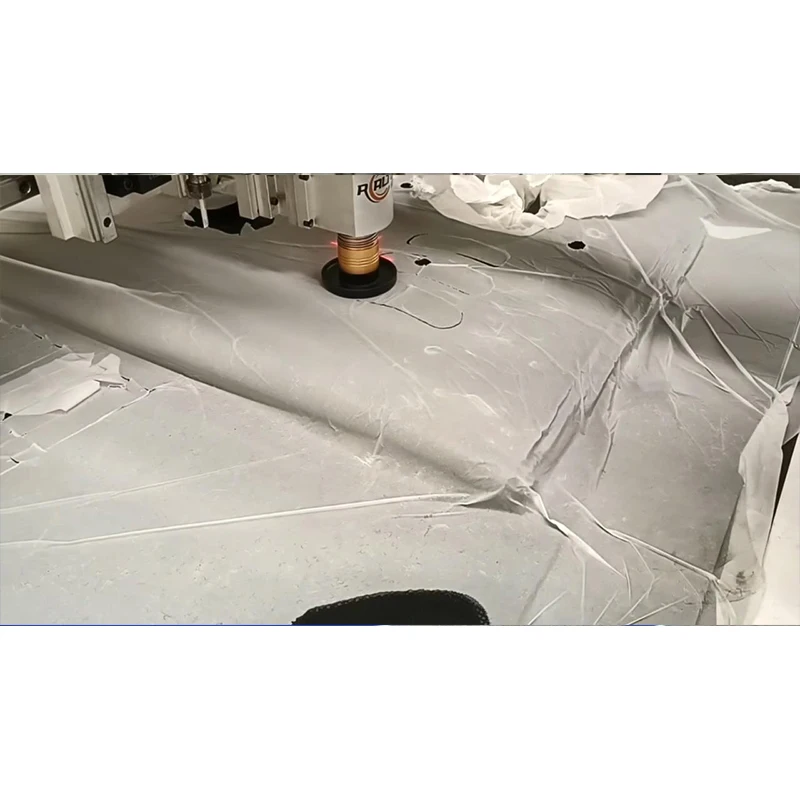
Every textile behaves differently under a vibrating blade. Woven cotton tears if the oscillation frequency is too aggressive, while multi-layer technical fabric demands a high-power vibrating knife to penetrate the full stack without delamination. This CNC cutting machine manufacturer offers the full tool head range — oscillating, pneumatic, drag, circular and V-cutting knives — so the selection is driven by the material sample rather than by a default configuration.
Contour Cutting at Production Speed
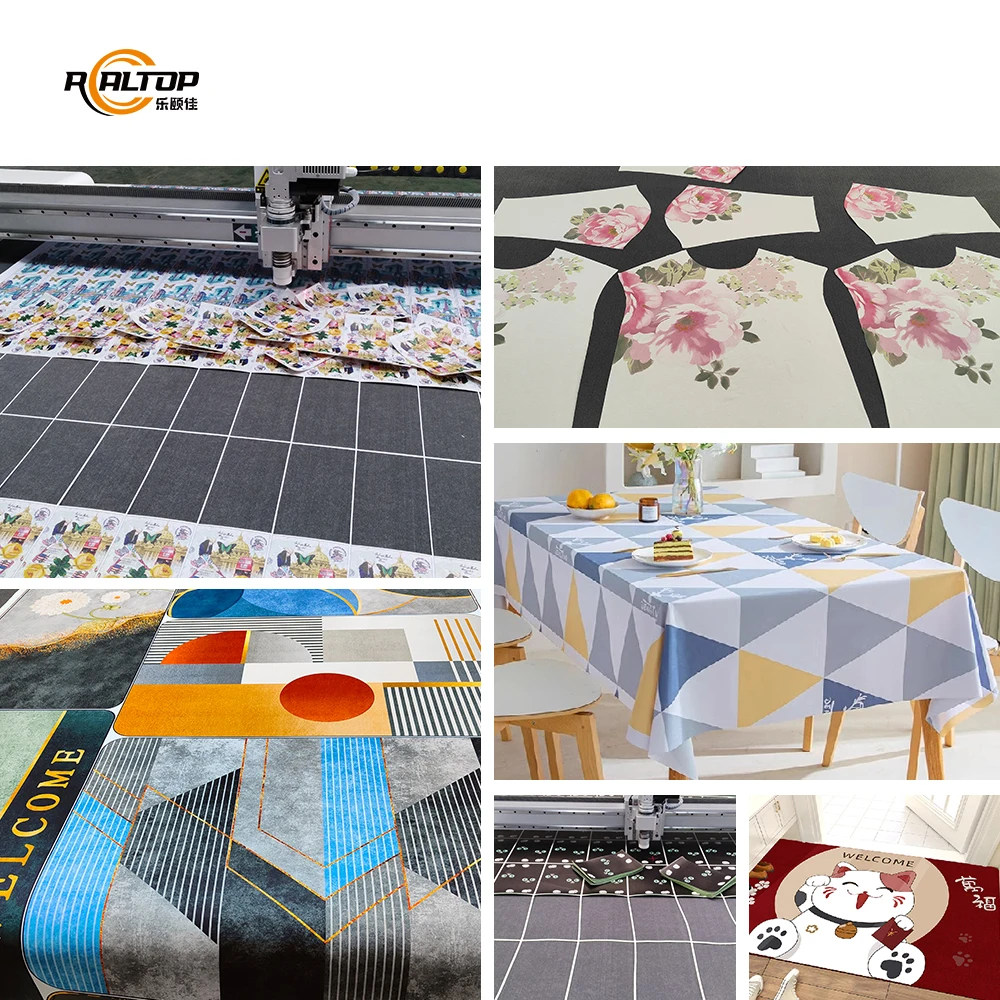
Printed fabric with registered graphics requires the cutting path to follow the print, not just the file. The small CCD camera tracks printed mark points, while the panoramic camera option recognizes the entire contour across the working area. For garment producers running sublimated polyester or digitally printed upholstery, this vision positioning eliminates the misalignment that otherwise scrapes yield on every nested sheet. [NEED_CITE: CCD contour recognition accuracy on digitally printed textiles]
What the Drive Train Means for Edge Quality
The Delta servo motors with IP67 protection and automatic gain adjustment maintain positional accuracy even when the table is loaded with dense multi-layer stacks. Paired with Hiwin linear guides, the system holds ≤0.1 mm repeatability across the full 1600 × 2500 mm travel. This matters most when cutting interlocking pattern pieces for footwear uppers or luggage panels, where a 0.3 mm drift compounds across hundreds of pieces per shift and produces mismatched seams downstream.
Reading the Spec Sheet Beyond the Headline Numbers
Cutting thickness of up to 100 mm is achievable only on low-density foam or loosely stacked textile; dense composite leather typically limits practical depth to a fraction of that figure. The translational velocity of 800–2000 mm/s describes non-cutting travel, while the actual cutting speed of 200–800 mm/s depends on material resistance and knife type. The 9 kW rated power accounts for the spindle drive, vacuum pump and control system together — a factor when planning the dedicated circuit in the workshop. The magnesium-aluminum alloy table with PVDF fluorocarbon coating resists moisture and adhesive residue, extending table life in humid environments or when cutting sticky PVC and silicone sheets.
The Cost of Skipping the Material Test
When a machine arrives configured for standard woven fabric but the buyer runs coated technical textile, the wrong knife angle produces frayed edges and crushed foam cores. Vacuum zoning set for full-table coverage wastes suction on empty sectors while small parts at the perimeter drift during the final cuts. Software that cannot import the buyer’s nesting files forces manual re-drawing, adding hours to each production run. These mismatches surface only after installation, when returning the machine is no longer practical. [NEED_CITE: common configuration mismatches in fabric CNC cutting installations]
Why Buyers Source This Range Here
In-house design covers both knife and laser cutting platforms, so a buyer comparing methods for synthetic leather or carbon fiber prepreg can test both on the same material rather than being steered toward whichever technology a single-technology supplier stocks. Tool head and table configuration are locked in per material before the purchase order, not left as post-delivery adjustments. CCD camera positioning and software file compatibility are confirmed during the sample cutting stage, preventing workflow surprises at commissioning. Voltage, plug type and control panel language are verified against the destination workshop before shipment. Sample cutting on the buyer’s own material produces a documented report showing edge quality, achievable thickness and cycle time before commitment.
Documentation & Verification
- Machine specification sheet listing confirmed tool head and vacuum table configuration
- Electrical schematic with voltage, frequency and plug type matched to destination
- Sample cutting report run on buyer-supplied fabric or composite material
- Software licence and file format compatibility note for PLT, DXF, AI workflows
- Factory test record documenting positional accuracy and cutting edge quality
- Spare parts list with knife blade, belt and vacuum filter part numbers
Installation, Commissioning & Support
- Dedicated 380V circuit with ±10% tolerance required for the 9 kW rated load
- Machine ships fully assembled; split-box option available for container loading
- Overall footprint of 3450 × 2300 mm requires clear access on three sides for maintenance
- Vacuum pump commissioning includes zone mapping to match the buyer’s nesting layout
- Control panel language set to English, Russian, Italian or Chinese before dispatch
- One-year warranty covers parts; engineer dispatch available with travel cost coverage
Preparing Your Inquiry
Share the specific material type, thickness range and sheet dimensions you plan to process, along with your typical daily cutting volume. Confirm the voltage and frequency available in your workshop, the control language your operators need, and whether your existing nesting software outputs PLT, DXF or AI files. If your material has unusual density or coating, send a sample sheet so cutting parameters can be documented before quotation.
Frequently Asked Questions
Q: How do I decide between knife cutting and laser cutting for my fabric?
A: Knife cutting suits multi-layer stacks, thick foam and materials where laser heat would seal or discolor edges. Laser works better for single-layer synthetic fabric requiring sealed edges to prevent fraying. Both methods are available from this production line, so a sample test on your actual material determines the appropriate process before commitment.
Q: What CCD vision option fits printed contour cutting?
A: The small CCD camera tracks individual printed mark points and suits standard registered graphics. The panoramic camera recognizes the entire printed contour across the working area and is preferred for large-format sublimated panels where mark points may be trimmed away during nesting. Your print layout determines the appropriate choice.
Q: Can the software import my existing nesting files?
A: The control system accepts PLT, DXF, AI and HP-GL compatible formats. Before order confirmation, a file compatibility check runs against your current nesting workflow to ensure clean import without manual redrawing. Custom format support is available if your design software outputs a proprietary file type.
Q: What happens during the sample cutting stage?
A: You send a representative sheet of your actual production material. The factory runs cutting tests with the proposed tool head, documents edge quality, achievable thickness and cutting speed, and shares a written report. You approve the configuration before the purchase order is finalized.
Q: How are voltage and control language handled before shipment?
A: During order confirmation, the destination workshop voltage, frequency, plug type and preferred control panel language are recorded on the specification sheet. The electrical schematic and factory test record reflect these settings, so the machine powers on correctly upon arrival without rewiring or software reloading.
Tool head and table configuration specified per material — matching knife type, vacuum zoning and cutting depth to the buyer’s actual fabric, leather or composite before the order is confirmed.
Technical Specifications
| Parameter | Value |
|---|---|
| Model | RT-D2516/RT-S2516 |
| Product Type | CNC Oscillating Knife Cutting Machine |
| Working Area | 1600 × 2500 mm |
| Overall Dimensions (L × W × H) | 3450 × 2300 × 1250 mm |
| Rated Power | 9 kW |
| Voltage & Frequency | 380V ±10% (50/60 Hz to confirm) |
| Translational Velocity | 800–2000 mm/s |
| Cutting Speed | 200–800 mm/s (basis to be confirmed) |
| Cutting Thickness | Up to 100 mm (varies by material) |
| Repeated Accuracy | ≤0.1 mm |
| Servo Motor | Delta (Panasonic optional), IP67 rated |
| Linear Guide | Taiwan Hiwin rail |
| Vacuum Pump | 7.5 kW, integrated aviation aluminum shell |
| Vacuum Table Material | Magnesium-aluminum alloy with PVDF fluorocarbon coating |
| Tool Head Options | Oscillating knife, pneumatic knife, drag knife, circular knife, V-cutting knife, creasing wheel, punching, brush |
| Visual Positioning | Small CCD mark point, panoramic camera, projection positioning |
| Control System | CNC touch screen, multi-language supported |
| Software Formats | PLT, DXF, AI, HP-GL compatible |
Application Suitability
| Application | Material or Output |
|---|---|
| Garment and footwear production | Single and multi-layer woven fabric, non-woven textile, shoe upper material |
| Automotive interior trim | Sponge composite leather, PU, EVA foam sheets |
| Luggage and bag manufacturing | Heavy-duty nylon, canvas, synthetic leather panels |
| Carpet and floor mat cutting | Tufted carpet, rubber-backed mat stock |
| Soft home furnishings | Upholstery fabric, curtain textile, cushion foam |
| Gasket and sealing fabrication | Rubber sheet, PTFE, composite gasket material |
Why Working Area Alone Never Tells the Full Story
A CNC oscillating knife cutting machine for sale listed only by bed size can still fail on the shop floor if the tool head and vacuum zoning do not match the material being processed.
Buyers often specify a 1600 × 2500 mm table and assume any fabric or foam within that footprint will cut cleanly. In practice, a composite leather used for automotive door panels can be substantially stiffer than the sample swatch tested during evaluation, dulling an oscillating knife within days and producing ragged edges that require secondary trimming. A vacuum pump rated at 7.5 kW holds large sheets firmly, but small nested parts near the table edges can lift if the zoning does not isolate those sectors. [NEED_CITE: vacuum hold-down requirements for small nested parts on flatbed cutting tables]
Matching the Knife to the Cloth
Every textile behaves differently under a vibrating blade. Woven cotton tears if the oscillation frequency is too aggressive, while multi-layer technical fabric demands a high-power vibrating knife to penetrate the full stack without delamination. This CNC cutting machine manufacturer offers the full tool head range — oscillating, pneumatic, drag, circular and V-cutting knives — so the selection is driven by the material sample rather than by a default configuration.
Contour Cutting at Production Speed
Printed fabric with registered graphics requires the cutting path to follow the print, not just the file. The small CCD camera tracks printed mark points, while the panoramic camera option recognizes the entire contour across the working area. For garment producers running sublimated polyester or digitally printed upholstery, this vision positioning eliminates the misalignment that otherwise scrapes yield on every nested sheet. [NEED_CITE: CCD contour recognition accuracy on digitally printed textiles]
What the Drive Train Means for Edge Quality
The Delta servo motors with IP67 protection and automatic gain adjustment maintain positional accuracy even when the table is loaded with dense multi-layer stacks. Paired with Hiwin linear guides, the system holds ≤0.1 mm repeatability across the full 1600 × 2500 mm travel. This matters most when cutting interlocking pattern pieces for footwear uppers or luggage panels, where a 0.3 mm drift compounds across hundreds of pieces per shift and produces mismatched seams downstream.
Reading the Spec Sheet Beyond the Headline Numbers
Cutting thickness of up to 100 mm is achievable only on low-density foam or loosely stacked textile; dense composite leather typically limits practical depth to a fraction of that figure. The translational velocity of 800–2000 mm/s describes non-cutting travel, while the actual cutting speed of 200–800 mm/s depends on material resistance and knife type. The 9 kW rated power accounts for the spindle drive, vacuum pump and control system together — a factor when planning the dedicated circuit in the workshop. The magnesium-aluminum alloy table with PVDF fluorocarbon coating resists moisture and adhesive residue, extending table life in humid environments or when cutting sticky PVC and silicone sheets.
The Cost of Skipping the Material Test
When a machine arrives configured for standard woven fabric but the buyer runs coated technical textile, the wrong knife angle produces frayed edges and crushed foam cores. Vacuum zoning set for full-table coverage wastes suction on empty sectors while small parts at the perimeter drift during the final cuts. Software that cannot import the buyer’s nesting files forces manual re-drawing, adding hours to each production run. These mismatches surface only after installation, when returning the machine is no longer practical. [NEED_CITE: common configuration mismatches in fabric CNC cutting installations]
Why Buyers Source This Range Here
In-house design covers both knife and laser cutting platforms, so a buyer comparing methods for synthetic leather or carbon fiber prepreg can test both on the same material rather than being steered toward whichever technology a single-technology supplier stocks. Tool head and table configuration are locked in per material before the purchase order, not left as post-delivery adjustments. CCD camera positioning and software file compatibility are confirmed during the sample cutting stage, preventing workflow surprises at commissioning. Voltage, plug type and control panel language are verified against the destination workshop before shipment. Sample cutting on the buyer’s own material produces a documented report showing edge quality, achievable thickness and cycle time before commitment.
Documentation & Verification
- Machine specification sheet listing confirmed tool head and vacuum table configuration
- Electrical schematic with voltage, frequency and plug type matched to destination
- Sample cutting report run on buyer-supplied fabric or composite material
- Software licence and file format compatibility note for PLT, DXF, AI workflows
- Factory test record documenting positional accuracy and cutting edge quality
- Spare parts list with knife blade, belt and vacuum filter part numbers
Installation, Commissioning & Support
- Dedicated 380V circuit with ±10% tolerance required for the 9 kW rated load
- Machine ships fully assembled; split-box option available for container loading
- Overall footprint of 3450 × 2300 mm requires clear access on three sides for maintenance
- Vacuum pump commissioning includes zone mapping to match the buyer’s nesting layout
- Control panel language set to English, Russian, Italian or Chinese before dispatch
- One-year warranty covers parts; engineer dispatch available with travel cost coverage
Preparing Your Inquiry
Share the specific material type, thickness range and sheet dimensions you plan to process, along with your typical daily cutting volume. Confirm the voltage and frequency available in your workshop, the control language your operators need, and whether your existing nesting software outputs PLT, DXF or AI files. If your material has unusual density or coating, send a sample sheet so cutting parameters can be documented before quotation.
Frequently Asked Questions
Q: How do I decide between knife cutting and laser cutting for my fabric?
A: Knife cutting suits multi-layer stacks, thick foam and materials where laser heat would seal or discolor edges. Laser works better for single-layer synthetic fabric requiring sealed edges to prevent fraying. Both methods are available from this production line, so a sample test on your actual material determines the appropriate process before commitment.
Q: What CCD vision option fits printed contour cutting?
A: The small CCD camera tracks individual printed mark points and suits standard registered graphics. The panoramic camera recognizes the entire printed contour across the working area and is preferred for large-format sublimated panels where mark points may be trimmed away during nesting. Your print layout determines the appropriate choice.
Q: Can the software import my existing nesting files?
A: The control system accepts PLT, DXF, AI and HP-GL compatible formats. Before order confirmation, a file compatibility check runs against your current nesting workflow to ensure clean import without manual redrawing. Custom format support is available if your design software outputs a proprietary file type.
Q: What happens during the sample cutting stage?
A: You send a representative sheet of your actual production material. The factory runs cutting tests with the proposed tool head, documents edge quality, achievable thickness and cutting speed, and shares a written report. You approve the configuration before the purchase order is finalized.
Q: How are voltage and control language handled before shipment?
A: During order confirmation, the destination workshop voltage, frequency, plug type and preferred control panel language are recorded on the specification sheet. The electrical schematic and factory test record reflect these settings, so the machine powers on correctly upon arrival without rewiring or software reloading.
商品评价
There are no reviews yet.