

Fast Delivery
Quick, reliable shipping to any location.

Free & easy returns
Return this item by mail or in store within 90 days for a full refund.
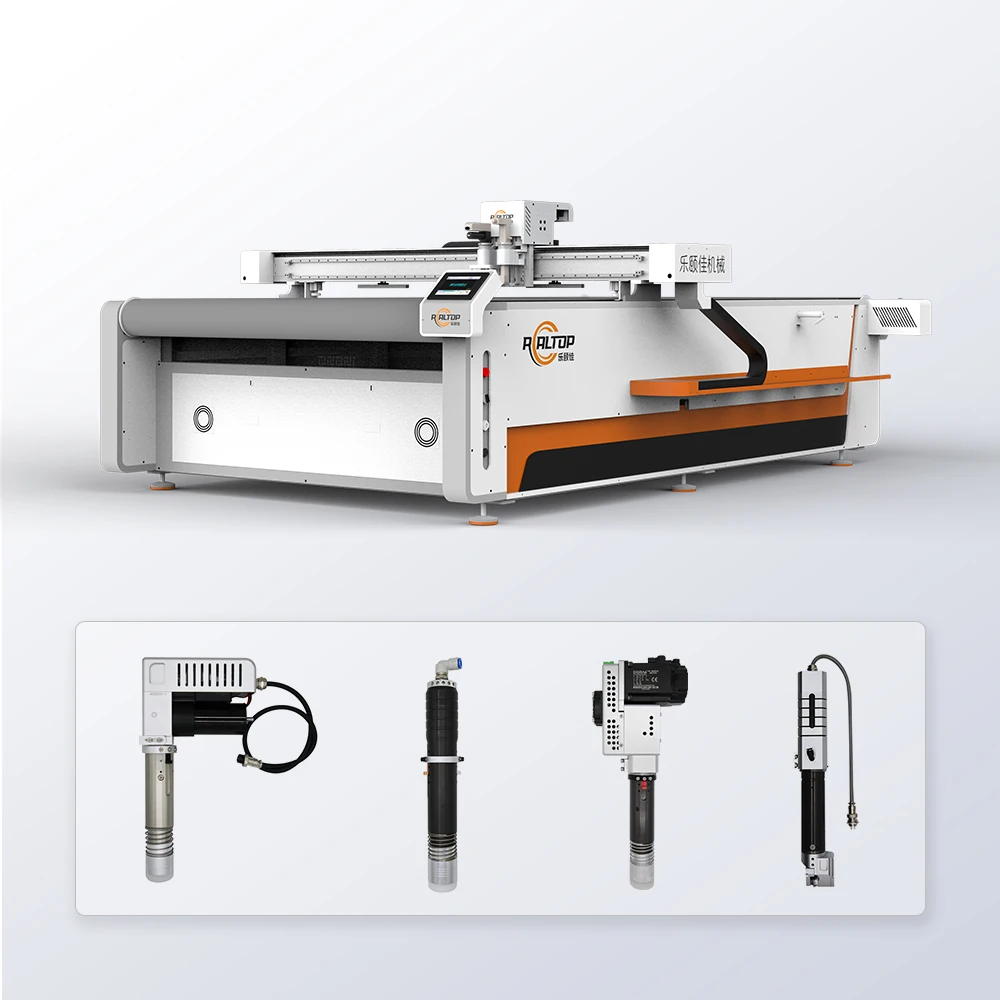
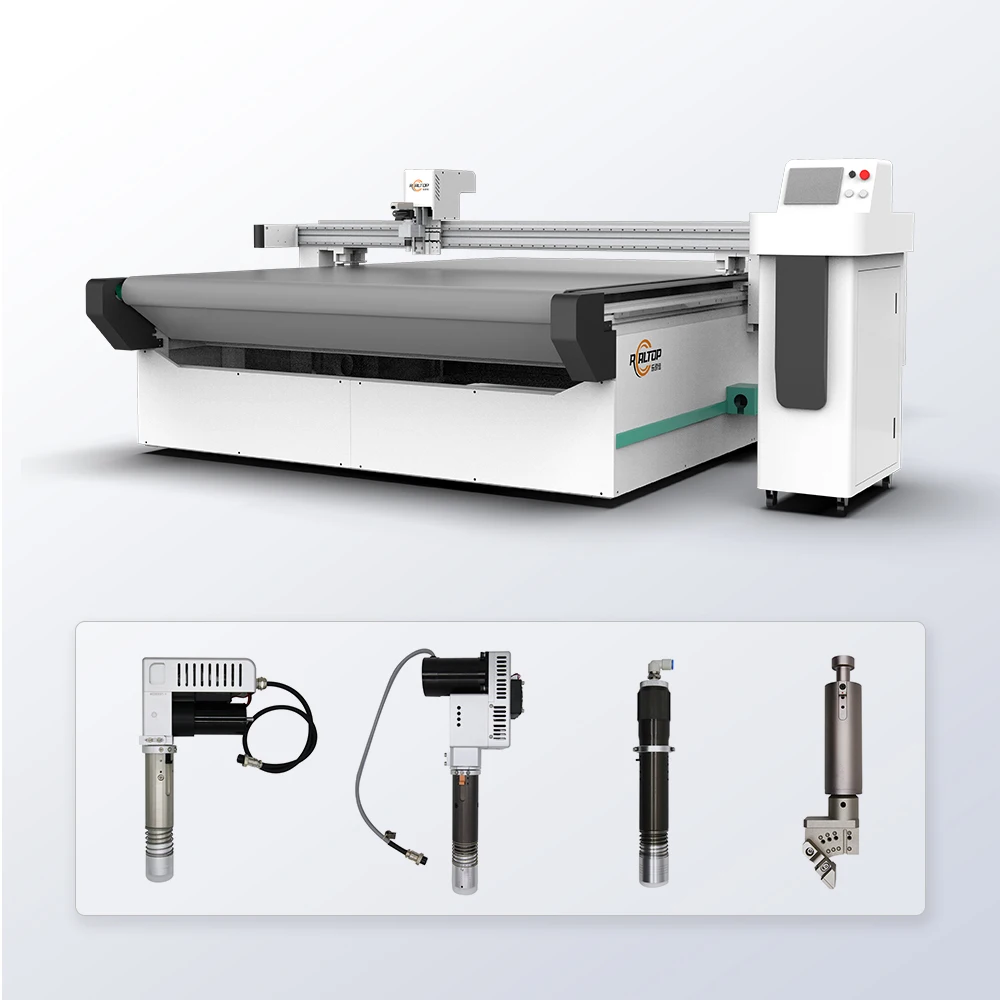
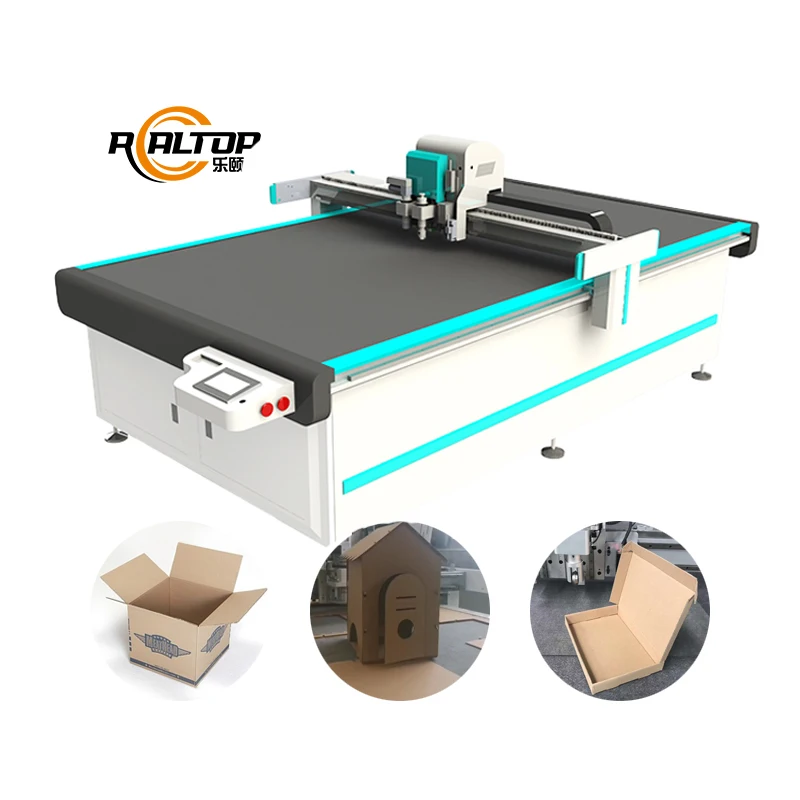
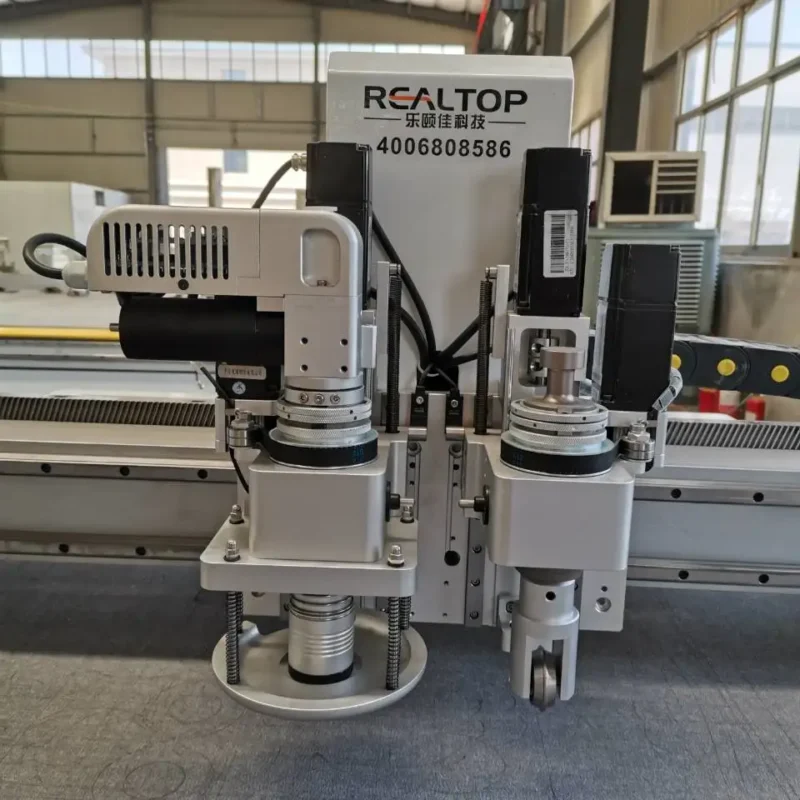
Tool head matched to material — our design team pairs oscillating, drag and creasing tools to your specific fabric weight and backing before the machine ships, eliminating ragged edges and crushed pile.
Technical Specifications
| Parameter | Value |
|---|---|
| Model | RT-D2516 / RT-S2516 |
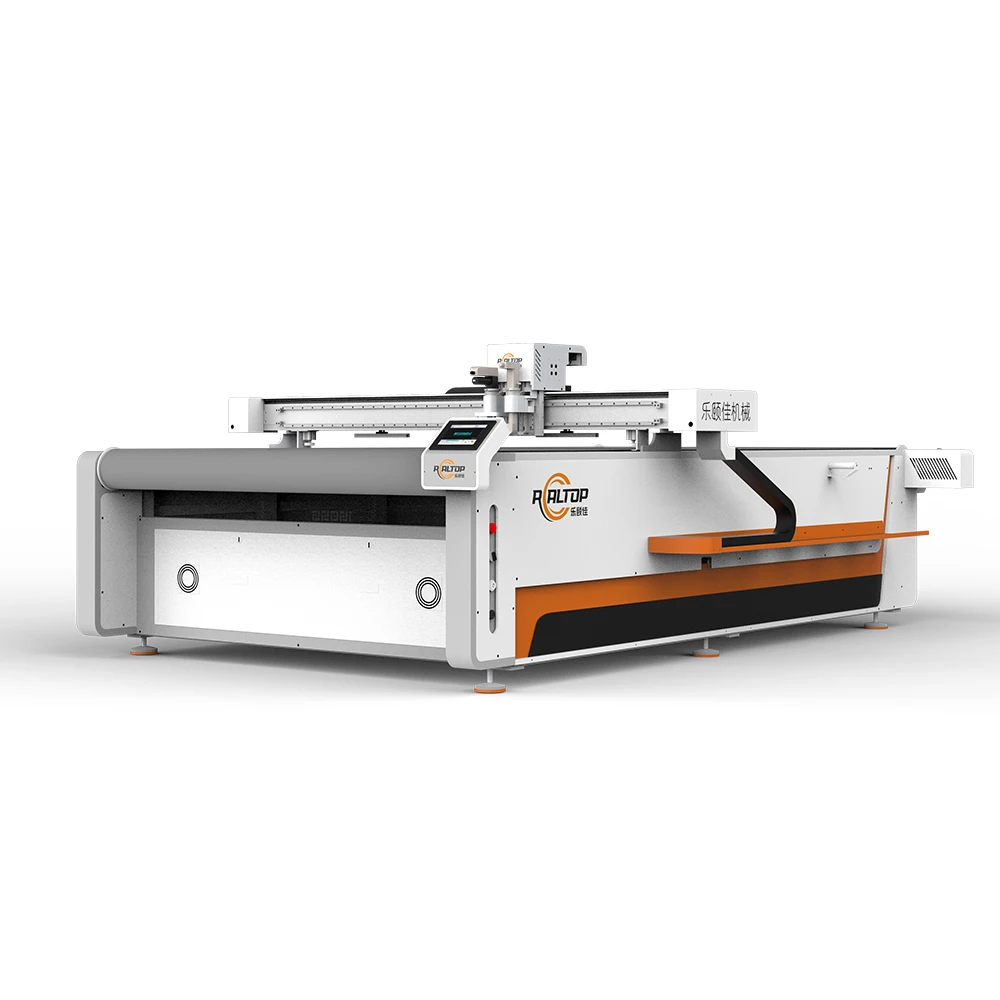
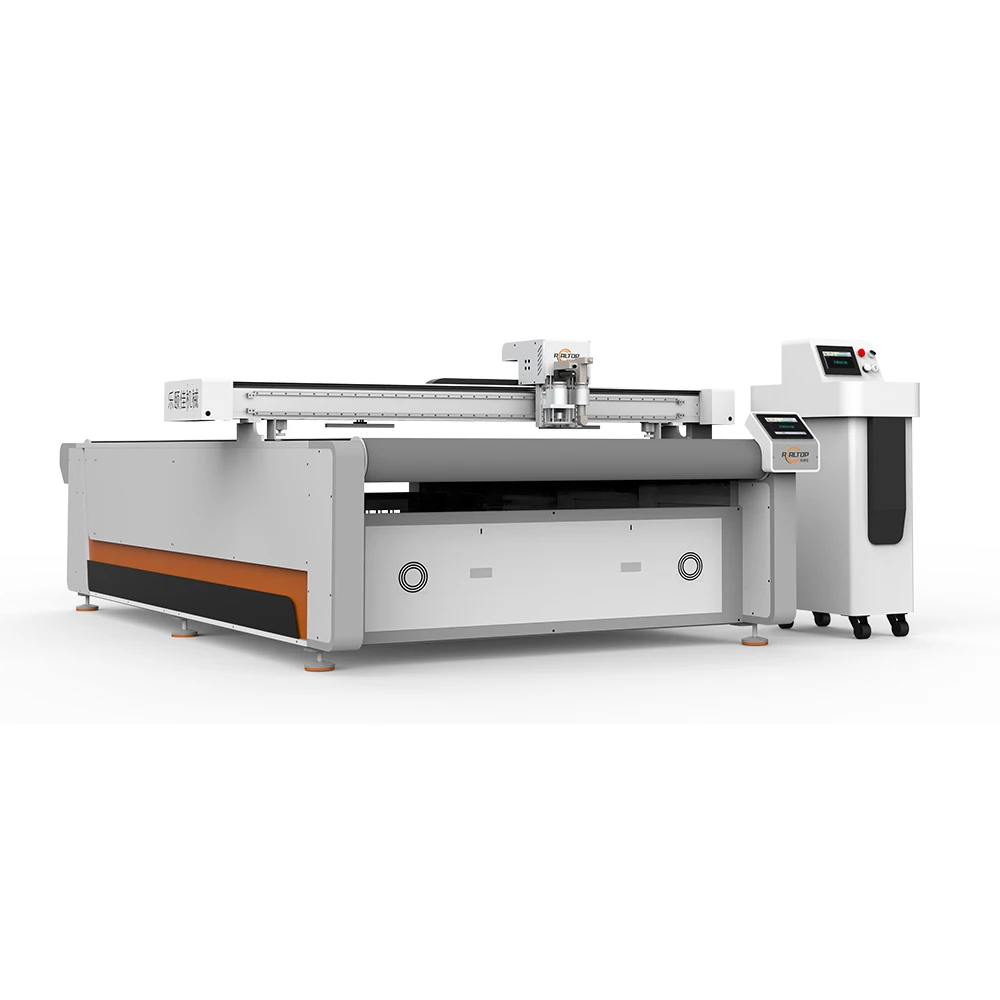
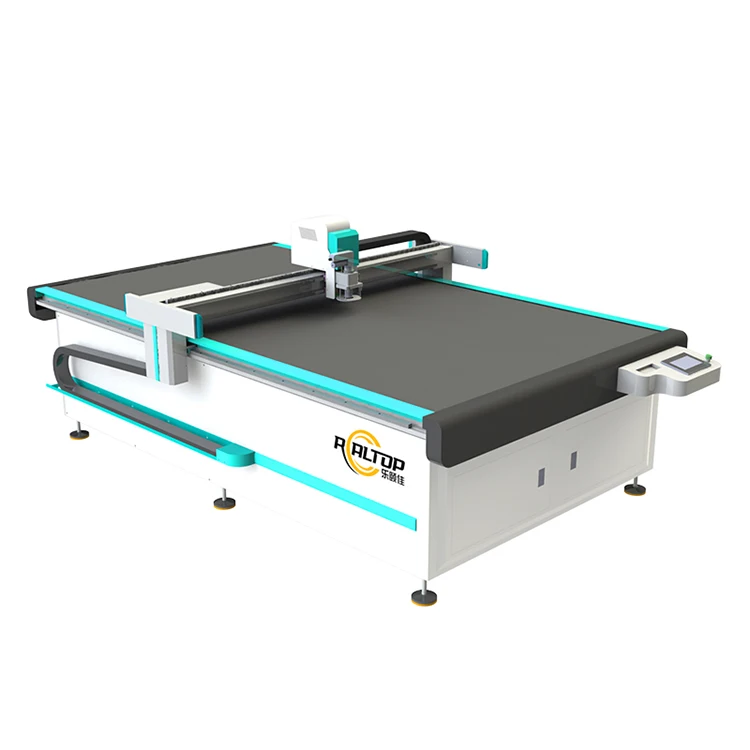
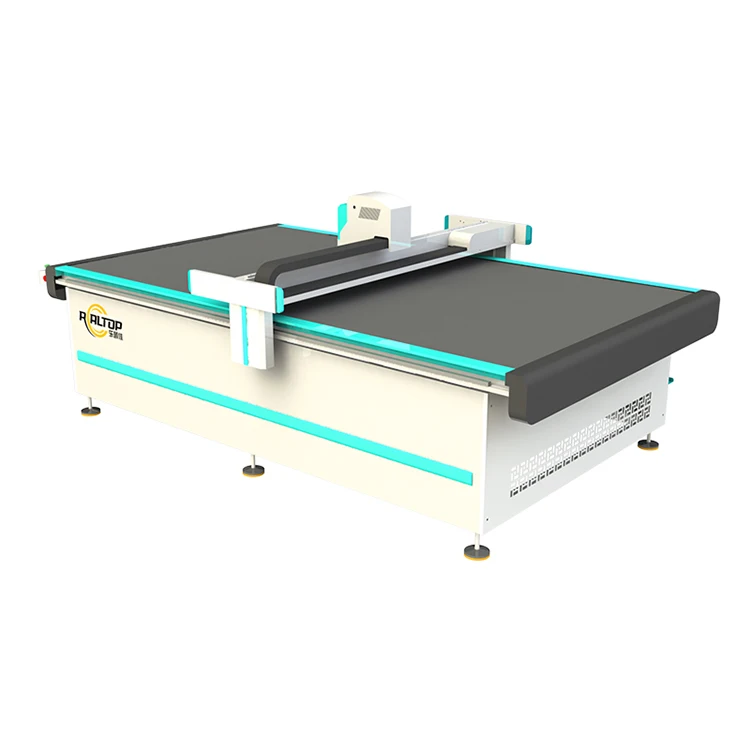
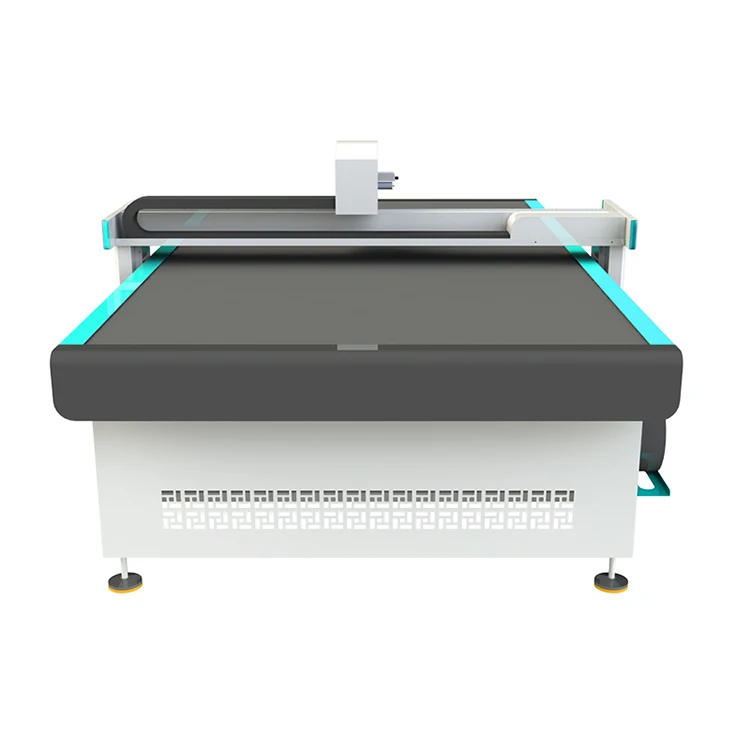
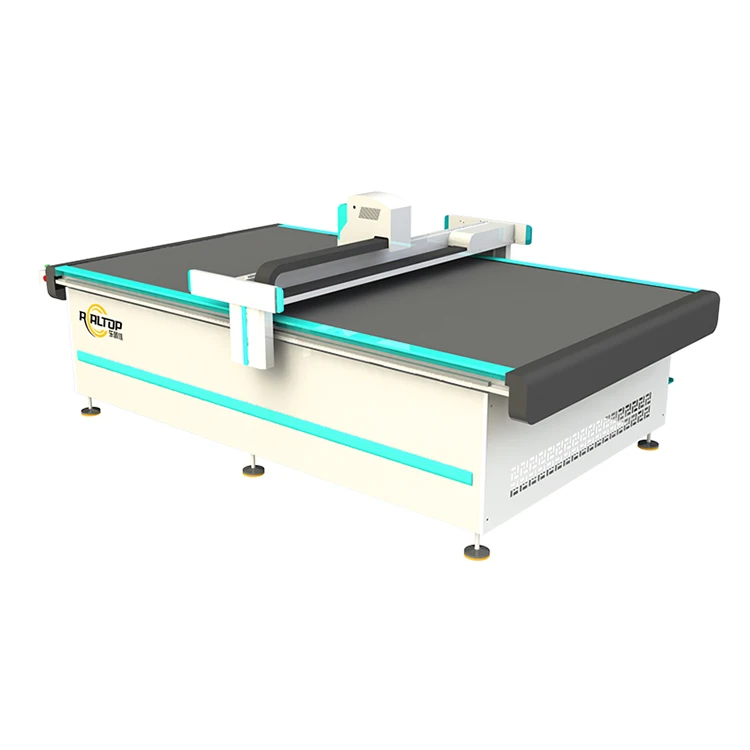
| Product Type | CNC Oscillating Knife Cutting Machine |
| Working Area | 1600 × 2500 mm |
| Machine Dimensions (L × W × H) | 3450 × 2300 × 1250 mm |
| Rated Power | 9 kW |
| Voltage | 380V ± 10% |
| Vacuum Pump Power | 7.5 kW |
| Cutting Thickness Capacity | Up to 100 mm depending on material density |
| Translational Velocity | 800 – 2000 mm/s |
| Cutting Speed | 200 – 800 mm/s depending on material |
| Repeated Accuracy | ≤ 0.1 mm |
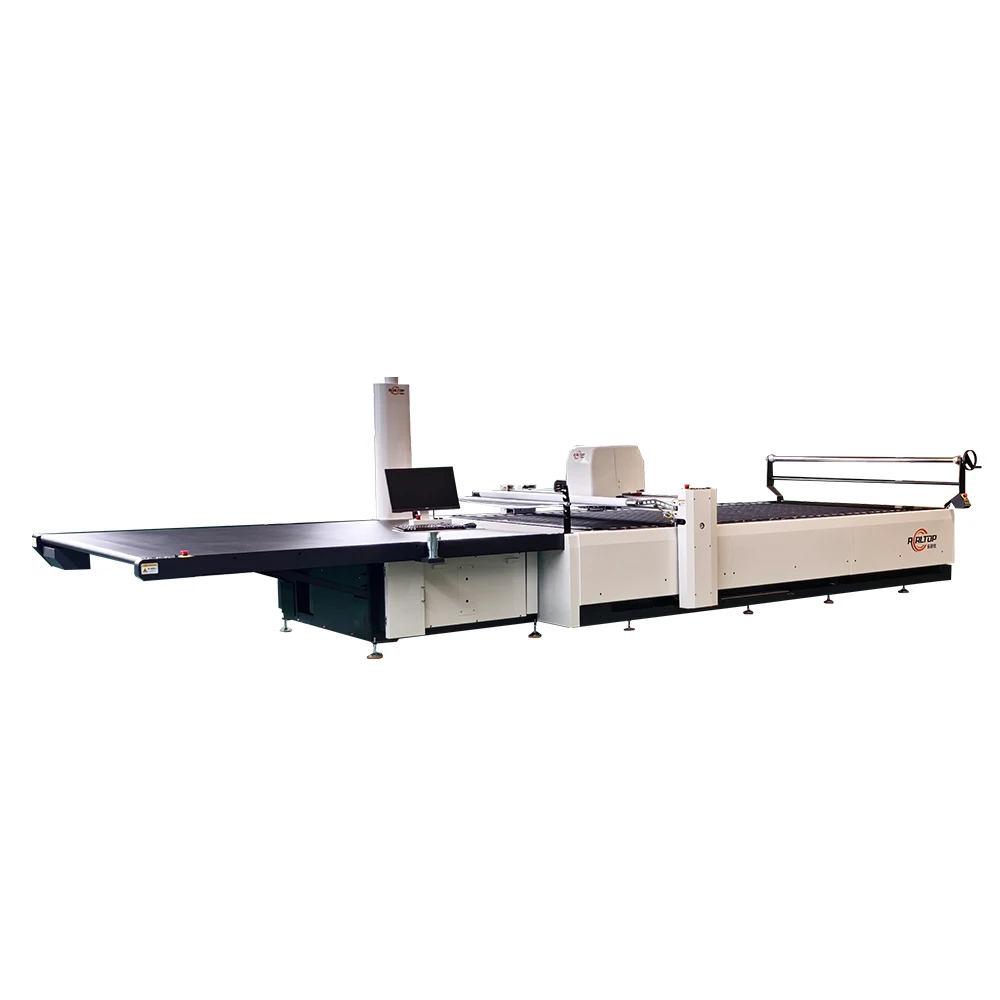
| Table Type Options | Flat working table or auto-feeding conveyor table |
| Transmission System | Digital servo motor, linear guide, synchronous belt, ball screw |
| Guide Rail | Hiwin linear rail |
| Tool Head | Swiss imported oscillating knife with full-cut, half-cut and cursor location |
| Safety Devices | Infrared sensors, anti-collision system, emergency stop |
| Control Interface | Touch screen with multi-language support |
| Software File Compatibility | PLT, DXF, AI with HP-GL instruction format |
| Vacuum Table Surface | Magnesium-aluminum alloy with PVDF coating and anodic oxidation |
| Visual Positioning Options | Small CCD mark-point, panoramic camera recognition, projection positioning |
| Servo Motor Options | Delta (Taiwan) or Panasonic (Japan) |
Application Suitability
| Application | Material or Output |
|---|---|
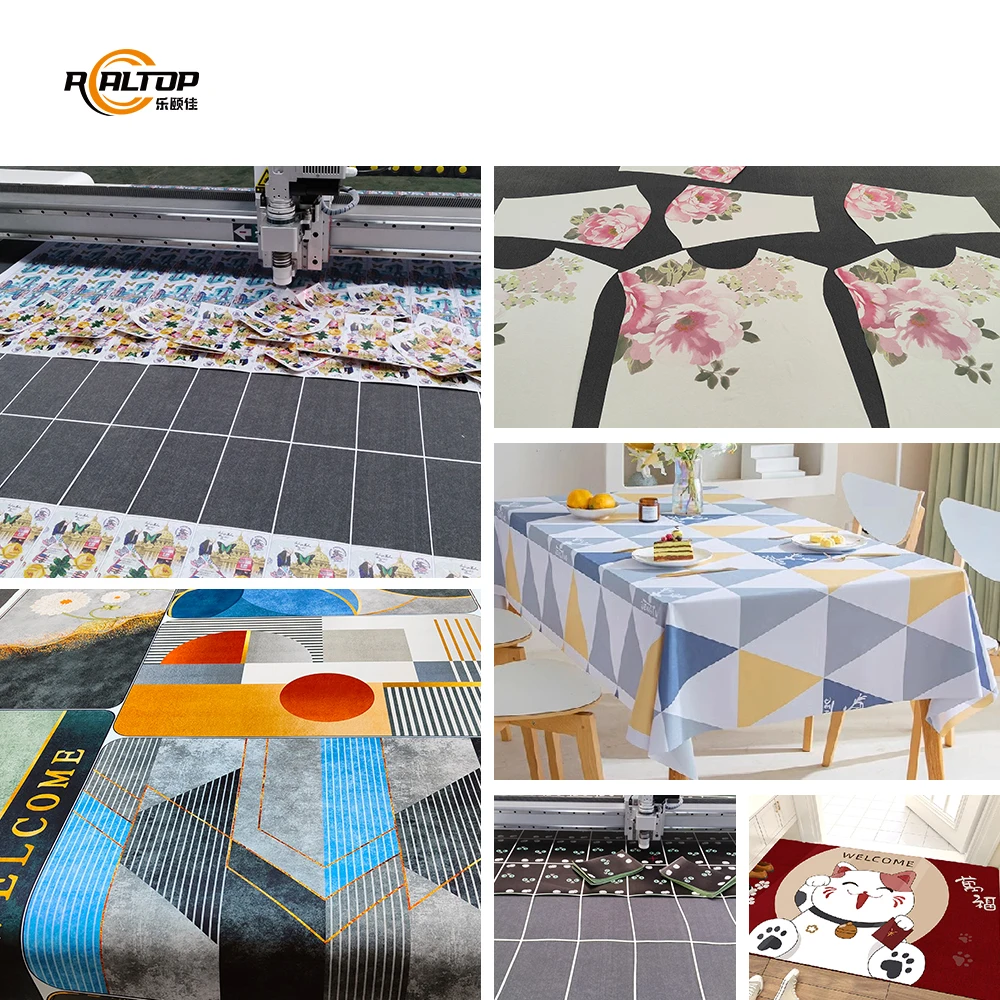
| Curtain and drape production | Velvet, blackout fabric, sheer textiles and lined curtain materials |
| Carpet and floor mat cutting | Long-pile carpet, tufted rugs, automotive floor mats, non-woven felt |
| Automotive interior trimming | Headliner fabric, seat upholstery, trunk liner and sound-deadening composite |
| Garment and footwear sampling | Clothing cloth, shoe material, PU leather, luggage material |
| Soft furnishing fabrication | Sofa upholstery, cushion foam, sponge, EVA and XPE padding |
| Gasket and seal production | PTFE, ETFE, rubber, fiberglass and composite sealing materials |
Why Working Area Alone Cannot Define a Cutting Machine
A 1600 × 2500 mm bed only tells you how large a sheet fits — it says nothing about whether the tool head, vacuum zoning and feed system can actually process your material at production speed. I once watched a customer feed long-pile carpet onto a flatbed unit that had no adjustable vacuum zones; the pile lifted mid-cut, the knife deflected, and the machine sat idle for the rest of the shift. That is the gap this CNC oscillating knife cutting machine manufacturer aims to close by matching configuration to material before the order is confirmed. When buyers choose a machine purely on table dimensions, they discover later that the vacuum hold-down is too broad for small nested parts, or that the oscillating frequency cannot shear through dense foam without fraying the backing [NEED_CITE: common misconfiguration causes in CNC knife cutting]. The specification sheet should therefore list not just bed size, but vacuum zone count, tool stroke length and conveyor feed rate as equally weighted selection criteria.
Comparing Knife and Laser Methods for Fabric and Mat Stock
This product family sits within a broader catalogue that also covers CO2 and fiber laser systems, so the first decision is whether your material benefits from blade or beam. Oscillating knife cutting produces no heat, meaning synthetic textiles like polyester blackout curtain cloth or PVC-backed carpet do not develop melted edges or discoloration. For natural-fiber drapery and woven rugs where a clean, unfused edge is required for subsequent hemming, the knife path is the preferred method. Laser cutting, by contrast, seals edges on synthetics automatically, which suits applications like sailcloth or technical filters but can leave a hardened edge on carpet that abrades foot traffic. By surveying the full range before narrowing to a method, buyers avoid locking into a process that fights the material.
How the Full Machine Range Informs Your Selection
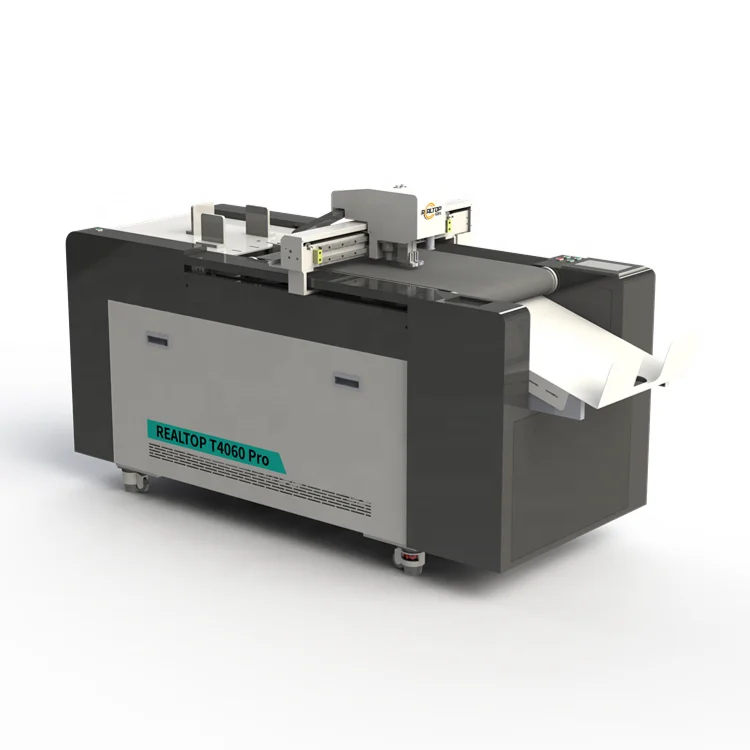
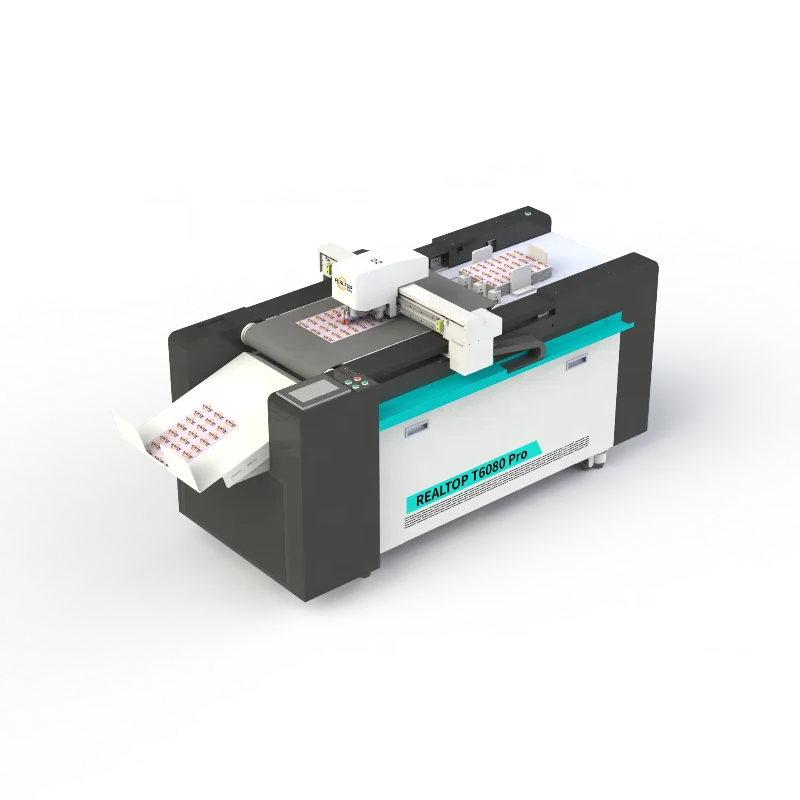
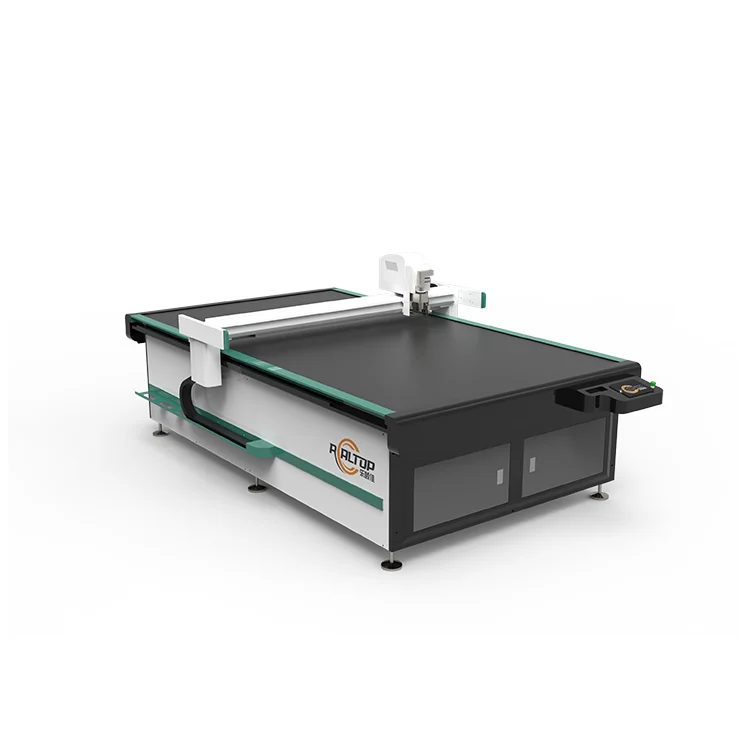
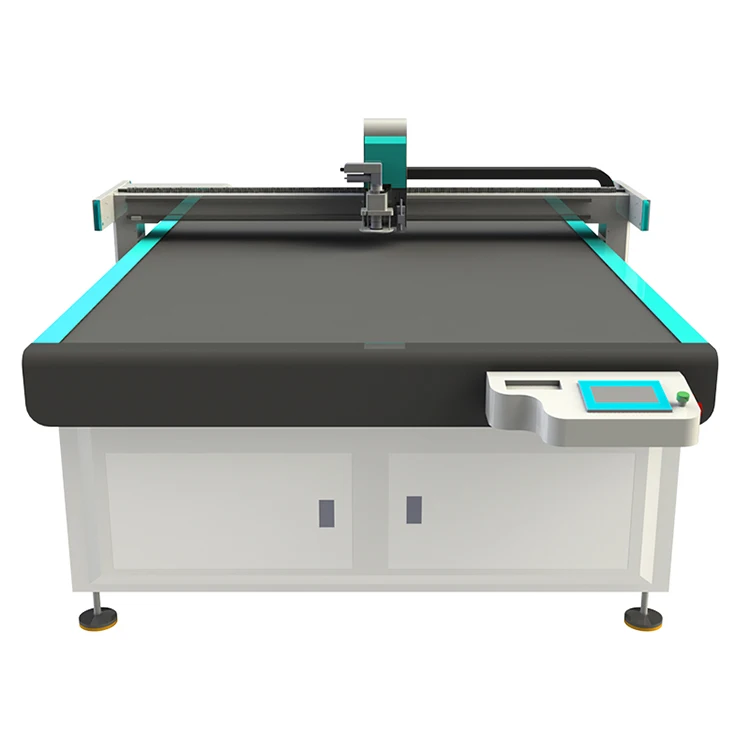
Choosing between the RT-D2516 flat-table and RT-S2516 auto-feeding configuration depends on daily volume and roll goods versus sheet stock. Roll-fed curtain producers running continuous batches benefit from the conveyor system with its imported belt material, which advances the fabric after each cutting cycle without manual repositioning. Shops that cut rigid or semi-rigid materials like corrugated cardboard gaskets or fiberglass insulation panels typically select the flat table with multi-zone vacuum, since those materials do not feed through a conveyor. Both variants share the same tool head options and CCD positioning capability, so a distributor evaluating the complete catalogue can offer end-users a consistent control and software experience across configurations [NEED_CITE: CNC digital cutting equipment selection criteria for distributors].
Reading the Specification Sheet Like a Production Manager
Cutting speed is listed as 200–800 mm/s, but the operative phrase is "according to different cutting materials." A single-layer sheer curtain fabric may permit speeds near the upper boundary, while a 20 mm tufted carpet with latex backing requires the lower range to let the oscillating knife complete each stroke through the full thickness. The 7.5 kW vacuum pump paired with the magnesium-aluminum PVDF-coated table is sized to maintain suction across the entire 1600 × 2500 mm surface; however, when cutting many small mat shapes from one sheet, the vacuum zoning must be configured so that uncut zones remain sealed — otherwise bleed-through airflow reduces hold-down force on the pieces still being cut. The ≤ 0.1 mm repeated accuracy ensures that CCD mark-point positioning can align successive cuts on pre-printed carpet logos without visible registration drift across a long production run.
The Hidden Cost of Skipping a Material Trial
When a buyer orders based on a catalogue working area without sending a sample of their actual material for test cutting, the consequences surface only after the machine is installed. A carpet with a heavy jute backing may require a longer oscillating stroke than the standard Swiss knife provides, producing incomplete cuts that force operators to finish edges by hand — negating the purpose of automation. Similarly, a curtain fabric with a slick silicone coating may slide on the conveyor belt during auto-feeding, causing skewed registration that the CCD camera cannot correct because the mark points themselves shift between passes. These issues are preventable through a pre-order sample cutting report, yet many buyers treat the trial as optional until they experience downtime [NEED_CITE: fabric cutting misalignment due to untested material feed characteristics].
Why Procurement Teams Source This Range Here
In-house design covers both knife and laser technologies within one factory, so when a curtain producer realizes that laser edge-sealing suits their sheer panels while knife cutting handles their blackout linings, both machines can be specified from a single production line with matching control panels and software licenses. Tool head and table configuration are documented per material rather than offered as a generic package, meaning the oscillating knife stroke, vacuum zone map and conveyor feed rate are all recorded on the specification sheet before fabrication. CCD camera positioning is confirmed against the buyer’s own printed artwork during the sample cutting stage, not assumed from a generic camera datasheet. Voltage, plug type and control language are locked in before shipment, preventing the costly rewiring and reprogramming that occurs when these details are deferred to the packing stage.
Documentation & Verification
- Machine specification sheet listing tool head, vacuum zone map and conveyor configuration per material
- Sample cutting report produced on your curtain or carpet stock before order confirmation
- Electrical schematic confirming voltage, frequency and plug type for the destination market
- Software license and file format compatibility note covering PLT, DXF and AI workflows
- Factory test record documenting cutting accuracy and vacuum hold-down on your specified material
- CE declaration documentation prepared per order where applicable for the target market
Installation, Commissioning & Support
- Machine footprint of 3450 × 2300 mm requires a level concrete floor with clearance for conveyor infeed and outfeed
- Dedicated 380V circuit rated for 9 kW machine load plus 7.5 kW vacuum pump on a separate breaker
- Unit ships fully assembled; only conveyor belt tensioning and vacuum hose connection required on site
- First-run commissioning includes vacuum zone calibration against your smallest nested mat pattern
- Operator training covers CCD mark-point teaching, oscillating knife blade replacement and file import from AI
- Spare parts list includes oscillating knife blades, conveyor belt sections and vacuum table PVDF seals
What to Include in Your Inquiry
Send a sample of the heaviest carpet or curtain fabric you intend to cut, along with the thinnest material in your range, so the tool head and vacuum configuration can be validated across your full production mix. Specify your local voltage and frequency, preferred control language, and whether your workflow relies on roll-fed auto-feeding or sheet-fed flat-table operation. If you already run nesting software upstream, share a typical PLT or DXF file so file format compatibility is confirmed before quotation.
Frequently Asked Questions
Q: How do I decide between knife and laser cutting for my curtain and carpet products?
A: Knife cutting produces no heat, so natural fibers and latex-backed carpets retain a soft, unfused edge suitable for hemming. Laser cutting seals synthetic edges automatically, which suits technical textiles but can harden carpet pile. This CNC oscillating knife cutting machine manufacturer offers sample cutting on your actual material so you can evaluate edge quality side by side before selecting a method.
Q: Which tool head should I specify for thick carpet mats?
A: The Swiss imported oscillating knife handles full-cut and half-cut operations on materials up to 100 mm thick, depending on density. For long-pile carpet with heavy backing, a longer oscillating stroke ensures the blade penetrates completely without fraying. The configuration is confirmed during the pre-order sample cutting stage using your own mat stock.
Q: Should I choose the flat table or auto-feeding conveyor for my production?
A: Roll-fed curtain producers running continuous batches typically select the auto-feeding conveyor, which advances fabric without manual repositioning. Shops cutting rigid or semi-rigid gaskets and carpet tiles from flat sheets prefer the flat table with multi-zone vacuum. Both share identical control panels and CCD positioning capability.
Q: Can the machine cut pre-printed carpet mats with logo alignment?
A: Yes. The optional CCD mark-point positioning system detects printed registration marks and adjusts the cutting path in real time. Panoramic camera recognition is also available for large-format contour work. The system is tested against your actual printed artwork during the sample cutting phase to verify tracking at production speed.
Q: What voltage and language options are available before shipment?
A: The standard configuration runs on 380V ± 10%, but voltage and frequency are confirmed per destination market before production. The touch-screen control panel supports English, Russian, Italian and Chinese, with additional languages configurable at order. Electrical schematics are provided in advance so your facility team can prepare the correct circuit and breaker.
Tool head matched to material — our design team pairs oscillating, drag and creasing tools to your specific fabric weight and backing before the machine ships, eliminating ragged edges and crushed pile.
Technical Specifications
| Parameter | Value |
|---|---|
| Model | RT-D2516 / RT-S2516 |
| Product Type | CNC Oscillating Knife Cutting Machine |
| Working Area | 1600 × 2500 mm |
| Machine Dimensions (L × W × H) | 3450 × 2300 × 1250 mm |
| Rated Power | 9 kW |
| Voltage | 380V ± 10% |
| Vacuum Pump Power | 7.5 kW |
| Cutting Thickness Capacity | Up to 100 mm depending on material density |
| Translational Velocity | 800 – 2000 mm/s |
| Cutting Speed | 200 – 800 mm/s depending on material |
| Repeated Accuracy | ≤ 0.1 mm |
| Table Type Options | Flat working table or auto-feeding conveyor table |
| Transmission System | Digital servo motor, linear guide, synchronous belt, ball screw |
| Guide Rail | Hiwin linear rail |
| Tool Head | Swiss imported oscillating knife with full-cut, half-cut and cursor location |
| Safety Devices | Infrared sensors, anti-collision system, emergency stop |
| Control Interface | Touch screen with multi-language support |
| Software File Compatibility | PLT, DXF, AI with HP-GL instruction format |
| Vacuum Table Surface | Magnesium-aluminum alloy with PVDF coating and anodic oxidation |
| Visual Positioning Options | Small CCD mark-point, panoramic camera recognition, projection positioning |
| Servo Motor Options | Delta (Taiwan) or Panasonic (Japan) |
Application Suitability
| Application | Material or Output |
|---|---|
| Curtain and drape production | Velvet, blackout fabric, sheer textiles and lined curtain materials |
| Carpet and floor mat cutting | Long-pile carpet, tufted rugs, automotive floor mats, non-woven felt |
| Automotive interior trimming | Headliner fabric, seat upholstery, trunk liner and sound-deadening composite |
| Garment and footwear sampling | Clothing cloth, shoe material, PU leather, luggage material |
| Soft furnishing fabrication | Sofa upholstery, cushion foam, sponge, EVA and XPE padding |
| Gasket and seal production | PTFE, ETFE, rubber, fiberglass and composite sealing materials |
Why Working Area Alone Cannot Define a Cutting Machine
A 1600 × 2500 mm bed only tells you how large a sheet fits — it says nothing about whether the tool head, vacuum zoning and feed system can actually process your material at production speed. I once watched a customer feed long-pile carpet onto a flatbed unit that had no adjustable vacuum zones; the pile lifted mid-cut, the knife deflected, and the machine sat idle for the rest of the shift. That is the gap this CNC oscillating knife cutting machine manufacturer aims to close by matching configuration to material before the order is confirmed. When buyers choose a machine purely on table dimensions, they discover later that the vacuum hold-down is too broad for small nested parts, or that the oscillating frequency cannot shear through dense foam without fraying the backing [NEED_CITE: common misconfiguration causes in CNC knife cutting]. The specification sheet should therefore list not just bed size, but vacuum zone count, tool stroke length and conveyor feed rate as equally weighted selection criteria.
Comparing Knife and Laser Methods for Fabric and Mat Stock
This product family sits within a broader catalogue that also covers CO2 and fiber laser systems, so the first decision is whether your material benefits from blade or beam. Oscillating knife cutting produces no heat, meaning synthetic textiles like polyester blackout curtain cloth or PVC-backed carpet do not develop melted edges or discoloration. For natural-fiber drapery and woven rugs where a clean, unfused edge is required for subsequent hemming, the knife path is the preferred method. Laser cutting, by contrast, seals edges on synthetics automatically, which suits applications like sailcloth or technical filters but can leave a hardened edge on carpet that abrades foot traffic. By surveying the full range before narrowing to a method, buyers avoid locking into a process that fights the material.
How the Full Machine Range Informs Your Selection
Choosing between the RT-D2516 flat-table and RT-S2516 auto-feeding configuration depends on daily volume and roll goods versus sheet stock. Roll-fed curtain producers running continuous batches benefit from the conveyor system with its imported belt material, which advances the fabric after each cutting cycle without manual repositioning. Shops that cut rigid or semi-rigid materials like corrugated cardboard gaskets or fiberglass insulation panels typically select the flat table with multi-zone vacuum, since those materials do not feed through a conveyor. Both variants share the same tool head options and CCD positioning capability, so a distributor evaluating the complete catalogue can offer end-users a consistent control and software experience across configurations [NEED_CITE: CNC digital cutting equipment selection criteria for distributors].
Reading the Specification Sheet Like a Production Manager
Cutting speed is listed as 200–800 mm/s, but the operative phrase is "according to different cutting materials." A single-layer sheer curtain fabric may permit speeds near the upper boundary, while a 20 mm tufted carpet with latex backing requires the lower range to let the oscillating knife complete each stroke through the full thickness. The 7.5 kW vacuum pump paired with the magnesium-aluminum PVDF-coated table is sized to maintain suction across the entire 1600 × 2500 mm surface; however, when cutting many small mat shapes from one sheet, the vacuum zoning must be configured so that uncut zones remain sealed — otherwise bleed-through airflow reduces hold-down force on the pieces still being cut. The ≤ 0.1 mm repeated accuracy ensures that CCD mark-point positioning can align successive cuts on pre-printed carpet logos without visible registration drift across a long production run.
The Hidden Cost of Skipping a Material Trial
When a buyer orders based on a catalogue working area without sending a sample of their actual material for test cutting, the consequences surface only after the machine is installed. A carpet with a heavy jute backing may require a longer oscillating stroke than the standard Swiss knife provides, producing incomplete cuts that force operators to finish edges by hand — negating the purpose of automation. Similarly, a curtain fabric with a slick silicone coating may slide on the conveyor belt during auto-feeding, causing skewed registration that the CCD camera cannot correct because the mark points themselves shift between passes. These issues are preventable through a pre-order sample cutting report, yet many buyers treat the trial as optional until they experience downtime [NEED_CITE: fabric cutting misalignment due to untested material feed characteristics].
Why Procurement Teams Source This Range Here
In-house design covers both knife and laser technologies within one factory, so when a curtain producer realizes that laser edge-sealing suits their sheer panels while knife cutting handles their blackout linings, both machines can be specified from a single production line with matching control panels and software licenses. Tool head and table configuration are documented per material rather than offered as a generic package, meaning the oscillating knife stroke, vacuum zone map and conveyor feed rate are all recorded on the specification sheet before fabrication. CCD camera positioning is confirmed against the buyer’s own printed artwork during the sample cutting stage, not assumed from a generic camera datasheet. Voltage, plug type and control language are locked in before shipment, preventing the costly rewiring and reprogramming that occurs when these details are deferred to the packing stage.
Documentation & Verification
- Machine specification sheet listing tool head, vacuum zone map and conveyor configuration per material
- Sample cutting report produced on your curtain or carpet stock before order confirmation
- Electrical schematic confirming voltage, frequency and plug type for the destination market
- Software license and file format compatibility note covering PLT, DXF and AI workflows
- Factory test record documenting cutting accuracy and vacuum hold-down on your specified material
- CE declaration documentation prepared per order where applicable for the target market
Installation, Commissioning & Support
- Machine footprint of 3450 × 2300 mm requires a level concrete floor with clearance for conveyor infeed and outfeed
- Dedicated 380V circuit rated for 9 kW machine load plus 7.5 kW vacuum pump on a separate breaker
- Unit ships fully assembled; only conveyor belt tensioning and vacuum hose connection required on site
- First-run commissioning includes vacuum zone calibration against your smallest nested mat pattern
- Operator training covers CCD mark-point teaching, oscillating knife blade replacement and file import from AI
- Spare parts list includes oscillating knife blades, conveyor belt sections and vacuum table PVDF seals
What to Include in Your Inquiry
Send a sample of the heaviest carpet or curtain fabric you intend to cut, along with the thinnest material in your range, so the tool head and vacuum configuration can be validated across your full production mix. Specify your local voltage and frequency, preferred control language, and whether your workflow relies on roll-fed auto-feeding or sheet-fed flat-table operation. If you already run nesting software upstream, share a typical PLT or DXF file so file format compatibility is confirmed before quotation.
Frequently Asked Questions
Q: How do I decide between knife and laser cutting for my curtain and carpet products?
A: Knife cutting produces no heat, so natural fibers and latex-backed carpets retain a soft, unfused edge suitable for hemming. Laser cutting seals synthetic edges automatically, which suits technical textiles but can harden carpet pile. This CNC oscillating knife cutting machine manufacturer offers sample cutting on your actual material so you can evaluate edge quality side by side before selecting a method.
Q: Which tool head should I specify for thick carpet mats?
A: The Swiss imported oscillating knife handles full-cut and half-cut operations on materials up to 100 mm thick, depending on density. For long-pile carpet with heavy backing, a longer oscillating stroke ensures the blade penetrates completely without fraying. The configuration is confirmed during the pre-order sample cutting stage using your own mat stock.
Q: Should I choose the flat table or auto-feeding conveyor for my production?
A: Roll-fed curtain producers running continuous batches typically select the auto-feeding conveyor, which advances fabric without manual repositioning. Shops cutting rigid or semi-rigid gaskets and carpet tiles from flat sheets prefer the flat table with multi-zone vacuum. Both share identical control panels and CCD positioning capability.
Q: Can the machine cut pre-printed carpet mats with logo alignment?
A: Yes. The optional CCD mark-point positioning system detects printed registration marks and adjusts the cutting path in real time. Panoramic camera recognition is also available for large-format contour work. The system is tested against your actual printed artwork during the sample cutting phase to verify tracking at production speed.
Q: What voltage and language options are available before shipment?
A: The standard configuration runs on 380V ± 10%, but voltage and frequency are confirmed per destination market before production. The touch-screen control panel supports English, Russian, Italian and Chinese, with additional languages configurable at order. Electrical schematics are provided in advance so your facility team can prepare the correct circuit and breaker.
商品评价
There are no reviews yet.