



Fast Delivery
Quick, reliable shipping to any location.

Free & easy returns
Return this item by mail or in store within 90 days for a full refund.
Cutting method matched to material — In-house design covers both knife and laser cutting technologies so a buyer can match the cutting method to the material rather than force one method.
Technical Specifications
| Parameter | Value |
|---|---|
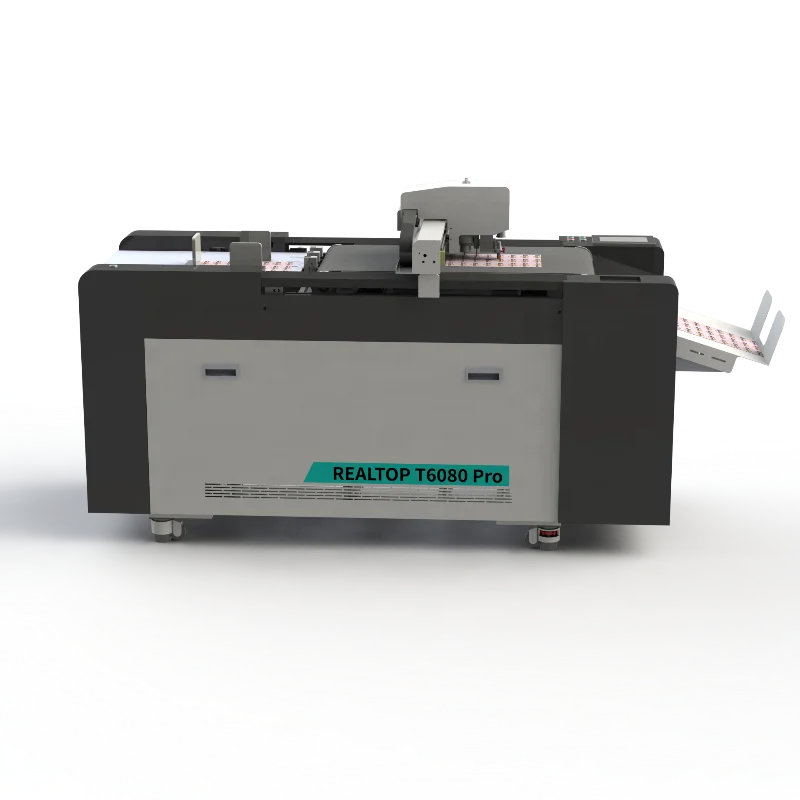
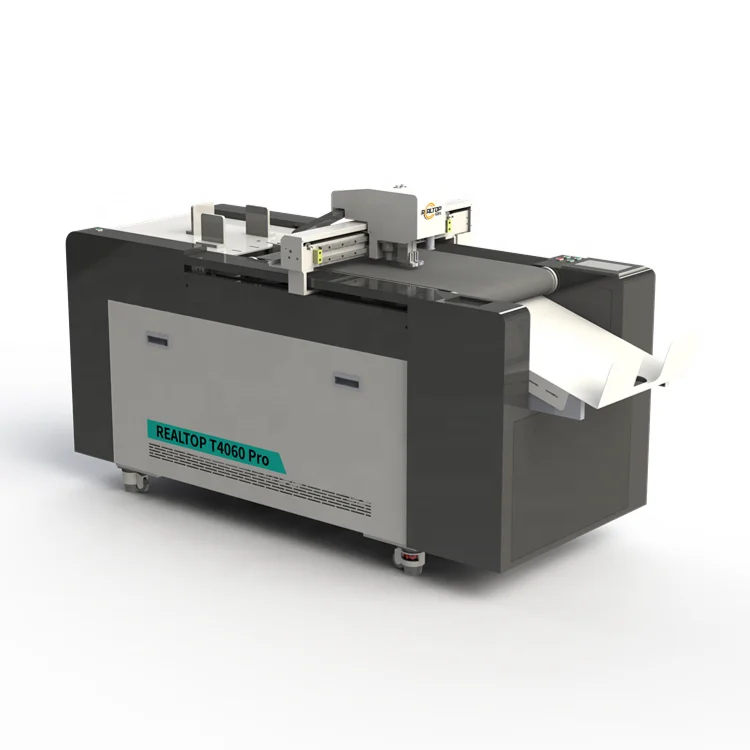
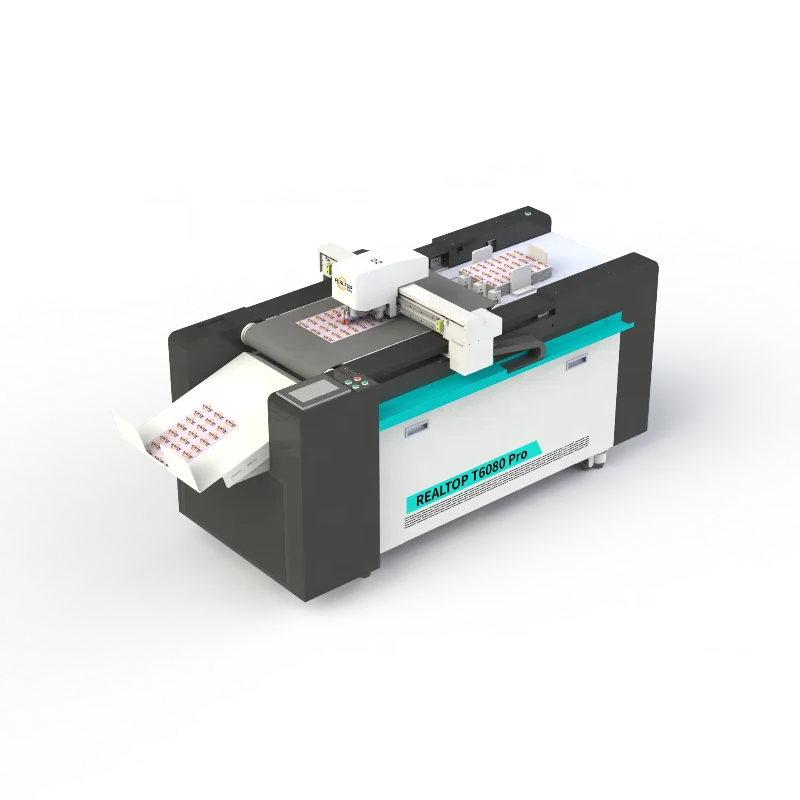
| Model | RTT6080 / RTT6080 Pro |
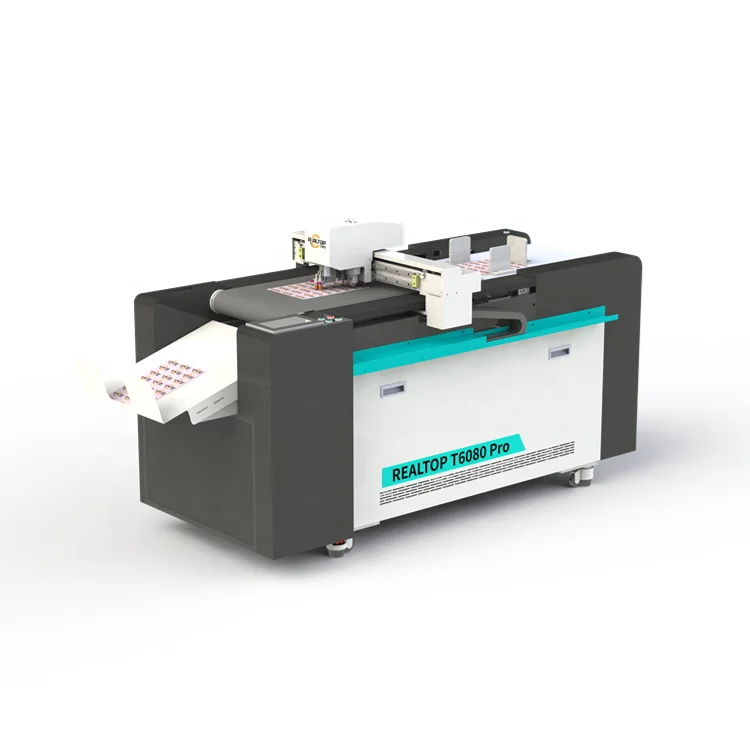
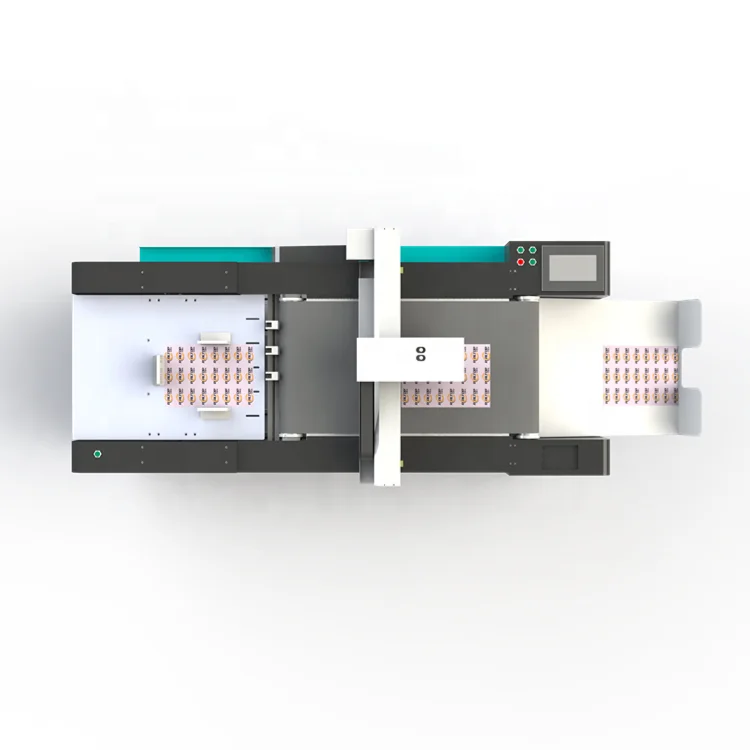
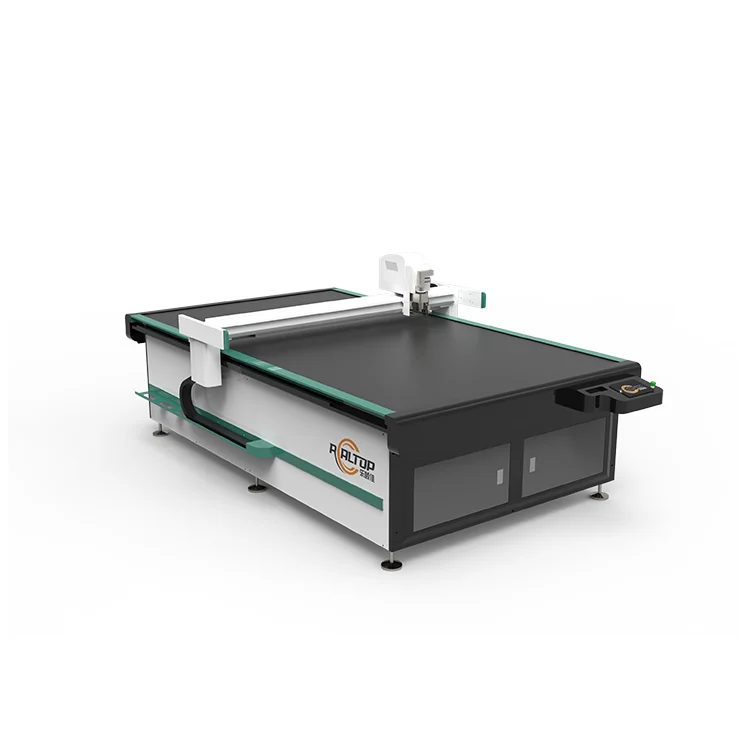
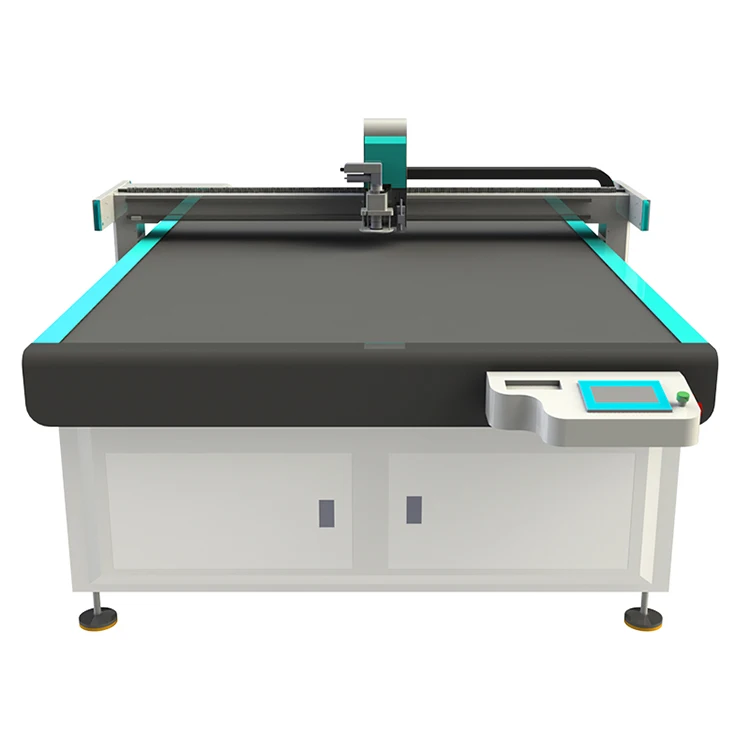
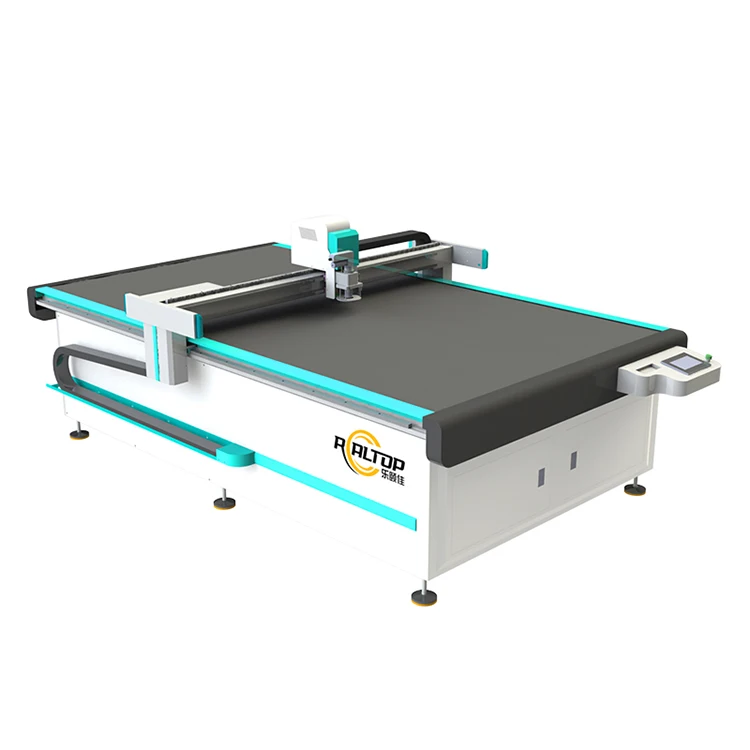
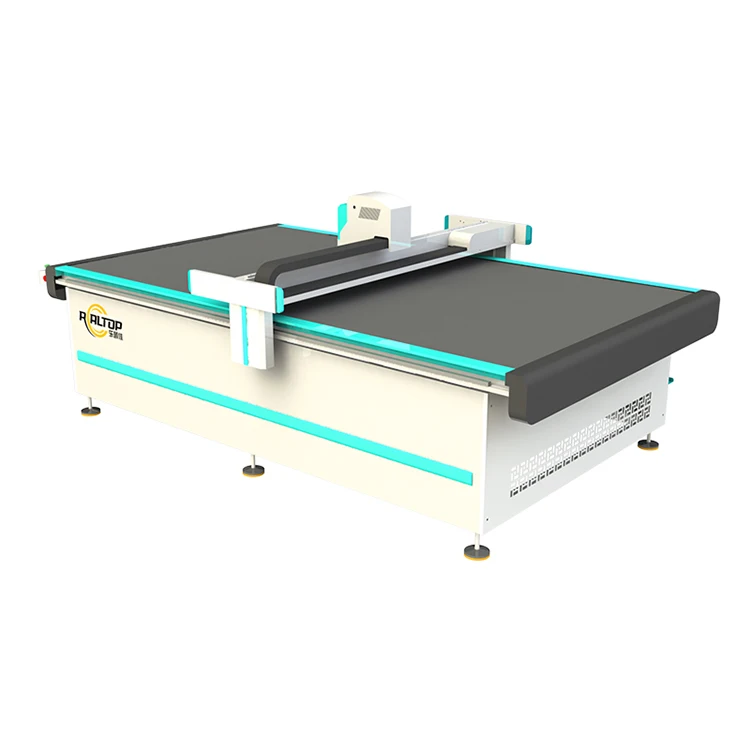
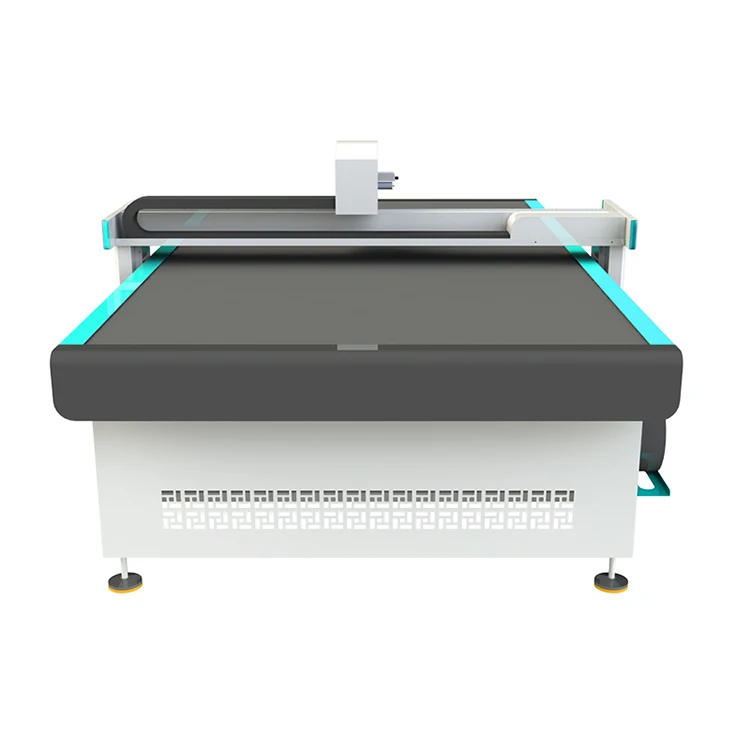
| Product Type | Flatbed CNC Digital Die Cutting Machine |
| Max Working Area | 600mm × 800mm |
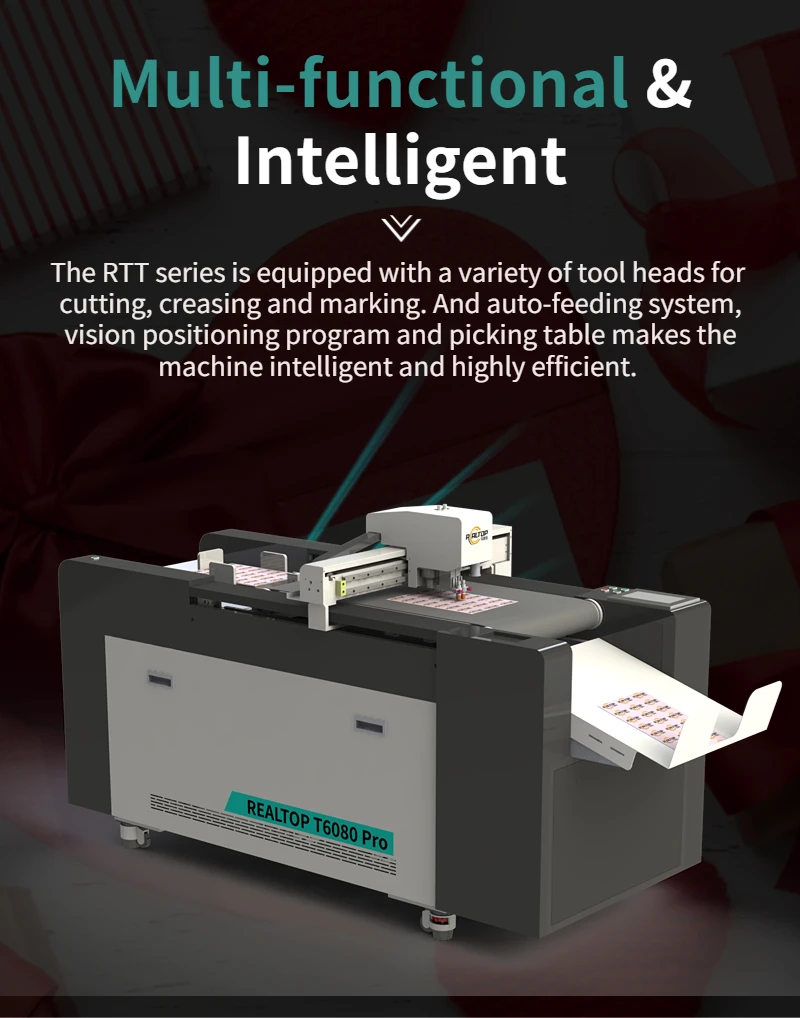
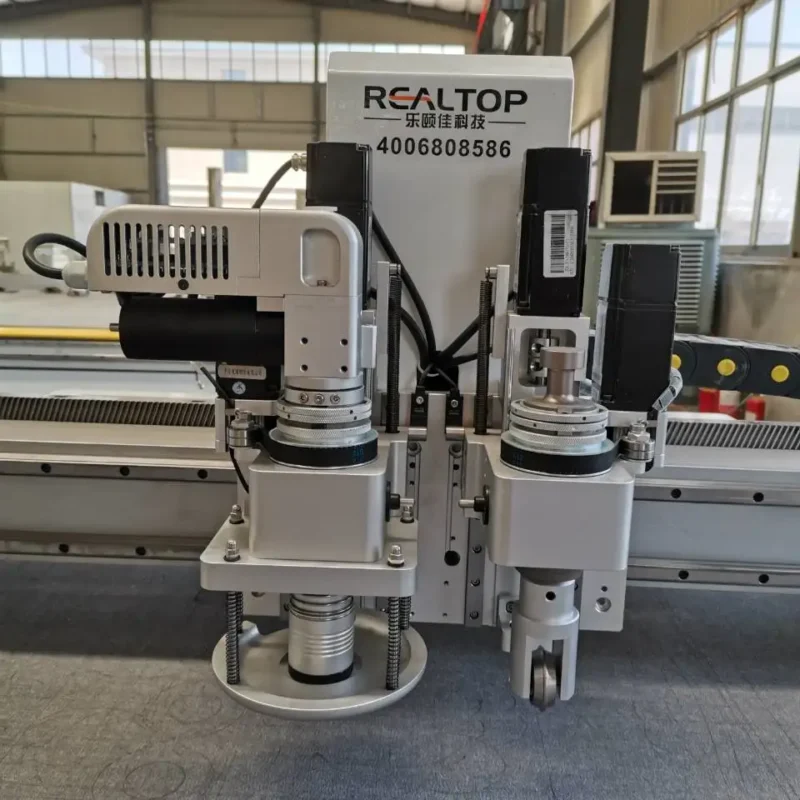
| Tool Group | cutting tool, kiss cutting tool, creasing tool, CCD camera, high speed oscillating knife (Pro model) |
| Max Cutting Speed | 1500 mm/s (according to the material) |
| Cutting Thickness | ≤2mm (RTT6080) / ≤5mm (RTT6080 Pro) |
| Positioning Accuracy | 0.05mm |
| Supported File Formats | DXF, PLT, PDF, AI |
| Data Transfer Method | Ethernet port |
| Rated Power | 3.2 kW |
| Voltage & Frequency | 220V / 380V, 50Hz |
Application Suitability
| Application | Material or Output |
|---|---|
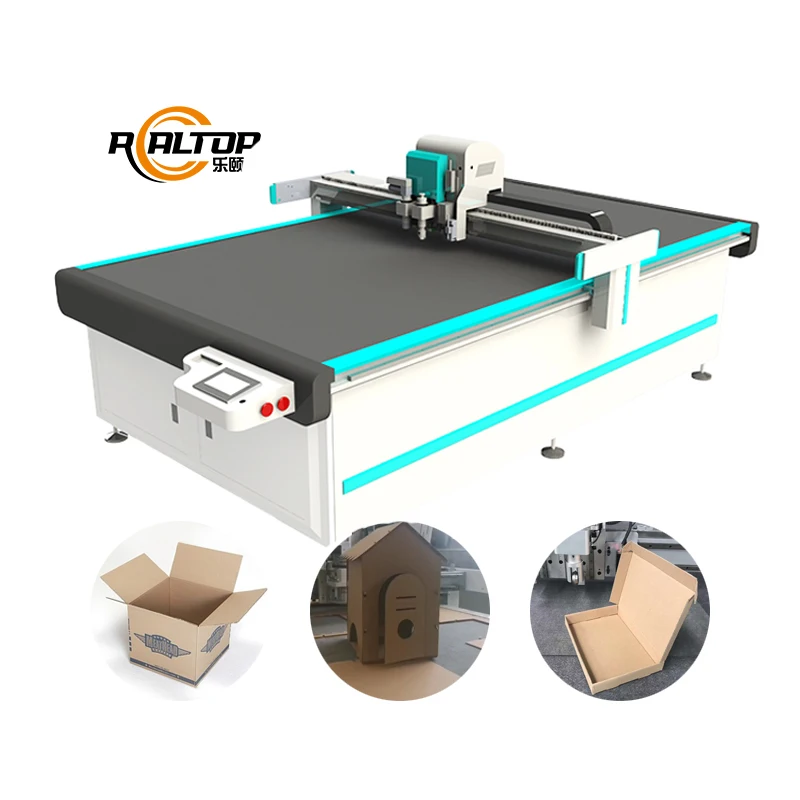
| Short-run carton sample making | corrugated board, folding carton stock, greyboard up to 5mm |
| Printed label and sticker contour cutting | self-adhesive vinyl, coated paper, synthetic label stock |
| Gasket and seal production | aramid fiber sheet, compressed non-asbestos, cork-rubber composite |
| Adhesive film and thin sheet converting | PE foam, double-sided tape, window film, masking material |
| Packaging prototype development | art board, kraft paper, PVC blister sheet |
Why Cutting Thickness Limits Decide Which Model You Actually Need
Specifying a CNC Flatbed Die Cutting Machine manufacturer on working area alone leaves the most important variable unchecked.
A buyer once sourced a compact die cutter based purely on its footprint fitting the workshop bench, only to discover on delivery day that the material they ran daily exceeded the machine’s depth capacity. The standard RTT6080 handles substrates up to 2mm, while the RTT6080 Pro extends that threshold to 5mm through a reinforced tool head carriage and the addition of a high speed oscillating knife. When the wrong variant ships, the return freight alone eclipses any price saving. This split exists because a kiss cutting tool that scores label stock cleanly at 0.3mm will crush a 4mm gasket sheet, and an oscillating knife that slices through composite board will leave ragged edges on thin vinyl. Matching model to material thickness before the purchase order is signed prevents the most common commissioning failure in this machine class [NEED_CITE: common causes of CNC die cutting commissioning delays].
Tool Head Range Across the RTT6080 Family
The series ships with a cutting tool and kiss cutting tool as standard, a creasing wheel for carton fold lines, and a CCD camera for registered print-to-cut work. The Pro variant adds a high speed oscillating knife, which is the decisive difference for buyers processing materials beyond 2mm. A CNC Flatbed Die Cutting Machine manufacturer that offers only one head forces the buyer to compromise; here the tool group is specified per substrate so a gasket shop does not end up running an oscillating head on thin label stock, and a label converter does not try to kiss-cut 4mm cork board.
CCD Contour Recognition in a Production Environment
Printed marks on label sheets vary in contrast, size and placement depending on the press that produced them. The CCD camera on the RTT6080 series tracks these marks to align each cut to the printed image, but reliable tracking requires a minimum contrast ratio and a clean mark edge. If the pre-press department prints registration marks in a light grey or places them too close to the sheet edge, the camera may miss the target at production speed. Flagging this to the pre-press team before the machine arrives avoids the scenario where contour cutting works perfectly on the sample sheet but drifts on the fifth hundred labels [NEED_CITE: CCD registration mark requirements for digital die cutters].
Reading the Specification Sheet for Real Cutting Capability
Positioning accuracy of 0.05mm matters most when the job involves nested small parts where cumulative drift pushes the last piece out of tolerance. The 3.2 kW rated power drives both the vacuum hold-down and the tool head servo, meaning that a simultaneous heavy-vacuum and high-speed oscillating cut will not starve either system. File format support across DXF, PLT, PDF and AI covers the output of most pre-press and packaging CAD software, so the buyer’s existing design workflow does not need a separate conversion step. Ethernet data transfer keeps the machine on the shop network without relying on removable media, which is a practical advantage in environments where USB drives circulate between design office and production floor.
The Cost of Skipping a Material Sample Cut
When a machine is ordered on a specification sheet alone, the first real test happens on the buyer’s floor with their own material, their own operator and their own production pressure. By that point, the wrong tool head or insufficient cutting depth is a capital problem, not a selection problem. A sample cut on the actual substrate reveals whether the kiss cutting tool releases the label cleanly from the liner, whether the creasing wheel produces a fold that does not crack the coating, and whether the oscillating knife leaves an edge that meets the buyer’s quality standard without secondary trimming. Skipping this step is the single most expensive shortcut in flatbed die cutting procurement [NEED_CITE: sample cutting verification in CNC equipment purchasing].
Why Sourcing Through This Catalogue Differs
Tool head and table configuration is specified per material and daily volume, not quoted as a standard package with options bolted on afterward. CCD camera positioning is confirmed against the buyer’s actual printed marks before the order is locked. Software compatibility is checked against the buyer’s existing DXF, PLT, PDF or AI files so nesting and workflow are not disrupted on day one. Voltage and control language are confirmed before production starts, preventing the situation where a 380V machine arrives at a 220V workshop. Sample cutting on the buyer’s own material is offered before commitment, giving a physical result to evaluate rather than a brochure promise. The in-house design team covers both knife and laser technologies, so if a material proves better suited to a different cutting method the conversation shifts to the correct machine rather than forcing the current one to work.
Documentation & Verification
- Machine specification sheet listing RTT6080 and RTT6080 Pro tool head and thickness limits
- Electrical schematic confirming 220V or 380V wiring and 3.2 kW load before dispatch
- Sample cutting report on the buyer’s own label, gasket or carton stock
- Software licence and file format compatibility note covering DXF, PLT, PDF, AI
- Factory test record showing positioning accuracy verification at 0.05mm
- Packing photographs documenting crate condition prior to container loading
Installation, Commissioning & Support
- Dedicated circuit for 3.2 kW rated power with correct breaker sizing at 220V or 380V
- Level floor required for 600mm × 800mm table to maintain 0.05mm positioning accuracy
- Ethernet port connection to existing shop network for file transfer without USB
- CCD camera calibration on buyer’s printed marks during first commissioning run
- Tool head changeover training for cutting, kiss cutting, creasing and oscillating knife
- Spare blade and creasing wheel list matched to buyer’s material profile
What to Include in Your First Inquiry
Send the material type, exact thickness range and maximum sheet size so the correct model variant is selected. State the local voltage and frequency along with the preferred control language for the operator interface. If the current workflow relies on a specific nesting software or file format, include a sample file so compatibility is confirmed before quotation.
Frequently Asked Questions
Q: How do I confirm which RTT6080 variant handles my material thickness?
A: Provide the material type and measured thickness. The standard RTT6080 cuts up to 2mm with cutting, kiss cutting and creasing tools. The RTT6080 Pro extends to 5mm and adds the high speed oscillating knife. A sample cut on your actual substrate confirms the result before you commit to an order.
Q: What print mark quality does the CCD camera need for reliable contour cutting?
A: The camera requires registration marks with strong contrast against the background and clean edges. Marks printed in light colours or placed too close to the sheet edge can cause tracking errors at speed. Send a printed sample so the CCD system is tested against your actual press output before the machine ships.
Q: Can voltage and control language be customised before shipment?
A: Yes. The RTT6080 series is available at 220V or 380V, 50Hz. Voltage, plug type and control language are confirmed during the specification stage and verified on the electrical schematic before production begins, so the machine matches the buyer’s workshop supply and operator preference on arrival.
Q: How do I choose between cutting, kiss cutting, creasing and oscillating knife heads?
A: Each head suits a different substrate behaviour. Kiss cutting scores the face material without cutting the liner, creasing produces fold lines in carton stock, the standard cutting tool handles thin sheets, and the oscillating knife slices thicker materials up to 5mm on the Pro model. Material samples determine the correct selection.
Q: How does the sample cutting process work before I place an order?
A: Send a representative piece of your production material along with a cutting file in DXF, PLT, PDF or AI format. The sample is cut on the selected RTT6080 variant using the proposed tool head, and a report covering edge quality, cutting depth and cycle behaviour is returned for your evaluation.
Cutting method matched to material — In-house design covers both knife and laser cutting technologies so a buyer can match the cutting method to the material rather than force one method.
Technical Specifications
| Parameter | Value |
|---|---|
| Model | RTT6080 / RTT6080 Pro |
| Product Type | Flatbed CNC Digital Die Cutting Machine |
| Max Working Area | 600mm × 800mm |
| Tool Group | cutting tool, kiss cutting tool, creasing tool, CCD camera, high speed oscillating knife (Pro model) |
| Max Cutting Speed | 1500 mm/s (according to the material) |
| Cutting Thickness | ≤2mm (RTT6080) / ≤5mm (RTT6080 Pro) |
| Positioning Accuracy | 0.05mm |
| Supported File Formats | DXF, PLT, PDF, AI |
| Data Transfer Method | Ethernet port |
| Rated Power | 3.2 kW |
| Voltage & Frequency | 220V / 380V, 50Hz |
Application Suitability
| Application | Material or Output |
|---|---|
| Short-run carton sample making | corrugated board, folding carton stock, greyboard up to 5mm |
| Printed label and sticker contour cutting | self-adhesive vinyl, coated paper, synthetic label stock |
| Gasket and seal production | aramid fiber sheet, compressed non-asbestos, cork-rubber composite |
| Adhesive film and thin sheet converting | PE foam, double-sided tape, window film, masking material |
| Packaging prototype development | art board, kraft paper, PVC blister sheet |
Why Cutting Thickness Limits Decide Which Model You Actually Need
Specifying a CNC Flatbed Die Cutting Machine manufacturer on working area alone leaves the most important variable unchecked.
A buyer once sourced a compact die cutter based purely on its footprint fitting the workshop bench, only to discover on delivery day that the material they ran daily exceeded the machine’s depth capacity. The standard RTT6080 handles substrates up to 2mm, while the RTT6080 Pro extends that threshold to 5mm through a reinforced tool head carriage and the addition of a high speed oscillating knife. When the wrong variant ships, the return freight alone eclipses any price saving. This split exists because a kiss cutting tool that scores label stock cleanly at 0.3mm will crush a 4mm gasket sheet, and an oscillating knife that slices through composite board will leave ragged edges on thin vinyl. Matching model to material thickness before the purchase order is signed prevents the most common commissioning failure in this machine class [NEED_CITE: common causes of CNC die cutting commissioning delays].
Tool Head Range Across the RTT6080 Family
The series ships with a cutting tool and kiss cutting tool as standard, a creasing wheel for carton fold lines, and a CCD camera for registered print-to-cut work. The Pro variant adds a high speed oscillating knife, which is the decisive difference for buyers processing materials beyond 2mm. A CNC Flatbed Die Cutting Machine manufacturer that offers only one head forces the buyer to compromise; here the tool group is specified per substrate so a gasket shop does not end up running an oscillating head on thin label stock, and a label converter does not try to kiss-cut 4mm cork board.
CCD Contour Recognition in a Production Environment
Printed marks on label sheets vary in contrast, size and placement depending on the press that produced them. The CCD camera on the RTT6080 series tracks these marks to align each cut to the printed image, but reliable tracking requires a minimum contrast ratio and a clean mark edge. If the pre-press department prints registration marks in a light grey or places them too close to the sheet edge, the camera may miss the target at production speed. Flagging this to the pre-press team before the machine arrives avoids the scenario where contour cutting works perfectly on the sample sheet but drifts on the fifth hundred labels [NEED_CITE: CCD registration mark requirements for digital die cutters].
Reading the Specification Sheet for Real Cutting Capability
Positioning accuracy of 0.05mm matters most when the job involves nested small parts where cumulative drift pushes the last piece out of tolerance. The 3.2 kW rated power drives both the vacuum hold-down and the tool head servo, meaning that a simultaneous heavy-vacuum and high-speed oscillating cut will not starve either system. File format support across DXF, PLT, PDF and AI covers the output of most pre-press and packaging CAD software, so the buyer’s existing design workflow does not need a separate conversion step. Ethernet data transfer keeps the machine on the shop network without relying on removable media, which is a practical advantage in environments where USB drives circulate between design office and production floor.
The Cost of Skipping a Material Sample Cut
When a machine is ordered on a specification sheet alone, the first real test happens on the buyer’s floor with their own material, their own operator and their own production pressure. By that point, the wrong tool head or insufficient cutting depth is a capital problem, not a selection problem. A sample cut on the actual substrate reveals whether the kiss cutting tool releases the label cleanly from the liner, whether the creasing wheel produces a fold that does not crack the coating, and whether the oscillating knife leaves an edge that meets the buyer’s quality standard without secondary trimming. Skipping this step is the single most expensive shortcut in flatbed die cutting procurement [NEED_CITE: sample cutting verification in CNC equipment purchasing].
Why Sourcing Through This Catalogue Differs
Tool head and table configuration is specified per material and daily volume, not quoted as a standard package with options bolted on afterward. CCD camera positioning is confirmed against the buyer’s actual printed marks before the order is locked. Software compatibility is checked against the buyer’s existing DXF, PLT, PDF or AI files so nesting and workflow are not disrupted on day one. Voltage and control language are confirmed before production starts, preventing the situation where a 380V machine arrives at a 220V workshop. Sample cutting on the buyer’s own material is offered before commitment, giving a physical result to evaluate rather than a brochure promise. The in-house design team covers both knife and laser technologies, so if a material proves better suited to a different cutting method the conversation shifts to the correct machine rather than forcing the current one to work.
Documentation & Verification
- Machine specification sheet listing RTT6080 and RTT6080 Pro tool head and thickness limits
- Electrical schematic confirming 220V or 380V wiring and 3.2 kW load before dispatch
- Sample cutting report on the buyer’s own label, gasket or carton stock
- Software licence and file format compatibility note covering DXF, PLT, PDF, AI
- Factory test record showing positioning accuracy verification at 0.05mm
- Packing photographs documenting crate condition prior to container loading
Installation, Commissioning & Support
- Dedicated circuit for 3.2 kW rated power with correct breaker sizing at 220V or 380V
- Level floor required for 600mm × 800mm table to maintain 0.05mm positioning accuracy
- Ethernet port connection to existing shop network for file transfer without USB
- CCD camera calibration on buyer’s printed marks during first commissioning run
- Tool head changeover training for cutting, kiss cutting, creasing and oscillating knife
- Spare blade and creasing wheel list matched to buyer’s material profile
What to Include in Your First Inquiry
Send the material type, exact thickness range and maximum sheet size so the correct model variant is selected. State the local voltage and frequency along with the preferred control language for the operator interface. If the current workflow relies on a specific nesting software or file format, include a sample file so compatibility is confirmed before quotation.
Frequently Asked Questions
Q: How do I confirm which RTT6080 variant handles my material thickness?
A: Provide the material type and measured thickness. The standard RTT6080 cuts up to 2mm with cutting, kiss cutting and creasing tools. The RTT6080 Pro extends to 5mm and adds the high speed oscillating knife. A sample cut on your actual substrate confirms the result before you commit to an order.
Q: What print mark quality does the CCD camera need for reliable contour cutting?
A: The camera requires registration marks with strong contrast against the background and clean edges. Marks printed in light colours or placed too close to the sheet edge can cause tracking errors at speed. Send a printed sample so the CCD system is tested against your actual press output before the machine ships.
Q: Can voltage and control language be customised before shipment?
A: Yes. The RTT6080 series is available at 220V or 380V, 50Hz. Voltage, plug type and control language are confirmed during the specification stage and verified on the electrical schematic before production begins, so the machine matches the buyer’s workshop supply and operator preference on arrival.
Q: How do I choose between cutting, kiss cutting, creasing and oscillating knife heads?
A: Each head suits a different substrate behaviour. Kiss cutting scores the face material without cutting the liner, creasing produces fold lines in carton stock, the standard cutting tool handles thin sheets, and the oscillating knife slices thicker materials up to 5mm on the Pro model. Material samples determine the correct selection.
Q: How does the sample cutting process work before I place an order?
A: Send a representative piece of your production material along with a cutting file in DXF, PLT, PDF or AI format. The sample is cut on the selected RTT6080 variant using the proposed tool head, and a report covering edge quality, cutting depth and cycle behaviour is returned for your evaluation.
商品评价
There are no reviews yet.