


Fast Delivery
Quick, reliable shipping to any location.

Free & easy returns
Return this item by mail or in store within 90 days for a full refund.
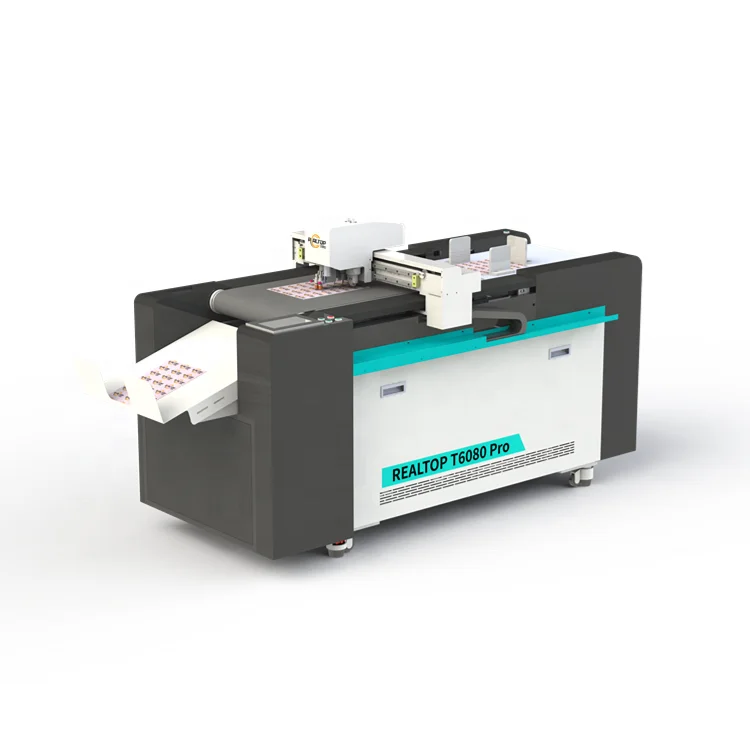
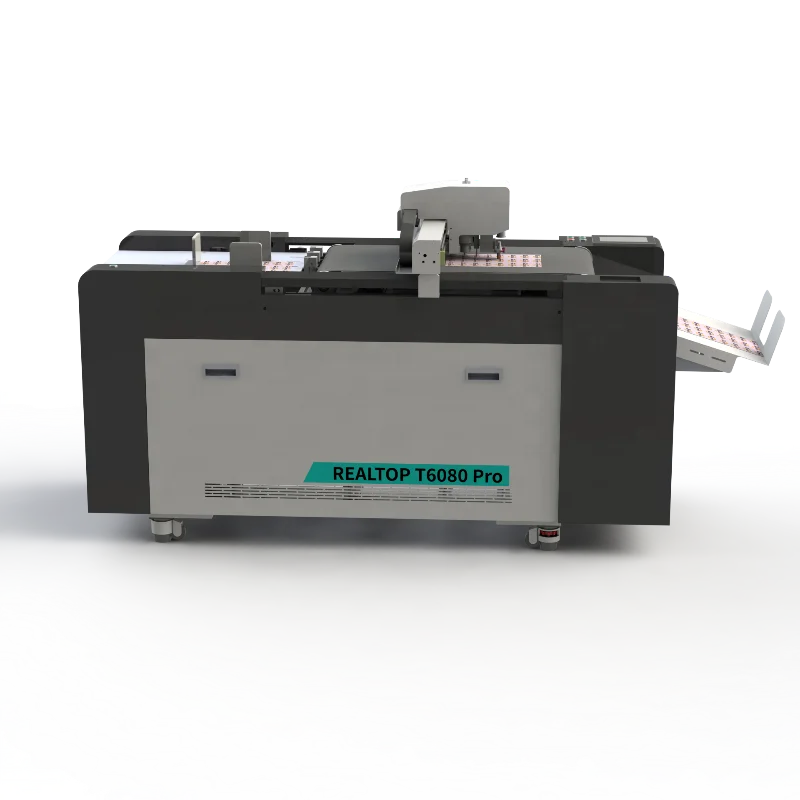
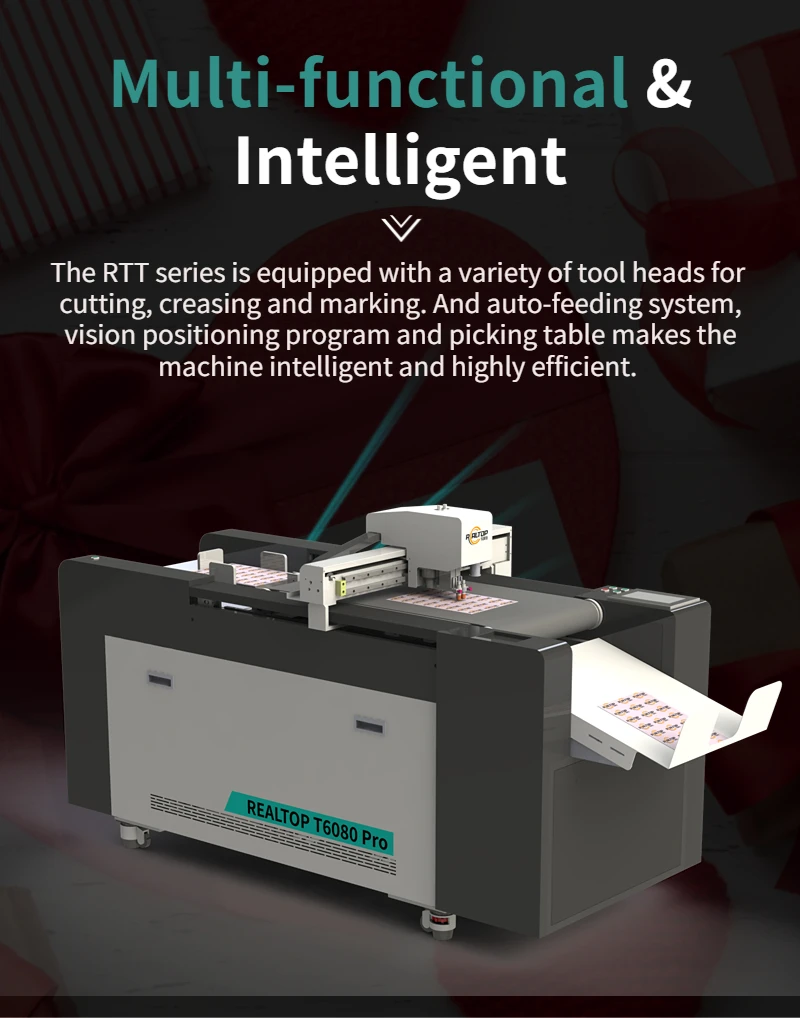
Precision Tool Matching — In-house configuration maps oscillating knife, drag knife, and creasing wheel to your exact material rather than forcing a single-method solution on a 600×800mm platform.
Technical Specifications
| Parameter | Value |
|---|---|
| Model | RTT6080 / RTT6080 Pro |
| Product Type | CNC Digital Cutting Plotter |
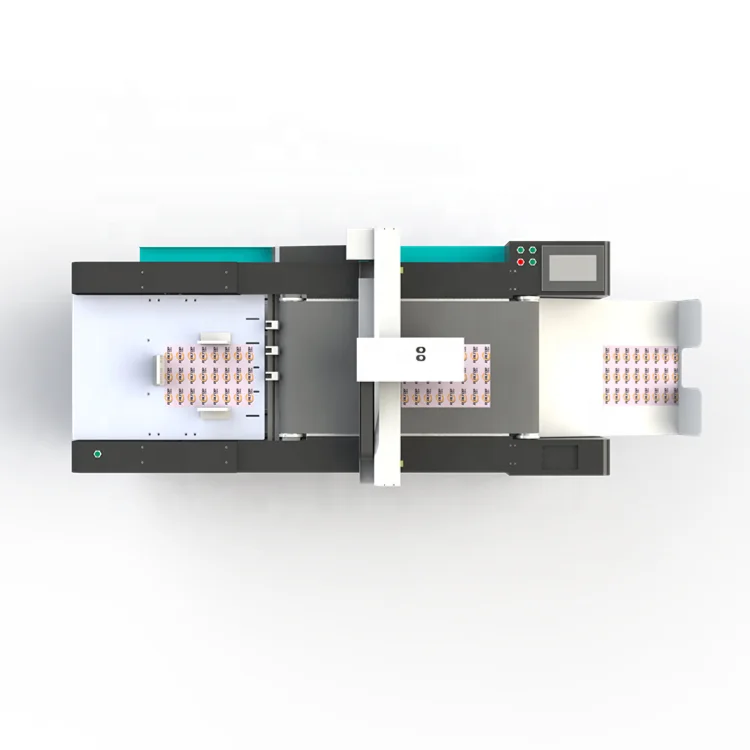
| Max Working Area | 600mm × 800mm |
| Tool Group Options | Cutting tool, kiss cutting tool, creasing tool, CCD camera, high-speed oscillating knife (Pro model) |
| Max Cutting Speed | 1500mm/s (according to the material) |
| Cutting Thickness | ≤2mm (RTT6080) / ≤5mm (RTT6080 Pro) |
| Positioning Accuracy | 0.05mm |
| Supported File Formats | DXF, PLT, PDF, AI |
| Data Transfer | Ethernet port |
| Rated Power | 3.2KW |
| Voltage Options | 220V/380V, 50Hz |
| CCD Camera Positioning | Yes |
| Key Features | Multi-tool configuration, CCD contour recognition, vacuum table, short-run prototyping capability |
Application Suitability
| Application | Material or Output |
|---|---|
| Packaging sample making | Corrugated board, cardstock, folding carton |
| Signage and label production | Vinyl, self-adhesive film, thin rigid board |
| Textile pattern cutting | Thin fabric, textile swatches |
| Carton creasing and perforating | Corrugated board, heavy cardstock |
| Precision prototyping | Small-format board, composite sheets |
Why Material Thickness Dictates the Cutting Method
The wrong tool head produces ragged edges or crushed material — match the knife type to the actual stock before the order is placed.
In sample-making workshops, I have watched corrugated board compress under a standard drag knife because the machine was specified on working area alone, with no attention paid to the 5mm depth requirement. A CNC Digital Cutting Plotter manufacturer should verify cutting depth on your specific stock before shipping, not after the crate arrives. Buyers who skip this step often find their vacuum table zoning insufficient for small die-cut parts, causing material lift mid-cycle [NEED_CITE: vacuum table zoning requirements for small-format cutting].
Dual-Model Strategy for Actual Material Ranges
The RTT6080 handles stocks up to 2mm, while the RTT6080 Pro extends capacity to 5mm with a high-speed oscillating knife. This split exists because a 2mm vinyl kiss-cut and a 5mm corrugated sample demand different blade frequencies and table pressures. Choosing based on real material thickness prevents the common failure where a machine runs but produces unacceptable edge quality at the upper limit of its range.
CCD Contour Recognition at Production Speed
Printed contour tracking on stickers and packaging samples requires the CCD camera to read registration marks without slowing the cutting cycle. The system on this CNC Digital Cutting Plotter captures mark position and adjusts the cut path in real time, which matters when short-run jobs change artwork between batches. Verify mark contrast and size with the supplier before assuming any printed layout will track correctly [NEED_CITE: CCD camera contour recognition standards for digital cutting].
What the Spec Sheet Numbers Mean on the Shop Floor
Positioning accuracy of 0.05mm keeps crease lines aligned with cut edges on folding carton prototypes, where a visible offset ruins the sample. The 1500mm/s maximum cutting speed applies to thin, low-density materials; denser stocks require slower passes to maintain edge integrity. Ethernet transfer avoids the driver conflicts common with USB-dependent plotters in multi-station design offices. Voltage configurability between 220V and 380V means the electrical schematic must be confirmed against your facility supply before the machine leaves the factory [NEED_CITE: voltage and frequency standards by export market].
The Hidden Cost of Unchecked Tool Configuration
When a creasing wheel is omitted from the initial order, buyers often resort to scoring corrugated board with the cutting blade, which fractures the liner and weakens the fold line. Kiss cutting vinyl without the dedicated kiss tool results in either incomplete cuts or backing paper damage, both of which waste material and delay delivery. These configuration gaps surface only when the first real job runs, not during the factory demonstration [NEED_CITE: tool head selection errors in digital cutting procurement].
Why Source This Plotter Through Direct Manufacturing
In-house design covers both knife and laser cutting technologies, so the cutting method is matched to the material rather than forced into one system. Tool head and table configurations are specified per material type and production volume, not sold as a fixed package. CCD camera positioning is calibrated for printed contour work before dispatch. Software compatibility with DXF, PLT, PDF, and AI files is confirmed against your existing workflow before the order is finalized. Sample cutting on your own material is available before any commitment is made.
Documentation & Verification
- Sample cutting report on your corrugated or cardstock confirming edge quality and achievable thickness
- Electrical schematic with 220V/380V confirmation matched to your facility supply
- Tool head and vacuum table configuration list specifying included and optional items
- Software licence and file format compatibility note for your design workflow
- Factory test record showing positioning accuracy verification before dispatch
Installation, Commissioning & Support
- 3.2KW rated power requires dedicated circuit with confirmed 220V or 380V supply at your location
- 600×800mm footprint fits standard workshop floors without special foundation work
- Ethernet port setup and network configuration during first-day commissioning
- CCD camera calibration on your printed artwork during on-site training session
- Oscillating knife blade replacement schedule and spare parts list provided at handover
What to Prepare Before Requesting a Quotation
Send the specific material types, thicknesses, and sheet sizes you plan to run, along with your typical daily prototype volume. Confirm your local voltage and frequency, and list the design software and file formats currently in use so file compatibility can be verified before the CNC Digital Cutting Plotter is configured.
Frequently Asked Questions
Q: How do I decide between the RTT6080 and the RTT6080 Pro?
A: Base the decision on your thickest regular material. If you cut primarily vinyl, sticker stock, and card under 2mm, the standard RTT6080 with drag knife and kiss cutting tools is sufficient. For corrugated board and folding carton up to 5mm, the RTT6080 Pro with high-speed oscillating knife provides the blade frequency needed for clean edges without crushing the flute structure.
Q: What printed mark quality does the CCD camera require?
A: The CCD camera reads high-contrast registration marks placed at defined intervals on your printed sheet. Marks should be solid black, minimum 5mm diameter, and free from overprint varnish or lamination that reduces contrast. Production speed depends on mark clarity; faded or low-resolution prints may require slower cutting passes to maintain contour accuracy.
Q: Is voltage and plug configuration confirmed before shipment?
A: Yes. The machine supports 220V or 380V at 50Hz, and the specific voltage, plug type, and electrical schematic are confirmed during the order stage based on your target market. This prevents the common situation where equipment arrives with an incompatible plug or requires an unexpected transformer installation before first use.
Q: Will the software accept my existing design files?
A: The system accepts DXF, PLT, PDF, and AI formats. Before the order is finalized, a file format compatibility note is prepared by testing your actual design files through the nesting and cutting workflow. This confirms that layers, cut lines, and crease lines import correctly without manual redrawing.
Q: How does sample cutting on my material work?
A: Send a representative sheet of your actual production material to the factory. The sample is cut using the proposed tool head configuration, and a report is returned showing edge quality, achievable thickness, cutting speed, and any tool adjustments made. Review this report before committing to the purchase.
Precision Tool Matching — In-house configuration maps oscillating knife, drag knife, and creasing wheel to your exact material rather than forcing a single-method solution on a 600×800mm platform.
Technical Specifications
| Parameter | Value |
|---|---|
| Model | RTT6080 / RTT6080 Pro |
| Product Type | CNC Digital Cutting Plotter |
| Max Working Area | 600mm × 800mm |
| Tool Group Options | Cutting tool, kiss cutting tool, creasing tool, CCD camera, high-speed oscillating knife (Pro model) |
| Max Cutting Speed | 1500mm/s (according to the material) |
| Cutting Thickness | ≤2mm (RTT6080) / ≤5mm (RTT6080 Pro) |
| Positioning Accuracy | 0.05mm |
| Supported File Formats | DXF, PLT, PDF, AI |
| Data Transfer | Ethernet port |
| Rated Power | 3.2KW |
| Voltage Options | 220V/380V, 50Hz |
| CCD Camera Positioning | Yes |
| Key Features | Multi-tool configuration, CCD contour recognition, vacuum table, short-run prototyping capability |
Application Suitability
| Application | Material or Output |
|---|---|
| Packaging sample making | Corrugated board, cardstock, folding carton |
| Signage and label production | Vinyl, self-adhesive film, thin rigid board |
| Textile pattern cutting | Thin fabric, textile swatches |
| Carton creasing and perforating | Corrugated board, heavy cardstock |
| Precision prototyping | Small-format board, composite sheets |
Why Material Thickness Dictates the Cutting Method
The wrong tool head produces ragged edges or crushed material — match the knife type to the actual stock before the order is placed.
In sample-making workshops, I have watched corrugated board compress under a standard drag knife because the machine was specified on working area alone, with no attention paid to the 5mm depth requirement. A CNC Digital Cutting Plotter manufacturer should verify cutting depth on your specific stock before shipping, not after the crate arrives. Buyers who skip this step often find their vacuum table zoning insufficient for small die-cut parts, causing material lift mid-cycle [NEED_CITE: vacuum table zoning requirements for small-format cutting].
Dual-Model Strategy for Actual Material Ranges
The RTT6080 handles stocks up to 2mm, while the RTT6080 Pro extends capacity to 5mm with a high-speed oscillating knife. This split exists because a 2mm vinyl kiss-cut and a 5mm corrugated sample demand different blade frequencies and table pressures. Choosing based on real material thickness prevents the common failure where a machine runs but produces unacceptable edge quality at the upper limit of its range.
CCD Contour Recognition at Production Speed
Printed contour tracking on stickers and packaging samples requires the CCD camera to read registration marks without slowing the cutting cycle. The system on this CNC Digital Cutting Plotter captures mark position and adjusts the cut path in real time, which matters when short-run jobs change artwork between batches. Verify mark contrast and size with the supplier before assuming any printed layout will track correctly [NEED_CITE: CCD camera contour recognition standards for digital cutting].
What the Spec Sheet Numbers Mean on the Shop Floor
Positioning accuracy of 0.05mm keeps crease lines aligned with cut edges on folding carton prototypes, where a visible offset ruins the sample. The 1500mm/s maximum cutting speed applies to thin, low-density materials; denser stocks require slower passes to maintain edge integrity. Ethernet transfer avoids the driver conflicts common with USB-dependent plotters in multi-station design offices. Voltage configurability between 220V and 380V means the electrical schematic must be confirmed against your facility supply before the machine leaves the factory [NEED_CITE: voltage and frequency standards by export market].
The Hidden Cost of Unchecked Tool Configuration
When a creasing wheel is omitted from the initial order, buyers often resort to scoring corrugated board with the cutting blade, which fractures the liner and weakens the fold line. Kiss cutting vinyl without the dedicated kiss tool results in either incomplete cuts or backing paper damage, both of which waste material and delay delivery. These configuration gaps surface only when the first real job runs, not during the factory demonstration [NEED_CITE: tool head selection errors in digital cutting procurement].
Why Source This Plotter Through Direct Manufacturing
In-house design covers both knife and laser cutting technologies, so the cutting method is matched to the material rather than forced into one system. Tool head and table configurations are specified per material type and production volume, not sold as a fixed package. CCD camera positioning is calibrated for printed contour work before dispatch. Software compatibility with DXF, PLT, PDF, and AI files is confirmed against your existing workflow before the order is finalized. Sample cutting on your own material is available before any commitment is made.
Documentation & Verification
- Sample cutting report on your corrugated or cardstock confirming edge quality and achievable thickness
- Electrical schematic with 220V/380V confirmation matched to your facility supply
- Tool head and vacuum table configuration list specifying included and optional items
- Software licence and file format compatibility note for your design workflow
- Factory test record showing positioning accuracy verification before dispatch
Installation, Commissioning & Support
- 3.2KW rated power requires dedicated circuit with confirmed 220V or 380V supply at your location
- 600×800mm footprint fits standard workshop floors without special foundation work
- Ethernet port setup and network configuration during first-day commissioning
- CCD camera calibration on your printed artwork during on-site training session
- Oscillating knife blade replacement schedule and spare parts list provided at handover
What to Prepare Before Requesting a Quotation
Send the specific material types, thicknesses, and sheet sizes you plan to run, along with your typical daily prototype volume. Confirm your local voltage and frequency, and list the design software and file formats currently in use so file compatibility can be verified before the CNC Digital Cutting Plotter is configured.
Frequently Asked Questions
Q: How do I decide between the RTT6080 and the RTT6080 Pro?
A: Base the decision on your thickest regular material. If you cut primarily vinyl, sticker stock, and card under 2mm, the standard RTT6080 with drag knife and kiss cutting tools is sufficient. For corrugated board and folding carton up to 5mm, the RTT6080 Pro with high-speed oscillating knife provides the blade frequency needed for clean edges without crushing the flute structure.
Q: What printed mark quality does the CCD camera require?
A: The CCD camera reads high-contrast registration marks placed at defined intervals on your printed sheet. Marks should be solid black, minimum 5mm diameter, and free from overprint varnish or lamination that reduces contrast. Production speed depends on mark clarity; faded or low-resolution prints may require slower cutting passes to maintain contour accuracy.
Q: Is voltage and plug configuration confirmed before shipment?
A: Yes. The machine supports 220V or 380V at 50Hz, and the specific voltage, plug type, and electrical schematic are confirmed during the order stage based on your target market. This prevents the common situation where equipment arrives with an incompatible plug or requires an unexpected transformer installation before first use.
Q: Will the software accept my existing design files?
A: The system accepts DXF, PLT, PDF, and AI formats. Before the order is finalized, a file format compatibility note is prepared by testing your actual design files through the nesting and cutting workflow. This confirms that layers, cut lines, and crease lines import correctly without manual redrawing.
Q: How does sample cutting on my material work?
A: Send a representative sheet of your actual production material to the factory. The sample is cut using the proposed tool head configuration, and a report is returned showing edge quality, achievable thickness, cutting speed, and any tool adjustments made. Review this report before committing to the purchase.










商品评价
There are no reviews yet.