

Fast Delivery
Quick, reliable shipping to any location.

Free & easy returns
Return this item by mail or in store within 90 days for a full refund.
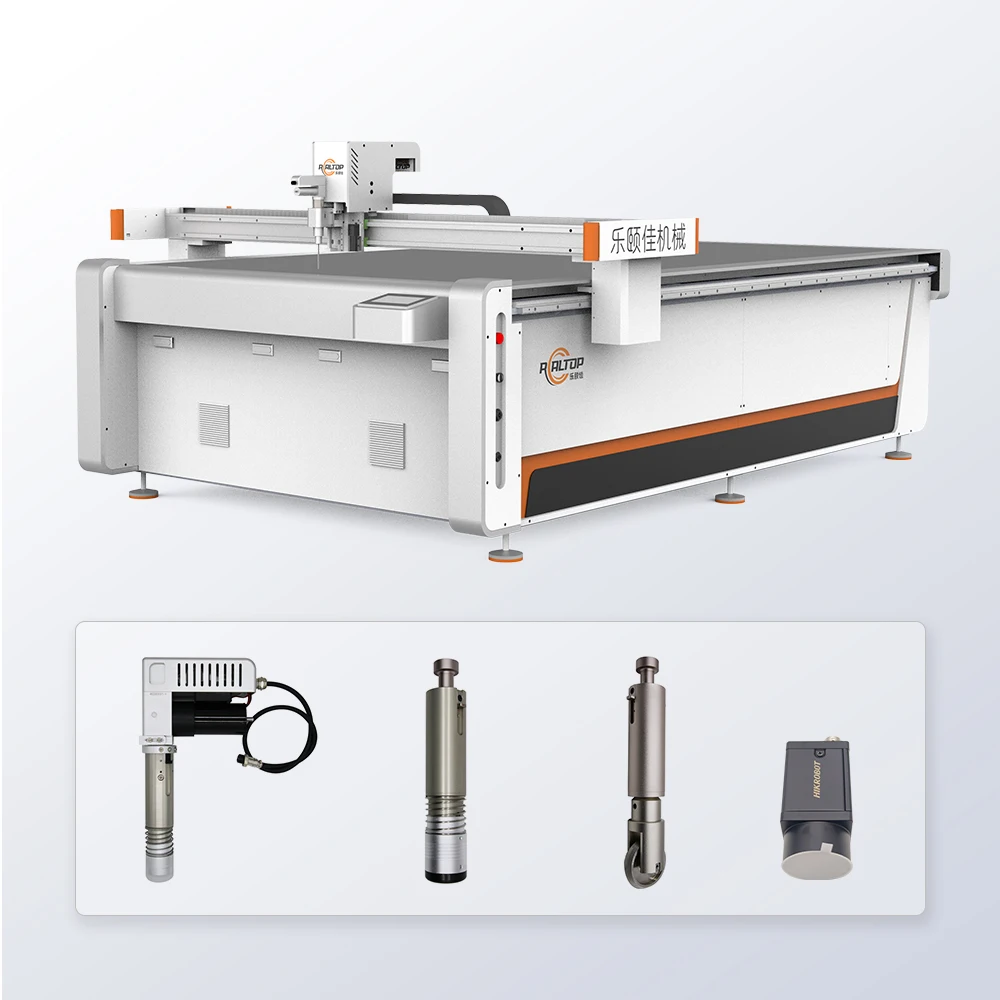
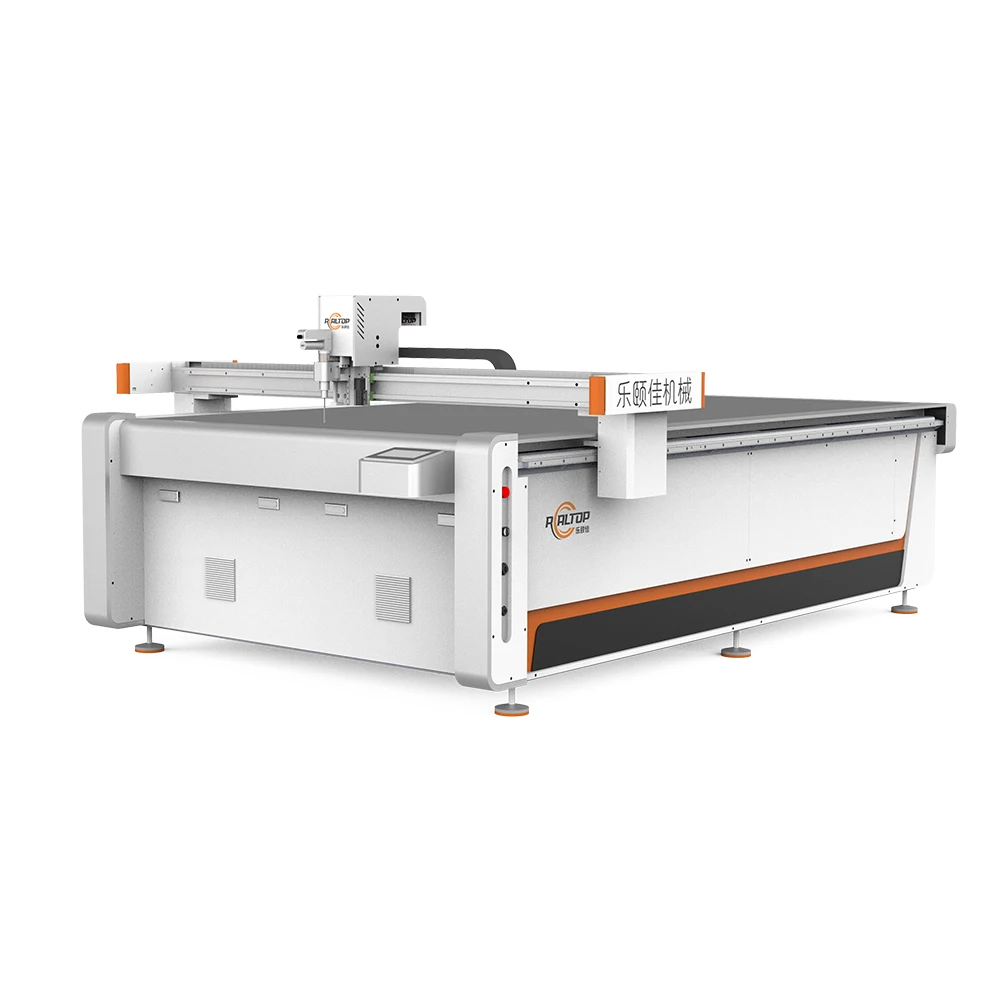
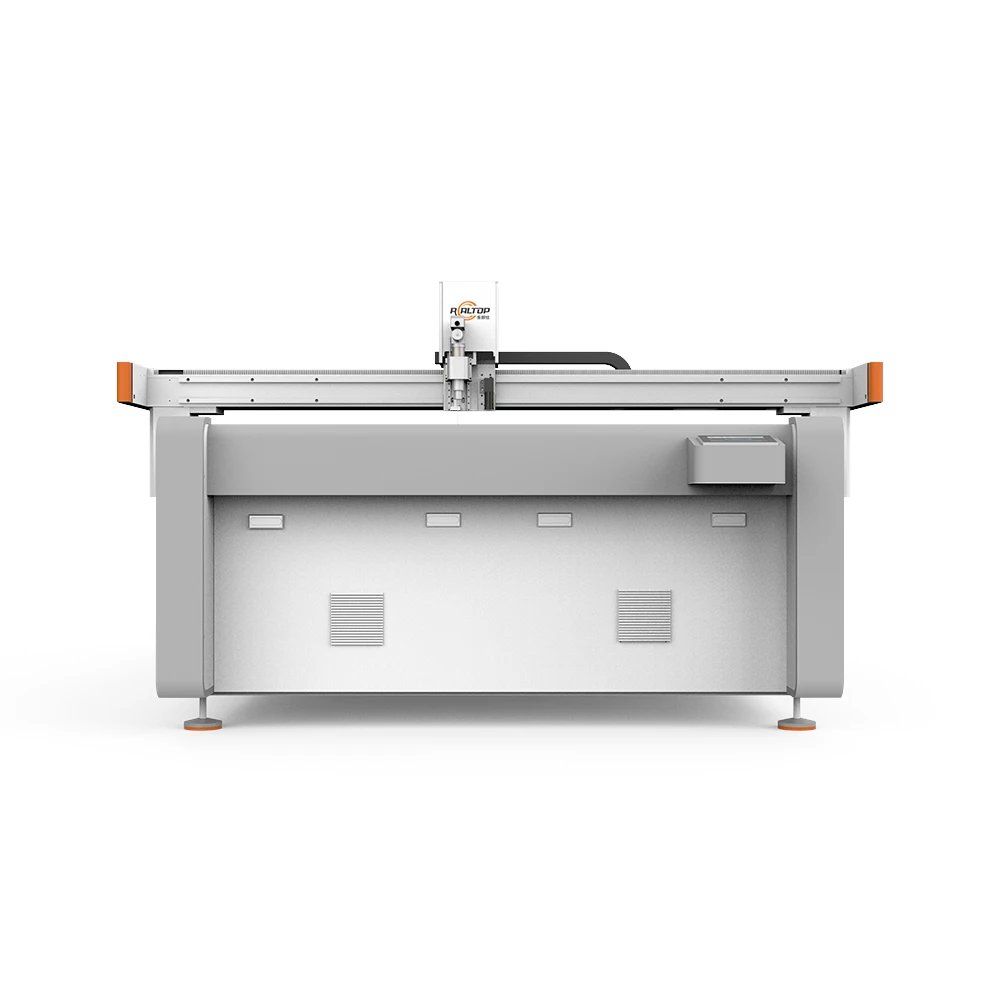
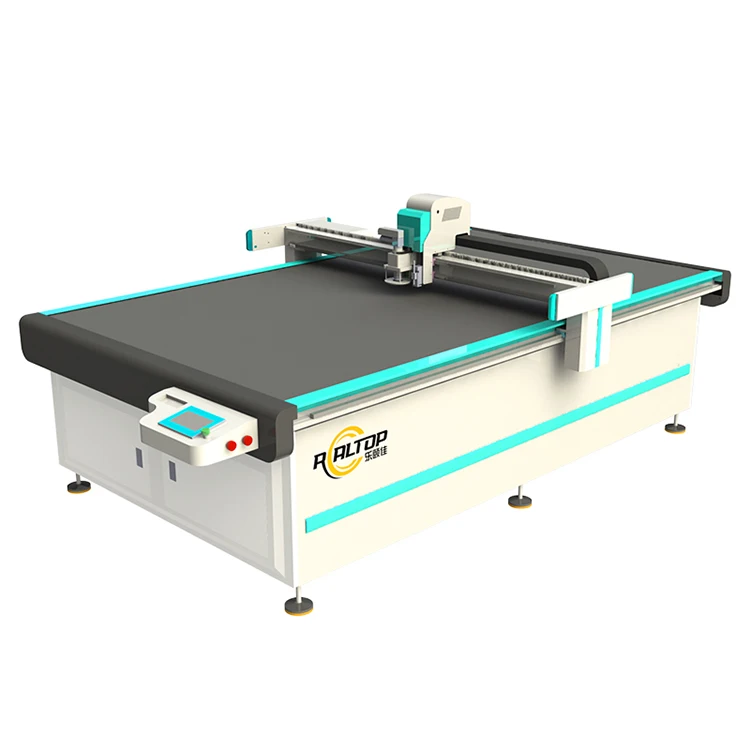
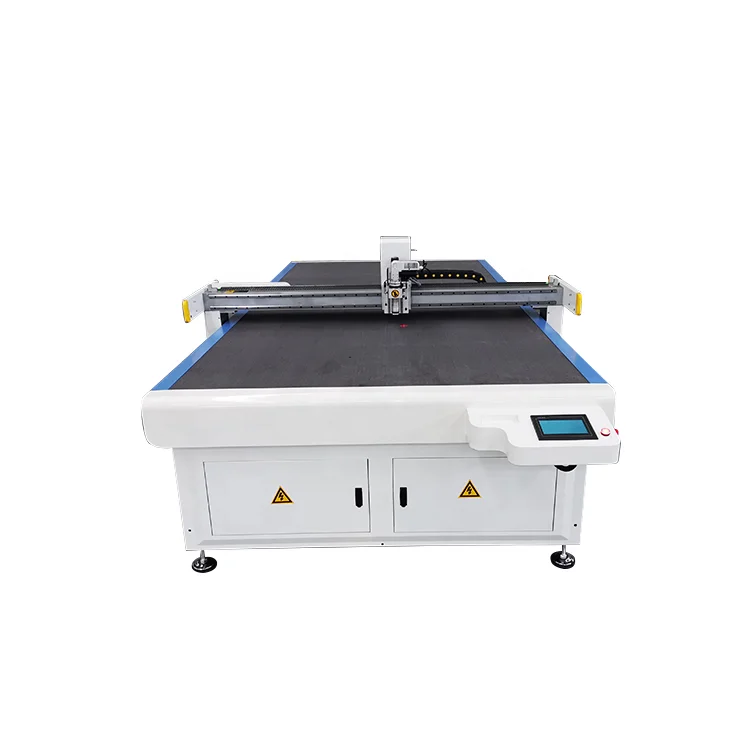
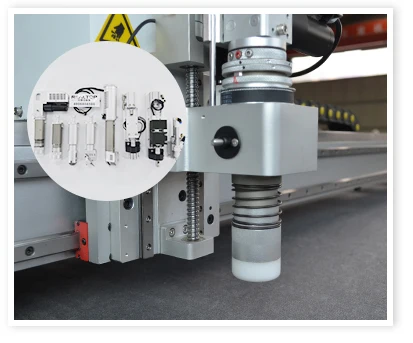
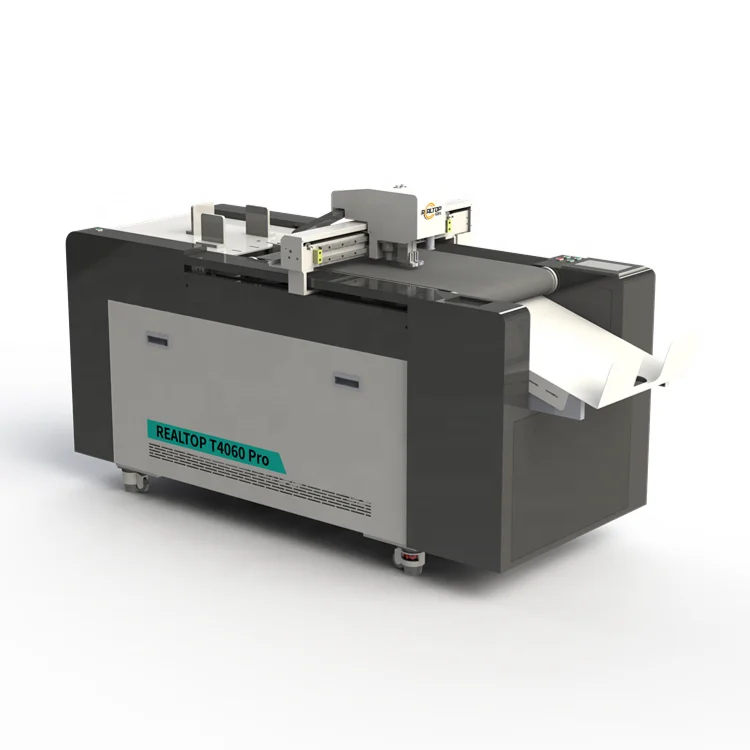
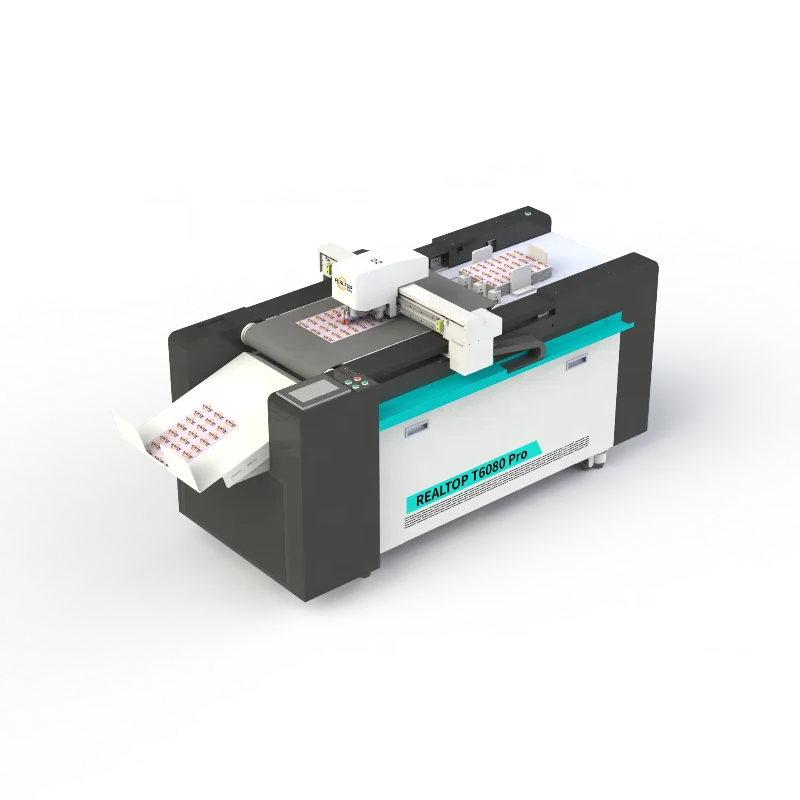
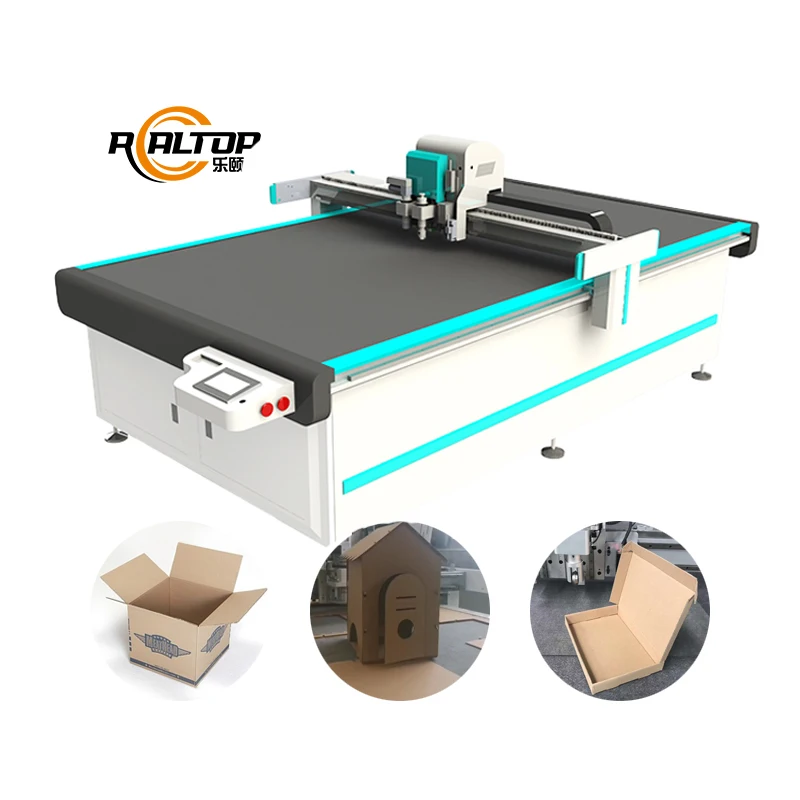
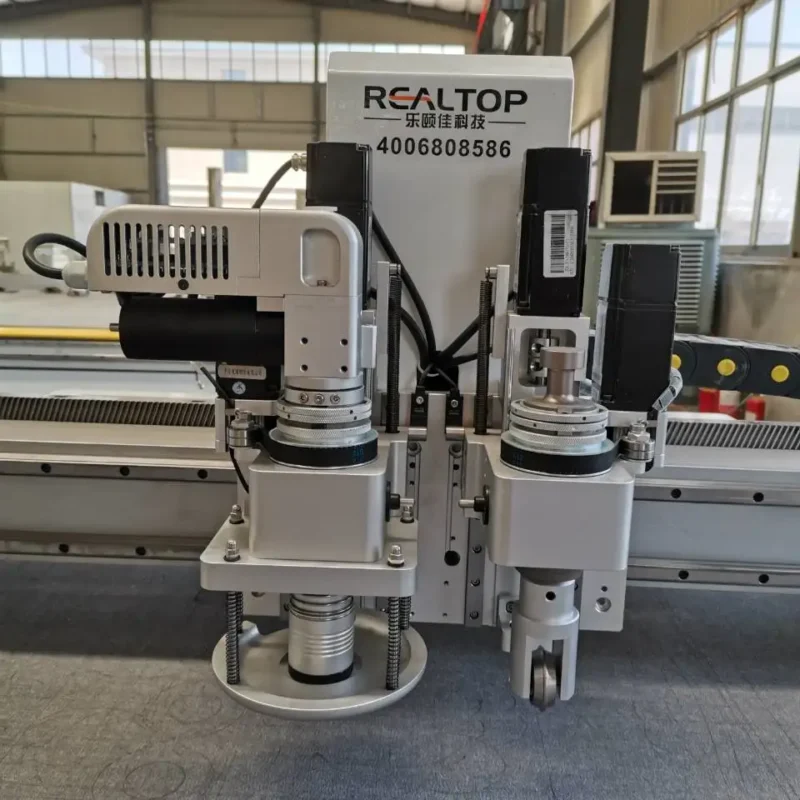
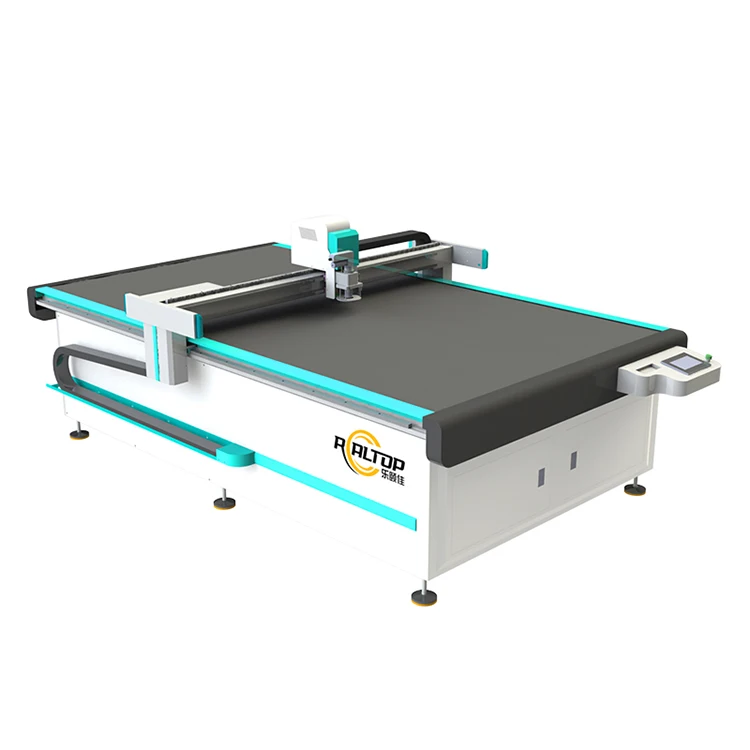
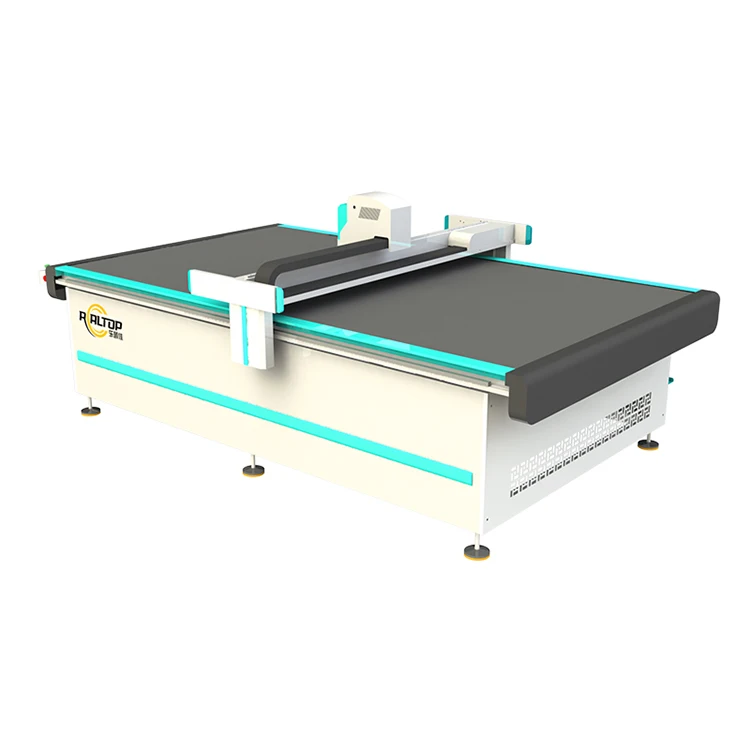
Complete Tool Head Lineup — A single CNC flatbed platform covers oscillating knife, driven rotary knife, creasing wheel, kiss cutting, pneumatic knife, milling, and V-groove tooling so you match the cutting method to your fabric type and production volume rather than force one head across every job.
Technical Specifications
| Parameter | Value |
|---|---|
| Product Type | CNC Oscillating Knife Cutting Machine |
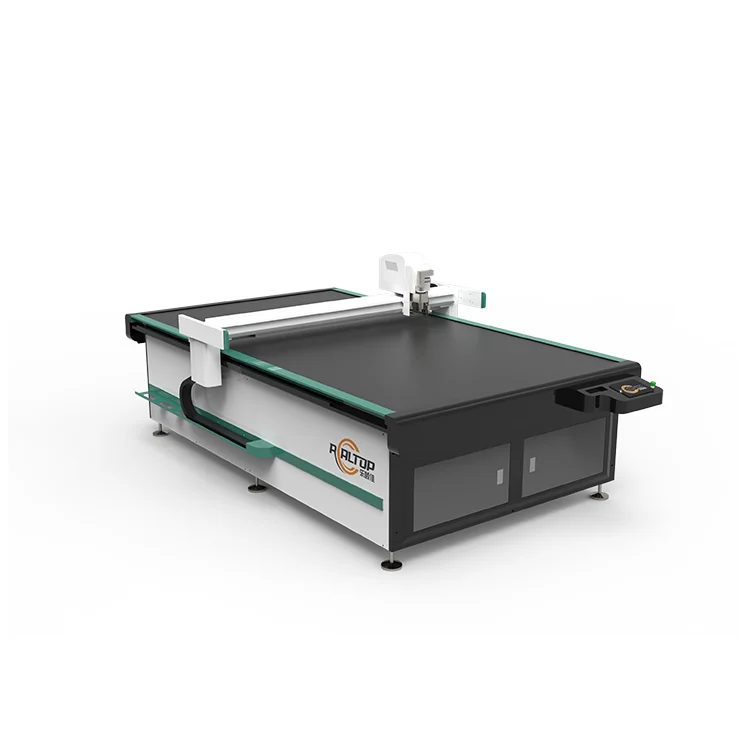
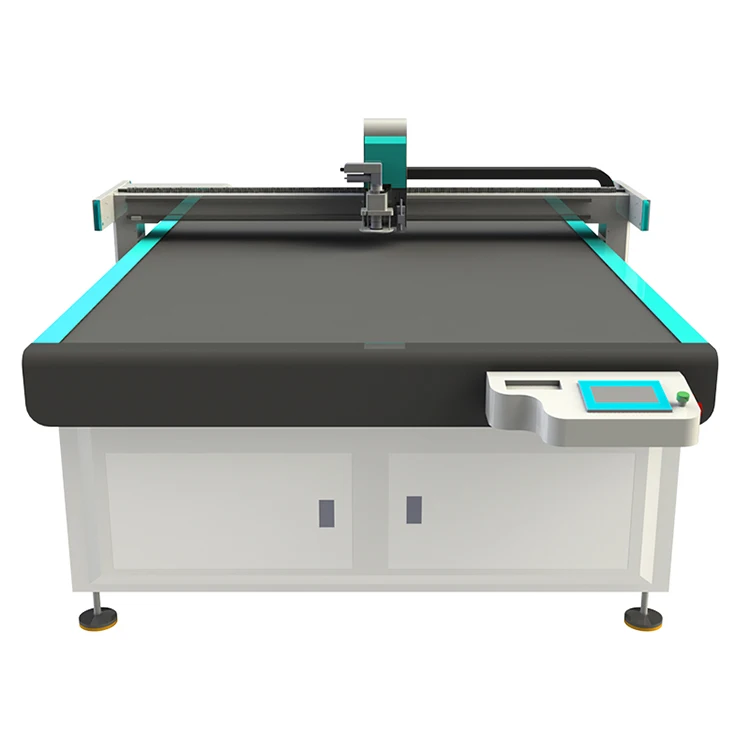
| Working Area | 1600×2500 mm |
| Tool Head Options | Oscillating knife, Driven rotary knife, Creasing wheel, Kiss cutting tool, Pneumatic knife, Milling tool, V-groove knife |
| Cutting Speed | 0–2000 mm/s |
| Cutting Thickness | Up to 30 mm single-ply or 30–50 mm multi-layer (basis to be confirmed per fabric density and layer count) |
| Cutting Accuracy | ±0.1 mm (basis to be confirmed per material and test method) |
| Vacuum Pump | 9 kW |
| Vacuum Table | Aluminum bellows vacuum table |
| Voltage Options | 110V / 220V / 380V, 50/60 Hz (phase to be confirmed per market) |
| Control System | PLC control panel |
| Servo Motor Options | Panasonic, Delta, or Dorna |
| Software File Formats | PLT, DXF, AI, PDF |
| Nesting System | Intelligent nesting with automatic defect avoidance |
| Safety Devices | Infrared sensor, Emergency stop |
| Machine Dimensions | 3300×2100×1350 mm |
| Language Options | English, Russian, Italian, Chinese, plus custom languages |
| Certification | CE (certificate scope to be verified per destination market) |
Application Suitability
| Application | Material or Output |
|---|---|
| Apparel manufacturing | Suits, knitwear, lace, complex woven fabrics with pattern-matching layouts |
| Automotive interiors | Seat fabrics, carpets, PVC floor mats, headliner composites |
| Home textiles | Sofa upholstery fabrics, curtains, area rugs requiring multi-layer cutting |
| Composite processing | Carbon fiber prepreg, aramid weaves, specialty technical textiles |
| General soft materials | Leather, EVA foam, rubber sheets, PTFE gaskets, acrylic felt, cardboard |
Why Spec Sheet Cutting Thickness Is Not Enough
Real cutting depth depends on fabric density, ply count, and blade condition — not a single number on a brochure.
I once watched a line stall because the composite leather a buyer sent us after the order was noticeably harder than the sample we tested. The round knife that sliced clean through our trial stock left ragged edges on theirs, and throughput dropped until we swapped to an oscillating head and re-tuned the downstroke. That is why every CNC knife cutting machine manufacturer worth working with will insist on a sample cutting report before the purchase order is signed [NEED_CITE: material variability in technical textile cutting].
Seven Tool Heads on One Platform
A buyer surveying a full catalogue needs to see where each head sits before narrowing down. The driven rotary knife handles high-ply woven fabric at speed, while the oscillating knife is the default for mixed-material shops that cut leather one day and foam the next. The creasing wheel scores carton without cutting through, and the kiss cutting tool stops precisely at the release liner for vinyl decals. Having every option on the same 1600×2500 mm frame means the decision rests on your material, not on the machine’s limitations.
Matching the Method to Your Daily Mix
If your shop runs garment patterns in the morning and automotive floor mats in the afternoon, a single CNC oscillating knife cutting machine for sale with quick-change tool heads covers both jobs without moving material between stations. The pneumatic knife handles thick stacks that would deflect a standard blade, while the V-groove knife produces clean folds on corrugated packaging samples. The milling tool head opens the door to rigid foams and composite panels that a knife alone cannot process [NEED_CITE: tool head selection criteria for flexible material cutting].
Reading Between the Specification Lines
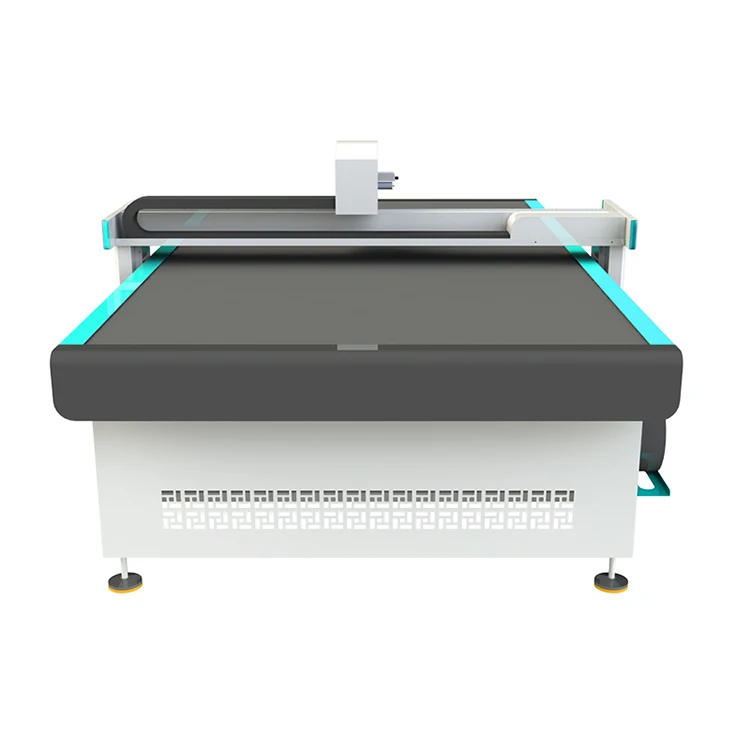
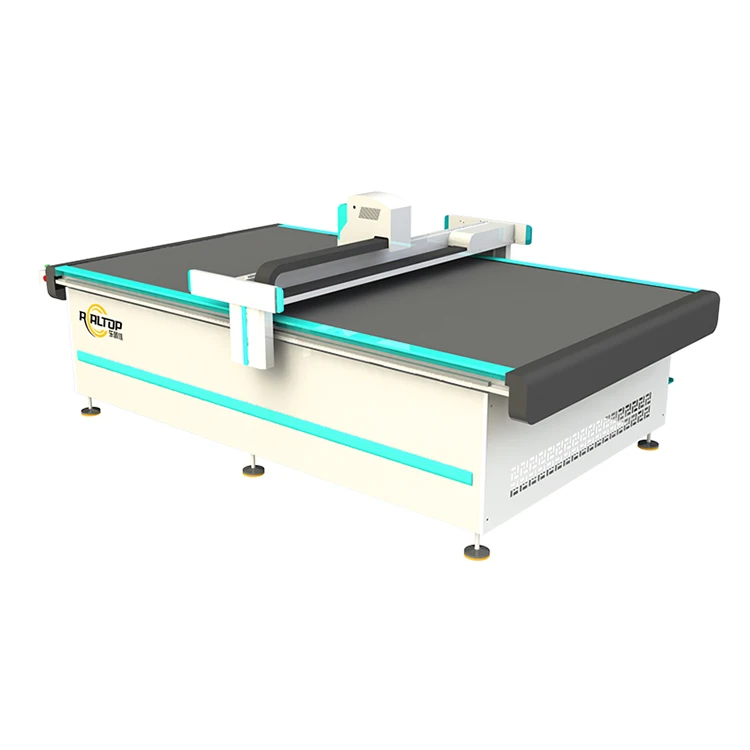
The 1600×2500 mm working area accommodates standard fabric rolls and full hides without repositioning. The 9 kW vacuum pump paired with an aluminum bellows table holds small pattern pieces flat — a detail that matters when cutting dozens of nested collar or cuff shapes that would otherwise lift under knife drag. The PLC control panel imports DXF, PLT, AI, and PDF files directly, so shops already running nesting software in those formats can continue their existing workflow without conversion losses. Intelligent nesting with automatic defect avoidance reduces waste on natural materials where grain direction and flaws vary from hide to hide.
The Cost of Skipping the Sample Test
Choosing a tool head from a spec sheet without cutting your actual material leads to three predictable failures: crushed foam edges, frayed knit fabric, and delaminated composites. Each failure forces a production stop, blade or tooling change, and a recut that consumes both material and schedule [NEED_CITE: cost of unplanned downtime in fabric cutting operations]. A sample cutting report on your own stock — showing edge quality, achievable speed, and maximum ply count — removes that guesswork before the machine leaves the factory.
Why Buyers Source This Range Here
The design team and core factory sit under one roof, so a tool head swap or vacuum table zoning change is an engineering decision, not a supply chain negotiation. In-house production covers both knife and laser cutting technologies, letting buyers compare methods on the same material rather than committing to one process prematurely. Software compatibility is confirmed before the order, so your nesting files and file formats work on day one. Voltage, frequency, plug type, and control language are locked in during specification review, not discovered at the port of entry. Sample cutting on buyer-supplied material is standard, not an upsell.
Documentation & Verification
- Machine specification sheet listing every selected tool head and table zone configuration
- Sample cutting report performed on your fabric, leather, or composite stock
- Electrical schematic with confirmed voltage, frequency, phase, and plug type
- Software licence and file format compatibility note for your nesting workflow
- Factory test record covering cutting accuracy and vacuum holding before dispatch
- CE declaration of conformity matching your destination market requirements
Installation, Commissioning & Support
- Floor space of approximately 3300×2100 mm with clearance for material loading on three sides
- Dedicated electrical circuit matching confirmed voltage and phase before the machine arrives
- Aluminum bellows vacuum table segments inspected and re-sealed after transit
- First-run parameter tuning on your material, including blade depth, oscillation frequency, and vacuum zone mapping
- Operator training on tool head changeover, nesting software import, and PLC interface in your chosen language
- Spare blade, knife holder, and vacuum seal kit shipped with the machine for initial production runs
What to Include with Your Inquiry
Send your material type, typical thickness, and maximum sheet or roll width along with your daily cutting volume. Confirm your local voltage, frequency, and the control language your operators need. If you already run nesting software, attach a sample DXF or PLT file so we can verify import compatibility and nesting yield before quotation.
Frequently Asked Questions
Q: How do I choose between oscillating knife, rotary knife and other tool heads for my material?
A: The choice depends on fabric density, ply count, and whether you cut one material or rotate through several. Driven rotary knives suit high-ply woven runs at speed. Oscillating knives handle mixed materials and thicker single plies. Kiss cutting tools work for vinyl on release liners. We recommend a sample cut on your stock to confirm edge quality before selection.
Q: What machine size and working area options are available across the knife cutting range?
A: The standard platform featured here is 1600×2500 mm, covering most roll-width fabrics and full hides. Other working area sizes are available in the broader catalogue from compact formats for sample rooms to large-format tables for multi-layer composite layups. Specify your maximum sheet or roll dimension during inquiry.
Q: How do I compare knife cutting versus laser cutting for my material?
A: Knife cutting produces no burnt edges and handles thick multi-layer stacks that laser cannot penetrate. Laser cutting seals synthetic edges automatically and is preferred for intricate lace or fine contour work. The full catalogue covers both processes so you can match the method to your material rather than force one technology.
Q: What software file formats and nesting workflows are supported?
A: The system imports PLT, DXF, AI, and PDF files directly. The built-in nesting engine includes automatic defect avoidance for natural materials. If you already use third-party nesting software, we verify file import and nesting compatibility before the order is placed.
Q: Can I request sample cutting on my own material before ordering?
A: Yes. Send a representative sample of your fabric, leather, foam, or composite. We run a documented cutting test covering edge quality, achievable thickness, and speed, then share the sample cutting report and physical cut pieces before you commit to a configuration.
Complete Tool Head Lineup — A single CNC flatbed platform covers oscillating knife, driven rotary knife, creasing wheel, kiss cutting, pneumatic knife, milling, and V-groove tooling so you match the cutting method to your fabric type and production volume rather than force one head across every job.
Technical Specifications
| Parameter | Value |
|---|---|
| Product Type | CNC Oscillating Knife Cutting Machine |
| Working Area | 1600×2500 mm |
| Tool Head Options | Oscillating knife, Driven rotary knife, Creasing wheel, Kiss cutting tool, Pneumatic knife, Milling tool, V-groove knife |
| Cutting Speed | 0–2000 mm/s |
| Cutting Thickness | Up to 30 mm single-ply or 30–50 mm multi-layer (basis to be confirmed per fabric density and layer count) |
| Cutting Accuracy | ±0.1 mm (basis to be confirmed per material and test method) |
| Vacuum Pump | 9 kW |
| Vacuum Table | Aluminum bellows vacuum table |
| Voltage Options | 110V / 220V / 380V, 50/60 Hz (phase to be confirmed per market) |
| Control System | PLC control panel |
| Servo Motor Options | Panasonic, Delta, or Dorna |
| Software File Formats | PLT, DXF, AI, PDF |
| Nesting System | Intelligent nesting with automatic defect avoidance |
| Safety Devices | Infrared sensor, Emergency stop |
| Machine Dimensions | 3300×2100×1350 mm |
| Language Options | English, Russian, Italian, Chinese, plus custom languages |
| Certification | CE (certificate scope to be verified per destination market) |
Application Suitability
| Application | Material or Output |
|---|---|
| Apparel manufacturing | Suits, knitwear, lace, complex woven fabrics with pattern-matching layouts |
| Automotive interiors | Seat fabrics, carpets, PVC floor mats, headliner composites |
| Home textiles | Sofa upholstery fabrics, curtains, area rugs requiring multi-layer cutting |
| Composite processing | Carbon fiber prepreg, aramid weaves, specialty technical textiles |
| General soft materials | Leather, EVA foam, rubber sheets, PTFE gaskets, acrylic felt, cardboard |
Why Spec Sheet Cutting Thickness Is Not Enough
Real cutting depth depends on fabric density, ply count, and blade condition — not a single number on a brochure.
I once watched a line stall because the composite leather a buyer sent us after the order was noticeably harder than the sample we tested. The round knife that sliced clean through our trial stock left ragged edges on theirs, and throughput dropped until we swapped to an oscillating head and re-tuned the downstroke. That is why every CNC knife cutting machine manufacturer worth working with will insist on a sample cutting report before the purchase order is signed [NEED_CITE: material variability in technical textile cutting].
Seven Tool Heads on One Platform
A buyer surveying a full catalogue needs to see where each head sits before narrowing down. The driven rotary knife handles high-ply woven fabric at speed, while the oscillating knife is the default for mixed-material shops that cut leather one day and foam the next. The creasing wheel scores carton without cutting through, and the kiss cutting tool stops precisely at the release liner for vinyl decals. Having every option on the same 1600×2500 mm frame means the decision rests on your material, not on the machine’s limitations.
Matching the Method to Your Daily Mix
If your shop runs garment patterns in the morning and automotive floor mats in the afternoon, a single CNC oscillating knife cutting machine for sale with quick-change tool heads covers both jobs without moving material between stations. The pneumatic knife handles thick stacks that would deflect a standard blade, while the V-groove knife produces clean folds on corrugated packaging samples. The milling tool head opens the door to rigid foams and composite panels that a knife alone cannot process [NEED_CITE: tool head selection criteria for flexible material cutting].
Reading Between the Specification Lines
The 1600×2500 mm working area accommodates standard fabric rolls and full hides without repositioning. The 9 kW vacuum pump paired with an aluminum bellows table holds small pattern pieces flat — a detail that matters when cutting dozens of nested collar or cuff shapes that would otherwise lift under knife drag. The PLC control panel imports DXF, PLT, AI, and PDF files directly, so shops already running nesting software in those formats can continue their existing workflow without conversion losses. Intelligent nesting with automatic defect avoidance reduces waste on natural materials where grain direction and flaws vary from hide to hide.
The Cost of Skipping the Sample Test
Choosing a tool head from a spec sheet without cutting your actual material leads to three predictable failures: crushed foam edges, frayed knit fabric, and delaminated composites. Each failure forces a production stop, blade or tooling change, and a recut that consumes both material and schedule [NEED_CITE: cost of unplanned downtime in fabric cutting operations]. A sample cutting report on your own stock — showing edge quality, achievable speed, and maximum ply count — removes that guesswork before the machine leaves the factory.
Why Buyers Source This Range Here
The design team and core factory sit under one roof, so a tool head swap or vacuum table zoning change is an engineering decision, not a supply chain negotiation. In-house production covers both knife and laser cutting technologies, letting buyers compare methods on the same material rather than committing to one process prematurely. Software compatibility is confirmed before the order, so your nesting files and file formats work on day one. Voltage, frequency, plug type, and control language are locked in during specification review, not discovered at the port of entry. Sample cutting on buyer-supplied material is standard, not an upsell.
Documentation & Verification
- Machine specification sheet listing every selected tool head and table zone configuration
- Sample cutting report performed on your fabric, leather, or composite stock
- Electrical schematic with confirmed voltage, frequency, phase, and plug type
- Software licence and file format compatibility note for your nesting workflow
- Factory test record covering cutting accuracy and vacuum holding before dispatch
- CE declaration of conformity matching your destination market requirements
Installation, Commissioning & Support
- Floor space of approximately 3300×2100 mm with clearance for material loading on three sides
- Dedicated electrical circuit matching confirmed voltage and phase before the machine arrives
- Aluminum bellows vacuum table segments inspected and re-sealed after transit
- First-run parameter tuning on your material, including blade depth, oscillation frequency, and vacuum zone mapping
- Operator training on tool head changeover, nesting software import, and PLC interface in your chosen language
- Spare blade, knife holder, and vacuum seal kit shipped with the machine for initial production runs
What to Include with Your Inquiry
Send your material type, typical thickness, and maximum sheet or roll width along with your daily cutting volume. Confirm your local voltage, frequency, and the control language your operators need. If you already run nesting software, attach a sample DXF or PLT file so we can verify import compatibility and nesting yield before quotation.
Frequently Asked Questions
Q: How do I choose between oscillating knife, rotary knife and other tool heads for my material?
A: The choice depends on fabric density, ply count, and whether you cut one material or rotate through several. Driven rotary knives suit high-ply woven runs at speed. Oscillating knives handle mixed materials and thicker single plies. Kiss cutting tools work for vinyl on release liners. We recommend a sample cut on your stock to confirm edge quality before selection.
Q: What machine size and working area options are available across the knife cutting range?
A: The standard platform featured here is 1600×2500 mm, covering most roll-width fabrics and full hides. Other working area sizes are available in the broader catalogue from compact formats for sample rooms to large-format tables for multi-layer composite layups. Specify your maximum sheet or roll dimension during inquiry.
Q: How do I compare knife cutting versus laser cutting for my material?
A: Knife cutting produces no burnt edges and handles thick multi-layer stacks that laser cannot penetrate. Laser cutting seals synthetic edges automatically and is preferred for intricate lace or fine contour work. The full catalogue covers both processes so you can match the method to your material rather than force one technology.
Q: What software file formats and nesting workflows are supported?
A: The system imports PLT, DXF, AI, and PDF files directly. The built-in nesting engine includes automatic defect avoidance for natural materials. If you already use third-party nesting software, we verify file import and nesting compatibility before the order is placed.
Q: Can I request sample cutting on my own material before ordering?
A: Yes. Send a representative sample of your fabric, leather, foam, or composite. We run a documented cutting test covering edge quality, achievable thickness, and speed, then share the sample cutting report and physical cut pieces before you commit to a configuration.
商品评价
There are no reviews yet.