

Fast Delivery
Quick, reliable shipping to any location.

Free & easy returns
Return this item by mail or in store within 90 days for a full refund.
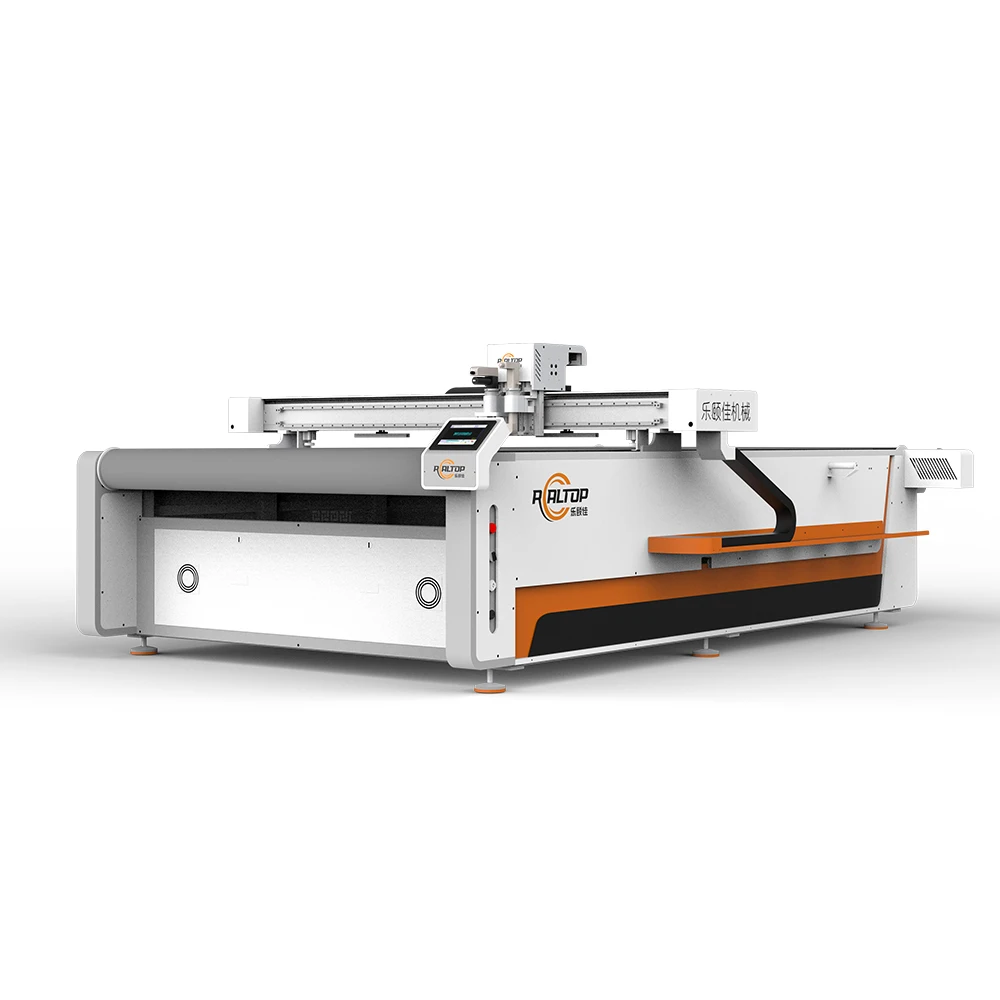
Specifying the cutting method before the working area — our in-house design covers both oscillating knife and rotary knife configurations within the 1625 series, so the machine is matched to your material thickness and daily volume rather than sold as a one-size-fits-all flatbed.
Technical Specifications
| Parameter | Value |
|---|---|
| Model | 1625 |
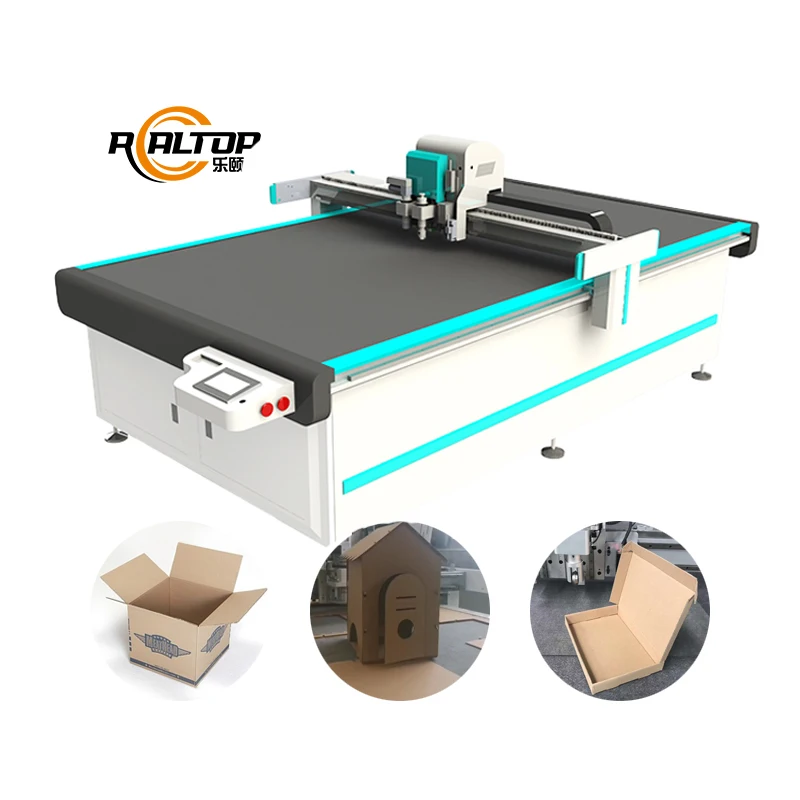
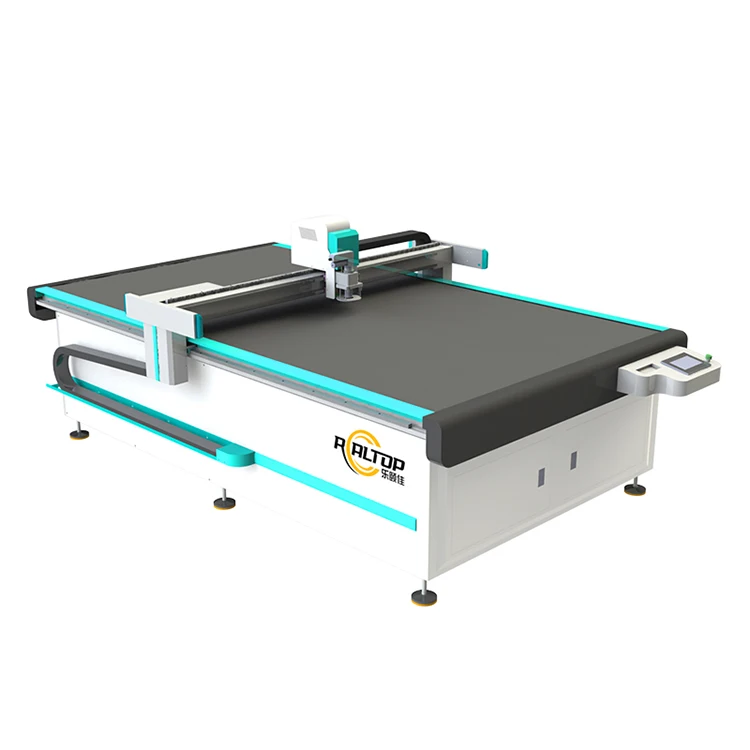
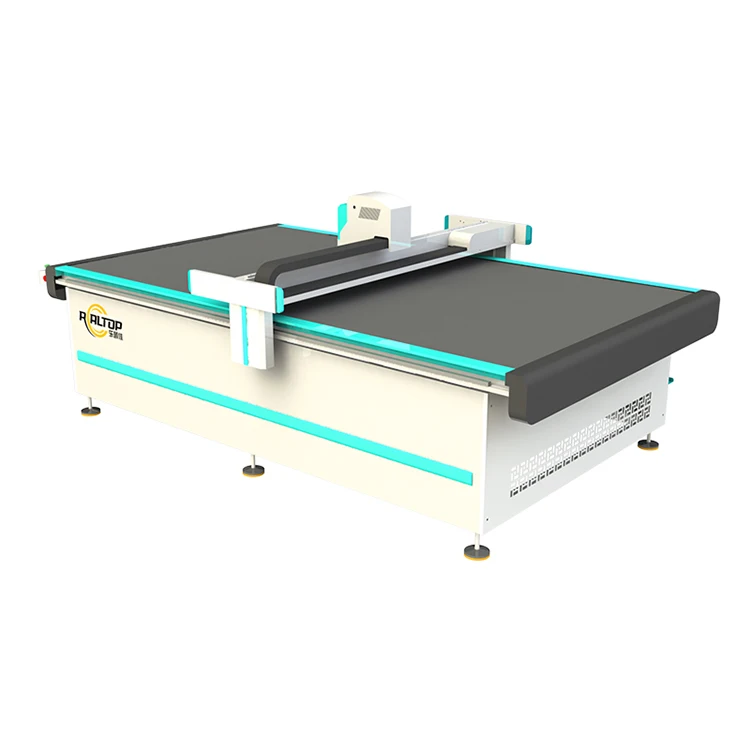
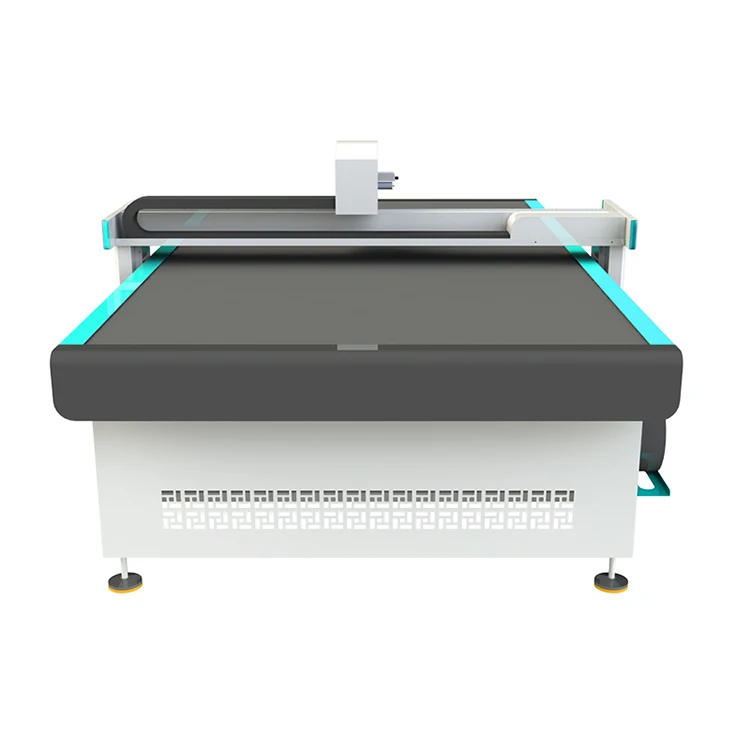
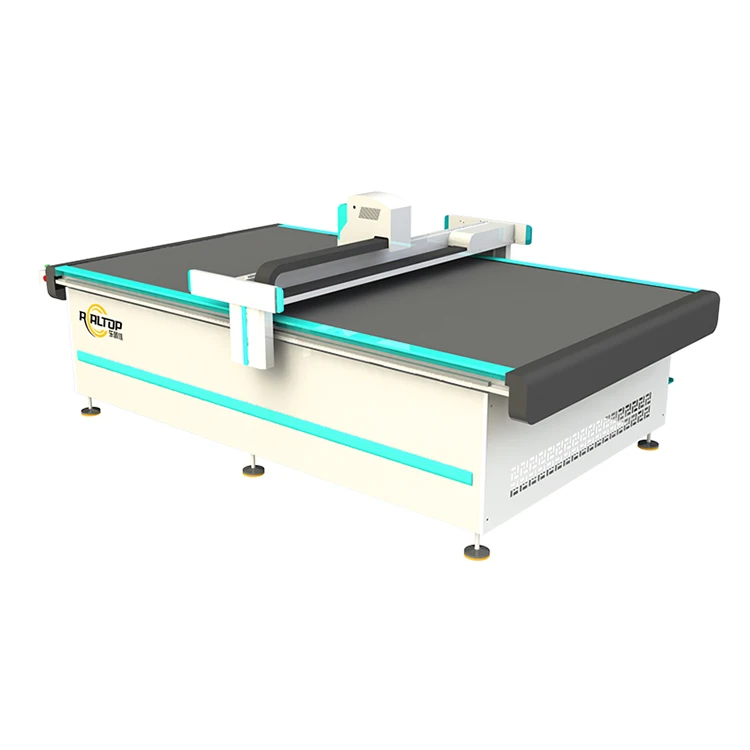
| Product Type | CNC Oscillating Knife Cutting Machine |
| Working Area | 1600 × 2500 mm |
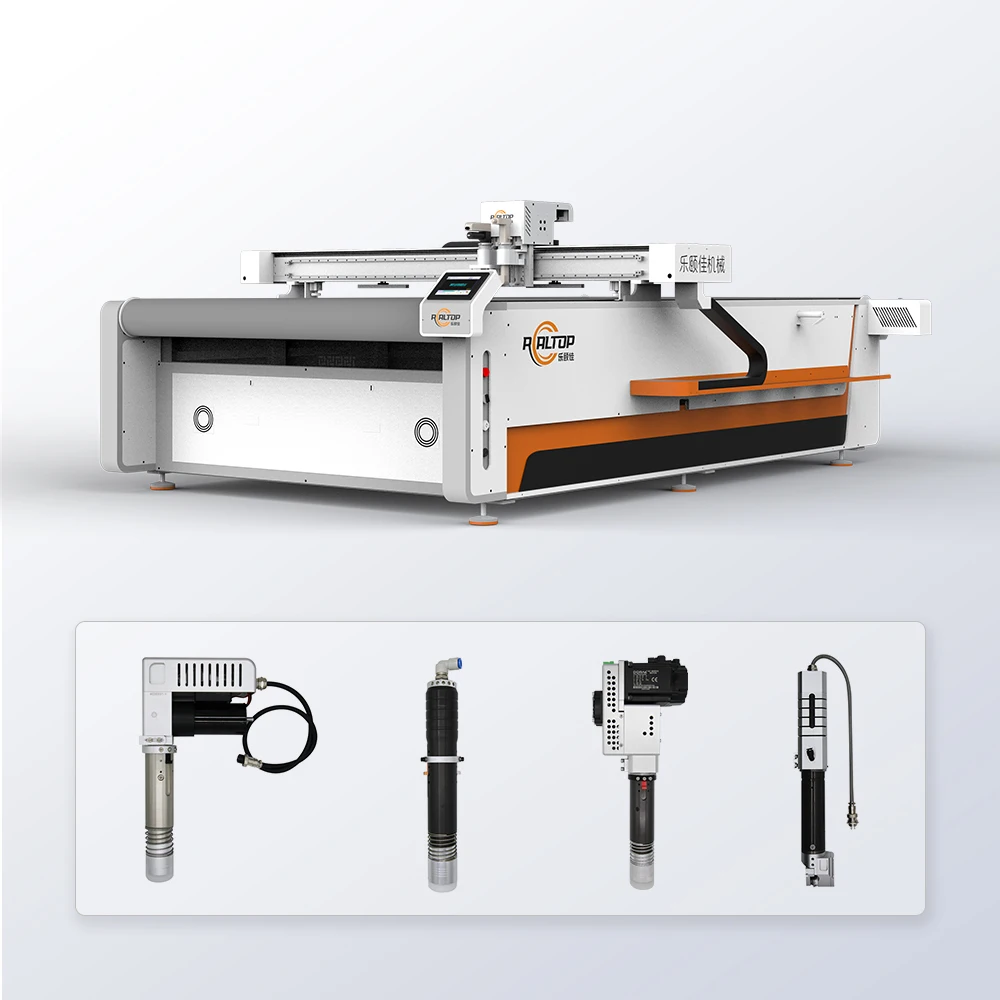
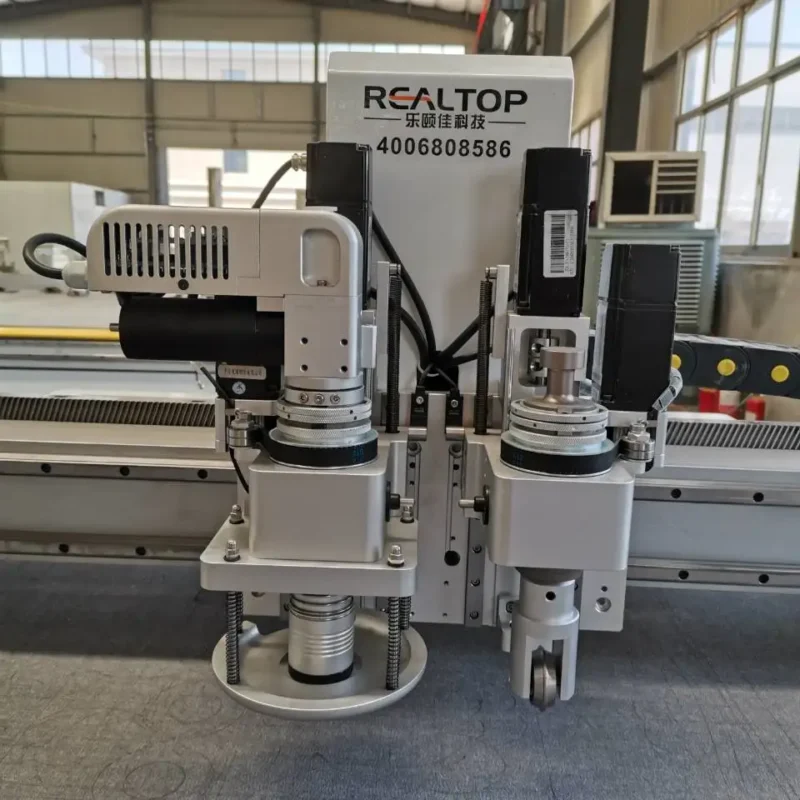
| Tool Head Options | Oscillating knife, Driven rotary knife, Creasing wheel, Kiss cutting tool, Pneumatic knife, Milling tool, V groove knife |
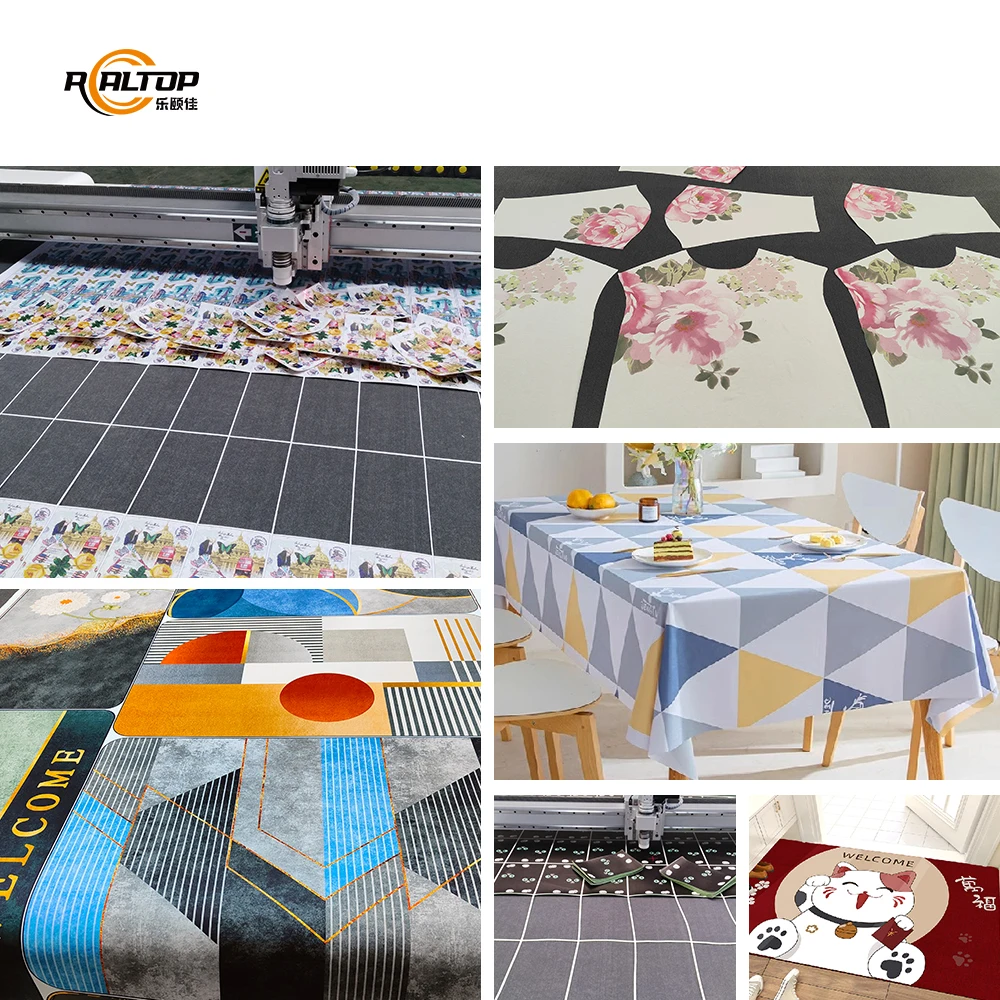
| Applicable Materials | Fabric, Cardboard, Carton, Mats, PVC, EVA, Leather, Acrylic, Foam, PTFE, Rubber |
| Cutting Speed | 0–2000 mm/s |
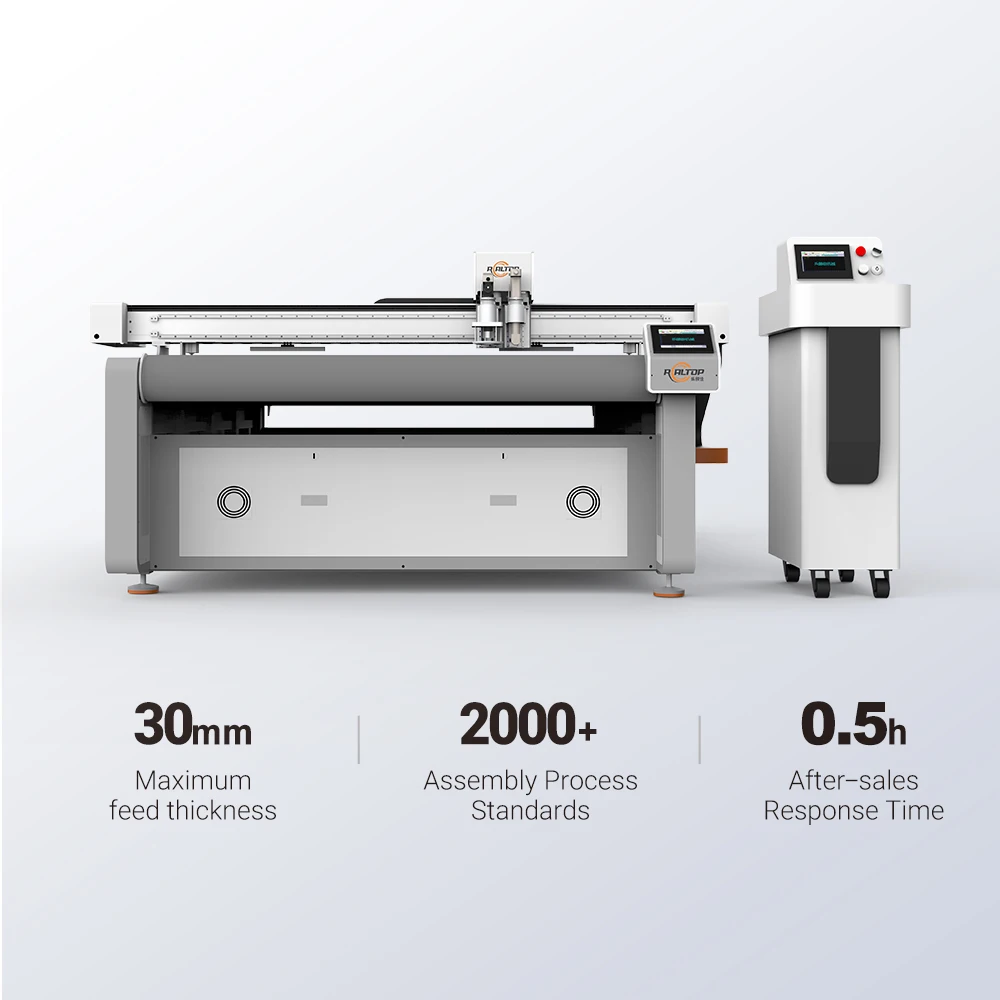
| Cutting Thickness | ≤ 30 mm |
| Cutting Accuracy | ±0.1 mm |
| Vacuum Pump | 9 kW |
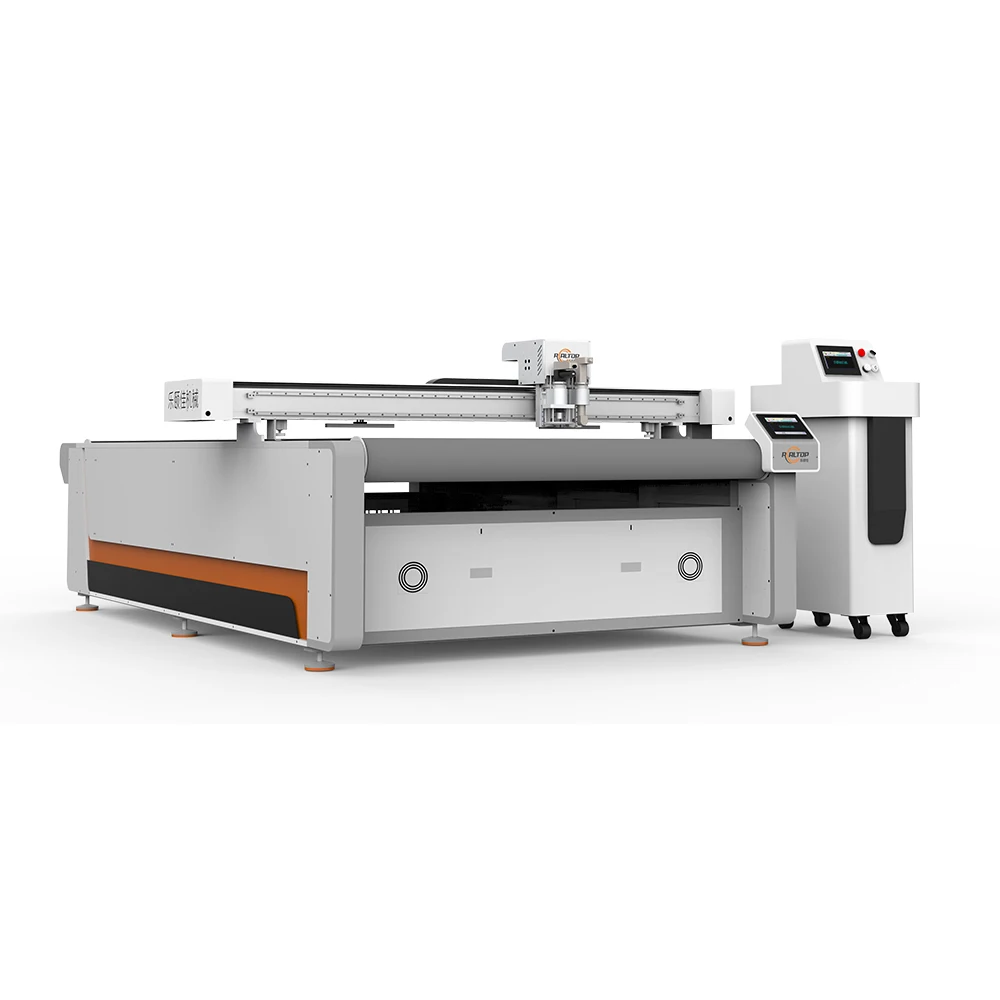
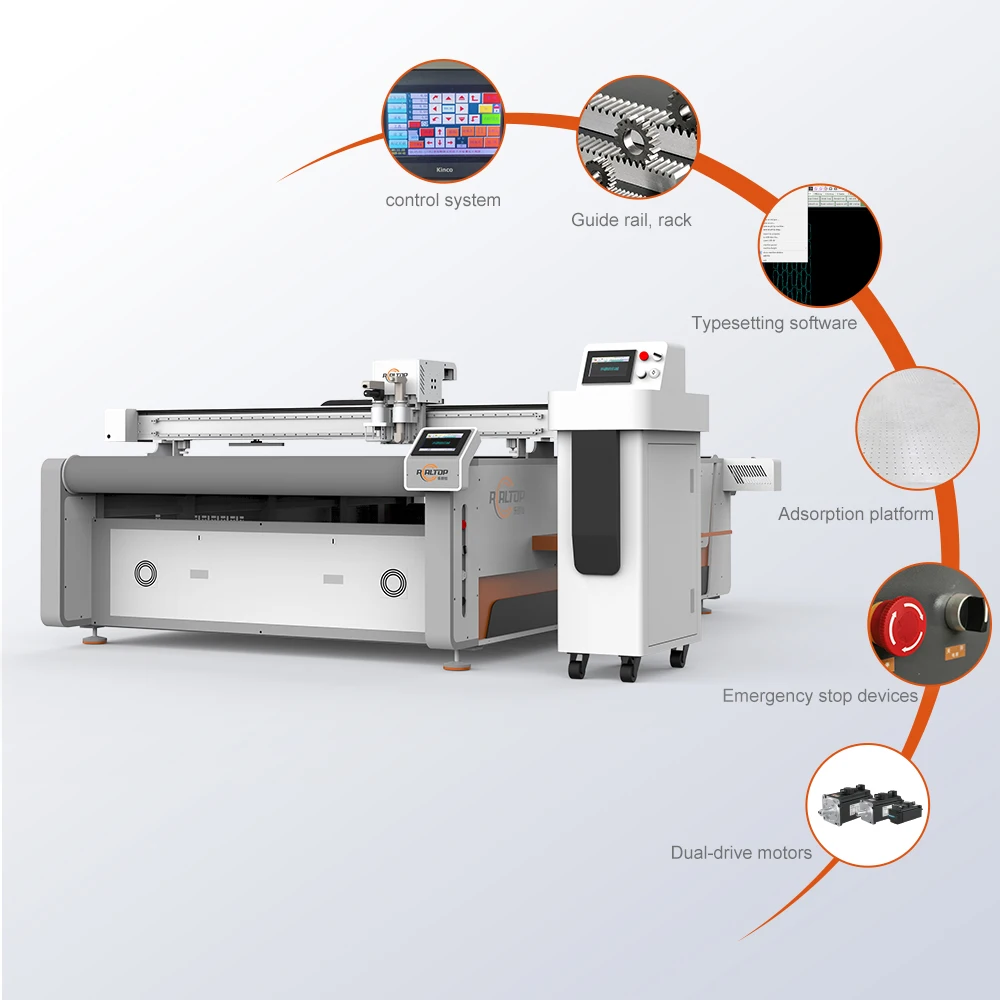
| Vacuum Table | Aluminum bellows vacuum table |
| Control System | PLC control panel with optional display languages |
| Language Options | English, Russian, Italian, Chinese (special languages customizable) |
| Servo Motor Options | Panasonic, Delta, Dorna |
| Voltage | 110V, 220V, 380V (rated or peak not specified — confirm with site supply) |
| File Formats | PLT, DXF, AI, PDF |
| Safety Device | Infrared sensor device and emergency stop device |
| Machine Size | 3300 × 2100 × 1350 mm |
| Assembly State | Fully assembled |
Application Suitability
| Application | Material or Output |
|---|---|
| Apparel manufacturing | Suits, knitwear, lace, complex multi-layer fabrics |
| Automotive interiors | Seat fabrics, carpets, PVC floor mats |
| Home textiles | Sofa fabrics, curtains, rugs |
| Composite material processing | Carbon fiber prepreg, aramid, specialty materials |
Why the Wrong Tool Head Turns a Production Line Into Scrap
A machine specified on working area alone, then found unable to handle the material thickness, is the most common reason CNC flatbed cutting machine for sale listings end up resold within a year. I spent years in the QC bay watching oscillating knife machines ship out, and the failures almost always traced back to one thing: the tool head was picked from a brochure rather than from a sample of the buyer’s actual roll stock. A driven rotary knife slices through knitwear without fraying the edges, while an oscillating knife handles EVA foam and dense gasket material that a rotary blade would crush [NEED_CITE: tool head selection criteria for oscillating and rotary knife cutting]. When the wrong head meets the wrong material, the vacuum table holds the sheet but the blade drags it sideways, leaving ragged edges and misaligned nesting that wastes the entire lay.
The Complete Cutting Equipment Range at a Glance
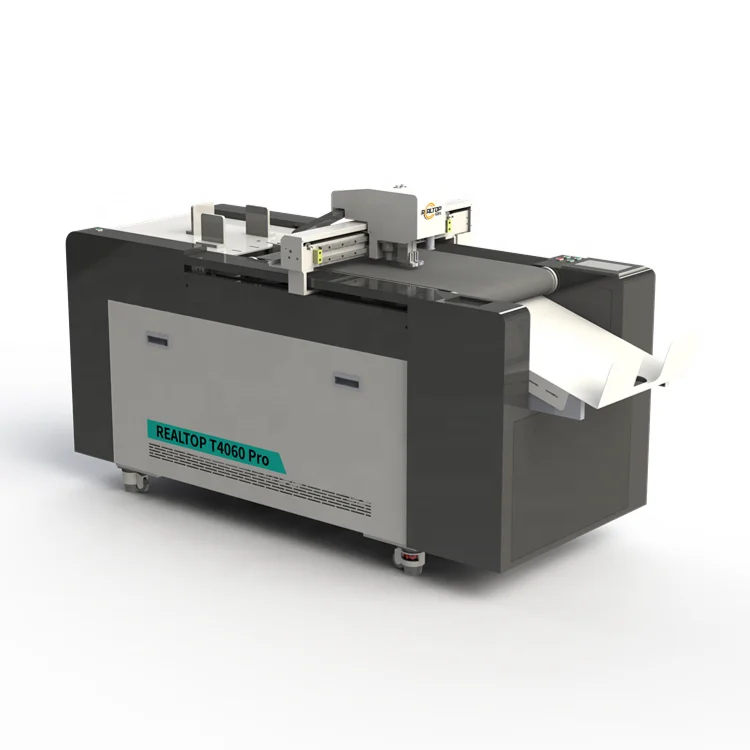
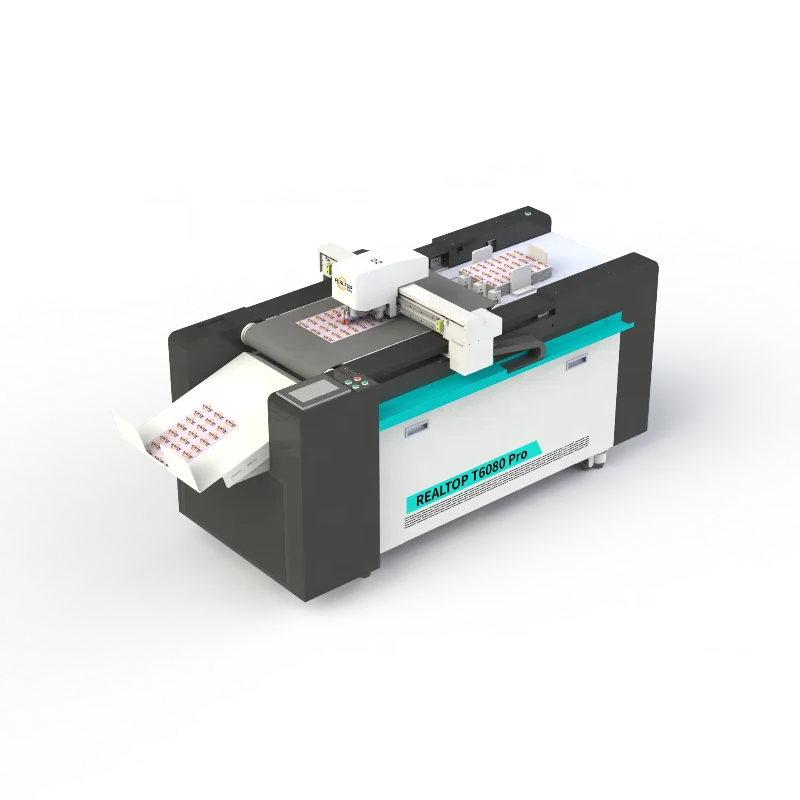
The 1625 platform sits in the middle of a broader family of CNC oscillating knife cutting machine manufacturer offerings, bridging compact sample-making tables and large-format multi-head production lines. Each machine family is positioned by the material it cuts and the daily volume it sustains, so a buyer surveying options can narrow from a full catalogue down to the exact configuration that fits their workflow.
Matching Knife Method to Material Rather Than Forcing One Method
The catalogue covers oscillating knife, drag knife, creasing wheel, kiss cutting, pneumatic knife, milling and V-groove tool heads across a single machine family, meaning a garment producer cutting lace in the morning and PVC mats in the afternoon does not need two separate flatbeds. The driven rotary knife handles woven and knitted fabrics at production speed without lifting the ply, while the oscillating knife takes over when the material shifts to foam, rubber or composite sheets up to 30 mm thick [NEED_CITE: material thickness limits for oscillating versus rotary knife cutting]. Switching heads is a mechanical swap at the carriage rather than a software reconfiguration, keeping changeover measured in minutes rather than hours.
How the Vacuum Table and Drive Train Hold Tolerance at Speed
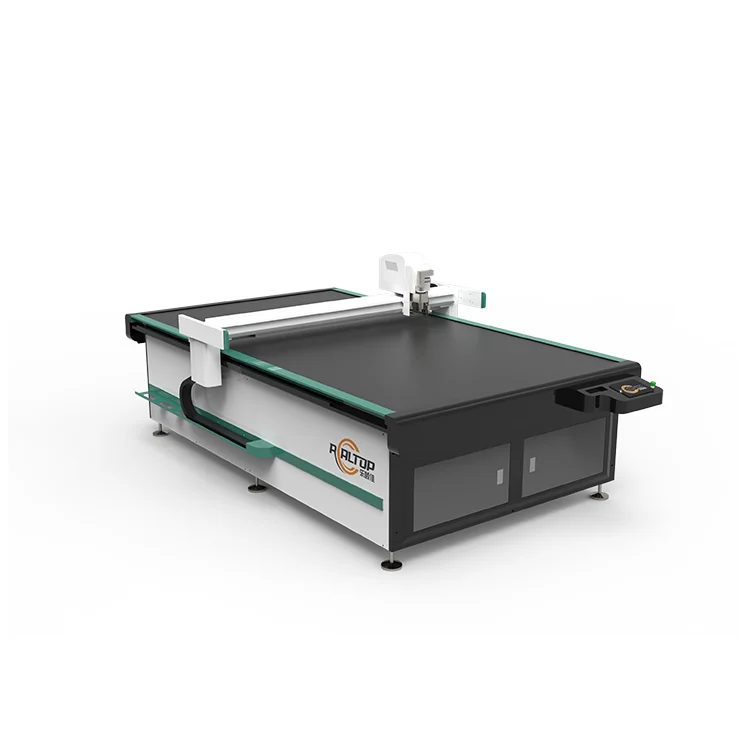
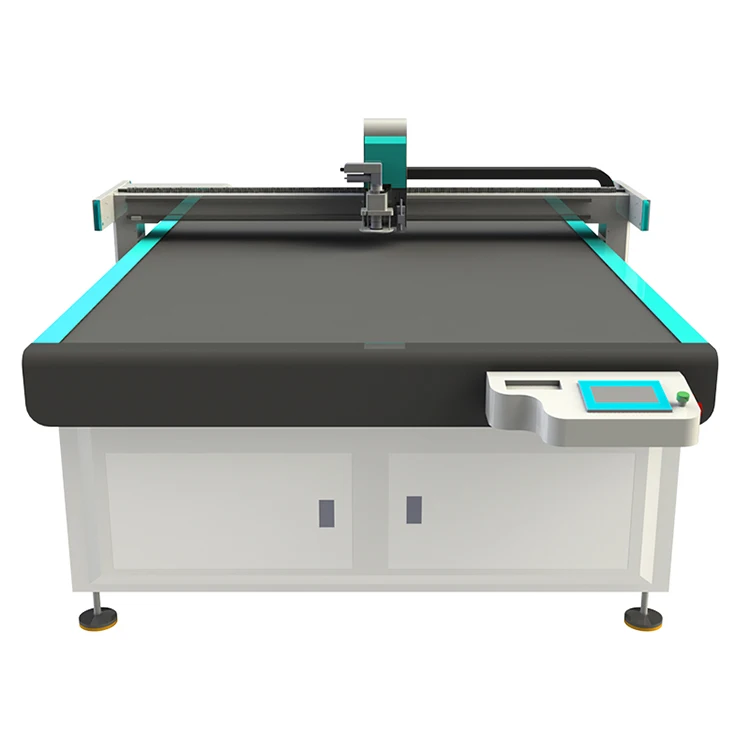
The aluminum bellows vacuum table delivers full-surface adsorption across the 1600 × 2500 mm working area, which matters most when cutting small pattern pieces that tend to lift under the knife. A 9 kW vacuum pump maintains suction through the porous table surface, and the PLC control panel lets the operator zone the vacuum so that only the active cutting region draws air — this prevents edge curl on thin film and lace. The servo motors, selectable from Panasonic, Delta or Dorna, hold the ±0.1 mm cutting accuracy even when the head accelerates to 2000 mm/s across a long nesting layout. In practice, that tolerance means pattern pieces for automotive seat covers arrive at the sewing station without the rework that hand-trimming would require.
What Happens When the Specification Skips the Details
I have watched a buyer accept a quotation that listed only the working area and cutting speed, then discover on arrival that the vacuum table had no zoning and the small leather pieces lifted every time the oscillating knife changed direction. The entire first shift was spent taping material to the table, and the edge quality fell outside the buyer’s sewing allowance [NEED_CITE: vacuum zoning requirements for small-part CNC knife cutting]. Another shipment left the factory with a control panel set to a language the operator could not read, delaying commissioning until a translator could rewrite the menu tree. These are not machine defects; they are specification gaps that a complete catalogue and pre-shipment sample cutting report would have closed before the crate was nailed shut.
Why Sourcing from a Single-Method Catalogue Limits Your Options
A distributor evaluating a CNC oscillating knife cutting machine manufacturer needs to see the full range — knife and laser, compact and large format — so they can match the machine to the end-user’s material rather than push the only model in the brochure. The 1625 sits alongside CO2 laser and fiber laser platforms within the same factory, meaning a buyer cutting acrylic one month and carbon fiber prepreg the next can source both machines from one production line with common control logic and spare parts stocking. The in-house design team holds the frame and motion component specifications, so quality control audits trace back to the same build records regardless of which cutting method ships.
Documentation & Verification
- Machine specification sheet listing tool head and vacuum table zoning per your material
- Electrical schematic confirming voltage, plug type and circuit breaker rating before shipment
- Sample cutting report run on your actual fabric, foam or composite roll stock
- Software licence note covering file format compatibility with PLT, DXF, AI and PDF workflows
- Operation and maintenance manual translated into your selected control language
Installation, Commissioning & Support
- Machine footprint of 3300 × 2100 × 1350 mm requires a level concrete floor with clearance for material loading on three sides
- 9 kW vacuum pump draws dedicated circuit; confirm local voltage matches 110V, 220V or 380V selection before dispatch
- Fully assembled delivery means no frame bolting on site; commissioning focuses on servo calibration and vacuum zoning setup
- PLC control panel language set to your operator’s preference — English, Russian, Italian, Chinese or a custom language — before the crate leaves the factory
- Spare parts list covers oscillating and rotary knife blades, vacuum table seals and servo motor brushes for the first year of operation
What We Need Before Quoting the 1625
Send the material type, thickness and maximum sheet width you plan to cut, along with the daily volume your line must sustain. Confirm the local voltage and frequency at the installation site, the control language your operators require, and whether your existing nesting software exports PLT, DXF, AI or PDF. If your material is a composite or coated fabric we have not cut before, we will run a sample on your own roll stock and ship the test pieces back with a cutting report before any order is placed.
Frequently Asked Questions
Q: How do I choose between oscillating knife, driven rotary knife and drag knife for my material?
A: Woven and knitted fabrics up to a few millimetres thick cut cleanest with the driven rotary knife, which slices without lifting the ply. The oscillating knife takes over for foam, rubber, gasket and composite materials up to 30 mm, where a rotary blade would crush or delaminate the stack. Drag knife suits thin vinyl and film where edge sealing is not required.
Q: What cutting thickness can the oscillating knife actually handle on multi-layer fabric?
A: The specification lists ≤ 30 mm, but the practical limit depends on fabric density and whether the lay is bonded or loose. A loose multi-layer lay of knitwear may compress under the vacuum and cut cleanly at 25 mm, while a dense carbon fiber prepreg of the same thickness may require a slower feed rate to hold the ±0.1 mm tolerance.
Q: Does the vacuum table zoning prevent small pattern pieces from lifting during high-speed cutting?
A: The aluminum bellows table can be zoned so that only the active cutting region draws full suction, reducing air pull on adjacent nested parts. For very small pieces such as collar stays or gasket inserts, the PLC control lets the operator adjust vacuum strength per zone to hold the material without distorting thin film or lace.
Q: What file formats and nesting workflows does the control software support?
A: The system imports PLT, DXF, AI and PDF directly, and the dedicated packaging structure design module handles carton and sample-making layouts. If your existing nesting software exports one of these formats, the workflow transfers without an intermediate conversion step that could shift pattern dimensions.
Specifying the cutting method before the working area — our in-house design covers both oscillating knife and rotary knife configurations within the 1625 series, so the machine is matched to your material thickness and daily volume rather than sold as a one-size-fits-all flatbed.
Technical Specifications
| Parameter | Value |
|---|---|
| Model | 1625 |
| Product Type | CNC Oscillating Knife Cutting Machine |
| Working Area | 1600 × 2500 mm |
| Tool Head Options | Oscillating knife, Driven rotary knife, Creasing wheel, Kiss cutting tool, Pneumatic knife, Milling tool, V groove knife |
| Applicable Materials | Fabric, Cardboard, Carton, Mats, PVC, EVA, Leather, Acrylic, Foam, PTFE, Rubber |
| Cutting Speed | 0–2000 mm/s |
| Cutting Thickness | ≤ 30 mm |
| Cutting Accuracy | ±0.1 mm |
| Vacuum Pump | 9 kW |
| Vacuum Table | Aluminum bellows vacuum table |
| Control System | PLC control panel with optional display languages |
| Language Options | English, Russian, Italian, Chinese (special languages customizable) |
| Servo Motor Options | Panasonic, Delta, Dorna |
| Voltage | 110V, 220V, 380V (rated or peak not specified — confirm with site supply) |
| File Formats | PLT, DXF, AI, PDF |
| Safety Device | Infrared sensor device and emergency stop device |
| Machine Size | 3300 × 2100 × 1350 mm |
| Assembly State | Fully assembled |
Application Suitability
| Application | Material or Output |
|---|---|
| Apparel manufacturing | Suits, knitwear, lace, complex multi-layer fabrics |
| Automotive interiors | Seat fabrics, carpets, PVC floor mats |
| Home textiles | Sofa fabrics, curtains, rugs |
| Composite material processing | Carbon fiber prepreg, aramid, specialty materials |
Why the Wrong Tool Head Turns a Production Line Into Scrap
A machine specified on working area alone, then found unable to handle the material thickness, is the most common reason CNC flatbed cutting machine for sale listings end up resold within a year. I spent years in the QC bay watching oscillating knife machines ship out, and the failures almost always traced back to one thing: the tool head was picked from a brochure rather than from a sample of the buyer’s actual roll stock. A driven rotary knife slices through knitwear without fraying the edges, while an oscillating knife handles EVA foam and dense gasket material that a rotary blade would crush [NEED_CITE: tool head selection criteria for oscillating and rotary knife cutting]. When the wrong head meets the wrong material, the vacuum table holds the sheet but the blade drags it sideways, leaving ragged edges and misaligned nesting that wastes the entire lay.
The Complete Cutting Equipment Range at a Glance
The 1625 platform sits in the middle of a broader family of CNC oscillating knife cutting machine manufacturer offerings, bridging compact sample-making tables and large-format multi-head production lines. Each machine family is positioned by the material it cuts and the daily volume it sustains, so a buyer surveying options can narrow from a full catalogue down to the exact configuration that fits their workflow.
Matching Knife Method to Material Rather Than Forcing One Method
The catalogue covers oscillating knife, drag knife, creasing wheel, kiss cutting, pneumatic knife, milling and V-groove tool heads across a single machine family, meaning a garment producer cutting lace in the morning and PVC mats in the afternoon does not need two separate flatbeds. The driven rotary knife handles woven and knitted fabrics at production speed without lifting the ply, while the oscillating knife takes over when the material shifts to foam, rubber or composite sheets up to 30 mm thick [NEED_CITE: material thickness limits for oscillating versus rotary knife cutting]. Switching heads is a mechanical swap at the carriage rather than a software reconfiguration, keeping changeover measured in minutes rather than hours.
How the Vacuum Table and Drive Train Hold Tolerance at Speed
The aluminum bellows vacuum table delivers full-surface adsorption across the 1600 × 2500 mm working area, which matters most when cutting small pattern pieces that tend to lift under the knife. A 9 kW vacuum pump maintains suction through the porous table surface, and the PLC control panel lets the operator zone the vacuum so that only the active cutting region draws air — this prevents edge curl on thin film and lace. The servo motors, selectable from Panasonic, Delta or Dorna, hold the ±0.1 mm cutting accuracy even when the head accelerates to 2000 mm/s across a long nesting layout. In practice, that tolerance means pattern pieces for automotive seat covers arrive at the sewing station without the rework that hand-trimming would require.
What Happens When the Specification Skips the Details
I have watched a buyer accept a quotation that listed only the working area and cutting speed, then discover on arrival that the vacuum table had no zoning and the small leather pieces lifted every time the oscillating knife changed direction. The entire first shift was spent taping material to the table, and the edge quality fell outside the buyer’s sewing allowance [NEED_CITE: vacuum zoning requirements for small-part CNC knife cutting]. Another shipment left the factory with a control panel set to a language the operator could not read, delaying commissioning until a translator could rewrite the menu tree. These are not machine defects; they are specification gaps that a complete catalogue and pre-shipment sample cutting report would have closed before the crate was nailed shut.
Why Sourcing from a Single-Method Catalogue Limits Your Options
A distributor evaluating a CNC oscillating knife cutting machine manufacturer needs to see the full range — knife and laser, compact and large format — so they can match the machine to the end-user’s material rather than push the only model in the brochure. The 1625 sits alongside CO2 laser and fiber laser platforms within the same factory, meaning a buyer cutting acrylic one month and carbon fiber prepreg the next can source both machines from one production line with common control logic and spare parts stocking. The in-house design team holds the frame and motion component specifications, so quality control audits trace back to the same build records regardless of which cutting method ships.
Documentation & Verification
- Machine specification sheet listing tool head and vacuum table zoning per your material
- Electrical schematic confirming voltage, plug type and circuit breaker rating before shipment
- Sample cutting report run on your actual fabric, foam or composite roll stock
- Software licence note covering file format compatibility with PLT, DXF, AI and PDF workflows
- Operation and maintenance manual translated into your selected control language
Installation, Commissioning & Support
- Machine footprint of 3300 × 2100 × 1350 mm requires a level concrete floor with clearance for material loading on three sides
- 9 kW vacuum pump draws dedicated circuit; confirm local voltage matches 110V, 220V or 380V selection before dispatch
- Fully assembled delivery means no frame bolting on site; commissioning focuses on servo calibration and vacuum zoning setup
- PLC control panel language set to your operator’s preference — English, Russian, Italian, Chinese or a custom language — before the crate leaves the factory
- Spare parts list covers oscillating and rotary knife blades, vacuum table seals and servo motor brushes for the first year of operation
What We Need Before Quoting the 1625
Send the material type, thickness and maximum sheet width you plan to cut, along with the daily volume your line must sustain. Confirm the local voltage and frequency at the installation site, the control language your operators require, and whether your existing nesting software exports PLT, DXF, AI or PDF. If your material is a composite or coated fabric we have not cut before, we will run a sample on your own roll stock and ship the test pieces back with a cutting report before any order is placed.
Frequently Asked Questions
Q: How do I choose between oscillating knife, driven rotary knife and drag knife for my material?
A: Woven and knitted fabrics up to a few millimetres thick cut cleanest with the driven rotary knife, which slices without lifting the ply. The oscillating knife takes over for foam, rubber, gasket and composite materials up to 30 mm, where a rotary blade would crush or delaminate the stack. Drag knife suits thin vinyl and film where edge sealing is not required.
Q: What cutting thickness can the oscillating knife actually handle on multi-layer fabric?
A: The specification lists ≤ 30 mm, but the practical limit depends on fabric density and whether the lay is bonded or loose. A loose multi-layer lay of knitwear may compress under the vacuum and cut cleanly at 25 mm, while a dense carbon fiber prepreg of the same thickness may require a slower feed rate to hold the ±0.1 mm tolerance.
Q: Does the vacuum table zoning prevent small pattern pieces from lifting during high-speed cutting?
A: The aluminum bellows table can be zoned so that only the active cutting region draws full suction, reducing air pull on adjacent nested parts. For very small pieces such as collar stays or gasket inserts, the PLC control lets the operator adjust vacuum strength per zone to hold the material without distorting thin film or lace.
Q: What file formats and nesting workflows does the control software support?
A: The system imports PLT, DXF, AI and PDF directly, and the dedicated packaging structure design module handles carton and sample-making layouts. If your existing nesting software exports one of these formats, the workflow transfers without an intermediate conversion step that could shift pattern dimensions.
商品评价
There are no reviews yet.