


Fast Delivery
Quick, reliable shipping to any location.

Free & easy returns
Return this item by mail or in store within 90 days for a full refund.
Material-Matched Cutting Systems — Our in-house engineering covers both knife and laser processes, allowing configuration to be driven by your PVC coated fabric roll properties rather than a single fixed cutting method.
Technical Specifications
| Parameter | Value |
|---|---|
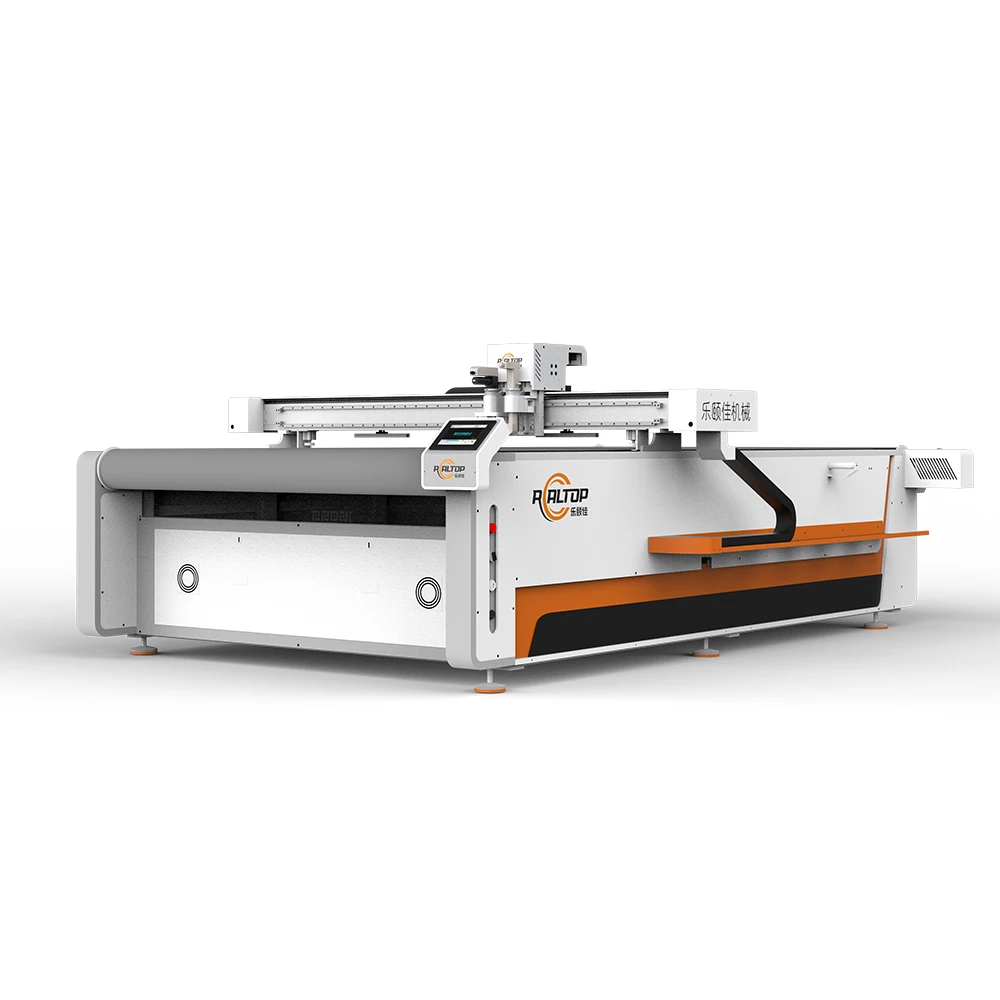
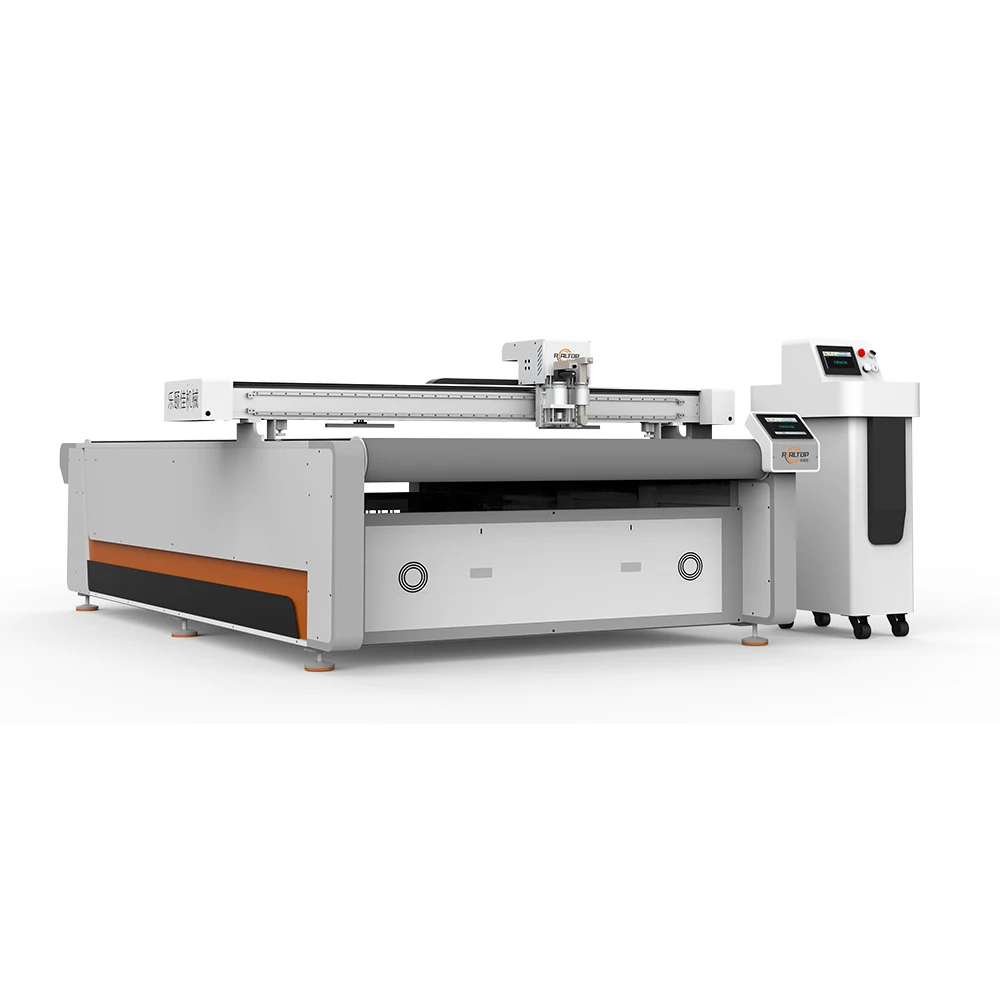
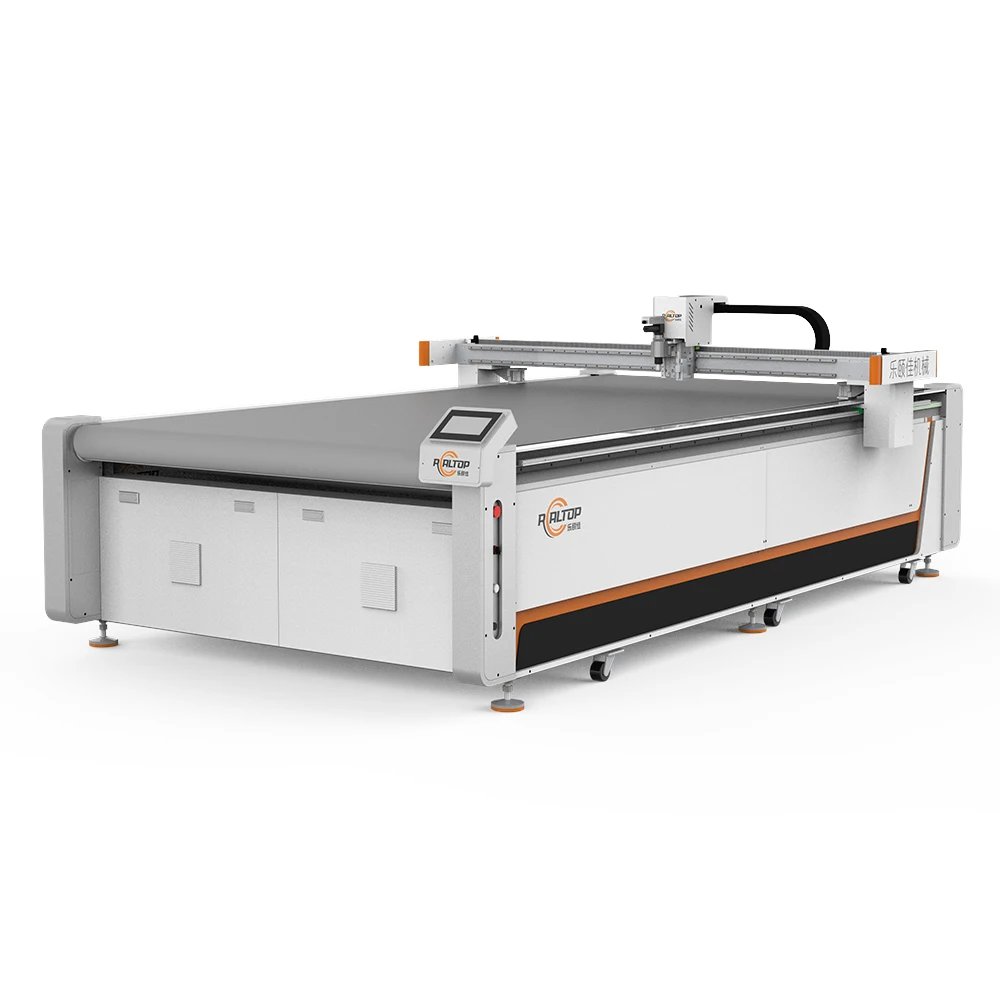
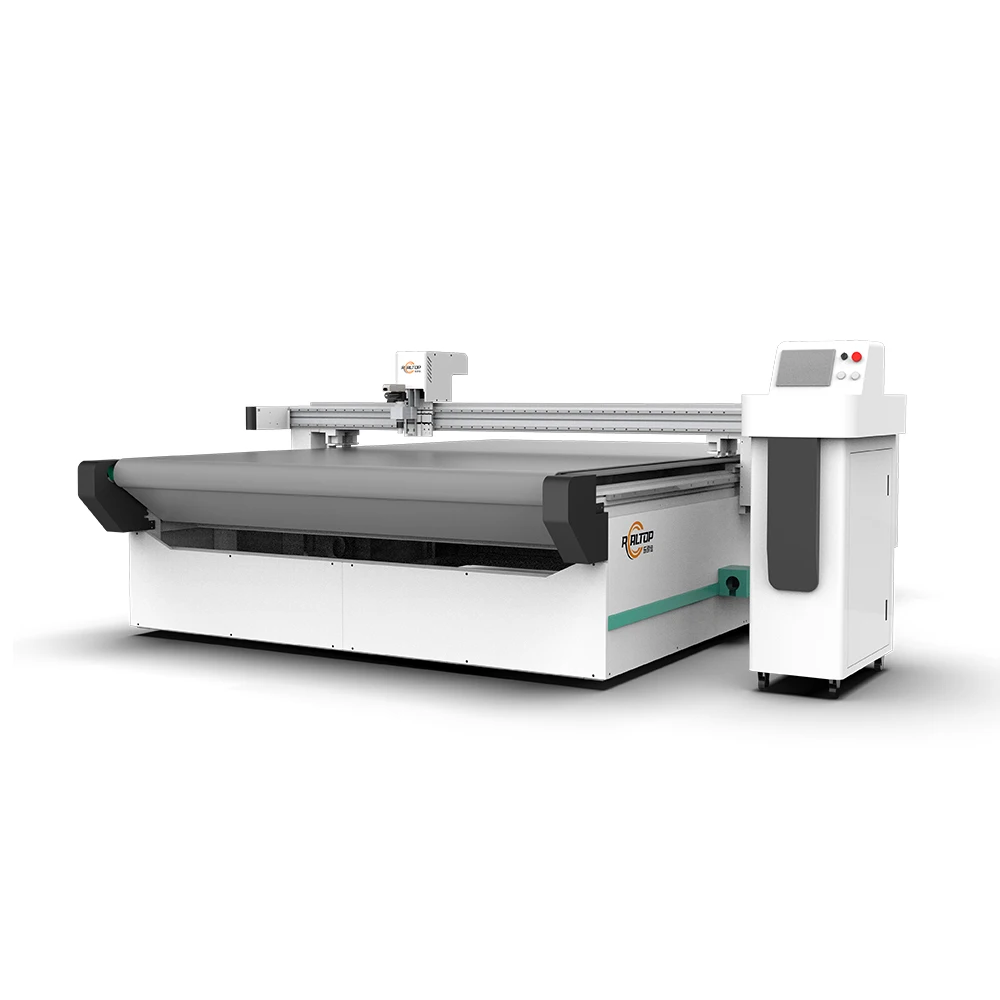
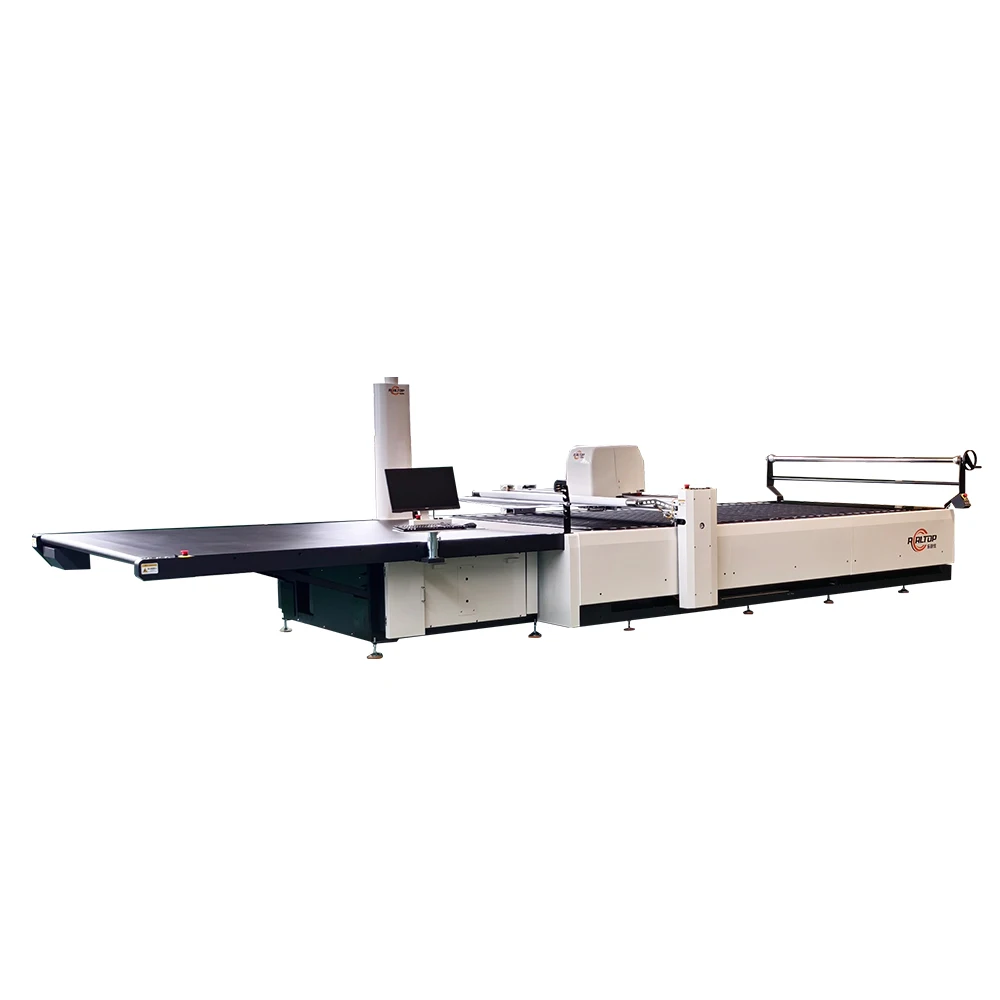
| Product Type | CNC Oscillating Knife Cutting Machine |
| Working Area | 1600×2500 mm |
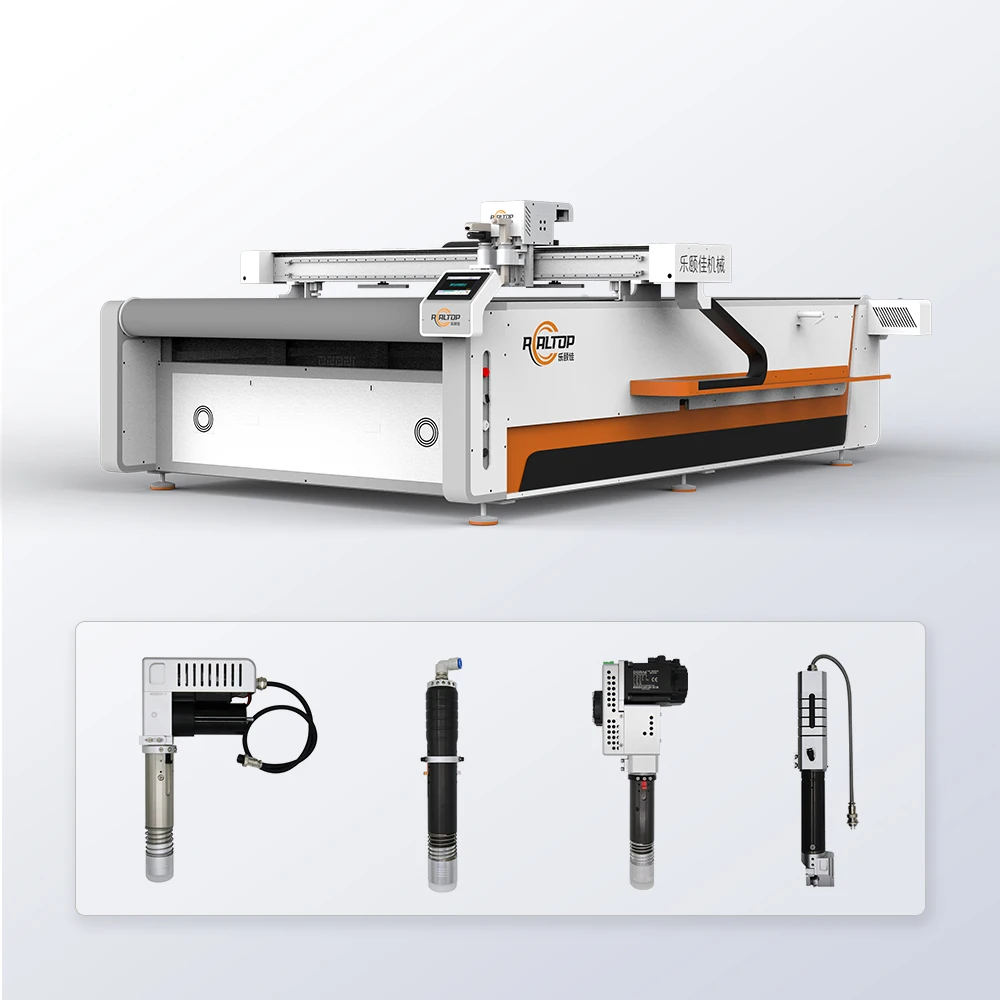
| Tool Head Options | Oscillating knife, Driven rotary knife, Creasing wheel, Kiss cutting tool, Pneumatic knife, Milling tool, V groove knife |
| Cutting Speed Range | 0–2000 mm/s |
| Cutting Thickness Capacity | Up to 30 mm (basis not stated in source — confirm material type and layer count) |
| Positioning Accuracy | ±0.1 mm |
| Vacuum Pump Power | 9 kW |
| Vacuum Table Type | Aluminum bellows vacuum table |
| Voltage Options | 110V / 220V / 380V |
| Control Interface | PLC control panel with multi-language display |
| Supported File Formats | PLT, DXF, AI, PDF |
| Nesting Capability | Intelligent nesting with automatic defect avoidance |
| Safety Equipment | Infrared sensor device and emergency stop |
| Machine Dimensions (L×W×H) | 3300×2100×1350 mm |
| Servo Motor Options | Panasonic, Delta, Dorna |
| Software Included | Dedicated packaging box structure design software |
| Compliance | CE |
Application Suitability
| Application | Material or Output |
|---|---|
| Automotive Interior Production | Seat fabrics, carpets, and PVC mats requiring burr-free edge finishing |
| Apparel and Technical Textiles | Multi-layer woven, knit, and plush fabrics, including high-stretch elastomeric coated rolls |
| Signage and Flexible Graphics | PVC banner, vinyl, and flexible composite sheets for large-format display |
| Home Textile Manufacturing | Sofa upholstery fabrics, heavy curtains, and rug materials |
| Composite Material Fabrication | Carbon fiber prepreg and aramid layers for structural components |
Why Blade Frequency and Zoning Fail on Elastomeric Coated Rolls
A machine selected purely on bed size and speed often stalls when the actual roll behavior enters the equation.
When cutting PVC coated fabric, the material’s stretch and coating adhesion react differently to blade oscillation than standard technical textiles. A setup tuned for stable, non-stretch vinyl will often leave jagged edges or pull the coating away from the substrate on high-stretch elastomeric variants. We see this repeatedly when a buyer’s sample is a standard PVC, but the production roll is a high-stretch coated composite. The vacuum zoning must be adjusted to hold the material flat without stretching it, and the oscillation frequency must match the coating’s resistance [NEED_CITE: cutting parameters for elastomeric coated textiles].
Matching Oscillation Frequency to Coating Behavior
The interaction between the blade’s stroke rate and the PVC coating’s elasticity determines edge quality. On standard PVC, a high-frequency oscillating knife slices cleanly through the coating and backing. On elastomeric coated fabrics, that same frequency can cause the blade to vibrate against the stretch, creating micro-tears in the coating layer. Selecting the correct tool head — often a driven rotary knife or a pneumatic knife for thicker, more resilient coatings — is the primary decision for a CNC fabric cutting machine for sale. The configuration must match the specific roll behavior, not just the nominal material type.
Vacuum Zoning for High-Stretch Materials
The aluminum bellows vacuum table on this system provides full-surface adsorption, but zoning is critical for PVC coated fabric. If the vacuum zones are too large for the part size, the material can lift or shift during the cut, especially on intricate contours. For small automotive interior pieces or complex apparel patterns, the vacuum zoning must be matched to the nest layout. This prevents the stretch fabric from pulling away from the table surface during high-speed traverses, maintaining the ±0.1 mm positioning accuracy across the entire 1600×2500 mm work area.
Servo Response and Contour Accuracy
Cutting complex shapes in PVC coated fabric requires the servo motors to handle rapid directional changes without losing synchronization. The available Panasonic, Delta, and Dorna servo options each offer different response characteristics. When cutting tight corners in signage or intricate automotive mat patterns, the servo response directly impacts the edge finish. A lag in response on a directional change can leave a visible mark on the PVC coating. The PLC control panel manages this coordination, ensuring the cutting speed of up to 2000 mm/s is maintained only where the contour allows [NEED_CITE: servo motor tuning for flexible material cutting].
Software Compatibility and Nesting Yield
The intelligent nesting system with automatic defect avoidance is designed to maximize material yield, which is essential when working with expensive technical textiles. The system accepts PLT, DXF, AI, and PDF formats, integrating with the buyer’s existing design workflow. For PVC coated fabric, nesting must account for directional stretch and pattern matching, which the software handles by adjusting part orientation. The included packaging box structure design software also supports sample making for custom protective packaging, adding versatility for manufacturers who handle both fabric and board materials.
The Cost of Unverified Material Configurations
Specifying a CNC oscillating knife cutting machine manufacturer based on catalog specs alone often leads to costly on-site re-tuning. If the tool head is wrong for the coating thickness, the blade will wear prematurely, and edge quality will degrade within hours of production. If the vacuum zoning is not matched to the part size, small pieces will lift, causing mis-cuts and material waste. These issues are not visible in a factory demo on standard material; they only appear when the buyer’s actual production roll is mounted and tested under continuous run conditions [NEED_CITE: material testing requirements for industrial cutting equipment].
Why Sourcing From This Range Matters
This catalogue provides the complete cutting equipment range, covering both knife and laser technologies. Buyers can select the cutting method that genuinely suits their PVC coated fabric, rather than forcing a single process. The in-house design team configures tool heads and table layouts per material, confirmed by sample cutting on the buyer’s actual roll before the order is locked. Voltage, plug type, and control language are verified for the destination market, ensuring the 110V/220V/380V options and display languages match the workshop environment. The result is a machine matched to the production job, not a generic catalog model.
Documentation & Verification
- Sample cutting report generated on your specific PVC coated fabric roll to confirm edge quality.
- Tool head and vacuum table configuration list matched to your material thickness and daily volume.
- Electrical schematic confirming voltage, frequency, and plug type for your local supply standard.
- Software licence and file format compatibility note for PLT, DXF, AI, and PDF workflows.
- Factory test record demonstrating positioning accuracy across the full 1600×2500 mm working area.
Installation, Commissioning & Support
- Foundation must support the 3300×2100×1350 mm machine footprint and dynamic loads during high-speed cutting.
- Dedicated electrical circuit required for the selected voltage option (110V / 220V / 380V) and 9 kW vacuum pump.
- Assembly of the aluminum bellows vacuum table and gantry system performed on-site by commissioning engineers.
- PLC control panel configured to the operator’s language preference during initial training sessions.
- Blade alignment and oscillation frequency calibration verified using your production PVC coated fabric rolls.
- Spare parts list provided, focusing on consumable blades and vacuum seals specific to your tool head configuration.
Next Steps for Configuration
To move from this general catalogue to a firm specification, we need details on your specific PVC coated fabric type, including the exact coating thickness and stretch characteristics. Provide your maximum roll width and the target daily output volume so we can confirm the nesting efficiency and cutting speed parameters. Finally, confirm your workshop’s voltage and frequency standards so the electrical system is built correctly before shipment.
Frequently Asked Questions
Q: How do I decide between knife cutting and laser cutting for my PVC coated fabric?
A: Knife cutting is typically preferred for PVC coated fabrics to avoid the heat-affected zone that laser cutting can produce, which may melt the coating or release fumes. A CNC oscillating knife cutting machine manufacturer will recommend a specific tool head, such as a drag knife or oscillating knife, based on the coating thickness and the desired edge seal. We test both methods on your sample to confirm the best approach.
Q: Which tool head is correct for my specific material thickness and edge requirement?
A: The correct tool head depends on the total thickness and the rigidity of the PVC coating. For thinner, flexible PVC, a standard oscillating knife provides a clean cut. For thicker, multi-layer automotive mats or composite boards, a pneumatic knife or milling tool may be required to manage the cutting force. The selection is always confirmed by a test cut on your actual material sample.
Q: How do I match the machine format to my sheet size and nesting workflow?
A: The 1600×2500 mm working area is designed to accommodate standard roll widths and large sheet formats common in automotive and signage production. The intelligent nesting software optimizes layout based on your imported DXF or PLT files, automatically avoiding material defects. We review your typical nesting patterns to ensure the machine format minimizes waste and handles your largest production pieces.
Q: Will the software accept my existing DXF, PLT, AI or PDF design files?
A: Yes, the control software is designed to import standard industry file formats including PLT, DXF, AI, and PDF directly. This compatibility ensures your existing design and nesting workflows are maintained without requiring file conversion. We verify this compatibility during the pre-order technical review to ensure your specific file versions and layer structures are recognized correctly by the system.










商品评价
There are no reviews yet.