

Fast Delivery
Quick, reliable shipping to any location.

Free & easy returns
Return this item by mail or in store within 90 days for a full refund.
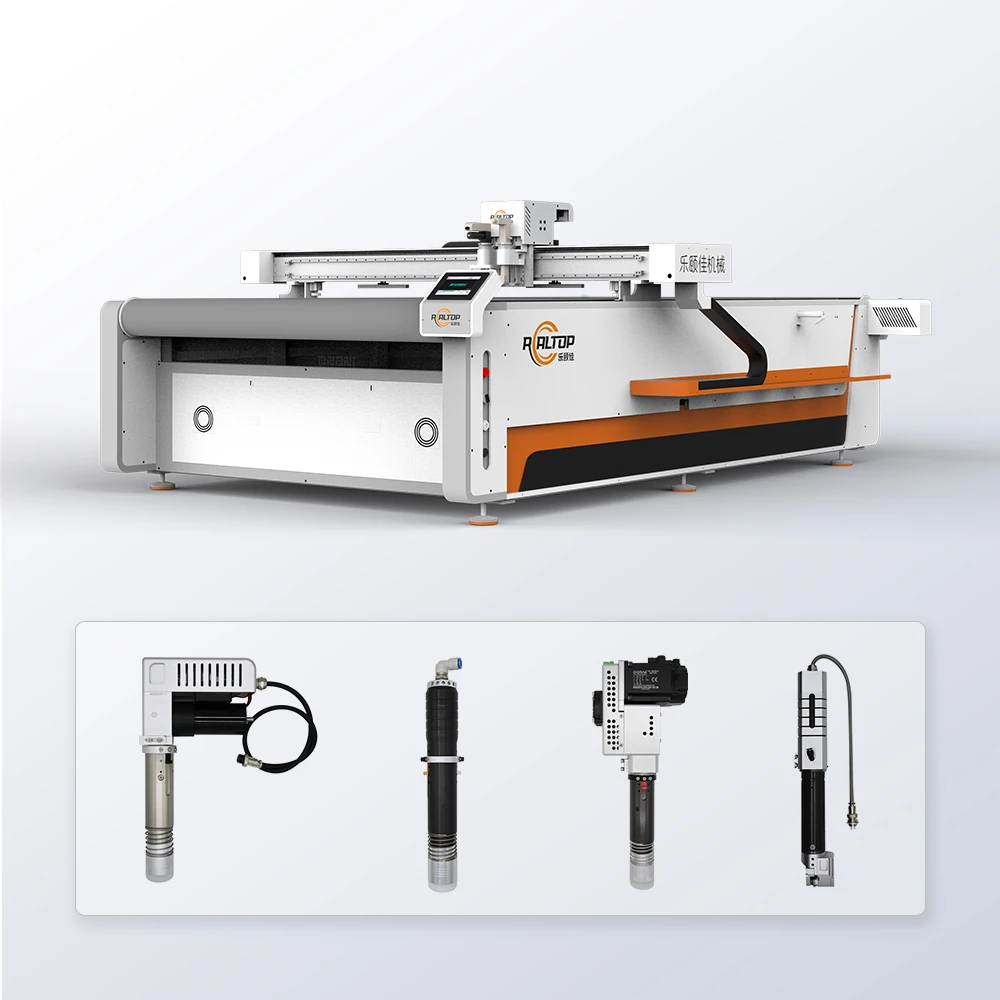
Precision Tool Head Selection — Our in-house design team configures each oscillating knife and drag knife setup based on your material test samples, ensuring the machine matches the fabric density and coating type rather than relying on generic cutting parameters.
Technical Specifications
| Parameter | Value |
|---|---|
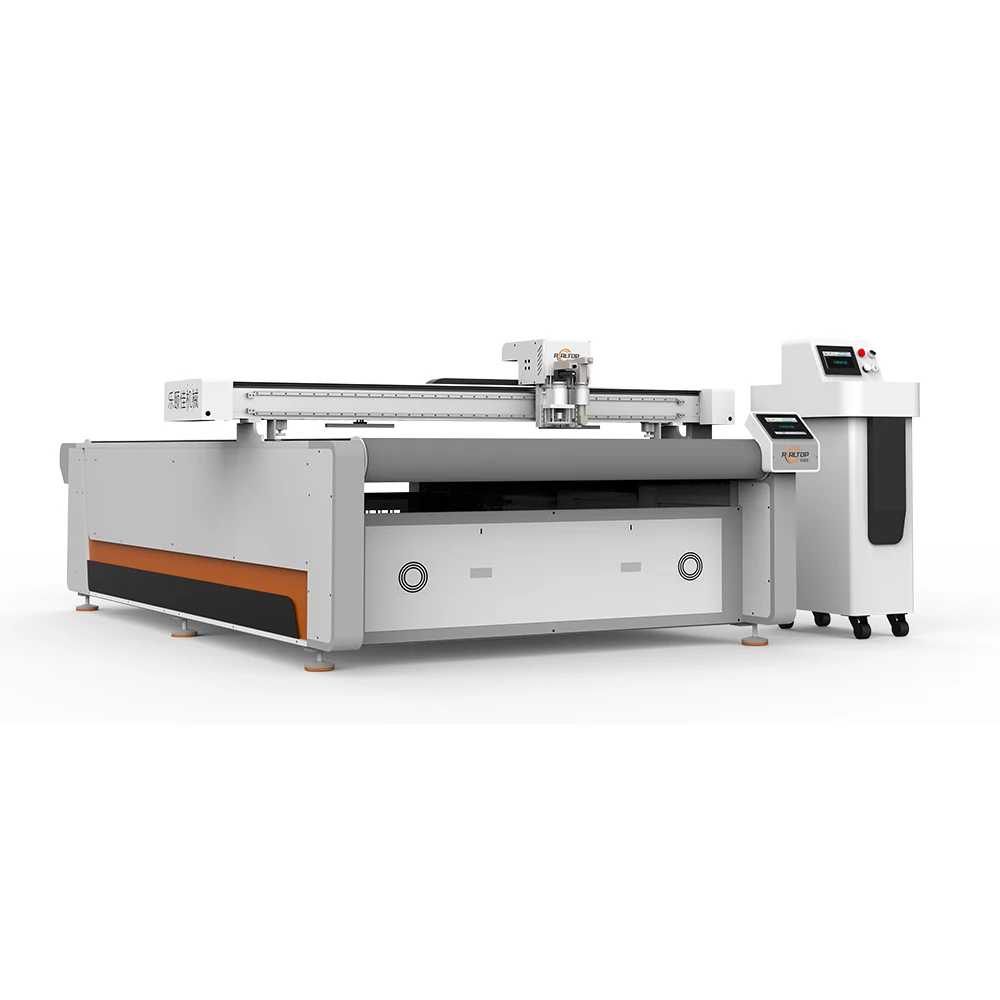
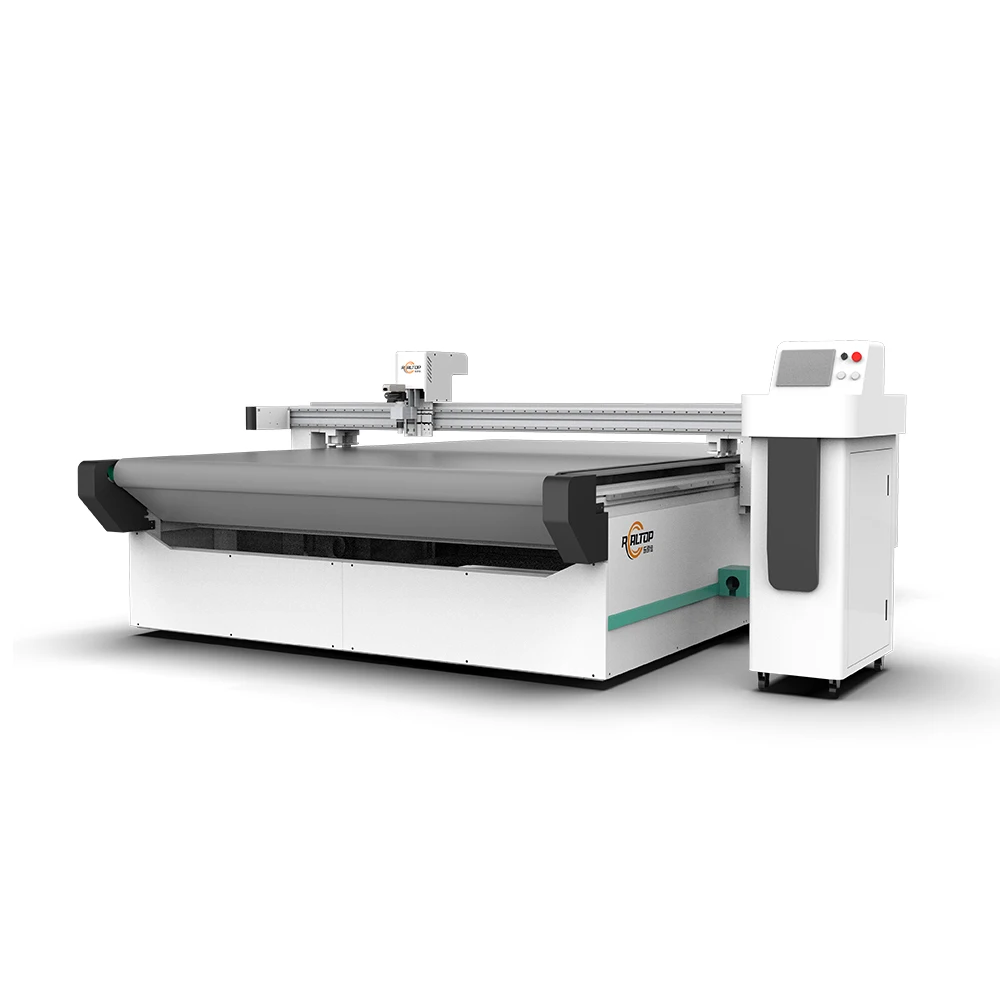
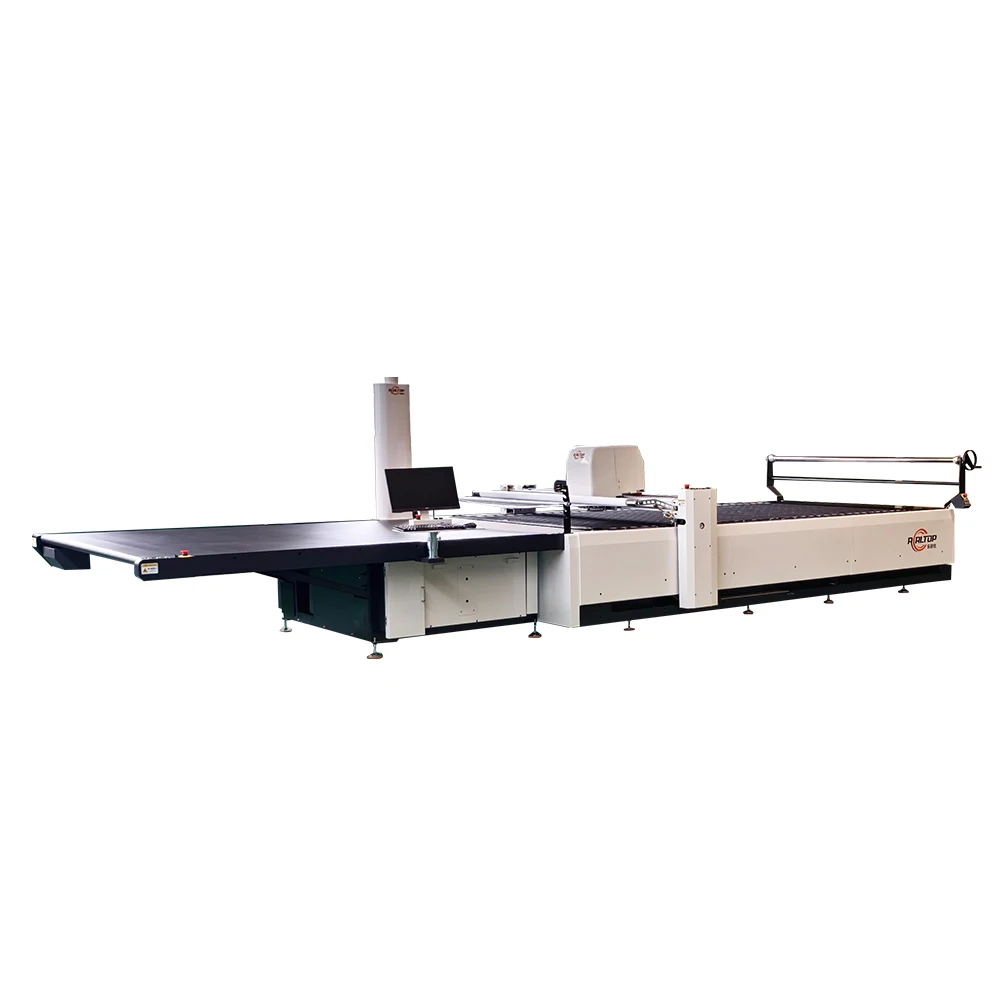
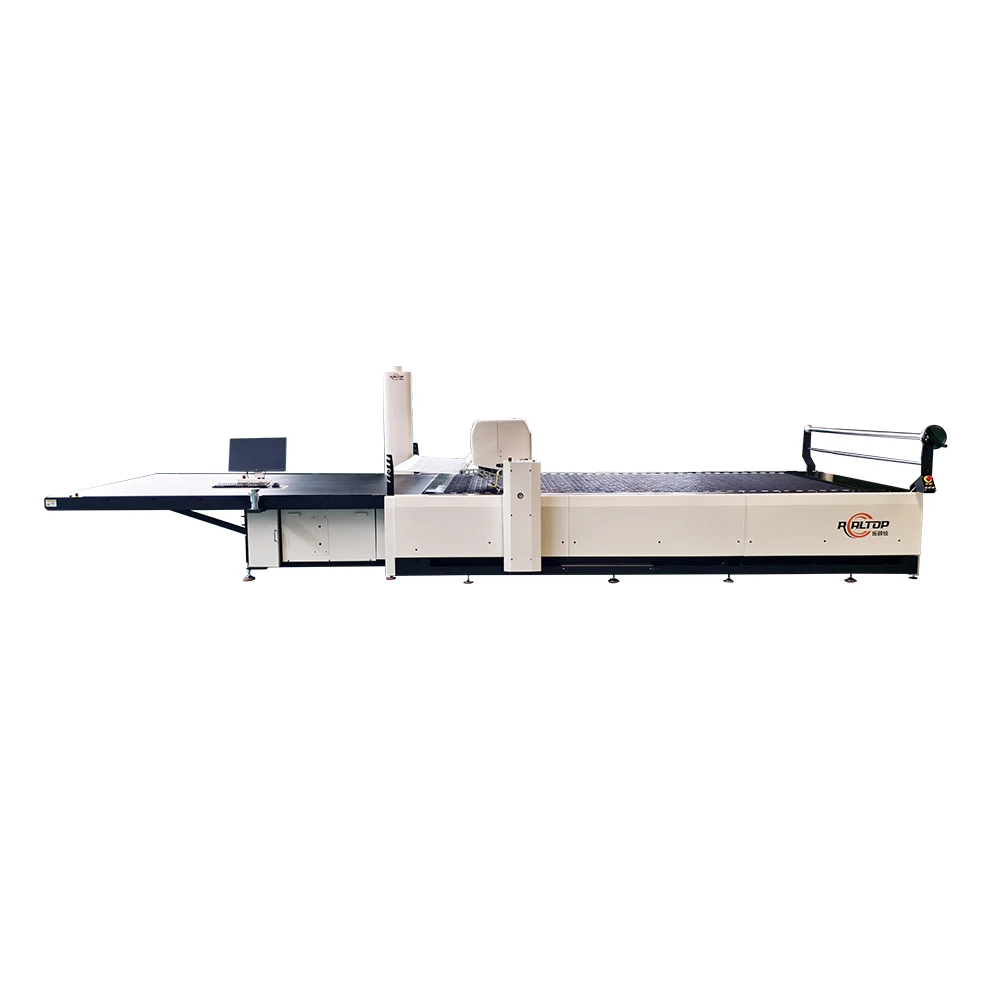
| Product Type | CNC Oscillating Knife Cutting Machine |
| Model | 1625 |
| Working Area | 1600 × 2500 mm |
| Cutting Thickness Range | Up to 30 mm (material dependent) |
| Cutting Speed | 0 – 2000 mm/s |
| Cutting Accuracy | ±0.1 mm |
| Repeat Positioning Accuracy | ±0.1 mm |
| Available Tool Heads | Oscillating knife, Driven rotary knife, Creasing wheel, Kiss cutting tool, Pneumatic knife, Milling tool, V groove knife |
| Vacuum Table Construction | Aluminum bellows vacuum table |
| Vacuum Pump Power | 9 kW |
| Supported File Formats | PLT, DXF, AI, PDF |
| Servo Drive Options | Panasonic, Delta, Dorna (source value — verify against manufacturer catalog) |
| Control System | PLC control panel with optional display languages |
| Voltage Options | 110V, 220V, 380V (source value — confirm frequency and phase) |
| Machine Dimensions | 3300 × 2100 × 1350 mm |
| Safety Features | Infrared sensor device and emergency stop device |
| Compliance | CE |
Application Suitability
| Application | Material or Output |
|---|---|
| Nonwoven isolation clothing production | Nonwoven fabrics with and without surface coatings |
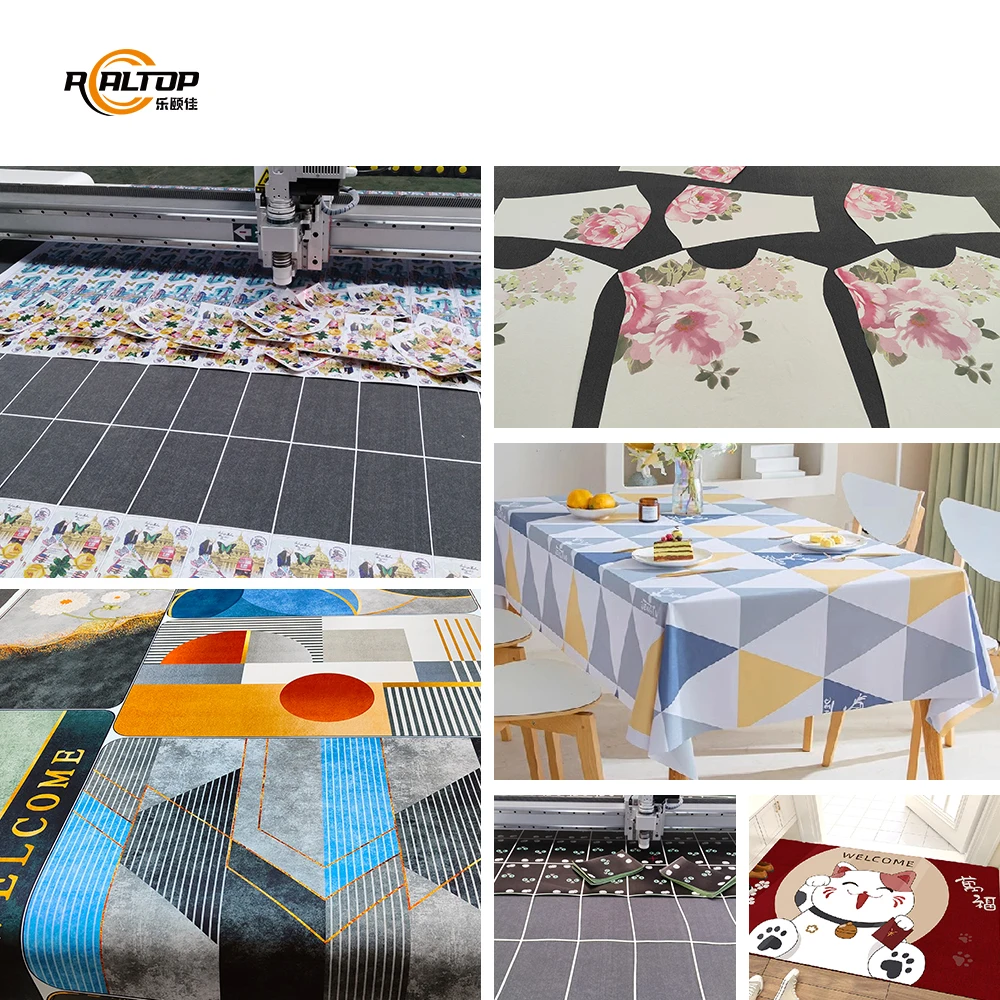
| Apparel and knitwear manufacturing | Suits, lace, complex woven and knitted fabrics |
| Automotive interior trimming | Seat fabrics, carpets, PVC floor mats |
| Home textile fabrication | Sofa upholstery fabrics, curtains, area rugs |
| Composite material processing | Carbon fiber prepreg, aramid, specialty technical textiles |
Why "Cutting Speed 2000 mm/s" Means Nothing Without Material Context
Actual throughput depends on fabric density, coating type, and ply count — not the speed rating on the nameplate.
I once worked with a protective clothing manufacturer in the Yangtze River Delta who ordered a vibrating knife cutter based on a sample capacity projection. Their real production material was a coated nonwoven with higher GSM than the test swatches. The edges came out frayed, the head had to slow down to keep quality, and daily output dropped significantly below expectations. The entire line stalled while technicians adjusted parameters for days. A CNC oscillating knife cutting machine manufacturer that does not test your exact material beforehand is guessing at your production capacity [NEED_CITE: material variability effects on digital cutting throughput].
How Tool Head Selection Changes Edge Quality on Nonwovens
Different nonwoven structures respond to different cutting actions. A standard oscillating knife works well on plain spunbond or meltblown layers, but coated isolation gown fabric often requires a driven rotary knife or a pneumatic knife to seal the edge while cutting and prevent fiber pull-out. The 1625 platform supports interchangeable tool heads across seven options, letting a buyer match the cutting action to the specific fabric behavior rather than forcing one blade type across every roll.
Material Hold-Down and the Small-Part Problem
Isolation clothing patterns include curved panels, tie straps, and small reinforcement pieces. A vacuum table with inadequate zoning lets these lighter components shift during cutting, especially on porous nonwoven where air leakage reduces suction. The aluminum bellows vacuum table on this CNC flatbed cutting table for sale maintains seal integrity across the working area. Proper zone configuration should be confirmed during the sample cutting stage before production begins.
Reading the Specification Sheet Beyond Surface Numbers
The 1600 × 2500 mm working area accommodates standard fabric roll widths used in protective clothing production, but the cutting thickness rating of up to 30 mm is a mechanical limit that varies considerably with material density — a stack of lightweight nonwoven may cut cleanly at that depth while a single layer of dense coated composite may require multiple passes [NEED_CITE: cutting depth variance across material types]. The ±0.1 mm cutting and repeat positioning accuracy ensures pattern pieces stay within tolerance for downstream sewing operations. The 9 kW vacuum pump provides sufficient suction for multi-layer layups, but buyers running very thin or porous materials should verify whether adjustable vacuum zoning is available to prevent material distortion. Servo drive selection between Panasonic, Delta, and Dorna affects long-term positional stability and should be matched to the buyer’s maintenance capability and spare parts availability in their region.
The Hidden Cost of Wrong Configuration Choices
When a buyer specifies a machine by working area alone without confirming the tool head for their specific fabric, the consequences show up on the production floor. Ragged edges on isolation gown panels mean rework or rejection at the sewing stage. Insufficient vacuum zoning causes small pattern pieces to lift and shift, producing scrap that accumulates across every shift. A PLC control panel ordered without the correct language option forces operators to rely on translated cheat sheets, increasing setup errors during changeovers [NEED_CITE: operator error sources in CNC cutting environments].
Why Source From This CNC Oscillating Knife Cutting Machine Manufacturer
The design team builds both oscillating knife and drag knife configurations in-house, so a buyer can match the cutting method to the material rather than force one method across every application. Every tool head and table configuration is specified per material and production volume based on actual sample cutting. CCD camera positioning is available for printed contour work on branded packaging and textile applications. Software compatibility with the buyer’s existing PLT, DXF, AI, and PDF workflows is confirmed before the order is placed. Voltage, plug type, and control language are customized and documented before the machine ships from the Jinan facility.
Documentation & Verification
- Machine specification sheet detailing tool head and vacuum table configuration per material
- Electrical schematic confirming voltage, frequency, and phase before shipment
- Sample cutting report on buyer’s own nonwoven fabric with measured edge quality
- Factory test record documenting cutting accuracy and positioning repeatability
- Software licence and file format compatibility note for PLT, DXF, AI, PDF import
- Spare parts list with recommended wear items for oscillating and rotary knife consumables
Installation, Commissioning & Support
- Foundation must support 3300 × 2100 mm footprint with level tolerance for the aluminum bellows vacuum table
- Dedicated circuit required matching confirmed voltage option at 110V, 220V, or 380V with verified frequency
- Machine arrives partially assembled; vacuum pump and PLC control panel require on-site connection
- Initial commissioning includes tool head calibration and cutting parameter setup on buyer’s material
- Operator training covers tool changeover across all seven available tool head options
- Preventive maintenance schedule for 9 kW vacuum pump and servo drive inspection intervals
Before You Request a Quote
Send your exact nonwoven fabric specifications including GSM, coating type, and maximum ply count for the isolation clothing patterns you produce. Confirm your local voltage standard and required control panel language. Specify your target daily output volume and typical roll width so the working area and conveyor configuration can be matched to your production flow.
Frequently Asked Questions
Q: Oscillating knife versus driven rotary knife — which is right for my nonwoven isolation gown fabric?
A: Standard spunbond nonwoven typically cuts cleanly with the oscillating knife. Coated or laminated isolation gown fabrics often require the driven rotary knife to maintain a sealed edge and prevent fiber separation. The correct choice depends on your specific material, which should be confirmed through sample cutting on your actual production fabric before committing to a tool head configuration.
Q: How do I know the vacuum table will hold my small pattern pieces securely?
A: Isolation clothing patterns include tie straps and small reinforcement panels that can lift if vacuum suction is uneven. The aluminum bellows table provides consistent seal integrity, but vacuum zoning must be matched to your part geometry. Request sample cutting that includes your smallest pattern pieces to validate hold-down performance before placing the order.
Q: Can the software handle my existing nesting files and workflow?
A: The control system accepts PLT, DXF, AI, and PDF profile formats. Software compatibility is confirmed during the inquiry stage so your existing nesting workflow transfers without conversion issues. If you use specialized apparel nesting software, verify export format compatibility before the specification is finalized.
Q: What voltage and language options are available for my factory location?
A: Voltage is configurable across 110V, 220V, and 380V options, but frequency and phase must be confirmed for your specific power supply. The PLC control panel supports display language options including English, Russian, Italian, and Chinese, with additional languages available on request. All electrical specifications are documented in the schematic before shipment.










商品评价
There are no reviews yet.