

Fast Delivery
Quick, reliable shipping to any location.

Free & easy returns
Return this item by mail or in store within 90 days for a full refund.
Cutting method matched to your material — rather than forcing fabric, leather or foam onto one machine, we configure the knife head, vacuum zoning and nesting workflow around your specific stock before the order is confirmed.
Technical Specifications
| Parameter | Value |
|---|---|
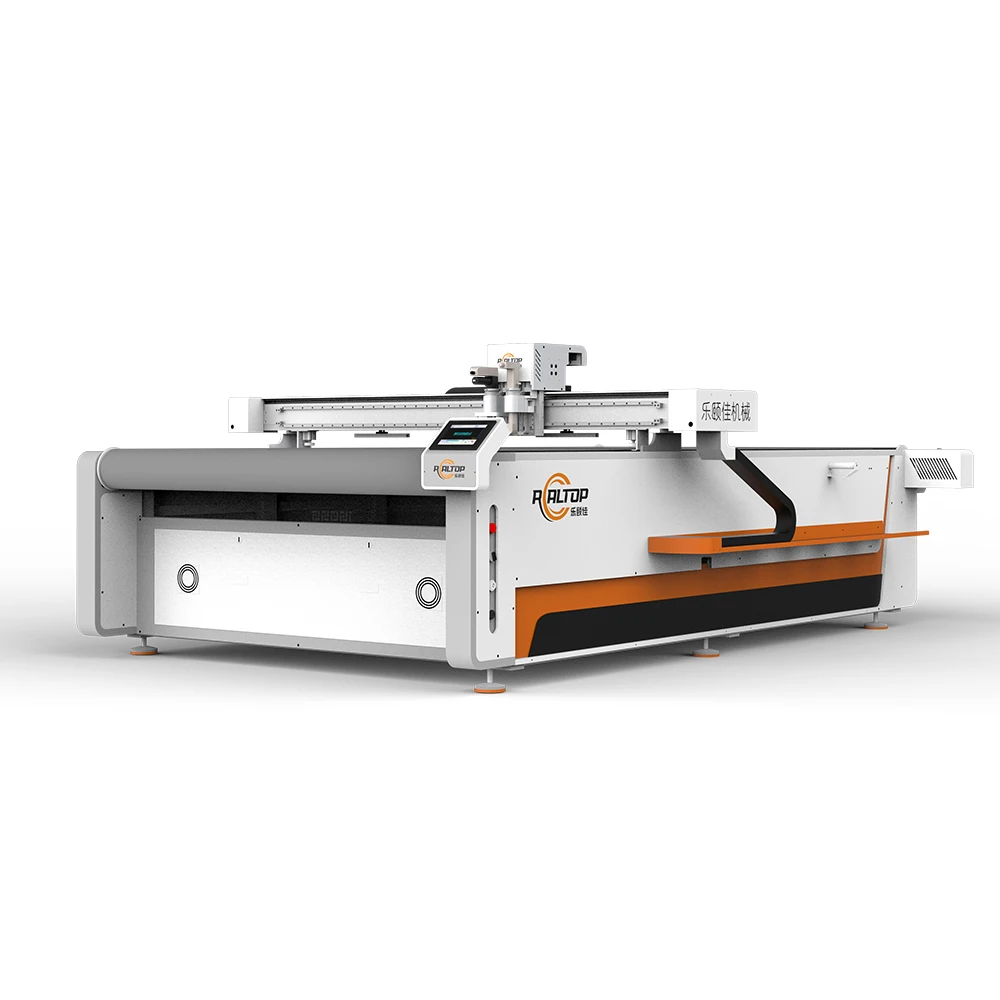
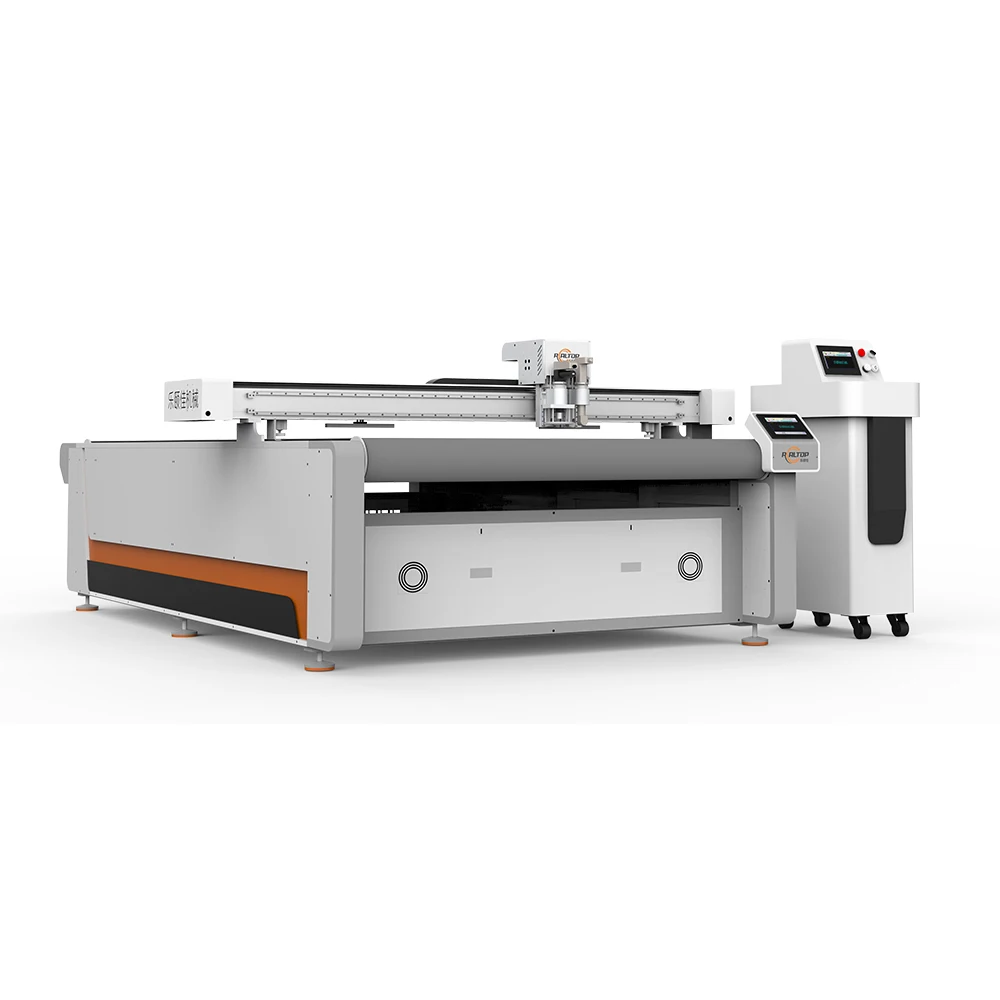
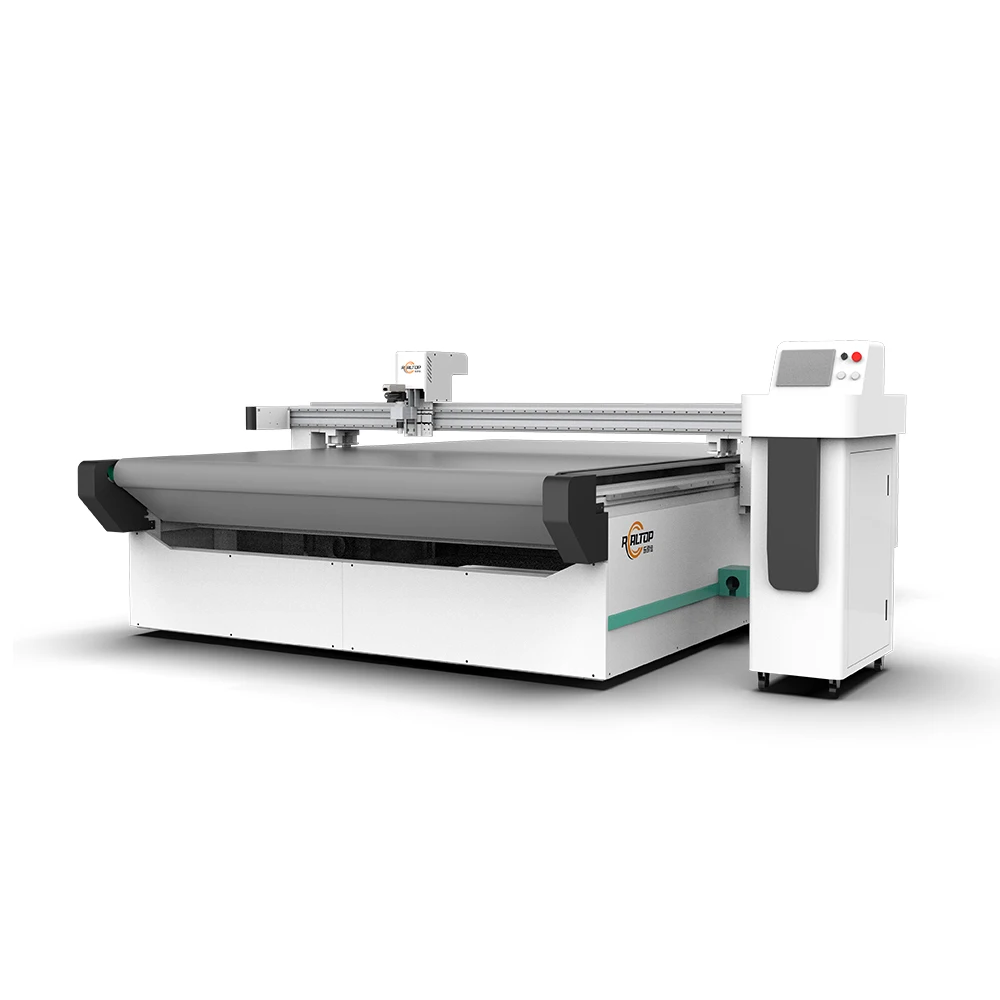
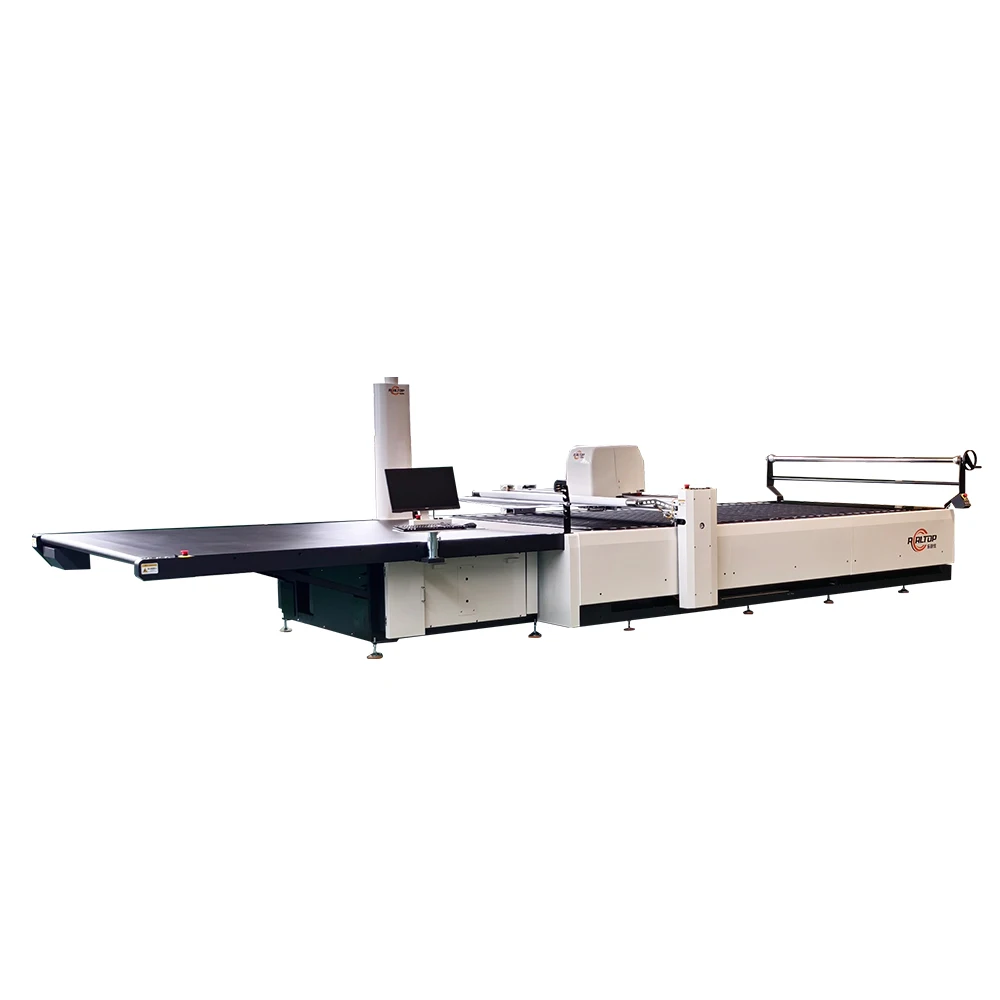
| Product Type | CNC Oscillating Knife Cutting Machine |
| Working Area | 1600 × 2500 mm |
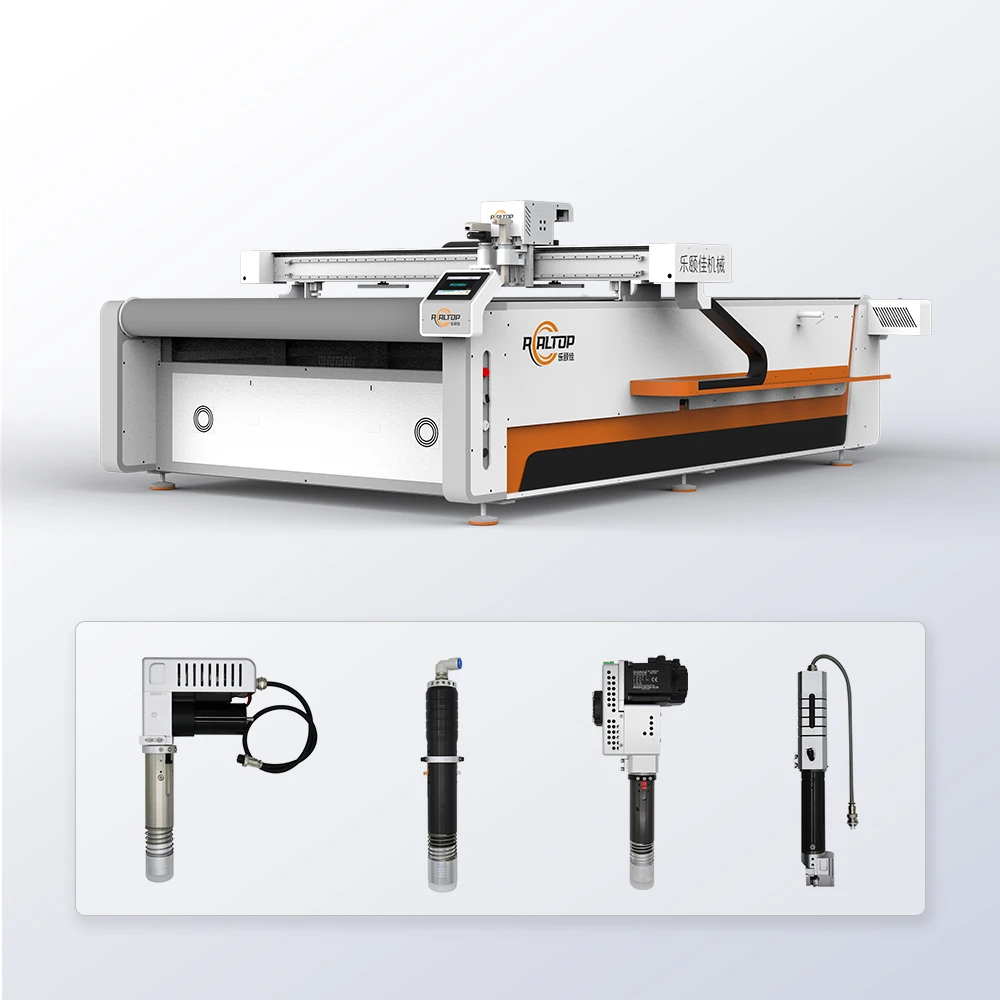
| Tool Head Options | Oscillating knife, driven rotary knife, creasing wheel, kiss cutting tool, pneumatic knife, milling tool, V-groove knife |
| Cutting Speed | 0–2000 mm/s |
| Cutting Thickness | ≤30 mm (basis not stated in source — confirm material type and density) |
| Cutting Accuracy | ±0.1 mm repeatability |
| Vacuum Table | Aluminum bellows vacuum table |
| Vacuum Pump Power | 9 kW |
| Servo Motor Options | Panasonic, Delta, Dorna |
| Control System | PLC control panel |
| File Formats | PLT, DXF, AI, PDF |
| Software Language | English, Russian, Italian, Chinese (custom languages available) |
| Nesting System | Intelligent nesting with automatic defect avoidance |
| Safety Devices | Infrared sensor and emergency stop |
| Voltage Options | 110V, 220V, 380V |
| Machine Dimensions (L×W×H) | 3300 × 2100 × 1350 mm |
| Certification | CE |
Application Suitability
| Application | Material or Output |
|---|---|
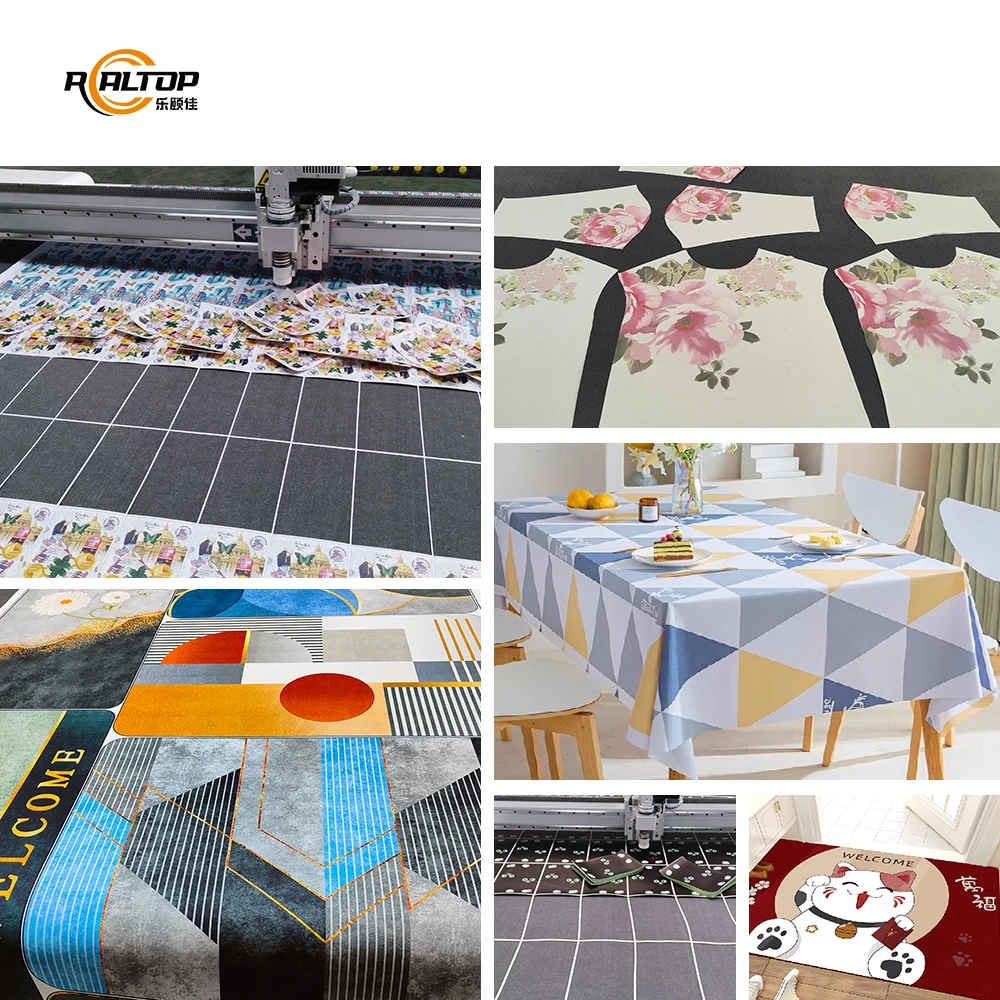
| Apparel and knitwear production | Suits, lace, complex woven and knitted fabrics |
| Automotive interior trimming | Seat fabrics, carpets, PVC floor mats |
| Home textile manufacturing | Sofa upholstery fabrics, curtains, area rugs |
| Composite material processing | Carbon fiber prepreg, aramid technical textiles |
| Leather goods and footwear | Natural and synthetic leather, PU, EVA foam |
| Packaging and signage sampling | Cardboard, carton, PVC board, acrylic sheets |
Why "Working Area Only" Specifications Fail on Real Materials
A cutting table sized purely on sheet dimensions often leaves buyers with a machine that cannot hold down small parts or cut through the actual material thickness at production speed.
When I first started specifying cloth cutting equipment, I watched a buyer receive a machine that matched his sheet size perfectly yet struggled to cut through a 15 mm foam laminate because the vacuum zoning was configured for large panels only. Small pieces lifted off the table mid-cut, edges frayed, and the operator spent more time repositioning material than cutting it. A CNC oscillating knife cutting machine manufacturer should ask about your smallest part, your thickest laminate and your daily volume before recommending vacuum pump capacity and table zoning — not just the maximum sheet footprint [NEED_CITE: vacuum table zoning practices for CNC flatbed cutters].
Seven Tool Heads on One Cutting Platform
The machine accepts seven interchangeable tool heads — oscillating knife, driven rotary knife, creasing wheel, kiss cutting, pneumatic knife, milling and V-groove — letting a single platform handle woven fabric, synthetic leather, corrugated carton and foam gaskets without requiring a second machine. Tool changes are manual but straightforward, and the PLC control panel stores separate parameter profiles so operators do not re-enter speed and depth settings each time they switch materials.
Vacuum Hold-Down That Actually Grips Small Pieces
The aluminum bellows vacuum table paired with a 9 kW pump generates suction across the full 1600 × 2500 mm surface. For garment shops cutting dozens of small pattern pieces from a single lay, this means fabric stays flat even after the knife has cut through and released internal tension. When zoning is configured for the buyer’s typical part geometry, edge distortion on lightweight knits and slippery synthetics drops noticeably during nested runs [NEED_CITE: flatbed vacuum table design for textile cutting].
Reading the Specs That Matter on the Shop Floor
The 0–2000 mm/s cutting speed range is governed by the servo system — options include Panasonic, Delta and Dorna motors — and the actual speed you run depends on material density and ply count, not the maximum figure on the nameplate. The ±0.1 mm repeatability tolerance matters most when you are cutting interlocking pattern pieces for automotive seat covers, where a half-millimeter drift across a long panel compounds into mismatched seams. File format support for PLT, DXF, AI and PDF means your existing design files import without an intermediate conversion step, and the intelligent nesting system with automatic defect avoidance reduces wasted yardage when working with expensive technical textiles or printed fabrics.
What Happens When the Wrong Tool Head Meets Your Material
I once set up a trial on standard PU leather for an automotive interior client, and the cuts looked clean. When the client switched to their actual stock — a glass-fiber-reinforced composite — the blade dulled three times faster and the edges fuzzed badly. That lot was scrapped. The lesson was simple: always run a sample on the buyer’s own material before the contract is signed. A cloth CNC cutting machine that performs well on showroom samples can behave very differently on abrasive or layered composites, and no amount of speed adjustment compensates for a mismatched tool head [NEED_CITE: tool wear rates on composite versus standard textile materials].
Why Buyers Source This Range Here
The equipment covers both knife and laser cutting methods, so a buyer evaluating fabric, leather and foam can compare technologies side by side rather than being pushed toward a single process. Each machine is configured with tool head, vacuum table and nesting software matched to the buyer’s stated materials, not sold as a fixed catalog model. Sample cutting on the buyer’s own stock is standard practice before order confirmation, producing a written report that documents edge quality, cutting speed and blade wear. Voltage, plug type and control language are confirmed against the destination market before production begins. The in-house design team handles custom working area and tooling requests, keeping engineering and assembly under one roof.
Documentation & Verification
- Machine specification sheet listing configured tool heads and vacuum table zones
- Sample cutting report on your fabric, leather or composite before commitment
- Electrical schematic confirming voltage and frequency for your facility
- Software licence with verified DXF, PLT, AI and PDF file compatibility
- Factory test record documenting cutting accuracy and repeatability
- Spare parts list covering blades, knife holders and vacuum seals
Installation, Commissioning & Support
- Floor space of at least 4000 × 3000 mm required for the 3300 × 2100 mm machine plus operator access
- Dedicated circuit matching confirmed voltage option — 110V, 220V or 380V — with correct plug and breaker rating
- Machine ships partially assembled; table frame and gantry require on-site bolting and alignment
- First-run calibration covers vacuum pump priming, servo tuning and tool head offset setting
- Operator training covers PLC panel navigation, nesting software and tool change procedures in chosen language
- Consumable spare kit includes oscillating knife blades, rotary knife discs and vacuum table seals
Requesting a Quotation
To get an accurate configuration, share your primary material type, maximum thickness, typical sheet or roll width and estimated daily cutting volume. Tell us your local voltage and frequency, preferred control language and whether your design files originate from PLT, DXF, AI or PDF workflows. If your material is layered, coated or reinforced, send a sample so we can run a cutting trial before finalizing the tool head and vacuum specification.
Frequently Asked Questions
Q: How do I choose between knife cutting and laser cutting for my fabric?
A: Knife cutting suits multi-layer fabrics, technical textiles and materials where heat sealing or edge burning is unacceptable. Laser cutting is preferred for single-layer synthetics that benefit from sealed edges. We evaluate your material composition, ply count and edge quality requirements before recommending one method over the other, and sample cuts on your stock confirm the choice.
Q: What should I specify besides working area when requesting a quote?
A: Provide your material type, maximum thickness, typical part sizes and daily volume. These details determine which of the seven tool heads to include, how to zone the vacuum table, and whether the 9 kW pump is adequate or a higher-capacity unit is needed. Voltage and control language must also be confirmed before production.
Q: Will the vacuum table hold small pattern pieces securely during cutting?
A: The aluminum bellows vacuum table distributes suction across the full 1600 × 2500 mm surface. For very small or irregular parts, we adjust zone configuration so suction concentrates where pieces sit. We test hold-down adequacy during the sample cutting phase using your actual nesting layout to confirm nothing lifts during production-speed runs.
Q: Is my existing design software compatible with this cutting machine?
A: The system accepts PLT, DXF, AI and PDF file imports, and the intelligent nesting software includes automatic defect avoidance. Before order confirmation, we verify file format compatibility and nesting workflow integration using sample files from your current design environment, ensuring no data is lost in translation.
Q: What electrical and language preparations do I need before delivery?
A: Confirm your facility voltage, frequency and plug type so the electrical system is built to match. Choose your preferred control language — English, Russian, Italian, Chinese or a custom option — so the PLC interface and software are configured before shipment. A dedicated circuit with appropriate breaker capacity should be ready at the installation site.










商品评价
There are no reviews yet.