

Fast Delivery
Quick, reliable shipping to any location.

Free & easy returns
Return this item by mail or in store within 90 days for a full refund.
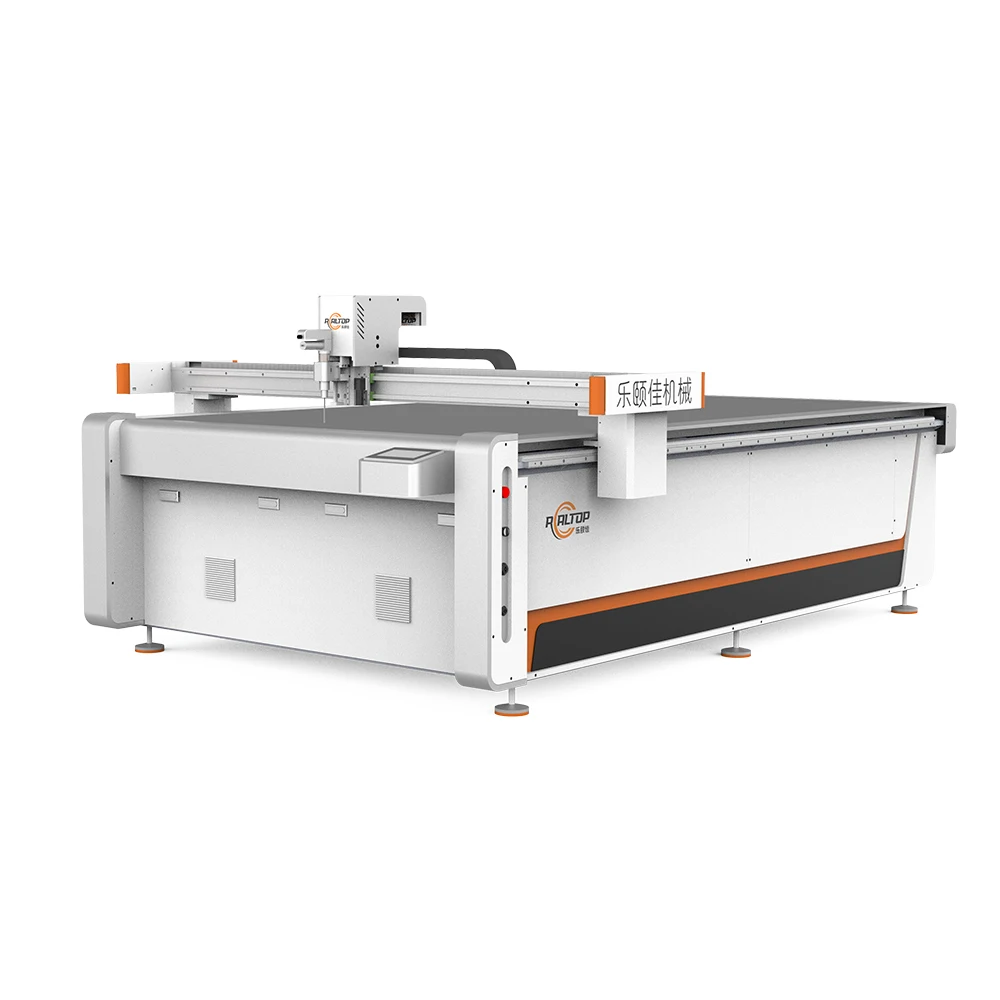
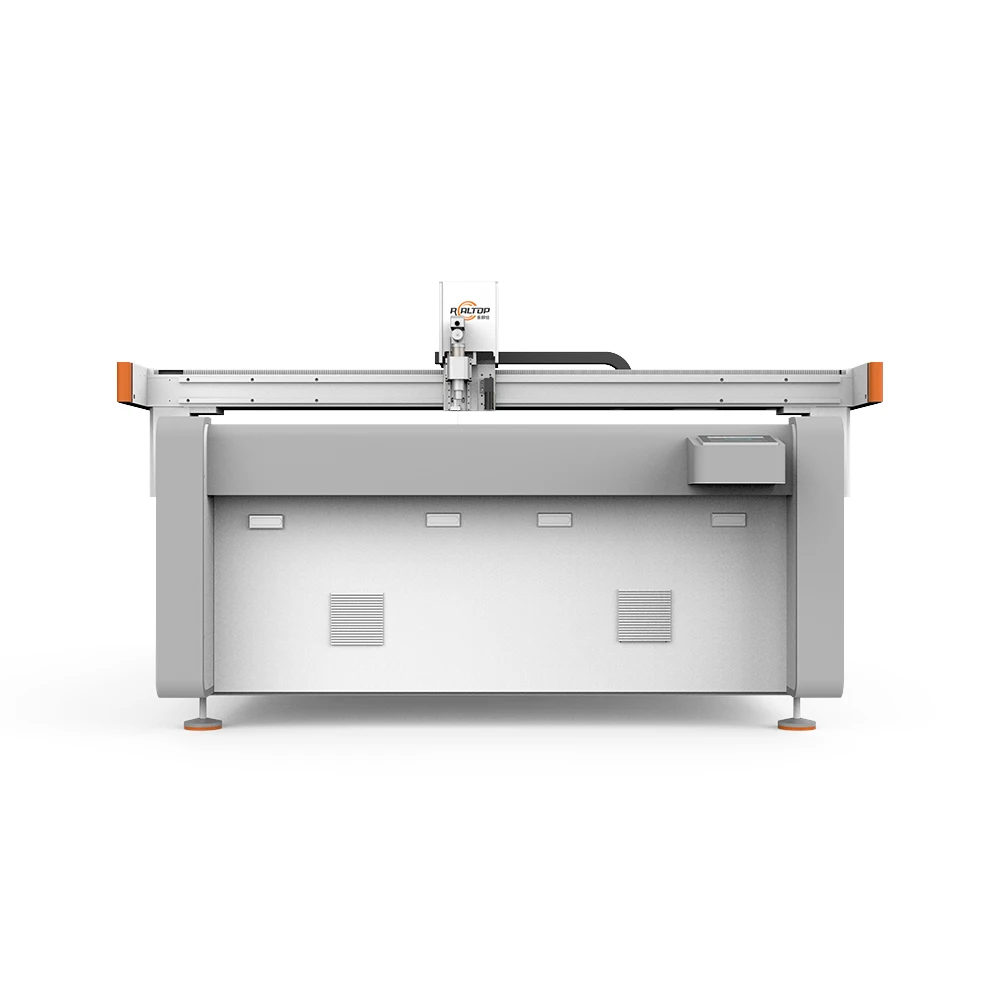
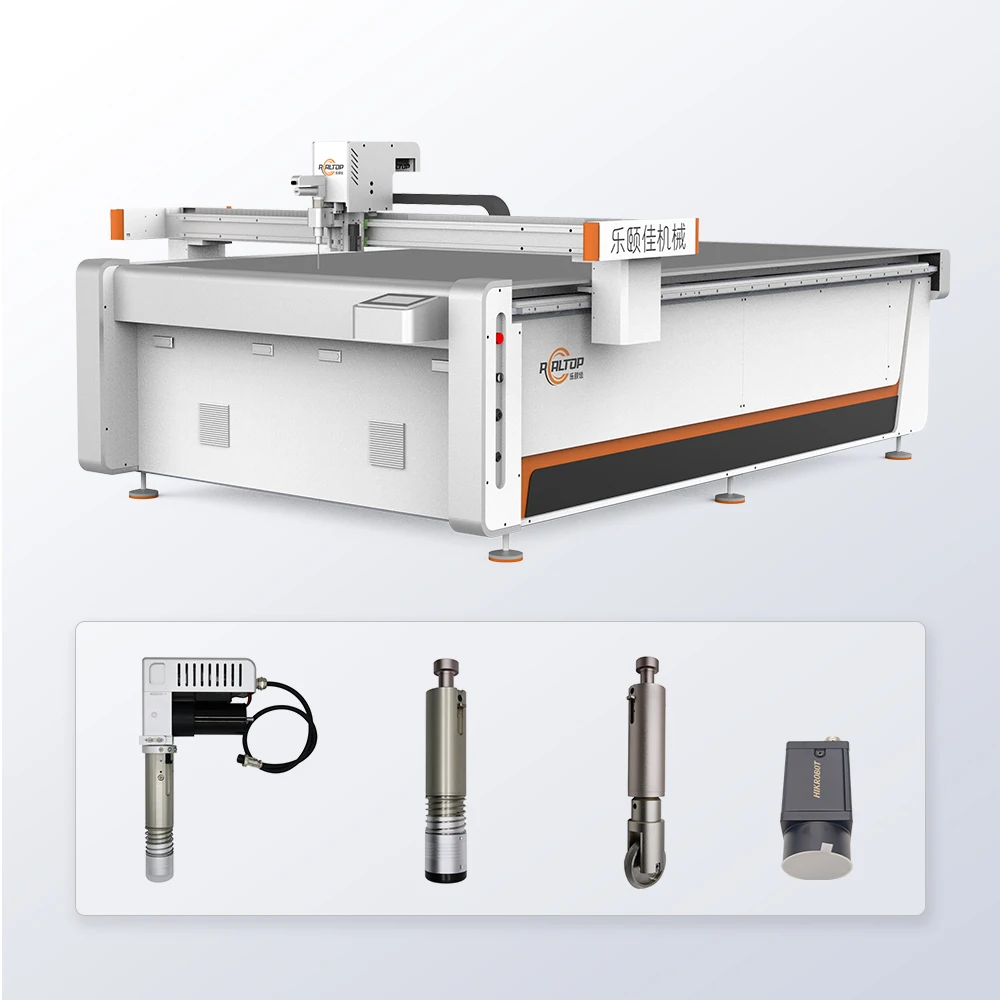
Material-Matched Configuration — A 1600×2500 mm flatbed digital cutting table specified per material thickness and edge requirement rather than forced into a one-size-fits-all cutting method.
Technical Specifications
| Parameter | Value |
|---|---|
| Model | 1625 |
| Product Type | CNC Oscillating Knife Cutting Machine |
| Cutting Area | 1600 × 2500 mm |
| Cutting Speed | 0–2000 mm/s |
| Cutting Thickness | ≤ 30 mm (basis to be confirmed by material type and density) |
| Cutting Accuracy | ±0.1 mm |
| Available Tool Heads | Oscillating knife, driven rotary knife, creasing wheel, kiss cutting tool, pneumatic knife, milling tool, V-groove knife |
| Vacuum Pump | 9 kW |
| Vacuum Table | Aluminum bellows vacuum table |
| Control System | PLC control panel |
| Servo Motor Options | Panasonic, Delta, Dorna (rated output to be confirmed) |
| Voltage Options | 110V, 220V, 380V (frequency to be confirmed) |
| Language Options | English, Russian, Italian, Chinese (customization available) |
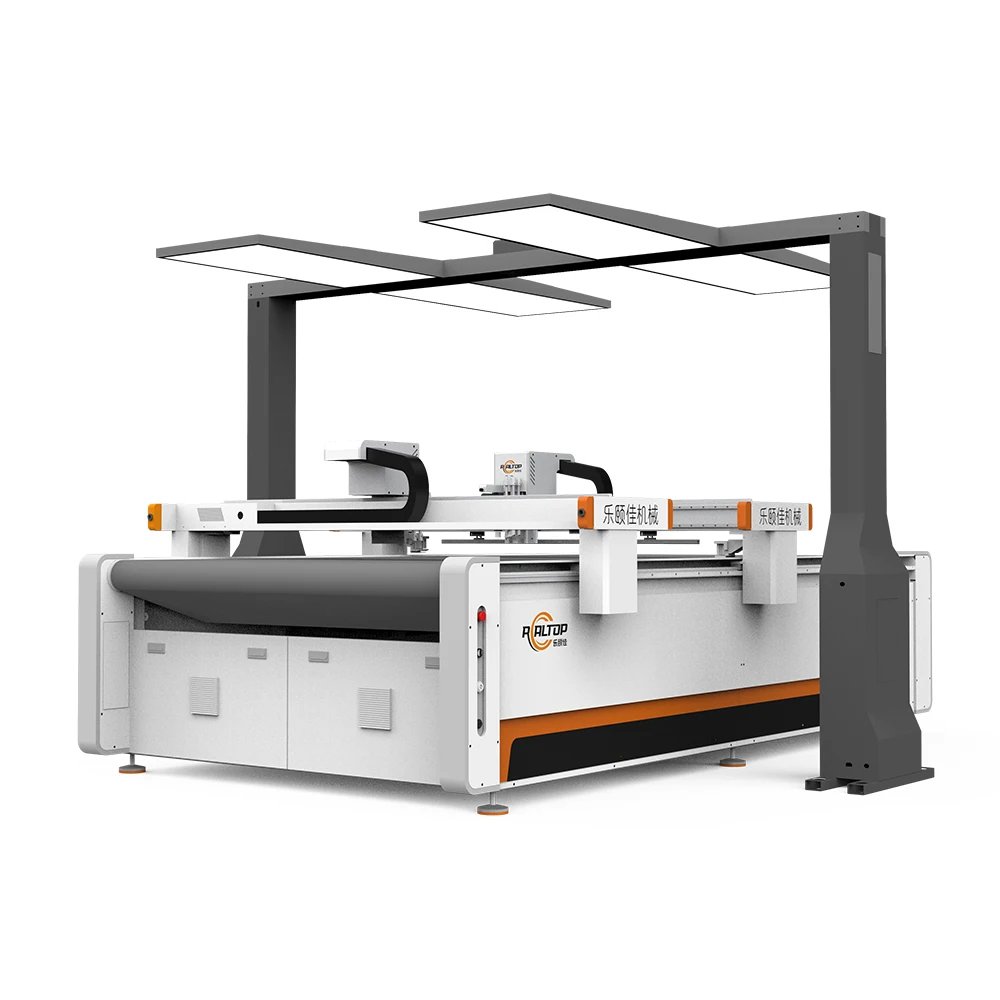
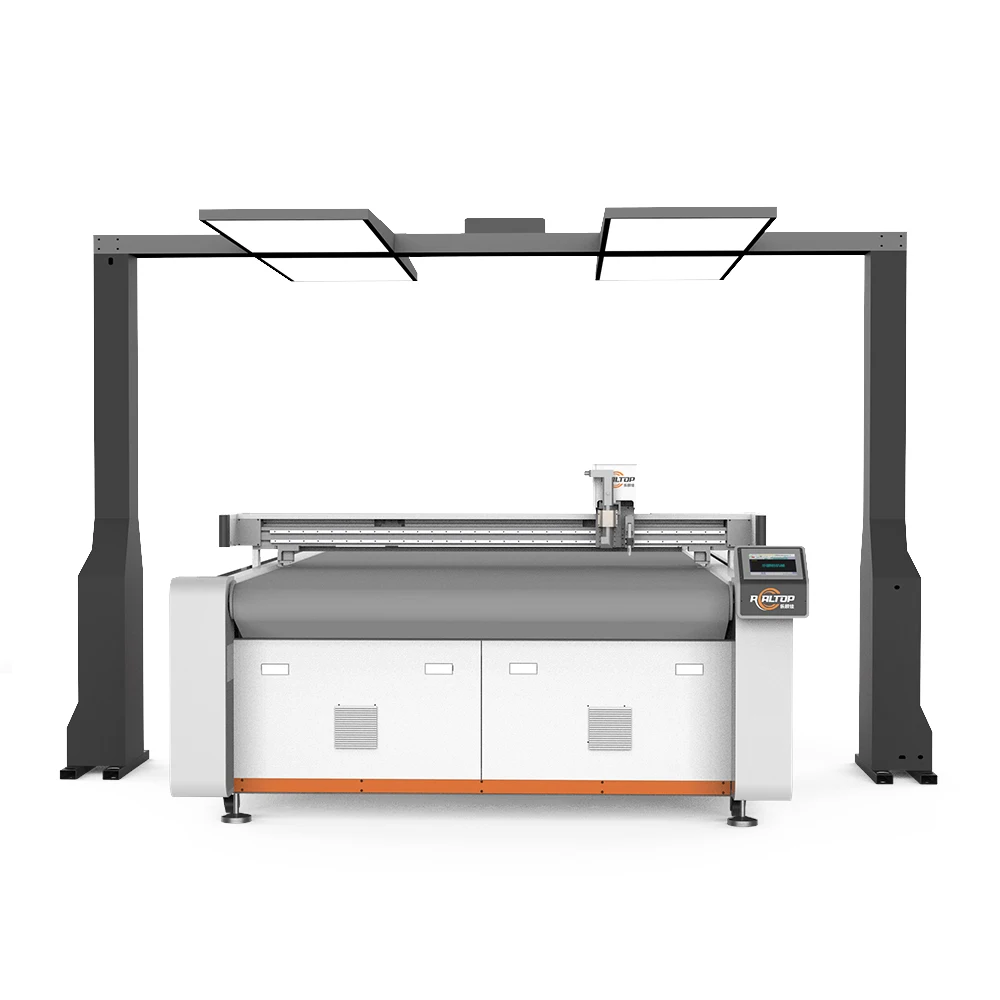
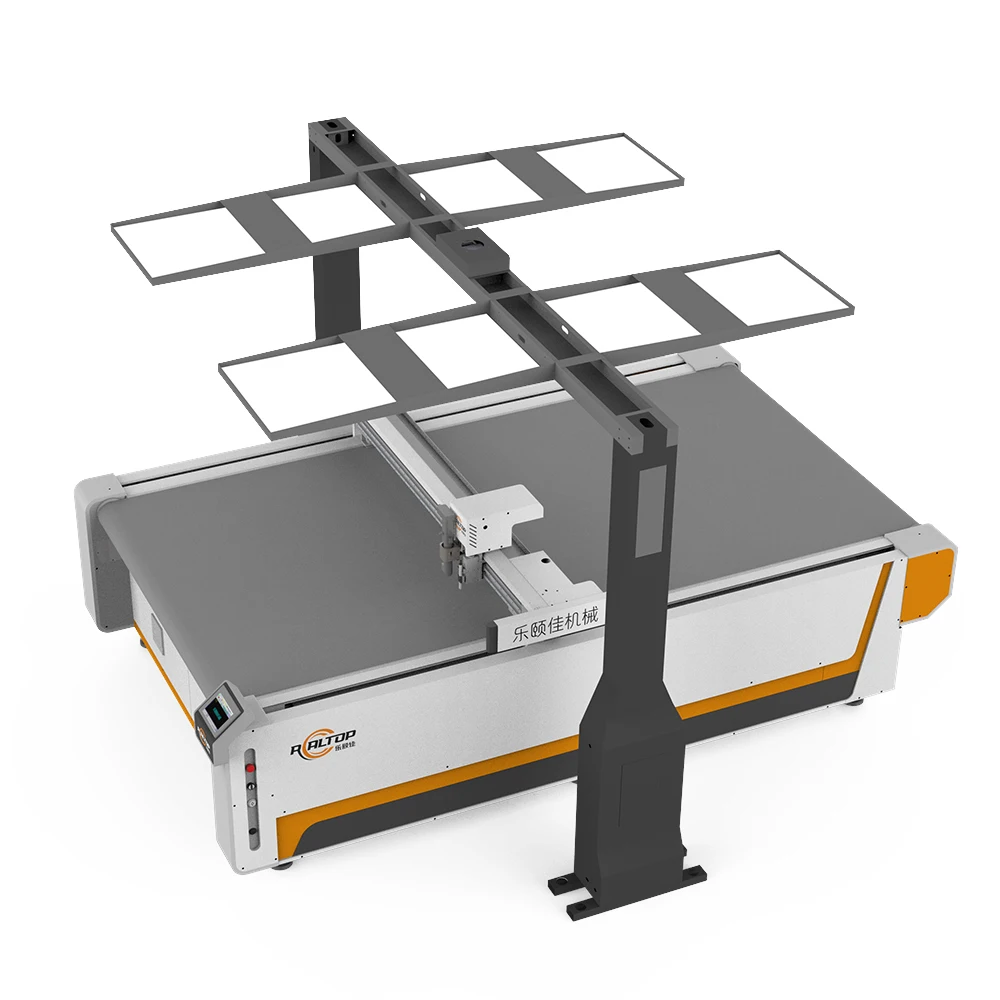
| CCD Camera | Integrated for contour recognition and printed material positioning |
| Software Compatibility | PLT, DXF, AI, PDF |
| Safety Devices | Infrared sensor and emergency stop |
| Machine Size | 3300 × 2100 × 1350 mm |
Application Suitability
| Application | Material or Output |
|---|---|
| Footwear and leather goods | Shoe uppers, genuine leather panels, synthetic leather hides, bag components |
| Automotive interiors | Seat cover panels, car mats, interior trim components from leather and composite textiles |
| Apparel and soft furnishings | Garment patterns, sofa fabrics, lampshade materials |
| Signage and packaging | Foam boards, PVC sheets, adhesive stickers, carton samples, gift box structures |
Why Your Leather Sample Cut Cleanly but Production Hides Fail
Material density and tool-head pairing must be validated on production stock, not showroom samples.
A buyer once tested genuine leather on a CNC oscillating knife cutting machine manufacturer demo unit and signed off on the configuration. When the production run switched to reconstituted leather with a completely different hardness profile, the same oscillating knife left ragged edges and crushed fibers across the entire batch. The vacuum zoning that held a small sample flat could not keep large production hides stable under high-speed cutting. Re-tooling and re-zoning the vacuum table solved it, but only after significant material waste [NEED_CITE: material hardness variation between sample and production leather batches].
Knife Versus Laser for Leather and Textile Edge Quality
Leather and textile producers comparing a CNC flatbed digital cutting table for sale against laser alternatives need to weigh edge sealing against mechanical precision. Oscillating and driven rotary knives produce clean, unfused edges on genuine leather — critical for applications where visible melt marks are unacceptable, such as luxury bag panels and automotive seat covers. The integrated CCD camera on this 1625 model reads printed contour marks and genuine leather grain boundaries, allowing the nesting software to route around natural defects before the knife engages.
Vacuum Zoning and Hold-Down Stability Across the Full Bed
The aluminum bellows vacuum table on this platform is powered by a 9 kW pump, but flat holding pressure depends on how the table is zoned for your specific sheet layout. Small die-cut pieces in a corner of the 1600×2500 mm bed may lift during high-speed passes if the surrounding zones remain open and bleed suction. Confirming zone configuration against your typical nesting pattern — especially for irregular leather hides with large unused perimeter areas — prevents mid-cut material shift and the scrap it generates [NEED_CITE: vacuum table zoning practices for irregular hide cutting].
Reading the Specifications That Actually Govern Cut Quality
Cutting accuracy of ±0.1 mm is achievable only when the servo system, vacuum hold-down and material rigidity all cooperate. The 0–2000 mm/s speed range is the theoretical envelope; actual production speed on dense reconstituted leather or multi-layer foam will be substantially lower to maintain edge integrity. The oscillating knife tool head handles most leather and textile work, but the driven rotary knife is often necessary for aramid or woven composites that fray under vertical oscillation. The V-groove knife and creasing wheel extend the machine’s utility into carton and packaging sample work without requiring a separate unit. File format support for PLT, DXF, AI and PDF means most existing design workflows import directly, but nesting software licensing and version compatibility should be confirmed before the order is placed.
The Cost of Skipping Material-Specific Validation
Buyers who specify a CNC oscillating knife cutting machine manufacturer based on working area alone frequently discover that the quoted tool head cannot handle their production material thickness or density. Wrong tool selection produces crushed foam cores, frayed textile edges or incomplete kiss cuts on adhesive-backed vinyl. A vacuum table configured for full-sheet holding will fail to grip small nested parts, causing them to lift and jam the cutting head mid-cycle. These failures do not appear in showroom demonstrations — they surface weeks after commissioning when the first real production order runs [NEED_CITE: common CNC cutting failures from incorrect tool-head and material pairing].
Why Source This Configuration Here
The manufacturer maintains in-house design and production covering both knife and laser technologies, so a buyer evaluating leather cutting can compare oscillating knife, driven rotary and laser edge-sealing options under one roof rather than forcing a single method. Tool head and vacuum table zoning are specified per material sample, not quoted from a generic brochure. CCD camera positioning is configured and tested against your printed marks or leather grain patterns before shipment. Voltage, plug type and control language are confirmed in writing — not assumed — so the machine arrives ready for your facility’s electrical standard and operator language. Sample cutting on your own production material is standard practice before any commitment is made.
Documentation & Verification
- Machine specification sheet listing all seven tool head options with per-material cutting depth notes
- Sample cutting report generated on your actual leather hide or textile roll before order confirmation
- Electrical schematic confirming voltage, frequency, plug type and circuit requirements for your facility
- Software license documentation with file format compatibility verified against your DXF, AI or PDF workflow
- Factory test record documenting cutting accuracy and vacuum hold-down performance on your specified material
Installation, Commissioning & Support
- Floor space allocation for the 3300×2100 mm machine footprint plus operator access clearance on three sides
- Dedicated electrical circuit matching confirmed voltage option (110V/220V/380V) with correct frequency and breaker rating
- PLC control panel configured to selected operator language before dispatch, with on-site parameter calibration at startup
- First-run tool-head selection and vacuum zoning adjustment performed on buyer’s material during commissioning
- Operator training covering tool changeover between oscillating knife, creasing wheel and kiss cutting configurations
- Spare parts list covering blades, vacuum seals and CCD camera calibration targets for routine maintenance intervals
What to Include in Your Inquiry
Provide the specific leather type, thickness range and hide dimensions you process daily, along with your current nesting file format. State your facility’s voltage and frequency standard, preferred control language, and whether your workflow requires CCD contour recognition for printed or grained materials. If you are replacing an existing cutting system, describe its limitations so the configuration addresses the exact failure points.
Frequently Asked Questions
Q: How do I decide between oscillating knife and laser cutting for my leather products?
A: Oscillating knife produces unfused, clean edges on genuine leather and is preferred for luxury goods where melt marks are unacceptable. Laser seals synthetic edges and suits high-speed contour work on textiles. The manufacturer offers both technologies, and the decision should be based on sample cuts of your actual production material rather than specification sheets alone.
Q: What working area do I actually need for my leather cutting volume?
A: The 1600×2500 mm bed accommodates most standard leather hides and textile rolls. Sizing should reflect your largest sheet format plus nesting efficiency requirements. Over-specifying wastes floor space and vacuum energy; under-specifying forces re-nesting and reduces material yield on larger hides.
Q: Which tool head should I choose for my specific material mix?
A: Oscillating knife handles most leather and fabric. Driven rotary knife suits woven composites that fray. Creasing wheel and kiss cutting tool serve carton and adhesive applications. Configuration is confirmed by sample cutting on your material, not by generic material compatibility charts.
Q: What electrical and language details must I confirm before shipment?
A: Voltage, frequency, plug type and control panel language must match your facility exactly. The 1625 supports 110V, 220V and 380V with English, Russian, Italian and Chinese interfaces. Custom language options are available. All electrical parameters are documented in the schematic before dispatch.
Q: Will this machine accept my existing design and nesting files?
A: The system imports PLT, DXF, AI and PDF formats. Dedicated nesting software is included. Compatibility with your specific file versions and nesting workflow should be verified by sending sample files before order confirmation to avoid post-delivery reformatting delays.










商品评价
There are no reviews yet.