

Fast Delivery
Quick, reliable shipping to any location.

Free & easy returns
Return this item by mail or in store within 90 days for a full refund.
Full Range Cutting Solutions — covering both oscillating knife and laser methods so you match the process to leather thickness instead of forcing one tool.
Technical Specifications
| Parameter | Value |
|---|---|
| Model | RT-D2516/RT-S2516 |
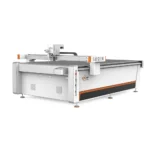
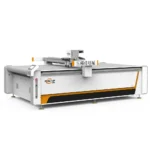
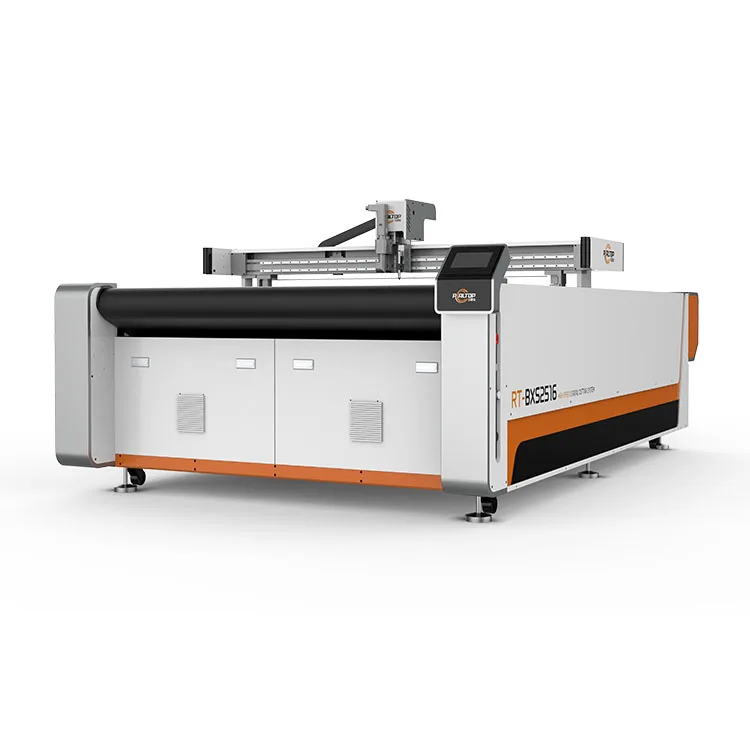
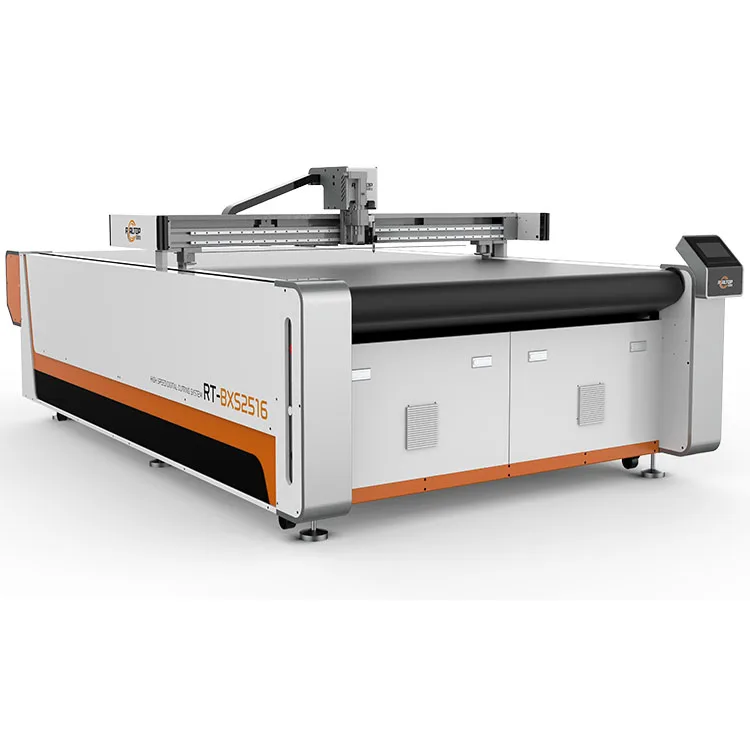
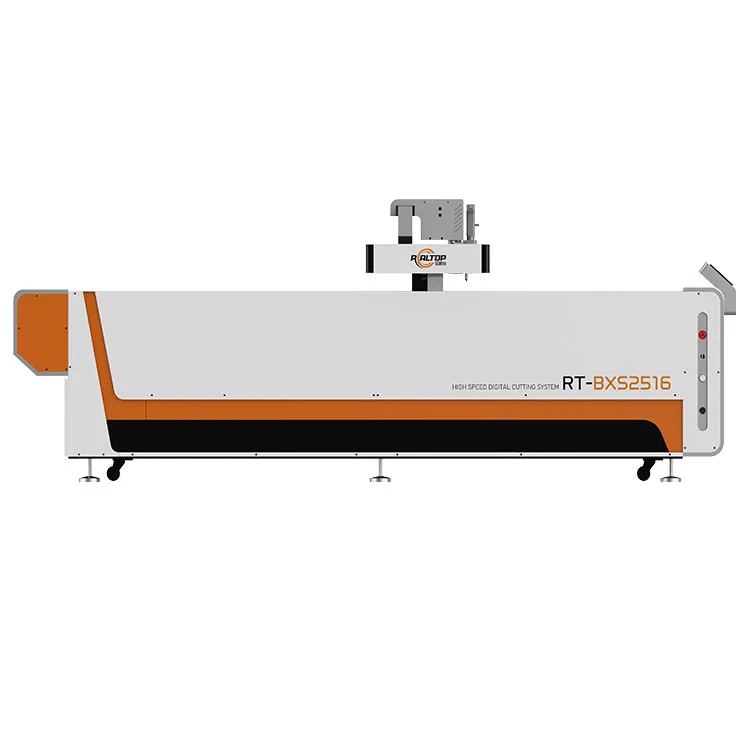
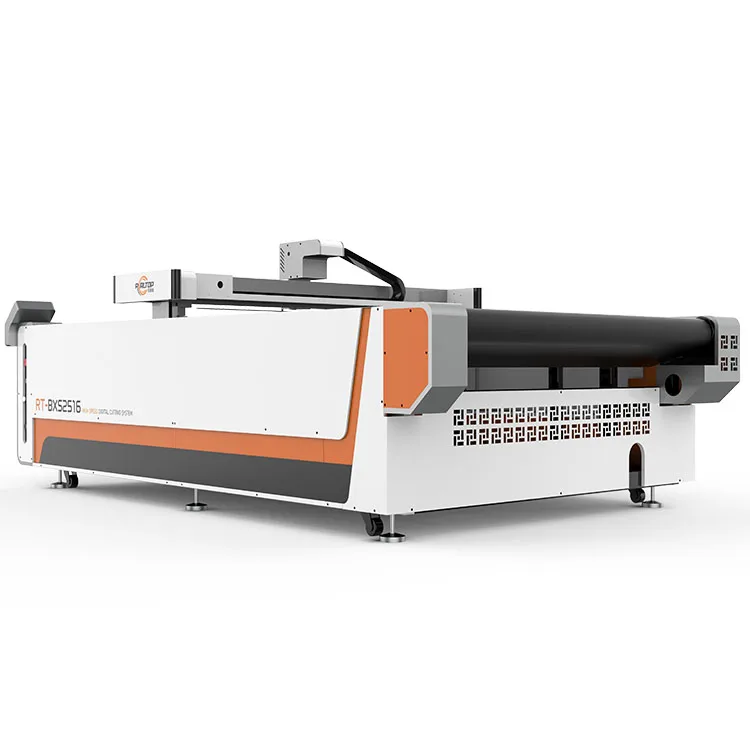
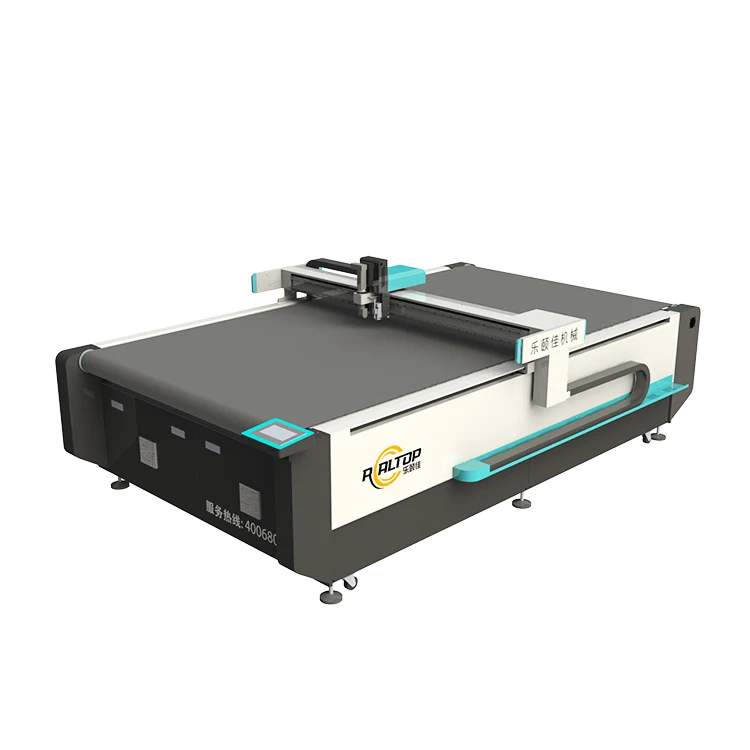
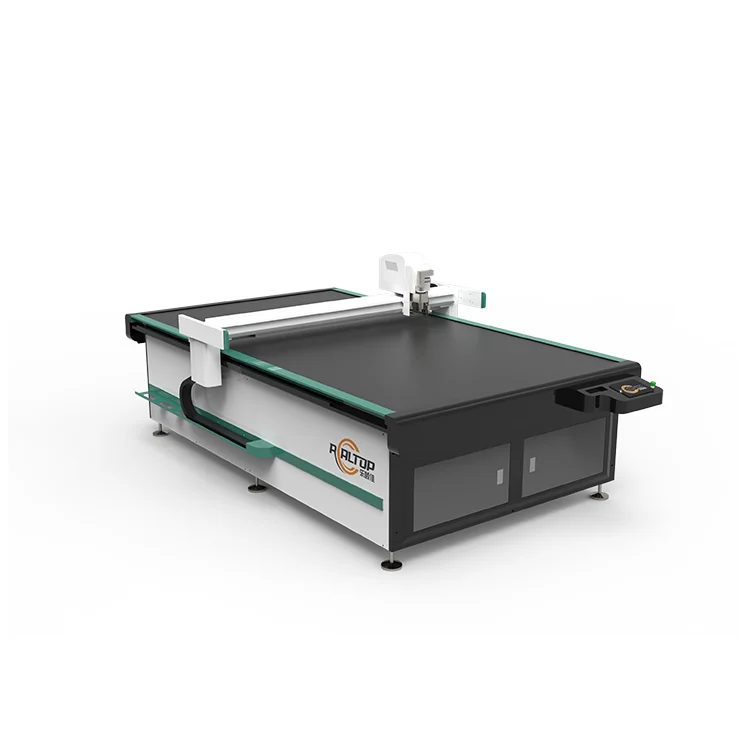
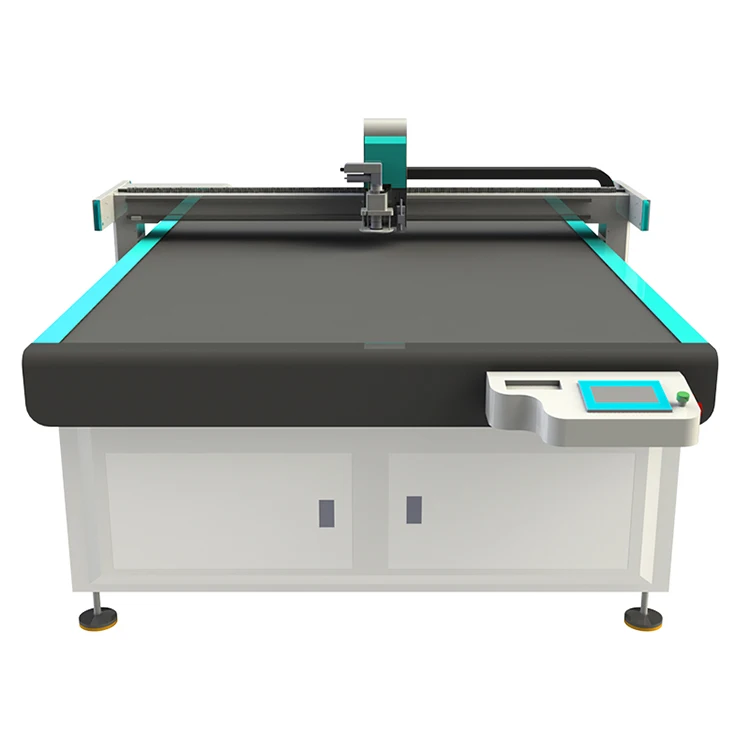
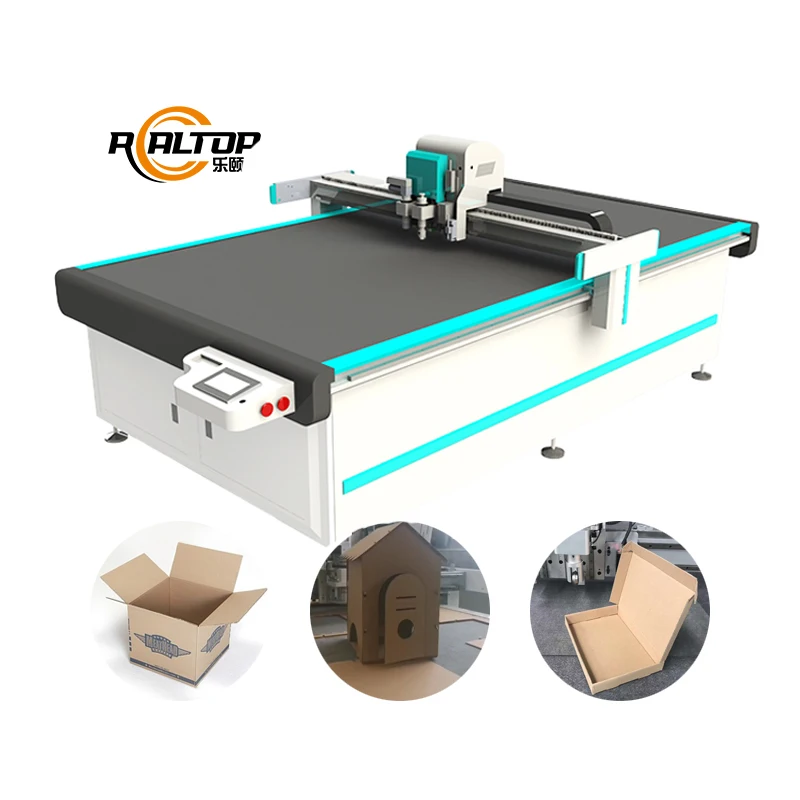
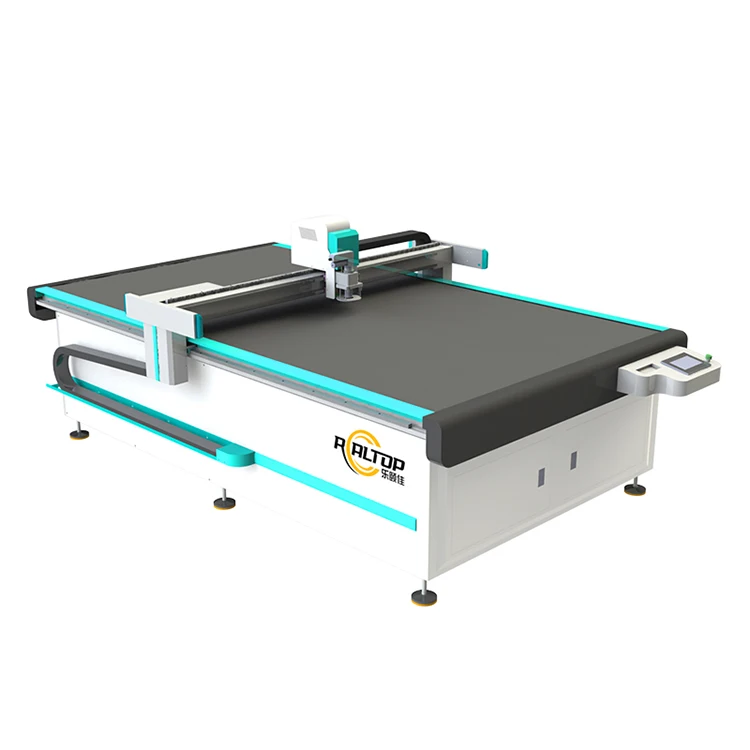
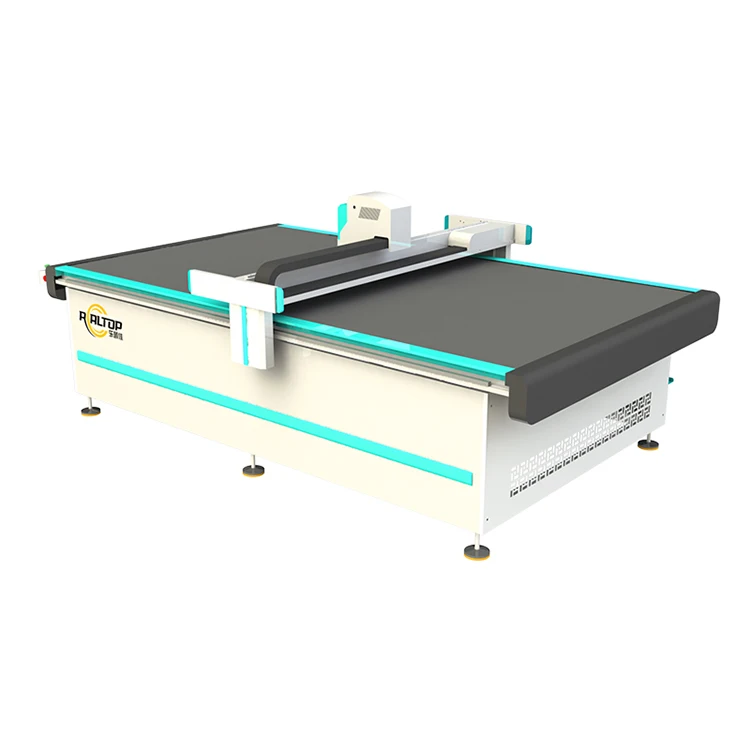
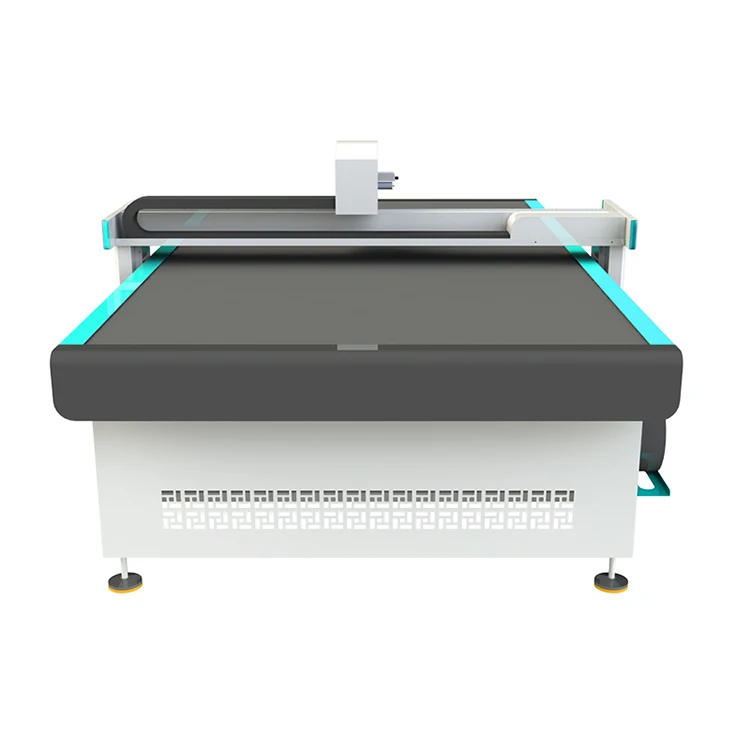
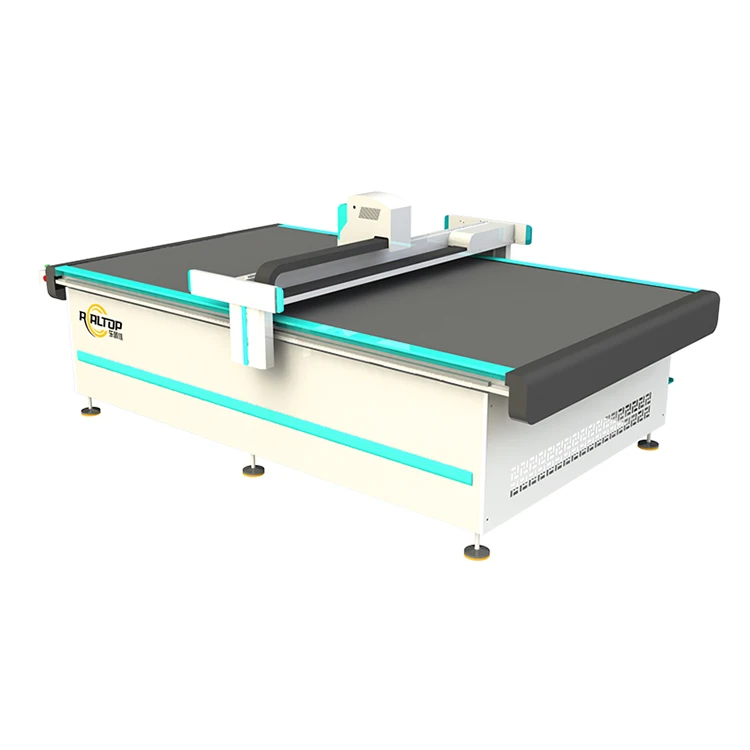
| Product Type | CNC Oscillating Knife Leather Cutting Machine |
| Working Area | 1600 × 2500 mm |
| Overall Dimensions | 3450 × 2300 × 1250 mm |
| Rated Power | 9 kW |
| Vacuum Pump | 7.5 kW |
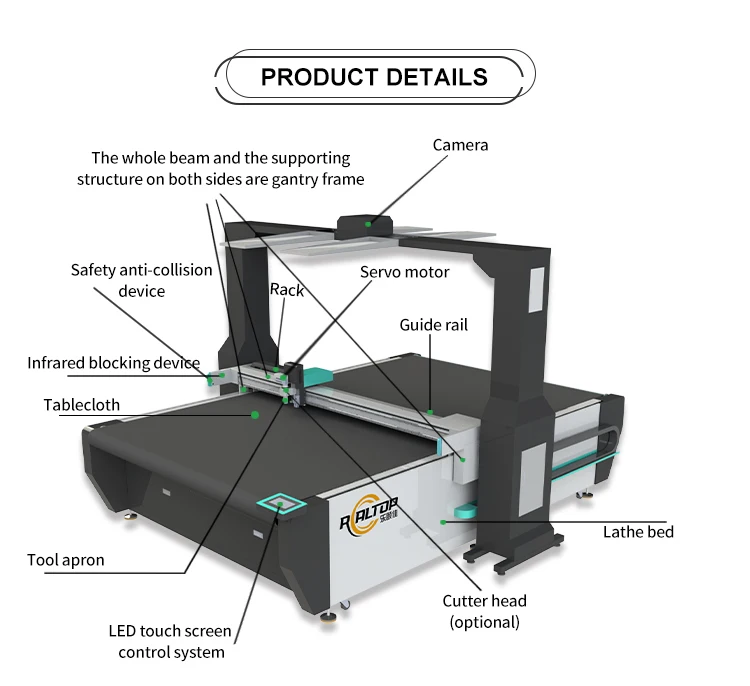
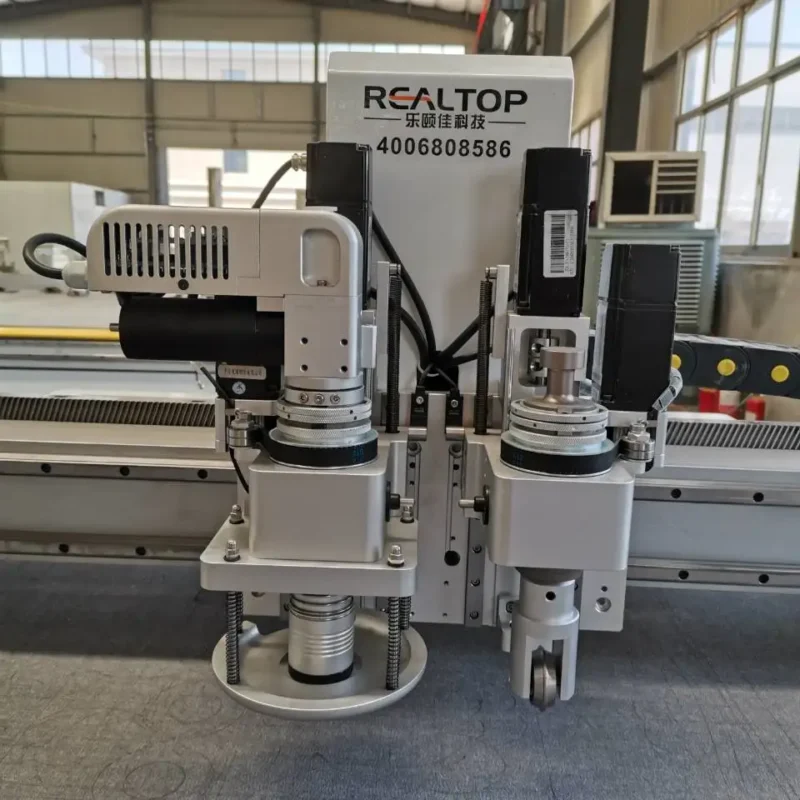
| Tool Head | Swiss imported knife with full cutting, half cutting and cursor location |
| Translational Velocity | 800 – 1200 mm/s |
| Cutting Speed | 200 – 800 mm/s (according to different cutting materials) |
| Repeated Accuracy | ≤ 0.1 mm |
| Servo Motor | Japanese Yaskawa |
| Guide Rail | Taiwan Hiwin |
| Conveyor Belt | Germany imported |
| Transmission System | Digital servo motor, linear guide, synchronous belt, ball screw (imported) |
| Instruction System | HP-GL compatible format |
| Voltage | 380 V ± 10 % |
| Auto Feeding | Yes |
| Safety Device | Infrared sensors |
| Certification | CE |
Application Suitability
| Application | Material or Output |
|---|---|
| Footwear uppers and soles | Natural leather, synthetic leather, PU and PVC sheets |
| Leather goods and accessories | Belts, handbags, wallets from full-grain and corrected-grain hides |
| Garment flexible material cutting | Sponge composite leather, silicon, rubber and soft glass |
| Automotive interior trim panels | Multi-layer leather and foam composite layups |
Why the Voltage Conversation Must Happen Before the Quotation
A CNC oscillating knife cutting machine for leather that arrives with a mismatched voltage rating can stall an entire cutting line for weeks.
I watched a shoe factory in Southeast Asia lose three weeks of production because the 380 V three-phase supply on the shop floor did not match what the transformer could actually deliver. The cutter was rated 380 V ± 10 %, but the site voltage sagged below the lower limit whenever the stamping presses kicked in. The Yaskawa servo drives threw alarms and refused to home. [NEED_CITE: voltage and frequency standards by export market]
Knife Versus Laser — Matching Process to Hide Type
The RT-D2516/RT-S2516 platform gives buyers the option of a Swiss imported oscillating knife head for clean, sealed-edge cuts on natural and synthetic leather. For footwear uppers where the grain surface must remain intact, the vibration full-cutting and half-cutting functions let the blade score or penetrate without scorching. This matters when you work with aniline or semi-aniline hides where thermal damage is immediately visible.
Choosing the correct cutting method is the first decision in any leather production line. A CNC oscillating knife cutting machine for leather handles thick, fibrous hides that would char under a CO₂ beam, while laser systems are better suited to thin synthetics and intricate engraving patterns.
Feeding, Holding and Tracking Through the Cut
The 1600 × 2500 mm working area accommodates full hides laid flat or rolled material fed continuously via the German-imported conveyor belt and auto-feeding system. The vacuum table, powered by a dedicated 7.5 kW pump, holds thin or porous leather flat during the cut. Without sufficient vacuum zoning, small pattern pieces such as belt loops or strap tabs can lift and shift, producing scrap. [NEED_CITE: vacuum table zoning and small part retention]
Reading the Numbers That Actually Matter
The repeated accuracy figure of ≤ 0.1 mm tells you how closely the machine returns to the same coordinate after each travel cycle — critical when nesting dozens of shoe upper patterns across a single hide. Translational velocity of 800 – 1200 mm/s governs non-cutting moves between shapes, while the 200 – 800 mm/s cutting speed range reflects the reality that thicker composite leather demands slower passes for a clean edge. The Hiwin linear guides and imported ball screws keep the gantry square over the full table length, preventing taper on long straight cuts. HP-GL compatibility means most existing nesting software and CAD systems can drive the instruction system without a costly software swap.
What Happens When the Configuration Is Wrong
A leather cutting machine specified only on working area often arrives unable to hold small pieces flat because the vacuum zones were not matched to the buyer’s typical pattern size. The result is lifted edges, ragged cuts and rework that quietly adds to scrap. Choosing the wrong tool head — say a drag knife where an oscillating knife is needed — crushes foam-backed composite leather instead of shearing it cleanly. [NEED_CITE: tool head selection and edge quality on composite materials]
Why Source This Range Here
In-house design and production cover both knife and laser cutting technologies, letting you pick the method that fits your leather rather than adapt to whatever a single-method supplier offers. Every RT-D2516/RT-S2516 unit ships with a tool head and table configuration specified per your material sample and production volume. CCD camera positioning is available for printed contour work on synthetic leather with registered marks. Software and file-format compatibility are confirmed before the order goes to production. Voltage, control language and plug type are locked in against your site electrical drawings, not assumed.
Documentation & Verification
- Machine specification sheet confirming working area, tool head and vacuum pump rating
- Electrical schematic with voltage and frequency match for your facility supply
- Sample cutting report run on your own leather or composite material
- HP-GL file format compatibility note with your nesting software version
- Factory test record documenting repeated accuracy and cut-edge inspection
- Spare parts list covering knife blades, belts and vacuum seals
Installation, Commissioning & Support
- Dedicated 380 V ± 10 % circuit rated for the combined 9 kW cutter and 7.5 kW vacuum pump
- Level concrete floor required for the 3450 × 2300 × 1250 mm overall footprint
- Auto-feeding conveyor tension and tracking calibrated on your roll width during commissioning
- Servo drive parameters set and homing verified against Yaskawa drive manuals
- Operator training covers HP-GL file import, vacuum zone control and knife changeover
- First-cycle spare kit includes Swiss knife blades and synchronous belt segments
Before You Request a Quote
Send us your leather type, typical hide thickness, largest pattern dimensions and daily volume target. Include your shop floor voltage and frequency, plus the nesting software you currently run, so we can confirm HP-GL compatibility and electrical match before the quotation is issued. If you need a sample cut on your own material, ship a roll or hide and we will return a cutting report with edge-quality photos.
Frequently Asked Questions
Q: How do I decide between knife cutting and laser cutting for my leather products?
A: Natural leather and thick composite materials generally cut cleaner with an oscillating knife, avoiding the scorch marks a CO₂ laser leaves on organic fibers. Thin synthetics and intricate engraving work better with laser. We run a sample on your actual material to show edge quality side by side before you commit.
Q: Which file formats does the instruction system accept?
A: The system accepts HP-GL compatible format, which covers most mainstream nesting and CAD platforms. Before your order is confirmed, we verify that your specific software version exports clean tool paths and that the controller reads them without manual editing.
Q: How does vacuum table zoning influence small-part cutting?
A: Without properly zoned vacuum, small leather pieces such as belt loops or shoe strap tabs can lift during the final cut, causing ragged edges or misalignment. We configure the vacuum zones on the RT-D2516/RT-S2516 to match your typical pattern size so hold-down force is concentrated where it is needed.
Q: Can voltage and control language be customized before shipment?
A: Yes. We confirm your site voltage, plug type and preferred control panel language against your electrical drawings before production starts. This avoids the transformer mismatch that once stalled a footwear cutting line for three weeks.
Q: What does the sample cutting process involve?
A: You send a roll or hide of your actual production material. We run your pattern on the RT-D2516/RT-S2516, document edge quality, cycle time and vacuum hold-down, then return a sample cutting report so you can evaluate results before placing the machine order.
Full Range Cutting Solutions — covering both oscillating knife and laser methods so you match the process to leather thickness instead of forcing one tool.
Technical Specifications
| Parameter | Value |
|---|---|
| Model | RT-D2516/RT-S2516 |
| Product Type | CNC Oscillating Knife Leather Cutting Machine |
| Working Area | 1600 × 2500 mm |
| Overall Dimensions | 3450 × 2300 × 1250 mm |
| Rated Power | 9 kW |
| Vacuum Pump | 7.5 kW |
| Tool Head | Swiss imported knife with full cutting, half cutting and cursor location |
| Translational Velocity | 800 – 1200 mm/s |
| Cutting Speed | 200 – 800 mm/s (according to different cutting materials) |
| Repeated Accuracy | ≤ 0.1 mm |
| Servo Motor | Japanese Yaskawa |
| Guide Rail | Taiwan Hiwin |
| Conveyor Belt | Germany imported |
| Transmission System | Digital servo motor, linear guide, synchronous belt, ball screw (imported) |
| Instruction System | HP-GL compatible format |
| Voltage | 380 V ± 10 % |
| Auto Feeding | Yes |
| Safety Device | Infrared sensors |
| Certification | CE |
Application Suitability
| Application | Material or Output |
|---|---|
| Footwear uppers and soles | Natural leather, synthetic leather, PU and PVC sheets |
| Leather goods and accessories | Belts, handbags, wallets from full-grain and corrected-grain hides |
| Garment flexible material cutting | Sponge composite leather, silicon, rubber and soft glass |
| Automotive interior trim panels | Multi-layer leather and foam composite layups |
Why the Voltage Conversation Must Happen Before the Quotation
A CNC oscillating knife cutting machine for leather that arrives with a mismatched voltage rating can stall an entire cutting line for weeks.
I watched a shoe factory in Southeast Asia lose three weeks of production because the 380 V three-phase supply on the shop floor did not match what the transformer could actually deliver. The cutter was rated 380 V ± 10 %, but the site voltage sagged below the lower limit whenever the stamping presses kicked in. The Yaskawa servo drives threw alarms and refused to home. [NEED_CITE: voltage and frequency standards by export market]
Knife Versus Laser — Matching Process to Hide Type
The RT-D2516/RT-S2516 platform gives buyers the option of a Swiss imported oscillating knife head for clean, sealed-edge cuts on natural and synthetic leather. For footwear uppers where the grain surface must remain intact, the vibration full-cutting and half-cutting functions let the blade score or penetrate without scorching. This matters when you work with aniline or semi-aniline hides where thermal damage is immediately visible.
Choosing the correct cutting method is the first decision in any leather production line. A CNC oscillating knife cutting machine for leather handles thick, fibrous hides that would char under a CO₂ beam, while laser systems are better suited to thin synthetics and intricate engraving patterns.
Feeding, Holding and Tracking Through the Cut
The 1600 × 2500 mm working area accommodates full hides laid flat or rolled material fed continuously via the German-imported conveyor belt and auto-feeding system. The vacuum table, powered by a dedicated 7.5 kW pump, holds thin or porous leather flat during the cut. Without sufficient vacuum zoning, small pattern pieces such as belt loops or strap tabs can lift and shift, producing scrap. [NEED_CITE: vacuum table zoning and small part retention]
Reading the Numbers That Actually Matter
The repeated accuracy figure of ≤ 0.1 mm tells you how closely the machine returns to the same coordinate after each travel cycle — critical when nesting dozens of shoe upper patterns across a single hide. Translational velocity of 800 – 1200 mm/s governs non-cutting moves between shapes, while the 200 – 800 mm/s cutting speed range reflects the reality that thicker composite leather demands slower passes for a clean edge. The Hiwin linear guides and imported ball screws keep the gantry square over the full table length, preventing taper on long straight cuts. HP-GL compatibility means most existing nesting software and CAD systems can drive the instruction system without a costly software swap.
What Happens When the Configuration Is Wrong
A leather cutting machine specified only on working area often arrives unable to hold small pieces flat because the vacuum zones were not matched to the buyer’s typical pattern size. The result is lifted edges, ragged cuts and rework that quietly adds to scrap. Choosing the wrong tool head — say a drag knife where an oscillating knife is needed — crushes foam-backed composite leather instead of shearing it cleanly. [NEED_CITE: tool head selection and edge quality on composite materials]
Why Source This Range Here
In-house design and production cover both knife and laser cutting technologies, letting you pick the method that fits your leather rather than adapt to whatever a single-method supplier offers. Every RT-D2516/RT-S2516 unit ships with a tool head and table configuration specified per your material sample and production volume. CCD camera positioning is available for printed contour work on synthetic leather with registered marks. Software and file-format compatibility are confirmed before the order goes to production. Voltage, control language and plug type are locked in against your site electrical drawings, not assumed.
Documentation & Verification
- Machine specification sheet confirming working area, tool head and vacuum pump rating
- Electrical schematic with voltage and frequency match for your facility supply
- Sample cutting report run on your own leather or composite material
- HP-GL file format compatibility note with your nesting software version
- Factory test record documenting repeated accuracy and cut-edge inspection
- Spare parts list covering knife blades, belts and vacuum seals
Installation, Commissioning & Support
- Dedicated 380 V ± 10 % circuit rated for the combined 9 kW cutter and 7.5 kW vacuum pump
- Level concrete floor required for the 3450 × 2300 × 1250 mm overall footprint
- Auto-feeding conveyor tension and tracking calibrated on your roll width during commissioning
- Servo drive parameters set and homing verified against Yaskawa drive manuals
- Operator training covers HP-GL file import, vacuum zone control and knife changeover
- First-cycle spare kit includes Swiss knife blades and synchronous belt segments
Before You Request a Quote
Send us your leather type, typical hide thickness, largest pattern dimensions and daily volume target. Include your shop floor voltage and frequency, plus the nesting software you currently run, so we can confirm HP-GL compatibility and electrical match before the quotation is issued. If you need a sample cut on your own material, ship a roll or hide and we will return a cutting report with edge-quality photos.
Frequently Asked Questions
Q: How do I decide between knife cutting and laser cutting for my leather products?
A: Natural leather and thick composite materials generally cut cleaner with an oscillating knife, avoiding the scorch marks a CO₂ laser leaves on organic fibers. Thin synthetics and intricate engraving work better with laser. We run a sample on your actual material to show edge quality side by side before you commit.
Q: Which file formats does the instruction system accept?
A: The system accepts HP-GL compatible format, which covers most mainstream nesting and CAD platforms. Before your order is confirmed, we verify that your specific software version exports clean tool paths and that the controller reads them without manual editing.
Q: How does vacuum table zoning influence small-part cutting?
A: Without properly zoned vacuum, small leather pieces such as belt loops or shoe strap tabs can lift during the final cut, causing ragged edges or misalignment. We configure the vacuum zones on the RT-D2516/RT-S2516 to match your typical pattern size so hold-down force is concentrated where it is needed.
Q: Can voltage and control language be customized before shipment?
A: Yes. We confirm your site voltage, plug type and preferred control panel language against your electrical drawings before production starts. This avoids the transformer mismatch that once stalled a footwear cutting line for three weeks.
Q: What does the sample cutting process involve?
A: You send a roll or hide of your actual production material. We run your pattern on the RT-D2516/RT-S2516, document edge quality, cycle time and vacuum hold-down, then return a sample cutting report so you can evaluate results before placing the machine order.
商品评价
There are no reviews yet.