

Fast Delivery
Quick, reliable shipping to any location.

Free & easy returns
Return this item by mail or in store within 90 days for a full refund.
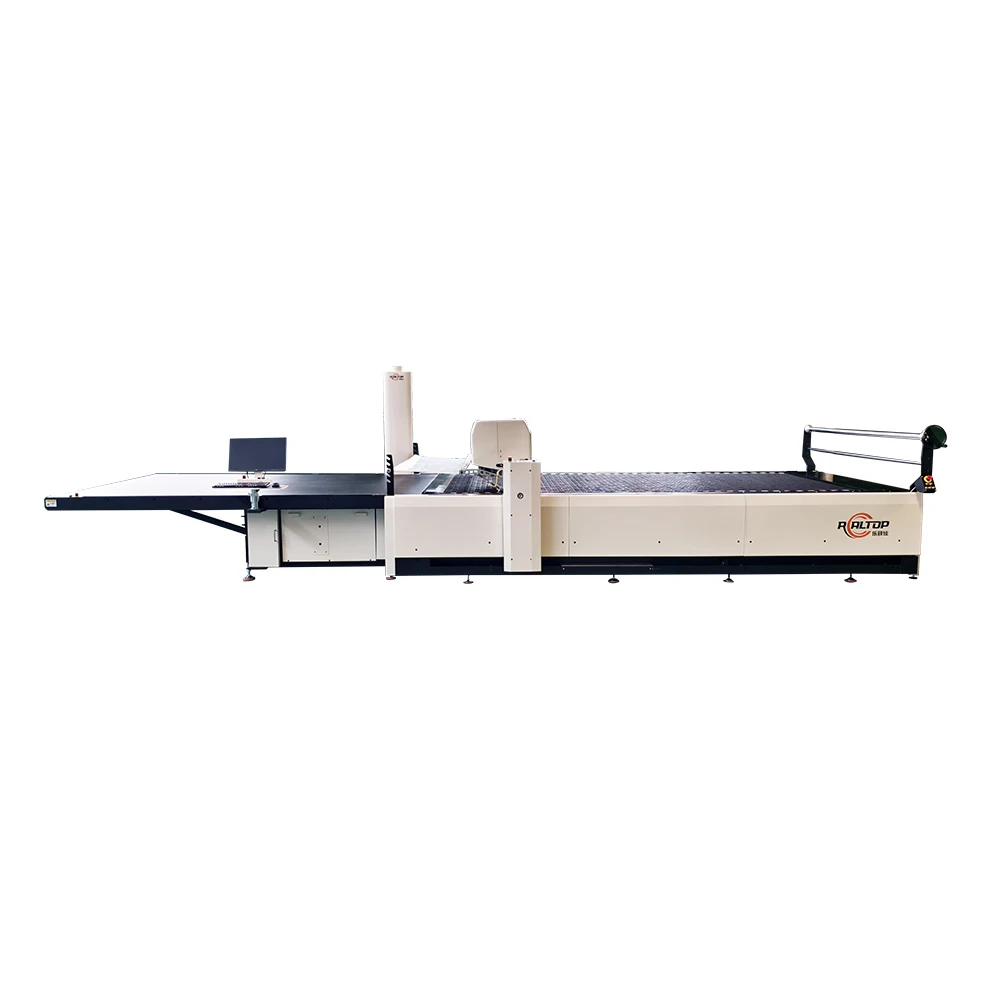
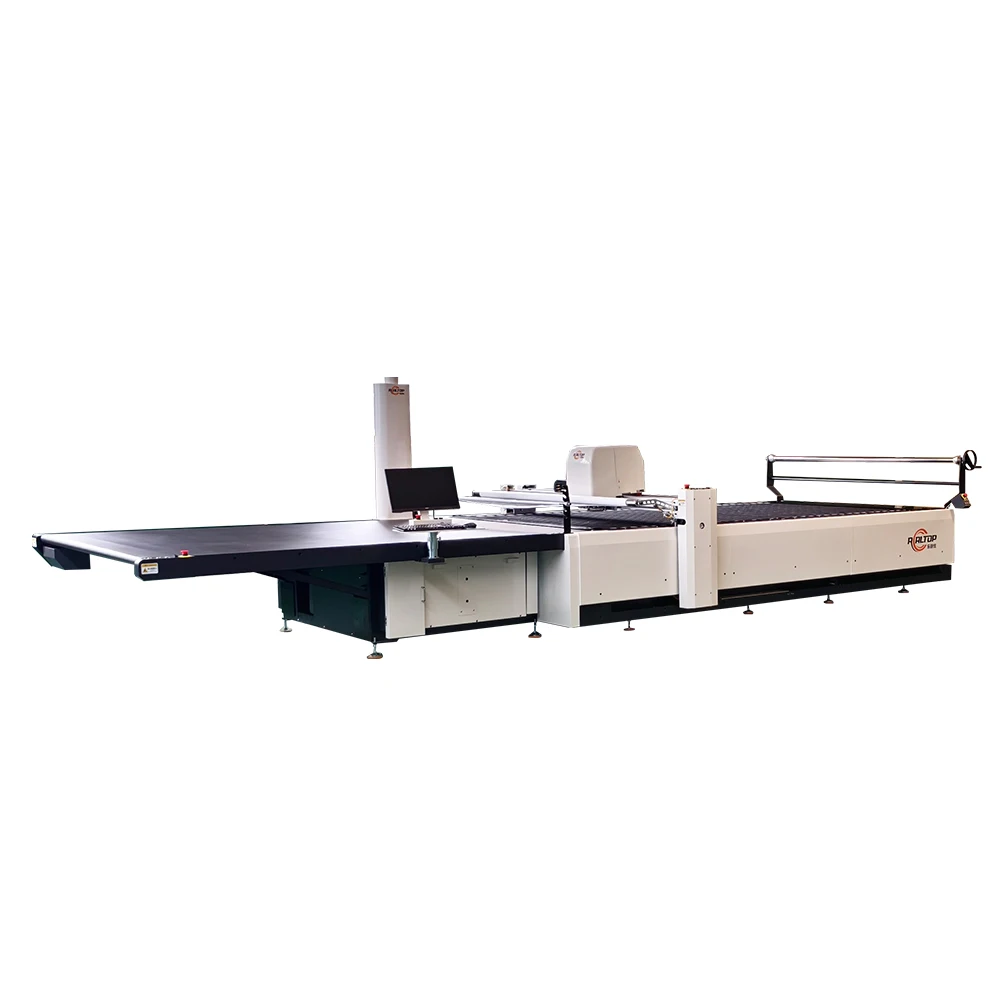
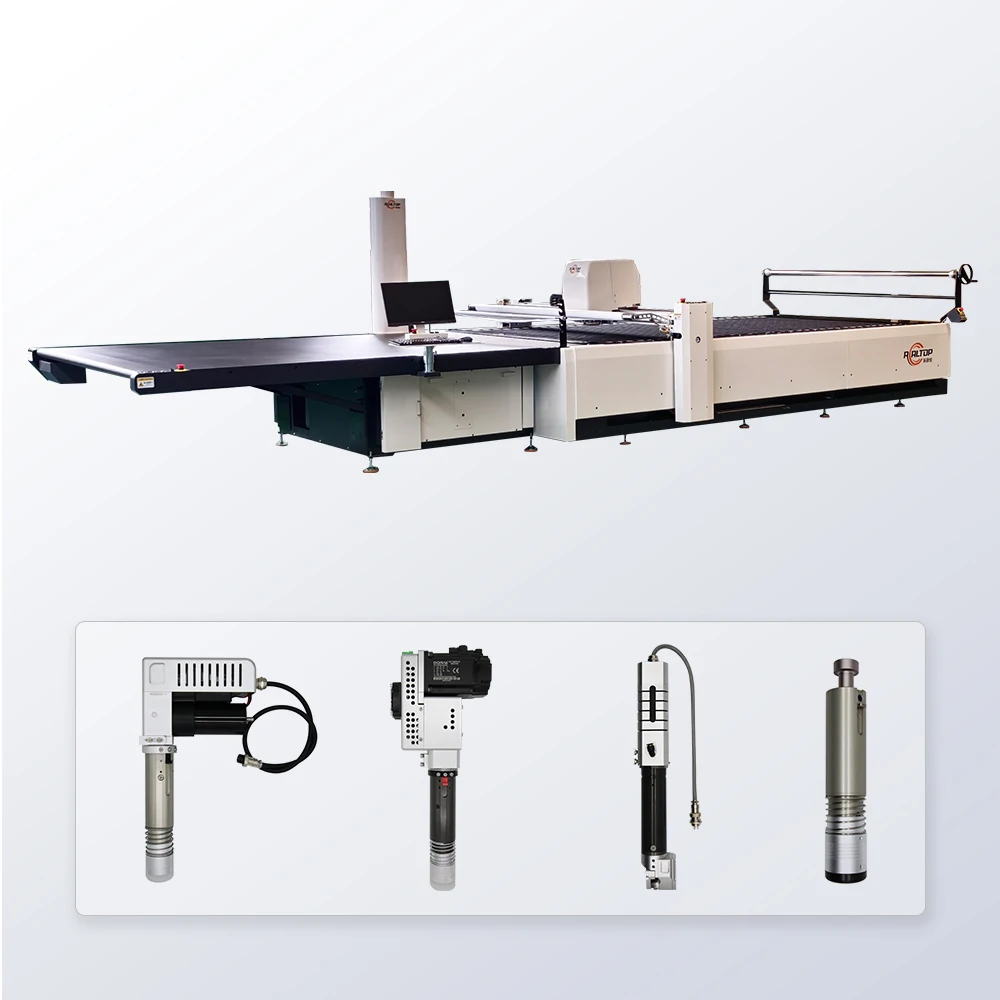
Configurable Cutting Platform — knife and laser technologies offered in parallel so your production line uses the right method for each textile rather than forcing a single approach.
Technical Specifications
| Parameter | Value |
|---|---|
| Product Type | CNC Fabric Cutting Machine |
| Working Area Options | 2000×1700mm / 2000×1900mm / 3300×2300mm |
| Max Operating Speed | 80 m/min |
| Average Cutting Speed | 12 m/min (basis not stated in source — confirm material type, thickness, ply count) |
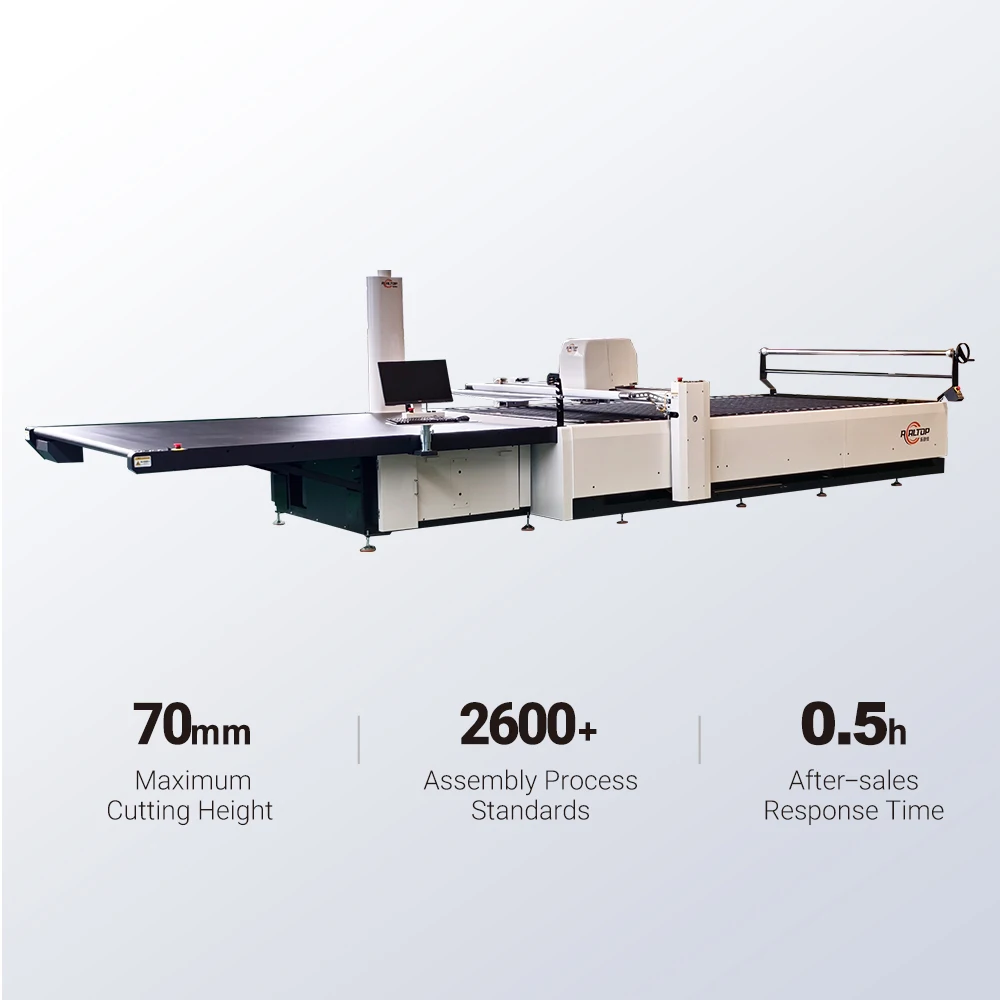
| Cutting Thickness Capacity | Up to 70 mm after vacuum adsorption (basis not stated in source — confirm material and layer count) |
| Voltage & Frequency | 380V / 50Hz |
| Max Power | 26 kW (rated or peak not specified) |
| Air Flow Volume | 160 L/min |
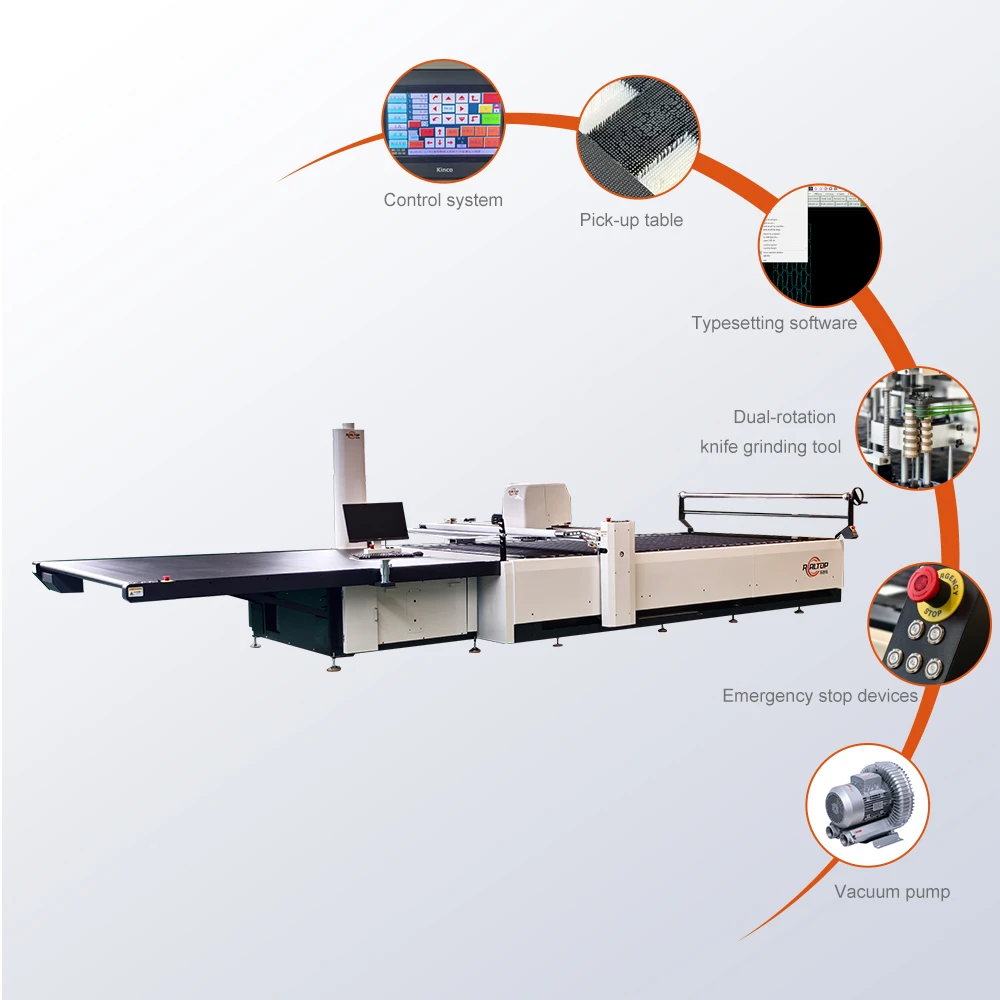
| Blade Grinding Method | Double rotary sharpener |
| Vacuum Table | Aluminum bellows vacuum table |
| Vacuum Pump | Custom high-efficiency pump, aerospace-grade aluminum casting |
| Servo Motor Options | Panasonic / Delta / Dorna |
| Control System | PLC control panel with optional display languages |
| Positioning Accuracy | ±0.1 mm repeatability |
| Tool Head | Interchangeable cutting knife |
| Software Compatibility | DXF / PLT / AI / PDF import; dedicated packaging box structure design software |
| Language Options | English, Russian, Italian, Chinese; special languages customizable |
| Certification | CE |
Application Suitability
| Application | Material or Output |
|---|---|
| Sofa fabric cutting for upholstery workshops | Multi-layer woven and plush textiles, rolled widths up to 2300 mm |
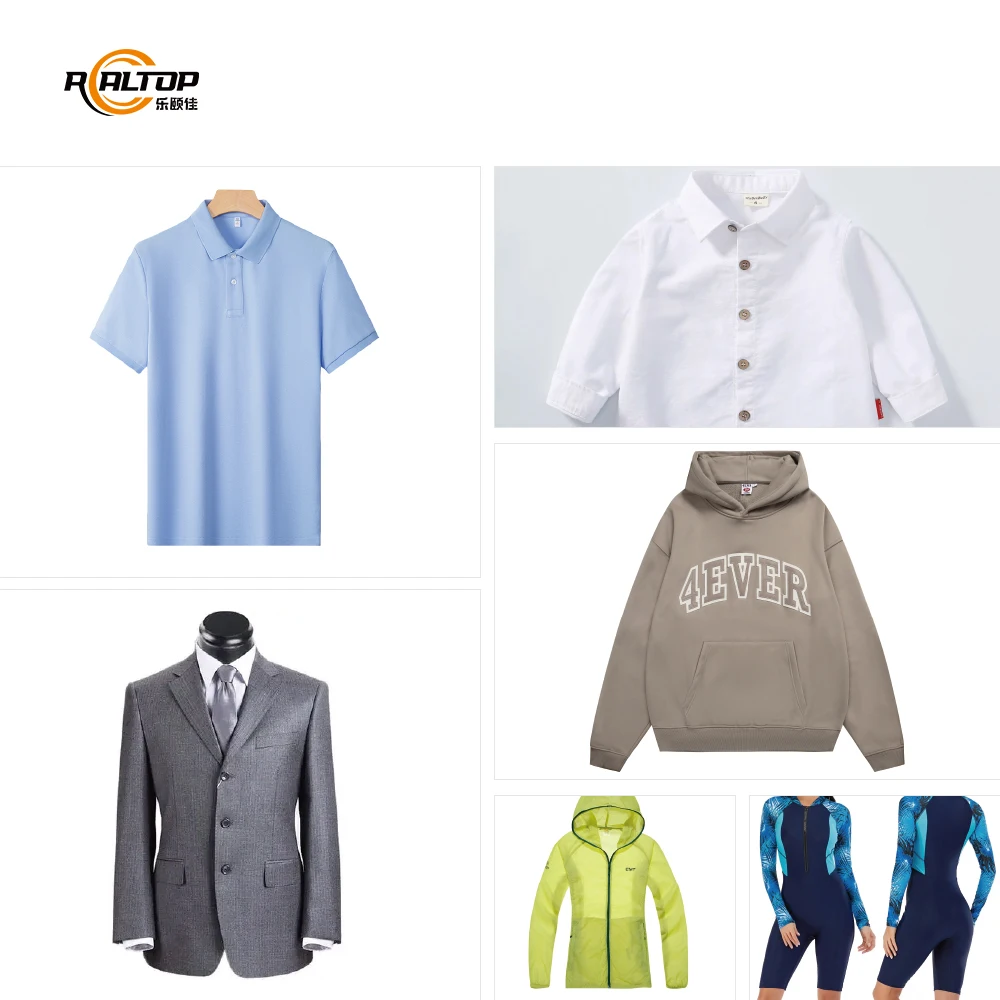
| Garment panel cutting for suits and knitwear | Single-ply and multi-ply knits, wovens, lace, pattern-matched layouts |
| Home textile production | Curtain panels, rugs, multi-layer household fabric lays |
| Flexible composite material processing | Over 30 material types including stretch blends and technical textiles |
What Machine Buyers Overlook Before the First Cut
A working area quoted on paper does not guarantee clean edges through 70 mm of compressed sofa fabric at production speed — cutting capacity is only real once verified on your specific material and ply count.
I have watched factories receive machines that looked correct on the spec sheet, only to discover the vacuum table could not hold small pattern pieces flat when cutting stretch-blend upholstery cloth. The blade pulled the fabric, edges wandered, and the first week of production turned into a parameter-tuning exercise. That is why a sample cutting report on the buyer’s own roll stock matters more than any brochure number [NEED_CITE: fabric cutting vacuum hold-down requirements by material density].
Matching the Method to the Textile
Not every fabric responds well to the same cutting action. Knitwear and lace demand a clean oscillating stroke to prevent fraying, while heavy plush sofa cloth needs deeper blade penetration and stronger vacuum hold-down. This CNC fabric cutting machine manufacturer platform lets buyers evaluate knife cutting against laser sealing side by side, selecting the technology that suits each textile in the production mix rather than committing the entire workshop to one method.
Working Area and Roll Width Alignment
Choosing the right table size starts with the roll widths your suppliers deliver. A 2000×1700 mm bed handles standard garment lays comfortably, while the 3300×2300 mm format accommodates wider home-textile rolls and longer marker layouts. Mismatching the bed to the roll forces operators to re-feed material mid-job, introducing alignment errors and wasting yardage [NEED_CITE: textile roll width standards for upholstery and garment manufacturing].
How Vacuum, Blade, and Software Interact on the Floor
The aluminum bellows vacuum table provides full-surface adsorption, which is critical when cutting compressible materials like foam-backed sofa fabric. A high-efficiency pump cast from aerospace-grade aluminum sustains suction across the entire table area, preventing the edge-lift that causes ragged cuts on small pattern pieces. The double rotary sharpener keeps the interchangeable knife honed during long runs, reducing blade-change interruptions. On the software side, DXF, PLT, AI, and PDF import means your nesting files move from design to machine without format conversion — a practical detail that eliminates a common bottleneck between the pattern room and the cutting floor.
The Cost of Skipping Material-Specific Validation
Selecting a tool head based on a general material category often leads to problems once production begins. A drag knife meant for vinyl will crush foam-backed upholstery layers instead of slicing through them, leaving compressed edges that fail quality inspection. Insufficient vacuum zoning lets lightweight knit panels shift mid-cut, producing mismatched pieces that only show up during sewing. These issues rarely appear during factory acceptance tests run on standard stock material [NEED_CITE: tool head selection errors in flexible material cutting].
What Sets This Equipment Range Apart
In-house design covers both oscillating knife and laser platforms, so the cutting method follows the material rather than the other way around. Tool head and table configuration are specified per fabric type and daily volume before the order is finalized. CCD camera positioning is available for printed contour work on patterned textiles. Software compatibility is confirmed against your existing nesting workflow before production starts. Voltage, control language, and plug type are locked in to match the destination market, avoiding rewiring delays on arrival. Sample cutting on the buyer’s own fabric roll provides a documented baseline for edge quality and thickness capacity.
Documentation & Verification
- Machine specification sheet confirming working area, tool head, and vacuum configuration
- Sample cutting report on your sofa or garment fabric before shipment approval
- Electrical schematic and voltage confirmation matched to destination market standards
- Software licence with confirmed DXF, PLT, AI, and PDF file format compatibility
- Factory test record documenting run parameters on buyer-supplied material
- Operation and maintenance manual with blade change and sharpener procedures
Installation, Commissioning & Support
- Foundation and floor space planning based on the 3300×2300 mm maximum footprint plus material staging area
- Dedicated 380V / 50Hz circuit with capacity for the 26 kW maximum power draw
- Vacuum pump commissioning and suction verification across all aluminum bellows table zones
- PLC control panel setup with selected display language before operator training begins
- Servo motor calibration on the chosen Panasonic, Delta, or Dorna drive system
- Spare blade and sharpener wheel inventory recommended for the first production quarter
Before You Request a Quotation
Tell us the fabric types you cut most often, the maximum ply height you lay up, and the roll widths your suppliers ship. Include the voltage and frequency standard at your facility along with the preferred control panel language. If you already run nesting software, share the file formats so compatibility is confirmed before the machine is built.
Frequently Asked Questions
Q: Should I choose knife cutting or laser for my fabric range?
A: Knife cutting handles multi-layer woven, knit, and plush textiles without sealed edges, making it the standard for sofa upholstery and garment panels. Laser cutting seals synthetic edges to prevent fraying, which suits technical textiles and single-ply applications. Evaluating both methods against your actual material range leads to a more accurate configuration.
Q: How is cutting thickness verified for my specific fabric lay?
A: We run sample cuts on your own roll stock at the ply height you intend to produce. The test documents edge quality, dimensional accuracy, and vacuum hold performance, giving you a verified baseline before the machine ships rather than relying on generic thickness claims.
Q: Which table size fits my roll widths and marker lengths?
A: Available working areas span from 2000×1700 mm to 3300×2300 mm. Matching the bed to your widest roll and longest marker layout prevents re-feeds and alignment errors. Share your typical roll dimensions so we recommend the correct format.
Q: What file formats does the software accept for nesting?
A: The system imports DXF, PLT, AI, and PDF files directly. Confirming your existing design output format before ordering ensures your nesting workflow connects to the machine without intermediate conversion steps.
Q: Can the control panel language and voltage be set for my market?
A: Control language options include English, Russian, Italian, and Chinese, with special languages available on request. Voltage and frequency are confirmed to match your local supply standard before production, documented in the electrical schematic provided with the machine.










商品评价
There are no reviews yet.