

Fast Delivery
Quick, reliable shipping to any location.

Free & easy returns
Return this item by mail or in store within 90 days for a full refund.
Material-Specific Tooling Match — A knife cutting table specified for thin garment fabric often fails on 20mm foam or gasket composites because the wrong tool head was never considered during the initial order.
Technical Specifications
| Parameter | Value |
|---|---|
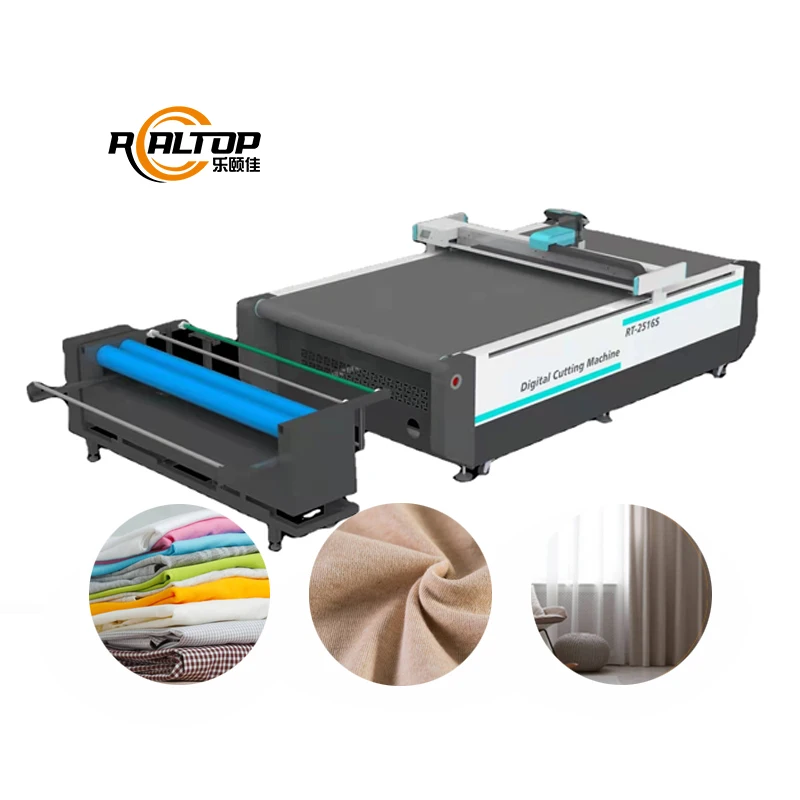
| Model | RT-D2516 / RT-S2516 |
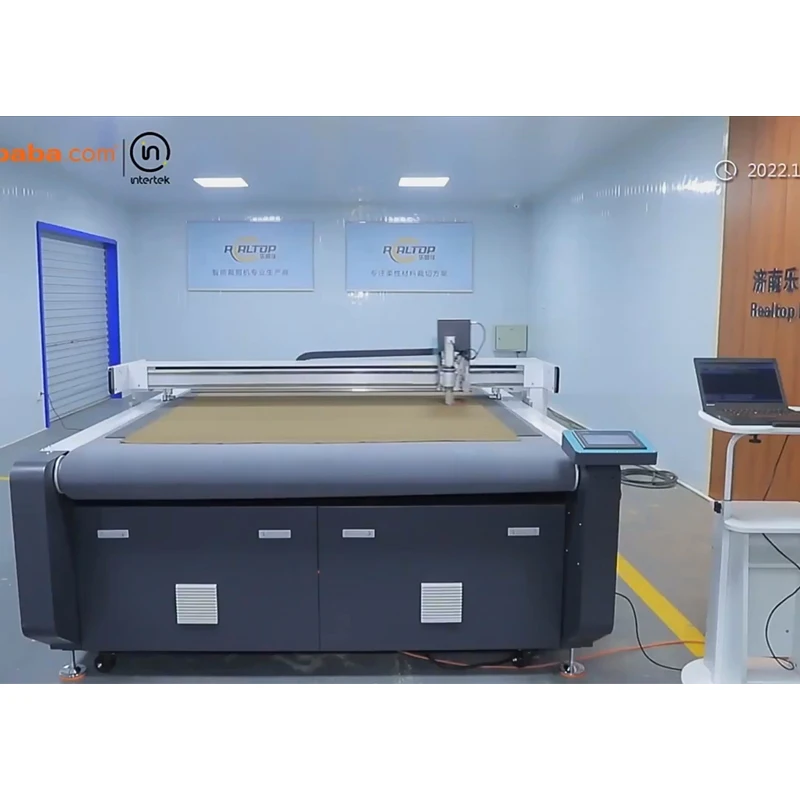
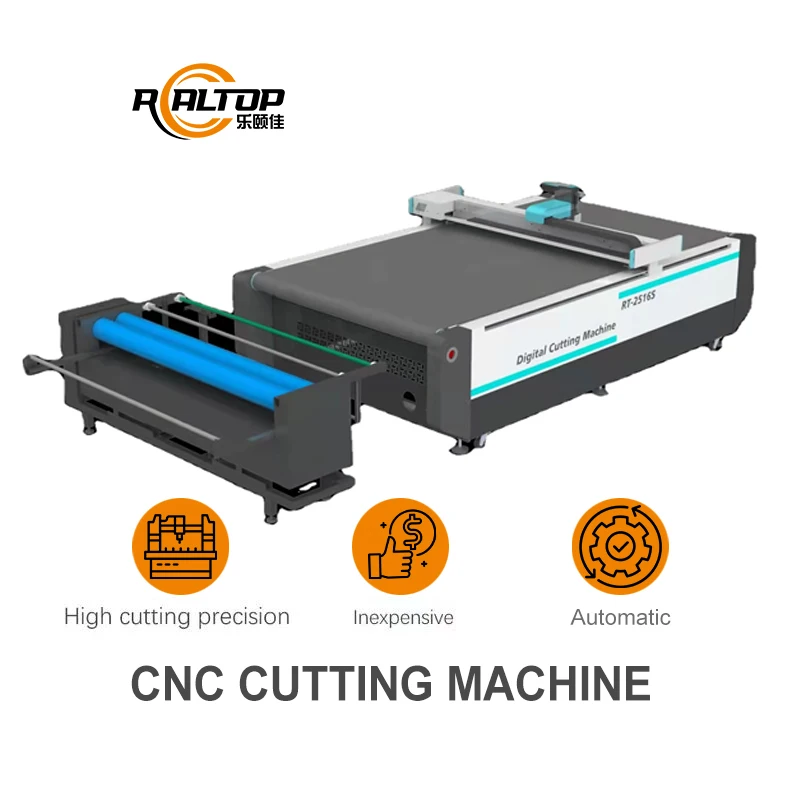
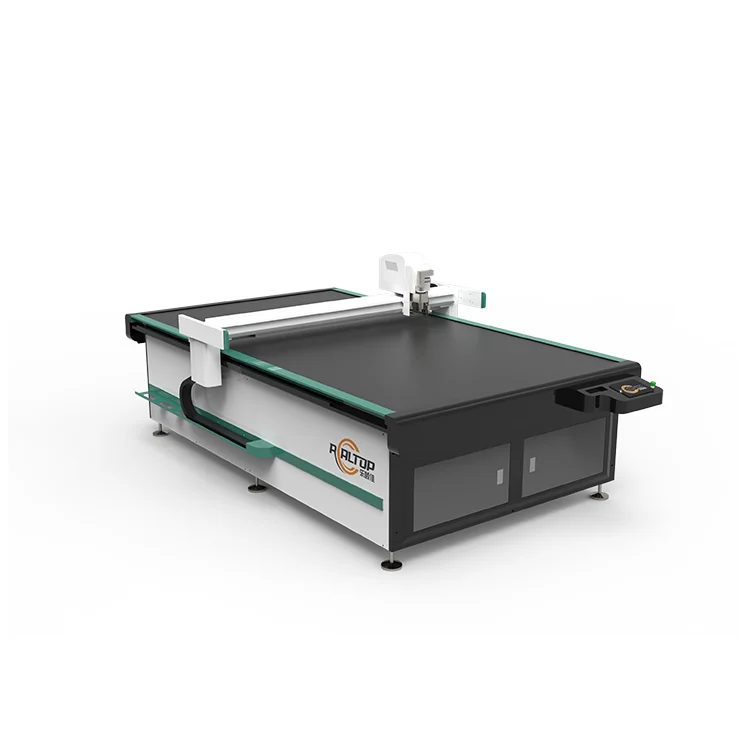
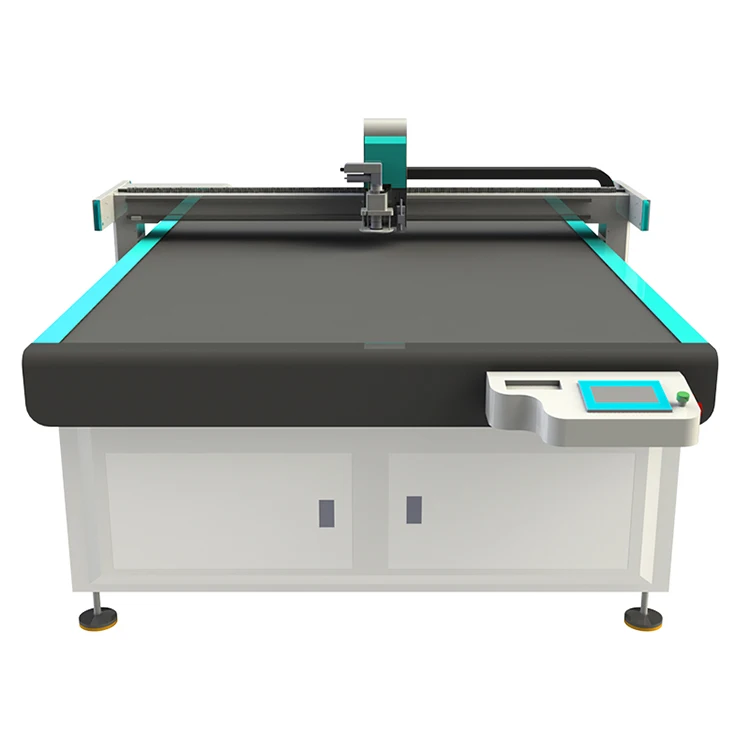
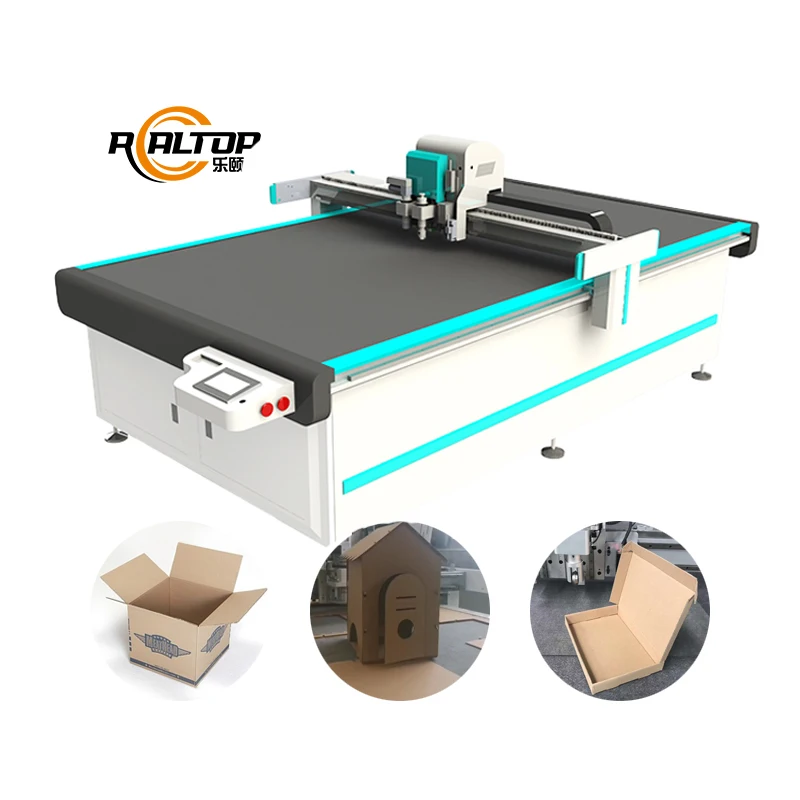
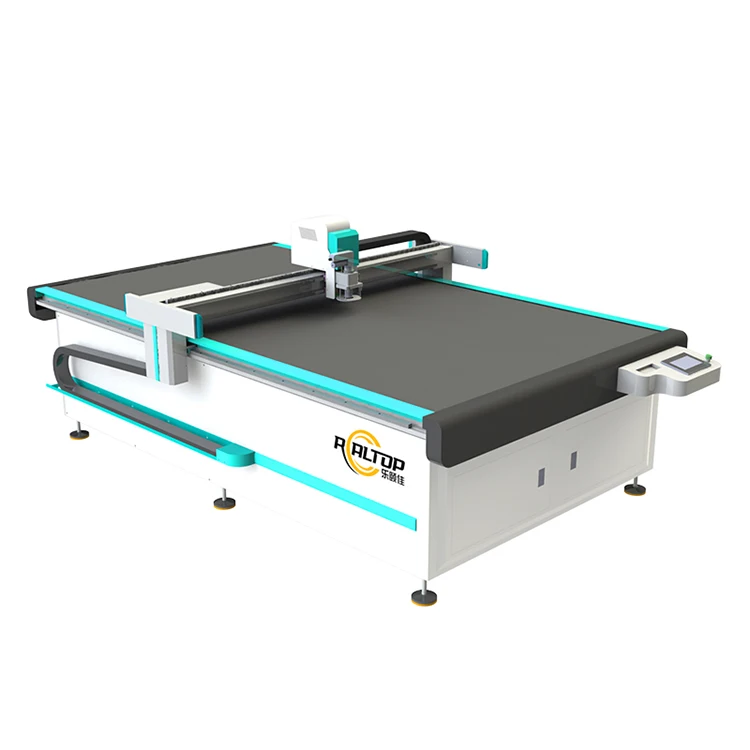
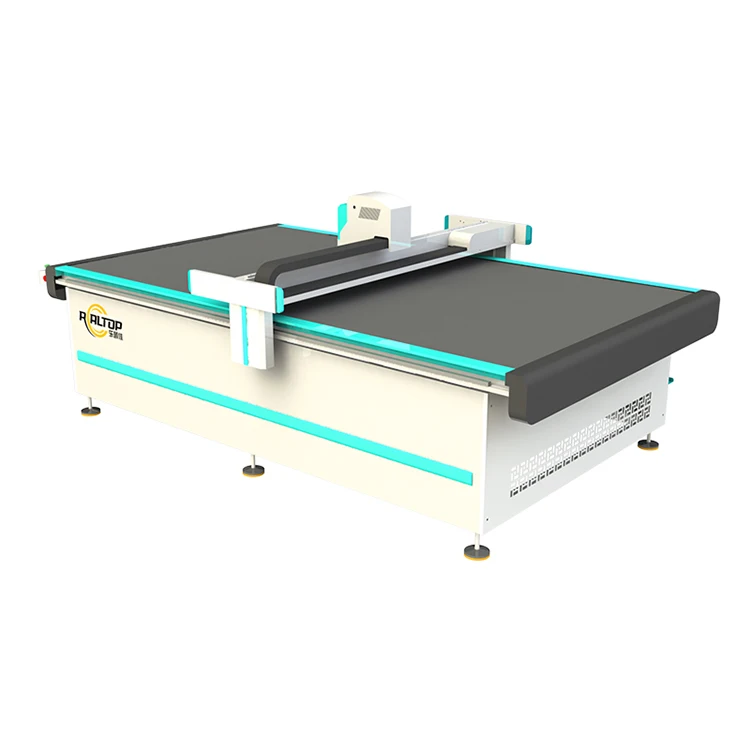
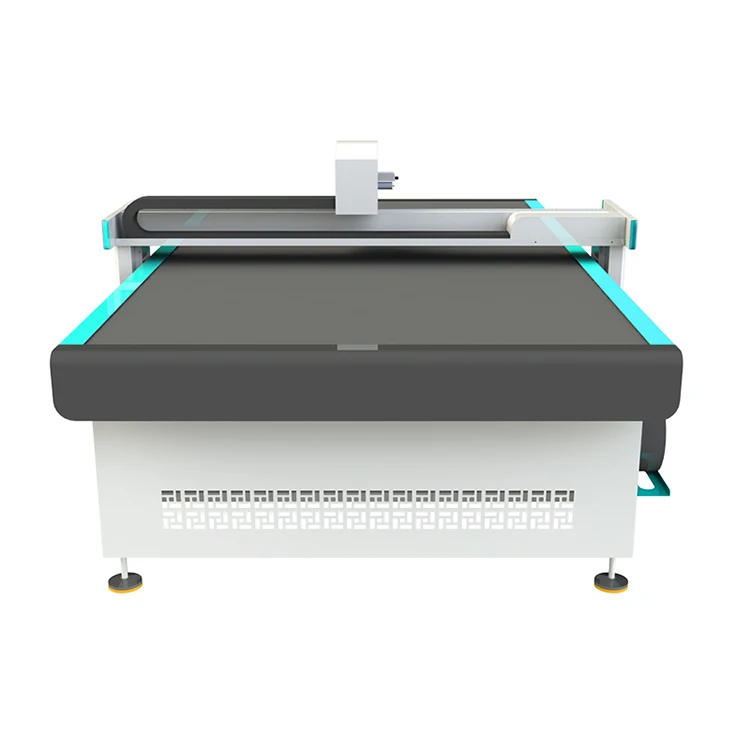
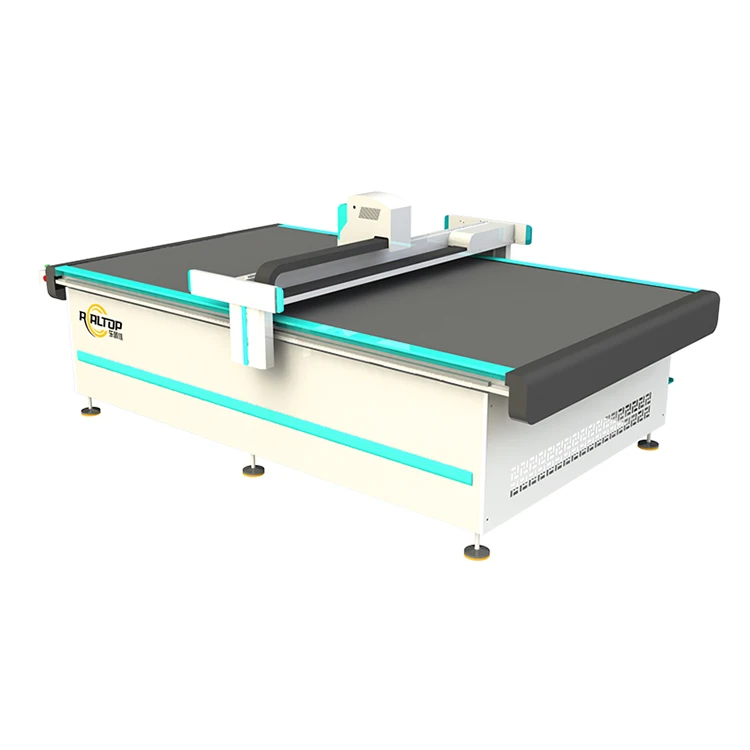
| Product Type | CNC Oscillating Knife Cutting Table |
| Working Area | 1600 × 2500 mm |
| Machine Size | 3450 × 2300 × 1250 mm |
| Rated Power | 9 kW |
| Translational Velocity | 800–1200 mm/s |
| Cutting Thickness Range | 20–80 mm (basis not stated in source) |
| Repeatability | ≤0.1 mm |
| Transmission System | Digital servo motor, linear guide, synchronous belt, ball screw |
| Instruction System | HP-GL compatible format |
| Voltage | 380V ±10% |
| Vacuum Pump | 7.5 kW |
| Working Table | Flat vacuum table (magnesium-aluminum alloy, PVDF powder sprayed, anodic and hard oxidation treated) |
| Servo Motor | Delta (optional Panasonic) |
| Conveyor Belt | Germany imported |
| Linear Rail | Taiwan Hiwin |
| Safety Device | Infrared induction blocking, anti-collision, emergency stop |
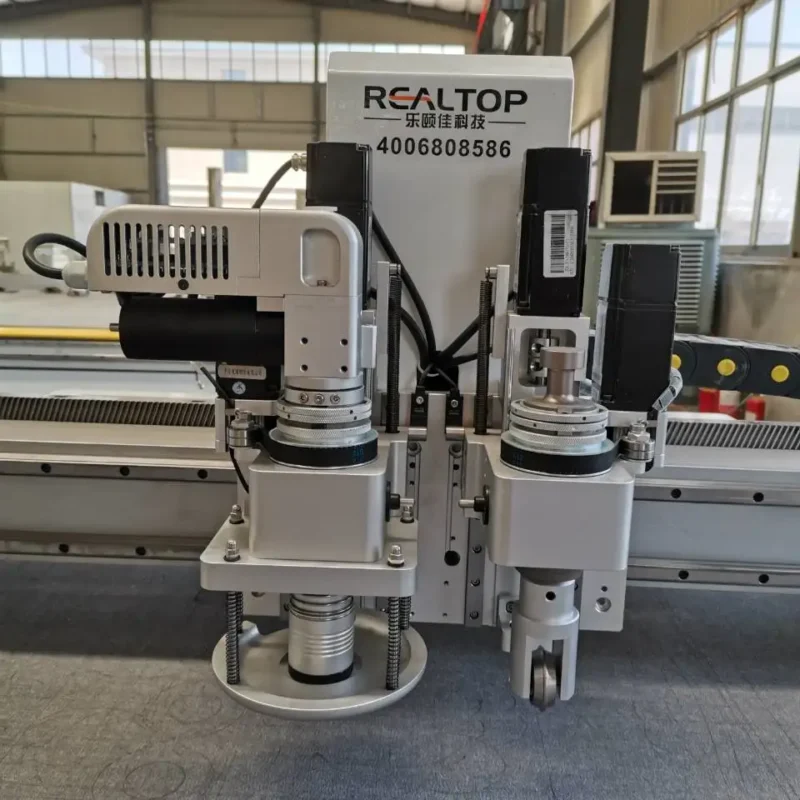
| Tool Head Options | Swiss imported knife (vibration full/half cutting), pneumatic knife, high-power vibrating knife, circular knife, V-cutting knife, drag knife, creasing wheel, dotted line knife, punching, brush |
| Visual Positioning | Small CCD camera mark point positioning, panoramic camera recognition, projection positioning |
| Language Options | English, Russian, Italian, Chinese; special languages customizable |
| Certification | CE (declared where applicable) |
Application Suitability
| Application | Material or Output |
|---|---|
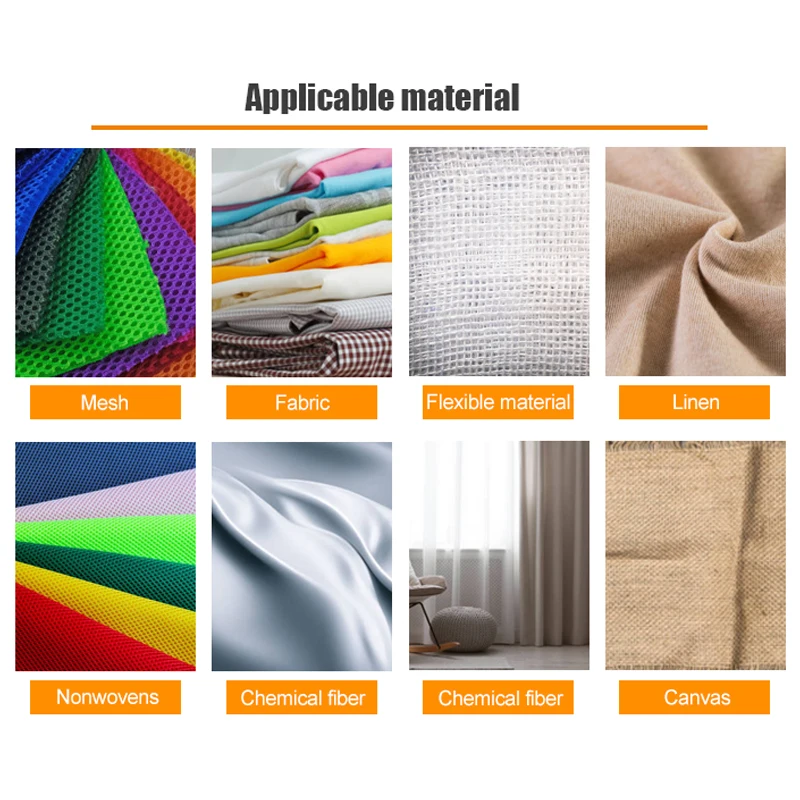
| Soft Home Furnishings & Upholstery | Thick foam, sponge, composite fabric, leather, non-woven fabric |
| Automotive Interior & Sealing | PU, EVA, XPE, gasket material, sealing pads, composite leather |
| Packaging & Sample Making | Cardboard, corrugated cardboard, plastic box, sticker, film |
| Footwear & Luggage | Shoe material, luggage material, rubber, cloth, PVC, PP, PE |
| Technical Textiles & Insulation | Fiberglass, PTFE, ETFE, carpet, floor mats |
Why the Material Question Must Precede the Working Area
Selecting a CNC flatbed cutting table based solely on bed size often leaves the buyer with a machine that cannot handle their actual material density or thickness.
I have seen fabric producers order a machine with a generous cutting area, only to find the standard oscillating knife head leaves ragged edges on their 40mm composite foam or fails to cut through denser gasket materials. The cutting method must be matched to the material type and thickness before the footprint is finalized. A machine that cannot process the required material at production speed is essentially a liability on the workshop floor [NEED_CITE: industrial knife cutting tooling selection by material density]. This CNC Oscillating Knife Cutting Table for sale addresses that gap by offering a comprehensive range of tool heads—from high-power vibrating knives for dense foam to circular knives for roll-fed textiles—ensuring the cutting method is engineered around the buyer’s daily production reality rather than a generic specification sheet.
Matching Tool Head Configuration to Material Density
The range of available tool heads on this CNC Oscillating Knife Cutting Table for sale allows the operator to switch between cutting methods based on material behavior. An oscillating knife provides clean edges on layered fabrics and thin foams, while a high-power vibrating knife is required for thicker, denser composites like automotive interior panels or XPE foam. Drag knives and creasing wheels handle cardboard and packaging sample work, and circular knives are specified for continuous roll-fed materials like carpet or non-woven fabric.
Visual Positioning for Contour and Print Accuracy
For producers working with pre-printed materials—such as graphic advertising, signage, or digitally printed textiles—the available visual positioning options are essential. The small CCD camera mark point positioning system locates registration marks to align cuts with printed graphics. For larger format or more complex print layouts, the panoramic camera recognition option scans the entire working area. Projection positioning overlays the cut path directly onto the material for manual verification before the blade engages. These systems prevent material waste on misaligned contour cuts [NEED_CITE: CCD camera contour recognition accuracy in digital finishing workflows].
Understanding the Drive and Vacuum Infrastructure
The machine’s 9 kW rated power supports the 7.5 kW vacuum pump, which generates the suction necessary to hold flat materials against the magnesium-aluminum alloy table. The PVDF powder sprayed and anodic oxidation treated surface resists wear from repeated material loading and unloading. The Delta servo motors (with optional Panasonic) drive the Taiwan Hiwin linear rails, maintaining a repeatability of ≤0.1 mm across the 1600 × 2500 mm working area. For roll-fed workflows, the German imported conveyor belt enables continuous feeding, while the 800–1200 mm/s translational velocity keeps cutting throughput aligned with high-volume production schedules.
The Cost of Overlooking Zoning and Voltage
When vacuum table zoning is insufficient for small parts, the suction distribution fails to hold the material flat, causing lift during the cut and ruining the edge quality or the entire piece. Buyers who specify a machine without confirming the zoning configuration for their typical nest layout often face this problem on the first day of production. Similarly, failing to confirm the local voltage and frequency before shipment can result in a machine that requires a costly transformer or simply cannot be powered up [NEED_CITE: voltage and frequency standards by export market]. The 380V ±10% specification must be verified against the buyer’s workshop supply, and the control language—available in English, Russian, Italian, Chinese, or customizable options—must be confirmed to ensure the operator can navigate the software without errors.
In-House Design and Material Testing
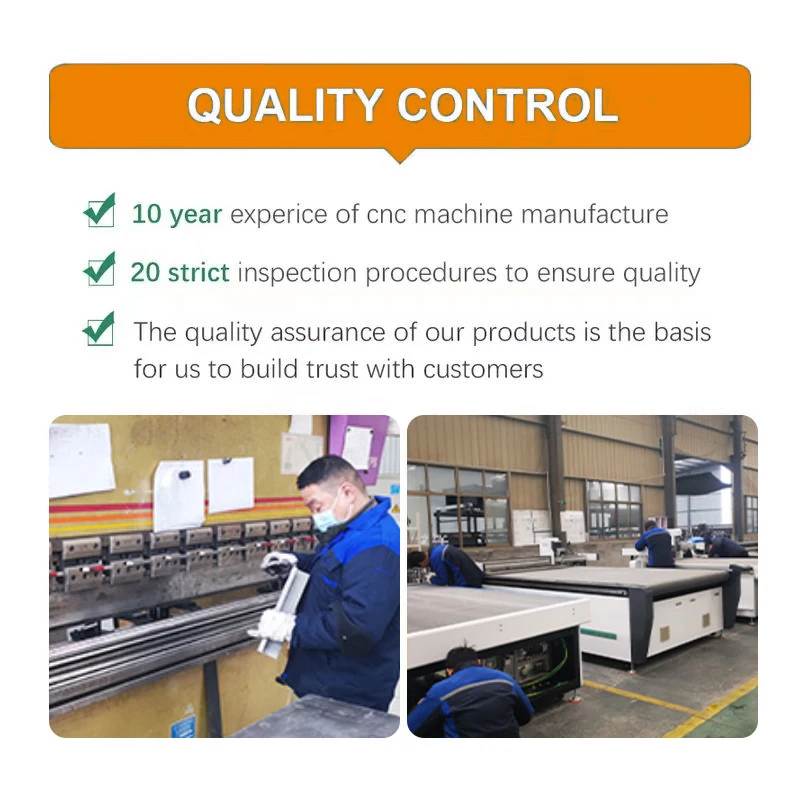
This equipment is designed and built in-house, covering both knife cutting technologies so a buyer can match the cutting method to the material rather than force one method across all applications. Tool head and table configurations are specified per material and production volume during the inquiry stage. Software compatibility and file format support are confirmed before the order is finalized, preventing integration issues with the buyer’s existing nesting workflow. Voltage, plug type, and control language specifications are locked in before shipment. Most importantly, sample cutting on the buyer’s own material is performed and documented before any commitment is made, providing a physical record of edge quality and cutting depth that a specification sheet cannot convey.
Documentation & Verification
- Machine specification sheet with confirmed working area and tool head configuration list
- Electrical schematic and voltage confirmation matching your workshop’s 380V supply
- Sample cutting report on your specific material showing edge quality and depth
- Factory test record with repeatability and velocity measurements before dispatch
- Operation and maintenance manual with software licence and file format compatibility note
- Spare parts list and packing photographs for shipping verification
Installation, Commissioning & Support
- 3450×2300×1250 mm machine size requires adequate workshop clearance and level flooring for the vacuum table
- Dedicated circuit required for 9 kW rated power plus 7.5 kW vacuum pump startup load
- Assembly of gantry, tool head carriage, and conveyor belt completed on-site after delivery
- Vacuum zoning and servo calibration set for your specific material thickness and nest pattern
- Operator training covering tool head changes, CCD positioning setup, and file import workflow
- Swiss imported knife blades and drive belts included in initial spare parts supply
Before You Request a Quote
To match the right configuration to your production, we need to know your primary material type, maximum thickness, and whether you work with rolls or sheets. Confirm your workshop’s available voltage and frequency, along with your preferred control interface language. If you work with printed materials, specify your registration mark type and print layout dimensions so the appropriate visual positioning system can be selected.
Frequently Asked Questions
Q: How do I choose between an oscillating knife and a drag knife for my material?
A: Oscillating knives use high-frequency vibration to cut through thicker or layered materials like foam, fabric, and composites, producing a clean edge without crushing the material. Drag knives are pulled through thinner materials like vinyl, sticker film, and cardboard, suitable for creasing and kiss-cutting. The choice depends on your material thickness, density, and the edge quality required for your end product.
Q: What working area and table configurations are available?
A: The RT-D2516 and RT-S2516 models feature a 1600×2500 mm working area on a flat vacuum table. The table surface is magnesium-aluminum alloy with PVDF and anodic oxidation treatment. For roll-fed materials, a conveyor belt system is available. Vacuum table zoning can be configured to match your typical part size, ensuring adequate suction for small pieces.
Q: How does cutting thickness vary by material and tool head?
A: Cutting thickness capacity is stated at 20–80 mm, but the actual achievable depth depends on the material density and the tool head selected. A high-power vibrating knife handles denser foams and composites, while a standard oscillating knife suits layered fabrics. Sample cutting on your specific material confirms the real cutting depth and edge quality before order.
Q: Which models support CCD camera and visual positioning?
A: The system offers small CCD camera mark point positioning for standard registration mark tracking, panoramic camera recognition for larger format or complex print layouts, and projection positioning for manual cut path verification. The appropriate option is selected based on your print format and the accuracy requirements of your contour cutting workflow.
Material-Specific Tooling Match — A knife cutting table specified for thin garment fabric often fails on 20mm foam or gasket composites because the wrong tool head was never considered during the initial order.
Technical Specifications
| Parameter | Value |
|---|---|
| Model | RT-D2516 / RT-S2516 |
| Product Type | CNC Oscillating Knife Cutting Table |
| Working Area | 1600 × 2500 mm |
| Machine Size | 3450 × 2300 × 1250 mm |
| Rated Power | 9 kW |
| Translational Velocity | 800–1200 mm/s |
| Cutting Thickness Range | 20–80 mm (basis not stated in source) |
| Repeatability | ≤0.1 mm |
| Transmission System | Digital servo motor, linear guide, synchronous belt, ball screw |
| Instruction System | HP-GL compatible format |
| Voltage | 380V ±10% |
| Vacuum Pump | 7.5 kW |
| Working Table | Flat vacuum table (magnesium-aluminum alloy, PVDF powder sprayed, anodic and hard oxidation treated) |
| Servo Motor | Delta (optional Panasonic) |
| Conveyor Belt | Germany imported |
| Linear Rail | Taiwan Hiwin |
| Safety Device | Infrared induction blocking, anti-collision, emergency stop |
| Tool Head Options | Swiss imported knife (vibration full/half cutting), pneumatic knife, high-power vibrating knife, circular knife, V-cutting knife, drag knife, creasing wheel, dotted line knife, punching, brush |
| Visual Positioning | Small CCD camera mark point positioning, panoramic camera recognition, projection positioning |
| Language Options | English, Russian, Italian, Chinese; special languages customizable |
| Certification | CE (declared where applicable) |
Application Suitability
| Application | Material or Output |
|---|---|
| Soft Home Furnishings & Upholstery | Thick foam, sponge, composite fabric, leather, non-woven fabric |
| Automotive Interior & Sealing | PU, EVA, XPE, gasket material, sealing pads, composite leather |
| Packaging & Sample Making | Cardboard, corrugated cardboard, plastic box, sticker, film |
| Footwear & Luggage | Shoe material, luggage material, rubber, cloth, PVC, PP, PE |
| Technical Textiles & Insulation | Fiberglass, PTFE, ETFE, carpet, floor mats |
Why the Material Question Must Precede the Working Area
Selecting a CNC flatbed cutting table based solely on bed size often leaves the buyer with a machine that cannot handle their actual material density or thickness.
I have seen fabric producers order a machine with a generous cutting area, only to find the standard oscillating knife head leaves ragged edges on their 40mm composite foam or fails to cut through denser gasket materials. The cutting method must be matched to the material type and thickness before the footprint is finalized. A machine that cannot process the required material at production speed is essentially a liability on the workshop floor [NEED_CITE: industrial knife cutting tooling selection by material density]. This CNC Oscillating Knife Cutting Table for sale addresses that gap by offering a comprehensive range of tool heads—from high-power vibrating knives for dense foam to circular knives for roll-fed textiles—ensuring the cutting method is engineered around the buyer’s daily production reality rather than a generic specification sheet.
Matching Tool Head Configuration to Material Density
The range of available tool heads on this CNC Oscillating Knife Cutting Table for sale allows the operator to switch between cutting methods based on material behavior. An oscillating knife provides clean edges on layered fabrics and thin foams, while a high-power vibrating knife is required for thicker, denser composites like automotive interior panels or XPE foam. Drag knives and creasing wheels handle cardboard and packaging sample work, and circular knives are specified for continuous roll-fed materials like carpet or non-woven fabric.
Visual Positioning for Contour and Print Accuracy
For producers working with pre-printed materials—such as graphic advertising, signage, or digitally printed textiles—the available visual positioning options are essential. The small CCD camera mark point positioning system locates registration marks to align cuts with printed graphics. For larger format or more complex print layouts, the panoramic camera recognition option scans the entire working area. Projection positioning overlays the cut path directly onto the material for manual verification before the blade engages. These systems prevent material waste on misaligned contour cuts [NEED_CITE: CCD camera contour recognition accuracy in digital finishing workflows].
Understanding the Drive and Vacuum Infrastructure
The machine’s 9 kW rated power supports the 7.5 kW vacuum pump, which generates the suction necessary to hold flat materials against the magnesium-aluminum alloy table. The PVDF powder sprayed and anodic oxidation treated surface resists wear from repeated material loading and unloading. The Delta servo motors (with optional Panasonic) drive the Taiwan Hiwin linear rails, maintaining a repeatability of ≤0.1 mm across the 1600 × 2500 mm working area. For roll-fed workflows, the German imported conveyor belt enables continuous feeding, while the 800–1200 mm/s translational velocity keeps cutting throughput aligned with high-volume production schedules.
The Cost of Overlooking Zoning and Voltage
When vacuum table zoning is insufficient for small parts, the suction distribution fails to hold the material flat, causing lift during the cut and ruining the edge quality or the entire piece. Buyers who specify a machine without confirming the zoning configuration for their typical nest layout often face this problem on the first day of production. Similarly, failing to confirm the local voltage and frequency before shipment can result in a machine that requires a costly transformer or simply cannot be powered up [NEED_CITE: voltage and frequency standards by export market]. The 380V ±10% specification must be verified against the buyer’s workshop supply, and the control language—available in English, Russian, Italian, Chinese, or customizable options—must be confirmed to ensure the operator can navigate the software without errors.
In-House Design and Material Testing
This equipment is designed and built in-house, covering both knife cutting technologies so a buyer can match the cutting method to the material rather than force one method across all applications. Tool head and table configurations are specified per material and production volume during the inquiry stage. Software compatibility and file format support are confirmed before the order is finalized, preventing integration issues with the buyer’s existing nesting workflow. Voltage, plug type, and control language specifications are locked in before shipment. Most importantly, sample cutting on the buyer’s own material is performed and documented before any commitment is made, providing a physical record of edge quality and cutting depth that a specification sheet cannot convey.
Documentation & Verification
- Machine specification sheet with confirmed working area and tool head configuration list
- Electrical schematic and voltage confirmation matching your workshop’s 380V supply
- Sample cutting report on your specific material showing edge quality and depth
- Factory test record with repeatability and velocity measurements before dispatch
- Operation and maintenance manual with software licence and file format compatibility note
- Spare parts list and packing photographs for shipping verification
Installation, Commissioning & Support
- 3450×2300×1250 mm machine size requires adequate workshop clearance and level flooring for the vacuum table
- Dedicated circuit required for 9 kW rated power plus 7.5 kW vacuum pump startup load
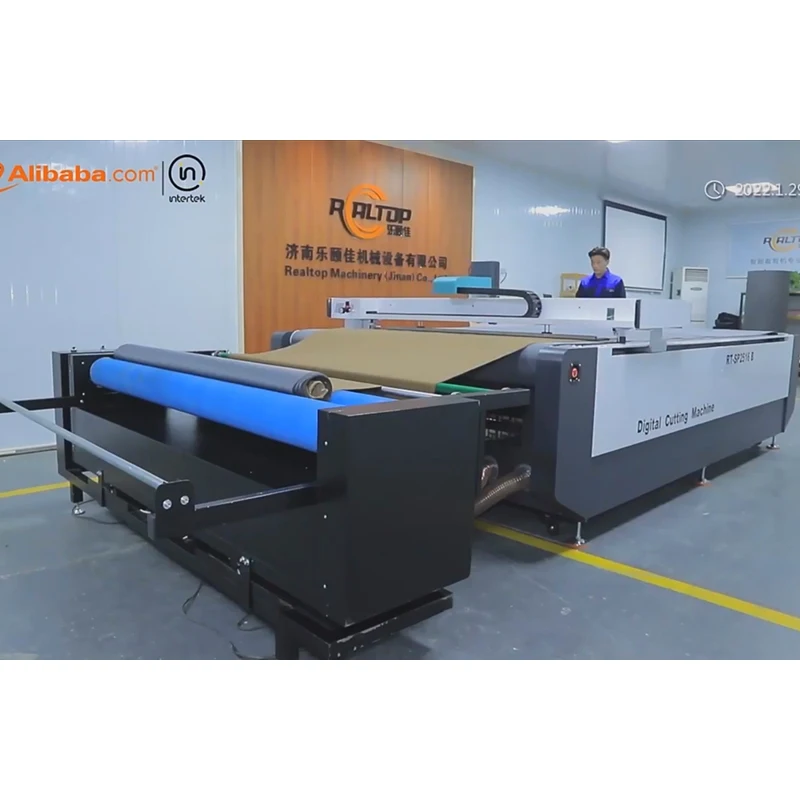
- Assembly of gantry, tool head carriage, and conveyor belt completed on-site after delivery
- Vacuum zoning and servo calibration set for your specific material thickness and nest pattern
- Operator training covering tool head changes, CCD positioning setup, and file import workflow
- Swiss imported knife blades and drive belts included in initial spare parts supply
Before You Request a Quote
To match the right configuration to your production, we need to know your primary material type, maximum thickness, and whether you work with rolls or sheets. Confirm your workshop’s available voltage and frequency, along with your preferred control interface language. If you work with printed materials, specify your registration mark type and print layout dimensions so the appropriate visual positioning system can be selected.
Frequently Asked Questions
Q: How do I choose between an oscillating knife and a drag knife for my material?
A: Oscillating knives use high-frequency vibration to cut through thicker or layered materials like foam, fabric, and composites, producing a clean edge without crushing the material. Drag knives are pulled through thinner materials like vinyl, sticker film, and cardboard, suitable for creasing and kiss-cutting. The choice depends on your material thickness, density, and the edge quality required for your end product.
Q: What working area and table configurations are available?
A: The RT-D2516 and RT-S2516 models feature a 1600×2500 mm working area on a flat vacuum table. The table surface is magnesium-aluminum alloy with PVDF and anodic oxidation treatment. For roll-fed materials, a conveyor belt system is available. Vacuum table zoning can be configured to match your typical part size, ensuring adequate suction for small pieces.
Q: How does cutting thickness vary by material and tool head?
A: Cutting thickness capacity is stated at 20–80 mm, but the actual achievable depth depends on the material density and the tool head selected. A high-power vibrating knife handles denser foams and composites, while a standard oscillating knife suits layered fabrics. Sample cutting on your specific material confirms the real cutting depth and edge quality before order.
Q: Which models support CCD camera and visual positioning?
A: The system offers small CCD camera mark point positioning for standard registration mark tracking, panoramic camera recognition for larger format or complex print layouts, and projection positioning for manual cut path verification. The appropriate option is selected based on your print format and the accuracy requirements of your contour cutting workflow.
商品评价
There are no reviews yet.