

Fast Delivery
Quick, reliable shipping to any location.

Free & easy returns
Return this item by mail or in store within 90 days for a full refund.
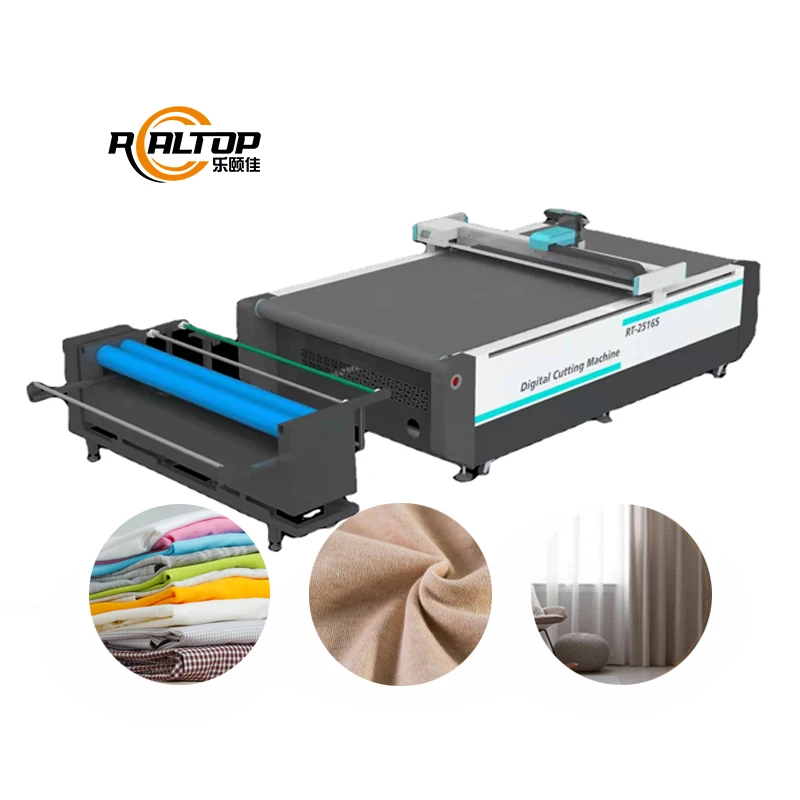
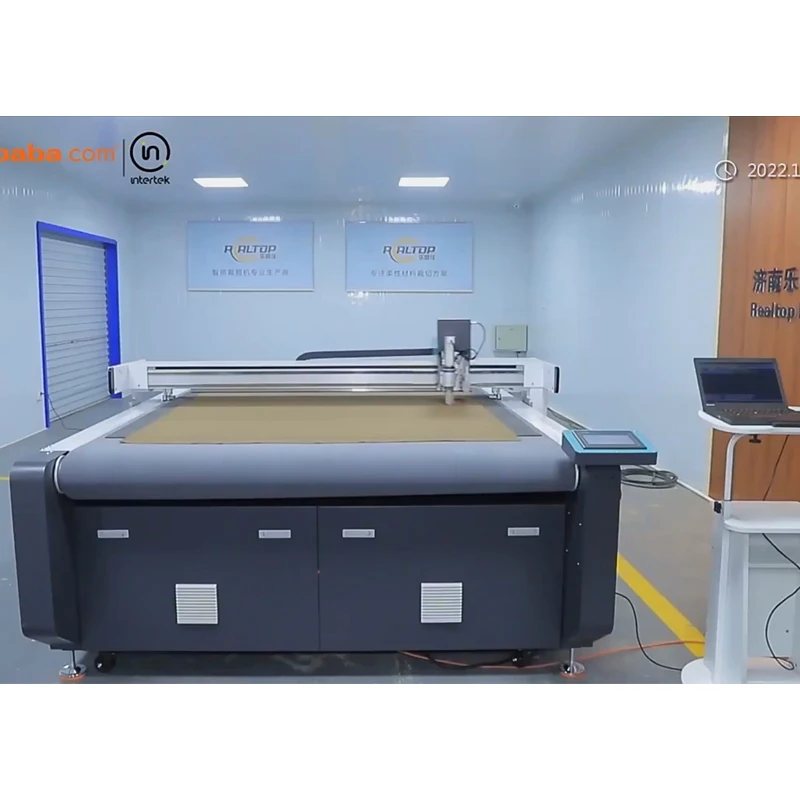
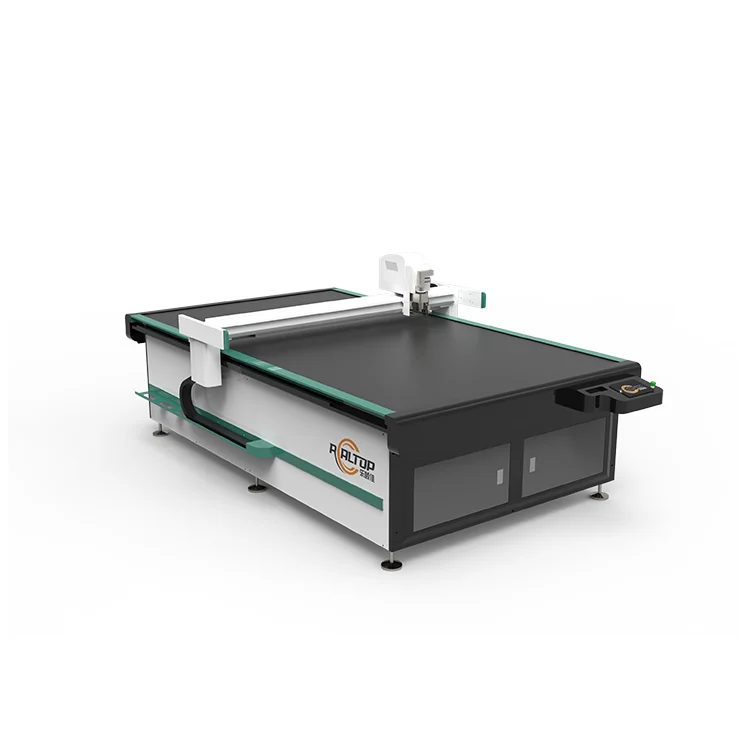
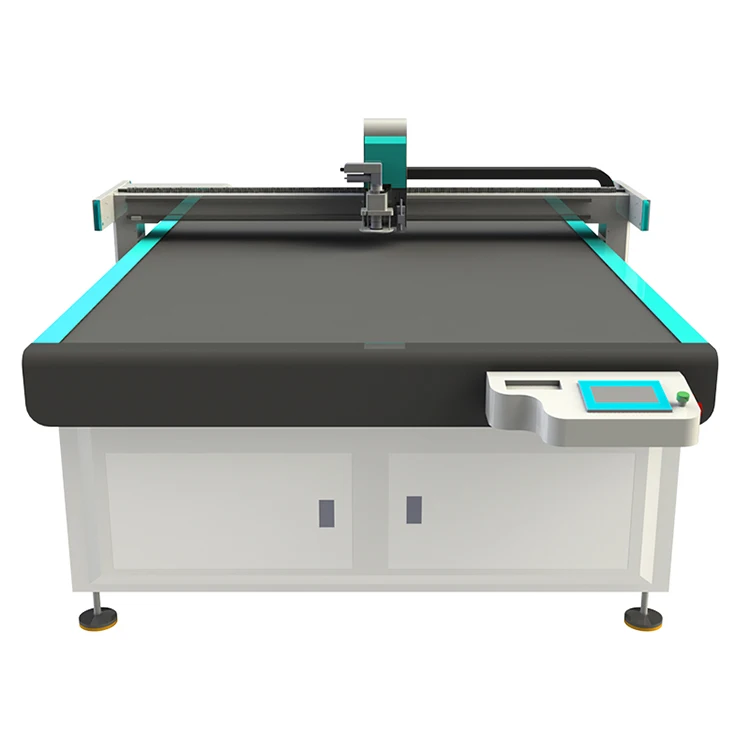
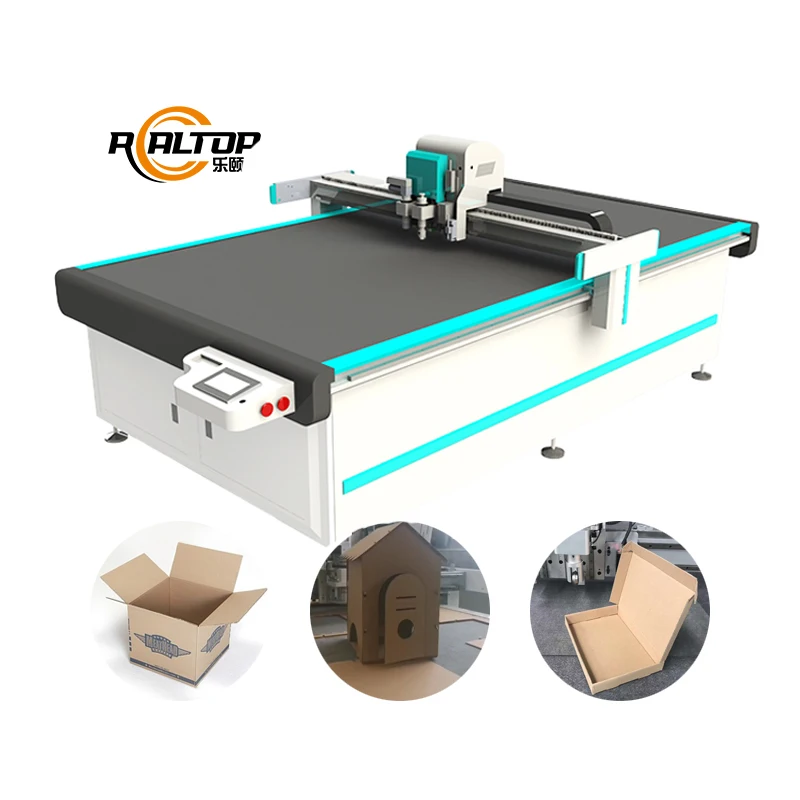
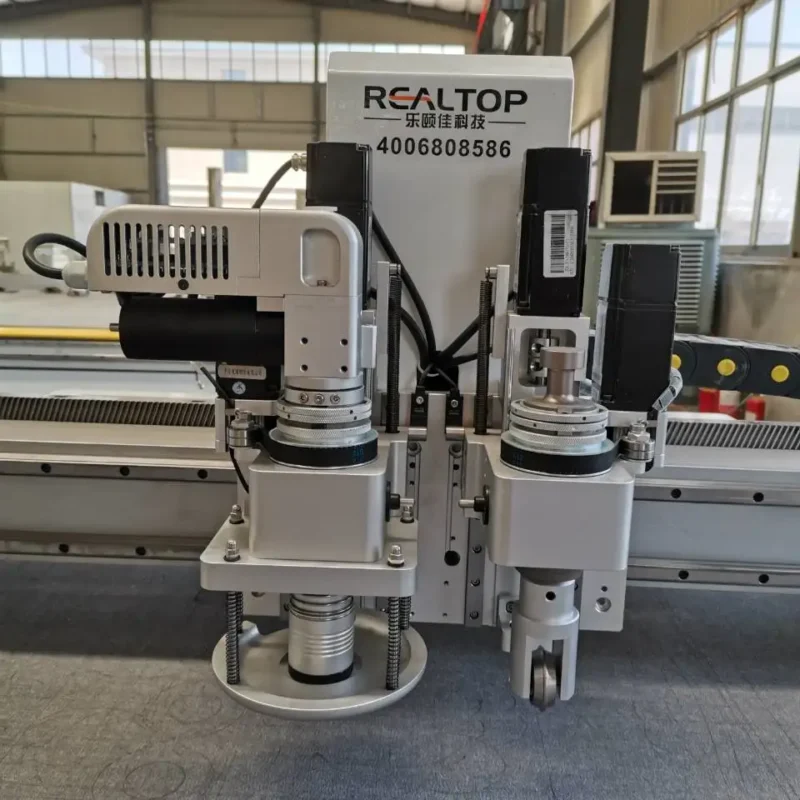
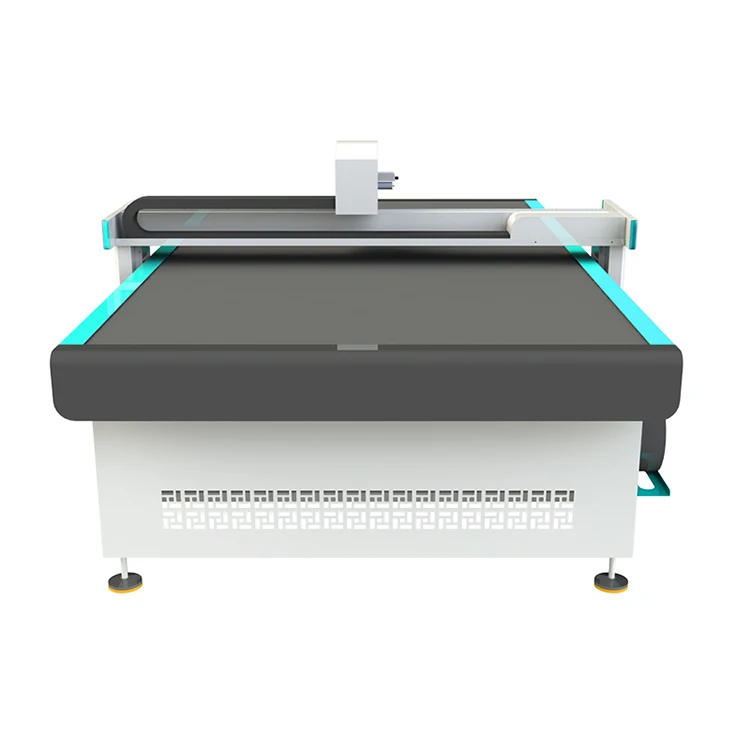
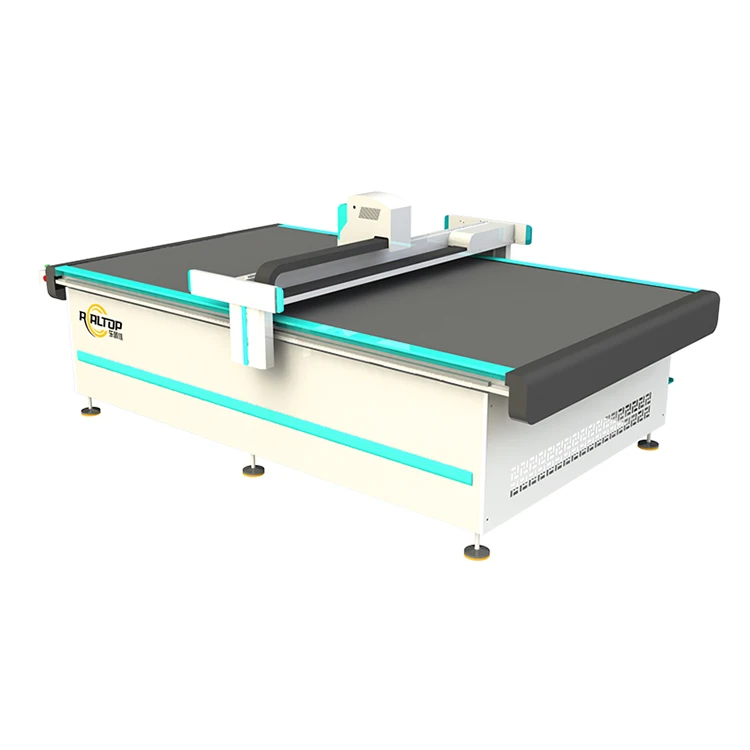
Swiss-Imported Oscillating Knife Head — one multifunctional tool block handles vibration full cutting, half cutting, and cursor location without tool changes on the RT-D2516 and RT-S2516 platforms.
Technical Specifications
| Parameter | Value |
|---|---|
| Model | RT-D2516 / RT-S2516 |
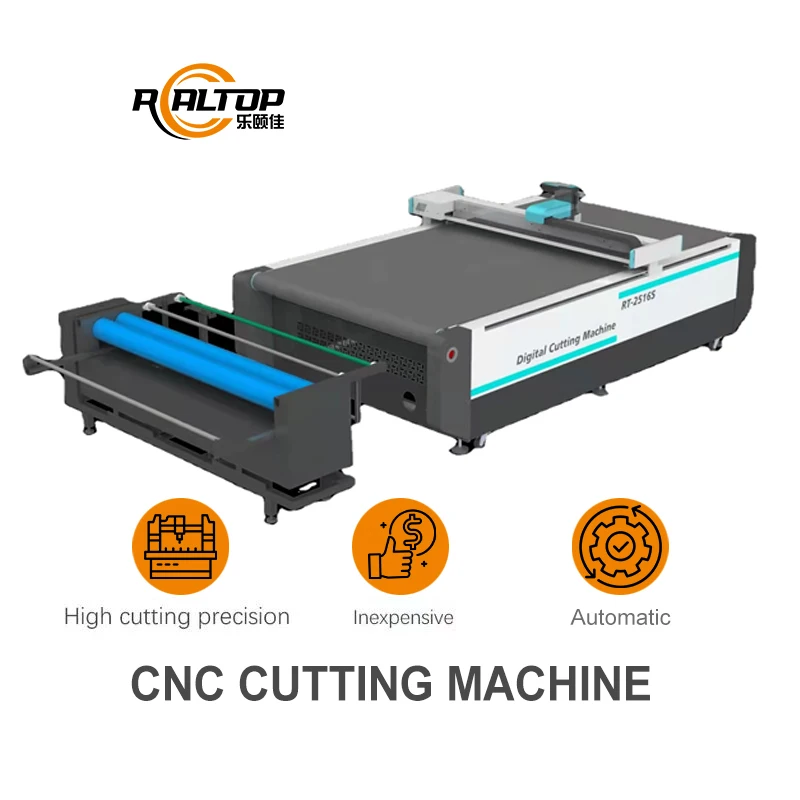
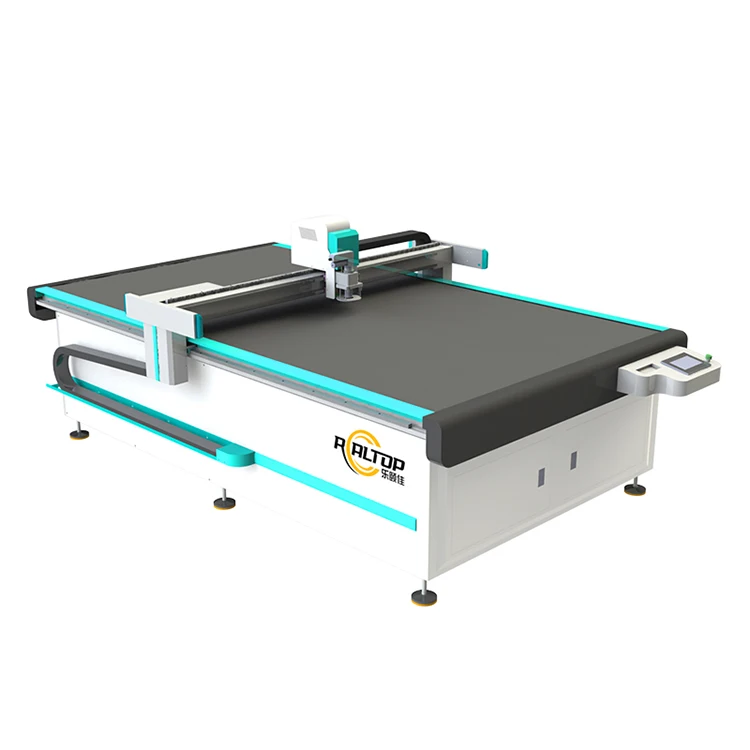
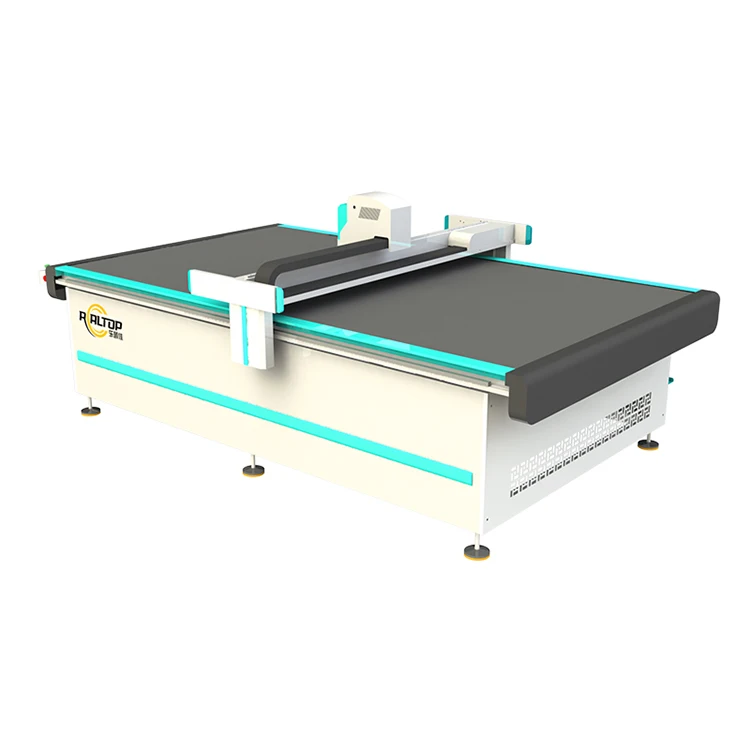
| Product Type | CNC Oscillating Knife Cutting Machine |
| Working Area | 1600 × 2500 mm |
| Overall Dimensions | 3450 × 2300 × 1250 mm |
| Rated Power | 9 kW |
| Voltage | 380V ±10% |
| Cutting Thickness | 20–80 mm (material-dependent) |
| Translational Velocity | 800–1200 mm/s |
| Repeated Accuracy | ≤0.1 mm |
| Transmission System | Digital servo motor, linear guide, synchronous belt, ball screw |
| Servo Motor | Delta |
| Linear Guide | Taiwan Hiwin rail |
| Vacuum Pump | 7.5 kW |
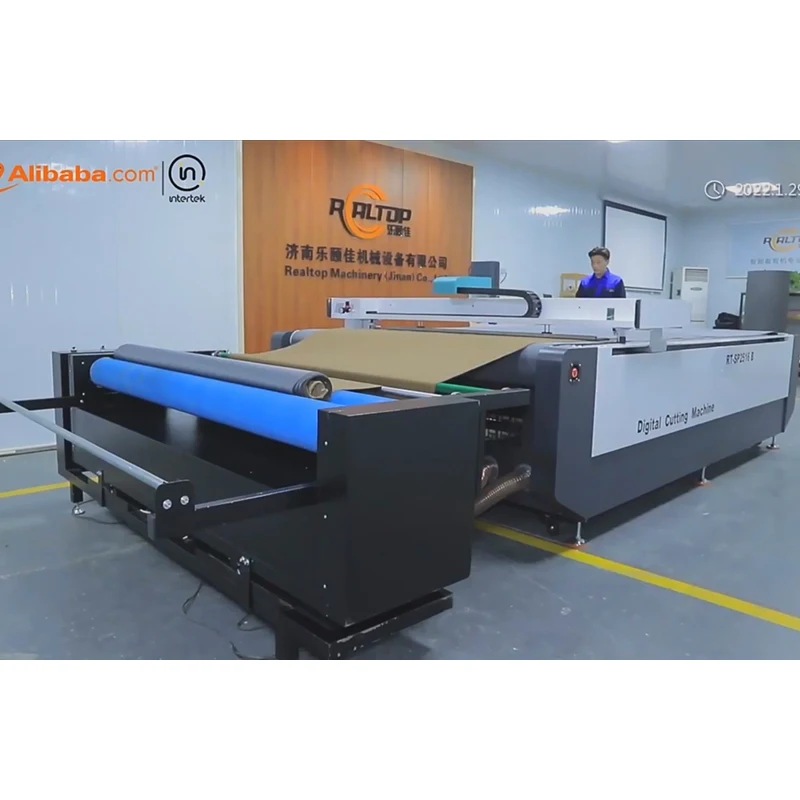
| Table Type | Flat vacuum table with auto-feeding conveyor |
| Conveyor Belt | Germany-imported belt |
| Multifunctional Head | Swiss-imported knife — vibration full cut, half cut, cursor location |
| Safety Devices | Infrared sensors, anti-collision, emergency stop |
| Instruction Format | HP-GL compatible |
| Language Options | English, Russian, Italian, Chinese (special languages customizable) |
Application Suitability
| Application | Material or Output |
|---|---|
| Automotive interior trimming | PU foam, EVA, XPE, composite acoustic panels |
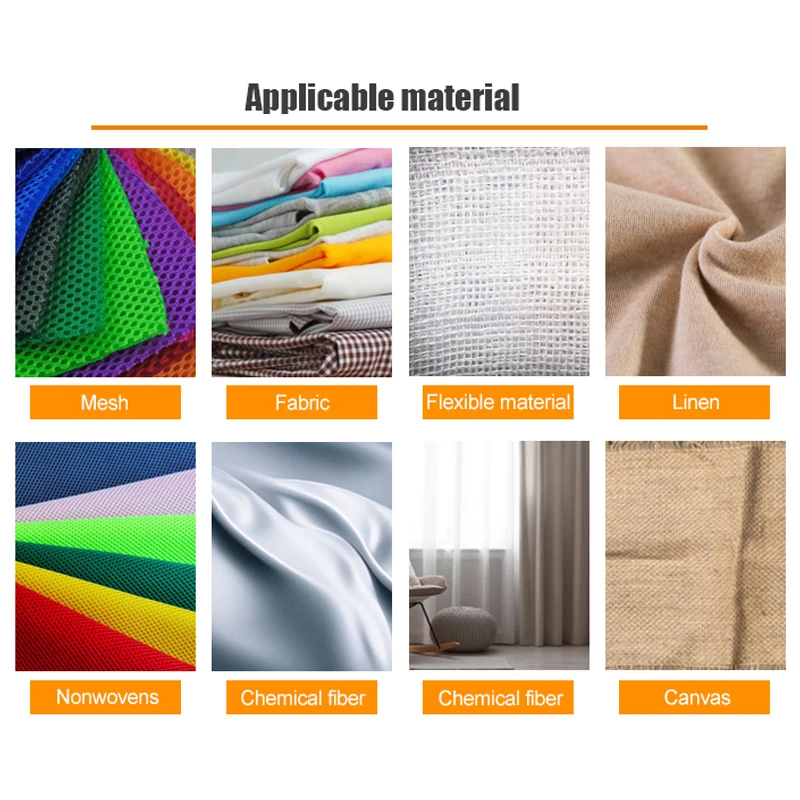
| Garment and footwear cutting | Leather, non-woven fabric, shoe material, luggage cloth |
| Gasket and seal production | Rubber, PTFE, ETFE, sponge, compression fiber |
| Packaging and carton sampling | Corrugated cardboard, plastic box stock, film |
| Soft furnishings and carpet | Textile, carpet rolls, cloth, PP and PE woven material |
| Graphic advertising and signage | PVC board, sticker, film, fiberglass sheet |
Why Material Thickness Matters More Than Working Area When Selecting a CNC Oscillating Knife Cutting Machine Manufacturer
A machine chosen on table size alone will underperform the moment your production material exceeds its cutting depth envelope.
Buyers often start their search by filtering for a 1600 × 2500 mm bed, assuming any machine at that format will handle their workload. In practice, a 40 mm EVA foam pad and a 60 mm高密度复合棉 require very different knife stroke lengths, oscillation frequencies, and vacuum hold-down pressures. I have seen workshops invest in a large-format table only to discover the oscillating knife head cannot penetrate their densest composite in a single pass, forcing double-cut cycles that double the machining time and accelerate blade wear [NEED_CITE: cutting depth versus material density in oscillating knife systems].
Matching Knife Stroke to Material Density Across the Full Range
The RT-D2516 and RT-S2516 platforms carry a Swiss-imported multifunctional head that supports vibration full cutting and half cutting within the same tool block. For softer substrates like non-woven fabric or single-layer sticker film, the half-cut mode scores precisely without dragging the conveyor belt beneath. Switching to full-cut oscillation lets the same head push through 80 mm PU foam or rubber gasket stock in one pass — provided the vacuum zoning beneath that specific part is sufficient to prevent material lift during the upstroke.
Vacuum Zoning and Small-Part Stability on a Large Bed
A 1600 × 2500 mm table is generous enough to nest multiple gasket profiles or garment panels in a single layout, but small cut-outs can shift if the vacuum zones underneath them are too broad. The 7.5 kW pump paired with the flat vacuum table pulls air through the entire surface; for nested jobs with many small pieces, confirming zone isolation with the manufacturer before ordering prevents the lift-and-shift problem that ruins edge accuracy [NEED_CITE: vacuum table zoning for small-part CNC knife cutting]. The auto-feeding conveyor further helps roll-to-roll fabrics stay registered during long unattended runs.
Transmission Components and Their Effect on Repeated Accuracy
The ≤0.1 mm repeatability spec depends on the interaction between the Delta servo motor, Taiwan Hiwin linear guide, and synchronous belt drive. In oscillating knife work, each stroke reverses direction hundreds of times per minute; any backlash in the belt or rail play accumulates as visible stepping on curved contours. A ball-screw element in the Z-axis maintains consistent knife penetration depth across the full 2500 mm travel, so a leather hide cut at the near edge matches one cut at the far end. The HP-GL compatible instruction format allows nesting software from common pattern-making systems to feed toolpaths directly without file conversion errors.
The Cost of Skipping a Sample Cut on Your Actual Production Material
Spec sheets list a cutting thickness range of 20–80 mm, but that envelope assumes a specific material class. A composite made of closed-cell XPE laminated to a woven backing behaves very differently from a uniform sponge block of the same thickness — the knife must penetrate two density layers without delaminating the bond. Requesting a sample cut on your own roll or sheet stock before order confirmation reveals whether the oscillation frequency, blade type, and vacuum hold-down are correctly matched, avoiding the situation where a machine arrives and the first production batch shows ragged edges or incomplete cuts [NEED_CITE: material-specific cutting parameters for composite substrates].
Why Buyers Choose This Manufacturer for Knife Cutting Equipment
The design team covers both oscillating knife and laser platforms under one roof, so if a buyer’s material portfolio includes both foam gaskets and acrylic signage, a single supplier can recommend the correct technology for each rather than forcing one method across all jobs. Tool head and table configuration are specified per material sample, not from a default catalogue page. Voltage is confirmed against the buyer’s local 380V supply before the electrical schematic is finalised, and control language is set to the operator’s preference — English, Russian, Italian, or a custom language — so the machine is production-ready on day one.
Documentation & Verification
- Machine specification sheet listing RT-D2516 / RT-S2516 working area, head type, and table config
- Electrical schematic with 380V ±10% confirmation matched to buyer’s local supply
- Sample cutting report on buyer-supplied material with measured edge quality and depth
- Factory test record documenting repeatability verification on Hiwin rail before dispatch
- Software licence and HP-GL file format compatibility note for buyer’s nesting workflow
- Spare parts list identifying Swiss knife blades, conveyor belt segments, and vacuum seals
Installation, Commissioning & Support
- 9 kW rated power requires a dedicated 380V three-phase circuit with appropriate breaker sizing
- 3450 × 2300 mm footprint needs clear floor space with anchor points for vibration isolation
- Machine ships fully assembled; verify doorway and overhead clearance for positioning
- First-run calibration of Delta servo parameters and vacuum zoning per material thickness
- Operator training covers Swiss head blade changes, cursor location mode, and emergency stop procedures
- Scheduled maintenance interval for Hiwin rail lubrication and synchronous belt tension checks
What to Share Before Requesting a Quotation
Send your production material — the exact roll stock or sheet composite you run daily — along with the maximum thickness and the smallest cut feature in your nesting layout. Confirm your local voltage and frequency, the control language your operators need, and whether your existing nesting software exports HP-GL or another vector format. If your workflow involves continuous roll feeding, specify roll width and weight so the auto-feeding conveyor is matched accordingly.
Frequently Asked Questions
Q: How do I decide between an oscillating knife and a laser for my material?
A: Flexible materials like leather, foam, textile, and composite gaskets generally suit an oscillating knife because the blade physically severs fibres without heat distortion. Rigid non-metals such as acrylic and wood respond better to CO2 laser cutting, which seals edges as it penetrates. If your production includes both categories, the manufacturer can supply both platforms configured from one engineering team.
Q: Which model covers standard and large-format cutting requirements?
A: The 1600 × 2500 mm working area on the RT-D2516 and RT-S2516 fits most garment panels, automotive interior blanks, and gasket sheets. For wider roll goods or oversized signage boards, larger table options are available. Confirm your largest single-part dimension and nesting layout so the correct bed size is specified.
Q: What tool head options are available and when should each be used?
A: The Swiss-imported multifunctional head combines oscillating knife full cut, half cut, and cursor location. Oscillating mode handles thick foam, rubber, and composites; half-cut scores sticker and film without cutting the backing; cursor location aligns cuts to printed registration marks. Additional heads such as drag knife or creasing wheel may be specified based on your material list.
Q: Can voltage, language, and software format be customised before shipment?
A: Yes. Voltage is confirmed against your workshop supply — standard is 380V ±10%, but other ratings are configurable. Control language options include English, Russian, Italian, Chinese, and custom languages on request. Software compatibility is verified so your existing HP-GL nesting files load without conversion issues.
Q: How do I request a sample cut on my own material before ordering?
A: Ship a representative sample of your production material — enough for several test cuts at full thickness — to the factory. The sample cutting report documents blade type, oscillation setting, vacuum pressure, edge quality, and measured accuracy, giving you written confirmation before committing to the purchase order.
Swiss-Imported Oscillating Knife Head — one multifunctional tool block handles vibration full cutting, half cutting, and cursor location without tool changes on the RT-D2516 and RT-S2516 platforms.
Technical Specifications
| Parameter | Value |
|---|---|
| Model | RT-D2516 / RT-S2516 |
| Product Type | CNC Oscillating Knife Cutting Machine |
| Working Area | 1600 × 2500 mm |
| Overall Dimensions | 3450 × 2300 × 1250 mm |
| Rated Power | 9 kW |
| Voltage | 380V ±10% |
| Cutting Thickness | 20–80 mm (material-dependent) |
| Translational Velocity | 800–1200 mm/s |
| Repeated Accuracy | ≤0.1 mm |
| Transmission System | Digital servo motor, linear guide, synchronous belt, ball screw |
| Servo Motor | Delta |
| Linear Guide | Taiwan Hiwin rail |
| Vacuum Pump | 7.5 kW |
| Table Type | Flat vacuum table with auto-feeding conveyor |
| Conveyor Belt | Germany-imported belt |
| Multifunctional Head | Swiss-imported knife — vibration full cut, half cut, cursor location |
| Safety Devices | Infrared sensors, anti-collision, emergency stop |
| Instruction Format | HP-GL compatible |
| Language Options | English, Russian, Italian, Chinese (special languages customizable) |
Application Suitability
| Application | Material or Output |
|---|---|
| Automotive interior trimming | PU foam, EVA, XPE, composite acoustic panels |
| Garment and footwear cutting | Leather, non-woven fabric, shoe material, luggage cloth |
| Gasket and seal production | Rubber, PTFE, ETFE, sponge, compression fiber |
| Packaging and carton sampling | Corrugated cardboard, plastic box stock, film |
| Soft furnishings and carpet | Textile, carpet rolls, cloth, PP and PE woven material |
| Graphic advertising and signage | PVC board, sticker, film, fiberglass sheet |
Why Material Thickness Matters More Than Working Area When Selecting a CNC Oscillating Knife Cutting Machine Manufacturer
A machine chosen on table size alone will underperform the moment your production material exceeds its cutting depth envelope.
Buyers often start their search by filtering for a 1600 × 2500 mm bed, assuming any machine at that format will handle their workload. In practice, a 40 mm EVA foam pad and a 60 mm高密度复合棉 require very different knife stroke lengths, oscillation frequencies, and vacuum hold-down pressures. I have seen workshops invest in a large-format table only to discover the oscillating knife head cannot penetrate their densest composite in a single pass, forcing double-cut cycles that double the machining time and accelerate blade wear [NEED_CITE: cutting depth versus material density in oscillating knife systems].
Matching Knife Stroke to Material Density Across the Full Range
The RT-D2516 and RT-S2516 platforms carry a Swiss-imported multifunctional head that supports vibration full cutting and half cutting within the same tool block. For softer substrates like non-woven fabric or single-layer sticker film, the half-cut mode scores precisely without dragging the conveyor belt beneath. Switching to full-cut oscillation lets the same head push through 80 mm PU foam or rubber gasket stock in one pass — provided the vacuum zoning beneath that specific part is sufficient to prevent material lift during the upstroke.
Vacuum Zoning and Small-Part Stability on a Large Bed
A 1600 × 2500 mm table is generous enough to nest multiple gasket profiles or garment panels in a single layout, but small cut-outs can shift if the vacuum zones underneath them are too broad. The 7.5 kW pump paired with the flat vacuum table pulls air through the entire surface; for nested jobs with many small pieces, confirming zone isolation with the manufacturer before ordering prevents the lift-and-shift problem that ruins edge accuracy [NEED_CITE: vacuum table zoning for small-part CNC knife cutting]. The auto-feeding conveyor further helps roll-to-roll fabrics stay registered during long unattended runs.
Transmission Components and Their Effect on Repeated Accuracy
The ≤0.1 mm repeatability spec depends on the interaction between the Delta servo motor, Taiwan Hiwin linear guide, and synchronous belt drive. In oscillating knife work, each stroke reverses direction hundreds of times per minute; any backlash in the belt or rail play accumulates as visible stepping on curved contours. A ball-screw element in the Z-axis maintains consistent knife penetration depth across the full 2500 mm travel, so a leather hide cut at the near edge matches one cut at the far end. The HP-GL compatible instruction format allows nesting software from common pattern-making systems to feed toolpaths directly without file conversion errors.
The Cost of Skipping a Sample Cut on Your Actual Production Material
Spec sheets list a cutting thickness range of 20–80 mm, but that envelope assumes a specific material class. A composite made of closed-cell XPE laminated to a woven backing behaves very differently from a uniform sponge block of the same thickness — the knife must penetrate two density layers without delaminating the bond. Requesting a sample cut on your own roll or sheet stock before order confirmation reveals whether the oscillation frequency, blade type, and vacuum hold-down are correctly matched, avoiding the situation where a machine arrives and the first production batch shows ragged edges or incomplete cuts [NEED_CITE: material-specific cutting parameters for composite substrates].
Why Buyers Choose This Manufacturer for Knife Cutting Equipment
The design team covers both oscillating knife and laser platforms under one roof, so if a buyer’s material portfolio includes both foam gaskets and acrylic signage, a single supplier can recommend the correct technology for each rather than forcing one method across all jobs. Tool head and table configuration are specified per material sample, not from a default catalogue page. Voltage is confirmed against the buyer’s local 380V supply before the electrical schematic is finalised, and control language is set to the operator’s preference — English, Russian, Italian, or a custom language — so the machine is production-ready on day one.
Documentation & Verification
- Machine specification sheet listing RT-D2516 / RT-S2516 working area, head type, and table config
- Electrical schematic with 380V ±10% confirmation matched to buyer’s local supply
- Sample cutting report on buyer-supplied material with measured edge quality and depth
- Factory test record documenting repeatability verification on Hiwin rail before dispatch
- Software licence and HP-GL file format compatibility note for buyer’s nesting workflow
- Spare parts list identifying Swiss knife blades, conveyor belt segments, and vacuum seals
Installation, Commissioning & Support
- 9 kW rated power requires a dedicated 380V three-phase circuit with appropriate breaker sizing
- 3450 × 2300 mm footprint needs clear floor space with anchor points for vibration isolation
- Machine ships fully assembled; verify doorway and overhead clearance for positioning
- First-run calibration of Delta servo parameters and vacuum zoning per material thickness
- Operator training covers Swiss head blade changes, cursor location mode, and emergency stop procedures
- Scheduled maintenance interval for Hiwin rail lubrication and synchronous belt tension checks
What to Share Before Requesting a Quotation
Send your production material — the exact roll stock or sheet composite you run daily — along with the maximum thickness and the smallest cut feature in your nesting layout. Confirm your local voltage and frequency, the control language your operators need, and whether your existing nesting software exports HP-GL or another vector format. If your workflow involves continuous roll feeding, specify roll width and weight so the auto-feeding conveyor is matched accordingly.
Frequently Asked Questions
Q: How do I decide between an oscillating knife and a laser for my material?
A: Flexible materials like leather, foam, textile, and composite gaskets generally suit an oscillating knife because the blade physically severs fibres without heat distortion. Rigid non-metals such as acrylic and wood respond better to CO2 laser cutting, which seals edges as it penetrates. If your production includes both categories, the manufacturer can supply both platforms configured from one engineering team.
Q: Which model covers standard and large-format cutting requirements?
A: The 1600 × 2500 mm working area on the RT-D2516 and RT-S2516 fits most garment panels, automotive interior blanks, and gasket sheets. For wider roll goods or oversized signage boards, larger table options are available. Confirm your largest single-part dimension and nesting layout so the correct bed size is specified.
Q: What tool head options are available and when should each be used?
A: The Swiss-imported multifunctional head combines oscillating knife full cut, half cut, and cursor location. Oscillating mode handles thick foam, rubber, and composites; half-cut scores sticker and film without cutting the backing; cursor location aligns cuts to printed registration marks. Additional heads such as drag knife or creasing wheel may be specified based on your material list.
Q: Can voltage, language, and software format be customised before shipment?
A: Yes. Voltage is confirmed against your workshop supply — standard is 380V ±10%, but other ratings are configurable. Control language options include English, Russian, Italian, Chinese, and custom languages on request. Software compatibility is verified so your existing HP-GL nesting files load without conversion issues.
Q: How do I request a sample cut on my own material before ordering?
A: Ship a representative sample of your production material — enough for several test cuts at full thickness — to the factory. The sample cutting report documents blade type, oscillation setting, vacuum pressure, edge quality, and measured accuracy, giving you written confirmation before committing to the purchase order.
商品评价
There are no reviews yet.