

Fast Delivery
Quick, reliable shipping to any location.

Free & easy returns
Return this item by mail or in store within 90 days for a full refund.
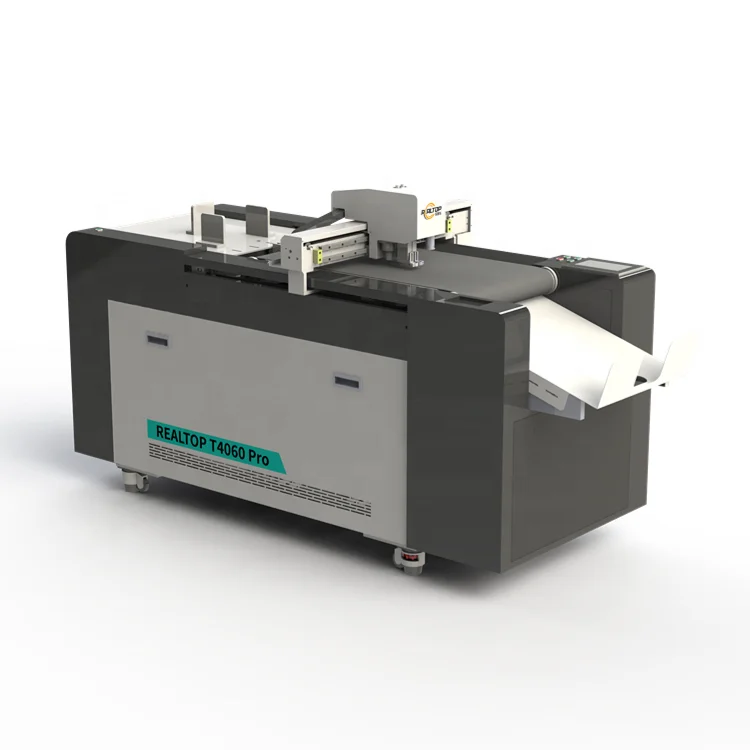
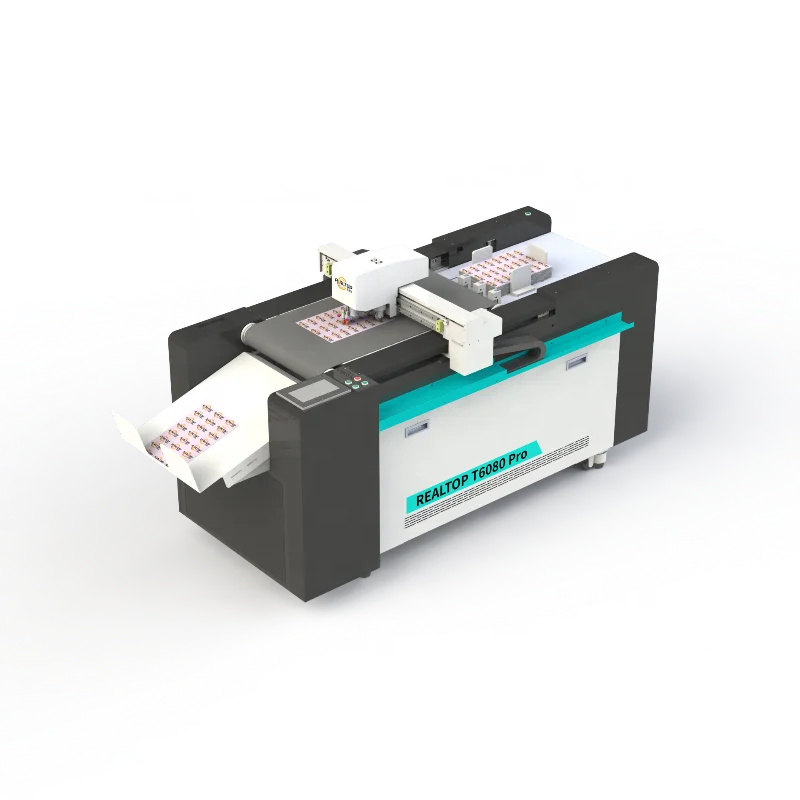
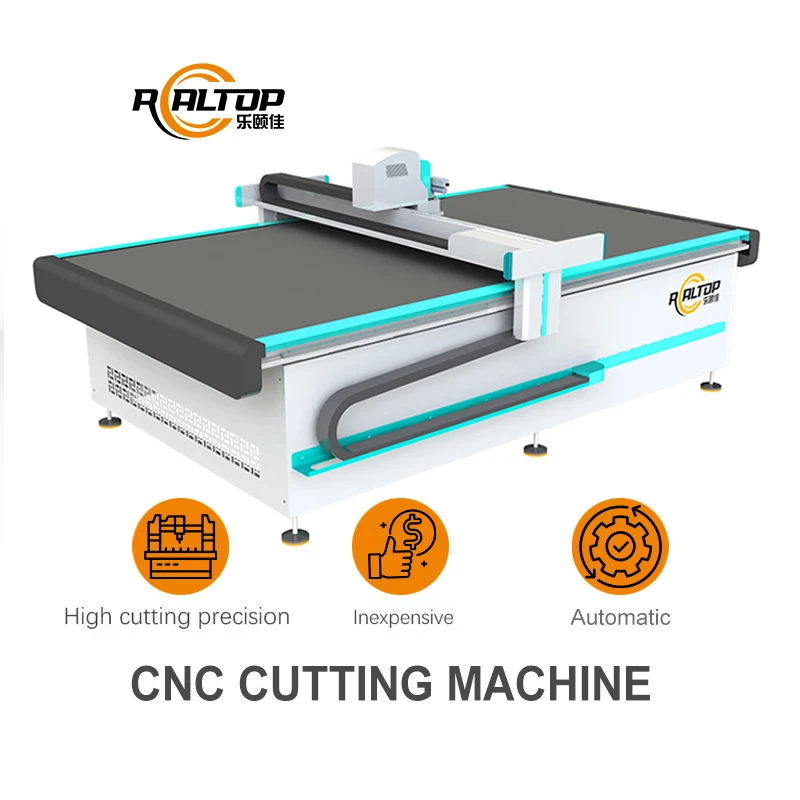
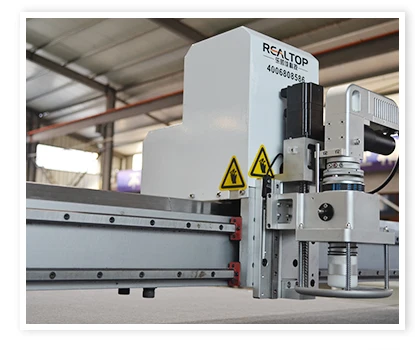
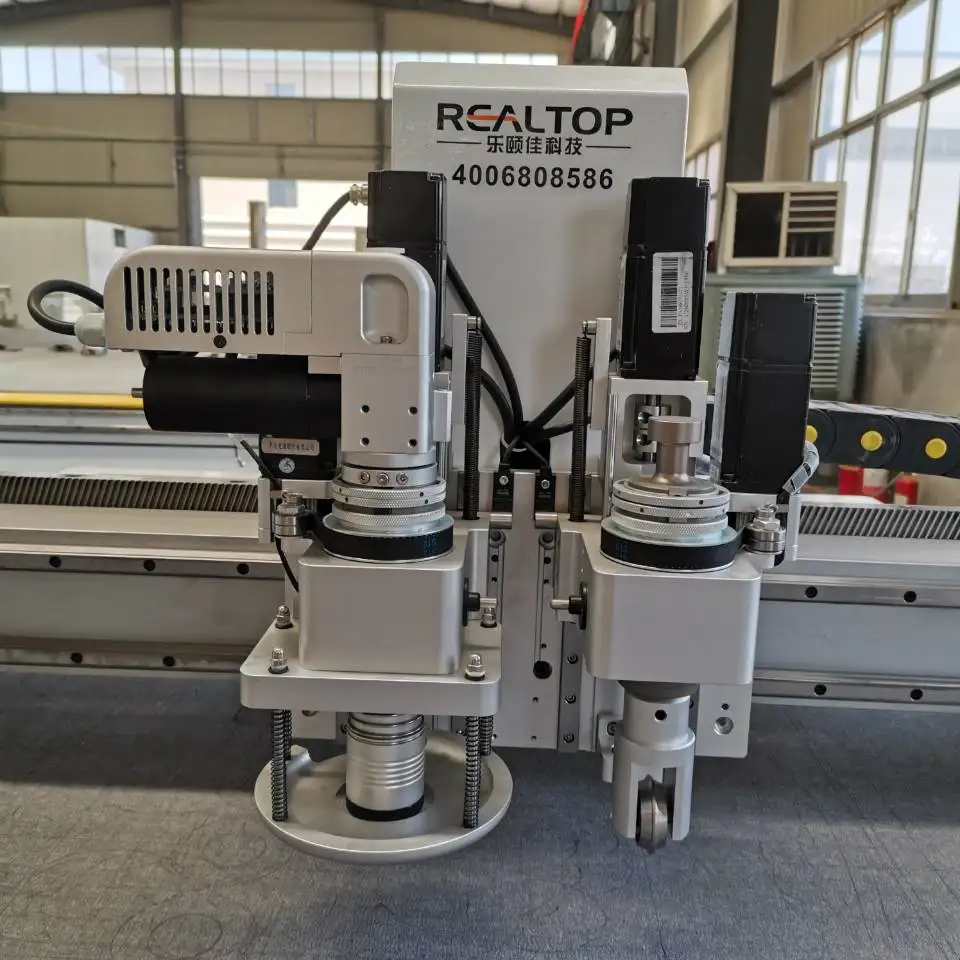
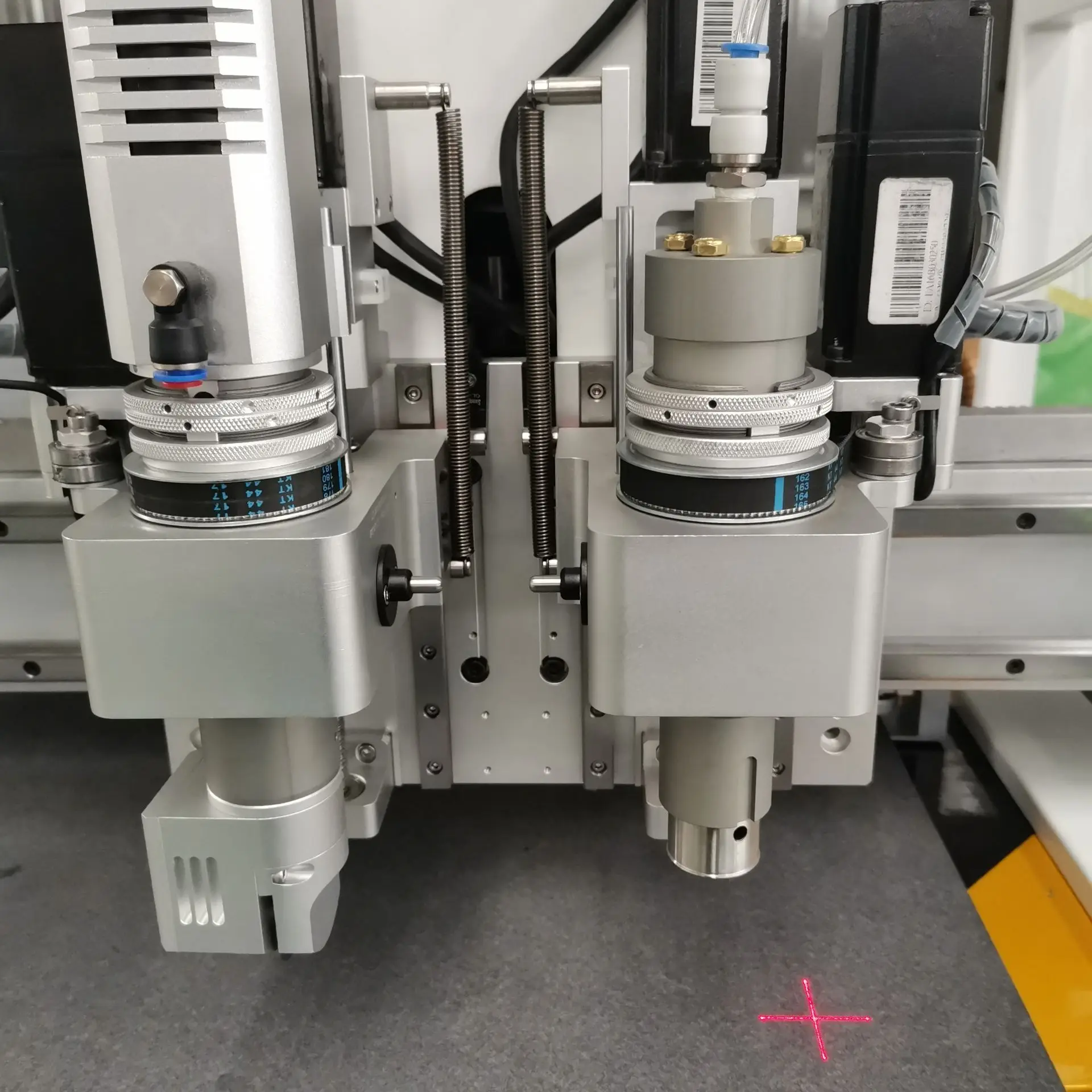
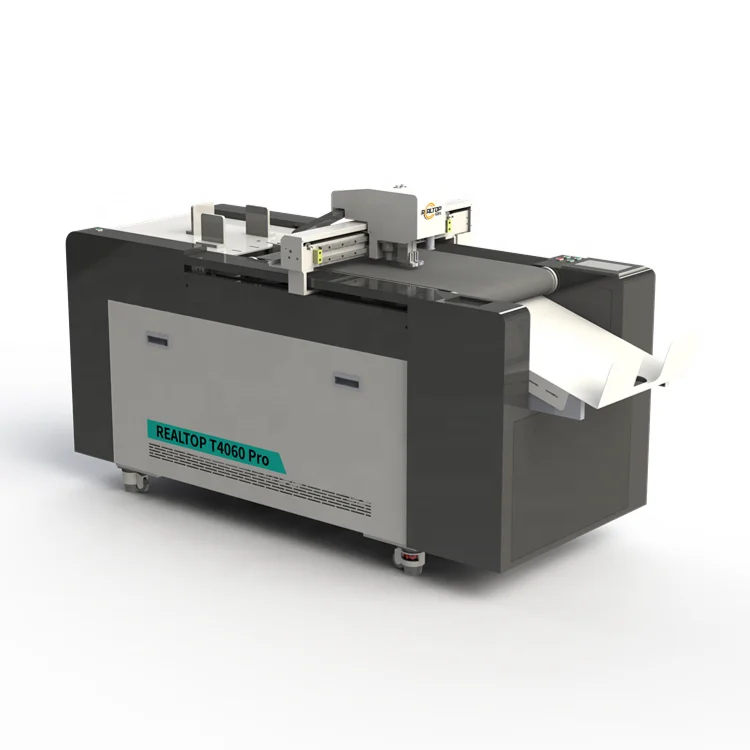
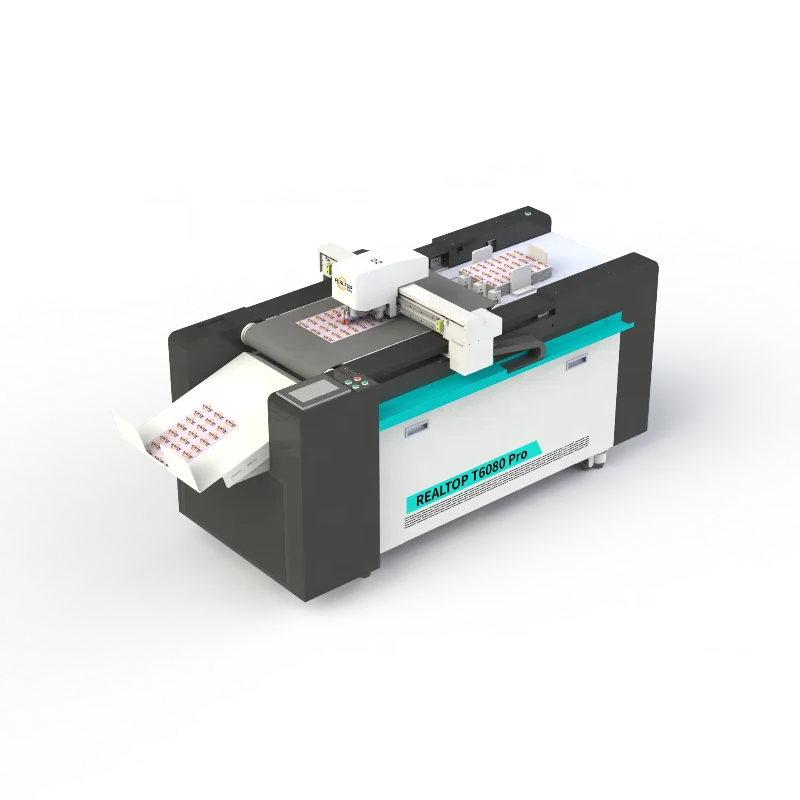
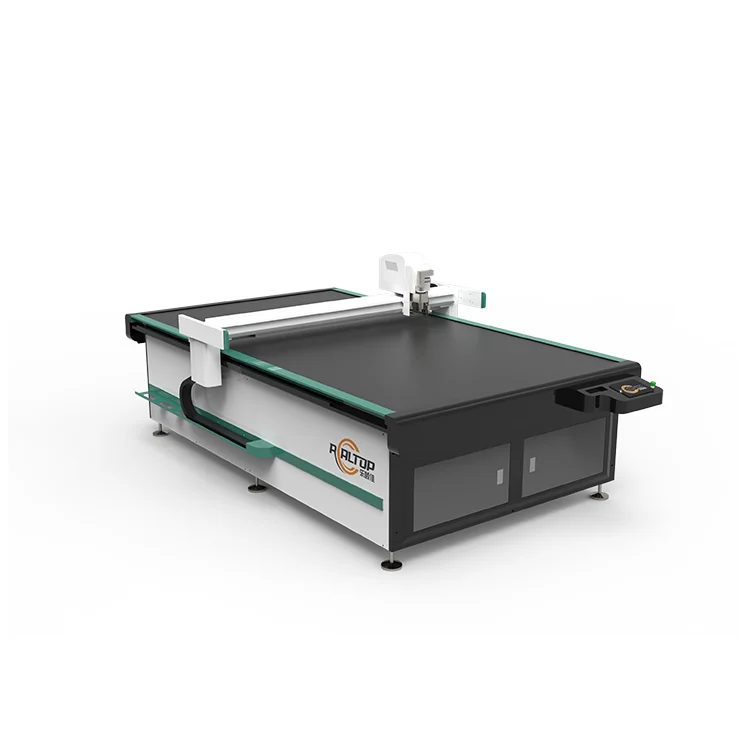
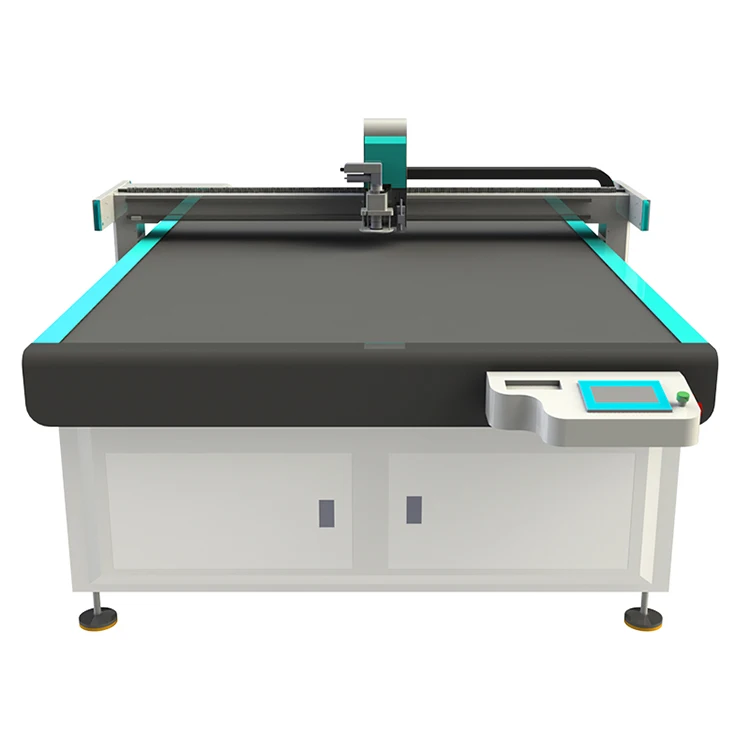
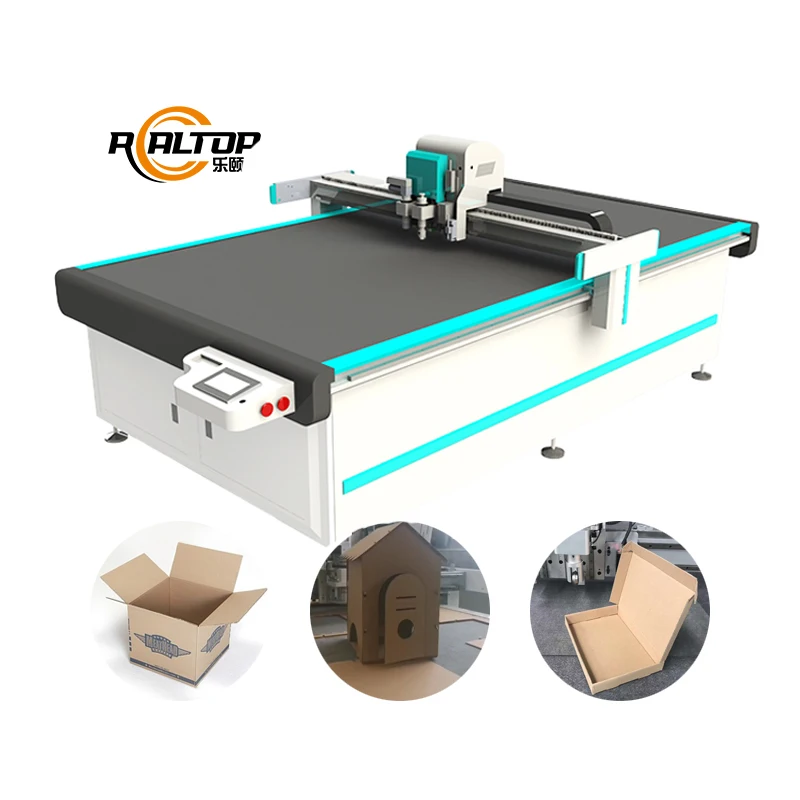
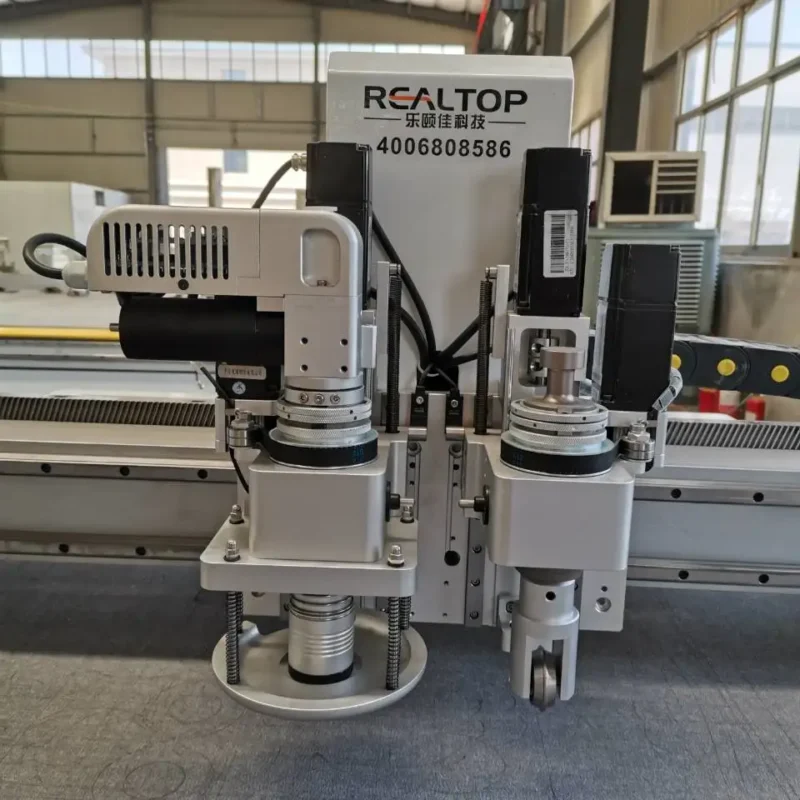
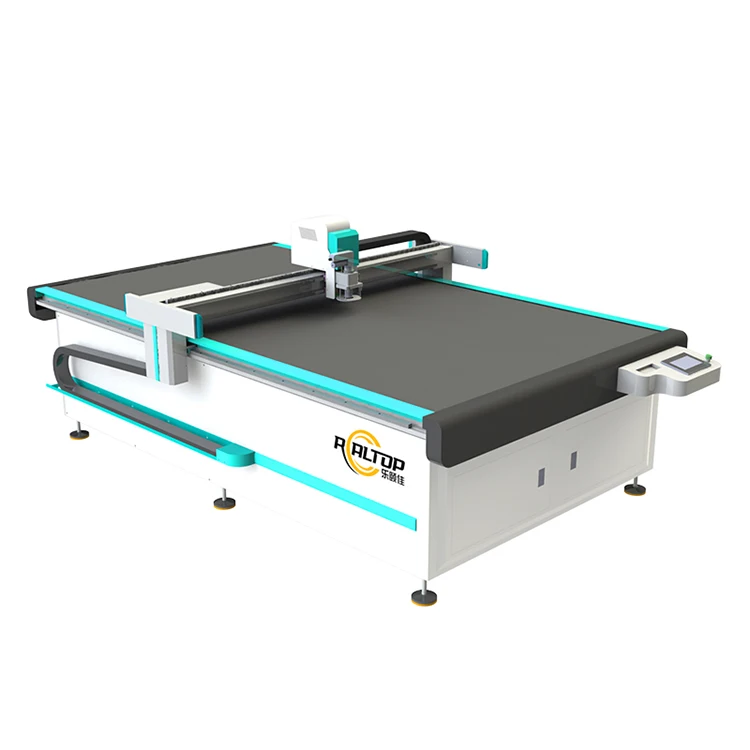
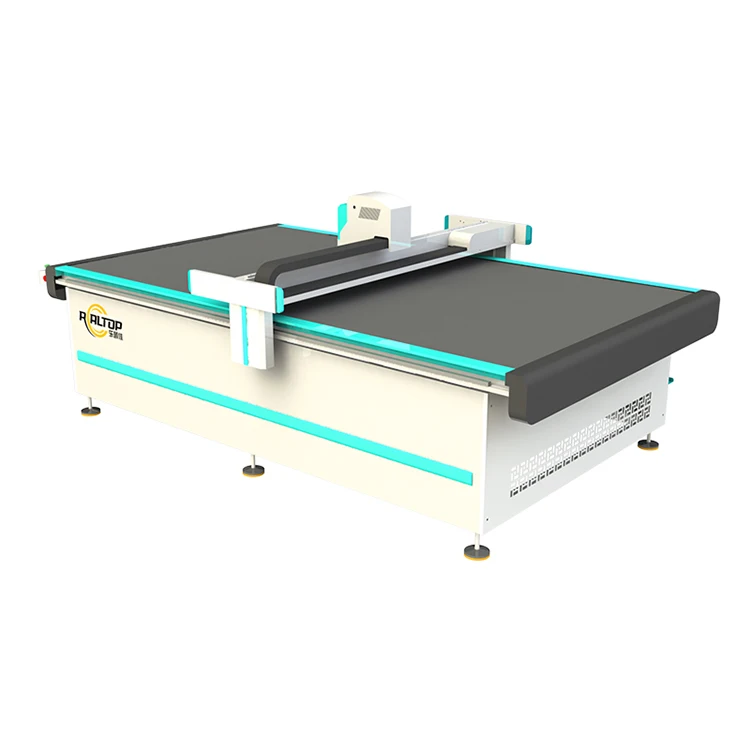
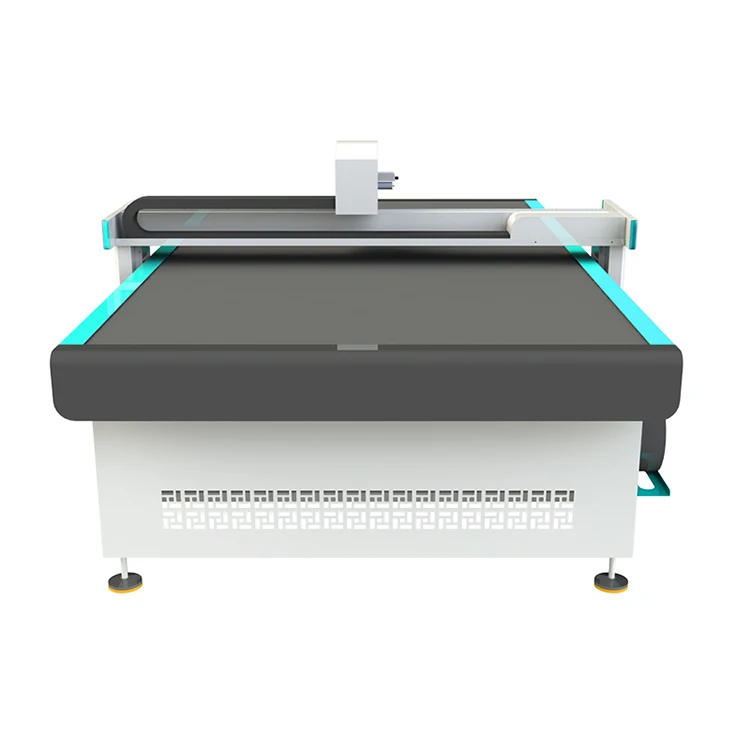
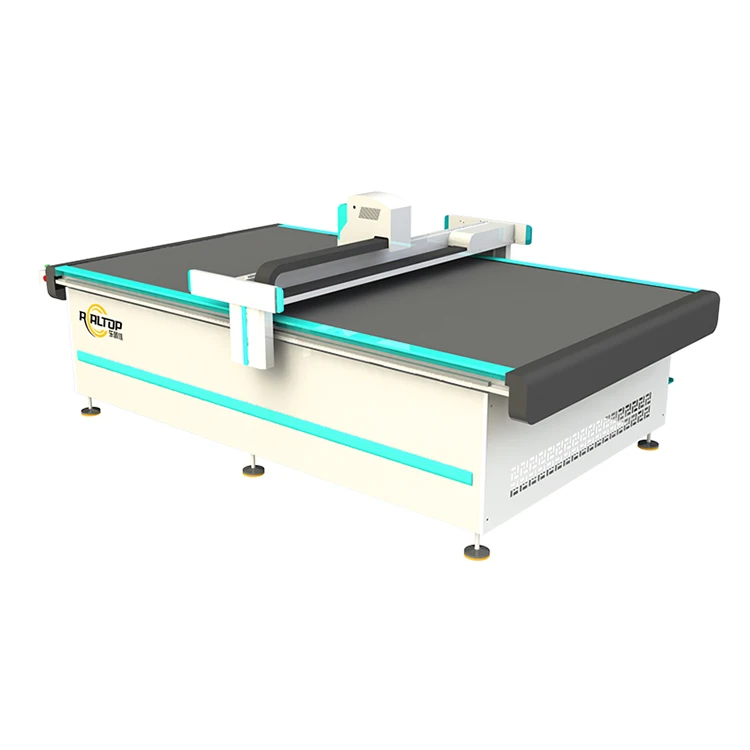
Tool head and table configuration specified per material and production volume — The RTT-4060 Pro CNC Foam Cutter is offered with oscillating knife, drag knife, creasing wheel and milling tool head options, each matched to the buyer’s specific foam density, thickness and daily cutting volume before the order is placed.
Technical Specifications
| Parameter | Value |
|---|---|
| Model | RTT-4060 Pro |
| Product Type | CNC Foam Cutter |
| Working Area | Available in compact to large format configurations |
| Tool Head Type | Oscillating knife, drag knife, creasing wheel, milling, pen (selectable per material) |
| Cutting Thickness by Material | Configurable based on foam, cardboard and composite material density (basis to be confirmed) |
| Positioning Accuracy | Per manufacturer specification sheet |
| Repeatability | Per manufacturer specification sheet |
| CCD Camera | Available with CCD camera contour recognition for printed marks |
| Vacuum Zones | Multi-zone vacuum table with zoning for small parts |
| Software & File Formats | Compatible with common DXF, PLT, AI formats (licence and compatibility confirmed before order) |
| Rated Power | Per manufacturer specification sheet |
| Voltage & Frequency | Customizable to buyer’s local electrical standard |
| Control System | Configurable control language per market |
| Overall Dimensions (L×W×H) | Per selected working area configuration |
| Net Weight | Per selected configuration |
| Output Capacity | (basis not stated in source — confirm block format / material / thickness) |
| Warranty | One year for whole machine |
Application Suitability
| Application | Material or Output |
|---|---|
| Automotive interior trimming | EVA foam, high-density acoustic insulation cotton, XPE foam, composite door panels |
| Gasket and seal production | Closed-cell foam, rubber sheet, cork composite, non-asbestos fibre |
| Packaging and carton sample making | Corrugated cardboard, honeycomb board, greyboard, foam-inlay inserts |
| Footwear and leather goods | Midsole foam, insole board, synthetic leather with foam backing |
| Composite and foam fabrication | Multi-layer bonded foam, sandwich panels, rigid insulation board |
Why the "Cutting Thickness" Claim Is Only Half the Story
A machine rated at 30mm on soft EVA may stall on 20mm high-density acoustic cotton. The RTT-4060 Pro CNC Foam Cutter configuration starts with the buyer’s actual material sample, not a brochure number. When a buyer specifies working area alone and assumes cutting depth follows, the result on arrival is often a machine that cannot push through the material at production speed. Foam density, cell structure and backing layers all change the force required at the knife tip. [NEED_CITE: oscillating knife cutting force requirements by foam density grade]
I once saw a machine arrive at a Middle East automotive interior plant specified only on table size. The buyer was cutting standard EVA during the trial, but their daily production used high-density acoustic insulation cotton. The knife head pressure was insufficient, edges came out crushed, and the production line sat idle for days while parameters were adjusted on-site. The airfare alone covered what a spare tool head would have cost. This is why a CNC Foam Cutter manufacturer that tests on the buyer’s own material before commitment avoids most of these failures.
Matching the Tool Head to What You Actually Cut
Oscillating knife heads work through rigid foam and multi-layer composites by vibrating the blade at high frequency, slicing rather than dragging through the material. Drag knife heads suit thinner, flexible sheets where a pulled cut produces a cleaner edge. The RTT-4060 Pro CNC Foam Cutter can be specified with either head, or both in a multi-tool configuration, so the buyer does not have to force one method across different materials on the same production floor.
Vacuum Table Zoning and Small Part Stability
Foam and cardboard parts below a certain size tend to lift off the table during cutting if the vacuum hold-down is not zoned correctly. A full-table vacuum pulls evenly across the surface, but small cut pieces lose suction at the edges and shift, producing dimensional errors or jamming the knife. The multi-zone vacuum table on this machine allows operators to activate only the zone directly under the cutting area, concentrating hold-down force where it matters and keeping small gasket or inlay pieces flat through the last pass.
How Key Parameters Shape Your Daily Output
Cutting thickness is governed by knife stroke length, oscillation frequency and downward pressure — three variables that must align with the material’s compression resistance. A foam with a firm hand-feel requires more downward force than a soft cushioning foam of the same thickness. The vacuum table’s suction level, measured in kilopascals below atmospheric pressure, determines whether the material stays flat or buckles under the knife’s lateral movement. For printed contour work, the CCD camera reads fiducial marks on the sheet and adjusts the cut path in real time, but this only functions at production speed if the camera’s frame rate and the software’s processing loop are matched to the feed rate. [NEED_CITE: CCD camera registration accuracy at varying feed rates]
Software compatibility often surfaces only after the machine arrives and the buyer tries to import their existing nesting files. Confirming supported formats — and whether the nesting module handles the buyer’s specific sheet dimensions and grain direction constraints — before the order prevents workflow standstills on the first production day.
The Cost of Wrong Configuration Choices
Choosing a drag knife for rigid cross-linked foam results in ragged edges and delaminated layers because the blade pulls rather than slices through the cell structure. Skipping the CCD camera on printed carton samples means operators manually align each sheet, introducing registration errors that accumulate across long runs. An under-specified vacuum zone layout forces the operator to tape down small parts, adding manual handling time and defeating the purpose of automated cutting. [NEED_CITE: vacuum hold-down requirements for small-format foam parts]
Why Source This Machine Here
The factory designs and produces both knife and laser cutting systems in-house, so the buyer selects the cutting method that fits the material rather than being pushed toward whichever technology the supplier happens to stock. Every RTT-4060 Pro configuration is specified against the buyer’s material sample, thickness range and daily volume, not pulled from a standard list. CCD camera positioning for printed contour work is confirmed functional at the buyer’s target feed speed during the factory test. Software file format and nesting workflow compatibility are verified before the order is released to production. Voltage, plug type, control panel language and documentation are all customised to the destination market before shipment.
Documentation & Verification
- Machine specification sheet listing confirmed working area, tool head type and cutting depth by material
- Electrical schematic and voltage confirmation matching the buyer’s local supply standard
- Tool head and table configuration list showing selected options per material type
- Sample cutting report produced on the buyer’s own material before order commitment
- Software licence document and file format compatibility note covering nesting and import formats
- Spare parts list covering knife blades, vacuum seals and wear items for the first year
Installation, Commissioning & Support
- Foundation must support the RTT-4060 Pro overall dimensions and net weight on a level concrete floor
- Dedicated electrical circuit matching confirmed voltage and frequency with correct breaker rating
- Machine ships with table and gantry separated; reassembly and alignment completed by technician on site
- First-run parameters — knife pressure, oscillation frequency, vacuum zone mapping — set against buyer’s material during commissioning
- Operator training covers tool head changeover, CCD mark teaching and nesting software workflow
- Wear parts inventory including oscillating blades and vacuum cup seals provided at delivery
What We Need to Quote Correctly
Send a sample of your actual production material — the foam, cardboard or composite you will cut daily, not a similar substitute — along with its thickness and density data. Share your target sheet size, daily volume and whether your existing design files use DXF, PLT or another format. Confirm your facility’s voltage, frequency and preferred control language so the CNC Foam Cutter manufacturer can configure the machine before it leaves the factory.
Frequently Asked Questions
Q: How do I confirm the machine can handle my foam thickness and density?
A: Send a sample of your actual production material to the factory. A test cut is run on that sample using the proposed tool head and vacuum configuration. The results — edge quality, dimensional accuracy and achievable feed speed — are documented in a sample cutting report shared before you commit to the order.
Q: What voltage and control language options are available?
A: Voltage and frequency are customised to your local electrical standard. The control system language is configured to match your operator preference. Both are confirmed in writing and shown on the electrical schematic before production begins, preventing mismatches at arrival.
Q: Which tool head should I use for my material?
A: Oscillating knife suits rigid foam and multi-layer composites. Drag knife works better on thin flexible sheets. The selection depends on your material’s density and cell structure. Testing on your sample at the factory determines the right head and whether a multi-tool setup benefits your product mix.
Q: Can the CCD camera track printed marks at full production speed?
A: The CCD camera reads fiducial marks and adjusts the cut path for contour accuracy on printed sheets. Its effective tracking speed depends on mark contrast, camera frame rate and software processing. This is verified during the factory sample test at your target feed rate, not assumed from a specification sheet.
Q: What happens during the sample cutting process before I order?
A: You send your actual material. The factory runs cuts using the proposed configuration, records edge quality and cutting parameters, and sends you the report along with physical cut samples. You approve or request configuration changes before the order enters production.
Tool head and table configuration specified per material and production volume — The RTT-4060 Pro CNC Foam Cutter is offered with oscillating knife, drag knife, creasing wheel and milling tool head options, each matched to the buyer’s specific foam density, thickness and daily cutting volume before the order is placed.
Technical Specifications
| Parameter | Value |
|---|---|
| Model | RTT-4060 Pro |
| Product Type | CNC Foam Cutter |
| Working Area | Available in compact to large format configurations |
| Tool Head Type | Oscillating knife, drag knife, creasing wheel, milling, pen (selectable per material) |
| Cutting Thickness by Material | Configurable based on foam, cardboard and composite material density (basis to be confirmed) |
| Positioning Accuracy | Per manufacturer specification sheet |
| Repeatability | Per manufacturer specification sheet |
| CCD Camera | Available with CCD camera contour recognition for printed marks |
| Vacuum Zones | Multi-zone vacuum table with zoning for small parts |
| Software & File Formats | Compatible with common DXF, PLT, AI formats (licence and compatibility confirmed before order) |
| Rated Power | Per manufacturer specification sheet |
| Voltage & Frequency | Customizable to buyer’s local electrical standard |
| Control System | Configurable control language per market |
| Overall Dimensions (L×W×H) | Per selected working area configuration |
| Net Weight | Per selected configuration |
| Output Capacity | (basis not stated in source — confirm block format / material / thickness) |
| Warranty | One year for whole machine |
Application Suitability
| Application | Material or Output |
|---|---|
| Automotive interior trimming | EVA foam, high-density acoustic insulation cotton, XPE foam, composite door panels |
| Gasket and seal production | Closed-cell foam, rubber sheet, cork composite, non-asbestos fibre |
| Packaging and carton sample making | Corrugated cardboard, honeycomb board, greyboard, foam-inlay inserts |
| Footwear and leather goods | Midsole foam, insole board, synthetic leather with foam backing |
| Composite and foam fabrication | Multi-layer bonded foam, sandwich panels, rigid insulation board |
Why the "Cutting Thickness" Claim Is Only Half the Story
A machine rated at 30mm on soft EVA may stall on 20mm high-density acoustic cotton. The RTT-4060 Pro CNC Foam Cutter configuration starts with the buyer’s actual material sample, not a brochure number. When a buyer specifies working area alone and assumes cutting depth follows, the result on arrival is often a machine that cannot push through the material at production speed. Foam density, cell structure and backing layers all change the force required at the knife tip. [NEED_CITE: oscillating knife cutting force requirements by foam density grade]
I once saw a machine arrive at a Middle East automotive interior plant specified only on table size. The buyer was cutting standard EVA during the trial, but their daily production used high-density acoustic insulation cotton. The knife head pressure was insufficient, edges came out crushed, and the production line sat idle for days while parameters were adjusted on-site. The airfare alone covered what a spare tool head would have cost. This is why a CNC Foam Cutter manufacturer that tests on the buyer’s own material before commitment avoids most of these failures.
Matching the Tool Head to What You Actually Cut
Oscillating knife heads work through rigid foam and multi-layer composites by vibrating the blade at high frequency, slicing rather than dragging through the material. Drag knife heads suit thinner, flexible sheets where a pulled cut produces a cleaner edge. The RTT-4060 Pro CNC Foam Cutter can be specified with either head, or both in a multi-tool configuration, so the buyer does not have to force one method across different materials on the same production floor.
Vacuum Table Zoning and Small Part Stability
Foam and cardboard parts below a certain size tend to lift off the table during cutting if the vacuum hold-down is not zoned correctly. A full-table vacuum pulls evenly across the surface, but small cut pieces lose suction at the edges and shift, producing dimensional errors or jamming the knife. The multi-zone vacuum table on this machine allows operators to activate only the zone directly under the cutting area, concentrating hold-down force where it matters and keeping small gasket or inlay pieces flat through the last pass.
How Key Parameters Shape Your Daily Output
Cutting thickness is governed by knife stroke length, oscillation frequency and downward pressure — three variables that must align with the material’s compression resistance. A foam with a firm hand-feel requires more downward force than a soft cushioning foam of the same thickness. The vacuum table’s suction level, measured in kilopascals below atmospheric pressure, determines whether the material stays flat or buckles under the knife’s lateral movement. For printed contour work, the CCD camera reads fiducial marks on the sheet and adjusts the cut path in real time, but this only functions at production speed if the camera’s frame rate and the software’s processing loop are matched to the feed rate. [NEED_CITE: CCD camera registration accuracy at varying feed rates]
Software compatibility often surfaces only after the machine arrives and the buyer tries to import their existing nesting files. Confirming supported formats — and whether the nesting module handles the buyer’s specific sheet dimensions and grain direction constraints — before the order prevents workflow standstills on the first production day.
The Cost of Wrong Configuration Choices
Choosing a drag knife for rigid cross-linked foam results in ragged edges and delaminated layers because the blade pulls rather than slices through the cell structure. Skipping the CCD camera on printed carton samples means operators manually align each sheet, introducing registration errors that accumulate across long runs. An under-specified vacuum zone layout forces the operator to tape down small parts, adding manual handling time and defeating the purpose of automated cutting. [NEED_CITE: vacuum hold-down requirements for small-format foam parts]
Why Source This Machine Here
The factory designs and produces both knife and laser cutting systems in-house, so the buyer selects the cutting method that fits the material rather than being pushed toward whichever technology the supplier happens to stock. Every RTT-4060 Pro configuration is specified against the buyer’s material sample, thickness range and daily volume, not pulled from a standard list. CCD camera positioning for printed contour work is confirmed functional at the buyer’s target feed speed during the factory test. Software file format and nesting workflow compatibility are verified before the order is released to production. Voltage, plug type, control panel language and documentation are all customised to the destination market before shipment.
Documentation & Verification
- Machine specification sheet listing confirmed working area, tool head type and cutting depth by material
- Electrical schematic and voltage confirmation matching the buyer’s local supply standard
- Tool head and table configuration list showing selected options per material type
- Sample cutting report produced on the buyer’s own material before order commitment
- Software licence document and file format compatibility note covering nesting and import formats
- Spare parts list covering knife blades, vacuum seals and wear items for the first year
Installation, Commissioning & Support
- Foundation must support the RTT-4060 Pro overall dimensions and net weight on a level concrete floor
- Dedicated electrical circuit matching confirmed voltage and frequency with correct breaker rating
- Machine ships with table and gantry separated; reassembly and alignment completed by technician on site
- First-run parameters — knife pressure, oscillation frequency, vacuum zone mapping — set against buyer’s material during commissioning
- Operator training covers tool head changeover, CCD mark teaching and nesting software workflow
- Wear parts inventory including oscillating blades and vacuum cup seals provided at delivery
What We Need to Quote Correctly
Send a sample of your actual production material — the foam, cardboard or composite you will cut daily, not a similar substitute — along with its thickness and density data. Share your target sheet size, daily volume and whether your existing design files use DXF, PLT or another format. Confirm your facility’s voltage, frequency and preferred control language so the CNC Foam Cutter manufacturer can configure the machine before it leaves the factory.
Frequently Asked Questions
Q: How do I confirm the machine can handle my foam thickness and density?
A: Send a sample of your actual production material to the factory. A test cut is run on that sample using the proposed tool head and vacuum configuration. The results — edge quality, dimensional accuracy and achievable feed speed — are documented in a sample cutting report shared before you commit to the order.
Q: What voltage and control language options are available?
A: Voltage and frequency are customised to your local electrical standard. The control system language is configured to match your operator preference. Both are confirmed in writing and shown on the electrical schematic before production begins, preventing mismatches at arrival.
Q: Which tool head should I use for my material?
A: Oscillating knife suits rigid foam and multi-layer composites. Drag knife works better on thin flexible sheets. The selection depends on your material’s density and cell structure. Testing on your sample at the factory determines the right head and whether a multi-tool setup benefits your product mix.
Q: Can the CCD camera track printed marks at full production speed?
A: The CCD camera reads fiducial marks and adjusts the cut path for contour accuracy on printed sheets. Its effective tracking speed depends on mark contrast, camera frame rate and software processing. This is verified during the factory sample test at your target feed rate, not assumed from a specification sheet.
Q: What happens during the sample cutting process before I order?
A: You send your actual material. The factory runs cuts using the proposed configuration, records edge quality and cutting parameters, and sends you the report along with physical cut samples. You approve or request configuration changes before the order enters production.
商品评价
There are no reviews yet.