

Fast Delivery
Quick, reliable shipping to any location.

Free & easy returns
Return this item by mail or in store within 90 days for a full refund.
Knife-Laser Range Clarity — The RTT-4060 Pro sits within a catalogue where oscillating knife and laser families are presented side by side, letting composite buyers compare methods by material rather than forcing one technology across every job.
Technical Specifications
| Parameter | Value |
|---|---|
| Model | RTT-4060 Pro |
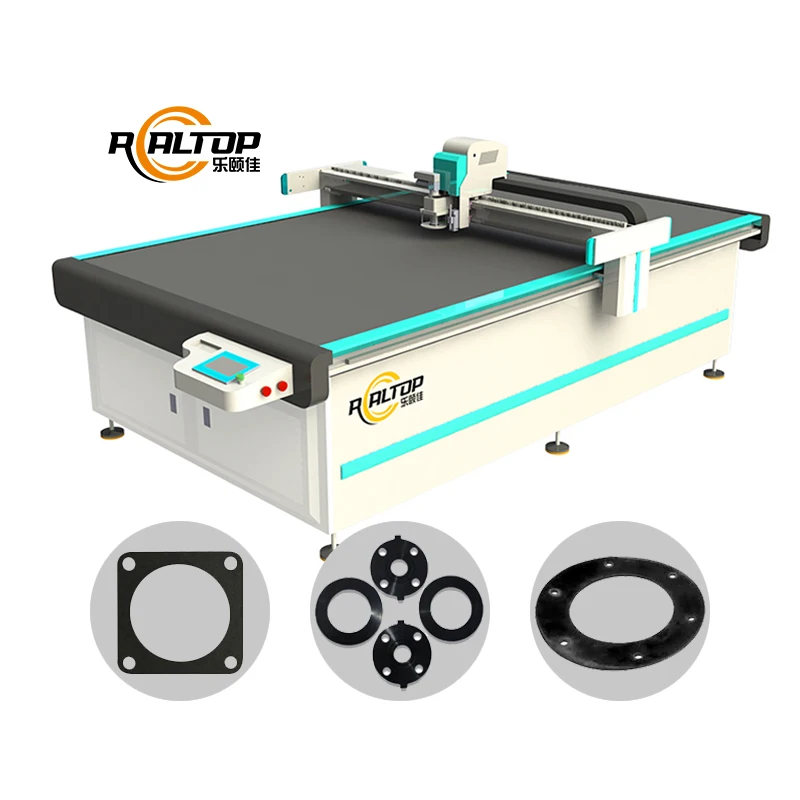
| Product Type | CNC Oscillating Knife Cutting Machine for Composite Materials |
| Working Area | 4000 × 6000 mm |
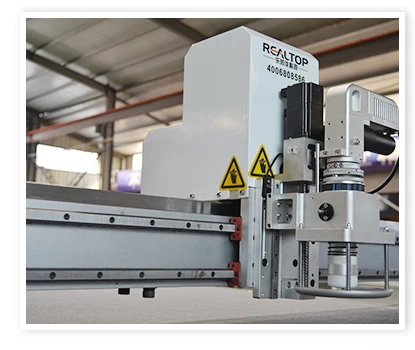
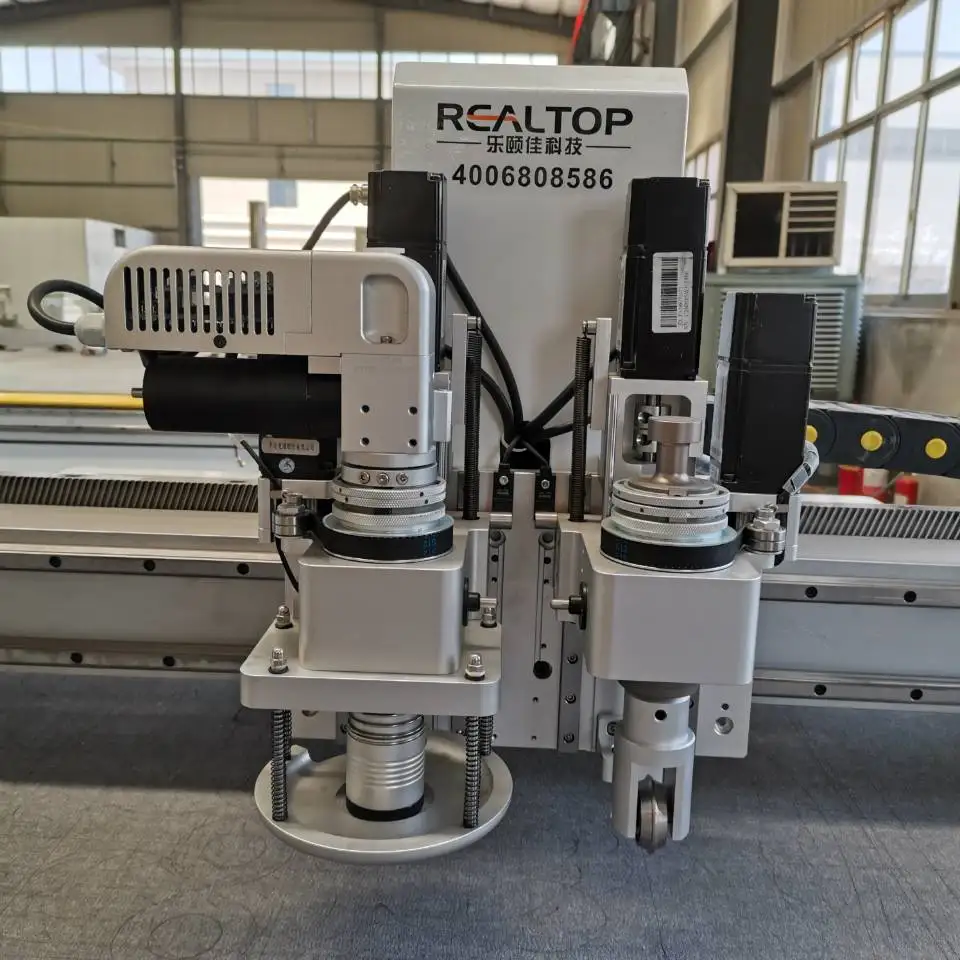
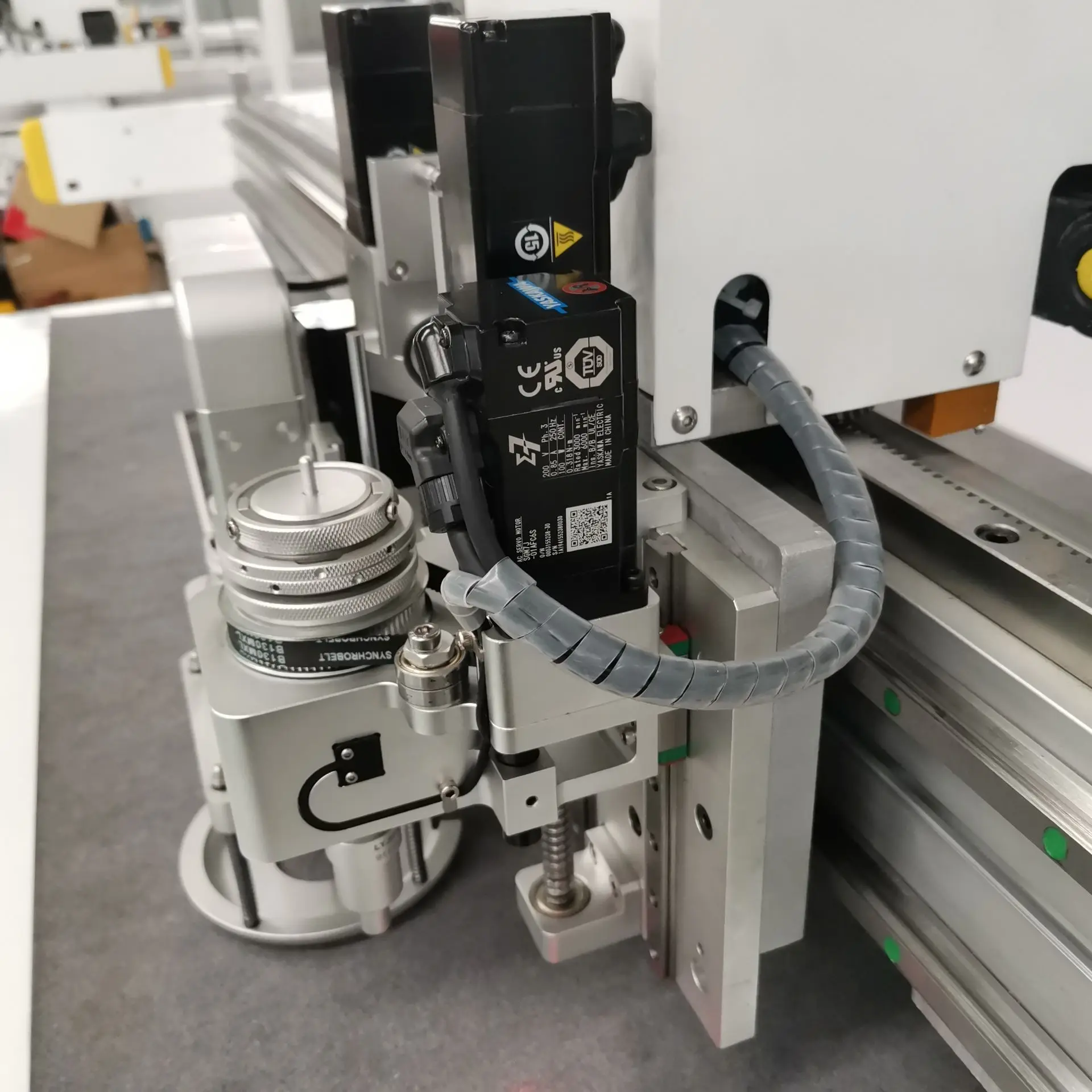
| Tool Head Type | Oscillating knife |
| Compatible Materials | Carbon fiber prepreg, glass fiber prepreg |
| Control System | CNC |
| Warranty | One year for whole machine |
| Voltage & Frequency | Configurable to buyer facility (basis to be confirmed) |
| CCD Camera Option | Available for printed contour recognition (basis to be confirmed) |
| Vacuum Table Zoning | Multi-zone (basis to be confirmed) |
Application Suitability
| Application | Material or Output |
|---|---|
| EV battery enclosure fabrication | Carbon fiber prepreg layups cut to panel blank dimensions |
| Automotive interior structural panels | Glass fiber composite sheets trimmed to contoured profiles |
| High-volume composite layup shops | Multi-layer prepreg stacks processed in single cutting passes |
| Battery box reinforcement prep | Prepreg cut with registration marks tracked via CCD option |
What Buyers Miss When They Specify Working Area Alone
A 4000 × 6000 mm table does not guarantee the knife head can shear through your prepreg stack at production speed.
Composite buyers often start by filtering machines on bed size, assuming a large-format CNC oscillating knife cutting machine for composite materials will handle any thickness placed on it. In reality, oscillating frequency, blade geometry and vacuum hold-down zoning determine whether carbon fiber prepreg shears cleanly or frays at the edge. I have seen shops receive a machine sized for their roll width, only to discover the tool head stalls on thicker glass fiber stacks. [NEED_CITE: oscillating knife cutting parameters for fiber-reinforced prepreg] That mismatch surfaces late, when sample blanks show delamination and the production schedule is already compressed.
Matching the Knife Family to Prepreg Behaviour
Carbon fiber and glass fiber prepregs behave differently under an oscillating blade. Carbon fibers are stiffer and tend to splinter if the blade angle is too aggressive, while glass fibers are more abrasive and wear standard blades faster. The RTT-4060 Pro accommodates both by allowing tool head swaps and oscillation tuning within the same CNC knife cutting platform. This matters for buyers running mixed composite schedules, where a single machine must transition between battery box carbon prepreg and interior glass fiber panels without a full reconfiguration cycle.
Full Catalogue Context for Composite Buyers
Realtop publishes both knife and laser families in a single catalogue so buyers can compare methods before committing. Laser cutting seals synthetic edges but can char resin-rich prepreg zones and generate fumes that require extraction infrastructure. The CNC oscillating knife cutting machine for composite materials avoids thermal damage entirely, leaving a mechanical shear edge that is ready for layup without secondary trimming. [NEED_CITE: thermal versus mechanical cutting effects on prepreg resin systems] Seeing both families listed together helps production managers decide whether knife, laser or a combination of both fits their specific composite output.
Reading the Spec Sheet for Composite Work
Working area defines the maximum blank size the RTT-4060 Pro can accept, which for 4000 × 6000 mm covers most automotive interior panels and battery box prepreg sheets. The oscillating knife tool head is selected over drag knife for fiber-reinforced materials because the vertical reciprocation shears through tacky prepreg without dragging and distorting the ply. Vacuum table zoning becomes critical when cutting smaller reinforcement blanks — insufficient zoning lets edges lift during the knife pass, producing dimensional drift. CCD camera contour recognition, when fitted, tracks printed registration marks on prepreg backing film so nested parts align to the layup template. Software compatibility with the buyer’s existing nesting file format determines whether the CNC oscillating knife cutting machine for composite materials slots into a current workflow or requires a new CAM license.
The Cost of Skipping Material Trials
A buyer who specifies by working area and quoted thickness alone often discovers problems during installation rather than before shipment. Prepreg tackiness varies by resin system and ambient temperature — a material that cut cleanly at the supplier’s demo may behave differently on the factory floor in a different climate. [NEED_CITE: prepreg handling and cutting behavior across temperature ranges] Without a sample cutting report on the buyer’s actual carbon fiber or glass fiber stock, there is no verified evidence that the oscillating knife configuration matches the production material. The hidden cost appears as rejected blanks, re-cut cycles and missed delivery dates once the machine is under real throughput pressure.
Why Source This Configuration Here
Realtop designs and produces both knife and laser cutting systems in-house, so the RTT-4060 Pro configuration is matched to the buyer’s composite material rather than pushed as a default model. Tool head selection, vacuum zoning and CCD options are specified per application, with sample cutting performed on the buyer’s own prepreg before the order is confirmed. Voltage, control language and file format compatibility are verified against the buyer’s facility supply and nesting software. The factory test record documents actual cutting results on the specified carbon fiber or glass fiber material, providing a baseline for acceptance at installation.
Documentation & Verification
- Machine specification sheet confirming working area, knife tool head and vacuum zoning for your prepreg type
- Sample cutting report produced on your carbon fiber or glass fiber material before order confirmation
- Electrical schematic and voltage confirmation matched to your facility power supply and frequency
- Software license and file format compatibility note for your existing nesting and CAM workflow
- Factory test record documenting cutting quality on your specified composite layup thickness
Installation, Commissioning & Support
- Foundation leveling for the 4000 × 6000 mm table frame to maintain positioning accuracy across the full bed
- Dedicated electrical circuit matching confirmed voltage and frequency before the RTT-4060 Pro is energized
- CNC control language set to operator preference during commissioning and verified against the manual
- Vacuum pump and zone valves tested with buyer’s prepreg to confirm hold-down on smallest blank size
- Oscillating knife blade replacement procedure trained on-site with spare blades from the supplied parts kit
- Daily vacuum table surface inspection routine to prevent resin buildup from affecting flatness over time
What to Include in Your Inquiry
Production managers evaluating the RTT-4060 Pro should share the specific prepreg type, resin system, single-ply thickness and maximum stack height intended for cutting. Providing the backing film format and any printed registration mark layout helps determine whether CCD contour recognition is needed. Confirming facility voltage, frequency and preferred CNC control language avoids rework after shipment.
Frequently Asked Questions
Q: How do I confirm the RTT-4060 Pro can cut my carbon fiber prepreg at the required ply count?
A: Request a sample cutting report run on your actual prepreg material at your production stack height. The report documents blade type, oscillation settings and edge quality, giving you verified data rather than a general thickness claim. This step catches resin-specific tackiness issues before the machine is built.
Q: Should I choose oscillating knife or laser for my composite material?
A: Oscillating knife avoids thermal damage and fume generation, making it suitable for resin-rich prepreg where edge charring would affect downstream layup. Laser may suit thin synthetic composites where edge sealing is beneficial. The full catalogue presents both methods so you can compare based on your specific material and volume.
Q: Will small prepreg blanks stay flat on the vacuum table during cutting?
A: Vacuum table zoning determines hold-down effectiveness on smaller parts. The RTT-4060 Pro supports multi-zone vacuum configuration, which should be specified based on your smallest blank dimension. Confirming this during the sample cutting phase prevents edge lift and dimensional drift during production runs.
Q: Can the CCD camera track registration marks on my prepreg backing film?
A: CCD camera contour recognition is available as a configuration option. Its effectiveness depends on mark contrast, print quality and backing film surface. Share a sample of your marked prepreg film so the camera tracking can be verified at production speed before the system is finalized.
Q: What electrical and software details should I confirm before shipment?
A: Confirm your facility voltage, frequency and plug type so the electrical schematic matches local supply. Verify that the CNC control accepts your existing nesting file formats and that the control language is set to your operator preference. These details are documented in the pre-shipment confirmation package.
Knife-Laser Range Clarity — The RTT-4060 Pro sits within a catalogue where oscillating knife and laser families are presented side by side, letting composite buyers compare methods by material rather than forcing one technology across every job.
Technical Specifications
| Parameter | Value |
|---|---|
| Model | RTT-4060 Pro |
| Product Type | CNC Oscillating Knife Cutting Machine for Composite Materials |
| Working Area | 4000 × 6000 mm |
| Tool Head Type | Oscillating knife |
| Compatible Materials | Carbon fiber prepreg, glass fiber prepreg |
| Control System | CNC |
| Warranty | One year for whole machine |
| Voltage & Frequency | Configurable to buyer facility (basis to be confirmed) |
| CCD Camera Option | Available for printed contour recognition (basis to be confirmed) |
| Vacuum Table Zoning | Multi-zone (basis to be confirmed) |
Application Suitability
| Application | Material or Output |
|---|---|
| EV battery enclosure fabrication | Carbon fiber prepreg layups cut to panel blank dimensions |
| Automotive interior structural panels | Glass fiber composite sheets trimmed to contoured profiles |
| High-volume composite layup shops | Multi-layer prepreg stacks processed in single cutting passes |
| Battery box reinforcement prep | Prepreg cut with registration marks tracked via CCD option |
What Buyers Miss When They Specify Working Area Alone
A 4000 × 6000 mm table does not guarantee the knife head can shear through your prepreg stack at production speed.
Composite buyers often start by filtering machines on bed size, assuming a large-format CNC oscillating knife cutting machine for composite materials will handle any thickness placed on it. In reality, oscillating frequency, blade geometry and vacuum hold-down zoning determine whether carbon fiber prepreg shears cleanly or frays at the edge. I have seen shops receive a machine sized for their roll width, only to discover the tool head stalls on thicker glass fiber stacks. [NEED_CITE: oscillating knife cutting parameters for fiber-reinforced prepreg] That mismatch surfaces late, when sample blanks show delamination and the production schedule is already compressed.
Matching the Knife Family to Prepreg Behaviour
Carbon fiber and glass fiber prepregs behave differently under an oscillating blade. Carbon fibers are stiffer and tend to splinter if the blade angle is too aggressive, while glass fibers are more abrasive and wear standard blades faster. The RTT-4060 Pro accommodates both by allowing tool head swaps and oscillation tuning within the same CNC knife cutting platform. This matters for buyers running mixed composite schedules, where a single machine must transition between battery box carbon prepreg and interior glass fiber panels without a full reconfiguration cycle.
Full Catalogue Context for Composite Buyers
Realtop publishes both knife and laser families in a single catalogue so buyers can compare methods before committing. Laser cutting seals synthetic edges but can char resin-rich prepreg zones and generate fumes that require extraction infrastructure. The CNC oscillating knife cutting machine for composite materials avoids thermal damage entirely, leaving a mechanical shear edge that is ready for layup without secondary trimming. [NEED_CITE: thermal versus mechanical cutting effects on prepreg resin systems] Seeing both families listed together helps production managers decide whether knife, laser or a combination of both fits their specific composite output.
Reading the Spec Sheet for Composite Work
Working area defines the maximum blank size the RTT-4060 Pro can accept, which for 4000 × 6000 mm covers most automotive interior panels and battery box prepreg sheets. The oscillating knife tool head is selected over drag knife for fiber-reinforced materials because the vertical reciprocation shears through tacky prepreg without dragging and distorting the ply. Vacuum table zoning becomes critical when cutting smaller reinforcement blanks — insufficient zoning lets edges lift during the knife pass, producing dimensional drift. CCD camera contour recognition, when fitted, tracks printed registration marks on prepreg backing film so nested parts align to the layup template. Software compatibility with the buyer’s existing nesting file format determines whether the CNC oscillating knife cutting machine for composite materials slots into a current workflow or requires a new CAM license.
The Cost of Skipping Material Trials
A buyer who specifies by working area and quoted thickness alone often discovers problems during installation rather than before shipment. Prepreg tackiness varies by resin system and ambient temperature — a material that cut cleanly at the supplier’s demo may behave differently on the factory floor in a different climate. [NEED_CITE: prepreg handling and cutting behavior across temperature ranges] Without a sample cutting report on the buyer’s actual carbon fiber or glass fiber stock, there is no verified evidence that the oscillating knife configuration matches the production material. The hidden cost appears as rejected blanks, re-cut cycles and missed delivery dates once the machine is under real throughput pressure.
Why Source This Configuration Here
Realtop designs and produces both knife and laser cutting systems in-house, so the RTT-4060 Pro configuration is matched to the buyer’s composite material rather than pushed as a default model. Tool head selection, vacuum zoning and CCD options are specified per application, with sample cutting performed on the buyer’s own prepreg before the order is confirmed. Voltage, control language and file format compatibility are verified against the buyer’s facility supply and nesting software. The factory test record documents actual cutting results on the specified carbon fiber or glass fiber material, providing a baseline for acceptance at installation.
Documentation & Verification
- Machine specification sheet confirming working area, knife tool head and vacuum zoning for your prepreg type
- Sample cutting report produced on your carbon fiber or glass fiber material before order confirmation
- Electrical schematic and voltage confirmation matched to your facility power supply and frequency
- Software license and file format compatibility note for your existing nesting and CAM workflow
- Factory test record documenting cutting quality on your specified composite layup thickness
Installation, Commissioning & Support
- Foundation leveling for the 4000 × 6000 mm table frame to maintain positioning accuracy across the full bed
- Dedicated electrical circuit matching confirmed voltage and frequency before the RTT-4060 Pro is energized
- CNC control language set to operator preference during commissioning and verified against the manual
- Vacuum pump and zone valves tested with buyer’s prepreg to confirm hold-down on smallest blank size
- Oscillating knife blade replacement procedure trained on-site with spare blades from the supplied parts kit
- Daily vacuum table surface inspection routine to prevent resin buildup from affecting flatness over time
What to Include in Your Inquiry
Production managers evaluating the RTT-4060 Pro should share the specific prepreg type, resin system, single-ply thickness and maximum stack height intended for cutting. Providing the backing film format and any printed registration mark layout helps determine whether CCD contour recognition is needed. Confirming facility voltage, frequency and preferred CNC control language avoids rework after shipment.
Frequently Asked Questions
Q: How do I confirm the RTT-4060 Pro can cut my carbon fiber prepreg at the required ply count?
A: Request a sample cutting report run on your actual prepreg material at your production stack height. The report documents blade type, oscillation settings and edge quality, giving you verified data rather than a general thickness claim. This step catches resin-specific tackiness issues before the machine is built.
Q: Should I choose oscillating knife or laser for my composite material?
A: Oscillating knife avoids thermal damage and fume generation, making it suitable for resin-rich prepreg where edge charring would affect downstream layup. Laser may suit thin synthetic composites where edge sealing is beneficial. The full catalogue presents both methods so you can compare based on your specific material and volume.
Q: Will small prepreg blanks stay flat on the vacuum table during cutting?
A: Vacuum table zoning determines hold-down effectiveness on smaller parts. The RTT-4060 Pro supports multi-zone vacuum configuration, which should be specified based on your smallest blank dimension. Confirming this during the sample cutting phase prevents edge lift and dimensional drift during production runs.
Q: Can the CCD camera track registration marks on my prepreg backing film?
A: CCD camera contour recognition is available as a configuration option. Its effectiveness depends on mark contrast, print quality and backing film surface. Share a sample of your marked prepreg film so the camera tracking can be verified at production speed before the system is finalized.
Q: What electrical and software details should I confirm before shipment?
A: Confirm your facility voltage, frequency and plug type so the electrical schematic matches local supply. Verify that the CNC control accepts your existing nesting file formats and that the control language is set to your operator preference. These details are documented in the pre-shipment confirmation package.










商品评价
There are no reviews yet.