



Fast Delivery
Quick, reliable shipping to any location.

Free & easy returns
Return this item by mail or in store within 90 days for a full refund.
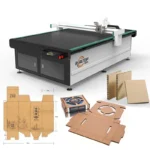
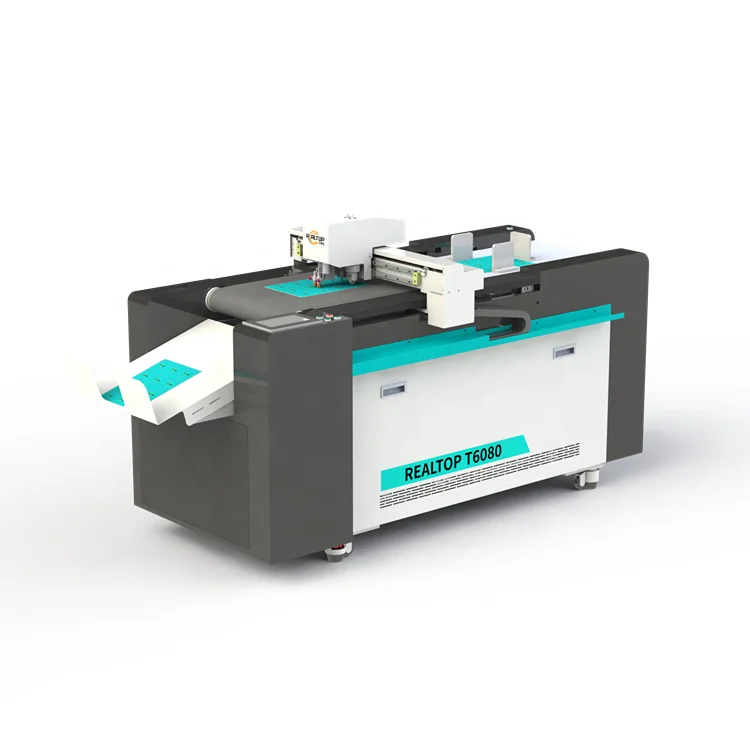
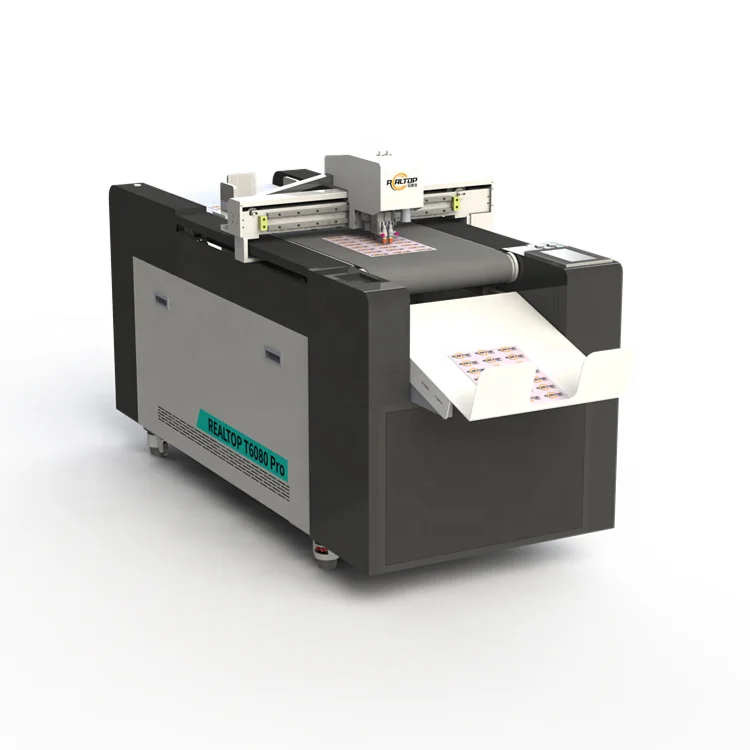
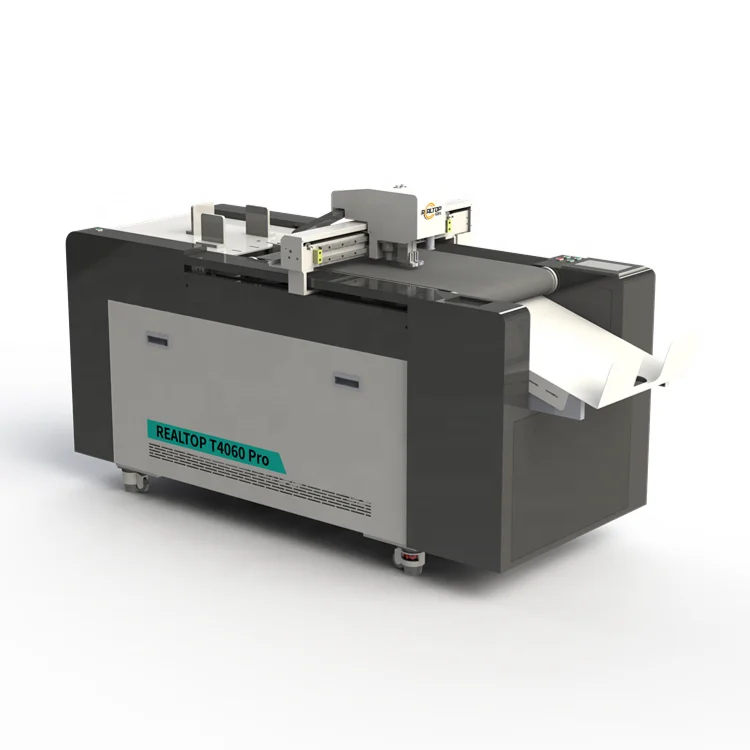
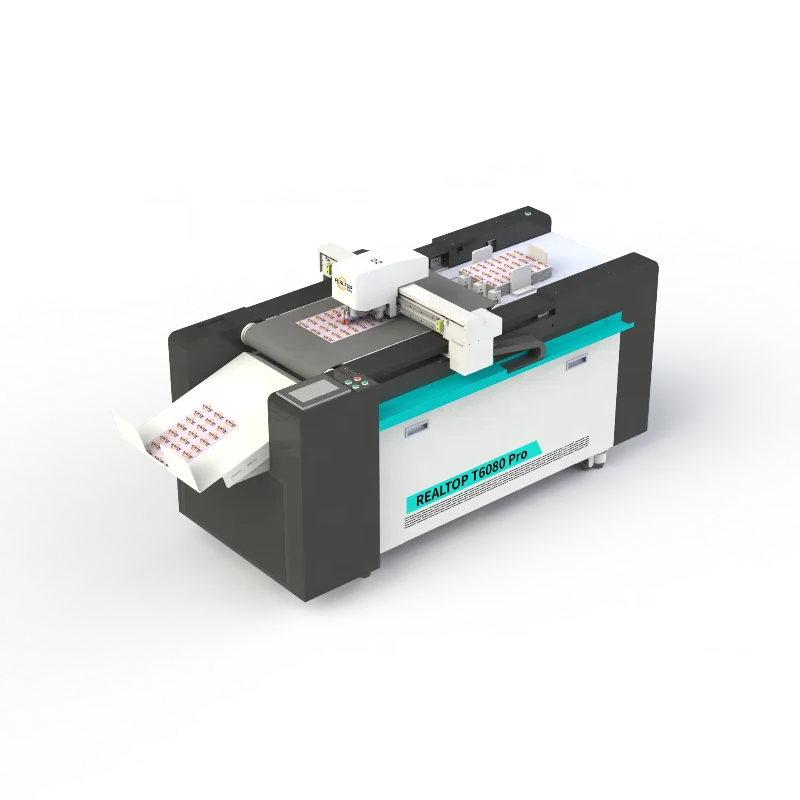
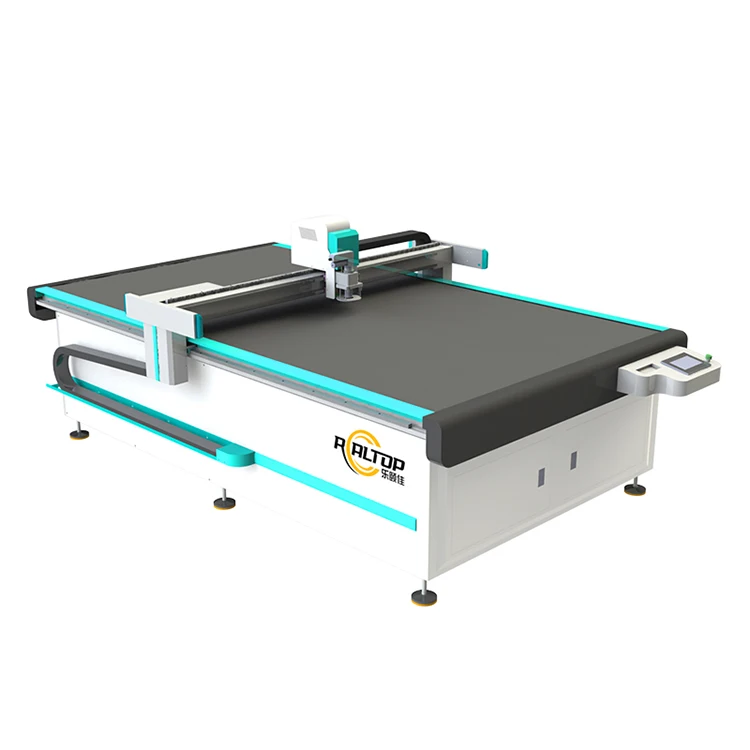
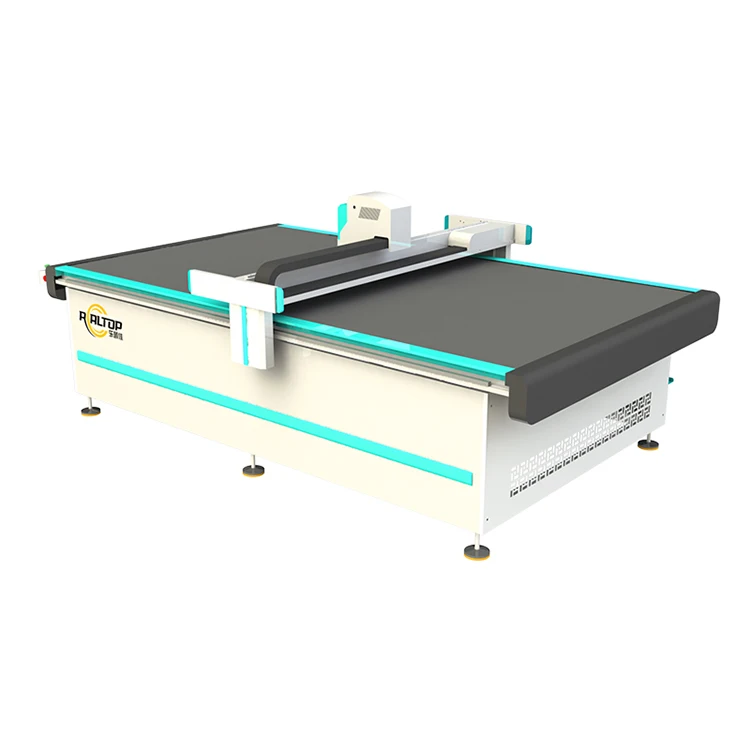
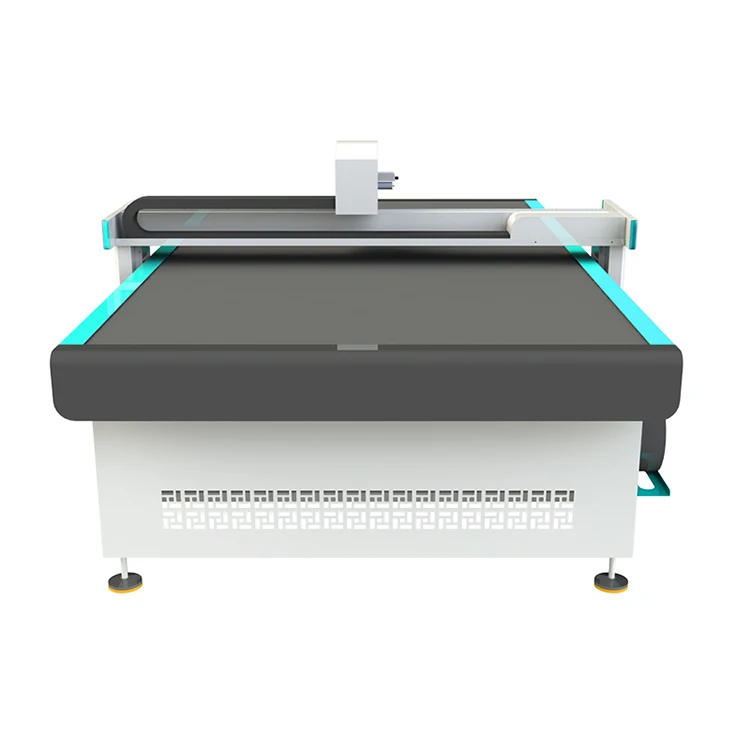
Dual Model Thickness Coverage — The RTT6080 and RTT6080 Pro provide distinct cutting depth classes rather than a single compromise specification, allowing buyers to match exact material thickness before order.
Technical Specifications
| Parameter | Value |
|---|---|
| Model | RTT6080 / RTT6080 Pro |
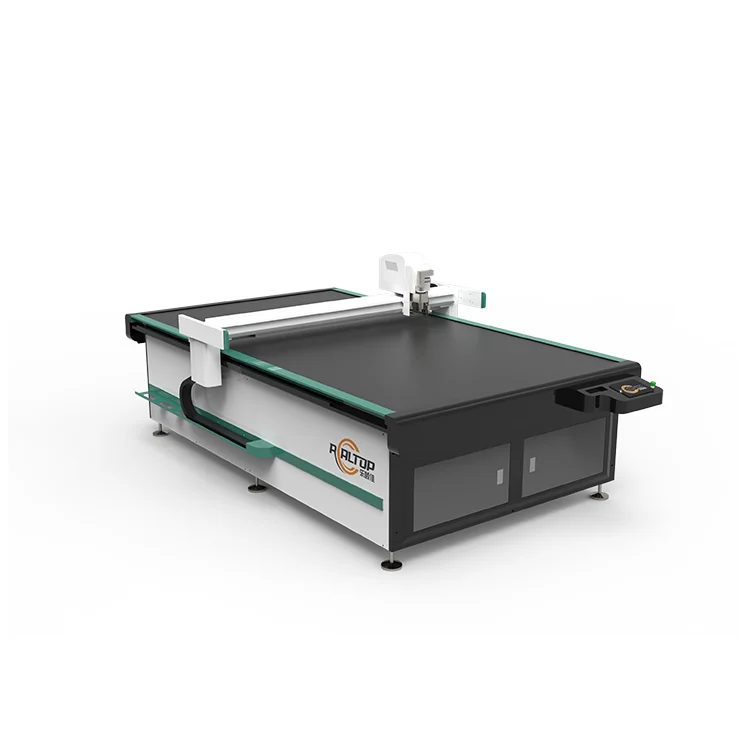
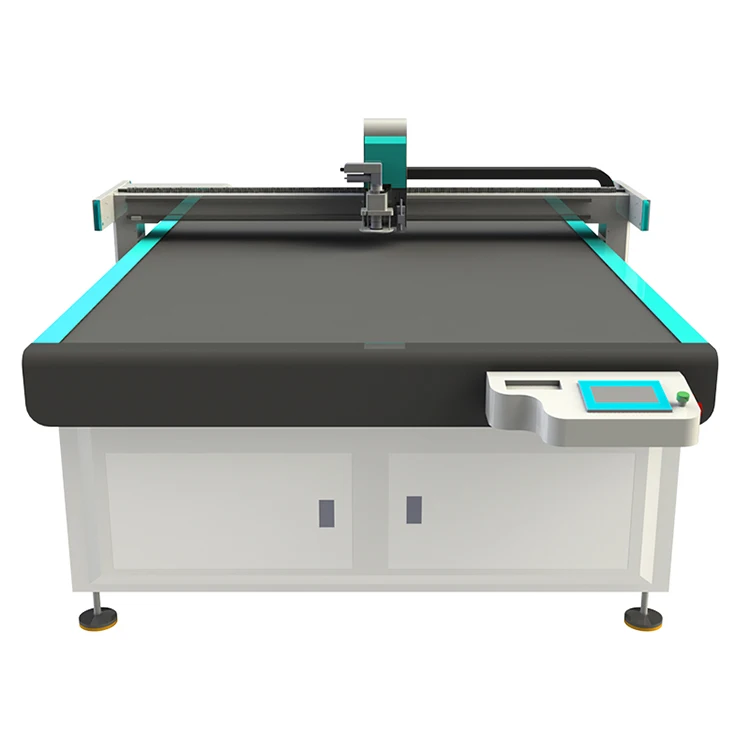
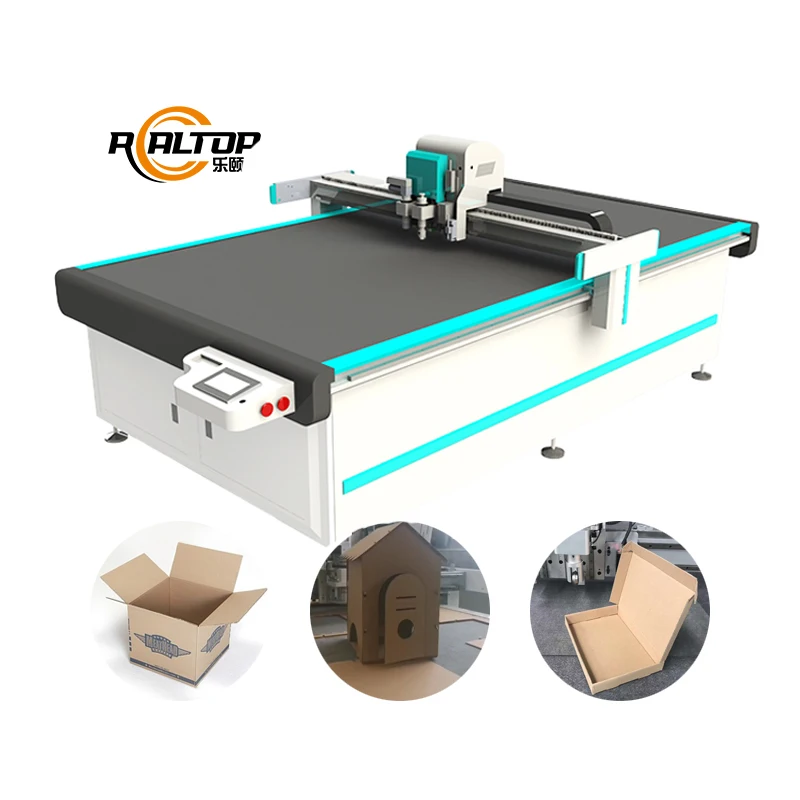
| Product Type | Flatbed Digital Cutting Plotter |
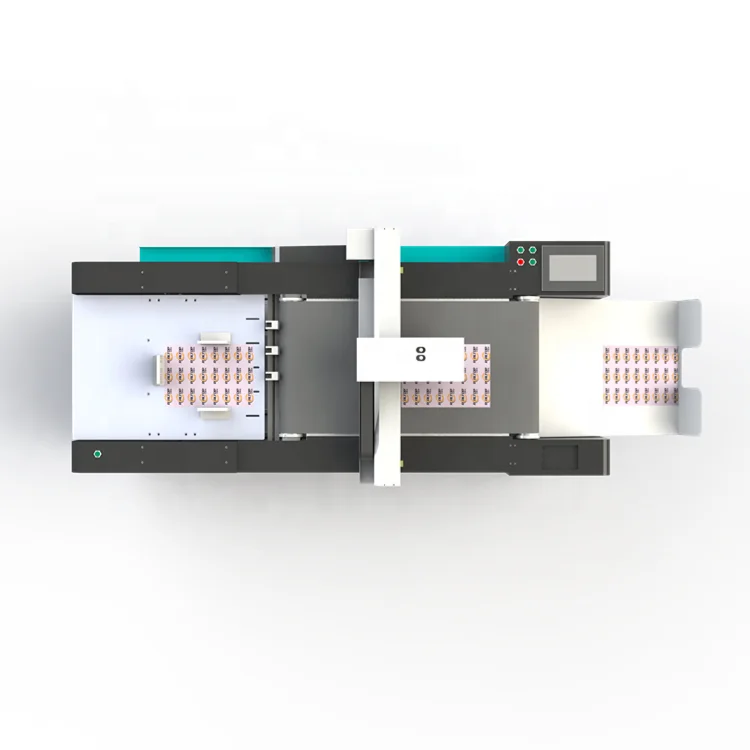
| Max Working Area | 600mm × 800mm |
| Cutting Thickness | ≤2mm (RTT6080) / ≤5mm (RTT6080 Pro) |
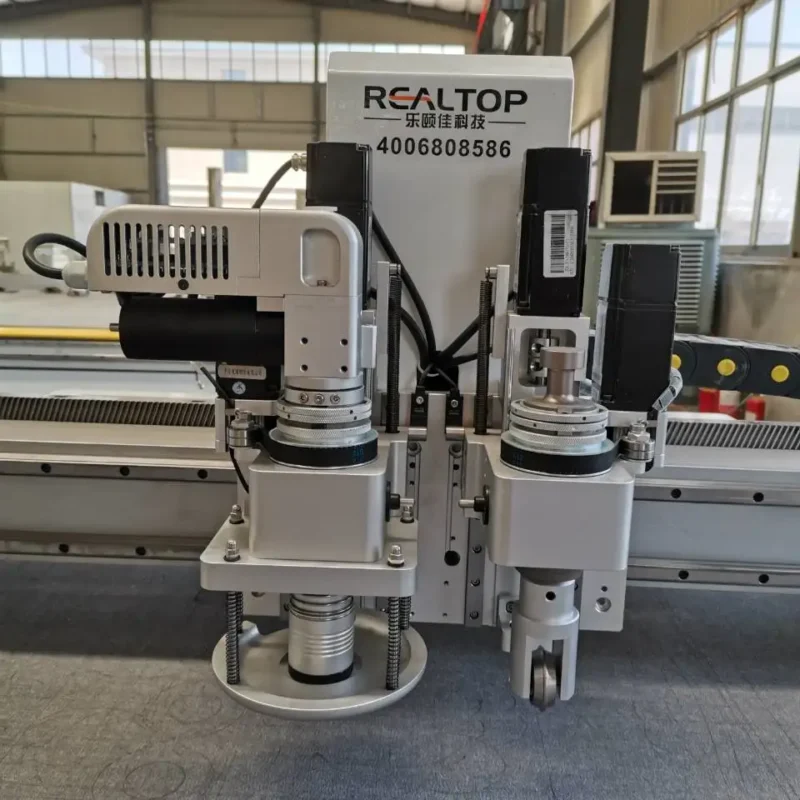
| Tools Group | Cutting tool, kiss cutting tool, creasing tool, CCD camera, high speed oscillating knife (Pro version) |
| Max Cutting Speed | 1500mm/s (according to the material) (basis not stated in source) |
| Positioning Accuracy | 0.05mm |
| File Format | DXF, PLT, PDF, AI |
| Transfer Method | Ethernet port |
| Rated Power | 3.2kW |
| Voltage | 220V/380V, 50Hz |
| Assembly State | Fully assembled |
| Warranty | One year for whole machine |
Application Suitability
| Application | Material or Output |
|---|---|
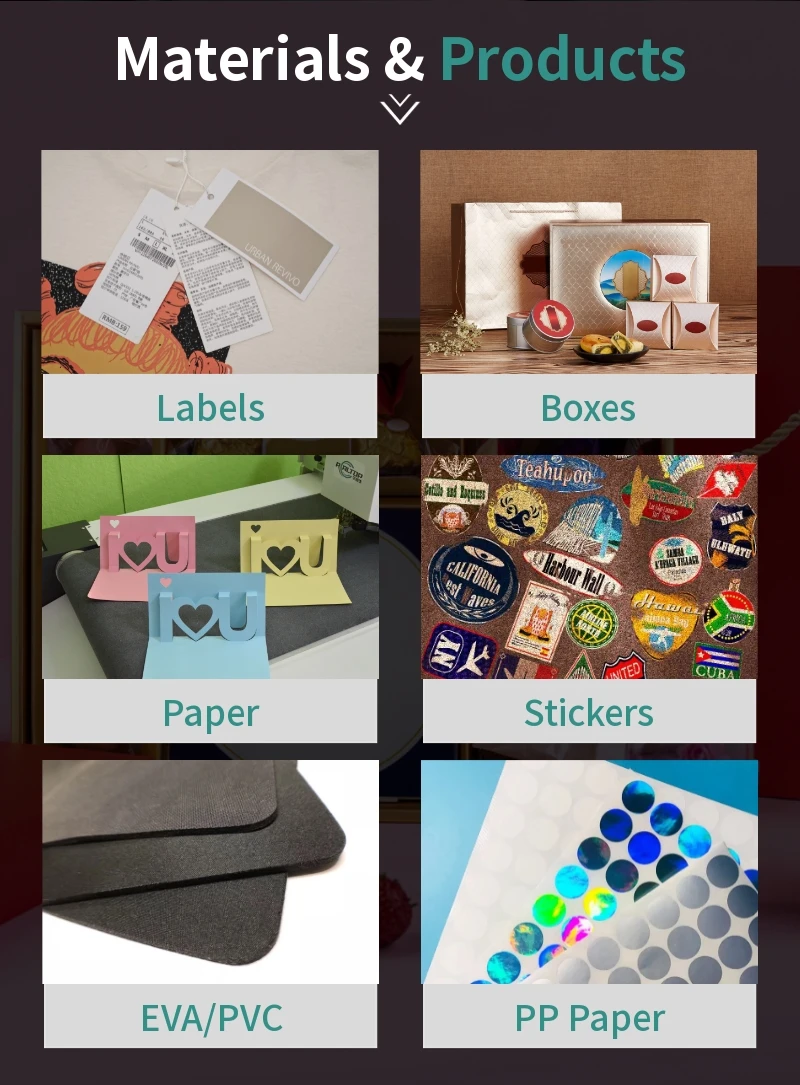
| Sticker and vinyl half-cutting | Self-adhesive PVC, reflective vinyl, printable sticker stock |
| Thin flexible sheet cutting | PVC film, adhesive-backed sheets up to 2mm on RTT6080 |
| Foam and gasket blanking | EVA sheets, PE foam, rubber gasket stock up to 5mm on RTT6080 Pro |
| Packaging sample making | Cardstock, corrugated sample boards, thin carton with creasing tool |
| Signage contour cutting | Printed vinyl and banner material with CCD camera recognition |
What Buyers Overlook When Choosing a Compact Flatbed Digital Cutting Plotter
Working area alone does not determine whether the machine will actually cut your material.
I learned this the hard way early in my career. A client in the vehicle wrap business asked for a small-format plotter to cut stickers and lettering. We set up an RTT6080 with a standard cutting tool and tested on his sample PVC — clean edges, perfect half-cuts, everything dialed in. Then he sent over his actual production material: a thick EVA foam laminate. The knife simply could not penetrate it. The entire test batch was wasted. Since then, I always confirm real material type, density, and thickness before recommending any configuration. A flatbed digital cutting plotter manufacturer should push that conversation before quoting a price [NEED_CITE: material density impact on knife cutting penetration force].
Surveying the Tool Head Range Before Committing
The RTT6080 series positions itself as a catalogue entry point where buyers survey the full flatbed digital cutting plotter manufacturer range. The standard RTT6080 carries a cutting tool, kiss cutting tool, creasing tool, and CCD camera, covering thin vinyl, sticker stock, and packaging samples. The RTT6080 Pro adds a high-speed oscillating knife, extending the thickness envelope to 5mm for foam, gasket, and denser composite sheets. This split forces a decision based on actual material rather than allowing a buyer to assume one machine does everything.
Matching Configuration to the Actual Production Job
Each tool head on this series serves a distinct cutting action. The kiss cutting tool scores sticker liners without cutting through the backing — critical for label sheets that must stay on the release liner until application. The creasing tool folds carton sample stock without cracking the surface fibers. The oscillating knife on the Pro model reciprocates at high frequency to slice through compressible materials like EVA and foam where a static drag knife would crush the cell structure. Choosing the wrong tool head produces ragged edges or crushed cross-sections, and no amount of software tuning corrects a mechanical mismatch [NEED_CITE: oscillating knife versus drag knife cutting mechanics on compressible substrates].
Reading the Specs That Matter on the Shop Floor
The 600mm × 800mm working area suits small-to-medium sheet formats typical of sticker rolls, signage vinyl, and packaging sample blanks. The 0.05mm positioning accuracy ensures contour cuts stay registered to printed marks across the full table travel. File format support spanning DXF, PLT, PDF, and AI means the machine accepts output directly from common design software without an intermediate conversion step — a practical concern when operators already run established nesting workflows. Ethernet transfer provides stable data delivery over longer distances in workshop environments where USB cables would be impractical. The rated 3.2kW power draw across both models keeps electrical requirements within standard single-phase workshop circuits.
The Hidden Cost of Skipping Material Verification
When a buyer specifies a cutting plotter on working area and price alone, the real cost emerges weeks later on the production floor. A kiss-cut sticker job that tears the backing liner means every sheet is scrapped. A foam gasket cut with a drag knife instead of an oscillating knife leaves compressed edges that fail dimensional inspection. A CCD system that tracks printed marks at proof speed but loses registration at production speed causes cascading waste across entire print runs [NEED_CITE: CCD registration drift at production cutting speeds]. These are not warranty claims — they are configuration errors that trace back to the ordering conversation.
Why Source This Series Here
In-house design covers both knife cutting technologies in one facility, so the RTT6080 series configuration is specified per material rather than forced into a single method. Tool head and table combinations are confirmed against buyer samples before order, not assumed from a catalogue grid. CCD camera positioning is validated on the buyer’s own printed stock to verify contour tracking at required speeds. Software compatibility — file formats, nesting workflow, nesting output — is confirmed before the machine enters production. Voltage, plug type, and control language are locked to the destination market before shipment, preventing the installation-day surprises that delay commissioning.
Documentation & Verification
- Machine specification sheet listing configured tool heads and table setup per material
- Electrical schematic confirming voltage and plug type for destination market
- Sample cutting report on buyer’s own sticker, PVC, or EVA stock before dispatch
- Software licence and file format compatibility note for DXF, PLT, PDF, AI workflows
- Factory test record documenting positioning accuracy across full working area travel
- Packing photographs showing machine condition prior to crate closure
Installation, Commissioning & Support
- Fully assembled delivery means the 3.2kW unit connects to verified 220V or 380V supply and begins calibration
- Ethernet port setup requires confirmed network routing to the design workstation before first file transfer
- CCD camera calibration runs on buyer’s printed contour samples to establish tracking thresholds at cutting speed
- Oscillating knife blade depth and frequency set against buyer’s foam or gasket material during commissioning
- One-year warranty covers the full machine including tool heads and motion components
- Spare blade and tool head consumable list provided with recommended reorder intervals
Before You Request a Quote
Send a sample of your actual production material — not a data sheet reference, but the physical stock you cut daily. Include the thickness range, whether you need kiss cutting, through cutting, or creasing, and the file formats your design team currently outputs. Specify your workshop voltage and frequency so the electrical configuration is confirmed before the machine ships.
Frequently Asked Questions
Q: How do I verify the cutting thickness claim against my specific foam or gasket material?
A: Request a sample cutting test on your own material before order. The sample cutting report documents actual edge quality, penetration depth, and cycle time on your stock. Density and compressibility vary between material grades, so a 5mm rating on one foam does not guarantee the same result on yours.
Q: Which tool head handles sticker half-cutting versus full-through EVA cutting?
A: The kiss cutting tool scores the vinyl face without penetrating the release liner, keeping stickers on the backing sheet. Full-through EVA and foam cutting requires the oscillating knife on the RTT6080 Pro, which slices compressible material without crushing the cell structure.
Q: What electrical and language details must be confirmed before the machine ships?
A: Voltage (220V or 380V), plug type for your destination country, and control interface language must all be specified during the order confirmation stage. Retrofits after shipment delay commissioning and add cost.
Q: Can the machine import files from my existing design software?
A: The system accepts DXF, PLT, PDF, and AI formats directly. Confirm your software’s native export format and any nesting workflow requirements before order so file compatibility is verified, not assumed at delivery.
Dual Model Thickness Coverage — The RTT6080 and RTT6080 Pro provide distinct cutting depth classes rather than a single compromise specification, allowing buyers to match exact material thickness before order.
Technical Specifications
| Parameter | Value |
|---|---|
| Model | RTT6080 / RTT6080 Pro |
| Product Type | Flatbed Digital Cutting Plotter |
| Max Working Area | 600mm × 800mm |
| Cutting Thickness | ≤2mm (RTT6080) / ≤5mm (RTT6080 Pro) |
| Tools Group | Cutting tool, kiss cutting tool, creasing tool, CCD camera, high speed oscillating knife (Pro version) |
| Max Cutting Speed | 1500mm/s (according to the material) (basis not stated in source) |
| Positioning Accuracy | 0.05mm |
| File Format | DXF, PLT, PDF, AI |
| Transfer Method | Ethernet port |
| Rated Power | 3.2kW |
| Voltage | 220V/380V, 50Hz |
| Assembly State | Fully assembled |
| Warranty | One year for whole machine |
Application Suitability
| Application | Material or Output |
|---|---|
| Sticker and vinyl half-cutting | Self-adhesive PVC, reflective vinyl, printable sticker stock |
| Thin flexible sheet cutting | PVC film, adhesive-backed sheets up to 2mm on RTT6080 |
| Foam and gasket blanking | EVA sheets, PE foam, rubber gasket stock up to 5mm on RTT6080 Pro |
| Packaging sample making | Cardstock, corrugated sample boards, thin carton with creasing tool |
| Signage contour cutting | Printed vinyl and banner material with CCD camera recognition |
What Buyers Overlook When Choosing a Compact Flatbed Digital Cutting Plotter
Working area alone does not determine whether the machine will actually cut your material.
I learned this the hard way early in my career. A client in the vehicle wrap business asked for a small-format plotter to cut stickers and lettering. We set up an RTT6080 with a standard cutting tool and tested on his sample PVC — clean edges, perfect half-cuts, everything dialed in. Then he sent over his actual production material: a thick EVA foam laminate. The knife simply could not penetrate it. The entire test batch was wasted. Since then, I always confirm real material type, density, and thickness before recommending any configuration. A flatbed digital cutting plotter manufacturer should push that conversation before quoting a price [NEED_CITE: material density impact on knife cutting penetration force].
Surveying the Tool Head Range Before Committing
The RTT6080 series positions itself as a catalogue entry point where buyers survey the full flatbed digital cutting plotter manufacturer range. The standard RTT6080 carries a cutting tool, kiss cutting tool, creasing tool, and CCD camera, covering thin vinyl, sticker stock, and packaging samples. The RTT6080 Pro adds a high-speed oscillating knife, extending the thickness envelope to 5mm for foam, gasket, and denser composite sheets. This split forces a decision based on actual material rather than allowing a buyer to assume one machine does everything.
Matching Configuration to the Actual Production Job
Each tool head on this series serves a distinct cutting action. The kiss cutting tool scores sticker liners without cutting through the backing — critical for label sheets that must stay on the release liner until application. The creasing tool folds carton sample stock without cracking the surface fibers. The oscillating knife on the Pro model reciprocates at high frequency to slice through compressible materials like EVA and foam where a static drag knife would crush the cell structure. Choosing the wrong tool head produces ragged edges or crushed cross-sections, and no amount of software tuning corrects a mechanical mismatch [NEED_CITE: oscillating knife versus drag knife cutting mechanics on compressible substrates].
Reading the Specs That Matter on the Shop Floor
The 600mm × 800mm working area suits small-to-medium sheet formats typical of sticker rolls, signage vinyl, and packaging sample blanks. The 0.05mm positioning accuracy ensures contour cuts stay registered to printed marks across the full table travel. File format support spanning DXF, PLT, PDF, and AI means the machine accepts output directly from common design software without an intermediate conversion step — a practical concern when operators already run established nesting workflows. Ethernet transfer provides stable data delivery over longer distances in workshop environments where USB cables would be impractical. The rated 3.2kW power draw across both models keeps electrical requirements within standard single-phase workshop circuits.
The Hidden Cost of Skipping Material Verification
When a buyer specifies a cutting plotter on working area and price alone, the real cost emerges weeks later on the production floor. A kiss-cut sticker job that tears the backing liner means every sheet is scrapped. A foam gasket cut with a drag knife instead of an oscillating knife leaves compressed edges that fail dimensional inspection. A CCD system that tracks printed marks at proof speed but loses registration at production speed causes cascading waste across entire print runs [NEED_CITE: CCD registration drift at production cutting speeds]. These are not warranty claims — they are configuration errors that trace back to the ordering conversation.
Why Source This Series Here
In-house design covers both knife cutting technologies in one facility, so the RTT6080 series configuration is specified per material rather than forced into a single method. Tool head and table combinations are confirmed against buyer samples before order, not assumed from a catalogue grid. CCD camera positioning is validated on the buyer’s own printed stock to verify contour tracking at required speeds. Software compatibility — file formats, nesting workflow, nesting output — is confirmed before the machine enters production. Voltage, plug type, and control language are locked to the destination market before shipment, preventing the installation-day surprises that delay commissioning.
Documentation & Verification
- Machine specification sheet listing configured tool heads and table setup per material
- Electrical schematic confirming voltage and plug type for destination market
- Sample cutting report on buyer’s own sticker, PVC, or EVA stock before dispatch
- Software licence and file format compatibility note for DXF, PLT, PDF, AI workflows
- Factory test record documenting positioning accuracy across full working area travel
- Packing photographs showing machine condition prior to crate closure
Installation, Commissioning & Support
- Fully assembled delivery means the 3.2kW unit connects to verified 220V or 380V supply and begins calibration
- Ethernet port setup requires confirmed network routing to the design workstation before first file transfer
- CCD camera calibration runs on buyer’s printed contour samples to establish tracking thresholds at cutting speed
- Oscillating knife blade depth and frequency set against buyer’s foam or gasket material during commissioning
- One-year warranty covers the full machine including tool heads and motion components
- Spare blade and tool head consumable list provided with recommended reorder intervals
Before You Request a Quote
Send a sample of your actual production material — not a data sheet reference, but the physical stock you cut daily. Include the thickness range, whether you need kiss cutting, through cutting, or creasing, and the file formats your design team currently outputs. Specify your workshop voltage and frequency so the electrical configuration is confirmed before the machine ships.
Frequently Asked Questions
Q: How do I verify the cutting thickness claim against my specific foam or gasket material?
A: Request a sample cutting test on your own material before order. The sample cutting report documents actual edge quality, penetration depth, and cycle time on your stock. Density and compressibility vary between material grades, so a 5mm rating on one foam does not guarantee the same result on yours.
Q: Which tool head handles sticker half-cutting versus full-through EVA cutting?
A: The kiss cutting tool scores the vinyl face without penetrating the release liner, keeping stickers on the backing sheet. Full-through EVA and foam cutting requires the oscillating knife on the RTT6080 Pro, which slices compressible material without crushing the cell structure.
Q: What electrical and language details must be confirmed before the machine ships?
A: Voltage (220V or 380V), plug type for your destination country, and control interface language must all be specified during the order confirmation stage. Retrofits after shipment delay commissioning and add cost.
Q: Can the machine import files from my existing design software?
A: The system accepts DXF, PLT, PDF, and AI formats directly. Confirm your software’s native export format and any nesting workflow requirements before order so file compatibility is verified, not assumed at delivery.
商品评价
There are no reviews yet.