


Fast Delivery
Quick, reliable shipping to any location.

Free & easy returns
Return this item by mail or in store within 90 days for a full refund.
Technical Specifications
| Parameter | Value |
|---|---|
| Model | RT–R2513 / RT-D2516 / RT-S2516 |
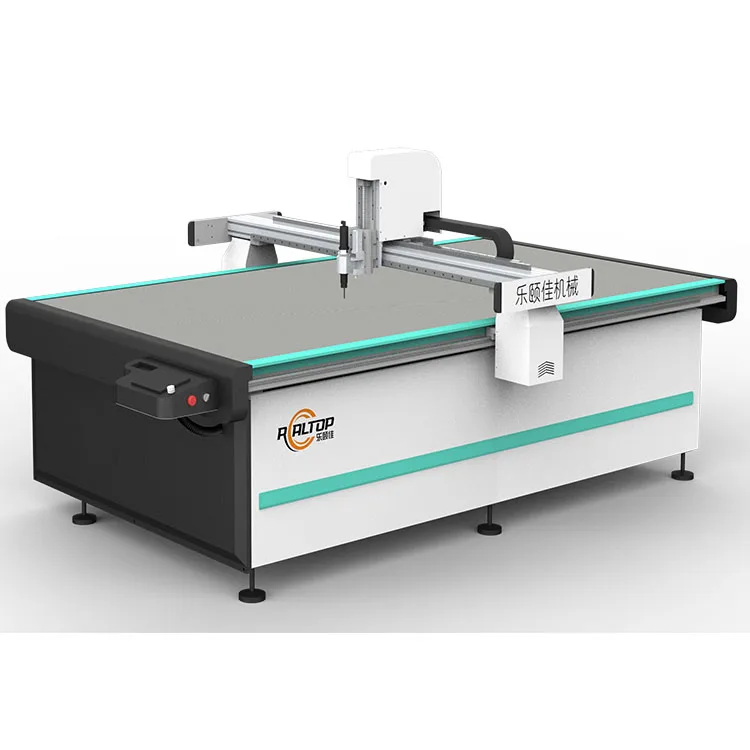
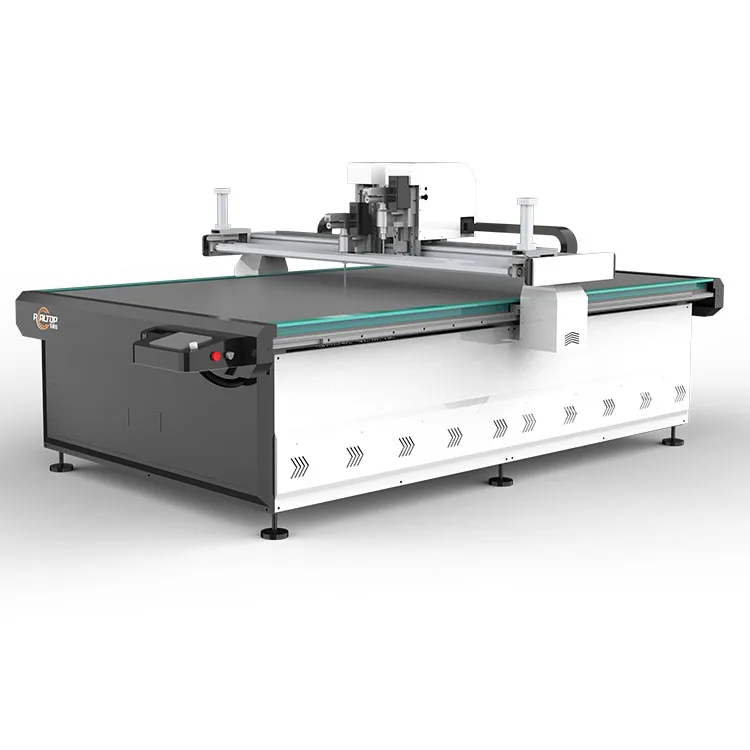
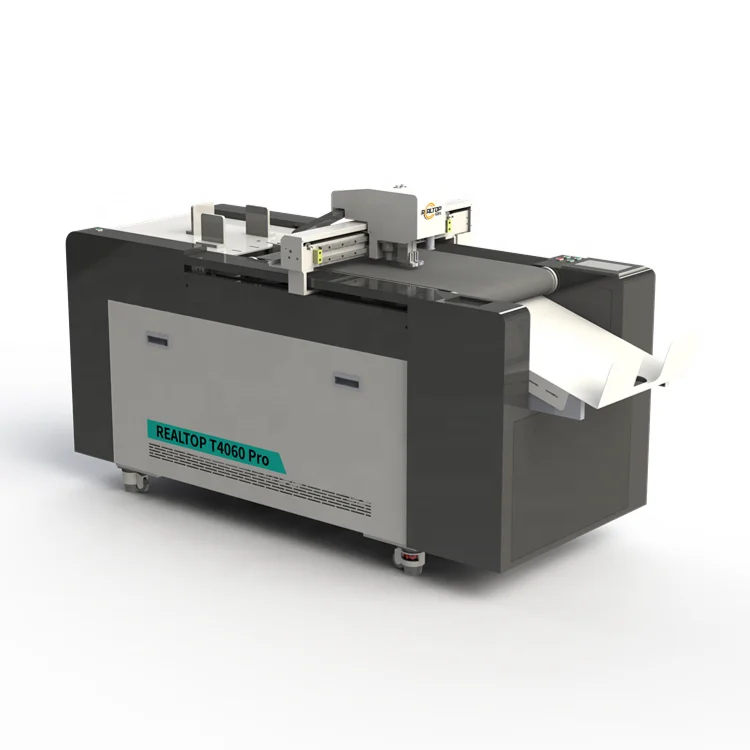
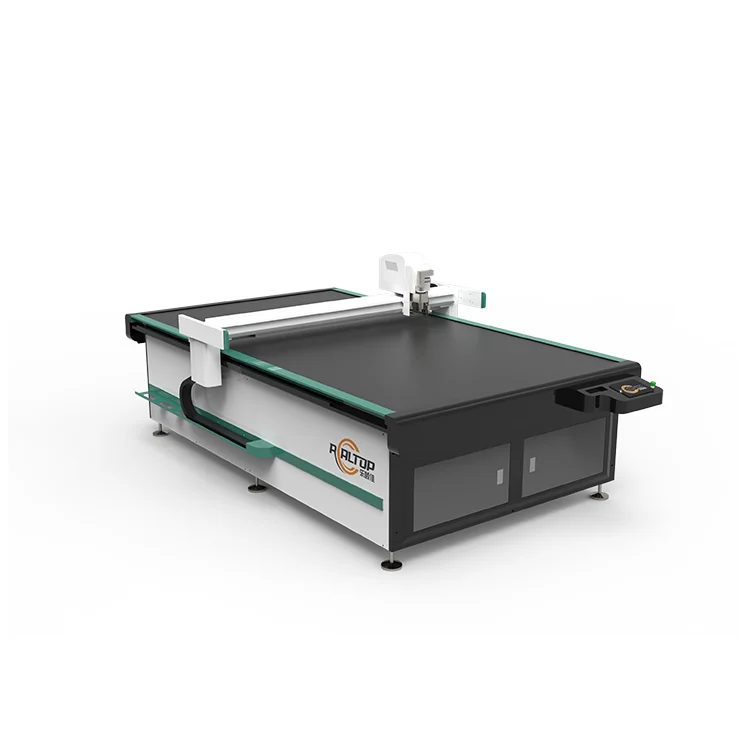
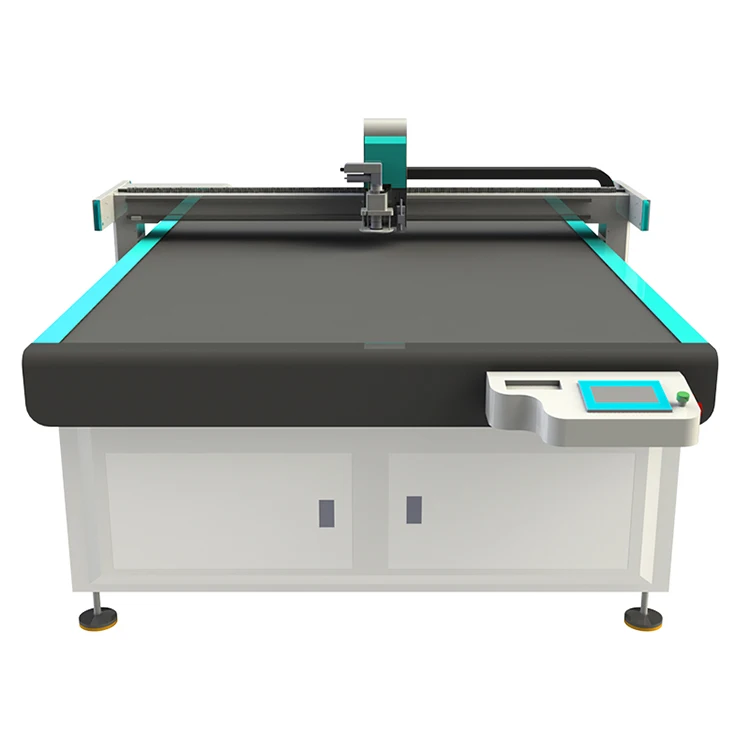
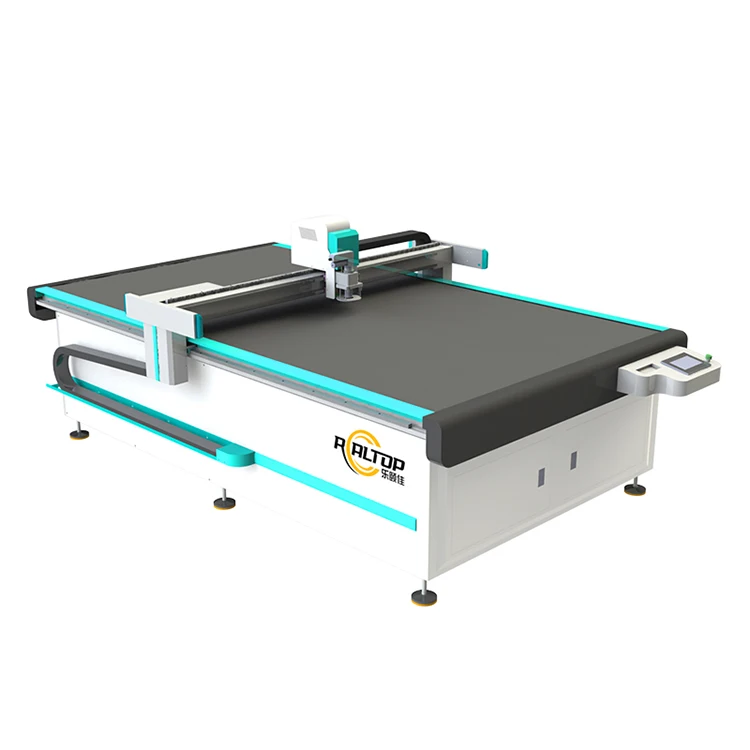
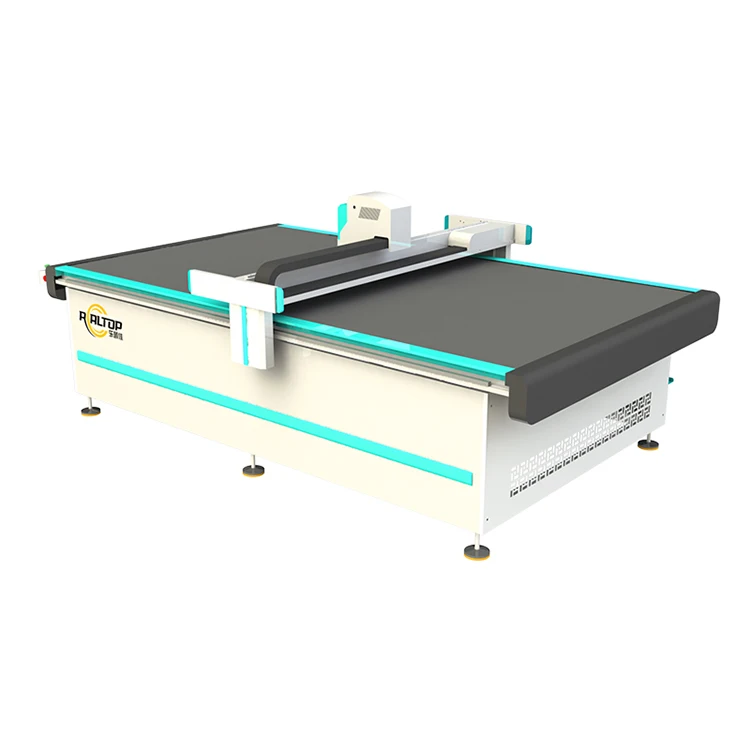
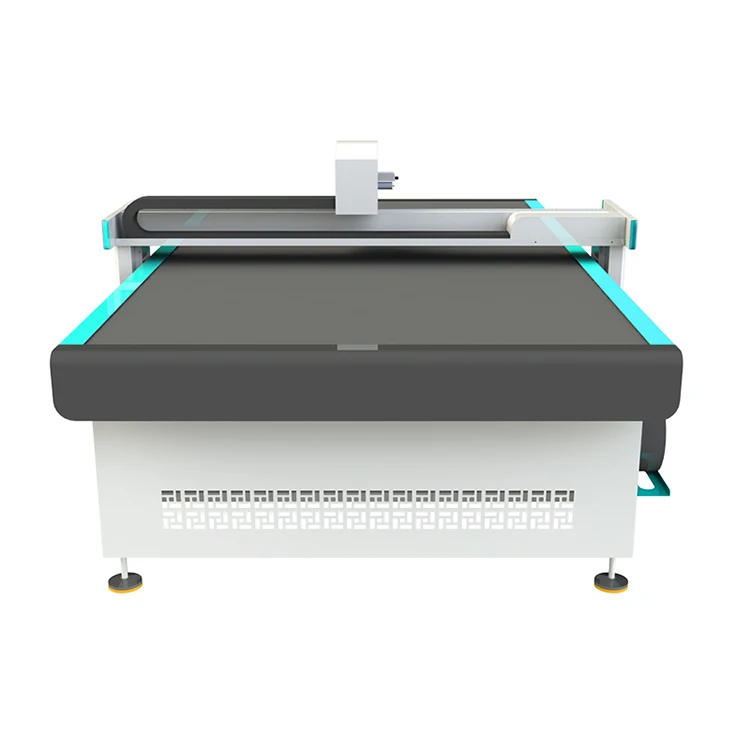
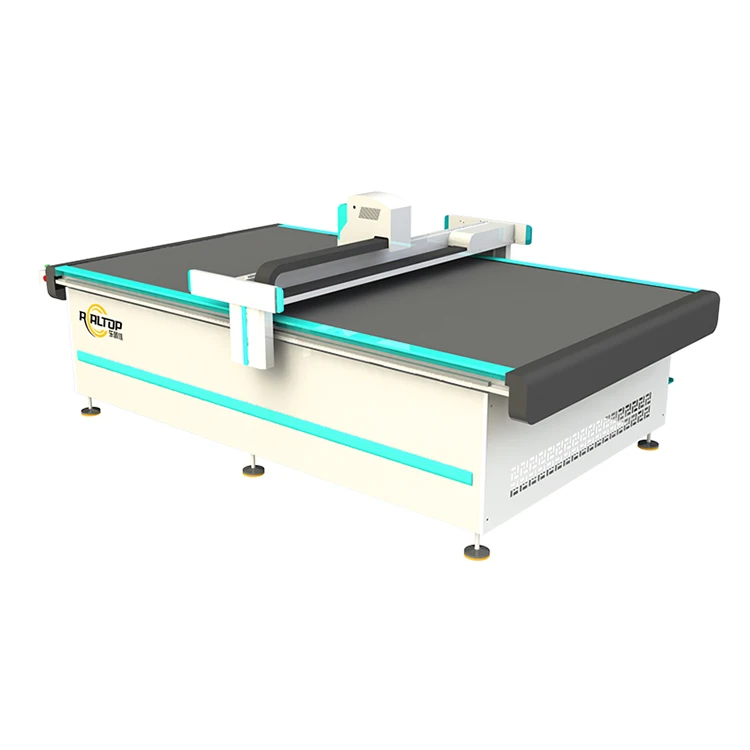
| Product Type | CNC Oscillating Knife Cutting Machine |
| Working Area | 2500×1300 mm (RT–R2513) / 1600×2500 mm (RT-D2516 / RT-S2516) |
| Machine Dimensions | 3550×1910×1400 mm / 3450×2300×1250 mm |
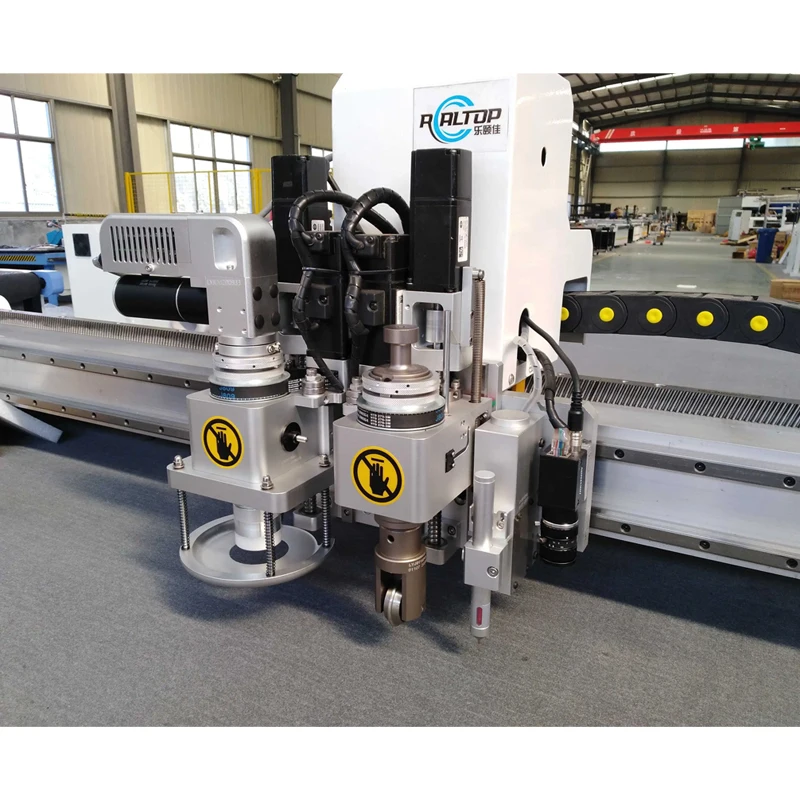
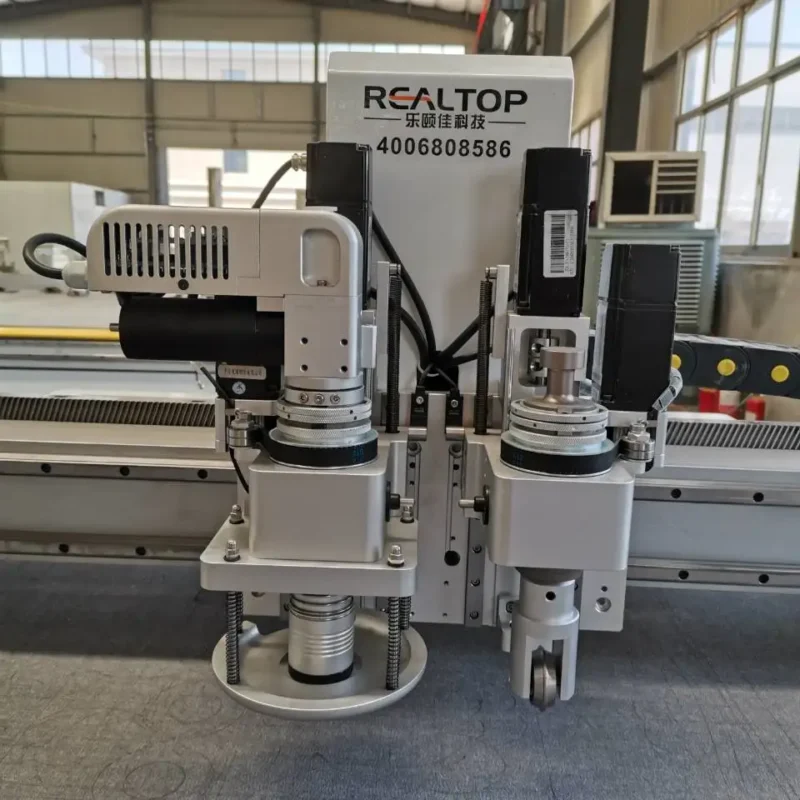
| Cutting Tools | Oscillating knife, Creasing tool, Kiss-Cut Knife Tool, Round punch |
| Cutting Thickness | ≤18 mm (basis to be confirmed on specific material density) |
| Repeated Accuracy | <0.05 mm |
| Rated Power | 9 kW |
| Voltage | 380 V |
| Drive System | Dongling servo (Delta servo motor optional) |
| Guide Rail | Taiwan Hiwin rail |
| Vacuum System | Aluminum honeycomb platform with 7.5 kW vacuum pump |
| Profile Formats | DXF, OLT, PDF, AI |
| Safety Features | Infrared sensors, emergency stop |
Application Suitability
| Application | Material or Output |
|---|---|
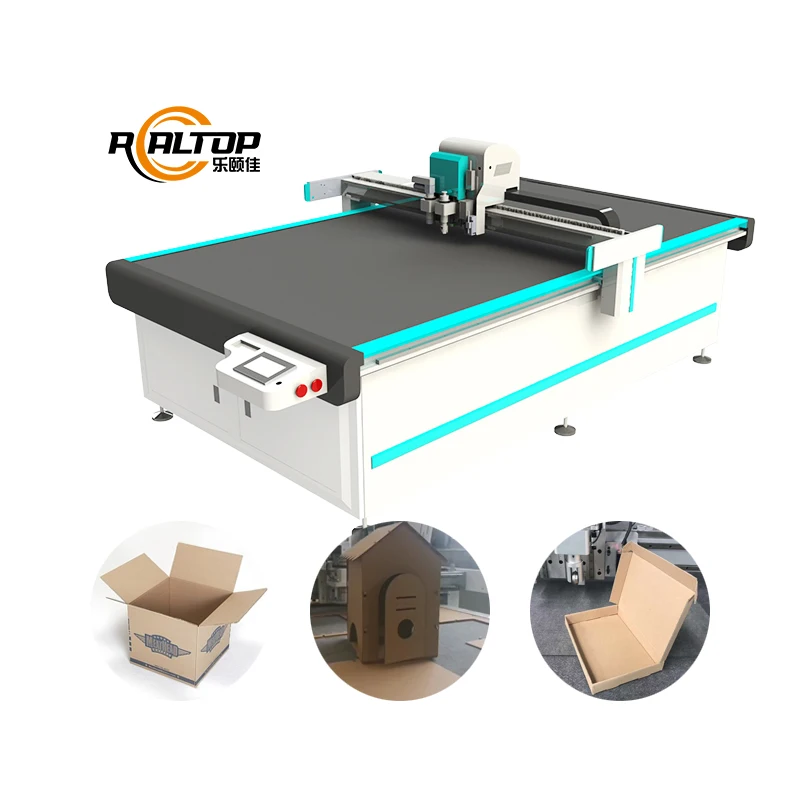
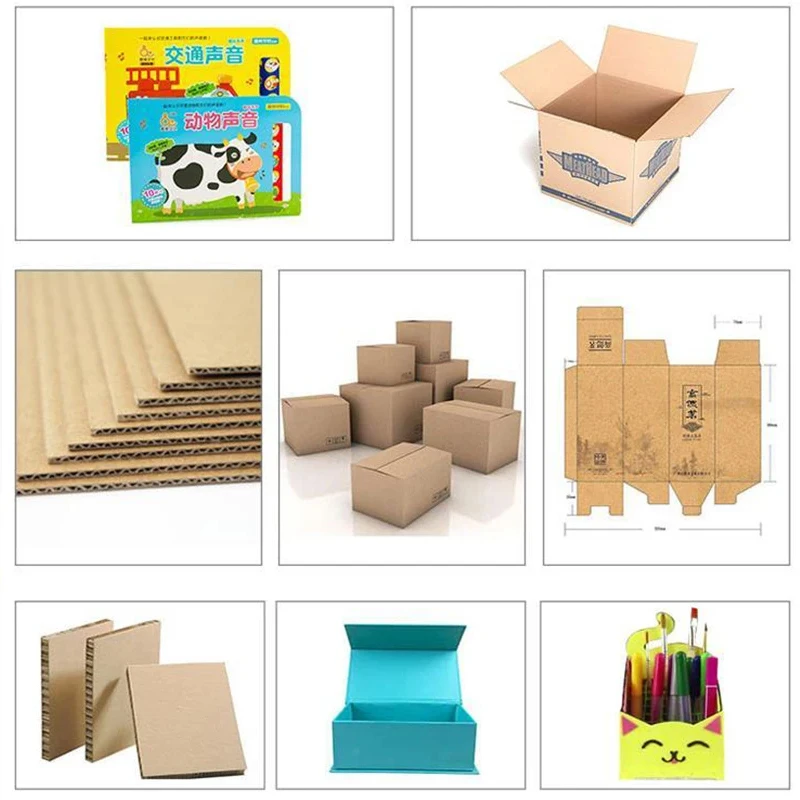
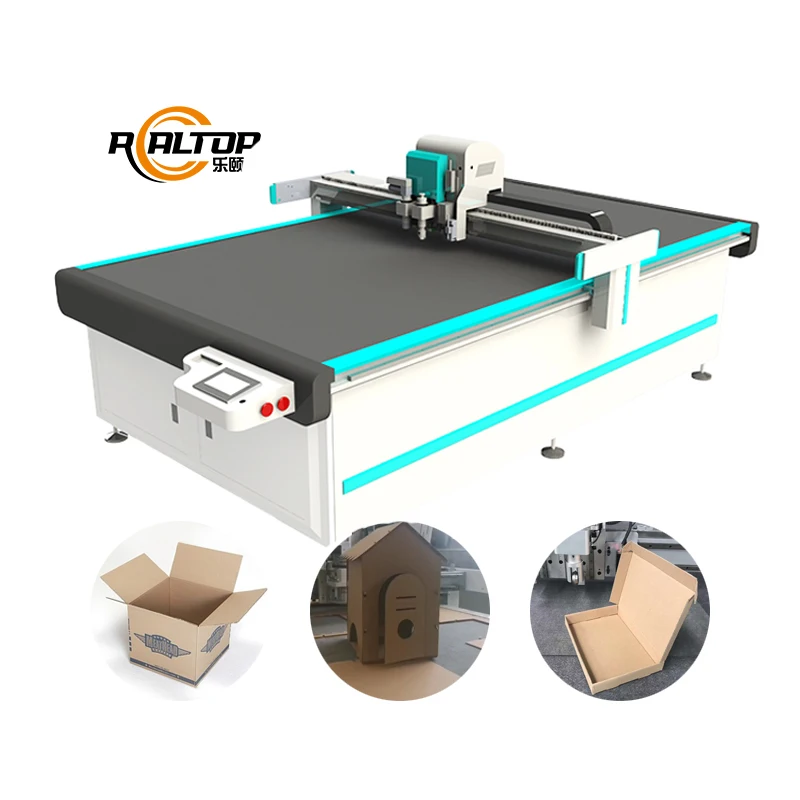
| Packaging Sample Making | Corrugated cardboard, honeycomb paperboard, high-end gift boxes |
| Signage and Display | Stickers, billboards, PP paper, business cards |
| Flexible Material Processing | Leather, labels, fabric gaskets, composite foams |
Why "Working Area" is a Trap for CNC Knife Cutting Machine Buyers
Specifying a flatbed cutter on table size alone often leads to a machine that physically fits the sheet but cannot hold it down or cut through it. A buyer sees a 2500×1300 mm bed and assumes the machine is ready for their production run. The reality is that a high-density honeycomb board requires a different vacuum zoning and knife frequency than a thin vinyl sticker. If the vacuum pump is undersized for the porosity of the material, the sheet lifts during the return stroke, ruining the blade and the part [NEED_CITE: vacuum adsorption principles for porous materials]. This is why we treat the cutting configuration as a system where the tool head, vacuum pressure, and software logic must align with the specific material stack you intend to run.
Matching the Tool Head to the Material Profile
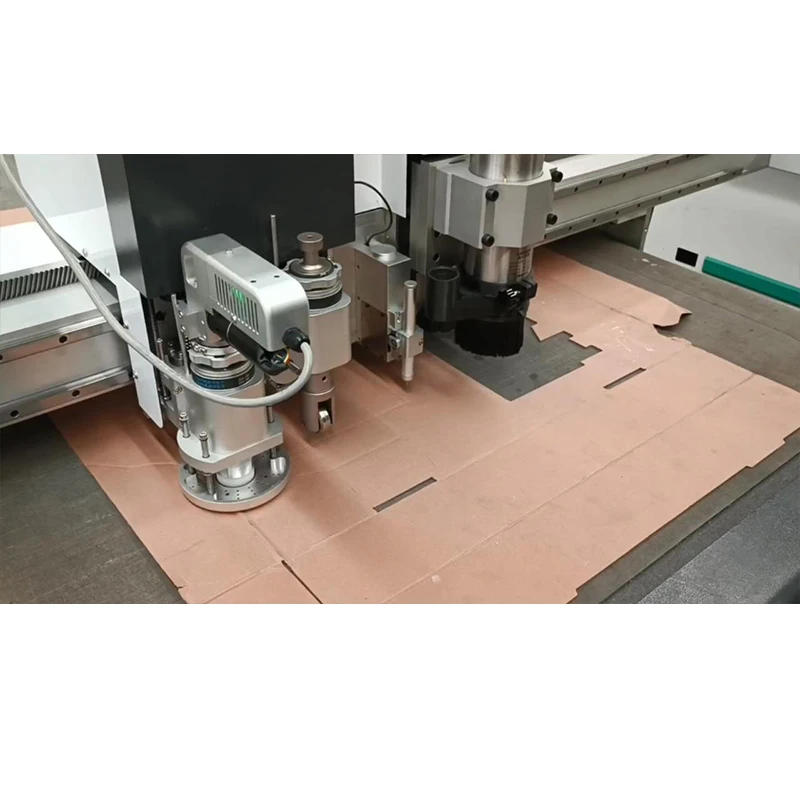
The RT–R2513 series is not a single-purpose cutter; it is a modular platform. For packaging manufacturers, the combination of the oscillating knife and the creasing wheel is essential. The oscillating knife handles the perimeter cut of corrugated cardboard without the dust and fraying associated with laser cutting, while the creasing tool creates the fold lines necessary for box assembly in the same cycle. This eliminates the need for secondary processing and ensures that the sample matches the final die-cut production.
Navigating File Formats and Nesting Efficiency
In a digital cutting environment, the software is as critical as the hardware. This CNC Knife Cutting Machine manufacturer provides professional nesting software that supports DXF, OLT, PDF, and AI files. This compatibility allows packaging designers to send complex vector files directly to the machine without manual re-drawing. The software automatically calculates the most material-efficient layout, reducing waste on expensive specialty papers and leather hides.
The Physics of the Vacuum Table and Drive System
The stability of the cut is governed by the vacuum table and the drive system. The aluminum alloy honeycomb structure provides a flat, breathable surface that, when paired with a 7.5 kW vacuum pump, generates sufficient negative pressure to hold porous materials like corrugated board flat. The Taiwan Hiwin rails and Dongling servo motors ensure that the cutting head follows the vector path with a repeated accuracy of <0.05 mm. This precision is vital when cutting interlocking gaskets or intricate signage where a deviation of a fraction of a millimeter can cause assembly failure [NEED_CITE: linear motion accuracy standards].
The Cost of Ignoring Voltage and Language Specifications
One of the most frequent failures we see in imported machinery is the misalignment of electrical standards. A machine wired for 380V/50Hz will fail or burn out components if connected to a 60Hz supply without proper transformation. Furthermore, if the control panel and software interface are not localized, operators will struggle to load files or adjust knife oscillation frequencies, leading to downtime and safety risks. We verify the voltage, plug type, and control language before the machine leaves the factory [NEED_CITE: industrial voltage and frequency standards].
Sourcing from a Manufacturer that Tests Your Material
We do not ship machines based on catalog assumptions. Our core strength lies in the ability to perform sample cutting on your specific material before the order is finalized. Whether you are cutting 18mm gasket material or thin adhesive stickers, we configure the RT–R2513 with the correct blade angle, oscillation frequency, and vacuum zoning. You receive a sample cutting report and a video of the process, confirming that the machine meets your production requirements.
Documentation & Verification
- Machine specification sheet including electrical schematic and voltage confirmation.
- Tool head and vacuum table configuration list tailored to your material type.
- Sample cutting report performed on your specific material batch before shipment.
- Software license and file format compatibility note for DXF and AI integration.
- Operation and maintenance manual with localized language options.
- Spare parts list including 10 pieces of oscillating blades and felt replacement guide.
Installation, Commissioning & Support
- Floor leveling and anchoring of the 3550×1910 mm frame to ensure rail alignment.
- Dedicated 380V circuit installation with proper grounding for the 9 kW rated power.
- Assembly of the aluminum honeycomb table and calibration of the 7.5 kW vacuum pump.
- Verification of the infrared safety sensors and emergency stop functionality.
- Training on the nesting software and tool head changeover procedures.
- Maintenance schedule for the Hiwin rails and servo motor inspection.
How to Request a Cutting Solution
To provide an accurate configuration, we need to know the exact material type, maximum thickness, and sheet dimensions you will be processing. Please also specify your local voltage and frequency, as well as the primary file formats your design team uses. If you have a specific production volume or require integration with existing CAD workflows, share those details so we can recommend the appropriate model and software package.
Frequently Asked Questions
Q: How do I choose between the RT–R2513 and the larger RT-D2516 models?
A: The choice depends on your maximum sheet size and workflow. The RT–R2513 (2500×1300 mm) is ideal for standard packaging samples and signage, while the RT-D2516 (1600×2500 mm) accommodates wider rolls and larger format boards. We analyze your typical material dimensions to recommend the most efficient working area.
Q: Can the oscillating knife cut through 18mm thick materials?
A: Yes, the machine is rated for cutting thickness up to 18mm, but this depends on the material density and composition. For example, cutting 18mm foam is different from cutting 18mm high-density rubber. We always recommend a test cut on your specific material to verify the blade type and oscillation frequency.
Q: What software formats does the machine support?
A: The system supports common vector formats including DXF, PLT, AI, and PDF. This ensures compatibility with most industry-standard CAD and design software. The included nesting software optimizes material usage and allows for easy file import and toolpath generation.
Q: How does the vacuum table handle small, intricate parts?
A: The aluminum honeycomb table is divided into zones that can be activated or deactivated. For small parts, we concentrate the vacuum suction in the specific cutting area to maximize hold-down force, preventing the material from shifting or lifting during high-speed contour cutting.
Technical Specifications
| Parameter | Value |
|---|---|
| Model | RT–R2513 / RT-D2516 / RT-S2516 |
| Product Type | CNC Oscillating Knife Cutting Machine |
| Working Area | 2500×1300 mm (RT–R2513) / 1600×2500 mm (RT-D2516 / RT-S2516) |
| Machine Dimensions | 3550×1910×1400 mm / 3450×2300×1250 mm |
| Cutting Tools | Oscillating knife, Creasing tool, Kiss-Cut Knife Tool, Round punch |
| Cutting Thickness | ≤18 mm (basis to be confirmed on specific material density) |
| Repeated Accuracy | <0.05 mm |
| Rated Power | 9 kW |
| Voltage | 380 V |
| Drive System | Dongling servo (Delta servo motor optional) |
| Guide Rail | Taiwan Hiwin rail |
| Vacuum System | Aluminum honeycomb platform with 7.5 kW vacuum pump |
| Profile Formats | DXF, OLT, PDF, AI |
| Safety Features | Infrared sensors, emergency stop |
Application Suitability
| Application | Material or Output |
|---|---|
| Packaging Sample Making | Corrugated cardboard, honeycomb paperboard, high-end gift boxes |
| Signage and Display | Stickers, billboards, PP paper, business cards |
| Flexible Material Processing | Leather, labels, fabric gaskets, composite foams |
Why "Working Area" is a Trap for CNC Knife Cutting Machine Buyers
Specifying a flatbed cutter on table size alone often leads to a machine that physically fits the sheet but cannot hold it down or cut through it. A buyer sees a 2500×1300 mm bed and assumes the machine is ready for their production run. The reality is that a high-density honeycomb board requires a different vacuum zoning and knife frequency than a thin vinyl sticker. If the vacuum pump is undersized for the porosity of the material, the sheet lifts during the return stroke, ruining the blade and the part [NEED_CITE: vacuum adsorption principles for porous materials]. This is why we treat the cutting configuration as a system where the tool head, vacuum pressure, and software logic must align with the specific material stack you intend to run.
Matching the Tool Head to the Material Profile
The RT–R2513 series is not a single-purpose cutter; it is a modular platform. For packaging manufacturers, the combination of the oscillating knife and the creasing wheel is essential. The oscillating knife handles the perimeter cut of corrugated cardboard without the dust and fraying associated with laser cutting, while the creasing tool creates the fold lines necessary for box assembly in the same cycle. This eliminates the need for secondary processing and ensures that the sample matches the final die-cut production.
Navigating File Formats and Nesting Efficiency
In a digital cutting environment, the software is as critical as the hardware. This CNC Knife Cutting Machine manufacturer provides professional nesting software that supports DXF, OLT, PDF, and AI files. This compatibility allows packaging designers to send complex vector files directly to the machine without manual re-drawing. The software automatically calculates the most material-efficient layout, reducing waste on expensive specialty papers and leather hides.
The Physics of the Vacuum Table and Drive System
The stability of the cut is governed by the vacuum table and the drive system. The aluminum alloy honeycomb structure provides a flat, breathable surface that, when paired with a 7.5 kW vacuum pump, generates sufficient negative pressure to hold porous materials like corrugated board flat. The Taiwan Hiwin rails and Dongling servo motors ensure that the cutting head follows the vector path with a repeated accuracy of <0.05 mm. This precision is vital when cutting interlocking gaskets or intricate signage where a deviation of a fraction of a millimeter can cause assembly failure [NEED_CITE: linear motion accuracy standards].
The Cost of Ignoring Voltage and Language Specifications
One of the most frequent failures we see in imported machinery is the misalignment of electrical standards. A machine wired for 380V/50Hz will fail or burn out components if connected to a 60Hz supply without proper transformation. Furthermore, if the control panel and software interface are not localized, operators will struggle to load files or adjust knife oscillation frequencies, leading to downtime and safety risks. We verify the voltage, plug type, and control language before the machine leaves the factory [NEED_CITE: industrial voltage and frequency standards].
Sourcing from a Manufacturer that Tests Your Material
We do not ship machines based on catalog assumptions. Our core strength lies in the ability to perform sample cutting on your specific material before the order is finalized. Whether you are cutting 18mm gasket material or thin adhesive stickers, we configure the RT–R2513 with the correct blade angle, oscillation frequency, and vacuum zoning. You receive a sample cutting report and a video of the process, confirming that the machine meets your production requirements.
Documentation & Verification
- Machine specification sheet including electrical schematic and voltage confirmation.
- Tool head and vacuum table configuration list tailored to your material type.
- Sample cutting report performed on your specific material batch before shipment.
- Software license and file format compatibility note for DXF and AI integration.
- Operation and maintenance manual with localized language options.
- Spare parts list including 10 pieces of oscillating blades and felt replacement guide.
Installation, Commissioning & Support
- Floor leveling and anchoring of the 3550×1910 mm frame to ensure rail alignment.
- Dedicated 380V circuit installation with proper grounding for the 9 kW rated power.
- Assembly of the aluminum honeycomb table and calibration of the 7.5 kW vacuum pump.
- Verification of the infrared safety sensors and emergency stop functionality.
- Training on the nesting software and tool head changeover procedures.
- Maintenance schedule for the Hiwin rails and servo motor inspection.
How to Request a Cutting Solution
To provide an accurate configuration, we need to know the exact material type, maximum thickness, and sheet dimensions you will be processing. Please also specify your local voltage and frequency, as well as the primary file formats your design team uses. If you have a specific production volume or require integration with existing CAD workflows, share those details so we can recommend the appropriate model and software package.
Frequently Asked Questions
Q: How do I choose between the RT–R2513 and the larger RT-D2516 models?
A: The choice depends on your maximum sheet size and workflow. The RT–R2513 (2500×1300 mm) is ideal for standard packaging samples and signage, while the RT-D2516 (1600×2500 mm) accommodates wider rolls and larger format boards. We analyze your typical material dimensions to recommend the most efficient working area.
Q: Can the oscillating knife cut through 18mm thick materials?
A: Yes, the machine is rated for cutting thickness up to 18mm, but this depends on the material density and composition. For example, cutting 18mm foam is different from cutting 18mm high-density rubber. We always recommend a test cut on your specific material to verify the blade type and oscillation frequency.
Q: What software formats does the machine support?
A: The system supports common vector formats including DXF, PLT, AI, and PDF. This ensures compatibility with most industry-standard CAD and design software. The included nesting software optimizes material usage and allows for easy file import and toolpath generation.
Q: How does the vacuum table handle small, intricate parts?
A: The aluminum honeycomb table is divided into zones that can be activated or deactivated. For small parts, we concentrate the vacuum suction in the specific cutting area to maximize hold-down force, preventing the material from shifting or lifting during high-speed contour cutting.
商品评价
There are no reviews yet.