

Fast Delivery
Quick, reliable shipping to any location.

Free & easy returns
Return this item by mail or in store within 90 days for a full refund.
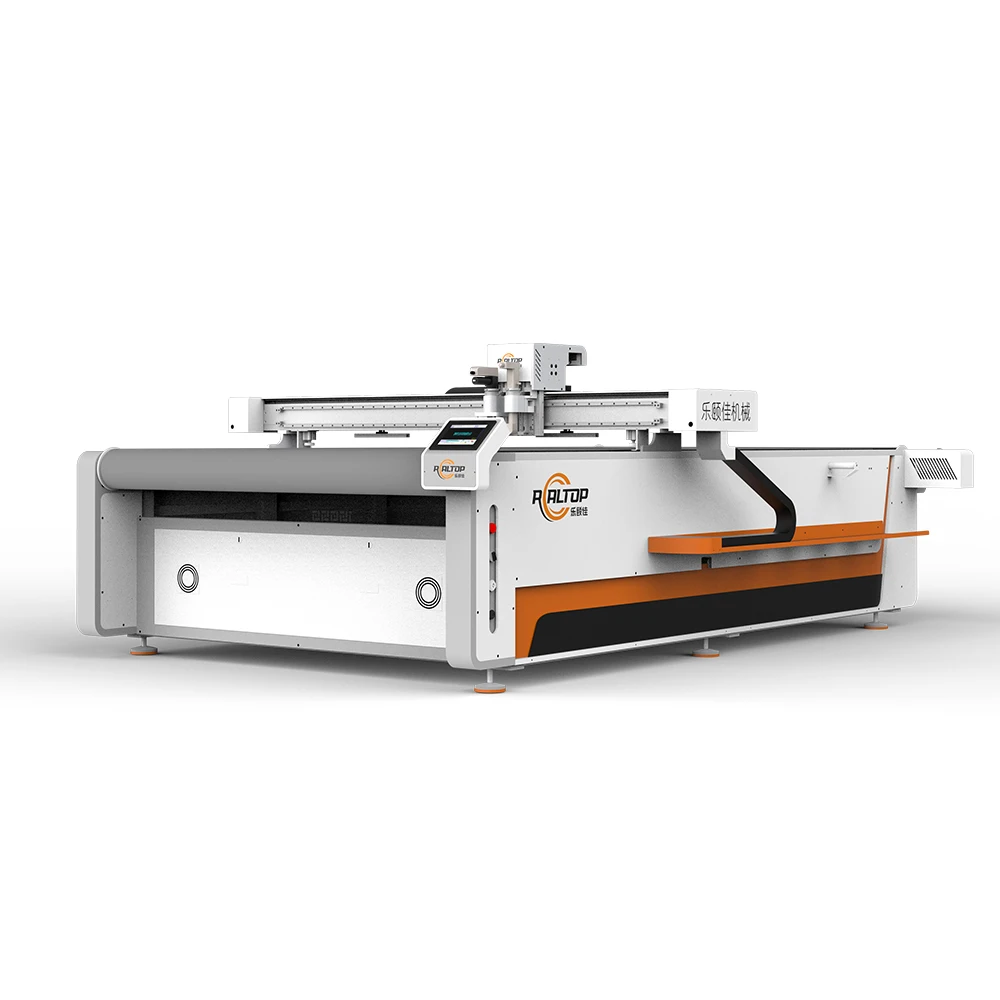
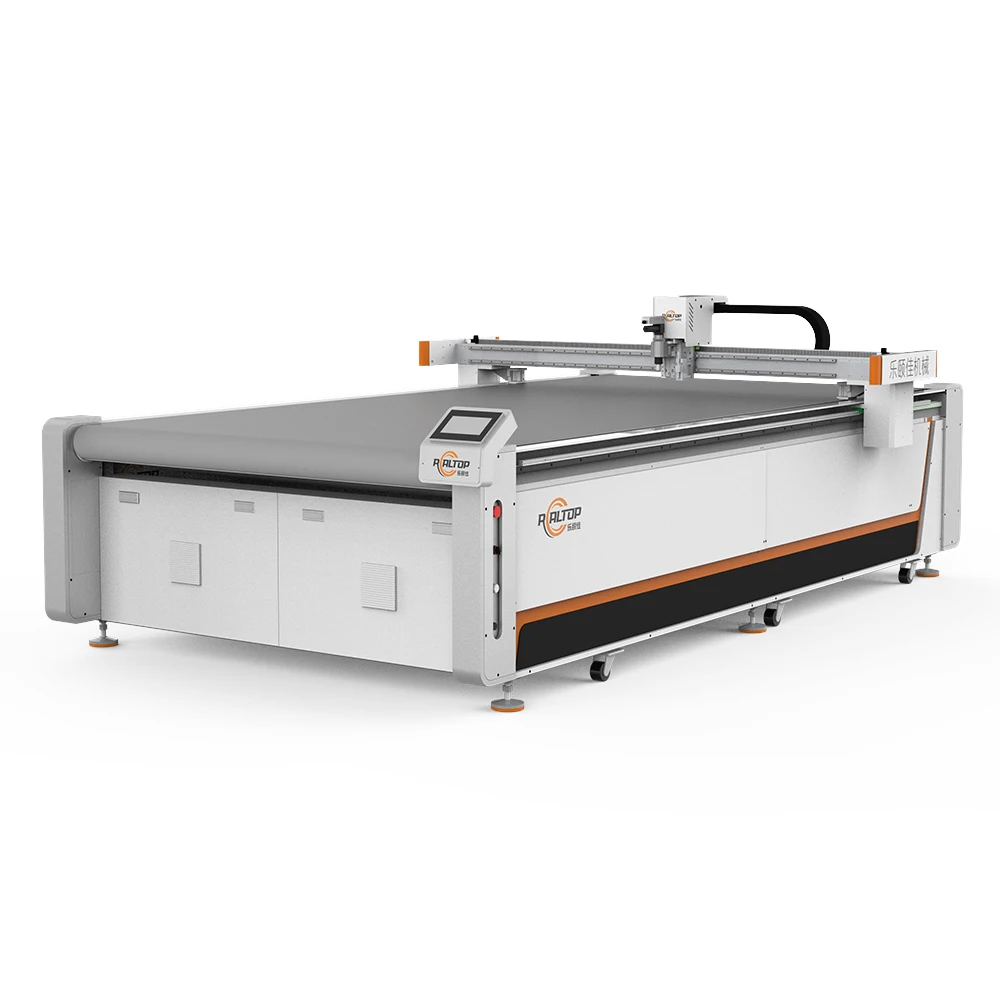
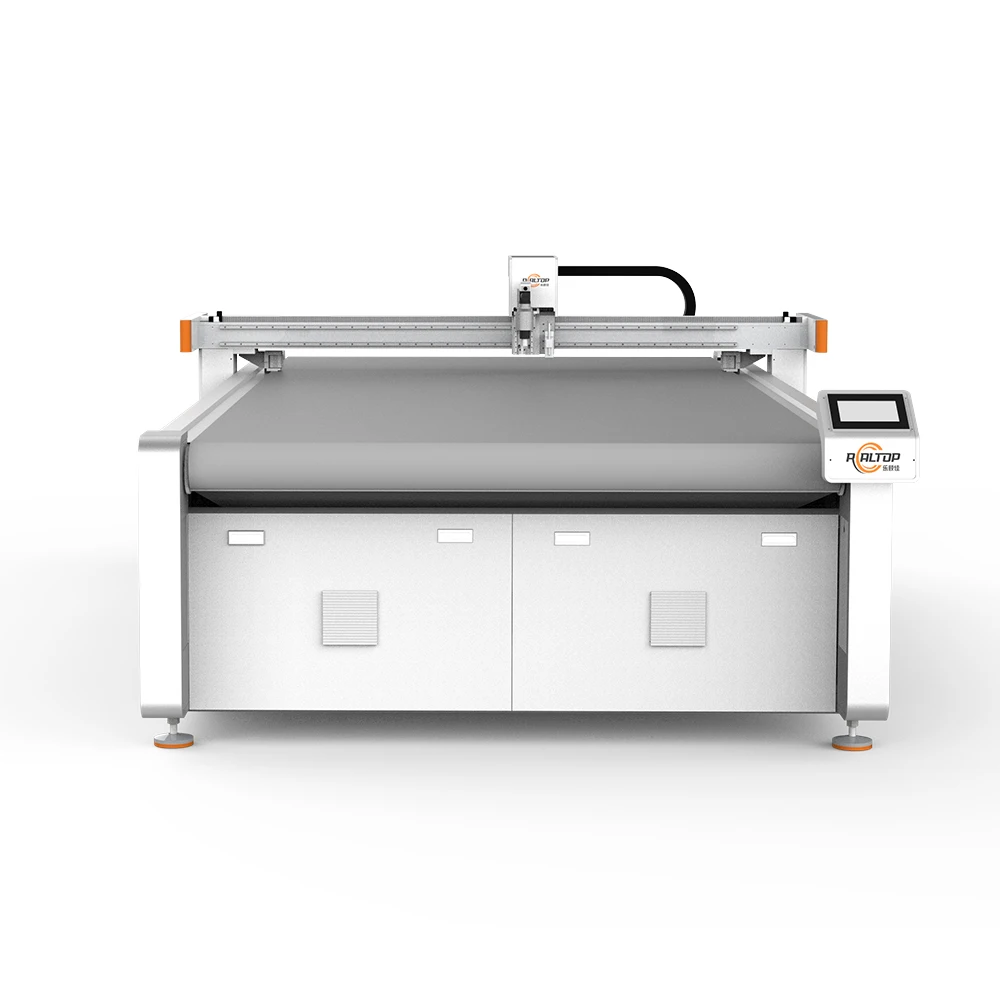
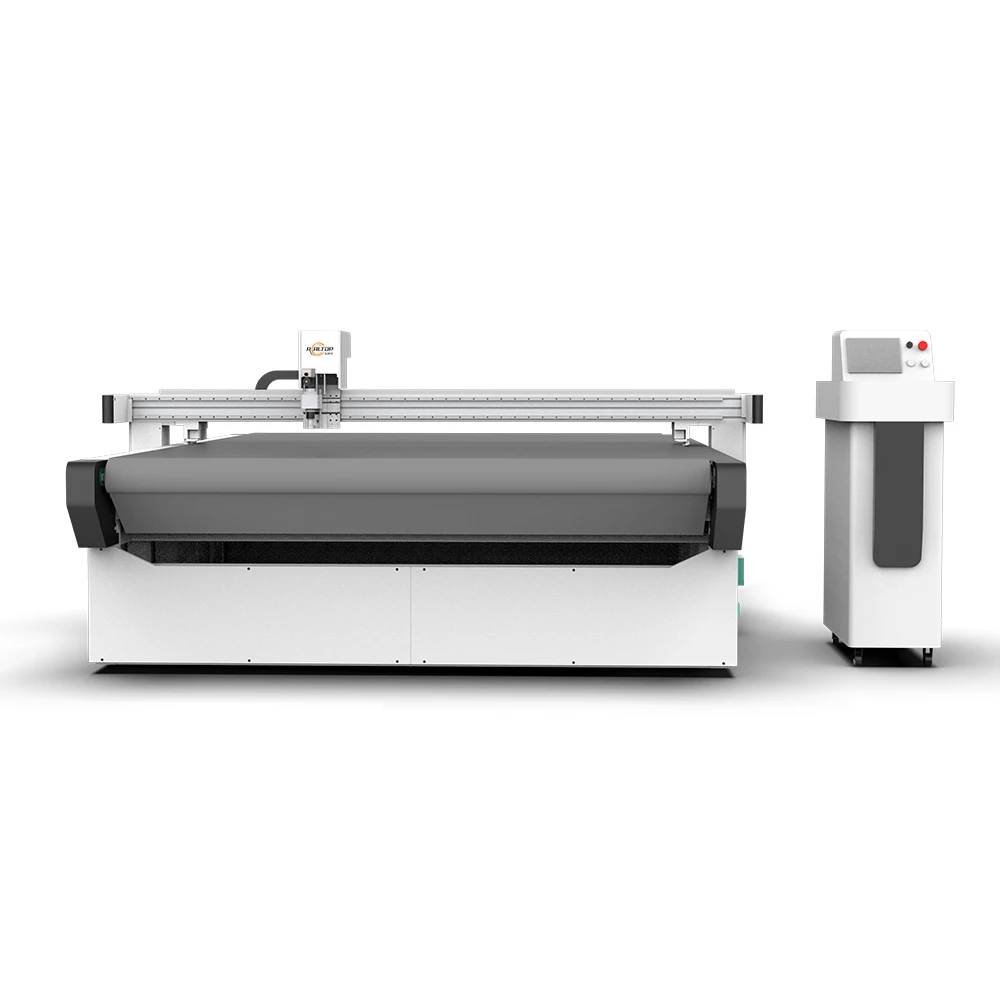
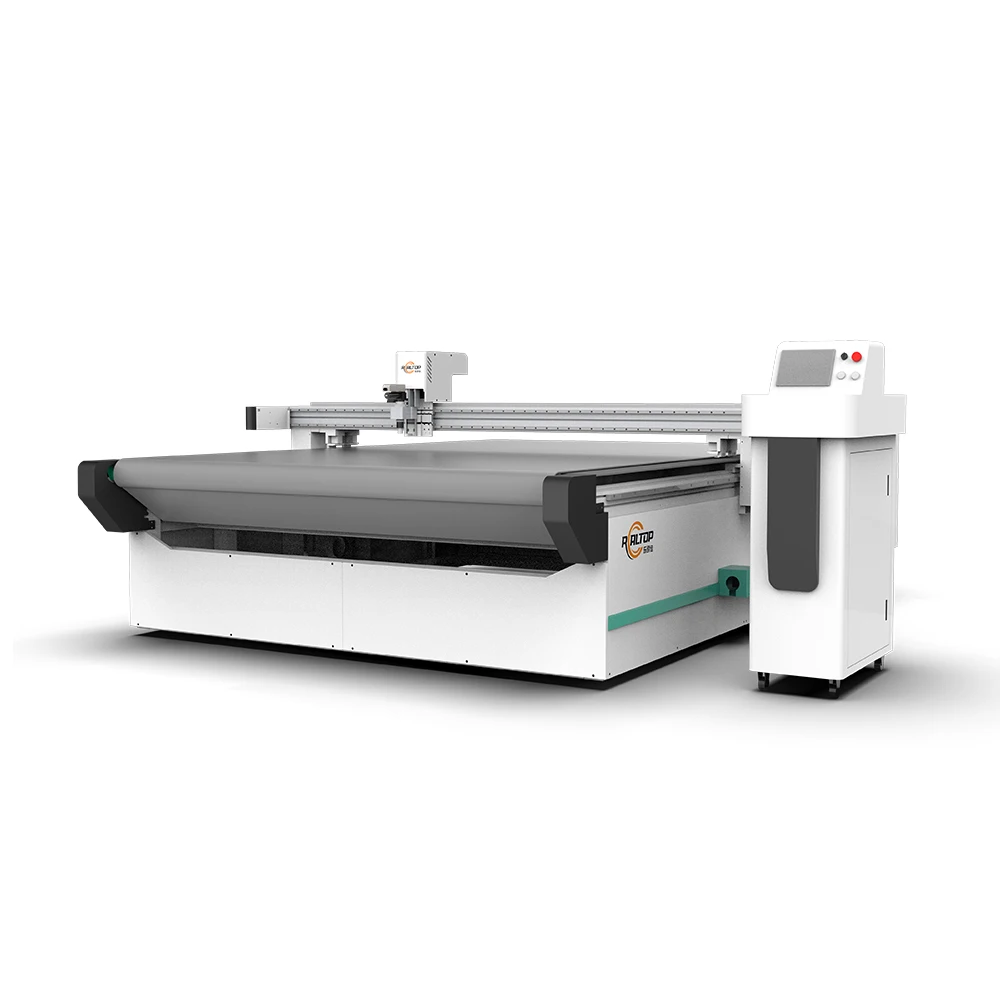
In-house dual-process engineering — A single manufacturer covers both oscillating knife and laser platforms, ensuring the cutting method is matched to the material rather than forcing a compromise on the 1625.
Technical Specifications
| Parameter | Value |
|---|---|
| Product Type | CNC Oscillating Knife Cutting Machine |
| Model | 1625 |
| Working Area | 1600×2500 mm |
| Tool Head Options | Oscillating knife, Driven rotary knife, Creasing wheel, Kiss cutting tool, Pneumatic knife, Milling tool, V groove knife |
| Cutting Speed | 0–2000 mm/s |
| Cutting Thickness | ≤ 30 mm (basis to be confirmed depending on material density) |
| Cutting Accuracy | ±0.1 mm |
| Vacuum Pump | 9 kW |
| Vacuum Table | Aluminum bellows vacuum table |
| Control System | PLC control panel with intuitive interface |
| Servo Motor Options | Panasonic, Delta, Dorna |
| Voltage Options | 110V / 220V / 380V (frequency to be confirmed by destination market) |
| Software Compatibility | PLT, DXF, AI, PDF |
| Nesting Software | Intelligent nesting with defect avoidance |
| Packaging Software | Dedicated packaging box structure design software included |
| Safety Devices | Infrared sensor device, Emergency stop device |
| Machine Dimensions (L×W×H) | 3300×2100×1350 mm |
| Certification | CE |
Application Suitability
| Application | Material or Output |
|---|---|
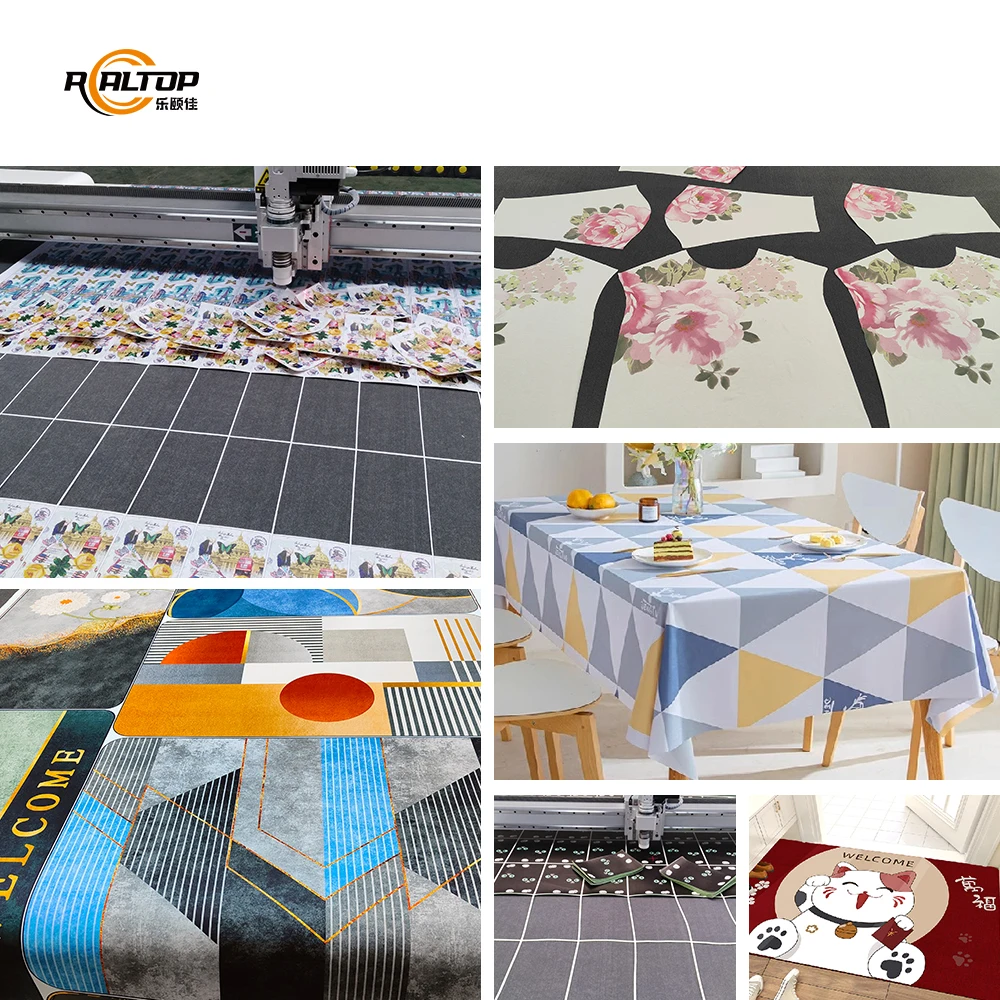
| Apparel Manufacturing | Suits, knitwear, lace, complex multi-layer fabrics |
| Automotive Interiors | Seat fabrics, carpets, PVC mats |
| Home Textiles | Sofa fabrics, curtains, rugs, carpets |
| Composite Processing | Carbon fiber prepreg, aramid fibers |
| General Flexible Materials | Fabric, Cardboard, Carton, Mats, PVC, EVA, Leather, Foam, PTFE, Rubber |
Why Specifying by Working Area Alone Fails in Fabric Cutting
The right tool head and vacuum zoning matter more than the bed size.
Many buyers focus entirely on the footprint, assuming a 1600×2500 mm table automatically handles their production mix. The reality is that a machine configured for light apparel knits will struggle with dense automotive carpet or multi-layer composite materials. Without verifying the vacuum hold-down capacity for small off-cuts and the oscillation frequency of the knife, production halts due to material shift and ragged edges. [NEED_CITE: material hold-down requirements for flexible material cutting]
Matching the Tool Head to the Textile Structure
Selecting the correct cutting tool is the first step in configuring a CNC fabric cutting machine for sale. The driven rotary knife handles continuous cuts on woven fabrics, while the oscillating knife provides the vertical stroke necessary for thick, multi-layer lays or dense foams. If the tool head is not matched to the fabric’s tensile strength, the edges will fray or fuse, requiring secondary finishing that slows down the entire apparel or upholstery workflow.
Vacuum Zoning for Complex Nesting Layouts
When nesting irregular pattern pieces, small components often lack the surface area required to stay flat under high-speed cutting. The aluminum bellows vacuum table on the 1625 provides consistent negative pressure across the entire 1600×2500 mm surface. This prevents the material from lifting into the knife path, a common issue that destroys cutting accuracy and damages the knife tip. [NEED_CITE: vacuum table zoning standards for small part retention]
Decoding the Motion and Control Architecture
The 9 kW vacuum pump ensures that even porous materials like non-wovens and knits remain fixed during the cutting cycle. This suction power must be paired with a rigid frame to maintain the ±0.1 mm cutting accuracy, especially when the gantry moves at speeds approaching 2000 mm/s. The PLC control panel allows operators to adjust the oscillation frequency and cutting depth on the fly, adapting to variations in material thickness without stopping the machine. The availability of intelligent nesting software with defect avoidance further optimizes material yield, reducing waste in high-volume garment production.
The Hidden Costs of Incorrect Configuration
Choosing a machine without verifying the specific material handling capability leads to operational friction. If the vacuum table lacks sufficient zoning for small parts, the fabric lifts, causing rejected pieces and excessive blade wear. A mismatch between the knife type and the material density results in crushed edges or incomplete cuts through the bottom layers of a multi-ply lay. These issues rarely appear during a standard demonstration with generic samples, only surfacing once the machine is installed on the production floor. [NEED_CITE: common causes of cutting edge degradation in textile machinery]
Why Source the 1625 from the Manufacturer
- Method Versatility: We design both knife and laser systems, ensuring your flexible material is processed with the correct thermal or mechanical method.
- Application Tuning: Tool heads and table configurations are selected based on your specific material density and daily output requirements.
- File Compatibility: Software workflows are verified against your existing PLT, DXF, AI, or PDF files before the order is finalized.
- Global Readiness: Voltage, plug configurations, and control languages are customized to match your facility’s infrastructure.
- Proof of Performance: We conduct sample cutting on your actual material to validate edge quality and throughput before shipment.
Documentation & Verification
- Factory test record confirming cutting accuracy on your specific material type
- Electrical schematic detailing the PLC wiring and 9 kW vacuum circuit
- Voltage and frequency confirmation sheet matched to your local grid
- Tool head configuration list showing selected knives for your application
- Software license and file format compatibility report for nesting workflows
Installation, Commissioning & Support
- Floor plan layout for the 3300×2100×1350 mm footprint and operator access
- Dedicated circuit sizing for the 1625 total power draw including the 9 kW pump
- Assembly of the aluminum bellows table and gantry leveling on-site
- Calibration of the PLC parameters for your specific material thickness range
- Operator training on tool head changes and intelligent nesting software
- Spare parts kit including replacement blades and protective cutting strips
Preparing Your Technical Inquiry
To determine if the 1625 is the right configuration for your floor, please provide the specific fabric types, composite layers, and maximum thickness you intend to process. Include your target daily output and any existing file formats used in your design department. Finally, confirm the available voltage and frequency at your facility so we can specify the correct electrical package.
Frequently Asked Questions
Q: How do I choose the right tool head for my fabric and foam materials?
A: Selection depends on the material density and the required edge finish. The oscillating knife is typically used for thick foams and multi-layer fabrics, while the driven rotary knife is better for single-ply woven textiles. We determine the correct tool during sample testing to ensure burr-free edges.
Q: What vacuum zoning is necessary for cutting small automotive interior parts?
A: Small parts require high vacuum pressure in localized zones to prevent lifting during high-speed cutting. The 1625 uses an aluminum bellows table paired with a 9 kW pump to maintain hold-down force across the entire 1600×2500 mm area, ensuring accuracy on complex contours.
Q: How do I confirm the software will work with my existing design files?
A: The system supports PLT, DXF, AI, and PDF formats, and includes intelligent nesting software. Before production, we verify file compatibility and confirm that the nesting logic can handle your specific defect avoidance and grain-matching requirements.
Q: What is the difference between continuous and peak laser power in cutting?
A: While this machine uses knife technology, buyers often compare it to laser systems. Laser power ratings can be misleading if quoted at peak rather than continuous output, which determines the real cutting depth. We always specify the continuous capacity to match your material thickness.










商品评价
There are no reviews yet.