

Fast Delivery
Quick, reliable shipping to any location.

Free & easy returns
Return this item by mail or in store within 90 days for a full refund.
Precision-Matched Tooling — every RT-D2516/RT-S2516 leaves our Jinan workshop only after sample cutting on your exact board grade, sticker stock or composite sheet, not on generic test media.
Technical Specifications
| Parameter | Value |
|---|---|
| Model | RT-D2516 / RT-S2516 |
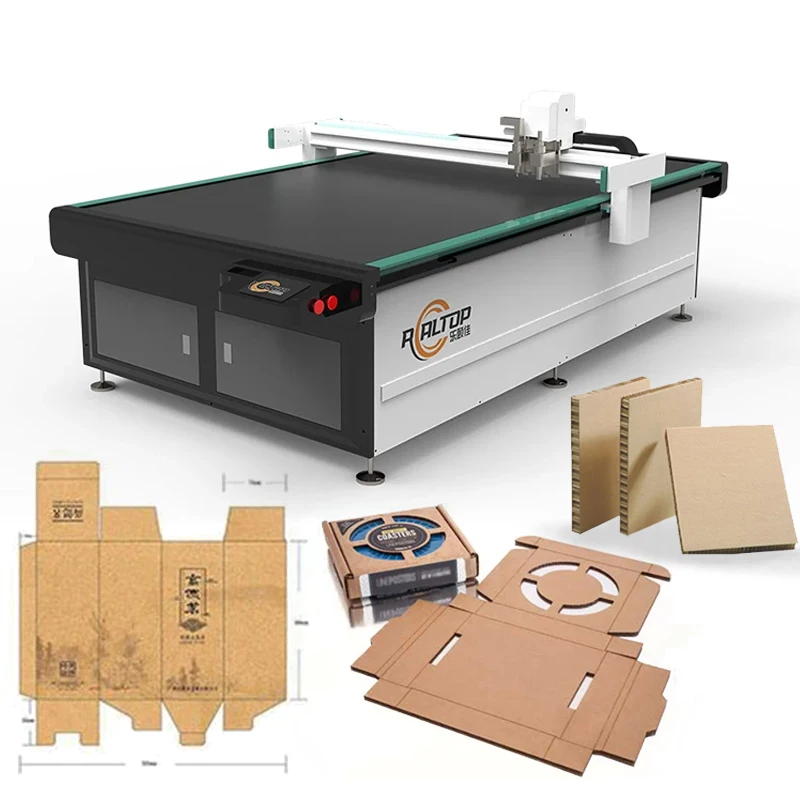
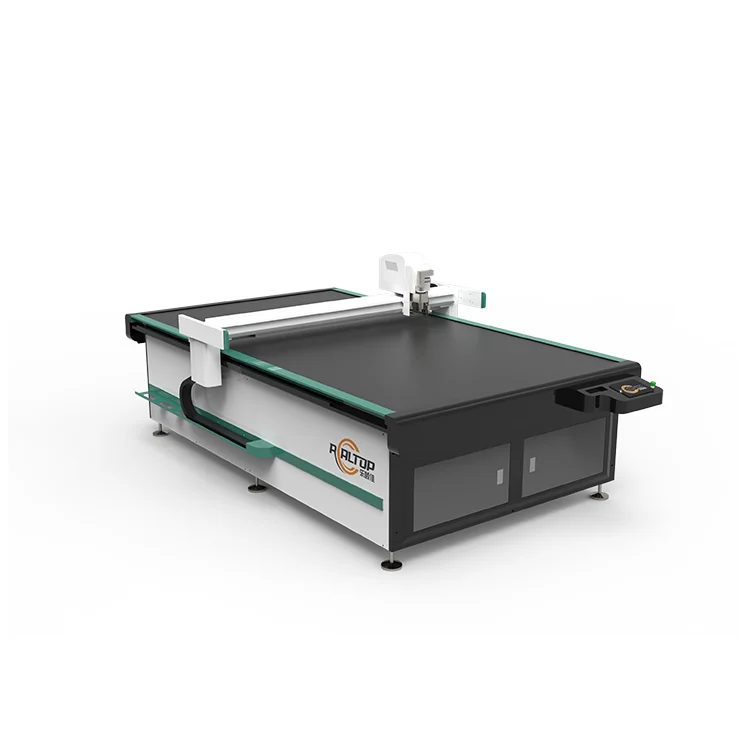
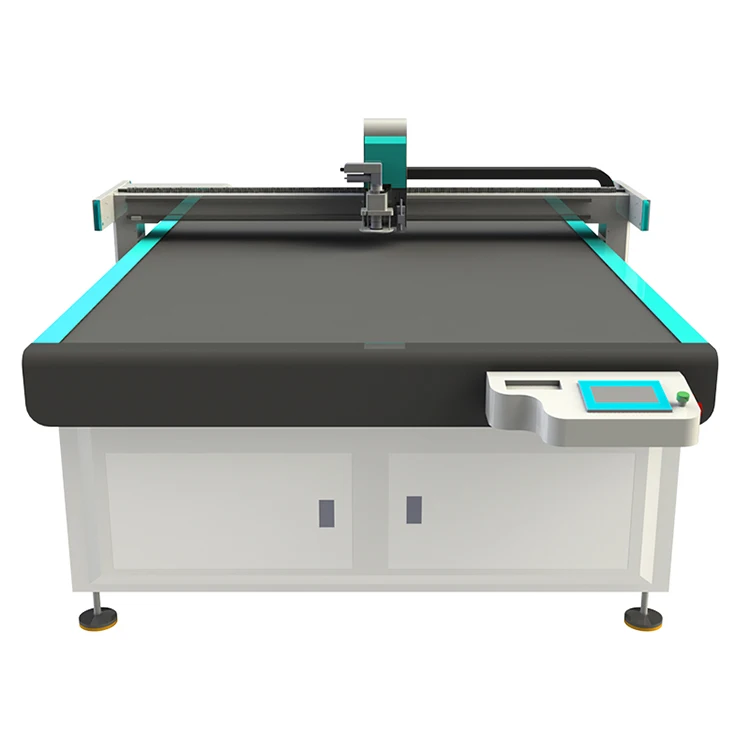
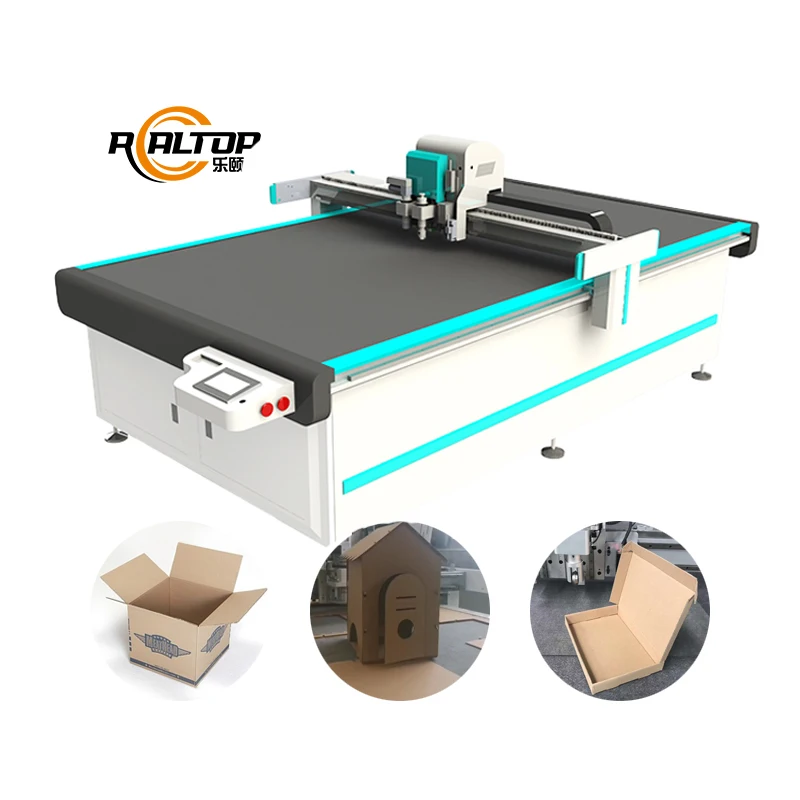
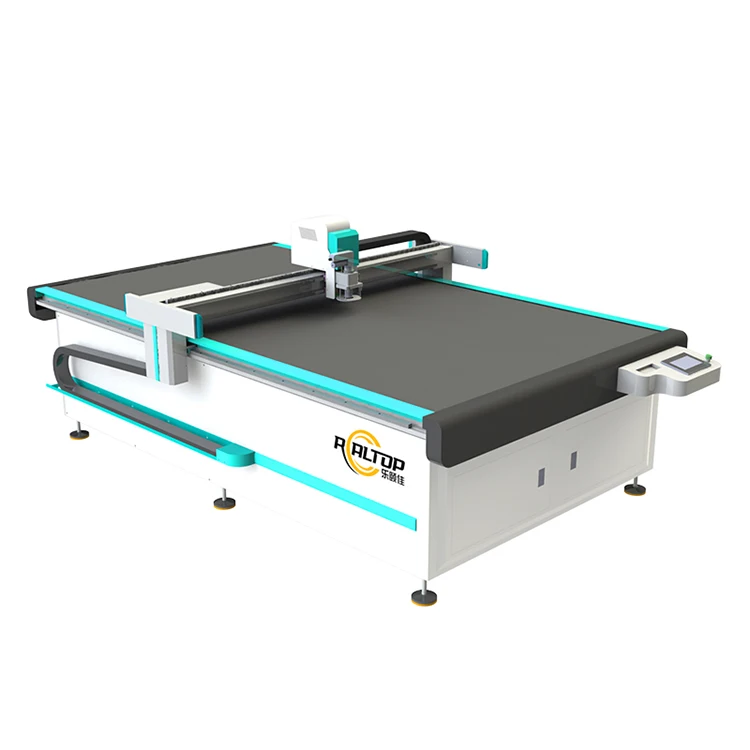
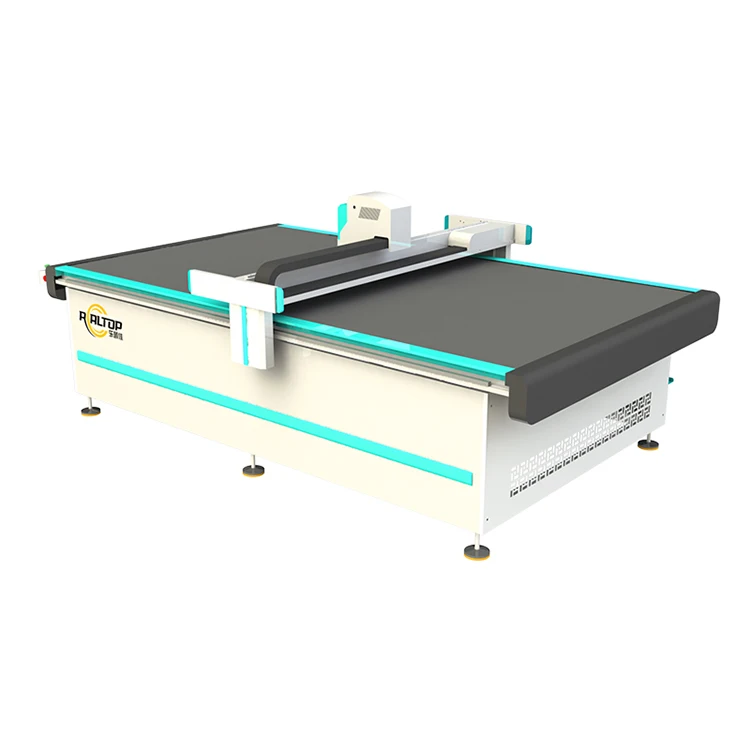
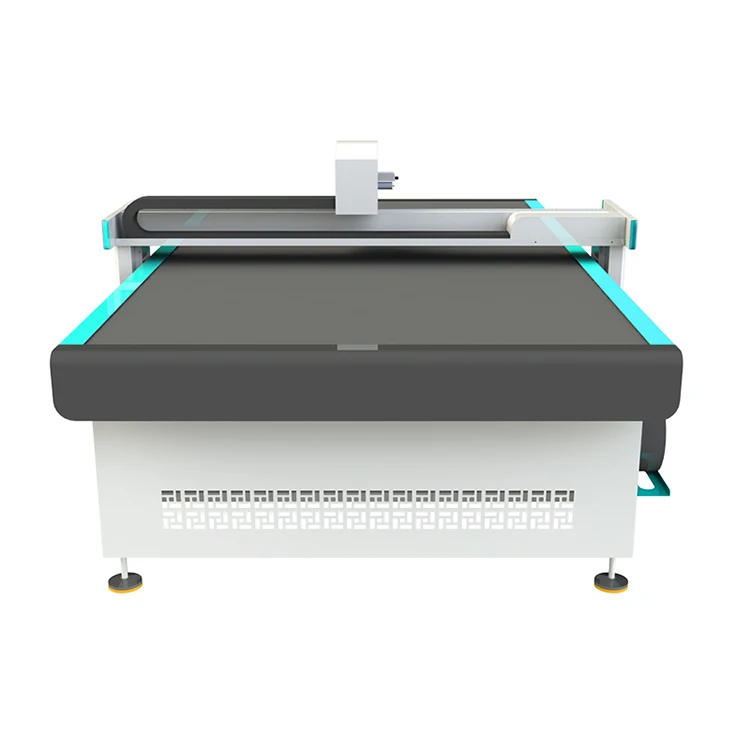
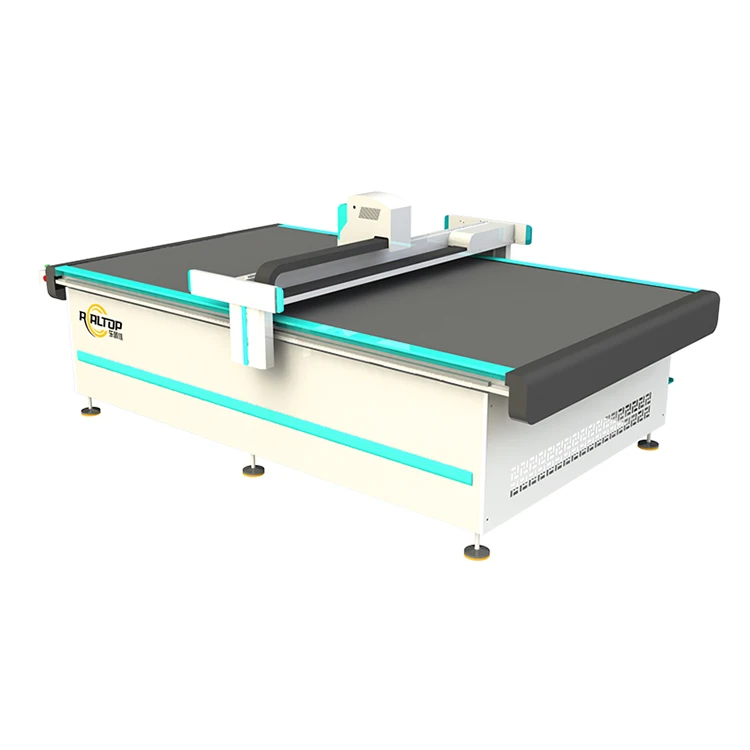
| Product Type | CNC Oscillating Knife Cutting Machine for Carton & Packaging |
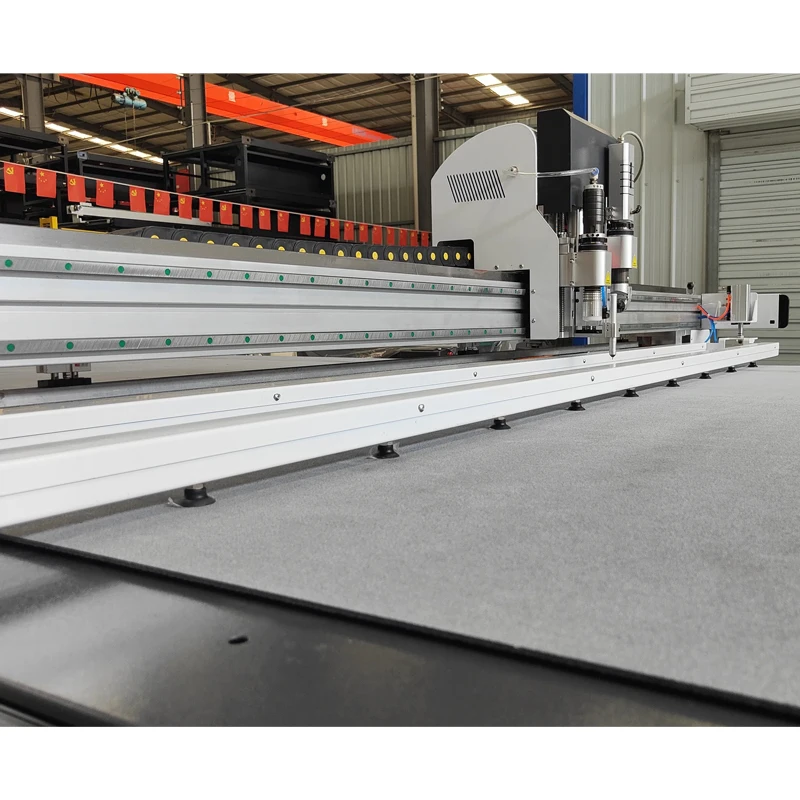
| Working Area | 1600 × 2500 mm |
| Machine Overall Dimensions (L×W×H) | 3450 × 2300 × 1250 mm |
| Rated Power | 9 kW |
| Voltage | 380V ±10% (50/60 Hz to be confirmed per market) |
| Vacuum Pump | 7.5 kW |
| Table Type | Aluminum alloy honeycomb flat vacuum adsorption platform |
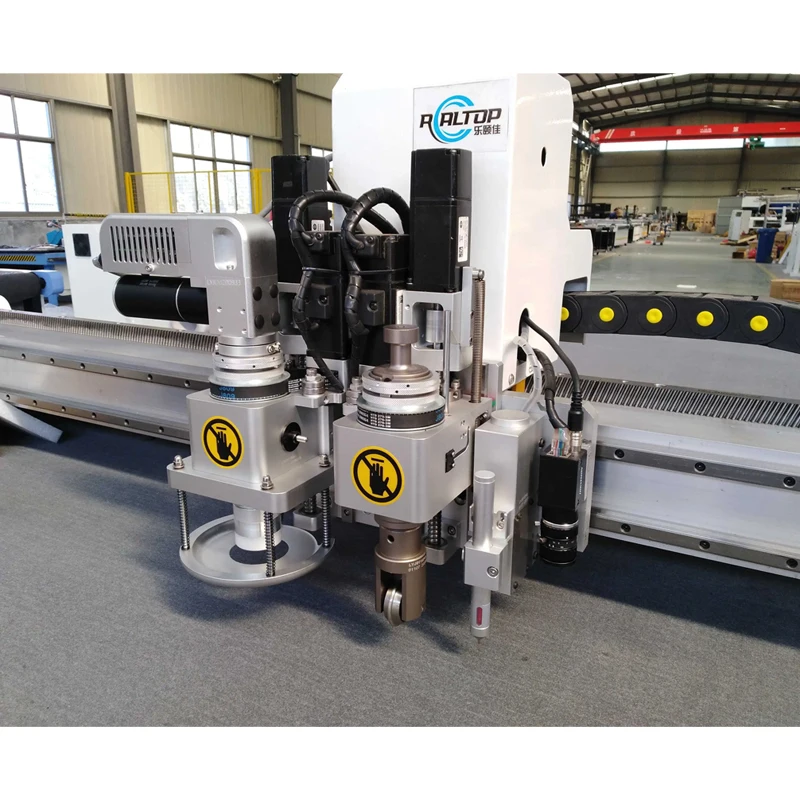
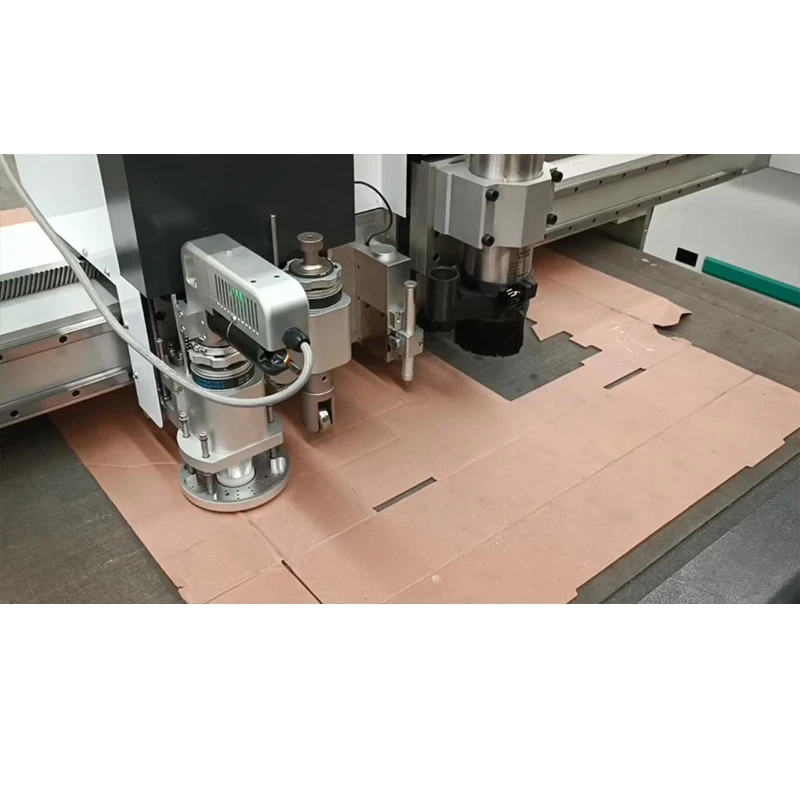
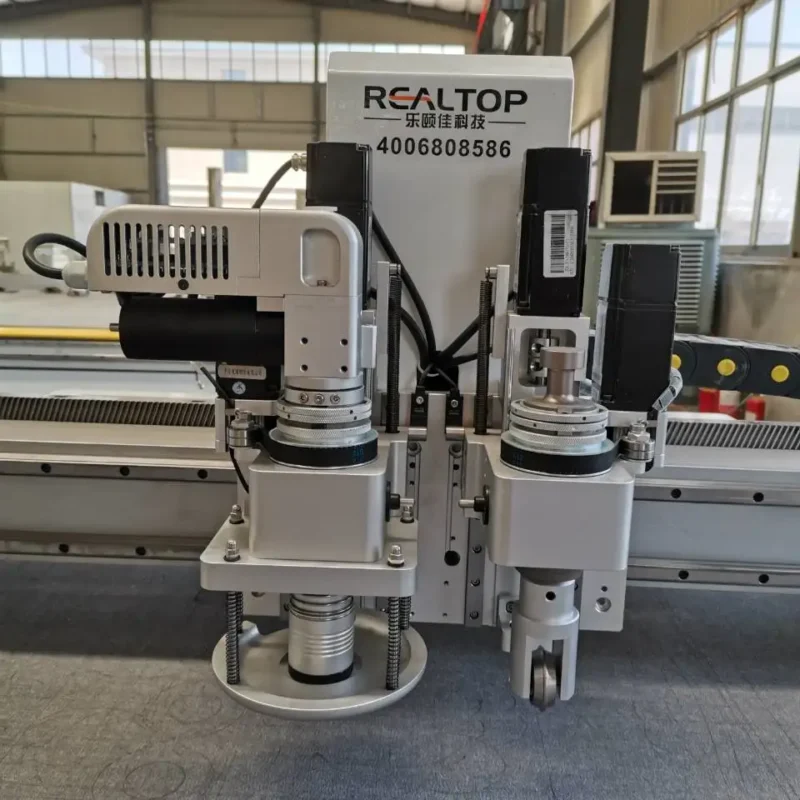
| Tool Head | Swiss imported oscillating knife — full cut, half cut, cursor positioning |
| Translational Velocity | 800–1200 mm/s |
| Cutting Speed | 200–800 mm/s (material dependent) |
| Maximum Cutting Thickness | Up to 100 mm (varies with material density) |
| Repeated Positioning Accuracy | ≤0.1 mm |
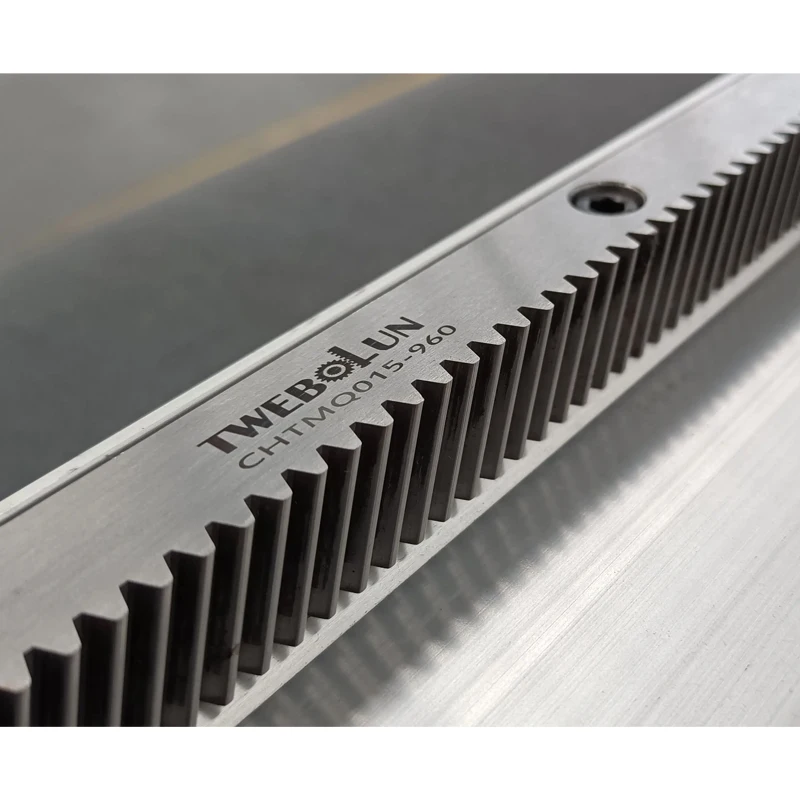
| Transmission System | Digital servo motor, linear guide, synchronous belt, ball screw |
| Servo Motor | Taiwan Delta |
| Linear Guide | Taiwan Hiwin |
| Conveyor Belt | Germany imported (where applicable) |
| Auto Feeding | Available |
| Control / Instruction Format | HP-GL compatible |
| Software | Professional carton nesting and design software included; multi-format import |
| Language Options | English, Russian, Italian, Chinese (customizable) |
| Frame | Welded thick square seamless steel, high-temperature stress relieved |
| Safety Device | Infrared sensors and emergency stop |
| Certification | CE (confirm applicability per order) |
Application Suitability
| Application | Material or Output |
|---|---|
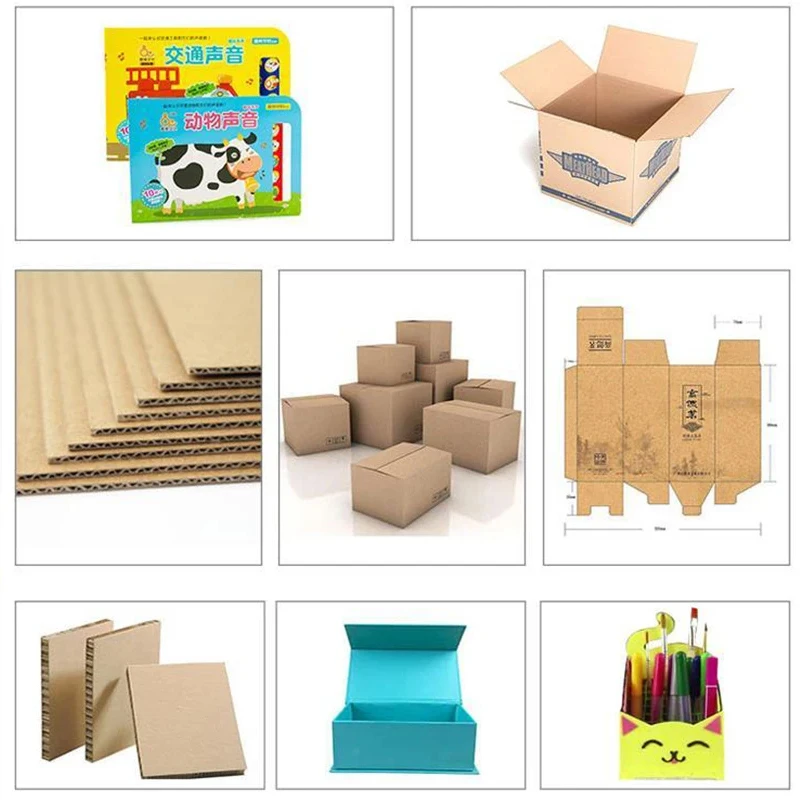
| Corrugated carton sample making | Single, double and triple-wall corrugated board up to 100 mm |
| Packaging prototype production | White card, grey board, kraft paper, coated paperboard |
| Sticker and label contour cutting | Vinyl, adhesive-backed paper, PP synthetic paper |
| Gift box and display packaging | Foam board, honeycomb paperboard, grey chipboard |
| Express delivery box short runs | E-flute and B-flute corrugated sheets |
| Flexible non-metal processing | Leather, garment fabric, PVC, soft glass, silicone, rubber, sponge composite |
Why "Working Area Alone" Is the Wrong Way to Spec a Carton Sample Cutter
A cutting table is only as capable as the tool head, vacuum zoning and software stack it carries — not just its bed size.
I learned this the hard way when a Middle East client ordered a carton sample machine rated for standard white card, then ran triple-wall corrugated on day one. The oscillating knife head could not penetrate the full stack, and we spent two days on-site re-tuning pressure and feed rate. That single job changed how we scope every CNC oscillating knife cutting machine manufacturer inquiry: material first, dimensions second [NEED_CITE: carton board flute profiles and thickness ranges].
When buyers focus only on the 1600 × 2500 mm bed and skip the tool head discussion, they end up with ragged edges on foam board or crushed flutes on double-wall corrugated. The vacuum hold-down zones matter just as much — small sticker parts lift off the table if the zoning is too coarse, forcing operators to tape every piece by hand.
Vacuum Platform Design and Small-Part Hold-Down
The aluminum alloy honeycomb vacuum platform on this carton sample cutting machine for sale is divided into independently controlled zones. Operators can activate only the sections under the workpiece, which concentrates suction where it is needed. This is critical when cutting small labels or sticker contours where full-table vacuum would spread suction too thin and let edges drift. The 7.5 kW vacuum pump delivers enough negative pressure to keep dense corrugated board flat during high-speed traverses without crushing the flute structure.
Tool Head Selection Across Board Grades and Flexible Materials
The Swiss imported oscillating knife handles full-depth cuts through triple-wall corrugated, half-cuts for crease-and-fold workflows, and cursor positioning for registration marks. For adhesive vinyl and thin sticker stock, a drag knife attachment provides cleaner contour edges without the vibration stroke that can tear thin laminates. Switching between tool heads takes minutes, letting one machine serve both the packaging prototype department and the signage finishing line [NEED_CITE: oscillating versus drag knife edge quality on adhesive vinyl].
Spec-Driven Decisions Behind the Frame and Motion System
The welded thick-square seamless steel frame undergoes high-temperature stress relief, which eliminates residual welding tension before the machine is assembled. On the shop floor this means the gantry stays square after months of continuous acceleration and deceleration cycles. Taiwan Delta digital servo motors paired with Hiwin linear guides hold repeated positioning accuracy within 0.1 mm — tight enough that a crease line lands exactly where the CAD file placed it, even on the hundredth sample of the day. The HP-GL compatible control format ensures that nesting files generated in common packaging CAD software transfer without conversion errors, and the included carton nesting software handles multi-format imports directly.
What Happens When Configuration Is Skipped
A buyer who orders without confirming the tool head for their specific flute profile often receives a machine that creases instead of cuts, leaving torn fibers along the fold line. Insufficient vacuum zoning causes thin sticker sheets to lift at the edges mid-cut, producing rejected parts and wasted material. Voltage mismatch — shipping a 380V/50Hz unit to a 60Hz market without transformer adjustment — can overheat the vacuum pump motor within the first week [NEED_CITE: voltage and frequency standards by export market]. Software incompatibility surfaces later, when the operator discovers their existing DXF or PLT nesting files will not import, forcing a manual redraw of every template.
Why Source This Range From Realtop
In-house design and production cover both knife and laser cutting platforms, so we recommend the method that fits the material rather than forcing one technology. Every tool head and table configuration is specified against the buyer’s own material sample before an order is confirmed. CCD camera positioning is available for printed contour work where registration marks must be tracked at production speed. Voltage, plug type and control language are locked in during the specification review, not left to the shipping department. Sample cutting on the buyer’s actual corrugated board or sticker stock is standard procedure — the report ships with the machine so the agreed parameters are documented from day one.
Documentation & Verification
- Machine specification sheet listing confirmed tool heads and vacuum zone map per unit
- Electrical schematic with voltage and frequency matched to destination market
- Sample cutting report on buyer’s own corrugated grade or sticker material
- Software licence key and file format compatibility note included with delivery
- Operation and maintenance manual in the confirmed control language
- Spare parts list with oscillating blade and vacuum cup wear intervals
Installation, Commissioning & Support
- 3450 × 2300 mm footprint requires a level concrete floor with anchor bolt provisions
- 9 kW rated power plus 7.5 kW vacuum pump need a dedicated 380V circuit with confirmed frequency
- Machine ships with frame and gantry separated; on-site reassembly and alignment included
- First-run parameter tuning performed on buyer’s actual board grade and thickness
- Operator training covers tool head changeover, nesting software workflow and zone vacuum setup
- Oscillating blades, vacuum cups and conveyor belt segments stocked as standard spares
Preparing Your Inquiry
Send us the exact corrugated flute profile or sticker material you run most often, along with typical sheet dimensions and daily sample volume. Confirm your workshop voltage, frequency and preferred control language so we match the electrical and software build from the start. If your workflow relies on specific CAD file formats or existing nesting templates, include a sample file so we verify import compatibility before quoting. Tell us whether you need CCD camera contour tracking for printed work or if blank-stock cutting covers your output.
Frequently Asked Questions
Q: How do I choose between oscillating knife, drag knife and CCD camera for my materials?
A: Oscillating knife suits corrugated board and thick foam where a reciprocating stroke slices through the full depth. Drag knife works better on thin vinyl and sticker stock where a clean contour edge matters more than penetration force. CCD camera positioning is added when you cut pre-printed sheets and need the machine to find registration marks automatically.
Q: What working area and vacuum zoning do I need for carton blanks and small stickers?
A: The 1600 × 2500 mm bed accommodates most carton blank sizes and allows multiple smaller parts to be nested simultaneously. Independent vacuum zones let you activate suction only under the workpiece, which is essential for holding small sticker contours without taping. We map the zone layout to your typical part sizes before building the table.
Q: Which voltage and control language should I confirm before shipment?
A: The RT-D2516/RT-S2516 is built for 380V ±10%, but frequency must match your local grid at 50 or 60 Hz. Plug type and control panel language — English, Russian, Italian, Chinese or a custom option — are confirmed during specification review so no field rewiring or reprogramming is needed on arrival.
Q: How does the included nesting software work with my existing CAD files?
A: The professional carton nesting software imports common formats including DXF and PLT, and it is HP-GL compatible with most packaging CAD systems. We test your actual file templates during the sample cutting stage to confirm that layer assignments, crease lines and cut paths transfer correctly before the machine leaves our workshop.
Q: What is the difference between knife cutting and laser cutting for packaging materials?
A: Knife cutting produces no heat-affected zone, so corrugated edges stay clean and uncompressed — important for glued carton assembly. Laser cutting seals synthetic edges and suits intricate patterns on thin materials. Our range covers both methods; the choice depends on your material mix and edge quality requirements.
Precision-Matched Tooling — every RT-D2516/RT-S2516 leaves our Jinan workshop only after sample cutting on your exact board grade, sticker stock or composite sheet, not on generic test media.
Technical Specifications
| Parameter | Value |
|---|---|
| Model | RT-D2516 / RT-S2516 |
| Product Type | CNC Oscillating Knife Cutting Machine for Carton & Packaging |
| Working Area | 1600 × 2500 mm |
| Machine Overall Dimensions (L×W×H) | 3450 × 2300 × 1250 mm |
| Rated Power | 9 kW |
| Voltage | 380V ±10% (50/60 Hz to be confirmed per market) |
| Vacuum Pump | 7.5 kW |
| Table Type | Aluminum alloy honeycomb flat vacuum adsorption platform |
| Tool Head | Swiss imported oscillating knife — full cut, half cut, cursor positioning |
| Translational Velocity | 800–1200 mm/s |
| Cutting Speed | 200–800 mm/s (material dependent) |
| Maximum Cutting Thickness | Up to 100 mm (varies with material density) |
| Repeated Positioning Accuracy | ≤0.1 mm |
| Transmission System | Digital servo motor, linear guide, synchronous belt, ball screw |
| Servo Motor | Taiwan Delta |
| Linear Guide | Taiwan Hiwin |
| Conveyor Belt | Germany imported (where applicable) |
| Auto Feeding | Available |
| Control / Instruction Format | HP-GL compatible |
| Software | Professional carton nesting and design software included; multi-format import |
| Language Options | English, Russian, Italian, Chinese (customizable) |
| Frame | Welded thick square seamless steel, high-temperature stress relieved |
| Safety Device | Infrared sensors and emergency stop |
| Certification | CE (confirm applicability per order) |
Application Suitability
| Application | Material or Output |
|---|---|
| Corrugated carton sample making | Single, double and triple-wall corrugated board up to 100 mm |
| Packaging prototype production | White card, grey board, kraft paper, coated paperboard |
| Sticker and label contour cutting | Vinyl, adhesive-backed paper, PP synthetic paper |
| Gift box and display packaging | Foam board, honeycomb paperboard, grey chipboard |
| Express delivery box short runs | E-flute and B-flute corrugated sheets |
| Flexible non-metal processing | Leather, garment fabric, PVC, soft glass, silicone, rubber, sponge composite |
Why "Working Area Alone" Is the Wrong Way to Spec a Carton Sample Cutter
A cutting table is only as capable as the tool head, vacuum zoning and software stack it carries — not just its bed size.
I learned this the hard way when a Middle East client ordered a carton sample machine rated for standard white card, then ran triple-wall corrugated on day one. The oscillating knife head could not penetrate the full stack, and we spent two days on-site re-tuning pressure and feed rate. That single job changed how we scope every CNC oscillating knife cutting machine manufacturer inquiry: material first, dimensions second [NEED_CITE: carton board flute profiles and thickness ranges].
When buyers focus only on the 1600 × 2500 mm bed and skip the tool head discussion, they end up with ragged edges on foam board or crushed flutes on double-wall corrugated. The vacuum hold-down zones matter just as much — small sticker parts lift off the table if the zoning is too coarse, forcing operators to tape every piece by hand.
Vacuum Platform Design and Small-Part Hold-Down
The aluminum alloy honeycomb vacuum platform on this carton sample cutting machine for sale is divided into independently controlled zones. Operators can activate only the sections under the workpiece, which concentrates suction where it is needed. This is critical when cutting small labels or sticker contours where full-table vacuum would spread suction too thin and let edges drift. The 7.5 kW vacuum pump delivers enough negative pressure to keep dense corrugated board flat during high-speed traverses without crushing the flute structure.
Tool Head Selection Across Board Grades and Flexible Materials
The Swiss imported oscillating knife handles full-depth cuts through triple-wall corrugated, half-cuts for crease-and-fold workflows, and cursor positioning for registration marks. For adhesive vinyl and thin sticker stock, a drag knife attachment provides cleaner contour edges without the vibration stroke that can tear thin laminates. Switching between tool heads takes minutes, letting one machine serve both the packaging prototype department and the signage finishing line [NEED_CITE: oscillating versus drag knife edge quality on adhesive vinyl].
Spec-Driven Decisions Behind the Frame and Motion System
The welded thick-square seamless steel frame undergoes high-temperature stress relief, which eliminates residual welding tension before the machine is assembled. On the shop floor this means the gantry stays square after months of continuous acceleration and deceleration cycles. Taiwan Delta digital servo motors paired with Hiwin linear guides hold repeated positioning accuracy within 0.1 mm — tight enough that a crease line lands exactly where the CAD file placed it, even on the hundredth sample of the day. The HP-GL compatible control format ensures that nesting files generated in common packaging CAD software transfer without conversion errors, and the included carton nesting software handles multi-format imports directly.
What Happens When Configuration Is Skipped
A buyer who orders without confirming the tool head for their specific flute profile often receives a machine that creases instead of cuts, leaving torn fibers along the fold line. Insufficient vacuum zoning causes thin sticker sheets to lift at the edges mid-cut, producing rejected parts and wasted material. Voltage mismatch — shipping a 380V/50Hz unit to a 60Hz market without transformer adjustment — can overheat the vacuum pump motor within the first week [NEED_CITE: voltage and frequency standards by export market]. Software incompatibility surfaces later, when the operator discovers their existing DXF or PLT nesting files will not import, forcing a manual redraw of every template.
Why Source This Range From Realtop
In-house design and production cover both knife and laser cutting platforms, so we recommend the method that fits the material rather than forcing one technology. Every tool head and table configuration is specified against the buyer’s own material sample before an order is confirmed. CCD camera positioning is available for printed contour work where registration marks must be tracked at production speed. Voltage, plug type and control language are locked in during the specification review, not left to the shipping department. Sample cutting on the buyer’s actual corrugated board or sticker stock is standard procedure — the report ships with the machine so the agreed parameters are documented from day one.
Documentation & Verification
- Machine specification sheet listing confirmed tool heads and vacuum zone map per unit
- Electrical schematic with voltage and frequency matched to destination market
- Sample cutting report on buyer’s own corrugated grade or sticker material
- Software licence key and file format compatibility note included with delivery
- Operation and maintenance manual in the confirmed control language
- Spare parts list with oscillating blade and vacuum cup wear intervals
Installation, Commissioning & Support
- 3450 × 2300 mm footprint requires a level concrete floor with anchor bolt provisions
- 9 kW rated power plus 7.5 kW vacuum pump need a dedicated 380V circuit with confirmed frequency
- Machine ships with frame and gantry separated; on-site reassembly and alignment included
- First-run parameter tuning performed on buyer’s actual board grade and thickness
- Operator training covers tool head changeover, nesting software workflow and zone vacuum setup
- Oscillating blades, vacuum cups and conveyor belt segments stocked as standard spares
Preparing Your Inquiry
Send us the exact corrugated flute profile or sticker material you run most often, along with typical sheet dimensions and daily sample volume. Confirm your workshop voltage, frequency and preferred control language so we match the electrical and software build from the start. If your workflow relies on specific CAD file formats or existing nesting templates, include a sample file so we verify import compatibility before quoting. Tell us whether you need CCD camera contour tracking for printed work or if blank-stock cutting covers your output.
Frequently Asked Questions
Q: How do I choose between oscillating knife, drag knife and CCD camera for my materials?
A: Oscillating knife suits corrugated board and thick foam where a reciprocating stroke slices through the full depth. Drag knife works better on thin vinyl and sticker stock where a clean contour edge matters more than penetration force. CCD camera positioning is added when you cut pre-printed sheets and need the machine to find registration marks automatically.
Q: What working area and vacuum zoning do I need for carton blanks and small stickers?
A: The 1600 × 2500 mm bed accommodates most carton blank sizes and allows multiple smaller parts to be nested simultaneously. Independent vacuum zones let you activate suction only under the workpiece, which is essential for holding small sticker contours without taping. We map the zone layout to your typical part sizes before building the table.
Q: Which voltage and control language should I confirm before shipment?
A: The RT-D2516/RT-S2516 is built for 380V ±10%, but frequency must match your local grid at 50 or 60 Hz. Plug type and control panel language — English, Russian, Italian, Chinese or a custom option — are confirmed during specification review so no field rewiring or reprogramming is needed on arrival.
Q: How does the included nesting software work with my existing CAD files?
A: The professional carton nesting software imports common formats including DXF and PLT, and it is HP-GL compatible with most packaging CAD systems. We test your actual file templates during the sample cutting stage to confirm that layer assignments, crease lines and cut paths transfer correctly before the machine leaves our workshop.
Q: What is the difference between knife cutting and laser cutting for packaging materials?
A: Knife cutting produces no heat-affected zone, so corrugated edges stay clean and uncompressed — important for glued carton assembly. Laser cutting seals synthetic edges and suits intricate patterns on thin materials. Our range covers both methods; the choice depends on your material mix and edge quality requirements.
商品评价
There are no reviews yet.