

Fast Delivery
Quick, reliable shipping to any location.

Free & easy returns
Return this item by mail or in store within 90 days for a full refund.
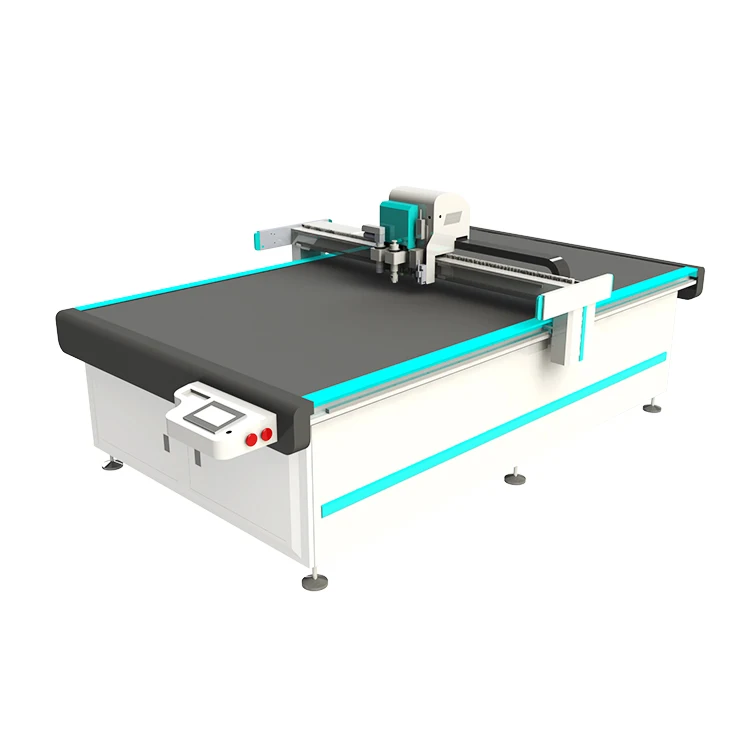
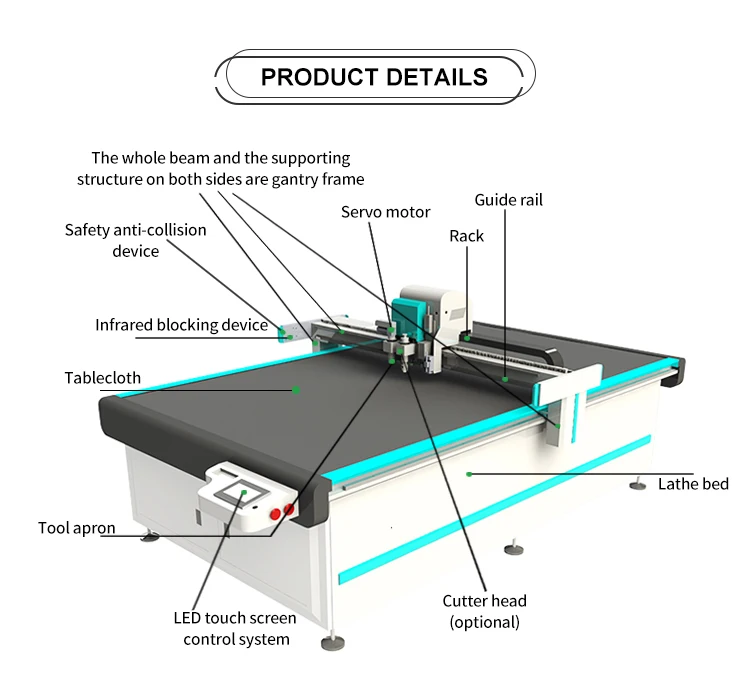
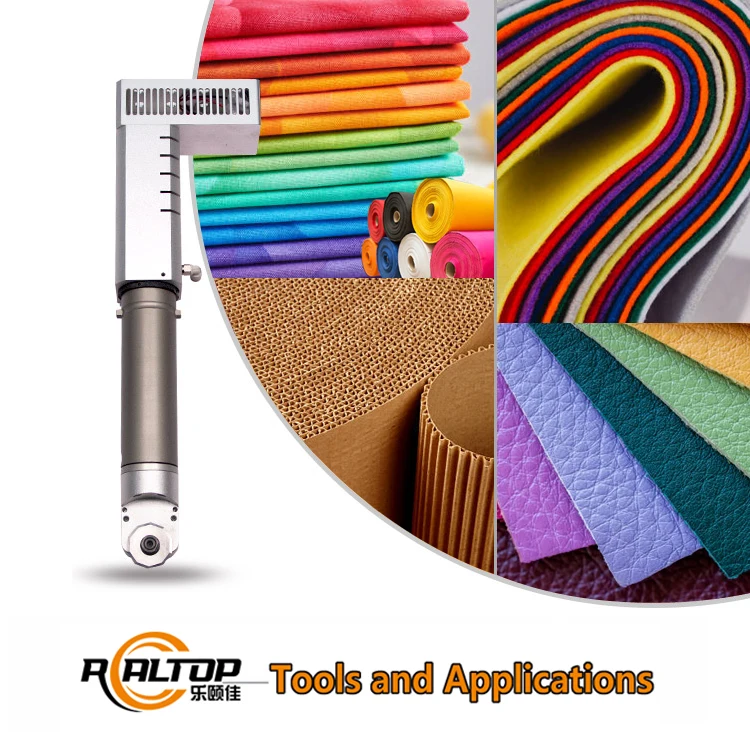
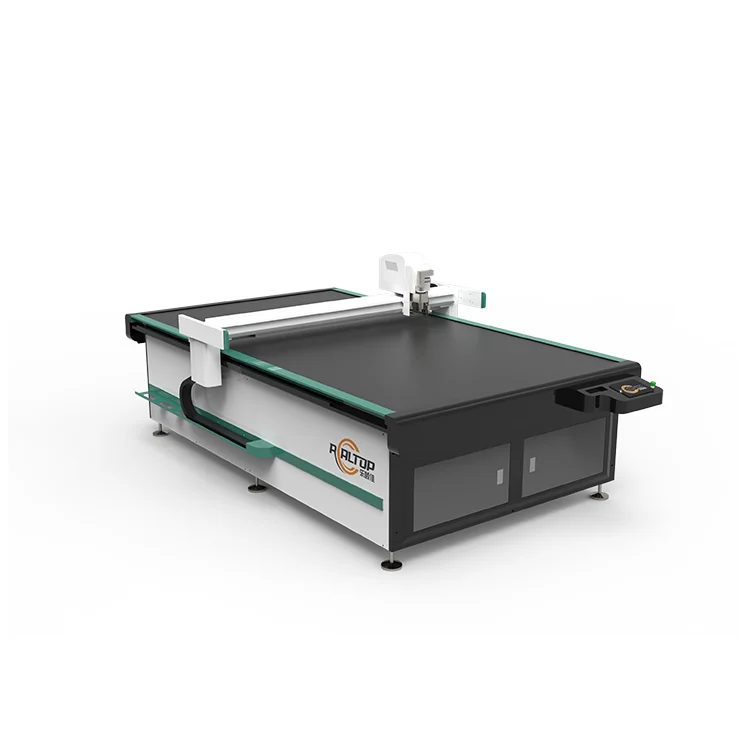
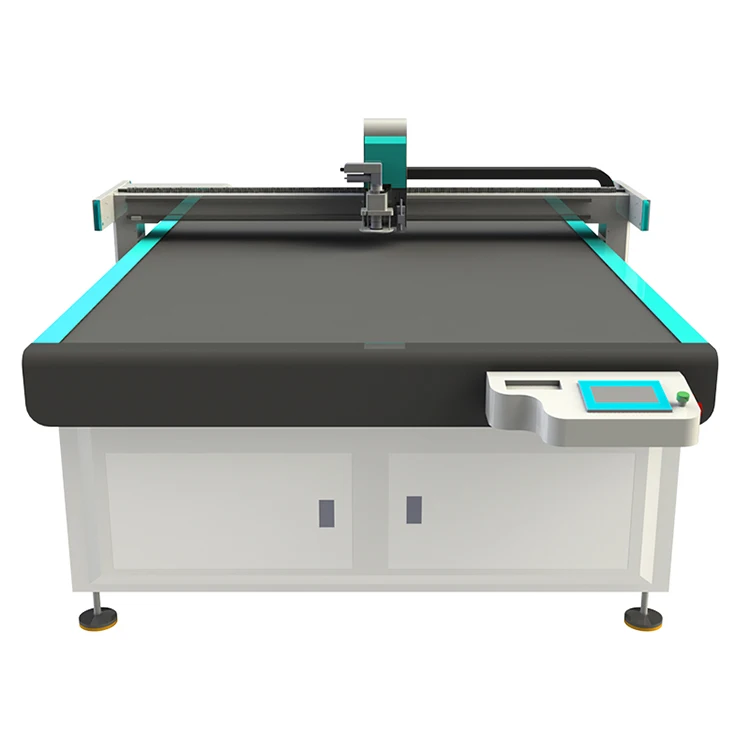
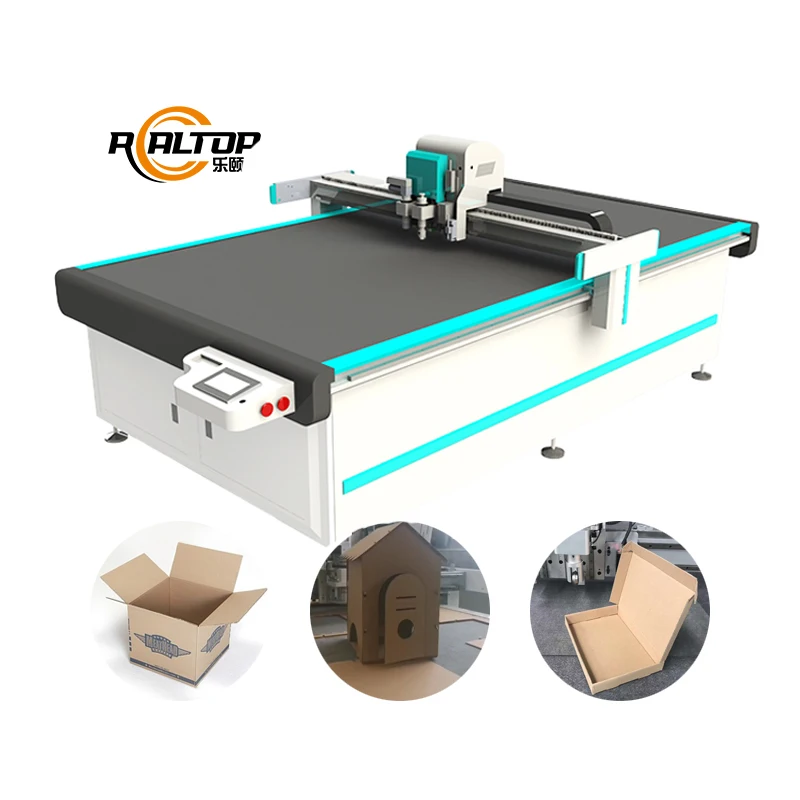
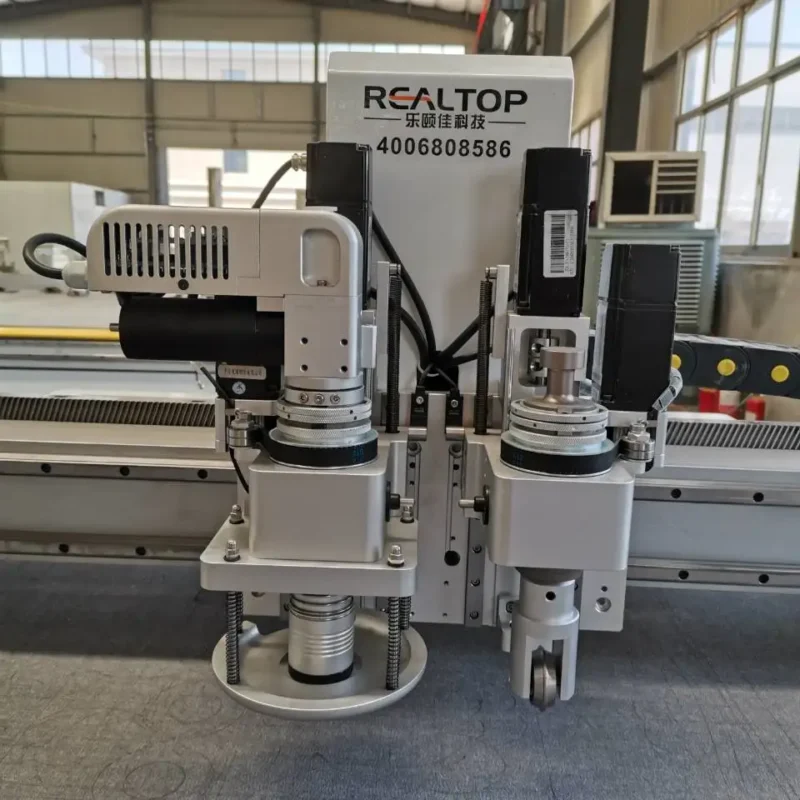
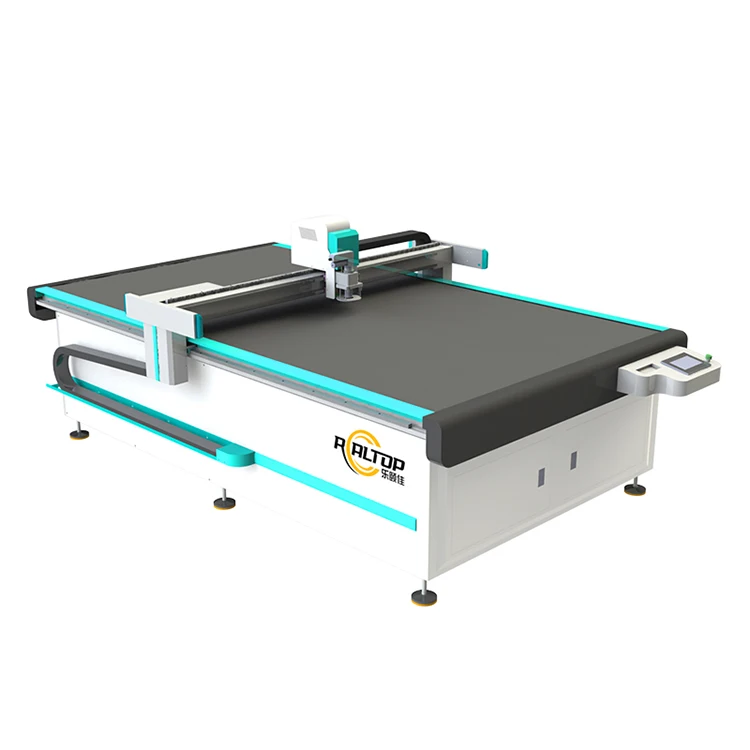
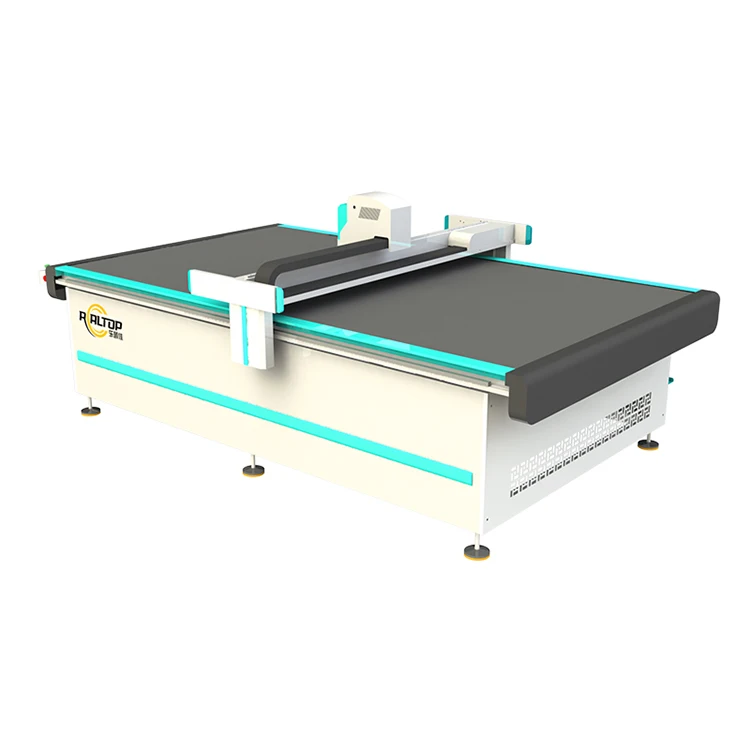
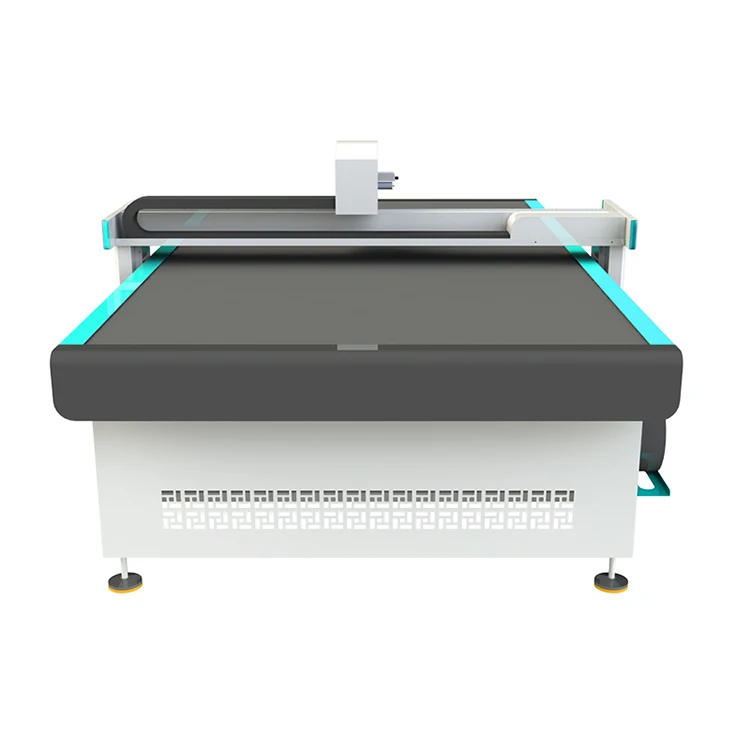
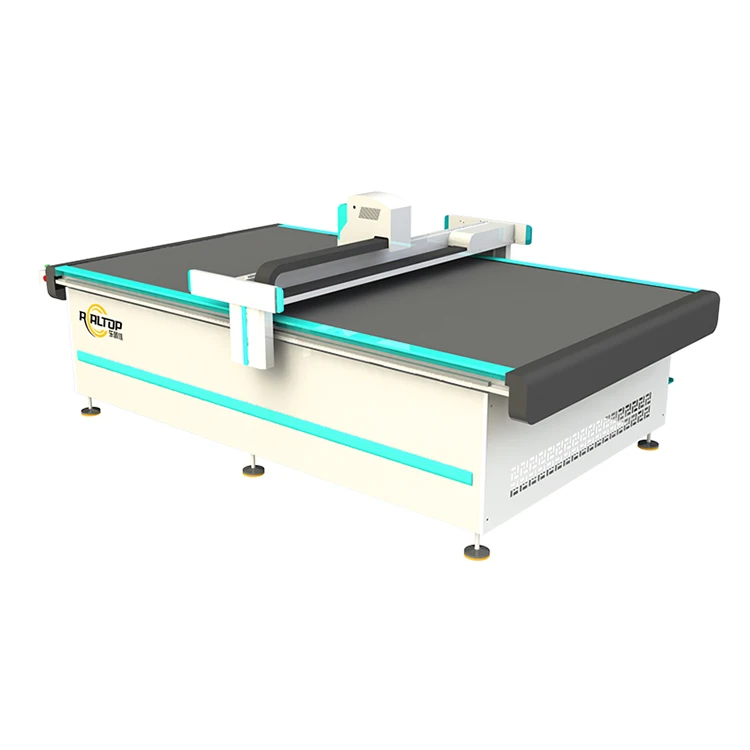
Swiss Knife Integration — The RT-D2516/RT-D1216 platform mounts a Swiss imported oscillating knife with full-cut, half-cut and cursor-location functions in a single tool station, eliminating tool changes during the same nesting cycle.
Technical Specifications
| Parameter | Value |
|---|---|
| Model | RT-D2516 / RT-D1216 |
| Product Type | CNC Oscillating Knife Leather Cutting Machine |
| Working Area Options | 1600 × 2500 mm; 1200 × 1600 mm |
| Machine Size | 3450 × 2300 × 1300 mm (RT-D2516); 2100 × 2300 × 1300 mm (RT-D1216) |
| Rated Power | 9 kW |
| Voltage | 380V ± 10% |
| Translational Velocity | 800 – 1200 mm/s |
| Repeated Accuracy | ≤ 0.1 mm |
| Vacuum Pump | 7.5 kW |
| Drive Components | Japanese Yaskawa servo motor, Taiwan Hiwin linear rail |
| Table Configuration | Vacuum table with Germany imported conveyor belt, auto feeding |
| Multifunctional Head | Swiss imported knife with vibration full cutting, vibration half cutting and cursor location |
| Safety Device | Infrared sensors |
| Instruction System | HP-GL compatible format |
| Certification | CE |
Application Suitability
| Application | Material or Output |
|---|---|
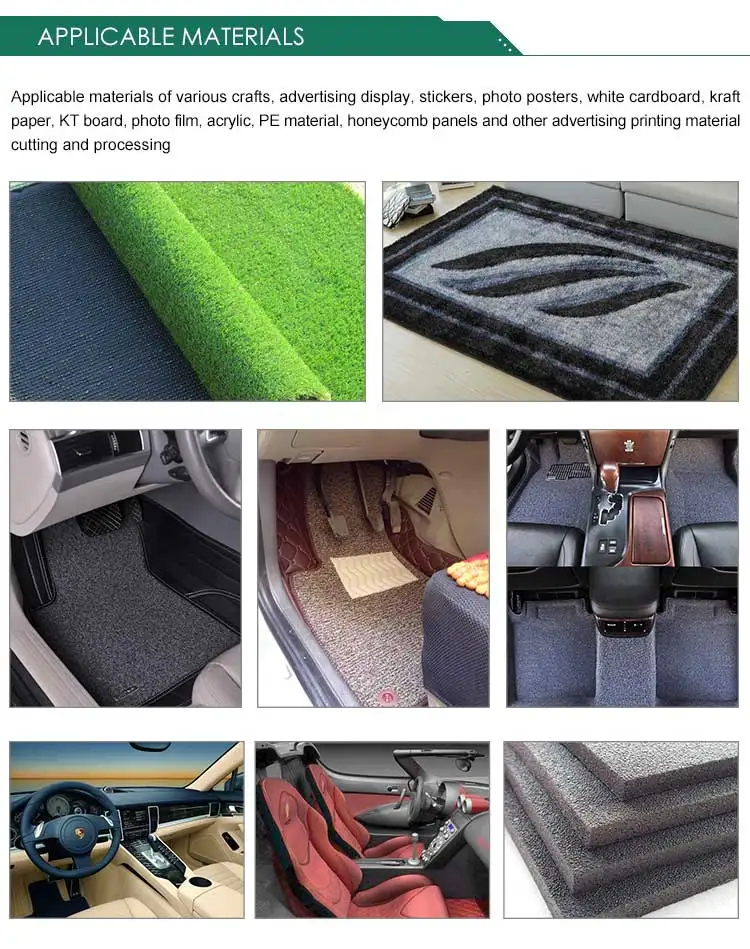
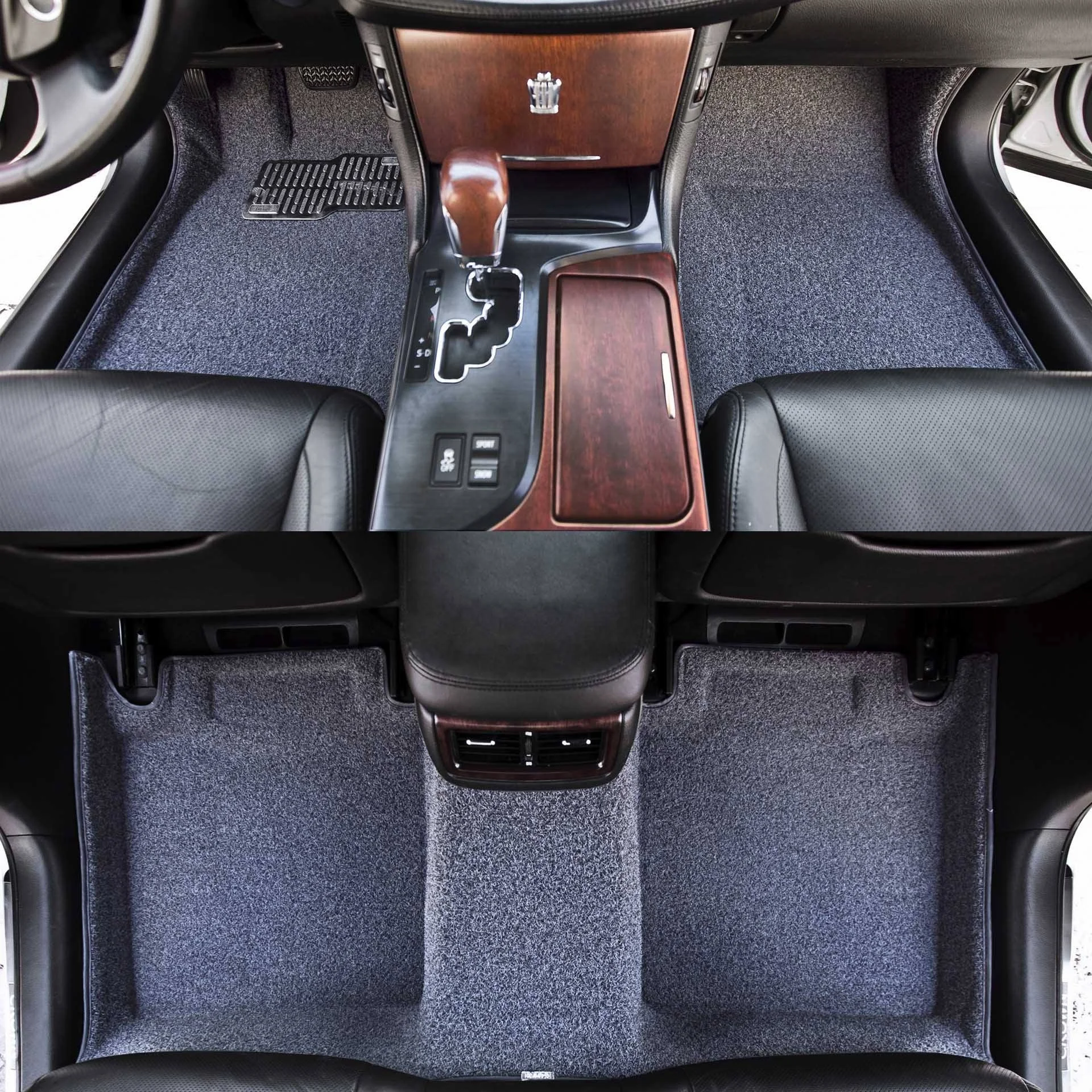
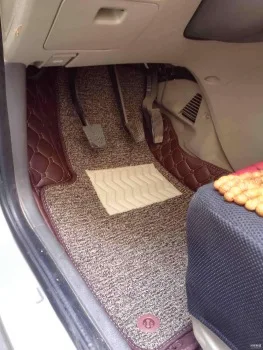
| Car sheath mat production | Automotive leather, PU composites, sponge-backed leather |
| Leather goods manufacturing | Natural leather, synthetic leather, PU sheets for bags and wallets |
| Footwear material processing | Upper patterns and insole shapes from natural or PU leather |
| Automotive interior trimming | Door-panel leather, headliner composites, dashboard covers |
| Garment and bag cutting | Clothing flexible materials, soft textiles, coated fabrics |
| Soft composite fabrication | PVC, soft glass, silicon, rubber sheets |
What "Working Area Only" Leaves Out When Sourcing a CNC Knife Cutting Machine Manufacturer
Specifying bed size without matching the knife stroke to actual leather thickness is the most common cause of under-performance on the shop floor.
A buyer in South-East Asia ordered an oscillating knife unit sized purely for sheet dimensions. The leather they used on-site turned out two millimetres thicker than the sample sent before purchase. The machine ran, but edge quality degraded and daily throughput fell noticeably short of expectations. That gap between quoted capacity and real output almost always traces back to material thickness, tool-head selection and vacuum holding power — three variables that never appear in a working-area figure [NEED_CITE: material thickness impact on oscillating knife cutting throughput]. When evaluating a CNC Leather Cutting Machine for sale, the thickness and density of the actual hide or composite must drive the configuration conversation, not the footprint alone.
Knife Method Versus Laser Method for Leather and Composites
Leather, sponge-backed composites and soft PVC respond differently to thermal and mechanical cutting. An oscillating knife slices through these layers without burning the edges or producing discolouration on light-coloured hides, which matters for visible automotive interior parts and footwear uppers. A CNC Knife Cutting Machine manufacturer typically recommends the knife route when edge appearance, absence of melt-bead and ply integrity are non-negotiable. Laser cutting suits thinner synthetics where a sealed edge is acceptable, but thicker natural leather tends to char and leave an odour that downstream finishing cannot remove. This RT-D2516/RT-D1216 platform sits in the knife family, so buyers processing multi-layer sponge composite leather or silicon rubber sheets will find the mechanical cut more compatible with their material behaviour.
Dual Working Areas and What They Mean for Nesting Yield
The availability of both 1600 × 2500 mm and 1200 × 1600 mm formats lets a buyer align the table with the dominant sheet size entering the workshop. Nesting software achieves better material yield when the cutting area closely matches the incoming hide or roll width, because oversized beds leave unused vacuum zones that consume pump energy without contributing to hold-down. For automotive sheath mat producers running large single-piece patterns, the RT-D2516 footprint accommodates full car-floor layouts in one placement. Footwear factories cutting smaller upper components from irregular natural hides often prefer the RT-D1216, where tighter zoning improves suction on small parts [NEED_CITE: vacuum zoning principles for small part fixation in digital cutting].
Drive Train and Repeatability on Contour-Heavy Patterns
The combination of Yaskawa digital servo motors and Hiwin linear rails holds repeated accuracy to ≤ 0.1 mm across the entire cutting envelope. In leather nesting, a pattern may contain tight radii around heel counters or gasket profiles with scalloped edges. Any backlash in the belt or rail translates directly into visible deviation on the finished part. The synchronous belt and ball screw transmission system on this CNC Leather Cutting Machine for sale reduces accumulated positional error during long nesting cycles, which can run for hours before an operator needs to reload material. The 800 – 1200 mm/s translational velocity range gives the operator flexibility to slow the head for intricate contours and accelerate on long straight cuts without losing registration.
Reading the Power and Vacuum Figures Together
The 9 kW rated power covers the oscillating knife head drive, servo axes and control electronics, while the separate 7.5 kW vacuum pump maintains atmospheric hold-down across the table surface. These two numbers should be read in tandem: a high-speed oscillating head generates lateral forces on the material, and if the vacuum zone cannot counter them, thin PVC or silicon sheets lift at the edges mid-cut. The auto-feeding conveyor belt, imported from Germany, advances roll material between cuts so that the operator does not manually reposition sheets. This continuous feed matters for high-volume garment or bag producers who run roll after roll of flexible material through the same nesting file. HP-GL compatible instruction format means existing pattern files from footwear and apparel CAD systems import without intermediate conversion [NEED_CITE: HP-GL format compatibility with footwear and apparel nesting software].
When the Wrong Tool Head Costs More Than the Machine
Choosing an oscillating knife for a material that actually needs a drag knife or a creasing wheel creates problems that surface only after production starts. Ragged edges on thin vinyl, crushed foam cores in sponge composite leather, and score lines that fail to fold cleanly on gasket material — all trace back to tool-head mismatch. The Swiss imported head on the RT-D2516/RT-D1216 combines vibration full cutting, half cutting and cursor location, which covers most leather and soft composite scenarios. But if a buyer regularly processes rigid PVC boards or corrugated packaging stock, a different tool station from the REALTOP range would be more appropriate. Confirming the tool head against the thickest and stiffest material in the production mix prevents a situation where the machine is technically running but producing scrap at a rate that erodes margins [NEED_CITE: tool head selection criteria by material type and thickness].
Why Buyers Place Repeat Orders Here
In-house design covers both knife and laser cutting technologies, so a buyer evaluating the RT-D2516/RT-D1216 can switch to a laser platform within the same factory if a future product line demands sealed edges. Tool head and table configuration are specified per material and production volume rather than quoted from a fixed catalogue page. CCD camera positioning is available on other REALTOP platforms for printed contour work, keeping the option open as a buyer’s product mix evolves. Software compatibility and file format are confirmed before order placement, eliminating post-delivery surprises. Voltage, plug type and control-panel language are customised to the destination country, and sample cutting on the buyer’s own leather or composite runs at production speed before commitment.
Documentation & Verification
- Machine specification sheet listing cutting behaviour by material type and thickness
- Electrical schematic confirming 380V ± 10% wiring and circuit protection ratings
- Tool head and vacuum zone configuration list matched to buyer’s part sizes
- Sample cutting report run on buyer-supplied leather or composite at working speed
- Factory test record showing repeatability verification across the full cutting envelope
- HP-GL file format compatibility note with buyer’s existing nesting workflow
Installation, Commissioning & Support
- Floor space planning around 3450 × 2300 mm footprint with clearance for roll loading
- Dedicated 380V circuit sized for 9 kW machine load plus 7.5 kW vacuum pump
- Machine arrives partially assembled; rail alignment and belt tension verified on site
- First-run parameter setting for oscillation frequency matched to buyer’s leather thickness
- Operator training covers tool change, vacuum zone selection and nesting file import
- Spare knife blades, vacuum cups and conveyor belt segments included at delivery
- Scheduled rail lubrication and belt inspection intervals documented in the manual
Before You Send an Inquiry
Tell us the type and thickness range of the leather, PU composite, PVC or rubber you process most often, along with your typical sheet or roll dimensions. Share your local voltage and frequency standard, the control-panel language your operators need, and whether your existing design workflow outputs HP-GL or a different file format. If possible, send a sample of your thickest material so we can run a cutting test and confirm the tool-head configuration before quoting.
Frequently Asked Questions
Q: How do I decide between knife cutting and laser cutting for my leather products?
A: Knife cutting avoids thermal discolouration and edge hardening on natural leather and thick composites, making it suitable for visible automotive interiors and footwear uppers. Laser cutting seals edges on thin synthetics but chars thicker hides. Send your material samples so the cutting method can be matched to actual production behaviour rather than assumed from a data sheet.
Q: Which working area fits my nesting workflow?
A: The 1600 × 2500 mm format handles full car-floor sheath mats in one placement, while the 1200 × 1600 mm format suits smaller footwear and bag patterns from irregular hides. Tighter vacuum zoning on the smaller table improves hold-down on small parts, reducing material lift during high-speed contour cuts.
Q: What tool head should I specify for multi-layer sponge composite leather?
A: The Swiss imported oscillating knife head with full-cut and half-cut functions handles most leather and sponge composite layers cleanly. If your product mix includes rigid PVC boards or creasing requirements for packaging stock, a drag knife or creasing wheel from the broader REALTOP range may be needed alongside or instead.
Q: Which file formats does the instruction system accept?
A: The system reads HP-GL compatible format directly, which covers most footwear and apparel nesting CAD outputs. Before order confirmation, share your existing file format so we can verify import compatibility and adjust nesting parameters to match your current workflow without requiring a software switch.
Q: How are voltage and control language confirmed before shipment?
A: We collect your local voltage, frequency and plug standard, then confirm the wiring schematic and control-panel language before production starts. This avoids on-site rewiring or operator confusion after the machine arrives, and the electrical schematic ships with the documentation package for your local electrician.
Swiss Knife Integration — The RT-D2516/RT-D1216 platform mounts a Swiss imported oscillating knife with full-cut, half-cut and cursor-location functions in a single tool station, eliminating tool changes during the same nesting cycle.
Technical Specifications
| Parameter | Value |
|---|---|
| Model | RT-D2516 / RT-D1216 |
| Product Type | CNC Oscillating Knife Leather Cutting Machine |
| Working Area Options | 1600 × 2500 mm; 1200 × 1600 mm |
| Machine Size | 3450 × 2300 × 1300 mm (RT-D2516); 2100 × 2300 × 1300 mm (RT-D1216) |
| Rated Power | 9 kW |
| Voltage | 380V ± 10% |
| Translational Velocity | 800 – 1200 mm/s |
| Repeated Accuracy | ≤ 0.1 mm |
| Vacuum Pump | 7.5 kW |
| Drive Components | Japanese Yaskawa servo motor, Taiwan Hiwin linear rail |
| Table Configuration | Vacuum table with Germany imported conveyor belt, auto feeding |
| Multifunctional Head | Swiss imported knife with vibration full cutting, vibration half cutting and cursor location |
| Safety Device | Infrared sensors |
| Instruction System | HP-GL compatible format |
| Certification | CE |
Application Suitability
| Application | Material or Output |
|---|---|
| Car sheath mat production | Automotive leather, PU composites, sponge-backed leather |
| Leather goods manufacturing | Natural leather, synthetic leather, PU sheets for bags and wallets |
| Footwear material processing | Upper patterns and insole shapes from natural or PU leather |
| Automotive interior trimming | Door-panel leather, headliner composites, dashboard covers |
| Garment and bag cutting | Clothing flexible materials, soft textiles, coated fabrics |
| Soft composite fabrication | PVC, soft glass, silicon, rubber sheets |
What "Working Area Only" Leaves Out When Sourcing a CNC Knife Cutting Machine Manufacturer
Specifying bed size without matching the knife stroke to actual leather thickness is the most common cause of under-performance on the shop floor.
A buyer in South-East Asia ordered an oscillating knife unit sized purely for sheet dimensions. The leather they used on-site turned out two millimetres thicker than the sample sent before purchase. The machine ran, but edge quality degraded and daily throughput fell noticeably short of expectations. That gap between quoted capacity and real output almost always traces back to material thickness, tool-head selection and vacuum holding power — three variables that never appear in a working-area figure [NEED_CITE: material thickness impact on oscillating knife cutting throughput]. When evaluating a CNC Leather Cutting Machine for sale, the thickness and density of the actual hide or composite must drive the configuration conversation, not the footprint alone.
Knife Method Versus Laser Method for Leather and Composites
Leather, sponge-backed composites and soft PVC respond differently to thermal and mechanical cutting. An oscillating knife slices through these layers without burning the edges or producing discolouration on light-coloured hides, which matters for visible automotive interior parts and footwear uppers. A CNC Knife Cutting Machine manufacturer typically recommends the knife route when edge appearance, absence of melt-bead and ply integrity are non-negotiable. Laser cutting suits thinner synthetics where a sealed edge is acceptable, but thicker natural leather tends to char and leave an odour that downstream finishing cannot remove. This RT-D2516/RT-D1216 platform sits in the knife family, so buyers processing multi-layer sponge composite leather or silicon rubber sheets will find the mechanical cut more compatible with their material behaviour.
Dual Working Areas and What They Mean for Nesting Yield
The availability of both 1600 × 2500 mm and 1200 × 1600 mm formats lets a buyer align the table with the dominant sheet size entering the workshop. Nesting software achieves better material yield when the cutting area closely matches the incoming hide or roll width, because oversized beds leave unused vacuum zones that consume pump energy without contributing to hold-down. For automotive sheath mat producers running large single-piece patterns, the RT-D2516 footprint accommodates full car-floor layouts in one placement. Footwear factories cutting smaller upper components from irregular natural hides often prefer the RT-D1216, where tighter zoning improves suction on small parts [NEED_CITE: vacuum zoning principles for small part fixation in digital cutting].
Drive Train and Repeatability on Contour-Heavy Patterns
The combination of Yaskawa digital servo motors and Hiwin linear rails holds repeated accuracy to ≤ 0.1 mm across the entire cutting envelope. In leather nesting, a pattern may contain tight radii around heel counters or gasket profiles with scalloped edges. Any backlash in the belt or rail translates directly into visible deviation on the finished part. The synchronous belt and ball screw transmission system on this CNC Leather Cutting Machine for sale reduces accumulated positional error during long nesting cycles, which can run for hours before an operator needs to reload material. The 800 – 1200 mm/s translational velocity range gives the operator flexibility to slow the head for intricate contours and accelerate on long straight cuts without losing registration.
Reading the Power and Vacuum Figures Together
The 9 kW rated power covers the oscillating knife head drive, servo axes and control electronics, while the separate 7.5 kW vacuum pump maintains atmospheric hold-down across the table surface. These two numbers should be read in tandem: a high-speed oscillating head generates lateral forces on the material, and if the vacuum zone cannot counter them, thin PVC or silicon sheets lift at the edges mid-cut. The auto-feeding conveyor belt, imported from Germany, advances roll material between cuts so that the operator does not manually reposition sheets. This continuous feed matters for high-volume garment or bag producers who run roll after roll of flexible material through the same nesting file. HP-GL compatible instruction format means existing pattern files from footwear and apparel CAD systems import without intermediate conversion [NEED_CITE: HP-GL format compatibility with footwear and apparel nesting software].
When the Wrong Tool Head Costs More Than the Machine
Choosing an oscillating knife for a material that actually needs a drag knife or a creasing wheel creates problems that surface only after production starts. Ragged edges on thin vinyl, crushed foam cores in sponge composite leather, and score lines that fail to fold cleanly on gasket material — all trace back to tool-head mismatch. The Swiss imported head on the RT-D2516/RT-D1216 combines vibration full cutting, half cutting and cursor location, which covers most leather and soft composite scenarios. But if a buyer regularly processes rigid PVC boards or corrugated packaging stock, a different tool station from the REALTOP range would be more appropriate. Confirming the tool head against the thickest and stiffest material in the production mix prevents a situation where the machine is technically running but producing scrap at a rate that erodes margins [NEED_CITE: tool head selection criteria by material type and thickness].
Why Buyers Place Repeat Orders Here
In-house design covers both knife and laser cutting technologies, so a buyer evaluating the RT-D2516/RT-D1216 can switch to a laser platform within the same factory if a future product line demands sealed edges. Tool head and table configuration are specified per material and production volume rather than quoted from a fixed catalogue page. CCD camera positioning is available on other REALTOP platforms for printed contour work, keeping the option open as a buyer’s product mix evolves. Software compatibility and file format are confirmed before order placement, eliminating post-delivery surprises. Voltage, plug type and control-panel language are customised to the destination country, and sample cutting on the buyer’s own leather or composite runs at production speed before commitment.
Documentation & Verification
- Machine specification sheet listing cutting behaviour by material type and thickness
- Electrical schematic confirming 380V ± 10% wiring and circuit protection ratings
- Tool head and vacuum zone configuration list matched to buyer’s part sizes
- Sample cutting report run on buyer-supplied leather or composite at working speed
- Factory test record showing repeatability verification across the full cutting envelope
- HP-GL file format compatibility note with buyer’s existing nesting workflow
Installation, Commissioning & Support
- Floor space planning around 3450 × 2300 mm footprint with clearance for roll loading
- Dedicated 380V circuit sized for 9 kW machine load plus 7.5 kW vacuum pump
- Machine arrives partially assembled; rail alignment and belt tension verified on site
- First-run parameter setting for oscillation frequency matched to buyer’s leather thickness
- Operator training covers tool change, vacuum zone selection and nesting file import
- Spare knife blades, vacuum cups and conveyor belt segments included at delivery
- Scheduled rail lubrication and belt inspection intervals documented in the manual
Before You Send an Inquiry
Tell us the type and thickness range of the leather, PU composite, PVC or rubber you process most often, along with your typical sheet or roll dimensions. Share your local voltage and frequency standard, the control-panel language your operators need, and whether your existing design workflow outputs HP-GL or a different file format. If possible, send a sample of your thickest material so we can run a cutting test and confirm the tool-head configuration before quoting.
Frequently Asked Questions
Q: How do I decide between knife cutting and laser cutting for my leather products?
A: Knife cutting avoids thermal discolouration and edge hardening on natural leather and thick composites, making it suitable for visible automotive interiors and footwear uppers. Laser cutting seals edges on thin synthetics but chars thicker hides. Send your material samples so the cutting method can be matched to actual production behaviour rather than assumed from a data sheet.
Q: Which working area fits my nesting workflow?
A: The 1600 × 2500 mm format handles full car-floor sheath mats in one placement, while the 1200 × 1600 mm format suits smaller footwear and bag patterns from irregular hides. Tighter vacuum zoning on the smaller table improves hold-down on small parts, reducing material lift during high-speed contour cuts.
Q: What tool head should I specify for multi-layer sponge composite leather?
A: The Swiss imported oscillating knife head with full-cut and half-cut functions handles most leather and sponge composite layers cleanly. If your product mix includes rigid PVC boards or creasing requirements for packaging stock, a drag knife or creasing wheel from the broader REALTOP range may be needed alongside or instead.
Q: Which file formats does the instruction system accept?
A: The system reads HP-GL compatible format directly, which covers most footwear and apparel nesting CAD outputs. Before order confirmation, share your existing file format so we can verify import compatibility and adjust nesting parameters to match your current workflow without requiring a software switch.
Q: How are voltage and control language confirmed before shipment?
A: We collect your local voltage, frequency and plug standard, then confirm the wiring schematic and control-panel language before production starts. This avoids on-site rewiring or operator confusion after the machine arrives, and the electrical schematic ships with the documentation package for your local electrician.
商品评价
There are no reviews yet.