

Fast Delivery
Quick, reliable shipping to any location.

Free & easy returns
Return this item by mail or in store within 90 days for a full refund.
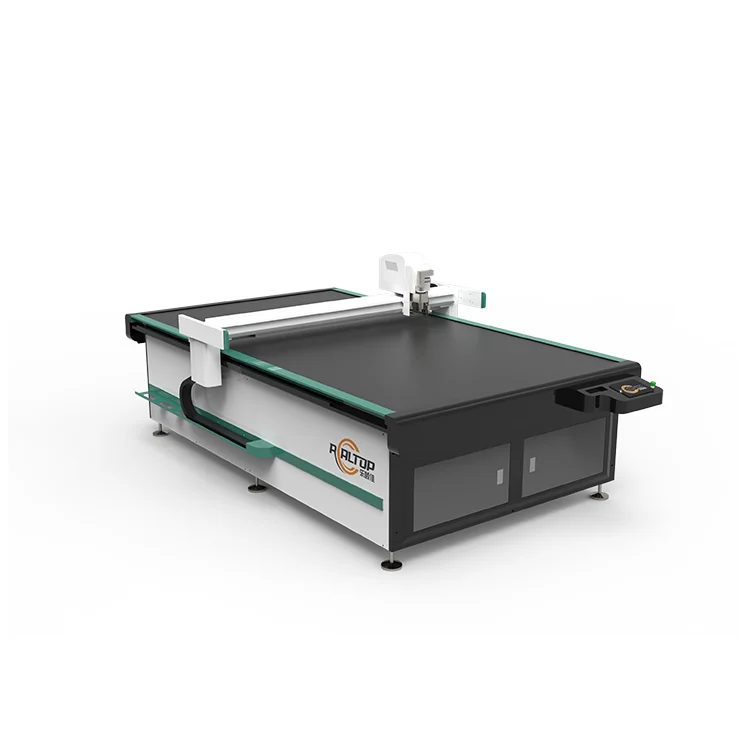
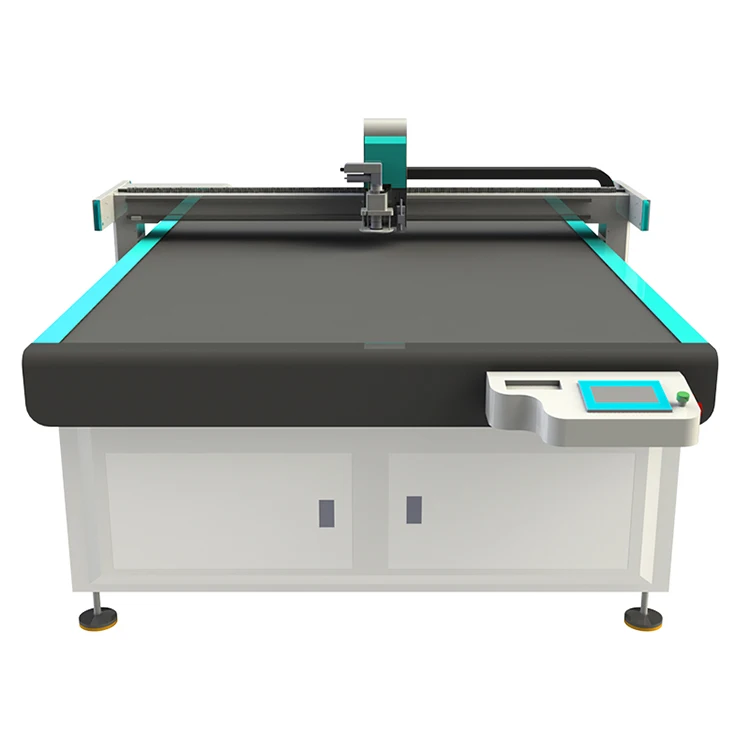
Configurable Knife and Laser Platform — In-house engineering lets buyers select the cutting method that suits their specific fabric, leather or composite material instead of forcing a single technology across every job.
Technical Specifications
| Parameter | Value |
|---|---|
| Model | 1625 |
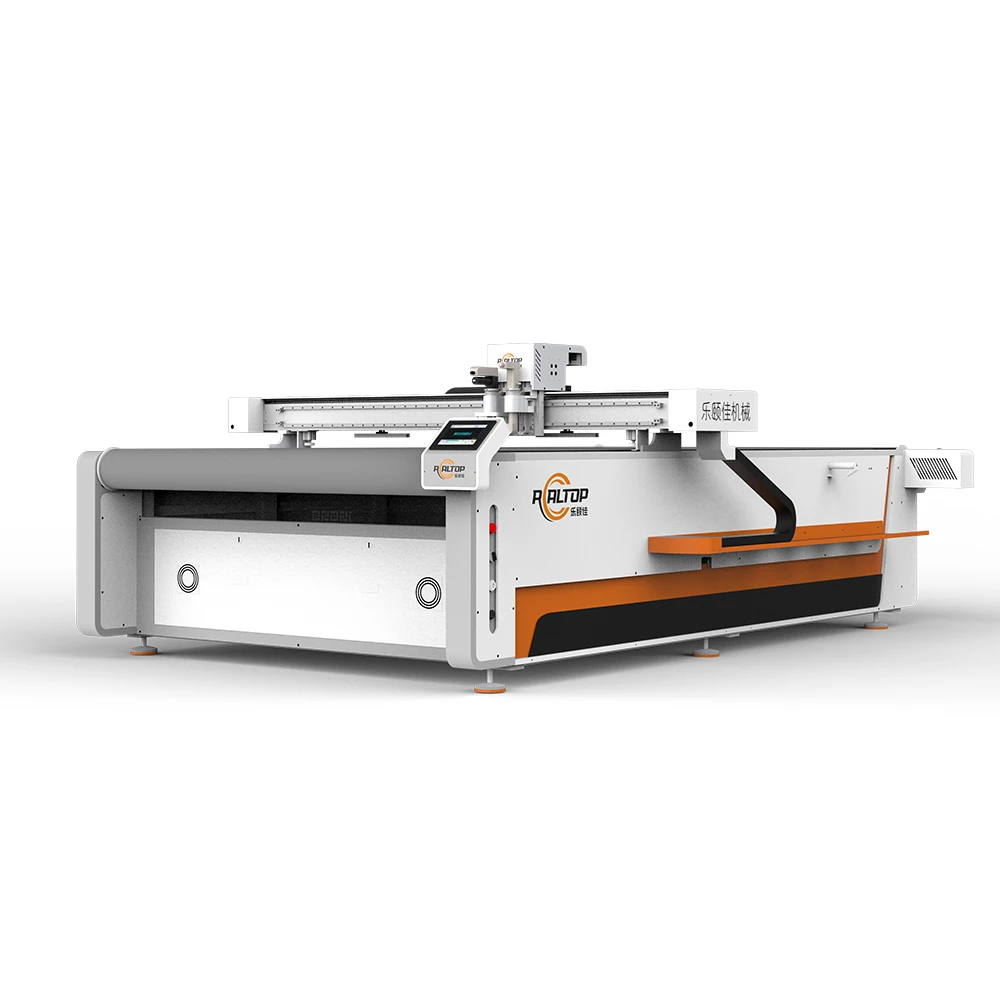
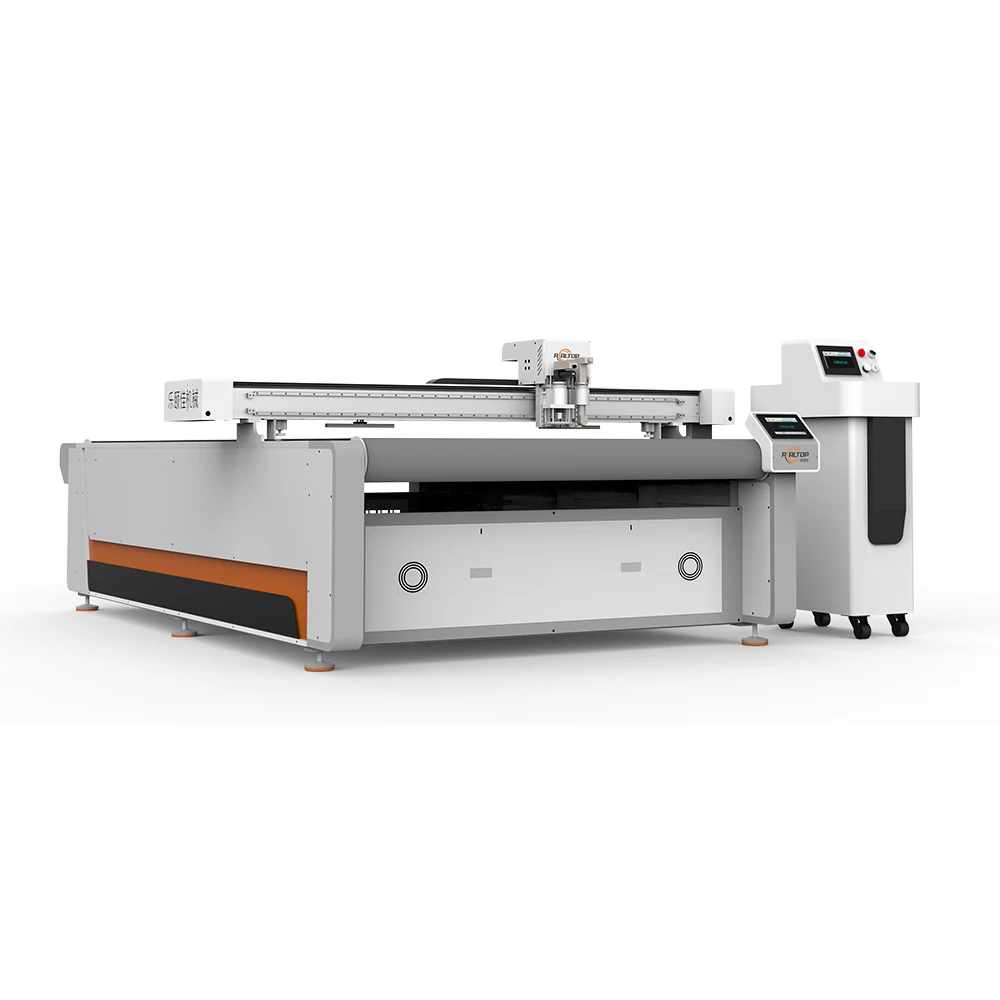
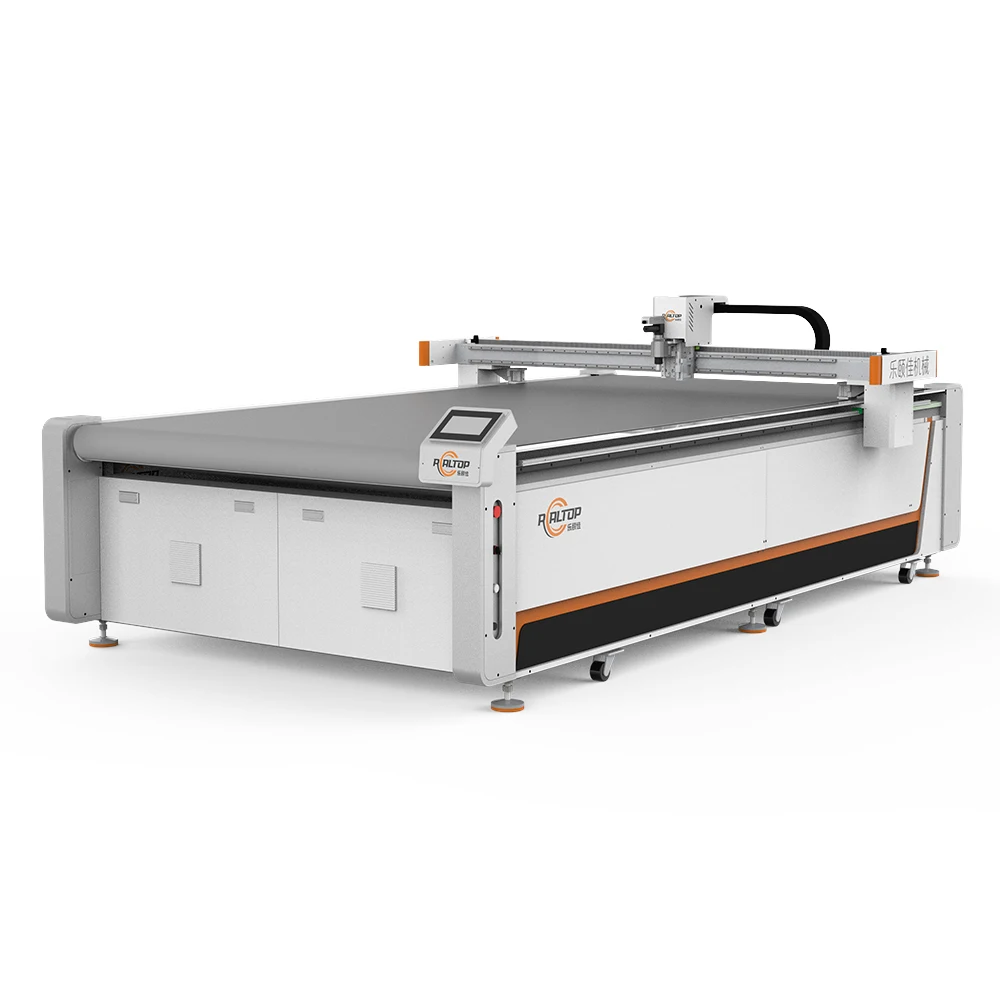
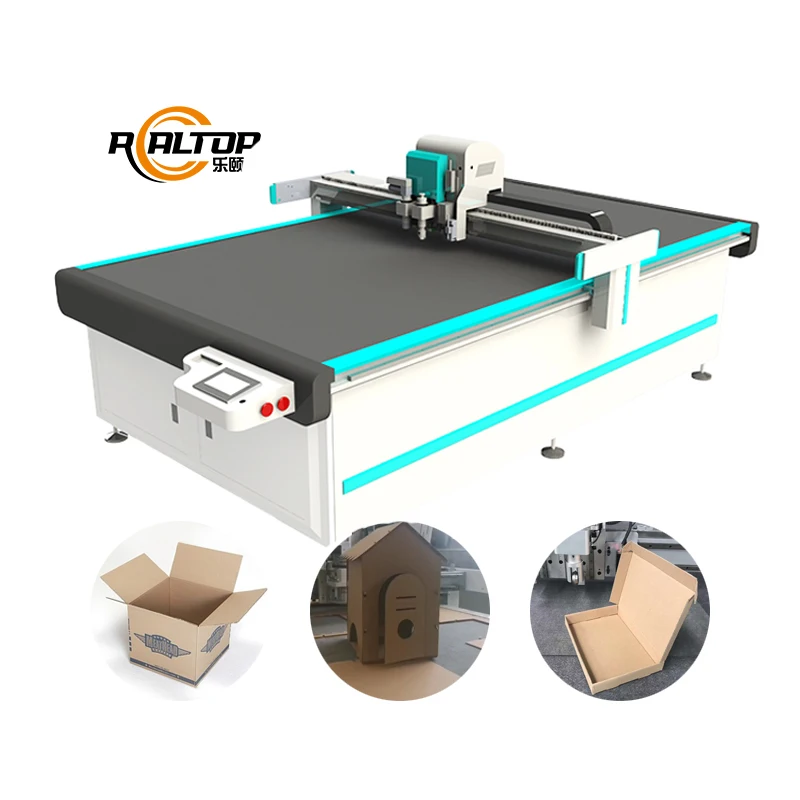
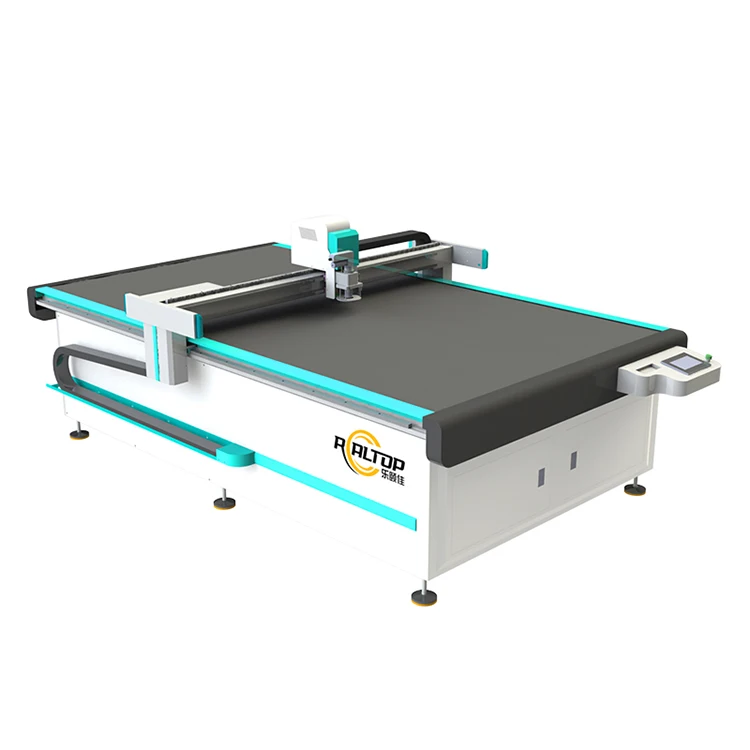
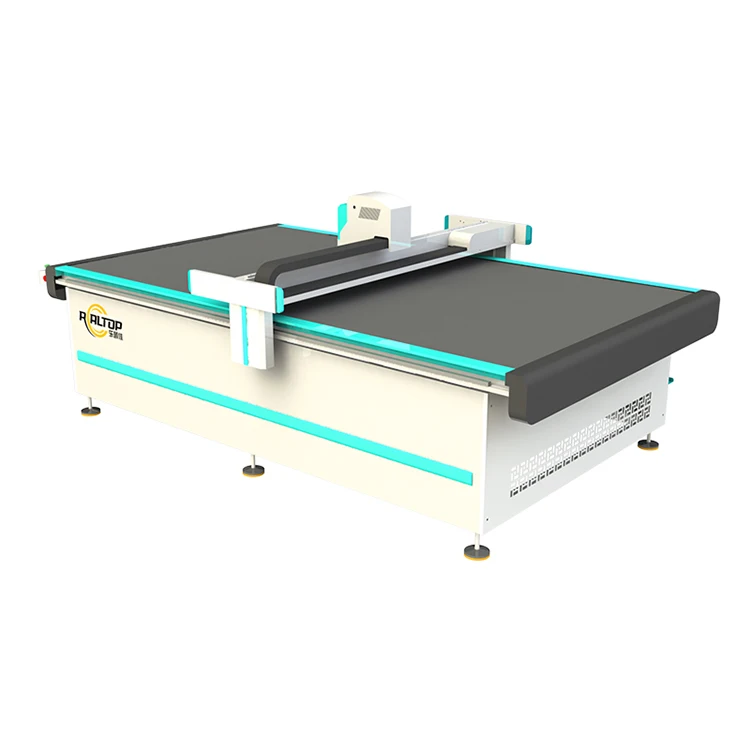
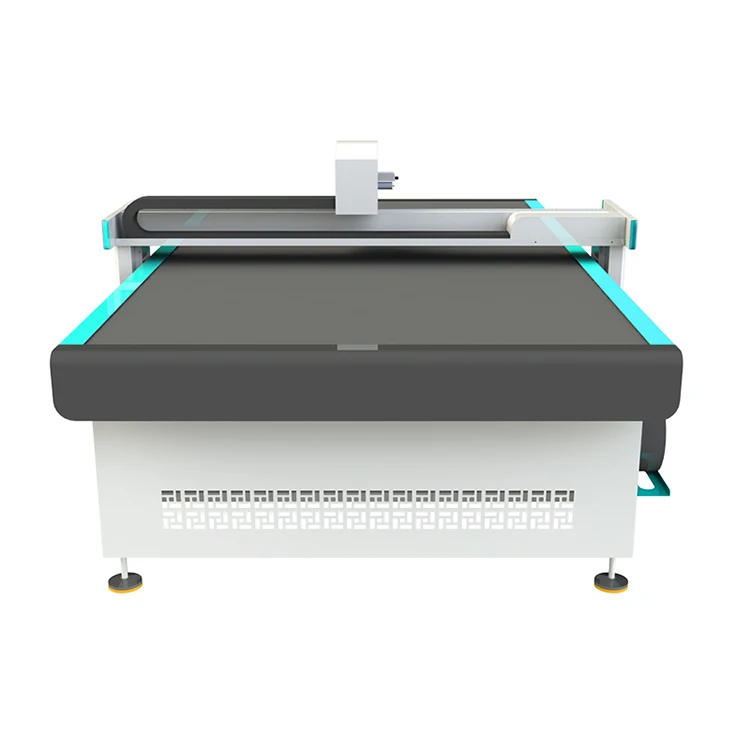
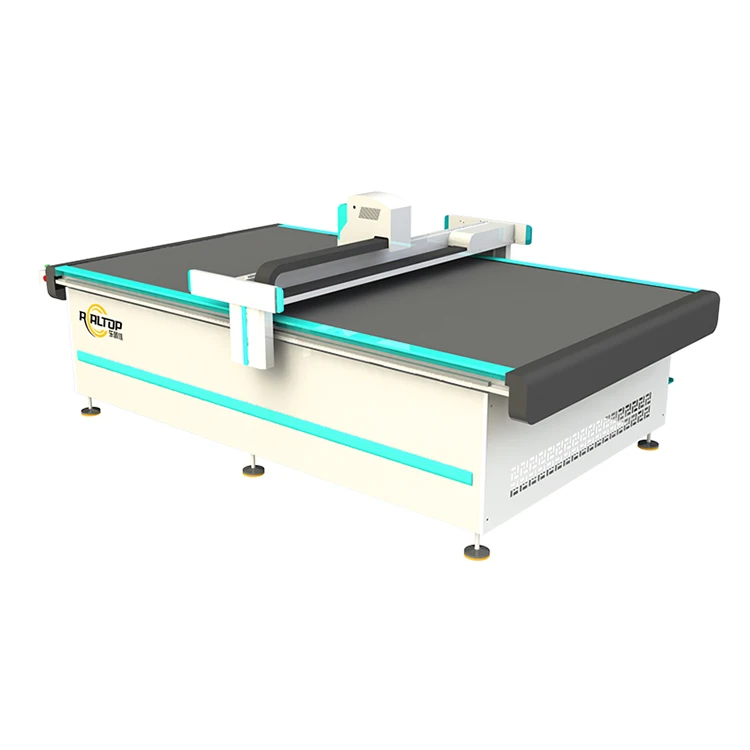
| Product Type | CNC Oscillating Knife Cutting Machine |
| Working Area | 1600 × 2500 mm |
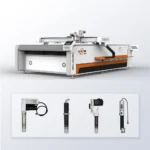
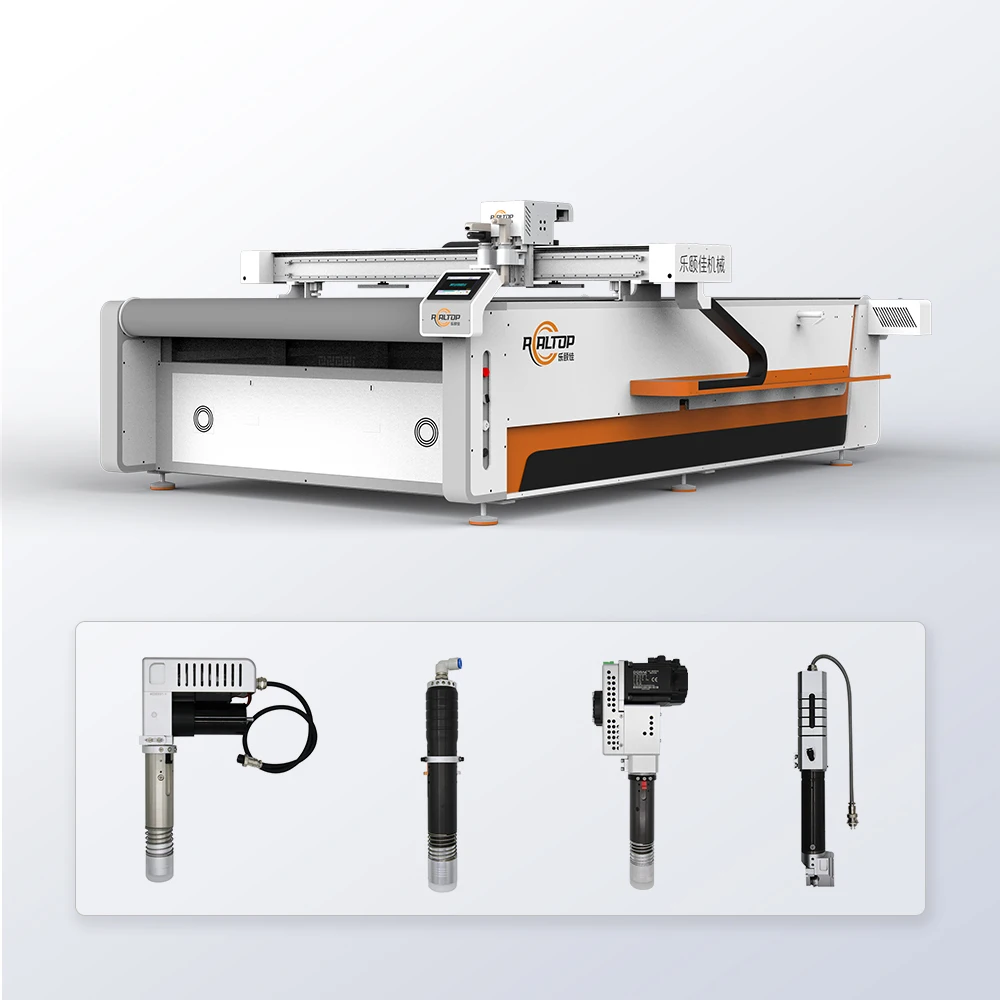
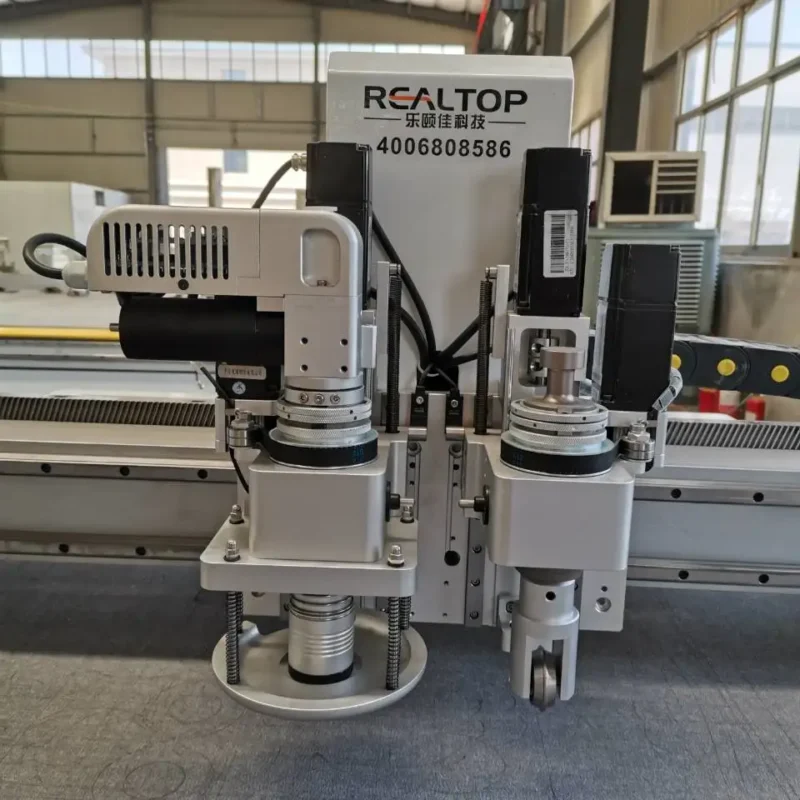
| Tool Head Options | Oscillating knife, Driven rotary knife, Creasing wheel, Kiss cutting tool, Pneumatic knife, Milling tool, V-groove knife |
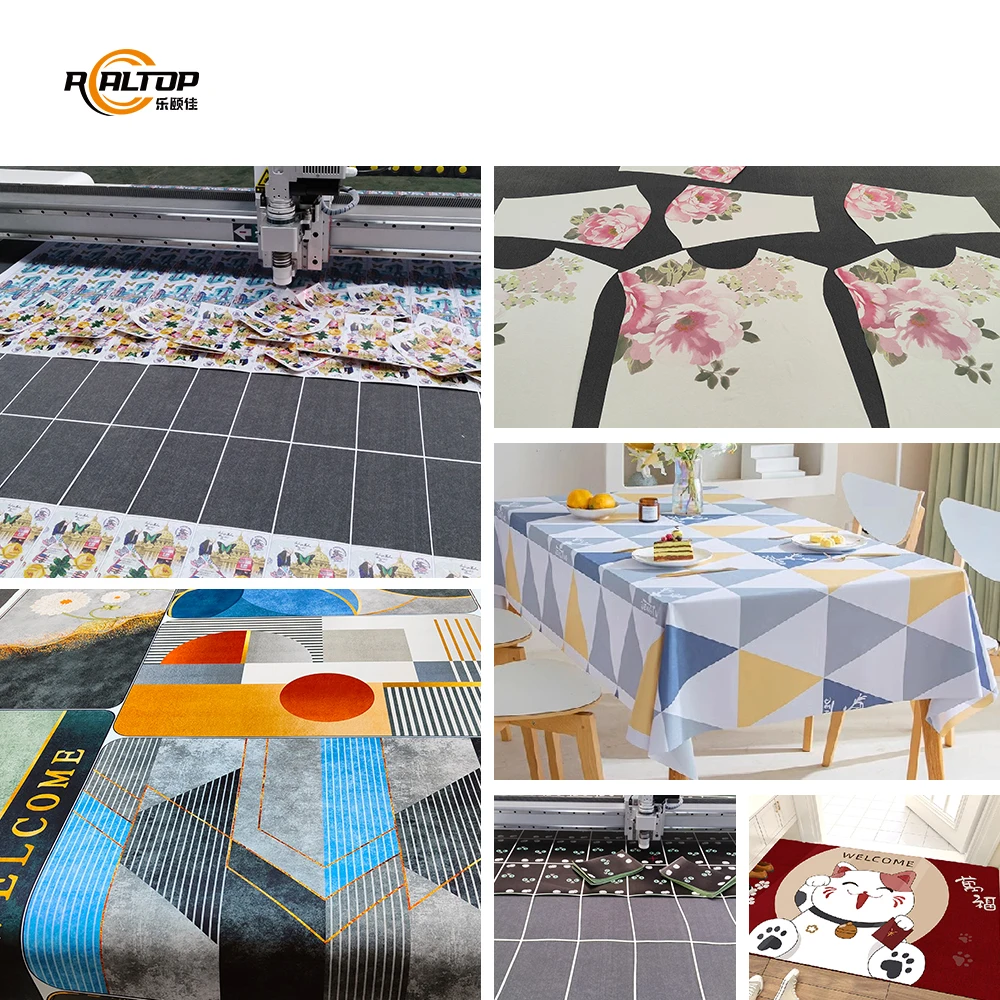
| Applicable Materials | Fabric, Cardboard, Carton, Mats, PVC, EVA, Leather, Acrylic, Foam, PTFE, Rubber |
| Cutting Speed Range | 0–2000 mm/s |
| Maximum Cutting Thickness | ≤ 30 mm (basis not stated in source — confirm material type and density) |
| Cutting Accuracy | ±0.1 mm |
| Vacuum Table | Aluminum bellows vacuum table |
| Vacuum Pump Power | 9 kW |
| Servo Motor Options | Panasonic, Delta, Dorna |
| Control System | PLC control panel with optional display languages |
| Voltage Options | 110 V, 220 V, 380 V |
| File Formats | PLT, DXF, AI, PDF |
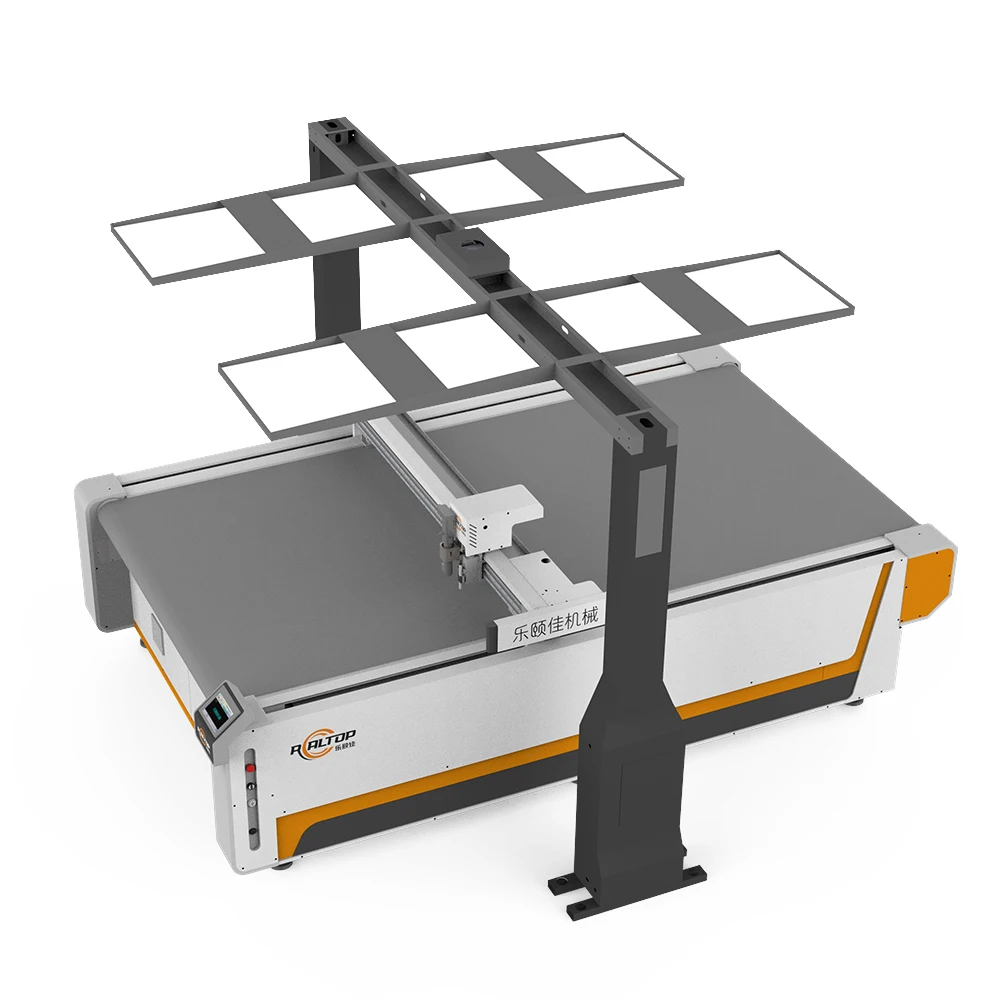
| Software Features | Dedicated packaging box structure design software, intelligent nesting system |
| Safety Devices | Infrared sensor device, emergency stop |
| Machine Dimensions | 3300 × 2100 × 1350 mm |
| Certification | CE |
Application Suitability
| Application | Material or Output |
|---|---|
| Apparel and knitwear cutting | Multi-layer fabric stacks for suits, lace and complex textiles |
| Automotive interior trimming | Seat fabrics, carpets and PVC floor mats requiring burr-free edges |
| Home textile production | Sofa upholstery fabrics, curtain panels and area rugs |
| Composite material processing | Carbon fiber prepreg, aramid and specialty technical fabrics |
Why "Maximum Cutting Thickness" Means Nothing Without Material Density
A 30 mm thickness rating on foam tells you nothing about how the same machine handles dense multi-layer aramid.
Every fabric behaves differently under an oscillating blade. A stack of loose-knit polyester compresses and springs back, while bonded carbon fiber prepreg resists penetration and delaminates if the tool pressure is wrong. Buyers who select a CNC oscillating knife cutting machine manufacturer based on a single thickness figure often discover, weeks into production, that the machine struggles on the exact material they bought it for. [NEED_CITE: material density and compression behavior in oscillating knife cutting]
Matching Tool Heads to the Material Being Cut
The 1625 platform offers seven interchangeable tool heads, and each one addresses a distinct cutting problem. The oscillating knife handles most woven and non-woven fabrics at high speed, while the driven rotary knife is reserved for heavier textiles where a dragging blade would distort the weave. A creasing wheel scores carton and packaging board without severing it, which matters for sample-making workflows where fold lines must remain precise.
Pneumatic knife options provide the downward force needed for denser materials such as EVA foam gaskets, and the V-groove tool cuts partial-depth channels for folding rigid boards. Selecting the correct head before the machine ships avoids the situation where a buyer attempts to cut automotive carpet with a standard oscillating blade and gets frayed edges on every piece. The CNC oscillating knife cutting machine manufacturer configures the tool head based on sample material sent in advance.
Vacuum Hold-Down and Small-Part Stability
The aluminum bellows vacuum table on this model provides a flat cutting surface that seals against thin and porous materials. When cutting small garment pattern pieces or intricate gasket shapes, inadequate vacuum zoning allows edges to lift mid-cut, producing dimensional errors that only show up during assembly. [NEED_CITE: vacuum table zoning and small-part retention in flatbed cutting]
A 9 kW vacuum pump supplies sufficient suction across the 1600 × 2500 mm bed, but the real question is how many independent zones the table divides into and whether those zones can be activated selectively. Operators cutting a single small piece in one corner of a large bed need that zone to hold firm while unused zones remain closed, otherwise suction bleeds away and the material shifts.
Reading the Specs That Actually Matter on the Shop Floor
The ±0.1 mm cutting accuracy specification matters most when cutting interlocking pattern pieces for apparel, where a consistent seam allowance depends on every cut following the same path. Servo motor selection — Panasonic, Delta or Dorna — affects how smoothly the gantry accelerates and decelerates around tight corners in lace or complex contour shapes. Higher-tier servos reduce following error, which shows up as cleaner edges on curves rather than measurable speed differences.
The intelligent nesting software calculates layout to minimize off-cuts on expensive technical textiles like aramid or carbon prepreg, where material cost per square meter is substantial. File format support for PLT, DXF, AI and PDF means most buyers can import directly from their existing CAD workflow without an intermediate conversion step that introduces dimensional errors. The PLC control panel with configurable display languages ensures operators in different export markets can run the machine without relying on a second language they do not fully understand.
The Hidden Cost of Skipping a Material Trial
Buyers who commit to a configuration without sending sample material for a trial cut often face delays once the machine arrives. The tool head that worked perfectly on the standard test fabric may crush or delaminate the buyer’s actual production material, requiring a return-to-factory swap that adds weeks to the project. [NEED_CITE: sample testing protocols before CNC cutting equipment dispatch]
Incorrect vacuum settings discovered on-site mean the operator must manually adjust hold-down pressure for every new material, which slows changeovers in mixed-production environments. A CNC oscillating knife cutting machine manufacturer that runs a pre-shipment trial on the buyer’s own fabric or composite eliminates most of these surprises.
Why Source This Platform Through the Manufacturer Directly
In-house design covers both knife and laser cutting technologies, so a buyer processing both fabric and acrylic can match the method to the material from a single supplier rather than sourcing two separate machines from different vendors. Tool head and table configuration is specified per material type and confirmed in writing before production begins, not decided after the machine lands on the factory floor.
Sample cutting on the buyer’s own material happens before order confirmation, producing a cutting report that documents tool selection, speed and edge quality on the actual production stock. Voltage, plug type and control language are verified against the destination market’s requirements so the machine arrives ready to connect. Software compatibility with the buyer’s existing PLT, DXF or AI files is confirmed during the pre-order stage, preventing a situation where the nesting system cannot open the format the design team uses daily.
Documentation & Verification
- Machine specification sheet listing confirmed tool head and table configuration for your material
- Electrical schematic with voltage and plug type matched to your facility supply
- Sample cutting report produced on your fabric or composite before order confirmation
- Software licence with file format compatibility note for PLT, DXF, AI and PDF import
- Factory test record documenting cutting accuracy and speed on your specified materials
- Operation and maintenance manual with display language matching your operator preference
Installation, Commissioning & Support
- Floor space allocation must accommodate the 3300 × 2100 mm footprint plus operator access clearance
- Dedicated power circuit required matching confirmed voltage option of 110 V, 220 V or 380 V
- Machine ships partially assembled with gantry and vacuum table crated separately for transport
- First-run commissioning includes tool head calibration against your specific fabric thickness and density
- Operator training covers intelligent nesting software, tool changeover and vacuum zone activation
- Spare parts list includes oscillating blades, rotary knives and vacuum table seals sized to your configuration
What to Share Before Requesting a Quote
Send the material type, approximate thickness and whether you cut single-ply or multi-layer stacks so the correct tool head can be recommended from the seven available options. Specify your local voltage and frequency along with preferred control panel language to ensure the CNC oscillating knife cutting machine manufacturer configures the electrical and interface systems correctly. If your design team works in a specific CAD format, share a sample file so software compatibility can be verified before the quotation stage.
Frequently Asked Questions
Q: How do I choose the right tool head for my fabric type and thickness?
A: The tool head selection depends on material density, weave structure and whether you cut single or multi-layer stacks. Woven fabrics typically use the oscillating knife, heavier textiles benefit from the driven rotary knife, and dense composites may need the pneumatic option. Sending sample material for a pre-order trial cut confirms which head produces the cleanest edge on your specific stock.
Q: What is the actual cutting capacity on multi-layer fabric stacks?
A: The maximum 30 mm thickness rating applies under specific material density and compression conditions that vary by fabric type. Loose-knit textiles compress differently than bonded composites, so the usable stack height depends on your exact material. A sample cutting test on your production fabric establishes realistic layer counts before the machine configuration is finalized.
Q: Which voltage and plug configurations are available for my export market?
A: The platform supports 110 V, 220 V and 380 V options with plug configurations matched to the destination country’s standards. Voltage and frequency are confirmed during the pre-order stage along with the electrical schematic, ensuring the machine connects directly to your facility supply without external transformers or adapters.
Q: How does the nesting software reduce waste on expensive technical textiles?
A: The intelligent nesting system calculates optimal layout patterns to minimize off-cuts across the 1600 × 2500 mm cutting area. This is particularly valuable when processing high-cost materials like carbon fiber prepreg or aramid, where every square meter saved directly affects production cost. The software also supports automatic defect avoidance when scanning marks on printed fabrics.
Q: What file formats does the software accept from my existing CAD workflow?
A: The system imports PLT, DXF, AI and PDF files directly, covering most standard CAD output formats used in apparel, packaging and composite design. Software compatibility with your specific design package is verified before order confirmation, so your team can continue using their existing workflow without format conversion steps that risk dimensional errors.
Configurable Knife and Laser Platform — In-house engineering lets buyers select the cutting method that suits their specific fabric, leather or composite material instead of forcing a single technology across every job.
Technical Specifications
| Parameter | Value |
|---|---|
| Model | 1625 |
| Product Type | CNC Oscillating Knife Cutting Machine |
| Working Area | 1600 × 2500 mm |
| Tool Head Options | Oscillating knife, Driven rotary knife, Creasing wheel, Kiss cutting tool, Pneumatic knife, Milling tool, V-groove knife |
| Applicable Materials | Fabric, Cardboard, Carton, Mats, PVC, EVA, Leather, Acrylic, Foam, PTFE, Rubber |
| Cutting Speed Range | 0–2000 mm/s |
| Maximum Cutting Thickness | ≤ 30 mm (basis not stated in source — confirm material type and density) |
| Cutting Accuracy | ±0.1 mm |
| Vacuum Table | Aluminum bellows vacuum table |
| Vacuum Pump Power | 9 kW |
| Servo Motor Options | Panasonic, Delta, Dorna |
| Control System | PLC control panel with optional display languages |
| Voltage Options | 110 V, 220 V, 380 V |
| File Formats | PLT, DXF, AI, PDF |
| Software Features | Dedicated packaging box structure design software, intelligent nesting system |
| Safety Devices | Infrared sensor device, emergency stop |
| Machine Dimensions | 3300 × 2100 × 1350 mm |
| Certification | CE |
Application Suitability
| Application | Material or Output |
|---|---|
| Apparel and knitwear cutting | Multi-layer fabric stacks for suits, lace and complex textiles |
| Automotive interior trimming | Seat fabrics, carpets and PVC floor mats requiring burr-free edges |
| Home textile production | Sofa upholstery fabrics, curtain panels and area rugs |
| Composite material processing | Carbon fiber prepreg, aramid and specialty technical fabrics |
Why "Maximum Cutting Thickness" Means Nothing Without Material Density
A 30 mm thickness rating on foam tells you nothing about how the same machine handles dense multi-layer aramid.
Every fabric behaves differently under an oscillating blade. A stack of loose-knit polyester compresses and springs back, while bonded carbon fiber prepreg resists penetration and delaminates if the tool pressure is wrong. Buyers who select a CNC oscillating knife cutting machine manufacturer based on a single thickness figure often discover, weeks into production, that the machine struggles on the exact material they bought it for. [NEED_CITE: material density and compression behavior in oscillating knife cutting]
Matching Tool Heads to the Material Being Cut
The 1625 platform offers seven interchangeable tool heads, and each one addresses a distinct cutting problem. The oscillating knife handles most woven and non-woven fabrics at high speed, while the driven rotary knife is reserved for heavier textiles where a dragging blade would distort the weave. A creasing wheel scores carton and packaging board without severing it, which matters for sample-making workflows where fold lines must remain precise.
Pneumatic knife options provide the downward force needed for denser materials such as EVA foam gaskets, and the V-groove tool cuts partial-depth channels for folding rigid boards. Selecting the correct head before the machine ships avoids the situation where a buyer attempts to cut automotive carpet with a standard oscillating blade and gets frayed edges on every piece. The CNC oscillating knife cutting machine manufacturer configures the tool head based on sample material sent in advance.
Vacuum Hold-Down and Small-Part Stability
The aluminum bellows vacuum table on this model provides a flat cutting surface that seals against thin and porous materials. When cutting small garment pattern pieces or intricate gasket shapes, inadequate vacuum zoning allows edges to lift mid-cut, producing dimensional errors that only show up during assembly. [NEED_CITE: vacuum table zoning and small-part retention in flatbed cutting]
A 9 kW vacuum pump supplies sufficient suction across the 1600 × 2500 mm bed, but the real question is how many independent zones the table divides into and whether those zones can be activated selectively. Operators cutting a single small piece in one corner of a large bed need that zone to hold firm while unused zones remain closed, otherwise suction bleeds away and the material shifts.
Reading the Specs That Actually Matter on the Shop Floor
The ±0.1 mm cutting accuracy specification matters most when cutting interlocking pattern pieces for apparel, where a consistent seam allowance depends on every cut following the same path. Servo motor selection — Panasonic, Delta or Dorna — affects how smoothly the gantry accelerates and decelerates around tight corners in lace or complex contour shapes. Higher-tier servos reduce following error, which shows up as cleaner edges on curves rather than measurable speed differences.
The intelligent nesting software calculates layout to minimize off-cuts on expensive technical textiles like aramid or carbon prepreg, where material cost per square meter is substantial. File format support for PLT, DXF, AI and PDF means most buyers can import directly from their existing CAD workflow without an intermediate conversion step that introduces dimensional errors. The PLC control panel with configurable display languages ensures operators in different export markets can run the machine without relying on a second language they do not fully understand.
The Hidden Cost of Skipping a Material Trial
Buyers who commit to a configuration without sending sample material for a trial cut often face delays once the machine arrives. The tool head that worked perfectly on the standard test fabric may crush or delaminate the buyer’s actual production material, requiring a return-to-factory swap that adds weeks to the project. [NEED_CITE: sample testing protocols before CNC cutting equipment dispatch]
Incorrect vacuum settings discovered on-site mean the operator must manually adjust hold-down pressure for every new material, which slows changeovers in mixed-production environments. A CNC oscillating knife cutting machine manufacturer that runs a pre-shipment trial on the buyer’s own fabric or composite eliminates most of these surprises.
Why Source This Platform Through the Manufacturer Directly
In-house design covers both knife and laser cutting technologies, so a buyer processing both fabric and acrylic can match the method to the material from a single supplier rather than sourcing two separate machines from different vendors. Tool head and table configuration is specified per material type and confirmed in writing before production begins, not decided after the machine lands on the factory floor.
Sample cutting on the buyer’s own material happens before order confirmation, producing a cutting report that documents tool selection, speed and edge quality on the actual production stock. Voltage, plug type and control language are verified against the destination market’s requirements so the machine arrives ready to connect. Software compatibility with the buyer’s existing PLT, DXF or AI files is confirmed during the pre-order stage, preventing a situation where the nesting system cannot open the format the design team uses daily.
Documentation & Verification
- Machine specification sheet listing confirmed tool head and table configuration for your material
- Electrical schematic with voltage and plug type matched to your facility supply
- Sample cutting report produced on your fabric or composite before order confirmation
- Software licence with file format compatibility note for PLT, DXF, AI and PDF import
- Factory test record documenting cutting accuracy and speed on your specified materials
- Operation and maintenance manual with display language matching your operator preference
Installation, Commissioning & Support
- Floor space allocation must accommodate the 3300 × 2100 mm footprint plus operator access clearance
- Dedicated power circuit required matching confirmed voltage option of 110 V, 220 V or 380 V
- Machine ships partially assembled with gantry and vacuum table crated separately for transport
- First-run commissioning includes tool head calibration against your specific fabric thickness and density
- Operator training covers intelligent nesting software, tool changeover and vacuum zone activation
- Spare parts list includes oscillating blades, rotary knives and vacuum table seals sized to your configuration
What to Share Before Requesting a Quote
Send the material type, approximate thickness and whether you cut single-ply or multi-layer stacks so the correct tool head can be recommended from the seven available options. Specify your local voltage and frequency along with preferred control panel language to ensure the CNC oscillating knife cutting machine manufacturer configures the electrical and interface systems correctly. If your design team works in a specific CAD format, share a sample file so software compatibility can be verified before the quotation stage.
Frequently Asked Questions
Q: How do I choose the right tool head for my fabric type and thickness?
A: The tool head selection depends on material density, weave structure and whether you cut single or multi-layer stacks. Woven fabrics typically use the oscillating knife, heavier textiles benefit from the driven rotary knife, and dense composites may need the pneumatic option. Sending sample material for a pre-order trial cut confirms which head produces the cleanest edge on your specific stock.
Q: What is the actual cutting capacity on multi-layer fabric stacks?
A: The maximum 30 mm thickness rating applies under specific material density and compression conditions that vary by fabric type. Loose-knit textiles compress differently than bonded composites, so the usable stack height depends on your exact material. A sample cutting test on your production fabric establishes realistic layer counts before the machine configuration is finalized.
Q: Which voltage and plug configurations are available for my export market?
A: The platform supports 110 V, 220 V and 380 V options with plug configurations matched to the destination country’s standards. Voltage and frequency are confirmed during the pre-order stage along with the electrical schematic, ensuring the machine connects directly to your facility supply without external transformers or adapters.
Q: How does the nesting software reduce waste on expensive technical textiles?
A: The intelligent nesting system calculates optimal layout patterns to minimize off-cuts across the 1600 × 2500 mm cutting area. This is particularly valuable when processing high-cost materials like carbon fiber prepreg or aramid, where every square meter saved directly affects production cost. The software also supports automatic defect avoidance when scanning marks on printed fabrics.
Q: What file formats does the software accept from my existing CAD workflow?
A: The system imports PLT, DXF, AI and PDF files directly, covering most standard CAD output formats used in apparel, packaging and composite design. Software compatibility with your specific design package is verified before order confirmation, so your team can continue using their existing workflow without format conversion steps that risk dimensional errors.
商品评价
There are no reviews yet.