

Fast Delivery
Quick, reliable shipping to any location.

Free & easy returns
Return this item by mail or in store within 90 days for a full refund.
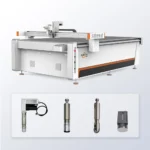
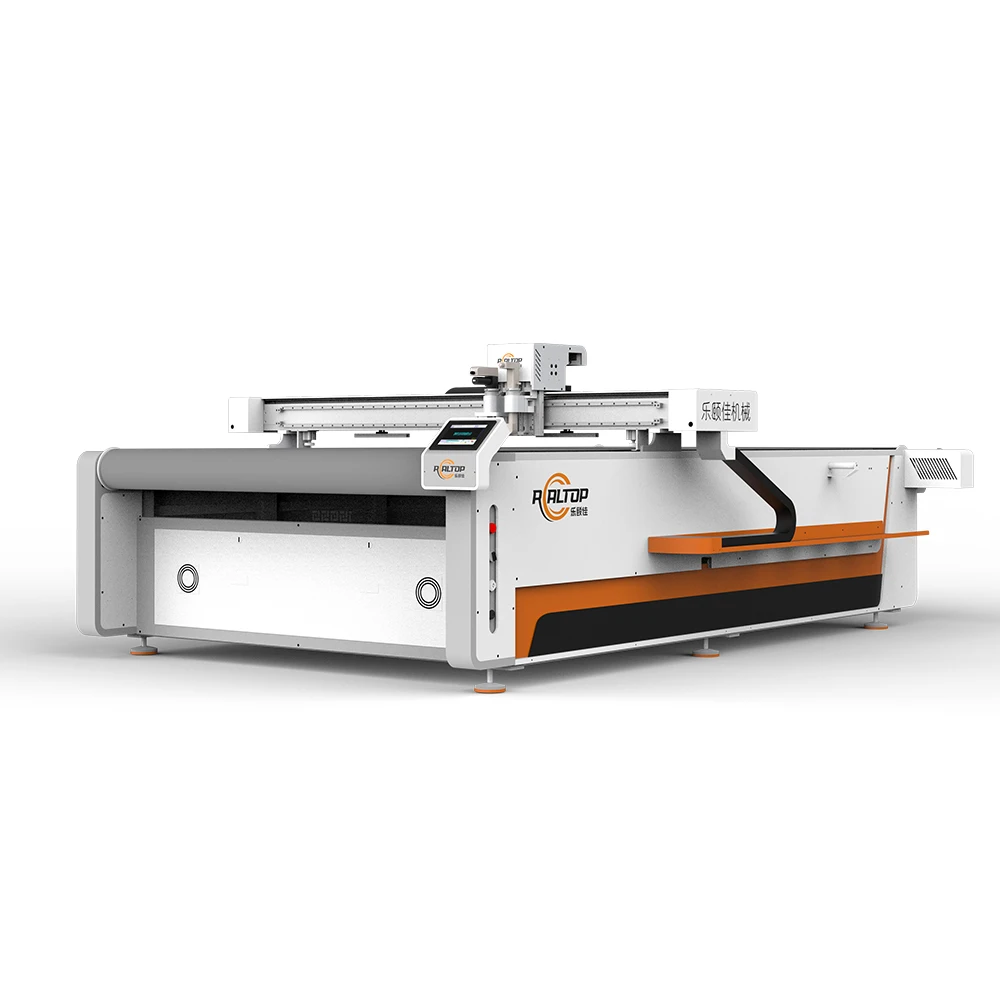
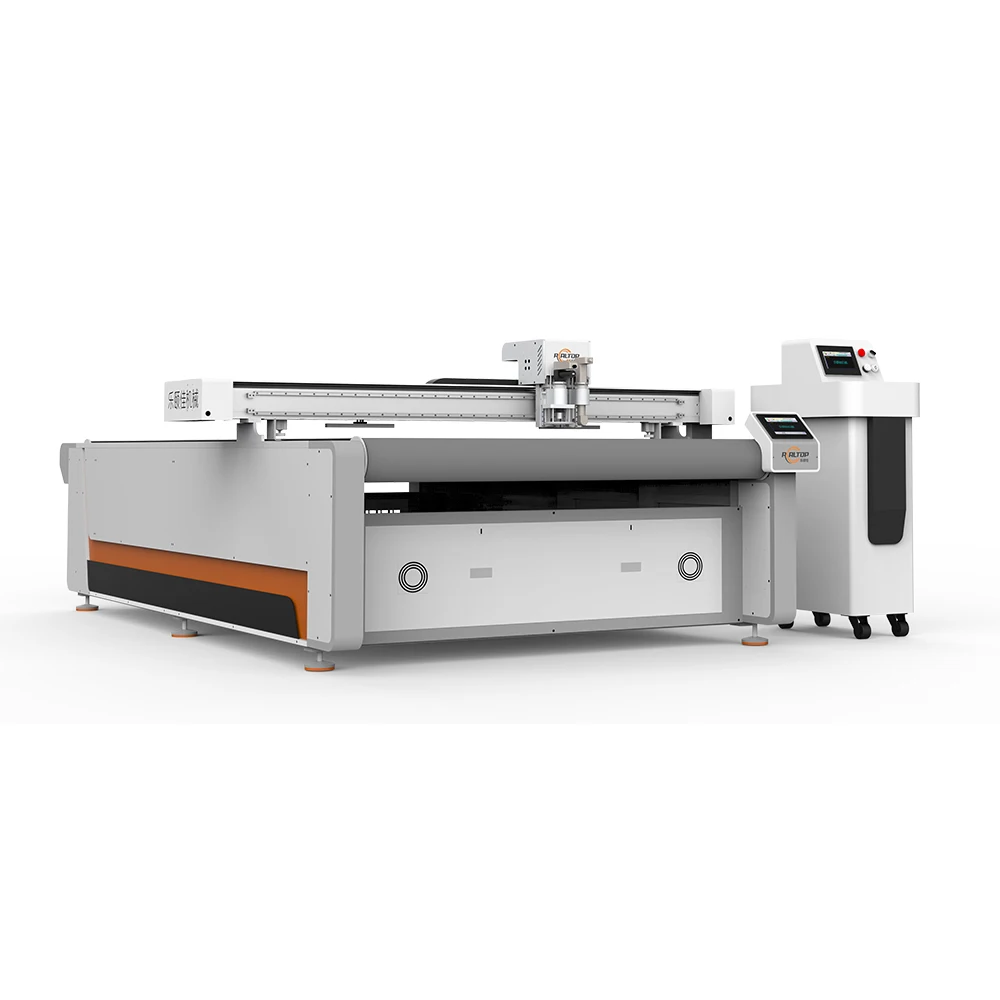
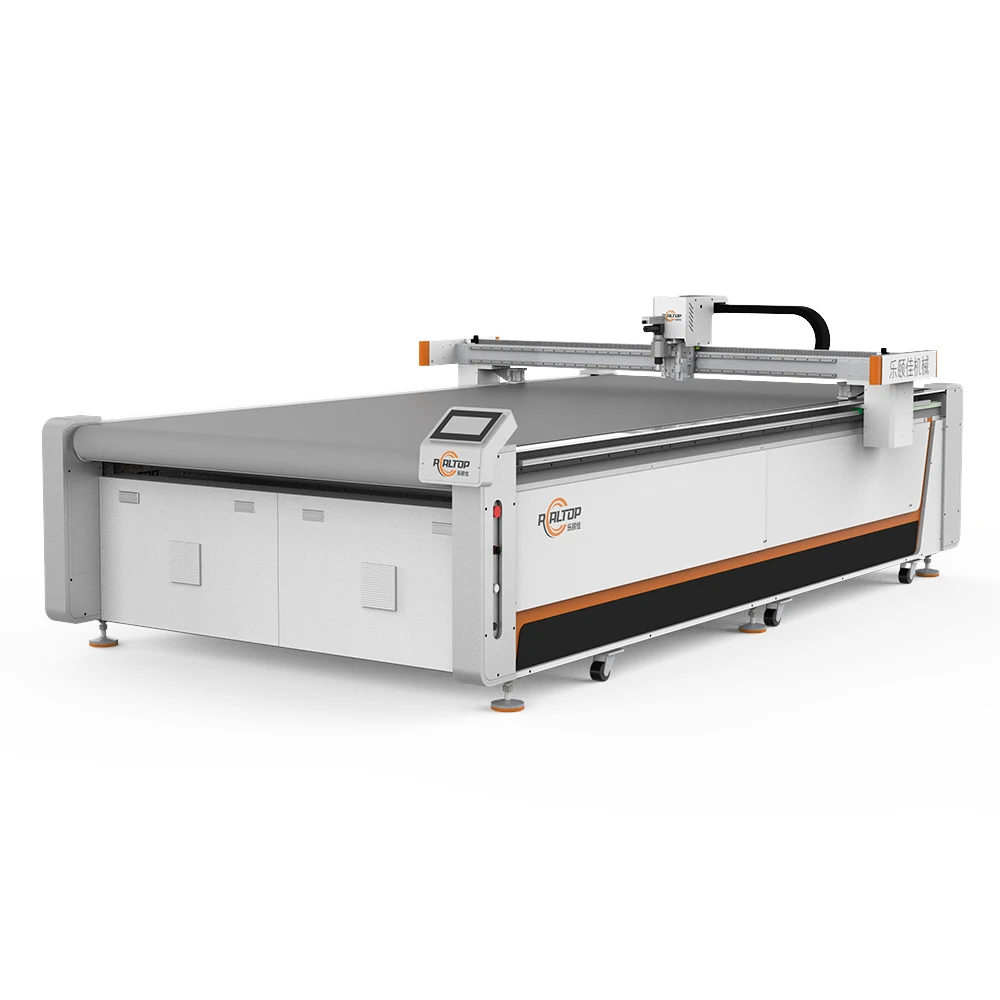
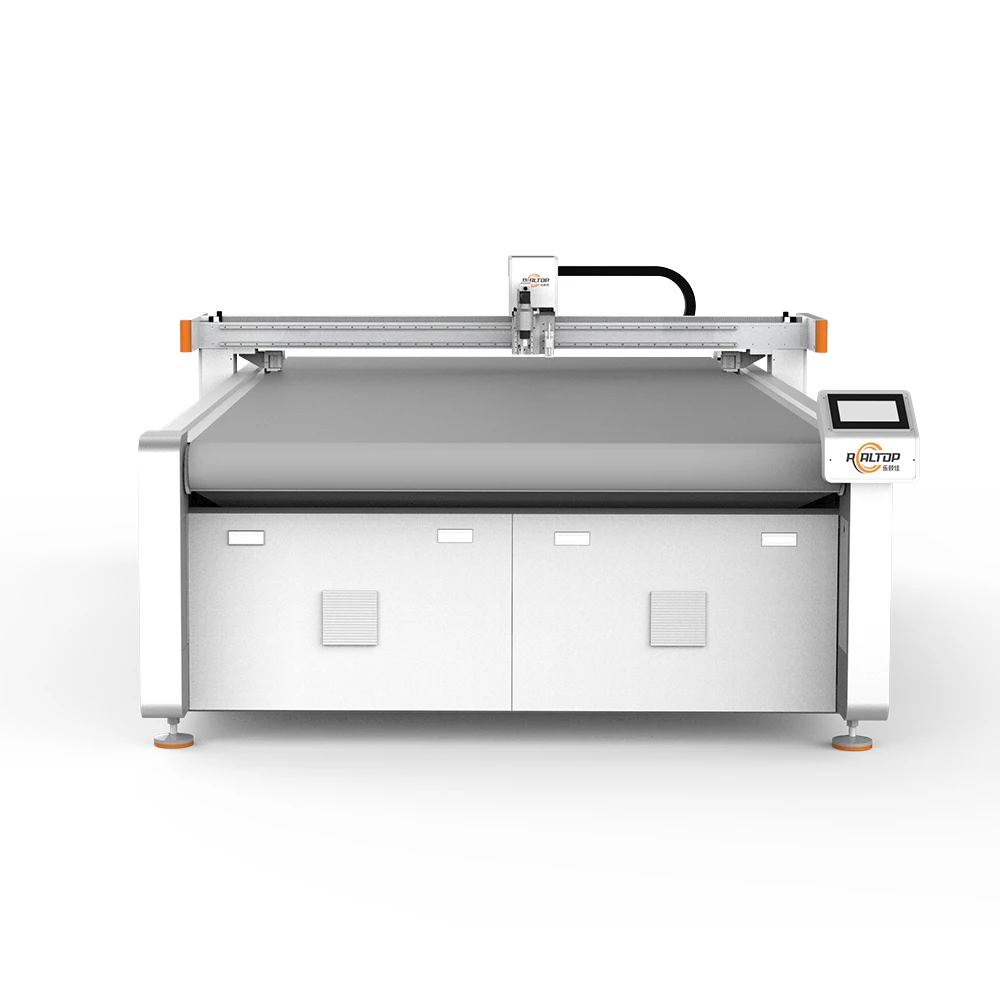
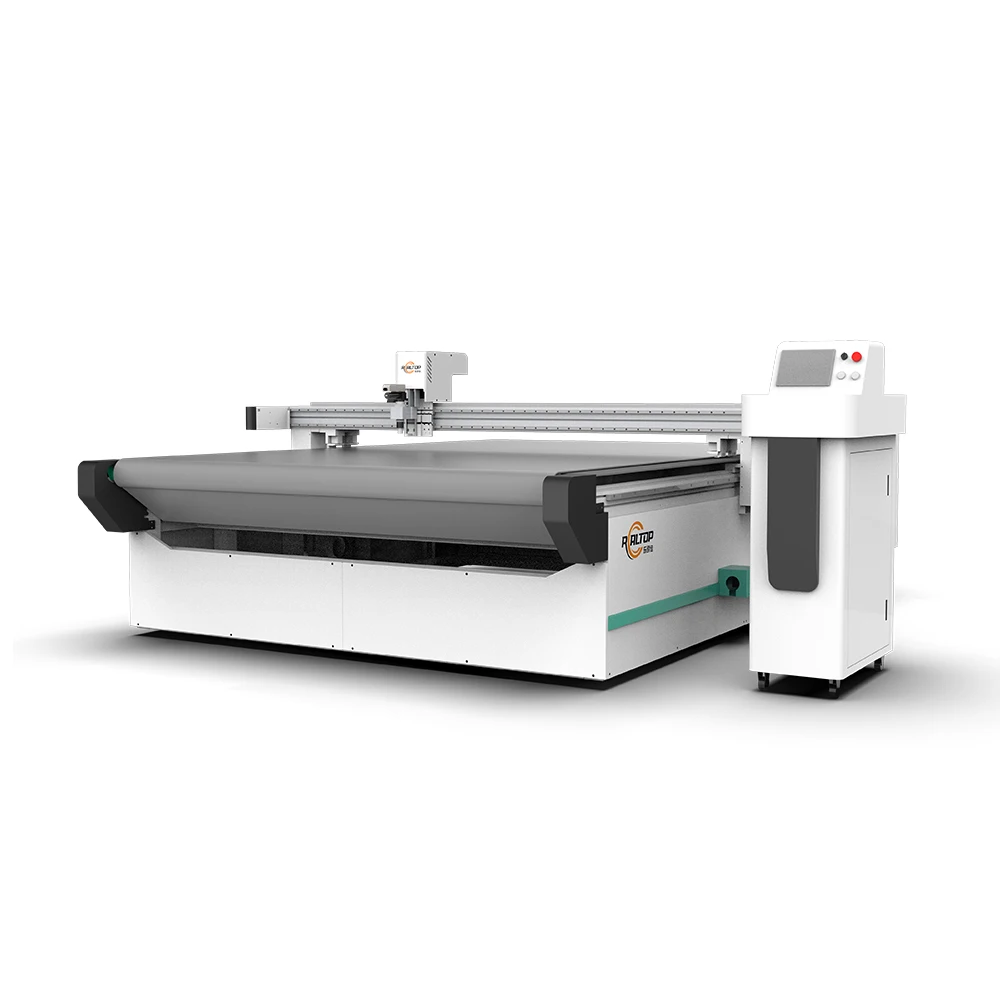
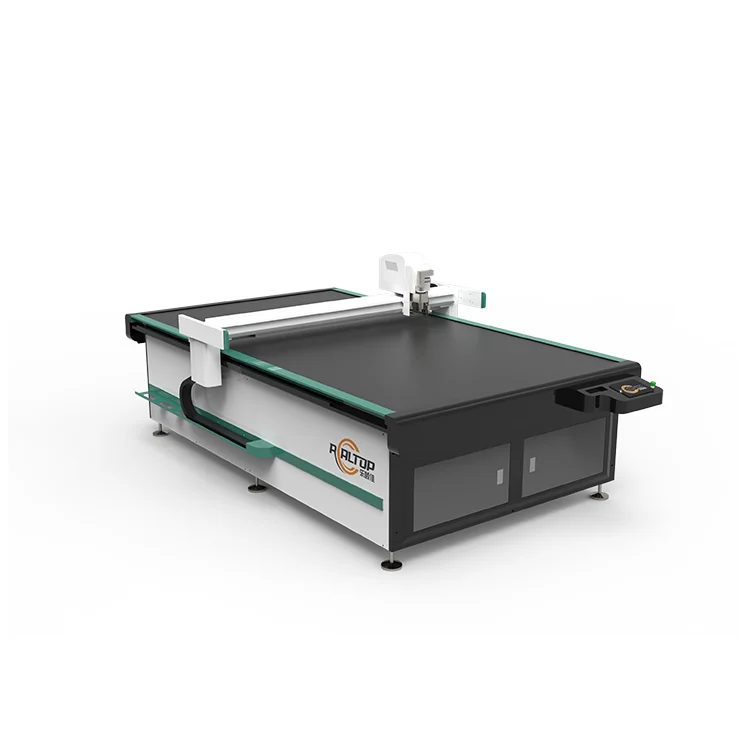
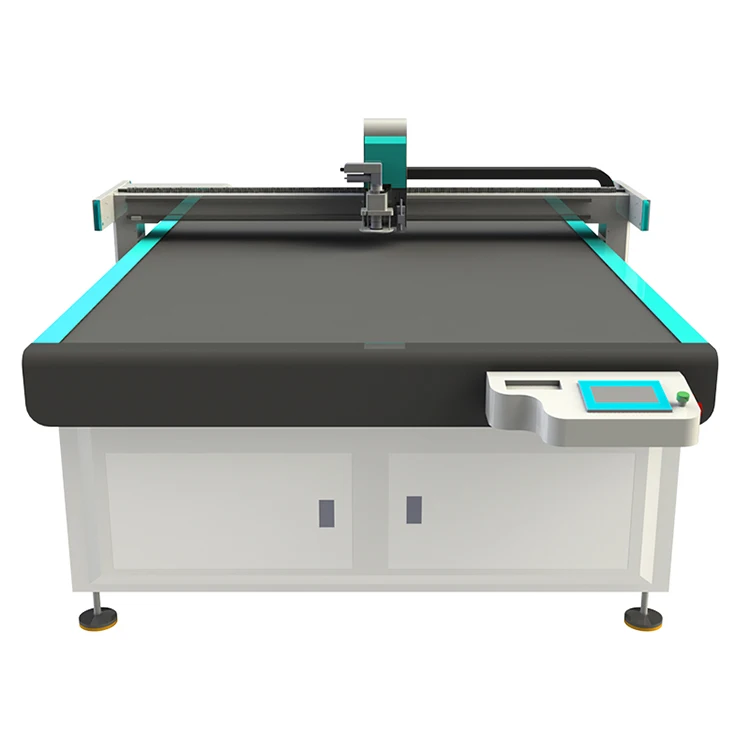
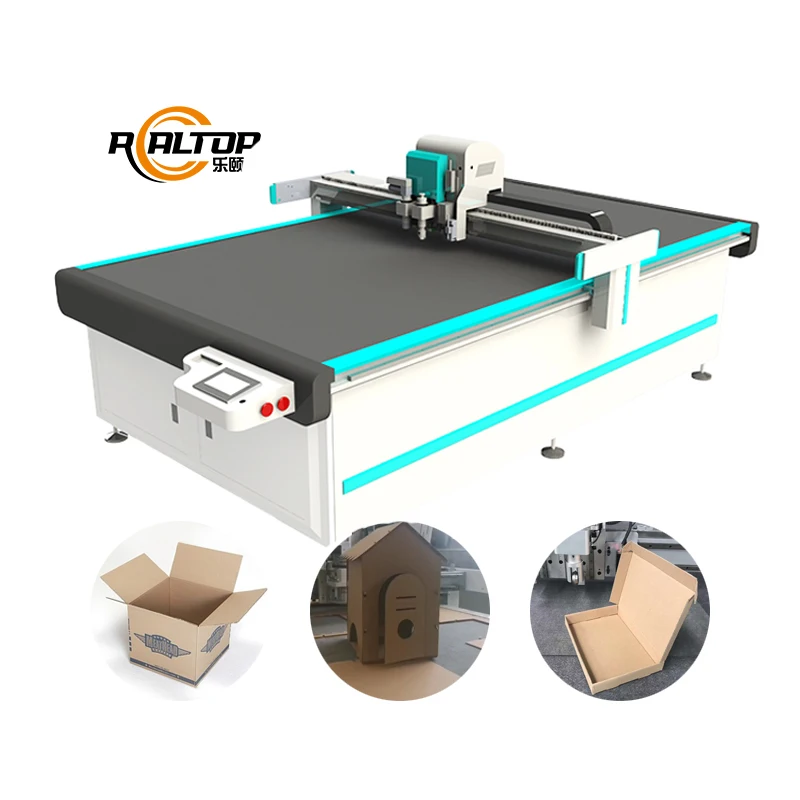
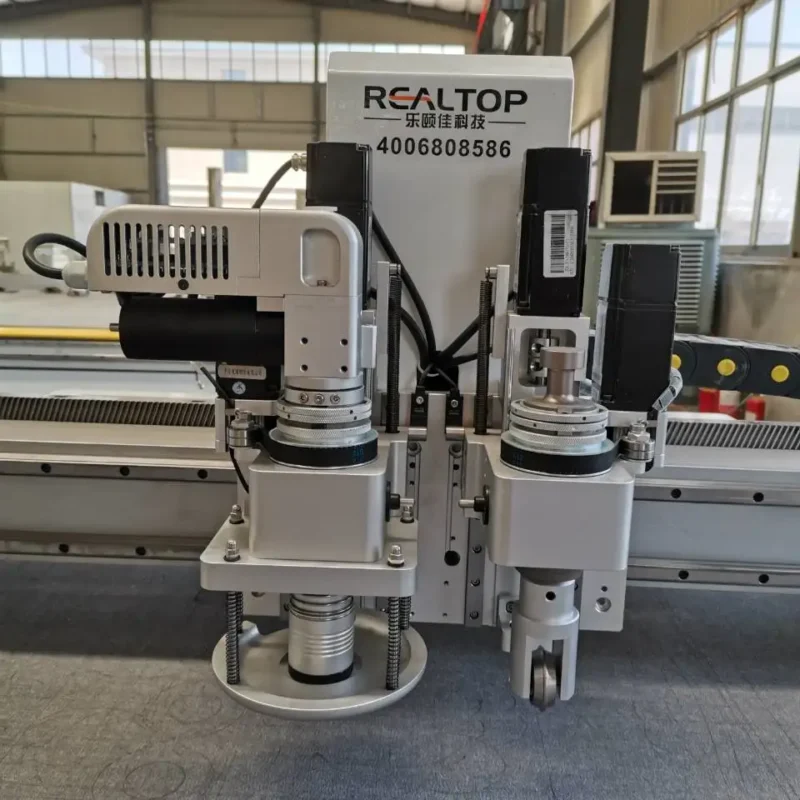
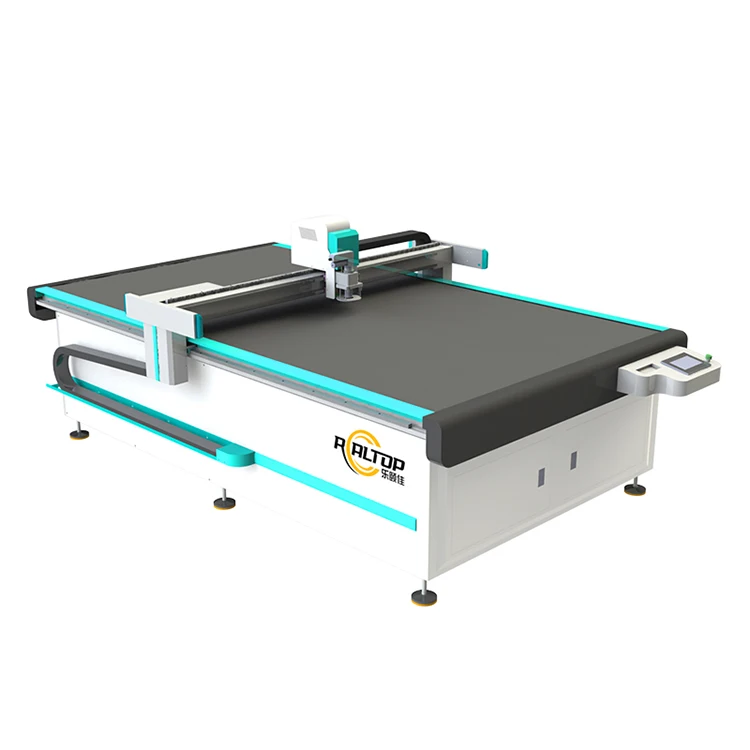
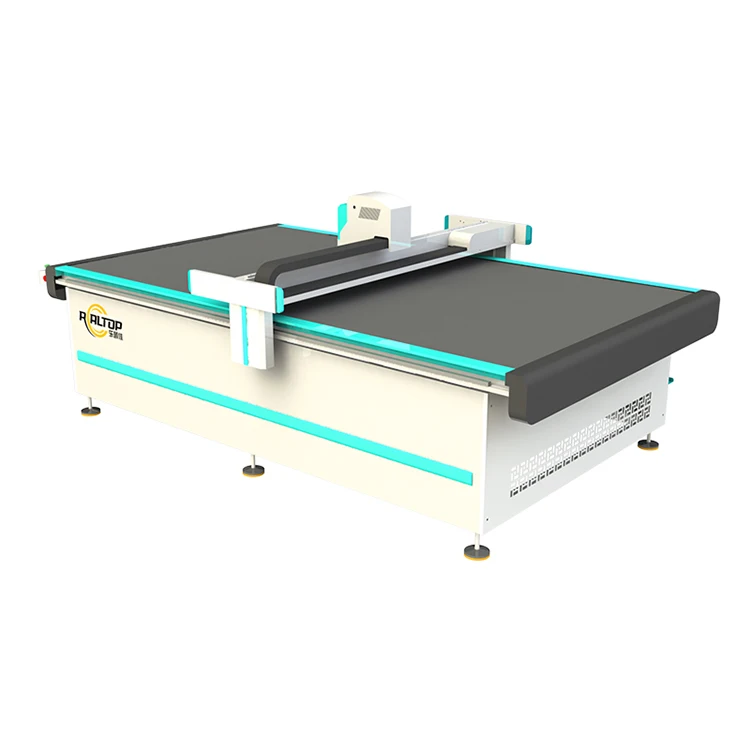
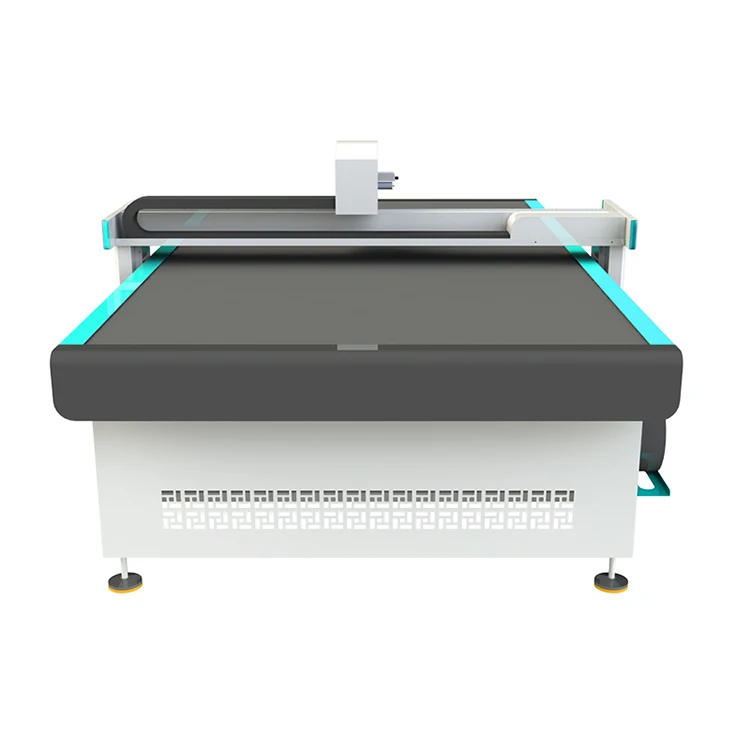
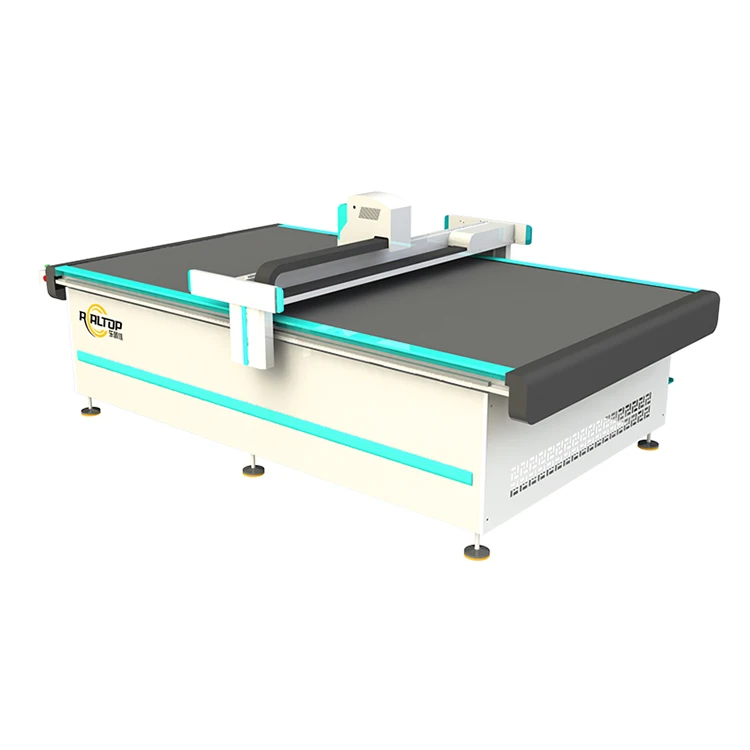
Tool Head And Table Configuration Specified Per Material — every 1625 CNC oscillating knife cutting machine is matched to the buyer’s fabric, PVC, foam or composite sample before final configuration is locked.
Technical Specifications
| Parameter | Value |
|---|---|
| Product Type | CNC Oscillating Knife Cutting Machine |
| Model | 1625 |
| Working Area | 1600×2500 mm |
| Tool Head Options | Oscillating knife, Driven rotary knife, Creasing wheel, Kiss cutting tool, Pneumatic knife, Milling tool, V groove knife |
| Cutting Speed | 0–2000 mm/s |
| Cutting Thickness | Up to 30 mm (basis not stated in source — confirm material type and density) |
| Cutting Accuracy | ±0.1 mm |
| Vacuum Table | Aluminum bellows vacuum table |
| Vacuum Pump | 9 kW |
| Control System | PLC control panel |
| Servo Motor Brands | Panasonic, Delta, Dorna |
| File Format Compatibility | PLT, DXF, AI, PDF |
| Safety Devices | Infrared sensor, Emergency stop |
| Voltage Options | 110V, 220V, 380V |
| Software Language Options | English, Russian, Italian, Chinese (special languages customizable) |
| Machine Dimensions (L×W×H) | 3300×2100×1350 mm |
Application Suitability
| Application | Material or Output |
|---|---|
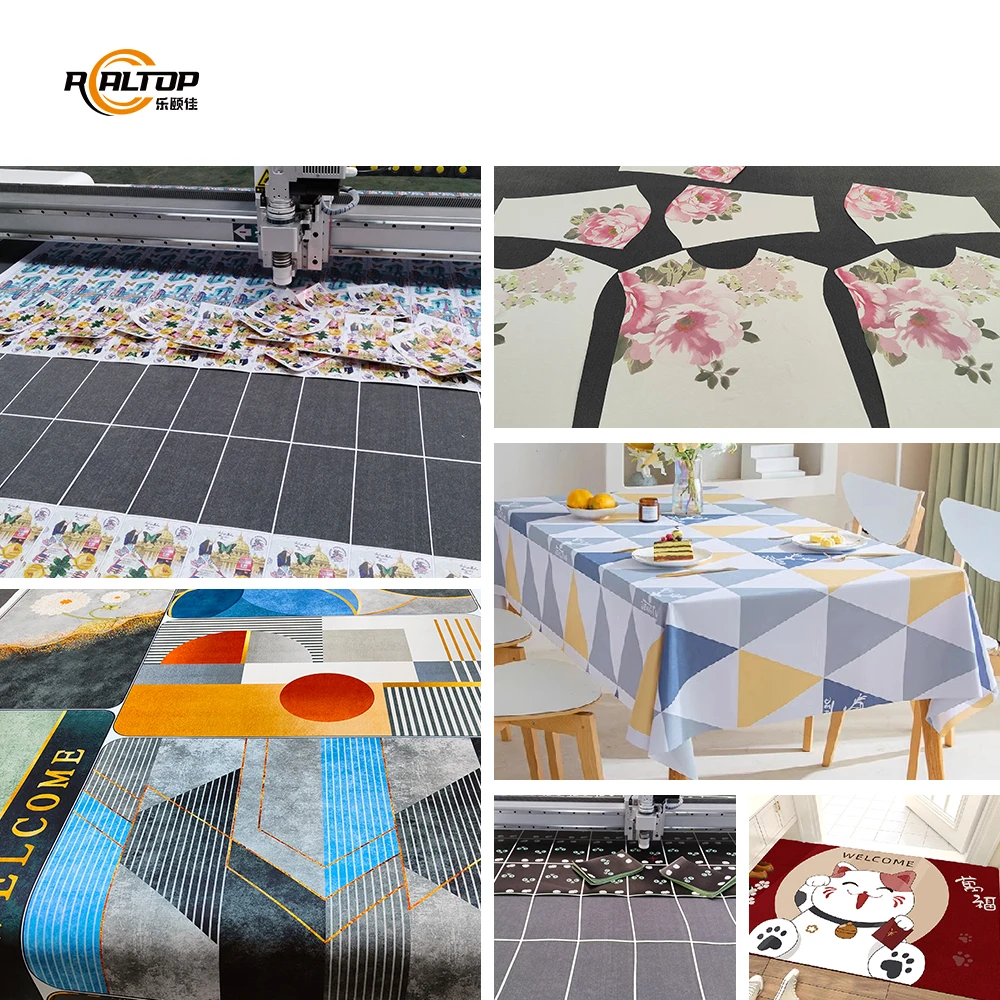
| Apparel manufacturing | Suits, knitwear, lace, complex patterned fabrics |
| Automotive interiors | Seat fabrics, carpets, PVC mats |
| Home textiles | Sofa fabrics, curtains, rugs |
| Composite processing | Carbon fiber prepreg, aramid, specialty materials |
| Flexible material cutting | Fabric, cardboard, carton, mats, PVC, EVA, leather, acrylic, foam, PTFE, rubber |
Why Cutting Thickness Alone Is Not Enough to Specify a Cloth CNC Cutting Machine
The working area and stated thickness limit mean nothing until the tool head, vacuum zoning and blade type are matched to your actual material.
I have seen buyers focus on the 1600×2500 mm bed and assume any fabric up to 30 mm would cut cleanly. Then the machine arrives, the standard oscillating knife tears through the top layers but crushes the foam backing, and the vacuum zones are sized for full sheets rather than the small nested parts the buyer actually runs. The cutting speed drops, the edges fray, and production stalls while the operator reprograms tool paths that should have been resolved before shipment [NEED_CITE: CNC knife cutting machine tool head selection by material type]. A CNC oscillating knife cutting machine manufacturer who asks for your material sample first will catch these mismatches before they reach the factory floor.
Knife Versus Laser: Matching the Cutting Method to Your Material
The 1625 platform sits inside a broader catalogue that includes both knife and laser cutting systems. Oscillating knife is the default for layered fabrics, PVC tarpaulin and composite prepreg because it produces no thermal edge — no melting, no discoloration, no fumes. When the material is thin synthetic textile or acrylic signage, a CO2 laser seals the edge as it cuts, eliminating post-processing. Selecting between the two is a material decision, not a price decision, and forcing one method onto the wrong substrate shows up immediately as ragged edges or scorched surfaces.
Multi-Layer Stacking and the Vacuum Question
Cutting up to 30–50 mm of stacked fabric layers (basis not stated in source — confirm fabric type and layer count) demands a vacuum table that holds every piece flat, including small nested parts near the sheet edge. The aluminum bellows table on this unit provides full-surface adsorption across the 1600×2500 mm working area. When zoning is inadequate, small cut pieces lift under the blade, producing dimensional drift and forcing manual rework. Buyers running high-volume garment panels should verify vacuum zoning against their nesting layout before the machine ships [NEED_CITE: vacuum table zoning requirements for small nested parts on flatbed cutters].
Reading the Spec Sheet Beyond the Headline Numbers
The ±0.1 mm cutting accuracy depends on the servo system — Panasonic, Delta and Dorna motors are all available, and the choice affects how the machine behaves during direction reversals at the 2000 mm/s top speed. A 9 kW vacuum pump generates the suction needed for dense, air-permeable materials like woven canvas or carbon fiber prepreg; lighter non-wovens require less. The PLC control panel imports PLT, DXF, AI and PDF files directly, so the nesting software the buyer already uses does not have to be replaced. Safety infrared sensors stop the carriage before contact with an operator, and the emergency stop cuts all motion circuits independently.
The Hidden Cost of Skipping the Sample Cut
I once configured a unit for standard PVC tarpaulin, ran the sample perfectly, and shipped. The buyer’s actual roll stock carried a flame-retardant coating that raised surface hardness substantially. The standard blade wore out roughly three times faster, output dropped sharply, and we ended up shipping a pneumatic knife head as a field retrofit. Every case like this traces back to one missing step: cutting the buyer’s real material, not a catalog substitute [NEED_CITE: blade wear rates on coated versus uncoated PVC tarpaulin]. Requesting a sample cutting report before commitment is the cheapest insurance a buyer can get.
Why Source This Range Here
In-house design covers both oscillating knife and laser platforms, so the recommendation is based on the material, not on which machine needs to move off the showroom floor. Tool head and table configuration are specified per material type and production volume rather than sold as a fixed package. CCD camera positioning is available for printed contour work where registration marks must be tracked at cutting speed. Software file format compatibility is confirmed against the buyer’s nesting workflow before the order is finalized. Voltage, control language and safety labeling are customized to the destination market. A sample cut on the buyer’s own material is completed before any production commitment is made.
Documentation & Verification
- Machine specification sheet confirming 1600×2500 mm working area, selected tool heads and voltage
- Sample cutting report run on the buyer’s actual fabric, PVC or composite material
- Electrical schematic with voltage and frequency matched to the destination plant
- Tool head and vacuum table configuration list detailing each interchangeable option
- Software licence and file format compatibility note covering PLT, DXF, AI and PDF import
- Factory test record and packing photographs taken before crate closure
Installation, Commissioning & Support
- Foundation must be level within tolerance across the 3300×2100×1350 mm machine footprint
- Dedicated electrical circuit matching the confirmed 110V, 220V or 380V supply and 9 kW vacuum pump load
- Machine arrives partially disassembled; gantry and tool head carriage are mounted on site
- First-power commissioning includes PLC panel language setup and servo calibration per selected motor brand
- Operator training covers tool head changeover, vacuum zoning adjustment and file import workflow
- Spare blade and consumable list provided based on the confirmed material type and daily volume
What We Need to Build the Right Configuration
Send a sample of the exact material you plan to cut — type, thickness and any surface coating. Tell us the largest sheet size and the daily output target so we can size the vacuum zoning and select the correct tool head. Confirm your plant voltage, frequency and the control language your operators prefer. If you already run nesting software, share a sample file so we verify import compatibility before quotation.
Frequently Asked Questions
Q: Should I choose oscillating knife or laser for coated PVC tarpaulin?
A: Oscillating knife is preferred for coated PVC because it cuts without thermal effect, avoiding melted edges and toxic fumes. The tool head option — standard oscillating, pneumatic or driven rotary — is selected based on coating hardness and layer count. A sample cut on your actual roll stock confirms which head holds an edge longest and delivers clean results at production speed.
Q: Does the 1600×2500 mm bed handle small nested garment pieces without lifting?
A: The aluminum bellows vacuum table provides full-surface adsorption, but zoning must match your nesting layout. Small pattern pieces near the sheet edge can lift if the active vacuum zone is too large. We review your nesting file before shipment and adjust zone boundaries so every piece stays flat through the final cut.
Q: What must I confirm about voltage and language before the machine ships?
A: Voltage is configurable across 110V, 220V and 380V, but frequency and plug type must match your local supply exactly. The PLC control panel supports English, Russian, Italian, Chinese and custom languages. Confirming these details before production prevents a machine that physically cannot be powered on or operated at your facility upon arrival.
Q: Can the software import my existing nesting files?
A: The control system accepts PLT, DXF, AI and PDF formats directly. If your workflow uses a proprietary nesting export, share a sample file during the inquiry stage so we can test import, verify layer recognition and confirm that tool path assignments carry over correctly before the order is finalized.
Q: How does multi-layer cutting capacity depend on material type?
A: Stacked fabric cutting up to 30–50 mm thickness depends on fabric density, weave and compressibility. Heavy woven canvas compresses differently than lightweight knit, so the practical layer count varies. We run a stacking test with your specific fabric to establish a reliable layer count and cutting speed before quoting a production configuration.
Tool Head And Table Configuration Specified Per Material — every 1625 CNC oscillating knife cutting machine is matched to the buyer’s fabric, PVC, foam or composite sample before final configuration is locked.
Technical Specifications
| Parameter | Value |
|---|---|
| Product Type | CNC Oscillating Knife Cutting Machine |
| Model | 1625 |
| Working Area | 1600×2500 mm |
| Tool Head Options | Oscillating knife, Driven rotary knife, Creasing wheel, Kiss cutting tool, Pneumatic knife, Milling tool, V groove knife |
| Cutting Speed | 0–2000 mm/s |
| Cutting Thickness | Up to 30 mm (basis not stated in source — confirm material type and density) |
| Cutting Accuracy | ±0.1 mm |
| Vacuum Table | Aluminum bellows vacuum table |
| Vacuum Pump | 9 kW |
| Control System | PLC control panel |
| Servo Motor Brands | Panasonic, Delta, Dorna |
| File Format Compatibility | PLT, DXF, AI, PDF |
| Safety Devices | Infrared sensor, Emergency stop |
| Voltage Options | 110V, 220V, 380V |
| Software Language Options | English, Russian, Italian, Chinese (special languages customizable) |
| Machine Dimensions (L×W×H) | 3300×2100×1350 mm |
Application Suitability
| Application | Material or Output |
|---|---|
| Apparel manufacturing | Suits, knitwear, lace, complex patterned fabrics |
| Automotive interiors | Seat fabrics, carpets, PVC mats |
| Home textiles | Sofa fabrics, curtains, rugs |
| Composite processing | Carbon fiber prepreg, aramid, specialty materials |
| Flexible material cutting | Fabric, cardboard, carton, mats, PVC, EVA, leather, acrylic, foam, PTFE, rubber |
Why Cutting Thickness Alone Is Not Enough to Specify a Cloth CNC Cutting Machine
The working area and stated thickness limit mean nothing until the tool head, vacuum zoning and blade type are matched to your actual material.
I have seen buyers focus on the 1600×2500 mm bed and assume any fabric up to 30 mm would cut cleanly. Then the machine arrives, the standard oscillating knife tears through the top layers but crushes the foam backing, and the vacuum zones are sized for full sheets rather than the small nested parts the buyer actually runs. The cutting speed drops, the edges fray, and production stalls while the operator reprograms tool paths that should have been resolved before shipment [NEED_CITE: CNC knife cutting machine tool head selection by material type]. A CNC oscillating knife cutting machine manufacturer who asks for your material sample first will catch these mismatches before they reach the factory floor.
Knife Versus Laser: Matching the Cutting Method to Your Material
The 1625 platform sits inside a broader catalogue that includes both knife and laser cutting systems. Oscillating knife is the default for layered fabrics, PVC tarpaulin and composite prepreg because it produces no thermal edge — no melting, no discoloration, no fumes. When the material is thin synthetic textile or acrylic signage, a CO2 laser seals the edge as it cuts, eliminating post-processing. Selecting between the two is a material decision, not a price decision, and forcing one method onto the wrong substrate shows up immediately as ragged edges or scorched surfaces.
Multi-Layer Stacking and the Vacuum Question
Cutting up to 30–50 mm of stacked fabric layers (basis not stated in source — confirm fabric type and layer count) demands a vacuum table that holds every piece flat, including small nested parts near the sheet edge. The aluminum bellows table on this unit provides full-surface adsorption across the 1600×2500 mm working area. When zoning is inadequate, small cut pieces lift under the blade, producing dimensional drift and forcing manual rework. Buyers running high-volume garment panels should verify vacuum zoning against their nesting layout before the machine ships [NEED_CITE: vacuum table zoning requirements for small nested parts on flatbed cutters].
Reading the Spec Sheet Beyond the Headline Numbers
The ±0.1 mm cutting accuracy depends on the servo system — Panasonic, Delta and Dorna motors are all available, and the choice affects how the machine behaves during direction reversals at the 2000 mm/s top speed. A 9 kW vacuum pump generates the suction needed for dense, air-permeable materials like woven canvas or carbon fiber prepreg; lighter non-wovens require less. The PLC control panel imports PLT, DXF, AI and PDF files directly, so the nesting software the buyer already uses does not have to be replaced. Safety infrared sensors stop the carriage before contact with an operator, and the emergency stop cuts all motion circuits independently.
The Hidden Cost of Skipping the Sample Cut
I once configured a unit for standard PVC tarpaulin, ran the sample perfectly, and shipped. The buyer’s actual roll stock carried a flame-retardant coating that raised surface hardness substantially. The standard blade wore out roughly three times faster, output dropped sharply, and we ended up shipping a pneumatic knife head as a field retrofit. Every case like this traces back to one missing step: cutting the buyer’s real material, not a catalog substitute [NEED_CITE: blade wear rates on coated versus uncoated PVC tarpaulin]. Requesting a sample cutting report before commitment is the cheapest insurance a buyer can get.
Why Source This Range Here
In-house design covers both oscillating knife and laser platforms, so the recommendation is based on the material, not on which machine needs to move off the showroom floor. Tool head and table configuration are specified per material type and production volume rather than sold as a fixed package. CCD camera positioning is available for printed contour work where registration marks must be tracked at cutting speed. Software file format compatibility is confirmed against the buyer’s nesting workflow before the order is finalized. Voltage, control language and safety labeling are customized to the destination market. A sample cut on the buyer’s own material is completed before any production commitment is made.
Documentation & Verification
- Machine specification sheet confirming 1600×2500 mm working area, selected tool heads and voltage
- Sample cutting report run on the buyer’s actual fabric, PVC or composite material
- Electrical schematic with voltage and frequency matched to the destination plant
- Tool head and vacuum table configuration list detailing each interchangeable option
- Software licence and file format compatibility note covering PLT, DXF, AI and PDF import
- Factory test record and packing photographs taken before crate closure
Installation, Commissioning & Support
- Foundation must be level within tolerance across the 3300×2100×1350 mm machine footprint
- Dedicated electrical circuit matching the confirmed 110V, 220V or 380V supply and 9 kW vacuum pump load
- Machine arrives partially disassembled; gantry and tool head carriage are mounted on site
- First-power commissioning includes PLC panel language setup and servo calibration per selected motor brand
- Operator training covers tool head changeover, vacuum zoning adjustment and file import workflow
- Spare blade and consumable list provided based on the confirmed material type and daily volume
What We Need to Build the Right Configuration
Send a sample of the exact material you plan to cut — type, thickness and any surface coating. Tell us the largest sheet size and the daily output target so we can size the vacuum zoning and select the correct tool head. Confirm your plant voltage, frequency and the control language your operators prefer. If you already run nesting software, share a sample file so we verify import compatibility before quotation.
Frequently Asked Questions
Q: Should I choose oscillating knife or laser for coated PVC tarpaulin?
A: Oscillating knife is preferred for coated PVC because it cuts without thermal effect, avoiding melted edges and toxic fumes. The tool head option — standard oscillating, pneumatic or driven rotary — is selected based on coating hardness and layer count. A sample cut on your actual roll stock confirms which head holds an edge longest and delivers clean results at production speed.
Q: Does the 1600×2500 mm bed handle small nested garment pieces without lifting?
A: The aluminum bellows vacuum table provides full-surface adsorption, but zoning must match your nesting layout. Small pattern pieces near the sheet edge can lift if the active vacuum zone is too large. We review your nesting file before shipment and adjust zone boundaries so every piece stays flat through the final cut.
Q: What must I confirm about voltage and language before the machine ships?
A: Voltage is configurable across 110V, 220V and 380V, but frequency and plug type must match your local supply exactly. The PLC control panel supports English, Russian, Italian, Chinese and custom languages. Confirming these details before production prevents a machine that physically cannot be powered on or operated at your facility upon arrival.
Q: Can the software import my existing nesting files?
A: The control system accepts PLT, DXF, AI and PDF formats directly. If your workflow uses a proprietary nesting export, share a sample file during the inquiry stage so we can test import, verify layer recognition and confirm that tool path assignments carry over correctly before the order is finalized.
Q: How does multi-layer cutting capacity depend on material type?
A: Stacked fabric cutting up to 30–50 mm thickness depends on fabric density, weave and compressibility. Heavy woven canvas compresses differently than lightweight knit, so the practical layer count varies. We run a stacking test with your specific fabric to establish a reliable layer count and cutting speed before quoting a production configuration.
商品评价
There are no reviews yet.