


Fast Delivery
Quick, reliable shipping to any location.

Free & easy returns
Return this item by mail or in store within 90 days for a full refund.
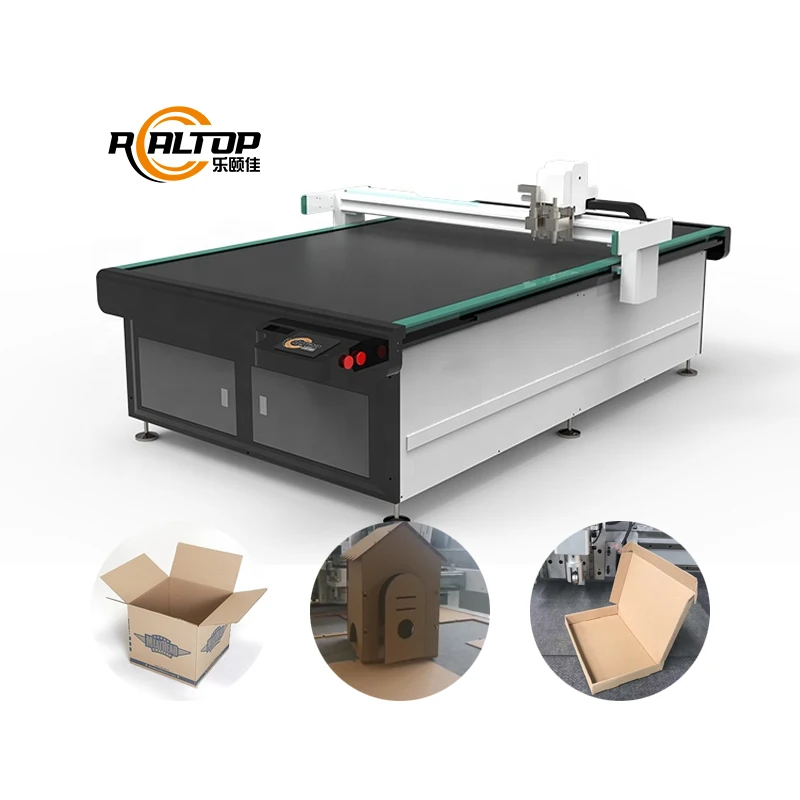
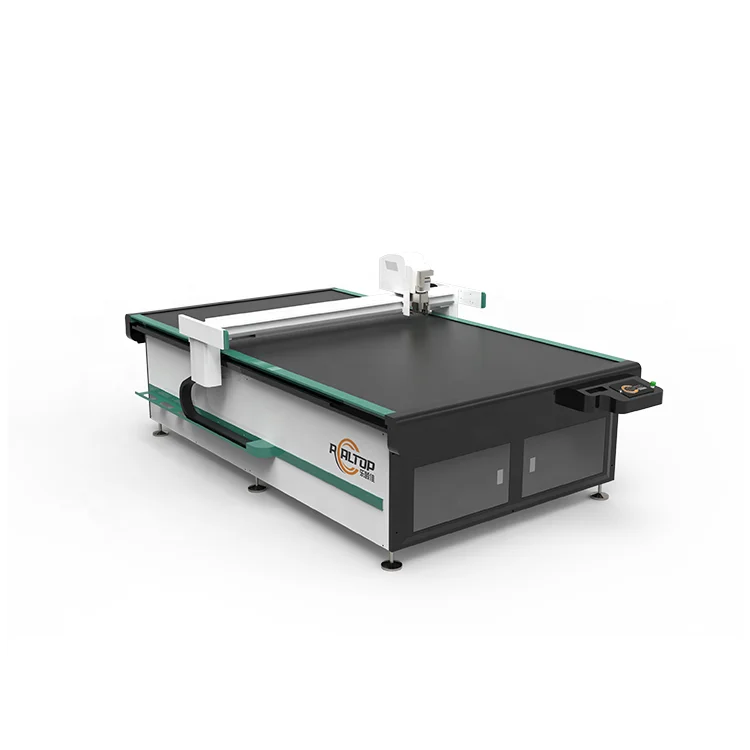
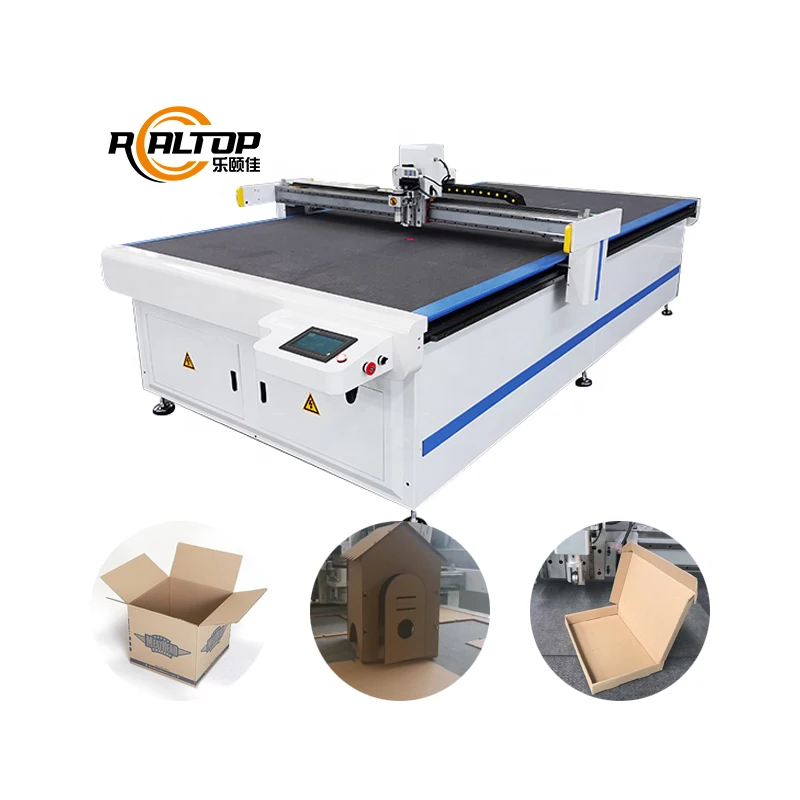
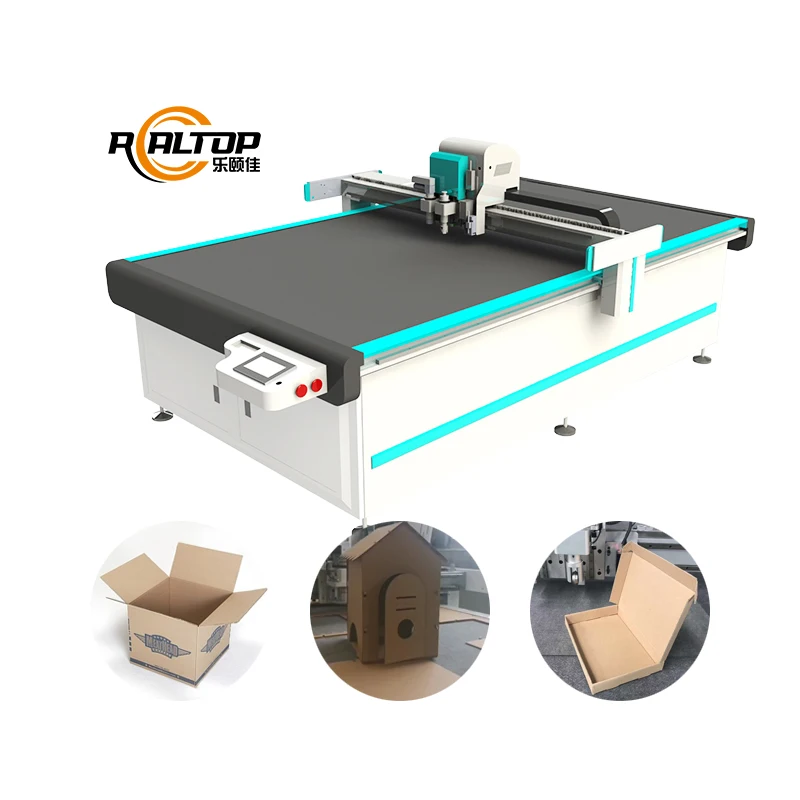
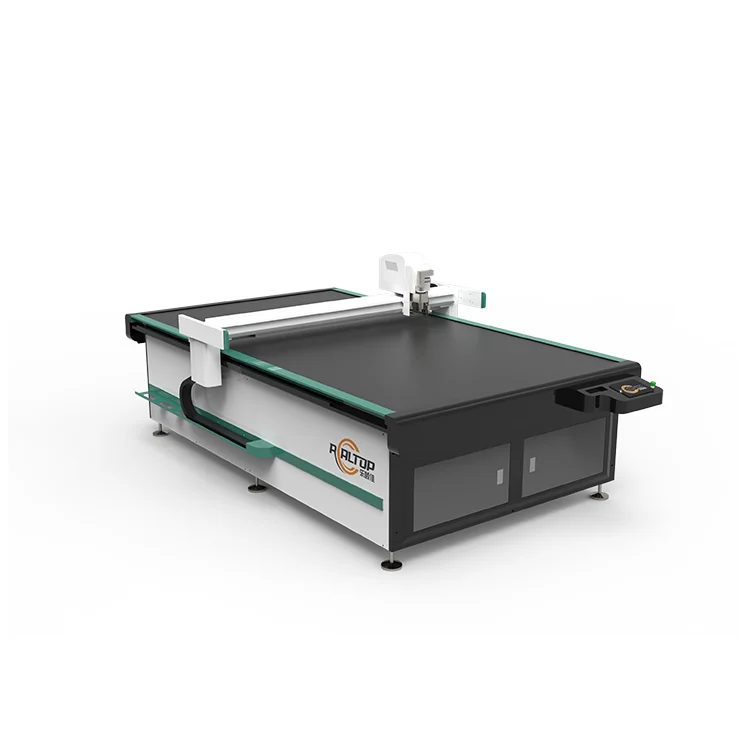
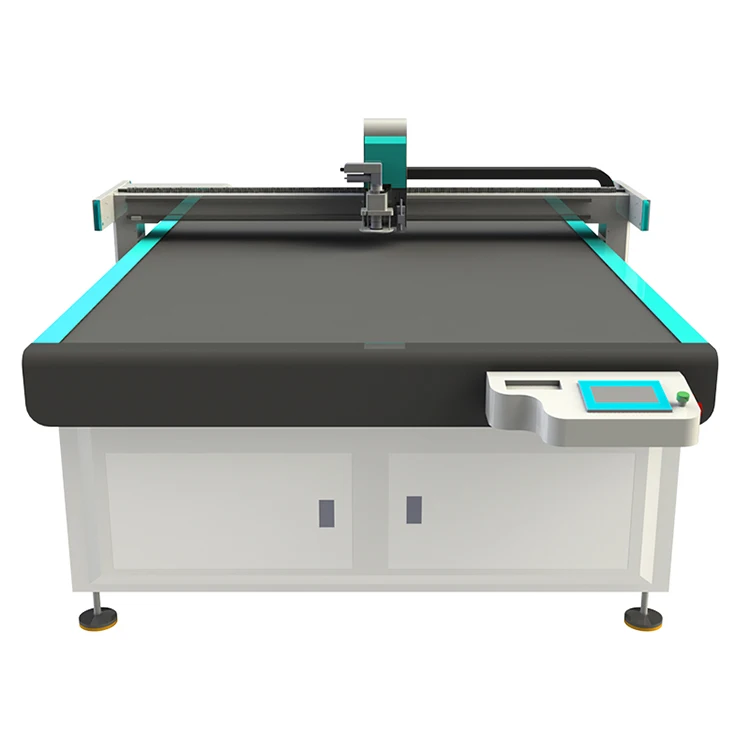
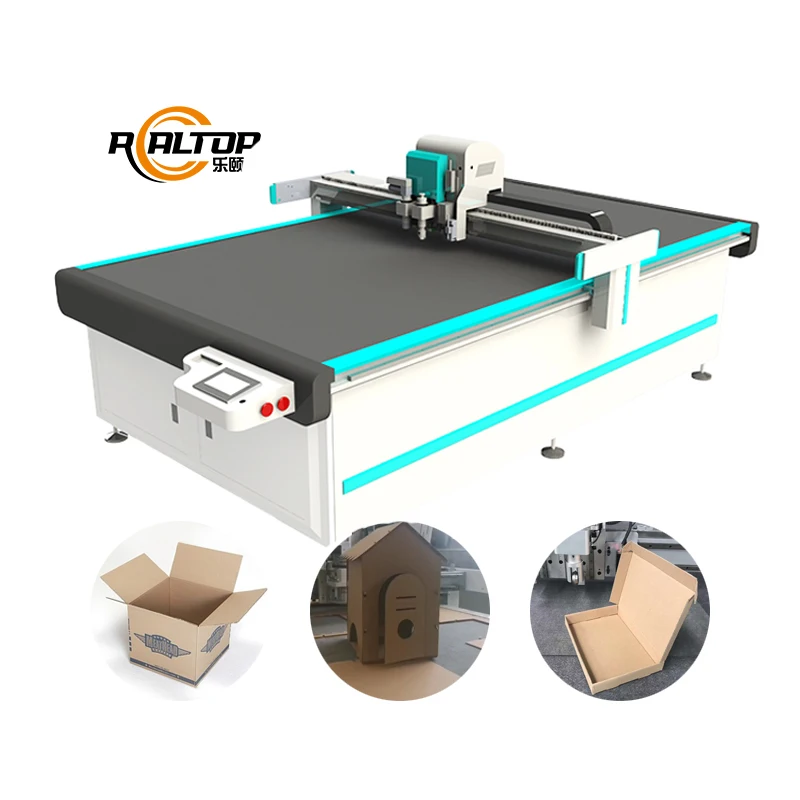
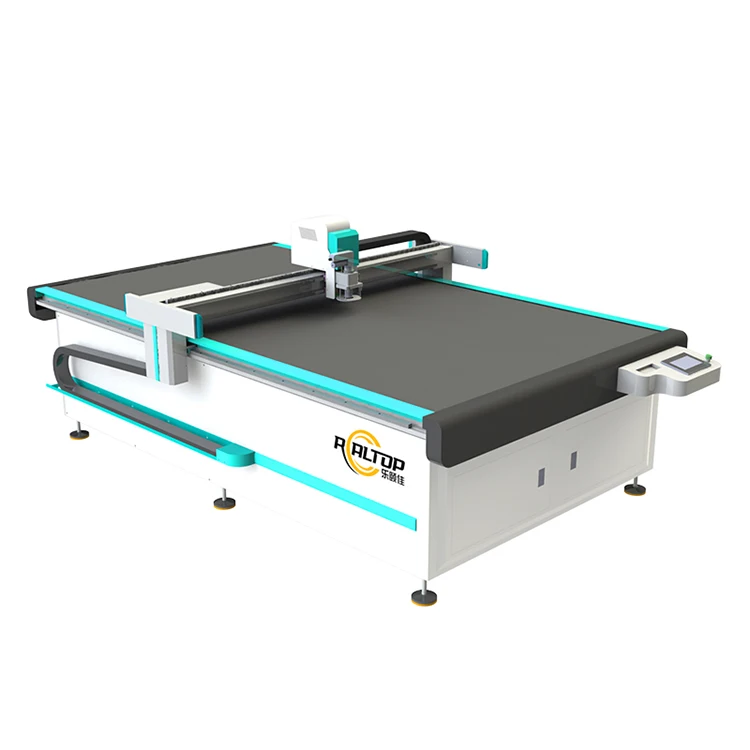
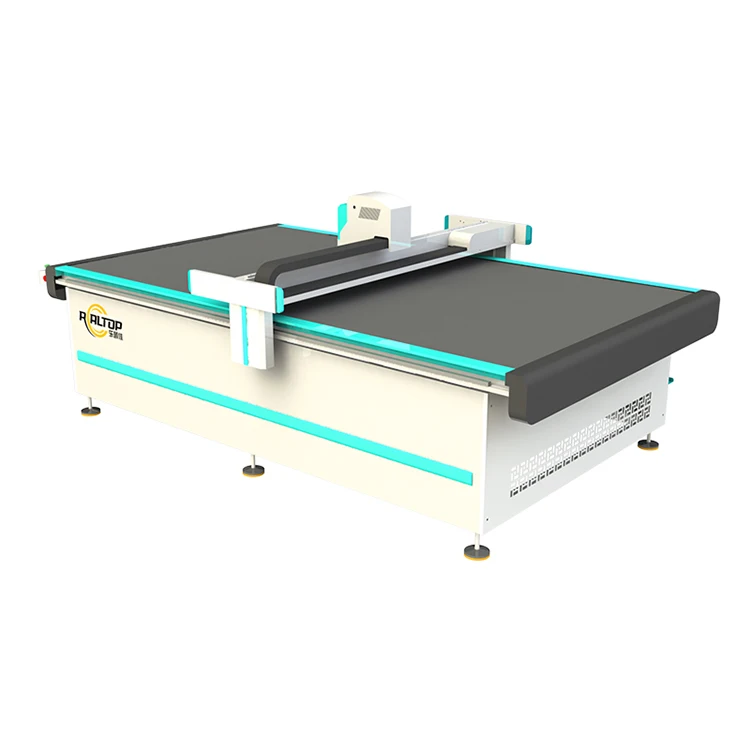
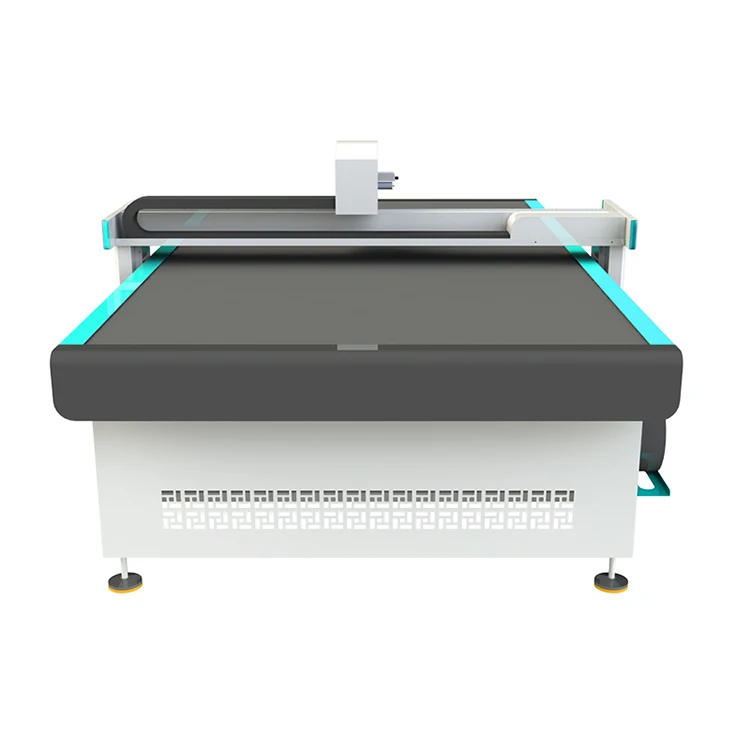
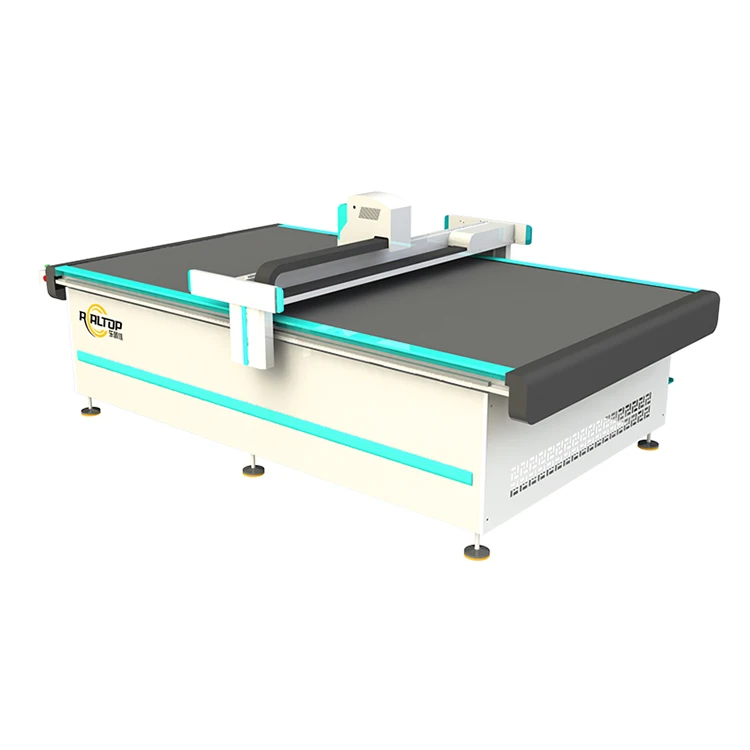
Complete Range — the RT-D2516 bridges oscillating knife, pneumatic tool and creasing functions on one flatbed, so packaging, leather and composite buyers specify the cutting method that suits their material instead of forcing a single tooling approach.
Technical Specifications
| Parameter | Value |
|---|---|
| Model | RT-D2516 |
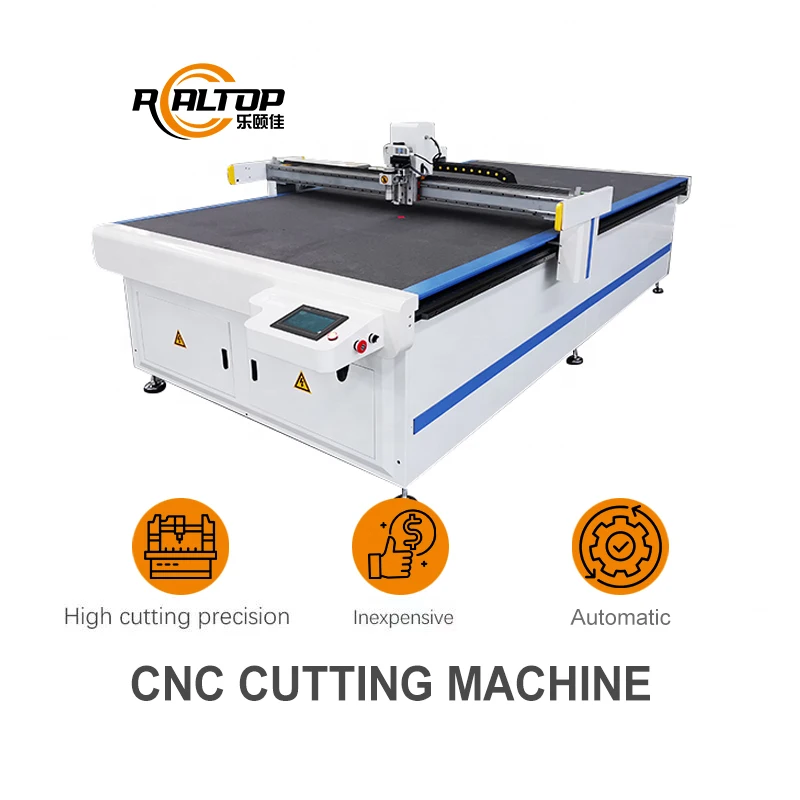
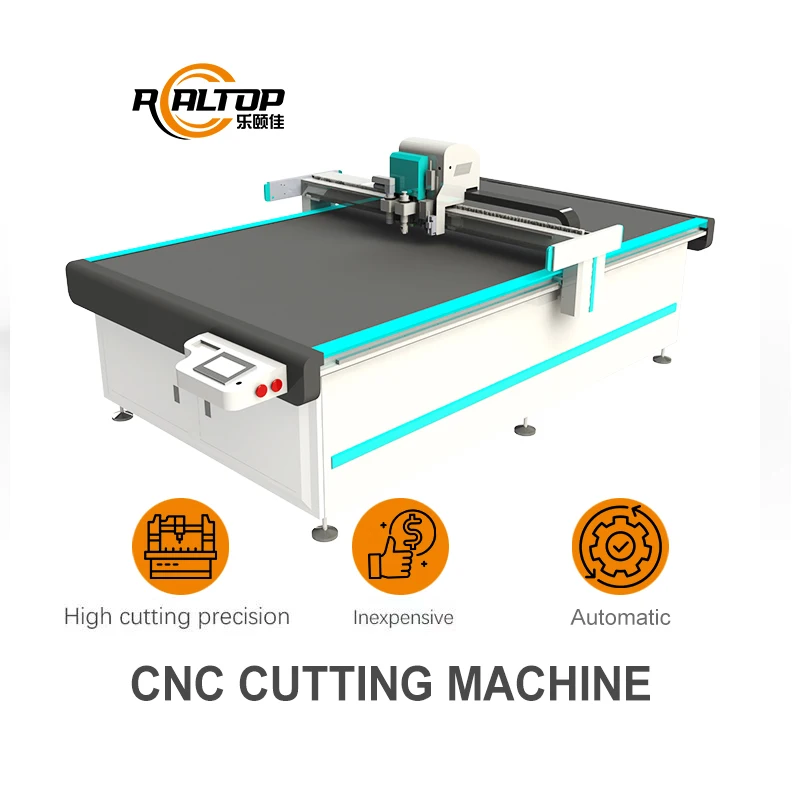
| Product Type | CNC Flatbed Digital Cutting Table |
| Working Area | 1600 × 2500 mm |
| Machine Size | 3450 × 2300 × 1250 mm |
| Rated Power | 9 kW |
| Voltage | 380V ±10% |
| Vacuum Pump | 7.5 kW |
| Working Table | Flat working table with conveyor belt and vacuum |
| Tool Head | Swiss imported oscillating knife (vibration full cutting, half cutting, cursor location) |
| Pneumatic Cutting Tool | Capable of cutting up to 70 mm thickness |
| Translational Velocity | 800 – 1200 mm/s |
| Cutting Speed | 200 – 800 mm/s (basis not stated in source — confirm material / thickness) |
| Repeated Accuracy | ≤ 0.1 mm |
| Servo Motor | Japanese Yaskawa |
| Linear Guide | Taiwan Hiwin rail |
| Transmission | Digital servo motor, linear guide, synchronous belt, ball screw |
| Conveyor Belt | Germany imported |
| Safety Device | Infrared sensors |
| Instruction System | HP-GL compatible format |
| Functions | Cutting, creasing, marking |
| Assembly State | Fully assembled |
Application Suitability
| Application | Material or Output |
|---|---|
| Carton and packaging sample making | Corrugated board, grey board, short-run box prototypes |
| Advertising and signage production | Board, vinyl, sticker sheets |
| Garment and footwear prototyping | Leather, sponge composite leather, flexible textiles |
| Gasket and seal fabrication | Rubber, silicone, PVC, soft glass |
| Composite material processing | Foam composites, multi-layer flexible sheets |
Why the Tool Head Question Matters More Than Working Area
A CNC flatbed digital cutting table for sale is often chosen on bed size alone, yet the wrong tool head on a thick corrugated sheet produces ragged edges and crushed flutes rather than clean fold lines. Matching the oscillating knife, pneumatic tool or creasing wheel to your actual material thickness prevents rework and sample rejection. When a buyer specifies a machine based purely on format, the cutting depth capability and vacuum hold-down often fall short once real production stock arrives on the shop floor [NEED_CITE:]. That mismatch shows up as lifted small parts, incomplete creases or edge burn marks on coated board — problems that only surface after the machine is installed and the first short run is due.
Knife Versus Pneumatic: Choosing the Right Cutting Action
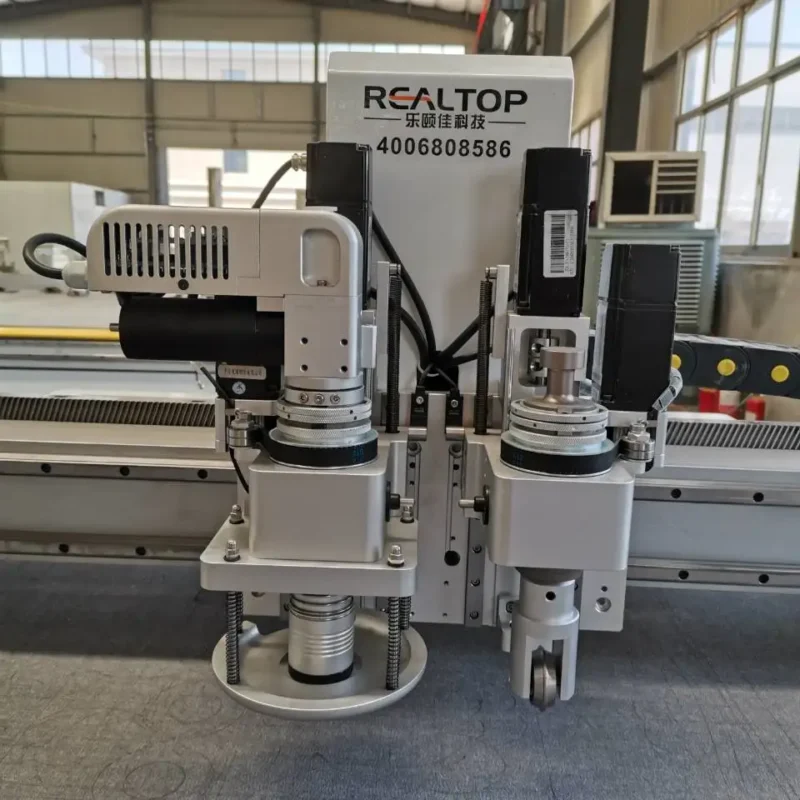
The RT-D2516 carries a Swiss imported oscillating knife head that handles full cutting, half cutting and cursor location in a single pass. For standard corrugated flutes and thin grey board, this oscillating action delivers clean edges without crushing the material structure.
When your production involves thicker foam composites, dense gasket rubber or layered sponge leather, the pneumatic cutting tool option extends capacity to 70 mm. This gives packaging and composite processors one CNC flatbed digital cutting table that covers both thin-format sample work and heavy-stock short runs without swapping to a separate machine.
Conveyor and Vacuum: Keeping the Sheet Flat at Speed
The 1600 × 2500 mm table area accommodates full corrugated sheets used in packaging sample making. A German imported conveyor belt feeds material onto the flat working surface, while the 7.5 kW vacuum pump secures the sheet against lift during high-speed traversing [NEED_CITE:].
Vacuum zoning across the table matters when cutting small sticker shapes or irregular gasket profiles. Without sufficient zoned suction, narrow parts detach mid-cut, forcing the operator to re-nest the layout and waste material. Confirming the vacuum zone layout against your typical nest pattern is a step that belongs before the purchase order, not after delivery.
Reading the Specs That Actually Affect Output
The Yaskawa servo motors and Hiwin linear guides work together to hold repeated accuracy within 0.1 mm across the full 2500 mm travel. In carton sample making, that tolerance keeps crease lines aligned with cut edges so folded prototypes close squarely.
Translational velocity reaches 800 – 1200 mm/s between cuts, while actual cutting speed sits at 200 – 800 mm/s depending on material resistance and thickness. The distinction matters: a machine moving fast between points but slowing through dense stock will not match the cycle time that translational figures alone suggest.
The HP-GL compatible instruction system accepts files from common packaging CAD and nesting software. Verifying that your existing DXF, PLT or AI files import without manual layer re-mapping avoids a bottleneck at the design station [NEED_CITE:].
The Hidden Cost of Skipping Configuration Checks
When a vacuum table lacks adequate zoning, small gasket or sticker parts lift during cutting, producing scrap that could have been avoided with a zoned layout matched to the nest file. The cost appears as wasted material and missed sample deadlines rather than a line item on the invoice [NEED_CITE:].
Similarly, specifying cutting speed without confirming the basis material leads to unrealistic throughput expectations. A speed figure quoted on thin vinyl will not hold on 5 mm grey board, and the resulting daily shortfall compounds across a short-run packaging contract.
Why Source This Flatbed from Realtop
In-house design and production cover both knife and pneumatic cutting on the same platform, so a buyer can match the cutting method to the material rather than adapt the material to a single fixed tool head.
Tool head and table configuration is specified per material type and production volume before the order is confirmed, reducing the chance of receiving a machine that cannot handle the stock you actually run.
Software compatibility is checked against your existing HP-GL, DXF or nesting workflow before shipment, so the machine arrives ready to accept your files rather than requiring a post-installation software workaround.
Voltage, plug standard and control language are documented and confirmed for your target market, avoiding rewiring or interface translation costs once the CNC flatbed digital cutting table for sale is on your floor.
Sample cutting on the buyer’s own material is performed before commitment, producing a written report that shows edge quality, cutting depth and cycle time on the exact stock you will process.
Documentation & Verification
- Machine specification sheet listing RT-D2516 working area, tool head options and voltage
- Electrical schematic with 380V ±10% wiring diagram and circuit breaker ratings
- Sample cutting report on your corrugated board or leather stock before dispatch
- Software licence and HP-GL file format compatibility note for your CAD system
- Spare parts list covering oscillating knife blades and conveyor belt segments
Installation, Commissioning & Support
- Fully assembled delivery requires a level floor rated for 3450 × 2300 mm footprint and 9 kW load
- Dedicated 380V ±10% circuit with confirmed phase rotation before connecting the servo drives
- 7.5 kW vacuum pump commissioning includes zone balance check on your typical nest pattern
- First-run parameter setting on your corrugated or leather material to establish cutting speed baseline
- Operator training covering HP-GL file import, tool head changeover and infrared sensor safety routine
- Scheduled conveyor belt tension and Hiwin rail lubrication intervals documented in the manual
What to Include with Your Inquiry
Send the exact corrugated flute profile, grey board grammage or leather thickness you plan to cut, along with typical sheet dimensions and daily sample volume. Specify your local voltage and frequency, preferred control language, and whether your existing nesting software outputs HP-GL or an alternative format so the instruction system can be verified before quotation.
Frequently Asked Questions
Q: How do I verify the cutting speed claims for my material?
A: Cutting speed of 200 – 800 mm/s depends on material density and thickness. Send a sample of your actual corrugated board, leather or composite so a test cut can be run and a written report provided showing real cycle times before you commit to an order.
Q: Which tool head suits corrugated board versus leather versus thick foam?
A: The Swiss oscillating knife handles standard flutes and thin leather with clean edges. For foam composites or gasket rubber up to 70 mm, the pneumatic cutting tool option is specified instead, ensuring adequate depth without crushing the material structure.
Q: Can the voltage and control language be set for my market?
A: The RT-D2516 operates on 380V ±10%. Voltage, plug standard and control panel language are confirmed in writing before production so the machine matches your local electrical code and operator requirements upon arrival.
Q: Is the vacuum table adequate for small sticker and gasket parts?
A: The 7.5 kW vacuum pump provides zoned suction across the 1600 × 2500 mm table. Share your typical nest layout so zone adequacy can be verified for your smallest part profiles, preventing lift and scrap during production runs.
Complete Range — the RT-D2516 bridges oscillating knife, pneumatic tool and creasing functions on one flatbed, so packaging, leather and composite buyers specify the cutting method that suits their material instead of forcing a single tooling approach.
Technical Specifications
| Parameter | Value |
|---|---|
| Model | RT-D2516 |
| Product Type | CNC Flatbed Digital Cutting Table |
| Working Area | 1600 × 2500 mm |
| Machine Size | 3450 × 2300 × 1250 mm |
| Rated Power | 9 kW |
| Voltage | 380V ±10% |
| Vacuum Pump | 7.5 kW |
| Working Table | Flat working table with conveyor belt and vacuum |
| Tool Head | Swiss imported oscillating knife (vibration full cutting, half cutting, cursor location) |
| Pneumatic Cutting Tool | Capable of cutting up to 70 mm thickness |
| Translational Velocity | 800 – 1200 mm/s |
| Cutting Speed | 200 – 800 mm/s (basis not stated in source — confirm material / thickness) |
| Repeated Accuracy | ≤ 0.1 mm |
| Servo Motor | Japanese Yaskawa |
| Linear Guide | Taiwan Hiwin rail |
| Transmission | Digital servo motor, linear guide, synchronous belt, ball screw |
| Conveyor Belt | Germany imported |
| Safety Device | Infrared sensors |
| Instruction System | HP-GL compatible format |
| Functions | Cutting, creasing, marking |
| Assembly State | Fully assembled |
Application Suitability
| Application | Material or Output |
|---|---|
| Carton and packaging sample making | Corrugated board, grey board, short-run box prototypes |
| Advertising and signage production | Board, vinyl, sticker sheets |
| Garment and footwear prototyping | Leather, sponge composite leather, flexible textiles |
| Gasket and seal fabrication | Rubber, silicone, PVC, soft glass |
| Composite material processing | Foam composites, multi-layer flexible sheets |
Why the Tool Head Question Matters More Than Working Area
A CNC flatbed digital cutting table for sale is often chosen on bed size alone, yet the wrong tool head on a thick corrugated sheet produces ragged edges and crushed flutes rather than clean fold lines. Matching the oscillating knife, pneumatic tool or creasing wheel to your actual material thickness prevents rework and sample rejection. When a buyer specifies a machine based purely on format, the cutting depth capability and vacuum hold-down often fall short once real production stock arrives on the shop floor [NEED_CITE:]. That mismatch shows up as lifted small parts, incomplete creases or edge burn marks on coated board — problems that only surface after the machine is installed and the first short run is due.
Knife Versus Pneumatic: Choosing the Right Cutting Action
The RT-D2516 carries a Swiss imported oscillating knife head that handles full cutting, half cutting and cursor location in a single pass. For standard corrugated flutes and thin grey board, this oscillating action delivers clean edges without crushing the material structure.
When your production involves thicker foam composites, dense gasket rubber or layered sponge leather, the pneumatic cutting tool option extends capacity to 70 mm. This gives packaging and composite processors one CNC flatbed digital cutting table that covers both thin-format sample work and heavy-stock short runs without swapping to a separate machine.
Conveyor and Vacuum: Keeping the Sheet Flat at Speed
The 1600 × 2500 mm table area accommodates full corrugated sheets used in packaging sample making. A German imported conveyor belt feeds material onto the flat working surface, while the 7.5 kW vacuum pump secures the sheet against lift during high-speed traversing [NEED_CITE:].
Vacuum zoning across the table matters when cutting small sticker shapes or irregular gasket profiles. Without sufficient zoned suction, narrow parts detach mid-cut, forcing the operator to re-nest the layout and waste material. Confirming the vacuum zone layout against your typical nest pattern is a step that belongs before the purchase order, not after delivery.
Reading the Specs That Actually Affect Output
The Yaskawa servo motors and Hiwin linear guides work together to hold repeated accuracy within 0.1 mm across the full 2500 mm travel. In carton sample making, that tolerance keeps crease lines aligned with cut edges so folded prototypes close squarely.
Translational velocity reaches 800 – 1200 mm/s between cuts, while actual cutting speed sits at 200 – 800 mm/s depending on material resistance and thickness. The distinction matters: a machine moving fast between points but slowing through dense stock will not match the cycle time that translational figures alone suggest.
The HP-GL compatible instruction system accepts files from common packaging CAD and nesting software. Verifying that your existing DXF, PLT or AI files import without manual layer re-mapping avoids a bottleneck at the design station [NEED_CITE:].
The Hidden Cost of Skipping Configuration Checks
When a vacuum table lacks adequate zoning, small gasket or sticker parts lift during cutting, producing scrap that could have been avoided with a zoned layout matched to the nest file. The cost appears as wasted material and missed sample deadlines rather than a line item on the invoice [NEED_CITE:].
Similarly, specifying cutting speed without confirming the basis material leads to unrealistic throughput expectations. A speed figure quoted on thin vinyl will not hold on 5 mm grey board, and the resulting daily shortfall compounds across a short-run packaging contract.
Why Source This Flatbed from Realtop
In-house design and production cover both knife and pneumatic cutting on the same platform, so a buyer can match the cutting method to the material rather than adapt the material to a single fixed tool head.
Tool head and table configuration is specified per material type and production volume before the order is confirmed, reducing the chance of receiving a machine that cannot handle the stock you actually run.
Software compatibility is checked against your existing HP-GL, DXF or nesting workflow before shipment, so the machine arrives ready to accept your files rather than requiring a post-installation software workaround.
Voltage, plug standard and control language are documented and confirmed for your target market, avoiding rewiring or interface translation costs once the CNC flatbed digital cutting table for sale is on your floor.
Sample cutting on the buyer’s own material is performed before commitment, producing a written report that shows edge quality, cutting depth and cycle time on the exact stock you will process.
Documentation & Verification
- Machine specification sheet listing RT-D2516 working area, tool head options and voltage
- Electrical schematic with 380V ±10% wiring diagram and circuit breaker ratings
- Sample cutting report on your corrugated board or leather stock before dispatch
- Software licence and HP-GL file format compatibility note for your CAD system
- Spare parts list covering oscillating knife blades and conveyor belt segments
Installation, Commissioning & Support
- Fully assembled delivery requires a level floor rated for 3450 × 2300 mm footprint and 9 kW load
- Dedicated 380V ±10% circuit with confirmed phase rotation before connecting the servo drives
- 7.5 kW vacuum pump commissioning includes zone balance check on your typical nest pattern
- First-run parameter setting on your corrugated or leather material to establish cutting speed baseline
- Operator training covering HP-GL file import, tool head changeover and infrared sensor safety routine
- Scheduled conveyor belt tension and Hiwin rail lubrication intervals documented in the manual
What to Include with Your Inquiry
Send the exact corrugated flute profile, grey board grammage or leather thickness you plan to cut, along with typical sheet dimensions and daily sample volume. Specify your local voltage and frequency, preferred control language, and whether your existing nesting software outputs HP-GL or an alternative format so the instruction system can be verified before quotation.
Frequently Asked Questions
Q: How do I verify the cutting speed claims for my material?
A: Cutting speed of 200 – 800 mm/s depends on material density and thickness. Send a sample of your actual corrugated board, leather or composite so a test cut can be run and a written report provided showing real cycle times before you commit to an order.
Q: Which tool head suits corrugated board versus leather versus thick foam?
A: The Swiss oscillating knife handles standard flutes and thin leather with clean edges. For foam composites or gasket rubber up to 70 mm, the pneumatic cutting tool option is specified instead, ensuring adequate depth without crushing the material structure.
Q: Can the voltage and control language be set for my market?
A: The RT-D2516 operates on 380V ±10%. Voltage, plug standard and control panel language are confirmed in writing before production so the machine matches your local electrical code and operator requirements upon arrival.
Q: Is the vacuum table adequate for small sticker and gasket parts?
A: The 7.5 kW vacuum pump provides zoned suction across the 1600 × 2500 mm table. Share your typical nest layout so zone adequacy can be verified for your smallest part profiles, preventing lift and scrap during production runs.
商品评价
There are no reviews yet.