

Fast Delivery
Quick, reliable shipping to any location.

Free & easy returns
Return this item by mail or in store within 90 days for a full refund.
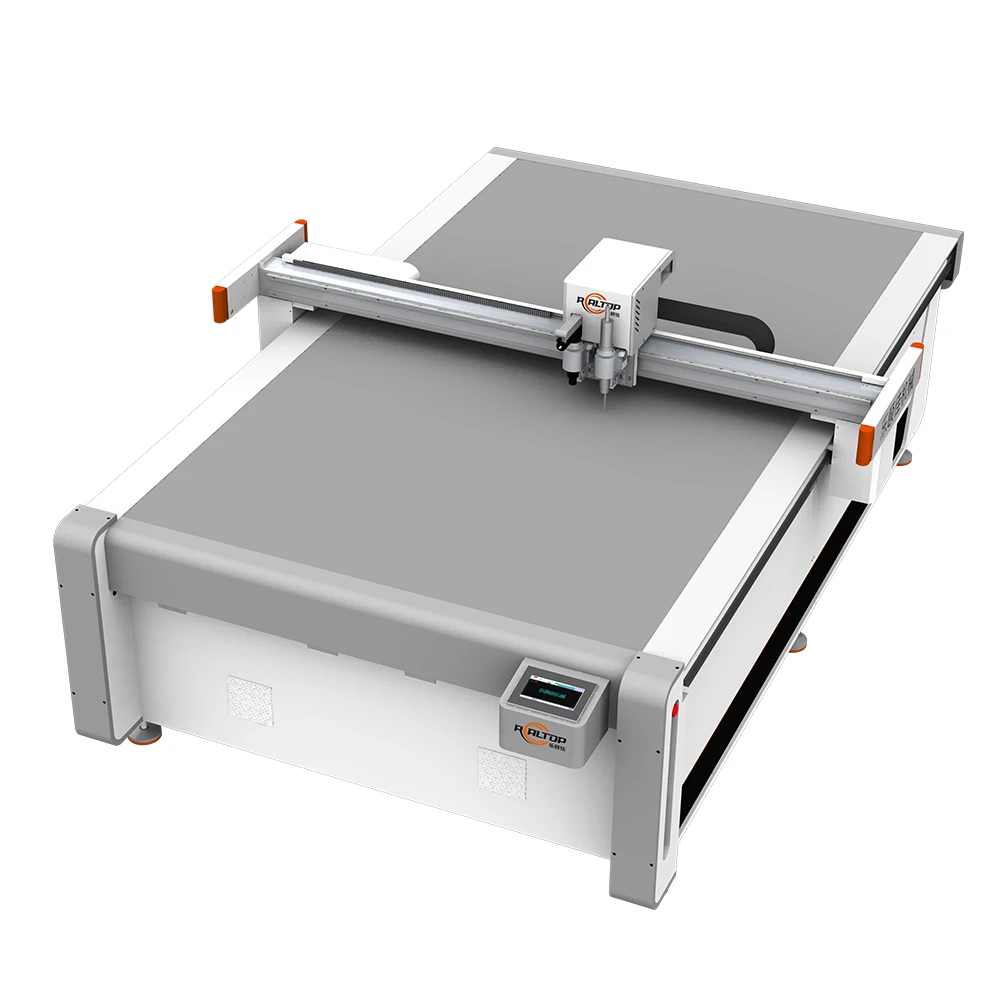
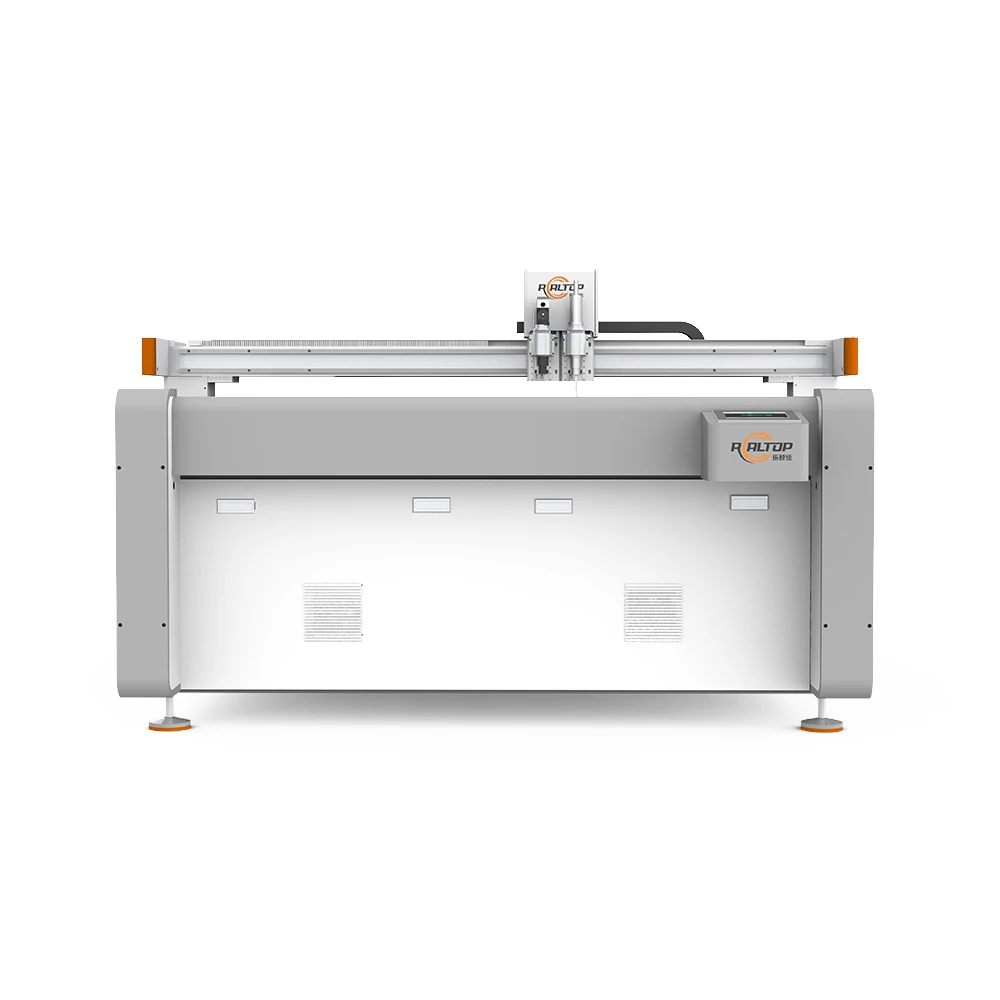
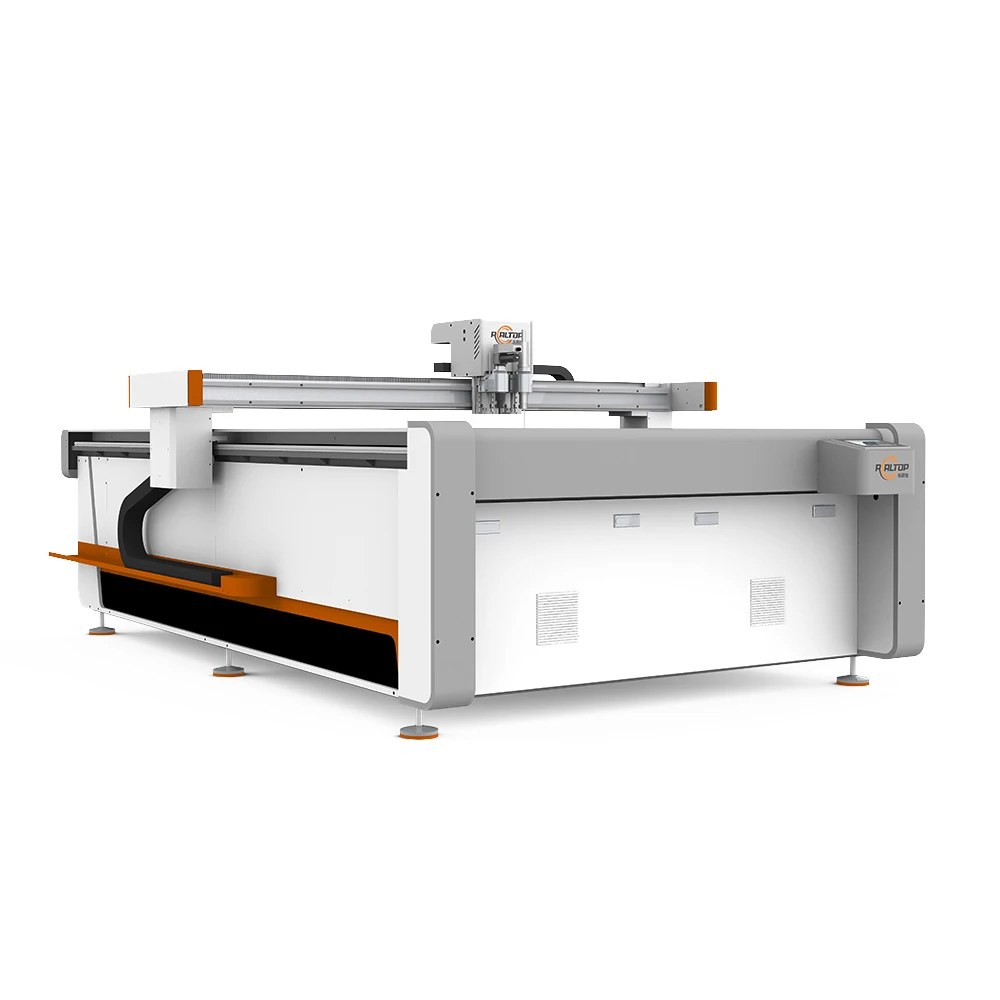
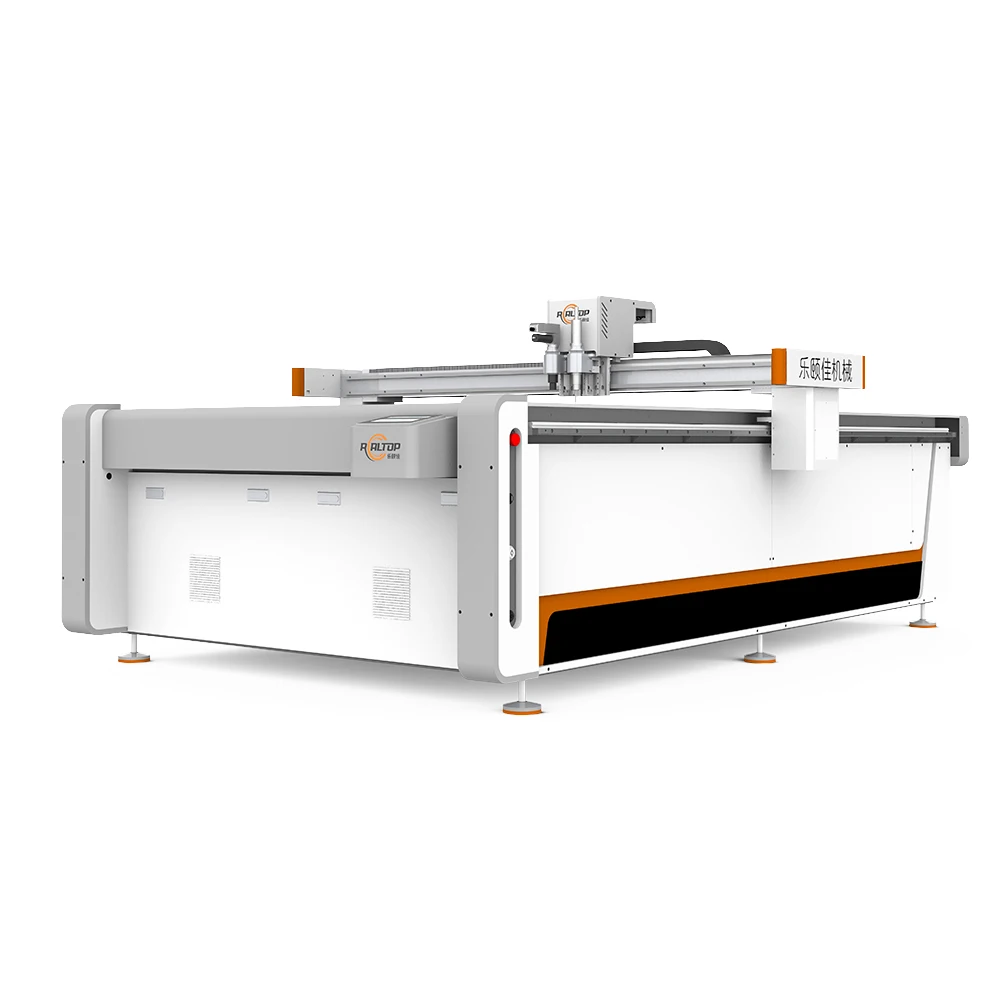
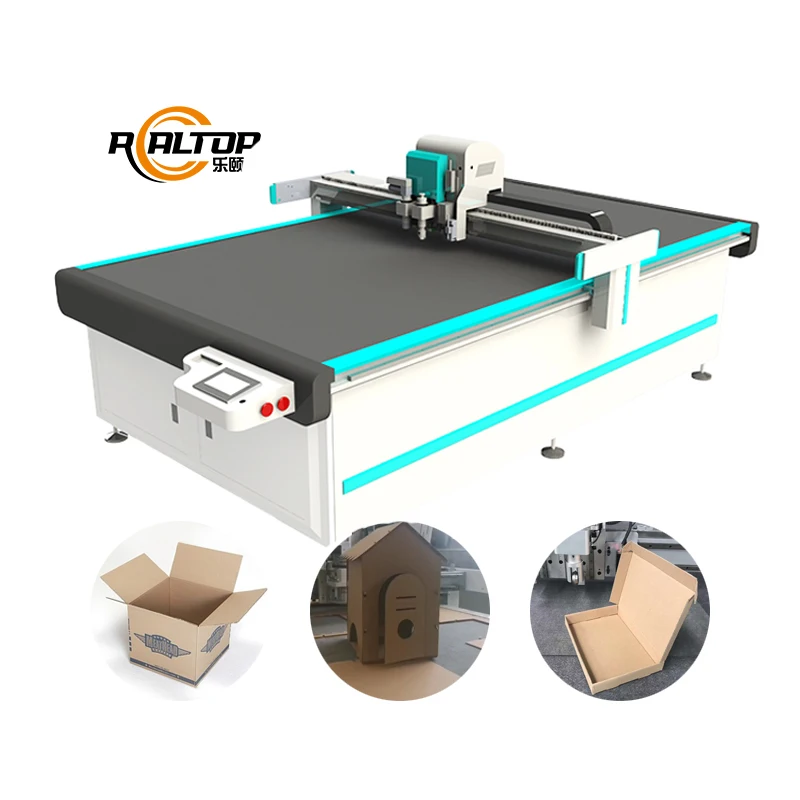
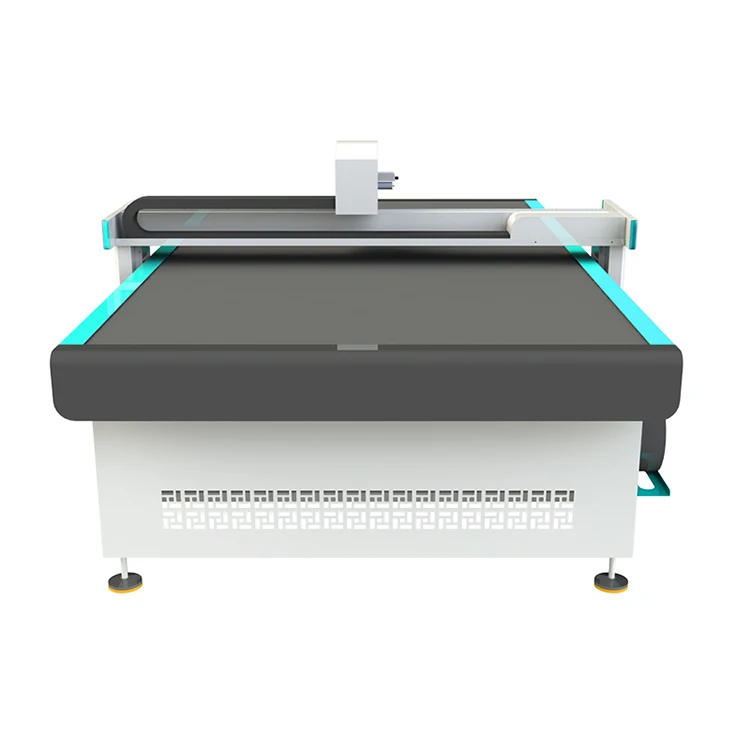
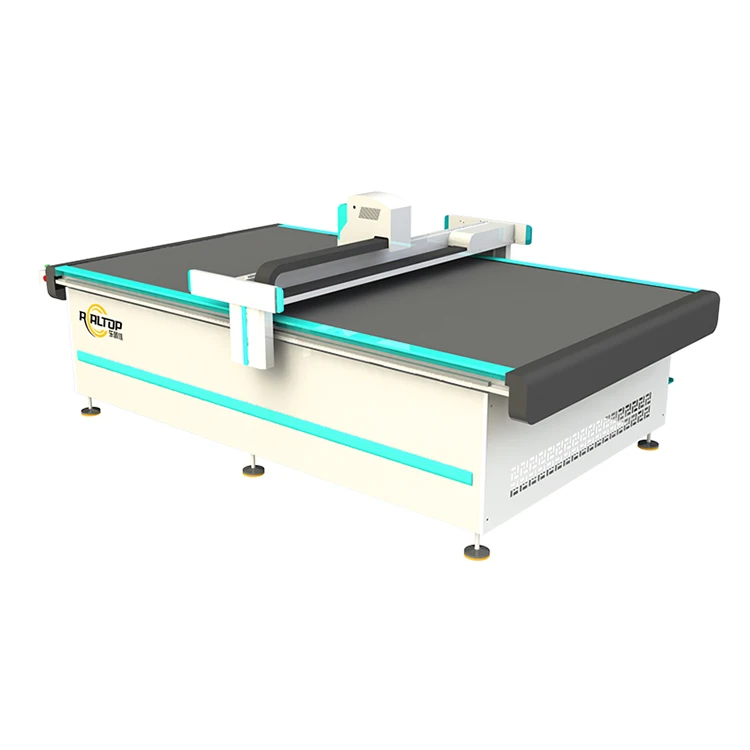
Precision Tooling Configuration — Every cutting head and vacuum zone on this 1625 unit is matched to the buyer’s board flute and run length before production starts, eliminating the mismatch that turns a fast machine into a scrap generator.
Technical Specifications
| Parameter | Value |
|---|---|
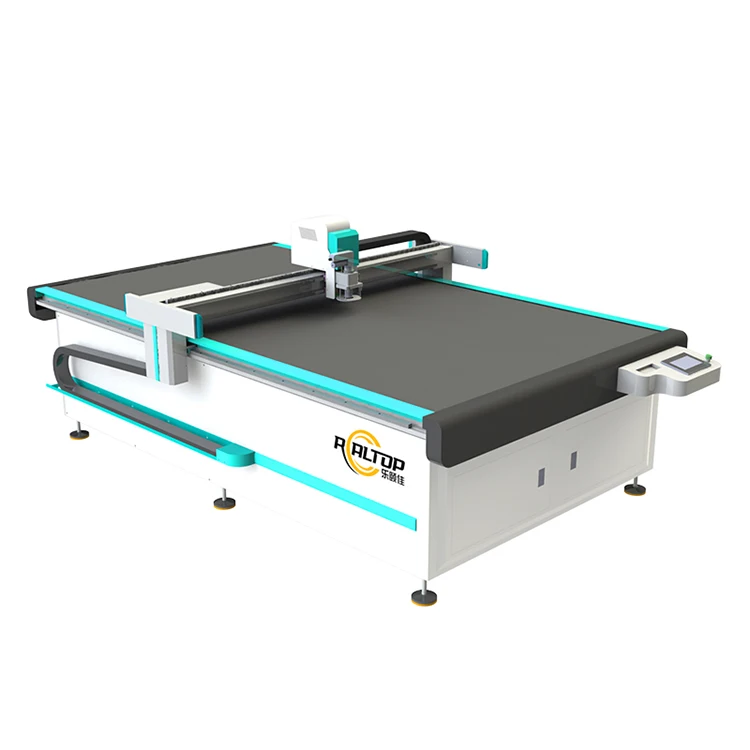
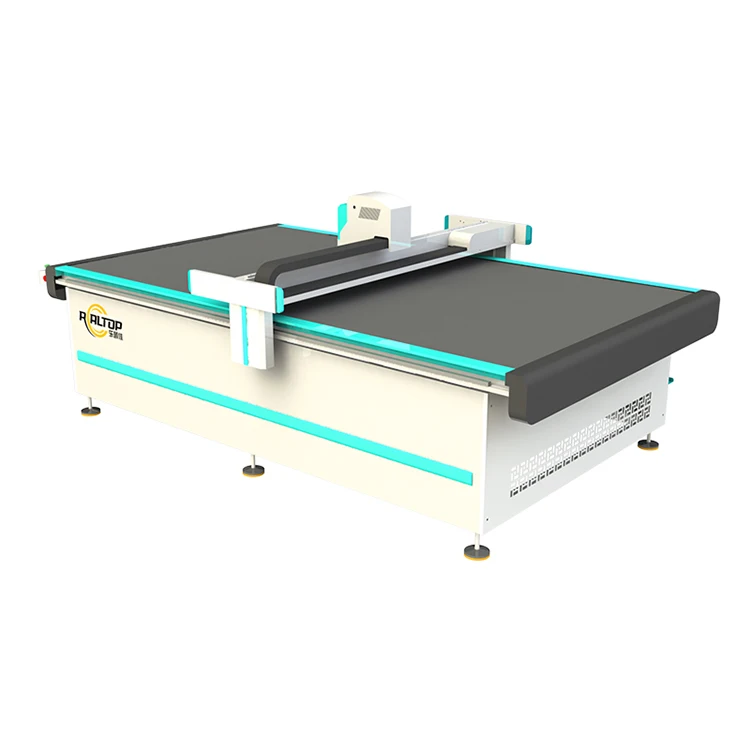
| Product Type | CNC Oscillating Knife Cutting Machine for Packaging |
| Model | 1625 |
| Working Area | 1600×2500 mm |
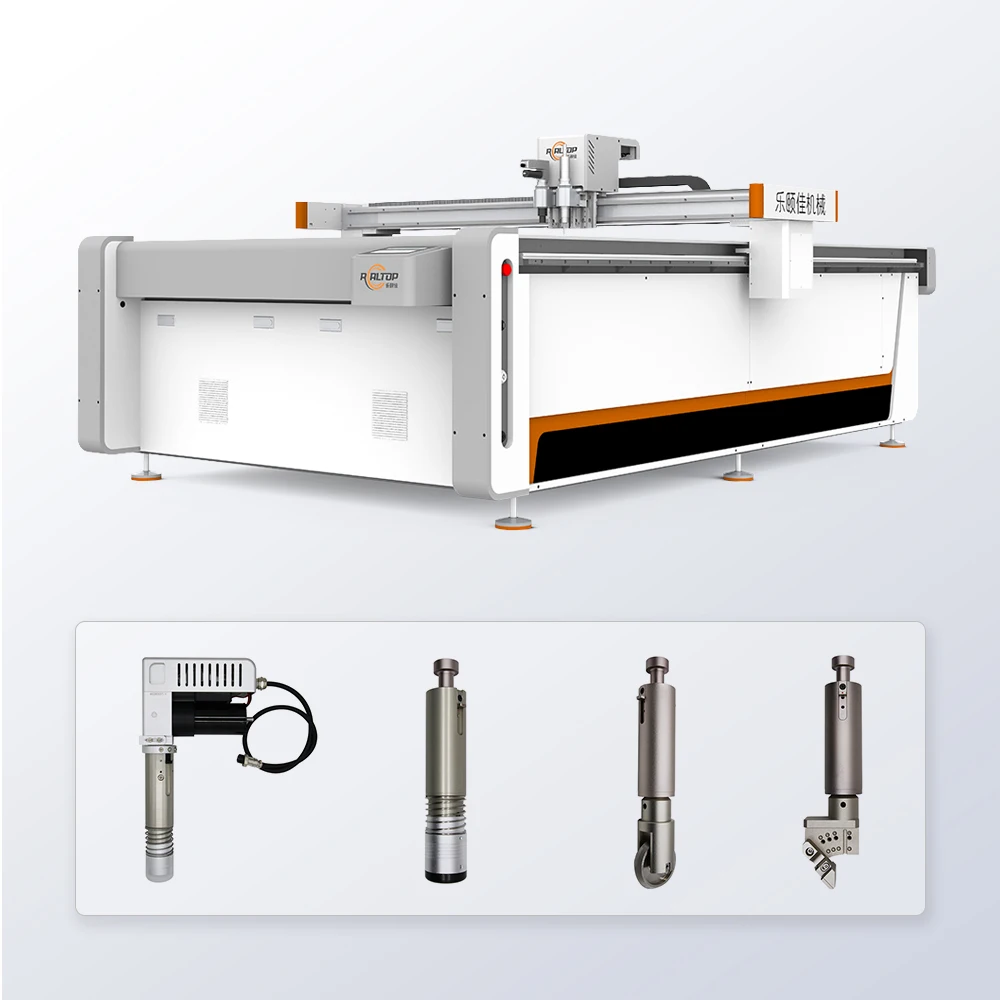
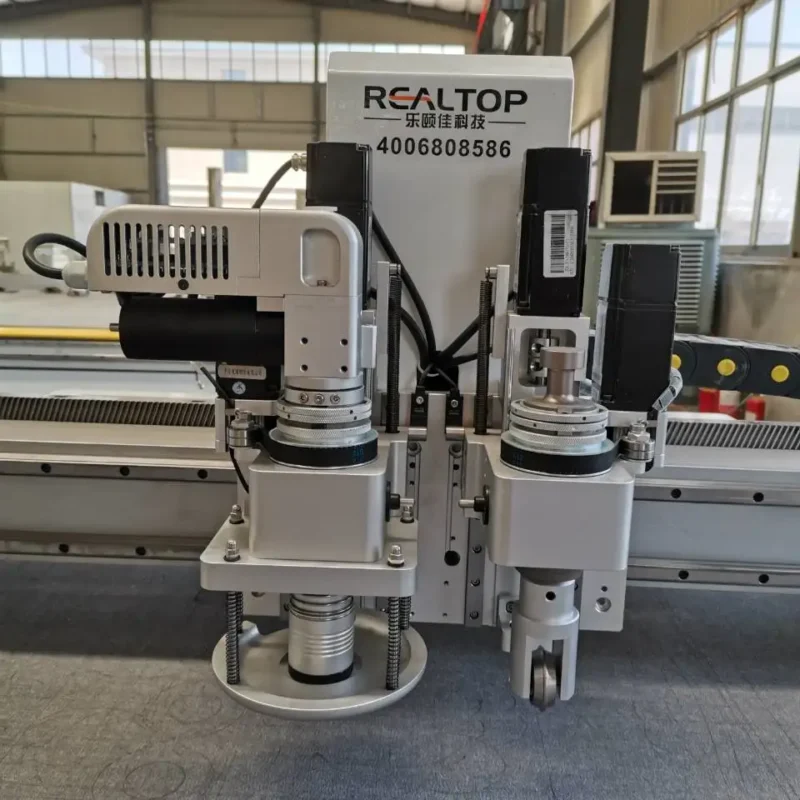
| Tool Head Options | Oscillating knife, Driven rotary knife, Creasing wheel, Kiss cutting tool, Pneumatic knife, Milling tool, V groove knife |
| Cutting Speed | 0-1500 mm/s |
| Cutting Thickness | ≤ 40 mm |
| Cutting Accuracy | ±0.1 mm |
| Vacuum Table | Aluminum bellows vacuum table |
| Vacuum Pump | 9 kW |
| Servo Motor Options | Panasonic, Delta, Dorna |
| Control System | PLC control panel |
| Supported File Formats | PLT, DXF, AI, PDF |
| Voltage Options | 110V, 220V, 380V |
| Safety Devices | Infrared sensor device and emergency stop device |
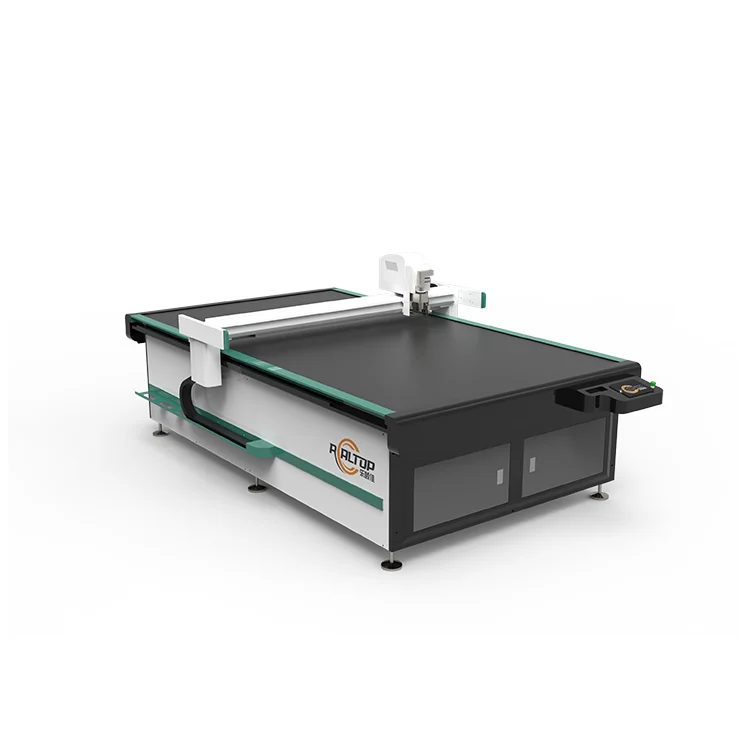
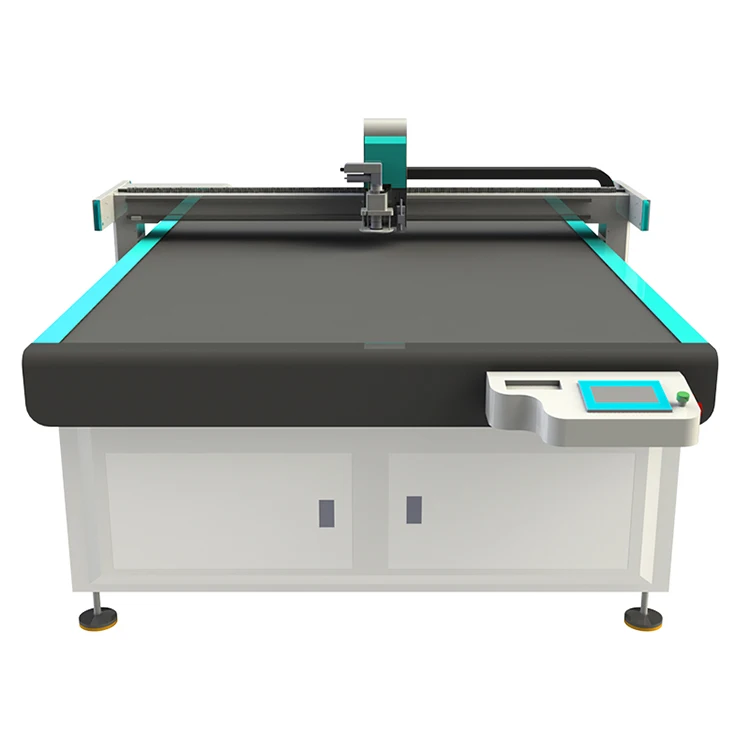
| Machine Size | 3300×2100×1350 mm |
| Language Options | English, Russian, Italian, Chinese (special languages customizable) |
| Certification | CE |
Application Suitability
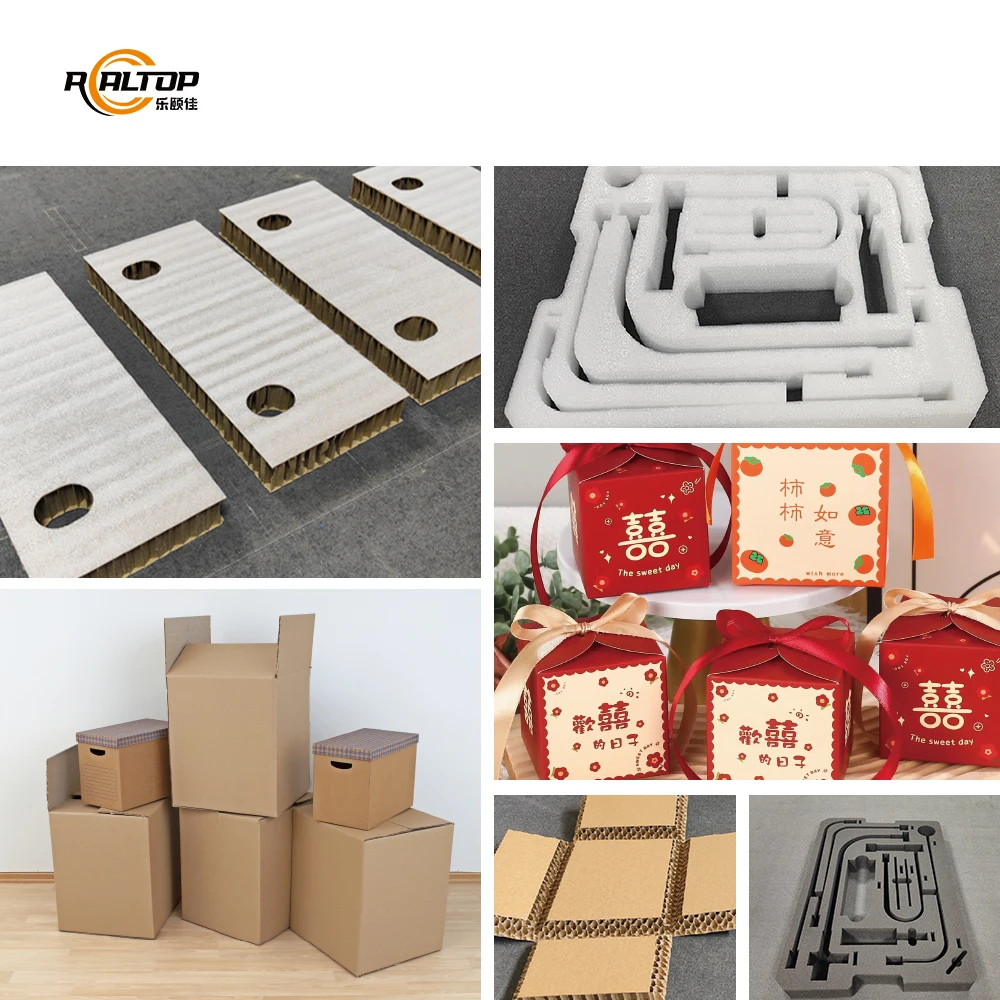
| Application | Material or Output |
|---|---|
| Carton and packaging sample making | Corrugated cardboard (E-flute, B-flute, BC-flute), greyboard |
| Cake box and gift box prototyping | Cardstock, art paper, specialty paper |
| Foam insert and protective packaging | EVA foam, EPE foam, PU foam |
| Gasket and seal cutting for packaging lines | Rubber mats, PTFE sheets |
| Fabric and leather packaging inserts | Velvet, fleece fabric, non-woven fabric, synthetic leather |
| Thin plastic window and divider cutting | PVC, PET thin sheets, composite and adhesive-backed materials |
Why Board Grade Matters More Than Working Area for a CNC Oscillating Knife Cutting Machine Manufacturer
Specifying a flatbed cutter by bed size alone is the most expensive shortcut a packaging buyer can take.
I have watched a standard configuration breeze through virgin PP hollow board in the factory trial, only to choke and leave ragged edges on the customer’s recycled-content corrugated sheets back in their workshop. The recycled material had uneven hardness across the flute profile, and the default oscillating knife could not maintain a clean shear through the density variations [NEED_CITE: material hardness variation in recycled corrugated board]. The vacuum zoning on the aluminum bellows table was also set for full-sheet formats, so smaller carton blanks lifted mid-cut and shifted the crease registration. It took reconfiguring both the tool head selection and the vacuum zone mapping to get production-ready edges. That is why any CNC oscillating knife cutting machine manufacturer worth working with will ask for your actual board samples before confirming the configuration.
Seven Tool Heads Cover the Full Packaging Structure Library
The 1625 flatbed digital cutting table carries seven interchangeable tool heads, which is the range a packaging converter needs to move from a simple kiss-cut label to a fully structured BC-flute shipping carton on the same machine. The oscillating knife handles straight and curved contour cuts through single and double wall corrugated. The creasing wheel scores fold lines without cracking the liner, and the V groove knife produces chamfered channels for rigid box construction [NEED_CITE: creasing wheel geometry for different flute profiles]. A driven rotary knife sits in the turret for continuous-cut synthetic fabrics used in foam-lined inserts, while the pneumatic knife takes on thicker EVA and EPE foam stacks. This tool head diversity means a packaging CNC cutting machine buyer does not have to purchase separate machines for different board grades and insert materials.
Vacuum Table Zoning and the Small-Part Problem
A 9 kW vacuum pump pulling through an aluminum bellows vacuum table provides the hold-down force needed for full 1600×2500 mm corrugated sheets, but raw suction power is not the whole story. Packaging sample runs frequently produce small offcuts, divider tabs and interlocking flap pieces that fall below the area threshold where vacuum grip stays stable. If the table zoning is not set to concentrate suction under these smaller blanks, they lift at the trailing edge as the oscillating knife exits the cut, leaving a burr or shifting the piece entirely off registration. Proper zone configuration is confirmed during the sample cutting report stage, where the buyer’s actual sheet layout and nesting file are run before the machine configuration is locked.
Reading the Specs That Actually Shape Your Output
Cutting accuracy of ±0.1 mm is the figure that determines whether a crease line lands on the intended fold or drifts across a printed panel, which matters immediately when carton blanks move to automated folding and gluing lines downstream. The 0-1500 mm/s cutting speed range is the operational envelope, not a single production speed; actual traverse rates depend on board flute density and the number of direction changes in the contour path [NEED_CITE: cutting speed versus flute density in digital flatbed cutting]. The PLC control panel accepts PLT, DXF, AI and PDF profiles, which covers the file formats most packaging box structure design software packages export. Dedicated packaging box structure design software included with the system handles nesting and layout, so buyers migrating from existing CAD environments need only confirm that their current workflow exports one of these four formats. Voltage configurability across 110V, 220V and 380V means the electrical specification must be confirmed against the buyer’s workshop supply before the machine enters production.
The Hidden Cost of Skipping the Sample Cut
When a buyer commits to a machine configuration based on a catalogue working area and a generic material list, the first real test happens on their shop floor with their actual board stock, and by then the return freight is the cheapest part of the correction. A creasing wheel set for B-flute will crush E-flute art paper, leaving visible scoring marks on premium packaging faces. A vacuum zone layout optimised for A1 sheet formats will let cake box blanks the size of a dinner plate vibrate and shift during contour cuts [NEED_CITE: vacuum hold-down requirements for small-format packaging blanks]. These are not defects in the machine; they are mismatches between the tool head and table setup and the production reality of the buyer’s specific material stack. The sample cutting on buyer material step exists to surface these mismatches before the machine leaves the factory.
Why Sourcing This Range from One Manufacturer Matters
In-house design and production covering both knife cutting technologies means a packaging buyer can match the cutting method to the material rather than forcing one method across every board grade. Tool head and table configuration is specified per material and production volume, so a short-run cake box maker gets a different setup than a corrugated converter running daily E-flute batches. Software compatibility is confirmed before order, eliminating the discovery on delivery day that the nesting workflow does not import. Voltage, language and specification customisation is handled in the production phase, with the PLC control panel and interface language set to the buyer’s workshop standard. Sample cutting on the buyer’s own material before commitment gives both sides a physical record of what the configured 1625 will produce on the actual board grade and flute type [NEED_CITE: sample cutting verification protocols in CNC flatbed cutting procurement].
Documentation & Verification
- Machine specification sheet confirming 1600×2500 mm working area, tool head list and vacuum table zoning
- Sample cutting report on buyer’s own corrugated flute type and board grade before shipment
- Electrical schematic and voltage confirmation matching target market supply standard
- Software licence and file format compatibility note for PLT, DXF, AI and PDF workflows
- Dedicated packaging box structure design software documentation with nesting instructions
- Factory test record showing ±0.1 mm cutting accuracy on configured material stack
Installation, Commissioning & Support
- 3300×2100×1350 mm machine footprint requires a level concrete floor with clearance for full bed travel
- 9 kW vacuum pump and PLC control panel need dedicated circuit matching confirmed 110V, 220V or 380V supply
- Oscillating knife, creasing wheel and V groove tool heads calibrated to buyer’s material during on-site commissioning
- Operator training covers tool head changeover, vacuum zone mapping and PLT, DXF, AI, PDF file import
- Servo motor options including Panasonic, Delta or Dorna determine spare parts and local service availability
- Infrared sensor device and emergency stop device tested and documented at installation sign-off
Preparing Your Configuration Request
To get a machine specification that matches your actual production reality rather than a generic catalogue page, the useful starting information includes the specific board grades and flute profiles you run, the typical sheet formats and maximum blank dimensions, and the daily volume range your packaging line targets. Confirm the voltage and frequency at your facility along with the control language your operators need on the PLC panel. If you are migrating from an existing CAD or nesting environment, share a sample export file so that format compatibility is verified before the quotation stage.
Frequently Asked Questions
Q: How do I choose between oscillating knife, driven rotary knife and creasing wheel for different corrugated flute profiles?
A: The oscillating knife handles most single and double wall corrugated contour cuts. The creasing wheel scores fold lines without cracking the liner, calibrated to specific flute heights. The driven rotary knife suits continuous cuts on synthetic fabrics used for foam-lined packaging inserts. Tool head selection is confirmed against your actual board samples during the pre-order sample cutting stage.
Q: How is cutting thickness capacity verified across cardboard, foam and composite materials?
A: The 40 mm maximum cutting thickness is the upper mechanical limit, but usable depth depends on material density and tool head selection. EVA foam at 30 mm cuts cleanly with the pneumatic knife, while BC-flute corrugated at a lower thickness requires the oscillating knife. Verification happens during the sample cutting report on your specific material stack.
Q: What software file formats and nesting workflows are supported for packaging box design?
A: The PLC control system accepts PLT, DXF, AI and PDF profile formats, covering the standard exports from most packaging box structure design software. The dedicated software included with the machine handles nesting and layout optimisation. Compatibility with your existing CAD workflow is confirmed before order confirmation.
Q: How do I confirm voltage, plug type and control language before shipment?
A: Voltage is configurable across 110V, 220V and 380V, and the electrical schematic is prepared to match your facility supply. Plug type and control panel language, available in English, Russian, Italian, Chinese or custom languages, are confirmed during the specification review stage before the machine enters production.
Q: How does vacuum table zoning affect small-part hold-down during carton cutting?
A: The 9 kW vacuum pump on the aluminum bellows table provides full-sheet hold-down, but smaller carton blanks and offcuts need concentrated vacuum zones to prevent lifting during contour cuts. Zone mapping is configured during sample cutting based on your nesting layout and blank sizes, ensuring registration stays within ±0.1 mm tolerance.
Precision Tooling Configuration — Every cutting head and vacuum zone on this 1625 unit is matched to the buyer’s board flute and run length before production starts, eliminating the mismatch that turns a fast machine into a scrap generator.
Technical Specifications
| Parameter | Value |
|---|---|
| Product Type | CNC Oscillating Knife Cutting Machine for Packaging |
| Model | 1625 |
| Working Area | 1600×2500 mm |
| Tool Head Options | Oscillating knife, Driven rotary knife, Creasing wheel, Kiss cutting tool, Pneumatic knife, Milling tool, V groove knife |
| Cutting Speed | 0-1500 mm/s |
| Cutting Thickness | ≤ 40 mm |
| Cutting Accuracy | ±0.1 mm |
| Vacuum Table | Aluminum bellows vacuum table |
| Vacuum Pump | 9 kW |
| Servo Motor Options | Panasonic, Delta, Dorna |
| Control System | PLC control panel |
| Supported File Formats | PLT, DXF, AI, PDF |
| Voltage Options | 110V, 220V, 380V |
| Safety Devices | Infrared sensor device and emergency stop device |
| Machine Size | 3300×2100×1350 mm |
| Language Options | English, Russian, Italian, Chinese (special languages customizable) |
| Certification | CE |
Application Suitability
| Application | Material or Output |
|---|---|
| Carton and packaging sample making | Corrugated cardboard (E-flute, B-flute, BC-flute), greyboard |
| Cake box and gift box prototyping | Cardstock, art paper, specialty paper |
| Foam insert and protective packaging | EVA foam, EPE foam, PU foam |
| Gasket and seal cutting for packaging lines | Rubber mats, PTFE sheets |
| Fabric and leather packaging inserts | Velvet, fleece fabric, non-woven fabric, synthetic leather |
| Thin plastic window and divider cutting | PVC, PET thin sheets, composite and adhesive-backed materials |
Why Board Grade Matters More Than Working Area for a CNC Oscillating Knife Cutting Machine Manufacturer
Specifying a flatbed cutter by bed size alone is the most expensive shortcut a packaging buyer can take.
I have watched a standard configuration breeze through virgin PP hollow board in the factory trial, only to choke and leave ragged edges on the customer’s recycled-content corrugated sheets back in their workshop. The recycled material had uneven hardness across the flute profile, and the default oscillating knife could not maintain a clean shear through the density variations [NEED_CITE: material hardness variation in recycled corrugated board]. The vacuum zoning on the aluminum bellows table was also set for full-sheet formats, so smaller carton blanks lifted mid-cut and shifted the crease registration. It took reconfiguring both the tool head selection and the vacuum zone mapping to get production-ready edges. That is why any CNC oscillating knife cutting machine manufacturer worth working with will ask for your actual board samples before confirming the configuration.
Seven Tool Heads Cover the Full Packaging Structure Library
The 1625 flatbed digital cutting table carries seven interchangeable tool heads, which is the range a packaging converter needs to move from a simple kiss-cut label to a fully structured BC-flute shipping carton on the same machine. The oscillating knife handles straight and curved contour cuts through single and double wall corrugated. The creasing wheel scores fold lines without cracking the liner, and the V groove knife produces chamfered channels for rigid box construction [NEED_CITE: creasing wheel geometry for different flute profiles]. A driven rotary knife sits in the turret for continuous-cut synthetic fabrics used in foam-lined inserts, while the pneumatic knife takes on thicker EVA and EPE foam stacks. This tool head diversity means a packaging CNC cutting machine buyer does not have to purchase separate machines for different board grades and insert materials.
Vacuum Table Zoning and the Small-Part Problem
A 9 kW vacuum pump pulling through an aluminum bellows vacuum table provides the hold-down force needed for full 1600×2500 mm corrugated sheets, but raw suction power is not the whole story. Packaging sample runs frequently produce small offcuts, divider tabs and interlocking flap pieces that fall below the area threshold where vacuum grip stays stable. If the table zoning is not set to concentrate suction under these smaller blanks, they lift at the trailing edge as the oscillating knife exits the cut, leaving a burr or shifting the piece entirely off registration. Proper zone configuration is confirmed during the sample cutting report stage, where the buyer’s actual sheet layout and nesting file are run before the machine configuration is locked.
Reading the Specs That Actually Shape Your Output
Cutting accuracy of ±0.1 mm is the figure that determines whether a crease line lands on the intended fold or drifts across a printed panel, which matters immediately when carton blanks move to automated folding and gluing lines downstream. The 0-1500 mm/s cutting speed range is the operational envelope, not a single production speed; actual traverse rates depend on board flute density and the number of direction changes in the contour path [NEED_CITE: cutting speed versus flute density in digital flatbed cutting]. The PLC control panel accepts PLT, DXF, AI and PDF profiles, which covers the file formats most packaging box structure design software packages export. Dedicated packaging box structure design software included with the system handles nesting and layout, so buyers migrating from existing CAD environments need only confirm that their current workflow exports one of these four formats. Voltage configurability across 110V, 220V and 380V means the electrical specification must be confirmed against the buyer’s workshop supply before the machine enters production.
The Hidden Cost of Skipping the Sample Cut
When a buyer commits to a machine configuration based on a catalogue working area and a generic material list, the first real test happens on their shop floor with their actual board stock, and by then the return freight is the cheapest part of the correction. A creasing wheel set for B-flute will crush E-flute art paper, leaving visible scoring marks on premium packaging faces. A vacuum zone layout optimised for A1 sheet formats will let cake box blanks the size of a dinner plate vibrate and shift during contour cuts [NEED_CITE: vacuum hold-down requirements for small-format packaging blanks]. These are not defects in the machine; they are mismatches between the tool head and table setup and the production reality of the buyer’s specific material stack. The sample cutting on buyer material step exists to surface these mismatches before the machine leaves the factory.
Why Sourcing This Range from One Manufacturer Matters
In-house design and production covering both knife cutting technologies means a packaging buyer can match the cutting method to the material rather than forcing one method across every board grade. Tool head and table configuration is specified per material and production volume, so a short-run cake box maker gets a different setup than a corrugated converter running daily E-flute batches. Software compatibility is confirmed before order, eliminating the discovery on delivery day that the nesting workflow does not import. Voltage, language and specification customisation is handled in the production phase, with the PLC control panel and interface language set to the buyer’s workshop standard. Sample cutting on the buyer’s own material before commitment gives both sides a physical record of what the configured 1625 will produce on the actual board grade and flute type [NEED_CITE: sample cutting verification protocols in CNC flatbed cutting procurement].
Documentation & Verification
- Machine specification sheet confirming 1600×2500 mm working area, tool head list and vacuum table zoning
- Sample cutting report on buyer’s own corrugated flute type and board grade before shipment
- Electrical schematic and voltage confirmation matching target market supply standard
- Software licence and file format compatibility note for PLT, DXF, AI and PDF workflows
- Dedicated packaging box structure design software documentation with nesting instructions
- Factory test record showing ±0.1 mm cutting accuracy on configured material stack
Installation, Commissioning & Support
- 3300×2100×1350 mm machine footprint requires a level concrete floor with clearance for full bed travel
- 9 kW vacuum pump and PLC control panel need dedicated circuit matching confirmed 110V, 220V or 380V supply
- Oscillating knife, creasing wheel and V groove tool heads calibrated to buyer’s material during on-site commissioning
- Operator training covers tool head changeover, vacuum zone mapping and PLT, DXF, AI, PDF file import
- Servo motor options including Panasonic, Delta or Dorna determine spare parts and local service availability
- Infrared sensor device and emergency stop device tested and documented at installation sign-off
Preparing Your Configuration Request
To get a machine specification that matches your actual production reality rather than a generic catalogue page, the useful starting information includes the specific board grades and flute profiles you run, the typical sheet formats and maximum blank dimensions, and the daily volume range your packaging line targets. Confirm the voltage and frequency at your facility along with the control language your operators need on the PLC panel. If you are migrating from an existing CAD or nesting environment, share a sample export file so that format compatibility is verified before the quotation stage.
Frequently Asked Questions
Q: How do I choose between oscillating knife, driven rotary knife and creasing wheel for different corrugated flute profiles?
A: The oscillating knife handles most single and double wall corrugated contour cuts. The creasing wheel scores fold lines without cracking the liner, calibrated to specific flute heights. The driven rotary knife suits continuous cuts on synthetic fabrics used for foam-lined packaging inserts. Tool head selection is confirmed against your actual board samples during the pre-order sample cutting stage.
Q: How is cutting thickness capacity verified across cardboard, foam and composite materials?
A: The 40 mm maximum cutting thickness is the upper mechanical limit, but usable depth depends on material density and tool head selection. EVA foam at 30 mm cuts cleanly with the pneumatic knife, while BC-flute corrugated at a lower thickness requires the oscillating knife. Verification happens during the sample cutting report on your specific material stack.
Q: What software file formats and nesting workflows are supported for packaging box design?
A: The PLC control system accepts PLT, DXF, AI and PDF profile formats, covering the standard exports from most packaging box structure design software. The dedicated software included with the machine handles nesting and layout optimisation. Compatibility with your existing CAD workflow is confirmed before order confirmation.
Q: How do I confirm voltage, plug type and control language before shipment?
A: Voltage is configurable across 110V, 220V and 380V, and the electrical schematic is prepared to match your facility supply. Plug type and control panel language, available in English, Russian, Italian, Chinese or custom languages, are confirmed during the specification review stage before the machine enters production.
Q: How does vacuum table zoning affect small-part hold-down during carton cutting?
A: The 9 kW vacuum pump on the aluminum bellows table provides full-sheet hold-down, but smaller carton blanks and offcuts need concentrated vacuum zones to prevent lifting during contour cuts. Zone mapping is configured during sample cutting based on your nesting layout and blank sizes, ensuring registration stays within ±0.1 mm tolerance.
商品评价
There are no reviews yet.