



Fast Delivery
Quick, reliable shipping to any location.

Free & easy returns
Return this item by mail or in store within 90 days for a full refund.
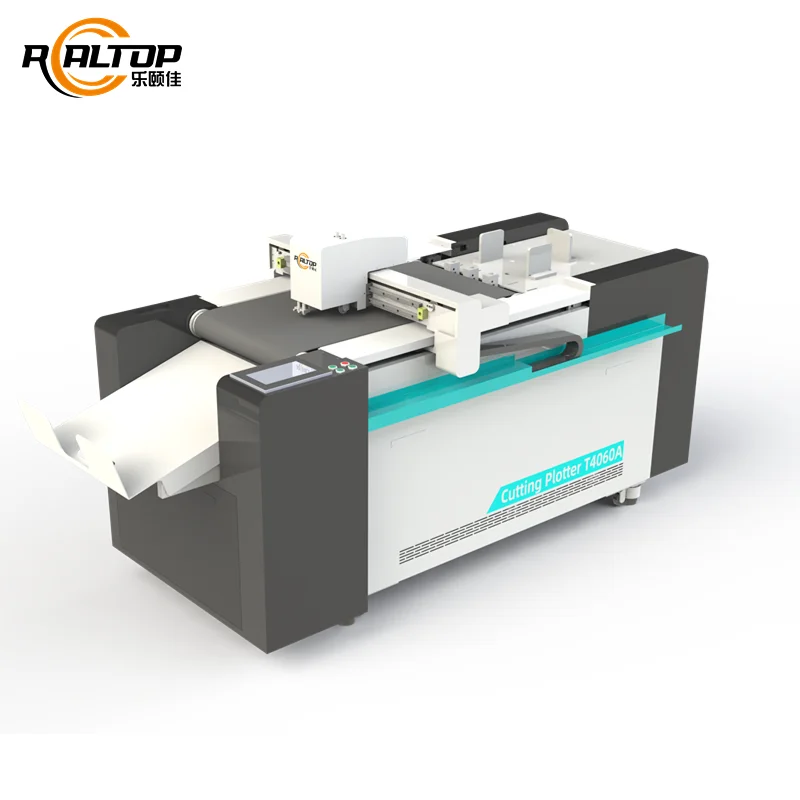
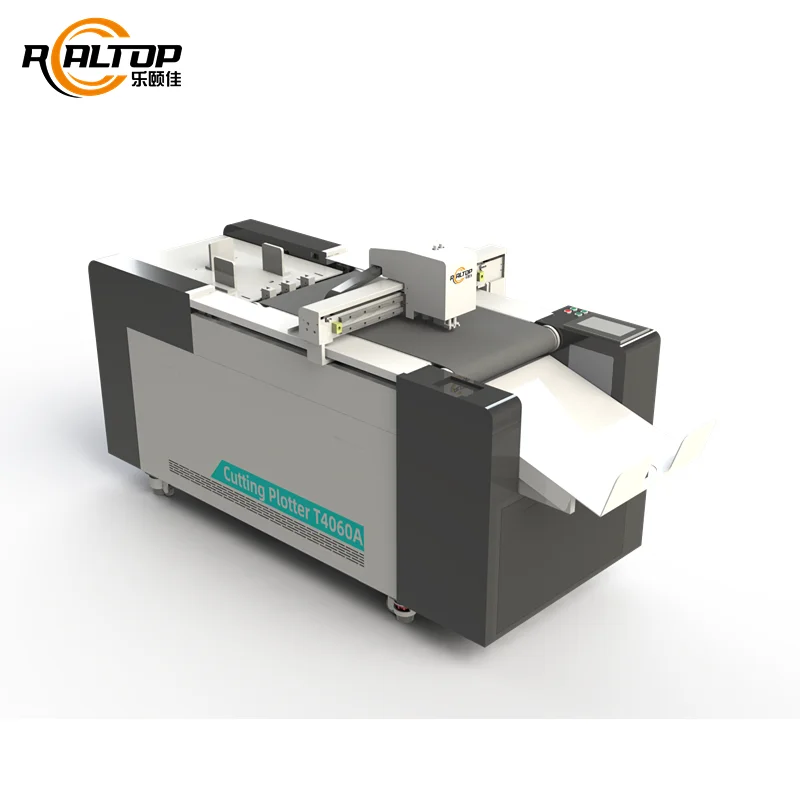
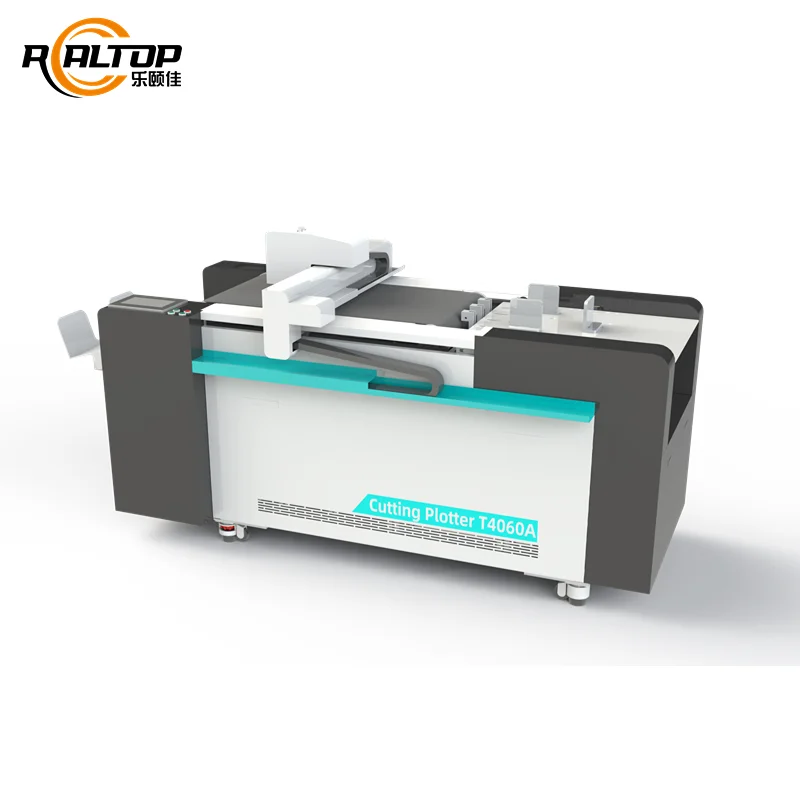
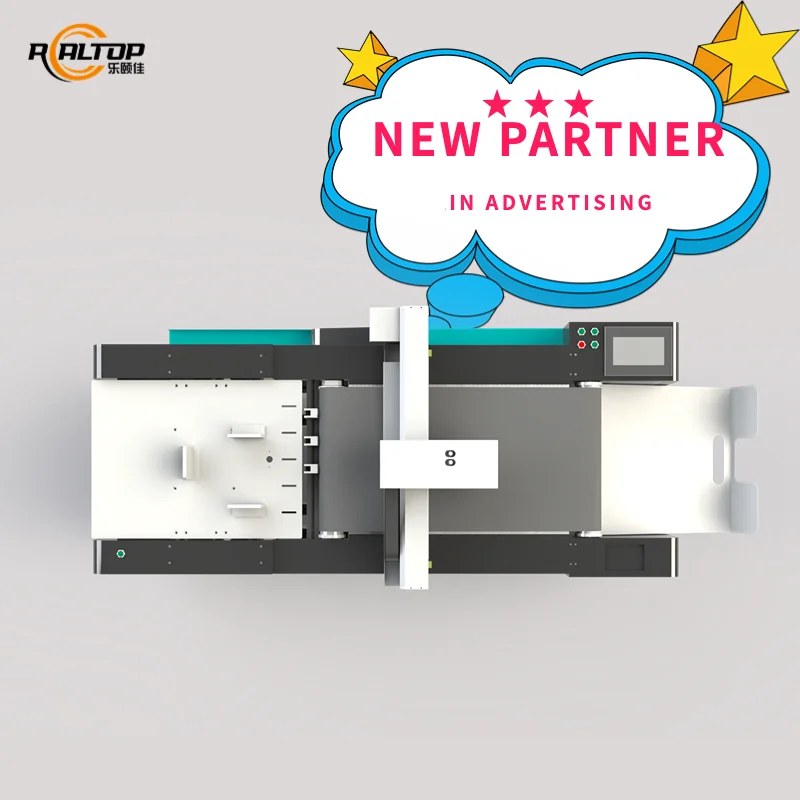
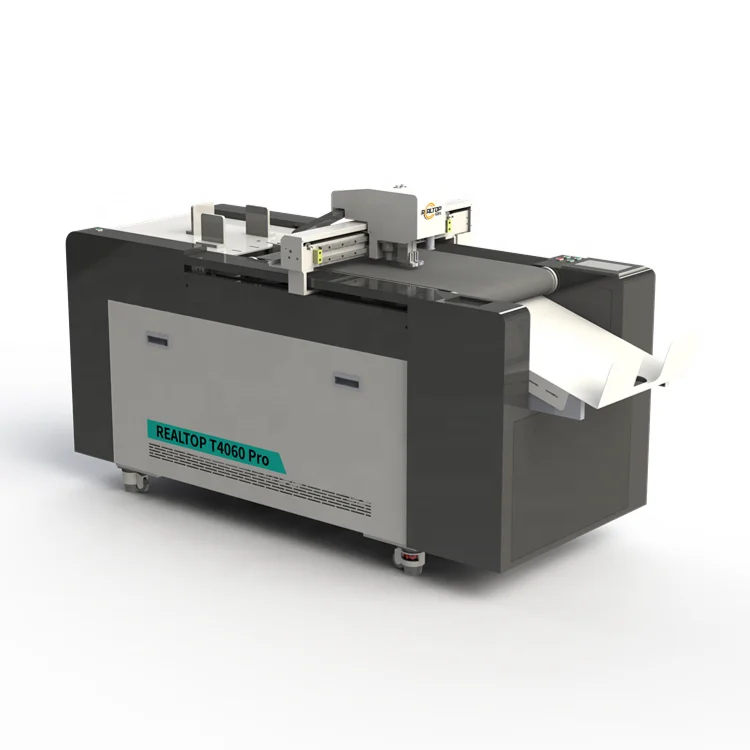
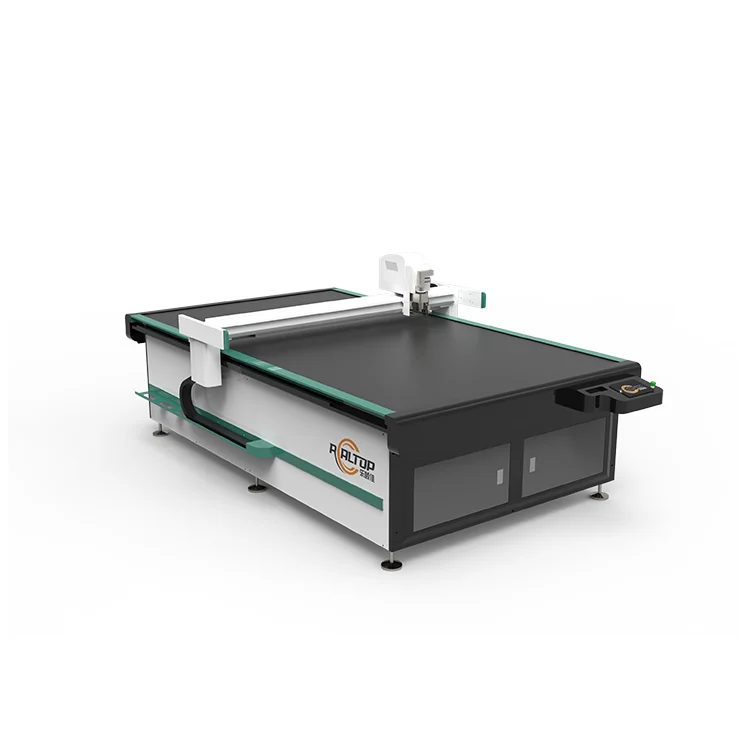
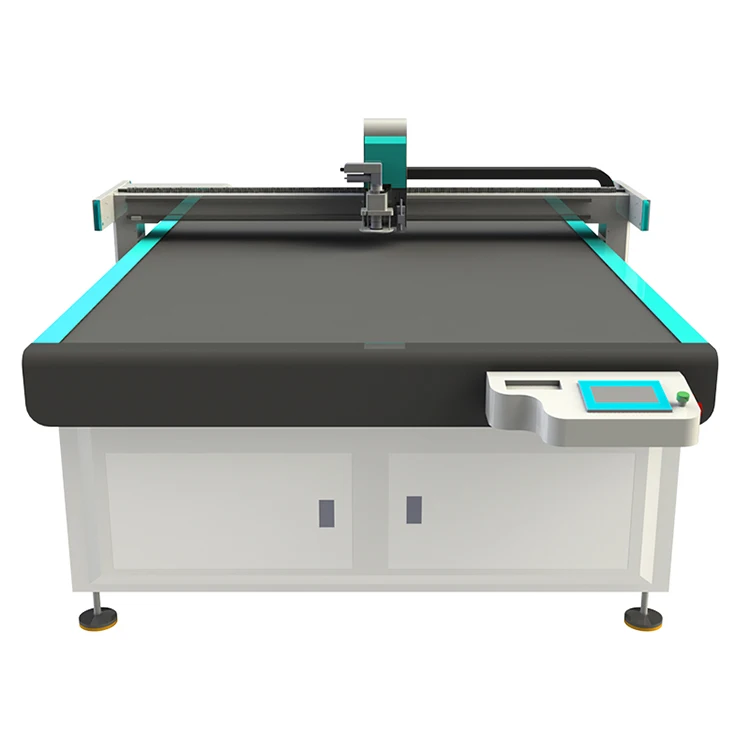
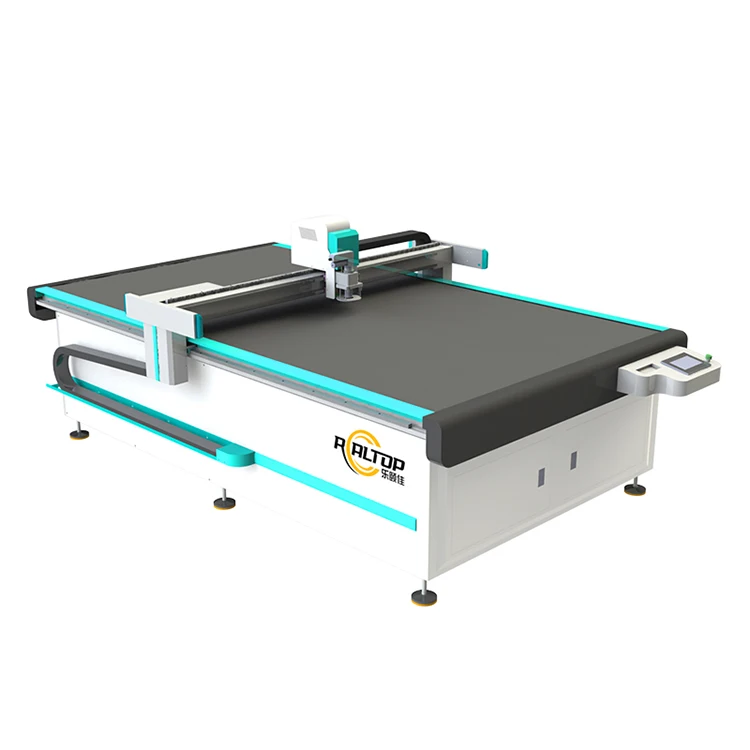
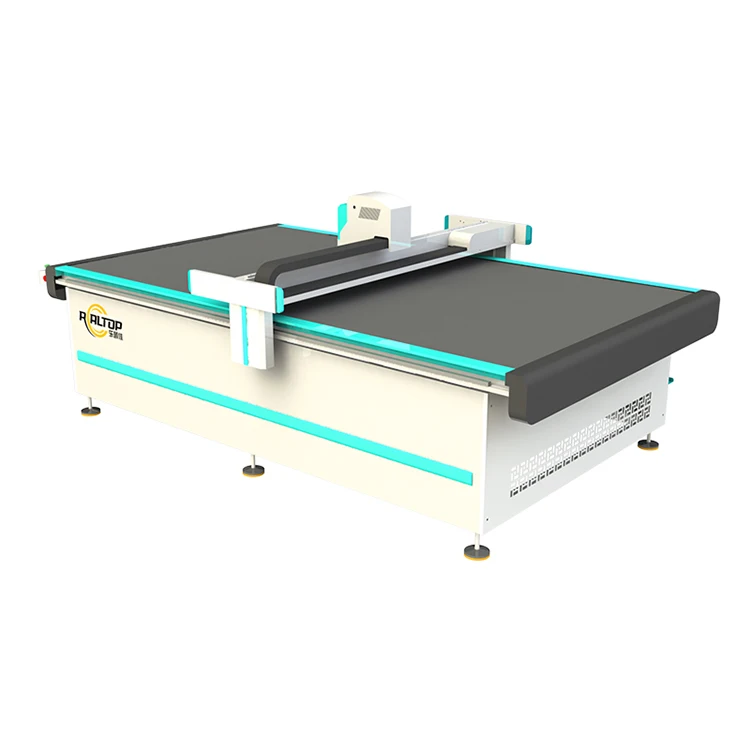
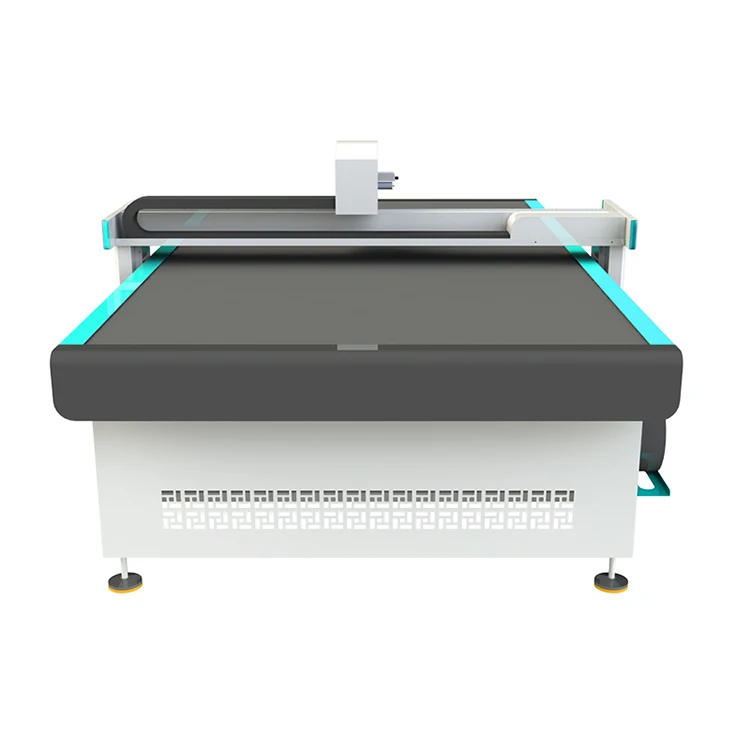
Compact Finishing, Complete Workflow — the RTT4060 consolidates cutting, creasing and kiss-cutting into one CNC cutting plotter manufacturer toolhead, configured for actual post-print substrates rather than generic board cutting.
Technical Specifications
| Parameter | Value |
|---|---|
| Model | RTT4060 |
| Product Type | CNC Cutting Plotter for Packaging and Graphic Industries |
| Working Area | 400×600 mm |
| Tool Head Type | Multifunctional — cutting, creasing, kiss-cutting, dotted-line cutting |
| Control System | Automatic control system with HD touch control panel |
| Positioning System | CCD auto positioning |
| Network Connectivity | Network port |
| Automation Level | Fully automated — automatic feeding, cutting and picking |
| Material Compatibility | Cardboard, self-adhesive, PP sheet, PVC sheet, coated paper |
| Warranty | 12 months for whole machine |
Application Suitability
| Application | Material or Output |
|---|---|
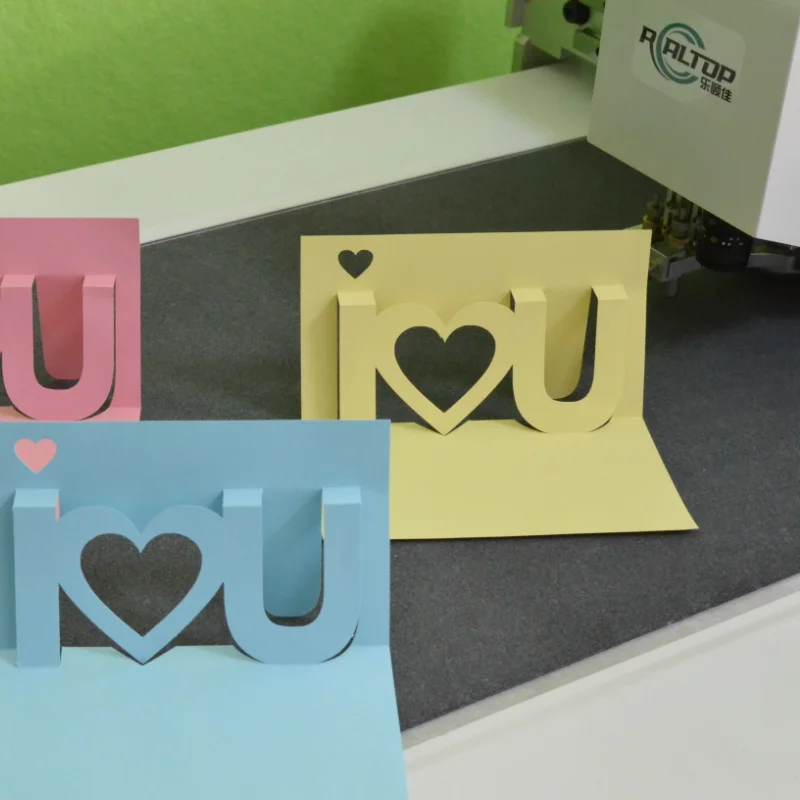
| Greeting card and invitation finishing | Coated paper and lightweight board up to typical carton weight |
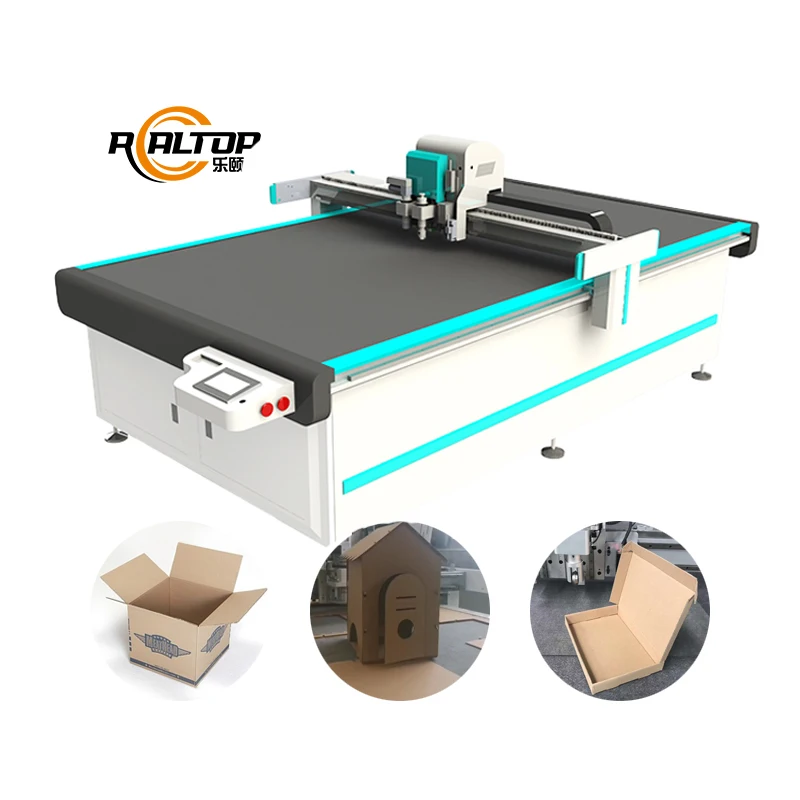
| Folding carton and box sample making | Cardboard and corrugated substrates for short-run packaging |
| Self-adhesive label and sticker production | Self-adhesive vinyl and label stock with kiss-cut capability |
| Point-of-sale and retail graphic cutting | PP sheet, PVC sheet and rigid signage substrates |
| Individualized and small-batch processing | Mixed substrate jobs without die tooling changeover |
Why "Working Area" Is the Wrong First Question for Packaging Finishing
A machine chosen only by bed size often fails on the actual crease quality and contour accuracy your board demands.
In my years supplying finishing equipment across the Pearl River Delta export trade, I watched a greeting card producer lose four full days of sample output because their plotter lacked the correct drag knife and creasing wheel for coated stock — the edge crushed rather than scored. The buyer had focused entirely on whether the A3 bed fit their sheet, never asking whether the tool head matched their 300 gsm coated board. That line stoppage nearly cost them the entire seasonal order [NEED_CITE:].
When you evaluate a CNC flatbed cutting machine for sale, the substrate thickness, coating type and crease depth matter far more than the footprint alone. A compact-format plotter that cannot produce a clean fold line on your specific board grade is simply a larger problem in a smaller chassis.
Tool Head Versatility Across Finishing Operations
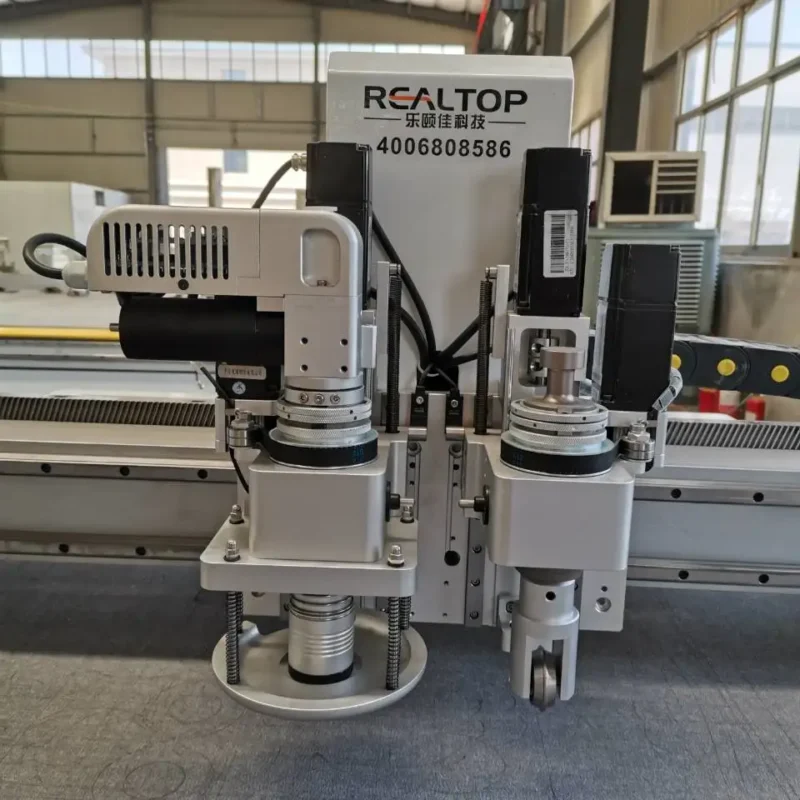
The RTT4060 integrates cutting, creasing, kiss-cutting and dotted-line perforation within a single multifunctional tool head. For a packaging sample room, this means one setup handles the fold lines on a folding carton, the kiss-cut on a self-adhesive label and the full cut on a PVC retail display — without moving the sheet between machines. This CNC cutting plotter manufacturer design philosophy eliminates the registration errors that accumulate when a job passes through separate cutting and creasing stations.
CCD Positioning for Printed Contour Work
Pre-printed graphics demand that the cutter reads and follows registration marks at production speed, not just at plotter proofing pace. The CCD auto positioning system on the RTT4060 tracks printed marks on coated paper and self-adhesive substrates, aligning the cut path to the actual printed image rather than the nominal file dimension. For short-run packaging where every sheet carries a different design, this contour recognition replaces the manual alignment step that bottlenecks sample output [NEED_CITE:].
What the Specification Sheet Actually Tells You About Output
The 400×600 mm working area places the RTT4060 in the compact-format category, suited to greeting cards, small boxes and label sheets rather than full-size corrugated boards. The multifunctional tool head requires you to confirm which blades and creasing wheels ship with the machine — a drag knife suited to self-adhesive vinyl differs from the oscillating knife needed for thicker cardboard. The HD touch control panel with network port means job files transfer over your shop network rather than by USB stick, which matters when your design team sits in a different room from the cutting table. The automatic feeding, cutting and picking workflow enables unattended operation for batch runs, provided your substrate stiffness and sheet size fall within the feeder’s handling range.
The Cost of Skipping the Tool Head Audit
Buyers who approve a quotation without reviewing the tool head and table configuration list often discover mid-production that the creasing wheel produces a cracked fold on their coated board, or that the kiss-cut blade depth cannot be adjusted fine enough for their label stock. The machine runs, but the output requires manual rework — scored lines that split, kiss-cuts that either fail to release or cut through the liner. These are not machine faults; they are specification gaps that a sample cutting report on your own material would have caught before the deposit cleared [NEED_CITE:].
Why Source This Plotter Through the Full Catalogue
Realtop’s in-house design covers both knife and laser cutting technologies, so the RTT4060 is positioned deliberately within the full range — you can compare its mechanical knife approach against CO2 laser alternatives for the same substrate before committing. Tool head and table configuration is specified per your material and daily volume, not pulled from a standard package. The CCD camera positioning is validated against your actual printed marks, not demonstrated on a generic test sheet. Software compatibility is confirmed before the order is placed, so your existing design files import without conversion workarounds. Sample cutting on your own board stock runs before you sign off, giving you a physical crease and cut sample to evaluate rather than a brochure claim.
Documentation & Verification
- Machine specification sheet listing confirmed tool head options and creasing wheel types
- Electrical schematic with voltage and plug confirmation matched to your facility
- Sample cutting report produced on your own cardboard and self-adhesive stock
- Software licence and file format compatibility note for your design workflow
- Spare parts list identifying drag knives, creasing wheels and wear items
- Factory test record documenting positional accuracy before dispatch
Installation, Commissioning & Support
- Confirm 400×600 mm footprint clearance plus feeder infeed and outfeed space before delivery
- Verify dedicated circuit rating against the machine’s confirmed power draw and local voltage
- Unit ships as a complete assembly — confirm fork access and doorway clearance at your facility
- First-run commissioning includes CCD mark calibration on your printed substrates
- Operator training covers tool head changeover between cutting, creasing and kiss-cutting modes
- Spare drag knives, creasing wheels and blades shipped with initial order to prevent line stops
What to Include With Your Inquiry
To get a useful quotation rather than a generic brochure, share the specific substrates you run — board grade, gsm weight, coating type and sheet size. Confirm your local voltage, frequency and plug standard along with the control language your operators need. If your design workflow uses a particular nesting or CAD format, send a sample file so the software team can verify import before the order is placed.
Frequently Asked Questions
Q: How do I decide between knife cutting and laser for my packaging material?
A: The RTT4060 uses mechanical knife and creasing tools, which produce clean fold lines on coated board and avoid the burnt edges that laser cutting can leave on certain substrates. Laser alternatives in the full Realtop range suit different materials. Request sample cuts on your actual stock to compare edge and crease quality before choosing.
Q: What file formats does the control software accept?
A: The control system imports common vector and CAD formats used in packaging design. Before placing your order, submit a sample file from your existing design software so the compatibility note can confirm direct import without manual conversion steps in your workflow.
Q: How do I confirm CCD tracking works on my printed marks?
A: Supply a printed sheet from your production printer — the same press, ink and stock you run daily. The sample cutting report will show whether the CCD positioning tracks your specific registration marks accurately at operating speed, not just under ideal test conditions.
Q: What voltage and language options are available?
A: Voltage, frequency, plug type and control panel language are confirmed before production based on your facility’s electrical supply and operator requirements. Share these details at inquiry stage so the electrical schematic and specification sheet reflect your actual installation conditions.
Q: Can I test the machine on my own material before ordering?
A: Yes. Send your board stock, self-adhesive sheets or PP/PVC substrates to the factory for sample cutting. You receive a physical report showing crease quality, cut edge condition and CCD accuracy on your exact materials before any commitment is made.
Compact Finishing, Complete Workflow — the RTT4060 consolidates cutting, creasing and kiss-cutting into one CNC cutting plotter manufacturer toolhead, configured for actual post-print substrates rather than generic board cutting.
Technical Specifications
| Parameter | Value |
|---|---|
| Model | RTT4060 |
| Product Type | CNC Cutting Plotter for Packaging and Graphic Industries |
| Working Area | 400×600 mm |
| Tool Head Type | Multifunctional — cutting, creasing, kiss-cutting, dotted-line cutting |
| Control System | Automatic control system with HD touch control panel |
| Positioning System | CCD auto positioning |
| Network Connectivity | Network port |
| Automation Level | Fully automated — automatic feeding, cutting and picking |
| Material Compatibility | Cardboard, self-adhesive, PP sheet, PVC sheet, coated paper |
| Warranty | 12 months for whole machine |
Application Suitability
| Application | Material or Output |
|---|---|
| Greeting card and invitation finishing | Coated paper and lightweight board up to typical carton weight |
| Folding carton and box sample making | Cardboard and corrugated substrates for short-run packaging |
| Self-adhesive label and sticker production | Self-adhesive vinyl and label stock with kiss-cut capability |
| Point-of-sale and retail graphic cutting | PP sheet, PVC sheet and rigid signage substrates |
| Individualized and small-batch processing | Mixed substrate jobs without die tooling changeover |
Why "Working Area" Is the Wrong First Question for Packaging Finishing
A machine chosen only by bed size often fails on the actual crease quality and contour accuracy your board demands.
In my years supplying finishing equipment across the Pearl River Delta export trade, I watched a greeting card producer lose four full days of sample output because their plotter lacked the correct drag knife and creasing wheel for coated stock — the edge crushed rather than scored. The buyer had focused entirely on whether the A3 bed fit their sheet, never asking whether the tool head matched their 300 gsm coated board. That line stoppage nearly cost them the entire seasonal order [NEED_CITE:].
When you evaluate a CNC flatbed cutting machine for sale, the substrate thickness, coating type and crease depth matter far more than the footprint alone. A compact-format plotter that cannot produce a clean fold line on your specific board grade is simply a larger problem in a smaller chassis.
Tool Head Versatility Across Finishing Operations
The RTT4060 integrates cutting, creasing, kiss-cutting and dotted-line perforation within a single multifunctional tool head. For a packaging sample room, this means one setup handles the fold lines on a folding carton, the kiss-cut on a self-adhesive label and the full cut on a PVC retail display — without moving the sheet between machines. This CNC cutting plotter manufacturer design philosophy eliminates the registration errors that accumulate when a job passes through separate cutting and creasing stations.
CCD Positioning for Printed Contour Work
Pre-printed graphics demand that the cutter reads and follows registration marks at production speed, not just at plotter proofing pace. The CCD auto positioning system on the RTT4060 tracks printed marks on coated paper and self-adhesive substrates, aligning the cut path to the actual printed image rather than the nominal file dimension. For short-run packaging where every sheet carries a different design, this contour recognition replaces the manual alignment step that bottlenecks sample output [NEED_CITE:].
What the Specification Sheet Actually Tells You About Output
The 400×600 mm working area places the RTT4060 in the compact-format category, suited to greeting cards, small boxes and label sheets rather than full-size corrugated boards. The multifunctional tool head requires you to confirm which blades and creasing wheels ship with the machine — a drag knife suited to self-adhesive vinyl differs from the oscillating knife needed for thicker cardboard. The HD touch control panel with network port means job files transfer over your shop network rather than by USB stick, which matters when your design team sits in a different room from the cutting table. The automatic feeding, cutting and picking workflow enables unattended operation for batch runs, provided your substrate stiffness and sheet size fall within the feeder’s handling range.
The Cost of Skipping the Tool Head Audit
Buyers who approve a quotation without reviewing the tool head and table configuration list often discover mid-production that the creasing wheel produces a cracked fold on their coated board, or that the kiss-cut blade depth cannot be adjusted fine enough for their label stock. The machine runs, but the output requires manual rework — scored lines that split, kiss-cuts that either fail to release or cut through the liner. These are not machine faults; they are specification gaps that a sample cutting report on your own material would have caught before the deposit cleared [NEED_CITE:].
Why Source This Plotter Through the Full Catalogue
Realtop’s in-house design covers both knife and laser cutting technologies, so the RTT4060 is positioned deliberately within the full range — you can compare its mechanical knife approach against CO2 laser alternatives for the same substrate before committing. Tool head and table configuration is specified per your material and daily volume, not pulled from a standard package. The CCD camera positioning is validated against your actual printed marks, not demonstrated on a generic test sheet. Software compatibility is confirmed before the order is placed, so your existing design files import without conversion workarounds. Sample cutting on your own board stock runs before you sign off, giving you a physical crease and cut sample to evaluate rather than a brochure claim.
Documentation & Verification
- Machine specification sheet listing confirmed tool head options and creasing wheel types
- Electrical schematic with voltage and plug confirmation matched to your facility
- Sample cutting report produced on your own cardboard and self-adhesive stock
- Software licence and file format compatibility note for your design workflow
- Spare parts list identifying drag knives, creasing wheels and wear items
- Factory test record documenting positional accuracy before dispatch
Installation, Commissioning & Support
- Confirm 400×600 mm footprint clearance plus feeder infeed and outfeed space before delivery
- Verify dedicated circuit rating against the machine’s confirmed power draw and local voltage
- Unit ships as a complete assembly — confirm fork access and doorway clearance at your facility
- First-run commissioning includes CCD mark calibration on your printed substrates
- Operator training covers tool head changeover between cutting, creasing and kiss-cutting modes
- Spare drag knives, creasing wheels and blades shipped with initial order to prevent line stops
What to Include With Your Inquiry
To get a useful quotation rather than a generic brochure, share the specific substrates you run — board grade, gsm weight, coating type and sheet size. Confirm your local voltage, frequency and plug standard along with the control language your operators need. If your design workflow uses a particular nesting or CAD format, send a sample file so the software team can verify import before the order is placed.
Frequently Asked Questions
Q: How do I decide between knife cutting and laser for my packaging material?
A: The RTT4060 uses mechanical knife and creasing tools, which produce clean fold lines on coated board and avoid the burnt edges that laser cutting can leave on certain substrates. Laser alternatives in the full Realtop range suit different materials. Request sample cuts on your actual stock to compare edge and crease quality before choosing.
Q: What file formats does the control software accept?
A: The control system imports common vector and CAD formats used in packaging design. Before placing your order, submit a sample file from your existing design software so the compatibility note can confirm direct import without manual conversion steps in your workflow.
Q: How do I confirm CCD tracking works on my printed marks?
A: Supply a printed sheet from your production printer — the same press, ink and stock you run daily. The sample cutting report will show whether the CCD positioning tracks your specific registration marks accurately at operating speed, not just under ideal test conditions.
Q: What voltage and language options are available?
A: Voltage, frequency, plug type and control panel language are confirmed before production based on your facility’s electrical supply and operator requirements. Share these details at inquiry stage so the electrical schematic and specification sheet reflect your actual installation conditions.
Q: Can I test the machine on my own material before ordering?
A: Yes. Send your board stock, self-adhesive sheets or PP/PVC substrates to the factory for sample cutting. You receive a physical report showing crease quality, cut edge condition and CCD accuracy on your exact materials before any commitment is made.
商品评价
There are no reviews yet.