


Fast Delivery
Quick, reliable shipping to any location.

Free & easy returns
Return this item by mail or in store within 90 days for a full refund.
Complete Cutting Range — one manufacturer covering oscillating knife, drag knife, CO2 laser and fiber laser technologies lets you match the exact method to your gasket material and daily volume instead of forcing a single process.
Technical Specifications
| Parameter | Value |
|---|---|
| Model | RT-D2516/RT-S2516 |
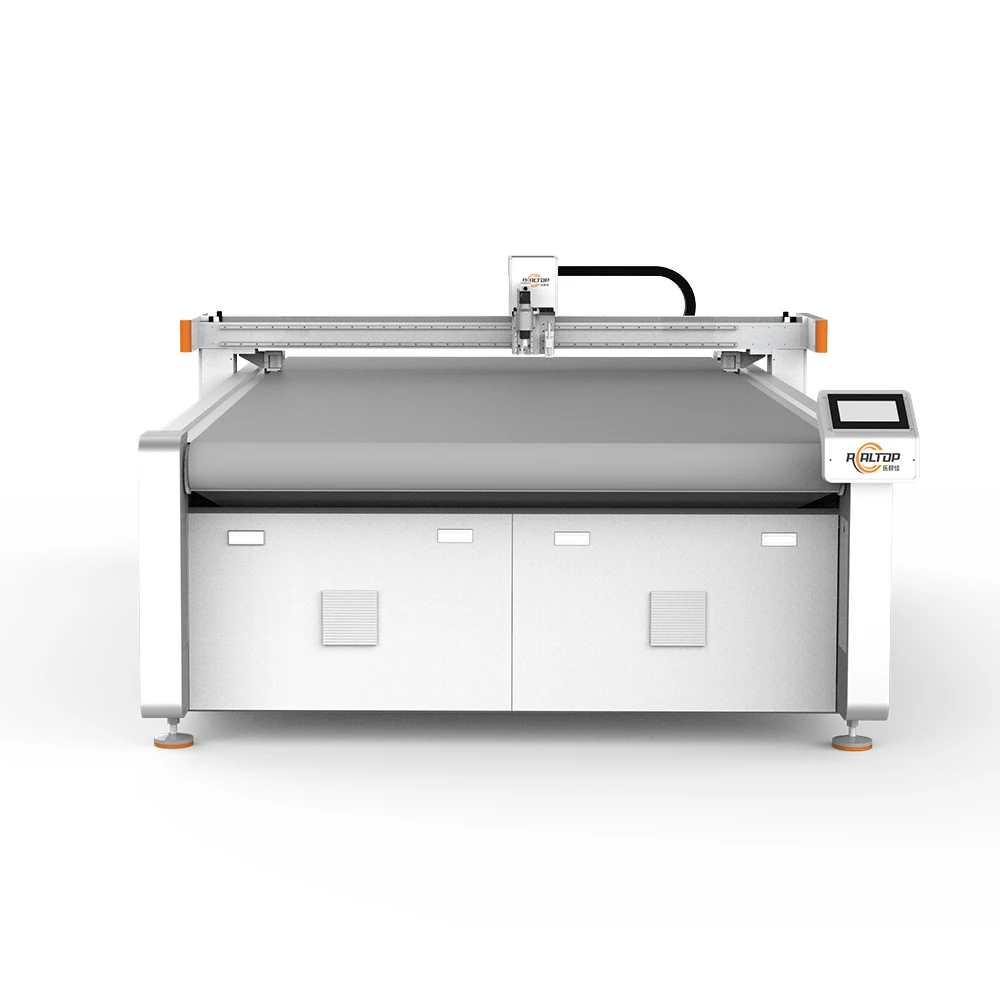
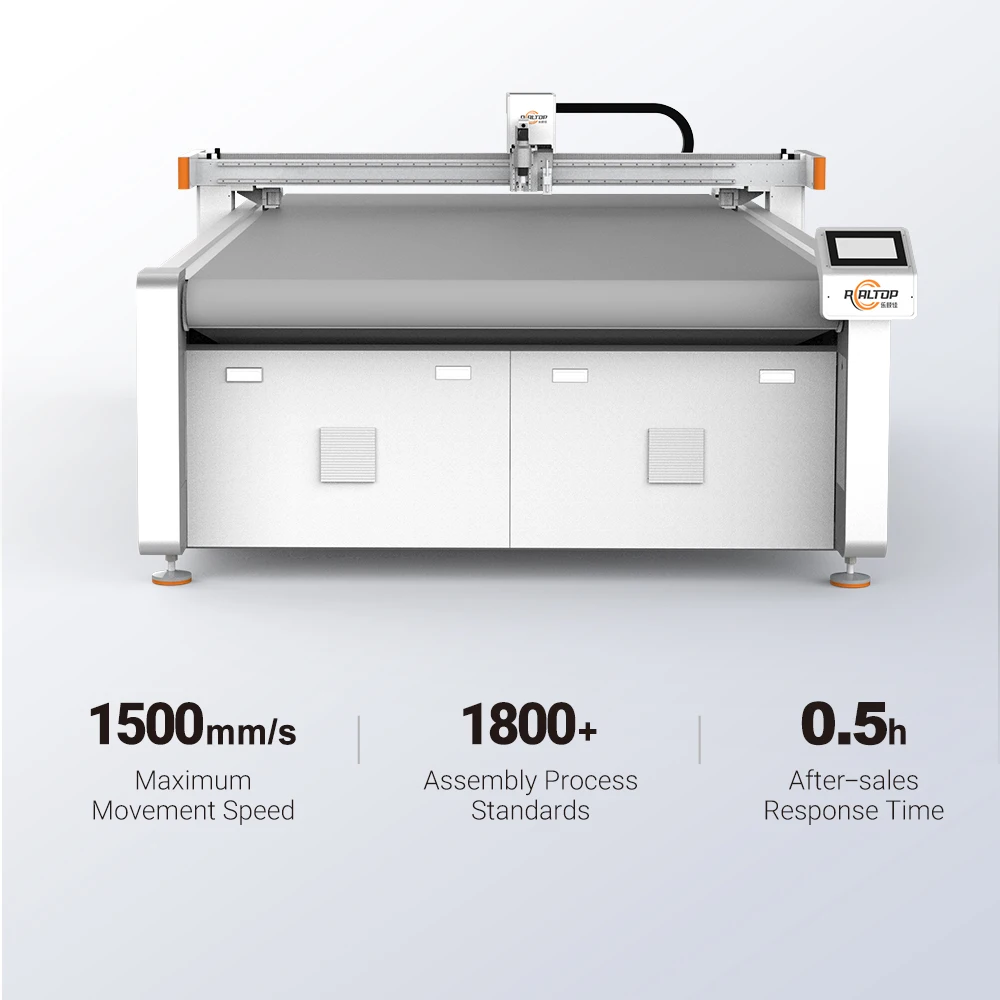
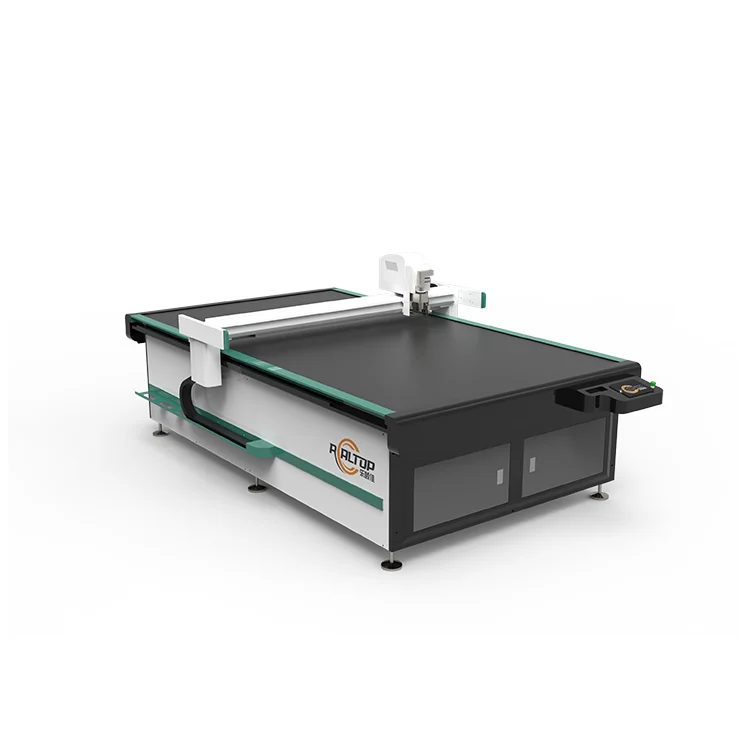
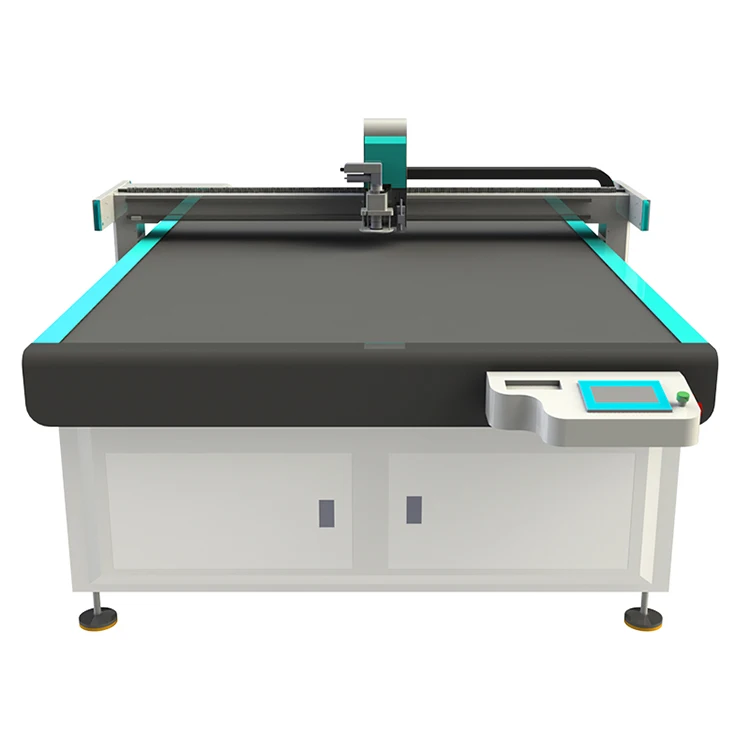
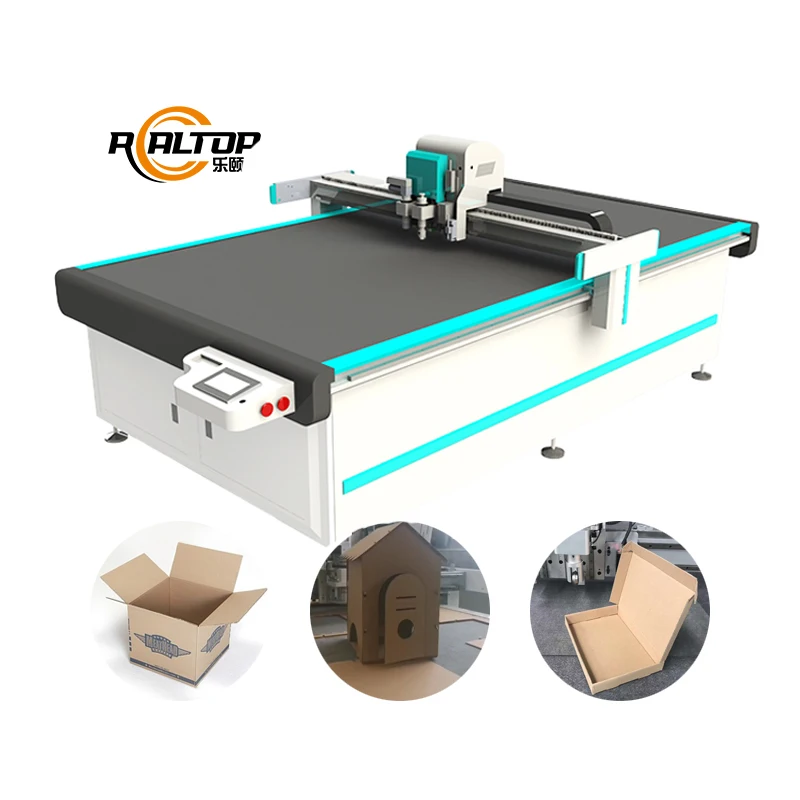
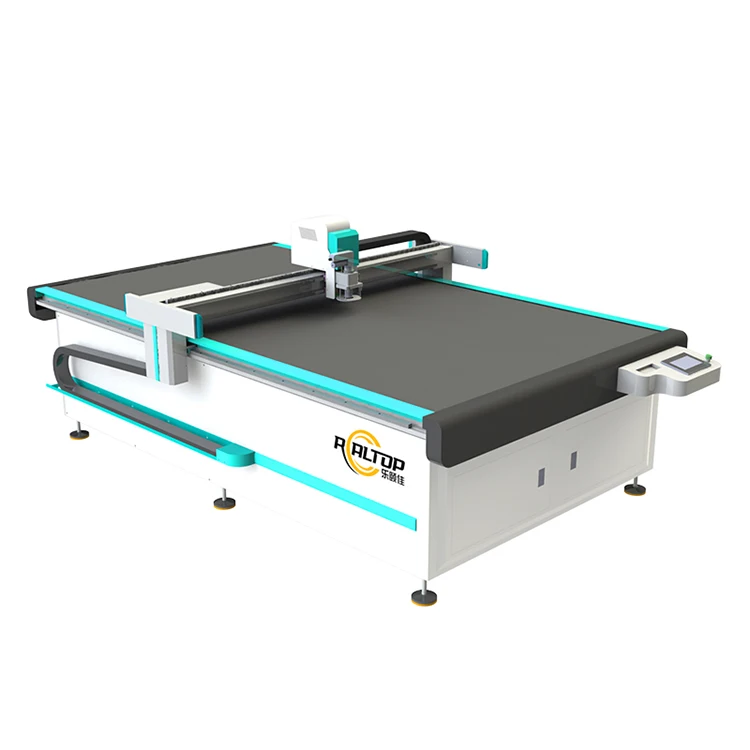
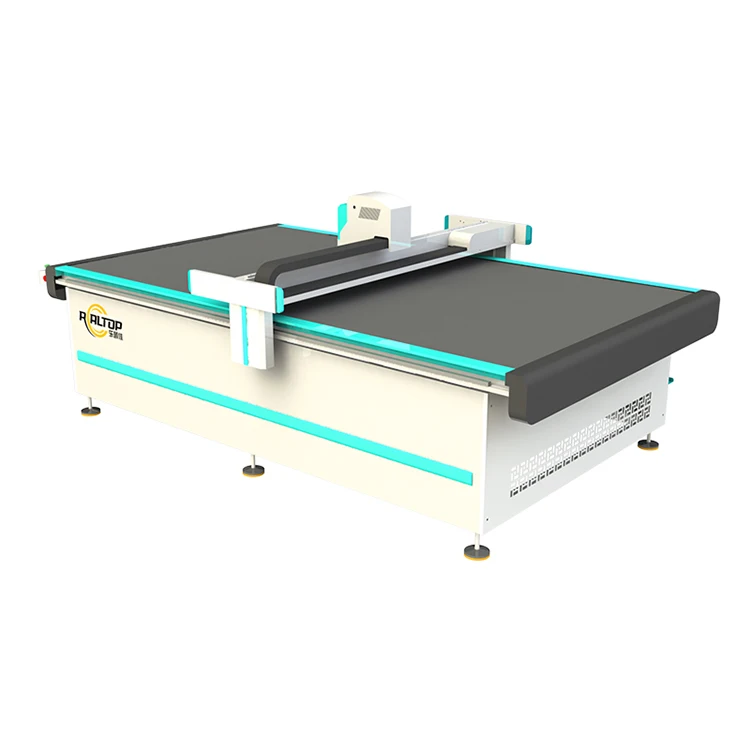
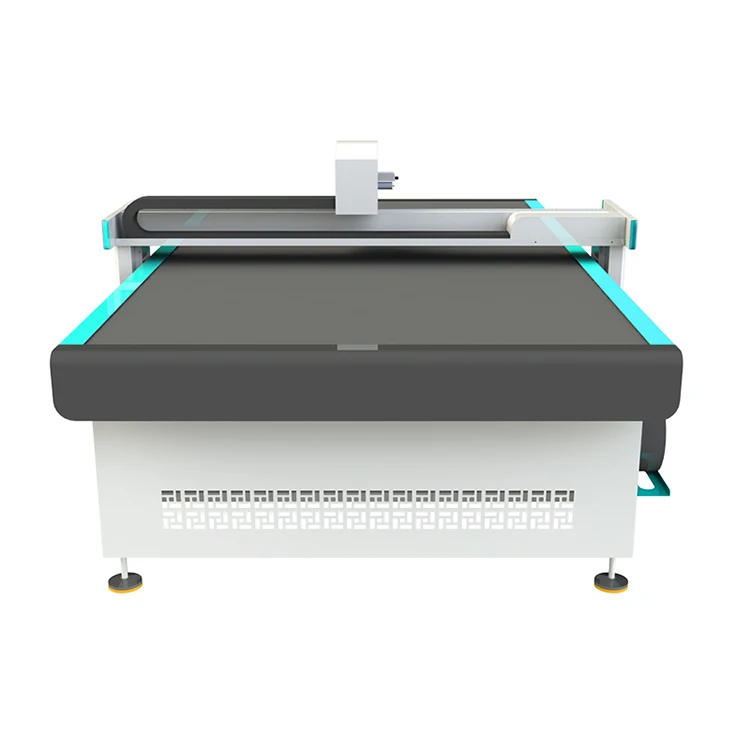
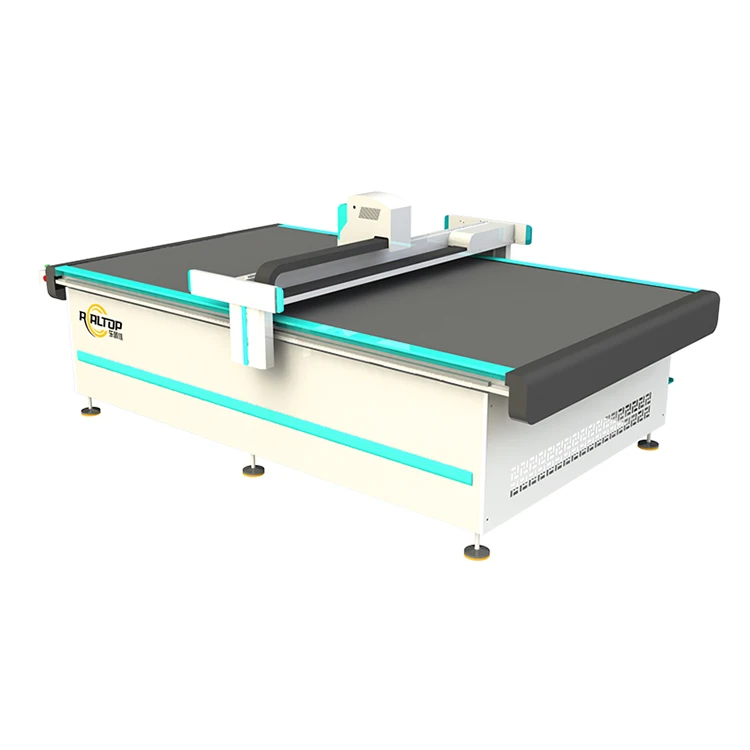
| Product Type | CNC Digital Oscillating Knife Cutting Machine |
| Working Area | 1600×2500 mm |
| Machine Size | 3450×2300×1250 mm |
| Rated Power | 9 kW |
| Voltage | 380V±10% |
| Vacuum Pump | 7.5 kW |
| Translational Velocity | 800–2000 mm/s |
| Cutting Speed | 200–800 mm/s (basis not stated in source — confirm material type / thickness) |
| Repeated Accuracy | ≤0.1 mm |
| Cutting Thickness | ≤100 mm (varies with material) |
| Transmission System | Digital servo motor (Delta optional), linear guide, synchronous belt, ball screw |
| Vacuum Table | Magnesium-aluminum alloy with fluorocarbon PVDF coating, anodic oxidation, hard oxidation |
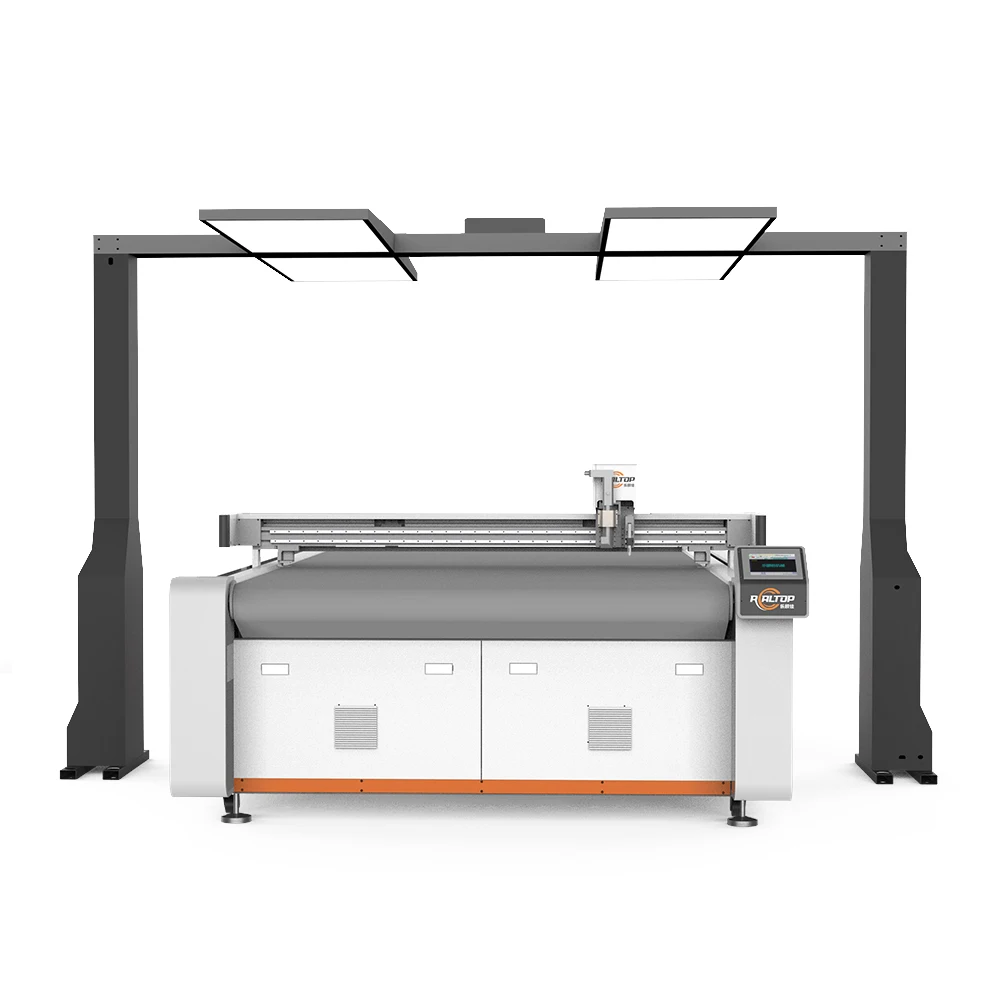
| Positioning System | CCD camera mark point / Panoramic camera / Projection positioning |
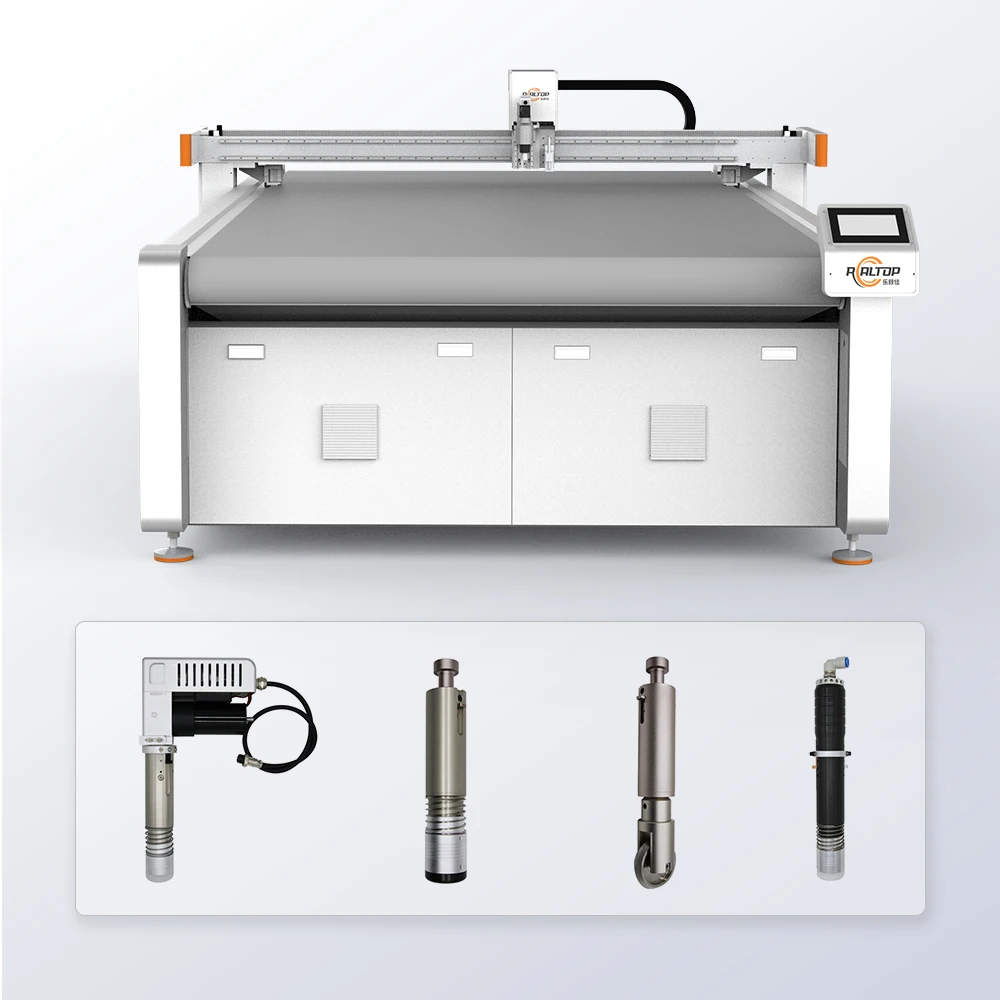
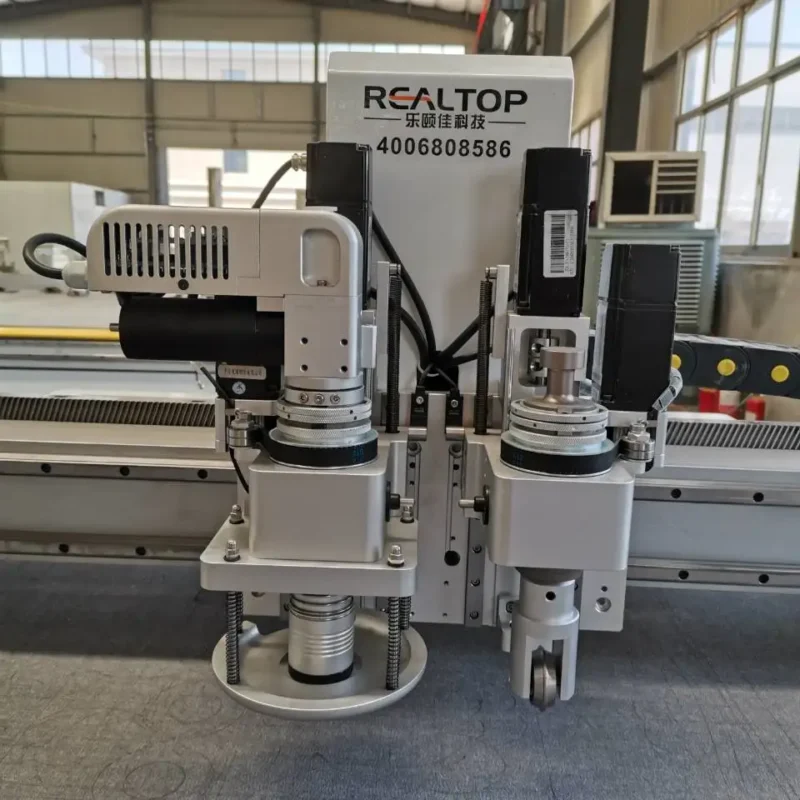
| Tool Head Options | Oscillating knife, pneumatic knife, high-power vibrating knife, circular knife, V-cutting knife, drag knife, creasing wheel, dotted line knife, punching, brush |
| Table Type | Flat working table / Auto feeding table (conveyor option) |
| Control Panel | Touch screen, multi-language supported |
| Software | Auto typesetting, supports PLT, DXF, AI formats |
| Instruction System | HP-GL compatible format |
| Safety Devices | Infrared induction blocking, anti-collision sensor, emergency stop |
| Language Options | English, Russian, Italian, Chinese (special languages customizable) |
| Certification | CE |
Application Suitability
| Application | Material or Output |
|---|---|
| Sealing gasket fabrication | Non-asbestos fiber, PTFE, graphite composite, rubber sheet, aramid fiber |
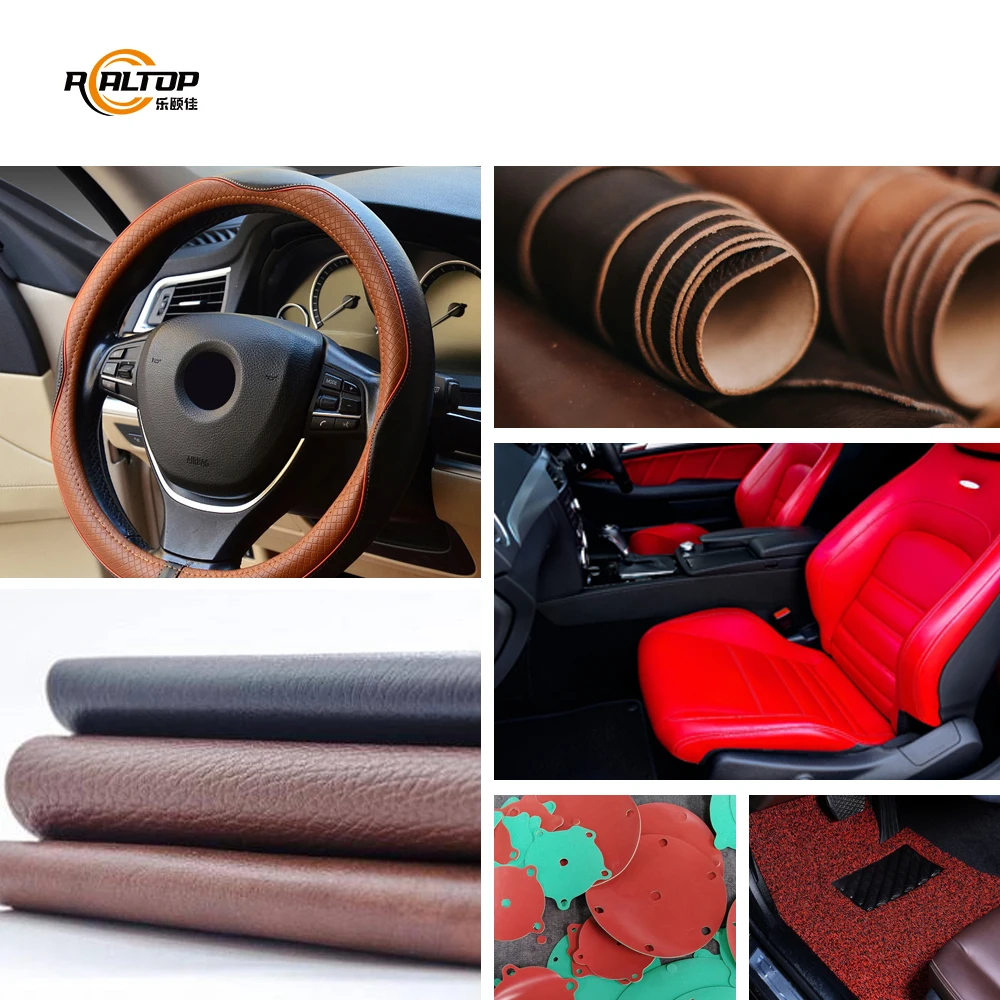
| Automotive interior trimming | EVA foam, XPE, PU sponge, composite insulation panels |
| Footwear pattern cutting | Shoe sole rubber, PU sheets, leather, synthetic textile |
| Packaging and carton sampling | Corrugated cardboard, fiberglass honeycomb, sticker film |
| Composite material processing | Multi-layer laminates, carbon fiber prepreg, rubber-plastic blends |
Why Working Area Alone Cannot Define a Gasket Cutting Machine
A 1600×2500 mm bed tells you nothing about whether the machine can hold down a 5 mm PTFE sheet without crushing a 2 mm graphite insert. Many buyers source a CNC digital cutting machine manufacturer based on table size, only to discover that the vacuum zoning, tool head stroke and spindle load were never matched to their actual material stack. Gasket materials vary wildly in density and compressibility — a setup that holds a soft cork-rubber blend perfectly will let a stiff aramid sheet drift mid-cut if the vacuum zones are not configured for the part geometry. I have seen gasket producers lose hours of material to edge delamination simply because the oscillating frequency was wrong for a metal-reinforced graphite laminate [NEED_CITE: gasket material mechanical properties and cutting forces].
Method-to-Material Matching Across Gasket Families
A PTFE envelope gasket demands a different cutting action than a compressed non-asbestos fiber sheet or a soft cork-rubber compound. The RT-D2516/RT-S2516 platform offers ten tool head types, allowing a buyer to run an oscillating knife for dense fiber materials, a pneumatic knife for thick rubber, or a high-power vibrating knife for multi-layer composite stacks. This CNC oscillating knife cutting machine for sale is not locked into one process; the tool head is selected after sample cutting on the buyer’s actual material, which removes the guesswork before the order is confirmed.
Vacuum Table Zoning and Part Stability
Small gasket profiles — bolt-hole circles, narrow flange rings, irregular sealing faces — are the parts most likely to lift off the table during cutting. The magnesium-aluminum alloy vacuum table on the RT-D2516/RT-S2516 uses zoned suction with a PVDF-coated, hard-oxidized surface that resists abrasion from gritty composite materials. Proper zoning means a 30 mm wide sealing ring stays flat even when the cutter head passes at 800 mm/s translational velocity [NEED_CITE: vacuum hold-down requirements for small-part CNC cutting].
Reading the Specs That Actually Matter
The repeated accuracy of ≤0.1 mm matters most when cutting multi-layer gasket stacks where each layer must register to the same bolt pattern. The digital servo motor transmission, paired with linear guides and ball screws, maintains positional repeatability across the full 1600×2500 mm working area. For buyers running printed gasket templates, the CCD camera mark point positioning option reads registration marks and adjusts the cut path in real time, but its effectiveness depends on mark contrast and print quality — a point that must be verified during sample cutting. The HP-GL compatible instruction system with auto-typesetting software accepting PLT, DXF and AI formats means most existing gasket design files import without conversion, reducing pre-production setup time.
The Cost of Skipping Material Trials
When a gasket producer specifies a machine on table size and price alone, the hidden costs appear weeks after commissioning. Wrong tool head geometry on a metal-reinforced graphite sheet produces ragged edges that fail flange sealing tests. An undersized vacuum pump on a porous fiber material lets small parts shift, creating scrap that compounds across every shift. A control panel locked in a language the floor operators cannot read leads to parameter errors that damage tooling [NEED_CITE: common causes of CNC cutting machine commissioning failures]. These are not theoretical risks; they are the most frequent complaints I have encountered on gasket production floors across the Middle East.
Why Source from This CNC Digital Cutting Machine Manufacturer
In-house design covers both knife and laser cutting technologies, so a buyer comparing methods for a new gasket line can evaluate both without being pushed toward whichever machine is in stock. Tool head and table configurations are specified per material and production volume, not selected from a fixed catalogue page. CCD camera positioning is tested on the buyer’s printed contour before the order is finalized. Software compatibility — file formats, nesting workflows, typesetting logic — is confirmed in writing before production begins. Voltage, plug type and control language are documented and signed off prior to assembly, which eliminates the arrival-day surprises that delay commissioning.
Documentation & Verification
- Machine specification sheet listing confirmed tool head and vacuum table zone layout
- Electrical schematic with voltage and frequency matched to your facility supply
- Sample cutting report produced on your gasket material before order commitment
- Software licence with file format compatibility note for PLT, DXF and AI workflows
- Factory test record showing repeated accuracy and cutting speed on your material stack
- Operation and maintenance manual in your specified control language
Installation, Commissioning & Support
- Foundation must support the 3450×2300×1250 mm machine footprint with level tolerance for linear guide alignment
- Dedicated 380V±10% circuit rated for 9 kW machine load plus 7.5 kW vacuum pump draw
- Machine ships in modular sections for site assembly, requiring overhead clearance for gantry installation
- First-run parameter setting includes vacuum zone mapping, tool head stroke calibration and cutting speed verification
- Operator training covers CCD camera mark recognition, tool head changeover and auto-typesetting software workflow
- Spare parts list includes oscillating knife blades, vacuum table seals and drive belt tension specifications
Prepare Your Material Data Before Inquiry
Send the specific gasket material type, thickness range, sheet dimensions and daily volume so the correct tool head and vacuum configuration can be proposed. Include your facility voltage and frequency, preferred control language and any existing CAD file formats currently in use. If your material contains metal reinforcement layers or unusual fillers, provide a sample for test cutting before the machine configuration is finalized.
Frequently Asked Questions
Q: How do I choose between oscillating knife and laser cutting for gasket materials?
A: Oscillating knife works well on fiber, rubber and composite gasket sheets up to the machine thickness limit, producing clean mechanical edges. Laser cutting suits thin non-metal films and can seal synthetic edges. The correct method depends on your material composition, thickness and edge quality requirement. Sample cutting on your actual material resolves this before commitment.
Q: Why does material thickness change the machine specification beyond working area?
A: Thicker or denser gasket materials demand higher oscillation force, stronger vacuum hold-down and sometimes a different tool head entirely. A machine specified only on bed size may have insufficient stroke or spindle load for your actual material stack. Configuration must be matched to the material, not just the sheet dimensions.
Q: Which tool head should I use for metal-reinforced graphite gasket material?
A: Metal-reinforced graphite requires a tool head with sufficient downward force and stroke to cut through both layers cleanly. The high-power vibrating knife or pneumatic knife options are typically evaluated during sample cutting. Selecting the wrong head produces ragged edges and accelerates blade wear.
Q: What can CCD camera positioning actually do at production speed?
A: CCD mark point positioning reads printed registration marks and adjusts the cut path for contour-accurate gasket profiles. Effectiveness depends on mark contrast, print quality and ambient lighting. This must be tested on your printed material during the sample cutting phase, not assumed from a specification sheet.
Q: What must be confirmed about voltage and software before the machine ships?
A: Your facility voltage and frequency must match the machine electrical system exactly. Control panel language, file format compatibility and nesting software workflow should be verified in writing before production. These items are straightforward to correct before shipment and very costly to fix after arrival.
Complete Cutting Range — one manufacturer covering oscillating knife, drag knife, CO2 laser and fiber laser technologies lets you match the exact method to your gasket material and daily volume instead of forcing a single process.
Technical Specifications
| Parameter | Value |
|---|---|
| Model | RT-D2516/RT-S2516 |
| Product Type | CNC Digital Oscillating Knife Cutting Machine |
| Working Area | 1600×2500 mm |
| Machine Size | 3450×2300×1250 mm |
| Rated Power | 9 kW |
| Voltage | 380V±10% |
| Vacuum Pump | 7.5 kW |
| Translational Velocity | 800–2000 mm/s |
| Cutting Speed | 200–800 mm/s (basis not stated in source — confirm material type / thickness) |
| Repeated Accuracy | ≤0.1 mm |
| Cutting Thickness | ≤100 mm (varies with material) |
| Transmission System | Digital servo motor (Delta optional), linear guide, synchronous belt, ball screw |
| Vacuum Table | Magnesium-aluminum alloy with fluorocarbon PVDF coating, anodic oxidation, hard oxidation |
| Positioning System | CCD camera mark point / Panoramic camera / Projection positioning |
| Tool Head Options | Oscillating knife, pneumatic knife, high-power vibrating knife, circular knife, V-cutting knife, drag knife, creasing wheel, dotted line knife, punching, brush |
| Table Type | Flat working table / Auto feeding table (conveyor option) |
| Control Panel | Touch screen, multi-language supported |
| Software | Auto typesetting, supports PLT, DXF, AI formats |
| Instruction System | HP-GL compatible format |
| Safety Devices | Infrared induction blocking, anti-collision sensor, emergency stop |
| Language Options | English, Russian, Italian, Chinese (special languages customizable) |
| Certification | CE |
Application Suitability
| Application | Material or Output |
|---|---|
| Sealing gasket fabrication | Non-asbestos fiber, PTFE, graphite composite, rubber sheet, aramid fiber |
| Automotive interior trimming | EVA foam, XPE, PU sponge, composite insulation panels |
| Footwear pattern cutting | Shoe sole rubber, PU sheets, leather, synthetic textile |
| Packaging and carton sampling | Corrugated cardboard, fiberglass honeycomb, sticker film |
| Composite material processing | Multi-layer laminates, carbon fiber prepreg, rubber-plastic blends |
Why Working Area Alone Cannot Define a Gasket Cutting Machine
A 1600×2500 mm bed tells you nothing about whether the machine can hold down a 5 mm PTFE sheet without crushing a 2 mm graphite insert. Many buyers source a CNC digital cutting machine manufacturer based on table size, only to discover that the vacuum zoning, tool head stroke and spindle load were never matched to their actual material stack. Gasket materials vary wildly in density and compressibility — a setup that holds a soft cork-rubber blend perfectly will let a stiff aramid sheet drift mid-cut if the vacuum zones are not configured for the part geometry. I have seen gasket producers lose hours of material to edge delamination simply because the oscillating frequency was wrong for a metal-reinforced graphite laminate [NEED_CITE: gasket material mechanical properties and cutting forces].
Method-to-Material Matching Across Gasket Families
A PTFE envelope gasket demands a different cutting action than a compressed non-asbestos fiber sheet or a soft cork-rubber compound. The RT-D2516/RT-S2516 platform offers ten tool head types, allowing a buyer to run an oscillating knife for dense fiber materials, a pneumatic knife for thick rubber, or a high-power vibrating knife for multi-layer composite stacks. This CNC oscillating knife cutting machine for sale is not locked into one process; the tool head is selected after sample cutting on the buyer’s actual material, which removes the guesswork before the order is confirmed.
Vacuum Table Zoning and Part Stability
Small gasket profiles — bolt-hole circles, narrow flange rings, irregular sealing faces — are the parts most likely to lift off the table during cutting. The magnesium-aluminum alloy vacuum table on the RT-D2516/RT-S2516 uses zoned suction with a PVDF-coated, hard-oxidized surface that resists abrasion from gritty composite materials. Proper zoning means a 30 mm wide sealing ring stays flat even when the cutter head passes at 800 mm/s translational velocity [NEED_CITE: vacuum hold-down requirements for small-part CNC cutting].
Reading the Specs That Actually Matter
The repeated accuracy of ≤0.1 mm matters most when cutting multi-layer gasket stacks where each layer must register to the same bolt pattern. The digital servo motor transmission, paired with linear guides and ball screws, maintains positional repeatability across the full 1600×2500 mm working area. For buyers running printed gasket templates, the CCD camera mark point positioning option reads registration marks and adjusts the cut path in real time, but its effectiveness depends on mark contrast and print quality — a point that must be verified during sample cutting. The HP-GL compatible instruction system with auto-typesetting software accepting PLT, DXF and AI formats means most existing gasket design files import without conversion, reducing pre-production setup time.
The Cost of Skipping Material Trials
When a gasket producer specifies a machine on table size and price alone, the hidden costs appear weeks after commissioning. Wrong tool head geometry on a metal-reinforced graphite sheet produces ragged edges that fail flange sealing tests. An undersized vacuum pump on a porous fiber material lets small parts shift, creating scrap that compounds across every shift. A control panel locked in a language the floor operators cannot read leads to parameter errors that damage tooling [NEED_CITE: common causes of CNC cutting machine commissioning failures]. These are not theoretical risks; they are the most frequent complaints I have encountered on gasket production floors across the Middle East.
Why Source from This CNC Digital Cutting Machine Manufacturer
In-house design covers both knife and laser cutting technologies, so a buyer comparing methods for a new gasket line can evaluate both without being pushed toward whichever machine is in stock. Tool head and table configurations are specified per material and production volume, not selected from a fixed catalogue page. CCD camera positioning is tested on the buyer’s printed contour before the order is finalized. Software compatibility — file formats, nesting workflows, typesetting logic — is confirmed in writing before production begins. Voltage, plug type and control language are documented and signed off prior to assembly, which eliminates the arrival-day surprises that delay commissioning.
Documentation & Verification
- Machine specification sheet listing confirmed tool head and vacuum table zone layout
- Electrical schematic with voltage and frequency matched to your facility supply
- Sample cutting report produced on your gasket material before order commitment
- Software licence with file format compatibility note for PLT, DXF and AI workflows
- Factory test record showing repeated accuracy and cutting speed on your material stack
- Operation and maintenance manual in your specified control language
Installation, Commissioning & Support
- Foundation must support the 3450×2300×1250 mm machine footprint with level tolerance for linear guide alignment
- Dedicated 380V±10% circuit rated for 9 kW machine load plus 7.5 kW vacuum pump draw
- Machine ships in modular sections for site assembly, requiring overhead clearance for gantry installation
- First-run parameter setting includes vacuum zone mapping, tool head stroke calibration and cutting speed verification
- Operator training covers CCD camera mark recognition, tool head changeover and auto-typesetting software workflow
- Spare parts list includes oscillating knife blades, vacuum table seals and drive belt tension specifications
Prepare Your Material Data Before Inquiry
Send the specific gasket material type, thickness range, sheet dimensions and daily volume so the correct tool head and vacuum configuration can be proposed. Include your facility voltage and frequency, preferred control language and any existing CAD file formats currently in use. If your material contains metal reinforcement layers or unusual fillers, provide a sample for test cutting before the machine configuration is finalized.
Frequently Asked Questions
Q: How do I choose between oscillating knife and laser cutting for gasket materials?
A: Oscillating knife works well on fiber, rubber and composite gasket sheets up to the machine thickness limit, producing clean mechanical edges. Laser cutting suits thin non-metal films and can seal synthetic edges. The correct method depends on your material composition, thickness and edge quality requirement. Sample cutting on your actual material resolves this before commitment.
Q: Why does material thickness change the machine specification beyond working area?
A: Thicker or denser gasket materials demand higher oscillation force, stronger vacuum hold-down and sometimes a different tool head entirely. A machine specified only on bed size may have insufficient stroke or spindle load for your actual material stack. Configuration must be matched to the material, not just the sheet dimensions.
Q: Which tool head should I use for metal-reinforced graphite gasket material?
A: Metal-reinforced graphite requires a tool head with sufficient downward force and stroke to cut through both layers cleanly. The high-power vibrating knife or pneumatic knife options are typically evaluated during sample cutting. Selecting the wrong head produces ragged edges and accelerates blade wear.
Q: What can CCD camera positioning actually do at production speed?
A: CCD mark point positioning reads printed registration marks and adjusts the cut path for contour-accurate gasket profiles. Effectiveness depends on mark contrast, print quality and ambient lighting. This must be tested on your printed material during the sample cutting phase, not assumed from a specification sheet.
Q: What must be confirmed about voltage and software before the machine ships?
A: Your facility voltage and frequency must match the machine electrical system exactly. Control panel language, file format compatibility and nesting software workflow should be verified in writing before production. These items are straightforward to correct before shipment and very costly to fix after arrival.
商品评价
There are no reviews yet.