

Fast Delivery
Quick, reliable shipping to any location.

Free & easy returns
Return this item by mail or in store within 90 days for a full refund.
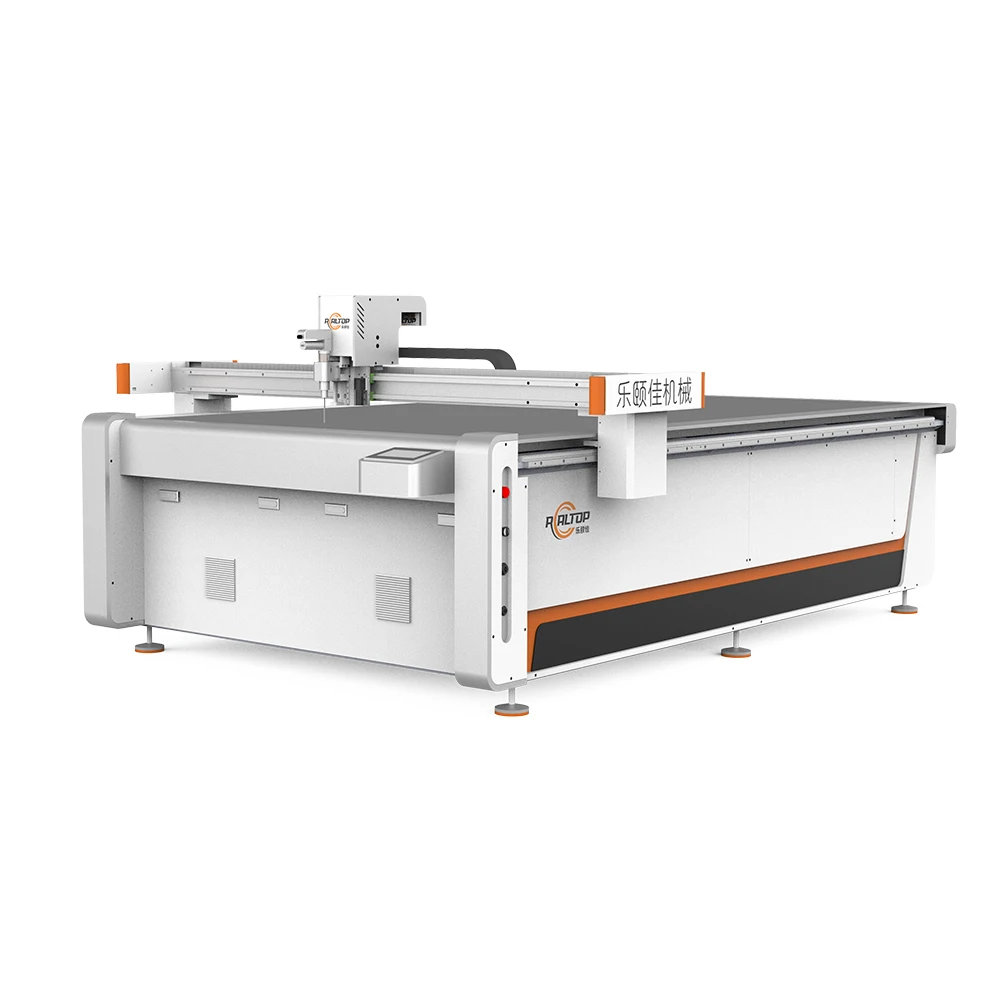
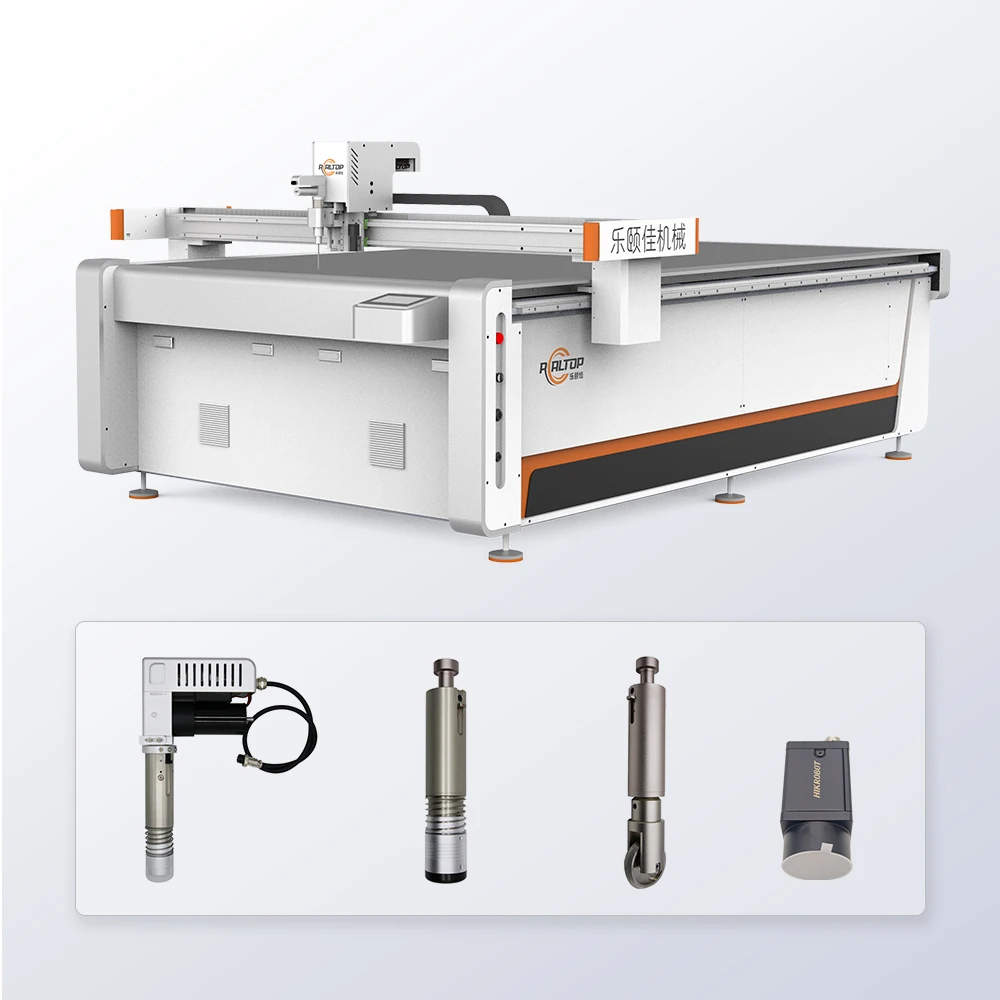
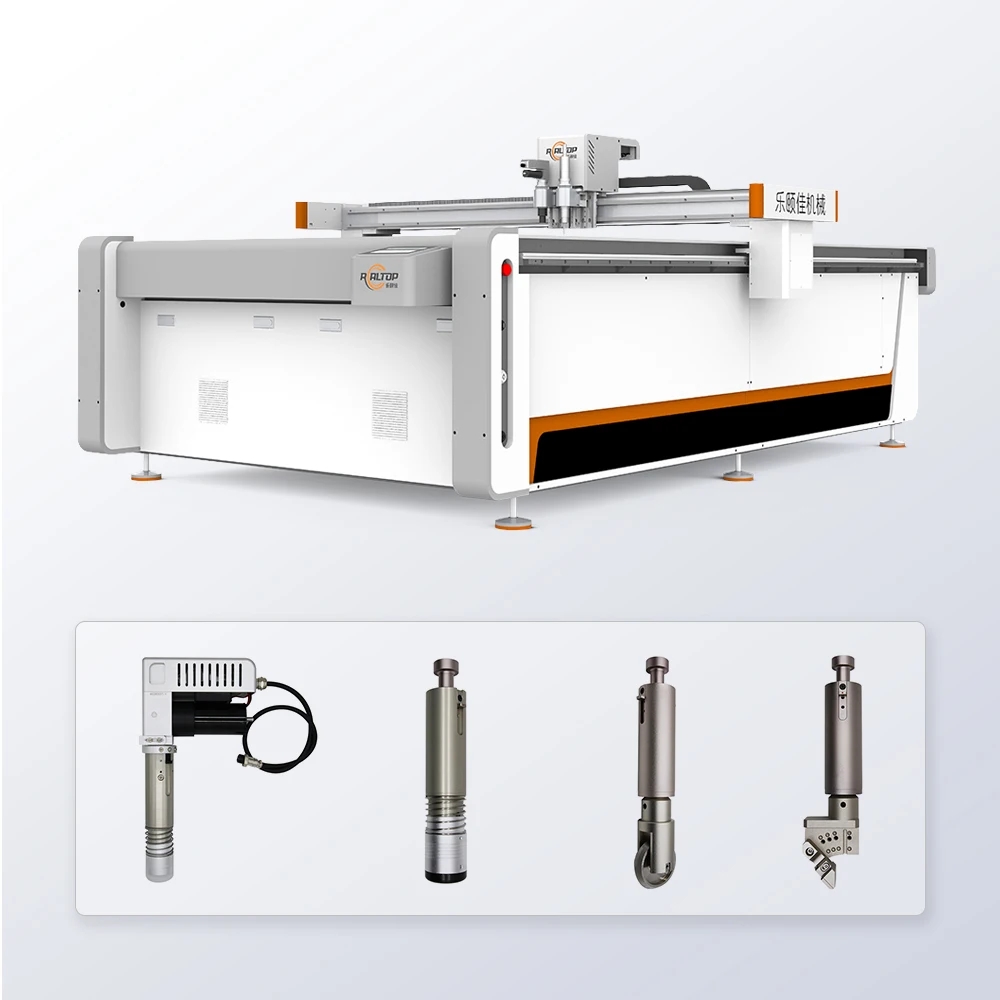
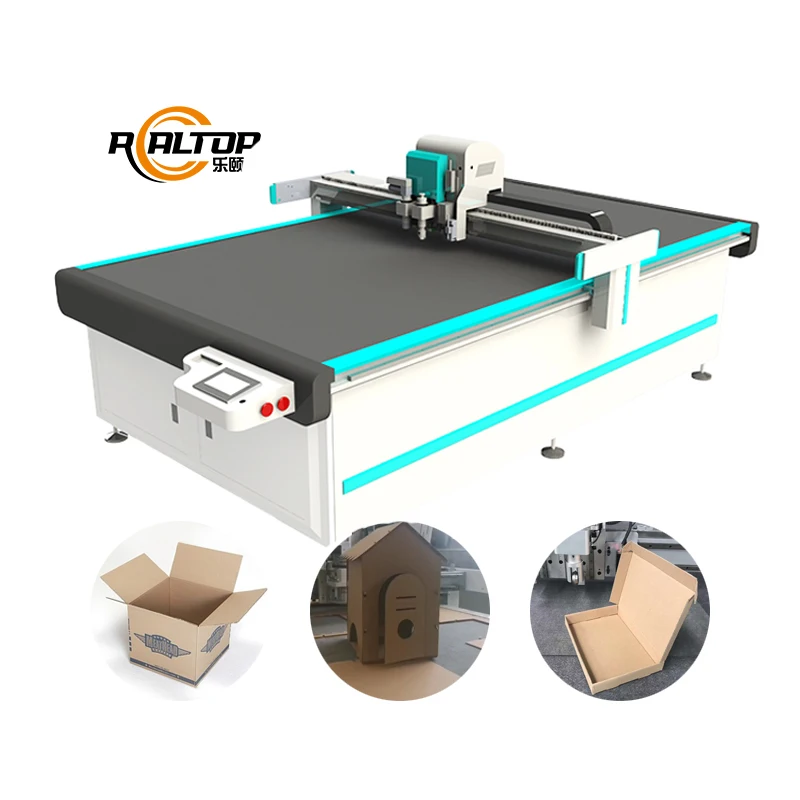
Configurable cutting methods — We match the oscillating knife or creasing wheel to your specific corrugated grade and flute profile rather than shipping a generic setup.
Technical Specifications
| Parameter | Value |
|---|---|
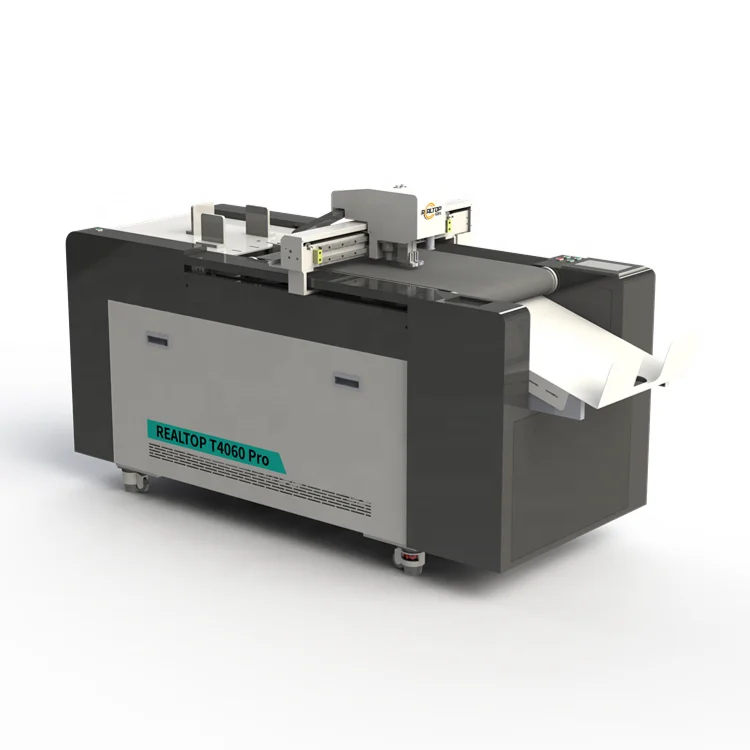
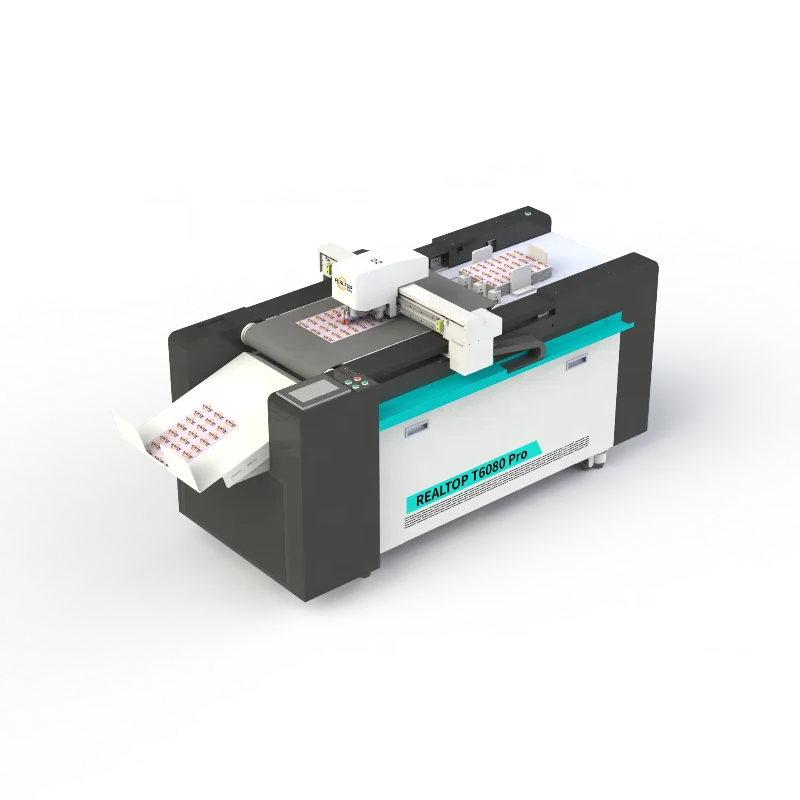
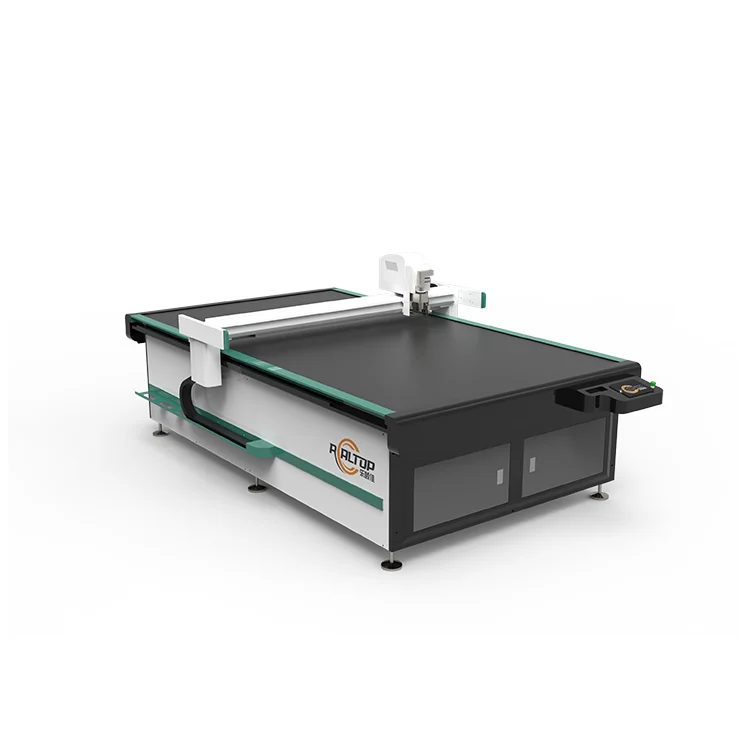
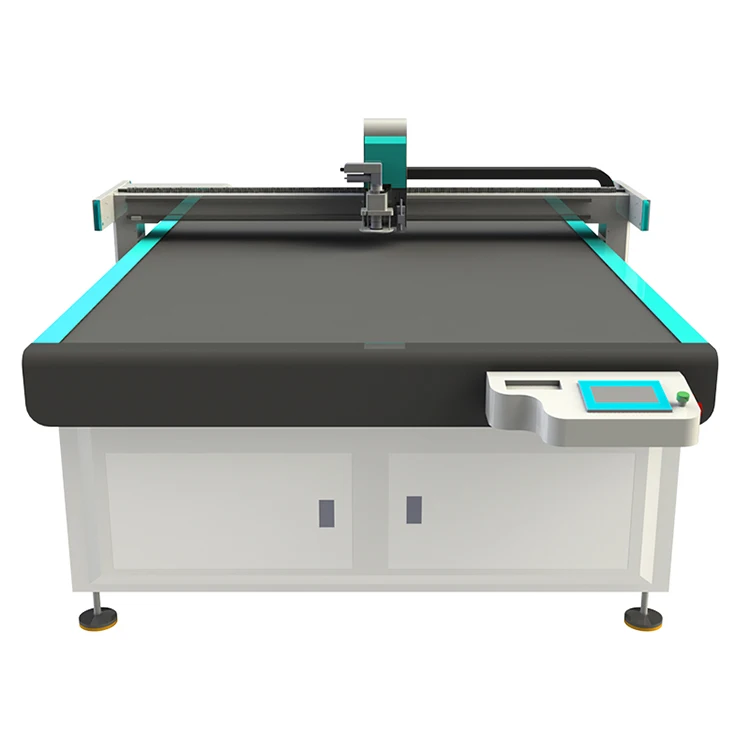
| Product Type | CNC Digital Flatbed Cutting Machine |
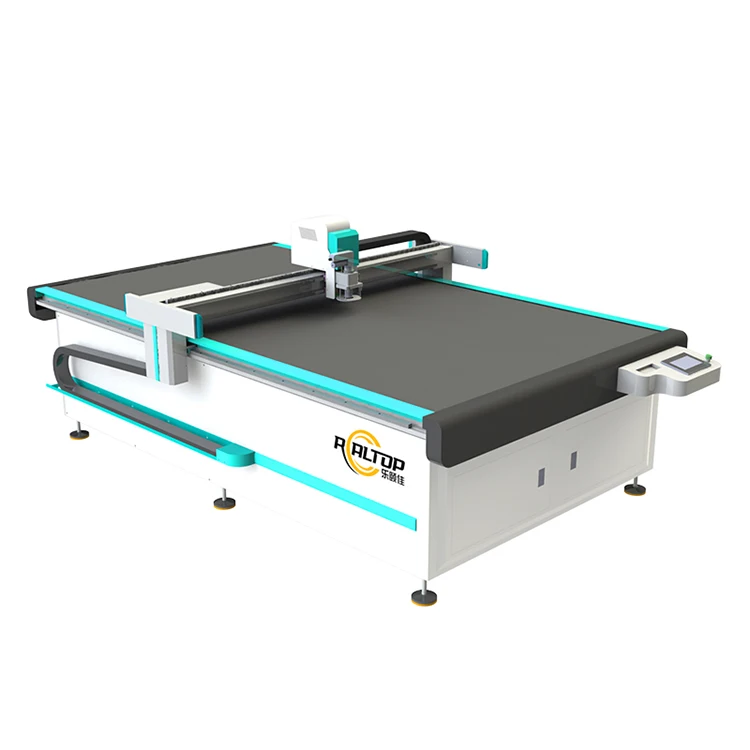
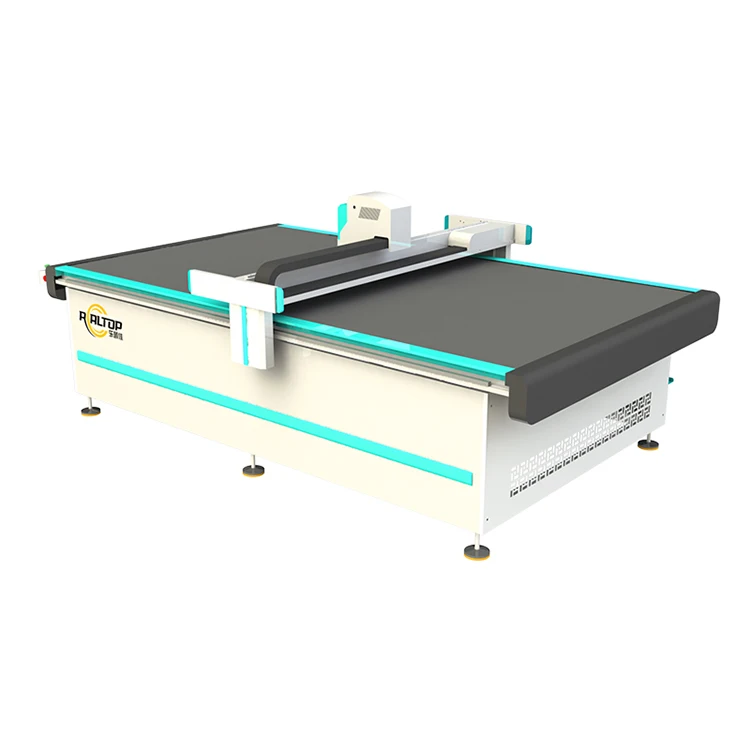
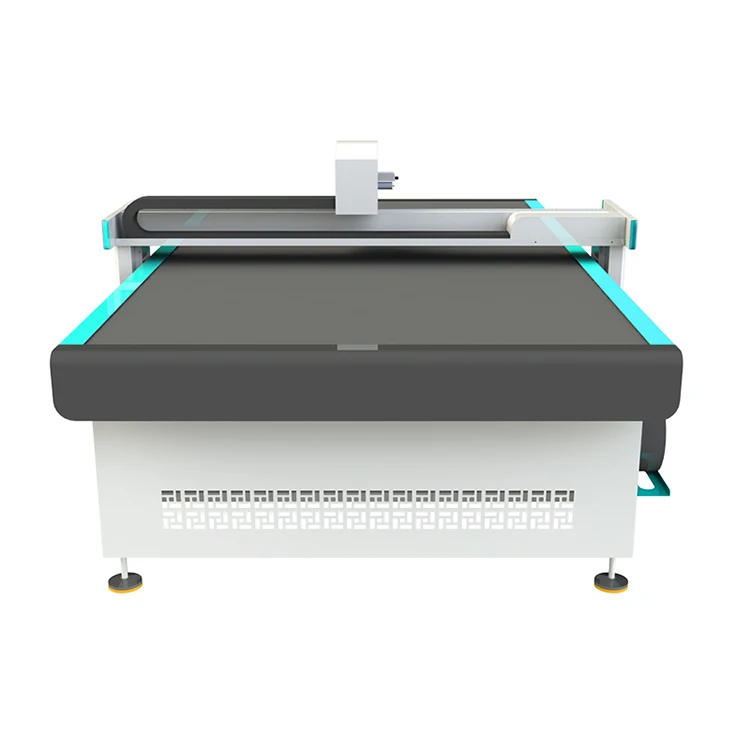
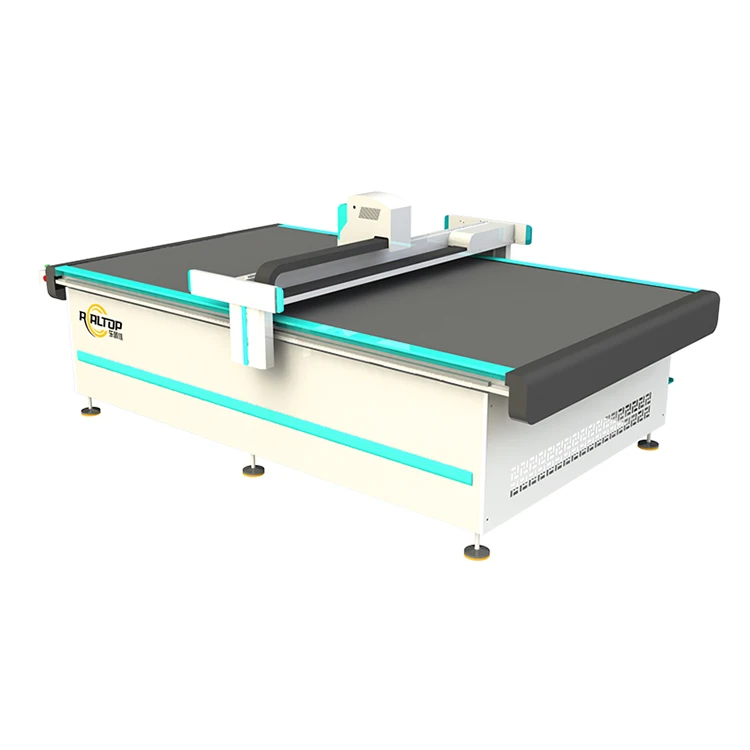
| Working Area | 1600×2500 mm |
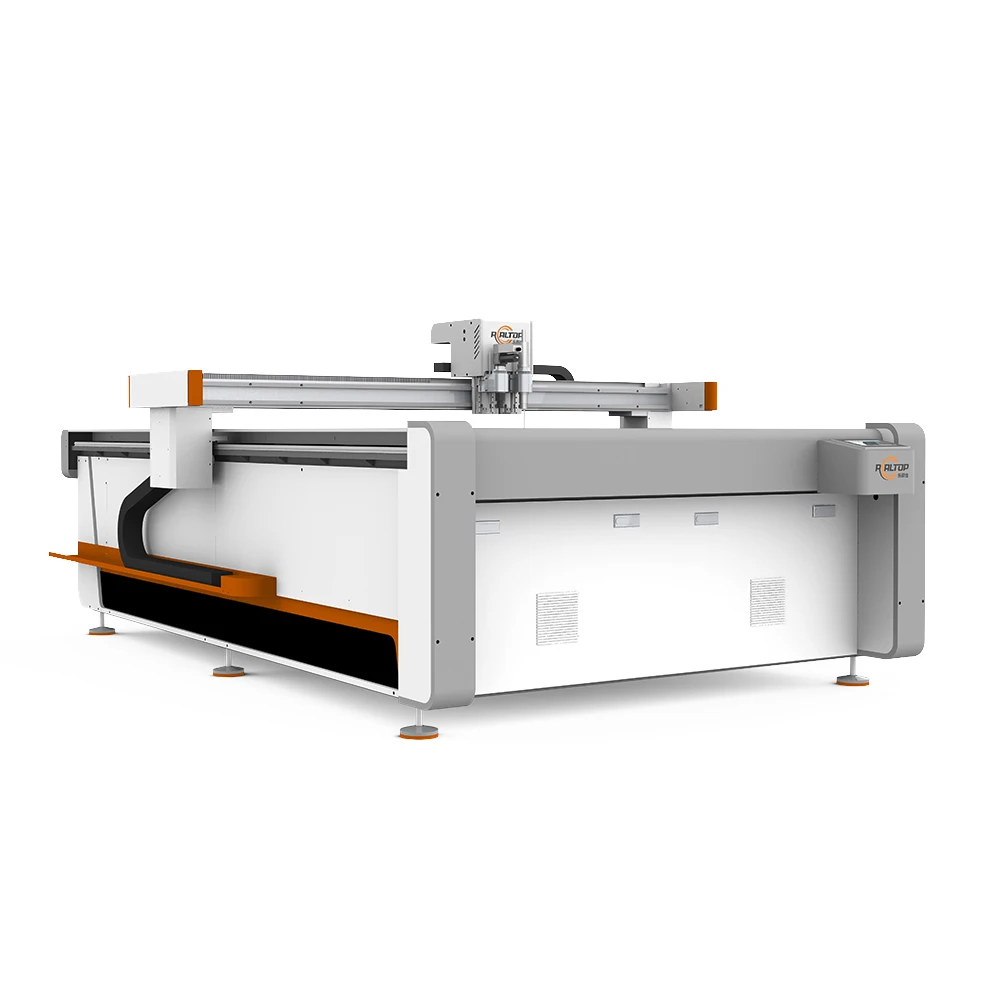
| Machine Size | 3450×2300×1250 mm |
| Rated Power | 9 kW |
| Voltage | 380V±10% |
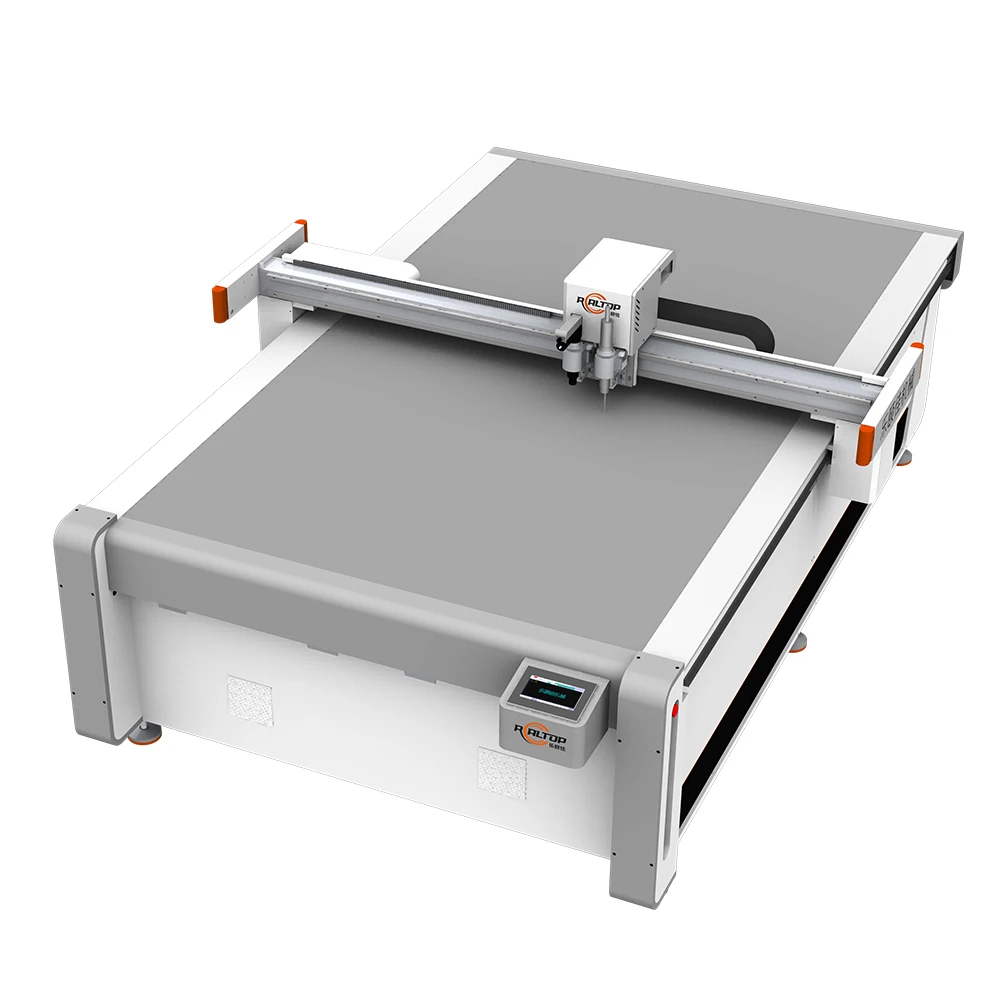
| Table Type | Flat working table with vacuum adsorption |
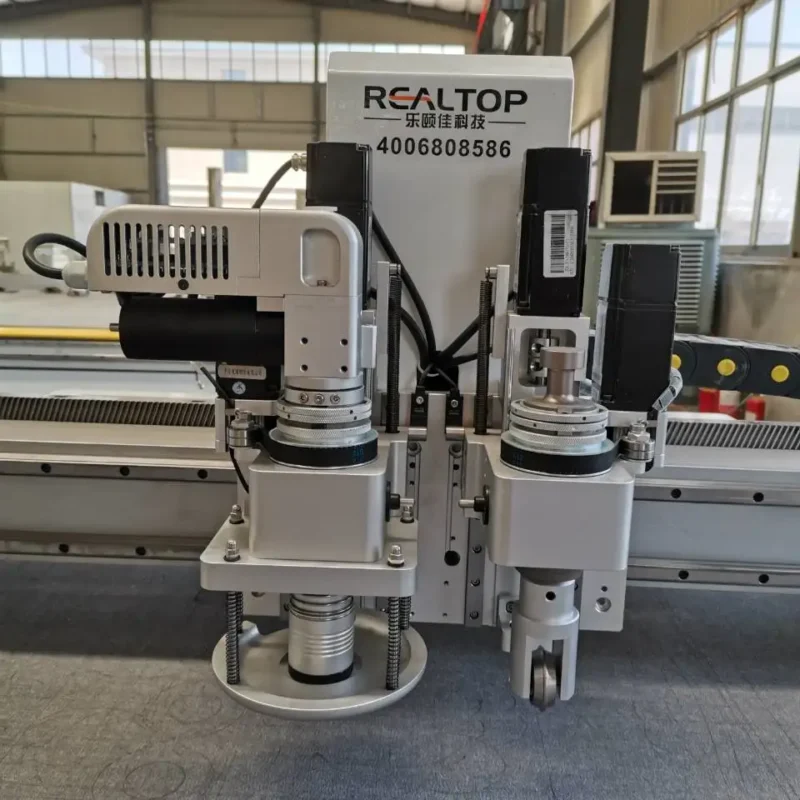
| Tool Head | Swiss imported knife with vibration full cutting, half cutting, and cursor location |
| Translational Velocity | 800-2000 mm/s |
| Cutting Speed | 200-800 mm/s (varies by material density and thickness) |
| Repeated Accuracy | ≤0.1 mm |
| Transmission System | Digital servo motor, linear guide, synchronous belt, imported ball screw |
| Vacuum Pump | 7.5 kW |
| Guide Rail | Taiwan Hiwin linear rail |
| Conveyor Belt | Germany imported belt (auto feeding configuration) |
| Safety Device | Infrared sensors |
| Software | Professional carton cutting software, multi-format import |
| Language Options | English, Russian, Italian, Chinese, customizable |
| Instruction Format | HP-GL compatible |
| Assembly State | Complete machine |
Application Suitability
| Application | Material or Output |
|---|---|
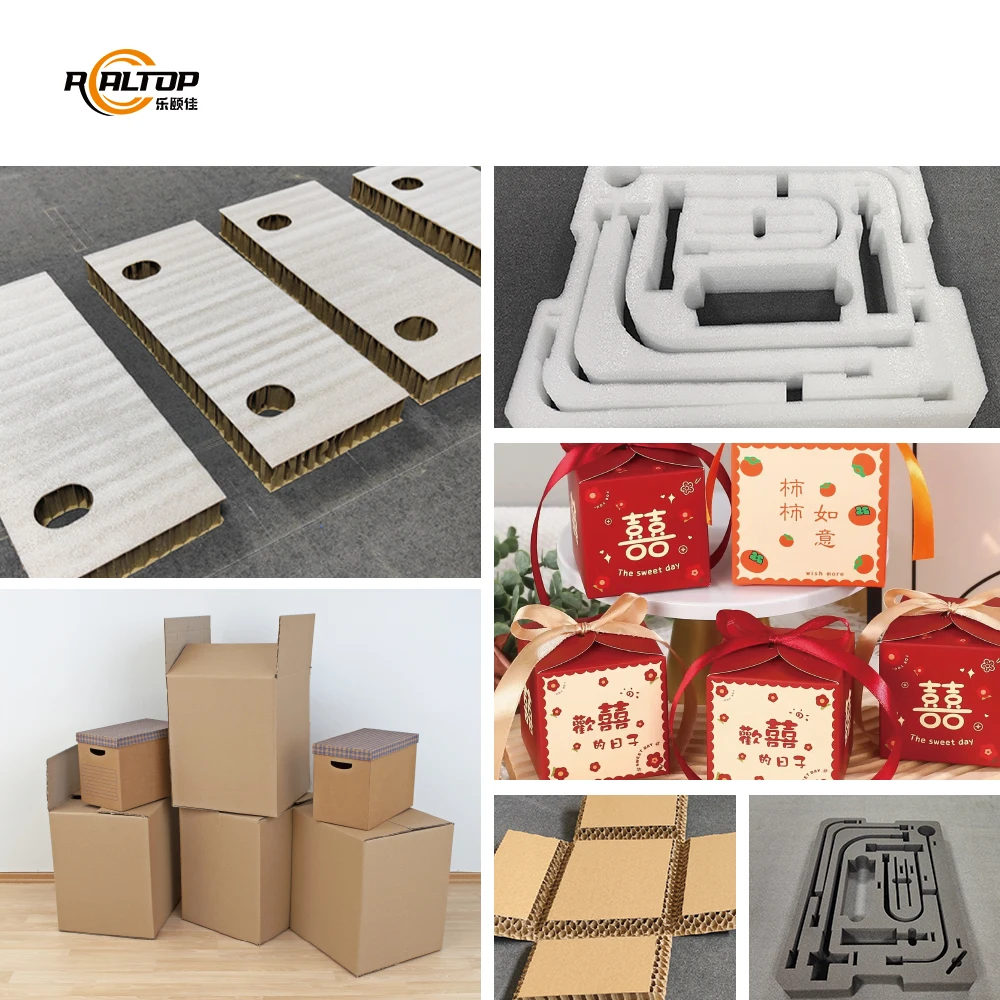
| Carton box sampling and short-run packaging | Corrugated board, grey board, honeycomb cardboard |
| Sticker and label contour cutting | Vinyl, adhesive paper, pattern stickers |
| Large format electrical appliance packaging | Heavy-duty double and triple-wall corrugated |
| Express and e-commerce paper box packaging | Single and double-wall corrugated, kraft board |
| High-end gift box and display packaging | Grey board, art card, foam board |
| Gasket and flexible material processing | Rubber, silicon, PVC, soft glass, composite leather |
Why Your File Format Should Be Tested Before the Machine Ships
A packaging CNC cutting table is only as useful as the software driving it, and a format mismatch means downtime before the first cut.
In my earlier days on the assembly floor, I watched a carton sample maker sit idle for two weeks because the buyer’s design team worked exclusively in a vector format the machine’s default software could not parse. The hardware was fine; the data pipeline was broken. When sourcing a CNC Oscillating Knife Cutting Machine for sale, confirming software compatibility with your existing nesting workflow and design files must happen during the specification stage, not after the crate is opened. Buyers often focus on cutting speed and working area while the file import question stays buried [NEED_CITE: software compatibility verification in industrial equipment procurement]. The result is a machine that physically handles the material but cannot accept the job.
Matching the Tool Head to the Board Grade
The Swiss imported oscillating knife on this system handles full cutting, half cutting, and cursor location within the same head. For corrugated board sampling, the vibration frequency and blade angle determine whether the flute structure crushes or shears cleanly. A configuration built for single-wall E-flute will behave differently on triple-wall heavy-duty packaging stock, which is why the tool head selection must align with your actual board grade and daily production mix. The multifunctional head design means a single CNC Oscillating Knife Cutting Machine for sale can move between creasing and cutting tasks without manual tool changes mid-job.
Vacuum Holding and Zoned Adsorption
The flat working table relies on a 7.5 kW vacuum pump and an aluminum honeycomb structure to hold sheets flat during cutting. When you run small sticker nests or business card layouts, the vacuum must be concentrated in the active cutting zone; otherwise, parts lift at the edges and the knife catches. The zoning capability on this table allows operators to activate only the sections under the current job, maintaining consistent hold-down across irregular sheet sizes [NEED_CITE: vacuum zoning principles in flatbed digital cutting]. This matters most when the same machine processes a full 1600×2500 mm corrugated sheet in the morning and a small vinyl sticker run in the afternoon.
What the Transmission Specs Mean for Edge Quality
Repeated accuracy of ≤0.1 mm comes from the combination of Taiwan Hiwin linear rails, imported ball screws, and a digital servo motor driving the motion system. In carton sample making, this tolerance affects how precisely a crease line meets the cut boundary. If the registration drifts, the folded box will not close square. The translational velocity range of 800-2000 mm/s gives the operator room to slow down on tight corners and intricate sticker contours while opening up on long straight cuts across packaging blanks. The synchronous belt and ball screw work together to eliminate the backlash that causes ragged edges on curved die-line paths. A 7.5 kW vacuum pump provides the holding force necessary so the motion system can maintain its rated accuracy without fighting material movement.
The Cost of Skipping the Voltage and Material Conversation
Sending a 380V machine to a workshop with unstable local supply without confirming tolerance margins leads to servo faults and vacuum pump trips. I recall a shipment where the buyer’s local voltage dipped regularly outside the ±10% band, and the machine entered protective shutdown mid-run. The board was also a high-moisture grey stock that warped on the table, defeating the vacuum hold-down. Neither issue was a machine defect; both were specification gaps caught too late [NEED_CITE: voltage fluctuation impact on CNC servo systems]. Selecting a CNC Oscillating Knife Cutting Machine for sale without verifying your workshop’s electrical profile and material storage conditions turns minor site variables into recurring production stops.
What Goes Into Building This Machine Range
The design team engineers both knife and laser cutting platforms in-house, which means the flatbed table configuration is specified around your material rather than adapted from a single-purpose frame. The tool head and vacuum table combination is selected per application, so a packaging sample maker receives a setup validated on corrugated board, not a generic table repurposed from fabric cutting. Sample cutting on your own material runs before the order is finalized, producing a documented report you can review. Software compatibility and language options are locked in during the specification phase, covering everything from HP-GL import to operator interface language. Voltage, plug type, and electrical schematic are confirmed against your local standards before production begins.
Documentation & Verification
- Machine specification sheet listing confirmed tool head, vacuum pump rating, and working area
- Electrical schematic with voltage and frequency matched to your facility supply
- Tool head and table configuration record tied to your material test sample
- Sample cutting report produced on your corrugated board or sticker stock before shipment
- Software license documentation with supported file format and nesting workflow confirmation
- Operation and maintenance manual in your selected control language
Installation, Commissioning & Support
- Floor space requirement based on 3450×2300 mm machine footprint plus operator clearance
- Dedicated 380V±10% circuit with appropriate breaker rating for the 9 kW total load
- Complete machine delivery with factory pre-assembly and on-site positioning guidance
- First-run parameter tuning on your specific corrugated grade and board thickness
- Operator training covering the professional carton software and multi-format file import workflow
- Spare parts list covering oscillating knife blades, vacuum table seals, and belt wear items
Before You Request a Quote
To size the right configuration, share the corrugated flute profiles and board thicknesses you run most often, your typical maximum sheet size, and whether you need the auto-feeding conveyor setup or manual loading. Let us know your workshop voltage and frequency, the control language your operators prefer, and which design software your team currently uses for die-line creation. If you have sticker or label work in the mix, include the vinyl type and whether contour cutting from printed registration marks is part of your workflow.
Frequently Asked Questions
Q: How do you determine the right tool head for different packaging materials?
A: We start with your actual board samples — corrugated flute type, grey board thickness, and any composite materials you process. The Swiss imported oscillating knife handles full and half cutting, but the blade angle and vibration frequency are adjusted based on test cuts. A configuration validated on your material ships with the machine, avoiding generic setups that crush flutes or leave ragged edges on dense board.
Q: What happens if my design software exports a format the machine cannot read?
A: That scenario is exactly what the pre-order software compatibility check prevents. We confirm which vector formats your team uses — DXF, PLT, AI, or others — and test import through the professional carton cutting software before production. If a nesting workflow or specific file type needs accommodation, it gets addressed at the specification stage rather than after delivery.
Q: How does vacuum table zoning affect small sticker cutting jobs?
A: Small parts need concentrated vacuum directly beneath the cutting path; otherwise, pieces lift and shift mid-cut. The honeycomb table with zone control lets the operator activate only the sections under the current nest. This holds stickers and business cards flat without requiring a full-table vacuum draw, which also reduces load on the 7.5 kW pump during small-format runs.
Q: Can the voltage and control language be set for my local market before shipment?
A: Voltage, plug configuration, and frequency are confirmed against your facility supply during the specification phase, and the electrical schematic is prepared accordingly. The control language — English, Russian, Italian, Chinese, or a custom option — is loaded and verified before the machine leaves the factory. This eliminates on-site electrical surprises and operator confusion during commissioning.
Q: How does the sample cutting test work before I commit to an order?
A: You send us a selection of your actual production materials — the corrugated grades, sticker stocks, or flexible sheets you run daily. We configure the machine with the proposed tool head and vacuum setup, then cut your files and document the results in a sample cutting report. You review edge quality, crease accuracy, and holding performance before the final configuration is locked in for production.
Configurable cutting methods — We match the oscillating knife or creasing wheel to your specific corrugated grade and flute profile rather than shipping a generic setup.
Technical Specifications
| Parameter | Value |
|---|---|
| Product Type | CNC Digital Flatbed Cutting Machine |
| Working Area | 1600×2500 mm |
| Machine Size | 3450×2300×1250 mm |
| Rated Power | 9 kW |
| Voltage | 380V±10% |
| Table Type | Flat working table with vacuum adsorption |
| Tool Head | Swiss imported knife with vibration full cutting, half cutting, and cursor location |
| Translational Velocity | 800-2000 mm/s |
| Cutting Speed | 200-800 mm/s (varies by material density and thickness) |
| Repeated Accuracy | ≤0.1 mm |
| Transmission System | Digital servo motor, linear guide, synchronous belt, imported ball screw |
| Vacuum Pump | 7.5 kW |
| Guide Rail | Taiwan Hiwin linear rail |
| Conveyor Belt | Germany imported belt (auto feeding configuration) |
| Safety Device | Infrared sensors |
| Software | Professional carton cutting software, multi-format import |
| Language Options | English, Russian, Italian, Chinese, customizable |
| Instruction Format | HP-GL compatible |
| Assembly State | Complete machine |
Application Suitability
| Application | Material or Output |
|---|---|
| Carton box sampling and short-run packaging | Corrugated board, grey board, honeycomb cardboard |
| Sticker and label contour cutting | Vinyl, adhesive paper, pattern stickers |
| Large format electrical appliance packaging | Heavy-duty double and triple-wall corrugated |
| Express and e-commerce paper box packaging | Single and double-wall corrugated, kraft board |
| High-end gift box and display packaging | Grey board, art card, foam board |
| Gasket and flexible material processing | Rubber, silicon, PVC, soft glass, composite leather |
Why Your File Format Should Be Tested Before the Machine Ships
A packaging CNC cutting table is only as useful as the software driving it, and a format mismatch means downtime before the first cut.
In my earlier days on the assembly floor, I watched a carton sample maker sit idle for two weeks because the buyer’s design team worked exclusively in a vector format the machine’s default software could not parse. The hardware was fine; the data pipeline was broken. When sourcing a CNC Oscillating Knife Cutting Machine for sale, confirming software compatibility with your existing nesting workflow and design files must happen during the specification stage, not after the crate is opened. Buyers often focus on cutting speed and working area while the file import question stays buried [NEED_CITE: software compatibility verification in industrial equipment procurement]. The result is a machine that physically handles the material but cannot accept the job.
Matching the Tool Head to the Board Grade
The Swiss imported oscillating knife on this system handles full cutting, half cutting, and cursor location within the same head. For corrugated board sampling, the vibration frequency and blade angle determine whether the flute structure crushes or shears cleanly. A configuration built for single-wall E-flute will behave differently on triple-wall heavy-duty packaging stock, which is why the tool head selection must align with your actual board grade and daily production mix. The multifunctional head design means a single CNC Oscillating Knife Cutting Machine for sale can move between creasing and cutting tasks without manual tool changes mid-job.
Vacuum Holding and Zoned Adsorption
The flat working table relies on a 7.5 kW vacuum pump and an aluminum honeycomb structure to hold sheets flat during cutting. When you run small sticker nests or business card layouts, the vacuum must be concentrated in the active cutting zone; otherwise, parts lift at the edges and the knife catches. The zoning capability on this table allows operators to activate only the sections under the current job, maintaining consistent hold-down across irregular sheet sizes [NEED_CITE: vacuum zoning principles in flatbed digital cutting]. This matters most when the same machine processes a full 1600×2500 mm corrugated sheet in the morning and a small vinyl sticker run in the afternoon.
What the Transmission Specs Mean for Edge Quality
Repeated accuracy of ≤0.1 mm comes from the combination of Taiwan Hiwin linear rails, imported ball screws, and a digital servo motor driving the motion system. In carton sample making, this tolerance affects how precisely a crease line meets the cut boundary. If the registration drifts, the folded box will not close square. The translational velocity range of 800-2000 mm/s gives the operator room to slow down on tight corners and intricate sticker contours while opening up on long straight cuts across packaging blanks. The synchronous belt and ball screw work together to eliminate the backlash that causes ragged edges on curved die-line paths. A 7.5 kW vacuum pump provides the holding force necessary so the motion system can maintain its rated accuracy without fighting material movement.
The Cost of Skipping the Voltage and Material Conversation
Sending a 380V machine to a workshop with unstable local supply without confirming tolerance margins leads to servo faults and vacuum pump trips. I recall a shipment where the buyer’s local voltage dipped regularly outside the ±10% band, and the machine entered protective shutdown mid-run. The board was also a high-moisture grey stock that warped on the table, defeating the vacuum hold-down. Neither issue was a machine defect; both were specification gaps caught too late [NEED_CITE: voltage fluctuation impact on CNC servo systems]. Selecting a CNC Oscillating Knife Cutting Machine for sale without verifying your workshop’s electrical profile and material storage conditions turns minor site variables into recurring production stops.
What Goes Into Building This Machine Range
The design team engineers both knife and laser cutting platforms in-house, which means the flatbed table configuration is specified around your material rather than adapted from a single-purpose frame. The tool head and vacuum table combination is selected per application, so a packaging sample maker receives a setup validated on corrugated board, not a generic table repurposed from fabric cutting. Sample cutting on your own material runs before the order is finalized, producing a documented report you can review. Software compatibility and language options are locked in during the specification phase, covering everything from HP-GL import to operator interface language. Voltage, plug type, and electrical schematic are confirmed against your local standards before production begins.
Documentation & Verification
- Machine specification sheet listing confirmed tool head, vacuum pump rating, and working area
- Electrical schematic with voltage and frequency matched to your facility supply
- Tool head and table configuration record tied to your material test sample
- Sample cutting report produced on your corrugated board or sticker stock before shipment
- Software license documentation with supported file format and nesting workflow confirmation
- Operation and maintenance manual in your selected control language
Installation, Commissioning & Support
- Floor space requirement based on 3450×2300 mm machine footprint plus operator clearance
- Dedicated 380V±10% circuit with appropriate breaker rating for the 9 kW total load
- Complete machine delivery with factory pre-assembly and on-site positioning guidance
- First-run parameter tuning on your specific corrugated grade and board thickness
- Operator training covering the professional carton software and multi-format file import workflow
- Spare parts list covering oscillating knife blades, vacuum table seals, and belt wear items
Before You Request a Quote
To size the right configuration, share the corrugated flute profiles and board thicknesses you run most often, your typical maximum sheet size, and whether you need the auto-feeding conveyor setup or manual loading. Let us know your workshop voltage and frequency, the control language your operators prefer, and which design software your team currently uses for die-line creation. If you have sticker or label work in the mix, include the vinyl type and whether contour cutting from printed registration marks is part of your workflow.
Frequently Asked Questions
Q: How do you determine the right tool head for different packaging materials?
A: We start with your actual board samples — corrugated flute type, grey board thickness, and any composite materials you process. The Swiss imported oscillating knife handles full and half cutting, but the blade angle and vibration frequency are adjusted based on test cuts. A configuration validated on your material ships with the machine, avoiding generic setups that crush flutes or leave ragged edges on dense board.
Q: What happens if my design software exports a format the machine cannot read?
A: That scenario is exactly what the pre-order software compatibility check prevents. We confirm which vector formats your team uses — DXF, PLT, AI, or others — and test import through the professional carton cutting software before production. If a nesting workflow or specific file type needs accommodation, it gets addressed at the specification stage rather than after delivery.
Q: How does vacuum table zoning affect small sticker cutting jobs?
A: Small parts need concentrated vacuum directly beneath the cutting path; otherwise, pieces lift and shift mid-cut. The honeycomb table with zone control lets the operator activate only the sections under the current nest. This holds stickers and business cards flat without requiring a full-table vacuum draw, which also reduces load on the 7.5 kW pump during small-format runs.
Q: Can the voltage and control language be set for my local market before shipment?
A: Voltage, plug configuration, and frequency are confirmed against your facility supply during the specification phase, and the electrical schematic is prepared accordingly. The control language — English, Russian, Italian, Chinese, or a custom option — is loaded and verified before the machine leaves the factory. This eliminates on-site electrical surprises and operator confusion during commissioning.
Q: How does the sample cutting test work before I commit to an order?
A: You send us a selection of your actual production materials — the corrugated grades, sticker stocks, or flexible sheets you run daily. We configure the machine with the proposed tool head and vacuum setup, then cut your files and document the results in a sample cutting report. You review edge quality, crease accuracy, and holding performance before the final configuration is locked in for production.
商品评价
There are no reviews yet.