

Fast Delivery
Quick, reliable shipping to any location.

Free & easy returns
Return this item by mail or in store within 90 days for a full refund.
Cutting Method Matched to Material — Knife and laser options configured per corrugated flute profile and foam density, avoiding forced one-method compromises on packaging substrates.
Technical Specifications
| Parameter | Value |
|---|---|
| Model | 1625 |
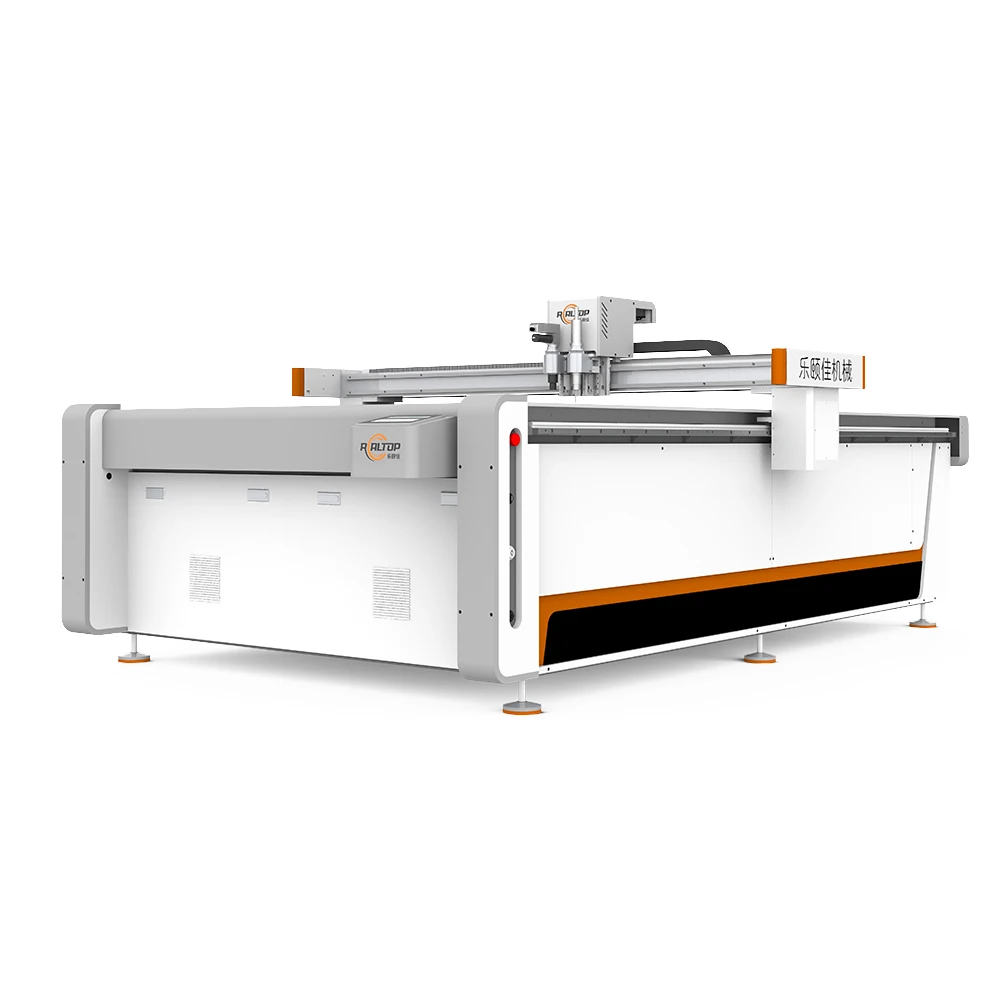
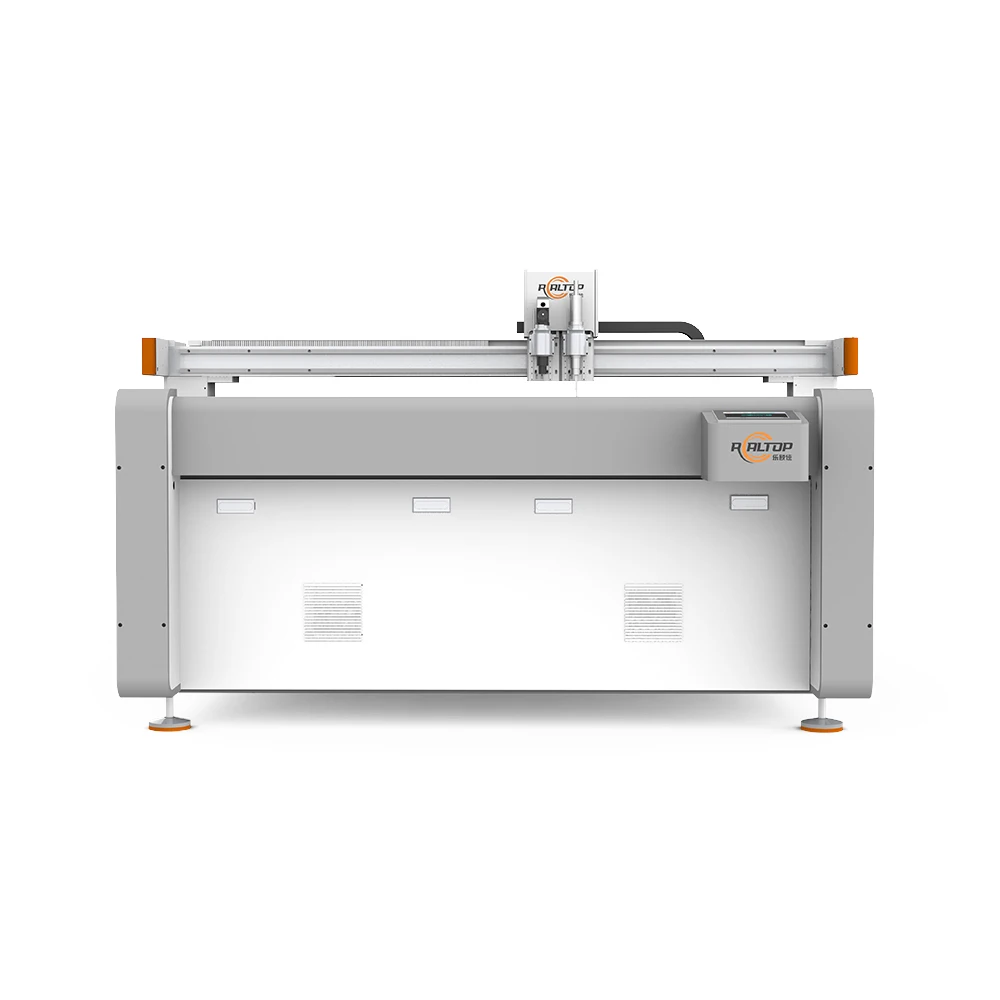
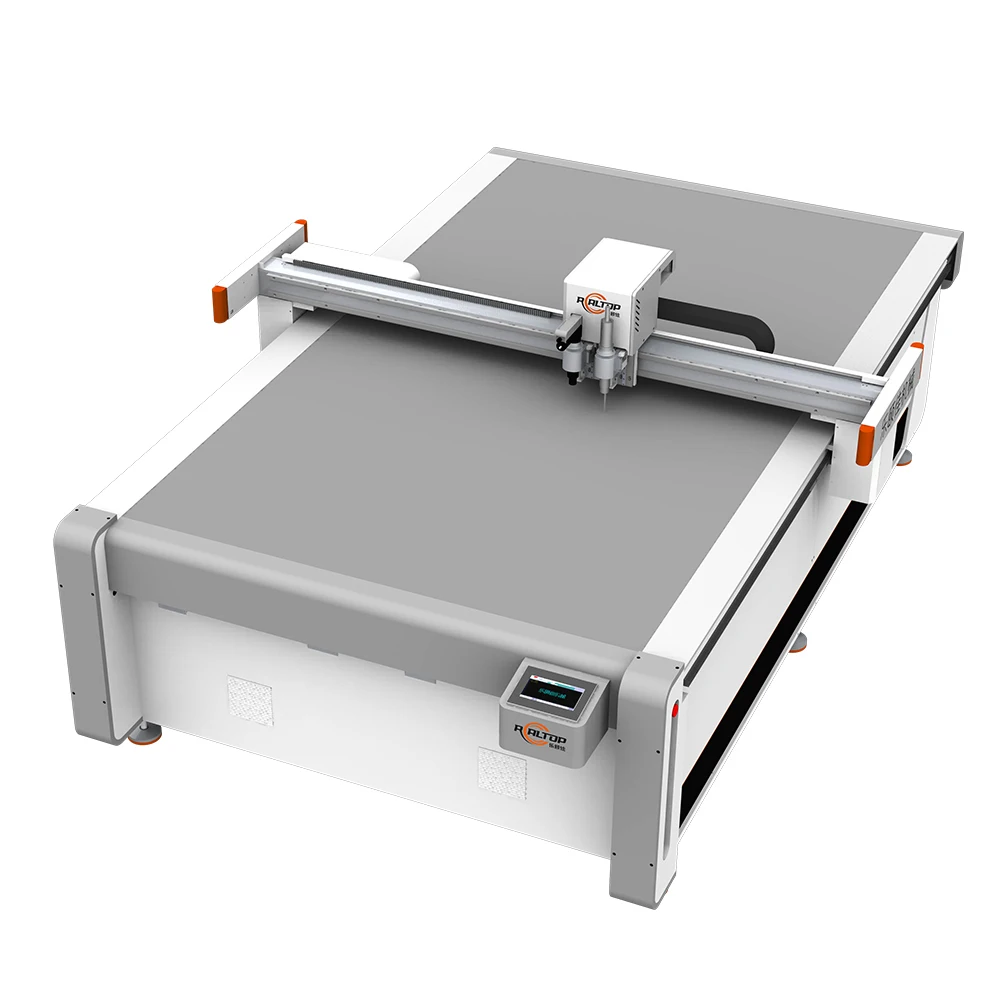
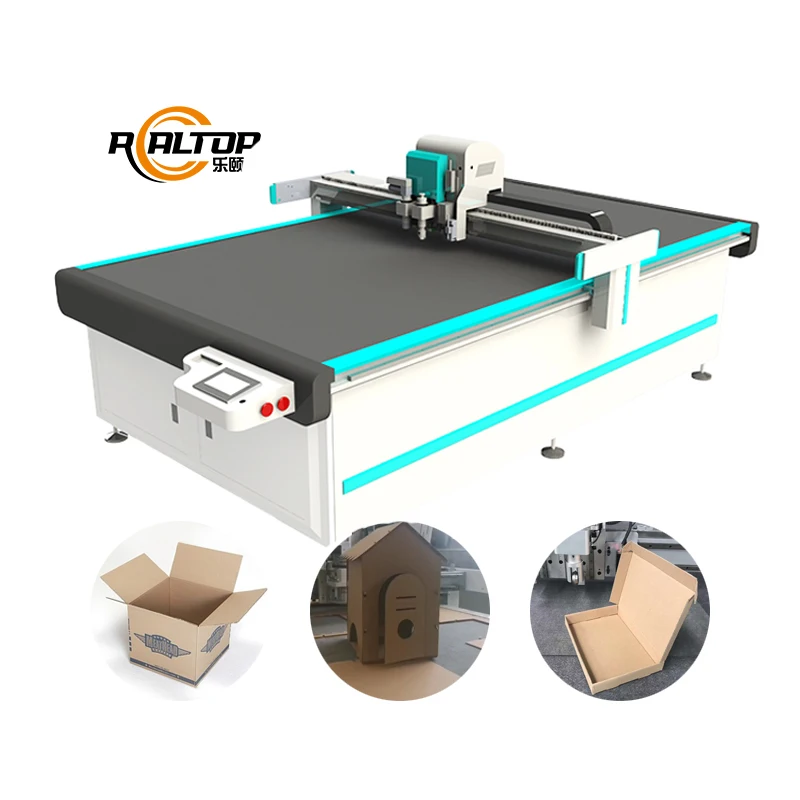
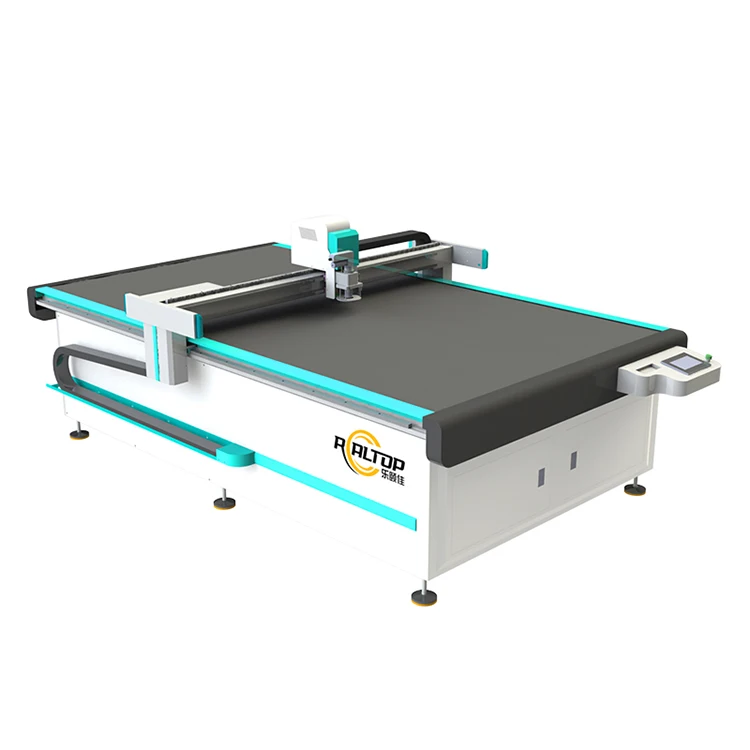
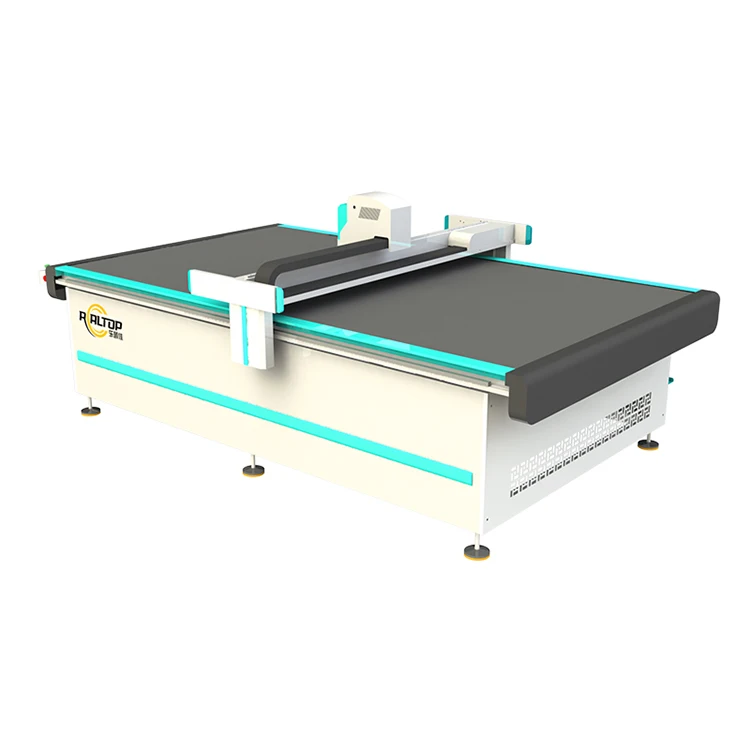
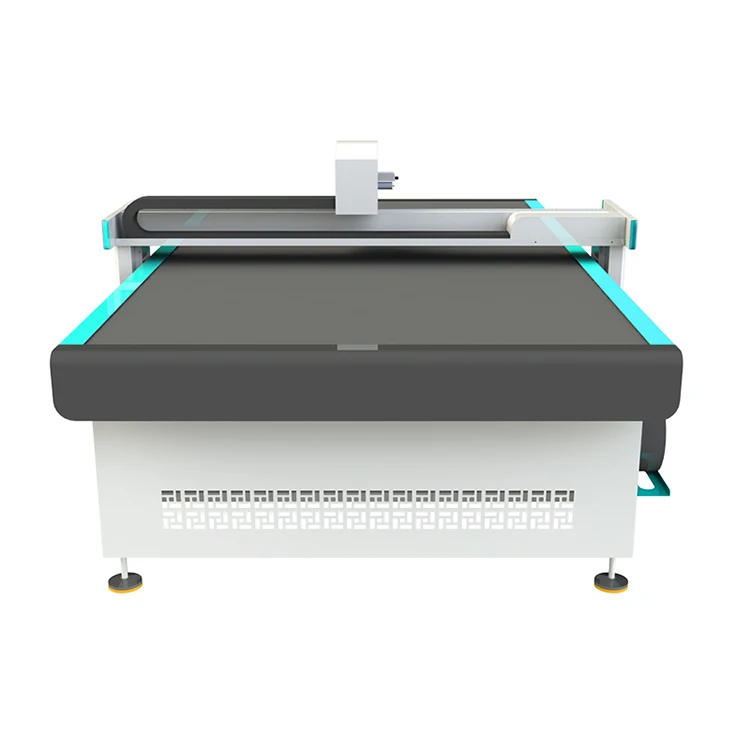
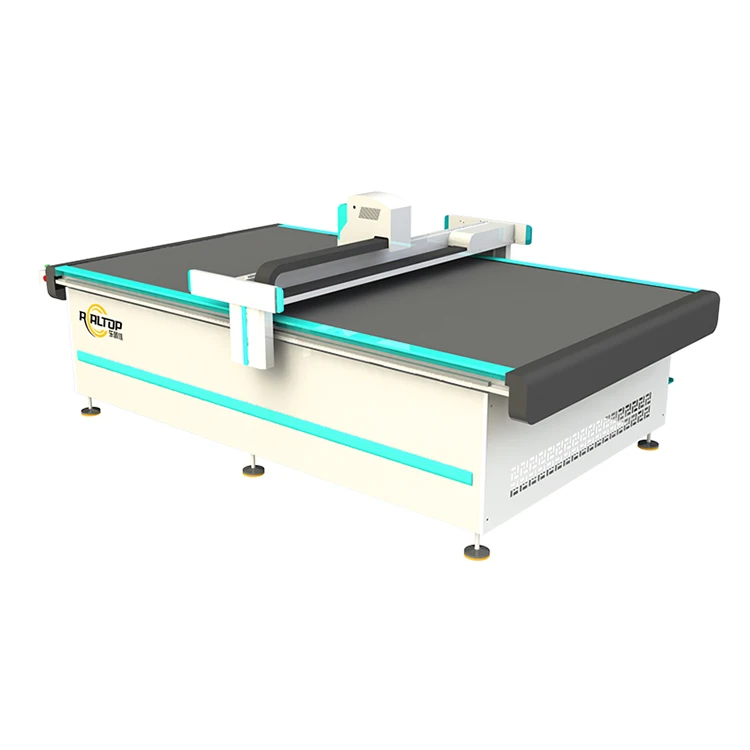
| Product Type | CNC Oscillating Knife Cutting Machine for Packaging |
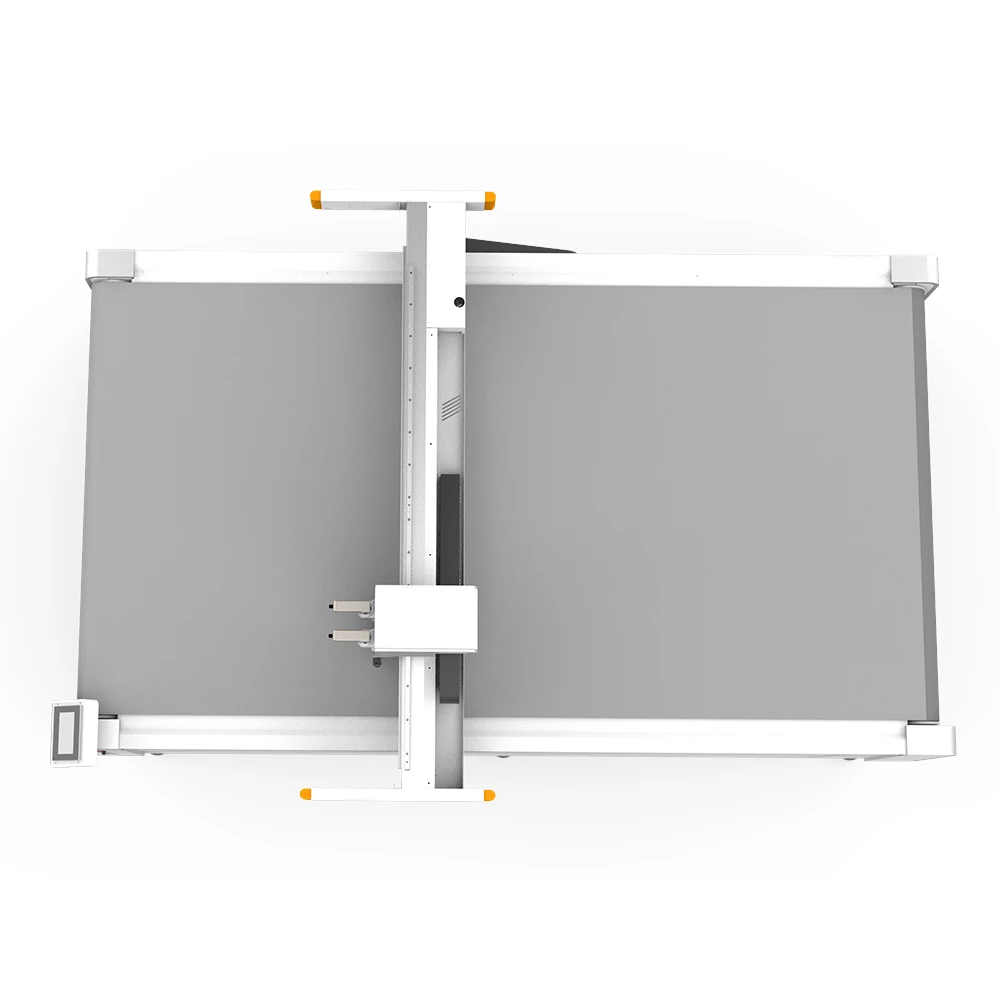
| Working Area | 1600 × 2500 mm |
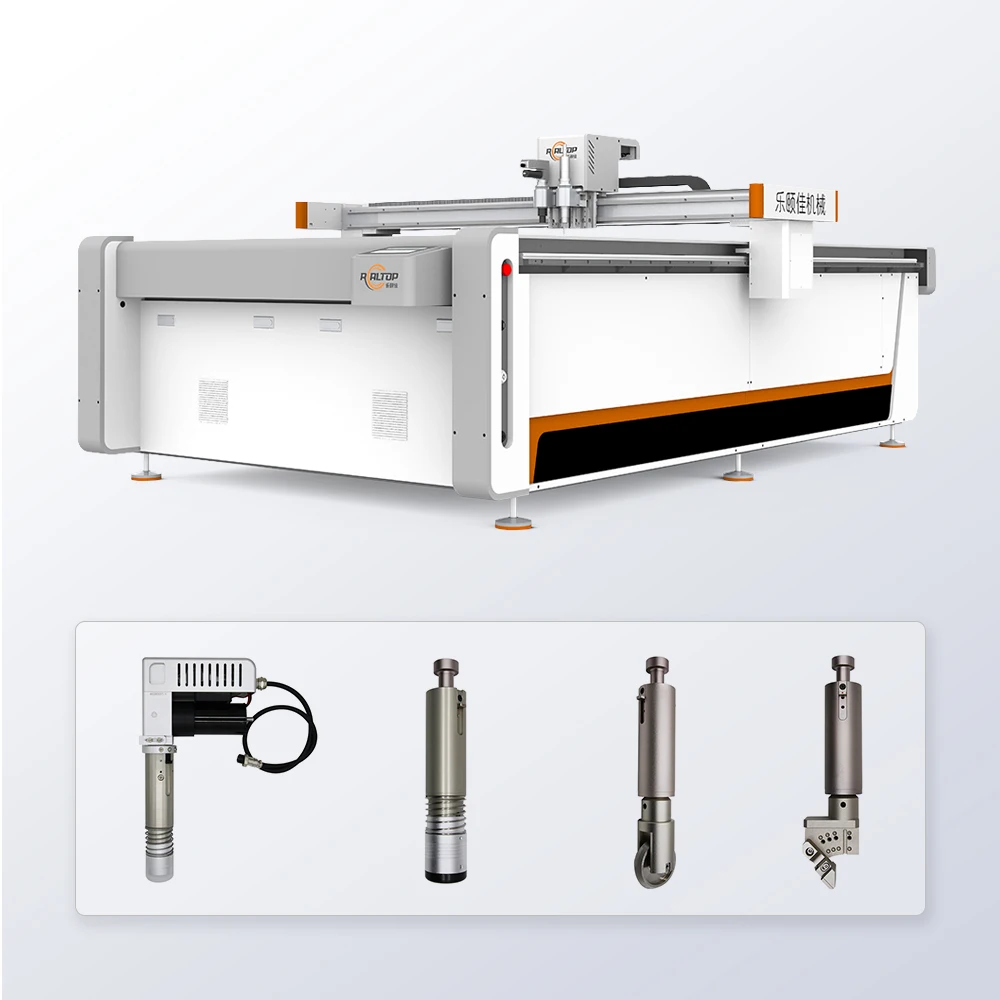
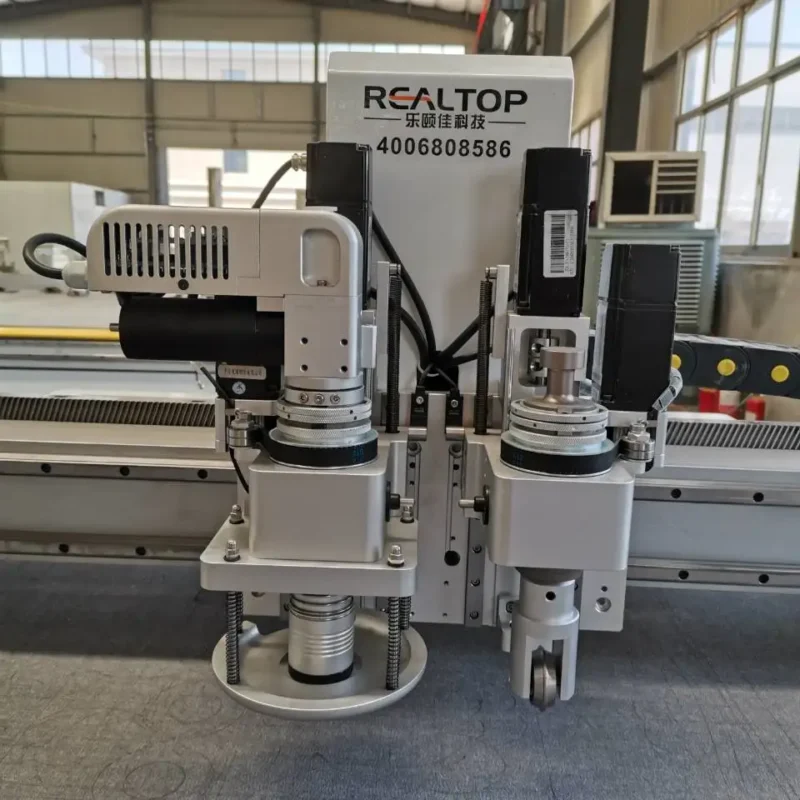
| Tool Head Options | Oscillating knife, Driven rotary knife, Creasing wheel, Kiss cutting tool, Pneumatic knife, Milling tool, V groove knife |
| Cutting Speed | 0 – 1500 mm/s |
| Cutting Thickness | ≤ 40 mm (basis not stated in source — confirm specific material type and density) |
| Cutting Accuracy | ±0.1 mm |
| Vacuum Pump Power | 9 kW |
| Vacuum Table | Aluminum bellows vacuum table with high flatness |
| Servo Drive Options | Panasonic, Delta, Dorna |
| Control System | PLC control panel with intuitive interface |
| File Formats | PLT, DXF, AI, PDF |
| Software | Dedicated packaging box structure design software |
| Voltage Options | 110V, 220V, 380V |
| Language Options | English, Russian, Italian, Chinese (custom languages available) |
| Safety Device | Infrared sensor device and emergency stop device |
| Overall Dimensions (L×W×H) | 3300 × 2100 × 1350 mm |
| Standards | CE |
Application Suitability
| Application | Material or Output |
|---|---|
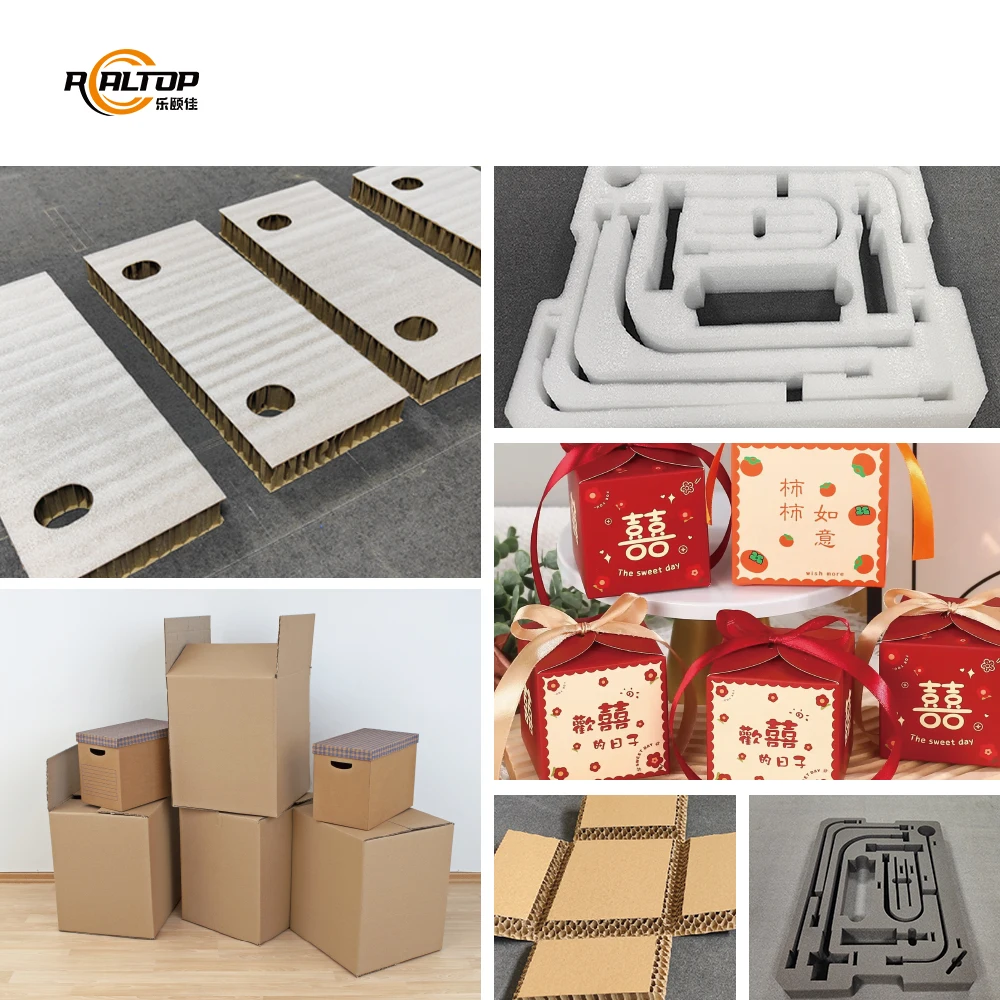
| Corrugated carton sample making | E-flute, B-flute, BC-flute corrugated board |
| Folding carton and cardstock prototyping | Greyboard, art paper, specialty paper, cardstock |
| Protective foam insert cutting | EVA, EPE, PU foam sheets |
| Gasket and seal production | Rubber mats, PTFE, composite gasket materials |
| Mixed-material packaging components | Adhesive-backed laminates, thin PVC/PET sheets, synthetic leather |
| Short-run box production | Single-wall and double-wall corrugated without die molds |
Why Specifying Flute Type Before Ordering Prevents Costly Rework
A machine rated only by working area will underperform the moment it meets a material it was never configured for.
I have watched container loads arrive at packaging workshops where the buyer selected a bed size, confirmed the price, and signed off — without ever mentioning they run triple-wall corrugated on Mondays and foam gaskets on Thursdays. The oscillating knife that slices through E-flute cleanly may crush BC-flute if the Z-axis stroke and oscillation frequency were not chosen for that density [NEED_CITE: oscillation frequency requirements by corrugated flute profile]. A CNC oscillating knife cutting machine manufacturer worth engaging will ask for your thickest and most abrasive material before proposing a tool head, because swapping heads after delivery means downtime and edge-quality compromise on your first production run.
Matching Tool Heads to Board Grade and Substrate
The 1625 platform supports seven interchangeable tool heads — oscillating knife, driven rotary knife, creasing wheel, kiss cutting tool, pneumatic knife, milling tool, and V groove knife. An oscillating knife handles most single-wall corrugated and greyboard cleanly, while a driven rotary knife suits long straight cuts on thicker foam inserts. The creasing wheel scores fold lines without cutting through the face stock, critical when you need a sharp hinge on a folding carton. Selecting the correct head before shipment means the machine arrives ready for your actual material stack rather than a generic test sheet.
Vacuum Hold-Down and Small-Part Stability
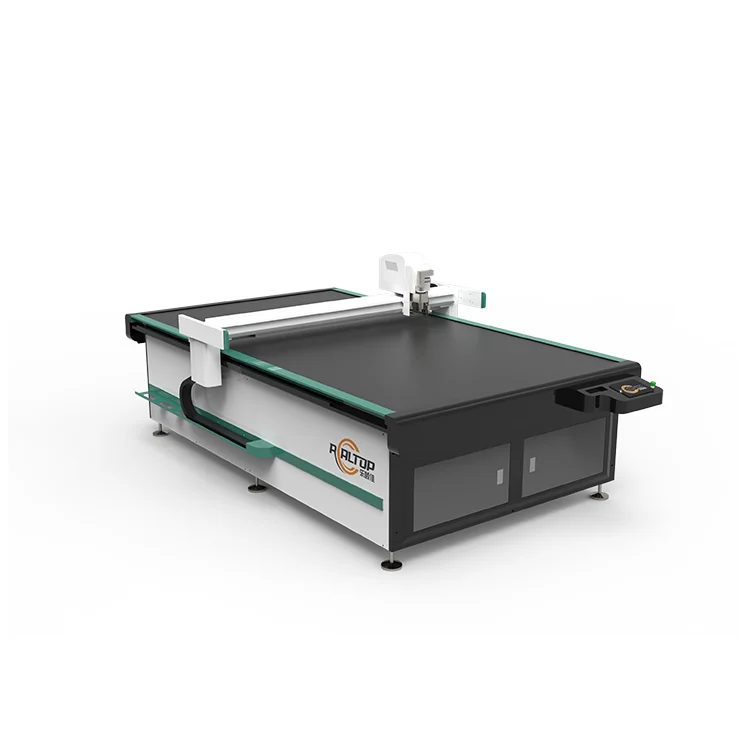
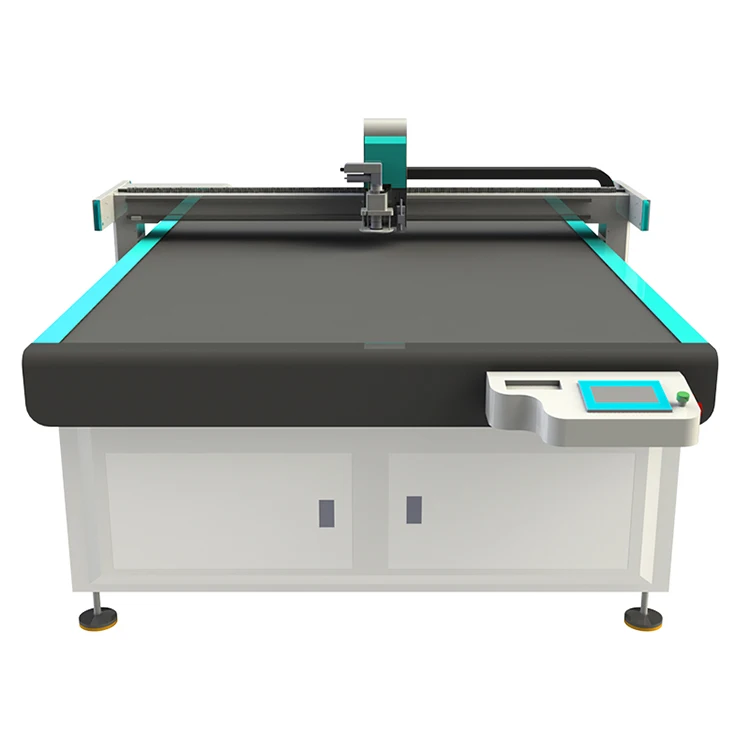
The aluminum bellows vacuum table spans the full 1600 × 2500 mm working area, and the 9 kW vacuum pump provides the suction needed to keep lightweight cardstock and thin PVC flat during high-speed passes. On smaller cut parts — think gasket pads or carton divider slots — inadequate hold-down causes material lift, which shifts the cut path by fractions of a millimetre [NEED_CITE: vacuum zoning requirements for small-part digital cutting]. Confirming whether your typical nesting layout includes many small geometries or mostly full-sheet outlines determines whether a zoned vacuum table configuration is necessary for your workflow.
Reading the Specs That Actually Matter
The ±0.1 mm cutting accuracy governs how tightly scored fold lines align with cut edges on intricate box structures — a tolerance drift beyond this range produces misaligned flaps that fail glue-line inspection. The 0 – 1500 mm/s cutting speed range defines your throughput ceiling on simple outlines, though real-world speed drops on complex geometries with frequent direction changes. File format support for PLT, DXF, AI, and PDF means the dedicated packaging box structure design software can import files from most mainstream CAD packages without intermediate conversion, reducing the chance of lost crease-line data during translation. The PLC control panel with configurable language options — English, Russian, Italian, Chinese, or a custom language — ensures the operator reads menus in a familiar script, which matters on a busy shop floor where misread parameters cause scrap.
The Hidden Cost of Wrong Configuration Choices
Buyers who skip the material-thickness conversation often discover that the Z-axis stroke is insufficient for their thickest substrate, leaving the knife unable to penetrate fully through BC-flute or dense EVA foam. A vacuum table without adequate zoning lets small offcuts lift mid-pass, dragging through the knife and leaving burrs on adjacent parts [NEED_CITE: material lift incidents in oscillating knife cutting]. Wrong voltage confirmation before shipment means the machine sits idle until a transformer arrives, sometimes weeks after installation day.
Why Procurement Through This Range Works
The range covers both knife and laser cutting technologies in-house, so a buyer cutting corrugated board and acrylic display stands can match each material to the correct method rather than forcing one process onto both. Tool head and table configuration are specified per material and production volume, not left as a generic default. CCD camera positioning is available for printed contour work where registration marks must be tracked at speed. Software compatibility is confirmed before the order is placed, so your existing PLT or AI files open without data loss. Voltage, plug type, and control language are locked in before production, eliminating the transformer-and-adapter scramble on arrival. Sample cutting on your own material before commitment verifies edge quality and achievable thickness on the exact substrate you will run daily.
Documentation & Verification
- Machine specification sheet listing confirmed tool head and vacuum table zone layout
- Electrical schematic with voltage, frequency, and plug type validated for your facility
- Sample cutting report on your corrugated or foam substrate with edge photographs
- Software licence and file format compatibility note for PLT, DXF, AI, PDF imports
- Factory test record documenting cutting accuracy and creasing alignment before dispatch
- Spare parts list covering knives, creasing wheels, and vacuum table seals
Installation, Commissioning & Support
- Floor space of at least 4000 × 3000 mm required to accommodate the 3300 × 2100 × 1350 mm frame and operator access
- Dedicated circuit matching confirmed voltage option — 110V, 220V, or 380V — with appropriate breaker rating for the 9 kW vacuum pump
- Machine ships with removable gantry for container loading; on-site reassembly and leveling of the aluminum bellows table required
- First-run calibration of oscillating knife depth and creasing wheel pressure against your specific board grade
- Operator training on PLC panel menus in confirmed language, including tool offset entry and file import workflow
- Consumable spare kit supplied with initial knife blades and creasing wheels matched to your material profile
What to Include in Your Inquiry
Send your thickest and most abrasive material sample along with the flute profile or foam density you run most often. Confirm the local voltage and frequency at your facility, the preferred control panel language, and whether your existing design files are in PLT, DXF, AI, or PDF format. If you need sample cutting before committing, ship a few sheets of your actual substrate so the tool head and vacuum configuration can be validated against real edge quality and creasing results.
Frequently Asked Questions
Q: How do I choose between oscillating knife and laser cutting for my packaging materials?
A: Knife cutting suits corrugated board, foam, and gasket materials where a clean mechanical edge is needed without heat sealing. Laser cutting is preferred for acrylic, wood, and textiles where edge sealing or engraving is required. Specifying your primary material lets the correct method be recommended before quotation.
Q: What information determines the right tool head and working area for my application?
A: Your maximum sheet size defines the working area, while material type, thickness, and whether you need creasing or kiss cutting determines the tool head. Provide your thickest substrate and the flute profile or foam density so the Z-axis stroke and oscillation settings can be matched accordingly.
Q: Can voltage, plug type, and control language be customised before shipment?
A: Yes. The machine supports 110V, 220V, or 380V configurations, and plug type is set to match your local standard. The PLC control panel language is selectable from English, Russian, Italian, Chinese, or a custom language confirmed during the order process to avoid on-site confusion.
Q: How is cutting accuracy verified on my specific corrugated or foam board?
A: A sample cutting test on your actual material is performed before shipment. The ±0.1 mm accuracy is checked by measuring cut-to-crease alignment and edge straightness on the flute profile or foam density you specified, and a report with photographs is provided for your review.
Q: Will the software work with my existing packaging design files?
A: The dedicated packaging box structure design software imports PLT, DXF, AI, and PDF formats directly. Compatibility is confirmed before order by testing a sample file from your current workflow to ensure crease lines, cut paths, and layer data transfer without conversion errors.
Cutting Method Matched to Material — Knife and laser options configured per corrugated flute profile and foam density, avoiding forced one-method compromises on packaging substrates.
Technical Specifications
| Parameter | Value |
|---|---|
| Model | 1625 |
| Product Type | CNC Oscillating Knife Cutting Machine for Packaging |
| Working Area | 1600 × 2500 mm |
| Tool Head Options | Oscillating knife, Driven rotary knife, Creasing wheel, Kiss cutting tool, Pneumatic knife, Milling tool, V groove knife |
| Cutting Speed | 0 – 1500 mm/s |
| Cutting Thickness | ≤ 40 mm (basis not stated in source — confirm specific material type and density) |
| Cutting Accuracy | ±0.1 mm |
| Vacuum Pump Power | 9 kW |
| Vacuum Table | Aluminum bellows vacuum table with high flatness |
| Servo Drive Options | Panasonic, Delta, Dorna |
| Control System | PLC control panel with intuitive interface |
| File Formats | PLT, DXF, AI, PDF |
| Software | Dedicated packaging box structure design software |
| Voltage Options | 110V, 220V, 380V |
| Language Options | English, Russian, Italian, Chinese (custom languages available) |
| Safety Device | Infrared sensor device and emergency stop device |
| Overall Dimensions (L×W×H) | 3300 × 2100 × 1350 mm |
| Standards | CE |
Application Suitability
| Application | Material or Output |
|---|---|
| Corrugated carton sample making | E-flute, B-flute, BC-flute corrugated board |
| Folding carton and cardstock prototyping | Greyboard, art paper, specialty paper, cardstock |
| Protective foam insert cutting | EVA, EPE, PU foam sheets |
| Gasket and seal production | Rubber mats, PTFE, composite gasket materials |
| Mixed-material packaging components | Adhesive-backed laminates, thin PVC/PET sheets, synthetic leather |
| Short-run box production | Single-wall and double-wall corrugated without die molds |
Why Specifying Flute Type Before Ordering Prevents Costly Rework
A machine rated only by working area will underperform the moment it meets a material it was never configured for.
I have watched container loads arrive at packaging workshops where the buyer selected a bed size, confirmed the price, and signed off — without ever mentioning they run triple-wall corrugated on Mondays and foam gaskets on Thursdays. The oscillating knife that slices through E-flute cleanly may crush BC-flute if the Z-axis stroke and oscillation frequency were not chosen for that density [NEED_CITE: oscillation frequency requirements by corrugated flute profile]. A CNC oscillating knife cutting machine manufacturer worth engaging will ask for your thickest and most abrasive material before proposing a tool head, because swapping heads after delivery means downtime and edge-quality compromise on your first production run.
Matching Tool Heads to Board Grade and Substrate
The 1625 platform supports seven interchangeable tool heads — oscillating knife, driven rotary knife, creasing wheel, kiss cutting tool, pneumatic knife, milling tool, and V groove knife. An oscillating knife handles most single-wall corrugated and greyboard cleanly, while a driven rotary knife suits long straight cuts on thicker foam inserts. The creasing wheel scores fold lines without cutting through the face stock, critical when you need a sharp hinge on a folding carton. Selecting the correct head before shipment means the machine arrives ready for your actual material stack rather than a generic test sheet.
Vacuum Hold-Down and Small-Part Stability
The aluminum bellows vacuum table spans the full 1600 × 2500 mm working area, and the 9 kW vacuum pump provides the suction needed to keep lightweight cardstock and thin PVC flat during high-speed passes. On smaller cut parts — think gasket pads or carton divider slots — inadequate hold-down causes material lift, which shifts the cut path by fractions of a millimetre [NEED_CITE: vacuum zoning requirements for small-part digital cutting]. Confirming whether your typical nesting layout includes many small geometries or mostly full-sheet outlines determines whether a zoned vacuum table configuration is necessary for your workflow.
Reading the Specs That Actually Matter
The ±0.1 mm cutting accuracy governs how tightly scored fold lines align with cut edges on intricate box structures — a tolerance drift beyond this range produces misaligned flaps that fail glue-line inspection. The 0 – 1500 mm/s cutting speed range defines your throughput ceiling on simple outlines, though real-world speed drops on complex geometries with frequent direction changes. File format support for PLT, DXF, AI, and PDF means the dedicated packaging box structure design software can import files from most mainstream CAD packages without intermediate conversion, reducing the chance of lost crease-line data during translation. The PLC control panel with configurable language options — English, Russian, Italian, Chinese, or a custom language — ensures the operator reads menus in a familiar script, which matters on a busy shop floor where misread parameters cause scrap.
The Hidden Cost of Wrong Configuration Choices
Buyers who skip the material-thickness conversation often discover that the Z-axis stroke is insufficient for their thickest substrate, leaving the knife unable to penetrate fully through BC-flute or dense EVA foam. A vacuum table without adequate zoning lets small offcuts lift mid-pass, dragging through the knife and leaving burrs on adjacent parts [NEED_CITE: material lift incidents in oscillating knife cutting]. Wrong voltage confirmation before shipment means the machine sits idle until a transformer arrives, sometimes weeks after installation day.
Why Procurement Through This Range Works
The range covers both knife and laser cutting technologies in-house, so a buyer cutting corrugated board and acrylic display stands can match each material to the correct method rather than forcing one process onto both. Tool head and table configuration are specified per material and production volume, not left as a generic default. CCD camera positioning is available for printed contour work where registration marks must be tracked at speed. Software compatibility is confirmed before the order is placed, so your existing PLT or AI files open without data loss. Voltage, plug type, and control language are locked in before production, eliminating the transformer-and-adapter scramble on arrival. Sample cutting on your own material before commitment verifies edge quality and achievable thickness on the exact substrate you will run daily.
Documentation & Verification
- Machine specification sheet listing confirmed tool head and vacuum table zone layout
- Electrical schematic with voltage, frequency, and plug type validated for your facility
- Sample cutting report on your corrugated or foam substrate with edge photographs
- Software licence and file format compatibility note for PLT, DXF, AI, PDF imports
- Factory test record documenting cutting accuracy and creasing alignment before dispatch
- Spare parts list covering knives, creasing wheels, and vacuum table seals
Installation, Commissioning & Support
- Floor space of at least 4000 × 3000 mm required to accommodate the 3300 × 2100 × 1350 mm frame and operator access
- Dedicated circuit matching confirmed voltage option — 110V, 220V, or 380V — with appropriate breaker rating for the 9 kW vacuum pump
- Machine ships with removable gantry for container loading; on-site reassembly and leveling of the aluminum bellows table required
- First-run calibration of oscillating knife depth and creasing wheel pressure against your specific board grade
- Operator training on PLC panel menus in confirmed language, including tool offset entry and file import workflow
- Consumable spare kit supplied with initial knife blades and creasing wheels matched to your material profile
What to Include in Your Inquiry
Send your thickest and most abrasive material sample along with the flute profile or foam density you run most often. Confirm the local voltage and frequency at your facility, the preferred control panel language, and whether your existing design files are in PLT, DXF, AI, or PDF format. If you need sample cutting before committing, ship a few sheets of your actual substrate so the tool head and vacuum configuration can be validated against real edge quality and creasing results.
Frequently Asked Questions
Q: How do I choose between oscillating knife and laser cutting for my packaging materials?
A: Knife cutting suits corrugated board, foam, and gasket materials where a clean mechanical edge is needed without heat sealing. Laser cutting is preferred for acrylic, wood, and textiles where edge sealing or engraving is required. Specifying your primary material lets the correct method be recommended before quotation.
Q: What information determines the right tool head and working area for my application?
A: Your maximum sheet size defines the working area, while material type, thickness, and whether you need creasing or kiss cutting determines the tool head. Provide your thickest substrate and the flute profile or foam density so the Z-axis stroke and oscillation settings can be matched accordingly.
Q: Can voltage, plug type, and control language be customised before shipment?
A: Yes. The machine supports 110V, 220V, or 380V configurations, and plug type is set to match your local standard. The PLC control panel language is selectable from English, Russian, Italian, Chinese, or a custom language confirmed during the order process to avoid on-site confusion.
Q: How is cutting accuracy verified on my specific corrugated or foam board?
A: A sample cutting test on your actual material is performed before shipment. The ±0.1 mm accuracy is checked by measuring cut-to-crease alignment and edge straightness on the flute profile or foam density you specified, and a report with photographs is provided for your review.
Q: Will the software work with my existing packaging design files?
A: The dedicated packaging box structure design software imports PLT, DXF, AI, and PDF formats directly. Compatibility is confirmed before order by testing a sample file from your current workflow to ensure crease lines, cut paths, and layer data transfer without conversion errors.
商品评价
There are no reviews yet.